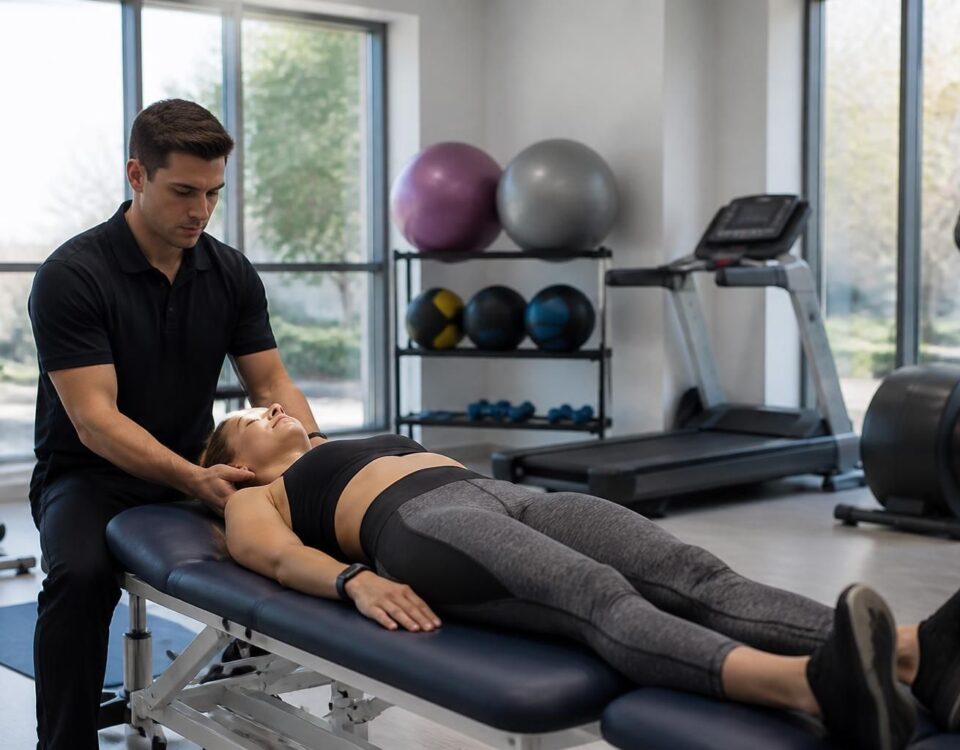
Neurovertebral decompression and chest pain: a targeted approach
26/06/2026
Neurovertebral decompression and general well-being: regaining a quality of life
26/06/2026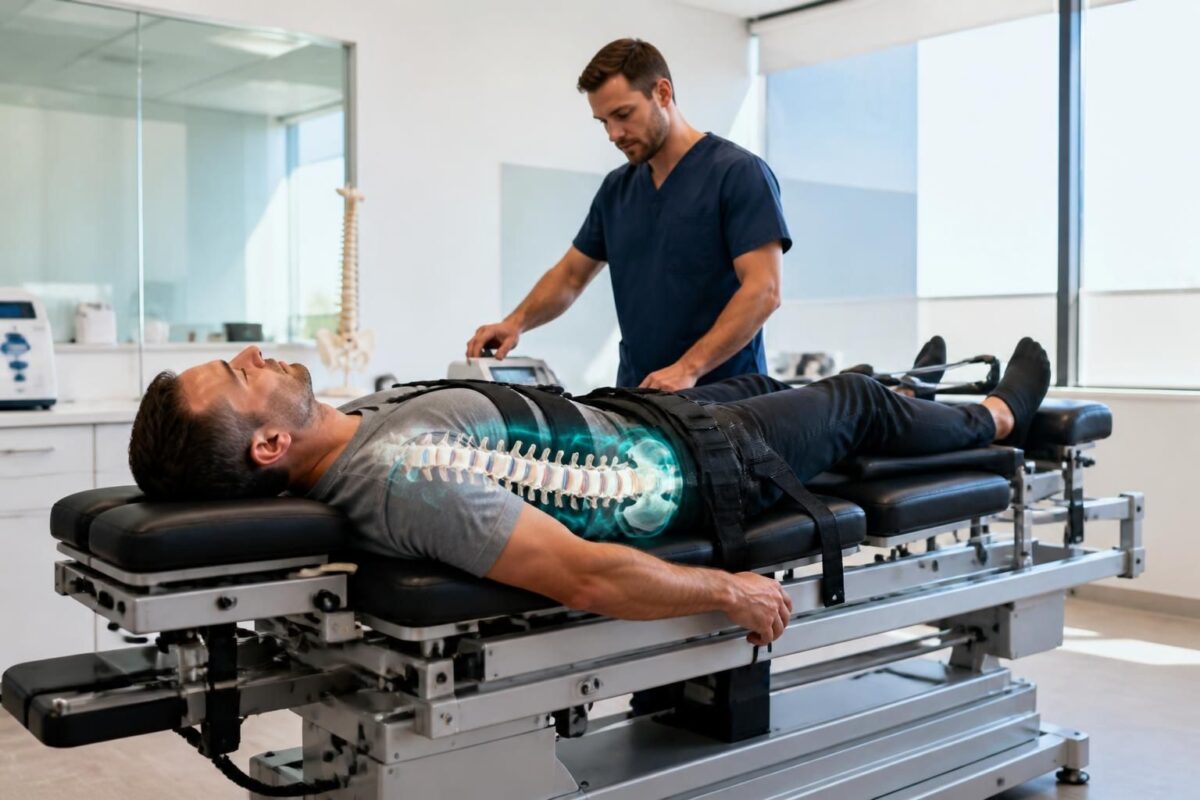
In short
In short, neurovertebral decompression is a method non-invasive which aims to relieve the back pain By reducing the pressure on the Intervertebral discs and the nerves by a Controlled traction on the column. What is it? A technique that improves intervertebral circulation and promotes the regeneration fabrics around the discs. Advantages: Sustainable relief, better mobility and reduction of inflammation, with a Safe alternative to surgery. How does it work? Personalized sessions on a traction device, gentle progression over several weeks, to release pressure and feed the discs. Accessible in Lyon, this treatment helps people with back pain to resume their activities with more comfort and less pain. |
The neurovertebral decompression acts on the spine by reducing the Pressure on the intervertebral discs and the nerves.
This release of pressure restores a Increased local blood flow and a better Fluid circulation around the vertebral segments, facilitating the contribution of nutrients and the evacuation of metabolic waste.
With a Hydration and nutrition improved discs, the Tissue regeneration can be favored, the pain decreases and the mobility Saccreases.
Quick summary: Neurovertebral decompression acts on intervertebral circulation by reducing the pressure on the discs and nerves. This pressure reduction facilitates the delivery of fluids and nutrients to the spinal tissues, improves nutrition Intervertebral discs and can relieve associated pain. This article details the mechanism, clinical uses and elements to discuss with your practitioner, while guiding you towards reliable resources to deepen the subject.
Neurovertebral decompression is a non-invasive technique that targets the spine to restore Intervertebral space and lighten the pressure on the nerves. This action creates a favorable context for the circulation of fluids and nutrients around disks, muscles and connective tissues. By promoting this flow, it contributes to the hydration and nutrition of Intervertebral discs, which can support their integrity and function.
Mechanism of action
The principle is based on controlled traction that gently stretches the column. This stretching effect increases the space between the vertebrae and releases compressions on the nerves and nerve roots. This dynamic improves the bloodstream local and facilitates the passage of nutrients to neighboring tissues. Improved microcirculation supports tissue repair and can reduce painful sensations associated with nerve pressure.
Impact on discs and nerves
By improving the perfusion around the discs, decompression promotes Tissue regeneration and rehydration of disc structures. It acts directly on the compression areas and can help calm root symptoms when the nerves are irritated. For patients with chronic back pain, this approach may result in increased mobility and decreased discomfort related to nerve pressure.
Integration in Tagmed Clinic
Neurovertebral decompression is part of a global approach to care offered by Tagmed clinics. It can be considered in addition to other therapies dedicated to the spine and pain management. To learn more about the available options, you can consult the following resources: Tagmed Clinic, and informative guides on decompression and nerve circulation accessible via Complete guide.
Evidence and clinical aspects
several sources describe how decompression can promote intervertebral circulation and improve tissue nutrition around discs. Specialized content explains how local blood flow adjusts after a session and how it can influence the progression of symptoms. For people faced with pain related to spinal disorders, the available information makes it possible to assess the interest of treatment in a specialized establishment.
To deepen the mechanisms and observable results, online resources describe how decompression can modulate the vertebral function and traffic in the areas concerned. For example, you can consult the pages dedicated to the study of intervertebral circulation and tissue repair associated with this approach via dedicated and professional sources available on sites such as Radiant pain and tissue regeneration.
Elements of comparison with other approaches can help you assess potential benefits. For example, content presents perspectives on the relationship between decompression, circulation and spinal function, while emphasizing the importance of personalized follow-up and informed choice of the practitioner.
For a more general view of the mechanisms and results, public and private resources provide guides and syntheses on neurovertebral decompression and its effects on intervertebral circulation. You can access additional information via The complete guide and associated educational pages.
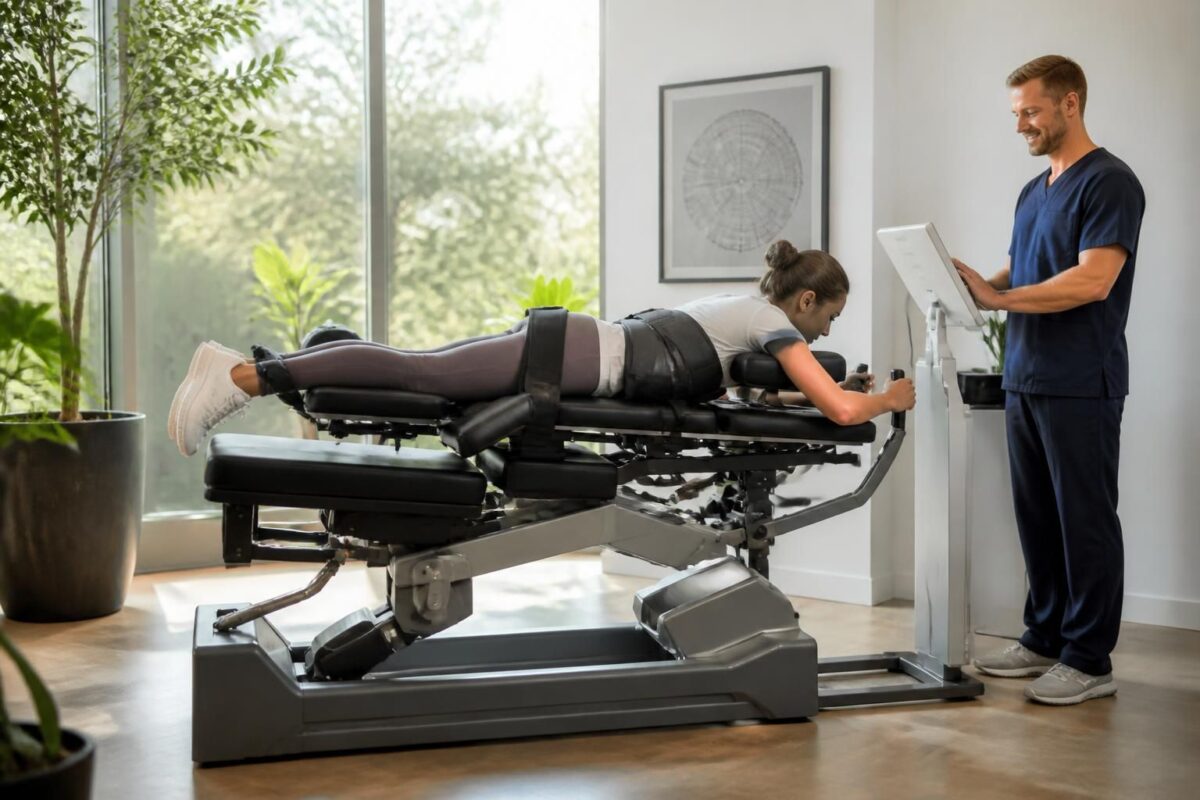
The long-term benefits of neurovertebral decompression for spinal health
In short In short, the neurovertebral decompression is a non-invasive approach that decreases the Pressure on intervertebral discs and nerves, favoring the Natural regeneration and tissue recovery. Its long-term benefits include Lasting pain reduction, Improving mobility and from the posture,…
Additional references and resources
To further explore clinical implications and feedback, these resources can be useful:
- Decompression and sciatica without surgery
- Improved spinal function
- tissue regeneration
- Disc henie and decompression
Medical Disclaimer: The information and advice provided on this site does not replace the health professional’s diagnosis or treatment. Please note that the practitioner represented in this text is not a doctor and does not necessarily have an expertise in a medical specialty defined by the Collège des Médecins du Québec. Manual medicine, functional medicine and sports medicine as described on this site exclude any medical treatment or diagnosis carried out by a doctor or specialist. Always consult your doctor for any medical questions. For more details, please read our full legal notice.
- Controlled traction : Releases the intervertebral space and decreases pressure on discs and nerves.
- Local decompression : Improves fluid drainage and blood flow around the vertebrae.
- Disc hydration : Promotes the supply of essential fluids and nutrients.
- Lumbar and cervical balancing : Reduces stress and prepares tissues for regeneration.
- Tissue nutrition : Better vascularization brings oxygen and nutrients.
- Flow recovery : Fluid redistribution that decreases pressure and improves mobility.
- Reduction of inflammation : Less irritation and pain thanks to a better diet of the tissues.
- Prevention of recurrences : Increased spinal stability and improved posture.
- Lasting effects : Progressive results over several sessions and physical activity found.

This recap highlights how the neurovertebral decompression can directly improve the intervertebral circulation. By releasing pressure on the discs and nerves, it facilitates blood supply and tissue nutrition around the vertebrae, while supporting regeneration and mobility. This non-invasive mechanism can be adapted to each profile to optimize comfort and the resumption of daily activities.

Neurovertebral decompression and mobility: a return to an active life
In short In short, the neurovertebral decompression is therapy non-invasive who uses a gentle traction To create a space between the vertebrae and reduce the pressure on the Intervertebral discs and the nerves. It promotes a bloodstream improved, lowers tension…
Decompression mechanisms and circulation
Mechanical principle and diffusion
Decompression is based on a Controlled traction applied to the spine, which increases theintervertebral space and decreases the pressure on the Intervertebral discs and the gristle. This spatial reorientation promotes the intervertebral circulation and improves the spread of nutrients as well as the evacuation of metabolic waste around the vertebrae.
In reality, this local pressure reduction allows biological exchanges to be better carried out at the level of the plateaus and neighboring tissues, supporting the regeneration and the resilience of spinal structures.
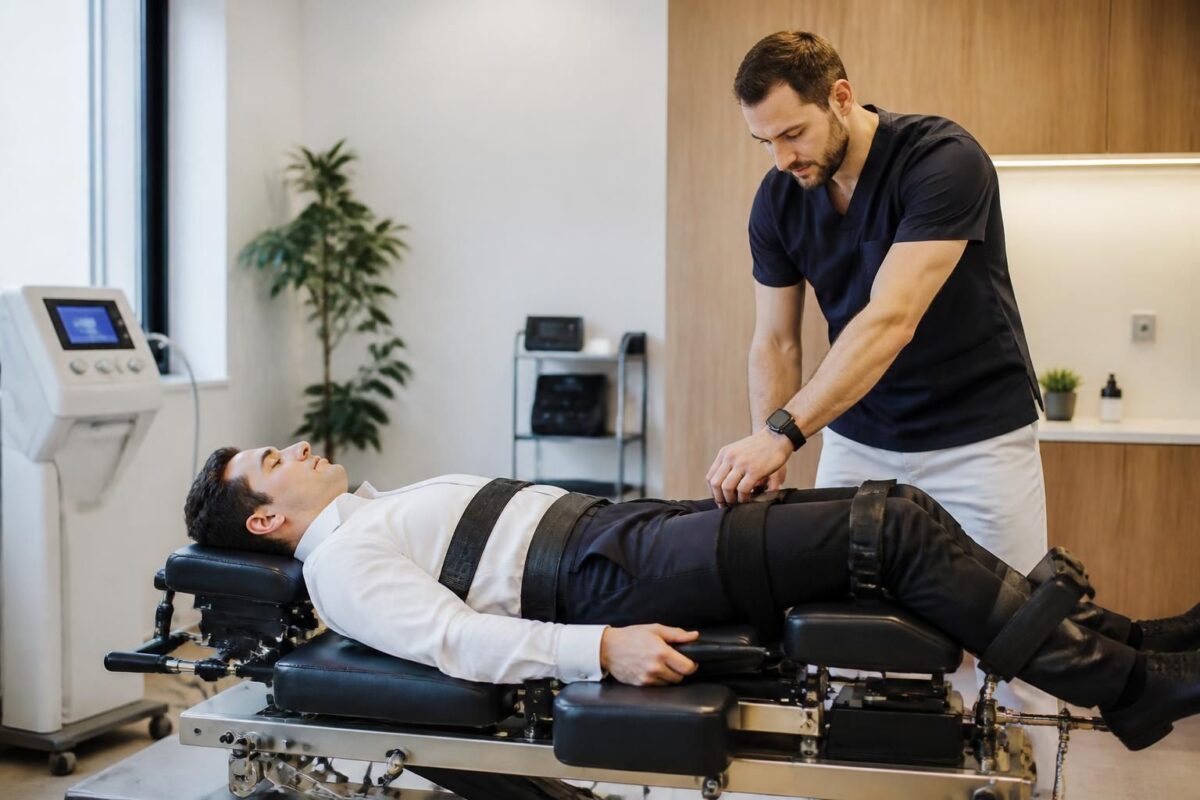
How Neurovertebral Decompression Prevents Diffuse Chronic Pain
In short decompression neurovertebral is one Non-invasive method aimed at reducing the Pressure on the intervertebral discs and the nerves, in order to prevent Diffuse chronic pain. It improves the circulation and thedisc hydration, decreases inflammation and promotes better mobility.…
Impact on disks and infusion
Nutrient influx and hydration
By releasing the compression, the Intervertebral discs can better capture water and nutrients, which contributes to better hydration and increased diffusion of vital substances to the nucleus and ring. This improvement supports the regeneration locale and strengthens the integrity of the disc-vertebra interface.
In addition, blood flow to neighboring tissues benefits from a lesser mechanical obstacle, which accelerates tissue nutrition and the evacuation of metabolic waste. The result is a local traffic more fluid and better tolerance to movement.
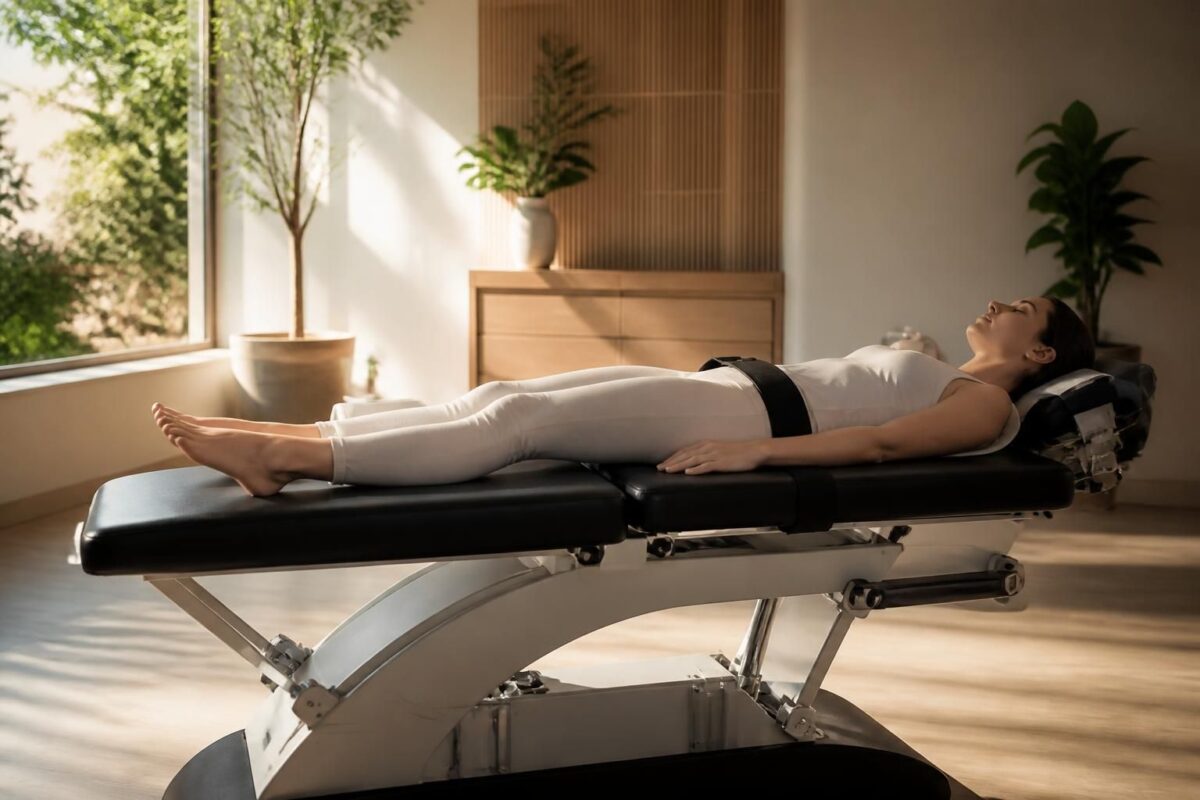
Neurovertebral Decompression and Body Alignment: Restoring Natural Balance
In short In short, neurovertebral decompression is one Non-invasive approach who restores theBody Alignment and thenatural balance back and neck. She acts by a Controlled traction of the spine to widen the intervertebral space and reduce the Pressure on discs…
Reduction of inflammation and microcirculation
Microcirculation regulation
The microcirculation Intra and perirachide improves thanks to a more regular infusion. This improvement helps to decongest inflamed areas and decrease irritating mediators, which results in a gradual reduction in pain and faster tissue recovery.
By offering better oxygenation and nutrition of neighboring nerve and muscular structures, the technique supports spinal stability and the overall function of the spine, favoring a resumption of activities without aggravation.
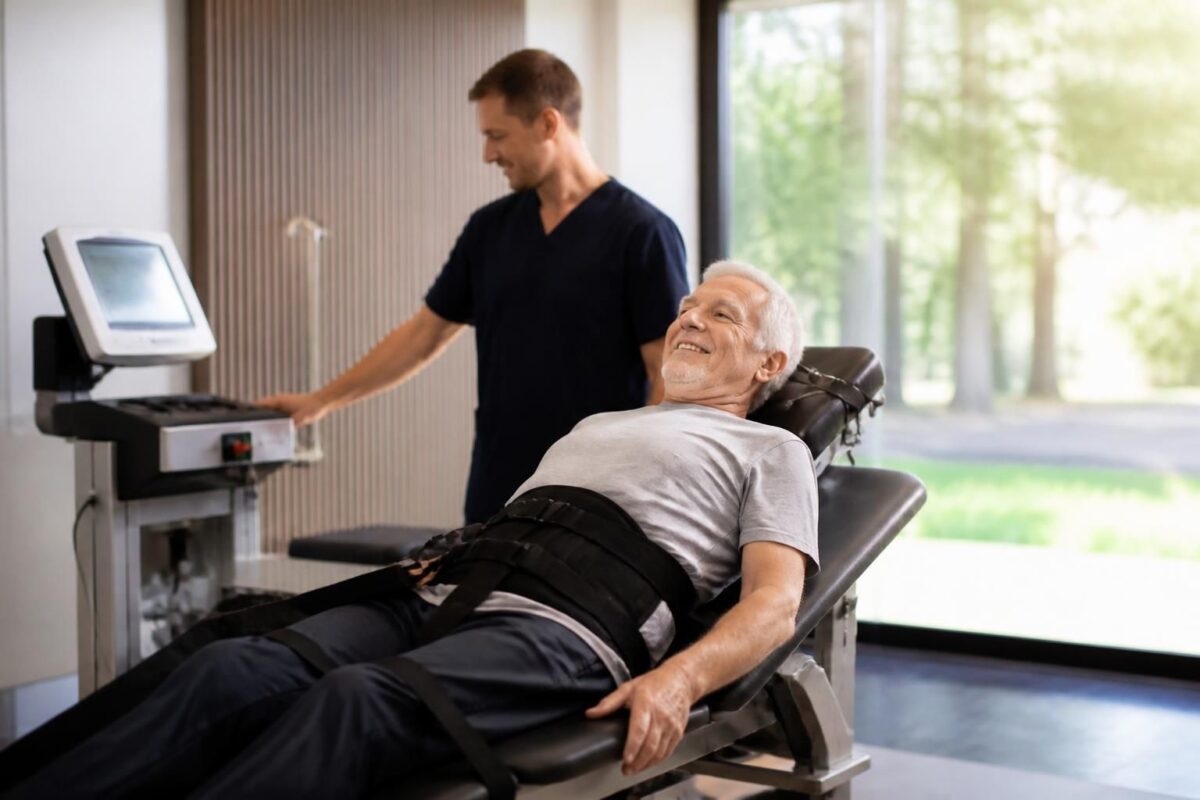
Why neurovertebral decompression is a lasting solution for active seniors
In short In short, the neurovertebral decompression is one Non-invasive therapy which sustainably relieves spinal pain in the spine active seniors By creating, by a Soft and controlled traction, a space between the vertebrae. At Montreal, it is recognized as…
Practical recommendations and protocol
Protocol and security
To optimize the effects on the intervertebral circulation, favor a personalized program: sessions typically between 20 and 45 minutes, 2 to 3 times a week, for several weeks. Intensity and duration should be adjusted according to profile, pain level and functional goals.
Safety requires prior assessment and supervision by an experienced practitioner, who adapts traction and treatment framework to preserve tissue integrity and achieve the best results in traffic and mobility.
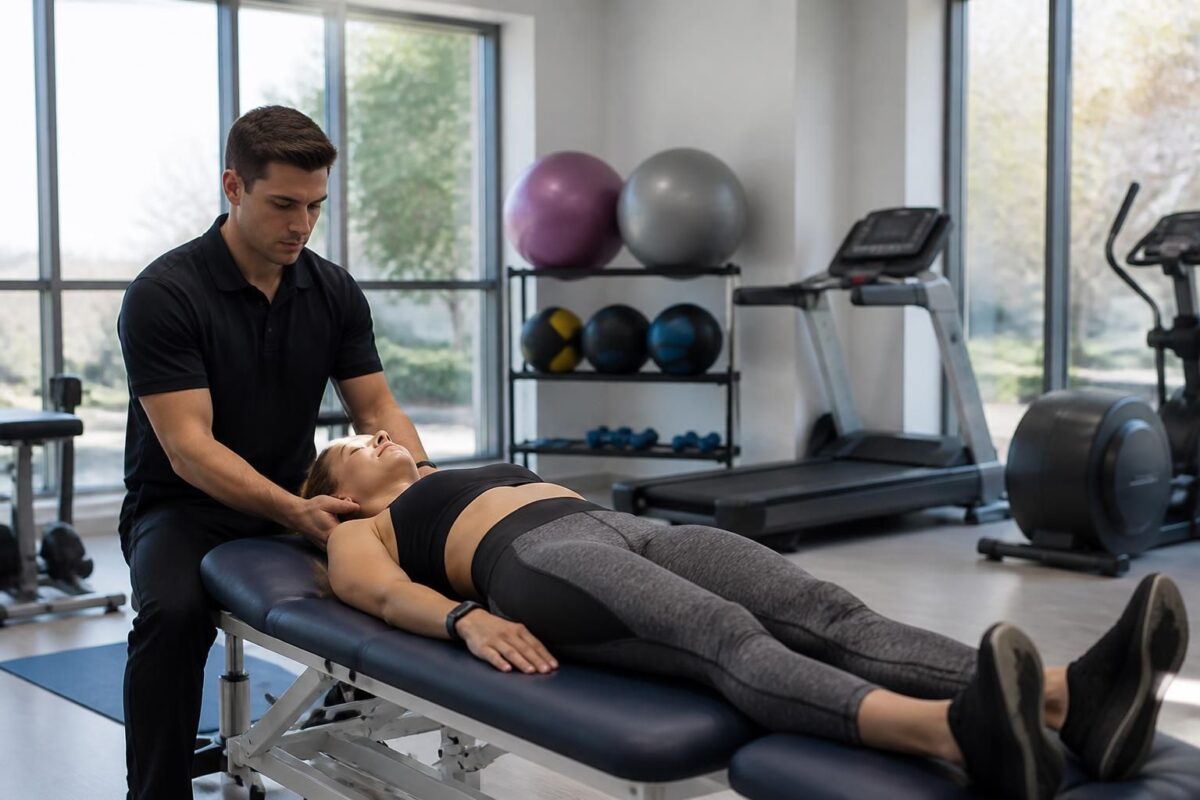
Neurovertebral decompression and recovery after severe sports injury
In short In short, the neurovertebral decompression is one Non-invasive method to Relieve the pressure on the Intervertebral discs and the gristle Via a Controlled traction, to facilitate the recovery After a severe sports injury. It improves the bloodstream towards…
Integration with complementary therapy
Combinations and lifestyle habits
Combining decompression with targeted exercises, appropriate posture and sufficient hydration enhances the beneficial effect on intervertebral circulation and disk regeneration. Advice on sleep and diet can also support recovery and quality of life.
Regular monitoring allows to assess progress in pain and mobility and to adjust the protocol to preserve a vertebral vascularization optimal in the long term, while maintaining the autonomy and well-being of the patient.
| Mechanism elements | Effect on intervertebral circulation |
|---|---|
| Controlled traction and positioning | Improve it blood flow around the segments by reducing the compression and facilitating irrigation |
| decrease in pressure On discs | Frees the intervertebral space and facilitates the spread of nutrients in disk |
| rehydration Discs and nutrition | Increases intake in fluids and nutrients to surrounding discs and tissues |
| nerve clearing and crush reduction | Decreases the Vascular compression and improves local venous drainage |
| Flow improvement Local blood | Stimulation of the microcirculation and acceleration of the repair |
| tissue release Around the discs | Reduces stress and facilitates the movement of fluids |
| Mobilization and alignment Segment Postural | Optimizes the vascular space along the floors and strengthens the drip |
| Regeneration stimulation | guide them nutrients to the injured areas and supports healing |
| Inflammation reduction segmental | Decreases the Vascular resistances and allows a blood flow smoother |
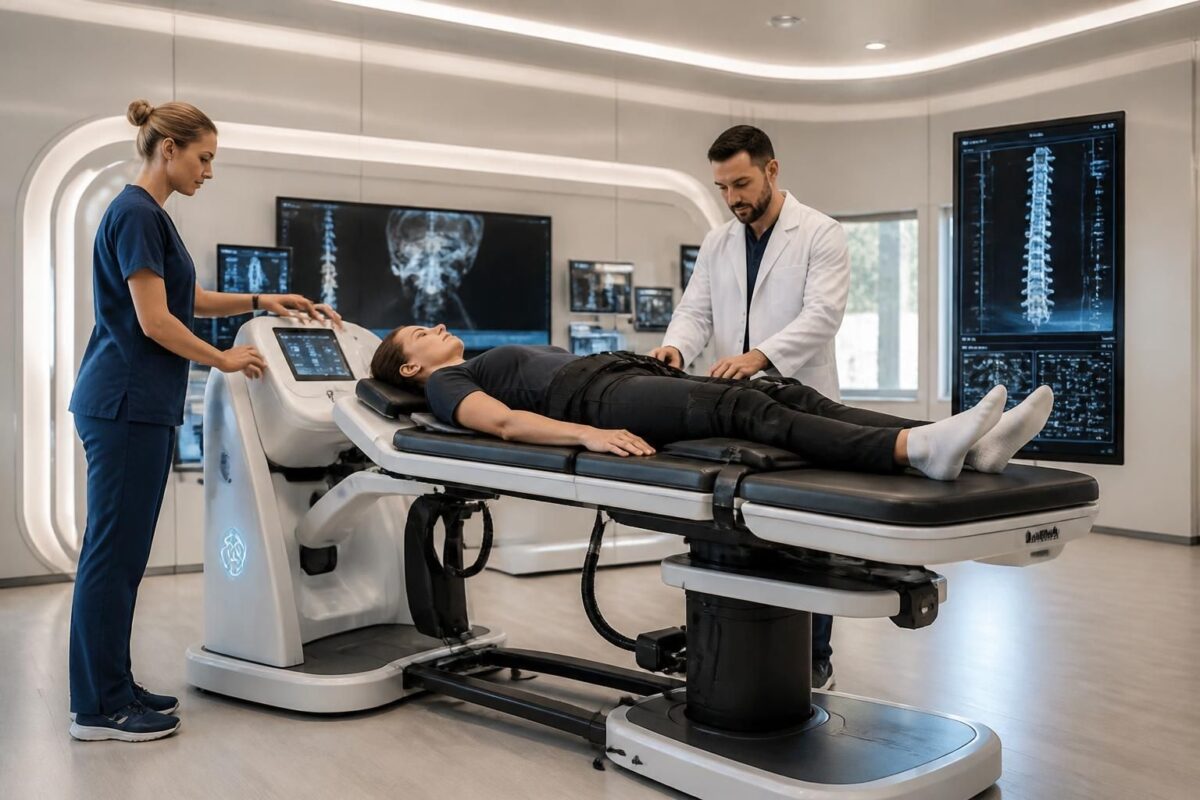
Recent innovations in neurovertebral decompression technologies
In short In short, the neurovertebral decompression is an approach non-invasive Aiming to reduce pressure on discs and nerves, and promote tissue regeneration. At Montreal, it is positioned as an effective option for lower back pain and herniated discs. The…
Testimonials: How Neurovertebral Decompression Improves Intervertebral Circulation
Jean, 70 years old: “After a few sessions, I felt a real improvement in the intervertebral circulation. The gentle traction allowed to open the space around the Intervertebral discs, and I have less this feeling of vice around the nerves. My mobility returns and the pain is becoming rarer, which gives me better energy on a daily basis. »
Marie, 68: “What I observed is better hydration and nutrition of the painful areas. My Fluid circulation In the column is gone, and it shows on my flexibility. Tensions are decreasing and I manage to redo my usual activities without constantly looking for a comfortable position. »
André, 65: “I had the impression that my column was blocked. Since the start of treatment, the intervertebral circulation is more fluid and the nerve pressure decreases. Result: less stiffness in the morning and more free breathing during my exercises. It’s like my records are breathing again. »
Sylvie, 63: “What marked me was local regeneration: the Intervertebral discs seem better hydrated and fed. The neurovertebral decompression Acts on the circulatory chain of the column, and I noticed a decrease in inflammation, which helps me to resume my gentle activities without pain turned on loops. »
Thierry, 72: “I was tired by pain that fell after the effort. With the sessions, the intervertebral circulation becomes more efficient, and my post-effort recovery is improving. I sleep better and I find simple joys like a walk without discomfort or cramps, a sign that the column is better thanks to a better circulation of fluids. »
Doctor Sylvain Desforges, expert in osteopathy, naturopathy and manual medicine, occupies a prominent place in the field of theHealth Innovation. Founding President of the TagMed Clinics and the ACMA Association, he devoted his career to developing evidence-based approaches for the treatment of Chronic pain and the integration of advanced technologies such as neurovertebral decompression, the laser and the Shockwave therapy. Its objective is to provide rigorous and appropriate care, which optimizes the health and well-being of patients.
his work on the neurovertebral decompression is part of a global and non-invasive approach, aiming to act directly on Intervertebral discs and the nerves to reduce pain and restore mobility. This method is based on a Controlled traction Applied along the spine, which creates a space between the vertebrae and unleashes the stresses on discs and nerve roots. By restoring a mechanical balance, it facilitates the circulation of fluids and promotes tissue regeneration in the most stressed areas.
The fundamental mechanism is to gradually increase the intervertebral space via tensile, which decreases compression and improves intervertebral circulation. This improvement promotes the nutrient transport towards the Intervertebral discs and accelerates the renewal of the essential feeder components of neighboring tissues. In addition, the decrease in pressure on the nerves attenuates painful signals and inflammatory reactions, thus creating a ground conducive to recovery and functional rehabilitation.
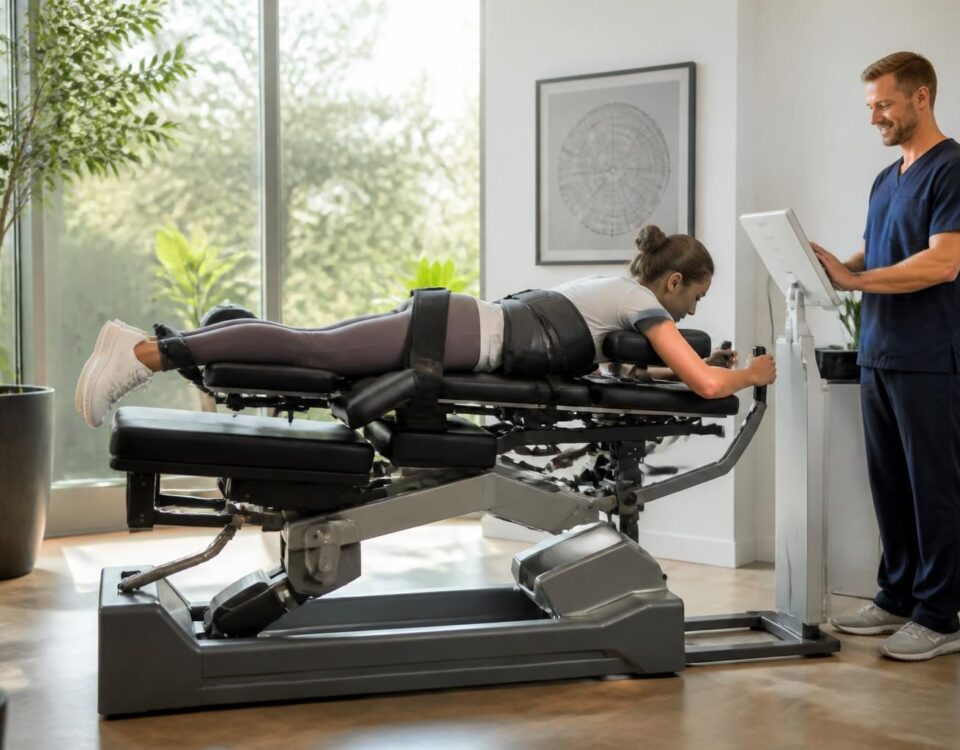
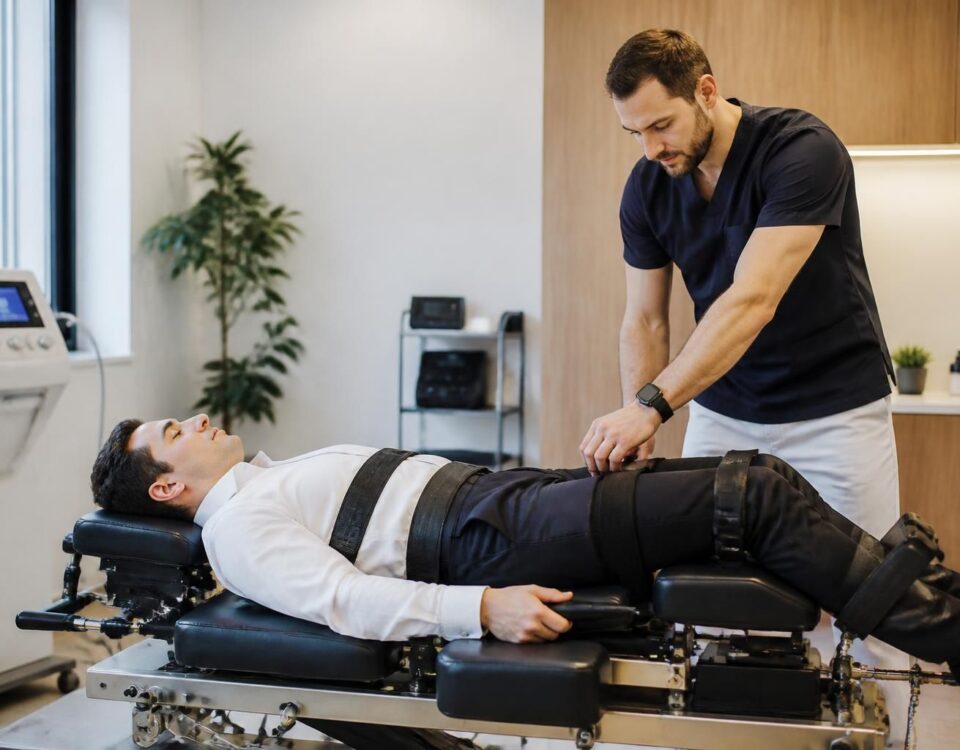
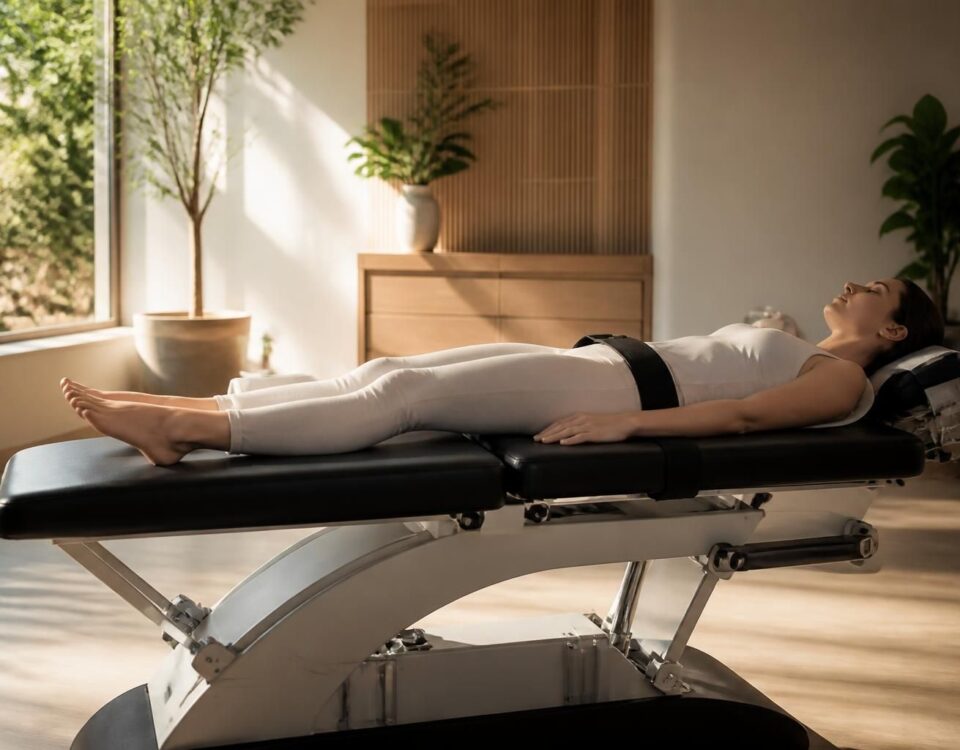
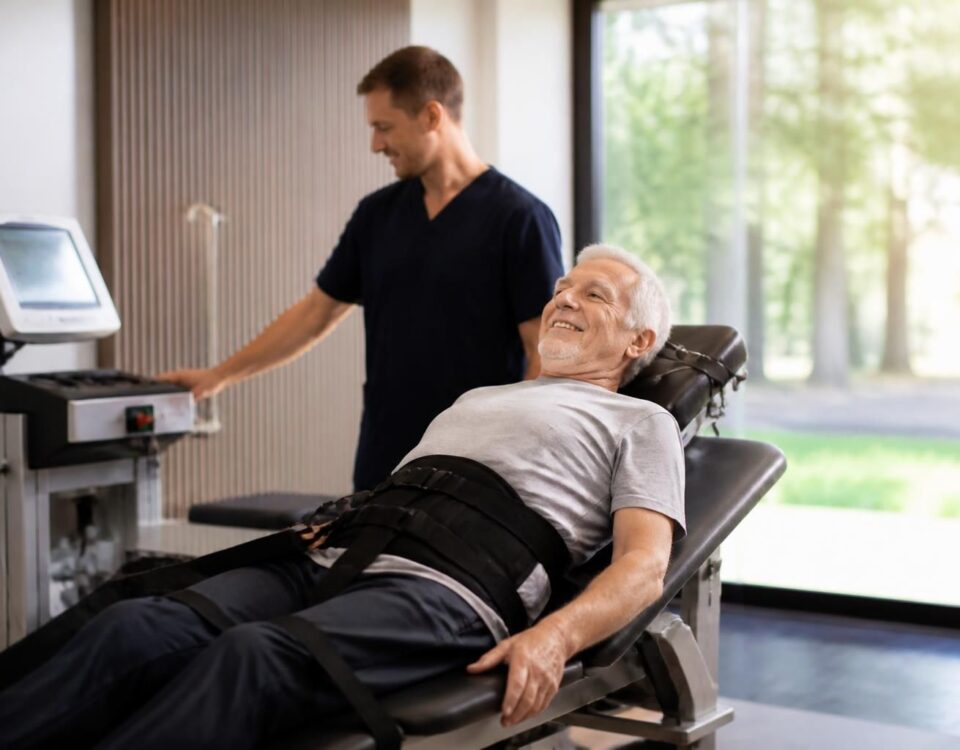
The sessions combine clinical evaluation, traction implementation and progress monitoring. The patient is comfortably installed on a suitable device, with harnesses that ensure targeted and secure traction. The practice can be adapted to each segment of the column (cervical, thoracic or lumbar) and often integrates with other therapies to optimize the results. Over the weeks, the protocols aim to produce a “pumping” effect that rehydrates the disc structures and supports better mobility.
Clinically, the benefits include a lasting reduction in pain and an improvement in mobility, directly related to the improvement of the intervertebral circulation and tissue regeneration. By intensifying irrigation and nutritional intake of loaded areas, decompression can also help prevent recurrences and support appropriate physical activities. Patients often find that they reconnect with daily gestures and activities they had to leave behind.
However, this approach should be carefully selected and personalized. Contraindications exist and require a preliminary assessment to establish the safest and most effective protocol. When properly supervised, neurovertebral decompression fits seamlessly into a comprehensive spinal health strategy, reinforcing the action of other non-invasive treatments and lifestyle habits that support long-term mobility and well-being term.
This conclusion presents how neurovertebral decompression can optimize the intervertebral circulation By acting directly on the vertebral spaces, the pressure and blood flow around the discs and nerves. By releasing tensions and restoring a more favorable alignment, this technique promotes a Local infusion improved and better Fabric nutrition, key factors for recovery and mobility.
Decompression acts by increasing theintervertebral space and reducing the pressure exerted on the nerves and adjacent vascular structures. This pressure reduction facilitates Local blood flow more efficient and better Circulation of nutrients and oxygen towards the surrounding tissues, an essential condition for the Rehydration of intervertebral discs and their revitalization.
In parallel, the improvement of vascular dynamics around the vertebrae supports the Tissue regeneration and repair of damaged structures. Better circulation helps to decrease flammatory processes and accelerate the transport of metabolic waste, which contributes to faster recovery after painful episodes and more lasting recovery during physical exertion.
From a functional point of view, these circulatory improvements result in a Improving mobility and a reduction in pain, allowing you to resume daily and sporting activities with greater confidence. This history of spinal circulation is not only theoretical: it is supported by clinical returns and studies that show that decompression can promote measurable gains in terms of range of motion and comfort.
For patients, it is important to remember that the results depend on the nature of the problem (herniated disc, protrusion, stenosis, chronic pain) and the personalized follow-up of the treatment protocol. The technique remains non-invasive and adaptable, offering a complementary or alternative route to other approaches when pressure reduction and circulation improvement are targeted as the main objectives.
To deepen the mechanisms and results around neurovertebral decompression and its effect on intervertebral circulation, you can consult the following resources: Decompression and flexibility, Spinal flexibility, Innovations in neurovertebral decompression, Complete guide.
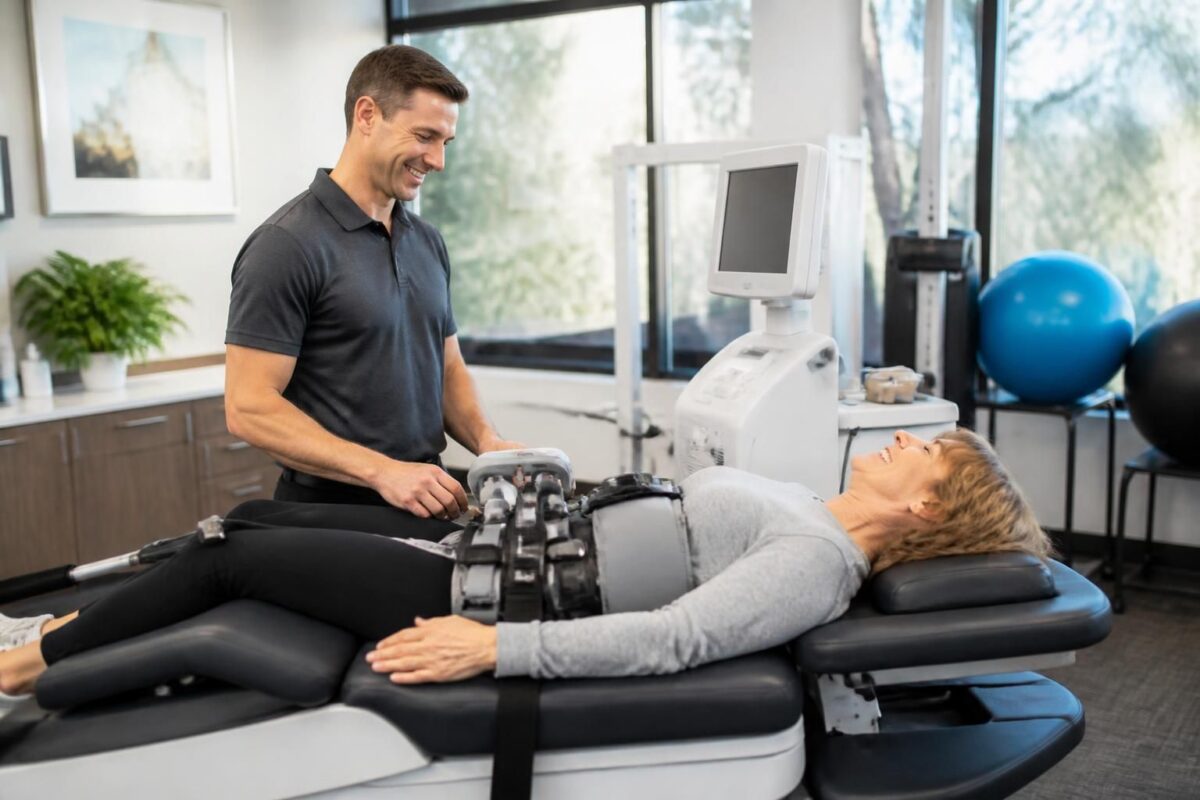
Neurovertebral decompression and diffuse pain: an appropriate solution
In short In short, the neurovertebral decompression is one Non-invasive solution For diffuse pain related to nerve irritation of the spine. She acts in Reducing pressure on intervertebral discs and nerves and improving the bloodstream, which promotes recovery and the…

Dr Sylvain Desforges, B.Sc., D.O., N.D., osteopath, is the founding president of TAGMED and of the ACMA association. He dedicates his practice to chronic spinal pain, low back pain and symptoms compatible with sciatica, particularly when pain radiates toward the buttock, leg, calf, foot or toes.
Through SOS Sciatique, he publishes educational content on sciatica symptoms, possible causes such as disc herniation, disc narrowing, foraminal stenosis or irritation of a lumbar nerve root, as well as non-surgical approaches that may be considered according to the evaluation. At Clinique TAGMED, care may include, depending on the case, motorized neurovertebral decompression, specific osteopathic care or precision percussion.
For an evaluation related to sciatica treatment in Montreal / Mount Royal or sciatica treatment in Terrebonne, please consult the services available at Clinique TAGMED.
Medical disclaimer
The information published on SOS Sciatique is provided for educational purposes only and does not replace a consultation, diagnosis, opinion or treatment provided by a physician or another authorized healthcare professional. The author of this article is neither a medical doctor nor a specialist in a medical specialty recognized by the Collège des médecins du Québec. The osteopathic, manual medicine or functional support approaches described on this site do not constitute medical acts and are not intended to replace medical follow-up.
Consult a physician or emergency service in cases of loss of bladder or bowel control, anesthesia in the saddle area, significant or progressive weakness in the leg or foot, fever, recent trauma, severe pain or rapid worsening of symptoms. For more details, please read our Legal Notice.