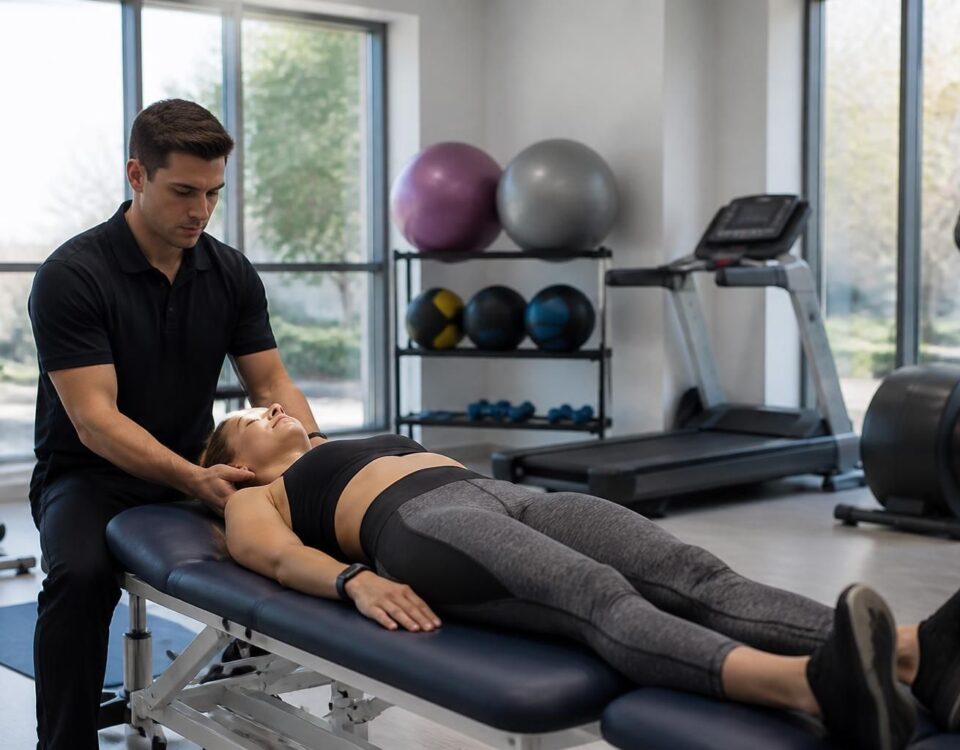
How neurovertebral decompression improves intervertebral circulation
26/06/2026
The benefits of neurovertebral decompression for competing athletes
26/06/2026
In short
In short, neurovertebral decompression is one Non-invasive therapy which Reduces pressure on discs and nerves for Relieve back and neck pain and regain mobility. To montreal, this service is accessible and can Improve general well-being and the quality of life By promoting a Restful sleep, a better mood and an Energy regained. The Key Benefits include the pain reduction, theImproving mobility, a Better circulation and an holistic approach with some Postural advice And some Adapted exercises, without surgical recourse. |
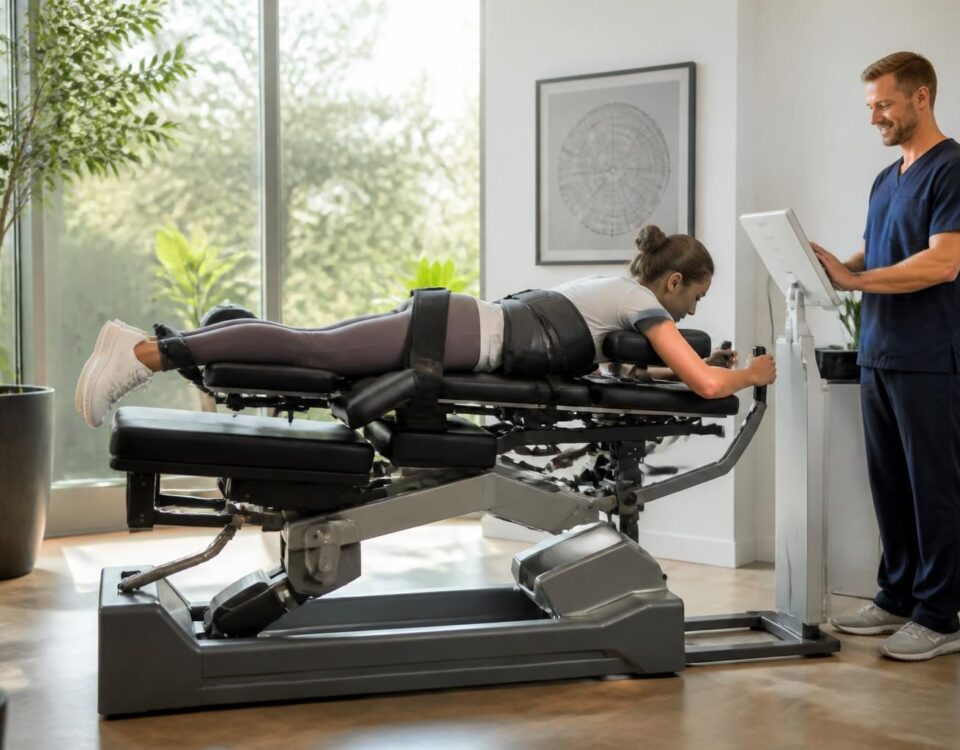
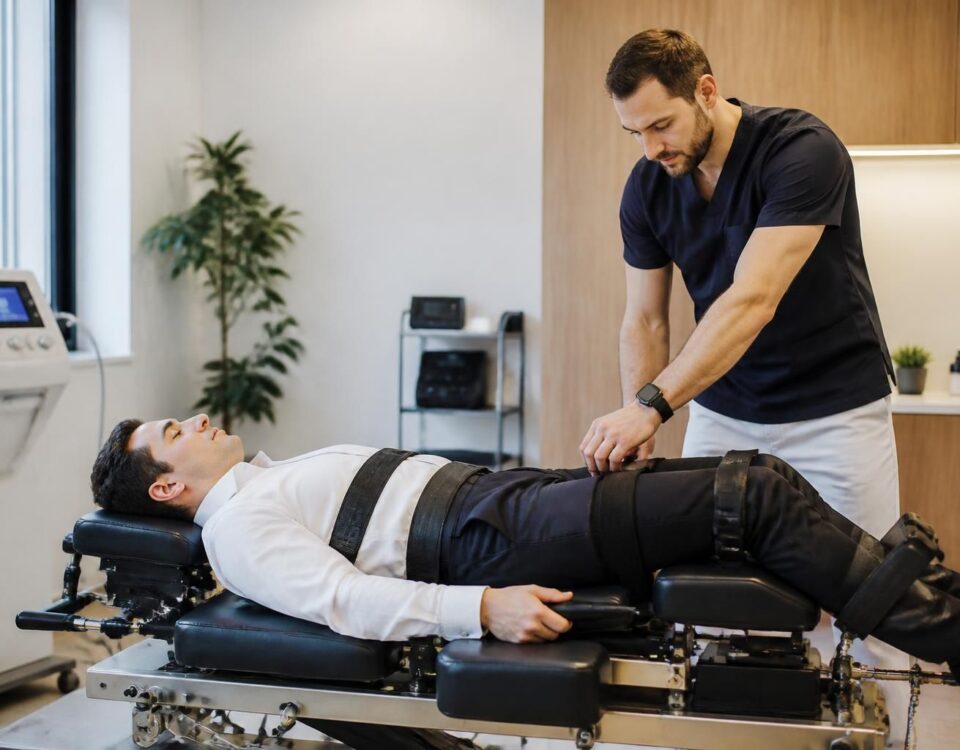
The neurovertebral decompression is therapy non-invasive which acts on the pressure exerted on the intervertebral discs and the nerves. By stretching the column in a controlled manner, it frees the space between the vertebrae, thus relieving back and cervical pain and promoting recovery lasting.
This treatment contributes to a Back to an active life By improving the mobility and the flexibility. It also optimizes the bloodstream towards tissues, accelerates healing and supports better sleep and one emotional well-being.
- pain reduction and decreased inflammation
- Improving mobility and autonomy
- stress regulation and better mood
- Postural education and prevention of recurrences
Do not hesitate to discuss with our specialists to assess whether this approach can offer you a better quality of life.
This presentation written by a health professional and expert in manual medicine explains how the neurovertebral decompression can influence the General well-being and allow you to find a quality of life higher. It describes the functioning of the method, its effects on the body and the mind, and its integration into a holistic approach without resorting to specific exercises. She recalls that this information does not replace the opinion of a doctor and that personalized support remains essential.
What is neurovertebral decompression and how it acts on the body?
The neurovertebral decompression is therapy non-invasive which aims to reduce the pressure exerted on the intervertebral discs and the nerves. By stretching the column in a controlled way, it creates a space between the vertebrae, which can improve local blood circulation and promote the natural healing process of tissues. This approach aims to reduce back pain and improve mobility, while supporting a global recovery of spinal functioning.
Impact on the General well-being and the quality of life
Beyond physical relief, decompression acts on essential dimensions of everyday life. Patients often report a mood enhancement and a reduction in stress. less pain facilitates sleep, which contributes to better energy and a more balanced participation in social and professional activities. This dynamic promotes a Emotional resilience and an increased perception of control over one’s own life.
Integration into a holistic approach
To optimize the results, neurovertebral decompression can be part of a holistic approach including advice from posture, adapted management of stress, and lifestyle habits conducive to spinal health. This combination aims to support the circulation, to limit pain factors and promote an overall balance of the nervous and muscular system. At the TagMed clinic, the support is intended overall and based on evidence, with coordination between specialists.
What patients observe and what it means for everyday life
Current returns show a pain reduction and an Better mobility that allow you to resume activities without pain-related limitations. Physical comfort often contributes to a Better sleep quality and to a Better stamina during the day. On the psychological level, the reduction in pain can lead to a mood enhancement and an Anxiety Reduction, which enriches social exchanges and family relationships.
Choose resources and get information
To learn more, you can view resources and practice examples on the following sites, which feature relevant approaches and testimonies:
- Neurovertebral decompression and well-being – Recovering a quality of life
- Neurovertebral decompression and overall well-being – a holistic approach
- Decompression and chronic lower back pain – a lasting solution
- Benefits for active patients
- Integrate treatment into your life
- From theory to clinical practice
- Prevention of relapses and chronic injuries
- Ideal for sedentary workers
- Prevention of the progression of spinal pathologies
- Criteria for choosing a specialist
About training and professionals
Professionals working in this field can come from executives recognized by training institutions in osteopathy. In this context, the institutions mentioned include NUMSS, NAO, National University of Medical Sciences and National Academy of osteopathy. Relevant professional associations include ACMA, the College of Canadian Osteopaths and the College of Canadian Osteopaths. These references frame the practices and training, without this replacing the individual patient assessment.
About available treatments and clinical choices
As part of the treatments offered in Montreal and in TagMed clinics, neurovertebral decompression is presented as a useful non-invasive option to improve spine function and general well-being. When additional measures are envisaged, they remain compatible with a patient-centric approach and oriented towards evidence-based therapies. The information provided favors choices that avoid invasive treatments when possible.
Resources and useful links
To deepen, here are additional resources.
Tagmed Clinic •
Neurovertebral Decompression – Clinical Approach •
SOS Sciatica – Information and Guides •
SOS Herniated Disc – Resources •
Herniated Disc – FAQ •
Sostunnel Carpal – Guides •
SOS Sciatica – Articles and Studies
To learn more about services and approach, you can visit the official TagMed Clinic website and associated resources.
Editorial and Accuracy: The content above favors clear and accessible information, while remaining faithful to a professional practice and an approach based on available data. The goal is to facilitate understanding and access to evidence-based care options.
“Medical disclaimer: The information and advice provided on this site does not replace the health professional’s benefit, diagnosis or treatment. Please note that Dr. Sylvain Desforges osteopath is neither a doctor of medicine nor a doctor, and is not a specialist in a medical specialty as defined by the Collège des Médecins du Québec. Manual medicine, functional medicine and sports medicine as described on this site exclude any medical treatment or diagnosis made by a doctor or specialist doctor. Always consult your doctor for any medical questions. For more details, please read our full legal notice. »
- neurovertebral decompression – Non-invasive method
- pain management – Progressive decrease in discomfort
- Mobility found – Better amplitude and flexibility
- Improved traffic – Better tissue oxygenation and recovery
- Sleep and mood – Improved sleep quality and emotional stability
- Autonomy – Back to activities and leisure
- Sustainable posture – Stability gains and prevention of future pain
- Overall well-being – Energy and quality of life found

This article presents clear recommendations on the neurovertebral decompression and the General well-being, by showing how this non-invasive approach can help find a quality of life Improved. You will find simple benchmarks to understand the interest of this treatment, practical advice to integrate it into a holistic approach and an action plan accessible on a daily basis.
Understanding and evaluating neurovertebral decompression
The neurovertebral decompression is a non-invasive therapeutic technique that aims to reduce the pressure exerted on the intervertebral discs and nerves. By creating a space between the vertebrae, it can reduce lumbar and cervical pain and improve the mobility. This approach is part of an approach holistic Aiming not only for physical relief, but also for the lasting improvement in the overall functioning of the back.
who can benefit
This therapy is mainly for people with Chronic pain related to the spine, such as lumbar or cervical pain, sciatica or moderate nerve irradiation. It can be proposed after evaluation by a qualified professional and in addition to other therapeutic approaches adapted to your state of health.
How does a session take place
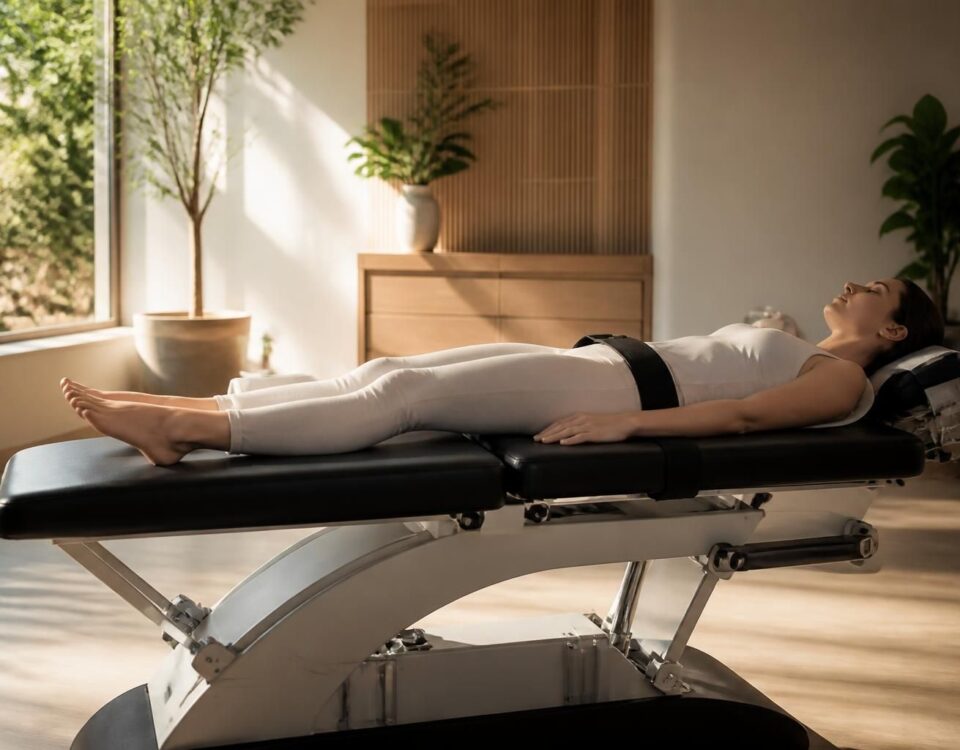
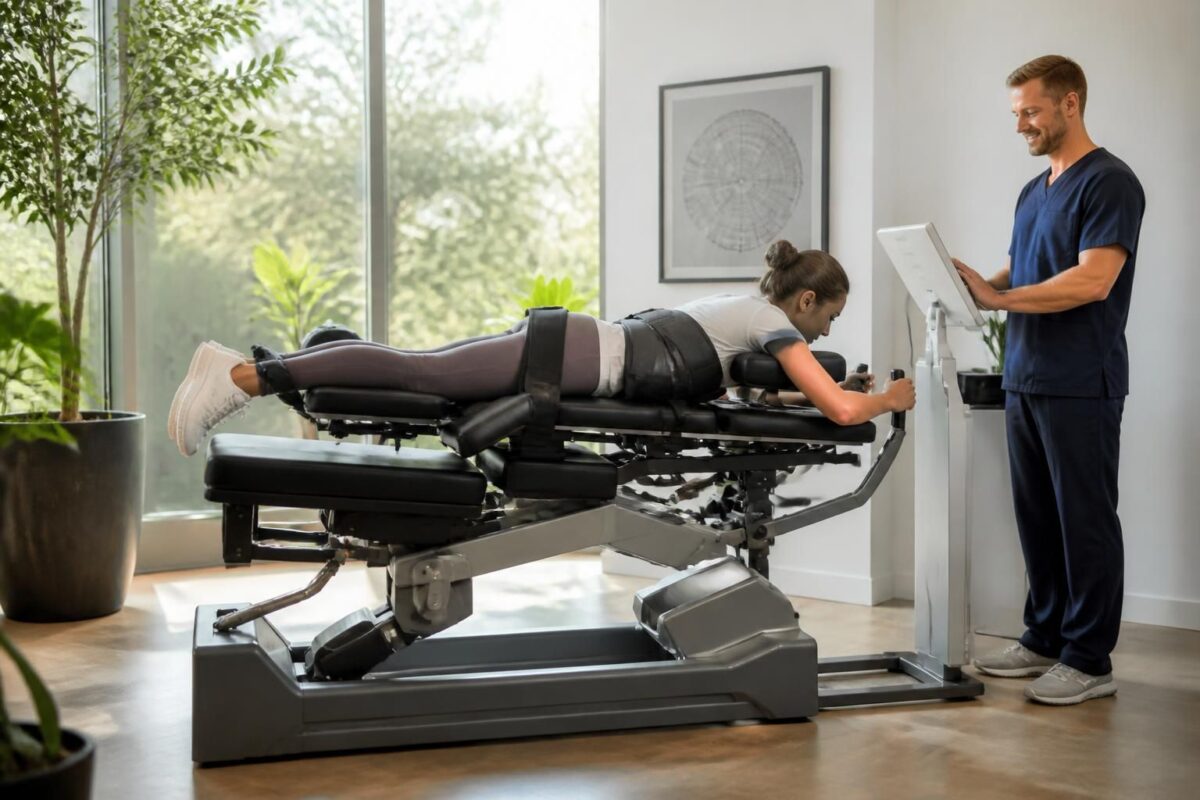
A decompression session generally lasts between 15 and 30 minutes and is carried out on suitable equipment. The protocol is personalized and evolves according to your anxiety, tolerance and results observed in previous sessions. The goal is to optimize the bloodstream and promote the tissue regeneration affected, while respecting a controlled and safe progression.
The long-term benefits of neurovertebral decompression for spinal health
In short In short, the neurovertebral decompression is a non-invasive approach that decreases the Pressure on intervertebral discs and nerves, favoring the Natural regeneration and tissue recovery. Its long-term benefits include Lasting pain reduction, Improving mobility and from the posture,…
Integrating decompression into a holistic approach to well-being
To maximize profits, neurovertebral decompression Must fit into a holistic approach which combines adapted physical activity, lifestyle and stress management. This synergy contributes to a Better circulation, lasting pain reduction and improvement inmuscle balance.
Complementary actions to be considered from the first weeks: practice gentle exercises intended to strengthen the muscles of the trunk, adopt relaxation or breathing techniques, and ensure a Ergonomic posture at work and at home. A balanced diet and sufficient hydration support tissue repair and general energy.

Neurovertebral decompression and mobility: a return to an active life
In short In short, the neurovertebral decompression is therapy non-invasive who uses a gentle traction To create a space between the vertebrae and reduce the pressure on the Intervertebral discs and the nerves. It promotes a bloodstream improved, lowers tension…
Practical planning and monitoring
The Personalized follow-up is essential to adapt protocols and optimize results. In practice, a progressive plan is planned with realistic objectives of mobility and pain reduction, adjusting the frequency of sessions according to daily progress and activities.
Typical frequency and duration: initial periods with more frequent sessions, then a gradual decrease once profits have been observed. This rhythm makes it possible to maintain the quality of life without increasing the risk of recurrence.
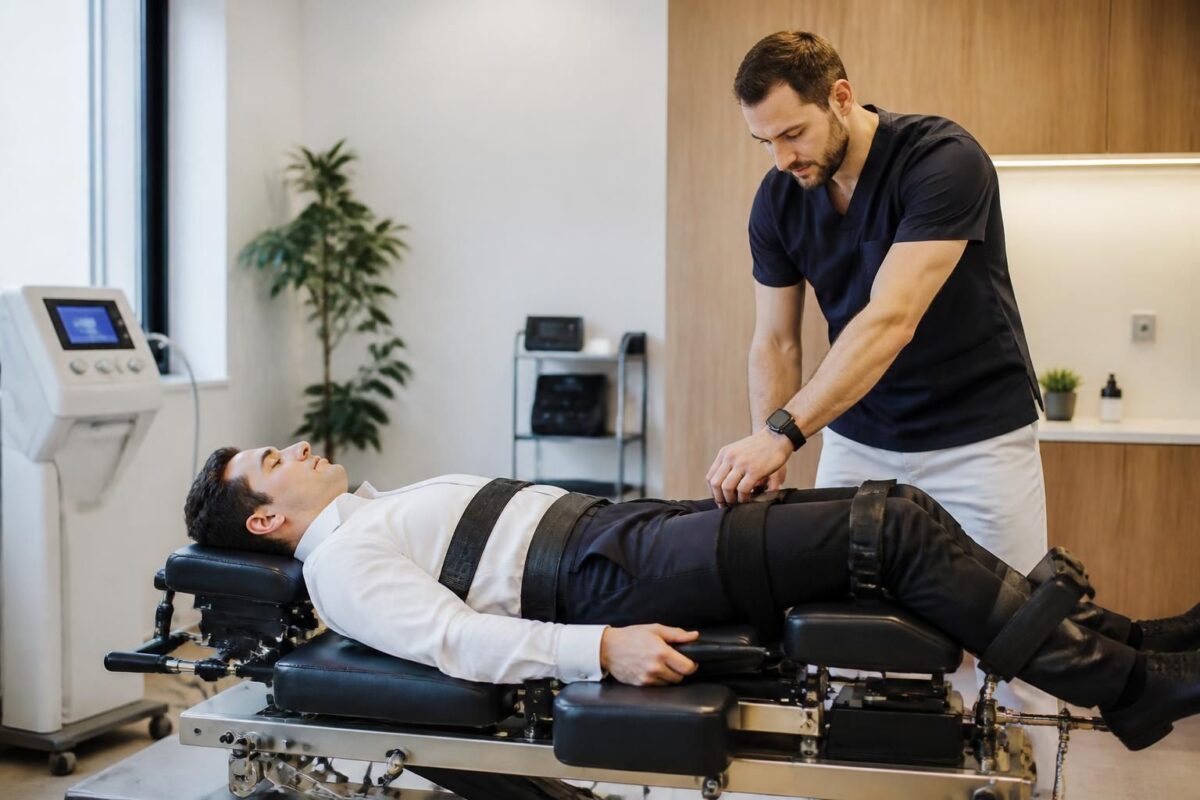
How Neurovertebral Decompression Prevents Diffuse Chronic Pain
In short decompression neurovertebral is one Non-invasive method aimed at reducing the Pressure on the intervertebral discs and the nerves, in order to prevent Diffuse chronic pain. It improves the circulation and thedisc hydration, decreases inflammation and promotes better mobility.…
Quality of life and psychological well-being
Beyond physical relief, the neurovertebral decompression can promote improvement of themood, a reduction in stress and better ability to participate in social and family activities. A more restful sleep and a feeling of rediscovered autonomy contribute to a Better quality of life and renewed self-confidence.
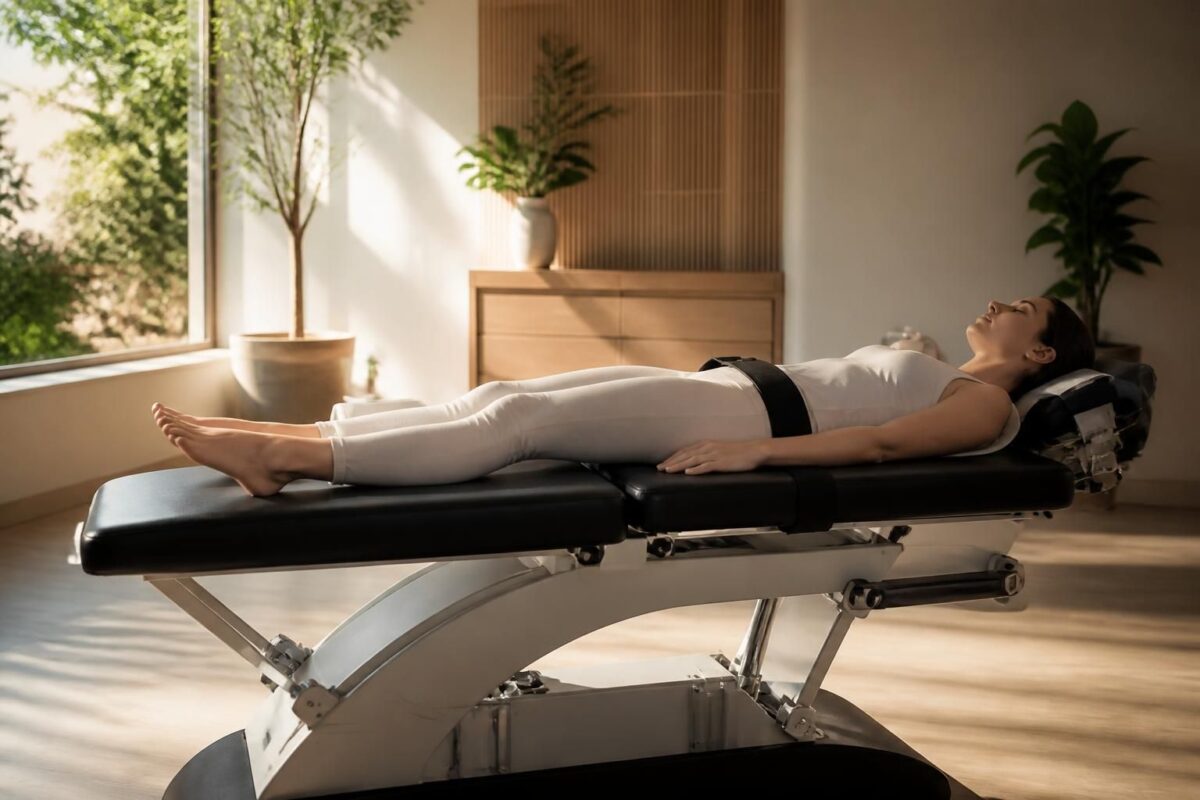
Neurovertebral Decompression and Body Alignment: Restoring Natural Balance
In short In short, neurovertebral decompression is one Non-invasive approach who restores theBody Alignment and thenatural balance back and neck. She acts by a Controlled traction of the spine to widen the intervertebral space and reduce the Pressure on discs…
Practical tips for getting started
Before you begin, consult a qualified professional to assess your medical record and determine eligibility for this treatment. Quickly integrate simple gestures: adopt a neutral posture during daily gestures, practice gentle trunk strengthening exercises, and establish stress management rituals (breathing, short relaxation). Plan simple weekly goals and track your progress to adjust the program based on your experience and your usual activities.
| Aspect | Impact on well-being |
|---|---|
| Pain | reduction of aches and improved comfort. |
| Mobility | improvement of theextent movements and mobility vertebral. |
| Circulation and healing | Improvement of the circulation blood and tissue nutrition, acceleration of healing. |
| Posture and biomechanics | Correction of imbalances, better posture and alignment. |
| Sleep and stress | improvement of sleep, reduction of stress and anxiety. |
| Activity and endurance | gradual resumption of physical activities and improvement of theendurance. |
| Autonomy and self-esteem | Restoration of theautonomy and strengthening theself-esteem. |
| Prevention and education | Implementation of postural and habits advice to prevent relapses. |
| Monitoring and integration | Monitoring Personalized and integration with other care approaches. |
Testimonials: neurovertebral decompression and general well-being – regaining a quality of life
Before discovering the neurovertebral decompression, I was living with lower back pain that slowed my daily life. After a few weeks of sessions, I found a mobility found and a quality of life who escaped me. My sleep has improved and I wake up less tired, ready to take care of my family and my plans.
As an athlete, I was afraid that my performance would be compromised by neck pain. The neurovertebral decompression reduced the pressure on my nerves and I was able to resume training with a energy and an confidence found. My sessions also helped me to improve my posture and my flexibility.
The chronic pain isolated me and I slept badly. With this non-invasive treatment, I saw a real reduction in pain and a mood enhancement. I was able to resume social and family activities that I had abandoned, and my quality of life greatly flew away.
After years of suffering from sciatica, decompression changed my way of life. I walk now longer and without pain, and my fatigue is no longer an obstacle. This approach holistic allowed me to find a freedom and an joy of living that I thought was lost.
My mother suffered from cervical pain and constant tension. After the sessions, his mobility and its sleep have improved, and she is now talking about a Sustainable well-being. She says she feels less stress And that she can enjoy little happiness on a daily basis with a new positive spirit.
Dr. Sylvain Desforges is an osteopath, naturopath and manual medicine practitioner, recognized for his commitment to health innovation and the evidence-based approach. It has established itself as a reference in the management of chronic pain and the integration of advanced technologies in the service of body and mind.
As founding president of TagMed clinics and the ACMA association, he leads multidisciplinary teams dedicated to offering personalized and effective care. His course combines clinical practice, applied research and continuous training, in order to propose protocols that evolve with scientific progress and patient needs. Its constant objective is to combine the safety, effectiveness and accessibility of treatments to optimize the health and long-term well-being of the people it accompanies.
The neurovertebral decompression occupies a central place in its approach. This non-invasive therapeutic method aims to reduce the pressure exerted on the intervertebral discs and on the nerves, while restoring the space between the vertebrae. Thanks to specific systems and controlled traction, it participates in the restoration of local microcirculation and the reactivation of affected tissues. For Dr. Desforges, this technique is not limited to pain relief: it opens the way to a Functional healing and to a Improving mobility, essential elements to regain an active and independent life.
Beyond the physical aspect, Dr. Desforges pays particular attention to the emotional well-being and at the quality of life of his patients. He considers that personal fulfillment requires reduced stress, restful sleep and better mood. By combining decompression with advice on posture, adapted exercises and relaxation techniques, he proposes a process holistic which acts on the body and the mind in a synergistic way.
His practice is part of a logic of Personalized follow-up. Each patient benefits from a tailor-made care plan, adjusted according to clinical evolution, objectives and life activities. This approach makes it possible to prevent recurrences and to support patients in a gradual resumption of daily, domestic and sports activities, while minimizing the risk of recurrent pain. The objective is clear: to place the patient at the center of his journey and offer him the necessary tools to maintain his balance durably.
Finally, Dr. Desforges works to integrate the harmoniously of neurovertebral decompression with other manual therapies and complementary approaches. By associating these interventions, it seeks to maximize the results, to improve the bloodstream and to support a Sustainable reduction of inflammation, while strengthening the patient’s internal resources to cope with daily stress and stress. His gaze is turned towards a vision where the body, the mind and the way of life harmonize to find and preserve a quality of life tall.
This summary highlights the neurovertebral decompression and its impact on the General well-being and the quality of life. By reducing spinal pain, improving mobility and promoting a mental balance, this approach is part of an approach holistic which combines body and spirit for a more active and fulfilled life.
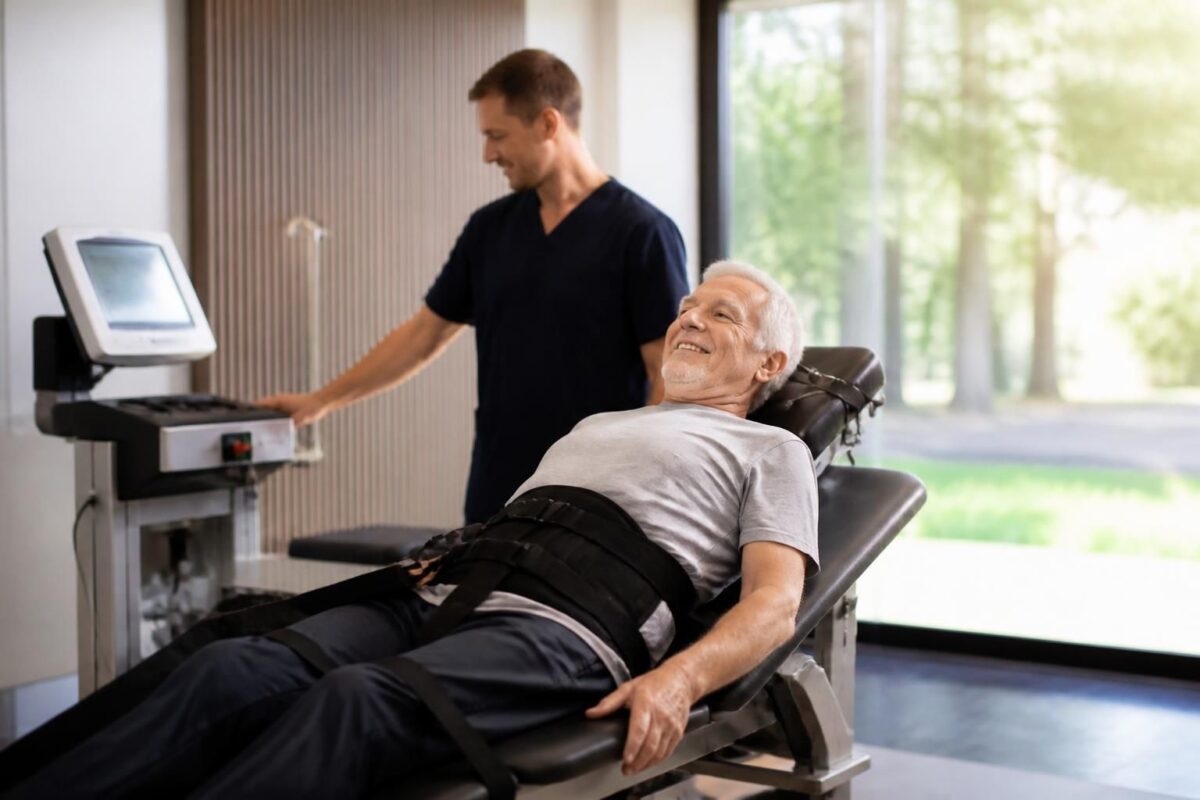
Why neurovertebral decompression is a lasting solution for active seniors
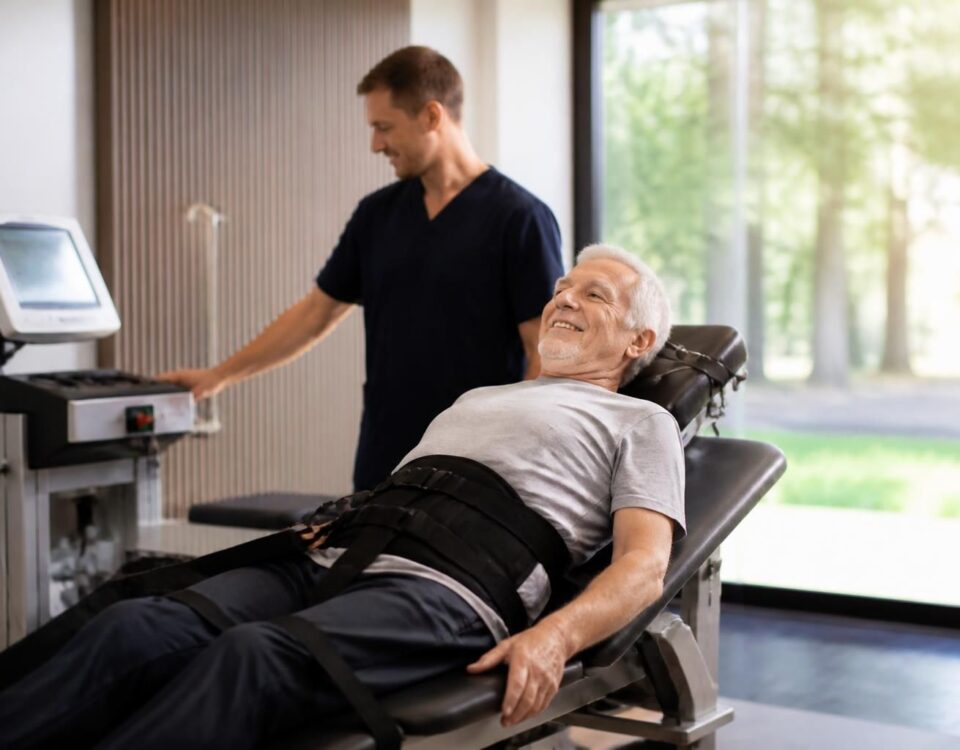
In short In short, the neurovertebral decompression is one Non-invasive therapy which sustainably relieves spinal pain in the spine active seniors By creating, by a Soft and controlled traction, a space between the vertebrae. At Montreal, it is recognized as…
Benefits on general well-being
neurovertebral decompression acts directly on the causes of spinal pain and supports a mood enhancement and a reduction in stress. By reducing nervous tension and restoring the space between the vertebrae, it contributes to more restorative sleep and better daily energy. This pain reduction also promotes the return of social and professional activities, strengthening the self-confidence and personal esteem.
To deepen the aspects psychological and their link with pain, you can consult the dedicated resources, including the Psychological benefits of this approach.
Advanced innovations and protocols support these effects, as shown by the descriptions of the Advanced Protocols and analyzes of overall benefits.
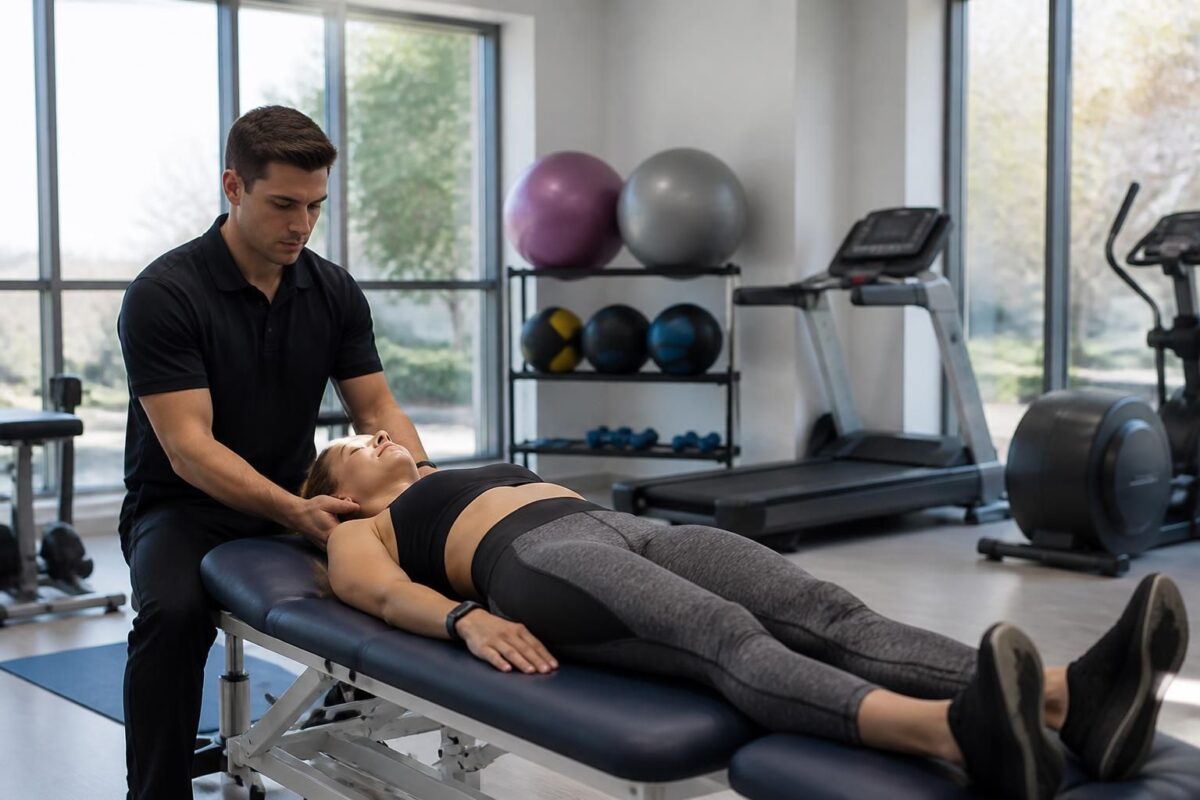
Neurovertebral decompression and recovery after severe sports injury
In short In short, the neurovertebral decompression is one Non-invasive method to Relieve the pressure on the Intervertebral discs and the gristle Via a Controlled traction, to facilitate the recovery After a severe sports injury. It improves the bloodstream towards…
Impact on mobility and quality of life
By gradually releasing the pressure on the intervertebral discs and nerves, the mobility and the flexibility regain their amplitude. Patients often find Lasting pain reduction, which allows them to resume daily activities and leisure activities with greater serenity and better Functional capacity.
Decompression also supports the bloodstream and the Tissue regeneration, which accelerates recovery and contributes to lasting well-being. To learn more about mechanisms and results, see the resources explaining how this approach improves tissue regeneration.
dedicated resources describe how decompression improves mobility And supports an active life even after painful episodes.
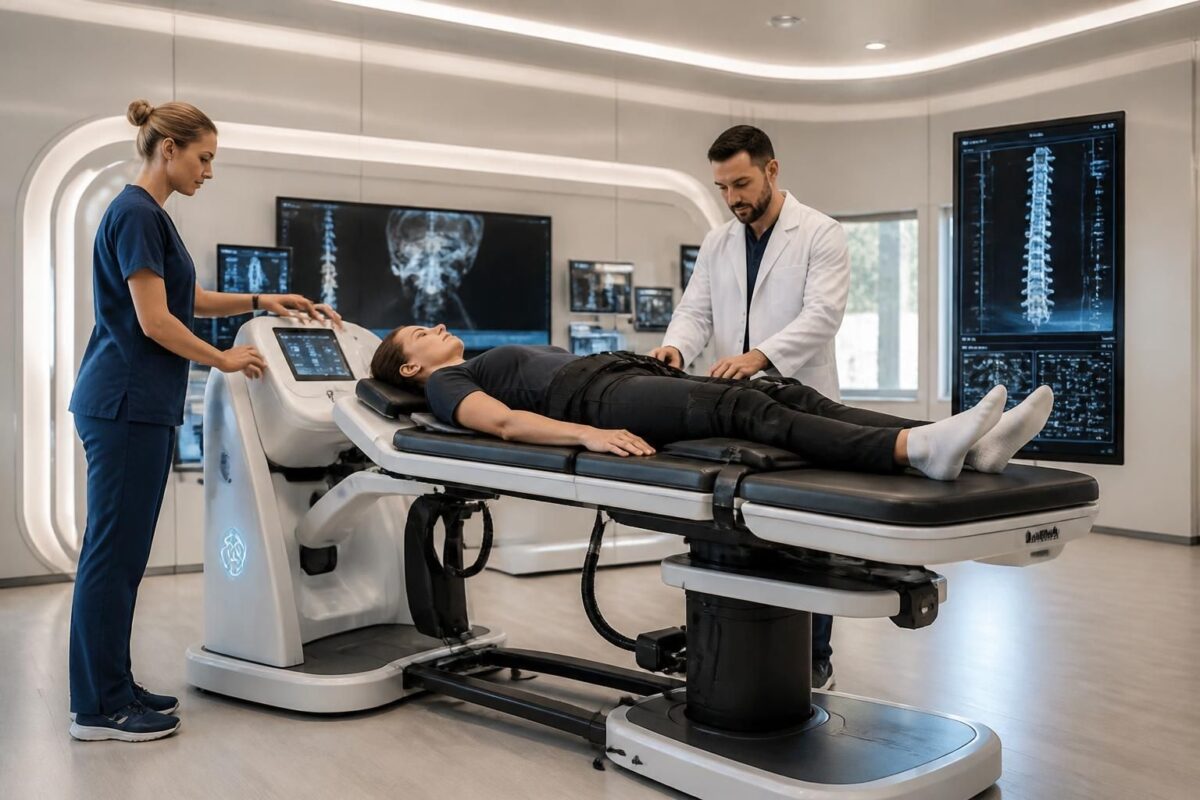
Recent innovations in neurovertebral decompression technologies
In short In short, the neurovertebral decompression is an approach non-invasive Aiming to reduce pressure on discs and nerves, and promote tissue regeneration. At Montreal, it is positioned as an effective option for lower back pain and herniated discs. The…
Integration into a holistic approach
To optimize the results, neurovertebral decompression is integrated into a gait holistic Including strengthening exercises, postural advice and stress management techniques. This synergy makes it possible to treat the causes and consequences of pain and to promote a Prevention of recurrences.
This global approach is based on feedback and protocols that address associated muscle pain, posture and tissue regeneration, contributing to a Global solution for general well-being.
To deepen this integrative dimension, discover the perspectives on the relationship between decompression and associated muscle pain and advanced protocols for neck pain and low back pain.
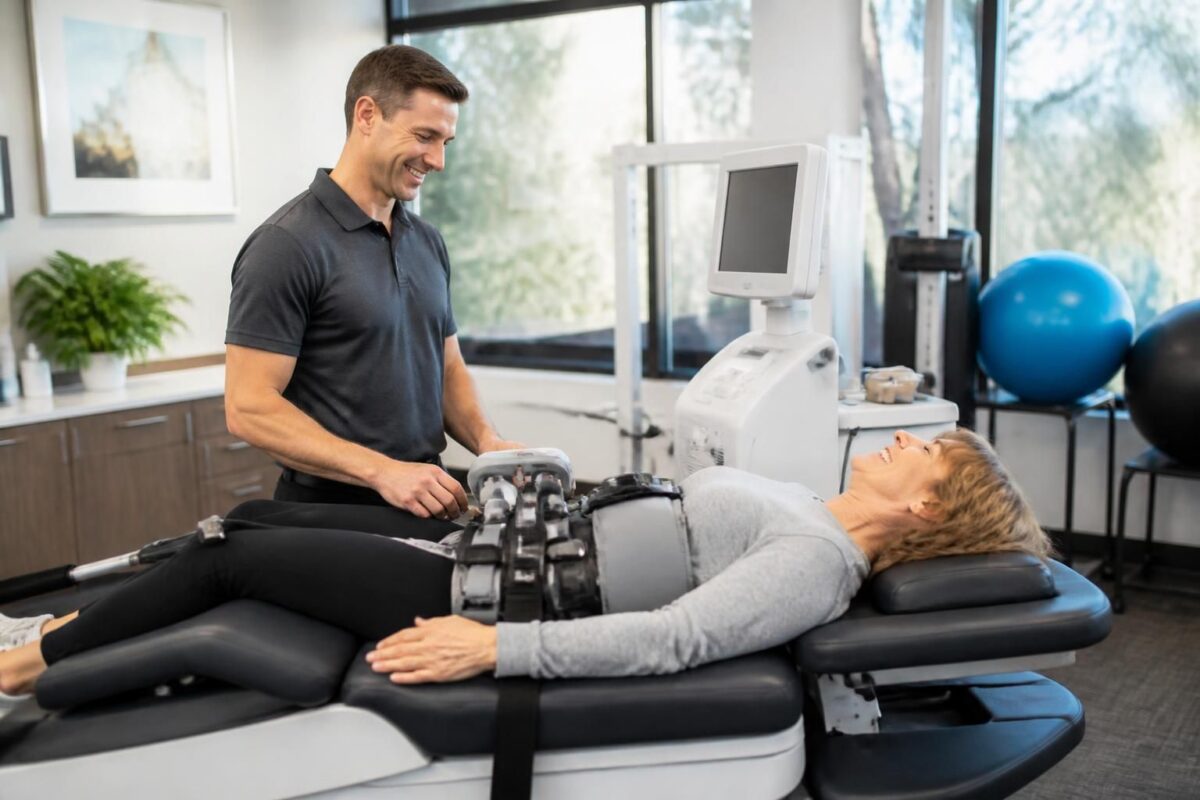
Neurovertebral decompression and diffuse pain: an appropriate solution
In short In short, the neurovertebral decompression is one Non-invasive solution For diffuse pain related to nerve irritation of the spine. She acts in Reducing pressure on intervertebral discs and nerves and improving the bloodstream, which promotes recovery and the…
Role of advanced technologies and protocols
Advanced technologies and protocols help improve decompression efficiency and adapt treatment to each patient, including athletes and people with chronic pain. resources describe how innovations in the field of neurovertebral decompression make it possible to optimize the mobility and reduce pain sustainably. For more information, see Innovations and Advanced Protocols pages.
Decompression can be associated with complementary approaches, such as manual therapies and rehabilitation programs, to ensure quick recovery and an Better quality of life.
To further explore these aspects, refer to specialized resources on advanced techniques for cervical pain and decompression protocols.
Resources and Practices
professional and clinical sources describe how neurovertebral decompression influences the Physical and psychological well-being and how it fits into a global health strategy. Patient returns and clinical analyzes show significant improvements in mobility, sleep and stress management.
To learn more, you can check out dedicated pages like these: Complex vertebral imbalances, Mobility and active life, and Associated muscle pain. Other resources provide a broader view of decompression integration into clinical practice and protocols for cervical and lumbar.
For additional information and professional references, you can also explore resources like who are we and specialized articles on mobility improvements and the return to an active life.
Some useful links to deepen the mechanisms and benefits include the following resources: Innovations in decompression, Advanced cervical techniques, and Advanced protocols for acute pain.

Dr Sylvain Desforges, B.Sc., D.O., N.D., osteopath, is the founding president of TAGMED and of the ACMA association. He dedicates his practice to chronic spinal pain, low back pain and symptoms compatible with sciatica, particularly when pain radiates toward the buttock, leg, calf, foot or toes.
Through SOS Sciatique, he publishes educational content on sciatica symptoms, possible causes such as disc herniation, disc narrowing, foraminal stenosis or irritation of a lumbar nerve root, as well as non-surgical approaches that may be considered according to the evaluation. At Clinique TAGMED, care may include, depending on the case, motorized neurovertebral decompression, specific osteopathic care or precision percussion.
For an evaluation related to sciatica treatment in Montreal / Mount Royal or sciatica treatment in Terrebonne, please consult the services available at Clinique TAGMED.
Medical disclaimer
The information published on SOS Sciatique is provided for educational purposes only and does not replace a consultation, diagnosis, opinion or treatment provided by a physician or another authorized healthcare professional. The author of this article is neither a medical doctor nor a specialist in a medical specialty recognized by the Collège des médecins du Québec. The osteopathic, manual medicine or functional support approaches described on this site do not constitute medical acts and are not intended to replace medical follow-up.
Consult a physician or emergency service in cases of loss of bladder or bowel control, anesthesia in the saddle area, significant or progressive weakness in the leg or foot, fever, recent trauma, severe pain or rapid worsening of symptoms. For more details, please read our Legal Notice.