Neurovertebral and Sciatic Decompression: Relieve Without Surgery
26/06/2026
How neurovertebral decompression affects mid-back pain
26/06/2026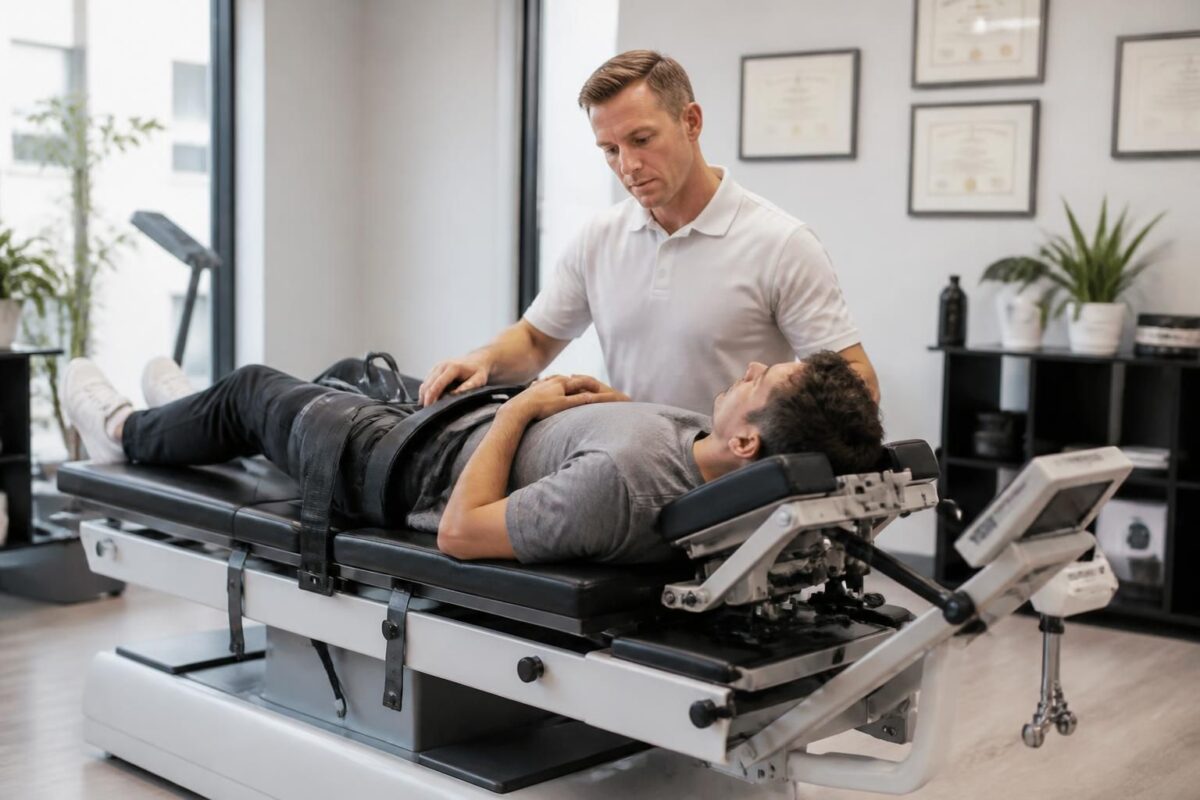
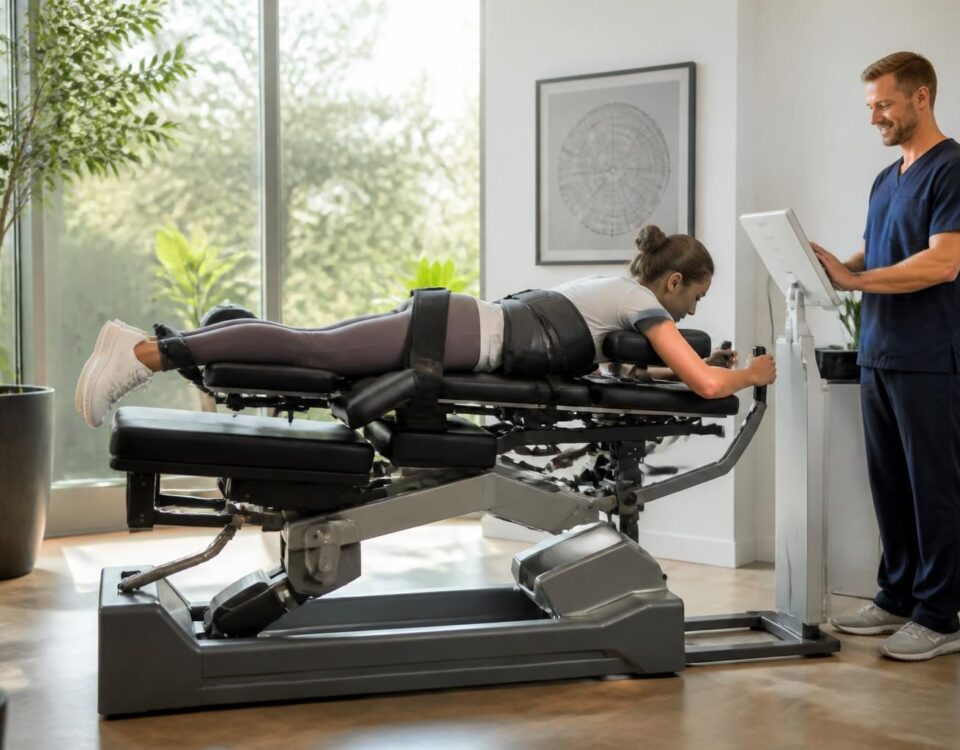
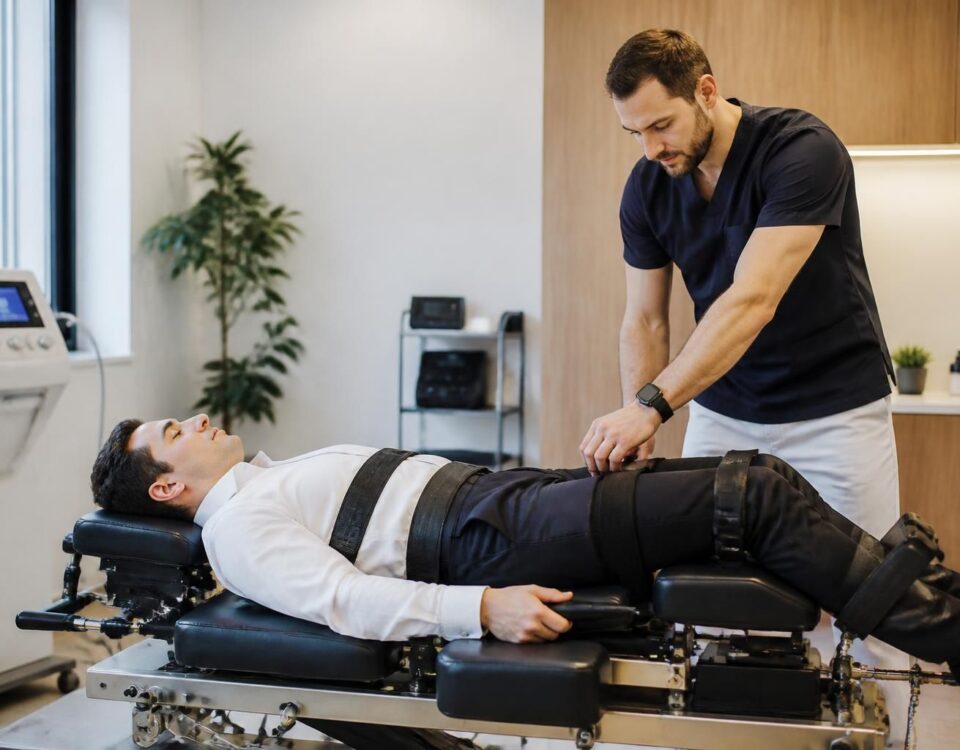
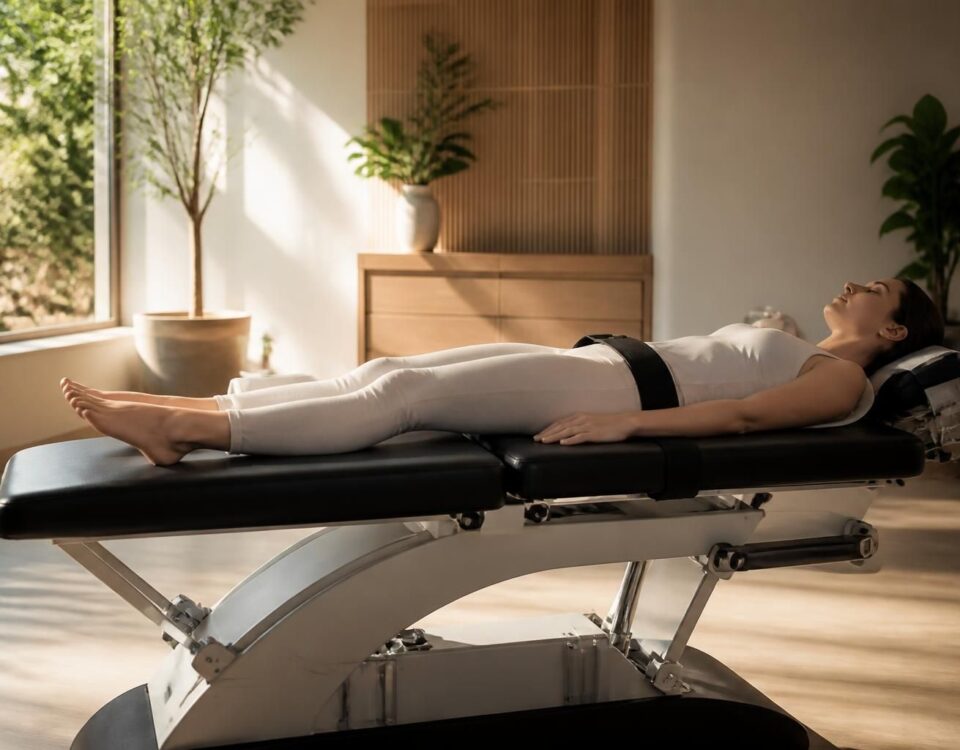
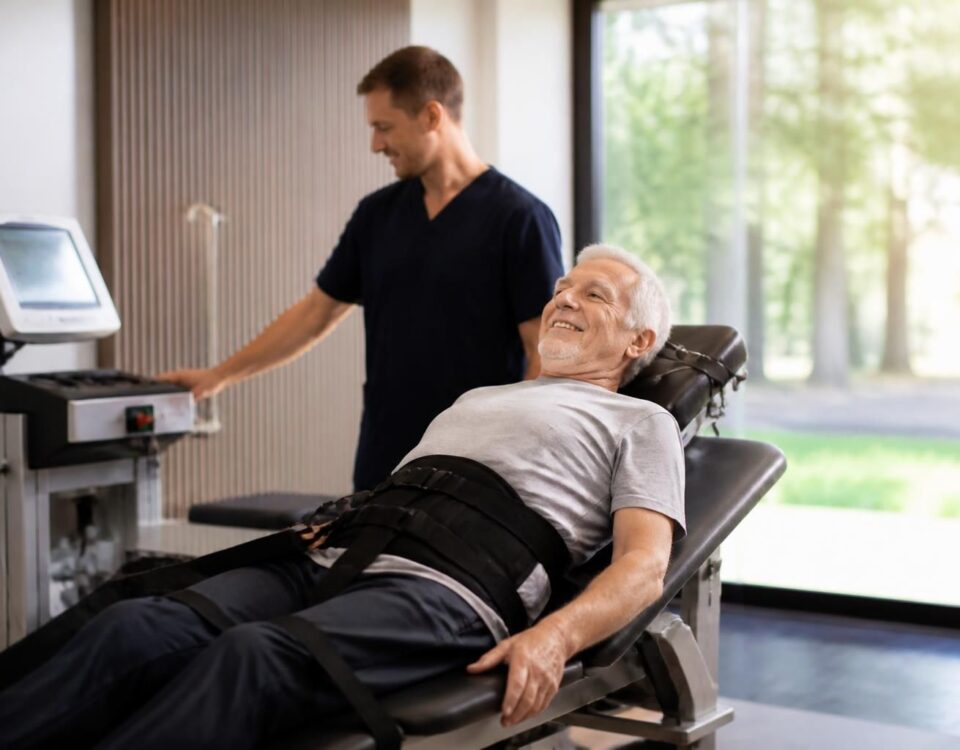
In short Definition: The neurovertebral decompression is an approach non-invasive which aims to relieve spinal pain by using Soft pulls To free up the space between the vertebrae and reduce the pressure on the discs and nerves. Advantages and applications: she can bring pain reduction, improving mobility and avoiding surgery, especially for herniated discs, radiculopathies and chronic low back pain. This method is suitable for those who are looking for a targeted solution and non-surgical. Choice criteria: Prioritize a practitioner with Qualifications and certifications, a experience proven, a Personalized approach proposal, a Initial consultation complete and a monitoring regular. In Montreal, this service is particularly relevant for back pain that requires individualized and secure care. |
To choose the good specialist in neurovertebral decompression, focus on the criteria below:
- Specialized qualifications and recognized certifications in neurovertebral decompression.
- Demonstrated experience with similar cases and a history of satisfactory results.
- Complete initial assessment Including medical history, relevant examinations and a discussion of patient goals.
- Personalized treatment plan with adjustment of settings and protocol according to individual needs.
- Transparency and communication on the risks, benefits and estimated duration of the program.
- Safety and equipment using suitable devices and rigorous protocols.
- Monitoring and adjustments regular to measure progress and adjust treatment if necessary.
- Opinion and reputation Based on patient feedback and professional recommendations.
This article sets out the key criteria for choosing a Good specialist in neurovertebral decompression. It describes training, experience, protocols, security, tracking and the overall approach. It also offers useful resources and ethical criteria to guide your choice, without proposing exercises or stretching for the pathologies discussed.
Training and qualifications
Check the training and qualifications of the practitioner. Prefer professionals from recognized training, including NUMSS, NAO, National University of Medical Sciences or National Academy of osteopathy. Ask for diplomas and certificates attesting to specific skills in neurovertebral decompression. A consultation will help you confirm the adequacy between training and practice.
Clinical experience and results
Evaluate the volume and type of cases treated. Ask for concrete examples and feedback from other patients. A solid practice is recognized by the consistency of the results and the clarity of the proposed follow-up. Prefer a practitioner who may show results in situations similar to yours.
Approach and protocol
The specialist should propose a clear initial assessment and explain the treatment plan. He must use suitable equipment and an approach non-invasive and personalized for each patient. Ask questions about adapting settings and devices used. To better understand the available options, you can consult resources like How to choose a neurovertebral decompression practitioner.
Security, risks and transparency
The risks of neurovertebral decompression generally remain weak when the professional is experienced. The practitioner must explain these risks and the associated precautions. A first consultation will allow you to examine your history and clarify the limits of the treatment. For additional information, see the dedicated resources on SOS SCIATIC.
Treatment plan and follow-up
A good specialist presents a treatment plan clear and one Regular follow-up. He adjusts the treatment according to the evolution of the symptoms and the results obtained. The doctor may coordinate with other professionals and ensure continuity of care. To understand the ethical aspects and criteria of choice, consult the resources of Dr Desforges.
Multidisciplinary approach and ethical framework
The best specialists work as a team and are part of a process multidisciplinary. This may include advanced technologies and protocols that are part of a global vision of spinal health. Resources related to ethical and professional practice can be accessed through recognized organizations and referral clinics.
Accessibility and practical framework
Assess accessibility, deadlines and location. Ask if the practitioner is part of a recognized network or clinic, such as Tagmed Clinic, and if it can offer support in associated facilities in Montreal or Terrebonne. For an overview of the practical criteria, see This sciatic SOS resource.
Resources and continuing education
A good practitioner continues her training and stays up to date on advances in neurovertebral decompression. It can rely on recognized resources and training in the field of osteopathy and associated therapies. For information on training courses, you can refer to recognized establishments in the sector.
Comparative table with other therapies
| Therapy | Approach | Benefits | Limitations |
|---|---|---|---|
| Physiotherapy | Various techniques focused on movement and function | Functional rehabilitation and improvement of mobility | In some cases, less efficacy on the underlying cause compared to certain decompressions; May require more time to achieve lasting results. |
| neurovertebral decompression | Soft tractions and improved intervertebral spaces | Often rapid pain reduction and function improvement; Non-invasive and personalized approach | Assess indications and contraindications with a qualified professional before treatment |
| Other non-invasive approaches | Various techniques and specific protocols | Additional options as appropriate | Variable results depending on conditions and patients |
To learn more, check out the following resources: Lumbar stenosis without surgery; treat without surgery; and How to choose a practitioner.
For information on training in osteopathy, the following resources remain relevant: NUMSS, NAO, National University of Medical Sciences, National Academy of Osteopathy.
Useful resources to understand the impact and options around neurovertebral decompression are also available on quoted sites and on partner pages. for example, SOS SCIATIC and Neurovertebral Decompression – Inform to Choose.
Technical information and additional resources can help you choose the right one. For a practical framework and information on selection criteria, see also How neurovertebral decompression prevents the progression of spinal pathologies.
For a reference clinical and institutional approach, visit Tagmed Clinic.
Medical Disclaimer: The information and advice provided on this site does not replace the health professional’s diagnosis or treatment. Please note that Dr. Sylvain Desforges osteopath is neither a doctor of medicine nor a doctor, and is not a specialist in a medical specialty as defined by the Collège des Médecins du Québec. Manual medicine, functional medicine and sports medicine as described on this site exclude any medical treatment or diagnosis made by a doctor or specialist doctor. Always consult your doctor for any medical questions. For more details, please read our full legal notice.
- Specialized qualifications and Recognized certifications In neurovertebral decompression
- practical experience and volume of cases treated
- initial assessment Complete and medical history review
- Personalized treatment plan Adapted to your situation
- Clinical evidence and observable results supporting the approach
- certified techniques and equipment and adapted to your pathology
- risk transparency and Security Profile processing
- Monitoring and communication Clear: follow-up plan and accessibility
- Fit with your goals and realistic results
- References and opinions Patients: satisfaction and similar cases

This article presents the essential criteria for choosing a Good specialist in neurovertebral decompression. He emphasizes qualifications, experience, personalized approach and follow-up, in order to achieve effective results while minimizing risks. The objective is to help patients identify a practitioner who combines expertise and transparency, in a proof-oriented approach.
1. Qualifications and experience
Choose a practitioner whose Specialized training in neurovertebral decompression are clearly established and verifiable. theexperience Also counts: number of years of practice, diversity of cases treated and results obtained. An experienced professional will be able to adjust the techniques according to the symptoms and the level of pain, while avoiding inappropriate approaches.
Key points to check
Ask for information about his background, areas of controlled surgery or complementary therapies and the criteria used to assess patient progress.
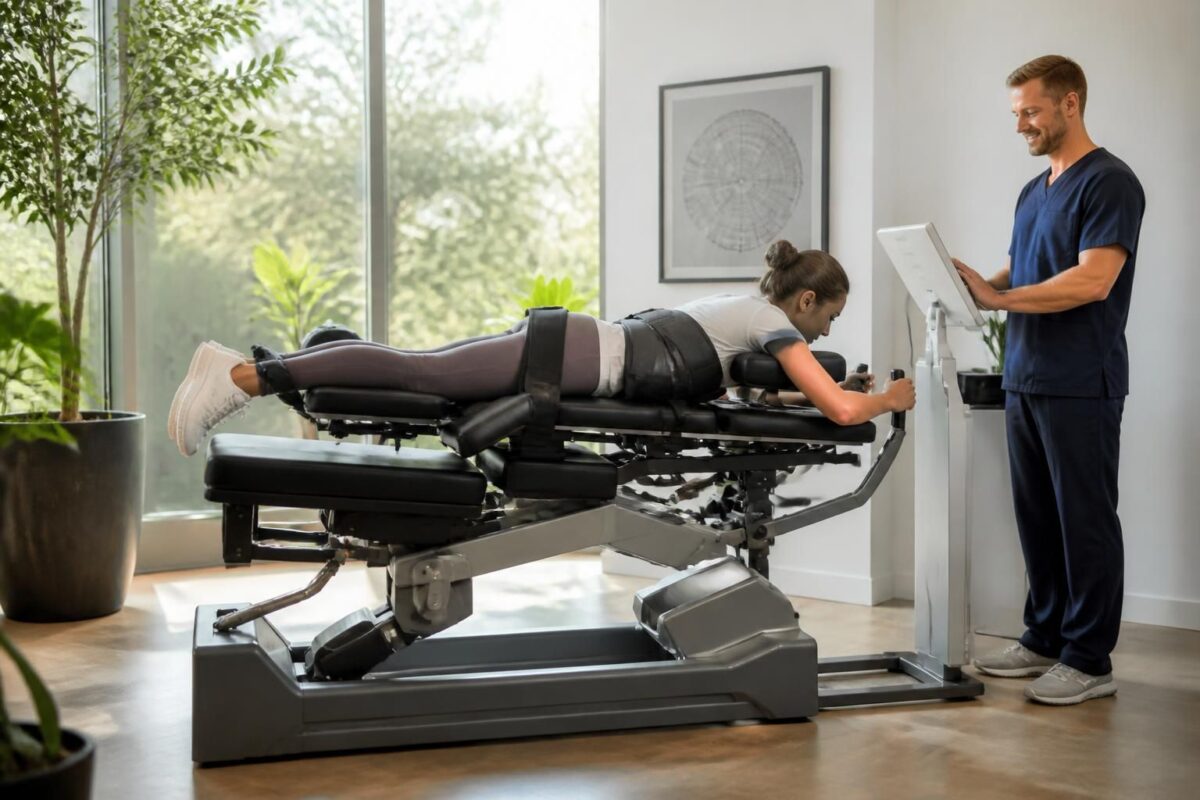
The long-term benefits of neurovertebral decompression for spinal health
In short In short, the neurovertebral decompression is a non-invasive approach that decreases the Pressure on intervertebral discs and nerves, favoring the Natural regeneration and tissue recovery. Its long-term benefits include Lasting pain reduction, Improving mobility and from the posture,…
2. Certifications and authorizations
Make sure the practitioner has recognized certifications and appropriate authorizations to practice neurovertebral decompression. The presence of official labels or accreditations is a guarantee of quality and compliance with professional standards. A verification of continuing education also shows the practitioner’s commitment to stay up to date with best practices.
What to check
Demand proof of recent certifications, and ask how it keeps its skills up to date through periodic training and assessments.

Neurovertebral decompression and mobility: a return to an active life
In short In short, the neurovertebral decompression is therapy non-invasive who uses a gentle traction To create a space between the vertebrae and reduce the pressure on the Intervertebral discs and the nerves. It promotes a bloodstream improved, lowers tension…
3. Clinical approach and customization
A good specialist will adopt a Personalized approach rather than a universal protocol. The pre-treatment assessment should describe the individual factors: history, pain location, mobility, posture and functional objectives. The treatment should be adjusted according to these elements and the evolution of the symptoms.
Personalization elements
Look for modular treatment plans, specific settings and an ability to combine different non-invasive methods when they are relevant to your case.
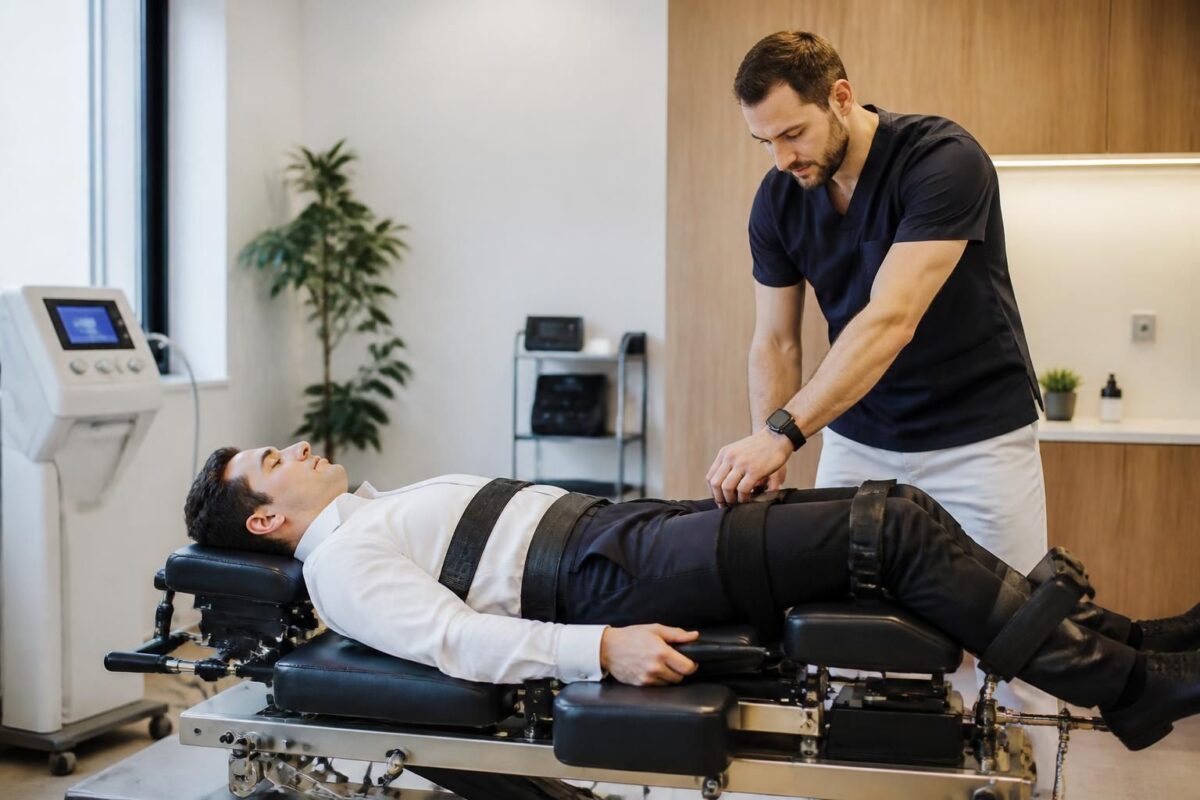
How Neurovertebral Decompression Prevents Diffuse Chronic Pain
In short decompression neurovertebral is one Non-invasive method aimed at reducing the Pressure on the intervertebral discs and the nerves, in order to prevent Diffuse chronic pain. It improves the circulation and thedisc hydration, decreases inflammation and promotes better mobility.…
4. Pre-treatment and consent assessment
A clear and transparent initial consultation is essential. The practitioner must explain the indications, expected benefits, potential risks and the number of sessions planned. Informed consent and discussion of therapeutic alternatives should be an integral part of this first meeting.
What the patient should understand
Explanations on the course of the sessions, the criteria for success and how the results will be measured over time.
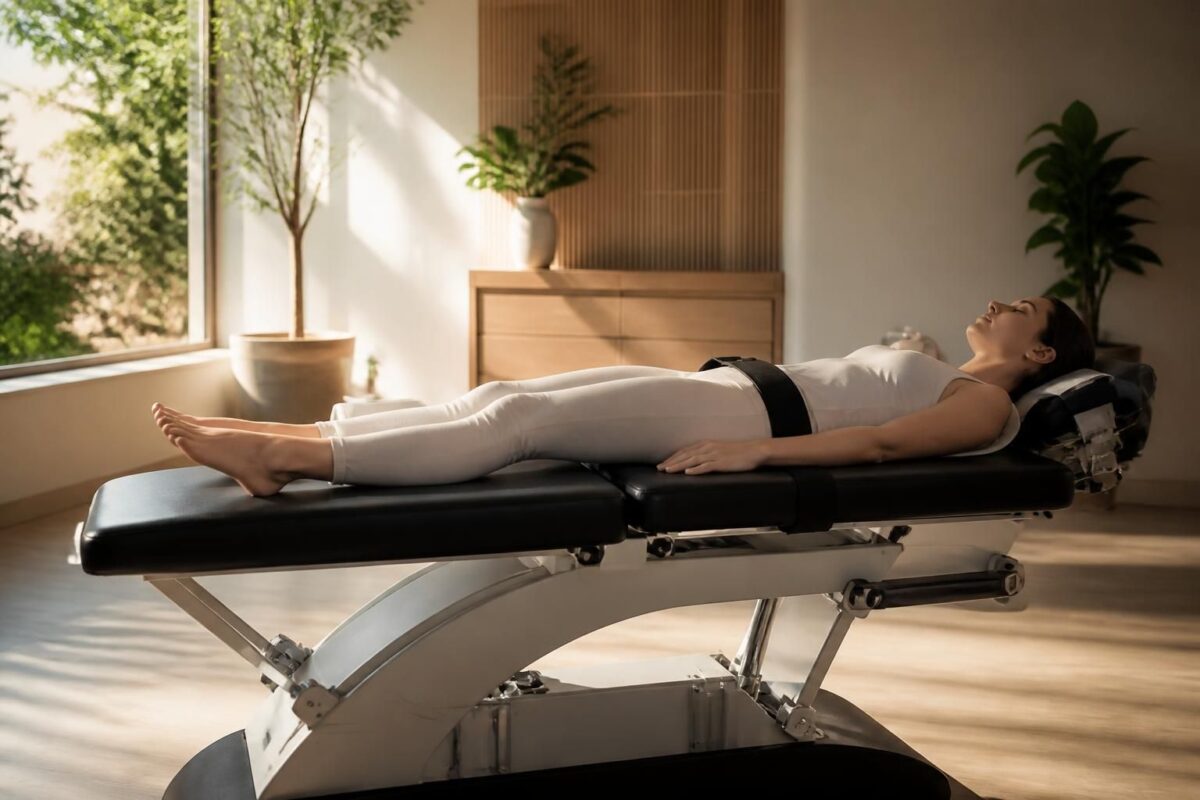
Neurovertebral Decompression and Body Alignment: Restoring Natural Balance
In short In short, neurovertebral decompression is one Non-invasive approach who restores theBody Alignment and thenatural balance back and neck. She acts by a Controlled traction of the spine to widen the intervertebral space and reduce the Pressure on discs…
5. Evidence and effectiveness
Prefer a professional who explains the basics scientists and evidence supporting neurovertebral decompression. He must be able to integrate the clinical results and feedback to adapt the treatment. Honest communication about realistic boundaries and expectations is essential.
Realistic expectations
Ask for examples of cases similar to yours and the progress observed after a number of sessions, without promising unrealistic results.
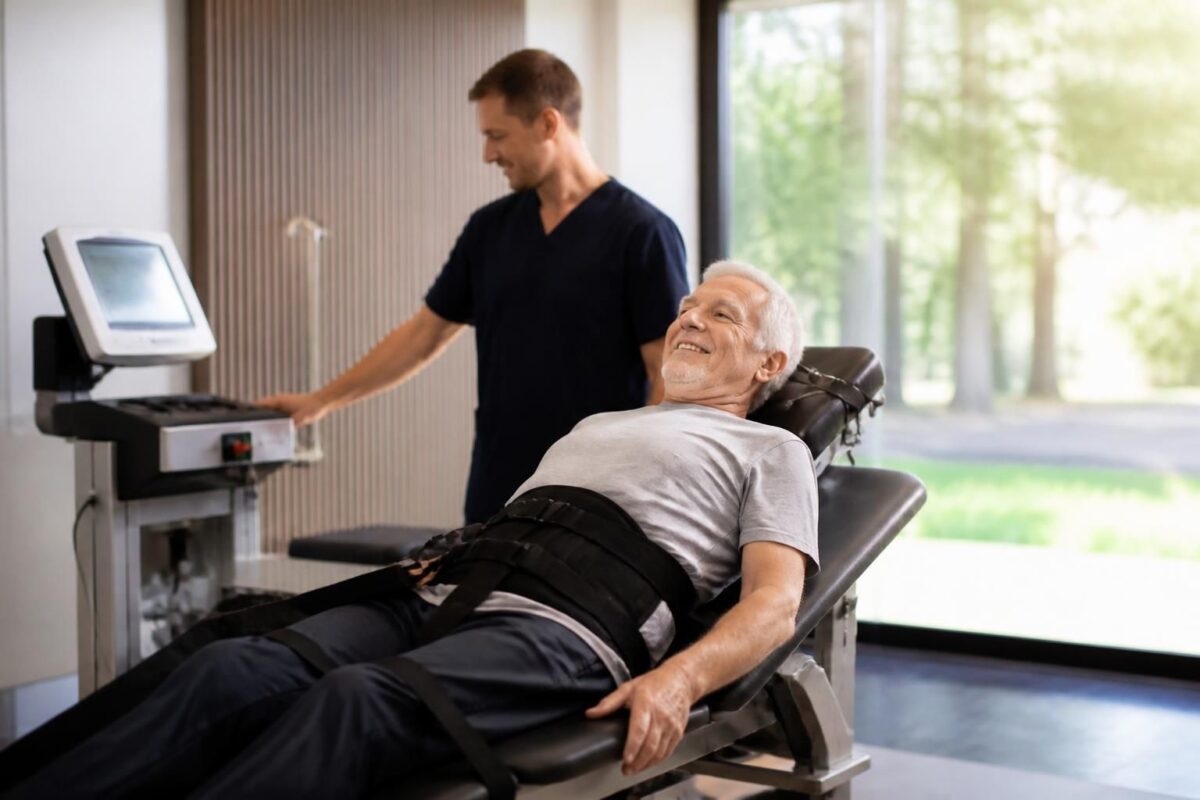
Why neurovertebral decompression is a lasting solution for active seniors
In short In short, the neurovertebral decompression is one Non-invasive therapy which sustainably relieves spinal pain in the spine active seniors By creating, by a Soft and controlled traction, a space between the vertebrae. At Montreal, it is recognized as…
6. Security and risk management
Safety is paramount: the practitioner must describe security measures, protocols in case of adverse effects and criteria for discontinuation of treatment. Risks must be presented in a clear and understandable way, with a pre-established action plan.
Measures to know
Find out about the contraindications, precautions to take and signs that require stopping the sessions.
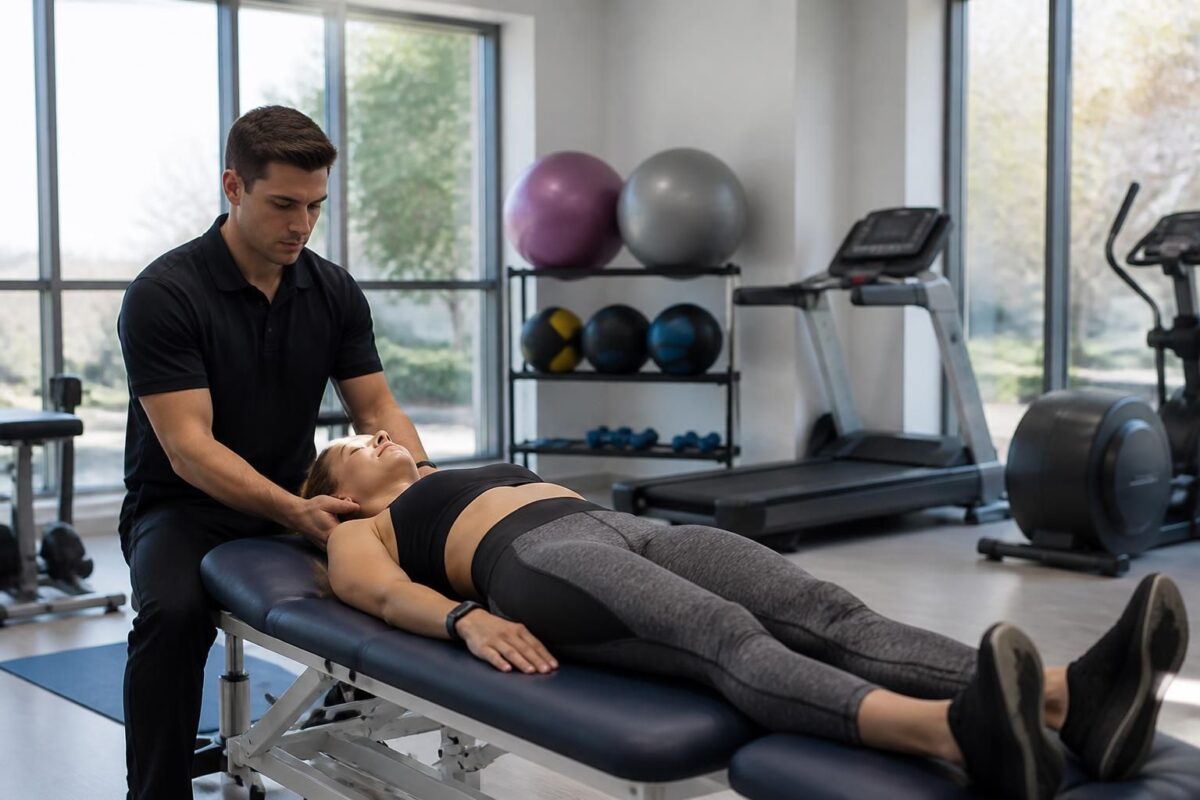
Neurovertebral decompression and recovery after severe sports injury
In short In short, the neurovertebral decompression is one Non-invasive method to Relieve the pressure on the Intervertebral discs and the gristle Via a Controlled traction, to facilitate the recovery After a severe sports injury. It improves the bloodstream towards…
7. Tracking plan and adjustments
A good specialist plans a Follow-up plan Structured, including regular evaluations, protocol adjustments and advice to preserve gains between sessions. The follow-up can also include ergonomic advice and exercises to be done at home.
Monitoring quality indicators
Frequency of controls, clarity of reassessed objectives and transparency in treatment adjustment decisions.
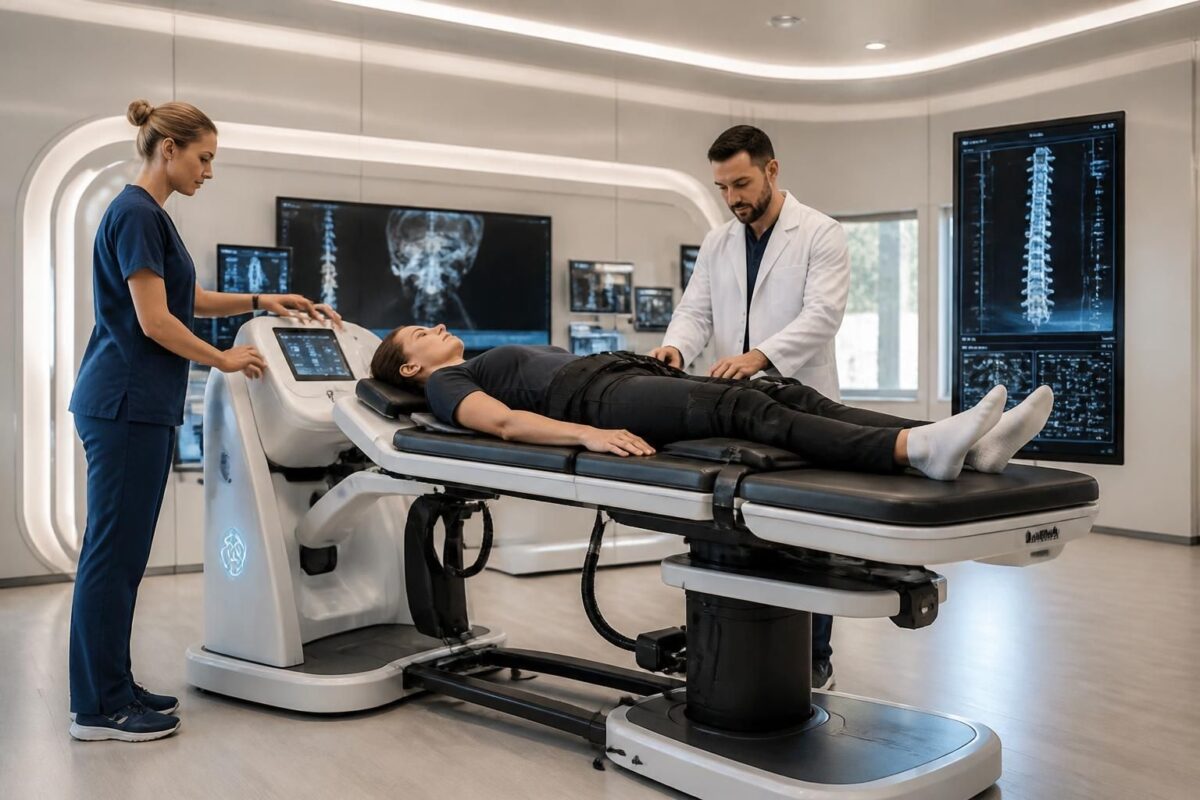
Recent innovations in neurovertebral decompression technologies
In short In short, the neurovertebral decompression is an approach non-invasive Aiming to reduce pressure on discs and nerves, and promote tissue regeneration. At Montreal, it is positioned as an effective option for lower back pain and herniated discs. The…
8. Relationship and communication
Finally, favor a relationship of Open communication and availability. The practitioner must be accessible to answer your questions, explain the therapeutic choices and accompany you throughout the course, with listening and empathy.
What a good relationship brings
Trust, motivation and adherence to the protocol, crucial elements for optimizing results and your quality of life.
| Criterion | Concise justification |
|---|---|
| Specialized qualifications | Ensures targeted practice Neurovertebral decompression and associated pathologies |
| practical experience | several years and various cases guarantee appropriate care |
| initial assessment | Consultation and personalized plan adapted to your history and objectives |
| Equipment and techniques | Soft tractions and devices adapted for safety and efficiency |
| Results and objectives | Potential benefits and clearly communicated realistic deadlines |
| Monitoring and reassessment | Regular monitoring and adjustments of the protocol according to progress |
| Risk management | Transparency of side effects and security protocols |
| Cost transparency | Costs and deadlines explained before start-up |
| Testimonials and clinical evidence | Patient feedback and documented results to assess efficacy |
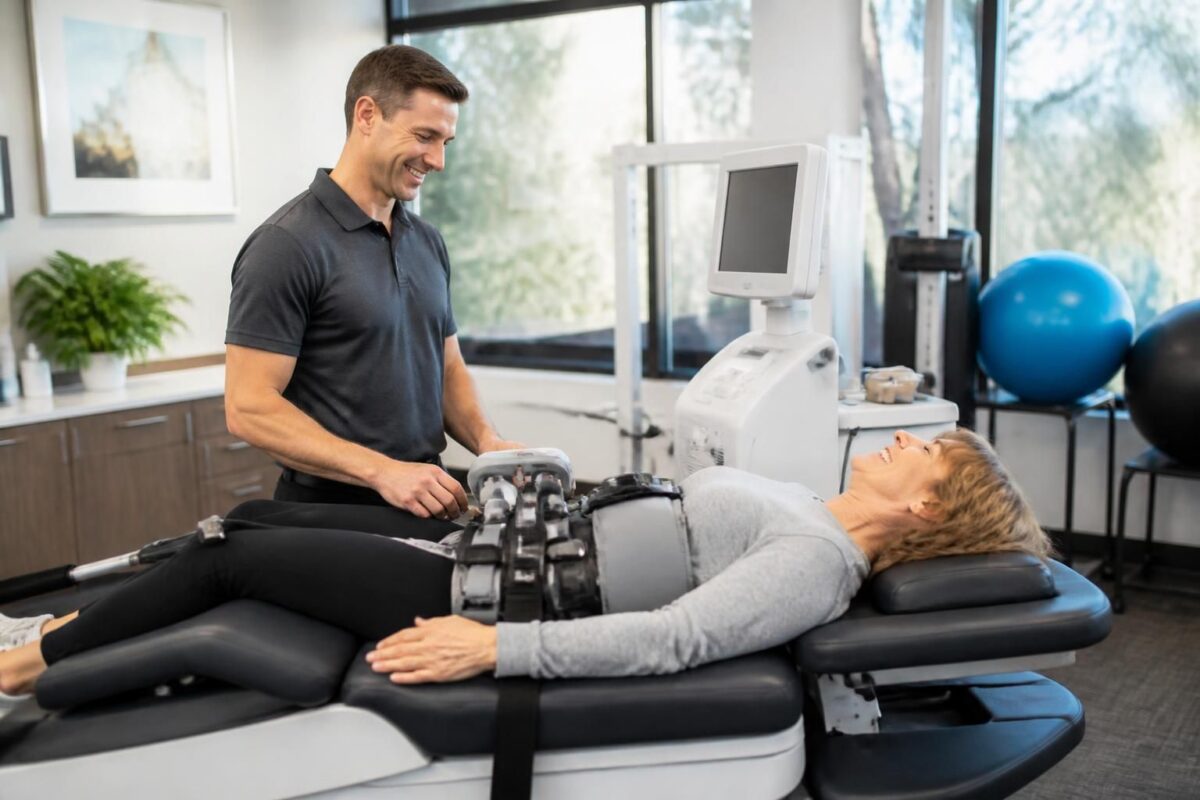
Neurovertebral decompression and diffuse pain: an appropriate solution
In short In short, the neurovertebral decompression is one Non-invasive solution For diffuse pain related to nerve irritation of the spine. She acts in Reducing pressure on intervertebral discs and nerves and improving the bloodstream, which promotes recovery and the…
Testimonials on the criteria for choosing a good specialist in neurovertebral decompression
“What guided me was specialized qualification and the certifications of the practitioner. It gave me confidence from the start and I knew that I was engaging with someone who really masters neurovertebral decompression, while respecting high ethical standards. »
“I was looking for a real experience in this area. After meeting a specialist who dealt with cases similar to mine, I felt that his potential results were achievable and that my career would be taken in hand by a competent professional. »
“ThePersonalized approach was decisive. He took the time to assess my medical history and adjust the protocol to my specific needs, which gave me the assurance of appropriate and effective treatment. »
“The communication and thelistening were exemplary. I was explained the steps, the risks and the alternatives without pressure, and I was able to ask all my questions with confidence. »
“For me, the security and the Risk management come first. The practitioner clearly exposed the potential risks and safety measures, which allowed me to move forward calmly in the treatment. »
“The Transparency of results And expectations was refreshing. I was told what was realistic and what was not, without vain promises, which allowed me to make an informed decision. »
“The monitoring and the Care plan convinced me. Regular appointments, protocol adjustments and support until my mobility has been improved have been proposed and held. »
“Theequipment and the technology used are modern and safe. The traction was adapted to my comfort and the sessions were adjusted to my feelings, which reassured me about the effectiveness and safety of the treatment. »
In the field of neurovertebral decompression, the choice of the right specialist is not based solely on word of mouth. It is a question of evaluating a set of criteria that guarantee an approach secure, personalized and evidence-based. A competent professional combines a specialized training, a Relevant clinical experience, and a Care ethics which places the patient at the center of the therapeutic process.
First, the training and certifications constitute the base. Look for a practitioner who has a solid training in neurovertebral decompression or associated therapies (soft traction, vertebral evaluation techniques, imaging) and who regularly follow continuous training. A certification issued by recognized organizations and frequent updating of skills demonstrates a commitment to up-to-date and safe practices.
Then, Experience and results are crucial landmarks. Ask how many patients have been treated for similar conditions (herniated disc, radiculopathy, Chronic pain back or neck) and what were the measurable results over the sessions. Monitoring assessments, appropriate treatment plans and the practitioner’s ability to adjust protocols based on patient progress are clear indicators of competency and reliability.
A patient-centric approach is essential. the specialist must propose a Overall assessment including medical history, clinical examinations and, if necessary, imaging examinations. The process must be transparent and accompanied by a Informed consent, with realistic goals, potential benefits and clearly explained risks. Communication is essential: the patient must understand the course of the sessions, the expected effects and any side effects.
The technology and customization also play a major role. A good practitioner uses suitable and safe equipment, adapted to the anatomy and level of pain in the patient. He knows Adapt traction settings and integrate complementary non-invasive approaches (laser, shockwave therapy, functional therapies) when relevant, while remaining faithful to protocols based on reliable clinical data.
theethics and transparency constitute another pillar. Identify a professional who clearly communicates the costs, deadlines and chances of success, and who avoids unrealistic promises. He must be able to honestly discuss the limits of neurovertebral decompression and direct the patient to other options when necessary, without seeking treatment.
To illustrate these criteria, we can cite examples of exemplary courses in which recognized specialists propose an approach multidisciplinary and written on evidence, with clinics dedicated to innovation and continuous improvement. For inspiration, Dr. Sylvain Desforges, expert in osteopathy, naturopathy and manual medicine, embodies this type of requirement: it ensures chronic pain management and the integration of advanced technologies such as spinal decompression, laser and shockwave therapies, with a clear mission to provide evidence-based care tailored to each patient. Its TagMed clinics and the ACMA association illustrate an integrated and structured approach to care.
Ultimately, the choice of a neurovertebral decompression specialist is based on a combination of competence, security, personalization and transparency. Ask for an initial consultation, listen to the explanations, and assess whether the practitioner meets these criteria in order to establish a therapeutic and lasting relationship.
This text presents in a clear and practical way the essential criteria for choosing a Good specialist in neurovertebral decompression. It focuses on skills, experience, patient-centered approach, safety and follow-up, to help you make a quick and appropriate choice for your situation.
The first criterion to consider is the qualification and certifications of the practitioner. Look for specialized training in neurovertebral decompression and make sure the professional has Recognized certifications in this area. Affiliation with professional organizations and a regulated practice reinforces the credibility and safety of the care pathway. To guide you, check out the Recommendations for choosing a clinic specializing in neurovertebral decompression.
Then evaluate theexperience and clinical background of the practitioner. A specialist who has treated a large number of various cases (disc herniation, disc bulge, disc pinching, stenosis, cervical or lumbar pain) is better able to adjust the treatment to your situation. Ask for concrete examples of results obtained and, if possible, testimonials from patients. resources such as Successful clinical cases can illustrate the effectiveness of the approach when the protocol is well applied.
theinitial evaluation and the development of a personalized plan are crucial. A good practitioner should perform a complete assessment (medical history, symptoms, imaging if necessary) and propose a Individualized treatment plan, adapted to your morphology and your objectives. The typical program includes a series of sessions, and the practitioner must explain the progress, objectives and progression criteria. To better understand advanced protocols, you can refer to specialized resources such as those mentioned by partner clinics and professional associations.
The safety and risk management constitute an essential axis. The risks of neurovertebral decompression are generally low when performed by an experienced professional, but a transparent information On risks, possible side effects and alternatives is essential. A consultation makes it possible to obtain clear answers and to verify that the expected benefits justify the treatment. Guides and FAQs available online help you to know the key steps and precautions to take.
Good support is accompanied by a Active support and follow-up. The practitioner must propose a Regular follow-up and adjust the protocol based on the evolution of your symptoms and results. Efficiency can be enhanced by an approach multidisciplinary and the integration of complementary non-invasive therapies such as shockwave therapy or rehabilitation exercises, when appropriate. For examples of innovations and quick results, explore the resources dedicated to neurovertebral decompression and advanced protocols.
Finally, focus on resources that promote transparency and access to information. Compare offers, ask for details of any costs, deadlines and repayment terms, and make sure the practitioner can provide you with clear and verifiable documents. To deepen the selection criteria and access additional information, see dedicated resources like Selection criteria for treatment with neuroververtebral decompression and the professional pages of specialized clinics.
For a more practical vision and concrete examples, you can also consult the pages dedicated to Paris and other clinical experiences such as The FAQ of neurovertebral decompression in Paris, or the resources presented by local specialized clinics and their advanced protocols.
To guide your decision-making and ensure an informed choice, do not hesitate to plan an initial consultation, ask the right questions and compare the proposed treatment plans. Relevant resources and testimonials will help you assess whether neurovertebral decompression is right for your situation and identify the practitioner who best suits your needs.

Dr Sylvain Desforges, B.Sc., D.O., N.D., osteopath, is the founding president of TAGMED and of the ACMA association. He dedicates his practice to chronic spinal pain, low back pain and symptoms compatible with sciatica, particularly when pain radiates toward the buttock, leg, calf, foot or toes.
Through SOS Sciatique, he publishes educational content on sciatica symptoms, possible causes such as disc herniation, disc narrowing, foraminal stenosis or irritation of a lumbar nerve root, as well as non-surgical approaches that may be considered according to the evaluation. At Clinique TAGMED, care may include, depending on the case, motorized neurovertebral decompression, specific osteopathic care or precision percussion.
For an evaluation related to sciatica treatment in Montreal / Mount Royal or sciatica treatment in Terrebonne, please consult the services available at Clinique TAGMED.
Medical disclaimer
The information published on SOS Sciatique is provided for educational purposes only and does not replace a consultation, diagnosis, opinion or treatment provided by a physician or another authorized healthcare professional. The author of this article is neither a medical doctor nor a specialist in a medical specialty recognized by the Collège des médecins du Québec. The osteopathic, manual medicine or functional support approaches described on this site do not constitute medical acts and are not intended to replace medical follow-up.
Consult a physician or emergency service in cases of loss of bladder or bowel control, anesthesia in the saddle area, significant or progressive weakness in the leg or foot, fever, recent trauma, severe pain or rapid worsening of symptoms. For more details, please read our Legal Notice.