

Equipment innovations for neurovertebral decompression
26/06/2026
How neurovertebral decompression improves intervertebral circulation
26/06/2026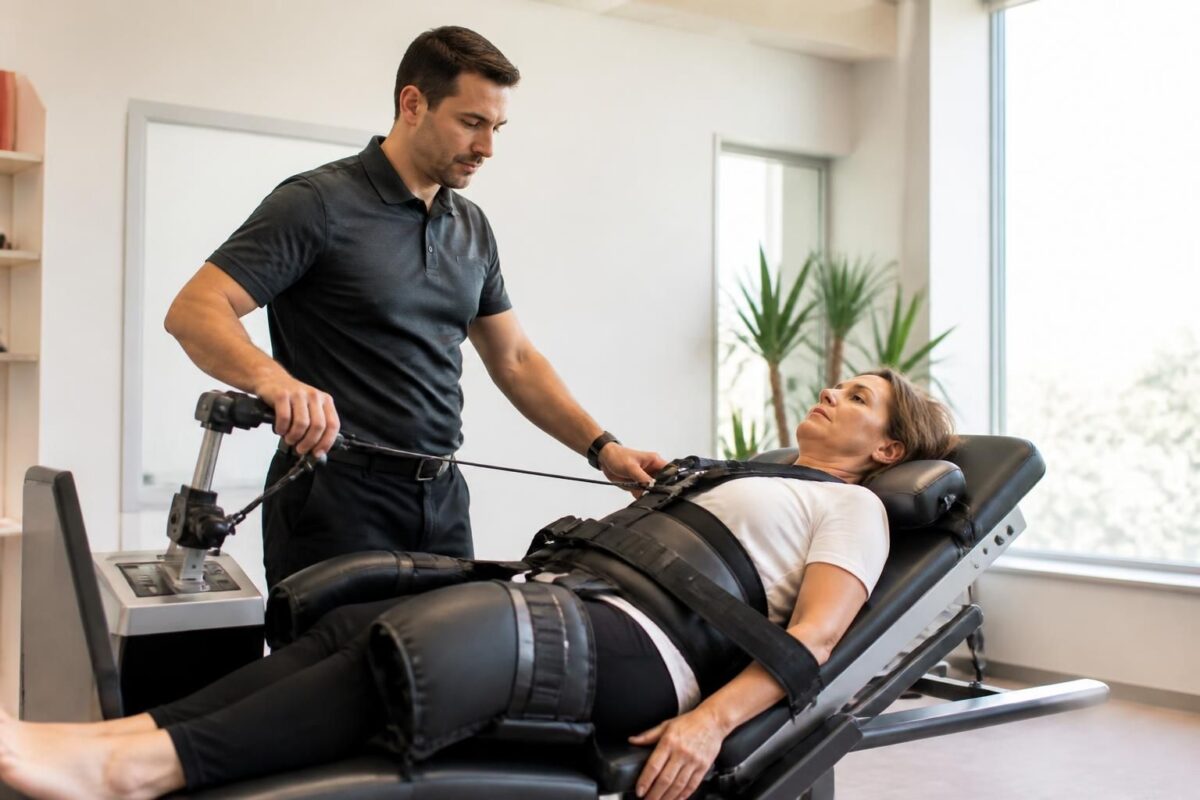
In short
| In short, neurovertebral decompression for the Chest pain is one Non-invasive approach which creates a space between the thoracic vertebrae to decrease the pressure on the nerves and discs. This method promotes circulation and recovery without going through surgery. Its key advantages include a pain reduction After a few sessions, a Improving mobility and one Personalized treatment adapted to the profile of each patient. Accessible in Montreal, this service is particularly recommended for chronic chest pain linked to spinal tensions and disc bulges. |
The neurovertebral decompression is an approach non-invasive intended to soothe Chest pain By tackling the mechanical causes of the thoracic spine. thanks to a Soft and controlled traction Between the thoracic vertebrae, it creates a space freeing the nerve roots and discs, which contributes to reduce the pressure and improve the circulation and theTissue hydration.
It is particularly aimed at chest pain related to disc protrusions, foraminal stenosis or disc degeneration and can be integrated into other non-invasive therapies for a Target relief and sustainable.
- non-invasive with Targeted traction.
- personalized depending on the condition of each patient.
- Quick relief After a few sessions.
- Improving mobility and everyday.
- traffic improvement and reduced inflammation.
Note: Consult a healthcare professional to assess your situation and determine eligibility for this treatment.
This article presents how neurovertebral decompression can help relieve chest pain associated with the chest spine. We examine the mechanism, indications specific to the thoracic region, the course of treatment and potential results, while emphasizing a non-invasive and patient-centric approach.
How does neurovertebral decompression work in the thoracic region
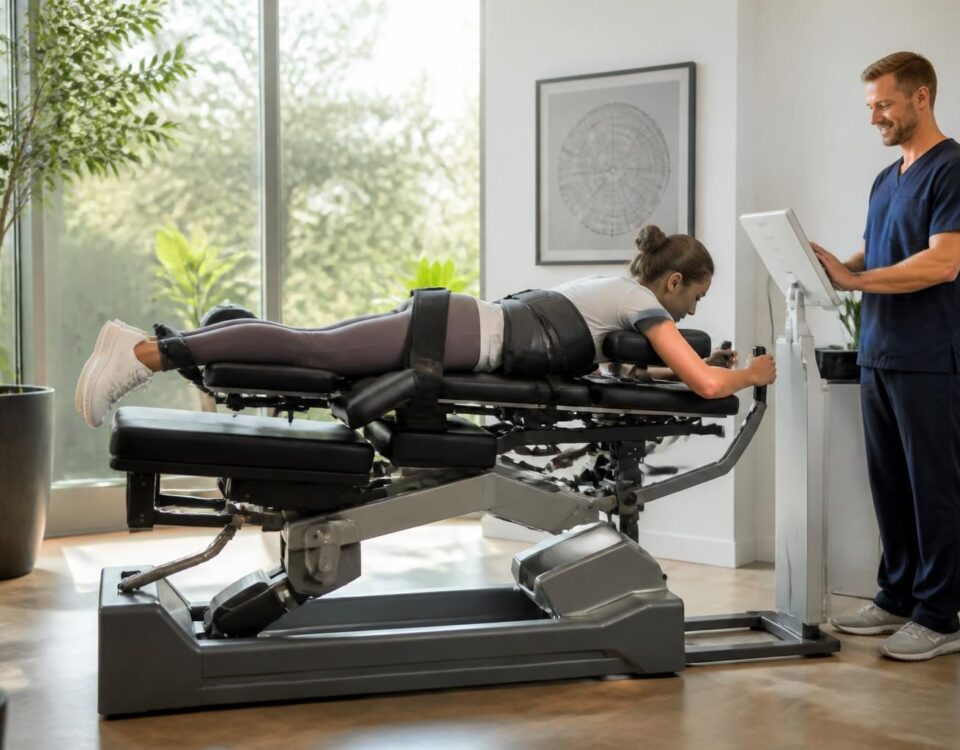
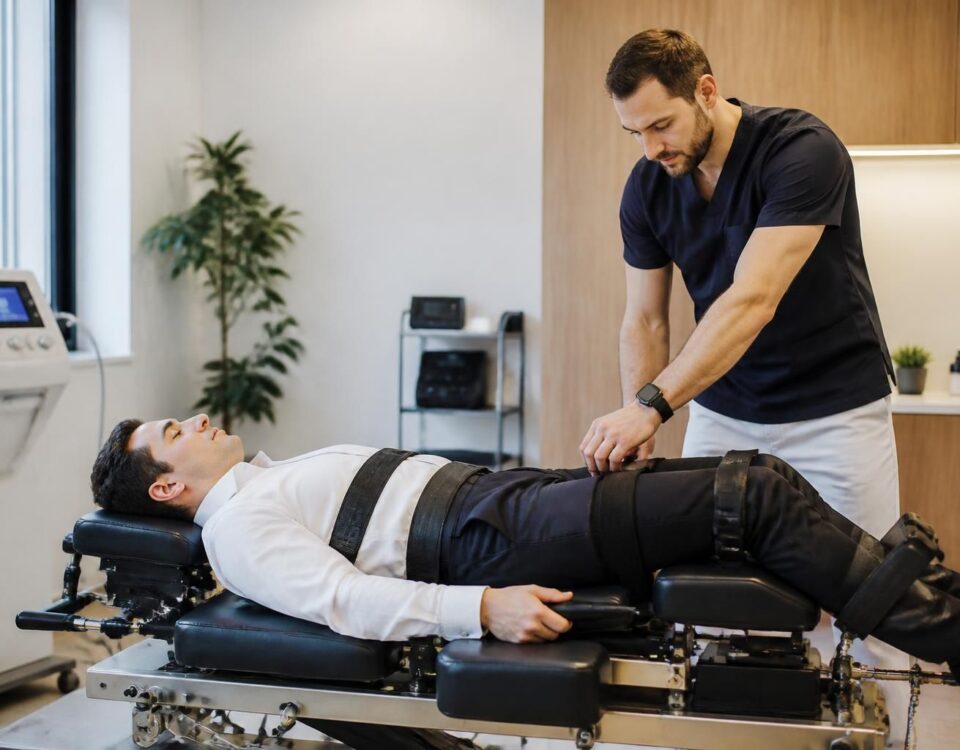
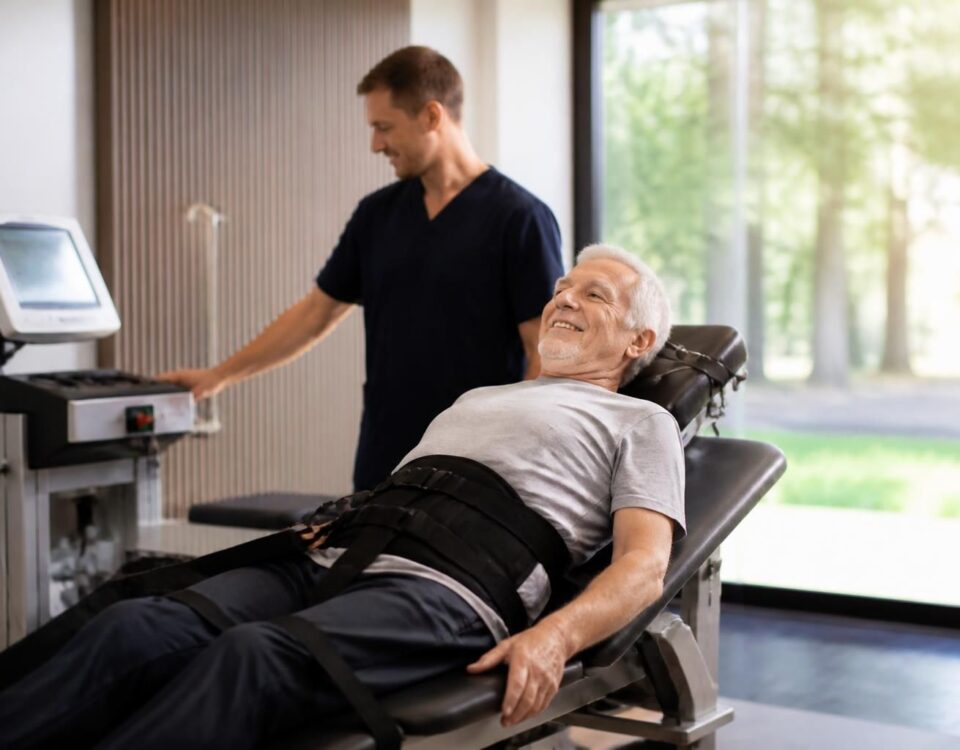
Neurovertebral decompression uses gentle, controlled traction on the thoracic vertebrae. This action creates a space between the spinal segments and decreases the pressure exerted on the discs and nerve roots. By improving blood circulation and tissue intake, it promotes local regeneration and pain reduction. Modern devices allow you to adjust the traction in real time, in order to obtain optimal efficiency and sustained comfort during each session. To deepen the general framework of this approach, you can consult the complete guide available on decompressioneurovertebrale.com and the associated resources on sossciatica.com.
Indications and objectives
This approach is particularly relevant when chest pain originates in spinal conditions in the chest area. Typical indications include:
- Disc-origin chest pain
- Chest disc bulge
- chest disc degeneration
- Foraminal or spinal stenosis localized at the thoracic level
Objectives: to reduce the pressure on the nerves, promote the return of appropriate mobility and improve the quality of life without having to resort to surgery.
Processing and follow-up process
Before the start of treatment, an in-depth assessment is carried out, including medical history and relevant imaging. The care plan is then personalized and can include several sessions spaced out over several weeks. Each session typically lasts between 15 and 30 minutes, and the protocol is adjusted according to the patient’s evolution. Integration with other non-invasive therapies can be considered in a global approach managed by specialized clinics like TagMed, in order to optimize results.
Advantages and security
Potential benefits include:
- Non-invasive relief Chest pain related to chest pathologies
- Improving mobility thoracic and range of motion
- Reduction of symptoms roots and radiants
- Faster recovery and risk reduction associated with surgery
Like any therapeutic approach, this method requires a prior medical evaluation and may present contraindications. The course must be followed by a qualified professional and is part of a global approach of non-invasive care when it is adapted. To explore resources and feedback, check out the publications available on sossciatica.com and decompressioneurovertebrale.com.
Integration with other approaches
Neurovertebral decompression can be associated with other non-invasive therapies to optimize pain control and chest function. in specialized clinics, such as Tagmed Clinic, the approach is often supplemented by appropriate protocols and close supervision, ensuring coordination between the different care modalities. Complementary resources address the relationship between decompression and radiant pain and offer personalized protocols to maximize results without having to resort to surgery. For more information, see the articles on Radiant pain and sciatica.
Things to consider for the patient
Patients should be informed that the results vary and that decompression is not suitable for all chest cases. A medical assessment is necessary to exclude contraindications and determine whether this approach is most appropriate. Additional resources make it possible to deepen the subject and to shed light on the therapeutic choice.
For additional information on benefits and protocols, see the following resources: SosherniaDiscal, SosherniateDisc, and Neurovertebral and sciatica decompression without surgery.
For a clinical setting and associated procedures, resources are available on Complete guide neurovertebral decompression, and on Benefits for degenerative pathologies.
Medical Disclaimer: The information and advice provided on this site does not replace the health professional’s diagnosis or treatment. Please note that Dr. Sylvain Desforges osteopath is neither a doctor of medicine nor a doctor, and is not a specialist in a medical specialty as defined by the Collège des Médecins du Québec. Manual medicine, functional medicine and sports medicine as described on this site exclude any medical treatment or diagnosis made by a doctor or specialist doctor. Always consult your doctor for any medical questions. For more details, please read our full legal notice.
- Targeted indications: Chest pain of vertebral origin related to chest abnormalities (bulges/discals).
- Principle: Controlled traction that creates an intervertebral space and decreases the pressure on the nerves.
- Earnings: Decreased pain and improved chest mobility and breathing.
- Security: Pre-assessment and imaging to select suitable candidates.
- Therapeutic process: initial evaluation, personalized plan and typical sessions of 15 to 30 minutes; 2–3 times a week.
- Conditions covered: Chest pain related to vertebral disturbances and chest bulges.
- Integration: Compatible with physiotherapy and targeted breathing exercises.
- contraindications: Advanced pregnancy, vertebral infections or inflammations, unconsolidated vertebral fractures, neurological disorders.
- Expected results: Improved chest mobility and lasting pain reduction.

This article presents a targeted approach around the neurovertebral decompression for the Chest pain, focusing on the mechanisms, indications and practical progress. This is a non-invasive method aimed at reducing the pressure exerted on the nervous and discs of the chest column, in order to improve the mobility and quality of life of patients.
Context and objectives
Chest pain of vertebral origin can result from pathologies located in the thoracic vertebrae, such as disc bulges, disc diseases or facetopathies. The goal of neurovertebral decompression is to create a space between the vertebrae to reduce the pressure exerted on the nerves and nerve roots, promote blood circulation and support the healing of tissues, without resorting to surgery.
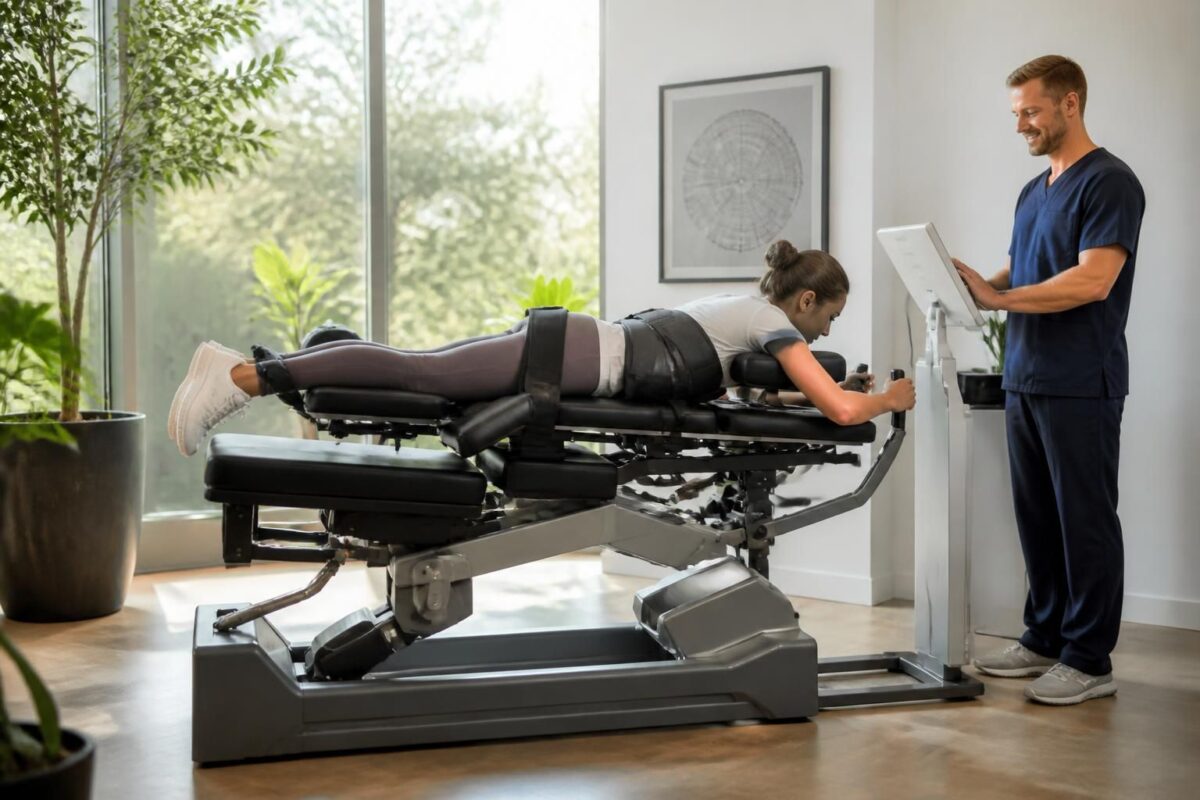
The long-term benefits of neurovertebral decompression for spinal health
In short In short, the neurovertebral decompression is a non-invasive approach that decreases the Pressure on intervertebral discs and nerves, favoring the Natural regeneration and tissue recovery. Its long-term benefits include Lasting pain reduction, Improving mobility and from the posture,…

Neurovertebral decompression and mobility: a return to an active life
In short In short, the neurovertebral decompression is therapy non-invasive who uses a gentle traction To create a space between the vertebrae and reduce the pressure on the Intervertebral discs and the nerves. It promotes a bloodstream improved, lowers tension…
how decompression acts on the thoracic region
Mechanism
The technique is based on a gentle traction and controlled applied to the thoracic spine. This distraction makes it possible to widen the intervertebral and foraminal space, thus reducing the pressure on the discs and nerve roots. By improving the circulation and oxygenation of tissues, it helps to reduce inflammation and promote functional recovery.
Specific indications
It can be considered in the cases of Chest pain of vertebral origin associated with thoracic protrusions or bulges, disc degeneration or pain radiating to the ribs and chest wall. It is not suitable in the presence of active infections, unconsolidated fractures or severe neurological disorders requiring a specialized assessment.
Security and protocols
Each patient benefits from an in-depth assessment and personalized follow-up. The protocols use sophisticated traction devices and appropriate supervision to ensure comfort and safety. The side effects are generally minor and transient, like a slight stiffness after the sessions. Properly progressing and adapting intensity maximizes benefits while minimizing discomfort.
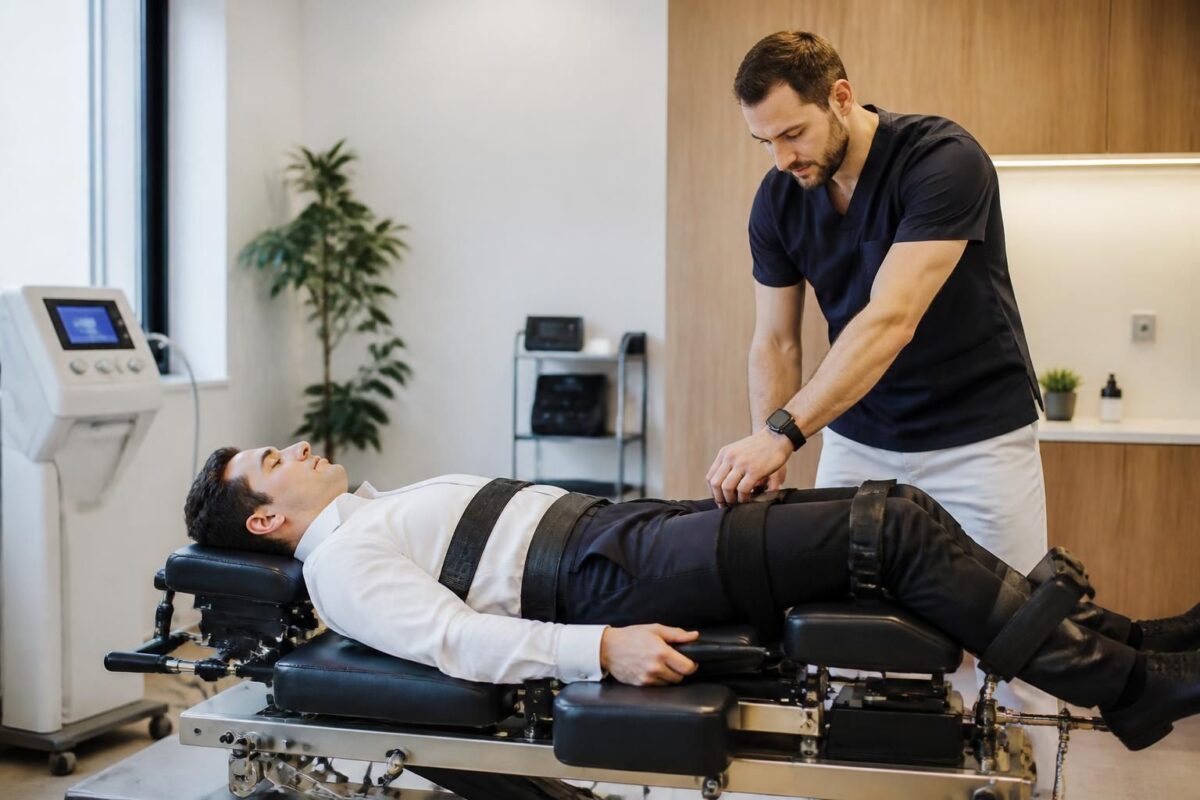
How Neurovertebral Decompression Prevents Diffuse Chronic Pain
In short decompression neurovertebral is one Non-invasive method aimed at reducing the Pressure on the intervertebral discs and the nerves, in order to prevent Diffuse chronic pain. It improves the circulation and thedisc hydration, decreases inflammation and promotes better mobility.…
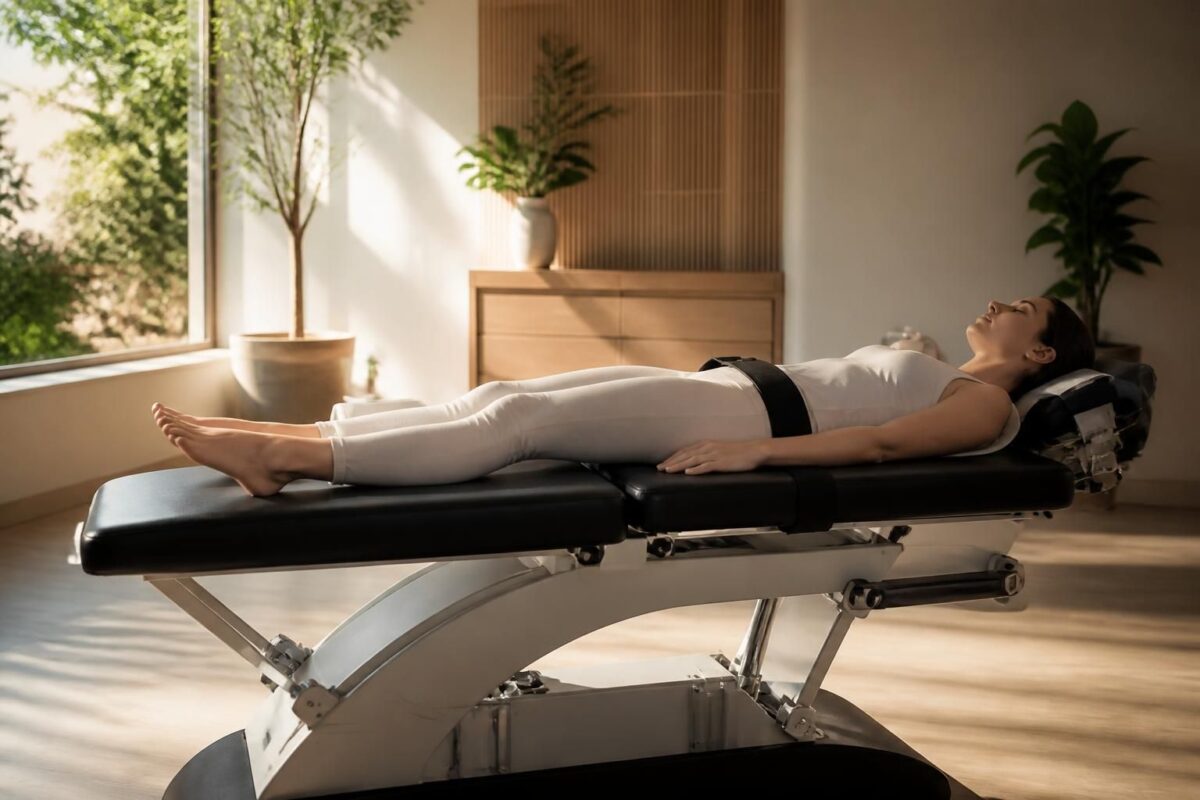
Neurovertebral Decompression and Body Alignment: Restoring Natural Balance
In short In short, neurovertebral decompression is one Non-invasive approach who restores theBody Alignment and thenatural balance back and neck. She acts by a Controlled traction of the spine to widen the intervertebral space and reduce the Pressure on discs…
Integration and therapeutic synergy
with other therapies
Chest decompression is often integrated into a multidisciplinary approach including osteopathy, physiotherapy and other non-invasive therapies. This coordination makes it possible to address the causes and symptoms as a whole, to improve posture and to support continuous rehabilitation of the chest wall and diaphragm.
Equipment and precision
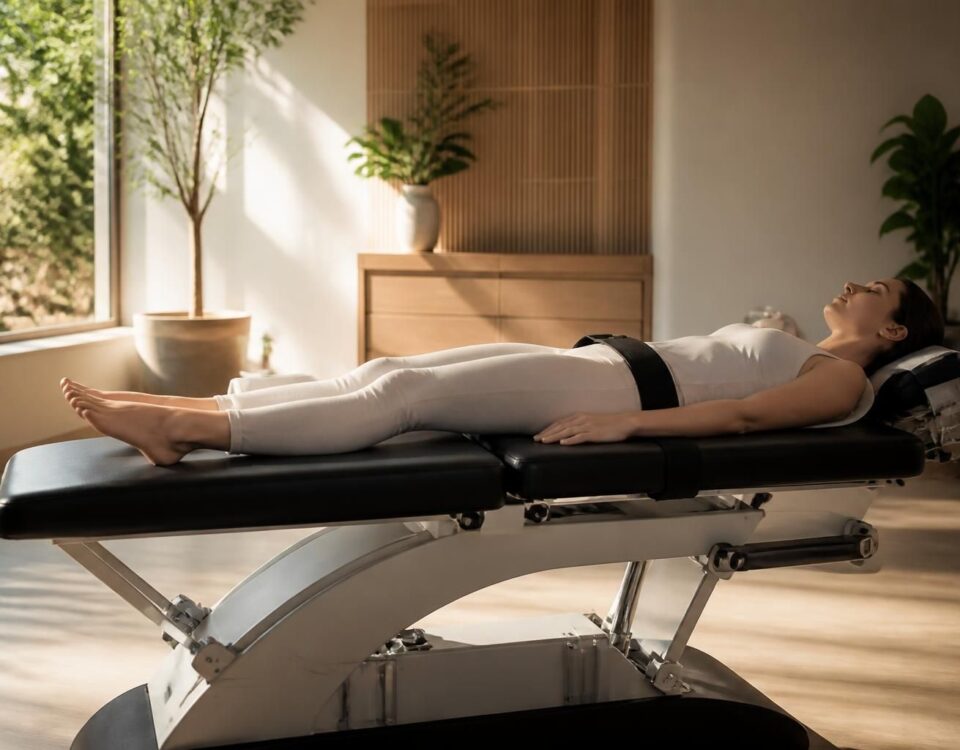
modern systems of Controlled traction Allow real-time adjustments depending on the patient’s reaction. This technology, combined with a personalized evaluation, ensures a targeted application to the affected areas and optimizes results while limiting discomfort.
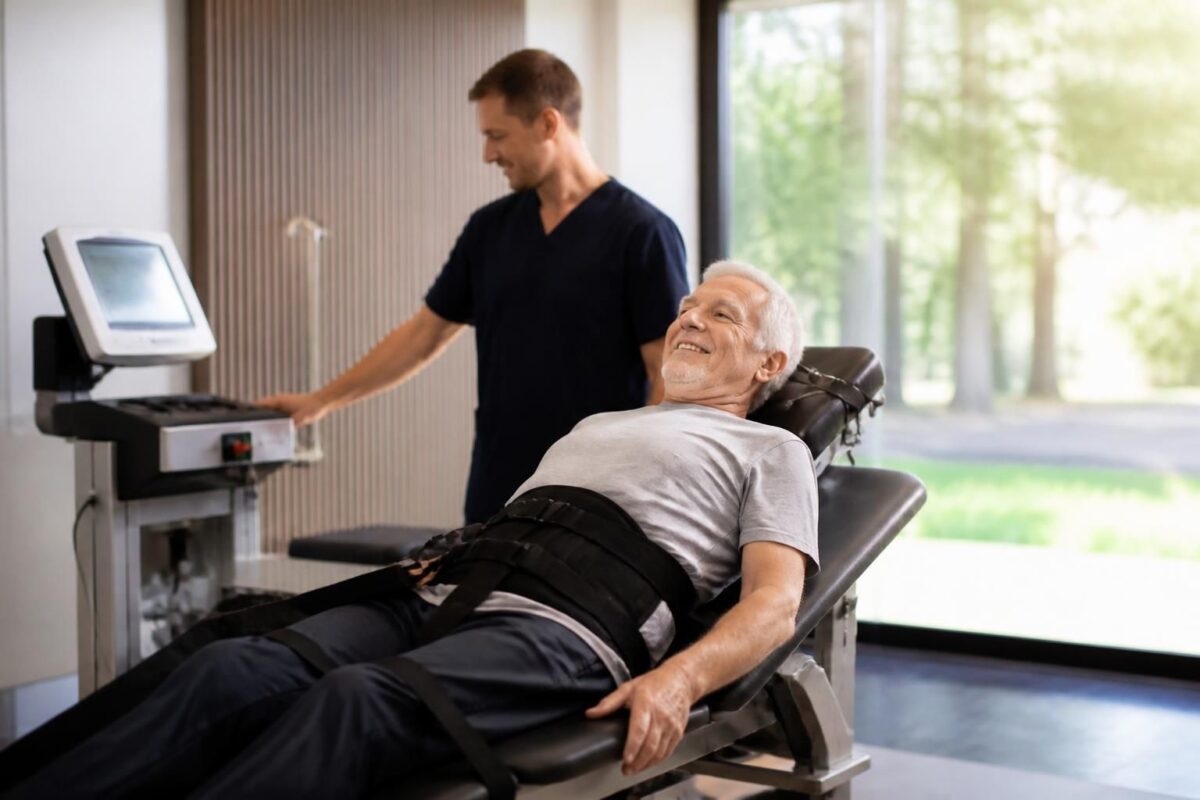
Why neurovertebral decompression is a lasting solution for active seniors
In short In short, the neurovertebral decompression is one Non-invasive therapy which sustainably relieves spinal pain in the spine active seniors By creating, by a Soft and controlled traction, a space between the vertebrae. At Montreal, it is recognized as…
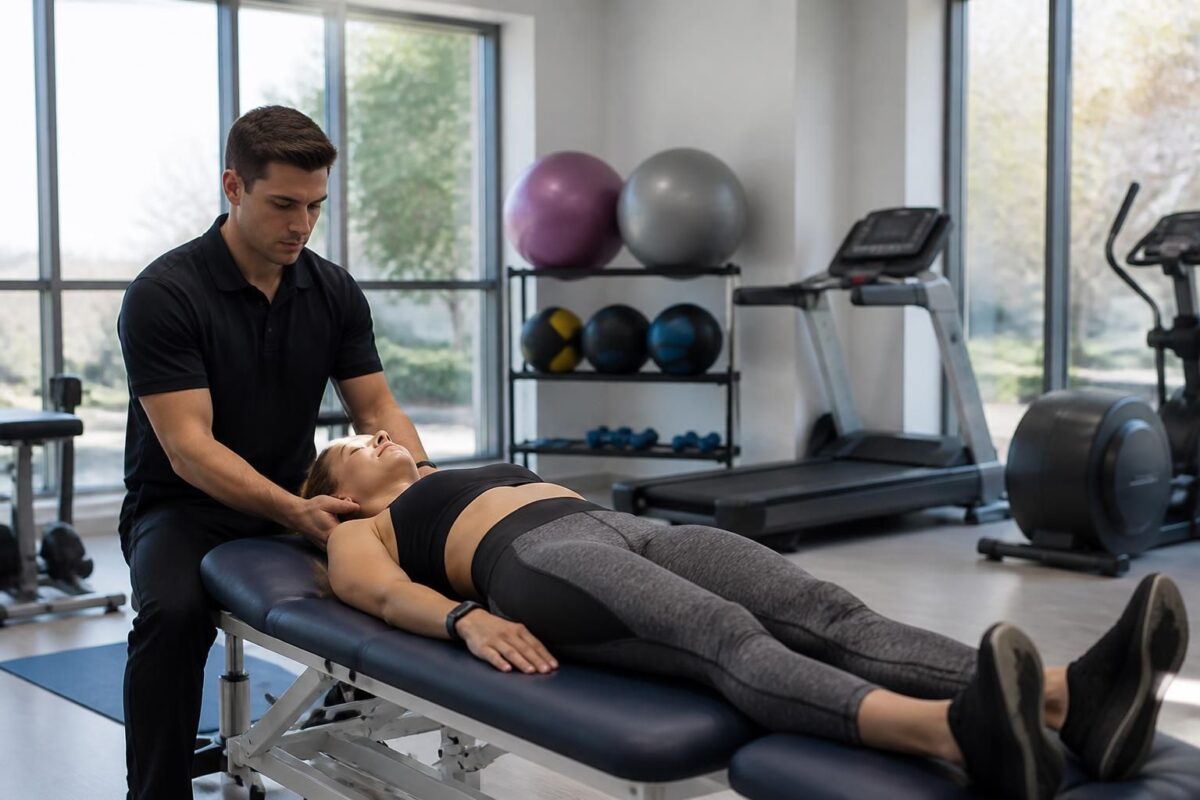
Neurovertebral decompression and recovery after severe sports injury
In short In short, the neurovertebral decompression is one Non-invasive method to Relieve the pressure on the Intervertebral discs and the gristle Via a Controlled traction, to facilitate the recovery After a severe sports injury. It improves the bloodstream towards…
Support and tracking process
Evaluation and treatment plan
The process begins with a initial assessment Including medical history, physical examination and, if necessary, imaging. A personalized treatment plan is established, with a series of typically planned sessions over several weeks, depending on the severity and response of the patient.
Monitoring and functional objectives
Regular monitoring allows you to adjust the traction and gradually introduce thoracic mobility and breathing exercises. The goal is to improve therange of motion, reduce pain and facilitate return to daily and professional activities without persistent pain.
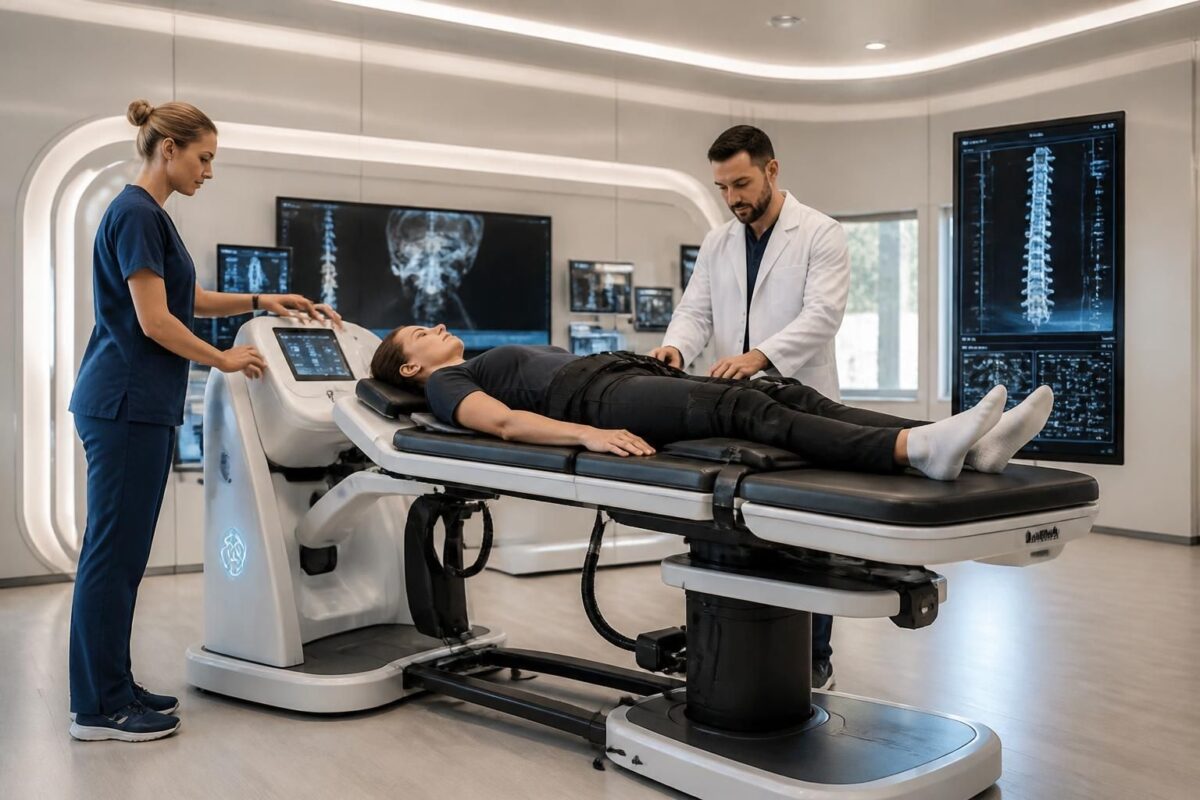
Recent innovations in neurovertebral decompression technologies
In short In short, the neurovertebral decompression is an approach non-invasive Aiming to reduce pressure on discs and nerves, and promote tissue regeneration. At Montreal, it is positioned as an effective option for lower back pain and herniated discs. The…
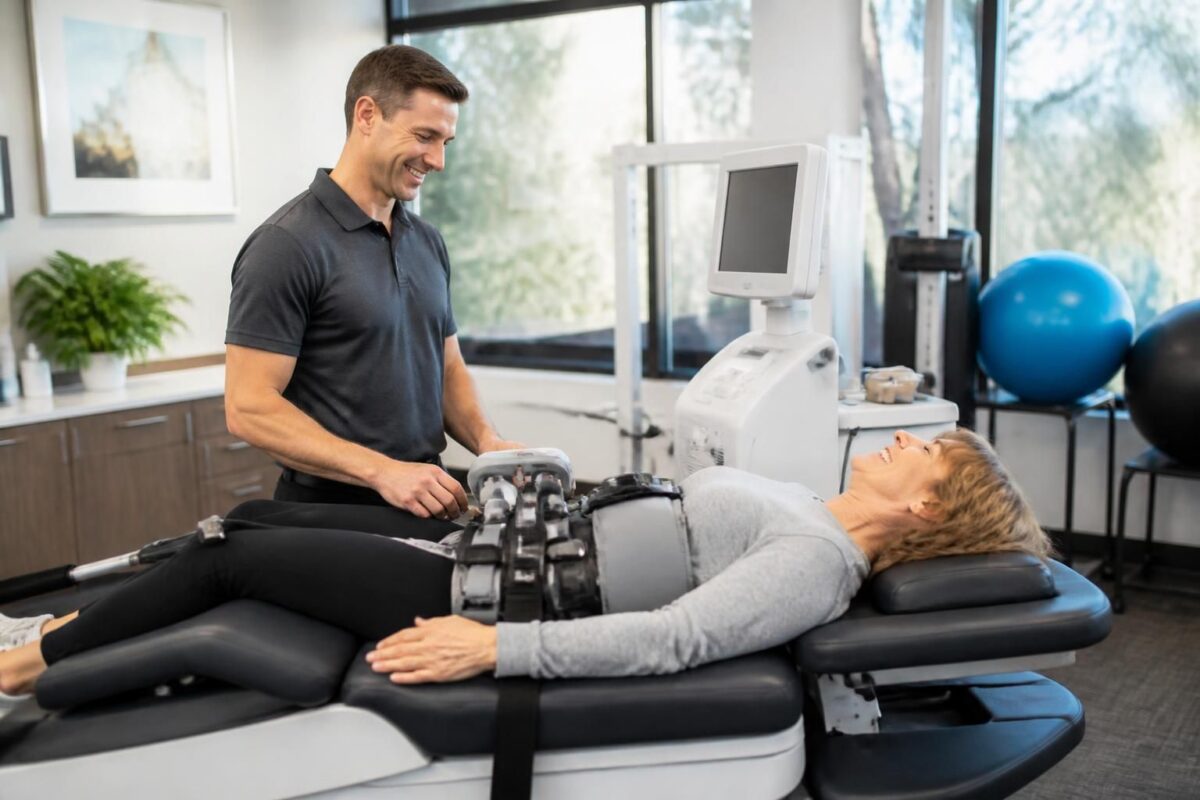
Neurovertebral decompression and diffuse pain: an appropriate solution
In short In short, the neurovertebral decompression is one Non-invasive solution For diffuse pain related to nerve irritation of the spine. She acts in Reducing pressure on intervertebral discs and nerves and improving the bloodstream, which promotes recovery and the…
What you can expect and practical advice
Patients frequently report pain reduction and an improvement in chest mobility After the first series of sessions, with better exercise tolerance and a more balanced posture. Practical advice: Adopt a regular posture, integrate breathing and muscle stimulation exercises, and stay tuned to your body by signaling any unusual or new pain during treatment.
| Aspect | Description |
|---|---|
| Conceptual framework | The neurovertebral decompression is an approach non-invasive Aiming to reduce the pressure on the nerves and discs of the thoracic segments, facilitating mobility. |
| Anatomical targeting | targeting thoracic precise; Relieves nerves and improves disc nutrition. |
| Mechanism and action | soft traction creating a intervertebral space, promotes the circulation and tissue recovery. |
| Security and invasiveness | safe and quick option compared to surgery; adaptation personalized. |
| Specific indications | Indications: vertebral chest pain and compatible chest bulges. |
| Process and duration | Process: Sessions of 15–30 minutes, personalized protocol; Typical frequency 2–3 times/week. |
| Expected results | Results: pain reduction, mobility increased, gradual return to activities. |
| contraindications | Contraindications: advanced pregnancy, unconsolidated infections or fractures, active neurological pathologies; Need for evaluation. |
| Integration and monitoring | Integration: can be associated with osteopathy and other non-invasive therapies; Regular monitoring and protocol adjustment. |
Jade, 47: “Before, my Chest pain prevented me from taking full part in my activities and affected my breathing. After a series of sessions neurovertebral decompression centered on the dorsal region and a truly targeted, I observed a noticeable decrease in pain and an improvement in my ability to breathe comfortably. »
Benoît, 63: “I suffered from chest pain linked to nervous tension in the back. The treatment was non-invasive And well organized, with adjustments adapted to my body. Within a few weeks my pain decreased and my posture improved, which made my daily activities easier. »
Chloé, 29: “The thorax hurt me during repetitive movements at work and I felt like I was suffocating because of the tension. thanks to a Targeted approach And some Personalized sessions, the pain decreased and my breathing became natural again after only a few sessions. »
Philippe, 55: “I appreciated the fact that it was a solution non-invasive and focused on my sensitive areas. After the program, my Chest pain have decreased sharply and I found better mobility of the upper body, which allowed me to resume my sports activities. »
Nadia, 61: “The team took the time to assess my symptoms and personalize the plan. The results were progressive but real: less pain, more liberty in my gestures and a marked improvement in my mobility thoracic. I recommend this Targeted approach to any patient looking for a non-surgical alternative. »
Luc, 40 years old: “After several months of recurring chest pain, I was afraid that nothing would work. With neurovertebral decompression and coordination with other therapies, I saw a decrease in symptoms and better endurance during efforts, which changed my quality of life on a daily basis. »
The neurovertebral decompression is a non-invasive therapeutic approach designed to relieve Chest pain by acting directly on the spine. This method aims to reduce the pressure exerted on the intervertebral discs and nerve roots located in the thoracic region, thus promoting lasting improvement in mobility and a reduction in pain. It is part of a global pain management approach that favors natural healing mechanisms while respecting the body’s capacities.
The principle is based on a targeted and gentle traction that creates a space between the thoracic vertebrae. This mechanical spacing reduces compression on nerves and discs, improves local blood circulation and promotes the return of adequate tissue nutrition. In practice, this feeling of relief can be confirmed from the first sessions, when the pressure on the nerve structures is gradually relaxed, allowing better mobility and a reduction of thoracic radiculars.
This approach is particularly suitable when chest pain comes from protrusions or discal bulges, foraminal stenosis, or even from costovertebral dysfunctions that radiate to the rib cage. It can also be applied in situations of chronic chest pain related to deep muscle tension or postural alterations that impact thoracic mobility. Thanks to its nature non-invasive, it offers a secure alternative to certain aggressive treatments and willingly combines with other non-surgical approaches.
The therapeutic journey is developed from a complete evaluation carried out by an experienced practitioner. Clinical examinations and, if necessary, imaging such as MRI or X-ray make it possible to establish an accurate diagnosis and to target the treatment plan. The protocol is personalized: the typical number of sessions fluctuates between 15 and 25, each session generally lasts from 15 to 30 minutes. Modern protocols incorporate computerized distraction devices that adjust in real time according to the patient’s response, ensuring optimal safety and increased efficiency.
The results observed show a Quick relief and lasting pain, Improving mobility and an easier return to daily activities. In addition, the approach can be associated with complementary therapies such as laser or shockwave therapy, in order to strengthen the effects and offer treatment Both integrated and individualized.
This approach is driven by professionals who focus on evidence-based care and patient safety. Dr. Sylvain Desforges, expert in osteopathy, naturopathy and manual medicine, is part of this continuity by promoting multidisciplinary chest pain management and encouraging the reasoned use of advanced technologies to optimize health and well-being patients. In this context, chest decompression appears as a promising option to restore respiratory function and posture, while restoring the body to its ability to self-regulate and heal.
This article offers a clear summary on the neurovertebral decompression and its impact on Chest pain, highlighting a Targeted approach and non-invasive that can improve mobility, support breathing and reduce pain, while integrating with other therapies to limit relapses. You will discover the mechanisms, indications, potential benefits and resources to deepen this topic.
The neurovertebral decompression appears as an option non-invasive and targeted For chest pain related to chest spine damage, such as bulge disc or radiating pain. By creating a space between the thoracic vertebrae thanks to controlled traction, it can decrease the pressure on the nerves and discs, promoting better mobility and free breathing. To better understand the general framework, it is useful to consult the dedicated page: neurovertebral decompression.
Potential benefits include a Quick relief, a Improving mobility and an Reduction of muscle tension around the rib cage. This approach can also facilitate better posture and more efficient breathing, essential elements in the management of chest pain. Like any intervention, it requires a preliminary assessment to identify contraindications and adjust the protocol, which can be consulted in specialized resources and feedback. Explanatory and practical resources on the subject are accessible via dedicated sites such as Chest pain – targeted approach or Complete guide to neurovertebral decompression.
Modern technologies and protocols allow real-time adjustments, providing Processing customization and one Multidisciplinary support suitable for each patient. Integration with other non-invasive approaches, such as physiotherapy, posture and breathing exercises, can amplify the results and help prevent recurrences. To explore innovations and equipment possibilities, refer to resources such as Equipment innovations or Prevention of relapses of lower back pain.
For patients and practitioners seeking practical guidance, integration with complementary approaches can be beneficial. specialized resources, such as Tagmed – Chest decompression and thoracic disc herniation and Dr Desforges – Targeted approach provide additional insights on clinical application and use cases.
Finally, it should be remembered that neurovertebral decompression is not universal and requires an appropriate medical evaluation. For people wishing to deepen, general and specialized resources such as Wikipedia – Neurovertebral decompression and SOS sciatica – chest pain Allow access to additional information and feedback. For those who wish to know the global perspectives on this approach, the page Complete guide Can be used as a practical and structured reference.

Dr Sylvain Desforges, B.Sc., D.O., N.D., osteopath, is the founding president of TAGMED and of the ACMA association. He dedicates his practice to chronic spinal pain, low back pain and symptoms compatible with sciatica, particularly when pain radiates toward the buttock, leg, calf, foot or toes.
Through SOS Sciatique, he publishes educational content on sciatica symptoms, possible causes such as disc herniation, disc narrowing, foraminal stenosis or irritation of a lumbar nerve root, as well as non-surgical approaches that may be considered according to the evaluation. At Clinique TAGMED, care may include, depending on the case, motorized neurovertebral decompression, specific osteopathic care or precision percussion.
For an evaluation related to sciatica treatment in Montreal / Mount Royal or sciatica treatment in Terrebonne, please consult the services available at Clinique TAGMED.
Medical disclaimer
The information published on SOS Sciatique is provided for educational purposes only and does not replace a consultation, diagnosis, opinion or treatment provided by a physician or another authorized healthcare professional. The author of this article is neither a medical doctor nor a specialist in a medical specialty recognized by the Collège des médecins du Québec. The osteopathic, manual medicine or functional support approaches described on this site do not constitute medical acts and are not intended to replace medical follow-up.
Consult a physician or emergency service in cases of loss of bladder or bowel control, anesthesia in the saddle area, significant or progressive weakness in the leg or foot, fever, recent trauma, severe pain or rapid worsening of symptoms. For more details, please read our Legal Notice.