Neurovertebral decompression and optimization of physical performance
26/06/2026
Neurovertebral decompression and acute lower back pain: an appropriate treatment
26/06/2026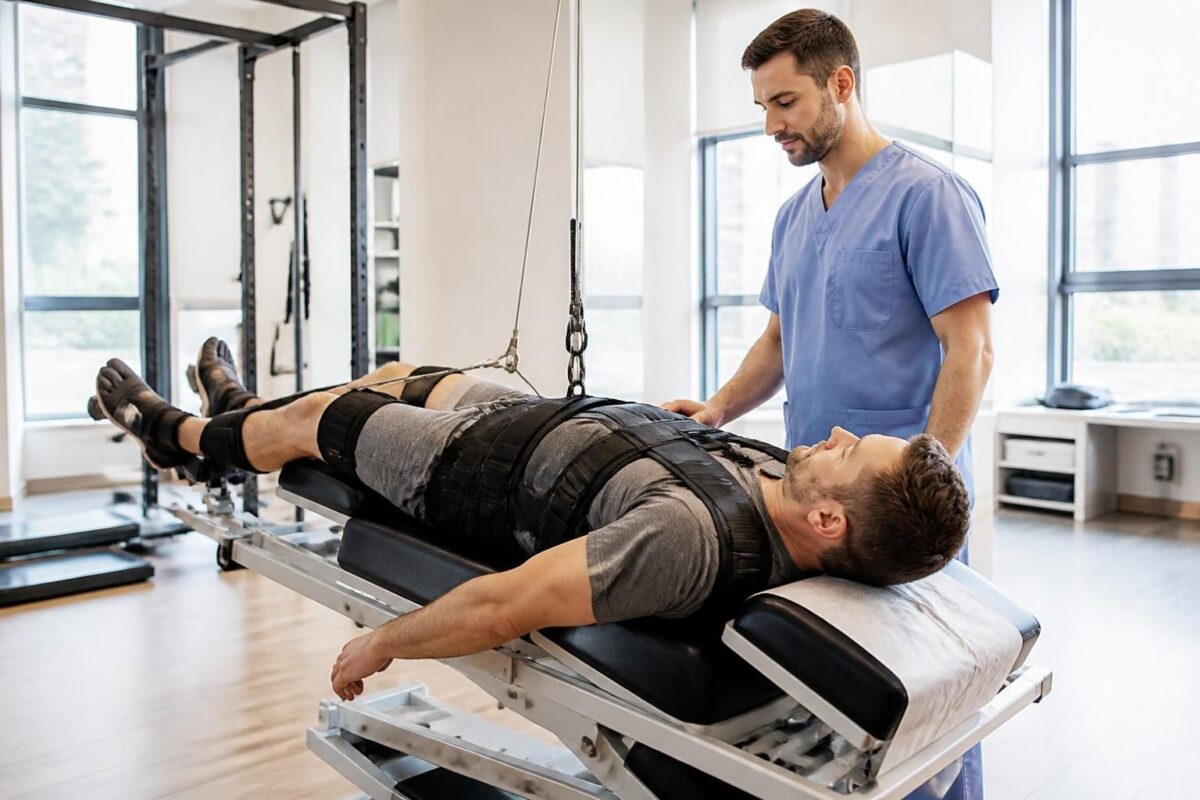
In short
| In short, neurovertebral decompression is one Non-invasive therapy which aims to reduce the pressure on Intervertebral discs and the nerves, in order to improve the mobility and the flexibility of the spine. At Montreal, it is recommended for people with Lower back pain or Chronic cervical who wish to find a range of motion without surgery or medication. Its key advantages include a Sustainable relief, a muscle tension release and an Prevention of recurrent pain, all in a frame non-invasive and respectful of the body. |
The neurovertebral decompression is an approach non-invasive which acts by reducing the pressure on the intervertebral discs and nerves. This leads to a Increased range of motion and an Better joint mobility column and associated structures. It also promotes muscle tension release around the column, improves the bloodstream towards the fabrics and contributes to the Prevention of recurrent pain. By promoting a more balanced posture and better flexibility, it can improve the quality of life daily.
This article presents the Advantages of neurovertebral decompression For theImproved joint mobility. This approach non-invasive Acts on the vertebral segments to free up space around the intervertebral discs and reduce the pressure on the nerves. It also promotes better blood circulation and relaxation of the muscles around the spine. The goal is to alleviate pain and improve movement capacity, without the need for surgery.
How does neurovertebral decompression work
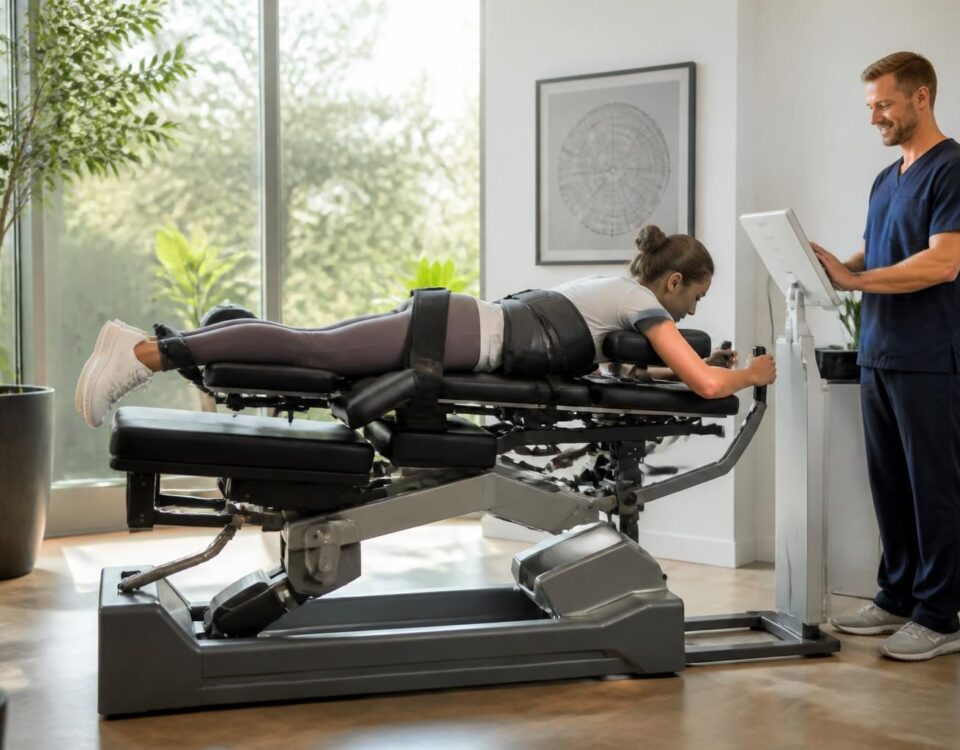
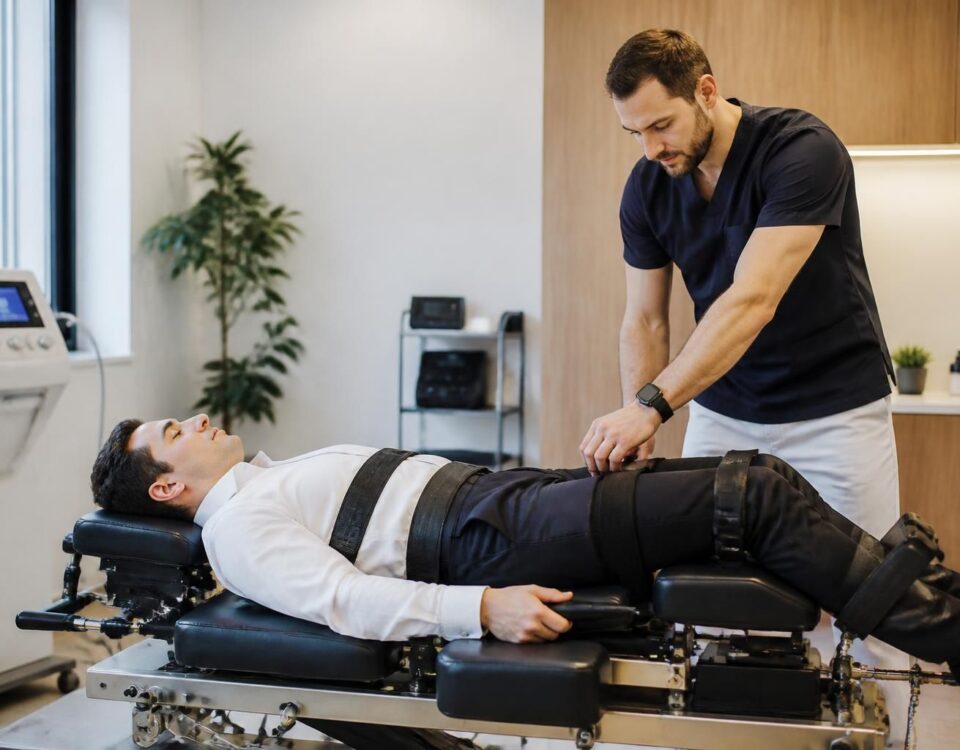
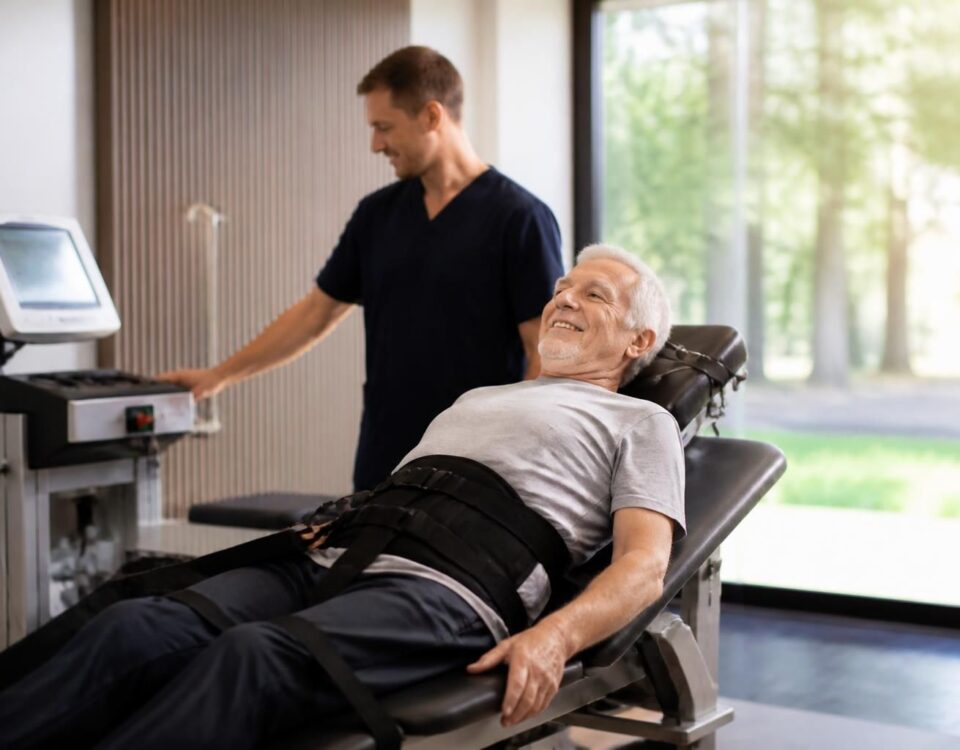
neurovertebral decompression applies a gentle traction on the spine. This traction increases the disc space and decreases compression on the nerves. It also improves the bloodstream in the surrounding tissues. This approach respects the integrity of the body and is generally well tolerated. For detailed explanations of the principles and clinical evidence, you can consult specialized resources on the subject, in particular on decompressionneurovertebrale.com.
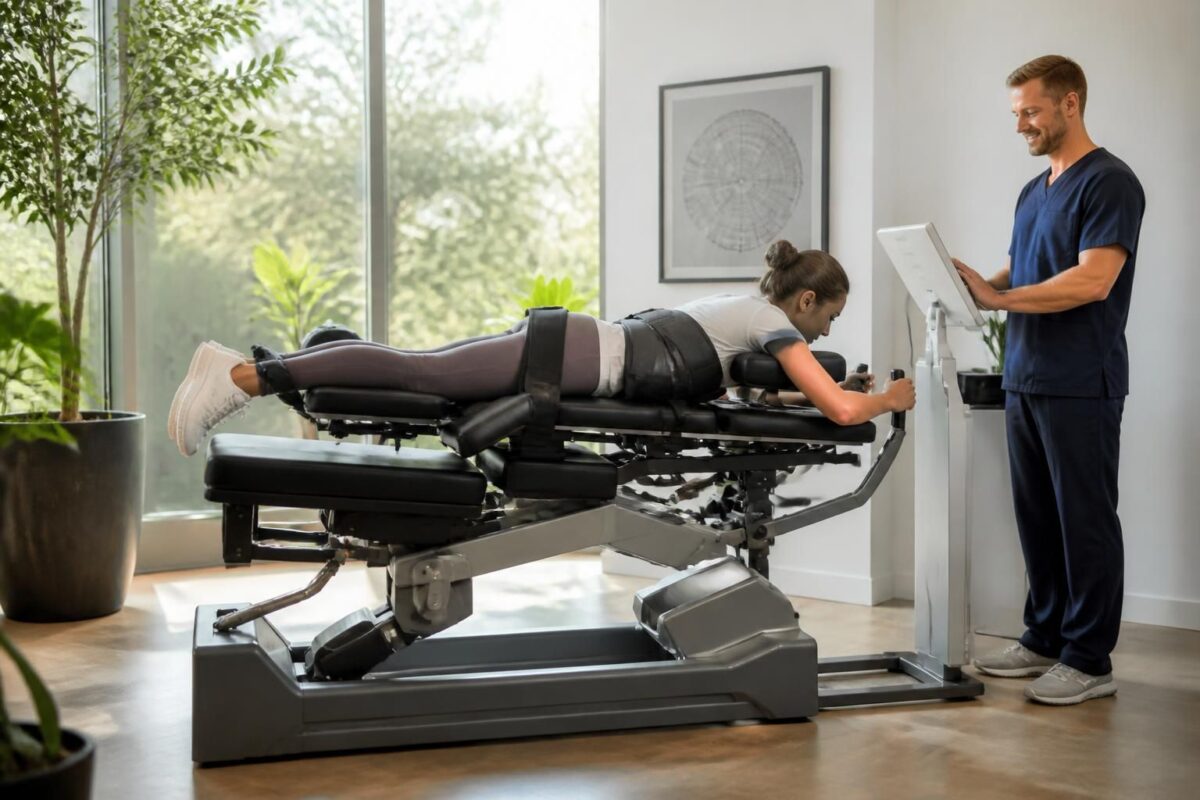
The long-term benefits of neurovertebral decompression for spinal health
In short In short, the neurovertebral decompression is a non-invasive approach that decreases the Pressure on intervertebral discs and nerves, favoring the Natural regeneration and tissue recovery. Its long-term benefits include Lasting pain reduction, Improving mobility and from the posture,…
Impact on mobility and flexibility
Reduced pressure on discs and nerves is accompanied by a Release of muscle tension around the column. This allows a Better range of motion and an Increased flexibility Daily gestures. Patients often report a better ability to turn, lean over and stretch naturally, which results in increased overall mobility and a lasting feeling of comfort. For resources explaining the mechanisms and benefits, see the corresponding pages on sossciatica.com and sosherniatedisc.com.

Neurovertebral decompression and mobility: a return to an active life
In short In short, the neurovertebral decompression is therapy non-invasive who uses a gentle traction To create a space between the vertebrae and reduce the pressure on the Intervertebral discs and the nerves. It promotes a bloodstream improved, lowers tension…
Clinical applications and safety
Neurovertebral decompression is applicable to various column conditions, such as degenerative disorders and lower back or cervical pain associated with nerve pressure. The treatment is designed to be non-invasive and is generally well tolerated when done by experienced professionals. This is a multidisciplinary approach that can be complemented by complementary technologies in TagMed clinics to optimize results in a safe and controlled environment. To find out more, you can consult the official information of Clinique TagMed and associated resources on sosherniediscale.com and sossciatica.com.
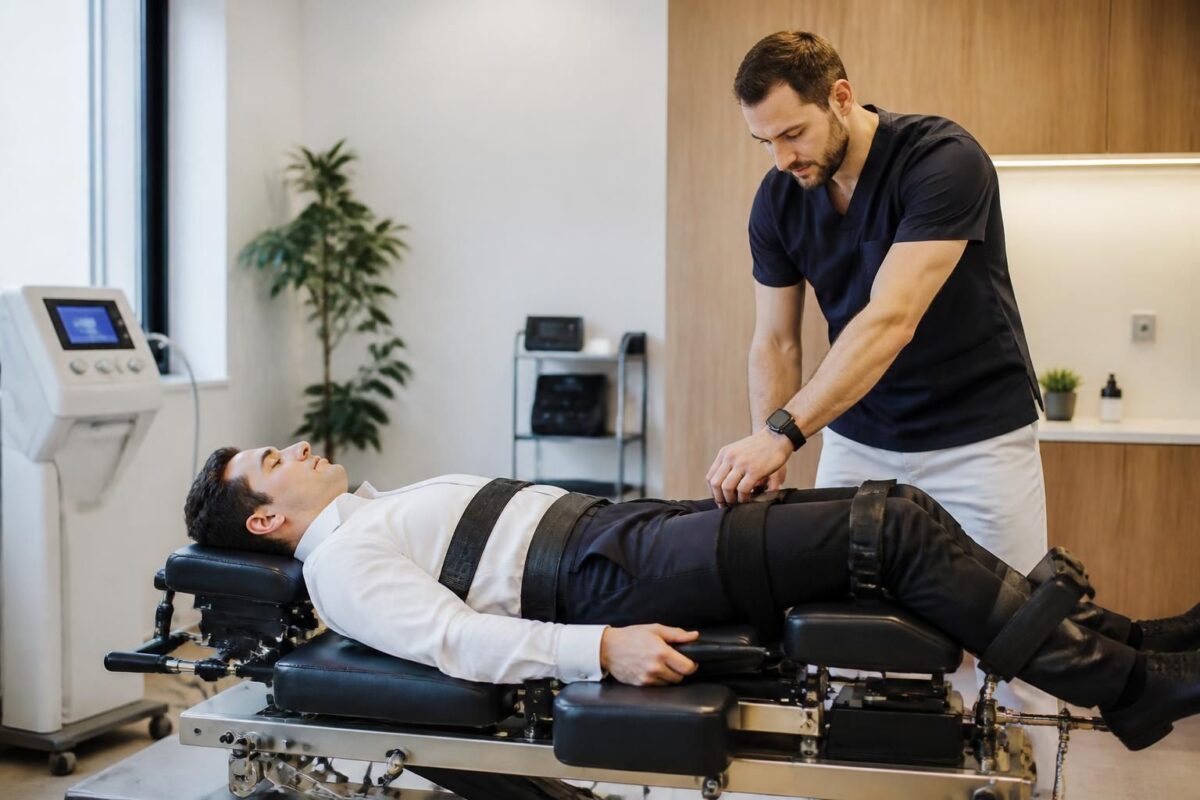
How Neurovertebral Decompression Prevents Diffuse Chronic Pain
In short decompression neurovertebral is one Non-invasive method aimed at reducing the Pressure on the intervertebral discs and the nerves, in order to prevent Diffuse chronic pain. It improves the circulation and thedisc hydration, decreases inflammation and promotes better mobility.…
Resources and useful links
To deepen, here are relevant and relevant resources and their authorized domains:
Benefits of Neurovertebral Decompression Explained
Neurovertebral decompression and persistent lower back pain Effective solutions
How neurovertebral decompression affects mid-back pain
For professional and clinical perspectives, see the following resources:
Neurovertebral Decompression – Benefits Explained
Why neurovertebral decompression is ideal for sedentary workers
The advantages of combining neurovertebral decompression with specific exercises
Additional pages on technologies and associated approaches are also available on sosherniediscale.com and sossciatica.com to help you better understand treatment options.
Medical Disclaimer: The information and advice provided on this site does not replace the health professional’s diagnosis or treatment. Please note that Dr. Sylvain Desforges osteopath is neither a doctor of medicine nor a doctor, and is not a specialist in a medical specialty as defined by the Collège des Médecins du Québec. Manual medicine, functional medicine and sports medicine as described on this site exclude any medical treatment or diagnosis made by a doctor or specialist doctor. Always consult your doctor for any medical questions. For more details, please read our full legal notice.
Medical Disclaimer: The information and advice provided on this site does not replace the health professional’s diagnosis or treatment. Please note that Dr. Sylvain Desforges osteopath is neither a doctor of medicine nor a doctor, and is not a specialist in a medical specialty as defined by the Collège des Médecins du Québec. Manual medicine, functional medicine and sports medicine as described on this site exclude any medical treatment or diagnosis made by a doctor or specialist doctor. Always consult your doctor for any medical questions. For more details, please read our full legal notice.
- Disc space release between the vertebrae to facilitate extension and rotation.
- Reduced nerve pressure and on the discs, improving the range of motion.
- Peripheral muscle relaxation decreasing stiffness and facilitating daily gestures.
- Improved muscle circulation to the areas mobilized, supporting mobility.
- Postural stability Favored, allowing more coordinated and effective movements.
- Prevention of joint blockages thanks to maintaining a functional amplitude.
- Increased flexibility muscle chains associated with the spine.
- Non-invasive approach which optimizes mobility without surgery or medication.

Neurovertebral decompression offers a non-invasive approach to sustainably improve theamplitude and fluidity of joint movements column and linked areas. By reducing the pressure on the intervertebral discs and nerves, it facilitates everyday gestures, allows faster recovery after exercise and prevents tensions that limit mobility. This set of mechanisms translates into a Improved joint mobility, better posture and decreased pain related to movement restrictions.
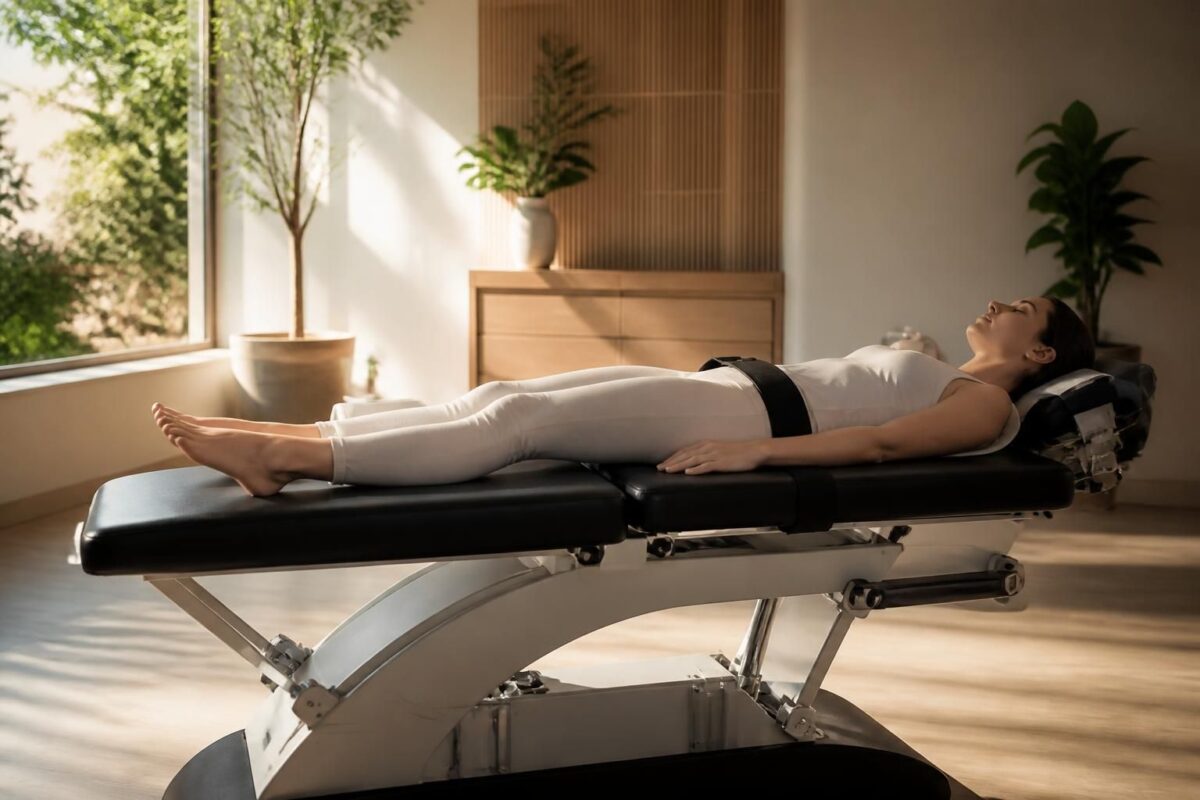
Neurovertebral Decompression and Body Alignment: Restoring Natural Balance
In short In short, neurovertebral decompression is one Non-invasive approach who restores theBody Alignment and thenatural balance back and neck. She acts by a Controlled traction of the spine to widen the intervertebral space and reduce the Pressure on discs…
Direct impact on joint mobility
The key principle is to increase the space between the vertebrae and reduce the pressure exerted on the mechanical elements of the column. This action promotes a better Mobility of the vertebral joints and peripherals, which translates into freer and less pain constrained gestures. At the same time, reducing the pressure on the discs contributes to reducing the limitations of rotation, extension and flexion, thus facilitating theImproving mobility overall back and surrounding structures.
Extension of the disc space and reduction of the stiffness
By allowing the intervertebral discs to rehide and regain their natural elasticity, decompression promotes better range of motion without forcing the surrounding tissues. This dynamic helps not only to recover bending and extension capabilities, but also to prevent Long-term stiffness after repetitive activities or periods of sedentary lifestyle.
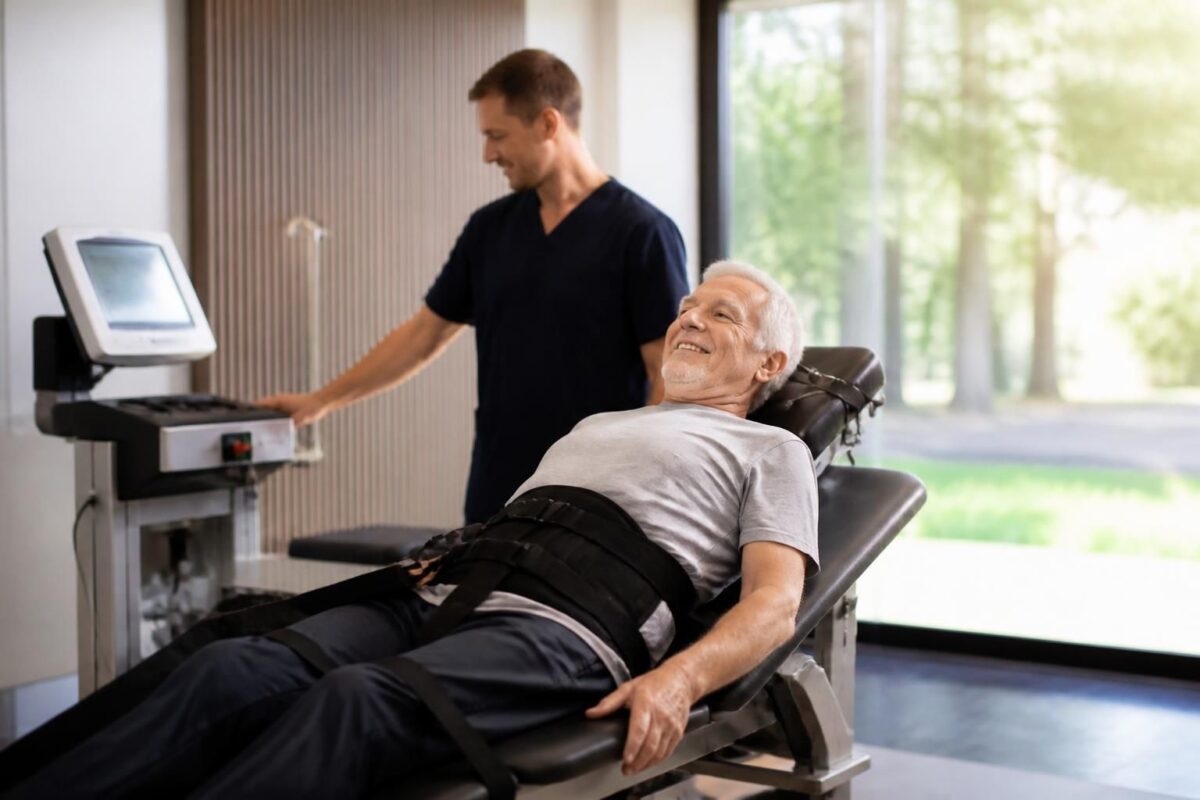
Why neurovertebral decompression is a lasting solution for active seniors
In short In short, the neurovertebral decompression is one Non-invasive therapy which sustainably relieves spinal pain in the spine active seniors By creating, by a Soft and controlled traction, a space between the vertebrae. At Montreal, it is recognized as…
Release of tensions and improvement of posture
Another essential facet is the muscle tension release around the column. Tight muscles can limit mobility even when the discs are healthy. By releasing these tensions, the technique allows a more fluid synchronization between the muscles and the joints, contributing to a (Optimized posture) and better stability during daily and sporting movements.
Effect on adjacent muscles and back breathing
With a less compressed spine, the paravertebral muscles work more harmoniously, which improves respiratory coordination and trunk stability. This muscle-structure synergy promotes more calibrated and less prone to microlesions during sustained efforts.
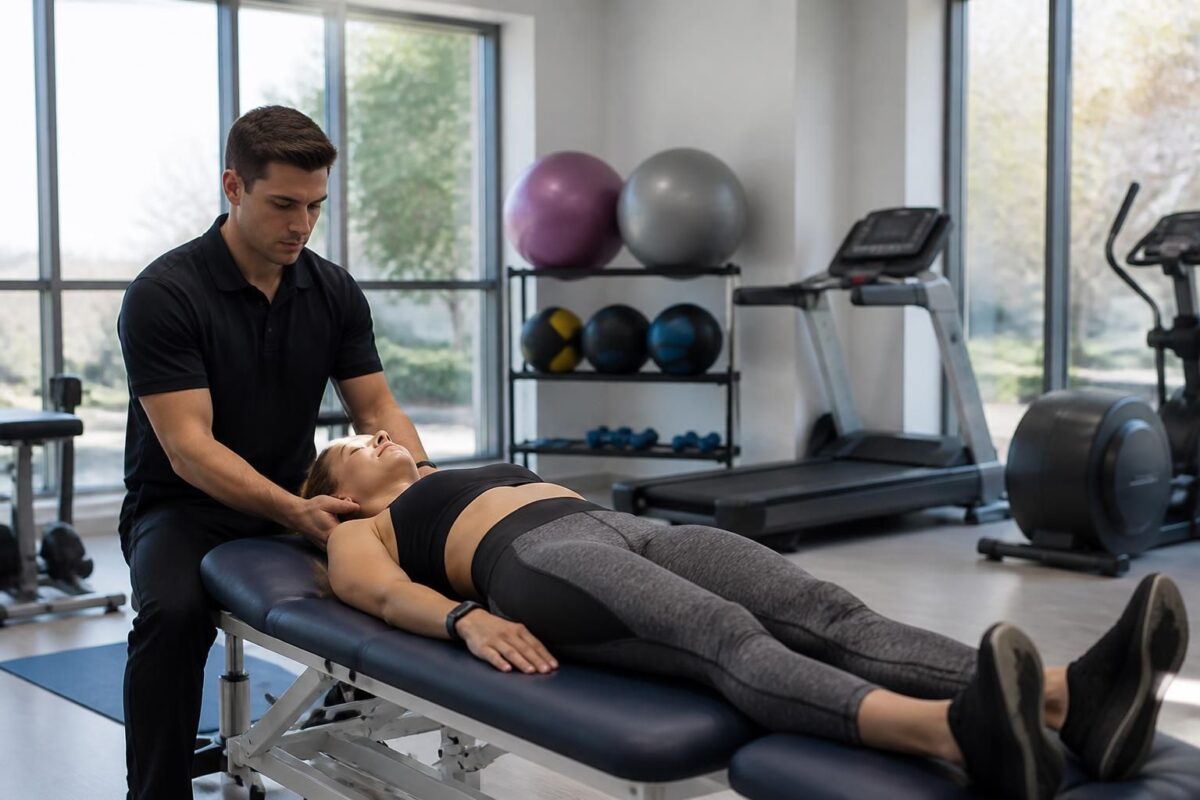
Neurovertebral decompression and recovery after severe sports injury
In short In short, the neurovertebral decompression is one Non-invasive method to Relieve the pressure on the Intervertebral discs and the gristle Via a Controlled traction, to facilitate the recovery After a severe sports injury. It improves the bloodstream towards…
Functional advantages and quality of life
The effects result in an easier resumption of daily activities and better practice of physical or sports activities. A Improved functional mobility is manifested by an increased ability to crouch, bend, turn your torso and walk a longer distance without pain or excessive fatigue. In addition, decompression dynamics support a Sustainable reduction in painful episodes, which reinforces confidence in the movement and the desire to remain active.
Business recovery and performance
Patients frequently report faster recovery after a workout or a day at work that strongly strains the back. This regained ability to move freely contributes to maintaining an active routine, essential to preserve overall health and prevent recurrences linked to sedentary lifestyle or progressive overload of the spinal segments.
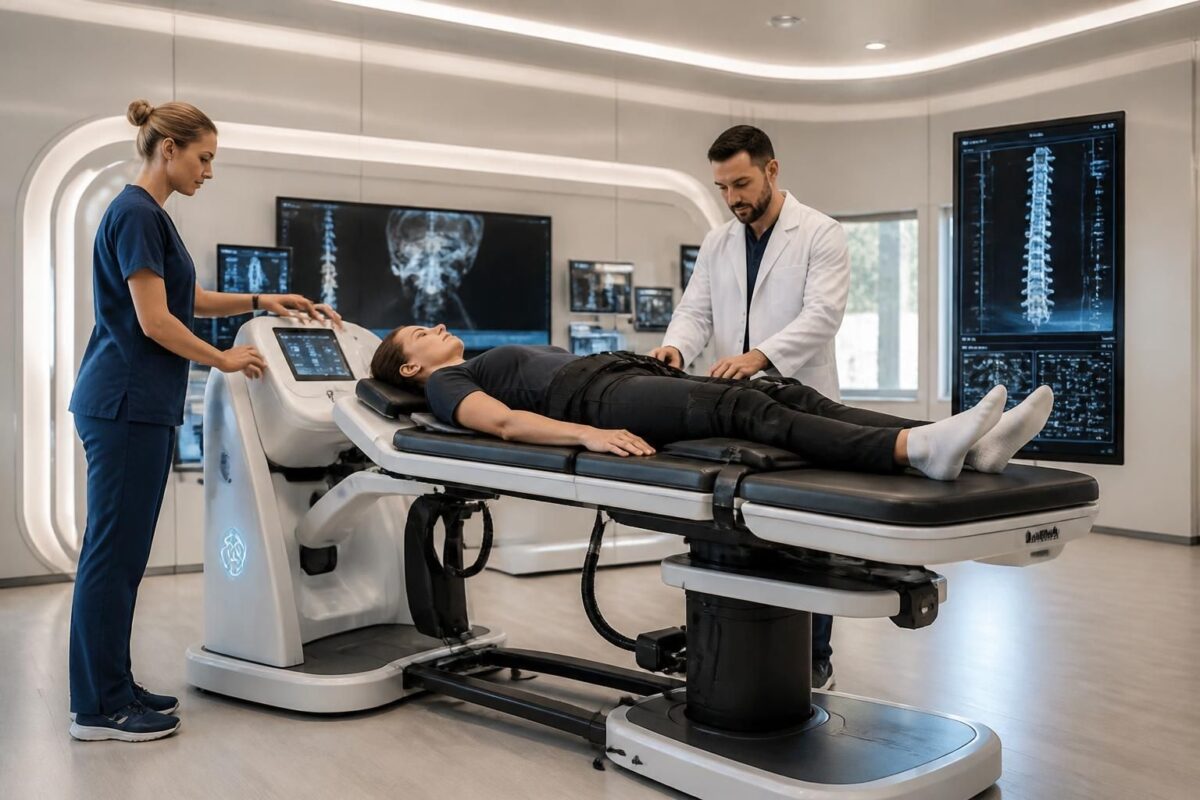
Recent innovations in neurovertebral decompression technologies
In short In short, the neurovertebral decompression is an approach non-invasive Aiming to reduce pressure on discs and nerves, and promote tissue regeneration. At Montreal, it is positioned as an effective option for lower back pain and herniated discs. The…
Integration and security
Neurovertebral decompression is therapy Non-invasive and secure Who can be part of a multidisciplinary course, in addition to other approaches such as osteopathy, physiotherapy or shockwave therapy. Customizing the protocol allows you to adapt the duration, intensity and frequency of sessions to each patient, maximizing the benefits for the Joint mobility while respecting the integrity of the fabrics.
Plan customization and tracking
Professional support makes it possible to adjust the treatment according to the evolution of mobility and pain, guaranteeing measurable progress. Safety is enhanced by clinical monitoring and simple functional indicators that demonstrate improvement in flexibility and mobility without shipping fabrics or increased risks.
| Aspect | Concise impact |
|---|---|
| range of motion | Sustainable increase in amplitude thanks to reduced pressure on discs and nerves. |
| pain reduction | Targeted relief that facilitates daily gestures and mobility. |
| Muscle release | Decreased tensions around the column, allowing for freer rotation and bending. |
| Hydration and disc regeneration | Restoration of disc hydration, improving mobility and impact resistance. |
| Local blood circulation | Increased blood flow to affected tissues, supporting recovery and flexibility. |
| Posture and alignment | Better vertebral alignment, reduction of asymmetrical tensions. |
| joint flexibility | Increased elasticity of joint structures for larger gestures. |
| Prevention of recurrences | Improved spine stability, less painful relapses. |
| Exercise tolerance | more sustainable physical activity and faster return to training. |
| Non-invasive approach | Gentle traction without surgery or drugs, respect for body integrity. |
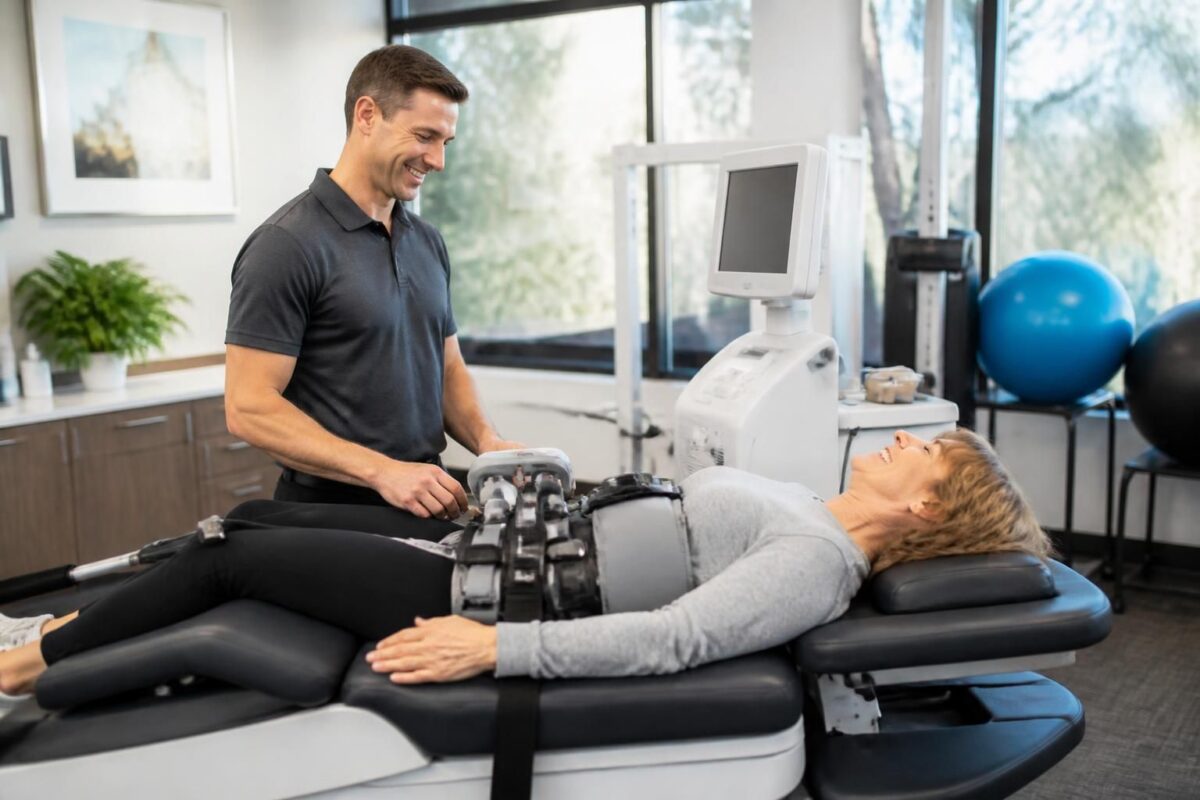
Neurovertebral decompression and diffuse pain: an appropriate solution
In short In short, the neurovertebral decompression is one Non-invasive solution For diffuse pain related to nerve irritation of the spine. She acts in Reducing pressure on intervertebral discs and nerves and improving the bloodstream, which promotes recovery and the…
Testimonials on the Benefits of Neurovertebral Decompression to Improve Joint Mobility
“Since the beginning of the neurovertebral decompression program, my mobility from the back came back. I can bend over and pick up objects without feeling the pain that blocked me before, and my flexibility has improved significantly. — Sophie, 42 years old.
“I feel a real Tension release in the column and a Improved range of motion in the torso and shoulders. My daily life is more fluid and my gestures are less constrained. — Marc, 55 years old.
“As a dancer, my hip mobility and my Trunk flexibility have regained their vigor. I can perform momentum gestures and complex movements without limiting my performance. — Caroline, 29.
“For my workouts, the Bust rotation and theBack extension are done with more ease. I found a natural posture And less gene during sessions and competitions. — Julie, 34 years old.
“As you get older, the cervical mobility became more difficult. Thanks to decompression, I found a Neck mobility and an Reduction of stiffness, which also improves my sleep quality. — Antoine, 61 years old.
“At work, the tensions in the upper back and the trapezoids limited me a lot. With decompression, my General mobility and my resilience Faced with fatigue have improved, which allows me to be more efficient and less tense. — Emilie, 50 years old.
Neurovertebral decompression and joint mobility: course of a committed expert
Dr. Sylvain Desforges, an experienced osteopath and passionate about health innovation, puts his vision at the service of the Chronic pain and improving mobility. His background integrates osteopathy, naturopathy and manual medicine, with an approach that favors scientific rigor and clinical evidence. As founding president of the TagMed clinics and the ACMA association, he takes a multidisciplinary approach designed to optimize body movement and overall well-being of patients.
At the heart of this approach, neurovertebral decompression is presented as a non-invasive therapy intended to relieve pain related to spinal conditions and to restore smoother mobility. The objective is to reduce the pressure exerted on the intervertebral discs and nerve structures, thus favoring a gradual return to freer and painless daily gestures. This method is based on gentle and controlled mechanical traction, without surgery or sedation, which contributes to a respectful rehabilitation of the body.
The advantages for joint mobility are multiple and are part of a sustainable perspective. On the one hand, the lightening of pain and stiffness peripheral increases the range of movements and facilitates daily activities such as flexions, turns and stretching gestures. On the other hand, reducing the pressure on the nerves promotes better blood circulation to the affected areas, which supports tissue nutrition and disc recovery. Result: increased flexibility and smoother joint dynamics, which gain in stability and endurance over the sessions.
This approach is reinforced by a technological and integrative dimension: it can be associated with other advanced modalities such as laser class IV and shockwave therapies, as well as targeted rehabilitation and posture practices. By combining these tools, the care pathway aims to release the muscle tension surrounding the spine, to optimize alignment and to promote functional recovery that extends beyond the individual sessions. The result is a palpable improvement in adjacent joint mobility, better neuromuscular coordination and a reduction in the risk of painful recurrences.
Dr. Desforges advocates a personalized and progressive approach: each patient benefits from an accurate assessment of their structural and functional status, followed by appropriate protocols and transparent communication on the objectives and expected results. This movement-centric approach is accompanied by a state of mind that favors prevention and empowerment, so that regained mobility is sustainable and integrated on a daily basis. The results observed testify to a continuous improvement in muscle relaxation, better fluidity of gestures and general well-being, thanks to a freer and more aligned spine.
This opening quickly sums up the purpose of the article: to demonstrate how neurovertebral decompression can improve Joint mobility By reducing the pressure on discs and nerves, while promoting tissue recovery and fluidity of movement.
The neurovertebral decompression acts mainly by a gentle traction which reduces the pressure exerted on the Intervertebral discs and nerve roots, while improving the bloodstream in the areas concerned. This non-invasive approach is designed to restore the necessary space between the vertebrae, thus promoting better mobility and an Joint function more fluid. To deepen the mechanisms and observable results, see the resources that describe the Benefits for improving joint mobility and associated clinical perspectives.
This approach contributes significantly to theImproved range of motion and at the flexibility of the spine. By releasing muscle tension around the spine and facilitating blood flow, it allows you to regain better ease during everyday gestures and physical exercises. specialized resources on this subject underline that Custom protocols can optimize these results and adapt to the profile of each patient.
In terms of pain and irradiation, neurovertebral decompression can provide lasting relief from mechanical and radiating pain, thus improving the quality of life and decreasing functional limitations. To understand how it can act on radiant pain and make it more bearable, refer to the guides dedicated to the Neurovertebral decompression and irradiating pain.
The Custom protocols play a key role in optimizing results. By adjusting the traction parameters and the rhythm of the sessions, the specialists adapt the treatment to the morphology and the functional objective of each patient, which maximizes the gains in mobility and stability. To explore these tailor-made approaches, you can consult the resources on the Custom protocols.
In active elderly people, neurovertebral decompression is particularly relevant: it can help maintain sustained physical activity by reducing pain and restoring freedom of movement. Dedicated content explains why this therapy is recommended for active seniors and how it can support an active lifestyle without resorting to invasive interventions. See the exchanges on this subject in the resources devoted to active seniors.
At the same time, this approach offers an interesting non-pharmacological alternative to certain drug treatments, while remaining compatible with a global approach to care (osteopathy, manual therapies and rehabilitation). For those looking for a natural option to manage pain and improveJoint mobility, resources on The alternative to drug treatments provide useful lighting.
In summary, all the benefits of the neurovertebral decompression In terms of Joint mobility Relies on targeted pressure reduction, improved circulation, and release of muscle tension, while promoting more harmonious posture and gradual recovery of joint mechanisms. For additional details and concrete examples, refer to dedicated resources and custom protocols that optimize these results.

Dr Sylvain Desforges, B.Sc., D.O., N.D., osteopath, is the founding president of TAGMED and of the ACMA association. He dedicates his practice to chronic spinal pain, low back pain and symptoms compatible with sciatica, particularly when pain radiates toward the buttock, leg, calf, foot or toes.
Through SOS Sciatique, he publishes educational content on sciatica symptoms, possible causes such as disc herniation, disc narrowing, foraminal stenosis or irritation of a lumbar nerve root, as well as non-surgical approaches that may be considered according to the evaluation. At Clinique TAGMED, care may include, depending on the case, motorized neurovertebral decompression, specific osteopathic care or precision percussion.
For an evaluation related to sciatica treatment in Montreal / Mount Royal or sciatica treatment in Terrebonne, please consult the services available at Clinique TAGMED.
Medical disclaimer
The information published on SOS Sciatique is provided for educational purposes only and does not replace a consultation, diagnosis, opinion or treatment provided by a physician or another authorized healthcare professional. The author of this article is neither a medical doctor nor a specialist in a medical specialty recognized by the Collège des médecins du Québec. The osteopathic, manual medicine or functional support approaches described on this site do not constitute medical acts and are not intended to replace medical follow-up.
Consult a physician or emergency service in cases of loss of bladder or bowel control, anesthesia in the saddle area, significant or progressive weakness in the leg or foot, fever, recent trauma, severe pain or rapid worsening of symptoms. For more details, please read our Legal Notice.