How neurovertebral decompression improves vertebral alignment
26/06/2026
Modern techniques of neurovertebral decompression explained
26/06/2026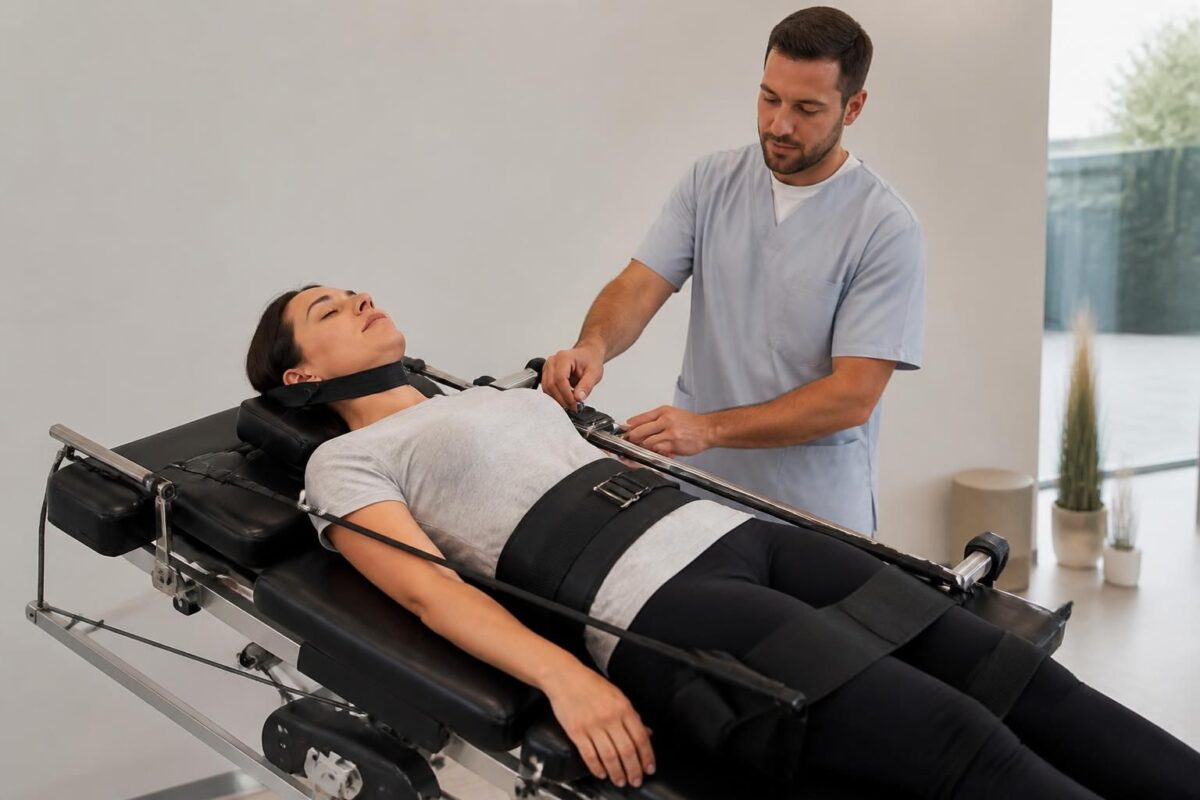
In short
| In short, the neurovertebral decompression is one Nonsurgical therapy intended to reduce the Pressure on discs and nerves for some Chronic mechanical pain back or neck. It offers advantages such as pain reduction, theImproving mobility and one Quick return to activities, without surgery. In Montreal, this treatment is particularly recommended when the conservative options have not yielded results, and the program generally includes between 15 and 25 sessions, suitable for each patient. |
The neurovertebral decompression is one Non-surgical approach to reduce the pressure on the Intervertebral discs and the gristle To mitigate the Chronic mechanical pain back and neck. It is based on a Controlled traction which promotes the rehydration of discs and the improvement of the circulation of nutrients, thus supporting healing.
Profits include a pain reduction, a Better mobility and one Faster return to daily activities, without surgery. The typical program generally includes 15 to 25 sessions, personalized according to the patient’s profile. It is recommended to consult a health professional to assess eligibility and ensure appropriate care.
Quick Summary: Neurovertebral decompression is a non-surgical approach that aims to reduce chronic mechanical pain by decreasing pressure on the intervertebral discs and nerves. It can improve mobility and quality of life when conservative treatments remain insufficient. In this context, it is integrated into a multidisciplinary approach and relies on proven techniques to promote healing and prevent aggravations.
What is neurovertebral decompression?
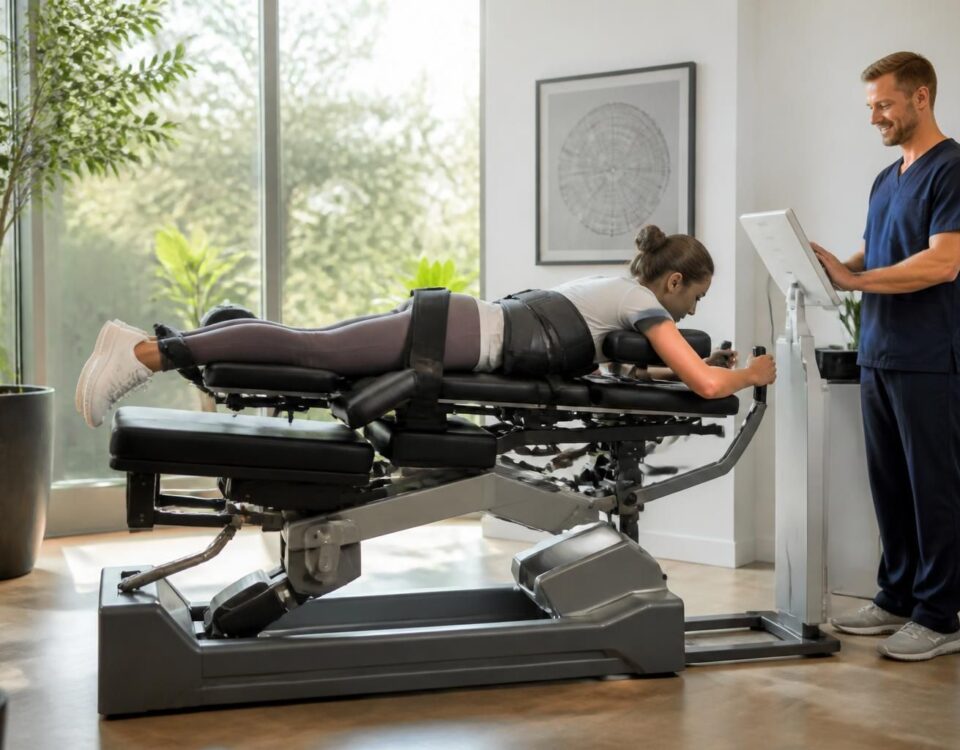
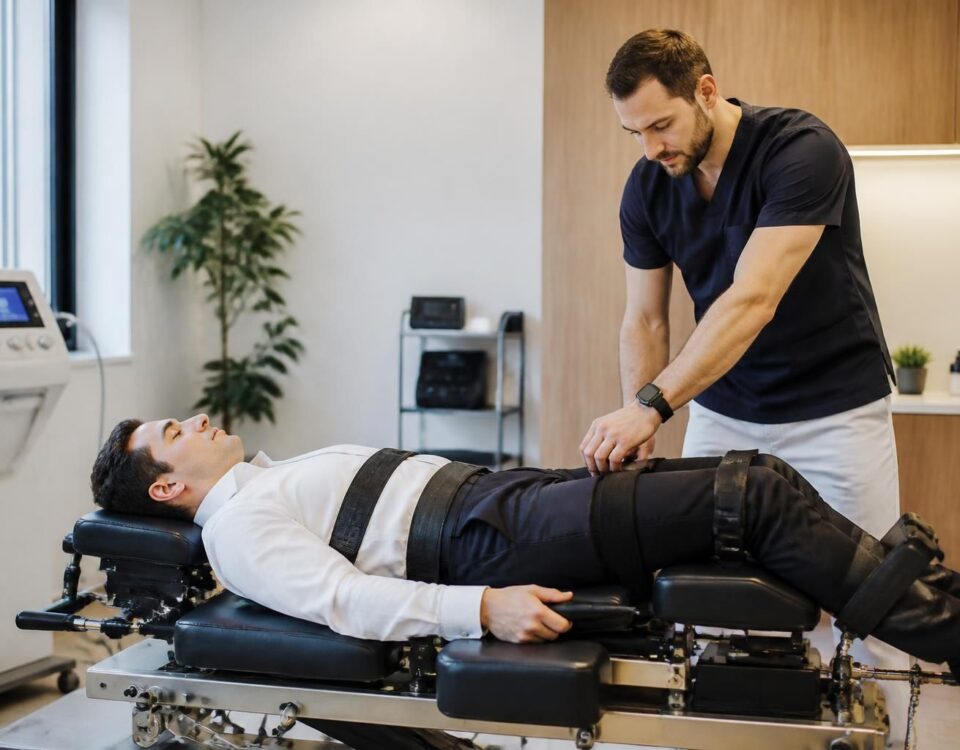
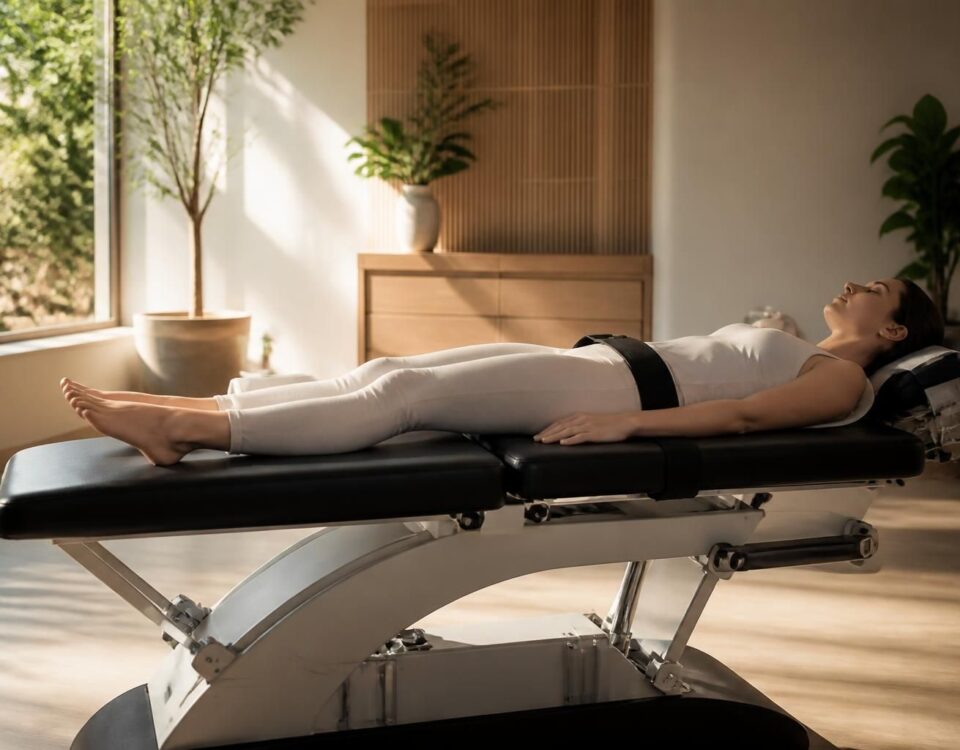
Neurovertebral decompression is a non-surgical therapy that aims to relieve the pressure exerted on the intervertebral discs and nerves. A controlled traction system acts on the spine to increase the space between the vertebrae and promote the circulation of fluids and nutrients necessary for the health of the discs.
How does this affect the pain?
By creating negative pressure at the discs, this therapy helps reduce nerve compressions. This modulation of the pressure facilitates the return to a physiological state more favorable to recovery and can lead to a decrease in Chronic pain.
Main directions
Neurovertebral decompression is mainly indicated for conditions such as slipped disc, the Disc protrusion, the bulge disc, the Foraminal stenosis and the Spinal stenosis. It can also aim for pain related to disc pinching or disc degeneration. A professional assessment is required to confirm eligibility.
Process and security
Sessions usually last between 15 and 30 minutes. The total number of sessions generally varies between 15 and 25, depending on the severity and reaction of the patient. The protocol is designed to be non-invasive and comfortable for most patients. Contraindications exist and are evaluated by a clinician before starting treatment.
Expected results and benefits
Results vary by individual, but patients report a pain reduction, a Improving mobility and a decrease in neurological symptoms after several sessions. The objective is to sustainably improve the ability to resume daily activities.
Practical integration and location
In Montreal and in the region, specialized clinics offer this service, particularly in the context of the care offered by the TagMed clinic. For more information on the services and conditions offered, see Tagmed Clinic. You can also explore the information resources on neurovertebral decompression.
Role of technologies and data integration
Neurovertebral decompression is based on validated clinical protocols and can be integrated into technologies associated with the management of back pain. For patients seeking additional information, specialized resources can be viewed on sites dedicated to this field, such as sosciatica and SosherniaDiscal, which address indications, functioning and considerations relating to this processing, while remaining aligned with current data. Complementary sources like SostunnelCarpal and How decompression improves recovery bring additional perspectives. For general information resources, you can also consult Wikipedia.
Contexts of use and precautions
Neurovertebral decompression is described as an option non-invasive which can help avoid or delay surgery in some cases. However, it is not suitable for all situations. A complete assessment is essential before starting, especially in the presence of recent fractures, infections or other medical contraindications.
For patients seeking additional information on the possibilities offered in a specialized clinic, resources dedicated to TAGMED and neurovertebral decompression are available at Tagmed Clinic and on related information pages. General information and additional data can be viewed on neurovertebral decompression.
In the context of this subject, it is also useful to refer to specialized resources for pain and associated pathologies, available on the platforms SosherniaDiscal and sosciatica, which cover aspects related to pain, mobility and treatment options, without advocating specific exercises or stretching in this context of decompression.
For people looking for testimonials and feedback on neurovertebral decompression, public and professional resources are available on the specialized sites mentioned above and on the information pages of the TagMed Clinic. Additional information can be found on the dedicated pages and encyclopedic resources mentioned, including Wikipedia.
Medical disclaimer: The information and advice provided on this site does not replace the advice, diagnosis or treatment of a healthcare professional. Please note that Dr. Sylvain Desforges osteopath is neither a doctor of medicine nor a doctor, and is not a specialist in a medical specialty as defined by the Collège des Médecins du Québec. Manual medicine, functional medicine and sports medicine as described on this site exclude any medical treatment or diagnosis made by a doctor or specialist doctor. Always consult your doctor for any medical questions. For more details, please read our full legal notice.
- directions : chronic mechanical pain in the back or neck related to Hernias discs, of Protrusions or a stenosis.
- Mechanism : controlled traction that creates a negative pressure in the disk, favoring the rehydration and the reduction of nervous compression.
- sessions : typically 15 to 25 sessions, 15–30 minutes each, approach personalized.
- Nature : non-surgical, non-invasive, alternative to surgery.
- Expected results : pain reduction, Improving mobility, decrease in Neurological symptoms.
- contraindications : recent fractures, infections or spinal tumors, Severe osteoporosis.
- Safety and comfort : generally treatment comfortable, sometimes slight temporary stiffness.
- Functional benefits : better posture, fewer limitations in daily activities, reduced need for painkillers.
- Back to everyday life : Resumption of normal activities possible after several sessions.
- Surgery prevention : can help Prevent or delay surgery.
- Cost and coverage : Usually cost inferior to surgery; the blanket depends on insurance; check.
- Therapeutic integration : maybe combined with physiotherapy and other approaches; approach multidisciplinary.
- Monitoring and results : the results vary; Regular evaluations make it possible to measure the progress.
- Practical advice : consult a specialist; initial assessment and sometimes imaging; program personalized.

This article presents neurovertebral decompression as approach non-surgical To reduce the Chronic mechanical pain back and neck. It sets out the principles, indications, the framework of a typical program and the precautions to take, while guiding the patient towards an improvement in mobility and comfort, without resorting to surgery.
Indications and therapeutic framework
The neurovertebral decompression is recommended in adults with low back or cervical pain of disc or nerve origin, especially in the presence ofherniated discs, of Protrusions or of stenosis foraminals and spinals. It can also target radiant pain and radiculopathies when conservative treatments have not given the desired results. This therapy aims to treat the mechanical cause and not to mask pain, in order to promote lasting functional recovery.
It is often part of a multidisciplinary approach, combining postural advice, adapted physical activity and management of aggravating factors (stress, sleep, food). Typical benefits include decreased pain, improved mobility and reduced radiant pain points, with the prospect of a gradual return to daily activities.
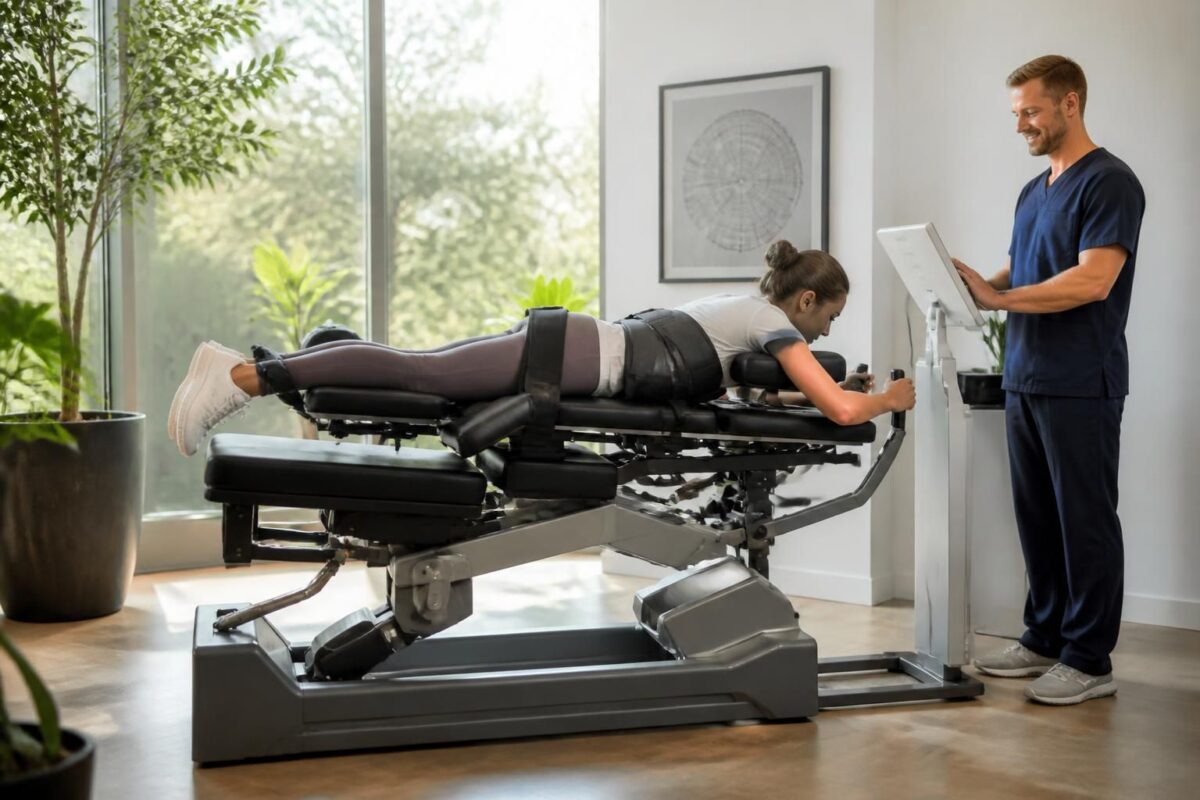
The long-term benefits of neurovertebral decompression for spinal health
In short In short, the neurovertebral decompression is a non-invasive approach that decreases the Pressure on intervertebral discs and nerves, favoring the Natural regeneration and tissue recovery. Its long-term benefits include Lasting pain reduction, Improving mobility and from the posture,…
How it works
The technique is based on a gentle traction and controlled applied to the spine using a specialized device. This traction creates a negative pressure At the level of the intervertebral discs, favoring the space between the vertebrae and reducing the pressure on the nerves. This dynamic improves the circulation of fluids, nutrients and oxygen in affected structures, contributing to tissue repair and regeneration.
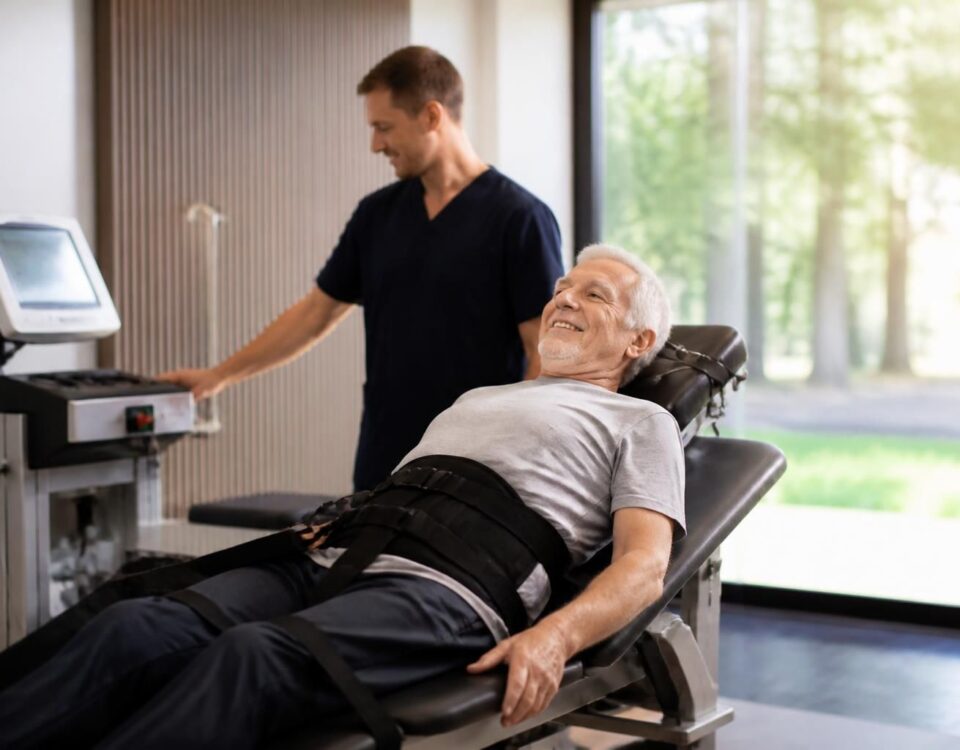
Concretely, each session begins with an evaluation of the areas to be treated and continues with an appropriate traction period, generally well tolerated and often perceived as relaxing by patients. The results are not always immediate, but accumulate over the course of the program, with improvements in pain and mobility after several sessions.

Neurovertebral decompression and mobility: a return to an active life
In short In short, the neurovertebral decompression is therapy non-invasive who uses a gentle traction To create a space between the vertebrae and reduce the pressure on the Intervertebral discs and the nerves. It promotes a bloodstream improved, lowers tension…
Organization of a program
Duration and treatment plan
A typical program includes Between 15 and 25 sessions, spread over several weeks, with individual treatment durations ranging from 15 to 30 minutes as appropriate. The plan is personalized according to the severity of the symptoms and the response to treatment, in order to optimize the chances of lasting relief.
Security and tolerance
Decompression is usually well-tolerated and does not cause significant pain during the sessions. Minor and temporary side effects, such as a slight stiffness, may appear but usually disappear quickly. Contraindications exist, in particular in the presence of recent fractures, vertebral infections or other special conditions; A pre-assessment by a health professional is essential to determine eligibility.
Integration with other approaches
To optimize the results, decompression can be integrated into complementary approaches such as mobility exercises, relaxation techniques, and ergonomic measurements. The support of a qualified practitioner makes it possible to adjust the program according to the progress and any necessary adjustments, while ensuring that they maintain appropriate physical activity outside the sessions.
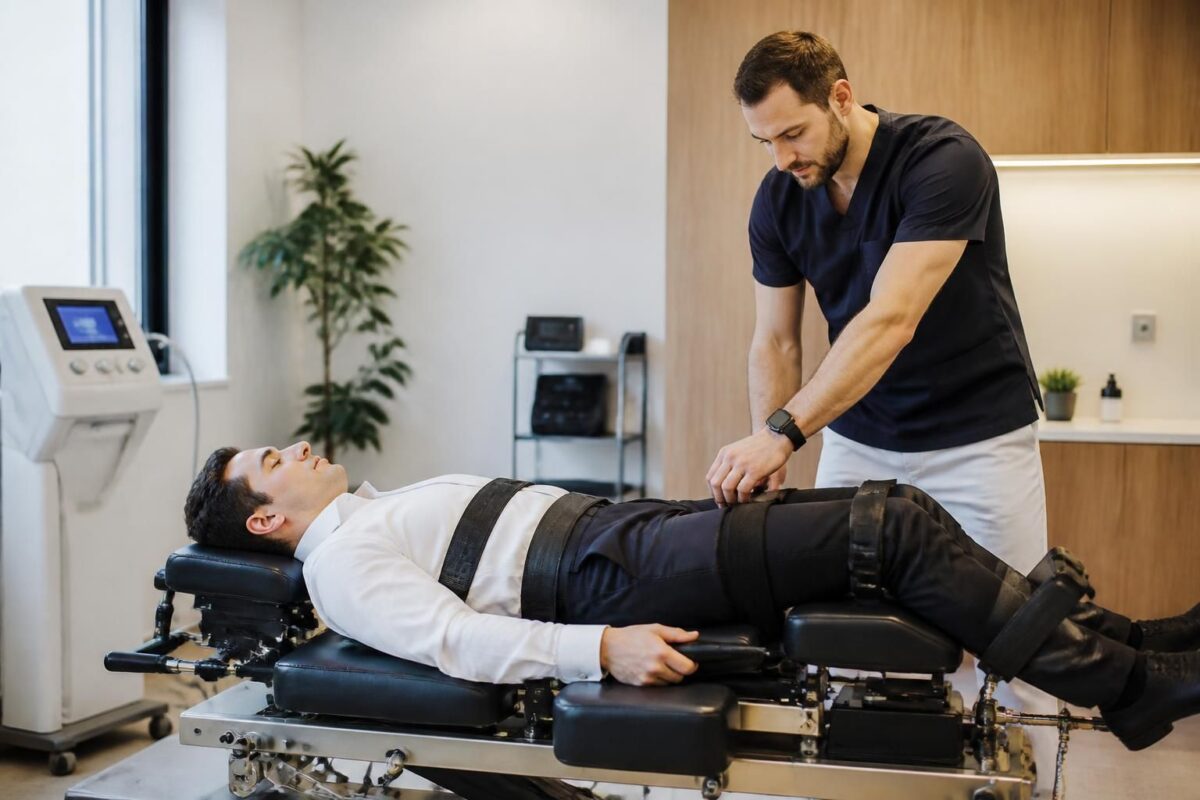
How Neurovertebral Decompression Prevents Diffuse Chronic Pain
In short decompression neurovertebral is one Non-invasive method aimed at reducing the Pressure on the intervertebral discs and the nerves, in order to prevent Diffuse chronic pain. It improves the circulation and thedisc hydration, decreases inflammation and promotes better mobility.…
Concerns and contraindications
Patients should discuss with their healthcare professional about contraindications and potential risks, and consider imaging assessment when necessary. Although the results can be significant in people with chronic pain, each case remains unique and requires a personalized approach, with regular follow-up to adjust treatment and ensure long-term safety.
| Objective | decompression: reduce the pressure on discs and nerves and promote healing; Mechanical pain: reduce the pain and restore the mobility through a multidisciplinary approach. |
| Mechanism of action | Decompression: controlled traction creating a negative pressure in disk; Mechanical pain: improvement by physical therapies and reinforcement. |
| directions | Decompression: slipped disc, protrusion, spinal stenosis; Mechanical pain: non-specific back pain/cervicalgia and posture-related pain. |
| Expected results | Decompression: pain reduction, better mobility; Mechanical pain: functional improvement and return to activities. |
| Comfort and safety | Decompression: sessions generally comfortable and non-invasive; Mechanical pain: variable tolerance depending on the symptoms. |
| Duration and frequency | Decompression: Typically 15 to 25 sessions; Mechanical pain: personalized program over several weeks/months. |
| contraindications | Decompression: recent fractures or infections; Mechanical pain: active inflammations, instability or specific contraindications. |
| relative cost | Decompression: usually cost inferior to surgery; Mechanical pain: cost depends on plan and associated therapies. |
| Accessibility | Decompression: Available in specialized clinics; Mechanical pain: widely accessible via physiotherapy, osteopathy and physiotherapy. |
| Impact on surgery | Decompression: Can avoid or delay surgery; Mechanical pain: May also delay an intervention when the preservative is effective. |
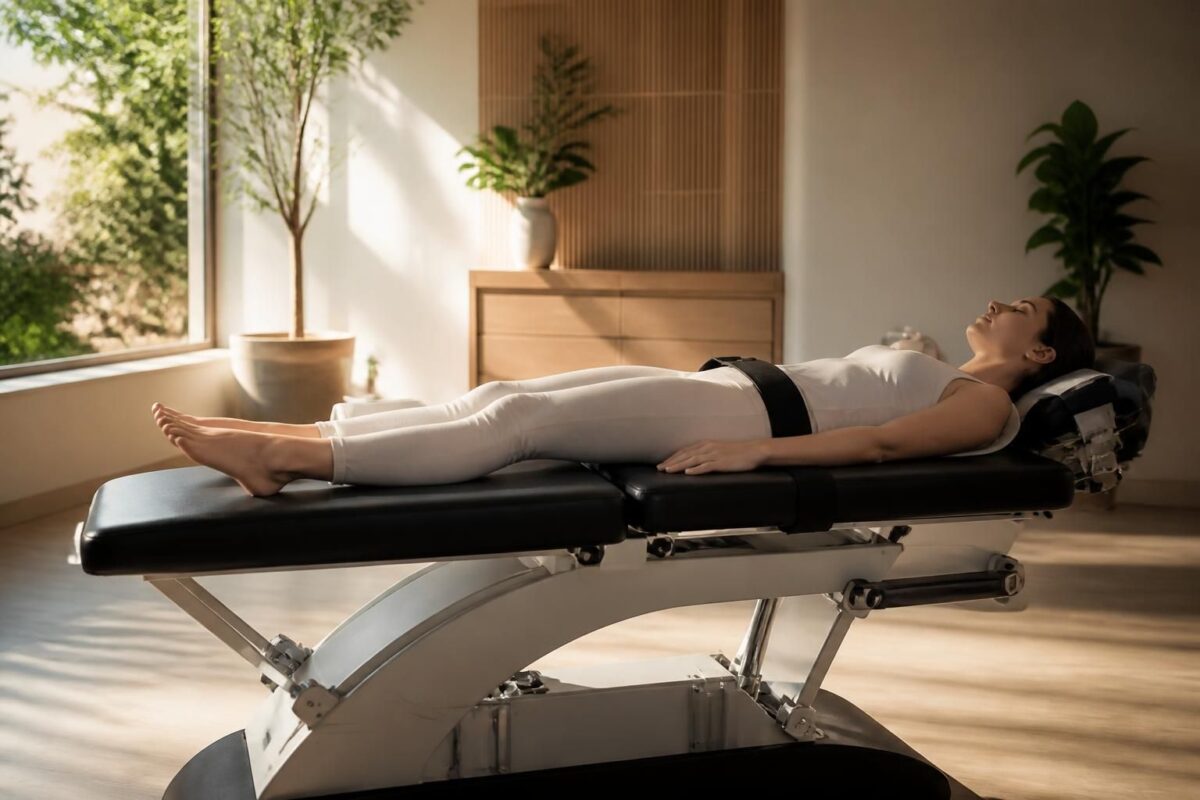
Neurovertebral Decompression and Body Alignment: Restoring Natural Balance
In short In short, neurovertebral decompression is one Non-invasive approach who restores theBody Alignment and thenatural balance back and neck. She acts by a Controlled traction of the spine to widen the intervertebral space and reduce the Pressure on discs…
Testimonials on neurovertebral decompression and reduction of chronic mechanical pain
“Before starting the neurovertebral decompression, my chronic mechanical pain in the back and neck prevented me from living normally. After a series of personalized sessions, I saw a significant reduction in pain and a significant improvement in my mobility. I can move again without this permanent tension in the shoulders and neck. — Marie, 54 years old.
“I suffered from recurrent lower back pain related to osteoarthritis and pinching. Thanks to decompression, I found a Mobility found and a decrease in morning stiffness. My days are going without pain and I find activities that I had abandoned. — Laurent, 63.
“My neck was blocked by disc protrusion and irradiated pain. After the first sessions, I felt a progressive pain reduction and decreased numbness. Today, I find a better quality of life and I relive my days without anticipating each movement with apprehension. — Sophie, 39.
“I was slowed down by mechanical cervical pain that limited my gestures at work and at home. The decompression made it possible to reduce the tension and improve my posture. I gained energy and endurance, and I was even able to resume my hobbies without pain. — Mireille, 71 years old.
“As a driver and sportsman, my cervical and lumbar pain limited my performance. Within a few weeks, the sessions reduced pain and improved my Stability and control movement. I feel more efficient and less tired after exercise. — Karim, 50 years old.
“I was especially looking for a preventive solution after a long period of pain. Decompression helped me keep my spine in a good position and prevent irradiation. The sessions were comfortable and I am convinced that it helps me stay active without fear of relapse. — Claire, 28 years old.
Dr. Sylvain Desforges is recognized as a specialist inosteopathy, from the naturopathy and manual medicine, whose path is unfolding in the service of innovation in health. Founding president of the TagMed clinics and the ACMA association, he places the sustainable improvement of the quality of life at the heart of his action. His practice is based on a deep understanding of pain mechanisms and the measured use of manual therapies coupled with advanced technologies. His credo: offer treatments evidence-based to optimize everyone’s health and well-being.
In a patient-centric approach, he is particularly dedicated to the Chronic pain management and at the Reduction of mechanical pain which touch the back and neck. His expertise is based on clinical research and active listening to the patient’s journey. It ensures that each treatment is personalized, evaluated and adjusted over the sessions, in order to favor lasting gains in mobility and on daily function, while minimizing the risks.
The neurovertebral decompression occupies a central place in its practice. This is a non-surgical approach that aims to reduce the pressure exerted on the intervertebral discs and nerves using controlled and gentle traction. This modulation creates an environment conducive to rehydration and tissue repair, leading to a gradual reduction in pain and improved mobility. This technique can be used as an alternative or as a preparatory step before any more invasive intervention when the indications allow it.
To optimize these results, Dr. Desforges integrates technologies progress such as the vertebral decompression, the laser and the Shockwave therapy. This combination aims to act at the source of pain, while promoting tissue recovery and supporting functional rehabilitation. Its approach is not reductive: it combines the benefits of manual methods with proven technological solutions, in order to obtain measurable and rapid improvements in the daily activities of patients.
As a leader, he ensures the strategic direction of Tagmed Clinics and the ACMA Association, promoting a rigorous care culture and evidence-based. Its leadership is manifested by the development of multidisciplinary protocols, the continuous training of teams and collaborations with research centers. This approach allows harmonization of interventions and facilitates access to personalized care that takes into account the realities of each patient.
Its practice is based on careful initial assessment and individualized treatment plans. The typical decompression protocol takes place over several weeks and includes regular visits that allow you to adjust the parameters and observe progress. Patients often report a net decrease in pain, better tolerance of movement and regained ability to resume daily activities without heavy limitations. By favoring safety, it ensures that it is clear about the contraindications and adapts the treatment accordingly.
For those looking for an integrated approach and evidence-based for the neurovertebral decompression and the reduction of Chronic mechanical pain, Dr. Desforges offers attentive listening, personalized planning and measurable results. Its vocation is to support each patient towards a better quality of life, relying on solid clinical data and close collaboration between therapists and patients. To learn more about its approach and available services, contact the TagMed and Lacma clinics.
This article offers a detailed summary on neurovertebral decompression and its potential for reducing Chronic mechanical pain related to the spine. It highlights the mechanism, clinical benefits, selection criteria, treatment framework and resources to guide patients to effective non-surgical pain management.
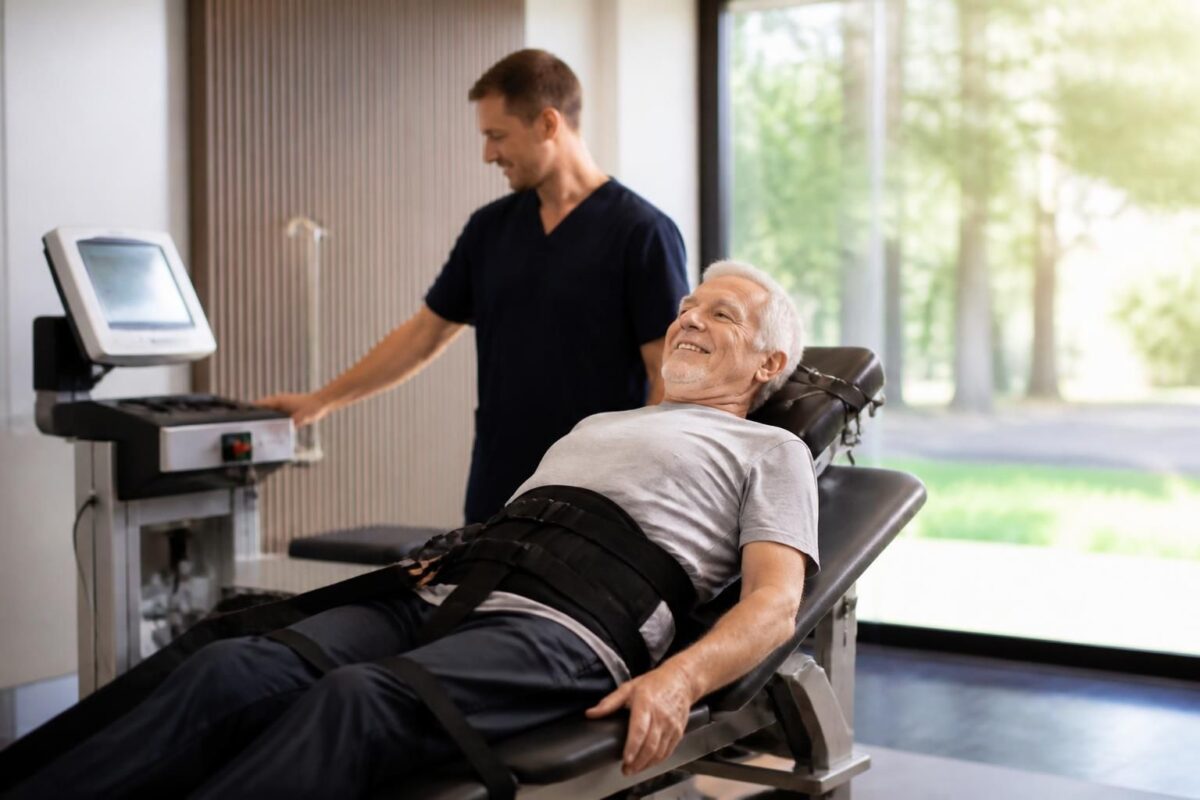
Why neurovertebral decompression is a lasting solution for active seniors
In short In short, the neurovertebral decompression is one Non-invasive therapy which sustainably relieves spinal pain in the spine active seniors By creating, by a Soft and controlled traction, a space between the vertebrae. At Montreal, it is recognized as…
Summary and Mechanisms
The neurovertebral decompression is one Nonsurgical therapy which applies controlled traction on the column in order to Reduce pressure on intervertebral discs and nerves. This pressure decrease allows a negative pressure inside the disc, making it easier Disc rehydration and the restoration of space around the nervous structures. The goal is to create an environment conducive to tissue healing and to reduce painful signals. conditions such as Hernias discs, the Disc protrusions and the forms of Spinal stenosis can be targeted, with often noticeable results after several sessions.
This approach is generally well tolerated and can be combined with complementary technologies and techniques to optimize recovery. For an overview of principles and protocols, see the resources dedicated to neurovertebral decompression and its foundations.
Additional resources detail the Advanced Protocols and the Clinical results which support the effectiveness of this therapy, while specifying the mechanisms of action and the precise indications. You can consult the pages dedicated to Advanced Protocols and to Clinical results to deepen these points.
For clinical practice and understanding of the underlying principles, you can also refer to guides and FAQs dedicated to neurovertebral decompression. These sources present the basics of the technique and the eligibility criteria.
In an integrated approach, options like custom protocols and associated technological innovations can complement decompression for more complete pain management. These elements are explored and explained in the specialized resources mentioned below.
For further practicalities and indications, please refer to the following pages: Essential FAQs, Proven results and Durable solution for chronic neuropathic pain.
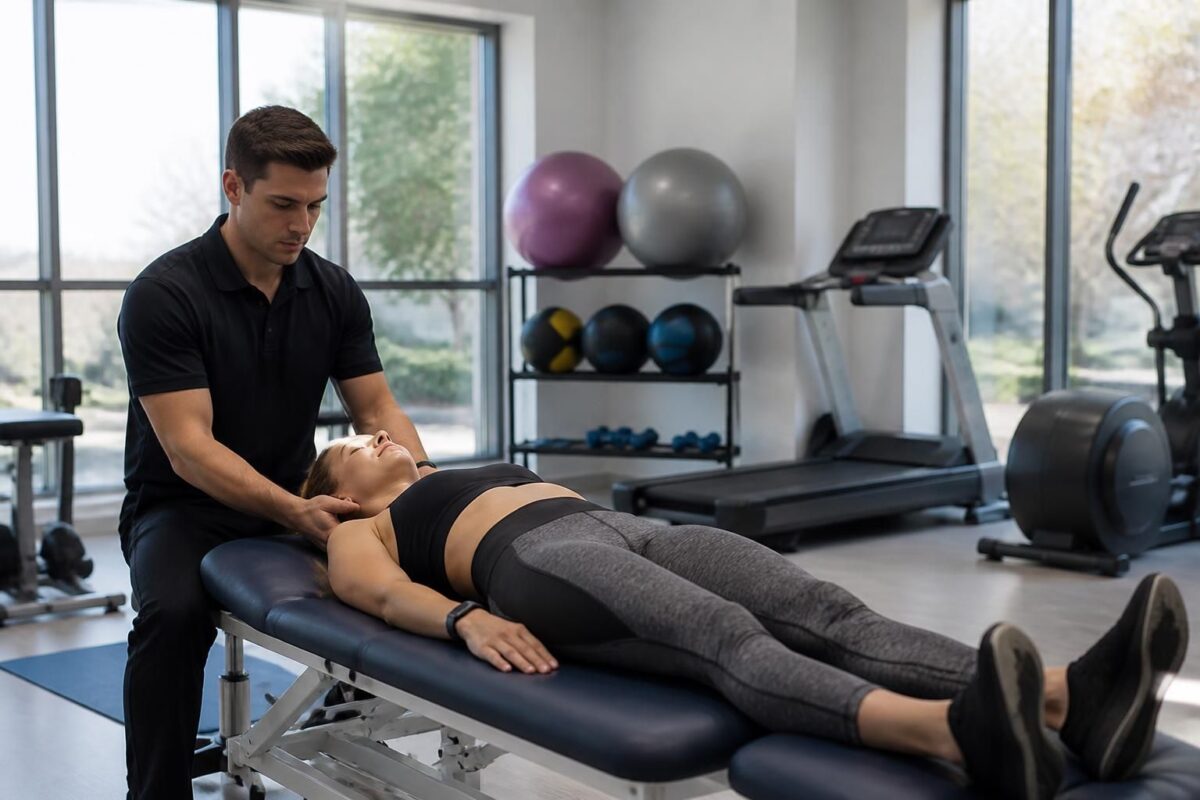
Neurovertebral decompression and recovery after severe sports injury
In short In short, the neurovertebral decompression is one Non-invasive method to Relieve the pressure on the Intervertebral discs and the gristle Via a Controlled traction, to facilitate the recovery After a severe sports injury. It improves the bloodstream towards…
Clinical impacts and benefits
The Clinical benefits expected include a pain reduction, a Improving mobility and a decrease in neurological symptoms such as paresthesia or irradiation. The typical program usually includes between 15 and 25 sessions, each session for approximately 15 to 30 minutes, with a custom fit according to the severity and location of the disorders. These results promote a Gradual return to daily activities and, in some cases, a Reduction of dependence on pharmacological treatments.
Clinical traces and patient feedback support the idea that a well-conducted decompression can improve function and quality of life, while offering a non-invasive alternative to surgery when appropriate. For a synthetic perspective on the results, dedicated resources offer analyzes and testimonies illustrating the real impact on painful trajectories.
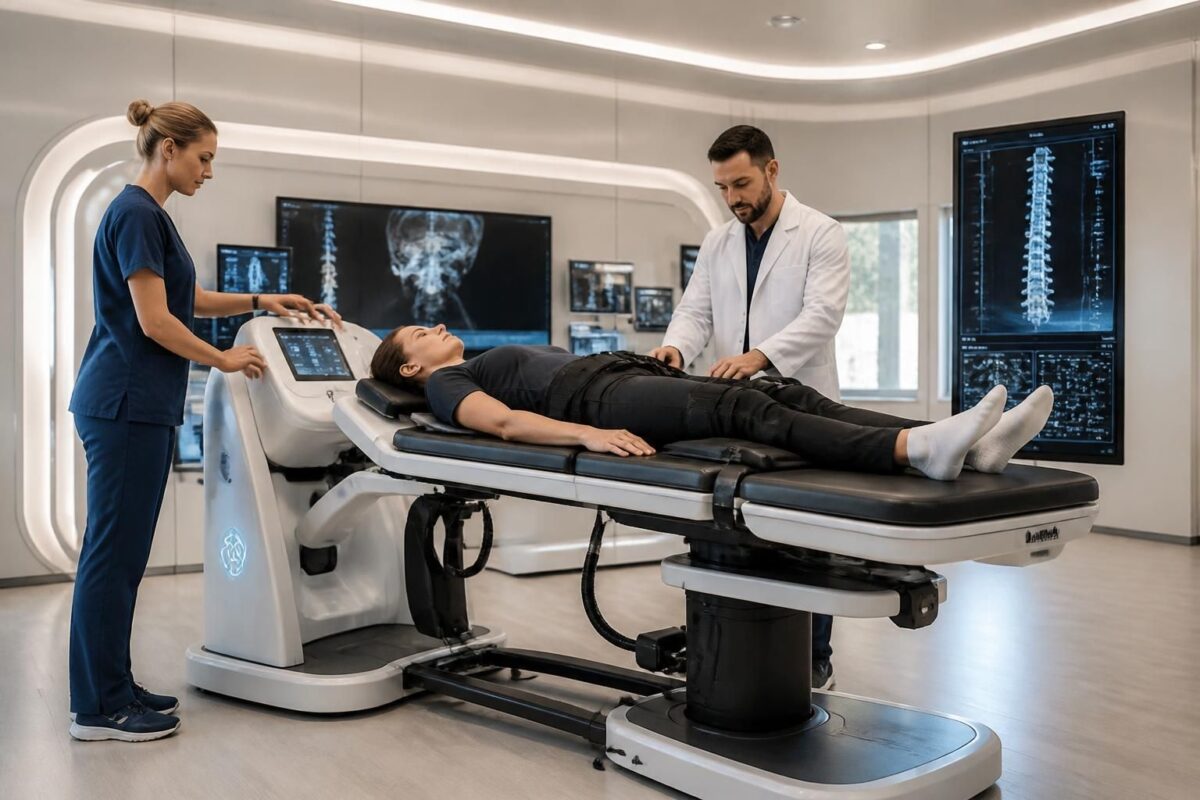
Recent innovations in neurovertebral decompression technologies
In short In short, the neurovertebral decompression is an approach non-invasive Aiming to reduce pressure on discs and nerves, and promote tissue regeneration. At Montreal, it is positioned as an effective option for lower back pain and herniated discs. The…
Security, eligibility and processing framework
The neurovertebral decompression is generally safe and well tolerated, but it is not suitable for all patients. A pre-assessment by a health professional is preferred to determine eligibility and adapt the protocol. The contraindications Common include recent fractures, vertebral infections, spinal tumors and certain systematic conditions that require strict medical monitoring. A personalized treatment plan is essential to minimize risks and optimize profits.
As part of an integrated approach, decompression can be associated with other non-invasive interventions and complementary technologies that facilitate muscle recovery and rebalancing. For more information on principles and protocols, refer to the specialized sources that describe Principles of neurovertebral decompression and the Advanced Protocols.
Specific resources examine benefits, protocols and results without surgery, and offer perspectives on preventing the progression of spinal pathologies through an appropriate decompression. Consulting these pages can help inform an informed decision and plan an appropriate approach to each case.
To explore practical aspects and key considerations, here are additional resources: fundamental, sciatica without surgery, and Prevent the progression of spinal pathologies.
For a sustainable and adapted approach, other resources examine how decompression can be part of a global management of pain and neurological pathologies, in particular through protocols and complementary therapies. Dedicated publications and services detail these aspects for patients and professionals.
Examples of additional resources and associated readings include pages on Advanced Protocols, the Tagmed additional readings, and the FAQ pages on Essential FAQs.
For patients with chronic pain and wishing to avoid or delay surgery, neurovertebral decompression can be a significant option when indications are well established and follow-up is rigorous. Articles and testimonials describe how this approach can address the underlying mechanisms of mechanical pain and promote a lasting functional reorientation.
To deepen the practical aspects, you can also consult resources that explain how decompression can be integrated into multimodal pain management and how it can contribute to a gradual reduction in symptoms and functional limitations.
For additional information and practical information, refer to these additional resources: Pain Management – Innovative Approach, Reduction of chronic mechanical pain, and Clinical results proving efficacy.
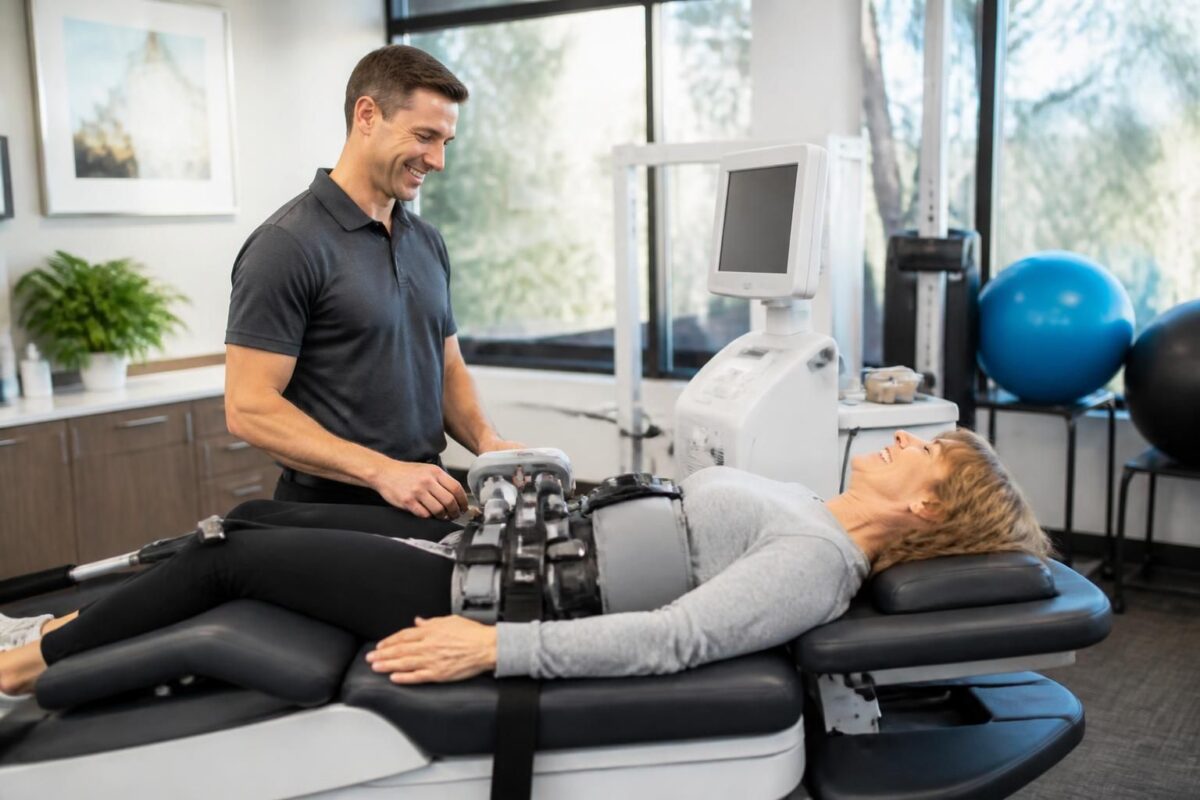
Neurovertebral decompression and diffuse pain: an appropriate solution
In short In short, the neurovertebral decompression is one Non-invasive solution For diffuse pain related to nerve irritation of the spine. She acts in Reducing pressure on intervertebral discs and nerves and improving the bloodstream, which promotes recovery and the…

Dr Sylvain Desforges, B.Sc., D.O., N.D., osteopath, is the founding president of TAGMED and of the ACMA association. He dedicates his practice to chronic spinal pain, low back pain and symptoms compatible with sciatica, particularly when pain radiates toward the buttock, leg, calf, foot or toes.
Through SOS Sciatique, he publishes educational content on sciatica symptoms, possible causes such as disc herniation, disc narrowing, foraminal stenosis or irritation of a lumbar nerve root, as well as non-surgical approaches that may be considered according to the evaluation. At Clinique TAGMED, care may include, depending on the case, motorized neurovertebral decompression, specific osteopathic care or precision percussion.
For an evaluation related to sciatica treatment in Montreal / Mount Royal or sciatica treatment in Terrebonne, please consult the services available at Clinique TAGMED.
Medical disclaimer
The information published on SOS Sciatique is provided for educational purposes only and does not replace a consultation, diagnosis, opinion or treatment provided by a physician or another authorized healthcare professional. The author of this article is neither a medical doctor nor a specialist in a medical specialty recognized by the Collège des médecins du Québec. The osteopathic, manual medicine or functional support approaches described on this site do not constitute medical acts and are not intended to replace medical follow-up.
Consult a physician or emergency service in cases of loss of bladder or bowel control, anesthesia in the saddle area, significant or progressive weakness in the leg or foot, fever, recent trauma, severe pain or rapid worsening of symptoms. For more details, please read our Legal Notice.