Advanced protocols for neurovertebral decompression in case of complex pathologies
26/06/2026
Why neurovertebral decompression is a natural solution against pain
26/06/2026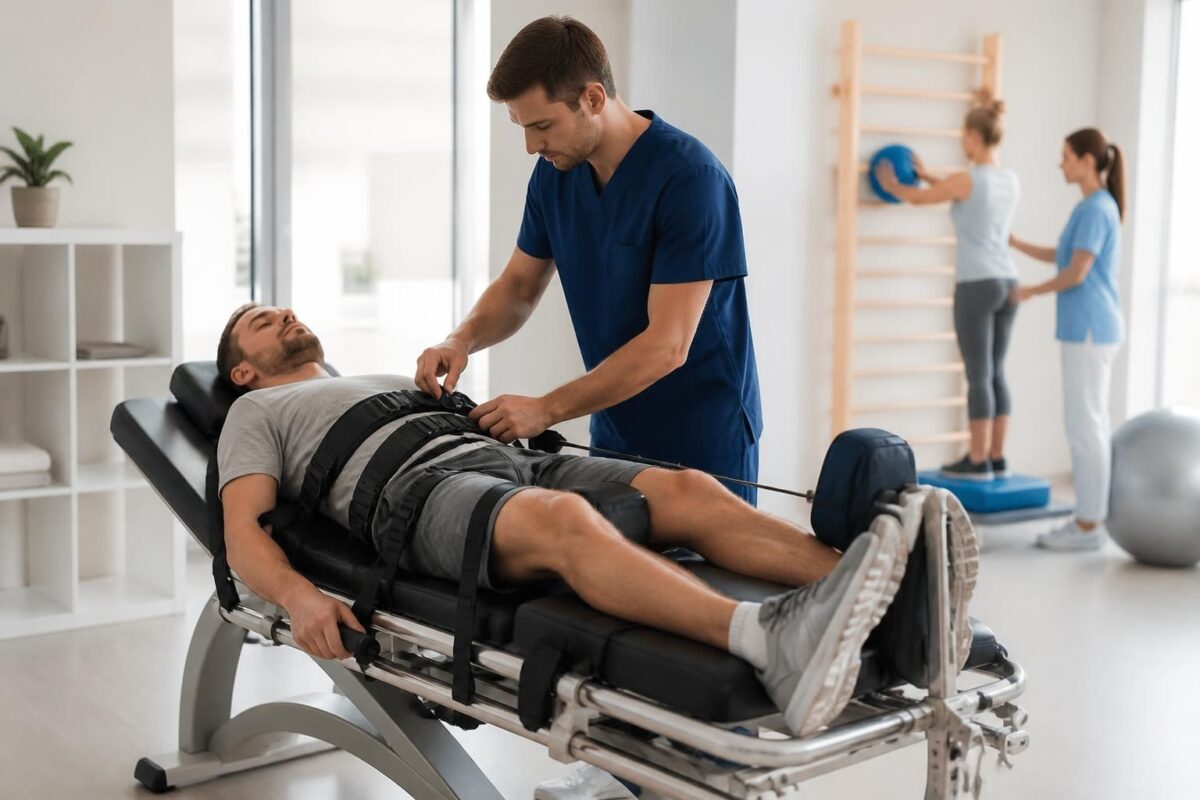
In short
| In short, the neurovertebral decompression is one Non-invasive approach which decreases the pressure on the discs and nerves, favoring the recovery After a muscle injury. It improves the circulation and Lnutritional intake fabrics, reducing the pain and restoring the mobility. Its main advantages include a rapid pain reduction, a Improved mobility and an Faster functional recovery, all without medication. Operation is based on a Controlled traction which creates a space between the vertebrae to relieve the nerves and promote healing. In Montreal, this service is particularly suitable for people with back pain related to muscle injuries and can integrate with a Global rehabilitation program. |
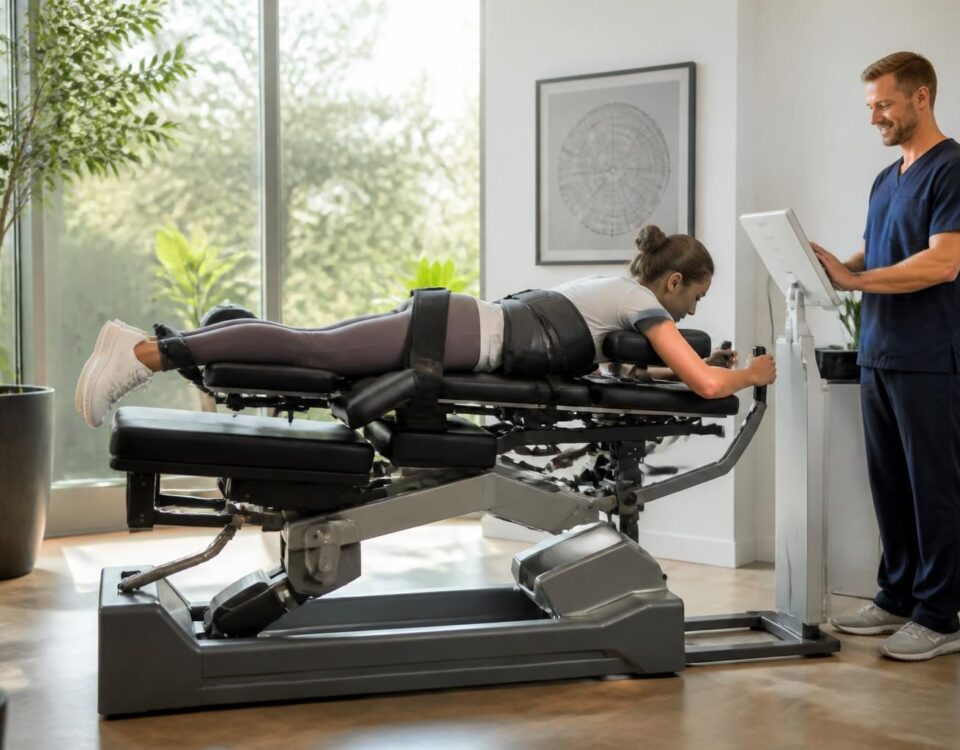
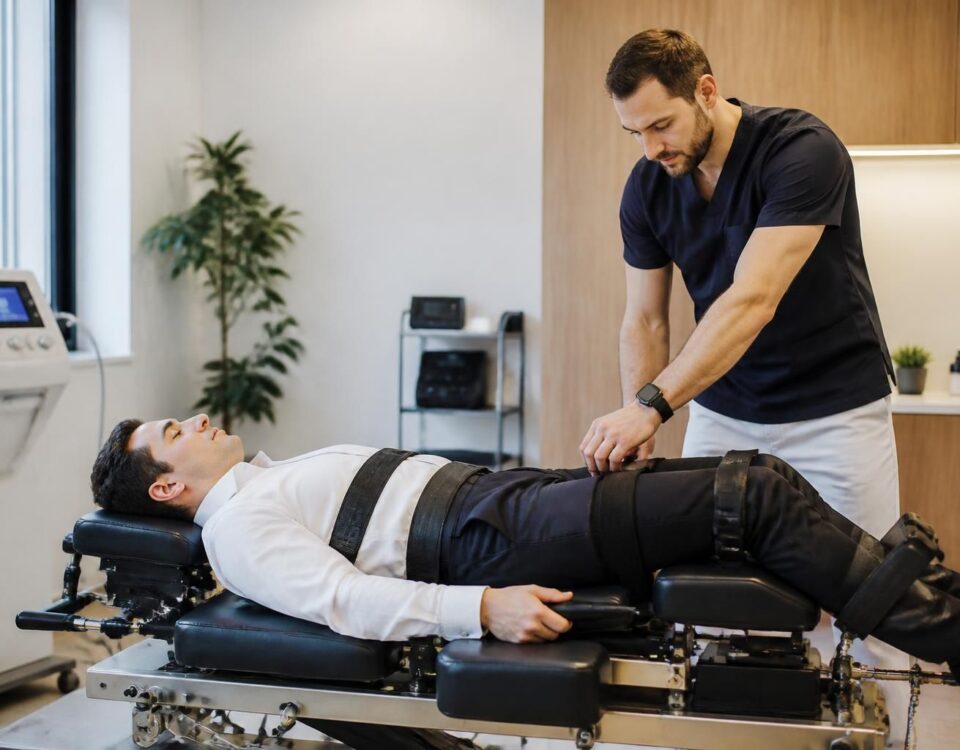
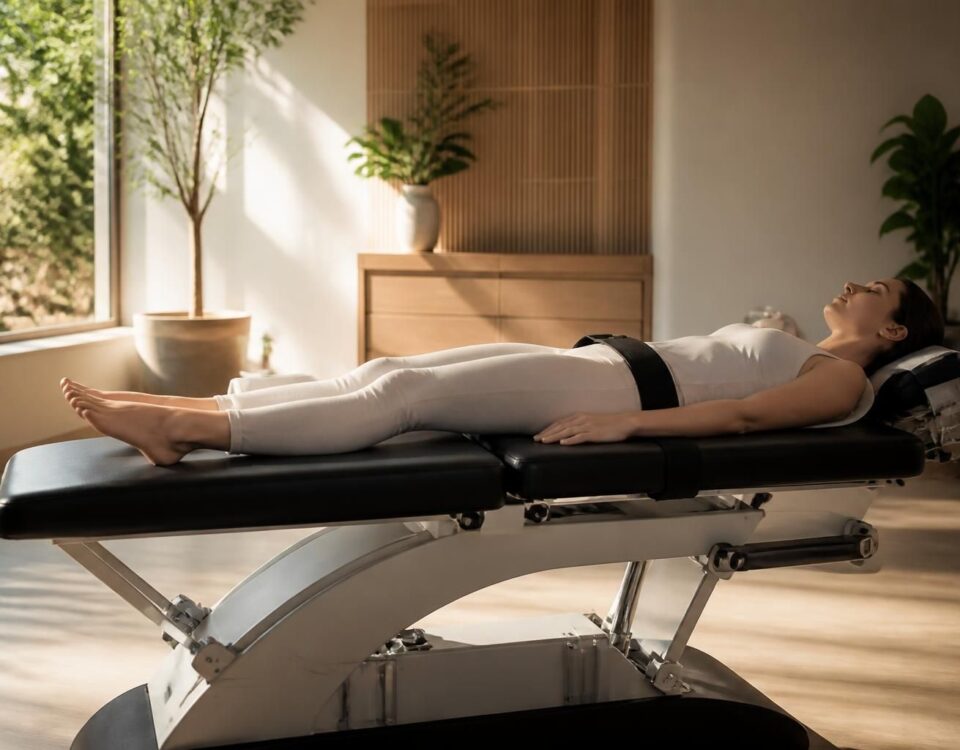
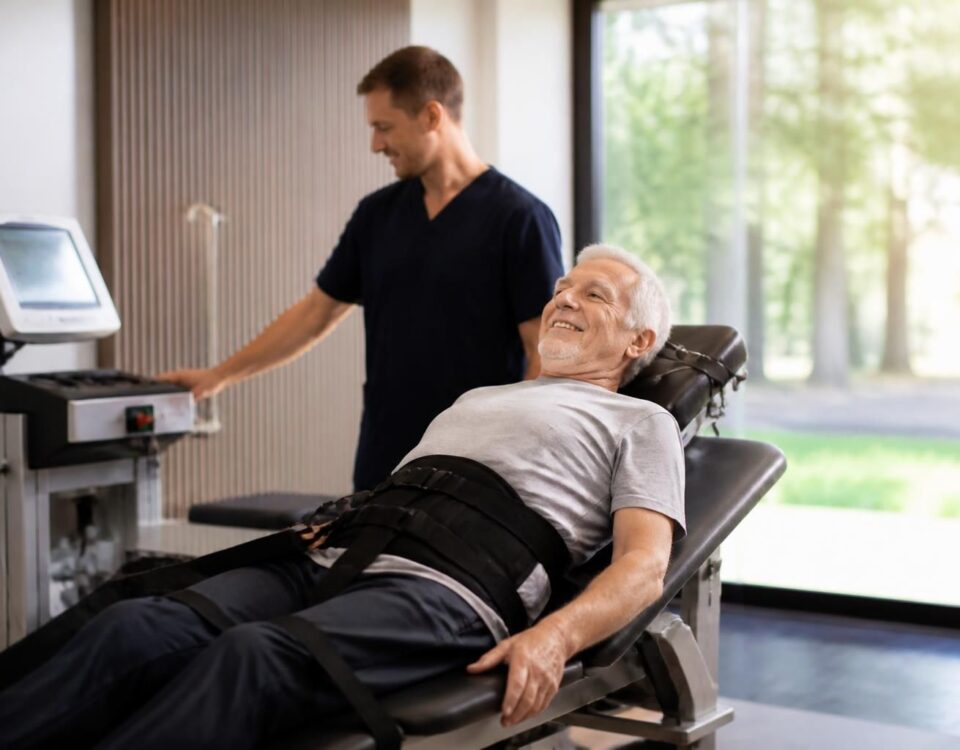
The neurovertebral decompression is an approach non-invasive which can facilitate the recovery After a muscle injury by acting on the spine and the nervous system. By creating a Space between the vertebrae thanks to a Controlled traction, it reduces the pressure on discs and nerves, improves the bloodstream and the Tissue nutrition, which accelerates the healing of the surrounding muscles and tendons.
This approach may decrease the pain, restore the mobility and promote a quick return daily and sporting activities. It fits ideally into a rehabilitation plan Multidisciplinary, in addition to targeted exercises and other manual care.
To assess its suitability, consult a health professional qualified who can adapt the treatment to your situation.
This approach n offered aims to support the recovery After a muscle injury. The treatment acts by a Controlled traction On the spine, reduces pressure on the nerve structures and improves local circulation. Expected results: Less pain and better mobility, without surgery or heavy drugs, as part of a rehabilitation plan supervised by professionals.
What is neurovertebral decompression and why it helps muscle recovery
The neurovertebral decompression is a method non-invasive. it creates a space between the vertebrae by a Soft and controlled traction. This action decreases the pressure on the nerves and surrounding tissues. For a muscle injury, it can reduce associated nerve irritation and promote better circulation of nutrients to muscles and fascias. For more practical information, see specialized resources like these: How neurovertebral decompression promotes post-injury recovery.
Mechanisms of action in the context of a muscle injury
The treatment acts by three simple and direct mechanisms. Reduction of intervertebral pressure Reduces nerve irritation and supports tissue hydration. traffic improvement In the affected areas brings the necessary nutrients for muscle repair. Reduction of inflammation and better nervous function support the healing process without the need for invasive interventions.
What patients can expect
Patients often report a pain reduction after the first sessions. They also note a Improving mobility And faster recovery when the treatment integrates with a global plan supervised by professionals. In our clinic, we favor a patient-centric approach and the use of modern technologies to keep the process safe and comfortable.
Integration into a rehabilitation plan
Integration is done as part of a global strategy. decompression Can be associated with manual therapies and muscle support measures adapted to each patient. The goal is to improve functional recovery and reduce the risk of recurrence. Our establishment tagmed offers coordinated protocols in Montreal and Terrebonne, focused on the real needs of patients.
Good practices and resources
To explore other perspectives and experiences, you can consult specialized resources, favoring the following sites:
Why neurovertebral decompression is a therapeutic option for athletes
Neurovertebral decompression and treatment of persistent radicular pain
How neurovertebral decompression promotes post-injury recovery
Neurovertebral decompression and recovery after surgery
Benefits of Neurovertebral Decompression for Active Patients
Neurovertebral decompression, a complementary therapy to improve posture after heavy surgeries
How neurovertebral decompression helps prevent future disc herniation
Medical Disclaimer: The information and advice provided on this site does not replace the health professional’s diagnosis or treatment. Please note that Dr. Sylvain Desforges osteopath is neither a doctor of medicine nor a doctor, and is not a specialist in a medical specialty as defined by the Collège des Médecins du Québec. Manual medicine, functional medicine and sports medicine as described on this site exclude any medical treatment or diagnosis made by a doctor or specialist doctor. Always consult your doctor for any medical questions. For more details, please read our full legal notice.
- neurovertebral decompression : controlled traction that creates a space between the vertebrae and Reduces pressure on discs and nerves.
- Improvement of the circulation and from the Tissue nutrition around the column.
- reduction of inflammation and pain signals.
- Integration into a Personalized rehabilitation plan to optimize recovery.
- muscle recovery and mobility improved thanks to a favorable environment.
- Return quick daily or sporting activity and at work.
- Consolidation of earnings by drill and regular follow-up.
- relapse prevention by maintaining mobility and thevertebral alignment.

This recommendation presents how the neurovertebral decompression can facilitate the Recovery after a muscle injury, by improving the space between the vertebrae, circulation and tissue nutrition, while integrating into a global and personalized rehabilitation plan.
Role of neurovertebral decompression in muscle recovery
The neurovertebral decompression is a non-invasive approach that involves applying controlled traction to the spine to create a space between the vertebrae. This action helps to reduce the pressure on the discs and nerves, which can reduce pain and promote the gradual return to physical activity after a muscle injury. By improving local circulation and nutritional intake to tissues, it helps to accelerate the repair of muscles and peri-muscular structures and to limit the stiffness associated with prolonged rest.
Local reduction and improvement of tissue metabolism
By reducing the tension on the neuromuscular elements, decompression facilitates clarification of pain signals and allows better hydration of adjacent discs. This water improvement supports tissue resilience and prepares the ground for more effective strengthening exercises, while limiting the risk of recurrence of pain during the rehabilitation phase.
Impact on mobility and function
Thanks to the increase in the intervertebral space and the reduction of the nerve irritation, the ranges of motion can be restored more quickly. This promotes an anticipated return to everyday gestures and specific activities related to physical exertion, while accompanying a gradual progression of the loads and intensities of the exercises.
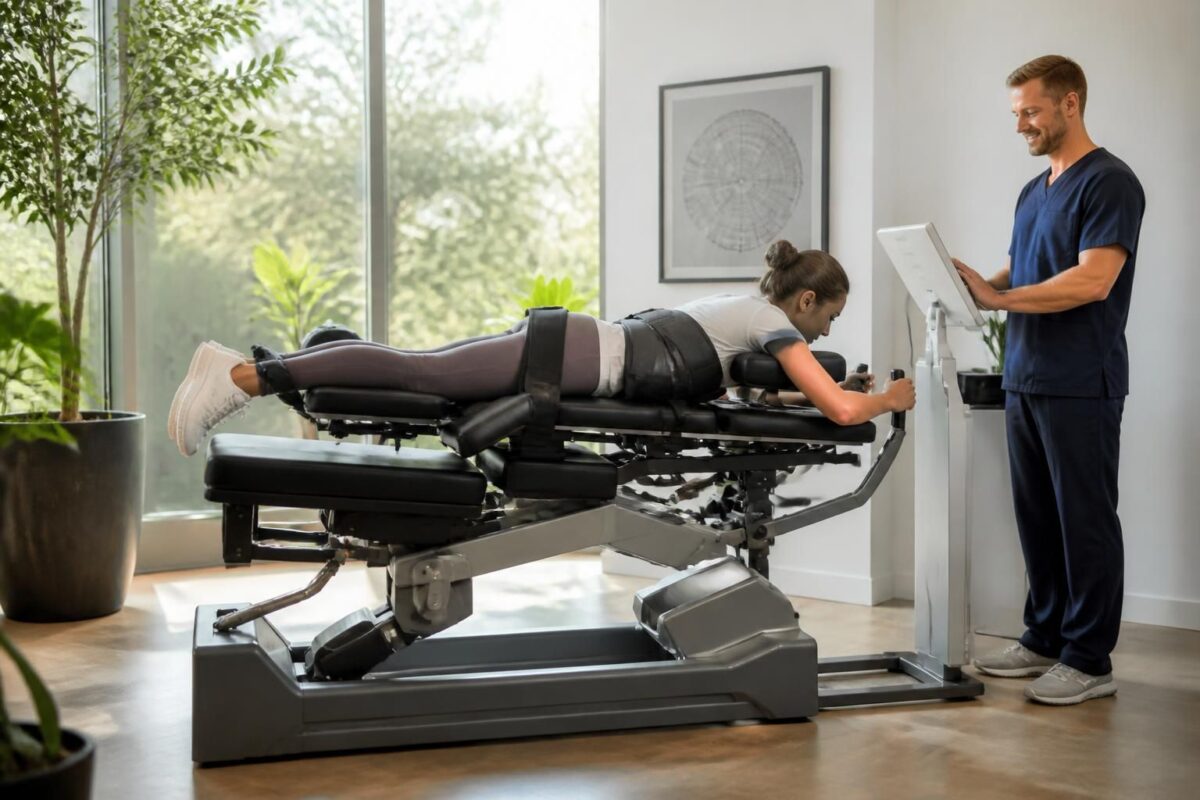
The long-term benefits of neurovertebral decompression for spinal health
In short In short, the neurovertebral decompression is a non-invasive approach that decreases the Pressure on intervertebral discs and nerves, favoring the Natural regeneration and tissue recovery. Its long-term benefits include Lasting pain reduction, Improving mobility and from the posture,…

Neurovertebral decompression and mobility: a return to an active life
In short In short, the neurovertebral decompression is therapy non-invasive who uses a gentle traction To create a space between the vertebrae and reduce the pressure on the Intervertebral discs and the nerves. It promotes a bloodstream improved, lowers tension…
Integration mechanisms in the rehabilitation course
To maximize profits, decompression Must be associated with other components of rehabilitation: Reinforcement exercises targeted, Manual therapy, and a lifestyle adapted. Decompression can prepare muscles and fascias for sets of stretching and reinforcement by reducing pain and fear of movement.
Planning and security
A personalized protocol, starting with regular sessions and careful monitoring of patient responses, is recommended. The parameters (duration, intensity, frequency) must be adjusted according to the evolution, with attention to contraindications and individual tolerance. A gradual approach avoids aggravations and promotes membership in the program.
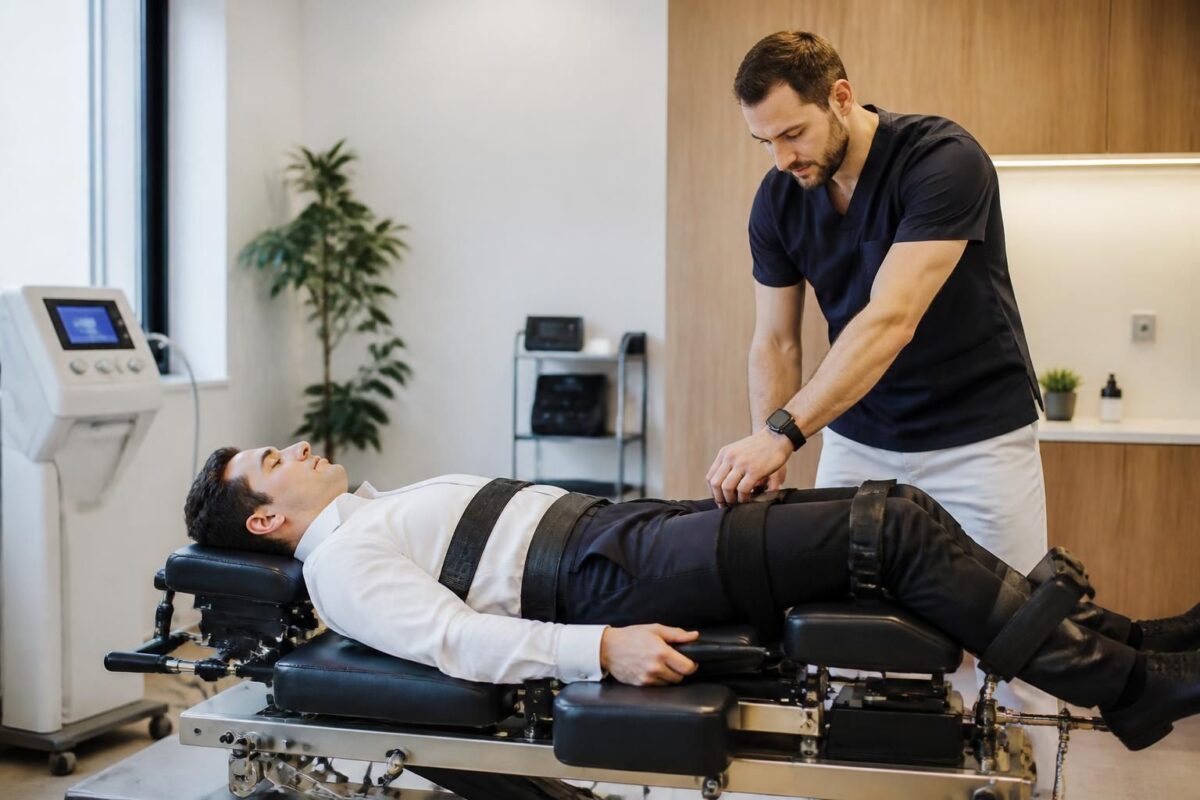
How Neurovertebral Decompression Prevents Diffuse Chronic Pain
In short decompression neurovertebral is one Non-invasive method aimed at reducing the Pressure on the intervertebral discs and the nerves, in order to prevent Diffuse chronic pain. It improves the circulation and thedisc hydration, decreases inflammation and promotes better mobility.…
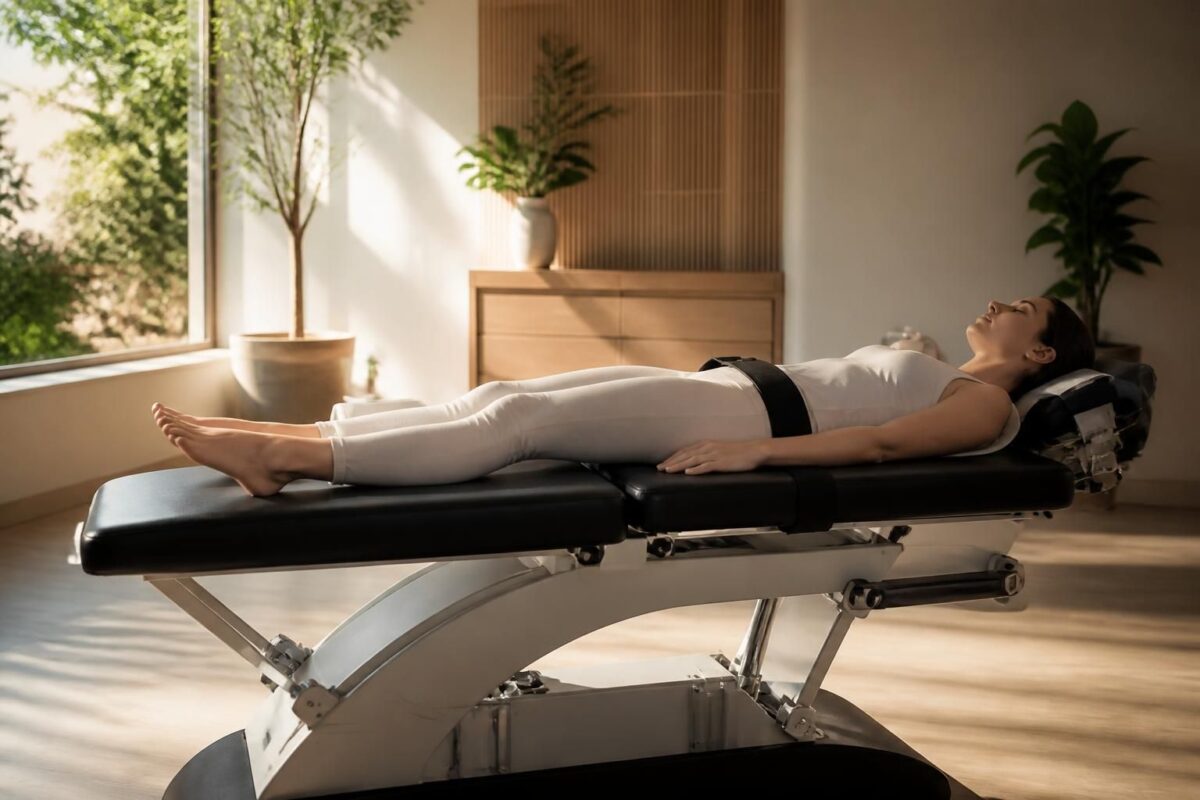
Neurovertebral Decompression and Body Alignment: Restoring Natural Balance
In short In short, neurovertebral decompression is one Non-invasive approach who restores theBody Alignment and thenatural balance back and neck. She acts by a Controlled traction of the spine to widen the intervertebral space and reduce the Pressure on discs…
Start with an accurate assessment of muscle injury and functional limitations. Define a combining plan decompression, Supervised exercises and Adapted daily activities. Plan the sessions at the right frequency to the initial state, then gradually reduce the frequency as mobility and strength improve. Be sure to stay hydrated and adopt a Anti-inflammatory nutrition promoting tissue recovery. Integrate rest periods and stress management techniques to optimize results.
Hydration and food
Maintain sufficient hydration and favor a diet rich in proteins, omega-3s and essential micronutrients (magnesium, vitamin D) to support muscle repair and surrounding nerve recovery.
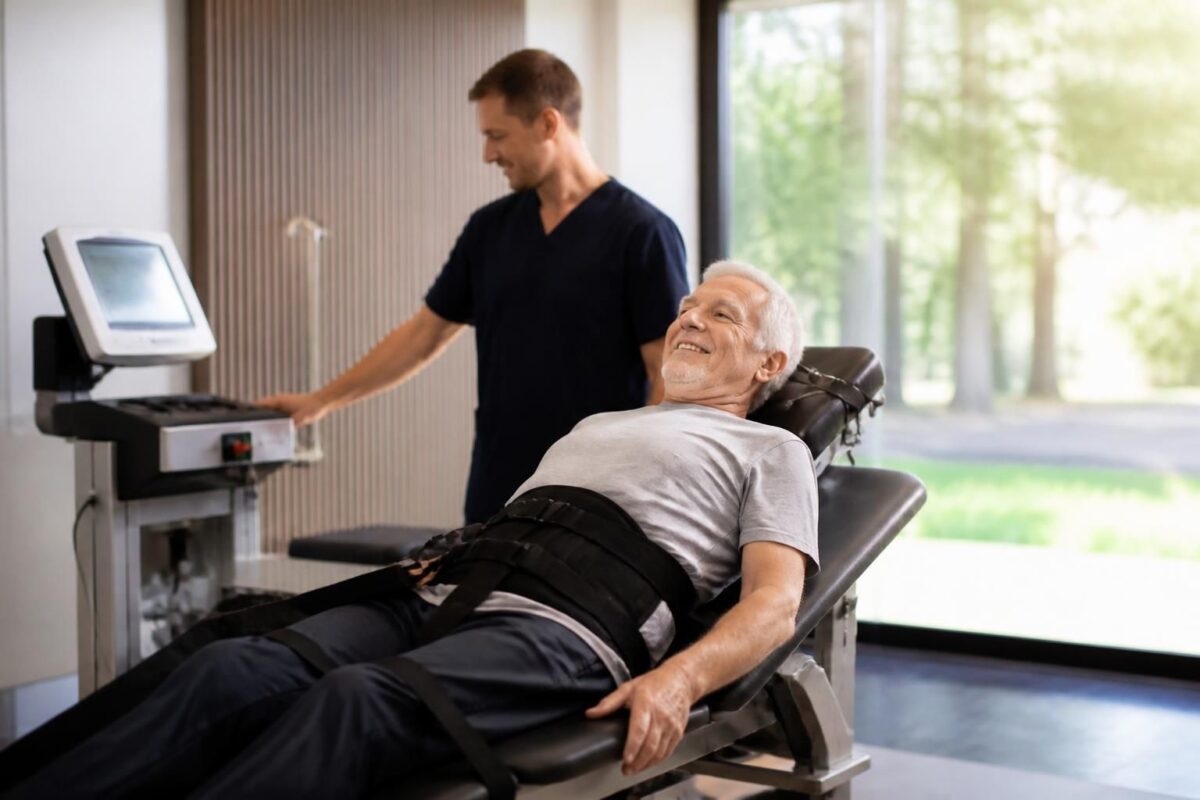
Why neurovertebral decompression is a lasting solution for active seniors
In short In short, the neurovertebral decompression is one Non-invasive therapy which sustainably relieves spinal pain in the spine active seniors By creating, by a Soft and controlled traction, a space between the vertebrae. At Montreal, it is recognized as…
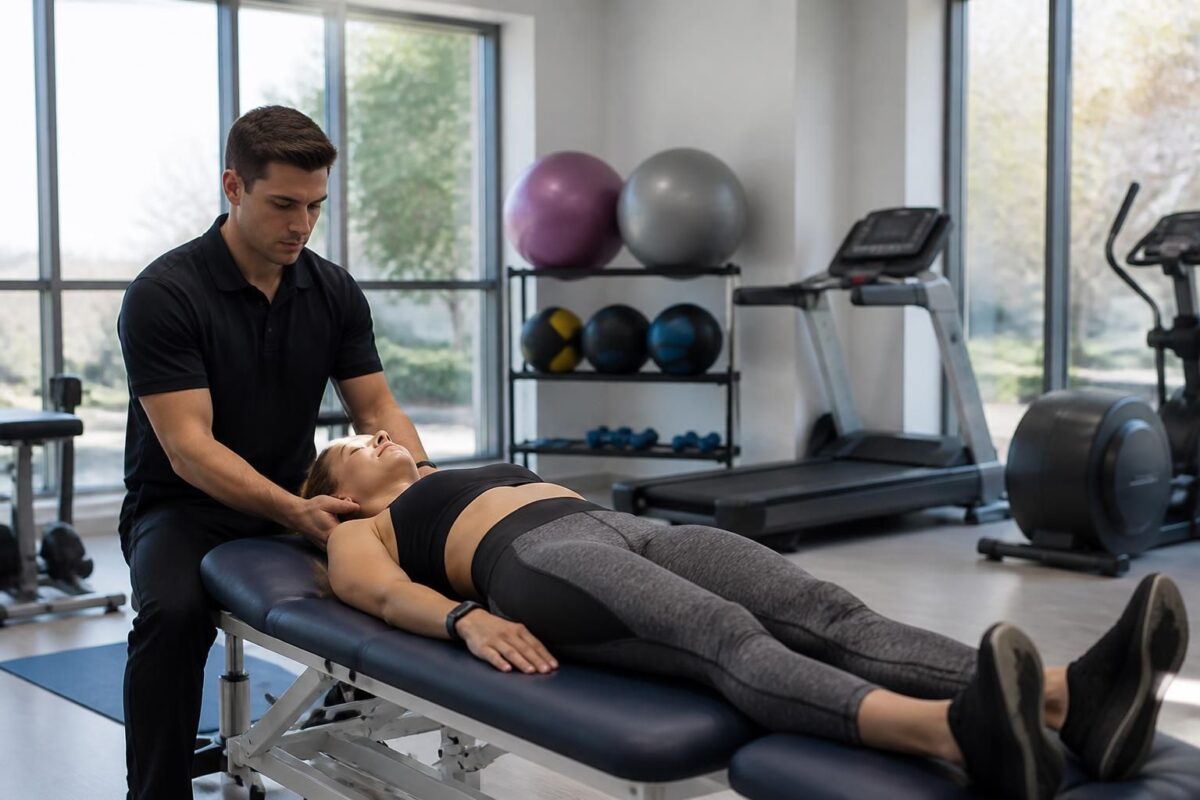
Neurovertebral decompression and recovery after severe sports injury
In short In short, the neurovertebral decompression is one Non-invasive method to Relieve the pressure on the Intervertebral discs and the gristle Via a Controlled traction, to facilitate the recovery After a severe sports injury. It improves the bloodstream towards…
Practical elements for everyday life
Adopt a Adapted posture At work and during domestic activities, favor active breaks and avoid excessive loads during the initial rehabilitation phase. Listen to your body and adjust the intensity of activities based on pain and fatigue signals.
By integrating the neurovertebral decompression In an overall rehabilitation plan, you can get significant pain reduction and rapid improvement in mobility, facilitating a lasting return to your usual activities after a muscle injury.
| Axis | Impact | |
|---|---|---|
| Mechanism of action | Controlled traction between the vertebrae reduced Intradiscal pressure and Improves circulation Tissues to promote muscle healing. | |
| Pain | rapid and lasting reduction of pain and muscle relaxation. | |
| Mobility and function | amplitude improvement and gradual return to activities. | |
| Nutrition and tissue repair | top Fabric nutrition and reduced inflammation. | |
| muscle recovery | activation of regeneration and muscle recovery Faster. | |
| Security and monitoring | Medical follow-up and respect for contraindications to ensure safety. | |
| Complementarity with rehabilitation | Honest Targeted rehabilitation and strengthening exercises. | |
| Duration and projection | plan on 4 to 8 weeks with regular assessments. |
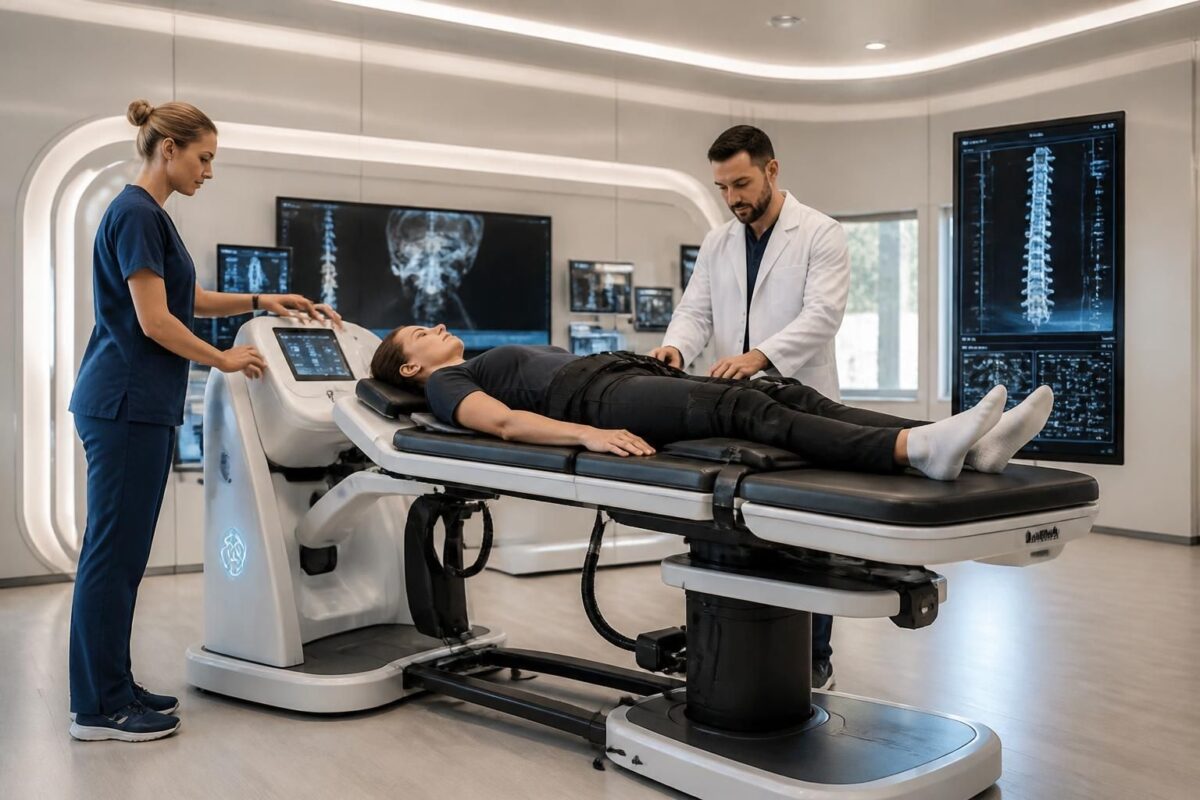
Recent innovations in neurovertebral decompression technologies
In short In short, the neurovertebral decompression is an approach non-invasive Aiming to reduce pressure on discs and nerves, and promote tissue regeneration. At Montreal, it is positioned as an effective option for lower back pain and herniated discs. The…
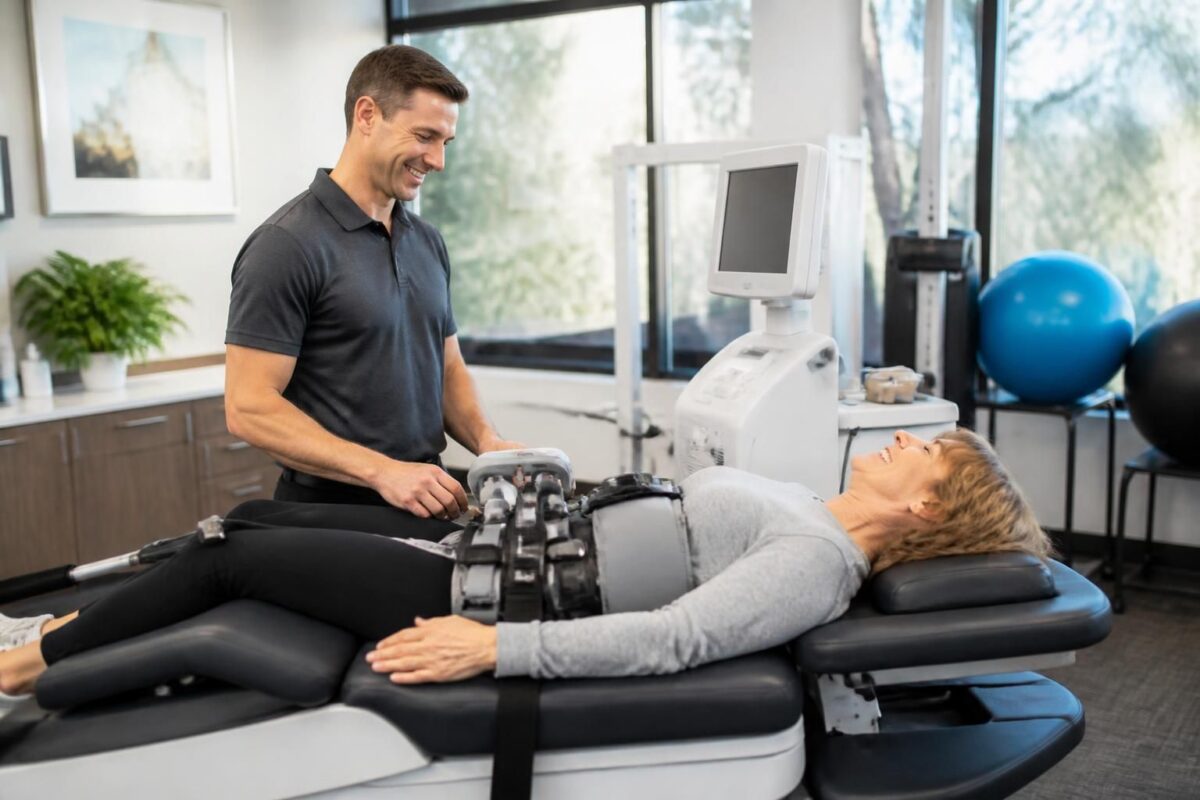
Neurovertebral decompression and diffuse pain: an appropriate solution
In short In short, the neurovertebral decompression is one Non-invasive solution For diffuse pain related to nerve irritation of the spine. She acts in Reducing pressure on intervertebral discs and nerves and improving the bloodstream, which promotes recovery and the…
Testimonials on neurovertebral decompression and recovery after muscle injury
Mary, 46 years old testifies: “After a back muscle injury, I found myself stuck and in pain. From the first sessions of neurovertebral decompression, the pain decreased and my mobility returned. The personalized protocol helped me resume my sports activities without drugs, and I feel more confident in my recovery. »
Adrien, 32 years old testifies: “As an athlete, I suffered a muscle injury to my leg that disabled me. After a few sessions of neurovertebral decompression, the pain gradually subsided and I found a more fluid range of motion. I was able to resume my training faster than expected, without resorting to analgesics. »
Sophie, 29 years old testifies: “Following a lumbar sprain during a move, I was hesitant to resume the effort. treatment by neurovertebral decompression Helped release tension and improve circulation to the injured muscles. Within a few weeks, my pains fell and I returned to my daily activities and to the light race. »
Jean-Michel, 60 testifies: “After a back muscle injury, I had tried several therapies without much effect. The neurovertebral decompression With a personalized protocol changed the game: less pain, better mobility and ability to do everyday gestures without hesitation. »
Claire, 54 years old testifies: “After a significant elongation, the recovery seemed long and uncertain. Thanks to neurovertebral decompression, the pain decreased faster than expected and I was able to resume my family activities and hikes earlier than I imagined. »
Lucas, 22 years old testifies: “My injured muscle prevented me from moving freely during competitions. The treatment was quick and effective; neurovertebral decompression Reduced pain and restored mobility, which allowed me to resume my training safely. »
Dr Sylvain Desforges is a recognized expert in osteopathy, naturopathy and manual medicine, and he occupies the role of founding president in the Tagmed clinics and the ACMA association. Its trajectory is marked by a constant orientation towards health innovation and by a strong specialization in the management of Chronic pain and in the integration of advanced technologies. Faithful to an evidence-based approach, it works to provide care that optimizes the health and well-being of its patients, favoring personalized protocols tailored to individual needs. In this context, neurovertebral decompression occupies a central place as a non-invasive option to support recovery after muscle injury associated with spinal damage.
Neurovertebral decompression is based on controlled traction of the spine which aims to create a space between the vertebrae in order to reduce the pressure exerted on the discs and on the nerve roots. This approach reduces the mechanical load on the nervous system and improves the blood and nutritional intake of surrounding tissues. In practice, this results in reduced pain, better mobility and acceleration of the healing processes of muscle structures and soft tissues linked to the spine. The objective is to restore the functional integrity of the spine while facilitating rehabilitation sessions focused on strengthening and re-athleticizing the muscles solicited by the injury.
For muscle recovery after an injury, neurovertebral decompression acts as a key lever that allows you to approach pain at its source rather than containing it only. By releasing nervous tensions and improving circulation, it optimizes the oxygenation and nutrient supply of the injured muscles, which promotes a more active and effective rehabilitation phase. This approach is often combined with complementary interventions such as stabilization exercises, myofascial relaxation techniques and targeted physical therapies, to promote faster and more sustainable recovery.
Desforges’ expertise is part of a multidisciplinary and technological approach: the use of advanced decompression systems, the integration of laser and shockwave therapies, and dynamic evaluation of the patient’s progress. Each protocol is designed to measure, adjusted over the course of remission and coordinated with the other therapeutic components intended to optimize the vertebral function and muscle strength. This synergy between decompression and rehabilitation makes it possible to alleviate the pain, to restore the amplitude of the movement and to reduce the risk of recurrence when returning to sports or professional activity.
At the heart of his action, Dr. Desforges places patient education and commitment. It underlines the importance of a personalized program, regular follow-up and close collaboration between the patient and the healthcare team. By associating the principles of osteopathy, manual medicine and innovative approaches, it aims to prevent relapses and sustainably improve the quality of life of patients suffering from muscle injuries associated with spinal disorders. His work thus illustrates a modern vision of recovery that combines clinical efficacy and respect for the body’s natural healing mechanisms.
This conclusion details how the neurovertebral decompression can accelerate the Recovery after a muscle injury, by acting on the spine and adjacent tissues to promote circulation, hydrate discs and reduce inflammation. It highlights the key mechanisms, practical benefits for muscle rehabilitation and the essential points to integrate into a multidisciplinary care plan. To learn more about the benefits and evidence, you can refer to specialized sources on this topic.
The neurovertebral decompression is based on a Controlled traction which makes it possible to create a space between the vertebrae and to reduce the Intradiscal pressure. This modulation of the spinal load promotes better Disc hydration and an Increased blood circulation around damaged fabrics. At the same time, it helps to reduce theinflammation and nociceptive signals, making it easier to perform targeted rehabilitative exercises for muscles and support structures. These mechanisms are at the heart of the results observed in patients with muscle injuries associated with tension or spinal trauma.
For muscle recovery, it is common to associate decompression with active rehabilitation protocols. Improving mobility and nervous function gradually intensifies reinforcement and coordination exercises, while reducing periods of inactivity. This approach can accelerate recovery and bring patients back to their usual activities more quickly. See, for example, the resources describing the beneficial effects of decompression on recovery after trauma and advanced protocols for complex pathologies.
Integrating decompression into a multidisciplinary rehabilitation plan is particularly relevant for muscle injuries. In addition to an osteopathic approach, naturopathic advice and a suitable exercise program, this technique can be synchronized with support technologies (e.g. assistance devices) to optimize recovery. To deepen, consult the resources that describe how decompression fits into a sustainable pain management and mobility restoration strategy — a durable solution. You can also explore indications and results from associated approaches on specialized pages.
Safety and effectiveness are based on rigorous pre-assessment and ongoing monitoring. Contraindications must be respected and protocols adjusted to the user’s condition. clinical testimonials and clinical studies support the usefulness of this technique as part of a global muscle rehabilitation program. resources like Link dedicated to recovery after a muscle injury offer additional explanations of the mechanisms and results observed.
At the end of the course, the objective is to establish a sustainable functional reconstruction. Decompression can facilitate the return to daily and sports activities, while preventing recurrences through better stability and better tissue nutrition. To deepen perspectives and protocols, the following resources shed additional light: trauma recovery and Recommendations for active seniors.
For a concrete approach adapted to your situation, do not hesitate to refer to dedicated spaces that present the advanced protocols and the results observed in various clinical contexts. Specialized readings and practical guides can accompany you in deciding and implementing a personalized plan, especially when it comes to combining decompression with complementary therapeutic elements such as manual therapy, stabilization exercises and targeted care. soft tissues.

Dr Sylvain Desforges, B.Sc., D.O., N.D., osteopath, is the founding president of TAGMED and of the ACMA association. He dedicates his practice to chronic spinal pain, low back pain and symptoms compatible with sciatica, particularly when pain radiates toward the buttock, leg, calf, foot or toes.
Through SOS Sciatique, he publishes educational content on sciatica symptoms, possible causes such as disc herniation, disc narrowing, foraminal stenosis or irritation of a lumbar nerve root, as well as non-surgical approaches that may be considered according to the evaluation. At Clinique TAGMED, care may include, depending on the case, motorized neurovertebral decompression, specific osteopathic care or precision percussion.
For an evaluation related to sciatica treatment in Montreal / Mount Royal or sciatica treatment in Terrebonne, please consult the services available at Clinique TAGMED.
Medical disclaimer
The information published on SOS Sciatique is provided for educational purposes only and does not replace a consultation, diagnosis, opinion or treatment provided by a physician or another authorized healthcare professional. The author of this article is neither a medical doctor nor a specialist in a medical specialty recognized by the Collège des médecins du Québec. The osteopathic, manual medicine or functional support approaches described on this site do not constitute medical acts and are not intended to replace medical follow-up.
Consult a physician or emergency service in cases of loss of bladder or bowel control, anesthesia in the saddle area, significant or progressive weakness in the leg or foot, fever, recent trauma, severe pain or rapid worsening of symptoms. For more details, please read our Legal Notice.