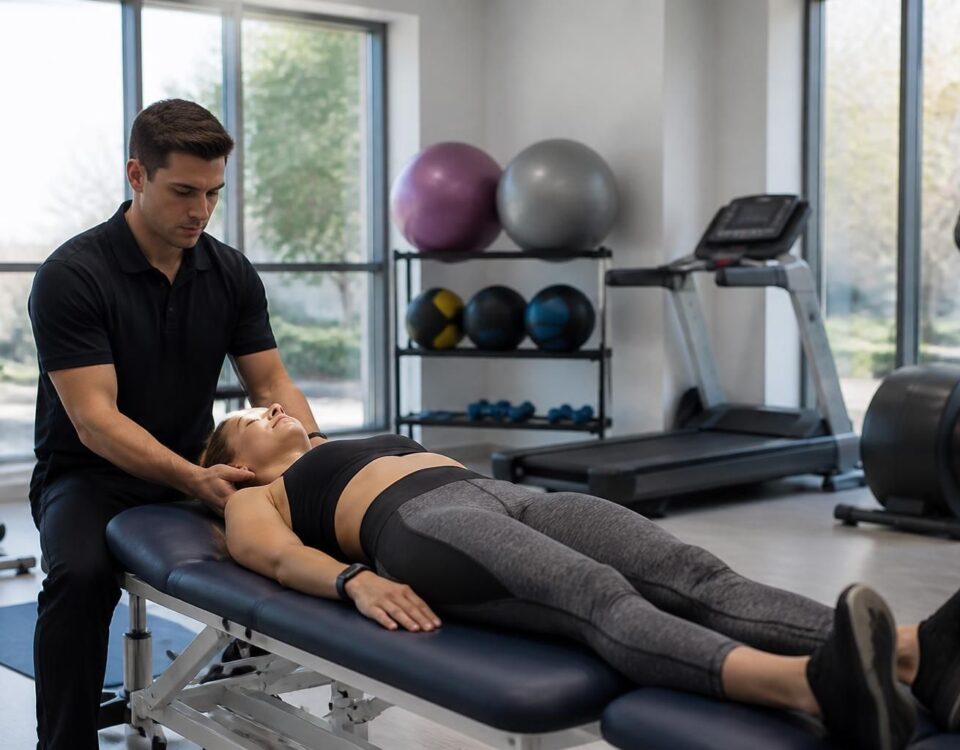
Why neurovertebral decompression is a natural solution against pain
26/06/2026
Neurovertebral decompression and posture: sustainably improving body alignment
26/06/2026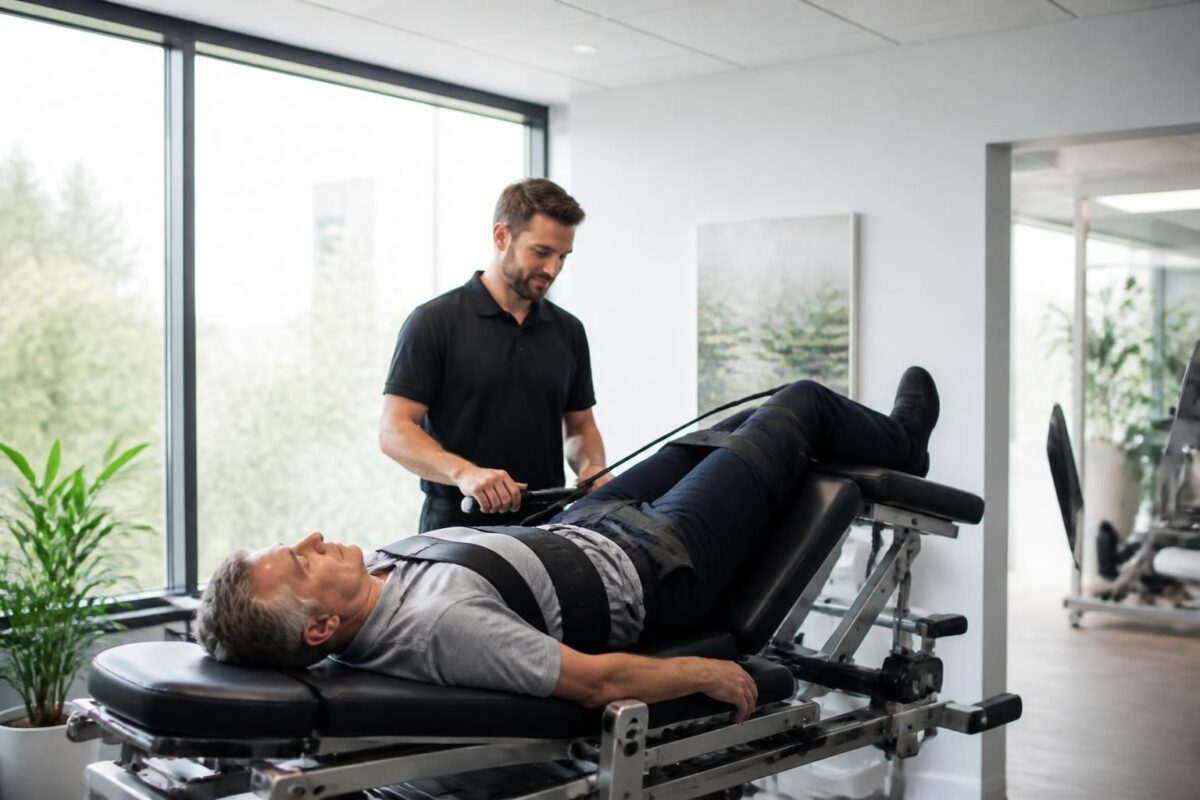
In short
| neurovertebral decompression is one Non-invasive technique which aims to reduce the pressure exerted on the intervertebral discs and nerves, in order to prevent Chronic complications related to spinal disorders. What is it? A gentle and targeted therapeutic approach to highlight back pain and limit neurological risks. What advantages? pain reduction, Improving mobility, Reduction in the use of analgesics and preventive effect on nerve complications. How does it work? Controlled and progressive traction on the column, promoting the rebalancing of the vertebrae, the increase in the intervertebral space and better nutrition of the discs. Accessible in Montreal, this service is particularly recommended for recurrent lower back pain and disc pathologies, offering an effective solution to preserve the quality of life without surgery. |
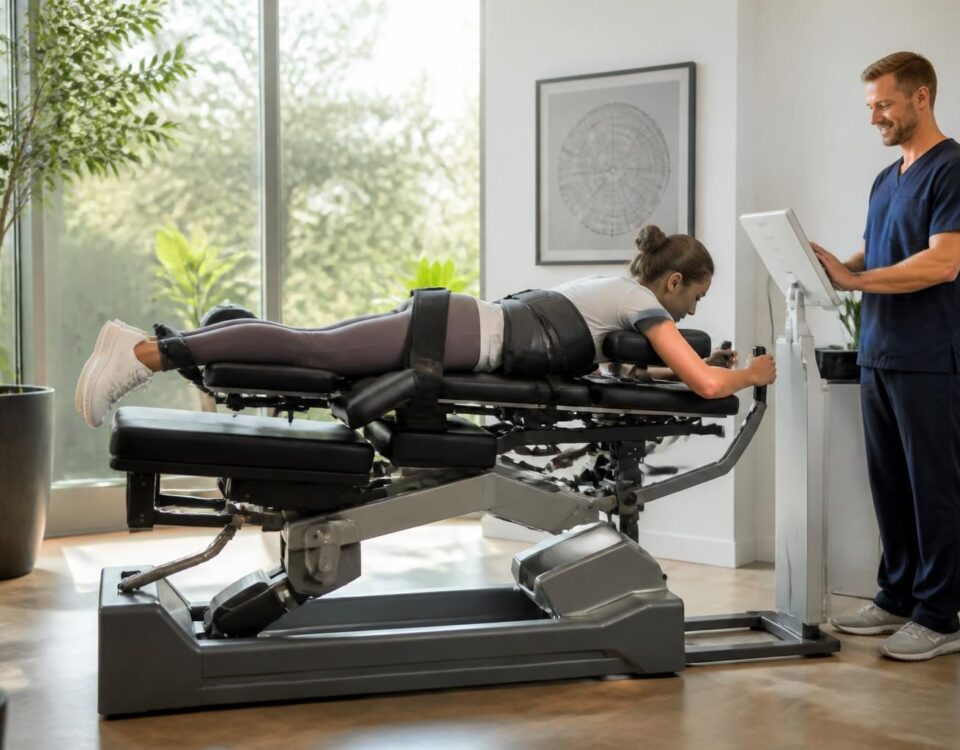
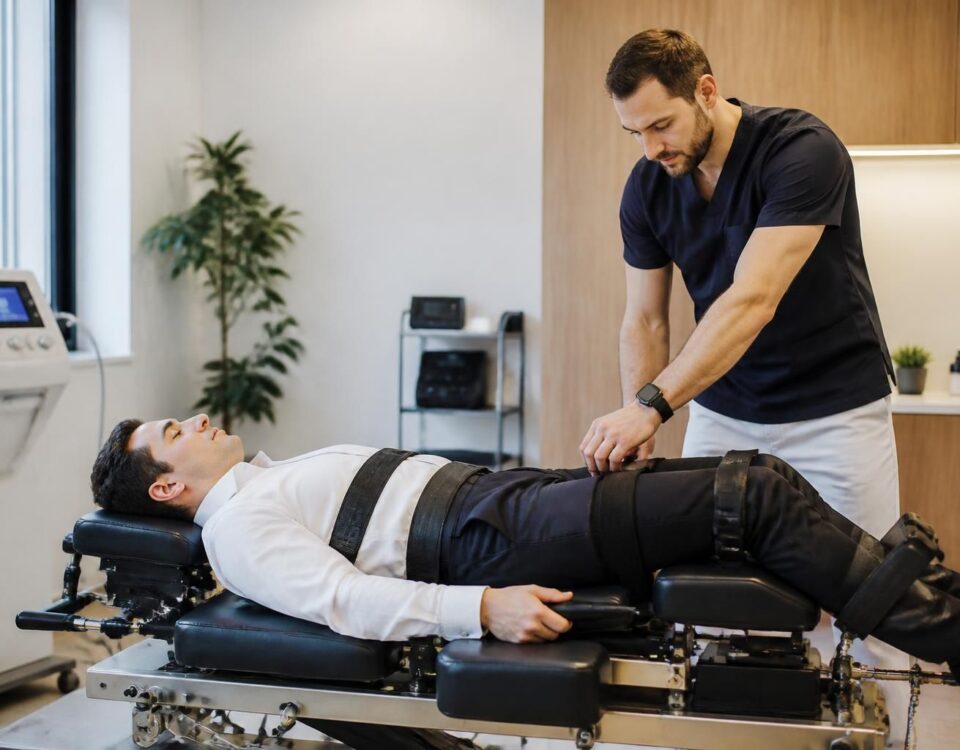
The neurovertebral decompression is an approach non-invasive which acts by decreasing the Pressure exerted on intervertebral discs and nerve roots. Thanks to a controlled and adapted traction, it promotesOpening of intervertebral spaces and improves the bloodstream in the affected area, which helps to reduce theinflammation and support tissue repair. This method is particularly useful to prevent Chronic complications associated with herniated discs and at thevertebral osteoarthritis, such as persistent pain and mobility limitations. It can also help Reduce the use of analgesics and, in many cases, Prevent or delay surgery. Finally, it relies on traction technology computer assisted which adjusts the forces and amplitudes in real time For increased safety and efficiency.
This guide, written by a health professional and expert in osteopathy, clearly presents the advantages of neurovertebral decompression to prevent chronic complications related to the spine. It emphasizes the mechanisms of action, indications and expected benefits, while remaining strictly informative and accessible.
Prevent chronic pain and limit progression
neurovertebral decompression Acts by soft and controlled mechanical traction on the spine. It aims to free up the space between the vertebrae and reduce the pressure exerted on the intervertebral discs. This decrease in pressure can help reduce painful signals and slow down the progress of disc attacks. By limiting nervous irritation, this approach contributes to better back stability and a decrease in recurrent painful episodes. To learn more about steps and results, check out the resources dedicated to this topic at Key steps for successful treatment in neurovertebral decompression.
Prevent neurological complications
Nerve compression can lead to symptoms such as radiant pain, numbness or muscle weakness. Reduce pressure on nerve roots and improving local circulation promotes better functioning of the nerves and can prevent the appearance or aggravation of neurological complications associated with disc pathologies. Quick and lasting results can be observed when the treatment is applied in an appropriate and supervised manner. To understand the possible quick benefits, see the data presented in Quick results obtained through a neurovertebral decompression program.
Security and processing customization
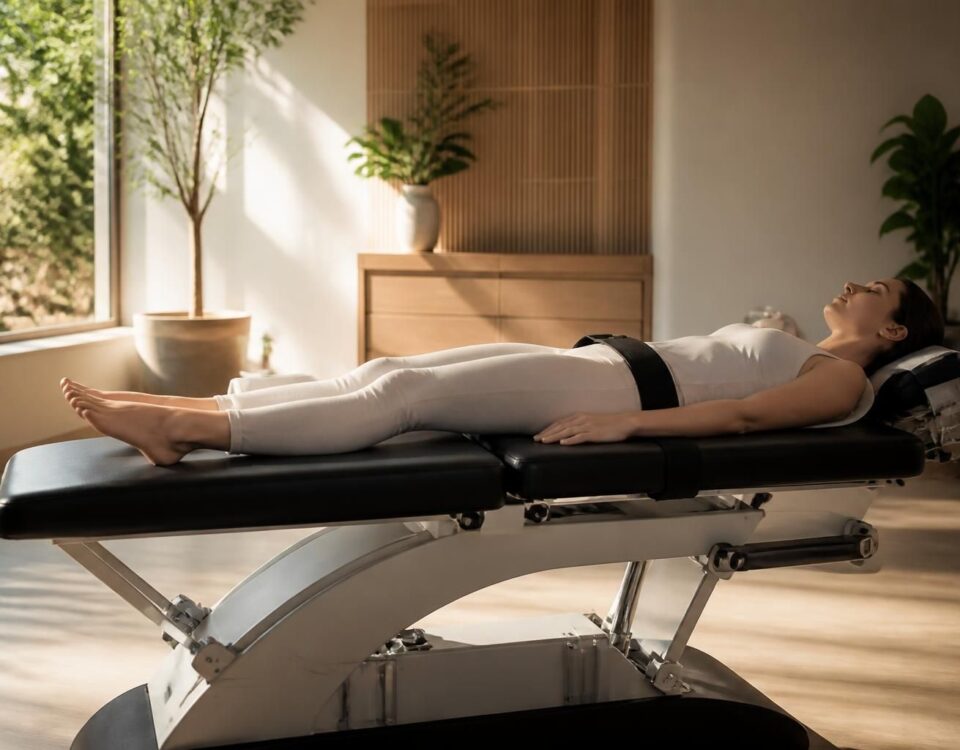
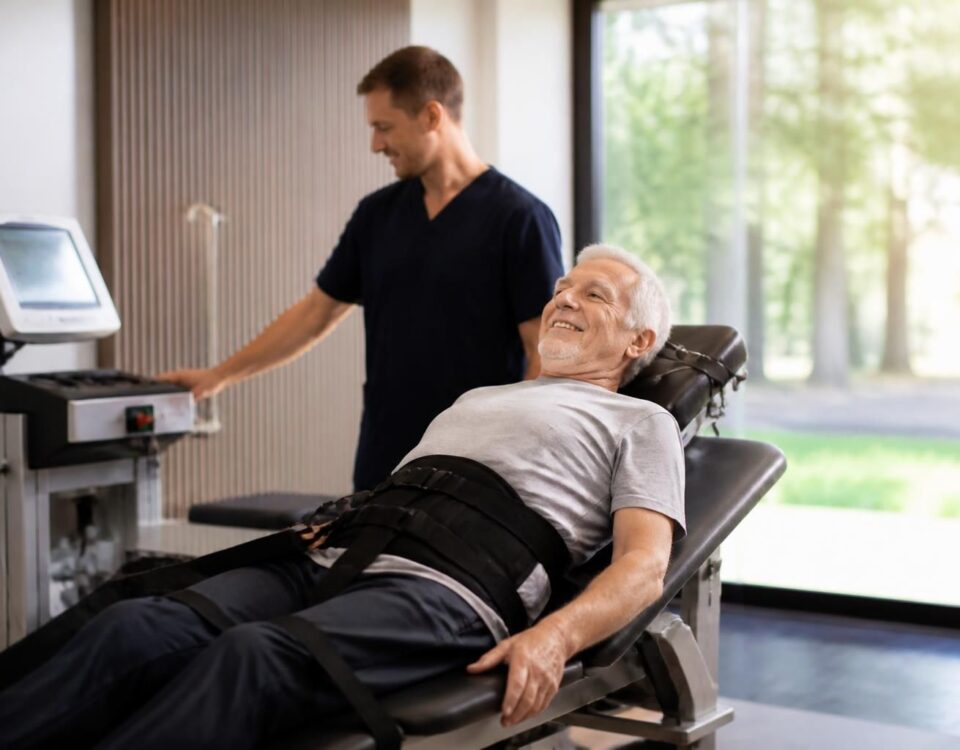
Security is at the heart of the practice. A Computerized decompression table Adjusts real-time forces, axes and ranges of motion. This allows a precise and adapted trajectory to each patient, while protecting pre-existing spinal lesions. This approach makes it possible to combine efficacy and tolerance, with constant control of therapeutic parameters. For active seniors, this therapy is particularly relevant and can be considered after evaluation by a specialist, as explained in the dedicated resources.
Indications and relevance in the care pathway
Neurovertebral decompression is a non-surgical option for patients with recurrent back pain and neurogenic signs without the need for immediate invasive intervention. It can be a key step in preventing the worsening of symptoms and reducing the risk of associated complications. For patients who wonder about the relevance of this approach in their path, additional resources detail the contexts of application and the results observed in current practice. At the same time, it is essential to continue to follow the advice of your attending physician and your osteopath.
Integration with other therapies
The approach can be associated with other modalities used in the clinic.
In Montreal and in the nearby sectors, the Tagmed Clinic Offers global care that can complement neurovertebral decompression with appropriate technologies and practices. For patients looking for additional information and resources on integrative options, pages dedicated to spinal decompression and related pathologies offer useful insights.
Recovery and quality of life
The improvements reported after decompression sessions often result in better endurance and easier mobility on a daily basis. By reducing the pressure on the discs and decreasing local inflammation, this method can contribute to a faster return to usual activities and a better quality of life. Testimonies and syntheses of studies in the field support these benefits, in particular with regard to pain management and improvement of nervous function. For additional insight into the results observed after decompression, you can consult the specialized resources on Neurovertebral decompression and recovery.
Specific cases and associated preventions
In cases where the disc bulge persists, the objective remains to prevent aggravation and reduce the pressure on the nerve structures. Neurovertebral decompression provides a non-invasive pathway to support spinal stability and protect the nerve roots, while respecting the specific needs of each patient. Reference resources for patients and professionals stimulate informed thinking and informed decision-making. For an approach inspired by practical experiments and clinical analyses, the resources listed above and associated pages provide useful benchmarks.
Information and training
For professionals in training, it is useful to know the main reference establishments in osteopathy and recognized professional organizations. Recognized courses include Numss, NAO, National University of Medical Sciences and National Academy of osteopathy, without reference to other institutions. Relevant professional associations include ACMA, College of Canadian Osteopaths and College of Canadian Osteopaths.
Additional resources and comparative studies on decompressions and their results can be viewed via the links provided in this text, including public and professional resources centered on disc pathology and the prevention of complications.
For practical information and clinical cases, you can move towards the following resources, which offer useful insights into the application and benefits of neurovertebral decompression in the context of osteopathic or multidisciplinary follow-up:
Additional information on steps and results: Quick results and Key stages.
For working people and athletes, dedicated resources show the relevance of decompression as a therapeutic option adapted to these populations, without exercise or stretching in the context of the pathologies discussed.
Medical Disclaimer: The information and advice provided on this site does not replace the health professional’s diagnosis or treatment. Please note that Dr. Sylvain Desforges osteopath is neither a doctor of medicine nor a doctor, and is not a specialist in a medical specialty as defined by the Collège des Médecins du Québec. Manual medicine, functional medicine and sports medicine as described on this site exclude any medical treatment or diagnosis made by a doctor or specialist doctor. Always consult your doctor for any medical questions. For more details, please read our full legal notice.
Medical Disclaimer: The information and advice provided on this site does not replace the health professional’s diagnosis or treatment. Please note that Dr. Sylvain Desforges osteopath is neither a doctor of medicine nor a doctor, and is not a specialist in a medical specialty as defined by the Collège des Médecins du Québec. Manual medicine, functional medicine and sports medicine as described on this site exclude any medical treatment or diagnosis made by a doctor or specialist doctor. Always consult your doctor for any medical questions. For more details, please read our full legal notice.
To learn more about available resources and options, visit the following pages. N.B. The links proposed refer to public and specialized resources focused on neurovertebral decompression, disc pathologies and the prevention of chronic complications.
Block of useful links:
Why neurovertebral decompression is recommended for active seniors
Why decompression is a therapeutic option for athletes
Neurovertebral decompression, natural alternative
The benefits of neurovertebral decompression
Comparative study of therapeutic approaches
Benefits of decompression for back pain
Decompression and recovery after muscle injury
Neurovertebral decompression, an ideal therapy to prevent neurological complications
Axis: Prevent chronic complications through neurovertebral decompression
- Reduced risk of neurological complications related to chronic compression.
- traffic improvement and nutrition of discs and nerves.
- Preservation of amplitude and mobility spinal.
- Decreased inflammation and associated pain.
- Prevention of recurrences and disc aggravation.
- Non-invasive alternative avoiding surgery and drugs.
- Improved quality of life and daily autonomy.
- Postural stability and better spinal alignment thanks to a reduction in disc pressure.
- Personalized follow-up and effective adjustments.
- Prevention of neurological complications by better circulation and targeted decompression.
- Care savings through sustainable symptom management.
- Therapeutic integration with other approaches (laser, shockwave therapy) to optimize results.

This article presents how neurovertebral decompression can play a key role in preventing chronic complications related to spinal disorders. By gradually reducing the pressure on discs and nerve roots, this non-invasive approach helps to limit painful progression, inflammation and neurological damage, while promoting better mobility and a lasting quality of life.
Framework and Mechanism
Neurovertebral decompression is based on guided and controlled traction of the spine, adapted to each patient. By lightening the mechanical stress on the discs and nerves, it helps to restore the intervertebral space and optimize the circulation of essential nutrients. This approach, non-surgical and drug-free, is part of a preventive logic: acting early to reduce the risk of progression towards Chronic pain, more severe hernias or neurological complications.
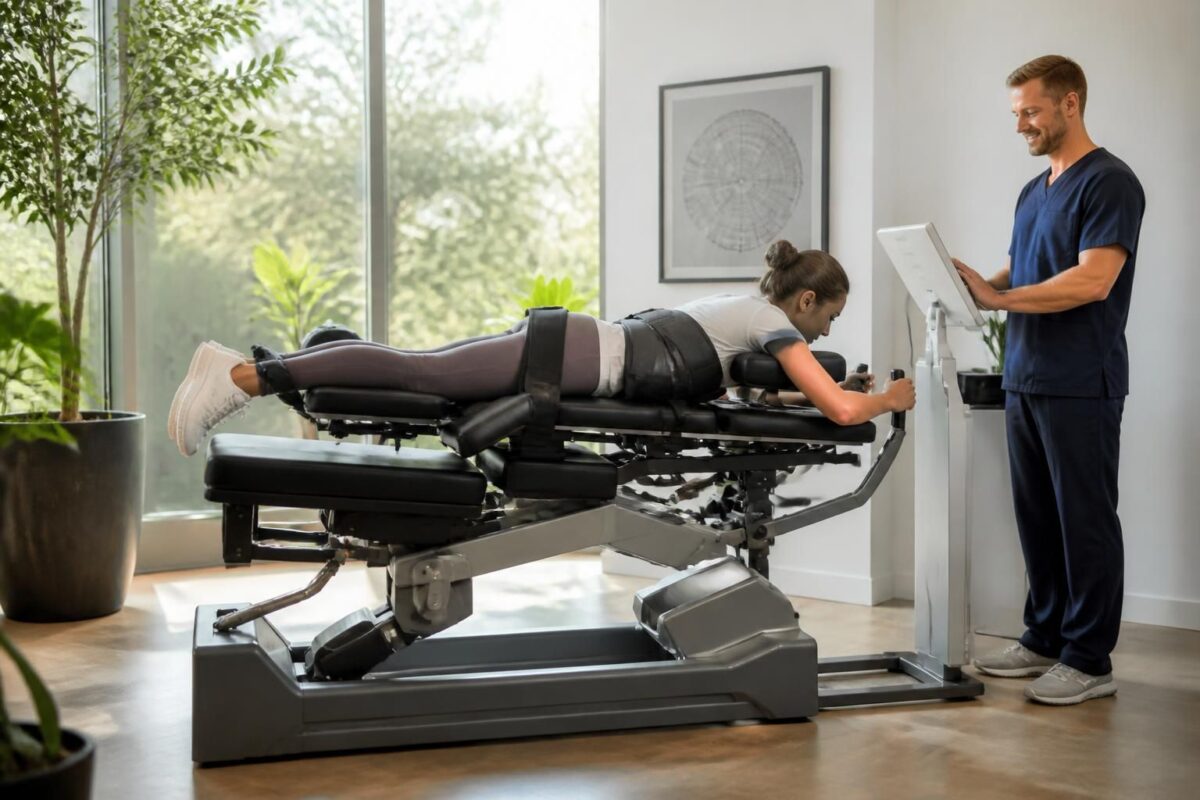
The long-term benefits of neurovertebral decompression for spinal health
In short In short, the neurovertebral decompression is a non-invasive approach that decreases the Pressure on intervertebral discs and nerves, favoring the Natural regeneration and tissue recovery. Its long-term benefits include Lasting pain reduction, Improving mobility and from the posture,…

Neurovertebral decompression and mobility: a return to an active life
In short In short, the neurovertebral decompression is therapy non-invasive who uses a gentle traction To create a space between the vertebrae and reduce the pressure on the Intervertebral discs and the nerves. It promotes a bloodstream improved, lowers tension…
Benefits for the prevention of chronic complications
Reduction and prevention of inflammatory pain
One of the major benefits lies in a Sustainable reduction of inflammation and pain, which decreases muscle contraction cycles and repeated tension on the spinal structures. By acting on pain mechanisms at their source, decompression helps prevent recurrences and painful persistence over time.
Prevention of nerves and radiculopathies
By reducing the pressure exerted on the nerve roots, this technique limits the risks of neurological complications associated with prolonged compressions. It is particularly useful to prevent the onset or aggravation of symptoms such as bites, weakness or numbness, which can compromise motor and sensory function.
Maintaining mobility and reducing the risk of inactivity
By gradually improving the range of motion and the flexibility of the vertebral structures, decompression facilitates the maintenance of appropriate physical activity. This continuity is essential to avoid loss of autonomy linked to stiffness and decrease in muscle strength, and to promote a more favorable posture on a daily basis.
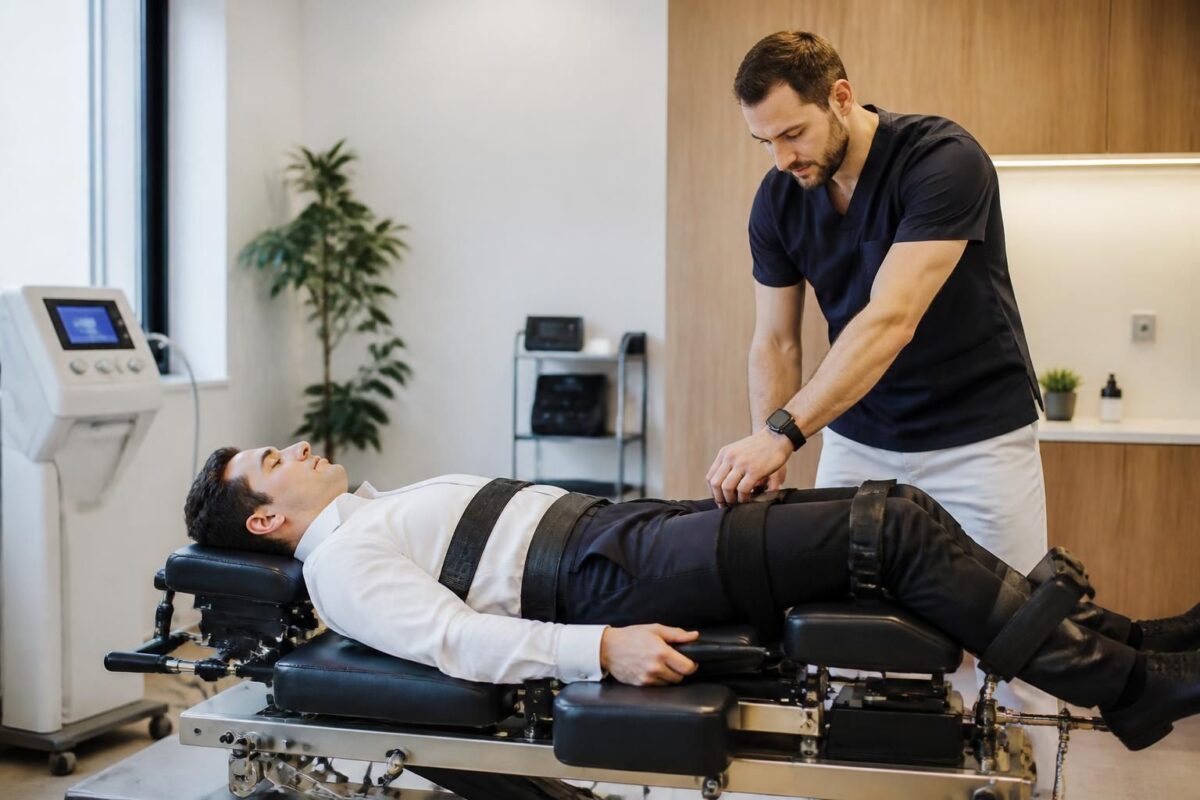
How Neurovertebral Decompression Prevents Diffuse Chronic Pain
In short decompression neurovertebral is one Non-invasive method aimed at reducing the Pressure on the intervertebral discs and the nerves, in order to prevent Diffuse chronic pain. It improves the circulation and thedisc hydration, decreases inflammation and promotes better mobility.…
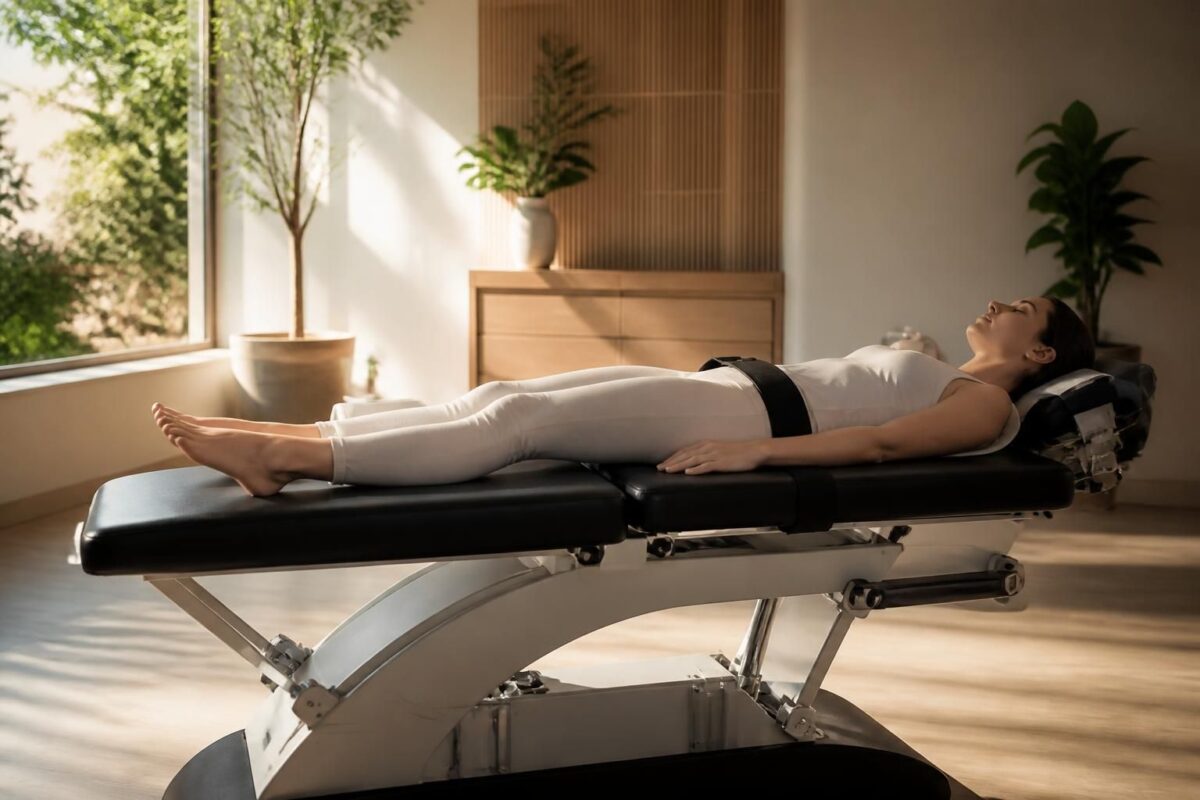
Neurovertebral Decompression and Body Alignment: Restoring Natural Balance
In short In short, neurovertebral decompression is one Non-invasive approach who restores theBody Alignment and thenatural balance back and neck. She acts by a Controlled traction of the spine to widen the intervertebral space and reduce the Pressure on discs…
Indications and target populations
herniated discs and stenosis
Situations involving disc herniation or stenosis may benefit from non-invasive preventive treatment. By laxifying the stresses on the disc and promoting the repositioning of compressive elements, decompression helps prevent aggravation and radiant symptoms related to these pathologies.
Osteoarthritis and degenerative discopathies
For degenerative spinal disorders, the objective is to limit the tension exerted on the intervertebral space and to optimize muscle support. This approach can reduce pain progression and help preserve mobility over the long term.
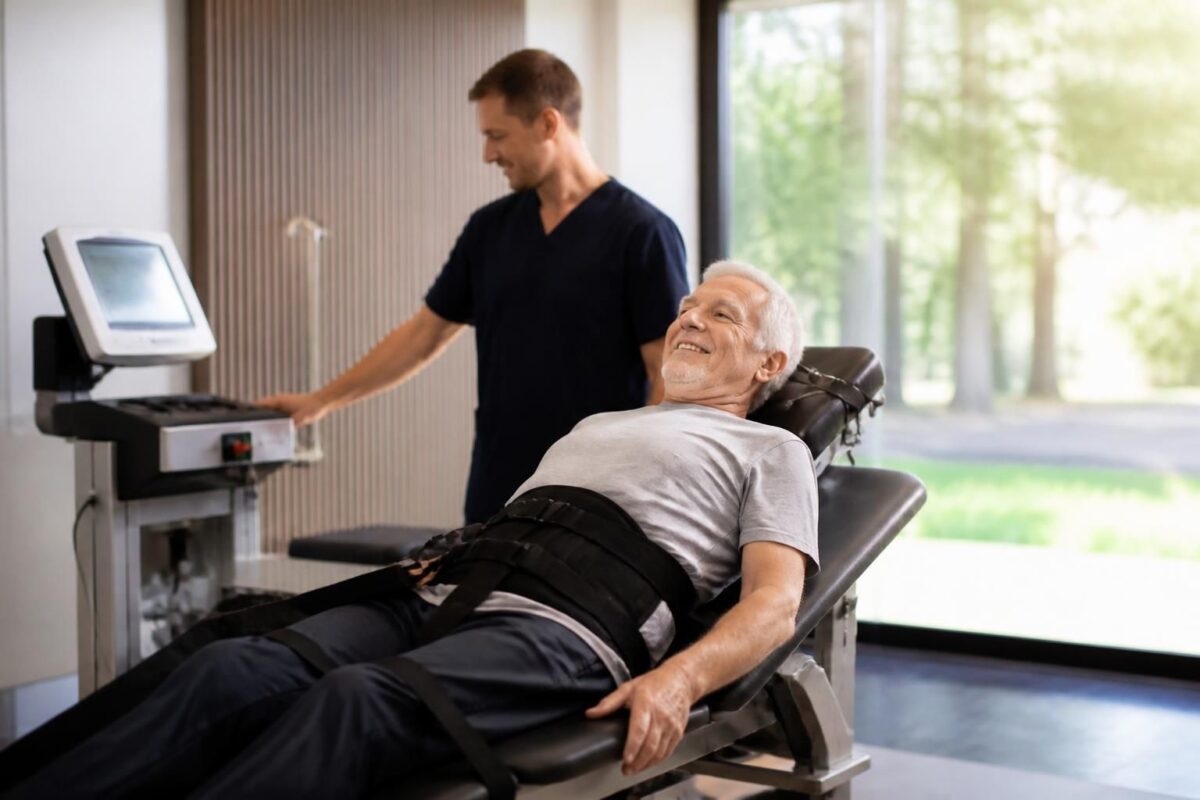
Why neurovertebral decompression is a lasting solution for active seniors
In short In short, the neurovertebral decompression is one Non-invasive therapy which sustainably relieves spinal pain in the spine active seniors By creating, by a Soft and controlled traction, a space between the vertebrae. At Montreal, it is recognized as…
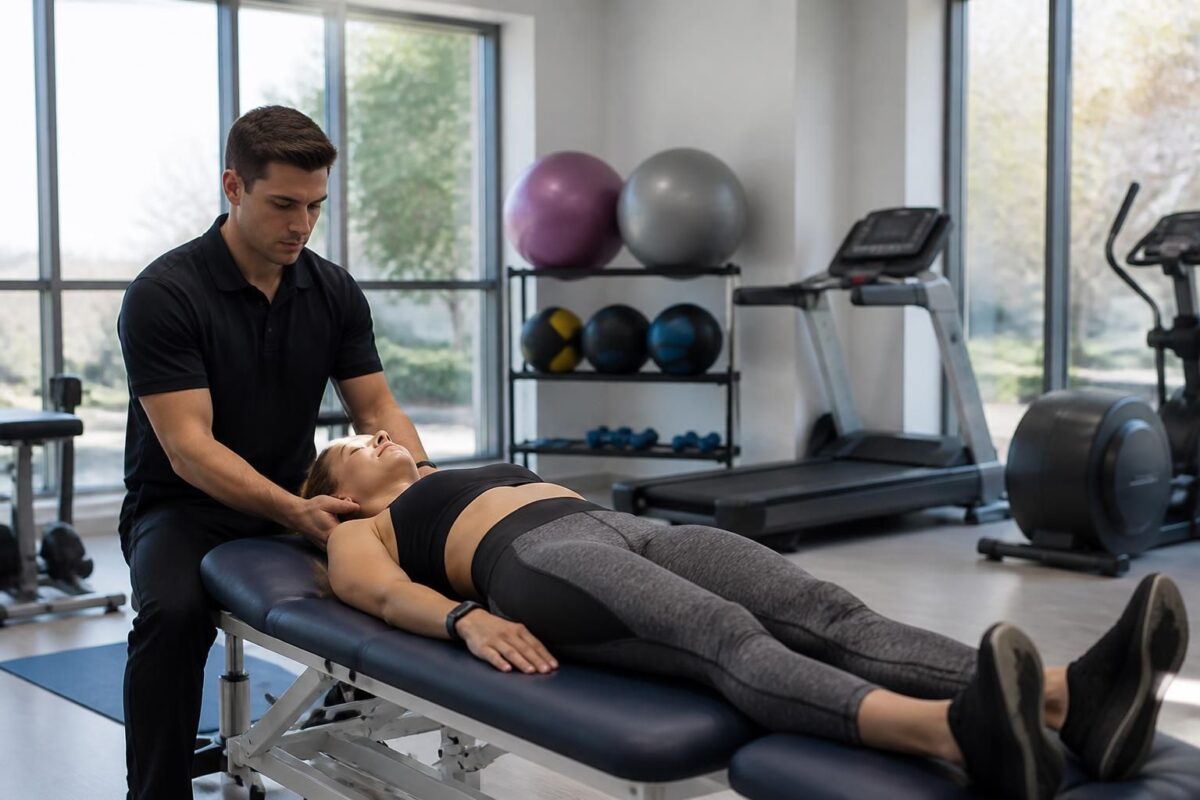
Neurovertebral decompression and recovery after severe sports injury
In short In short, the neurovertebral decompression is one Non-invasive method to Relieve the pressure on the Intervertebral discs and the gristle Via a Controlled traction, to facilitate the recovery After a severe sports injury. It improves the bloodstream towards…
Integration into a care strategy
Coordination with exercises and complementary therapies
Decompression is ideally part of a global plan including stretching, strengthening and stress management techniques. Combining with approaches such as targeted manual therapy and, where relevant, complementary modalities, maximizes benefits and helps prevent relapses.
Security and tracking
A detailed initial assessment makes it possible to identify contraindications and establish follow-up criteria. Regular assessments allow programming adjustments, progress to be assessed and proactively prevented from potential complications.
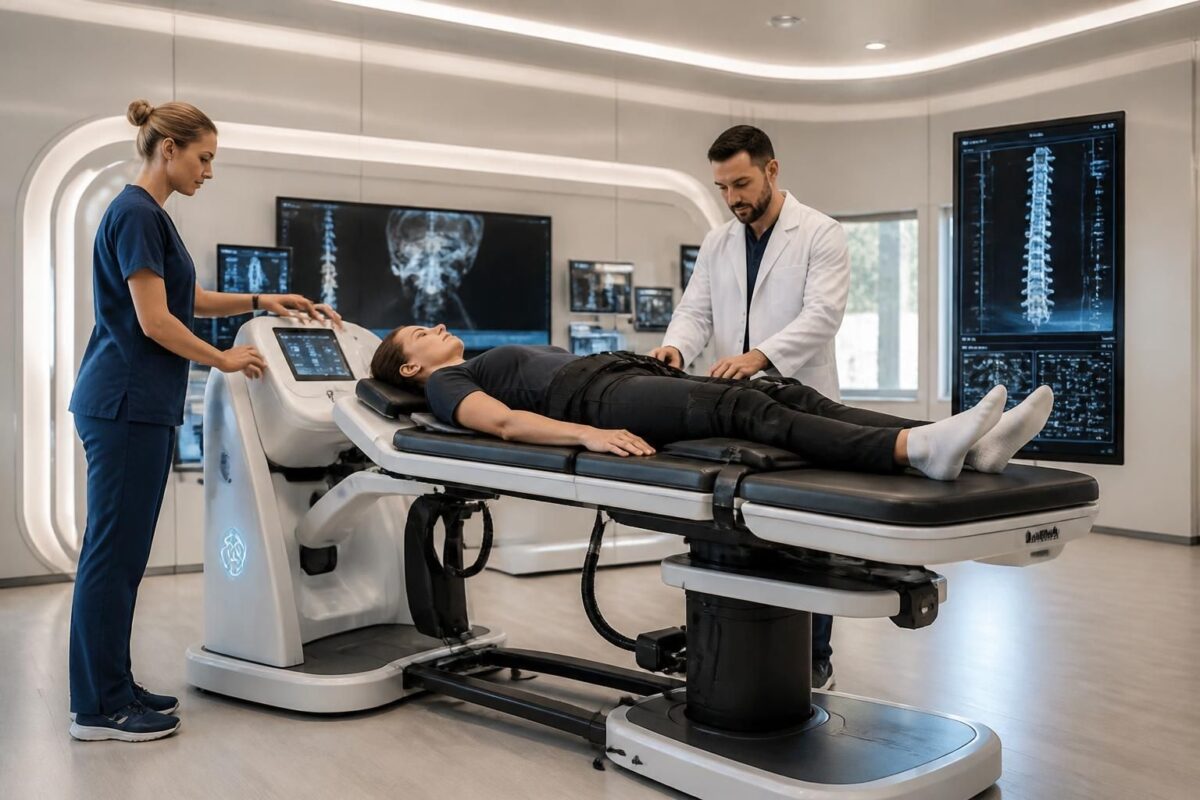
Recent innovations in neurovertebral decompression technologies
In short In short, the neurovertebral decompression is an approach non-invasive Aiming to reduce pressure on discs and nerves, and promote tissue regeneration. At Montreal, it is positioned as an effective option for lower back pain and herniated discs. The…
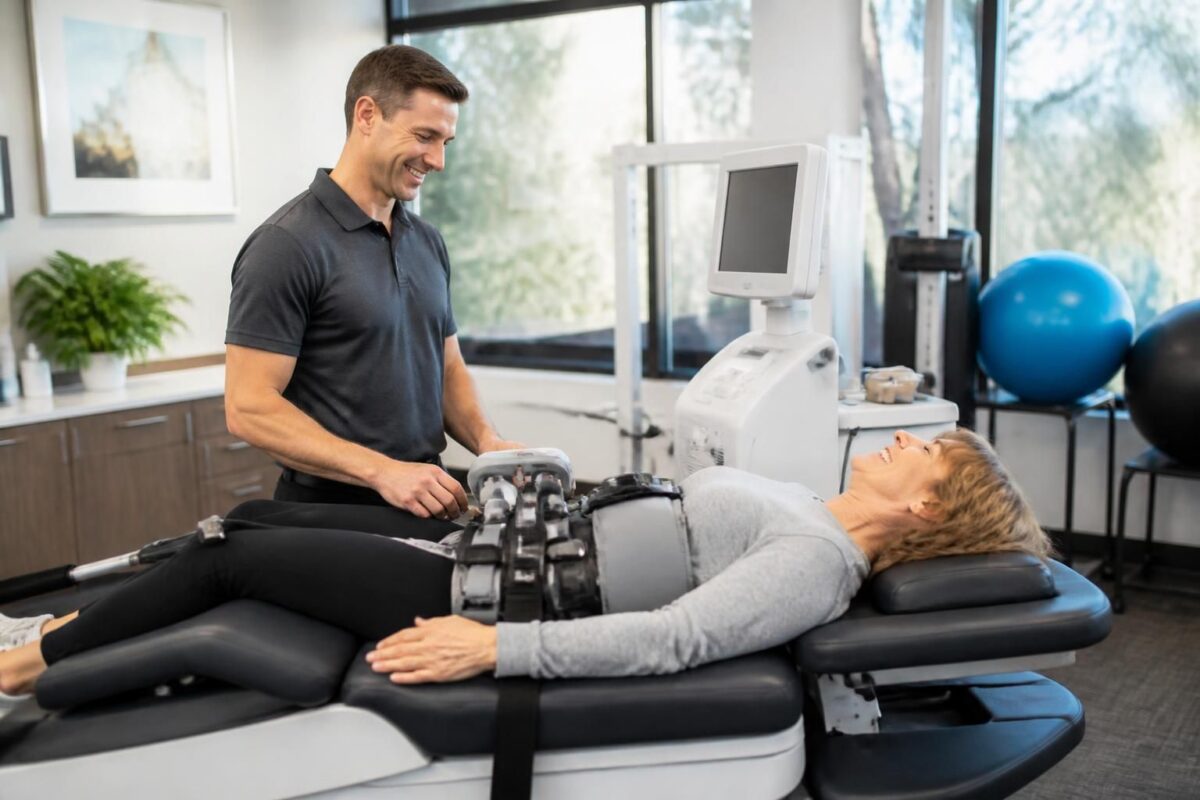
Neurovertebral decompression and diffuse pain: an appropriate solution
In short In short, the neurovertebral decompression is one Non-invasive solution For diffuse pain related to nerve irritation of the spine. She acts in Reducing pressure on intervertebral discs and nerves and improving the bloodstream, which promotes recovery and the…
Good practices and recommendations
To optimize preventive results, favoring early and personalized care is crucial. Choosing a technique adapted to the level and nature of the disorder, maintaining a suitable exercise routine, and respecting the recommended sessions are key elements. Open communication with the practitioner makes it possible to adjust the treatment according to the evolution of symptoms and functional objectives.
| Axis | Concise impact |
|---|---|
| Pressure Reduction Mechanism | Sustainable reduction of Pressure on discs and nerves, inflammation limited and recovery facilitated. |
| Prevention of neurological complications | risk reduction of Neurological complications such as persistent pain, numbness and weakness in preserving space and nerve function. |
| Preservation of mobility and posture | Improvement of thealignment and from the mobility, decrease in tensions and reduction in Risks of recurrence. |
| Reduced drug use | decrease in pharmaceuticals painkiller and anti-inflammatories thanks to an approach non-invasive. |
| Surgery prevention | possibility of delay or ofto avoid a surgery vertebral by correcting mechanical causes. |
| Recovery and quality of life | faster return to Daily activities and professional with less than pain. |
| Non-invasive approach and safety | Process non-invasive with some Minimum risks compared to invasive methods. |
| Disc Nutrition and Healing | Improvement of the Disc nutrition and from the circulation local, promoting healing and disc longevity. |
| Accessibility and customization | Approach personalized In osteopathic consultation, with a better autonomy of the patient and few contraindications. |
Testimonials on the Benefits of Neurovertebral Decompression to Prevent Chronic Complications
Marie, 54, Montreal: “Since my sessions of neurovertebral decompression, my lower back pain has decreased durably and my mobility came back. This approach non-invasive acts on the intervertebral space and contributes to Prevent chronic complications related to my records.”
Jean, 62, Laval: “I was afraid of progressing to chronic pain and nerve damage. Thanks to the neurovertebral decompression, the pressure on my nerves decreases and I find a routine without pain. It’s a truly preventive which stops potential complications.”
Chloé, 39, Longueuil: “The treatment non-invasive Acts gently on discs and nerves, reducing pain and limiting the risk of future complications. I feel that I take care of my back for the long term.”
David, 52, Terrebonne: “By associating decompression with targeted exercises, I noticed an improvement in my posture and a reduction in sciatica episodes. Prevent chronic complications and preserve my quality of life.”
Sophie, 60, Saint-Jérôme: “This treatment gave me safety: less pain, better function and above all a concrete prevention of neurological complications linked to disc attacks. I highly recommend decompression neurovertebral as a solution preventive“.”
the DR Sylvain Desforges, osteopath and expert in manual medicine, has made it its mission to support its patients towards better management of chronic pain while preventing the installation of lasting complications. With a constant commitment to evidence-based approaches, it incorporates advanced technologies to optimize health and well-being, particularly in the context of targeted and non-aggressive neurovertebral decompression. His work is based on a global vision of the spine and an alliance between manual know-how and therapeutic innovations.
Neurovertebral decompression offers a valuable alternative and non-invasive To limit the risk of dorsal pain chronification. By promoting gentle and controlled traction of the spine, it acts by gradually releasing the intervertebral spaces and decreasing the pressure exerted on the discs and nerve roots. This approach aims to interrupt the vicious circle pain-muscle contraction which can nourish inflammation and nerve sensitivity, while improving the circulation of essential nutrients and the drainage of irritating substances around the spine.
The key principle is based on the use of computerized and personalized decompression systems that adapt the tractive forces in real time according to the spinal segments concerned. This increased precision guarantees a safe gesture, respecting the pre-existing lesions and offering measurable progress towards better mobility. For patients, this means a more harmonious recovery, a reduction in pain and a gradual decrease in the possible dependence on pharmacologic treatments.
On the preventive level, this therapy contributes to preventing common complications associated with disc and degenerative pathologies. By relieving the pressure exerted on the discs and nerves, it can slow or slow down progress to larger hernias, radicular symptoms or recurring pain episodes. By facilitating the re-establishment of tissue play around the spine, it also helps to preserve the posture and maintain a functional range of motion, thus reducing the risk of recurrence and lasting limitation.
Dr. Desforges’ approach goes beyond the isolated technique. It is part of an integrative approach that can associate decompression with other safe and effective interventions, such as laser targeted treatments or shock wave therapies when relevant. This philosophy is based on active patient listening, complete lesional assessment and the development of a personalized protocol, adjusted over time to optimize results and promote a lasting quality of life.
In practice, patients benefit from a proactive strategy to prevent chronic pain and potential neurological complications. Thanks to a gradual reduction in pressure on the nervous system and an improvement in muscle and postural support, neurovertebral decompression presents itself as a clear track for those seeking to regain mobility, comfort and autonomy, without systematically resorting to surgery or treatments heavy.
This conclusion highlights the benefits of the neurovertebral decompression To prevent Chronic complications related to spinal pathologies, emphasizing its non-invasive nature, preventive potential and central role in a multidisciplinary approach oriented towards quality of life and sustainable rehabilitation.
The neurovertebral decompression Acts by gradually reducing the pressure exerted on the spinal nerves and intervertebral discs, which limits the evolution towards chronic pain and nerve damage. This decrease in stress promotes better microcirculation and the supply of nutrients to tissues, contributing to the repair and prevention of recurrences. To deepen the mechanisms and indications, you can consult the dedicated resources, including clinical analyses and feedback, which highlight the positive impact of this approach on reducing symptoms and improving mobility.
A key benefit is the prevention of neurological complications associated with herniated discs and chronic nerve compressions. By reducing the pressure on the nerve roots, decompression can prevent the onset or aggravation of radiculopathies and limit the risk of long-term neuropathic pain. Specialized resources present the principles and results observed in clinical practice, and explain why this technique is considered a lasting solution to preserve nervous function and mobility.
From a safety point of view, neurovertebral decompression is an option non-invasive which offers a generally low risk profile, especially when carried out under professional control with appropriate monitoring. This modality can therefore be an effective preventive step to delay or avoid heavier surgical procedures, while reducing addiction to analgesics. To understand indications, limitations and frameworks of use, specialized guides provide relevant syntheses and clinical examples.
On a practical level, the success of the prevention of complications is based on an approach multidisciplinary and personalized. The integration of decompression with targeted exercises, posture techniques and possibly complementary therapies (laser, shockwave therapy) can optimize the benefits and promote sustainable recovery. Analyzes and reviews summarize these synergies and compare results in different clinical contexts.
Periodicity and targeting remain essential elements: it may be necessary to address several vertebral levels and establish an individualized treatment plan after a complete evaluation (Lesional assessment and imaging). Specialized resources discuss specific indications and cases where this approach is particularly appropriate, while recalling the contraindications and precautions to be observed.
For patients in rehabilitation or in the preventive phase, decompression can be part of a postural maintenance and recurrence prevention strategy, promoting better quality of life and regained autonomy. Complementary sources provide insight into the observed results, areas of application and future prospects of this non-invasive therapy. In particular, you can refer to work that explores the impact on postural alignment, reduction of inflammation and improvement of the overall function of the spine.
To go further and understand the evidence and practical applications, see the following resources: Clinical studies proving efficacy, Neurovertebral decompression and postural alignment, Durable solution for herniated discs, Prevent spinal complications, and Prevent neurological complications related to herniated discs.

Dr Sylvain Desforges, B.Sc., D.O., N.D., osteopath, is the founding president of TAGMED and of the ACMA association. He dedicates his practice to chronic spinal pain, low back pain and symptoms compatible with sciatica, particularly when pain radiates toward the buttock, leg, calf, foot or toes.
Through SOS Sciatique, he publishes educational content on sciatica symptoms, possible causes such as disc herniation, disc narrowing, foraminal stenosis or irritation of a lumbar nerve root, as well as non-surgical approaches that may be considered according to the evaluation. At Clinique TAGMED, care may include, depending on the case, motorized neurovertebral decompression, specific osteopathic care or precision percussion.
For an evaluation related to sciatica treatment in Montreal / Mount Royal or sciatica treatment in Terrebonne, please consult the services available at Clinique TAGMED.
Medical disclaimer
The information published on SOS Sciatique is provided for educational purposes only and does not replace a consultation, diagnosis, opinion or treatment provided by a physician or another authorized healthcare professional. The author of this article is neither a medical doctor nor a specialist in a medical specialty recognized by the Collège des médecins du Québec. The osteopathic, manual medicine or functional support approaches described on this site do not constitute medical acts and are not intended to replace medical follow-up.
Consult a physician or emergency service in cases of loss of bladder or bowel control, anesthesia in the saddle area, significant or progressive weakness in the leg or foot, fever, recent trauma, severe pain or rapid worsening of symptoms. For more details, please read our Legal Notice.