Why neurovertebral decompression is a lasting solution for herniated discs
26/06/2026
How neurovertebral decompression improves intervertebral disc regeneration
26/06/2026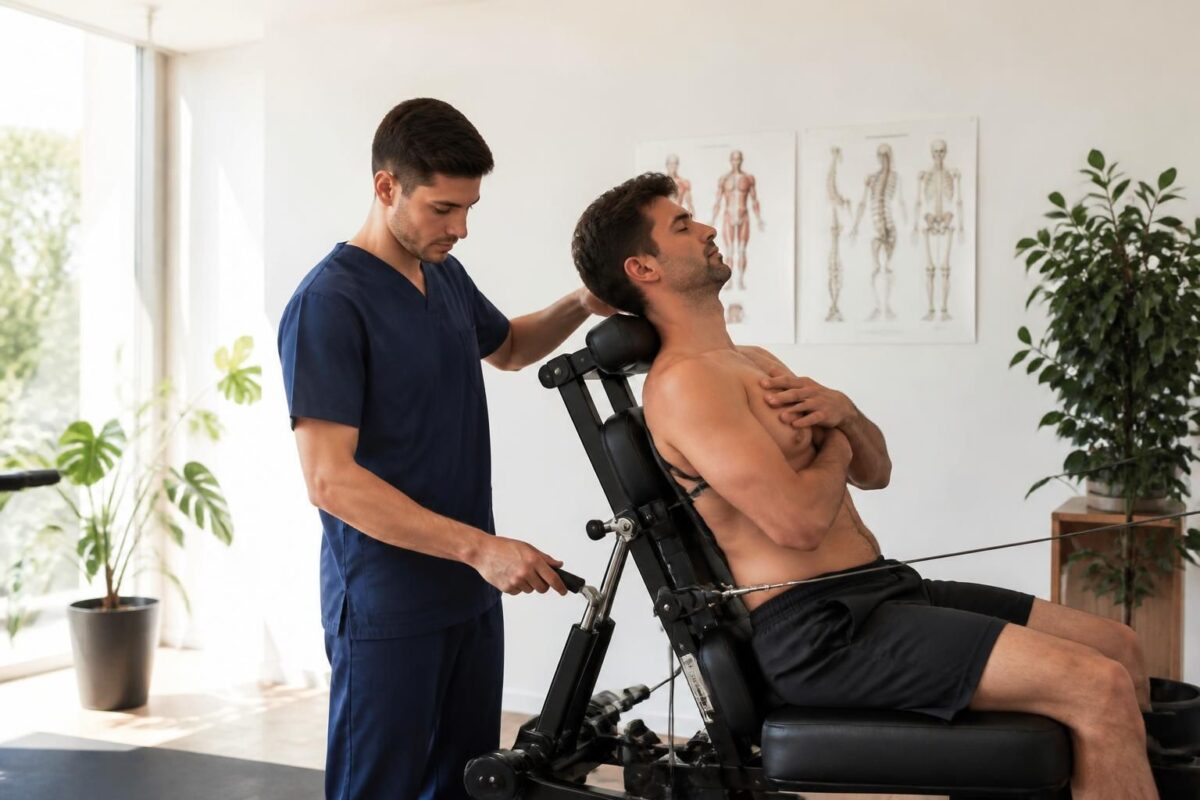
In short
| In short, the neurovertebral decompression and thePostural alignment aim to release the pressure on the nerves and to correct the imbalances which cause pain and limitation of movement. What is it? A non-invasive approach that restores the space between the vertebrae and rebalances the trunk muscles. What are the advantages? pain reduction, improved mobility and prevention of recurrences when associated with Targeted exercises and postural education. How does it work? Via a Controlled traction or postural adjustments, supplemented by a Professional follow-up To optimize thealignment and the circulation. Accessible in Paris, this program helps to correct the imbalances and maintain results through postural habits and regular adjustments. |
The neurovertebral decompression Aims to release the pressure on the nerves and marrow by increasing the space between the vertebrae, which can reduce pain and promote recovery.
thePostural alignment Correct them imbalances and optimizes the distribution of loads on the spine, strengthening the supporting muscles and improving mobility.
Together, these approaches aim to Correct imbalances, stabilize the trunk and establish a lasting posture for vertebral well-being.
This article presents how the neurovertebral decompression and LPostural alignment are articulated to correct column imbalances and optimize comfort and mobility. It explains the basic principles, the interactions between these approaches and the conditions in which they are implemented in an integrated care logic. You will discover how a professional assessment helps determine indications and how these techniques can be combined to support the spine in a safe and effective way.
What is neurovertebral decompression?
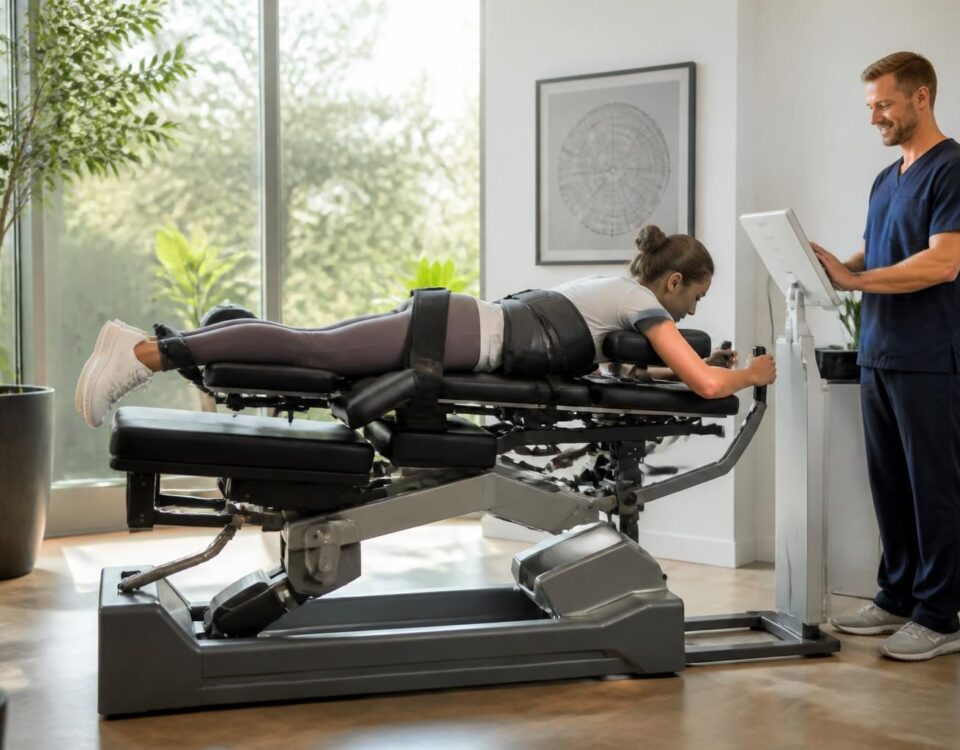
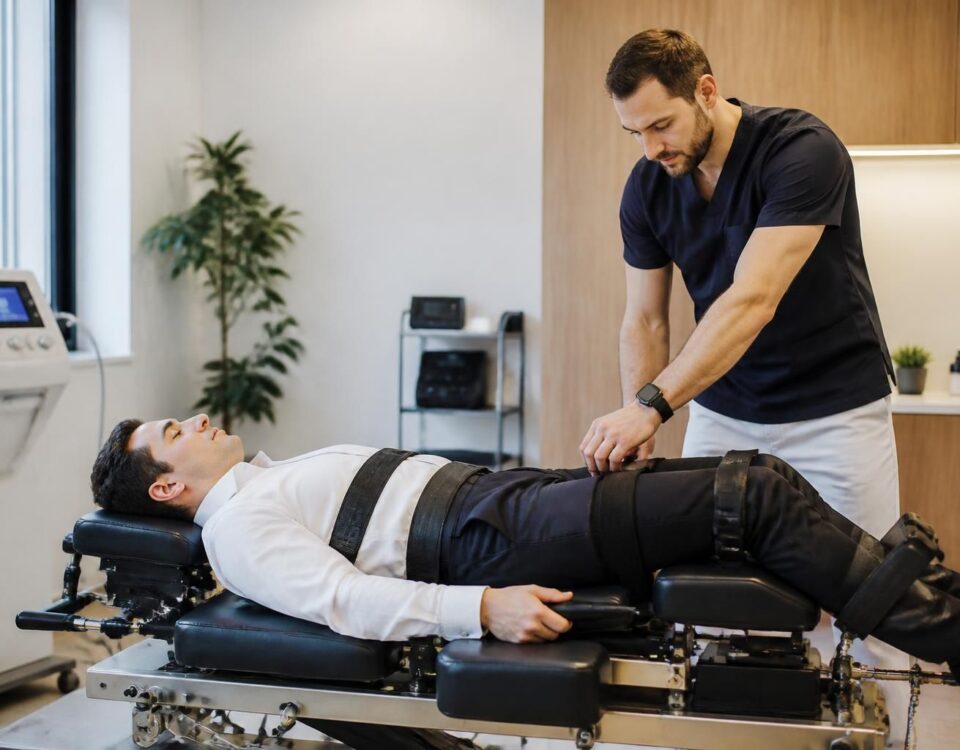
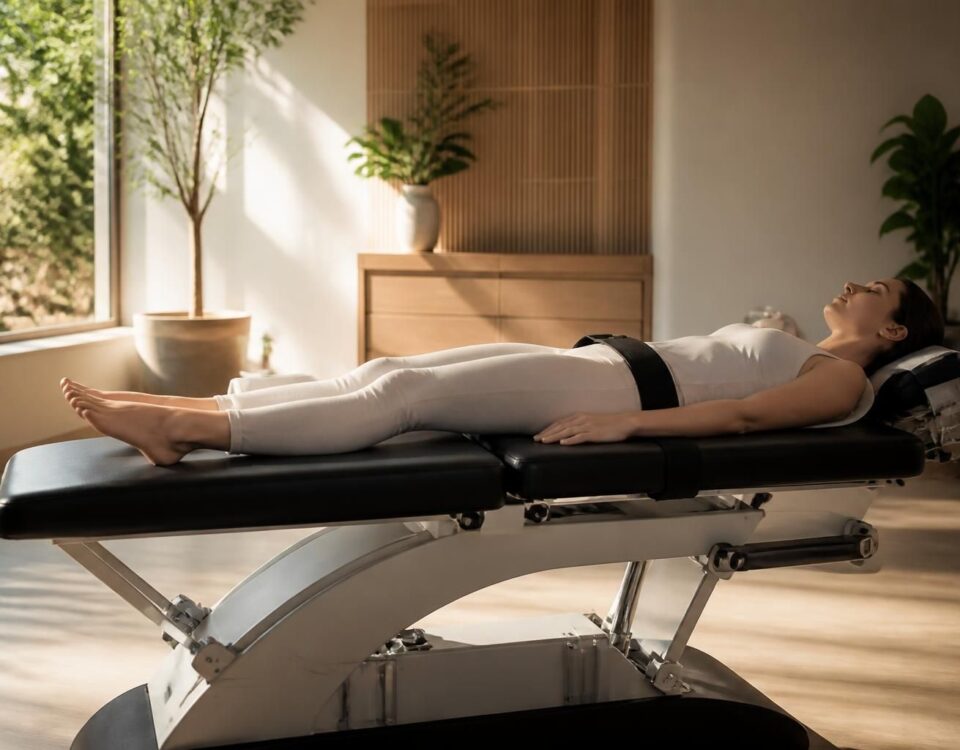
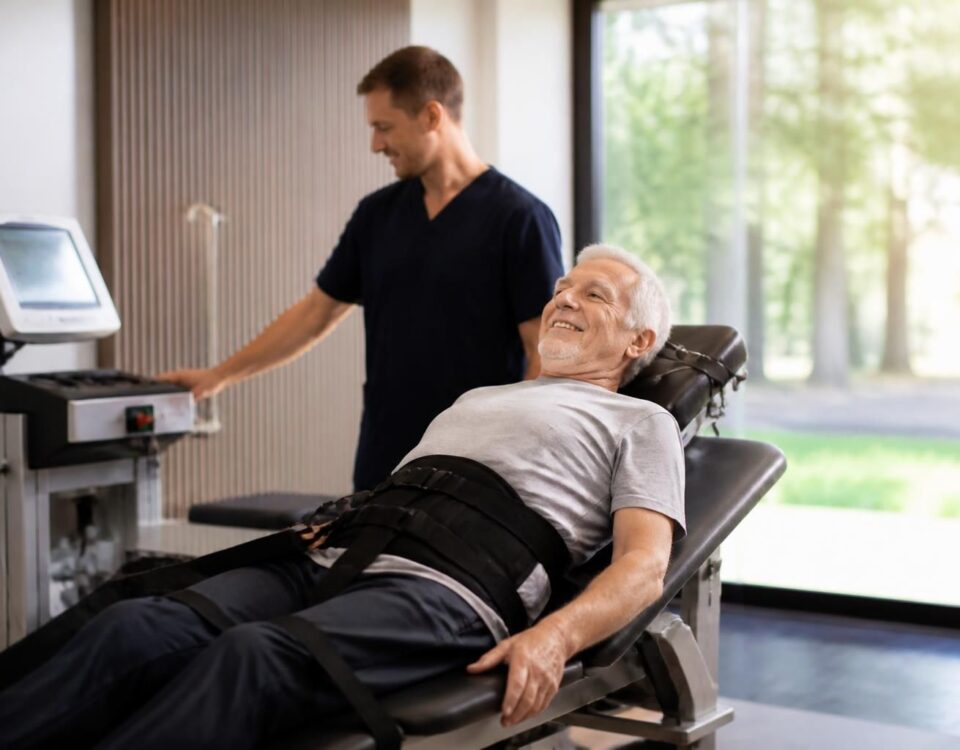
The neurovertebral decompression aims to reduce the pressure exerted on the nerves and the spinal cord. It can be offered in a non-surgical form or be associated with surgical procedures when necessary. In its non-surgical version, controlled traction creates a space between the vertebrae. This space can promote the reduction of tension on nerve structures and, in some cases, contribute to the rebalancing of intervertebral tissues. This approach is often considered as part of a global plan that includes postural adjustments and ergonomic advice. For more information, you can consult the resources dedicated to neurovertebral decompression.
What is postural alignment?
Postural alignment describes the state of equilibrium of the body when the vertebral segments and stabilizing muscles work together to maintain neutral posture. Misalignment can increase the pressure on certain elements of the column and promote recurring pain or tension. The objective is to optimize the alignment of the column, to promote effective circulation and to limit repeated stresses on the discs and nerves. This approach is based on an assessment of lifestyle habits, daily positions and ergonomics of the workstation.
how these approaches complement each other
The decompression Acts as an initial step to free up spaces and reduce stress on the nerves. thePostural alignment Promotes the maintenance of this space and limits the forces that could reintroduce pain or discomfort. Together, these approaches improve comfort, mobility and nervous function. Coordination between the practitioner and the patient makes it possible to adjust the objectives and ensure the continuity of the results in the long term.
Practical integration and safety at the TagMed Clinic
At TagMed Clinic, the evaluation combines postural analysis and functional evaluation. The treatment plan favors an integrated approach, which can include manual techniques, ergonomic advice and postural adjustments adapted to each patient. To learn more about the importance of postural adjustments in a neurovertebral decompression program, see the dedicated article on the website Tagmed Clinic. Additional resources and information on the benefits of this approach are also accessible via Postural adjustments to maximize profits. For academically oriented results and limitations, you can consult the clinical studies available in the SOS Sciatica domain.
Elements to integrate into the care pathway
The course may include a comprehensive assessment of posture and lifestyle, intervention planning and regular follow-up to adapt postural corrections. As part of a decompression program, postural adjustments and ergonomic advice play a key role in preserving the benefits obtained. The objective is to reduce the risk of reappearance of pain and to improve the quality of life in the long term. To explore the notions of imbalance correction and postural alignment in decompression, you can consult the associated resources on the partner sites mentioned above, including feedback and clinical syntheses.
Security elements and ethical framework
Professionals working in this field rely on evidence-based practices and adapt each protocol to the health status of each patient. Therapeutic decisions take into account the clinical signs, the level of pain and the patient’s tolerance. In case of doubt or lingering pain, further medical assessment is necessary. For an overview of the principles and limitations of this approach, see the clinical resources available on the dedicated sites.
To learn more about postural adjustments and how they impact a neurovertebral decompression program, refer to the following resources: Postural adjustments at TagMed, Postural adjustments to maximize profits, and clinical studies.
In articles dealing with neurovertebral decompression and associated pain, it is important not to offer specific exercises or stretching. The approach focuses on evaluation and interventions carried out by qualified professionals, with particular attention to the safety and individuality of each situation.
For a pedagogical and institutional framework, the following references provide relevant information on the theoretical and practical aspects of postural alignment and neurovertebral decompression. Resources include relevant professional associations and recognized training institutions in the field of osteopathy within the authorized network.
Note that the resources presented remain sources of information and do not replace personalized medical advice. For medical doubts, consult your attending physician.
“Medical disclaimer: The information and advice provided on this site does not replace the health professional’s benefit, diagnosis or treatment. Please note that Dr. Sylvain Desforges osteopath is neither a doctor of medicine nor a doctor, and is not a specialist in a medical specialty as defined by the Collège des Médecins du Québec. Manual medicine, functional medicine and sports medicine as described on this site exclude any medical treatment or diagnosis made by a doctor or specialist doctor. Always consult your doctor for any medical questions. For more details, please read our full legal notice. »
Analysis axis : Structured course linking neurovertebral decompression and postural alignment to correct imbalances.
- Evaluation targeted postural imbalances and their impact on the spine.
- Neutral alignment Maintained during decompression to release the intervertebral space.
- Controlled distraction To create the space between the vertebrae and reduce pressure.
- Stability of the trunk reinforced by specific postural exercises.
- Postural education Daily (sitting, standing, movement).
- stretches targeted to increase mobility and reduce tensions.
- Pulse Align As non-invasive neuromuscular support to facilitate rebalancing.
- Hydration and recovery Optimizing the spinal tissues.
- Professional follow-up regular to adjust the protocol and progress.
- Prevention and integration of sustainable habits to avoid relapses.

This article offers practical recommendations for understanding and optimizing the link between neurovertebral decompression and Postural alignment, in order to correct the imbalances and improve pain, mobility and quality of life.
Understand the link between decompression and alignment
The neurovertebral decompression aims to reduce the pressure exerted on the nerves and discs, promoting the recovery of the vertebral structures. However, a Postural alignment Inappropriate may limit the results by generating unequal loads and repeated tensions. Combining these two approaches, seeks to re-establish a homogeneous distribution of forces, improve circulation and support tissues during rehabilitation.
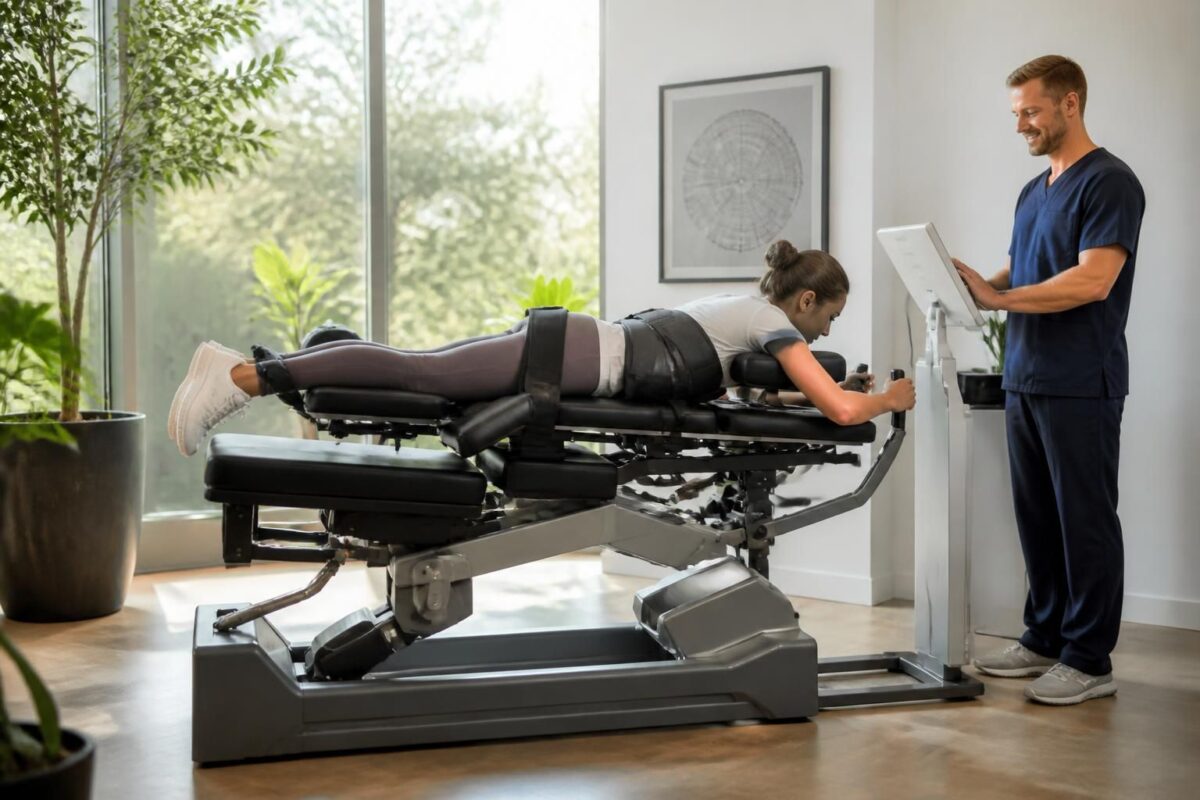
The long-term benefits of neurovertebral decompression for spinal health
In short In short, the neurovertebral decompression is a non-invasive approach that decreases the Pressure on intervertebral discs and nerves, favoring the Natural regeneration and tissue recovery. Its long-term benefits include Lasting pain reduction, Improving mobility and from the posture,…

Neurovertebral decompression and mobility: a return to an active life
In short In short, the neurovertebral decompression is therapy non-invasive who uses a gentle traction To create a space between the vertebrae and reduce the pressure on the Intervertebral discs and the nerves. It promotes a bloodstream improved, lowers tension…
Identify postural imbalances
Identifying the signs of imbalance goes through the simple observation of the standing and sitting posture: asymmetries of the shoulder or pelvis, head forward, exaggerated lumbar lordosis or chest flexing. Repetitive displacements or increased pain during certain gestures can also indicate areas to be corrected. It is useful to carry out a multidimensional evaluation with a professional who can measure the alignment of the spine, the mobility of the joints and the muscle tone.
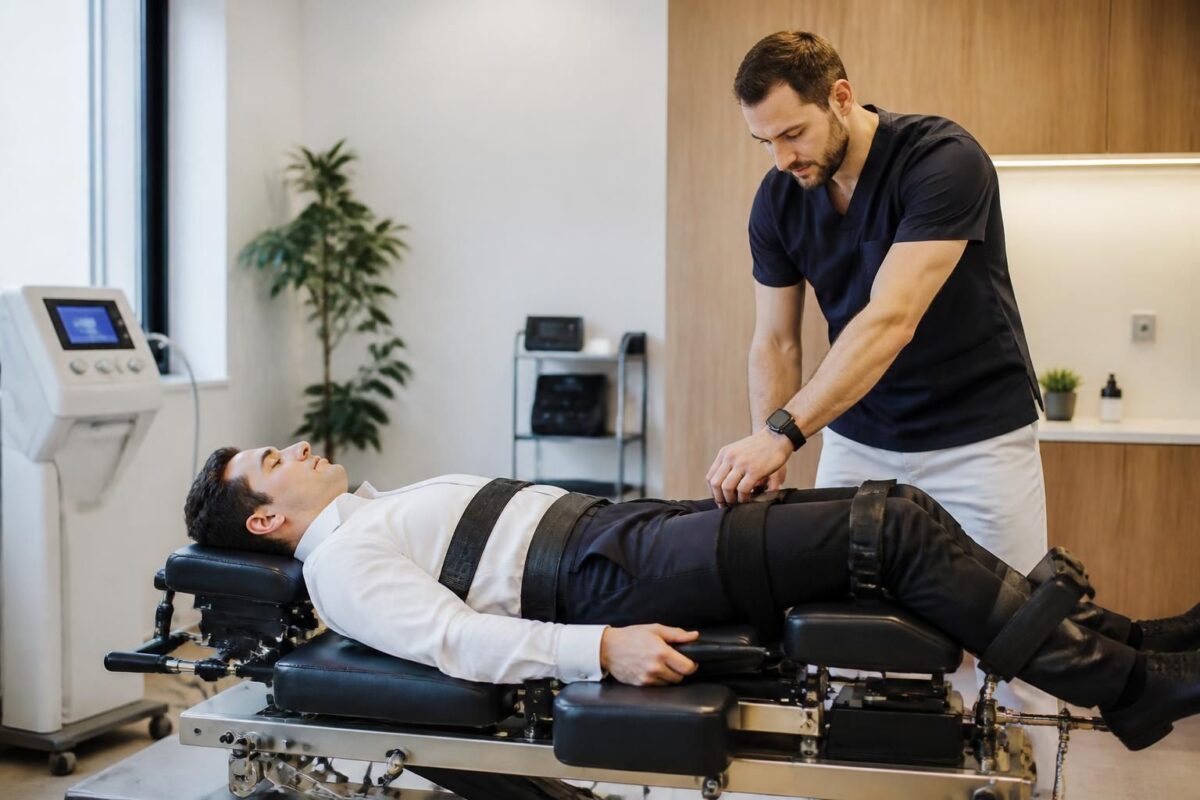
How Neurovertebral Decompression Prevents Diffuse Chronic Pain
In short decompression neurovertebral is one Non-invasive method aimed at reducing the Pressure on the intervertebral discs and the nerves, in order to prevent Diffuse chronic pain. It improves the circulation and thedisc hydration, decreases inflammation and promotes better mobility.…
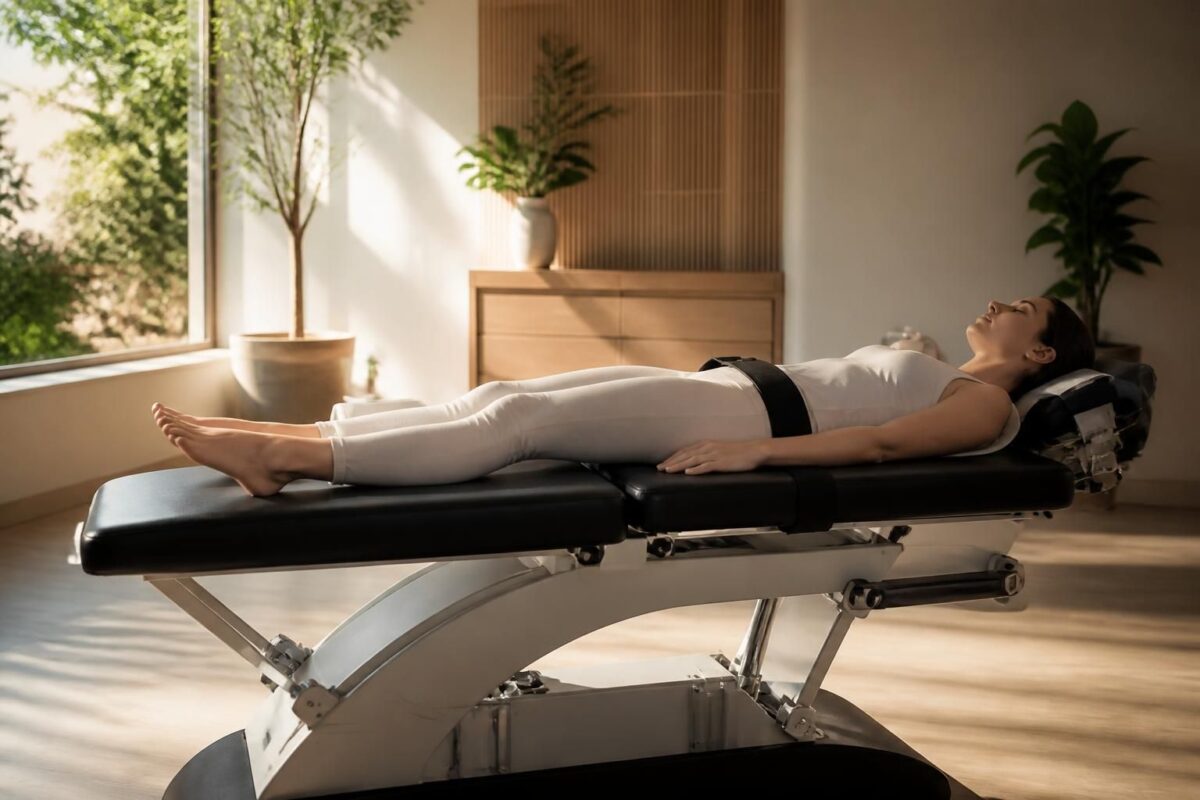
Neurovertebral Decompression and Body Alignment: Restoring Natural Balance
In short In short, neurovertebral decompression is one Non-invasive approach who restores theBody Alignment and thenatural balance back and neck. She acts by a Controlled traction of the spine to widen the intervertebral space and reduce the Pressure on discs…
Action plan to correct imbalances
To maximize the benefits of decompression, integrate Postural adjustments in your routine. Promote trunk strengthening and targeted stretching to rebalance the muscle chains that support the spine. Also work on diaphragmatic breathing and daily habits to maintain neutral posture during professional and domestic activities.
Recommended exercises and routines
Gradually integrate these exercises: strengthening of the transverse and deep muscles of the back (worktops on modified boards and gains in support on the knees), gluteal bridge for pelvic stability, lateral sheathing for lumbar stability, and pectorals and hip flexors to release thoracic and cervical tension. Add chest mobilization and gentle neck rotations to improve mobility and reduce compensation. Each session should aim for a gradual improvement in stability and flexibility.
Ergonomics and daily habits
Adopt a suitable ergonomics: adjustable seat and workstation, eye level screen, properly positioned equipment. Program active breaks every 30 to 45 minutes and favor neutral positions during daily gestures (loading, writing, driving). Practice slow, diaphragmatic breathing to promote muscle relaxation and chest alignment. Hydrate and avoid prolonged static positions that accentuate muscle tension.
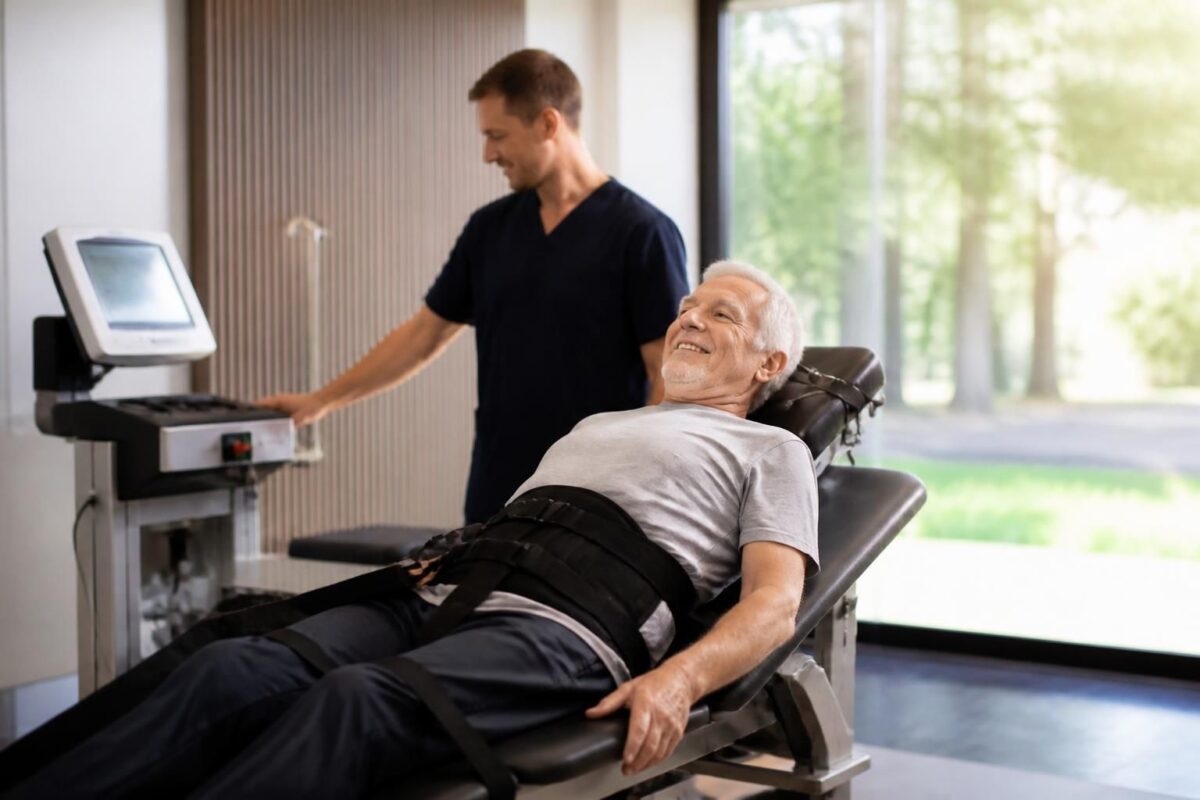
Why neurovertebral decompression is a lasting solution for active seniors
In short In short, the neurovertebral decompression is one Non-invasive therapy which sustainably relieves spinal pain in the spine active seniors By creating, by a Soft and controlled traction, a space between the vertebrae. At Montreal, it is recognized as…
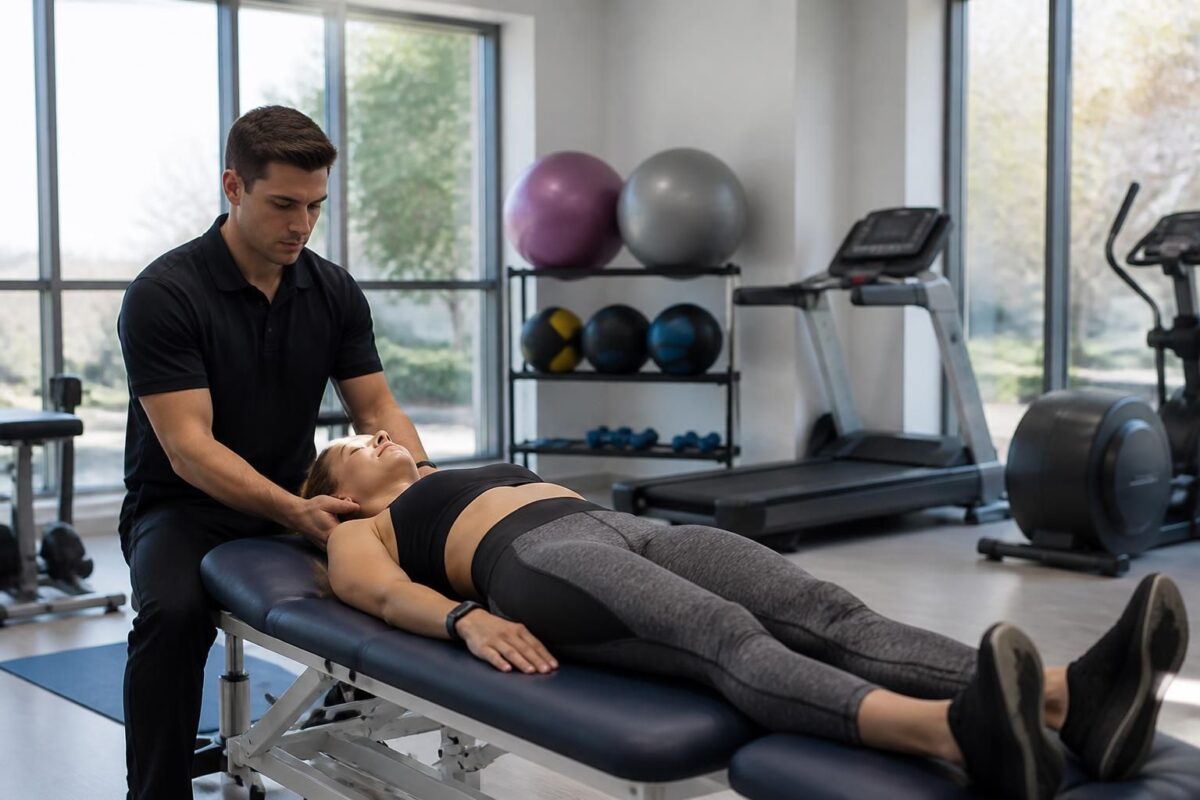
Neurovertebral decompression and recovery after severe sports injury
In short In short, the neurovertebral decompression is one Non-invasive method to Relieve the pressure on the Intervertebral discs and the gristle Via a Controlled traction, to facilitate the recovery After a severe sports injury. It improves the bloodstream towards…
Monitoring and prevention
Regular follow-up with a professional allows you to adjust the exercises and posture advice according to progress and feedback. In addition, explore gentle neuromuscular approaches that promote painless muscle tone, to support alignment over time. The objective is to achieve a lasting balance between the traction necessary for decompression and maintaining optimal alignment in all activities.
| Aspect | concise text |
|---|---|
| Objective | Improve intervertebral space and reduce nerve pressure while correcting postural imbalances |
| Mechanism | Controlled traction and readjustment of alignments to release nerves and discs |
| directions | Lumbar or cervical pain related to hernias/discopathies and postural imbalances |
| Related methods | Postural corrections and stability programs |
| Benefits | pain reduction, improved mobility and functional progression |
| Limitations | variable results; Requires professional evaluation and follow-up |
| Relationship decompression & posture | Posture supports effects and prolongs treatment benefits |
| Post-treatment support | Follow-up, postural education and home exercises to sustain the gains |
| Monitoring indicators | Pain evolution, mobility, alignment and exercise tolerance |
| Example of alignment | Neutral position: straight back sitting and standing, with targeted stretching and reinforcement |
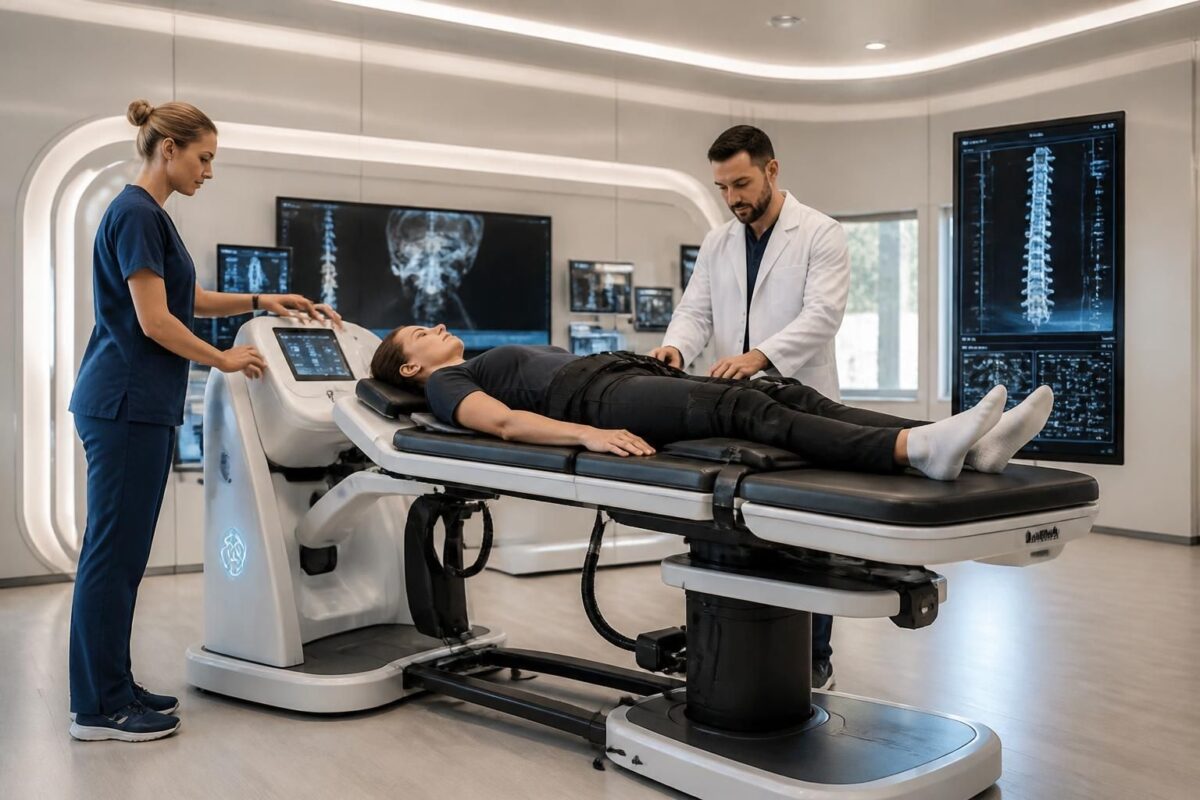
Recent innovations in neurovertebral decompression technologies
In short In short, the neurovertebral decompression is an approach non-invasive Aiming to reduce pressure on discs and nerves, and promote tissue regeneration. At Montreal, it is positioned as an effective option for lower back pain and herniated discs. The…
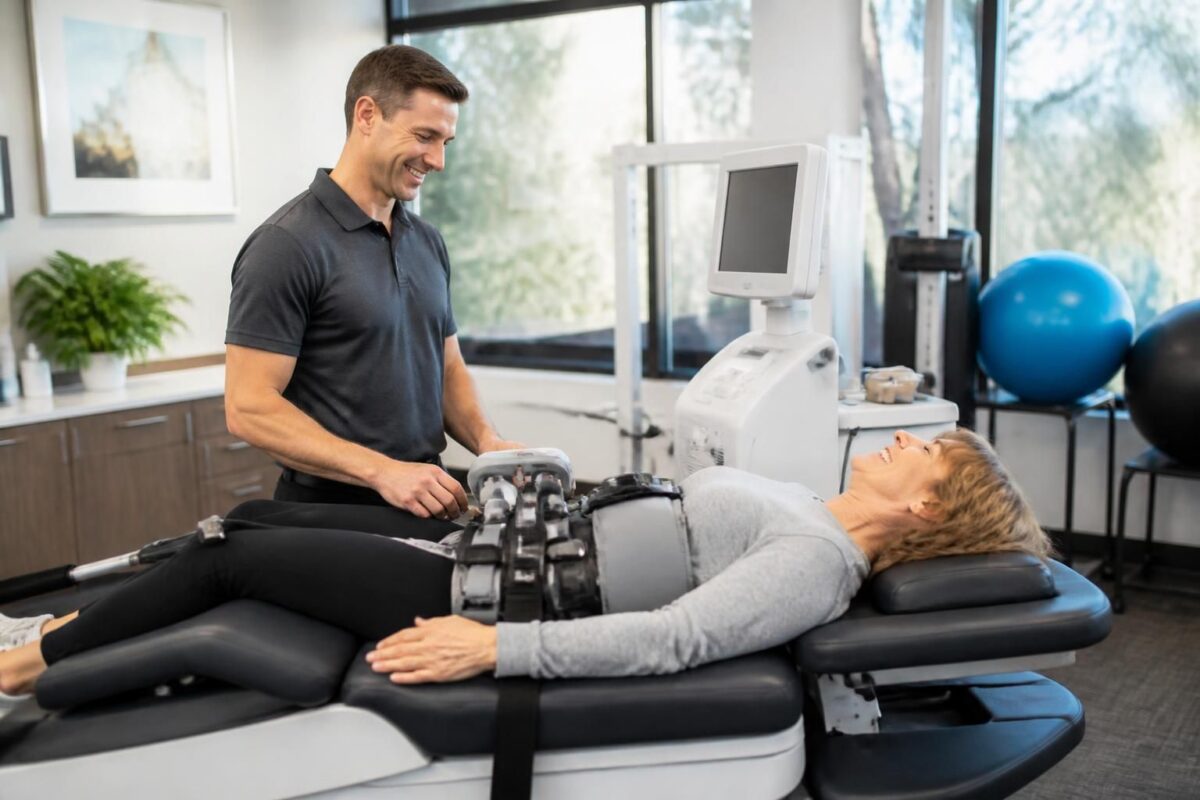
Neurovertebral decompression and diffuse pain: an appropriate solution
In short In short, the neurovertebral decompression is one Non-invasive solution For diffuse pain related to nerve irritation of the spine. She acts in Reducing pressure on intervertebral discs and nerves and improving the bloodstream, which promotes recovery and the…
Testimonials on neurovertebral decompression and postural alignment to correct imbalances
Marie, 46 years old: Before starting the program, my lower back pain limited me on a daily basis. thanks to the combination of neurovertebral decompression and focused work on thePostural alignment, I felt a marked reduction in tension and an improvement in my mobility. My imbalances have been actively corrected and I feel more confident in my daily gestures.
Jean, 52: After several months of treatment, I found that the posture had a direct impact on my cervical pain. The use of neurovertebral decompression and adjustments toPostural alignment made it possible to correct the imbalances And to achieve increased mobility, with a lasting feeling of relaxation in the upper back and neck.
Sophie, 38: As a wellness professional, I quickly saw the benefits when thePostural alignment was associated with the neurovertebral decompression. My posture tensions at work have amplified because of prolonged sitting positions; Today, my imbalances are better managed and my posture is more natural and comfortable.
Maxime, 30 years old: I suffered from recurring pain and a lack of trunk stability. The association of the neurovertebral decompression and exercises dedicated toPostural alignment allowed me to correct the imbalances And to recover an energy that helps me resume my daily and sporting activities.
Camille, 27: after a long episode of Chronic pain, I understood that the posture was not limited to a passing feeling. The sessions of neurovertebral decompression supplemented by advice fromPostural alignment allowed me to permanently correct my imbalances And to improve my overall stability, which had a positive impact on my daily life.
Lucas, 39: As an athlete, I was looking to optimize my recovery and performance. The program highlighted the importance ofPostural alignment with the neurovertebral decompression. By correcting my imbalances, I gained in flexibility and precision during my training, while reducing the associated pain.
Claire, 54: After therapy, I learned to integrate the principles ofPostural alignment in my daily routine. The neurovertebral decompression helped correct my imbalances, and I wake up with a better quality of sleep and less stiffness. My daily life is more fluid and my daily gestures seem more natural to me.
The neurovertebral decompression is a therapeutic approach aimed at reducing the pressure exerted on the spinal cord and nerve roots, in order to reduce pain and promote the restitution of mobility. This method can be non-surgical or associated with minimally invasive techniques when necessary. Its main objective is to offer the patient an increased intervertebral space and better nutrition of the discs, while working in parallel on thePostural alignment to prevent recurrences and optimize long-term results.
Historically, decompression has evolved from simple mechanical approaches to more accurate column-controlled distraction protocols. In its non-surgical form, it is based on the application of calibrated tensile forces that create a space between the vertebrae, facilitating the rehydration of the discs and the reduction of pressure on the nerves. Although physiological mechanisms are recognized, clinical demonstration of efficacy remains a developing field, requiring rigorous evaluation and well-designed trials to clarify the actual benefits in each patient.
Typical indications include low back pain and radicular pain related to herniated discs, disc degeneration or nerve compressions. The decision to favor a non-surgical approach or surgery depends on the place and degree of injury, as well as the patient’s response to conservative treatments. The objective is to assess the risks and benefits in a personalized way, in order to propose an adapted strategy that combines immediate relief and gradual resumption of activities.
Along with decompression,Postural alignment occupies a central place in the overall care. Maintaining neutral posture, strengthening trunk muscles and improving muscle chain mobility help stabilize the spine and prevent repeated tension. Targeted exercises, healthy lifestyles and ergonomic advice at work and home complete the treatment. The objective is to correct muscle imbalances and improve the synergy between posture, breathing and movement, in order to optimize the effects of therapy and promote sustainable recovery.
Management is based on an evidence-based approach and ongoing patient assessment. Regular follow-ups make it possible to adjust decompression protocols and postural programs according to the progress observed and any changes in symptoms. By integrating technological tools and manual methods, the practitioner aims to offer a holistic approach that considers both mechanical mechanisms and psychosocial factors that contribute to pain and daily functioning.
At the heart of this approach, patient education occupies a key place. Understanding the principles of decompression, learning to correct vitiated postures and integrating lasting habits into everyday life makes it possible to transform the gains obtained into lasting effects. The shared objective is to improve the quality of life by combining pain reduction with better mobility and a more balanced posture.
This reflection details how the neurovertebral decompression Associated with a Postural alignment Allows you to correct the imbalances spinal and permanently reduce spinal pain. By combining controlled traction of the spinal segments with daily adjustments and a targeted exercise program, we optimize circulation, tissue nutrition and trunk stability for long-lasting well-being.
The principle is based on a reduction in the pressure exerted on the nerves and discs, which widens the space between the vertebrae and promotes the rehydration of the discs. When the body regains a more balanced alignment, the loads are better distributed, the stabilizing muscles activate more effectively and the pain decreases. To explore the mechanisms and exchanges between decompression and postural correction, you can consult specialized resources such as those that describe the links between decompression and posture and associated approaches right here.
To correct the Postural imbalances And optimize the results, the action is not limited to the decompression session. It is crucial to integrate postural adjustments on a daily basis, particularly in the workplace and domestic: sitting and standing posture, load management and active breaks. Strengthening the trunk and targeted stretching exercises make it possible to solidify the gains and to prevent recurrences. Dedicated resources offer practical approaches and concrete tools to correct imbalances and improve spinal stability Read here.
The integration of complementary technological tools can accelerate and stabilize postural rebalancing. For example, non-invasive devices that help regain appropriate muscle tone and better posture perception participate in postural rehabilitation after a decompression phase. To understand how these approaches can be associated with neurovertebral decompression, check out the resources dedicated to equipment and innovation right here, and discover the role of postural alignment in this context.
The maintenance of the results requires a proactive approach: postural education, regular monitoring and integration of simple habits on a daily basis. Practical advice on posture, office work and movement habits help anchor the benefits of decompression, reduce tension and improve overall mobility. To better understand the psychological and functional implications of a successful decompression, you can refer to specialized syntheses right here, as well as resources on cervical pain and daily effects right here.
To prevent recurrences and sustainably optimize postural alignment after a decompression session, it is useful to adopt a comprehensive and personalized approach. Strategies include regular postural assessments, adapted exercises, and professional monitoring to adjust the program based on progress. Specialized resources address the prevention and maintenance of results specifically right here, and ways to expand the benefits of long-term therapy right here.
To deepen the practical aspects and consult additional resources on the links between decompression and posture, you can refer to dedicated articles such as Decompression and correction of imbalances, and guides on posture improvement in spinal decompression right here. Other resources explore the associated dimensions of persistent root pain and postural modalities to optimize results TO CONSULT.

Dr Sylvain Desforges, B.Sc., D.O., N.D., osteopath, is the founding president of TAGMED and of the ACMA association. He dedicates his practice to chronic spinal pain, low back pain and symptoms compatible with sciatica, particularly when pain radiates toward the buttock, leg, calf, foot or toes.
Through SOS Sciatique, he publishes educational content on sciatica symptoms, possible causes such as disc herniation, disc narrowing, foraminal stenosis or irritation of a lumbar nerve root, as well as non-surgical approaches that may be considered according to the evaluation. At Clinique TAGMED, care may include, depending on the case, motorized neurovertebral decompression, specific osteopathic care or precision percussion.
For an evaluation related to sciatica treatment in Montreal / Mount Royal or sciatica treatment in Terrebonne, please consult the services available at Clinique TAGMED.
Medical disclaimer
The information published on SOS Sciatique is provided for educational purposes only and does not replace a consultation, diagnosis, opinion or treatment provided by a physician or another authorized healthcare professional. The author of this article is neither a medical doctor nor a specialist in a medical specialty recognized by the Collège des médecins du Québec. The osteopathic, manual medicine or functional support approaches described on this site do not constitute medical acts and are not intended to replace medical follow-up.
Consult a physician or emergency service in cases of loss of bladder or bowel control, anesthesia in the saddle area, significant or progressive weakness in the leg or foot, fever, recent trauma, severe pain or rapid worsening of symptoms. For more details, please read our Legal Notice.