Why neurovertebral decompression is ideal for sedentary workers
26/06/2026
Equipment innovations for neurovertebral decompression
26/06/2026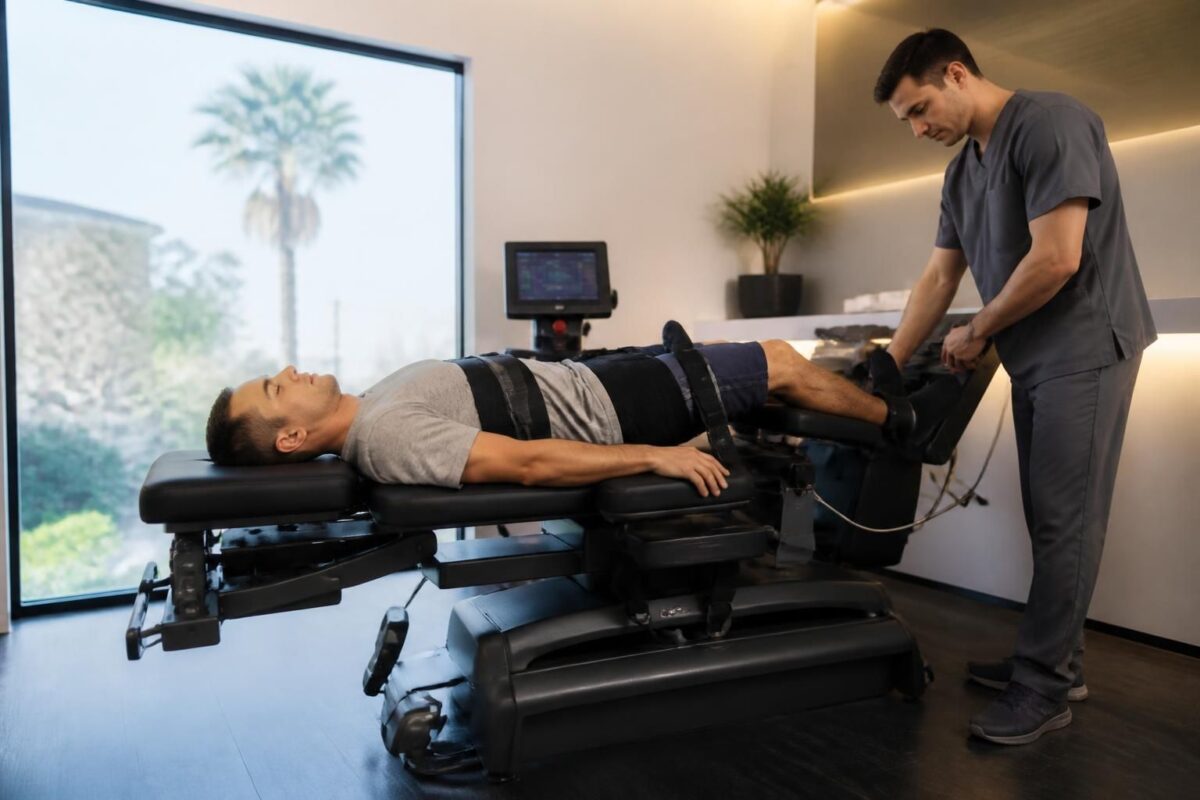
In short
| In short, neurovertebral decompression is one Non-invasive approach aimed at reducing the pressure on Intervertebral discs and the gristle and to prevent the Recurrence of spinal pathologies. In Montreal, this service is accessible and particularly recommended for Chronic lower back pain, protrusions and herniated discs. Its key advantages include a Quick relief pain, a Improving mobility and an Relapse risk reduction When integrated into a Personalized rehabilitation program. By practicing a gentle traction and favoring a better bloodstream, decompression promotes tissue regeneration without surgery and offers a suitable solution for the patient. |
The neurovertebral decompression is an approach non-invasive to Prevent recurrences spinal pathologies. By exercising a gentle traction on the column, it creates a space between the vertebrae and decreases the Pressure on intervertebral discs and nerves. it improves blood circulation and promotes the tissue rehydration and regeneration, leading to a Sustainable relief and to a Better mobility. Integrated into a Personalized rehabilitation plan, it contributes to the relapse prevention and a better quality of life. A medical assessment is recommended to adapt the treatment to each patient.
The neurovertebral decompression is an approach non-invasive which aims to reduce the pressure on Intervertebral discs and the Spinal nerves. This article explains how this therapy can Prevent recurrence of Spinal pathologies, describes its mechanism, its indications and its integration into a Overall treatment plan In order to sustainably improve quality of life and mobility.
What is neurovertebral decompression?
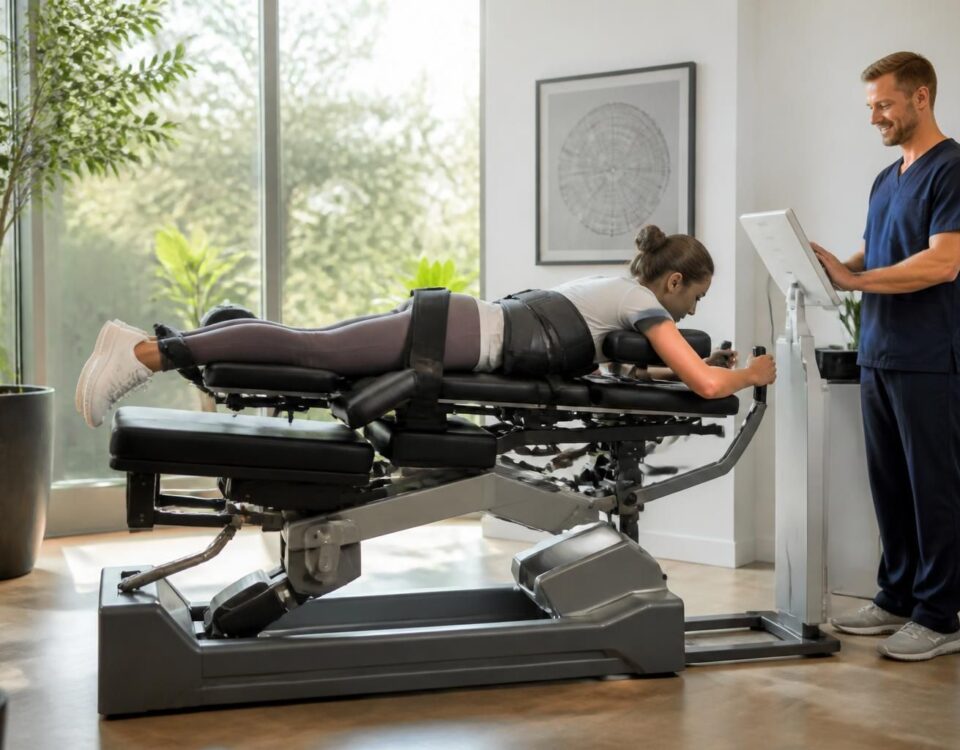
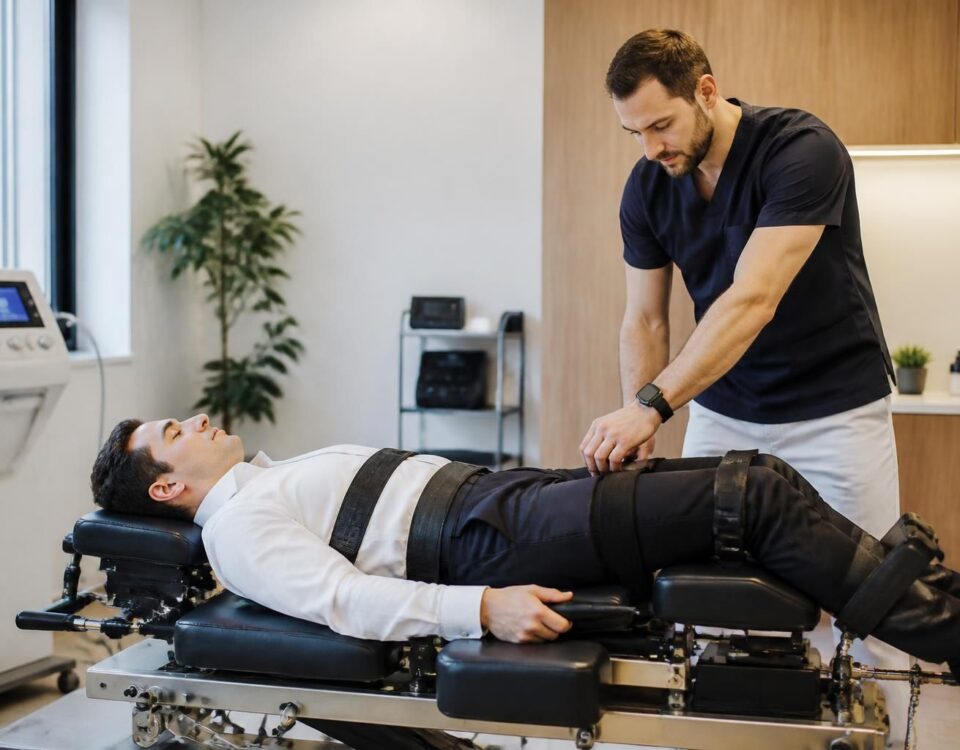
The neurovertebral decompression is a technique non-invasive which uses smooth, controlled traction on the spine to create a space between the vertebrae. This spatial modification reduces the pressure on the discs and nerves, thus facilitating the distribution of nutrients and tissue recovery. This approach is aimed not only at pain relief, but also for preventing recurrences by acting on the underlying mechanical causes.
how it helps to prevent recurrence
By reducing the pressure on the Intervertebral discs and the Spinal nerves, decompression improves the bloodstream around the column and promotes the tissue rehydration and regeneration. The intervention is planned as part of a personalized program and multidisciplinary In order to reduce the risk of recurrence of lower back or cervical pain and to support the stability of support structures. For additional information and protocols, consult the specialized resources on partner sites.
Indications and limits
This method is particularly indicated for pain related to bulges or herniated discs, to Foraminal stenosis and degenerative conditions associated with the spine. It can be enrolled in a global rehabilitation plan and be offered in recognized clinics such as Tagmed Clinic. It is not suitable for all conditions and requires an in-depth medical evaluation in order to confirm eligibility and to prevent possible contraindications. For information on limitations and application contexts, refer to the specialized resources of professional organizations and referring clinics.
Integration into the care pathway
The neurovertebral decompression fits into a rehabilitation program global. Treatment should be preceded by a full assessment and followed by health professionals. The objective is to ensure Sustainable prevention pain and recurrences, while improving the mobility and the feature of the spine. In this context, educational measures on postures and lifestyles can be proposed to support the results. For resources and studies, you can consult the articles on sossciatica.com and sosherniediscale.com, as well as the informative pages of the partner clinics.
Evidence and results
The available data indicates that decompression can provide a Significant relief and an improvement in mobility After several sessions. The protocols vary according to severity and clinical context, and a Regular follow-up is recommended to adapt the treatment and maximize the benefits. Public resources and clinical feedback show positive results in a large number of patients, while highlighting the need for an individualized approach and medical follow-up. For feedback and analysis, see examples published on sossciatica.com and sosherniediscale.com, as well as specialized publications from training institutes in osteopathy Recognized as Numss and Nao.
Testimonials and experience of patients
Several patients describe a gradual improvement in their pain and a resumption of activities that seemed impossible before. These returns underline the importance of personalized support and regular follow-up to prevent relapses and support a pain-free life. For concrete examples and testimonials, refer to the resources on the partner sites mentioned above.
To deepen the technical aspects and protocols, consult the specialized resources: Why neurovertebral decompression is ideal for athletes in rehabilitation, Ideal for sedentary workers, Prevent recurrences in advanced disc pathologies, Natural solution to prevent neuropathic recurrences, Benefits for degenerative pathologies, Quick results with a decompression program, Preventing recurrences from chronic neuropathic pain, modern techniques to maximize results, neurovertebral decompression, Advanced decompression protocols.
Medical Disclaimer: The information and advice provided on this site does not replace the health professional’s diagnosis or treatment. Please note that Dr. Sylvain Desforges osteopath is neither a doctor of medicine nor a doctor, and is not a specialist in a medical specialty as defined by the Collège des Médecins du Québec. Manual medicine, functional medicine and sports medicine as described on this site exclude any medical treatment or diagnosis made by a doctor or specialist doctor. Always consult your doctor for any medical questions. For more details, please read our full legal notice.
This text is written according to the principles and references of professional associations and recognized training institutions in the field of osteopathy, and is based on the resources available on NUMSS and NAO. The professionals involved in the practice remain the guarantors of a diagnosis and treatment adapted to each patient and situate the neurovertebral decompression as part of a set of personalized care, in conjunction with the TAGMED and ACTA clinics. For more information on training and academic approaches, refer to the professional bodies and official forms.
- Verified application : Targeted assessment before startup.
- Identified recurrence factors : posture, repetitive gestures, loads.
- Soft and precise traction : Intervertebral space and pressure reduction.
- disc regeneration : Promotes rehydration and tissue repair.
- Monitoring and security : Monitoring of progress and adjustments needed.
- Custom Plan : adapted rehabilitation and secure progression.
- Postural education : posture, lifting, ergonomics on a daily basis.
- Adapted activity : Preventive exercise and mobility program.
- Technological integration : additional use (laser, shockwave therapy).
- Sustainable prevention : Long-term strategy to limit relapses.

quick summary
The neurovertebral decompression is an approach non-invasive aimed at preventing recurrences of spinal disorders. by gradually reducing the pressure on the Intervertebral discs and the Spinal nerves, it promotes tissue regeneration, improves circulation and sustainably reduces pain. To optimize its benefits and limit the risks of relapse, it is essential to integrate it into a personalized global plan, supported by regular monitoring and appropriate lifestyle habits.
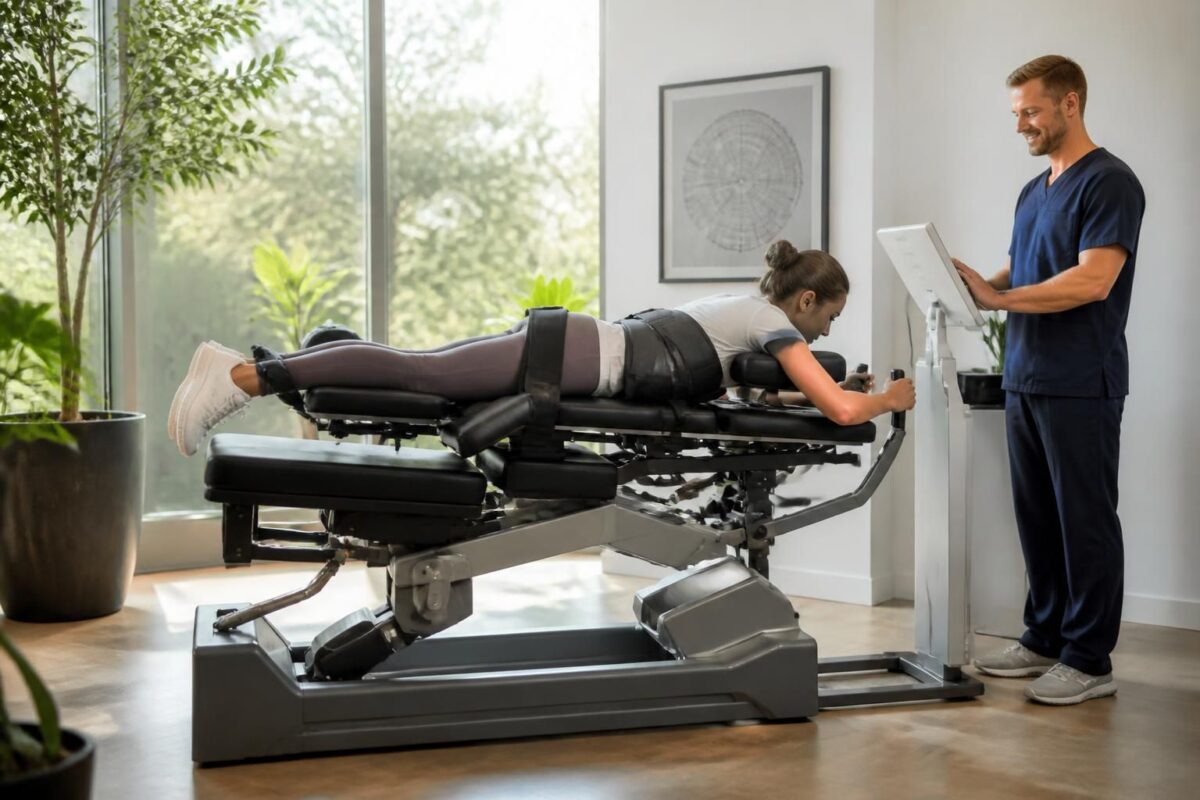
The long-term benefits of neurovertebral decompression for spinal health
In short In short, the neurovertebral decompression is a non-invasive approach that decreases the Pressure on intervertebral discs and nerves, favoring the Natural regeneration and tissue recovery. Its long-term benefits include Lasting pain reduction, Improving mobility and from the posture,…
Understand the preventive role of decompression
The neurovertebral decompression Acts by creating a space between the vertebrae thanks to gentle mechanical traction. This space allows the disc to rehydrate and reduce the pressure exerted on the nerves, thus contributing to a Sustainable improvement in mobility and to a pain reduction in the long term. Targeting the main cause of pain — excessive pressure on discs and nerve roots — it helps prevent recurrences when associated with an appropriate rehabilitation program.

Neurovertebral decompression and mobility: a return to an active life
In short In short, the neurovertebral decompression is therapy non-invasive who uses a gentle traction To create a space between the vertebrae and reduce the pressure on the Intervertebral discs and the nerves. It promotes a bloodstream improved, lowers tension…
Integration into a rehabilitation program
Personalized plan and progression
To prevent relapses, decompression must be part of a Personalized rehabilitation plan. The latter combines muscle strengthening exercises, targeted stretching and proprioception exercises to improve lumbar and cervical support. Progress is adjusted according to the severity, individual response and functional objectives of the patient.
Frequency and duration of sessions
An effective protocol typically provides 20 to 25 sessions distributed according to severity, with sessions of approximately 15 to 30 minutes. Such a pace promotes a progressive adaptation of tissues and the consolidation of gains in mobility and function.
Use of complementary approaches
To optimize the prevention of recurrences, decompression can be associated with complementary technologies and techniques such as neuromuscular approaches and non-pharmacological therapies. These interventions aim to reduce muscle tension, improve coordination and support the tissue repair process. They can also improve the accessibility and tolerance of rehabilitation exercises.
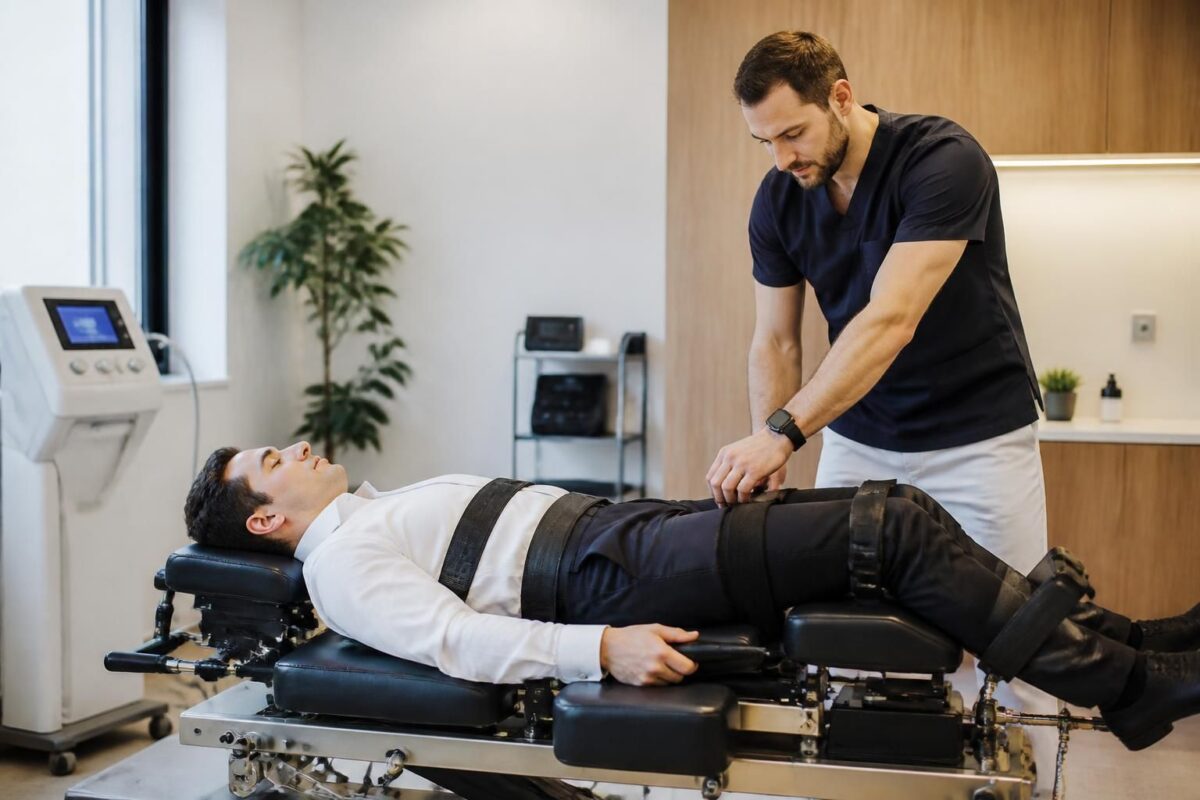
How Neurovertebral Decompression Prevents Diffuse Chronic Pain
In short decompression neurovertebral is one Non-invasive method aimed at reducing the Pressure on the intervertebral discs and the nerves, in order to prevent Diffuse chronic pain. It improves the circulation and thedisc hydration, decreases inflammation and promotes better mobility.…
Education and self-management
The prevention of recurrences requires a Patient education on good postural practices, daily gestures and principles of secure lifting. Simple advice on maintaining an aligned spine, managing stress and integrating active breaks during professional or domestic activities help limit aggravating factors and support treatment outcomes.
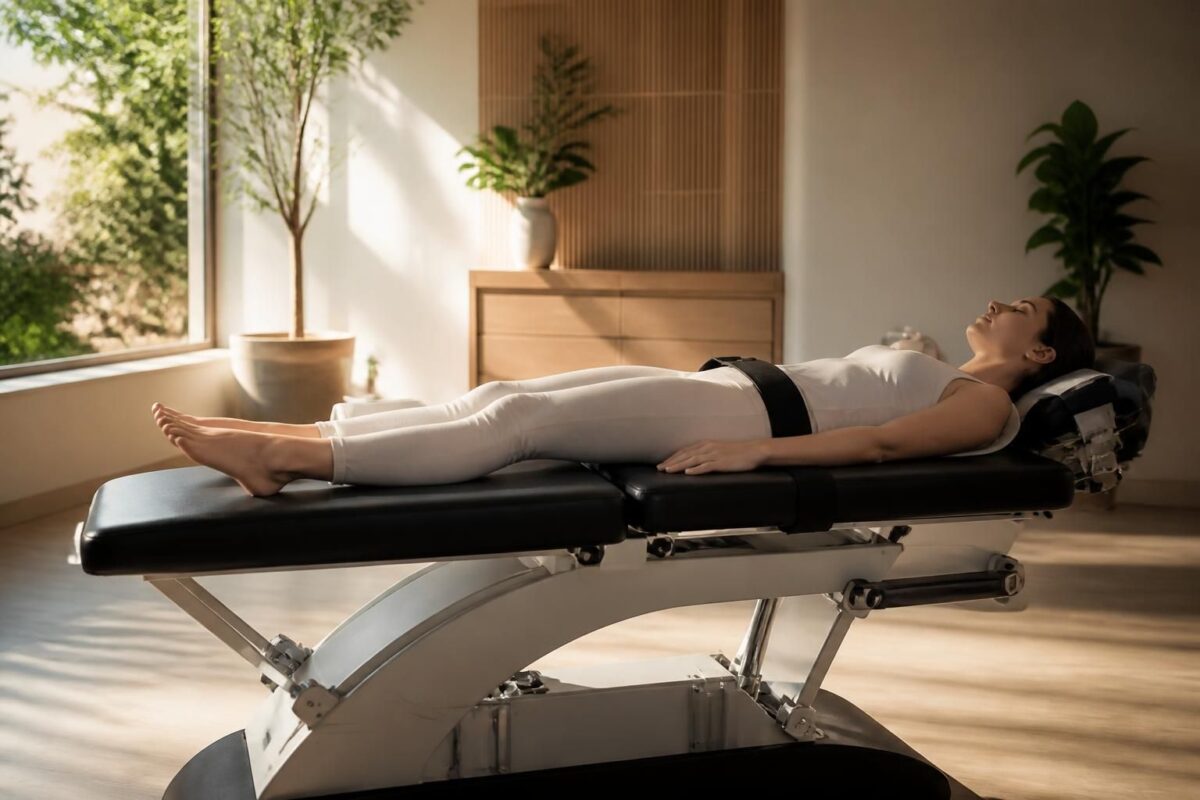
Neurovertebral Decompression and Body Alignment: Restoring Natural Balance
In short In short, neurovertebral decompression is one Non-invasive approach who restores theBody Alignment and thenatural balance back and neck. She acts by a Controlled traction of the spine to widen the intervertebral space and reduce the Pressure on discs…
Continuous monitoring and evaluation
One Regular medical follow-up Allows you to assess progress, adjust protocols and anticipate signs of relapse. Simple tools for measuring pain, mobility and daily function help to calibrate the plan and maintain a proactive approach to prevention.
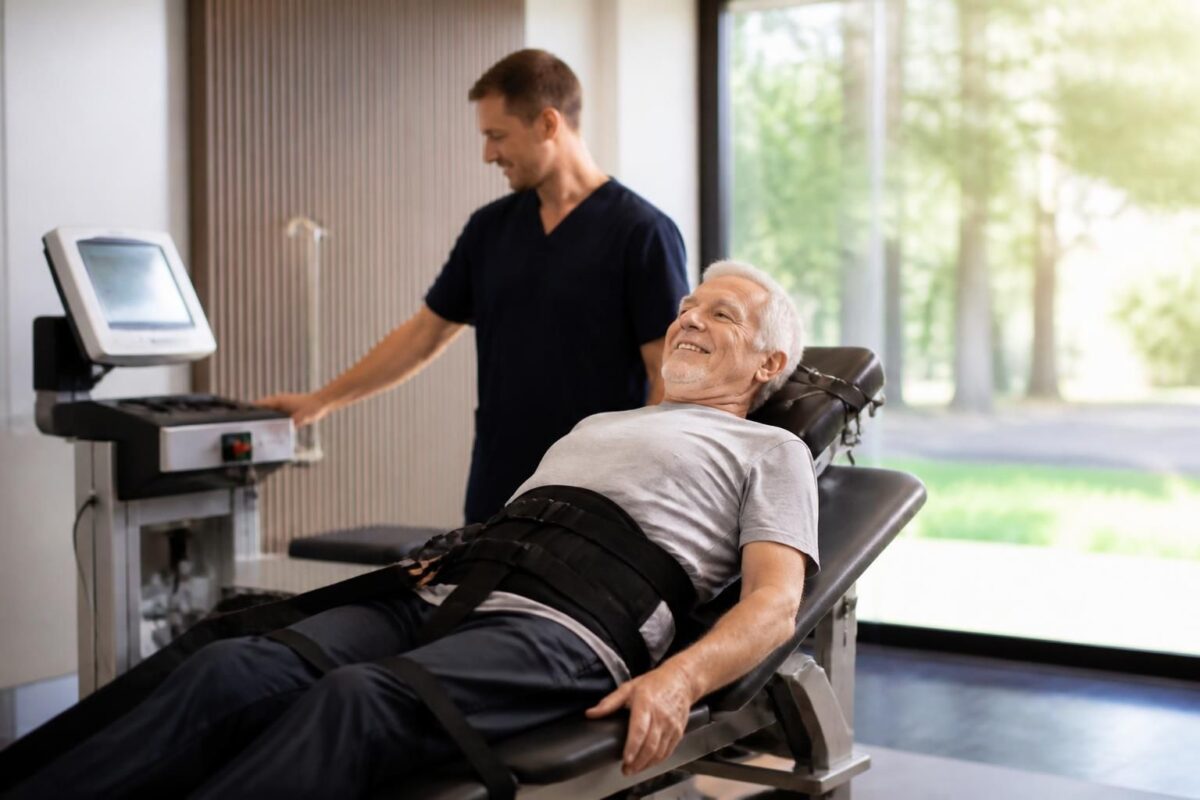
Why neurovertebral decompression is a lasting solution for active seniors
In short In short, the neurovertebral decompression is one Non-invasive therapy which sustainably relieves spinal pain in the spine active seniors By creating, by a Soft and controlled traction, a space between the vertebrae. At Montreal, it is recognized as…
Practical recommendations to prevent recurrence
Maintain a suitable activity routine, favor regular lumbar reinforcement exercises, and incorporate ergonomic adjustments to the work. In addition, practice breathing and relaxation exercises to limit muscle tension and optimize recovery. Finally, favor follow-up consultations when symptoms reappear or when a lifestyle change requires a reassessment of the protocol.
| Axis | concise statement |
|---|---|
| Type of treatment | Traction non-invasive which reduces pressure on discs and nerves, without surgery. |
| Key mechanism | Creation ofspace between vertebrae for rehydrate and regenerate discs and relieve nerves. |
| Impact on recurrence | Prevention lasting When integrated into rehabilitation and postural improvement. |
| Main directions | disc herniation, disc bulge and foraminal stenosis; suitable for Custom Plan. |
| Integration into the program | part of a Global plan Including exercises, posture and follow-up. |
| Duration and frequency | Typical sessions 15 to 45 minutes; frequency 2 to 3 times/week, depending on severity. |
| Typical results | pain reduction and Mobility improvement; better quality of life. |
| Limits and contraindications | necessary medical evaluation; Not suitable for certain conditions and special cases (contraindications). |
| Technological complement | Integration with other advanced approaches to amplify profits. |
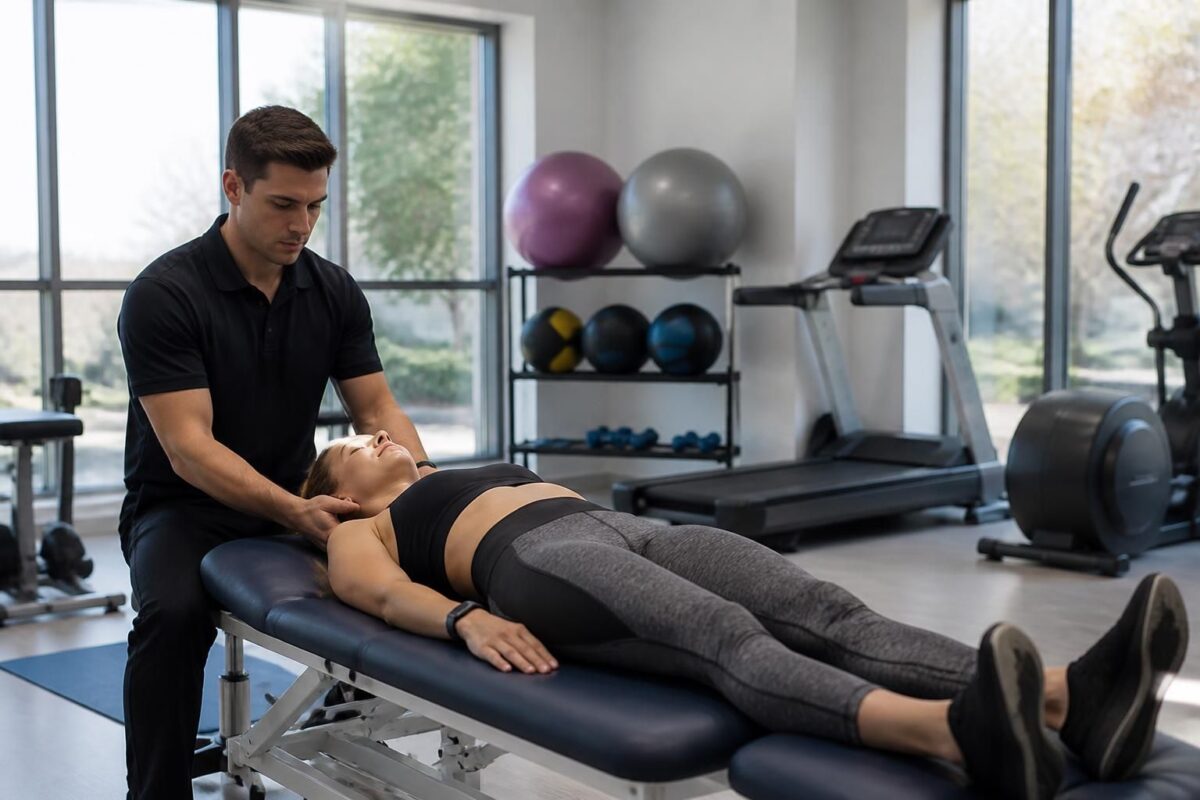
Neurovertebral decompression and recovery after severe sports injury
In short In short, the neurovertebral decompression is one Non-invasive method to Relieve the pressure on the Intervertebral discs and the gristle Via a Controlled traction, to facilitate the recovery After a severe sports injury. It improves the bloodstream towards…
Testimonials on neurovertebral decompression and the prevention of recurrences of spinal pathologies
Since my first protocol neurovertebral decompression, my Lower back pain have decreased and my mobility improved. I feel that this affects the cause and not only the symptoms, which contributes to Preventing the recurrence of spinal pathologies.
After years of pain, I chose the neurovertebral decompression And I noticed a better circulation around my spine and a stability of my posture. This approach non-invasive help to Prevent relapses And to resume my daily activities without fear of recurrence.
As an athlete, the neurovertebral decompression allowed me to quickly recover from an injury and maintain my mobility Physical. I am convinced that this treatment contributes to Prevent recurrence disc problems and support my long-term performance.
personalized follow-up and gentle traction of the neurovertebral decompression Mount offered lasting relief. I feel that my back is better supported and that the risks of recidivism have decreased, which gives me a real quality of life.
After a slipped disc, the decompression restored the space between my vertebrae and improved my bloodstream local. Thanks to this, I live without pain and I am less prone to recurrences lower back pain.
I would recommend the neurovertebral decompression to anyone who suffers from spinal pathologies. Treatment non-invasive, focused on relapse prevention, offered me a quality of life found and a better posture.
Dr. Sylvain Desforges’ journey is distinguished by an approach centered on sustainable pain prevention and limitations associated with spinal pathologies. osteopath and a specialist in manual medicine, he implements a strategy that places the neurovertebral decompression At the heart of a multidisciplinary program aimed at reducing recurrences and restoring mobility. As founding president of the TagMed clinics and the ACMA association, he works to disseminate evidence-based practices and support each patient on a personalized journey towards a better quality of life.
Neurovertebral decompression is based on a gentle traction and controlled the spine, designed to create a negative space between the vertebrae. This action reduces the pressure exerted on the intervertebral discs and spinal nerves, facilitating rehydration and tissue regeneration. This approach directly targets the causes of lumbar and cervical pain, thus offering a Active recurrence prevention By acting on the mechanisms that promote painful outbreaks rather than just masking them. The doctor infuses a perspective oftherapeutic education: Posture, lifting, and daily habits are adapted to support the results and limit relapse factors.
through a Advanced technology integration, Dr. Desforges combines decompression with complementary tools such as laser and shockwave therapy, in order to stimulate tissue repair and improve local circulation. This approach multidisciplinary Maximizes benefits for patients with discs, disc bulges or spinal degenerations. Each protocol is custom designed, with a Personalized treatment plan and one Regular follow-up To assess progress, readjust targets and prevent long-term relaps.
The clinical results support the effectiveness of this approach. By combining decompression, targeted rehabilitation and education, patients testify to Lasting pain improvement, of a Resumption of mobility And a reduction in repetitive painful activities that once triggered the episodes. The doctor endeavors to establish a relationship of trust and transparency, explaining the mechanisms, the realistic expectations and any contraindications in order to secure each stage of the course.
In terms of responsibility and scope of action, the ideology of Dr. Desforges is clear: to offer care evidence-based, based on a thorough understanding of the spine and individual risk factors. Its objective is to allow each patient to find a Optimal operation and an Improved quality of life Without dependence on invasive treatments or painful recurrences. Through his leadership and commitment to innovation, he contributes to establishing a benchmark in the prevention and management of pain related to the spine.
This detailed conclusion on the neurovertebral decompression highlights how this non-invasive approach can help Prevent recurrence spinal pathologies. by combining soft traction to free up the intervertebral space and improve the circulation To the tissues, it facilitates the rehydration and regeneration of discs, while reducing pressure on the nerves. Integrated into a personalized rehabilitation plan and associated with technologies such as laser or shock wave therapy, this method is part of a sustainable approach to spinal health and well-being.
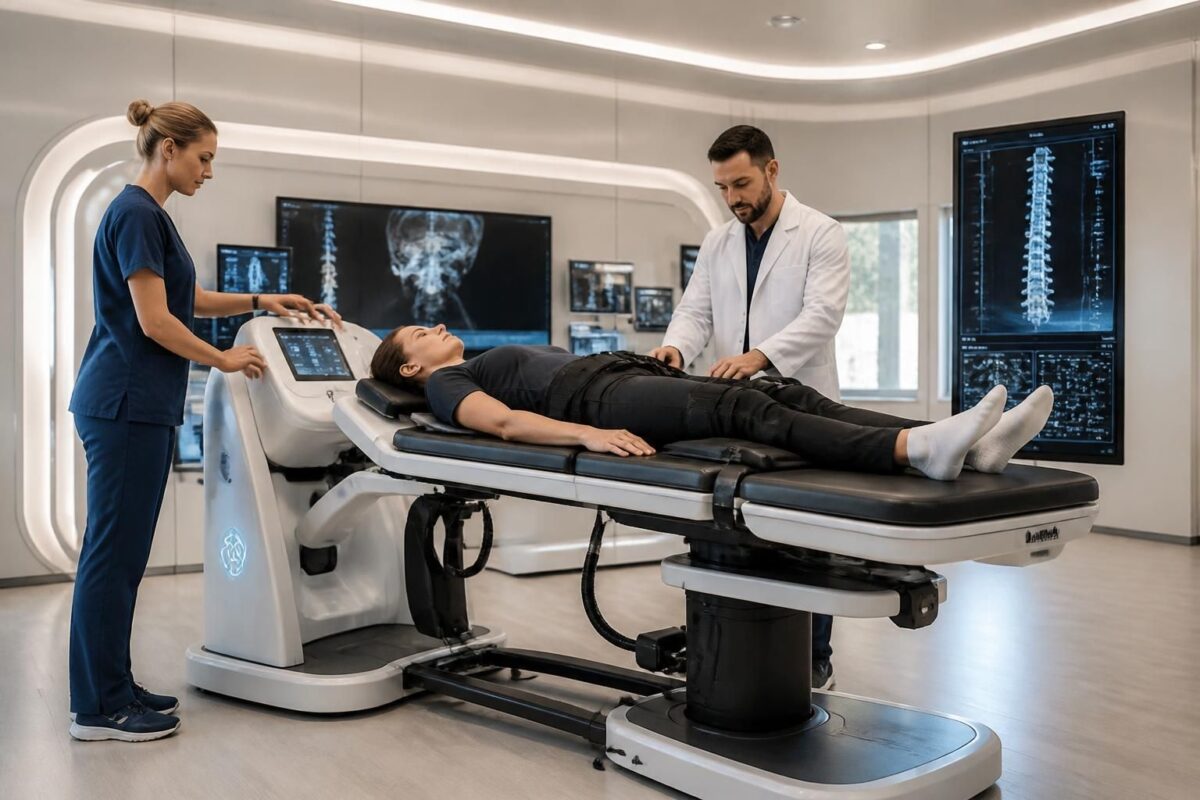
Recent innovations in neurovertebral decompression technologies
In short In short, the neurovertebral decompression is an approach non-invasive Aiming to reduce pressure on discs and nerves, and promote tissue regeneration. At Montreal, it is positioned as an effective option for lower back pain and herniated discs. The…
Overview of Benefits and Principles
The neurovertebral decompression is based on a gentle traction and controlled which creates a negative space between the vertebrae, which decreases the pressure on the intervertebral discs and nerve roots. This mechanical effect promotes rehydration discs and Tissue repair, while improving mobility and decreasing pain. This approach is particularly suitable for chronic lower back and cervical pain associated with protrusions or herniated discs and can help prevent recurrences by acting on the cause rather than just the symptoms.
When integrated into a global program, neurovertebral decompression can also facilitateImproved spinal function and the relapse prevention thanks to targeted reinforcement and better exercise tolerance. For those who wish to deepen, sources such as Preventing the recurrence of spinal pathologies And other specialized resources shed additional light on mechanisms and long-term benefits.
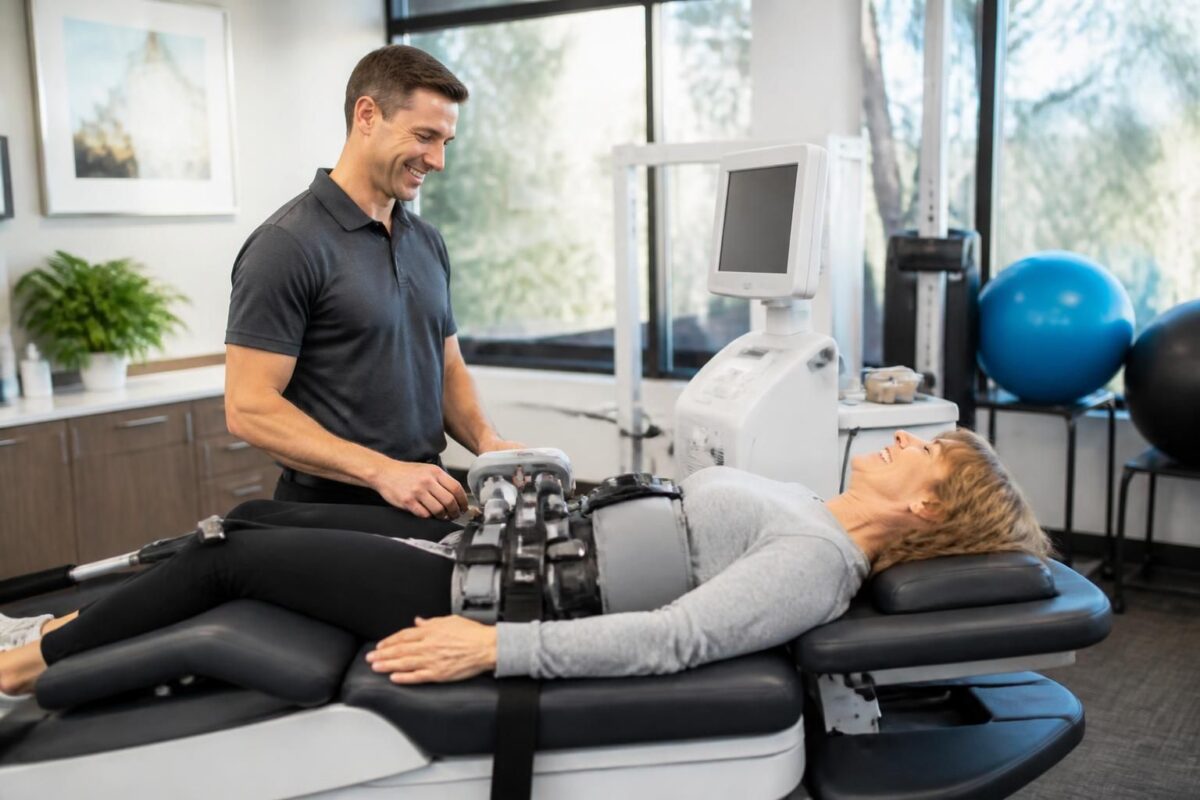
Neurovertebral decompression and diffuse pain: an appropriate solution
In short In short, the neurovertebral decompression is one Non-invasive solution For diffuse pain related to nerve irritation of the spine. She acts in Reducing pressure on intervertebral discs and nerves and improving the bloodstream, which promotes recovery and the…
Indications and customization of treatment
Each patient is unique. The choice to use the neurovertebral decompression requires a Full assessment including medical history and, where appropriate, imaging examinations, to determine the adequacy of the treatment and the most appropriate protocols. One Personalized treatment plan and one Regular follow-up Allows you to adjust the sessions according to the evolution of symptoms and functional objectives. Patient education on good postural practices and activities to be preferred or avoided is also a key component of long-term success.
For the elderly or patients at risk, appropriate approaches and documented arguments demonstrate that the neurovertebral decompression can be a safe and effective option to improve the mobility and reduce neuropathic pain after injuries or degenerative damage. To learn more about specifics related to seniors, consult specialized resources such as Why neurovertebral decompression is a safe treatment for seniors.
Integration with technologies and therapeutic pathway
Decompression is often part of a multimodal approach. In addition to traction, technologies such as laser and therapies by shock waves Can promote tissue repair and accelerate recovery, while supporting recurrence prevention. Computerized devices and personalized protocols make it possible to adjust the traction and optimize the results according to the type of spinal pathology.
Dedicated resources describe how innovations in this area enhance the effectiveness of treatments and their effectiveness in recurrence prevention. For example, articles and guides explain the mechanisms and benefits of these technologies, and how they fit into a safe and effective care pathway. For further details, see complete analyzes and guides such as Complete guide to neurovertebral decompression.
Role in different conditions and populations
The neurovertebral decompression is particularly indicated for pathologies such as Disc protrusions, the herniations discs and the forms of Foraminal stenosis. It can contribute to the Prevention of recurrences and improving the flexibility and from the vertebral function after injuries or degenerative damage. To deepen the mechanisms and indications, consult sources such as Wikipedia – Neurovertebral decompression and professional articles dedicated to these conditions.
Feedback and updates on innovations and best practices illustrate how this approach can help maintain pain-free daily activity and prevent recurrences. For an overview of benefits and implementations, see the following resources such as Mistakes to avoid and Prevent spinal stenosis recurrences.
Resources and additional readings
For those who wish to deepen, several resources offer additional perspectives on the neurovertebral decompression and its role in the prevention of recurrences. For example, you can check out:
• Improve flexibility and prevent recurrences
• Neuropathic pain after injury
• Preventing the recurrence of spinal pathologies

Dr Sylvain Desforges, B.Sc., D.O., N.D., osteopath, is the founding president of TAGMED and of the ACMA association. He dedicates his practice to chronic spinal pain, low back pain and symptoms compatible with sciatica, particularly when pain radiates toward the buttock, leg, calf, foot or toes.
Through SOS Sciatique, he publishes educational content on sciatica symptoms, possible causes such as disc herniation, disc narrowing, foraminal stenosis or irritation of a lumbar nerve root, as well as non-surgical approaches that may be considered according to the evaluation. At Clinique TAGMED, care may include, depending on the case, motorized neurovertebral decompression, specific osteopathic care or precision percussion.
For an evaluation related to sciatica treatment in Montreal / Mount Royal or sciatica treatment in Terrebonne, please consult the services available at Clinique TAGMED.
Medical disclaimer
The information published on SOS Sciatique is provided for educational purposes only and does not replace a consultation, diagnosis, opinion or treatment provided by a physician or another authorized healthcare professional. The author of this article is neither a medical doctor nor a specialist in a medical specialty recognized by the Collège des médecins du Québec. The osteopathic, manual medicine or functional support approaches described on this site do not constitute medical acts and are not intended to replace medical follow-up.
Consult a physician or emergency service in cases of loss of bladder or bowel control, anesthesia in the saddle area, significant or progressive weakness in the leg or foot, fever, recent trauma, severe pain or rapid worsening of symptoms. For more details, please read our Legal Notice.