Neurovertebral decompression and secondary muscle pain: complete management
26/06/2026
How neurovertebral decompression helps prevent future disc herniation
26/06/2026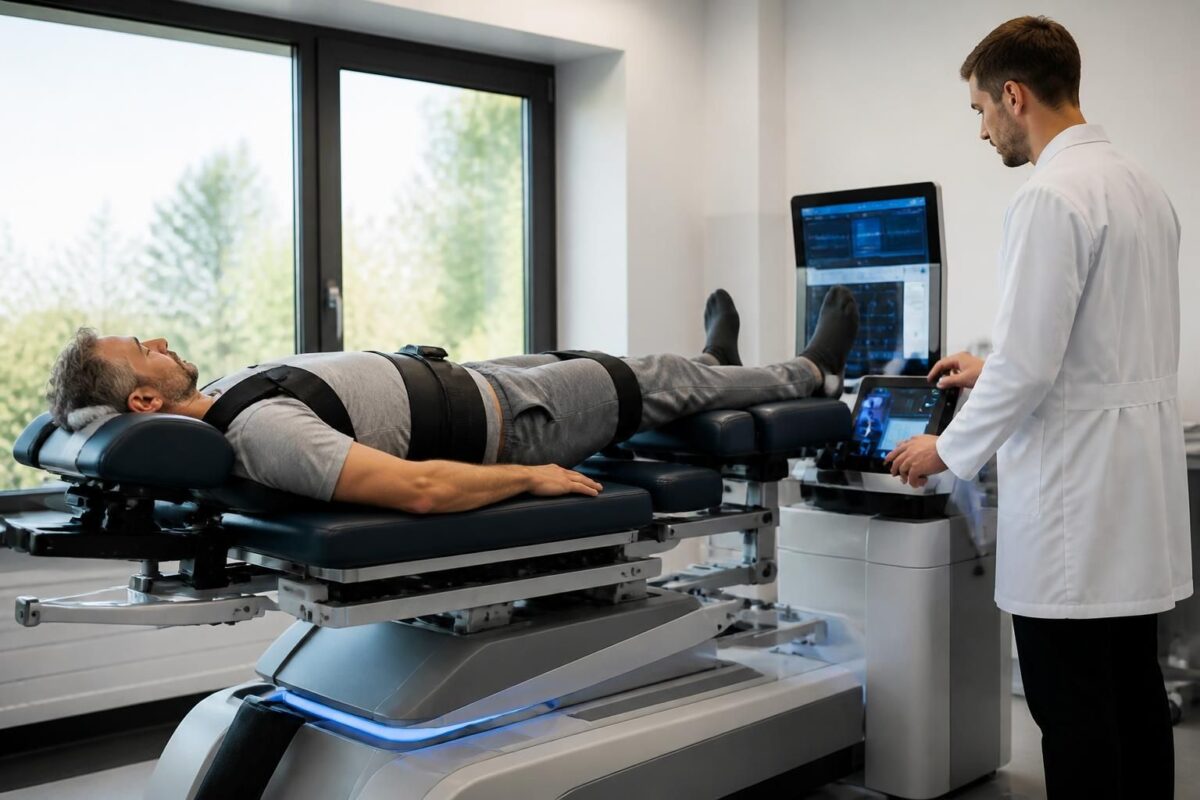
In short
In short, the neurovertebral decompression is one Non-invasive therapy which relieves pain related to the spine in reducing nerve pressure and improving mobility. Its main advantages include pain reduction, quick recovery, security and Avoidance of surgery, with treatment personalized thanks to Adaptive algorithms and one Digital tracking. Operation is based on a Controlled traction and dynamic adaptation of strength and duration, in order to target pathologies such asslipped disc. In Montreal, this service is accessible and recommended for people with Chronic pain back or neck who wish to regain normal activity without surgery. |
innovative technologies in neurovertebral decompression offer an approach non-invasive To relieve spinal pain, including herniated discs, by reducing the pressure on the nerves and improving mobility.
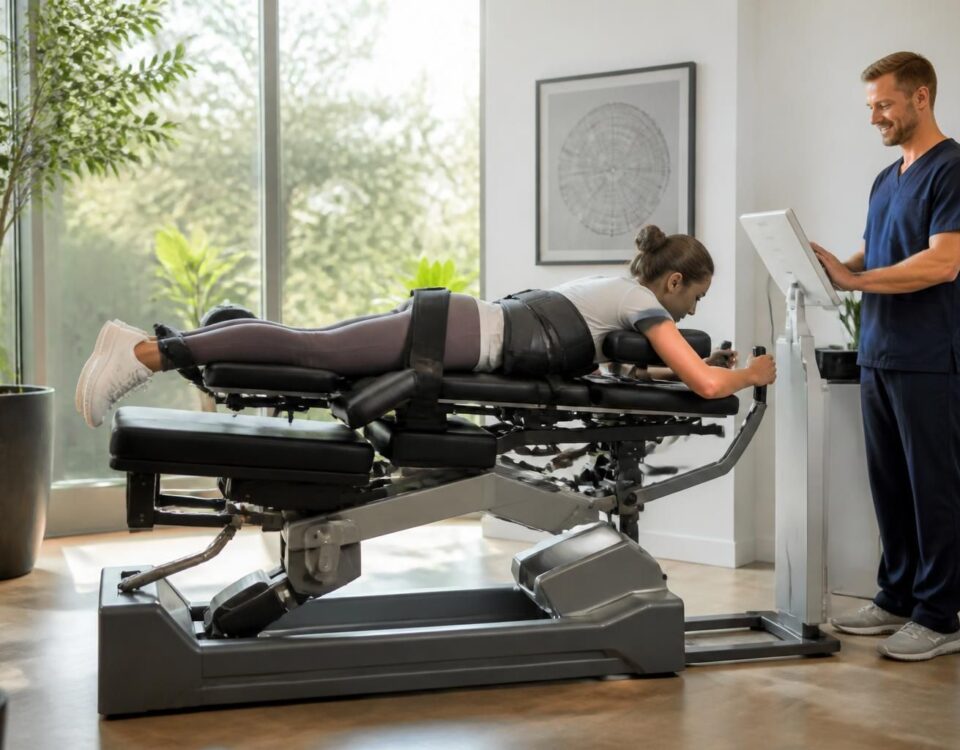
modern amenities, such as DRX9000™, use a Controlled traction And some Adaptive algorithms which adjust the force and the duration Real-time stretching for treatment personalized and more comfortable.
The integration of theartificial intelligence and of Digital tracking Allows for analyzing clinical data and adjusting protocols according to the patient, improving accuracy and safety of care.
Among the advantages are a pain reduction, a Improving mobility and the possibility of combining this treatment with other therapies such as laser and the shock waves, without resorting to surgery.
However, it should be recalled that this area requires a Specialized assessment and that efficacy depends on the type of pathology and patient profile; Protocols are evolving and are based on evidence.
This article, written by a health professional and expert in neurovertebral decompression, presents the innovative technologies used to treat vertebral pathologies without surgery. It exposes the functioning, advantages and criteria of choice, while providing practical resources for patients and practitioners. The objective is to shed light on modern, evidence-based solutions, and to offer a clear view of the options available in specialized clinics.
neurovertebral decompression is a non-invasive therapeutic approach that targets the reduction in pressure on nerves and intervertebral discs. Modern technologies use controlled traction systems and dynamic protocols that adapt to each patient. This adaptation improves mobility and reduces pain without the need for heavy surgery. The protocols are based on clinical data and algorithms that adjust the strength and duration of the traction to optimize the results while respecting the surrounding tissues.
The Flagship equipment Incorporate advanced mechanisms such as adaptive algorithms and real-time monitoring systems. The goal is to provide targeted decompression, which can be supplemented with other non-invasive therapies when appropriate. This approach is particularly useful for patients with lower back and cervical pain related to disc diseases or degenerative phenomena, while ensuring high safety and comfort during the sessions.
Safety and effectiveness are based on rigorous pre-assessment and standardized protocols. Practitioners graduated from recognized training and accredited clinics use validated tools and adhere to safety protocols to ensure rigorous follow-up. For patients, this means painless sessions and measurable progression of results over the sessions. Pedagogical resources and technical sheets for the general public explain the basic principles and general indications for treatment.
For patients who wish to deepen, online resources present current technologies and key approaches. For example, you can find information about custom technologies and protocols through specialized resources such as Custom protocols and The treatment of advanced degenerative pathologies.
Technologies rely on systems like Artificial Intelligence And some Adaptive algorithms To adjust traction parameters based on patient feedback and clinical measurements. This approach aims to maximize efficiency while reducing risk and discomfort. In the clinical context, this customization is carried out thanks to harmonized protocols and digital monitoring that allows you to observe progress and make the necessary adjustments.
The resources associated with the practice of neurovertebral decompression underline the importance of addressing institutions that train professionals in recognized settings. Training and practices may be associated with professional organizations and centers related to osteopathy and manual medicine, within the strict framework of the relevant authorities and relevant associations.
For patients seeking practical information and feedback, public and institutional resources outline technologies and protocols. For example, you can access descriptions and analyzes on The non-invasive approach for sciatica or Interest in sedentary workers.
In dedicated clinics, approaches are complemented by complementary solutions when necessary. For example, resources and practice examples can be viewed through recognized facilities such as Tagmed Clinic, which offer integrated protocols in Montreal and the surrounding area, with a focus on scientific evidence and patient safety. For patients who wish to access technical information and insights into technologies, resources such as Decompression technologies – what you need to know shed additional light.
How technologies influence treatment choices
decompression technologies Promote non-invasive care, adapted to each clinical profile. They are part of a multidisciplinary perspective where the objective is to Reduce the pain and improve the vertebral functionality without resorting to surgery. The protocols can be designed to be compatible with other non-invasive therapies where relevant, while preserving patient safety and comfort.
public and professional resources emphasize that the Custom protocols and the Data-based approaches help optimize the effectiveness of the sessions. The use of appropriate technologies can offer rapid returns to pain and mobility, while ensuring rigorous monitoring and continuous assessment of progress.
For patients and professionals, it is useful to consult the resources associated with neurovertebral decompression pathways and associated degenerative pathologies. Additional information is available on Neurovertebral decompression and advanced degenerative pathologies and via the technical sheets associated with Sedentary workers.
training institutions in osteopathy And professional associations play a key role in the quality of care. Practitioners can be graduated by organizations like NUMSS, NAO, National University of Medical Sciences and National Academy of osteopathy, and work in recognized associations such as ACMA, College of Canadian Osteopaths and College of Canadian Osteopaths. These elements guarantee practices based on standards and constant vigilance on patient safety.
To learn more about technological nuances and protocols, you can consult specialized resources that describe the approaches and results observed. For example, analyzes and testimonies on the integration of neurovertebral decompression and associated technologies are accessible through dedicated resources and information portals dedicated to disc pathology and low back pain.
For patients and professionals looking for concrete clinical options, the solutions proposed by Tagmed Clinic In Montreal and Terrebonne offer opportunities for evaluation and treatment in a framework of evidence. Additional resources present the different technological components and their clinical applications.
For technical sources and analytics of advanced technology, also explore Decompression technologies – what you need to know and Why neurovertebral decompression is a non-invasive solution for sciatica.
Keywords : neurovertebral decompression, controlled, non-invasive traction, DRX9000, adaptive algorithms, artificial intelligence, numerical monitoring, vertebral pathologies, disc degenerative.
Also, for practical and field perspectives, patients and professionals can rely on the resources and experience feedback available online, while remaining aware of the limits and specific indications associated with each protocol.
Medical Disclaimer: The information and advice provided on this site does not replace the health professional’s diagnosis or treatment. Please note that Dr. Sylvain Desforges osteopath is neither a doctor of medicine nor a doctor, and is not a specialist in a medical specialty as defined by the Collège des Médecins du Québec. Manual medicine, functional medicine and sports medicine as described on this site exclude any medical treatment or diagnosis made by a doctor or specialist doctor. Always consult your doctor for any medical questions. For more details, please read our full legal notice.
- DRX9000™ Controlled traction and dynamic adjustments in real time.
- Adaptive algorithms To customize the strength and duration depending on the patient.
- Pulse Align Soft vibrations targeting mechanoreceptors to improve tone and mobility.
- Artificial intelligence Analyzes clinical data to guide personalized protocols.
- non-invasive: No surgery, increased safety and faster recovery.
- Digital tracking: Real-time monitoring of the necessary progress and adjustments.
- Multimodal rehabilitation: Integration with laser and associated therapies.
- Indications and safety: rigorous selection of patients and monitoring of contraindications.

This article offers a panorama of innovative technologies used in neurovertebral decompression and explains what you need to know to make an informed decision. You will discover how devices like the DRX9000™ and controlled traction systems work, what place does theartificial intelligence and the neuromodulation, and how these approaches non-invasive Can relieve spinal pain while improving mobility. The objective is to help you assess the benefits, limits and associated security conditions, in order to choose a protocol adapted to your situation.
Flagship technologies and mechanisms
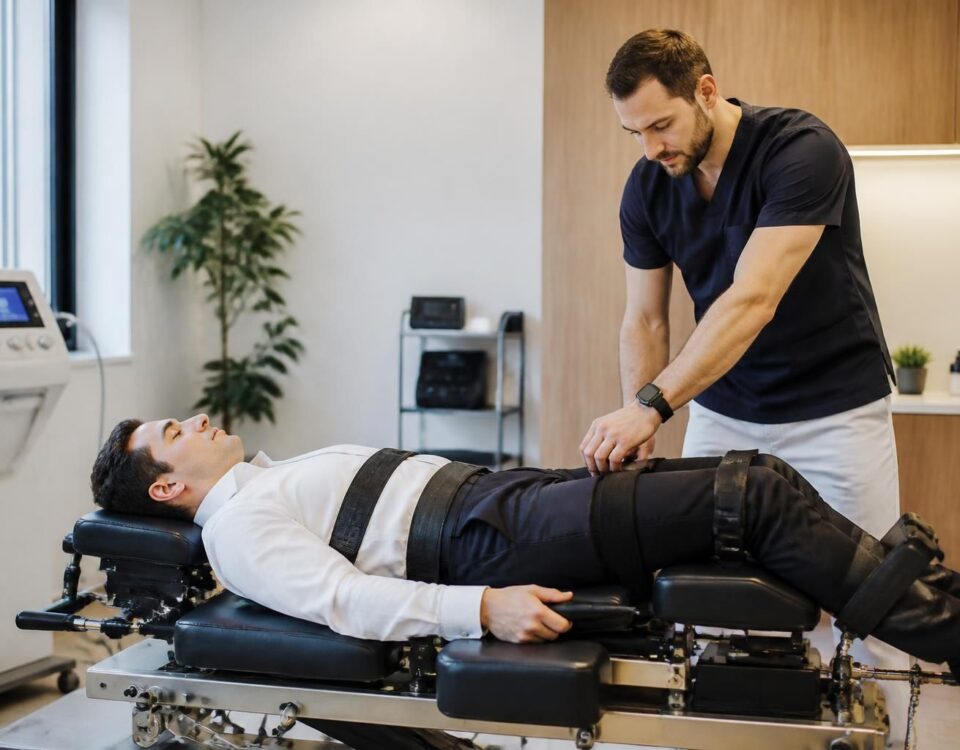
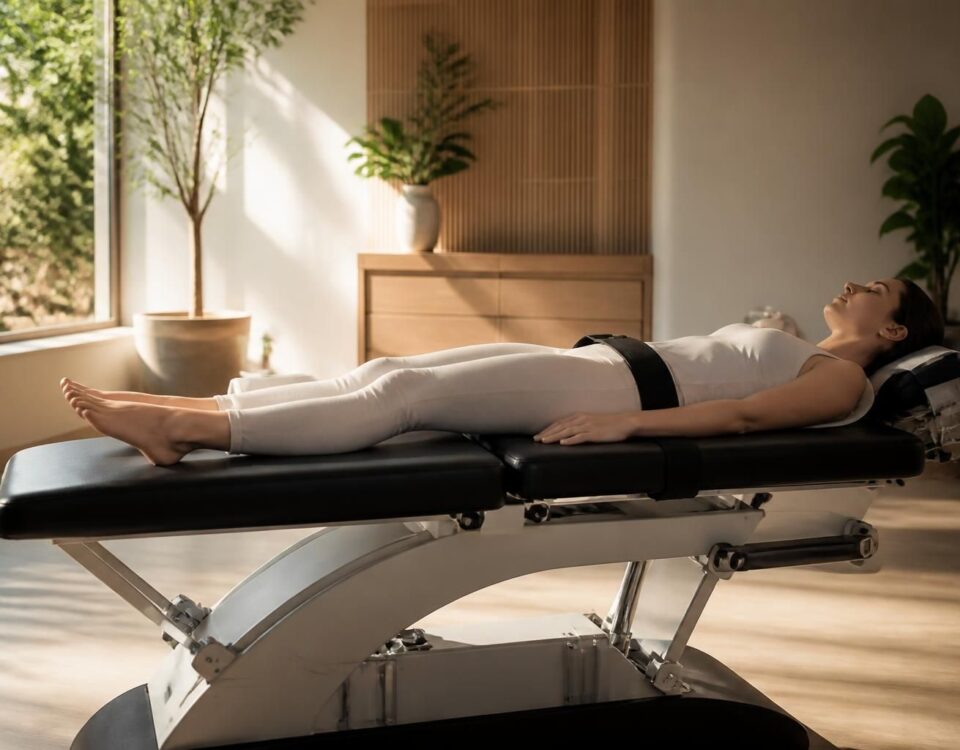
The DRX9000™ is a platform for vertebral decompression which combines traction and relaxation to reduce pressure on discs and spinal nerves. His approach is designed to be Soft and personalized, in order to favor comfort while improving mobility.
Adaptive algorithms and custom traction play a key role. They adjust in real time the force and the duration Stretching according to patient responses and sensor feedback, minimizing discomfort and maximizing treatment efficiency. This approach provides increased comfort and targeted decompression.
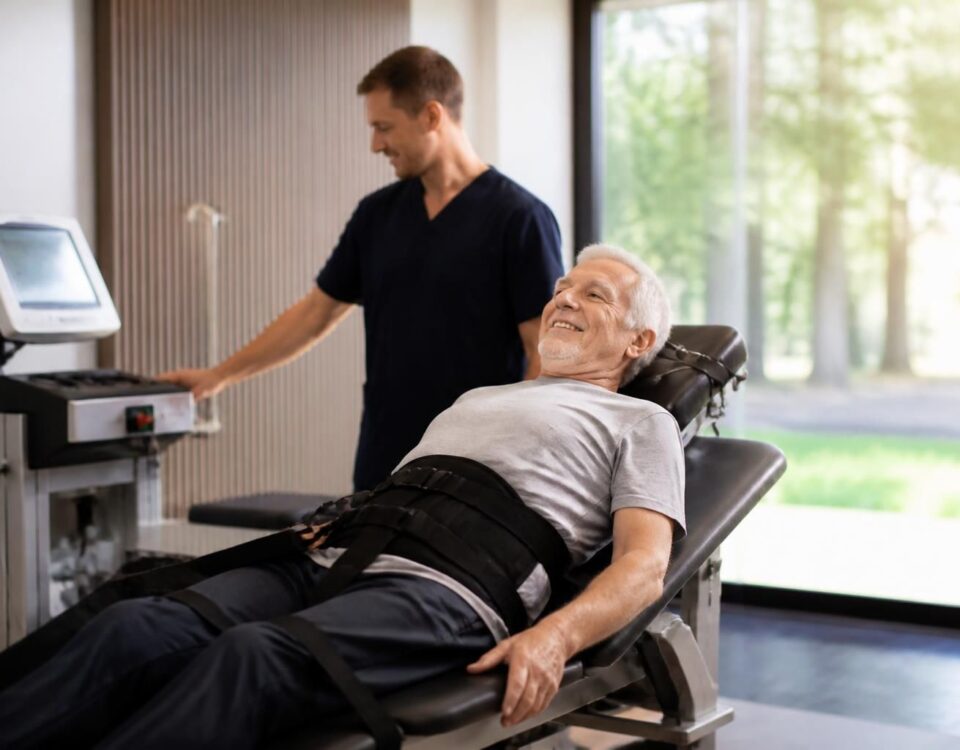
Artificial intelligence and digital monitoring are another major dimension. By analyzing the clinical data, AI algorithms offer better-adapted protocols, prevent excess traction and support informed decision-making, while remaining under the control of the practitioner. This does not eliminate the role of the doctor or the osteopath, but refines the personalization of the treatment.
The Pulse Align and associated technologies introduce Soft vibrations intended to activate the mechanoreceptors and promote muscle relaxation. This stimulation helps to improve the circulation and to prepare the tissues for decompression, increasing treatment tolerance and overall comfort.
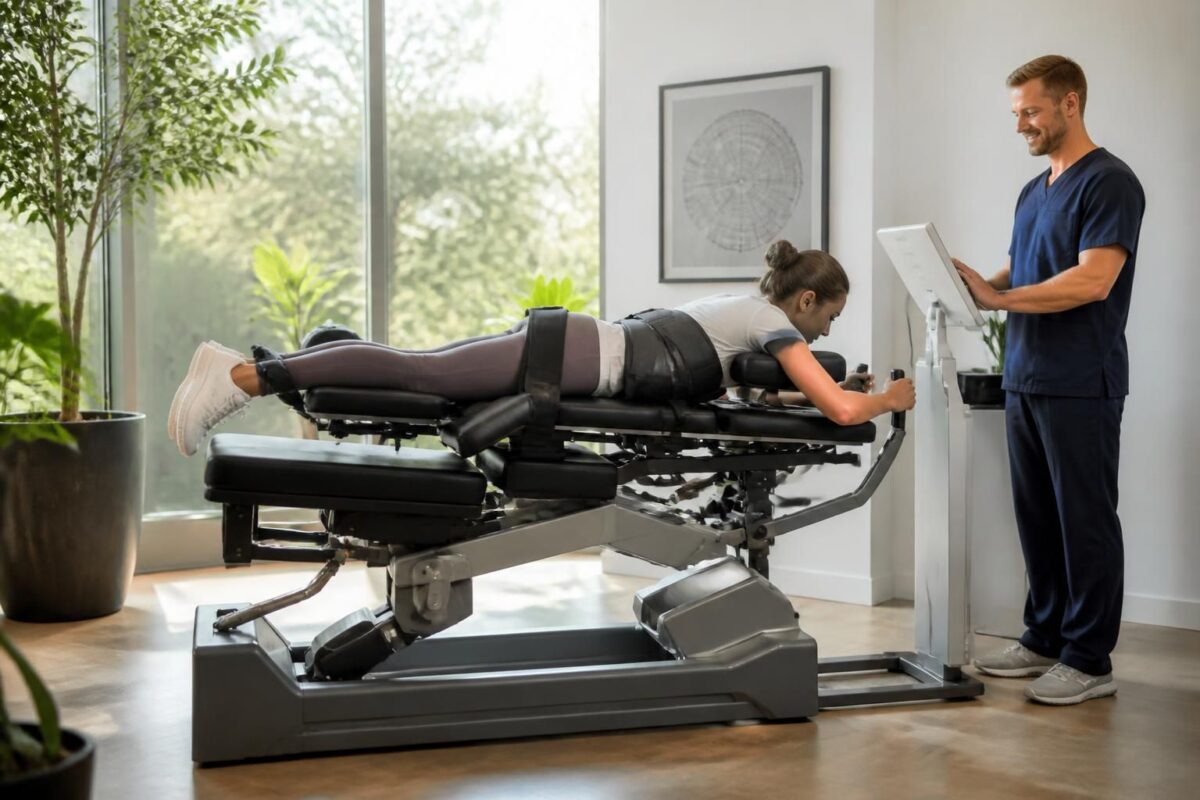
The long-term benefits of neurovertebral decompression for spinal health
In short In short, the neurovertebral decompression is a non-invasive approach that decreases the Pressure on intervertebral discs and nerves, favoring the Natural regeneration and tissue recovery. Its long-term benefits include Lasting pain reduction, Improving mobility and from the posture,…

Neurovertebral decompression and mobility: a return to an active life
In short In short, the neurovertebral decompression is therapy non-invasive who uses a gentle traction To create a space between the vertebrae and reduce the pressure on the Intervertebral discs and the nerves. It promotes a bloodstream improved, lowers tension…
Benefits and precautions
neurovertebral decompression technologies offer an approach non-invasive To relieve lumbar and cervical pain. They reduce the pressure on the discs and nerves while preserving the surrounding tissues, which can result in an improvement in the mobility and quality of life without operative recourse.
Safety and tolerance are enhanced by the customization of protocols and continuous monitoring of parameters by the practitioner. However, these therapies require prior assessment and regular follow-up in order to rule out contraindications and adjust treatment based on clinical course. The collaboration between osteopaths, naturopaths and doctors makes it possible to integrate these technologies into a global approach to pain and mobility.
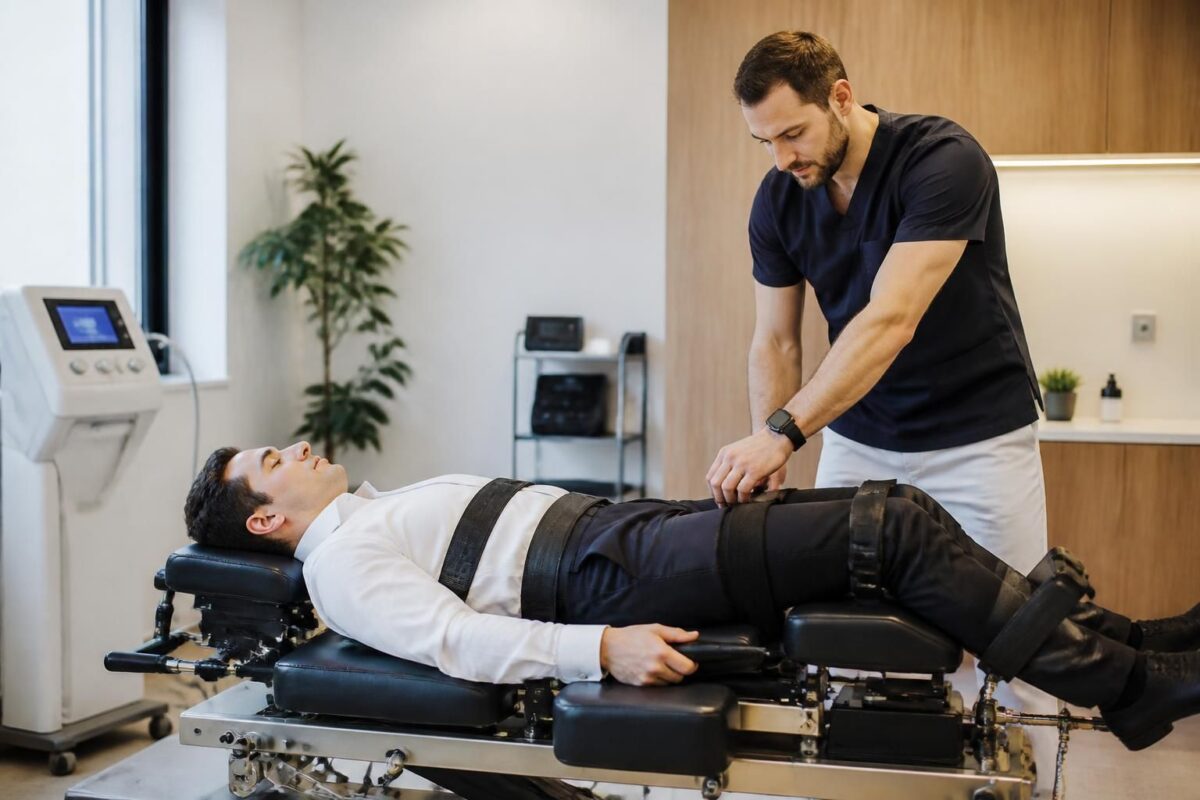
How Neurovertebral Decompression Prevents Diffuse Chronic Pain
In short decompression neurovertebral is one Non-invasive method aimed at reducing the Pressure on the intervertebral discs and the nerves, in order to prevent Diffuse chronic pain. It improves the circulation and thedisc hydration, decreases inflammation and promotes better mobility.…
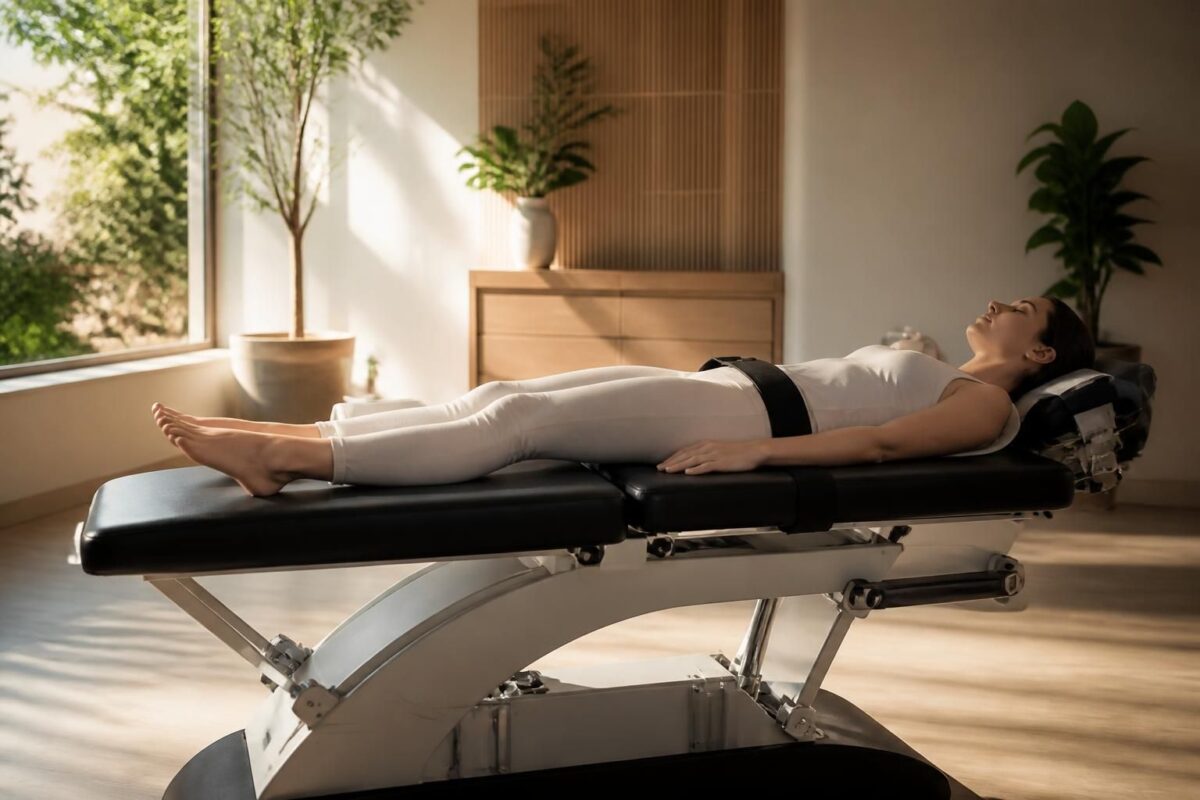
Neurovertebral Decompression and Body Alignment: Restoring Natural Balance
In short In short, neurovertebral decompression is one Non-invasive approach who restores theBody Alignment and thenatural balance back and neck. She acts by a Controlled traction of the spine to widen the intervertebral space and reduce the Pressure on discs…
How to choose and who can benefit from it
Indications and applications
Neurovertebral decompression is particularly considered for pain related to non-surgical vertebral pathologies, such as disc herniations, sciatica and recurrent lower back or cervical pain. The choice depends on clinical evaluation, imaging and rehabilitation objectives.
Pre-therapeutic assessment
Before any decision, a full assessment helps identify potential benefits and avoid risks. The practitioner examines the location and severity of symptoms, history, and may offer functional testing and personalized program planning, which may include a combination with other non-invasive therapies.
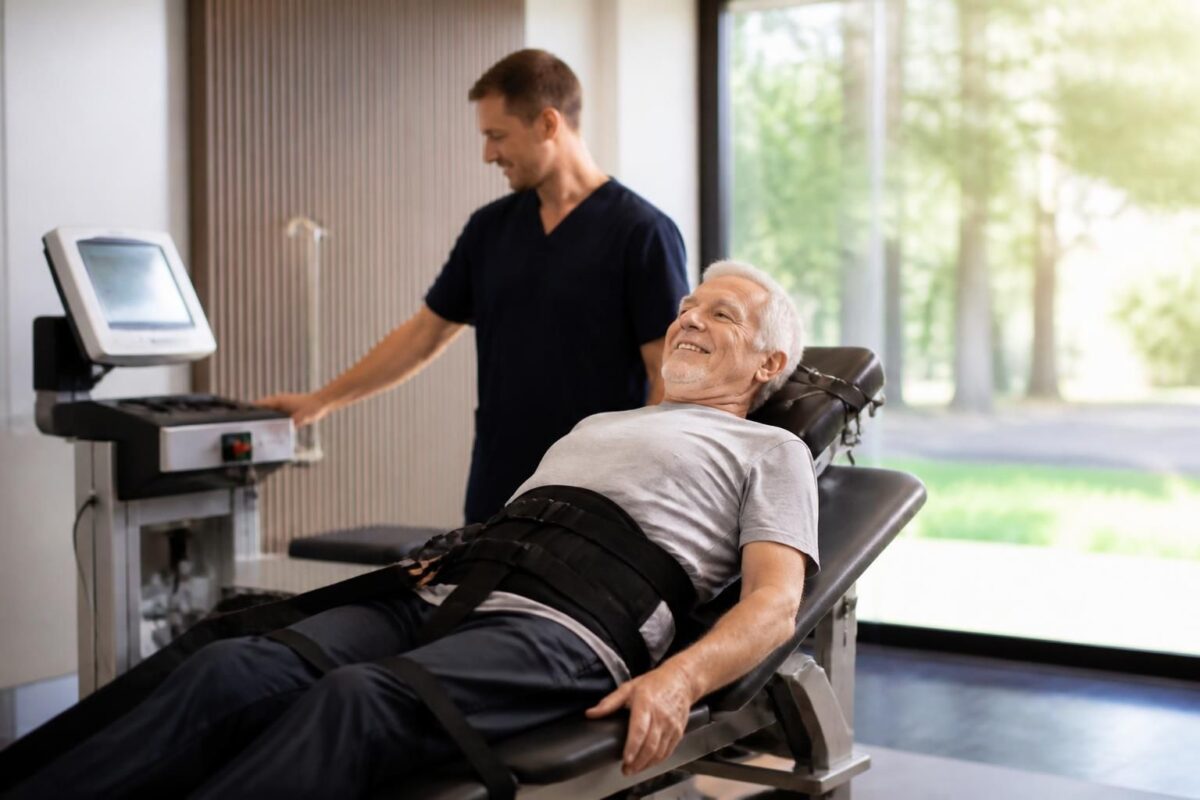
Why neurovertebral decompression is a lasting solution for active seniors
In short In short, the neurovertebral decompression is one Non-invasive therapy which sustainably relieves spinal pain in the spine active seniors By creating, by a Soft and controlled traction, a space between the vertebrae. At Montreal, it is recognized as…
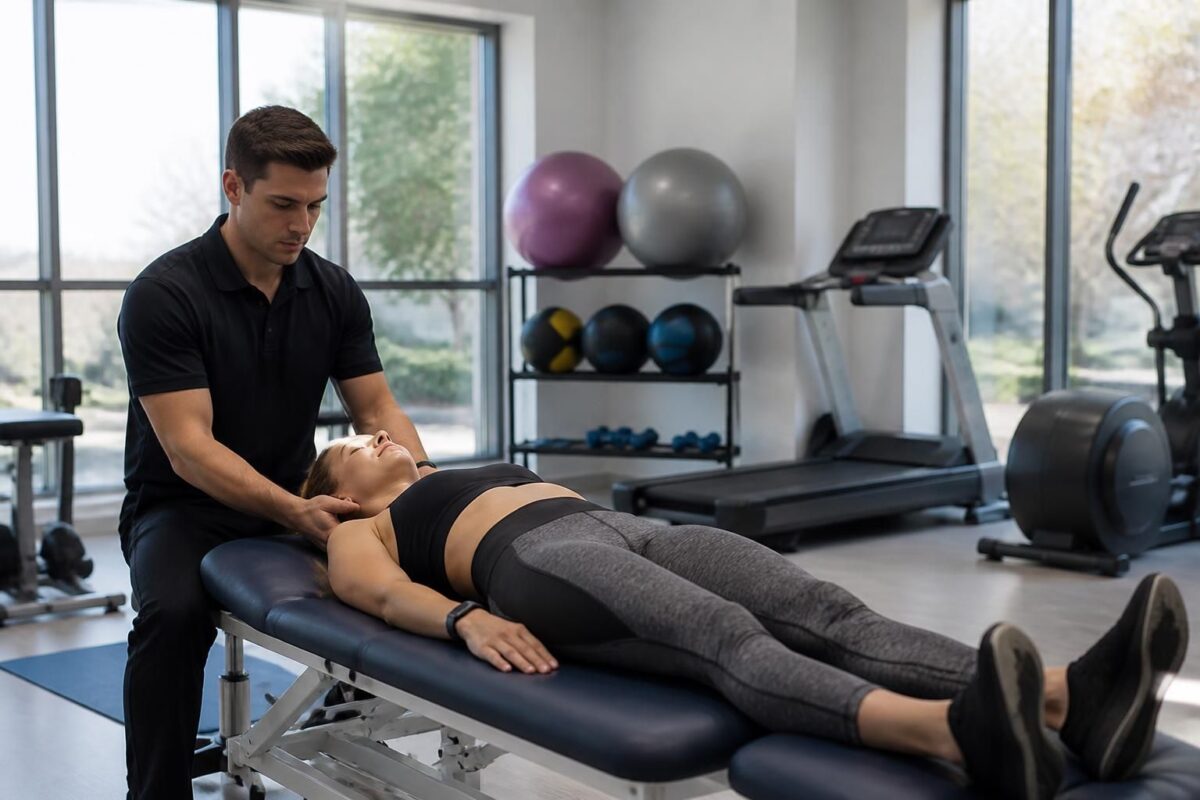
Neurovertebral decompression and recovery after severe sports injury
In short In short, the neurovertebral decompression is one Non-invasive method to Relieve the pressure on the Intervertebral discs and the gristle Via a Controlled traction, to facilitate the recovery After a severe sports injury. It improves the bloodstream towards…
Treatment integration and monitoring
Neurovertebral decompression can be associated with other approaches such as laser stimulation or shock wave therapies, from a multidisciplinary perspective. Numerical monitoring and regular clinical evaluations allow for adjustment of protocols, tracking progress and maintaining a patient-centric approach. In practice, a typical program is established according to severity and individual response, with clear objectives in terms of pain and mobility.
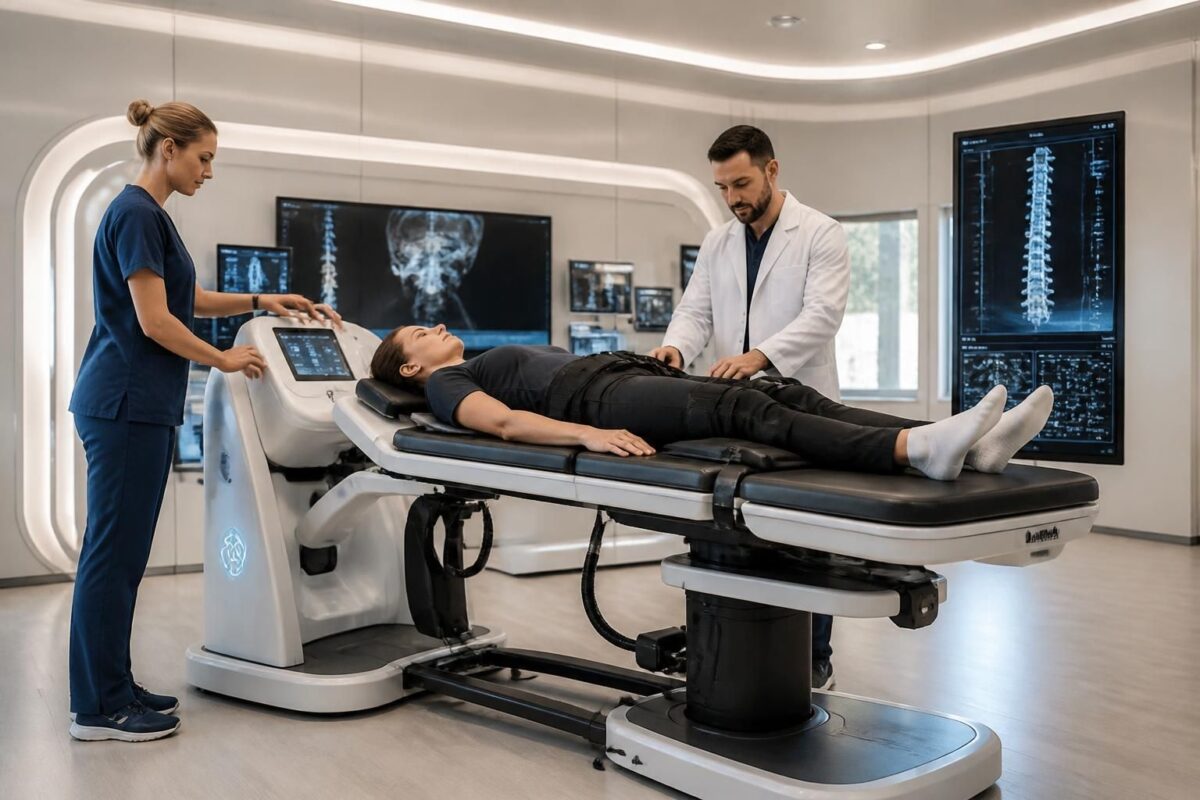
Recent innovations in neurovertebral decompression technologies
In short In short, the neurovertebral decompression is an approach non-invasive Aiming to reduce pressure on discs and nerves, and promote tissue regeneration. At Montreal, it is positioned as an effective option for lower back pain and herniated discs. The…
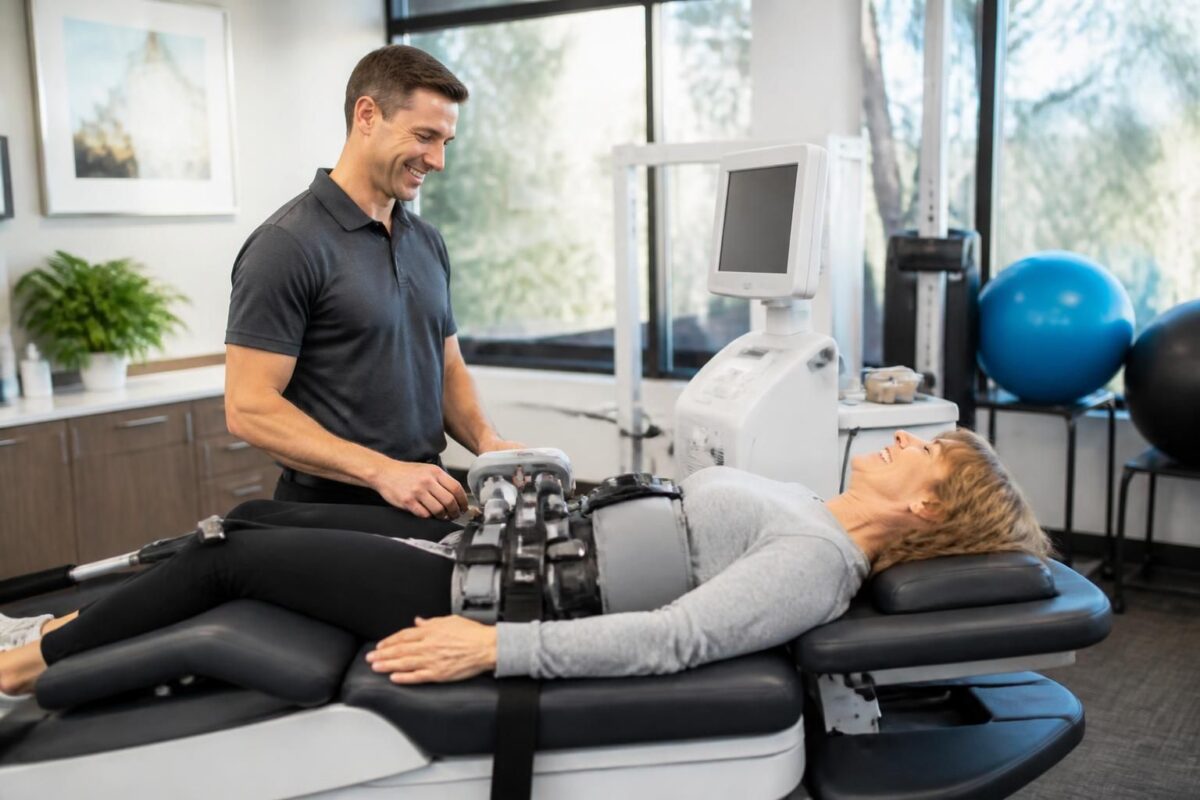
Neurovertebral decompression and diffuse pain: an appropriate solution
In short In short, the neurovertebral decompression is one Non-invasive solution For diffuse pain related to nerve irritation of the spine. She acts in Reducing pressure on intervertebral discs and nerves and improving the bloodstream, which promotes recovery and the…
What research and limits say
Innovative spinal decompression technologies show increasing evidence in favor of their effectiveness for certain conditions, but the results vary between patients and protocols. An informed decision is based on a specialized consultation, a discussion of alternatives, and a careful reading of the expected benefits, risks and progress times.
| Aspect | Concise description |
|---|---|
| DRX9000™ | non-invasive decompression device with Controlled traction and relaxation, adjustment dynamic in real time for reduce the pressure on discs and nerves. |
| Adaptive algorithms | evaluate the Patient responses and adjust the strength and the tensile duration For precise and comfortable targeting. |
| Artificial intelligence | Analyzes clinical data for Customize protocols and optimize the Progress tracking. |
| Pulse Align | Vibrations ofSoft pulses targeting the Mechanoreceptors To improve the muscle tone, traffic and mobility. |
| Multimodal integration | Association of Additional non-invasive techniques (e.g. laser, physical therapies) to increase theOverall efficiency. |
| Safety and non-invasiveness |
Approach with low risk and sessions generally painless, reduction of complications. |
| Typical indications | For Lumbar and cervical pain related to Disc pathologies, hernias or stenosis; Improved mobility. |
| Monitoring and accessibility | Real-time digital tracking and personalized plan, with access to specialized clinics. |
| Limits and conditions | replies variables depending on the patient; does not replace a Complete medical assessment and may require other treatments. |
“Since I started the neurovertebral decompression, associating the DRX9000™, my lower back pain decreased and my mobility improved. The treatment is personalized and painless thanks to the real-time traction regulation. » — Sophie, 37, sporty and active.
“the system Pulse Align Brings soft vibrations that relax the muscles and prepare the spine. Result: less tension, better flexibility and a more comfortable decompression sensation during each session. — Marc, 52 years old.
“The use of artificial intelligence To adapt protocols is a real change; The sessions automatically adjust to my reaction, with Custom protocols and security reinforced. — Ariane, 29.
“This approach non-invasive my avoided surgery; I felt an immediate reduction in pain and a resumption of activities without downtime. It’s reassuring and effective. — Julien, 46 years old.
“By combining the decompression with complementary technologies such as laser and the shock waves, I saw a faster and more lasting improvement in my pain and mobility. — Élodie, 60.
“Digital tracking and telemedicine help track my progress in real time; I get quick adjustments and proper advice. LIA and the clinical data M provide a truly personalized experience. — Alexander, 40 years old.
“Louis, 64: After several years of sciatica, neurovertebral decompression offered me lasting improvement without surgery. The DRX9000™ and AI protocols adapted the treatment to my specific needs and I found my daily activities. »
Innovative technologies in neurovertebral decompression: what you need to know
Dr. Sylvain Desforges is a figurehead in the field of osteopathy, naturopathy and manual medicine, and he plays the role of founding president of the Tagmed clinics as well as the ACMA association. His journey is marked by a permanent quest for innovation in health, with a strong specialization in the management of chronic pain and the integration of Advanced technologies such as the neurovertebral decompression, laser and shockwave therapy. Its objective is to offer care evidence-based In order to optimize the health and well-being of its patients, by placing the patient’s safety and comfort at the center of each protocol.
The neurovertebral decompression is presented as an approach non-invasive which acts on spinal pathologies by reducing the pressure on the nerves and improving mobility. thanks to dedicated devices, a traction controlled and custom is applied along the column, with dynamic adjustments that take into account each patient’s specific responses. This approach aims to reduce pain related to conditions such as herniated discs and to promote faster and more sustainable recovery, while avoiding the risks and convalescence times associated with surgery.
In contemporary practice, decompression protocols include Advanced algorithms and, when relevant, tools forartificial intelligence to personalize the treatments. These technologies make it possible to adjust the strength and duration of the traction in real time, to optimize the monitoring of progress and to reduce potential discomfort. The goal is to provide a therapeutic experience secure and individualized, which fits harmoniously into a multidisciplinary approach to care, in addition to other non-invasive therapies such as laser or shock waves when appropriate.
The clinical indications for neurovertebral decompression cover a spectrum ranging from persistent lower back and cervical pain to neurogenic manifestations linked to nerve compressions, without going through surgery. In practice, this method contributes to restoring the Functional mobility and to improve the quality of life of patients who suffer from recurrent pain related to inadequate intervertebral discs or disc degeneration.
Beyond individual benefits, Dr. Desforges’ approach sheds light on the future prospects for spinal decompressions. Evolution of equipment, convergence with protocols based on evidence and cross-integration with complementary therapies open up more treatment possibilities custom and effective. The collaboration between osteopathy, manual medicine and emerging technologies draws a trajectory where the patient benefits from comprehensive, safe and long-term results-oriented support.
In summary, the Innovative technologies In neurovertebral decompression, such as intelligent traction systems and advanced clinical analysis tools, offer a promising way to sustainably relieve spinal pain and improve mobility. The use of an approach evidence-based and supervision multidisciplinary Guarantees care that evolves to the rhythm of scientific and technological advances. Dr. Sylvain Desforges remains committed to promoting these solutions in a logic of well-being and safety for each patient.
This article presents an overview of Innovative technologies used in neurovertebral decompression And what you need to know for patients and practitioners. It highlights mechanisms, equipment such as advanced traction systems, the use of adaptive algorithms andartificial intelligence, as well as the prospects for integration with other non-invasive therapies for treatment personalized and secured.
The Neurovertebral Decompression Technologies rely on sophisticated devices that apply controlled and measured traction to reduce nerve pressure and improve mobility. systems like DRX9000 Use advanced algorithms and protocols that adjust in real time, providing processing personalized and non-invasive which can quickly relieve spinal pain related to herniated discs and other pathologies. Integrating elements like smart controls and neuromodulation can refine results while minimizing discomfort.
One of the major assets lies in its profile secured and non-surgical, making it an attractive option for patients wishing to avoid operative risks. Neurovertebral decompression results in better intervertebral circulation, hydration of the discs and reduction of muscle tension, which contributes to a lasting improvement quality of life. To deepen the foundations and associated protocols, you can consult the resources explaining decompression technologies and their mechanisms.
On the plan clinical, protocols are moving towards an approach multidisciplinary which combines traction, laser and shockwave therapies, as well as manual interventions. This synergy makes it possible to address both the symptoms and the underlying causes, by adapting the rhythm and intensity of the sessions to each patient. Resources detail the indications, treatment plans and expected results, particularly in terms of low back pain and neck pain.
Future prospects in this area are promising thanks to the continuous improvement of equipment and the increasing integration of theartificial intelligence, which makes it possible to establish individual clinical profiles and to adjust the protocols according to the actual responses of the patients. Digital monitoring and telemedicine support continuous optimization of care and better accessibility for remote or reduced mobility populations.
To enrich your understanding and access additional information, several resources offer advanced analytics and protocols in neurovertebral decompression. For example, you can explore technological innovations in decompression equipment on tagmed, discover a Innovative approach, or deepen the Decompression technologies themselves. Other resources detail the Advanced Protocols and the Modern techniques. For a wider view, see explanations of the effects on circulation and chest pain via this resource and on the overall role of decompression in secondary muscle pain this other.

Dr Sylvain Desforges, B.Sc., D.O., N.D., osteopath, is the founding president of TAGMED and of the ACMA association. He dedicates his practice to chronic spinal pain, low back pain and symptoms compatible with sciatica, particularly when pain radiates toward the buttock, leg, calf, foot or toes.
Through SOS Sciatique, he publishes educational content on sciatica symptoms, possible causes such as disc herniation, disc narrowing, foraminal stenosis or irritation of a lumbar nerve root, as well as non-surgical approaches that may be considered according to the evaluation. At Clinique TAGMED, care may include, depending on the case, motorized neurovertebral decompression, specific osteopathic care or precision percussion.
For an evaluation related to sciatica treatment in Montreal / Mount Royal or sciatica treatment in Terrebonne, please consult the services available at Clinique TAGMED.
Medical disclaimer
The information published on SOS Sciatique is provided for educational purposes only and does not replace a consultation, diagnosis, opinion or treatment provided by a physician or another authorized healthcare professional. The author of this article is neither a medical doctor nor a specialist in a medical specialty recognized by the Collège des médecins du Québec. The osteopathic, manual medicine or functional support approaches described on this site do not constitute medical acts and are not intended to replace medical follow-up.
Consult a physician or emergency service in cases of loss of bladder or bowel control, anesthesia in the saddle area, significant or progressive weakness in the leg or foot, fever, recent trauma, severe pain or rapid worsening of symptoms. For more details, please read our Legal Notice.