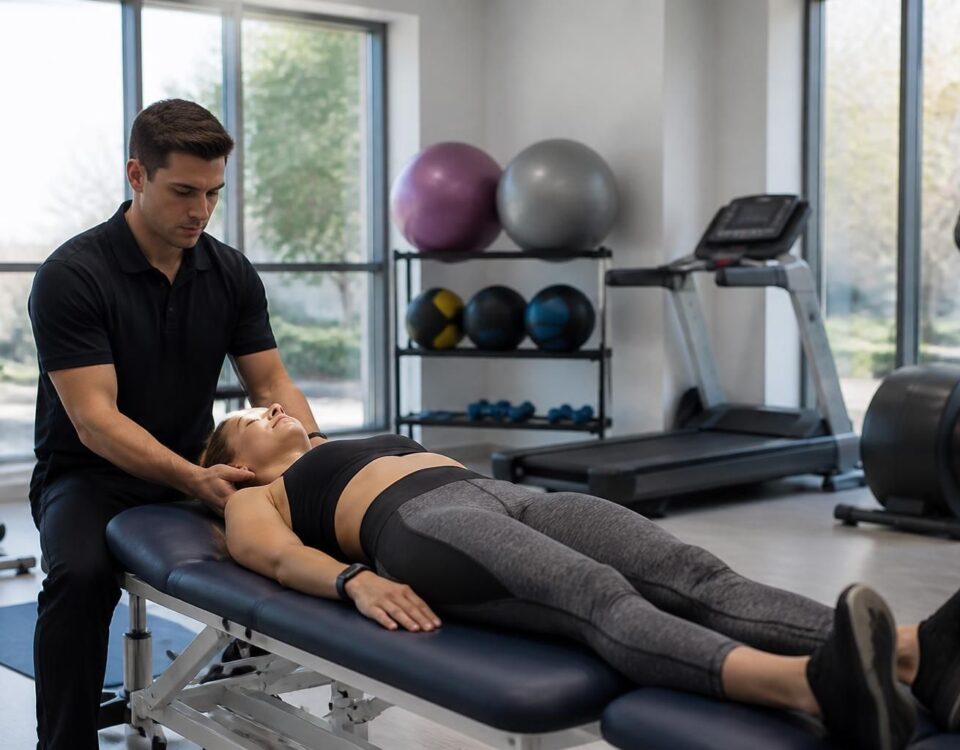
Neurovertebral decompression and treatment of advanced degenerative pathologies
26/06/2026
Neurovertebral decompression and prevention of neuropathic pain
26/06/2026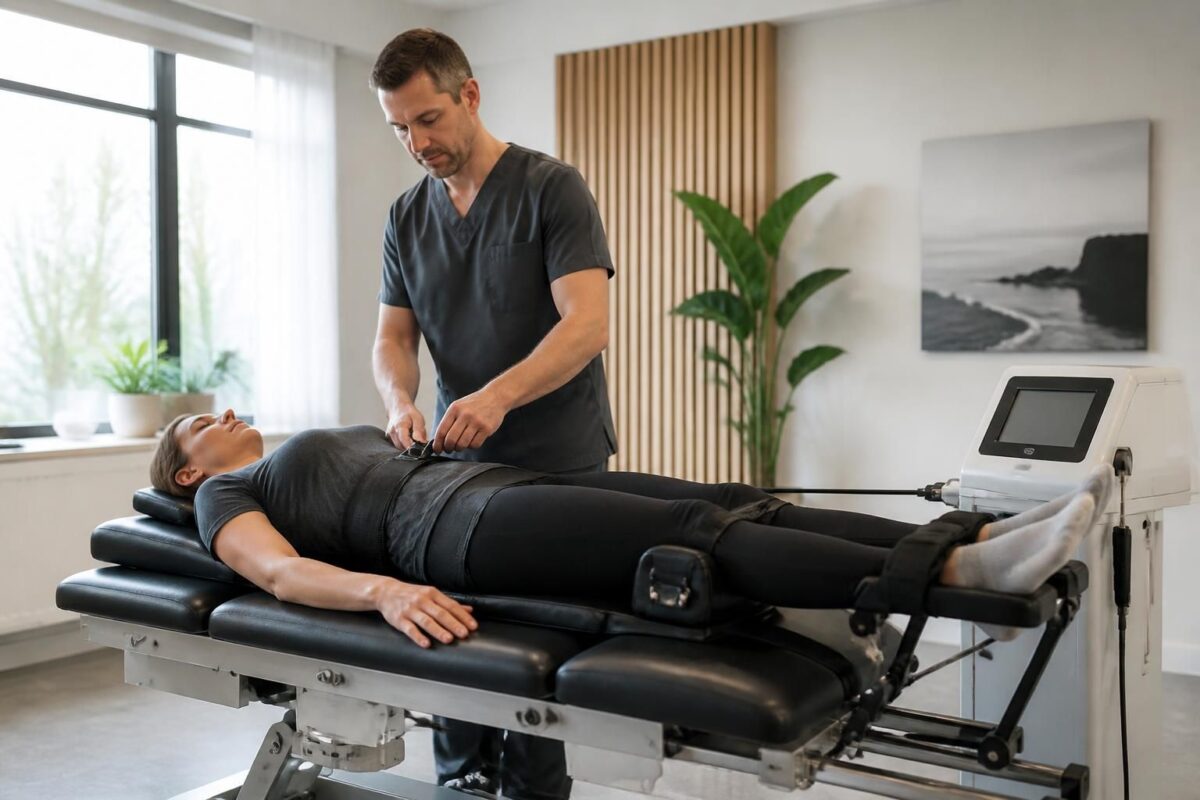
In short
| In short, the neurovertebral decompression is one Non-invasive therapy which Reduces pressure on intervertebral discs and nerves To treat the sciatica. Its benefits include the pain relief, LImproving mobility and the Quick return to activities, without surgery. At Montreal, this treatment is particularly recommended for lumbar or cervical pain related to herniated discs and radiculopathies. Its operation is based on a gentle traction and controlled the spine which generates a negative pressure In discs, promoting fluid circulation and tissue healing. This approach offers a Effective and safe alternative to surgery and allows a Quick return to an active life. |
The neurovertebral decompression is one Non-invasive solution Ideal for sciatica, as it acts directly on the cause of pain without having surgery. By applying a Soft and controlled traction On the spine, it generates a negative pressure in the intervertebral discs, thus reducing the nerve compression and improving the circulation of nutrients to the tissues. This translates into a pain relief, a Better mobility and one Faster return to daily activities. In addition to its effectiveness, it offers a Safe alternative which can avoid or delay surgery. The typical treatment includes 15 to 25 sessions, personalized after a professional evaluation.
This article, written by a health professional, explains why the neurovertebral decompression is one Non-invasive solution Effective for sciatica. It describes the mechanism, indications, course of sessions and expected results. It also highlights why this approach can avoid surgery and how it fits into a care pathway based on current data.
What is neurovertebral decompression?
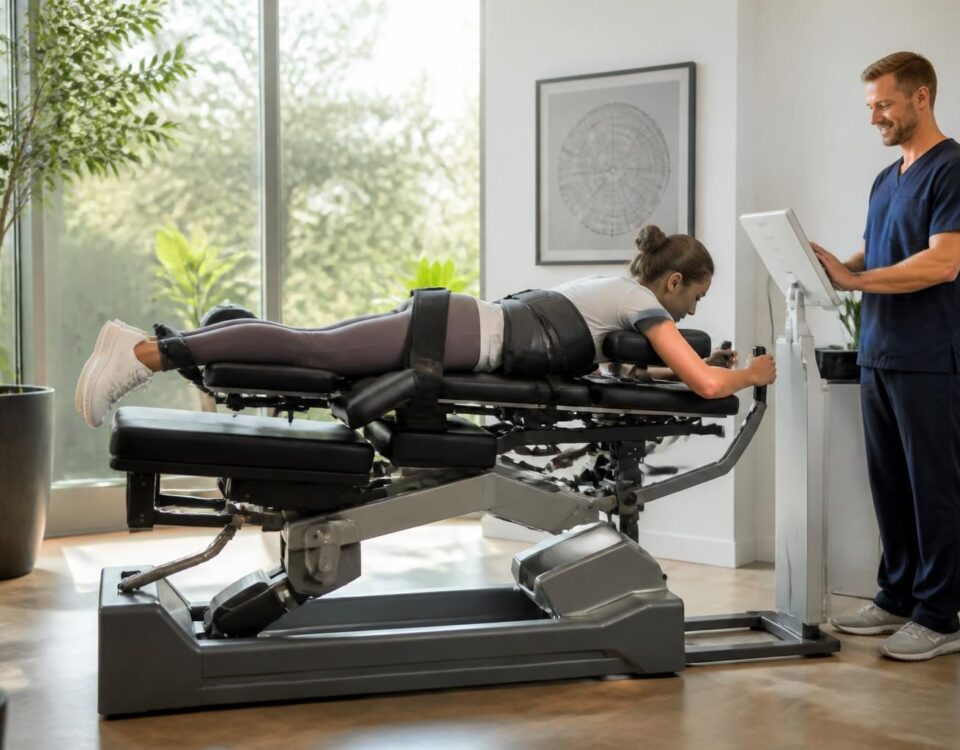
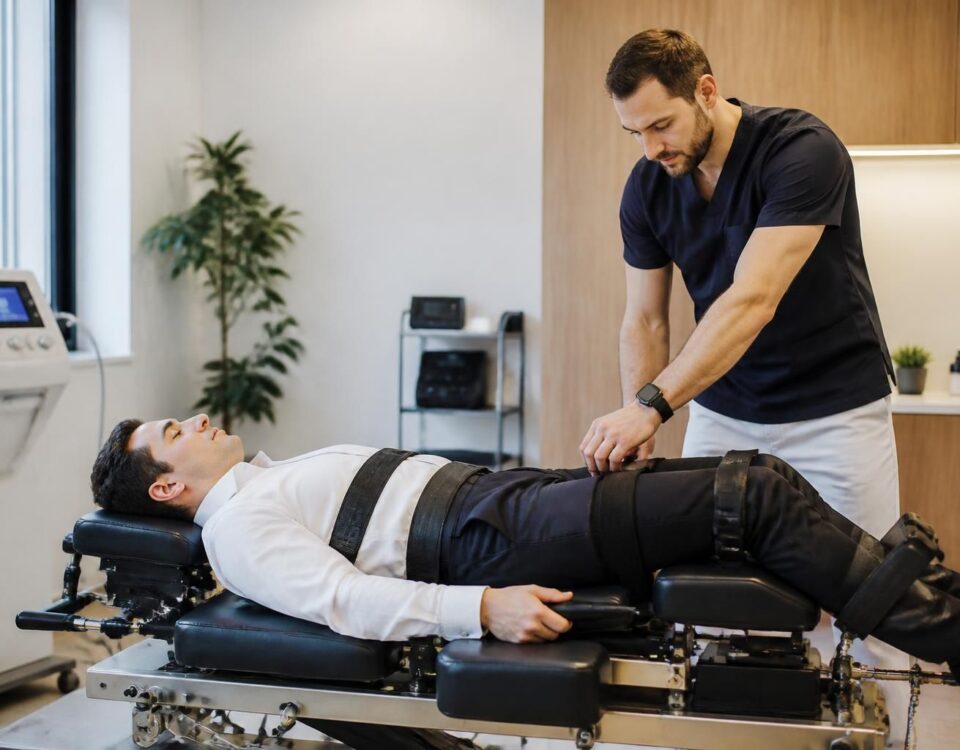
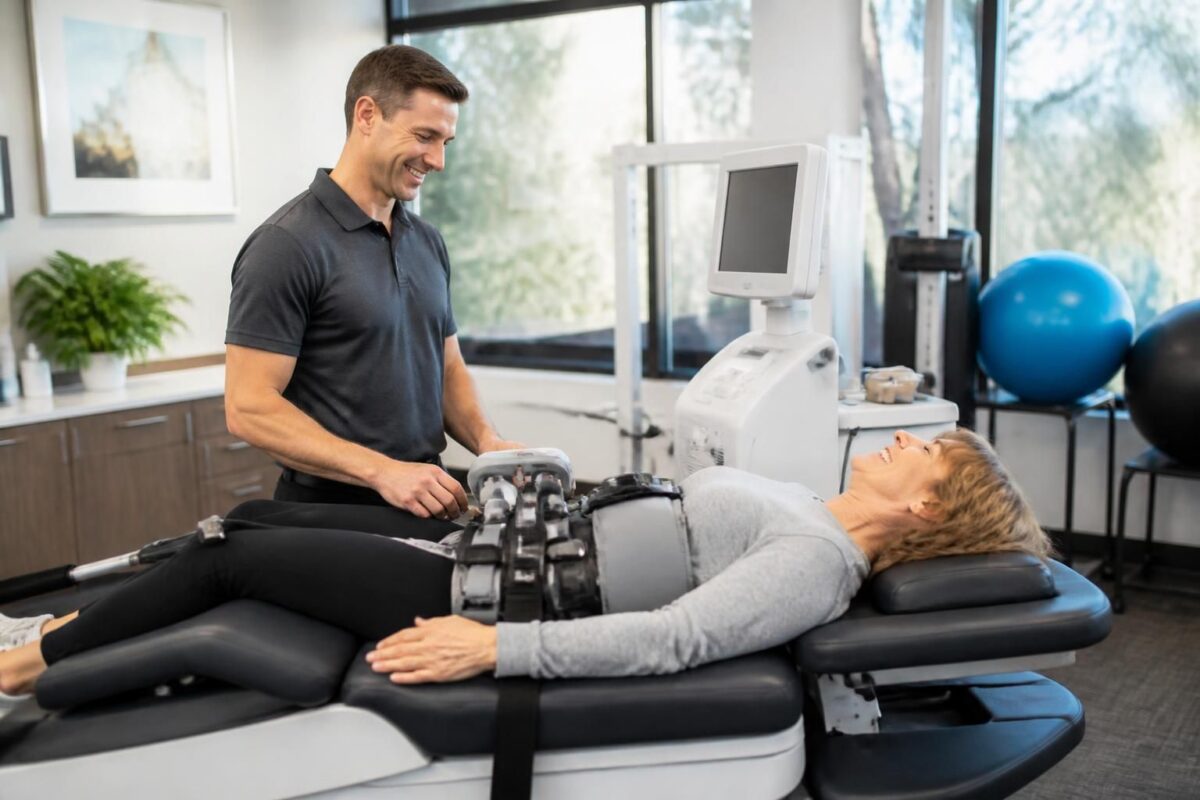
The neurovertebral decompression is therapy non-surgical which applies a Controlled traction on the spine. This traction creates a negative pressure inside the intervertebral discs and relieves pressure on the nerves.
The process promotes Fluid and nutrient circulation to surrounding discs and fabrics. This improves the healing environment and may decrease the symptoms of Sciatia.
For more information, see the resources on neurovertebral decompression and the specialized pages available on SOS SCIATIC.
Indications and benefits for sciatica
The technique is adapted when sciatica comes from conditions such as herniated discs, Disc protrusions, Disc bulges, Foraminal stenosis or Spinal stenosis. She aims for a pain reduction, a Improving mobility and an Decreased radiant symptoms, without the need for surgery.
It acts on the source of the pain by reducing the pressure on the nerves and restoring space around the discs. It is an approach that can complement other care without invasive medication.
course of a session and security
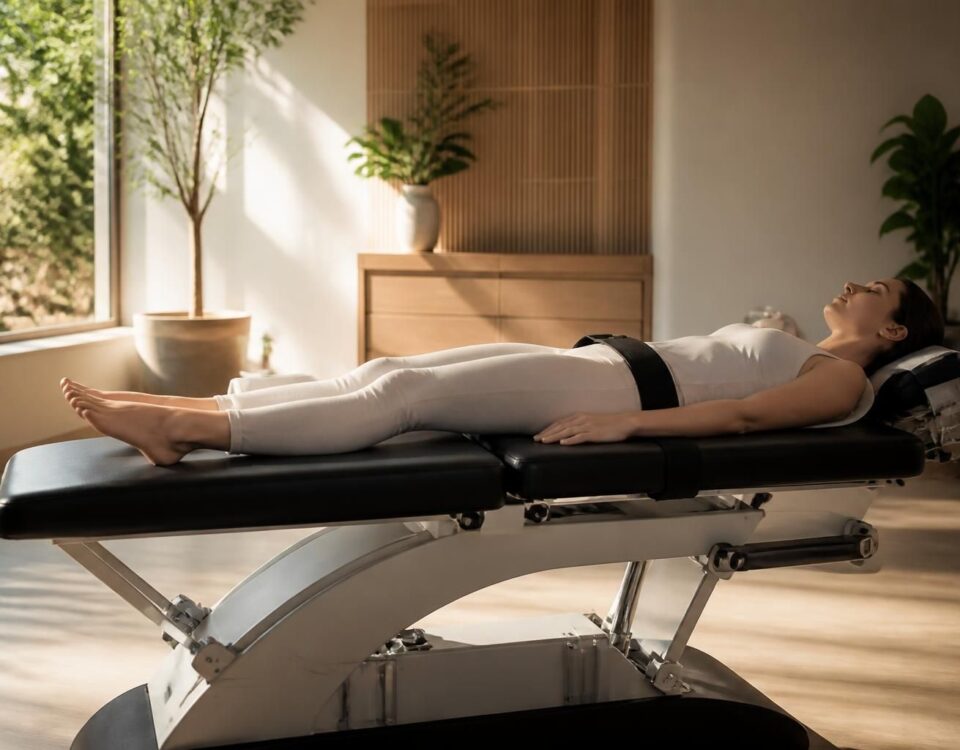
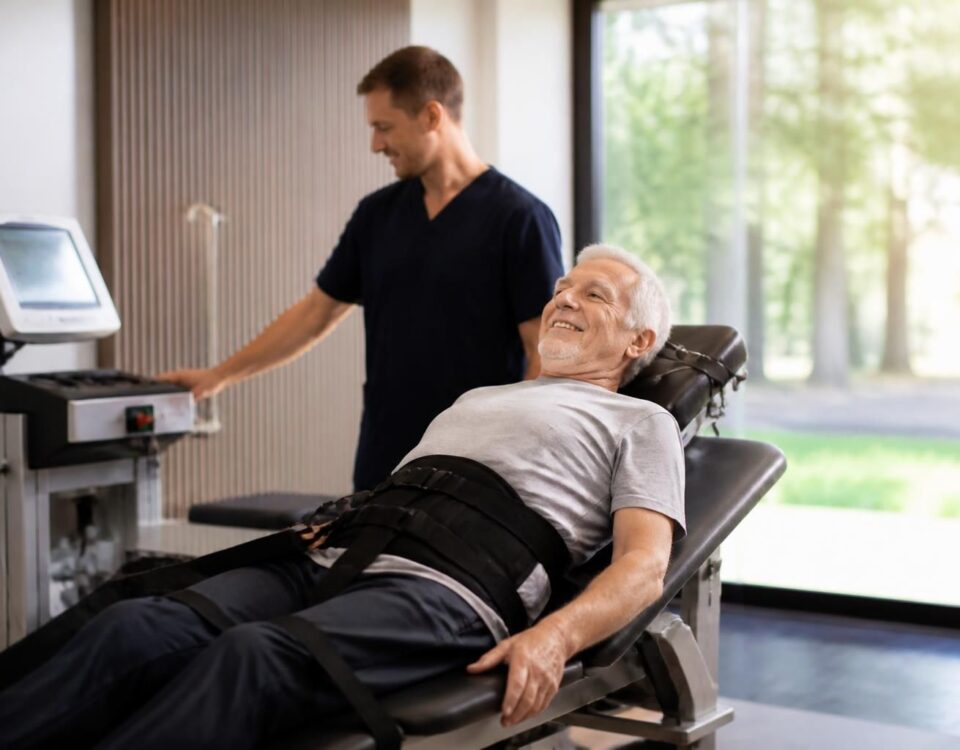
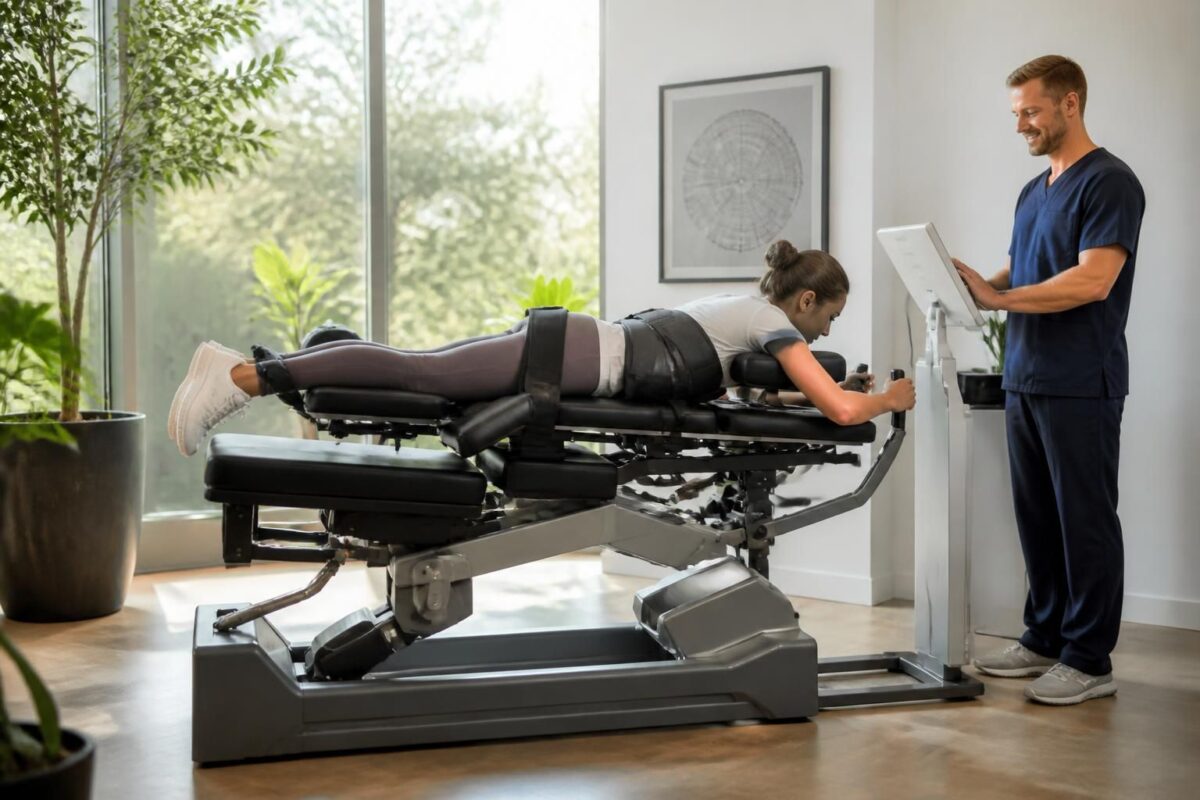
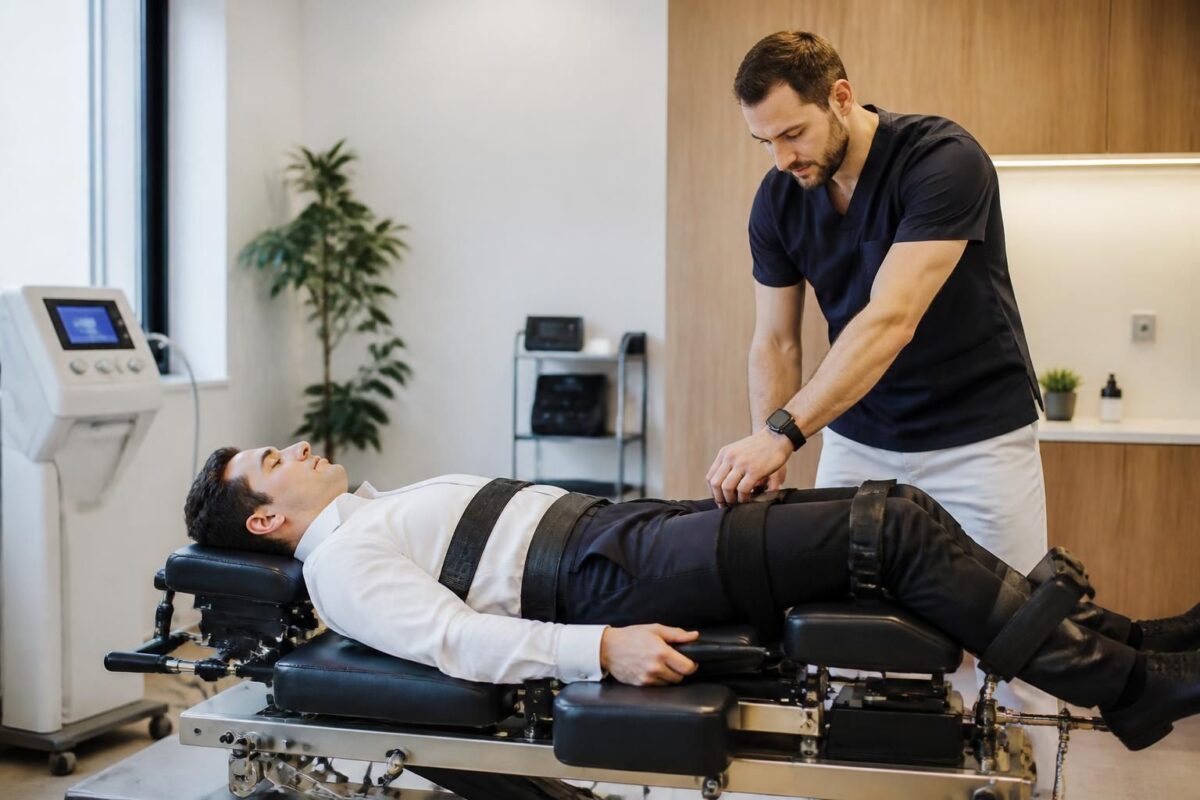
Each session typically lasts between 15 and 30 minutes. The patient is lying down and the area to be treated is stabilized. The traction is Soft and controlled And the parameters are adjusted according to the patient.
Neurovertebral decompression is generally well tolerated. The Side effects are rare and, when they exist, they are usually light and transient. Some contraindications exist and require a prior assessment by a health professional.
For a safe and effective environment, favor treatment in specialized clinics such as Tagmed Clinic or other recognized establishments.
Expected results and long-term safety
Results vary by individual, but many patients report a pain reduction and an Improving mobility After a series of typical sessions of 15 to 25 Sessions.
Decompression is a Non-invasive alternative which can help to avoid surgery, especially when traditional conservative treatments do not provide sufficient relief.
Integration into the care pathway and choice of treatment
Decompression can be part of an integrated care pathway, with a full assessment before starting treatment and personalized follow-up. For patients in Montreal and around, local clinics offer this type of therapy and can offer an approach based on available evidence. For more information, see Tagmed Clinic.
Additional resources and information
To explore the practical aspects and protocols, you can consult the following pages:
Custom protocols to maximize neurovertebral decompression results
Neurovertebral decompression and general well-being
Support for overall back health
Neurovertebral decompression on Wikipedia
Benefits for Sciatica — Tagmed
Why neurovertebral decompression is a credible alternative
Medical Disclaimer: The information and advice provided on this site does not replace the health professional’s diagnosis or treatment. Please note that Dr. Sylvain Desforges osteopath is neither a doctor of medicine nor a doctor, and is not a specialist in a medical specialty as defined by the Collège des Médecins du Québec. Manual medicine, functional medicine and sports medicine as described on this site exclude any medical treatment or diagnosis carried out by a doctor or specialist doctor. Always consult your doctor for any medical questions. For more details, please read our Notice#ATFP_CLOSE_TRANSLATE_SPAN# Legal.
- Controlled and soft traction which frees the space between the vertebrae and reduces the pressure on the nerves.
- No surgery nor incisions; approach non-invasive focused on the body.
- pain reduction Through improved disc circulation and nutrition.
- Improving mobility and daily movement with less nervous irritation.
- Quick return to activities After a few sessions, without a period of hospitalization.
- Fewer drugs and injections compared to other treatments.
- Safety and high tolerance with few reported side effects.
- Complementary option who can fit into a personalized rehabilitation program.

This article presents why neurovertebral decompression is an effective non-invasive solution for sciatica. You will discover what this therapy is, how it acts on the causes of pain, what are its advantages over more invasive treatments, and how it fits into a global care approach. The goal is to clearly inform and help you consider an appropriate, safe and appropriate approach to your case.
Understanding neurovertebral decompression
Neurovertebral decompression is a non-surgical technique aimed at relieving the pressure exerted on the intervertebral discs and nerves, in particular those involved in sciatica. By applying a controlled and gentle traction on the spine, it creates a space between the vertebrae and promotes the rehydration and nutrition of damaged tissues. This approach acts in depth on the source of pain rather than masking symptoms, making it a non-invasive and body-friendly option.
The long-term benefits of neurovertebral decompression for spinal health
In short In short, the neurovertebral decompression is a non-invasive approach that decreases the Pressure on intervertebral discs and nerves, favoring the Natural regeneration and tissue recovery. Its long-term benefits include Lasting pain reduction, Improving mobility and from the posture,…

Neurovertebral decompression and mobility: a return to an active life
In short In short, the neurovertebral decompression is therapy non-invasive who uses a gentle traction To create a space between the vertebrae and reduce the pressure on the Intervertebral discs and the nerves. It promotes a bloodstream improved, lowers tension…
Why it is suitable for sciatica
Sciatica most often results from nerve compression or disc pinching. By reducing the pressure on the nerves, decompression improves the circulation of fluids and essential nutrients, facilitating disc recovery and decreasing nerve irritation. This approach can help reduce radiating pain in the leg, improve mobility and reduce periods of acute pain without the need for surgery.
How Neurovertebral Decompression Prevents Diffuse Chronic Pain
In short decompression neurovertebral is one Non-invasive method aimed at reducing the Pressure on the intervertebral discs and the nerves, in order to prevent Diffuse chronic pain. It improves the circulation and thedisc hydration, decreases inflammation and promotes better mobility.…
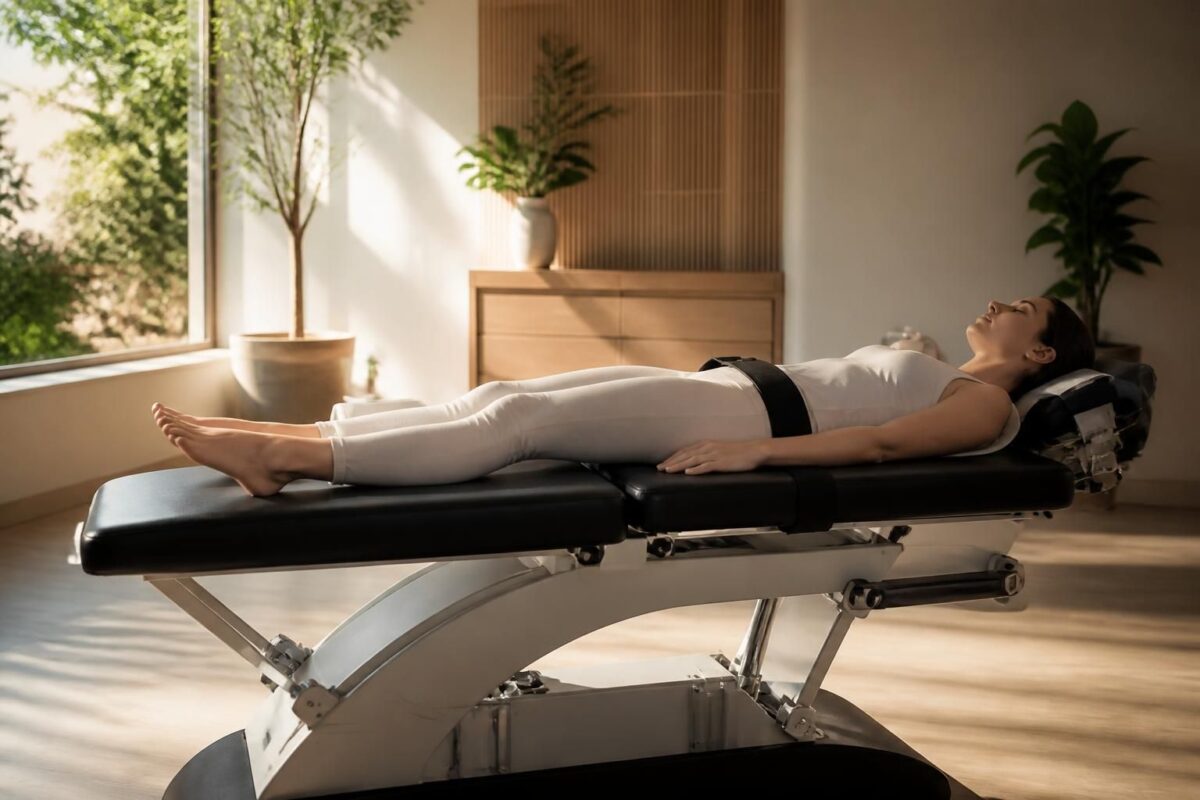
Neurovertebral Decompression and Body Alignment: Restoring Natural Balance
In short In short, neurovertebral decompression is one Non-invasive approach who restores theBody Alignment and thenatural balance back and neck. She acts by a Controlled traction of the spine to widen the intervertebral space and reduce the Pressure on discs…
Advantages and security
Non-invasive and comfortable
The main advantage is the absence of surgery and the low risk of complications. Many patients describe a feeling of relaxation during the session and minimal post-treatment discomfort, making it an interesting option for those who wish to avoid surgery.
Fast recovery and functional improvement
The sessions, generally short and personalized, quickly integrate into everyday life. After a few weeks of treatment, many patients find lasting pain reduction, better mobility and regained ability to perform usual activities with less discomfort.
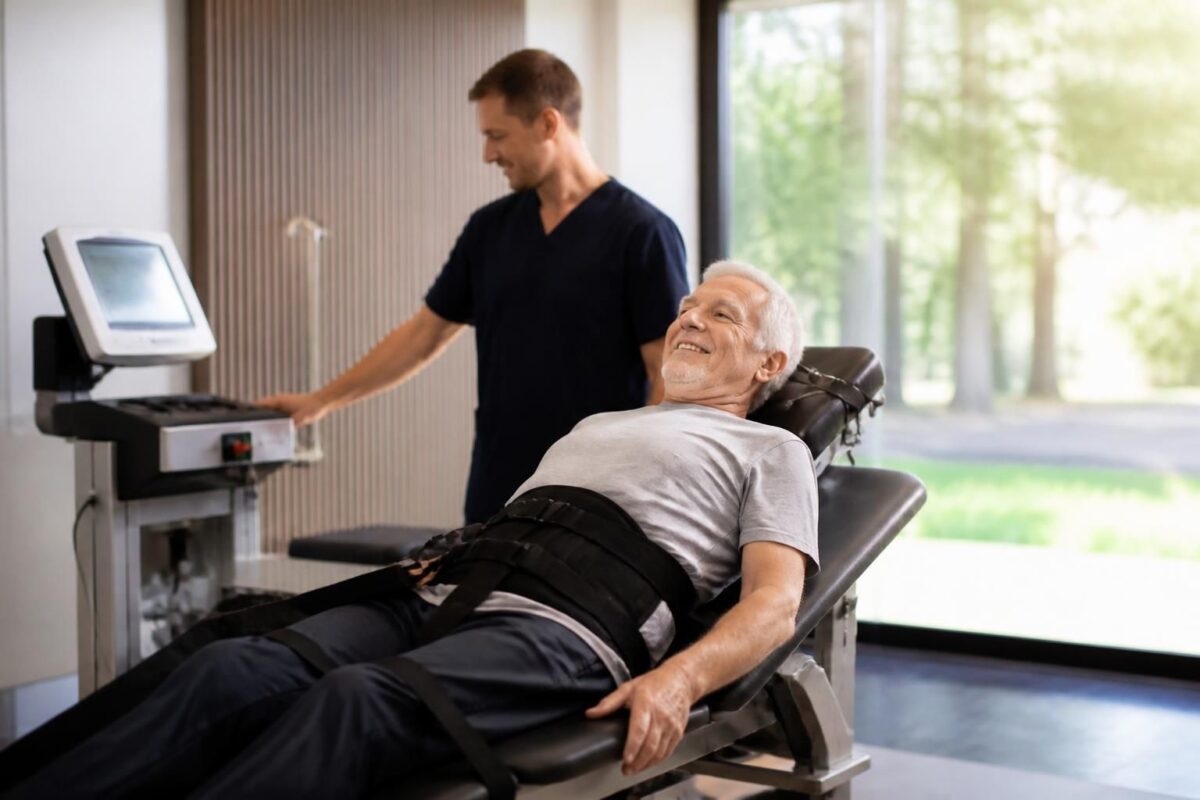
Why neurovertebral decompression is a lasting solution for active seniors
In short In short, the neurovertebral decompression is one Non-invasive therapy which sustainably relieves spinal pain in the spine active seniors By creating, by a Soft and controlled traction, a space between the vertebrae. At Montreal, it is recognized as…
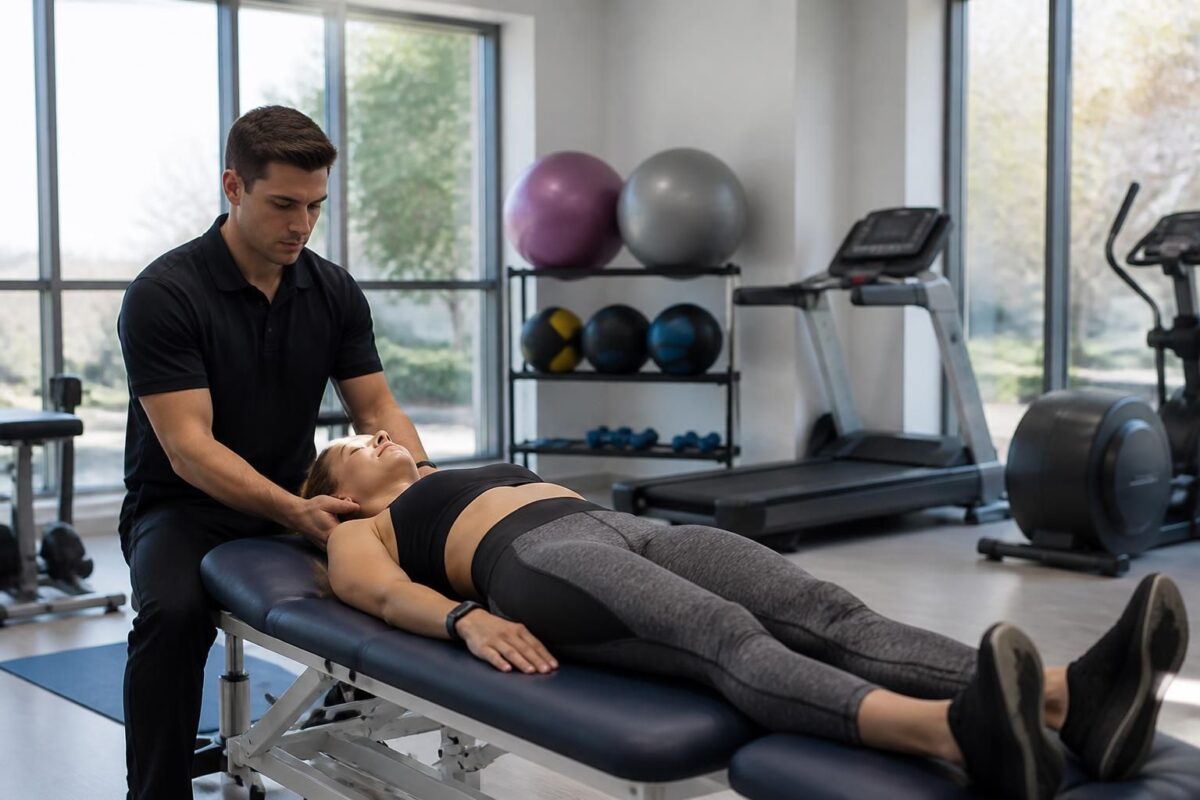
Neurovertebral decompression and recovery after severe sports injury
In short In short, the neurovertebral decompression is one Non-invasive method to Relieve the pressure on the Intervertebral discs and the gristle Via a Controlled traction, to facilitate the recovery After a severe sports injury. It improves the bloodstream towards…
Process, duration and expectations
A typical program consists of between 15 and 25 sessions, adapted to the severity of the pain and the response of the patient. Each session lasts between 15 and 30 minutes and begins with an individual evaluation to adjust the traction parameters. The results appear gradually and can allow a gradual return to normal activities without persistent pain.
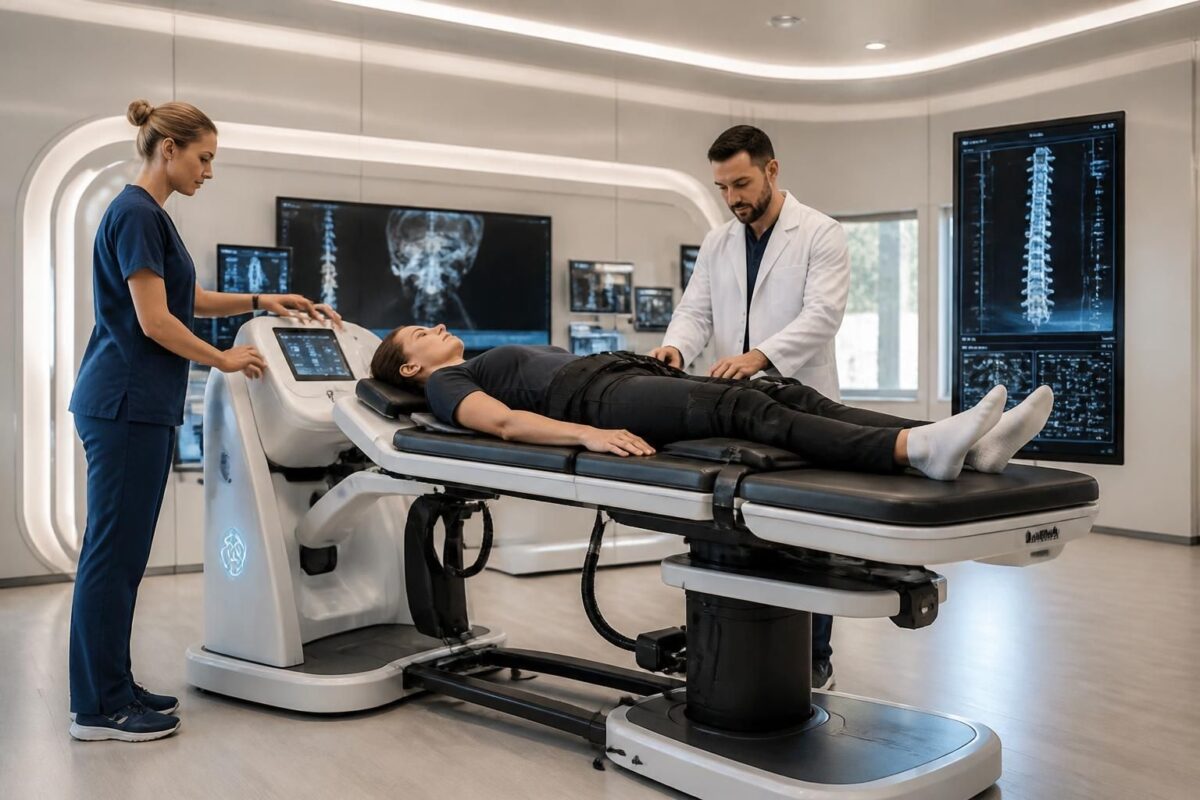
Recent innovations in neurovertebral decompression technologies
In short In short, the neurovertebral decompression is an approach non-invasive Aiming to reduce pressure on discs and nerves, and promote tissue regeneration. At Montreal, it is positioned as an effective option for lower back pain and herniated discs. The…
Neurovertebral decompression and diffuse pain: an appropriate solution
In short In short, the neurovertebral decompression is one Non-invasive solution For diffuse pain related to nerve irritation of the spine. She acts in Reducing pressure on intervertebral discs and nerves and improving the bloodstream, which promotes recovery and the…
Eligibility and precautions
This therapy is suitable for most adults with sciatica related to herniated discs or protrusions, but it is not recommended in some contexts (e.g. recent fractures, vertebral infections or tumors). A preliminary assessment by a health professional is essential to confirm eligibility and agree on a personalized treatment plan.
Integration into a global care approach
Decompression can be combined with other non-invasive approaches such as physical therapy, targeted exercises and lifestyle advice. It is ideally integrated into a multimodal evidence-based strategy, adapted to your background and lifestyle, in order to optimize results and the prevention of recurrences.
| Element | Concise finding |
|---|---|
| Principle | Controlled and non-surgical traction |
| Impact on pain | Reduces pressure on discs and nerves |
| Comfort | Comfortable sessions, little pain |
| Speed | Progressive relief and increased mobility |
| Surgery | Alternative to surgery and heavy rehabilitation avoided |
| Duration of the program | 15 to 25 sessions depending on severity |
| directions | Sciatica, herniated disc, protrusion, foraminal stenosis |
| Risk and security | Low risk, transient effects |
| Therapeutic integration | Can partner with physiotherapy or guided exercises |
Testimonials: Why neurovertebral decompression is a non-invasive solution for sciatica
“Before discovering this approach, the sciatica braked me in all my activities. The neurovertebral decompression allowed me to relieve the pressure on the nerves without going through surgery, and that’s a real difference: it’s a solution non-invasive that changed my daily life. »
“What convinced me was the character non-invasive. No hospitalization, no anesthesia, just controlled traction and comfortable sessions that helped me reduce my pain and regain my mobility without risk. »
“Each session took place in a calm and safe atmosphere. I felt a feeling of relaxation and a gradual decrease in throbbing pain in the leg. It’s a method secure which saved me from invasive treatments. »
“The program was personalized according to my condition and my needs. I saw my mobility improve and my pain Reduce over the weeks, which made me want to resume my daily activities without fear. »
“It’s not just a pain reduction: it’s the possibility of returning to a normal life. After a few sessions, I was able to reintegrate my movements and my tasks without the need for heavy drugs. A real alternative to surgery. »
“For active people or athletes, the neurovertebral decompression Offers faster recovery and return to training without the risks associated with an operation. It’s a solution effective and fresh who respects the body while accelerating the healing process. »
“If you suffer from sciatica and are looking for an option non-invasive With concrete results, ask for an evaluation. Decompression can be the key step to reducing pain, improving mobility and allowing you to regain your daily life without limiting your passions. »
Dr. Sylvain Desforges, osteopath and manual approach specialist, guides a vision-driven vision non-invasive For sciatica. At the head of the TagMed clinics and the ACMA association, he strives to provide evidence-based, patient-centered care, combining clinical expertise and modern technologies to optimize health and well-being. Its approach is based on rigorous evaluation, transparent communication and close collaboration with each person in order to propose realistic and effective alternatives.
Neurovertebral decompression is a technique non-surgical which acts by gentle traction on the spine. This mechanical momentum creates a targeted negative pressure in the intervertebral discs, favoring the restoration of space between the vertebrae and the reduction of pressure on the nerves. This approach facilitates the rehydration and nutrition of damaged tissues, while reducing the stresses that fuel pain and inflammation. The desired result is an environment conducive to healing, without requiring operative intervention.
For sciatica, where the symptoms often come from conditions such as herniated discs, protrusions or foraminal stenosis, decompression offers a way of relief lasting and preventive. By reducing the pressure on the nerves and improving local blood flow, it can quickly reduce pain and neurological irritation, while improving mobility and the ability to perform daily activities. This approach is particularly relevant when conservative treatments (drugs, exercises, local therapies) have not provided the hoped-for relief or when the patient wishes to avoid surgery.
The typical protocol is personalized and progressive. Each session usually lasts between 15 and 30 minutes, and the program can include between 15 and 25 sessions, adjusted according to the severity and evolution of symptoms. The results are built over the months, with periods of rehabilitation and rehabilitation that accompany the recovery process. Tolerance is high: most patients describe a feeling of relaxation during treatment and a progressive improvement in their comfort, with rare and transient side effects when present.
In his practice, Dr. Desforges favors an integrative approach that combines decompression with other advanced technologies and techniques. The complementary use of technologies such as laser Or shockwave therapies can enhance the physiological effects of decompression by promoting inflammation, tissue regeneration and functional recovery. This synergy makes it possible to offer a solution adapted to each patient profile, aiming not only for immediate relief, but also the quality of life and the prevention of long-term recurrences.
By advocating for data-based care and clear communication, Dr. Desforges emphasizes patient education and sharing realistic goals. The objective is to restore control of your spine and your daily life, while minimizing the risks and preserving the spinal structure and function. For those who suffer from sciatica, this pathway non-invasive Offers a serious and viable alternative to consider before any surgical decision.
Getting in touch with TagMed teams allows you to quickly assess the adequacy of neurovertebral decompression and establish a personalized plan that sustainably supports the return to a pain-free life.
This text presents why the neurovertebral decompression is one Non-invasive solution effective against sciatica, describing its controlled traction mechanism, clinical benefits, indications and resources to deepen the subject.
The Soft and controlled traction of neurovertebral decompression acts by creating a negative pressure within the intervertebral discs, which allows Reduce the pressure on the nerves and promote tissue rehydration and healing. As a result, pain related to sciatica is lessened and the mobility improves, without the need for surgery. This approach non-invasive Offers a safe path to a gradual recovery and a faster return to an active life.
To better understand the mechanisms and benefits, you can consult specialized resources that describe the results and practical implications of neurovertebral decompression. For example, the presentation “Newerevertebral and sciatic decompression: non-invasive management” sheds light on the foundations and objectives of the treatment.
Common indications include pain related to herniated discs, of Disc protrusions, a Spinal stenosis or cervical and lumbar radiculopathies. A typical program usually includes between 15 and 25 sessions, each for approximately 15 to 30 minutes, with customization depending on the patient and the severity of the symptoms. Specialized resources highlight the effectiveness of this treatment to quickly reduce pain and restore normal nerve function, while avoiding the risks associated with surgery.
Compared to invasive treatments, decompression offers the advantage of a Non-surgical alternative which can prevent or delay a heavier intervention. It is usually associated with a Low risk profile and to Quick returns to activities, when contraindications and medical prerequisites indicate its safety and appropriability. To deepen the practical aspects and limitations, check out the following resources: Why neurovertebral decompression is a non-invasive solution for sciatica, Role and knowledge of the patient and Persistent lower back pain – Effective solutions.
Additional resources highlight the impact of this approach on intervertebral circulation and recurrence prevention, while explaining how it can integrate into other complementary therapies. To enrich your understanding, you can consult articles and guides such as How neurovertebral decompression improves intervertebral circulation and Treatment of advanced degenerative pathologies.
For those who are looking for practical reality and testimonials, resources and FAQs offer clear explanations of the course of the sessions, the expected results and the precautions to take. More information is available through pages such as Answers to frequently asked questions.
For seniors and athletes, dedicated articles highlight the accessibility and specific benefits in these populations. You can view resources like Why neurovertebral decompression is a safe treatment for seniors and Non-invasive and sciatic decompression, which illustrate how this treatment can be adapted to different situations and lifestyles.
Finally, additional resources explore the specific applications of decompression in various contexts and the benefits observed on mobility and pain reduction. For a broader perspective, you can view references such as Effective solutions for persistent lower back pain and Role and knowledge of the patient.

Dr Sylvain Desforges, B.Sc., D.O., N.D., osteopath, is the founding president of TAGMED and of the ACMA association. He dedicates his practice to chronic spinal pain, low back pain and symptoms compatible with sciatica, particularly when pain radiates toward the buttock, leg, calf, foot or toes.
Through SOS Sciatique, he publishes educational content on sciatica symptoms, possible causes such as disc herniation, disc narrowing, foraminal stenosis or irritation of a lumbar nerve root, as well as non-surgical approaches that may be considered according to the evaluation. At Clinique TAGMED, care may include, depending on the case, motorized neurovertebral decompression, specific osteopathic care or precision percussion.
For an evaluation related to sciatica treatment in Montreal / Mount Royal or sciatica treatment in Terrebonne, please consult the services available at Clinique TAGMED.
Medical disclaimer
The information published on SOS Sciatique is provided for educational purposes only and does not replace a consultation, diagnosis, opinion or treatment provided by a physician or another authorized healthcare professional. The author of this article is neither a medical doctor nor a specialist in a medical specialty recognized by the Collège des médecins du Québec. The osteopathic, manual medicine or functional support approaches described on this site do not constitute medical acts and are not intended to replace medical follow-up.
Consult a physician or emergency service in cases of loss of bladder or bowel control, anesthesia in the saddle area, significant or progressive weakness in the leg or foot, fever, recent trauma, severe pain or rapid worsening of symptoms. For more details, please read our Legal Notice.