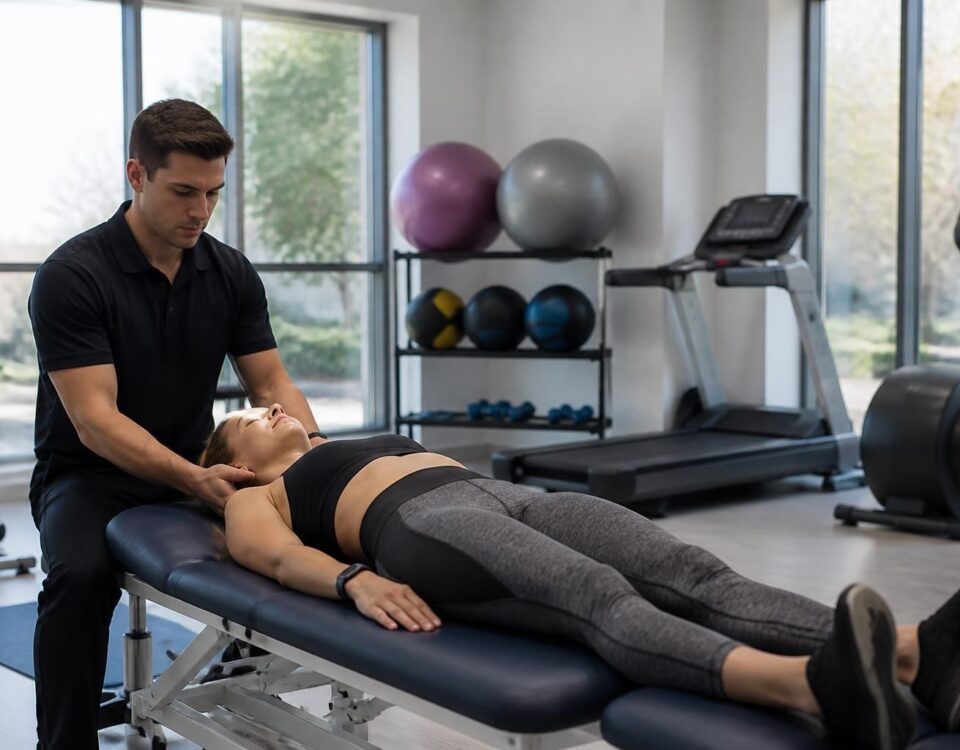
Why neurovertebral decompression is a non-invasive solution for sciatica
26/06/2026
Tracking protocols after successful neurovertebral decompression
26/06/2026
In short
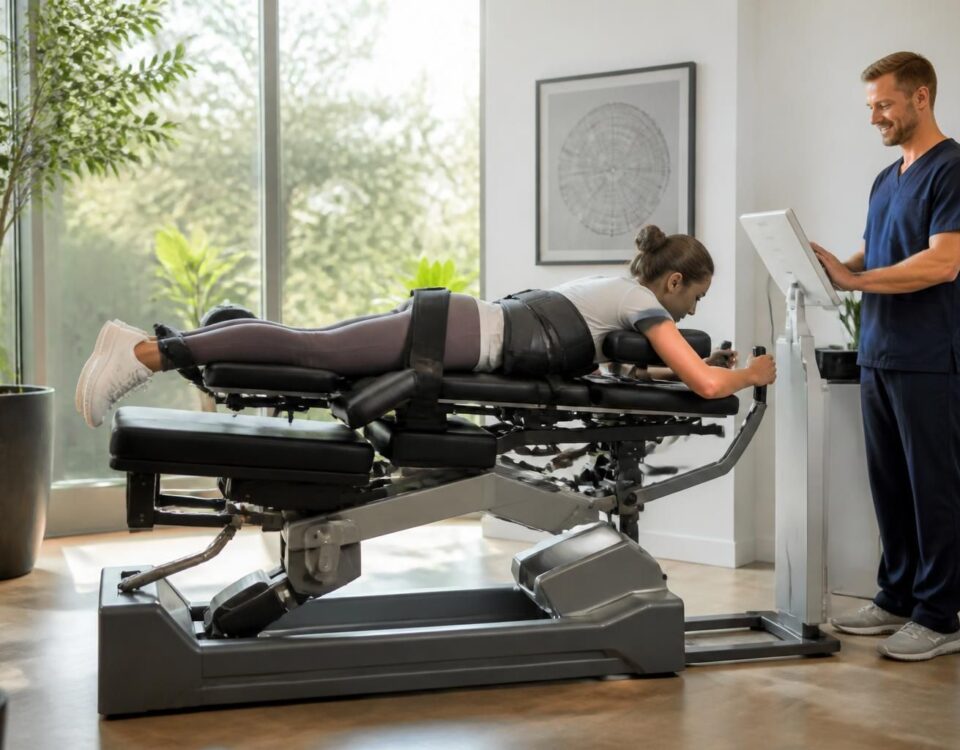
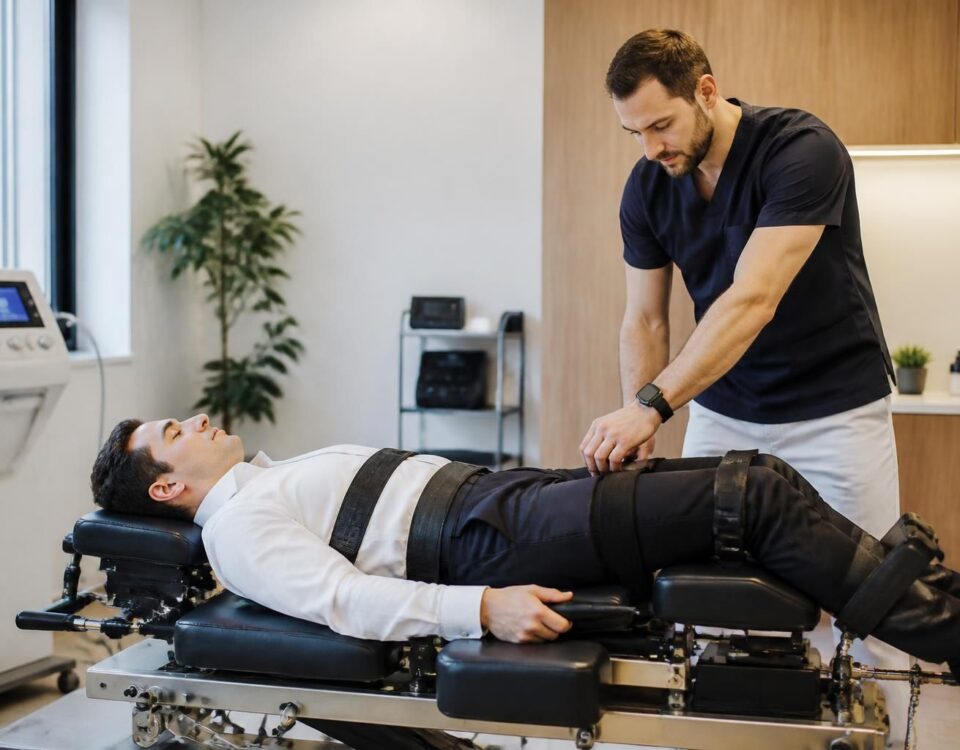
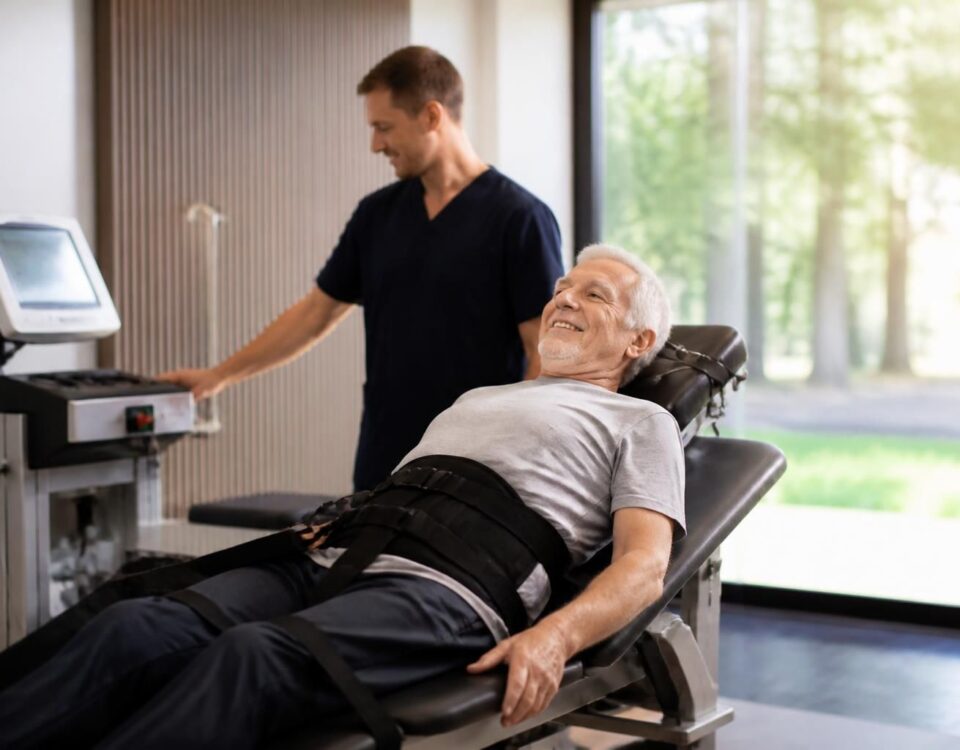
neurovertebral decompression is a technique non-invasive which applies a gentle traction on the spine to create a space between the vertebrae and reduce the pressure on the gristle and the Intervertebral discs. It mainly targets the Post-surgical neuropathic pain By improving the bloodstream and the Tissue regeneration, which can reduce pain and regain mobility. How does it work? Controlled traction releases pressure on nerves, promotesDisc hydration and supports healing, while contributing to the prevention of Chronic pain. Key benefits: pain relief, regained mobility, and recurrence prevention. Accessible in certain areas, including Montreal, for neropopathic patients after surgery seeking an option non-invasive. |
The neurovertebral decompression is an approach non-invasive which aims to reduce the pressure on the nerves and intervertebral discs by gentle and controlled traction of the spine. By creating a space between the vertebrae, it improves the bloodstream and promotes the regeneration fabrics, which contribute to the relief of Neuropathic pain and reducing inflammation. This method can also restore the mobility and play a preventive role in correcting spinal misalignments, thus reducing the risk of recurrence and progression to chronic pain.
This article, written by a health professional and expert in osteopathy and manual medicine, describes the neurovertebral decompression as a non-invasive approach for Prevention of neuropathic pain. This technique aims to reduce the pressure on nerves and discs, improve localized circulation and promote Nerve regeneration, while providing lasting relief and better quality of life without additional surgery. Presented in the TagMed Clinics in Montreal, it is part of an evidence-based approach adapted to the course of each patient.
The neurovertebral decompression is a non-invasive procedure that acts smoothly on the spine. by a Controlled traction, it creates a space between the vertebrae and decreases the pressure exerted on the nerves and intervertebral discs. This pressure reduction promotes better bloodstream local and contributes to Hydration and regeneration of nerve tissue, which can decrease neuropathic pain and improve mobility.
Mechanism of action
The treatment is based on a gentle traction and precise which aims to release the compressed nerve roots. By releasing this pressure, the nerves regain their function and pain signals decrease. This approach also promotes better tissue nutrition and evacuation of toxins, participating in a more effective nervous recovery.
Clinical benefits and impact on mobility
Patients frequently observe pain reduction and an Improving mobility After a few sessions. Increasing circulation and improving disc hydration help reduce inflammation and support nervous function.
Neuropathic pain prevention and relapse prevention
By correcting spinal misalignments and strengthening column integrity, neurovertebral decompression helps prevent relapses and repeated painful episodes. This approach supports a Effective prevention chronic neuropathic pain and promotes a more active and less painful daily life.
Integration into clinical practice and resources
In the TAGMED clinical setting, neurovertebral decompression is part of a Personalized care plan and can be associated with other evidence-based approaches to optimize results. To deepen the mechanisms and benefits, you can consult dedicated resources, including:
– Neurovertebral decompression and prevention of recurrences,
– Benefits in rehabilitation,
– tissue regeneration,
– Overall back health,
And the main site of TagMed to discover the global approach: Tagmed Clinic.
Additional resources provide insights into how the neurovertebral decompression supports the tissue regeneration and the Prevention of recurrences, while remaining an option non-invasive and adapted to each patient. For patients with post-surgical neuropathic pain, these approaches offer an effective and safe alternative that can significantly improve the quality of life without the need for additional surgical treatments.
For more information on applications and potential results, see the following resources:
– tissue regeneration,
– natural alternative,
– Wikipedia sheet,
and TagMed portal for custom protocols: Custom protocols.
Medical Disclaimer: The information and advice provided on this site does not replace the health professional’s diagnosis or treatment. Please note that Dr. Sylvain Desforges osteopath is neither a doctor of medicine nor a doctor, and is not a specialist in a medical specialty as defined by the Collège des Médecins du Québec. Manual medicine, functional medicine and sports medicine as described on this site exclude any medical treatment or diagnosis made by a doctor or specialist doctor. Always consult your doctor for any medical questions. For more details, please read our full legal notice.
- neurovertebral decompression : Controlled traction that increases the intervertebral space.
- pressure reduction : Nerves and discs released.
- Circulation : Improved local blood flow.
- Nerve regeneration : Promotes hydration and repair of tissues.
- Pain : rapid and lasting decrease in post-surgical neuropathic pain.
- non-invasive : Alternative without surgery and no long recovery time.
- Prevention : Correction of misalignments and reduction of the risk of recurrence.
- Mobility : Increased range of motion.
- Disc hydration : Restoration of elasticity and shock absorption.
- Posture and balance : Improved spinal support.
- Back to activity : Resumption of daily activities without pain.
- Integrated approach : combined with other non-invasive therapies for lasting results.

Quick summary: Neurovertebral decompression is a non-invasive approach that aims to reduce pressure on nerves and discs, promoting circulation and tissue regeneration. In prevention of neuropathic pain, it is integrated into a personalized care plan to improve mobility, reduce inflammation and reduce the risk of recurrence after surgery or injury.
Understanding mechanisms and preventive benefits
Neurovertebral decompression acts by controlled but gentle traction of the spine, creating a space between the vertebrae and reducing pressure on the nerves and intervertebral discs. This decrease in pressure improves local circulation and nutritional intake to nerve tissue, which slows down inflammatory processes and supports recovery.
In a preventive perspective, this approach helps prevent chronic neuropathic pain by correcting spinal misalignments and ensuring better hydration and elasticity of the discs. Result: fewer long-term symptoms and better ability to resume daily activities without pain.
Key mechanisms to highlight
Reduction of nerve pressure and associated pain, improved blood circulation and nutrient transport, and stimulation of nerve tissue regeneration. These effects support a more balanced posture and regained mobility, important factors for the prevention of recurrences.
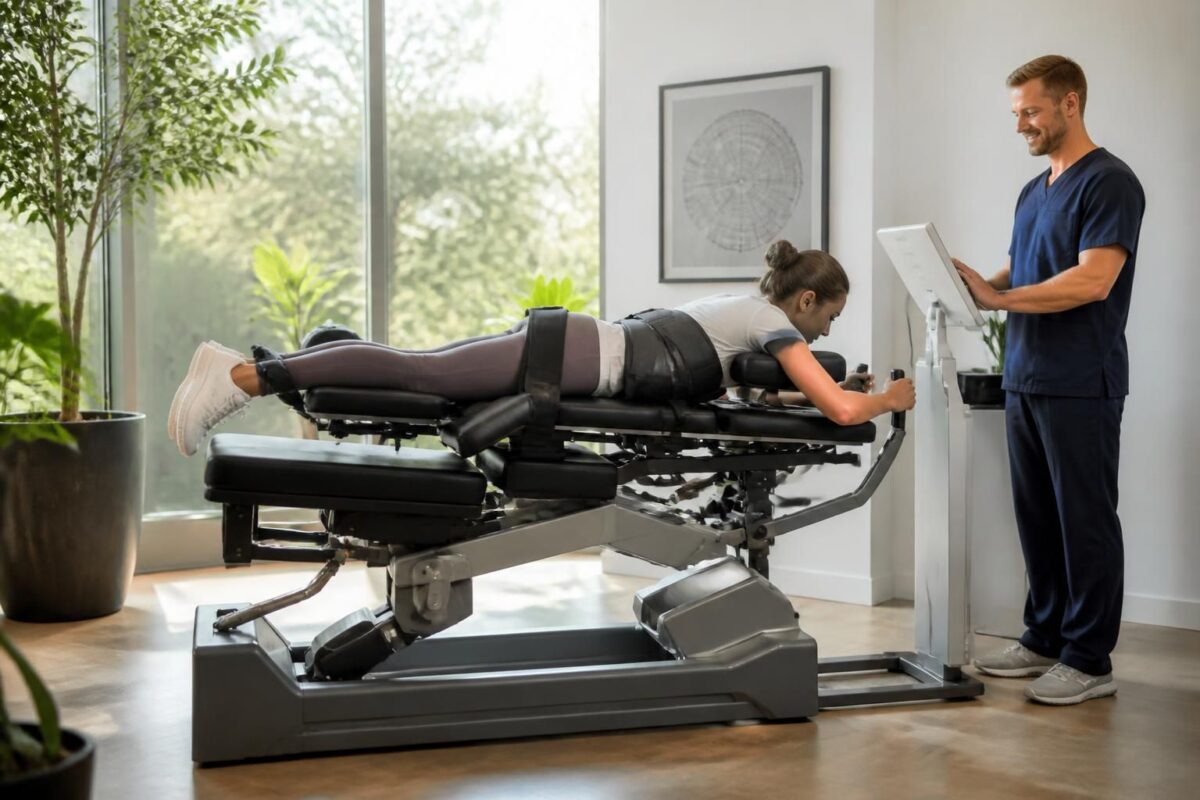
The long-term benefits of neurovertebral decompression for spinal health
In short In short, the neurovertebral decompression is a non-invasive approach that decreases the Pressure on intervertebral discs and nerves, favoring the Natural regeneration and tissue recovery. Its long-term benefits include Lasting pain reduction, Improving mobility and from the posture,…

Neurovertebral decompression and mobility: a return to an active life
In short In short, the neurovertebral decompression is therapy non-invasive who uses a gentle traction To create a space between the vertebrae and reduce the pressure on the Intervertebral discs and the nerves. It promotes a bloodstream improved, lowers tension…
Practical recommendations for the prevention of neuropathic pain
Adopting a progressive and personalized strategy is essential. A tailor-made care plan should be based on precise diagnosis, appropriate progression and regular follow-up in order to evaluate the results and readjust the sessions if necessary.
Integrating decompression sessions as part of a global program can treat root causes rather than limit symptoms. This approach can be complemented by complementary gentle techniques, such as soft tissue therapy and mobility exercises, to strengthen spinal support and prevent the onset of pain.
Daily management and posture
Maintain a neutral posture at rest and at work, alternate sitting and standing positions, and integrating active micro-breaks throughout the day. These habits reduce loads on the spine and reduce the risk of aggravation of neuropathic pain.
Exercises and adapted physical activity
Gentle strengthening, stretching and postural control exercises promote spinal stability and improve range of motion. An adapted, progressive and regular physical activity strengthens the supporting muscles and optimizes circulation, supporting the preventive effects of decompression.
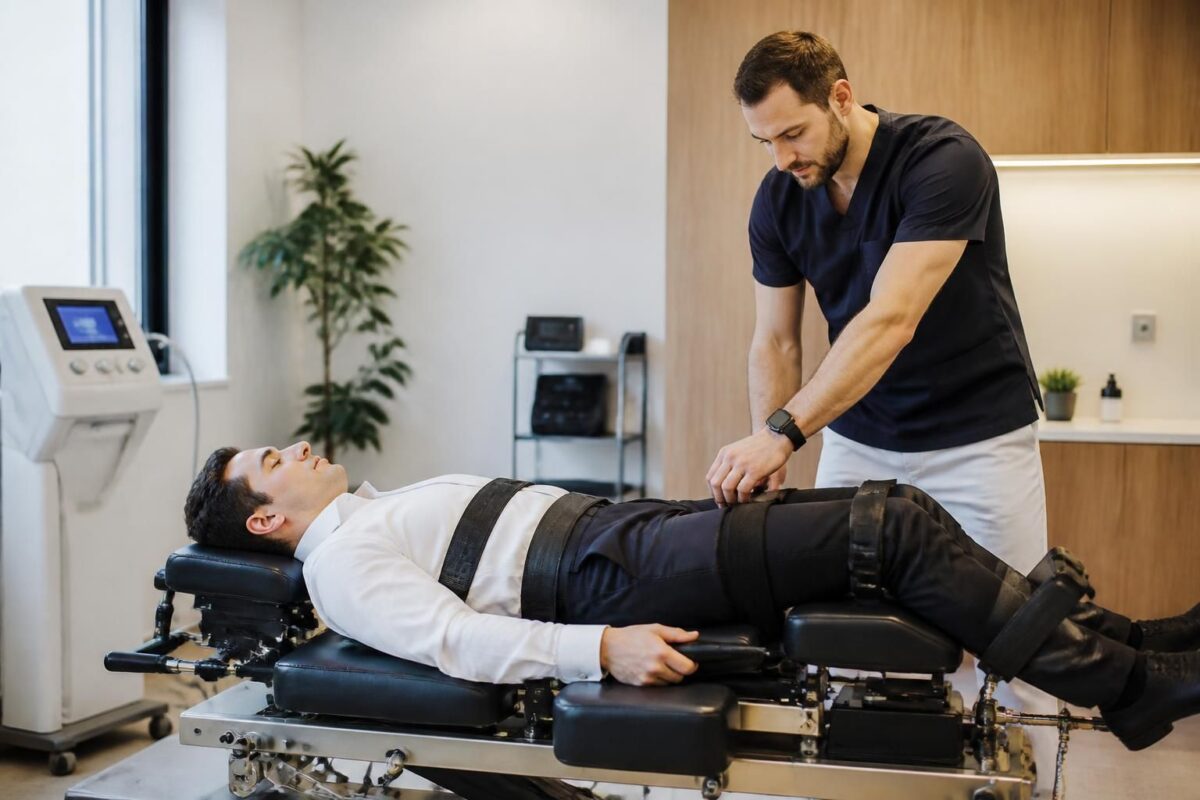
How Neurovertebral Decompression Prevents Diffuse Chronic Pain
In short decompression neurovertebral is one Non-invasive method aimed at reducing the Pressure on the intervertebral discs and the nerves, in order to prevent Diffuse chronic pain. It improves the circulation and thedisc hydration, decreases inflammation and promotes better mobility.…
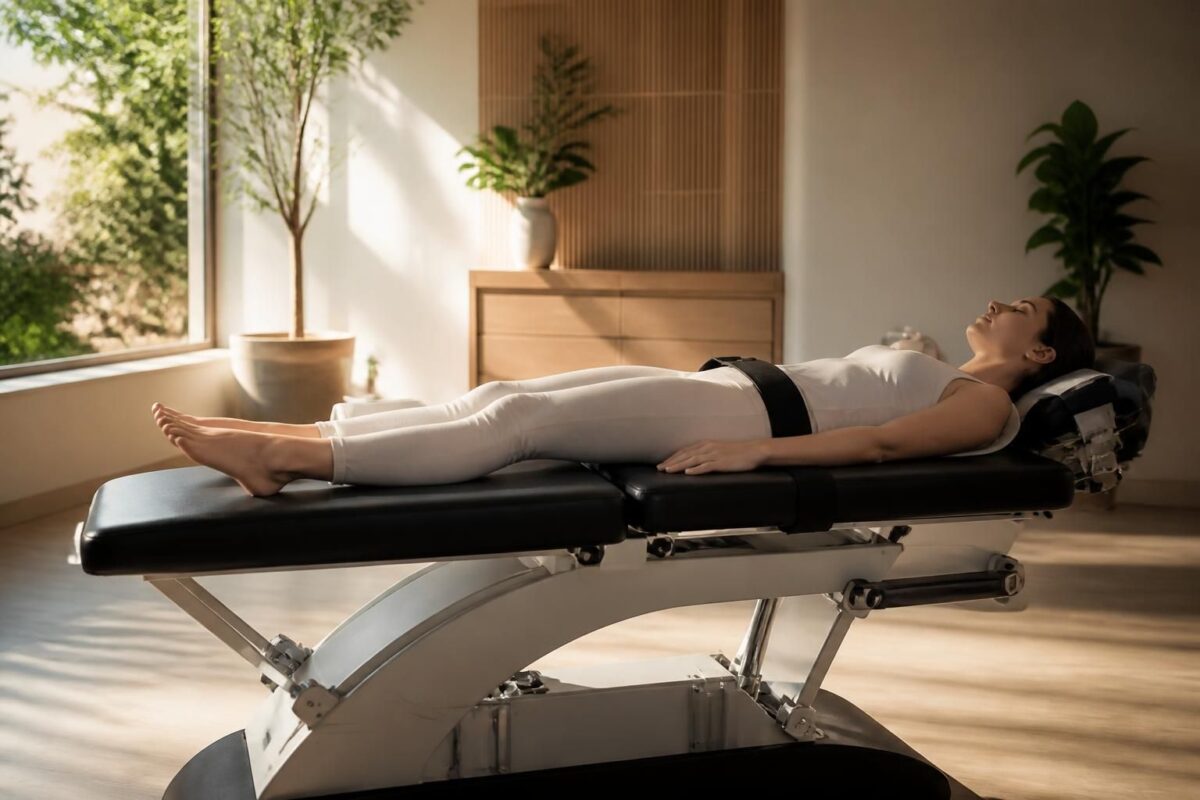
Neurovertebral Decompression and Body Alignment: Restoring Natural Balance
In short In short, neurovertebral decompression is one Non-invasive approach who restores theBody Alignment and thenatural balance back and neck. She acts by a Controlled traction of the spine to widen the intervertebral space and reduce the Pressure on discs…
Integration within a global program
Beyond decompression sessions, a holistic approach including adequate hydration, a diet rich in essential nutrients and restful sleep is recommended. These factors support healing, reduce inflammation and strengthen nervous system resilience.
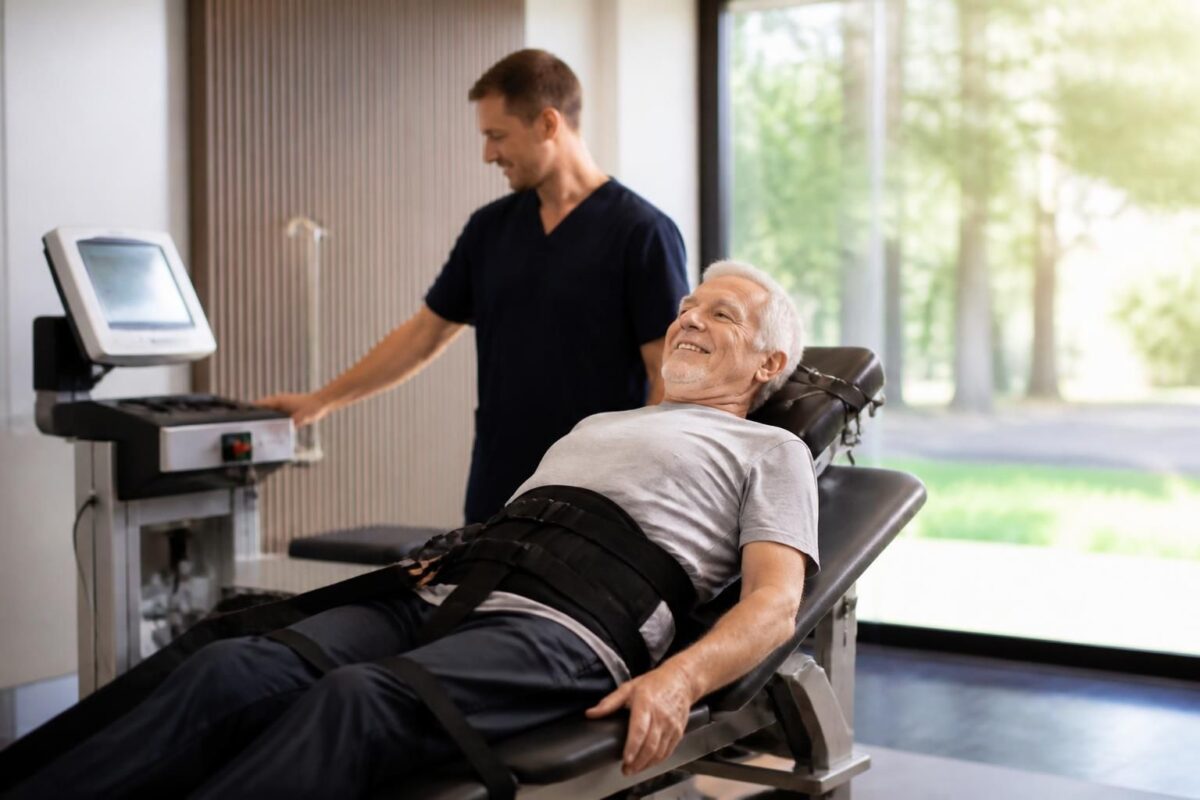
Why neurovertebral decompression is a lasting solution for active seniors
In short In short, the neurovertebral decompression is one Non-invasive therapy which sustainably relieves spinal pain in the spine active seniors By creating, by a Soft and controlled traction, a space between the vertebrae. At Montreal, it is recognized as…
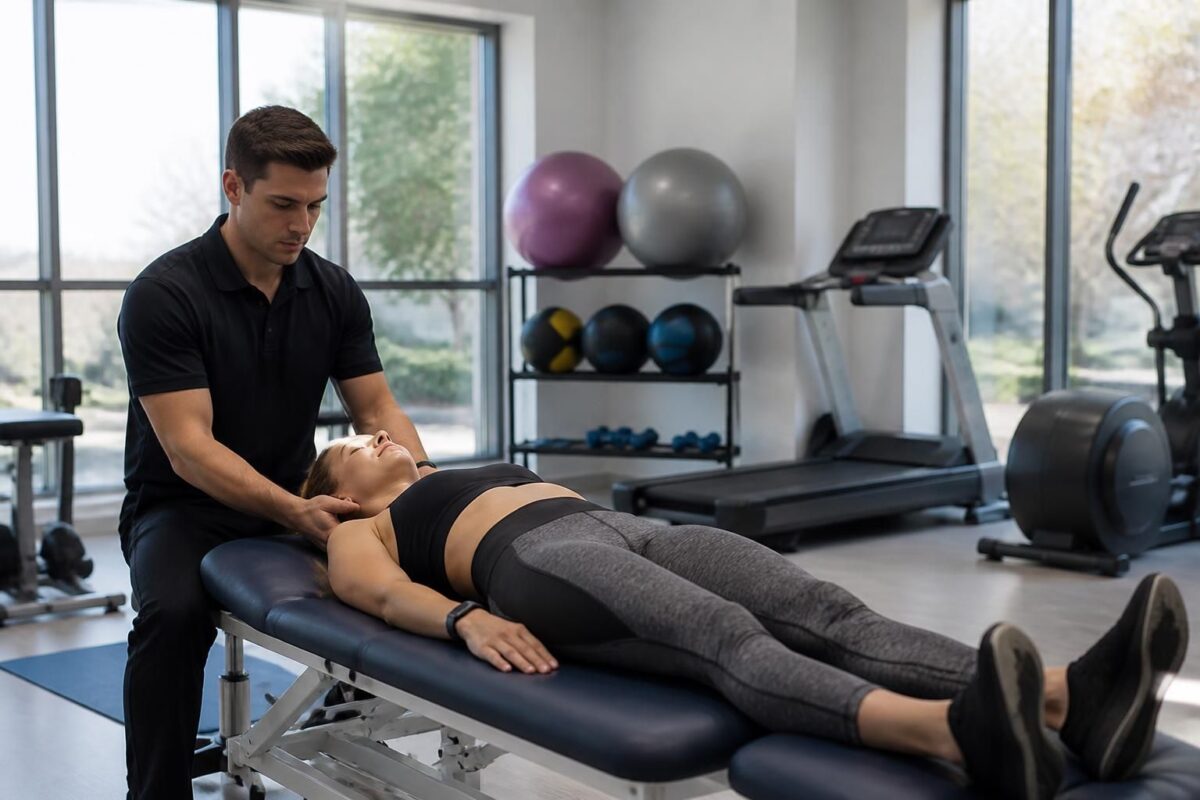
Neurovertebral decompression and recovery after severe sports injury
In short In short, the neurovertebral decompression is one Non-invasive method to Relieve the pressure on the Intervertebral discs and the gristle Via a Controlled traction, to facilitate the recovery After a severe sports injury. It improves the bloodstream towards…
Treatment monitoring and adjustment
Regular monitoring allows you to observe the evolution of symptoms, mobility and quality of life. The protocol adjustments, session frequency and the integration of other therapeutic tools can be made to optimize the results and prevent long-term relapses.
| Element | Concise description |
|---|---|
| Main objective | reduce the Pressure on the nerves and intervertebral discs To limit neuropathic pain and prevent recurrences. |
| non-invasiveness | Approach non-invasive avoiding surgical interventions and their risks. |
| Key mechanism | gentle traction that creates a space between the vertebrae, improving bloodstream and Nerve regeneration. |
| Functional benefits | improvement of mobility, reduction ofinflammation and spasms, better posture. |
| Patient experience | testimonials describing a decrease in pain and a resumption of daily activities. |
| Prevention of recurrences | correcting misalignments and strengthening spinal support, Relapse risk reduction. |
| Process integration | Integrated into a Global program care and complementary activities. |
| Duration and follow-up | results often durable with follow-up personalized and regular sessions. |
| Security and alternatives | Approach non-pharmacological without major side effects and can supplement treatments. |
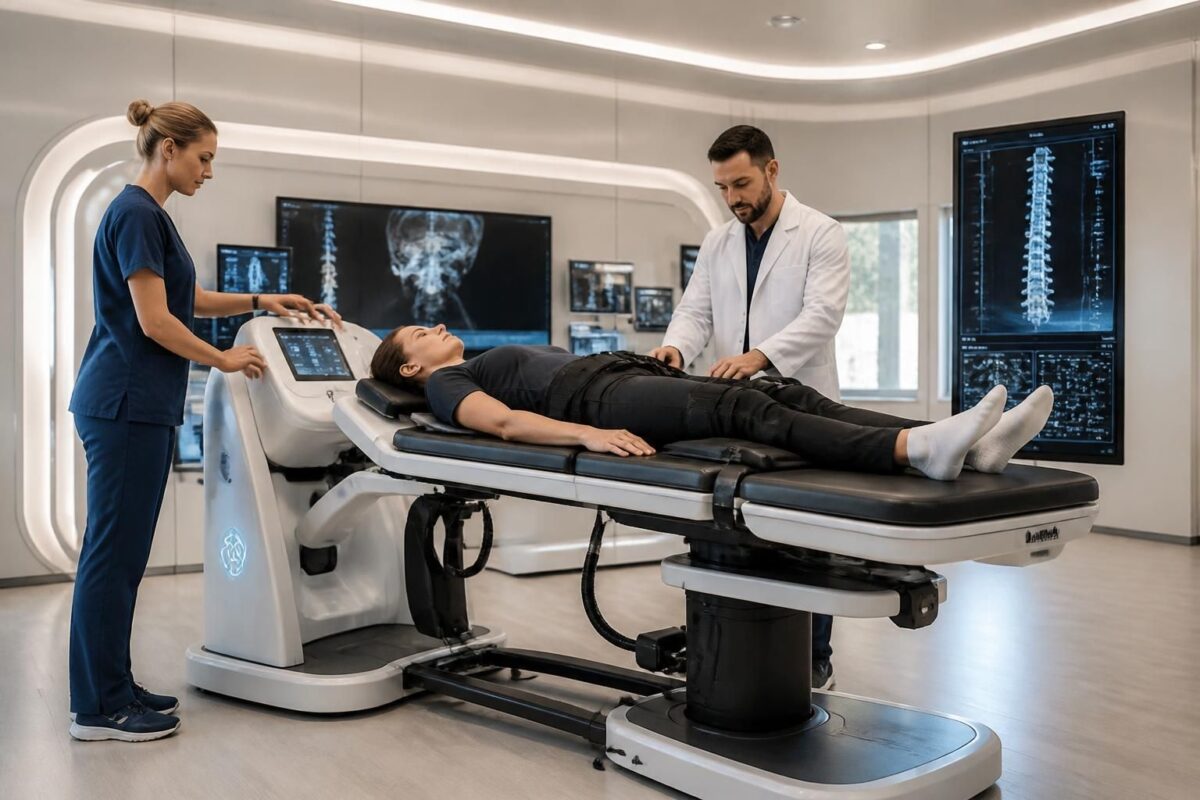
Recent innovations in neurovertebral decompression technologies
In short In short, the neurovertebral decompression is an approach non-invasive Aiming to reduce pressure on discs and nerves, and promote tissue regeneration. At Montreal, it is positioned as an effective option for lower back pain and herniated discs. The…
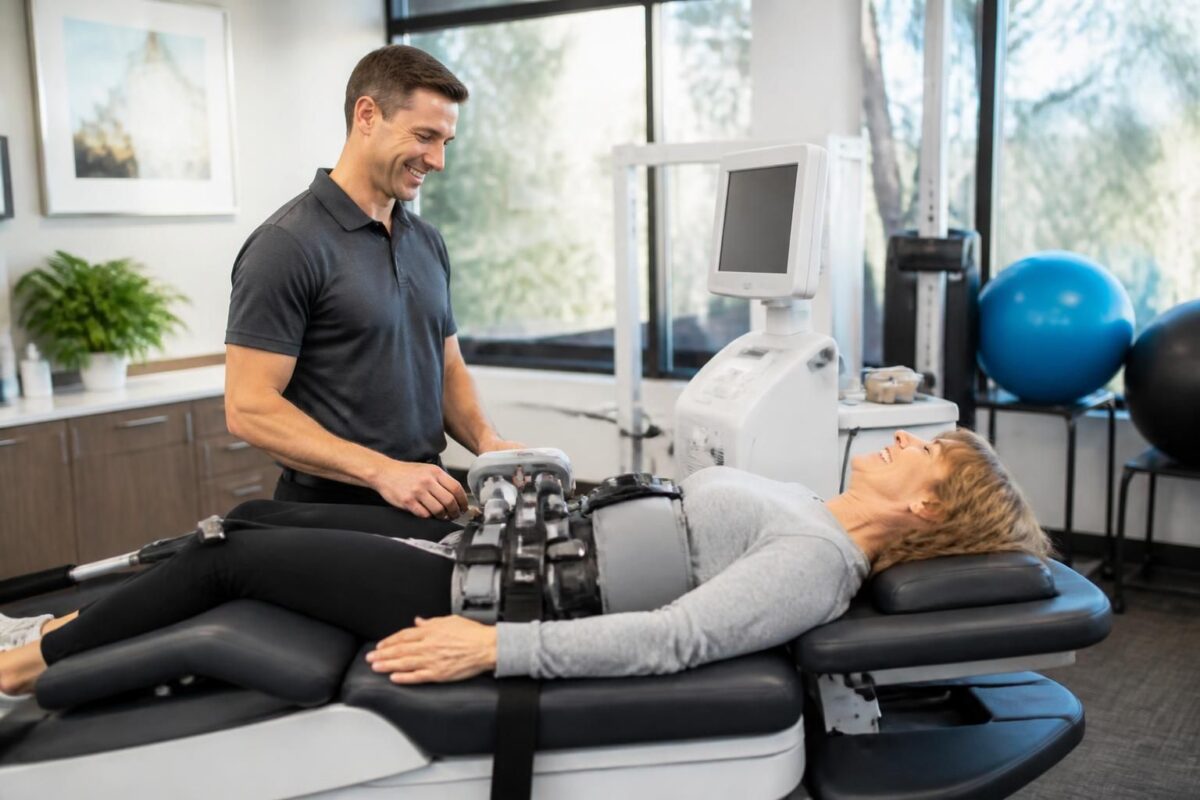
Neurovertebral decompression and diffuse pain: an appropriate solution
In short In short, the neurovertebral decompression is one Non-invasive solution For diffuse pain related to nerve irritation of the spine. She acts in Reducing pressure on intervertebral discs and nerves and improving the bloodstream, which promotes recovery and the…
Testimonials on neurovertebral decompression and the prevention of neuropathic pain
Marie, 42, recounts her experience after several surgeries: “The neurovertebral decompression brought a Significant relief post-surgical neuropathic pain and greatly contributed to the Prevention of neuropathic pain.
Jean, 56, explains: “Since the sessions, my mobility came back and my quality of life improve; it’s an approach non-invasive and effective in finding daily activities without pain.”
Chloé, 38: “I had neuropathic pain after the operation; after a few sessions, they sat attenuated and I feel that I am setting up a Prevention of neuropathic pain more robust.”
David, 47: “After several treatments, the pain is depressed And I can resume my daily activities without embarrassment; I particularly appreciate the relapse prevention“.”
Sophie, 49, health professional: “This approach convinced me by its effectiveness and its ability to offer a real Prevention of neuropathic pain while improving the mobility and the Sustainable relief“.”
Antoine, 50, athlete: “For an athlete, the neurovertebral decompression is a method fresh and quick which promotes effective recovery and Prevention of neuropathic pain who helps me to maintain my flexibility and my performance.”
In the field of osteopathy and manual medicine, this expert has imposed himself by his commitment to innovation and excellence in care. Founding president of the TagMed clinics and the ACMA association, he develops therapeutic paths integrating the most effective technologies in musculoskeletal health. His approach combines osteopathy, naturopathy and manual medicine with innovative techniques such as neurovertebral decompression, the laser and shockwave therapy. Its mission: to offer care evidence-based to optimize the quality of life of patients.
The neurovertebral decompression Appears as a non-invasive method targeting neuropathic pain, especially after delicate surgery. By gentle traction on the spine, it creates a space between the vertebrae, releases the nerves and improves local circulation. Patients often report decreased pain and increased mobility, allowing them to gradually resume their activities. The objective is to promote rapid recovery while avoiding additional surgical procedures.
The mechanism of action is based on the creation of vertebral space and the reduction of pressure on the nerves. This allows for better oxygenation and nutrition of damaged tissues and supports nerve regeneration. Improving circulation decreases inflammation and helps hydrate the intervertebral discs, helping to restore spinal elasticity and flexibility. This approach also helps to reduce muscle spasms and facilitate movement.
In a global framework, the technique often integrates with other tools, such as laser, shock waves and neuromodulation devices. This combination aims for quick and lasting relief, improved muscle function and neuromuscular coordination. Clinical data and patient feedback support the efficacy of these associated approaches for post-surgical neuropathic pain.
At the heart of the process, the support is personalized and oriented towards the prevention of recurrences. Tailor-made care plans combine targeted exercises, posture advice and lifestyle. By strengthening the musculoskeletal system and optimizing hydration, we aim for sustainable mobility and a reduction in pain in the long term.
As a leader in the sector, this expert pursues the continuous improvement of his field of action and shares his knowledge through clinical training and multidisciplinary collaborations. The expansion of TAGMED clinics and involvement in the education of patients and practitioners demonstrate a lasting commitment. By placing the patient at the center and relying on a holistic, evidence-based approach, he makes neurovertebral decompression and from the Prevention of neuropathic pain central axes of support.
This text summarizes the benefits of the neurovertebral decompression and his Prevention of neuropathic pain, emphasizing the character non-invasive, circulation stimulation and recurrence prevention after surgery. It summarizes the mechanisms of action, clinical outcomes and resources to deepen this aspect of spinal and neurological health.
The neurovertebral decompression Acts by a gentle traction and controlled the spine, creating a space between the vertebrae and reducing pressure on gristle and the Intervertebral discs. This action favorably modifies the bloodstream, promotes the Nervous tissue regeneration and decreases inflammation, while improving the mobility and quality of life. To understand the specific mechanisms, see neurovertebral decompression and its effects on discs and nerves.
as a solution non-invasive, it contributes to the Chronic pain prevention correcting misalignments and maintaining the integrity of the vertebral structures, which results in a Improving mobility and a reduction in local ignition sources. Complementary resources address recurrence prevention and reduction of neuropathic pain after surgery: Prevent recurrences, and Prevention of neuropathic pain.
Clinical results and patient testimonies support its effectiveness, showing pain reductions and a gradual return to daily activities. resources such as Why neurovertebral decompression is a safe and effective choice And other online guides detail the functional and psychological benefits of such an approach.
In an integrated approach, complementary technologies like Pulse Align can amplify the effects by improving the muscle function and the circulation, while remaining non-invasive. To deepen resources on global benefits and clinical applications, consult specific sources, including Benefits for degenerative pathologies and Muscle tension and lasting solutions.
To optimize results, it is essential to work with a qualified professional to establish a Personalized treatment plan, integrate appropriate exercises and regularly monitor progress, while adopting a healthy lifestyle conducive to Prevention of recurrences. additional resources, such as neurovertebral decompression and recurrences, can help guide this journey.

Dr Sylvain Desforges, B.Sc., D.O., N.D., osteopath, is the founding president of TAGMED and of the ACMA association. He dedicates his practice to chronic spinal pain, low back pain and symptoms compatible with sciatica, particularly when pain radiates toward the buttock, leg, calf, foot or toes.
Through SOS Sciatique, he publishes educational content on sciatica symptoms, possible causes such as disc herniation, disc narrowing, foraminal stenosis or irritation of a lumbar nerve root, as well as non-surgical approaches that may be considered according to the evaluation. At Clinique TAGMED, care may include, depending on the case, motorized neurovertebral decompression, specific osteopathic care or precision percussion.
For an evaluation related to sciatica treatment in Montreal / Mount Royal or sciatica treatment in Terrebonne, please consult the services available at Clinique TAGMED.
Medical disclaimer
The information published on SOS Sciatique is provided for educational purposes only and does not replace a consultation, diagnosis, opinion or treatment provided by a physician or another authorized healthcare professional. The author of this article is neither a medical doctor nor a specialist in a medical specialty recognized by the Collège des médecins du Québec. The osteopathic, manual medicine or functional support approaches described on this site do not constitute medical acts and are not intended to replace medical follow-up.
Consult a physician or emergency service in cases of loss of bladder or bowel control, anesthesia in the saddle area, significant or progressive weakness in the leg or foot, fever, recent trauma, severe pain or rapid worsening of symptoms. For more details, please read our Legal Notice.