Technological innovations in neurovertebral decompression for better efficiency
26/06/2026
How neurovertebral decompression affects diffuse pain
26/06/2026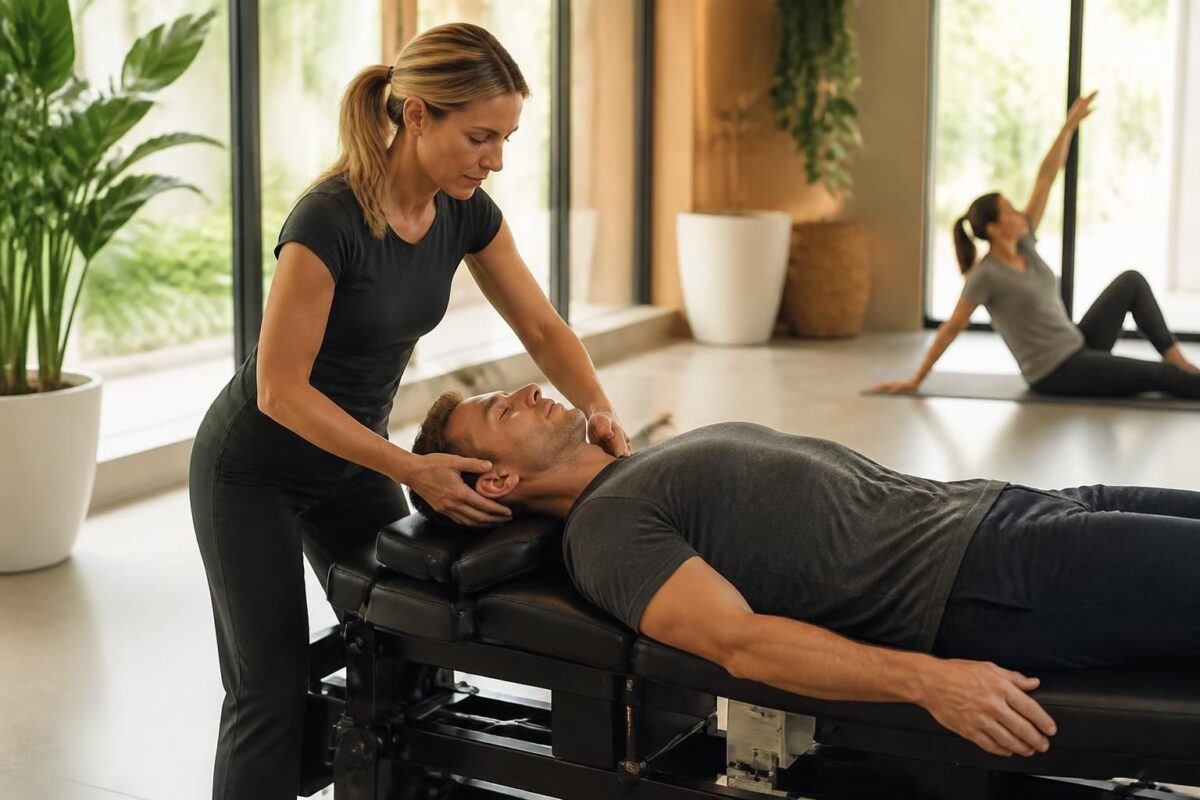
In short
| In short, the neurovertebral decompression and the Muscle tensions constitute a Global approach To relieve back and cervical pain. What is it? A method non-invasive using a gentle traction and controlled to reduce pressure on discs and nerves and release muscle tension. Advantages: decrease in chronic pain, Mobility found, reduction of recurrences and better circulation nutrients to tissues. How does it work? Computer-guided traction creates an intervertebral space and promotes disk hydration, with a personalized treatment plan and tracking. Typical applications: pain related to muscle tension, herniated discs, facet syndromes and post-surgical pain; It is integrated into a global program with complementary exercises and therapies. In Montreal, this service is particularly recommended for athletes and active people looking for a solution non-surgical and adapted to the modern way of life. |
The neurovertebral decompression is an approach non-invasive which aims to reduce the pressure on the Intervertebral discs and the gristle thanks to a Targeted traction and adapted. By increasing the space between the vertebrae, it promotes thehydration and regeneration of discs, which contributes to Reduce muscle tension and the associated pain, thus facilitating the mobility and the quality of life. This approach is part of a Global approach which combines Adapted exercises, a good hydration and one medical monitoring In order to prevent recurrences and support an active recovery of everyday life. In practice, it can be associated with postural advice and complementary therapies to optimize the results and sustainably support the management of tension and pain.
Quick Summary: This article explains how neurovertebral decompression can reduce muscle tension and fit into a global care strategy. It describes its mechanism, its benefits for the muscles around the spine and the safety principles, while offering effective coordination of care in specialized establishments such as TagMed.
What is neurovertebral decompression and associated tensions?
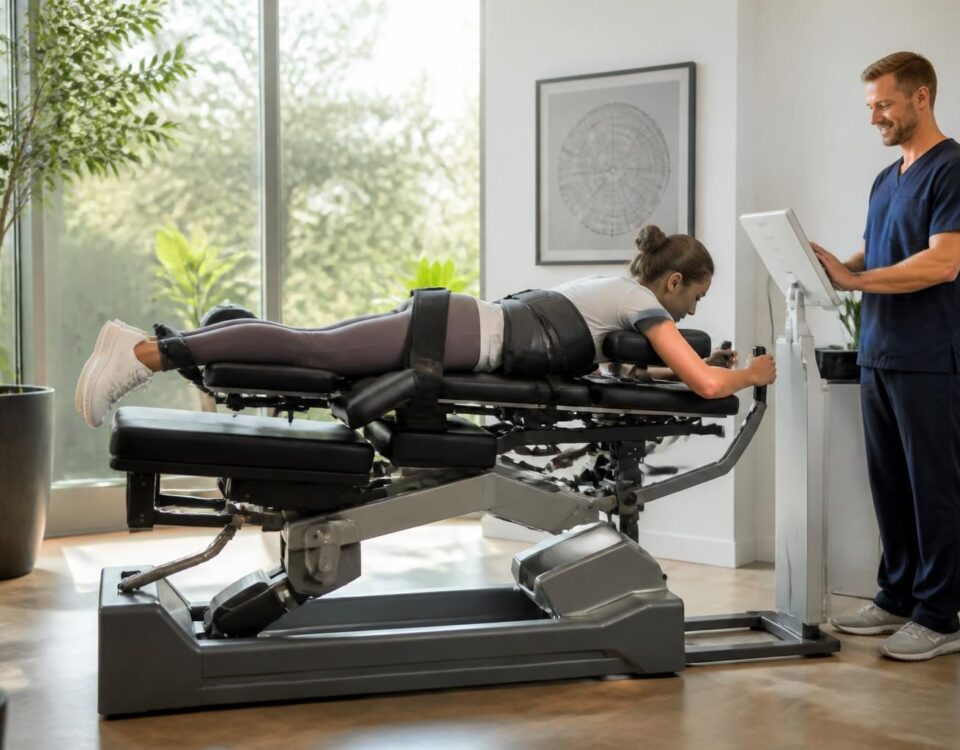
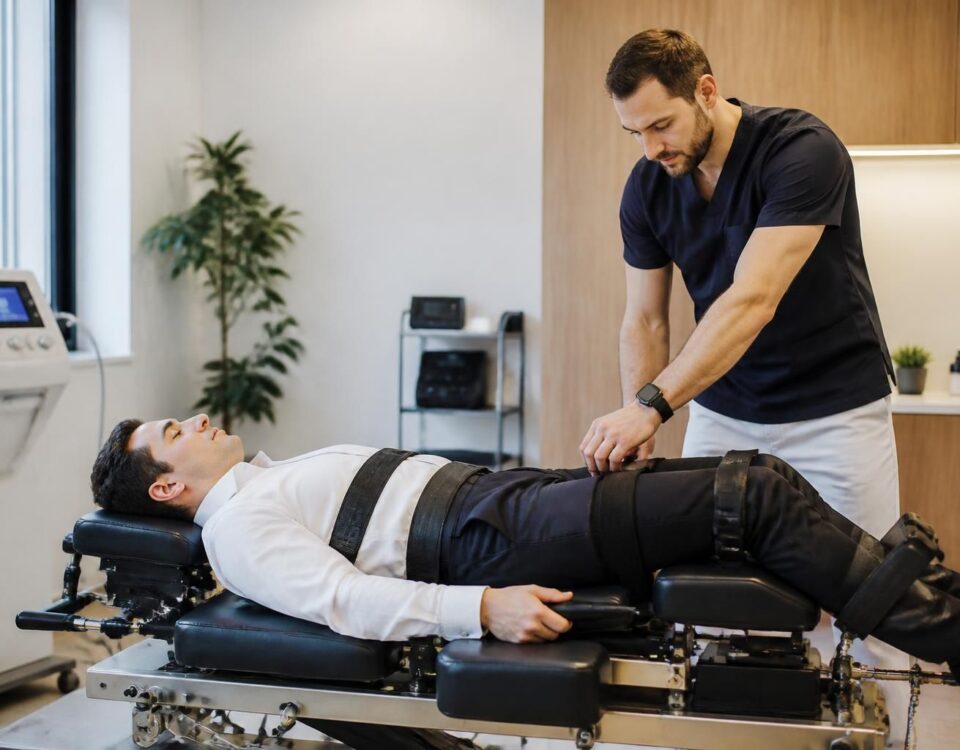
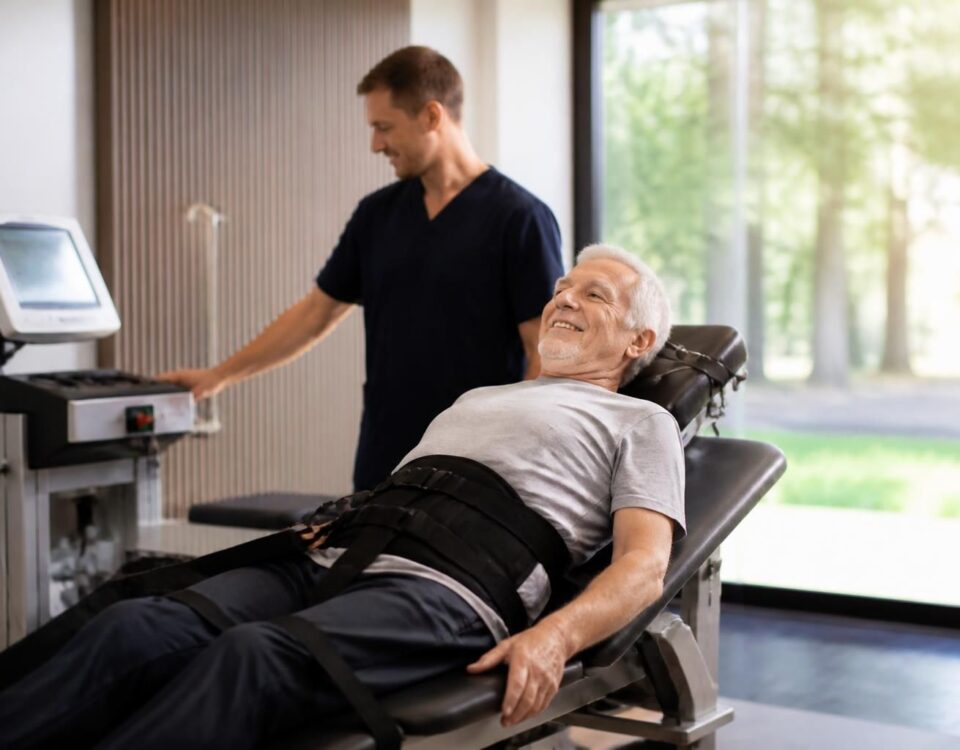
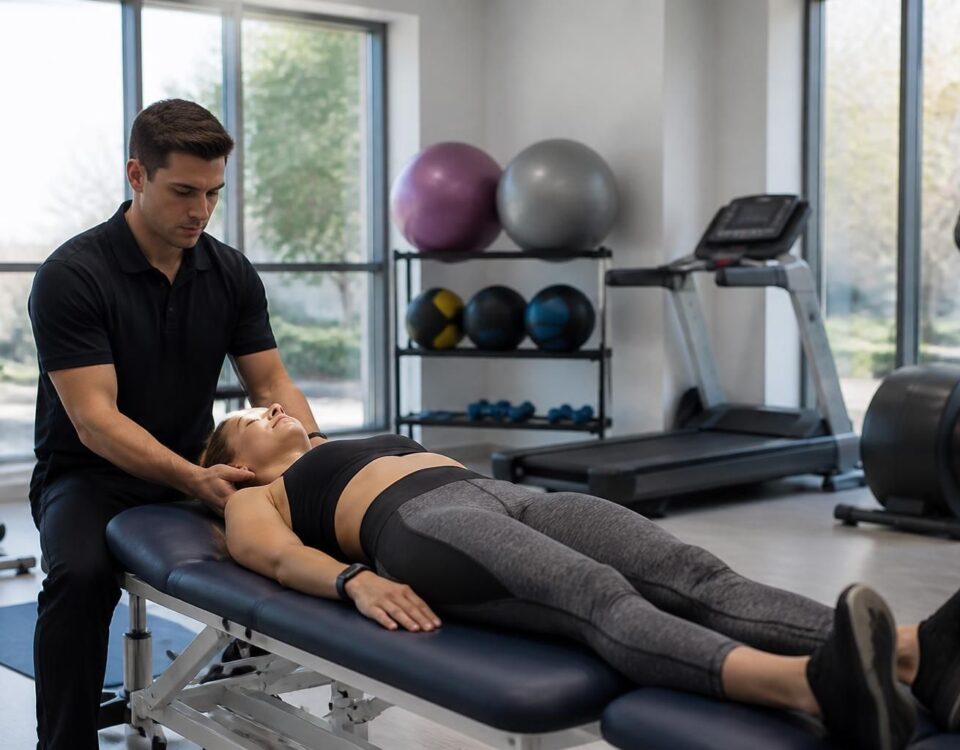
The neurovertebral decompression is a non-surgical approach that uses gentle, controlled traction to increase the space between the vertebrae. This action decreases the pressure exerted on the intervertebral discs and nerves, which can reduce muscle tension around the spine. This technique is carried out using specialized equipment and aims to promote recovery without operative intervention.
How does it affect muscle tension?
Targeted traction reduces compression on the nerves and decreases nerve irritation. This leads to a progressive relaxation of the muscles surrounding the spine and a decrease in spasms. With appropriate implementation, patients can observe pain reduction and improved mobility, while preserving nervous and discus tissues. To better understand the mechanisms and associated options, you can consult the following resources: Prevention of neuropathic pain, Decompression and herniated disc, and Muscle spasms.
Global approach and coordination of care
Decompression is part of a Global approach spinal health. In our Tagmed clinics, we coordinate decompression with other evidence-based treatments to optimize results. This coordination is based on full evaluation and regular monitoring, in order to adjust the care plan according to the patient’s needs. For those looking for integrated support, the use of programs such as NeuroDuet and RelaxSpinal can be considered as part of a personalized course.
Training and practices in osteopathy are based in particular on training references such as NUMSS, NAO, National University of Medical Sciences and National Academy of osteopathy. For clinical care, our team collaborates with recognized professionals and relies on validated protocols for effective management of muscle tension associated with spinal conditions.
To access clinical resources and services, you can go to Tagmed Clinic, or consult specific information on decompression approaches via specialized sites sossciatica.com and DecompressionNeurVertebrale.com.
Safety and contraindications
Neurovertebral decompression is generally safe, but some conditions warrant special precautions. Early diagnosis and medical follow-up are essential. Typical contraindications include recent vertebral fractures, severe osteoporosis, major spondylolisthesis, or the presence of surgical material in the column. In case of doubt, it is essential to speak with a health professional before starting treatment.
Hydration, posture and spine health
Beyond the decompression sessions, adequate hydration and an appropriate posture support the Disk Health and recovery. Intervertebral discs depend on water and nutrient intake to maintain flexibility and damper function. A global approach combines simple daily measurements and appropriate clinical care.
For additional explanations of the mechanisms and results, see the following resources: Decompression and herniated disc, Decompression for active seniors, and neurovertebral decompression.
Risks and security
General precautions apply and treatment should be adapted to each patient. Regular medical follow-up and compliance with indications guarantee better safety and increased efficiency in the long term. In a sporting setting, decompression can be associated with other non-invasive approaches where relevant and prescribed by the professional.
For athletes and active patients, dedicated resources also exist for the prevention and management of pain related to the column. Visit the specific resources on the sites mentioned above to better understand the principles and options available.
The use of physiotherapy treatments is discussed in a comparative table, but we favor the options available at the TagMed clinic in Montreal or Terrebonne when it is compatible with the diagnosis and patient objectives.
For more information, see the following resources: Modern techniques, prevention, and Options for athletes.
As part of the global approach, we recommend limiting references to training institutions such as NUMSS, NAO, National University of Medical Sciences and National Academy of Osteopathy, and focusing on clinical resources recognized by our practice.
For more information on treatments and associated approaches, you can consult Complementary approaches and Spinal and disc decompression.
Medical Disclaimer: The information and advice provided on this site does not replace the health professional’s diagnosis or treatment. Please note that Dr. Sylvain Desforges osteopath is neither a doctor of medicine nor a doctor, and is not a specialist in a medical specialty as defined by the Collège des Médecins du Québec. Manual medicine, functional medicine and sports medicine as described on this site exclude any medical treatment or diagnosis made by a doctor or specialist doctor. Always consult your doctor for any medical questions. For more details, please read our full legal notice.
See also reference pages and associated clinical resources to deepen understanding of available options and results observed in practice.
Medical Disclaimer: The information and advice provided on this site does not replace the health professional’s diagnosis or treatment. Please note that Dr. Sylvain Desforges osteopath is neither a doctor of medicine nor a doctor, and is not a specialist in a medical specialty as defined by the Collège des Médecins du Québec. Manual medicine, functional medicine and sports medicine as described on this site exclude any medical treatment or diagnosis made by a doctor or specialist doctor. Always consult your doctor for any medical questions. For more details, please read our full legal notice.
- neurovertebral decompression: reduction of pressure on discs and nerves.
- Muscle tensions: relaxation of the muscles around the spine.
- Global approach: link between mobility, pain and posture.
- directions: Persistent vertebral pain.
- Results: improvement of the mobility and reduction of pain.
- Security: Non-invasive method with adapted follow-up.
- Process: traction controlled and adapted to the patient.
- Integration: combination with drill And some Manual therapies.
- Preparation: Initial diagnosis and Continuing assessment.
- Measures: follow-up of the pain, from the mobility and from the function.
- Profit: better stability and balance of the spine.
- Recommendations: compliance with contraindications and caution.

This article summarizes how the neurovertebral decompression can reduce Muscle tensions By enrolling in a Global approach which combines gentle traction, targeted exercises, hydration and postural optimization. You will discover the mechanisms, benefits and a clear action plan to integrate this approach into your daily life and durably free your spine and muscles.
Understand the link between decompression and muscle tension
The neurovertebral decompression Acts by reducing the pressure between the vertebrae and on the nerves, which tends to reduce pain signals and reflex tensions of adjacent muscles. By restoring an intervertebral space, it facilitates the circulation of nutrients towards the discs and promotes the relaxation of the surrounding structures. This non-invasive approach can be associated with other muscle relaxation means to achieve lasting spasm reduction and better fluidity of movement.
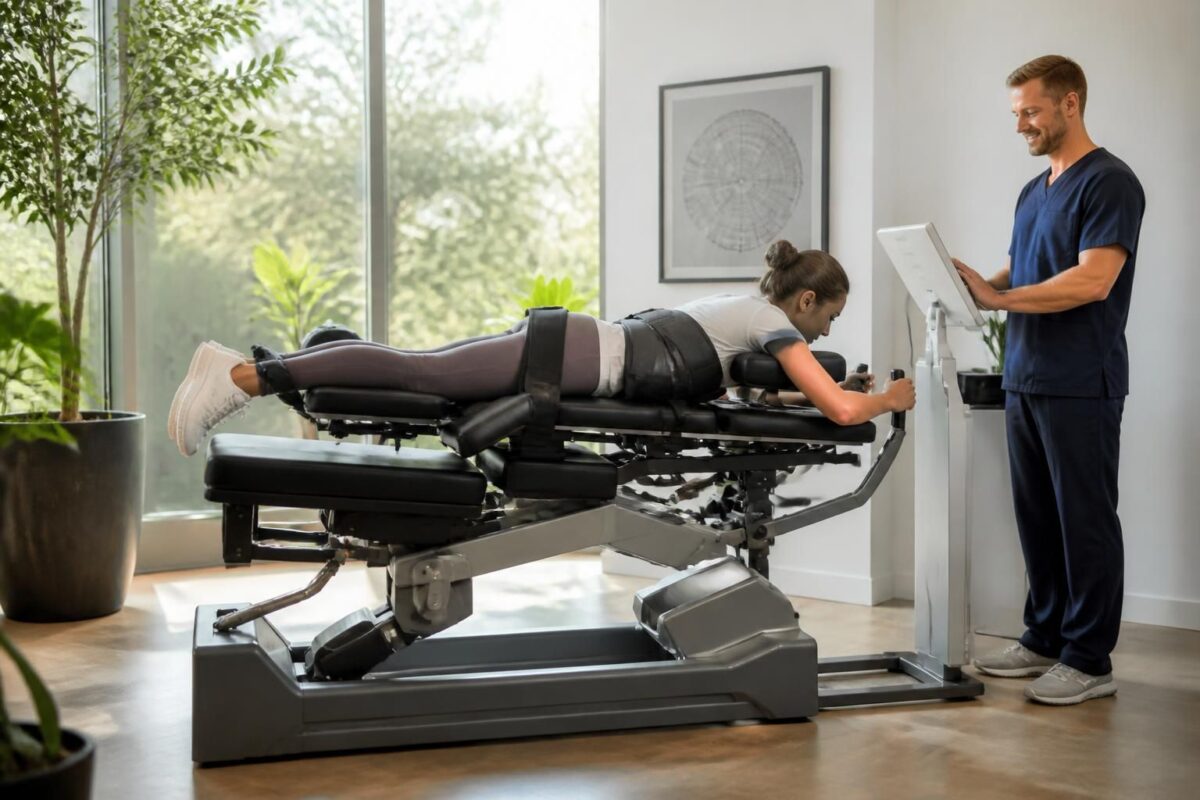
The long-term benefits of neurovertebral decompression for spinal health
In short In short, the neurovertebral decompression is a non-invasive approach that decreases the Pressure on intervertebral discs and nerves, favoring the Natural regeneration and tissue recovery. Its long-term benefits include Lasting pain reduction, Improving mobility and from the posture,…

Neurovertebral decompression and mobility: a return to an active life
In short In short, the neurovertebral decompression is therapy non-invasive who uses a gentle traction To create a space between the vertebrae and reduce the pressure on the Intervertebral discs and the nerves. It promotes a bloodstream improved, lowers tension…
A global and personalized approach
To achieve significant results, decompression must be integrated into a Global approach Patient-friendly: postural advice, adapted physical activities and gentle rehabilitation. The objective is to release tension points, preserve the elasticity of the discs and prevent recurrences. thehydration And nutritional balance also play a key role in providing the tissues with the fluids and nutrients necessary for their recovery. By combining these elements, you improve not only the pain but also the ability of the body to support the spine on a daily basis.
Key Elements of Efficiency
gentle traction and protocols adapted to the patient’s profile, carried out under supervision when necessary, to create a vertebral space without triggering pain.
Guided mobility and progressive reinforcement to stabilize the spine and reduce muscle tension. Prioritize measured and regular movements.
Hydration and recovery To support disc nutrition and improve soft tissue flexibility.
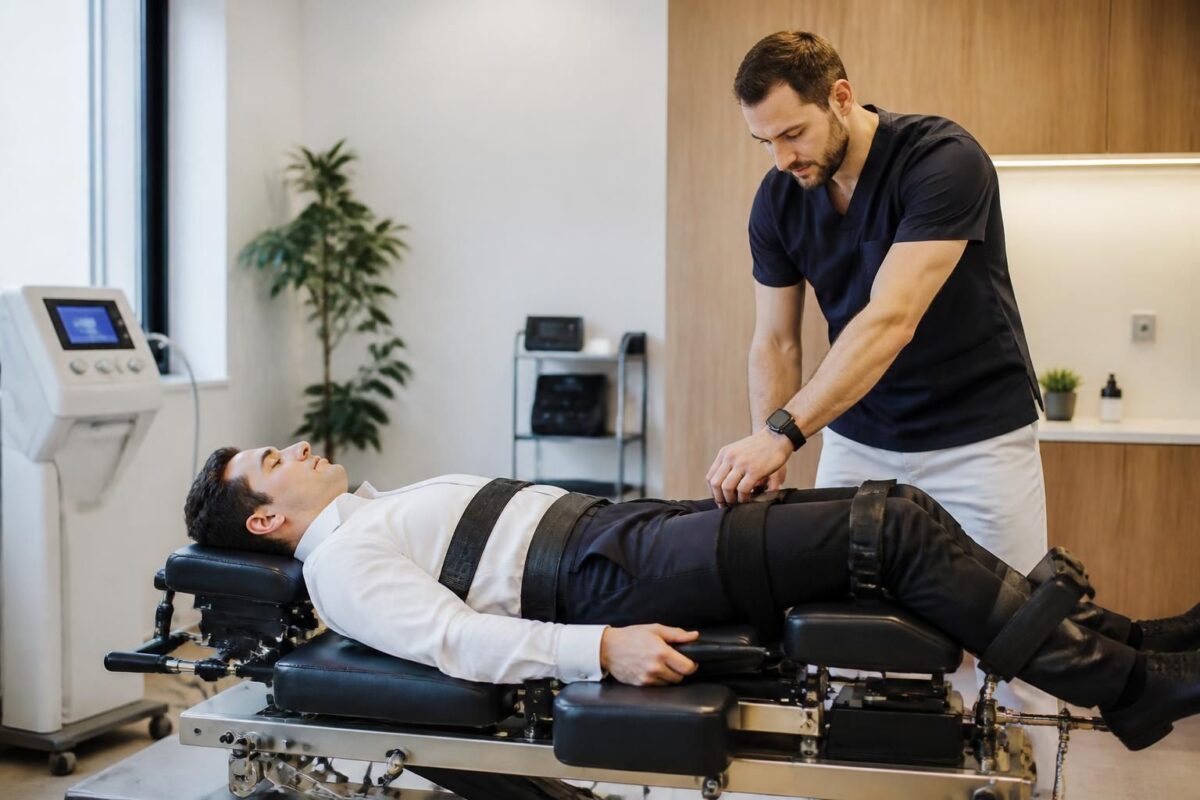
How Neurovertebral Decompression Prevents Diffuse Chronic Pain
In short decompression neurovertebral is one Non-invasive method aimed at reducing the Pressure on the intervertebral discs and the nerves, in order to prevent Diffuse chronic pain. It improves the circulation and thedisc hydration, decreases inflammation and promotes better mobility.…
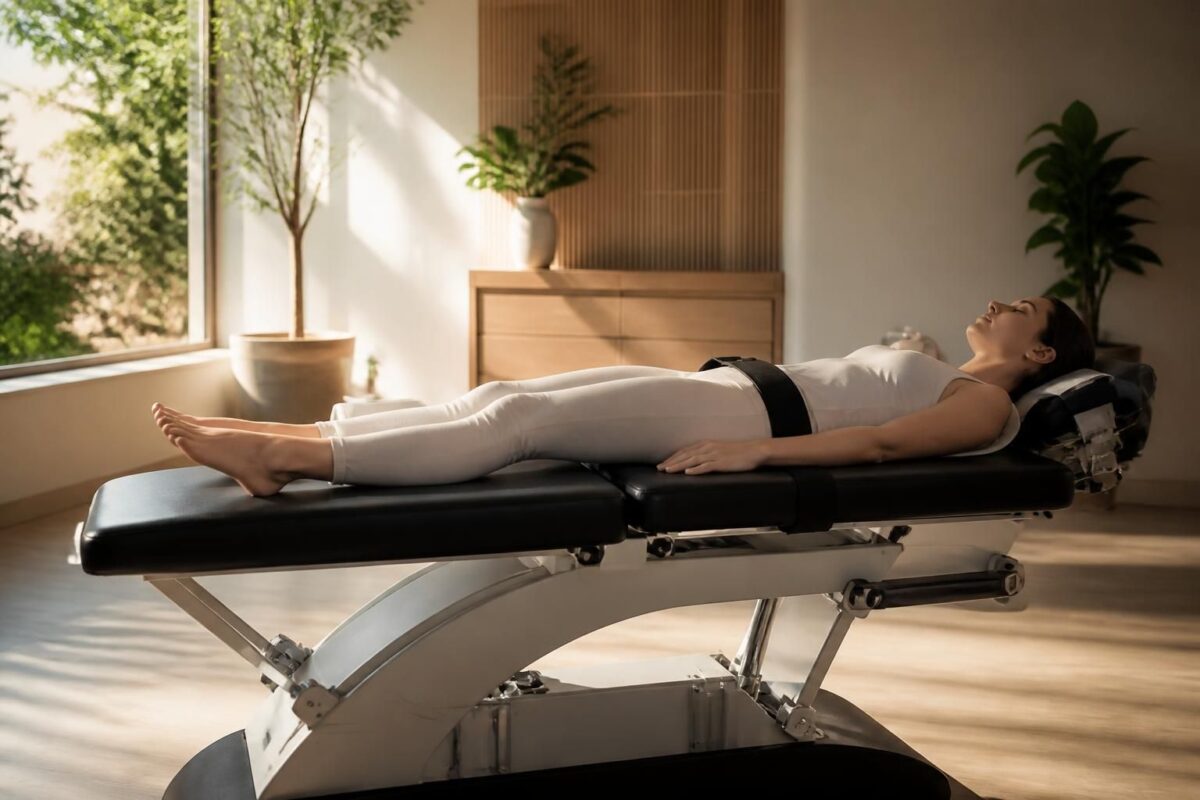
Neurovertebral Decompression and Body Alignment: Restoring Natural Balance
In short In short, neurovertebral decompression is one Non-invasive approach who restores theBody Alignment and thenatural balance back and neck. She acts by a Controlled traction of the spine to widen the intervertebral space and reduce the Pressure on discs…
Practical action plan
1) Get a clear diagnosis and a personalized plan with a healthcare professional.
2) Launch a short and progressive routine: 5 to 10 minutes a day dedicated to gentle decompression and precise stretching.
3) Add complementary activities like walking or light swimming and breathing exercises to reduce overall tone.
4) Ensure regular follow-up and adjust the protocol according to progress and tolerance.
Simple exercises to integrate
Diaphragmatic breathing: lying on your back, place one hand on the abdomen and inhale slowly through the nose, swelling the belly. Exhale calmly and repeat 5 to 10 minutes on a daily basis.
Knees-chest: Lying on your back, bring your knees back to your chest, wrapping them with your arms and hold for 20 to 30 seconds, repeat 3 times.
Posture and chest mobility: Standing, shoulders aligned, rotate the bust for 1 to 2 minutes, then walk in slow pace to incorporate breathing and relaxation.
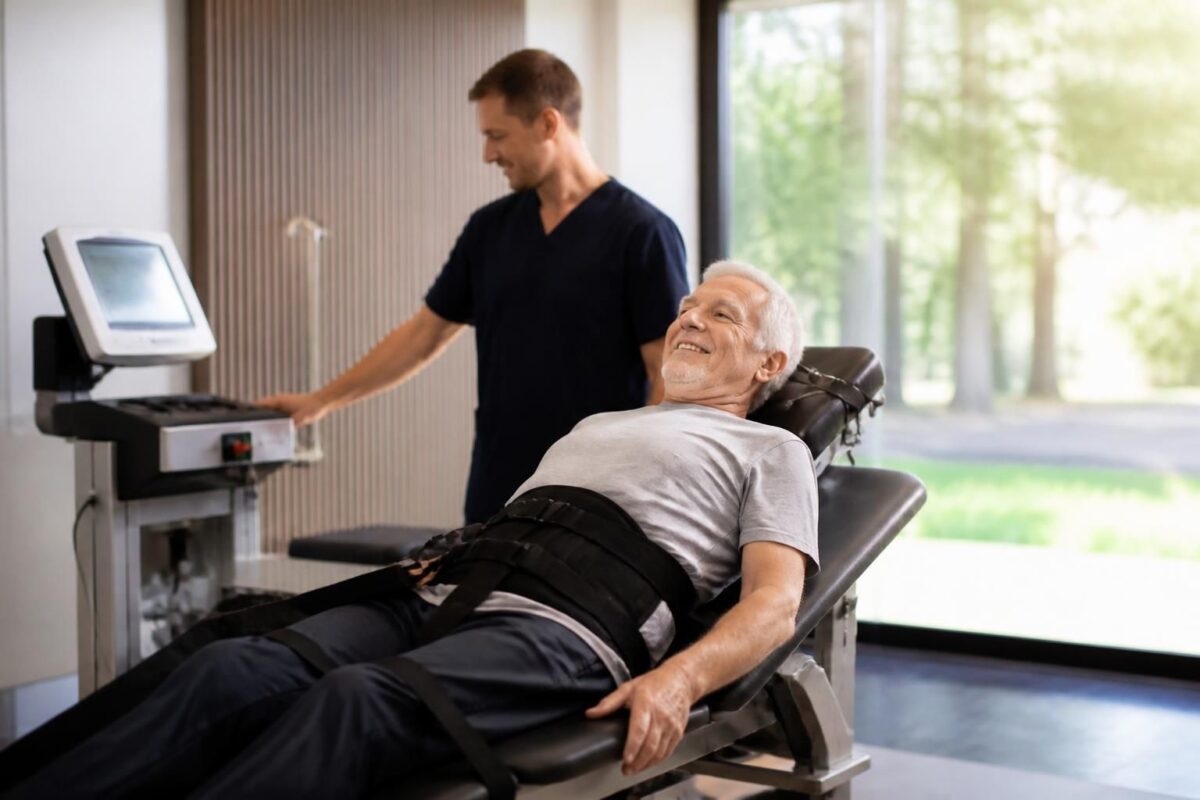
Why neurovertebral decompression is a lasting solution for active seniors
In short In short, the neurovertebral decompression is one Non-invasive therapy which sustainably relieves spinal pain in the spine active seniors By creating, by a Soft and controlled traction, a space between the vertebrae. At Montreal, it is recognized as…
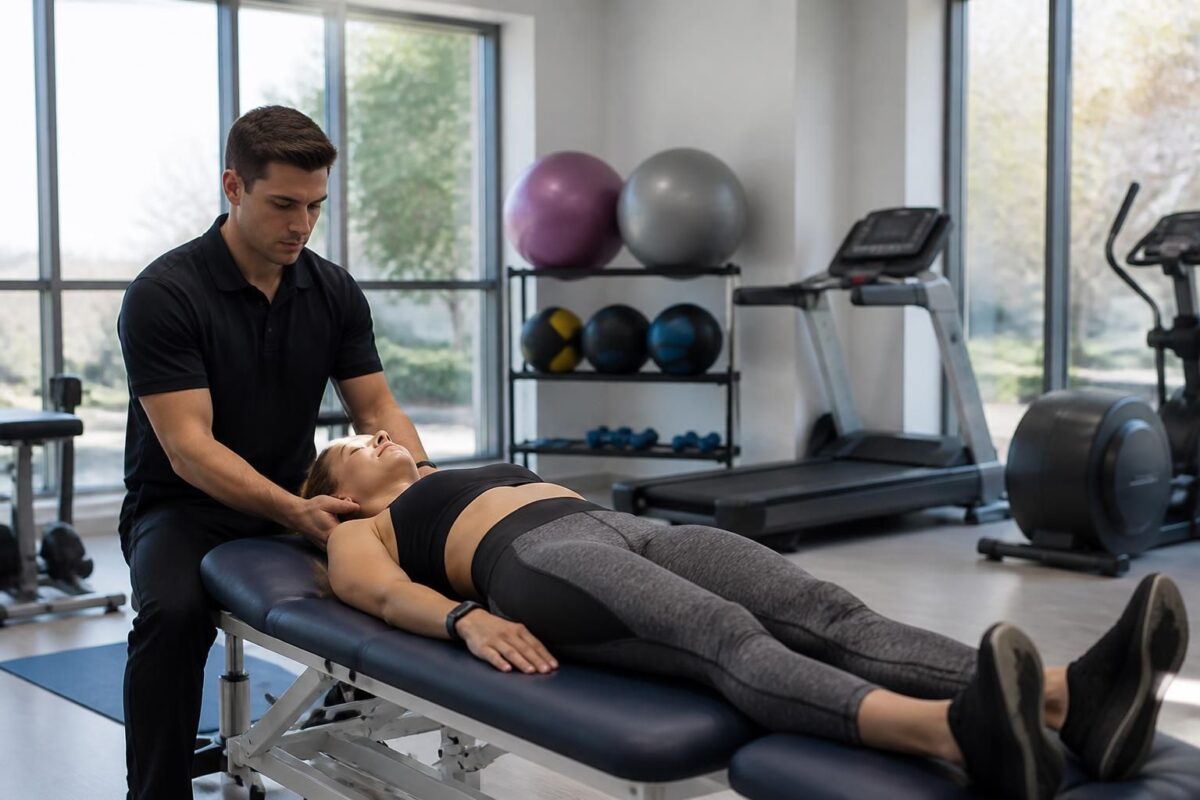
Neurovertebral decompression and recovery after severe sports injury
In short In short, the neurovertebral decompression is one Non-invasive method to Relieve the pressure on the Intervertebral discs and the gristle Via a Controlled traction, to facilitate the recovery After a severe sports injury. It improves the bloodstream towards…
Monitoring and security
These recommendations must be adapted to each patient and do not replace the opinion of a professional. In case of acute pain, loss of sensitivity, or neurological symptoms, consult your doctor or osteopath quickly to adjust the treatment and ensure your safety.
Safety Note: Focus on a progressive and personalized approach and avoid any pain during exercise. Regular medical follow-up and compliance with contraindications make it possible to optimize the results while protecting the integrity of the spine.
| Axis | Concise description |
|---|---|
| Main objective | reduction of the Pressure on discs and the gristle To promote theImproving mobility and comfort. |
| Mechanism | traction fresh and targeted, computer controlled, favoring thehydration and disc regeneration. |
| Typical indications | lower back/cervical pain, Neuropathic pain, stenosis, post-surgical pain. |
| Effects on muscle tension | Relaxation of muscles around the spine and reduction of spasms by nervous relief. |
| Benefits vs Purely Muscular Approach | treat the Nervous and disc cause, not just the symptoms, with lasting improvement in mobility. |
| Safety and contraindications | generally safe; Exclude in case ofSevere osteoporosis, recent fractures or material in the column; Pre-treatment diagnosis required. |
| Integration into the treatment plan | Partners with drill, reinforcement and manual therapies for a synergistic effect. |
| Impact on mobility and nerve pain | increased mobility and significant reduction in nervous pain After several sessions. |
| Prevention and maintenance of results | Helps to prevent recurrences by improving disc health and posture, associating withhydration and activity. |
| Accessibility and cost | Available in office with follow-up; Variable cost depending on number of sessions and duration. |
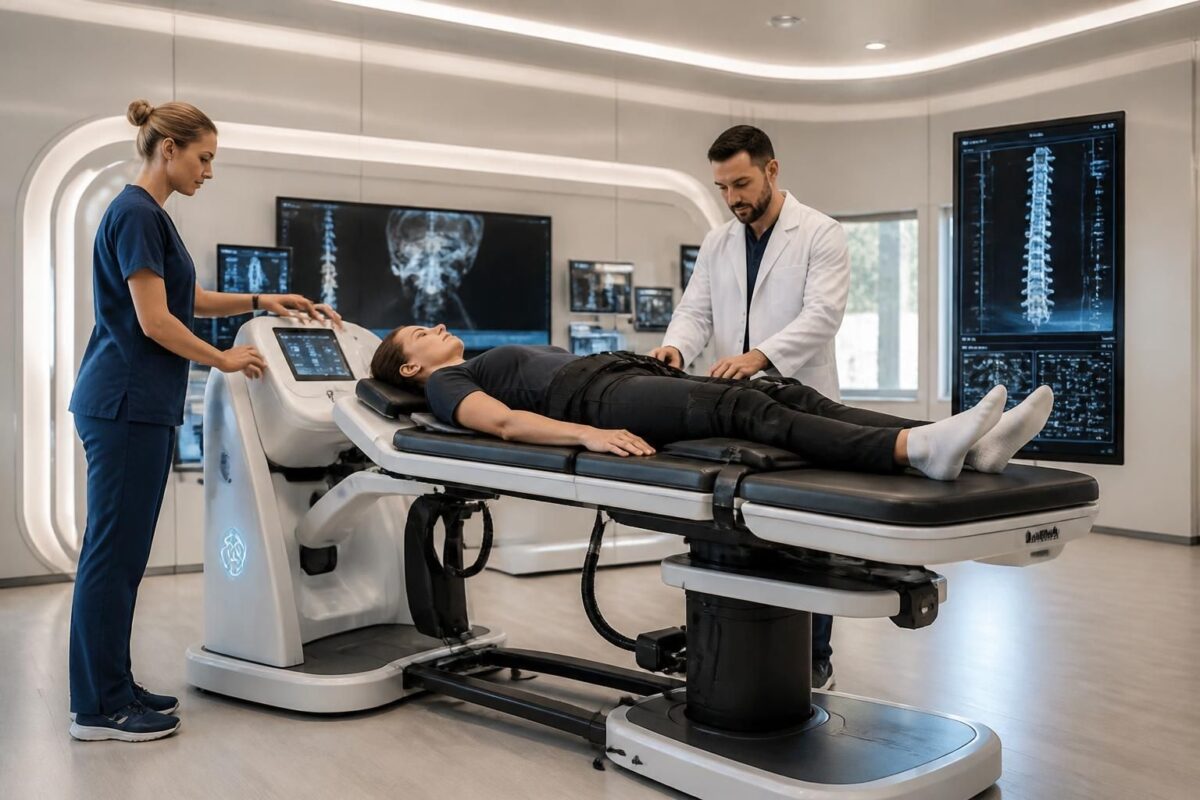
Recent innovations in neurovertebral decompression technologies
In short In short, the neurovertebral decompression is an approach non-invasive Aiming to reduce pressure on discs and nerves, and promote tissue regeneration. At Montreal, it is positioned as an effective option for lower back pain and herniated discs. The…
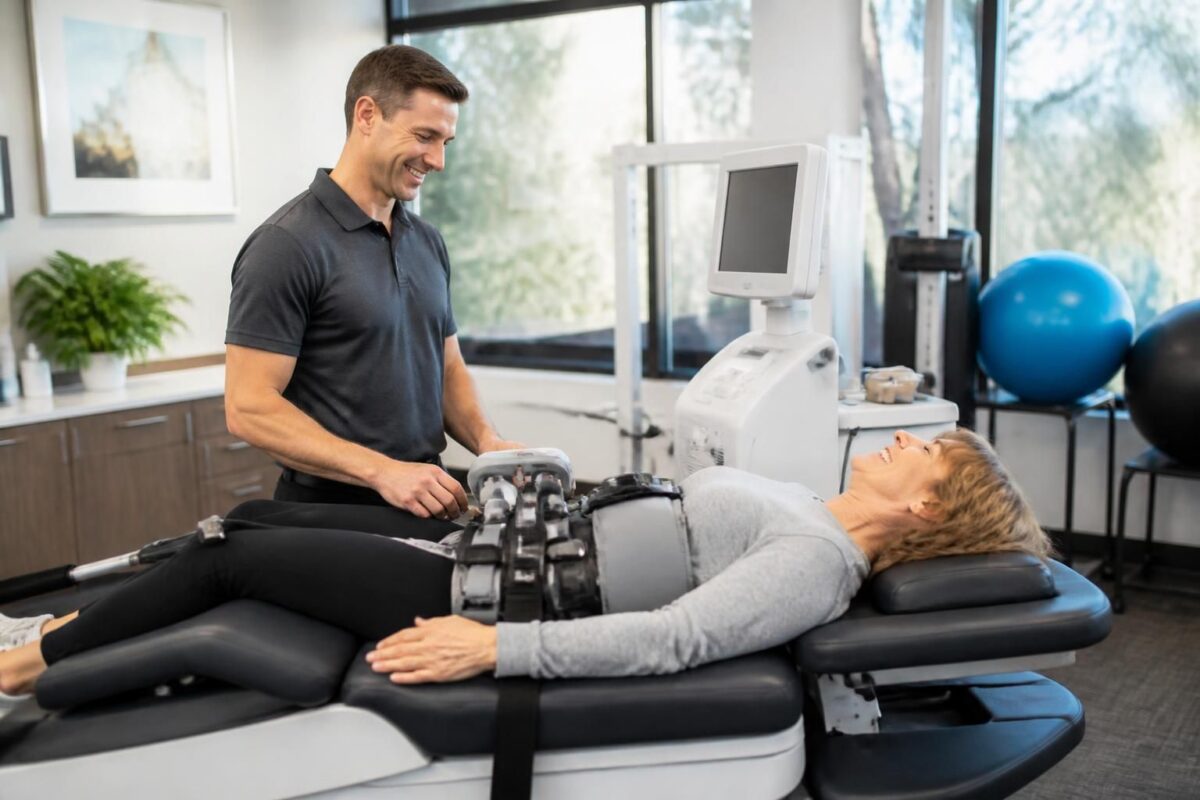
Neurovertebral decompression and diffuse pain: an appropriate solution
In short In short, the neurovertebral decompression is one Non-invasive solution For diffuse pain related to nerve irritation of the spine. She acts in Reducing pressure on intervertebral discs and nerves and improving the bloodstream, which promotes recovery and the…
Testimonials on neurovertebral decompression and muscle tension: a global approach
Mary D. – Testimony: Before starting the treatment, I suffered from intense muscle tension and cervical spasms that limited my day. Today, thanks to a global approach centered on the neurovertebral decompression And the management of the tensions, my pain has greatly diminished and my mobility has improved. I fully relive my daily activities without fearing painful episodes.
Alexander P. – Testimony: As an amateur athlete, back and shoulder tension impacted my post-workout recovery. The proposed overall approach united decompression sessions to targeted exercises for Muscle tensions. I feel a better stability, less tension and a faster recovery of my efforts, without pain that bothers me during the effort.
Clara S. – Testimony: My days passed between Desk and Meetings, and the slightest movement awakened lower back pain and tension in the lower back. With the neurovertebral decompression And a personalized muscle management plan, I found a more balanced posture and an amplitude of movement that allows me to work without constant discomfort. It’s a real approach overall which takes into account the body as a whole.
Julien V. – Testimony: I had the impression that my nervous pain and my spasms worsened over time. After a few weeks of options glocal Around decompression, I observed a reduction in episodes of pain and lasting muscle relaxation. The program integrates not only the technique but also advice on posture and adapted physical activity to prevent recurrences.
Elise R. – Testimony: By working on the column and surrounding muscles, the team was able to combine neurovertebral decompression and holistic measures to release the tensions that tugged in my neck and trapezoids. I wake up less stiff and my breathing is more fluid when I move. A real integrated approach that improves the quality of life.
David L. – Testimony: my doctor had advised me a conservative approach and I was looking for a solution that respects the body. the global approach focused on neurovertebral decompression and management of Muscle tensions allowed me to reduce the pain and recover regular physical activity. I recommend to anyone who wants to act in the long term rather than suffer the pain.
The Dr Sylvain Desforges is a practitioner whose expertise extends fromosteopathy to the naturopathy and at the manual medicine. Founding President of the TagMed Clinics and the ACMA Association, he devotes his career toHealth Innovation and the management of Chronic pain. With a background focused on continuous improvement of clinical practices, it promotes a Global approach which combines scientific rigor, quality therapeutic relationship and reasoned adoption of technologies, in order to optimize the well-being of its patients. His vision is based on the harmonious integration of knowledge and skills in order to treat symptoms while tackling their root causes.
In his practice, he favors a Interdisciplinary approach that combines comprehensive assessment, accurate diagnosis and treatment plan personalized. the patient becomes an actor of his health, and the care is based on tools evidence-based, with a measured use of advanced technologies such as neurovertebral decompression, the laser and the Shockwave therapy. The objective is to reduce tension, restore musculoskeletal balance and sustainably improve quality of life, while minimizing risks and recovery times.
The neurovertebral decompression is a non-surgical technique that directly targets the pain and tension mechanisms associated with the spine. By gentle and controlled traction, it creates a space between the vertebrae, which decreases the pressure on the discs and nerve roots. This approach facilitates hydration and disc regeneration, promotes the release of compressed nerves and, by extension, contributes to the relaxation of Muscle tensions surroundings. Declined as part of a global program, it is an essential lever to mitigate painful episodes and restore more fluid mobility.
The Muscle tensions Related to back pain and poor posture respond particularly well to a combination of relaxation techniques, guided stretching and postural rehabilitation strategies. The work is done in synergy with decompression to promote lasting muscle relaxation and better blood circulation, which improves the supply of oxygen and nutrients to the tissues. At the same time, individualized protocols can integrate complementary approaches such as targeted stimulation sessions or functional rehabilitation protocols, in order to strengthen the stability of the spine and avoid recurrences.
The overall framework proposed by Dr. Desforges is based on a evaluation initial and a Regular follow-up, ensuring the continuous adaptation of the techniques used as the patient regains mobility and comfort. This approach incorporates not only manual and technological interventions, but also lifestyle advice — adequate hydration, appropriate physical activity, postural work and stress management — to achieve lasting results. The goal is to propose a “Integrated medicine” which maximizes the benefits of each session and promotes progressive and measurable improvement.
Based on his leadership in TagMed and ACMA clinics, Dr. Desforges demonstrates that Therapeutic Innovation can and should be guided by ethics, safety and efficiency. For patients with back pain and tension, this Global approach offers a clear path to a Better mobility And a faster resumption of daily activities, without giving up safety or the scientific requirement that underpin its practice.
This rapid summary reminds us that the neurovertebral decompression acts on muscle tension by reducing the pressure on the nerves and discs, while integrating a Global approach Including hydration, adapted physical activity and personalized follow-up. It highlights the physiological mechanisms, the clinical benefits and the precautions to be respected to optimize the results.
Synthesis
The key principle is Targeted traction who creates a negative pressure in the intervertebral discs and releases the compressed nerves, favoring the Disc rehydration and tissue regeneration, which contributes to the reduction of Muscle spasms.
The effects observed include a Improving mobility and a decrease in pain, with feedback from experiences indicating a Decreased tension and inflammation After several sessions. As part of an integrated strategy, these results simplify when decompression is associated with hydration measures and appropriate exercises.
For sustainable efficiency, it is essential to combine decompression with a vertebral hygiene, an adapted activity (walking, swimming, postural work) and a Regular medical follow-up. Resources like tracking protocols and associated solutions are discussed in specialized guides and dedicated content, such as Effective solutions for persistent lower back pain and Instagram.
Indications and contraindications should guide any implementation: Severe osteoporosis, recent fractures, major spondylosthesis or post-surgical conditions require advanced assessment and medical diagnosis prior, and the treatment must be supervised by a health professional.
To enrich your understanding and access additional resources, you can consult professional content and testimonials on partner sites such as Tagmed Clinic and The benefits of neurovertebral decompression. You can also follow general information about msd manual for the pain and treatment framework.

Dr Sylvain Desforges, B.Sc., D.O., N.D., osteopath, is the founding president of TAGMED and of the ACMA association. He dedicates his practice to chronic spinal pain, low back pain and symptoms compatible with sciatica, particularly when pain radiates toward the buttock, leg, calf, foot or toes.
Through SOS Sciatique, he publishes educational content on sciatica symptoms, possible causes such as disc herniation, disc narrowing, foraminal stenosis or irritation of a lumbar nerve root, as well as non-surgical approaches that may be considered according to the evaluation. At Clinique TAGMED, care may include, depending on the case, motorized neurovertebral decompression, specific osteopathic care or precision percussion.
For an evaluation related to sciatica treatment in Montreal / Mount Royal or sciatica treatment in Terrebonne, please consult the services available at Clinique TAGMED.
Medical disclaimer
The information published on SOS Sciatique is provided for educational purposes only and does not replace a consultation, diagnosis, opinion or treatment provided by a physician or another authorized healthcare professional. The author of this article is neither a medical doctor nor a specialist in a medical specialty recognized by the Collège des médecins du Québec. The osteopathic, manual medicine or functional support approaches described on this site do not constitute medical acts and are not intended to replace medical follow-up.
Consult a physician or emergency service in cases of loss of bladder or bowel control, anesthesia in the saddle area, significant or progressive weakness in the leg or foot, fever, recent trauma, severe pain or rapid worsening of symptoms. For more details, please read our Legal Notice.