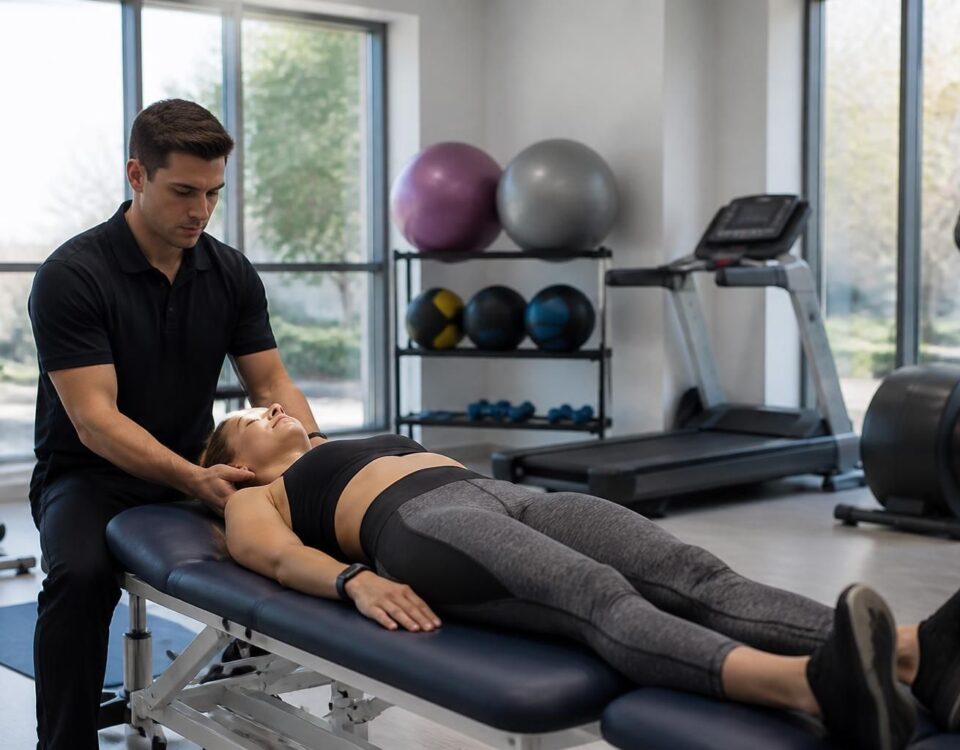
Innovations in neurovertebral decompression tables
26/06/2026
The psychological benefits of neurovertebral decompression
26/06/2026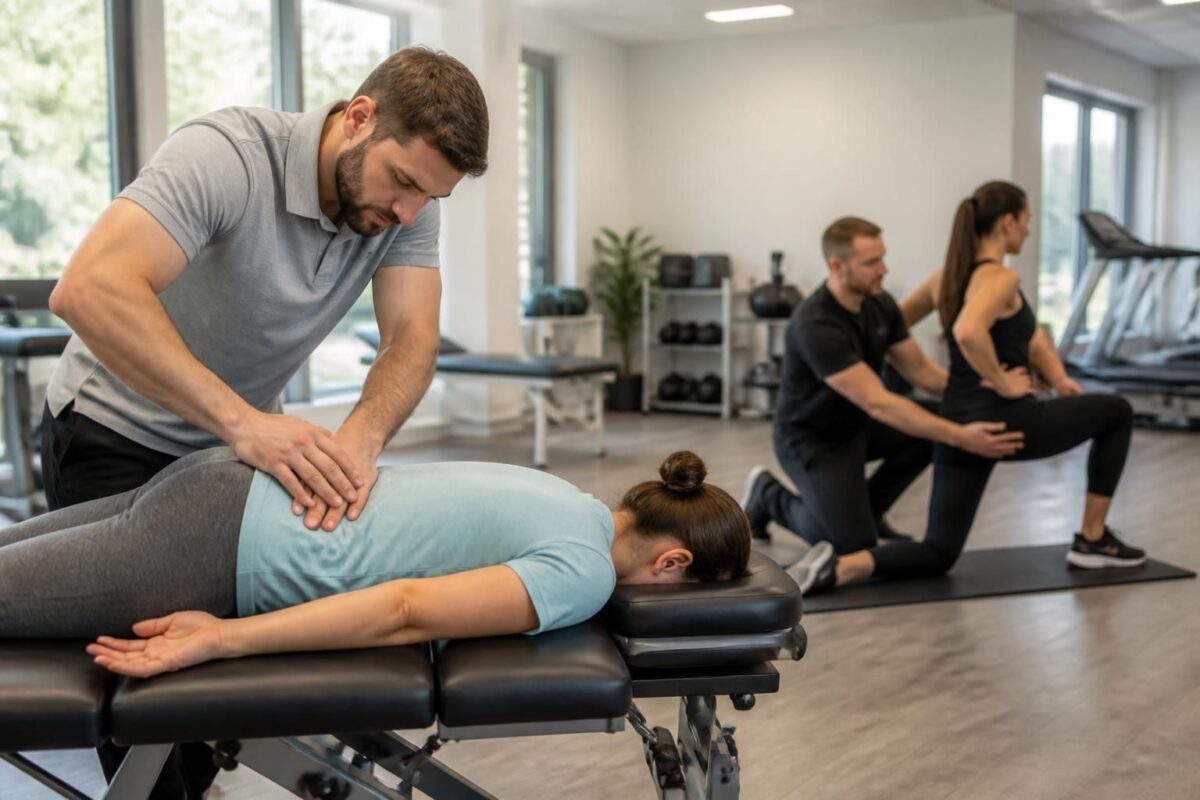
In short
| In short, neurovertebral decompression is a non-invasive therapeutic approach aimed at reducing Pressure on intervertebral discs and nerves, promoting healing and relapse prevention after an injury. accessible to Montreal, this treatment offers Reduced pain, Mobility found and Optimized vertebral alignment, while supporting the lasting return to the activity. Integrated into a global rehabilitation program, it helps prevent recurrences and sustainably improve the quality of life of patients, including athletes and people with lower back or neck pain. |
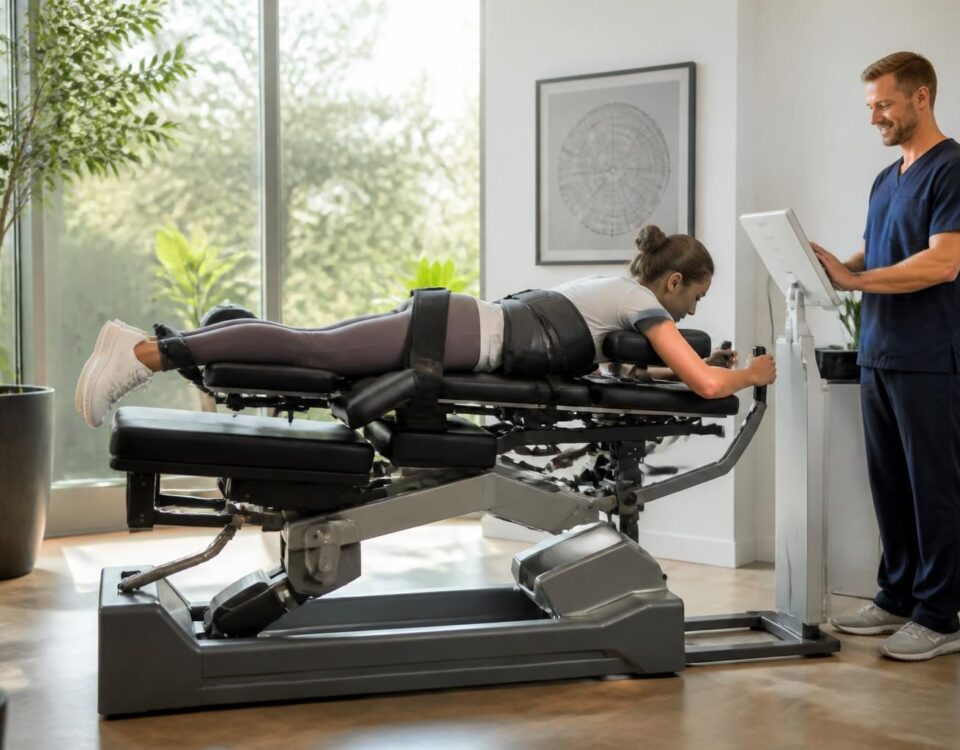
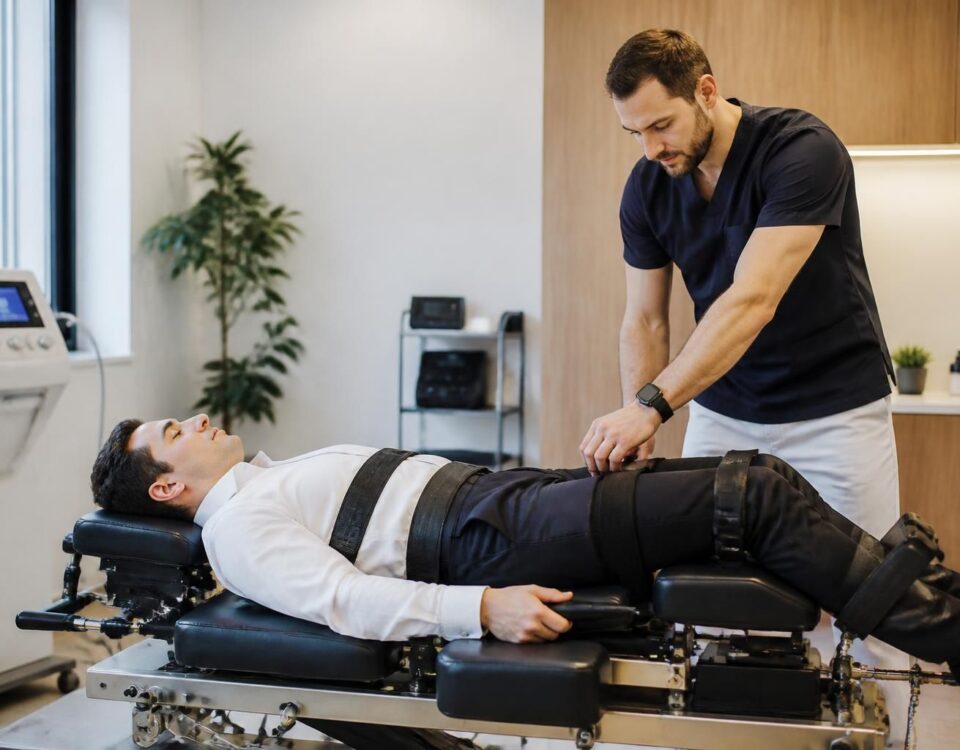
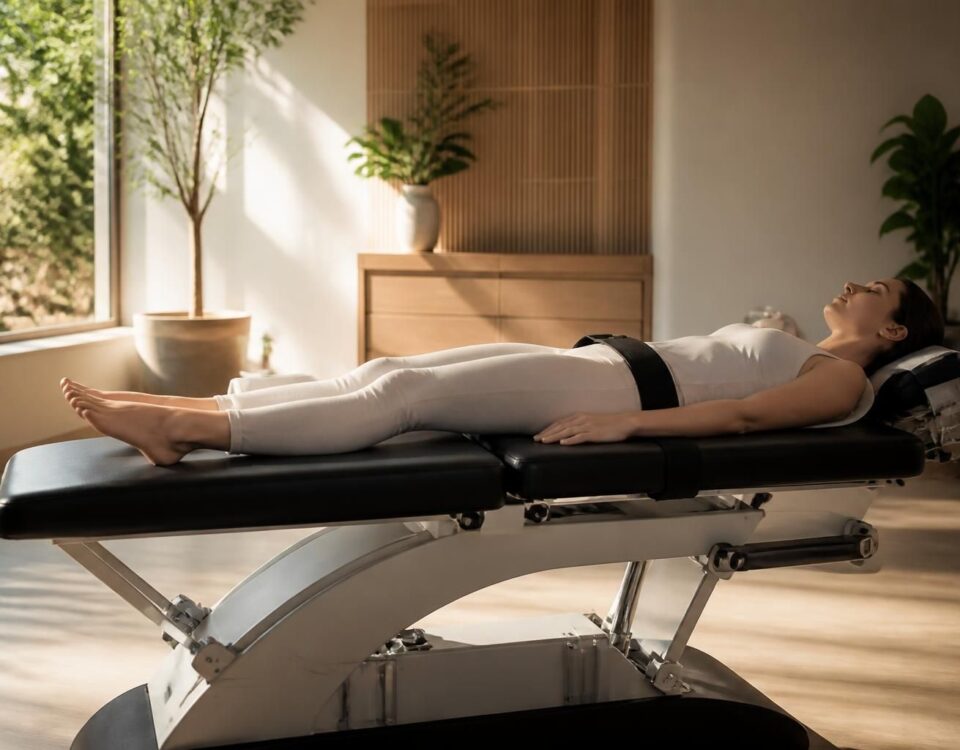
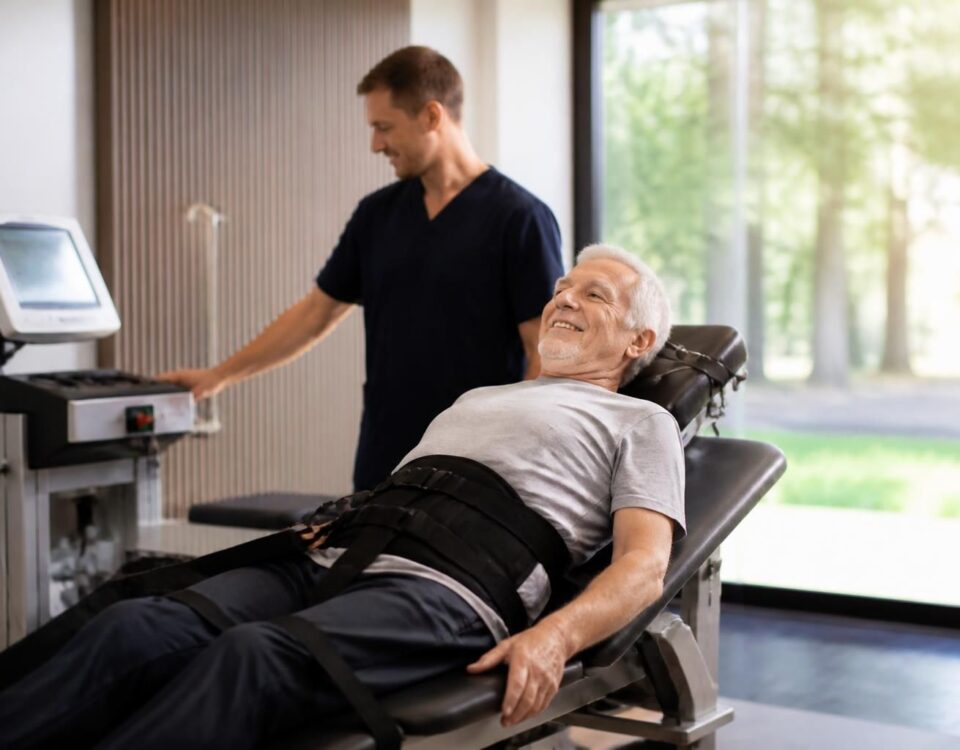
The neurovertebral decompression is a technique non-invasive who employs a gentle traction on the spine to release the pressure exerted on the Intervertebral discs and the gristle after an injury.
By creating a Space between the vertebrae, it improves the bloodstream and promotes the Tissue regeneration and Lhydration discs, thus contributing to a pain reduction and to a Faster recovery.
Beyond relief, this approach helps Prevent recurrences holding thevertebral alignment and limiting the movements likely to aggravate the lesions.
integrated into a Global rehabilitation program, it is accompanied by exercises of strengthening and work on the posture In order to enhance stability and reduce the risk of future pain.
One Regular follow-up Allows you to adjust the treatment according to the evolution and level of activity, in order to optimize the results in the long term.
neurovertebral decompression is a non-invasive approach used to prevent relapses after a spinal injury. This article explains how it works, its main benefits and how it fits into a global rehabilitation program to reduce the risk of recurrence of pain and limitations. The goal is to provide evidence-based care tailored to each patient.
The neurovertebral decompression Acts by gentle and controlled traction on the spine. This traction creates a slight space between the vertebrae, which decreases the pressure exerted on the intervertebral discs and nerve structures. This pressure reduction promotes better blood circulation and can facilitate the regeneration of injured tissues. At the same time, column alignment can be improved, which helps to limit excessive movement and support adequate posture. This approach is particularly useful after spinal injuries and can help prevent recurrences when integrated into a comprehensive and appropriate care program.
For patients, the integration of neurovertebral decompression in a rehabilitation course ensures precise medical follow-up. Health professionals regularly assess the evolution and adjust the treatment plan to meet individual needs. A multidisciplinary approach makes it possible to combine this technique with other non-surgical interventions and proactive spinal health advice. Discover additional resources and examples of implementation on specialized sites “Why neurovertebral decompression is a natural solution” and “Spinal decompression and recurrence prevention”.
How does neurovertebral decompression work
Neurovertebral decompression is based on traction Soft and controlled which releases some of the accumulated pressure on discs and nerves. This gap between the vertebrae allows better hydration and tissue feeding, while facilitating the circulation of nutrients. By promoting better spinal alignment, this technique helps reduce painful signals and support the healing process after a spinal injury. The treatment is non-invasive And can be part of a regular follow-up framework with a multidisciplinary team.
Beyond the initial relief, decompression promotes increased spine stability, which is essential to limit repeated painful episodes. This approach is part of a logic of preventing recurrences by acting on the causes rather than being limited to the treatment of symptoms. To deepen the mechanisms and clinical examples, consult the dedicated resources on specialized sites Neurovertebral decompression and reduction of chronic mechanical pain and Why choose decompression after a sports injury.
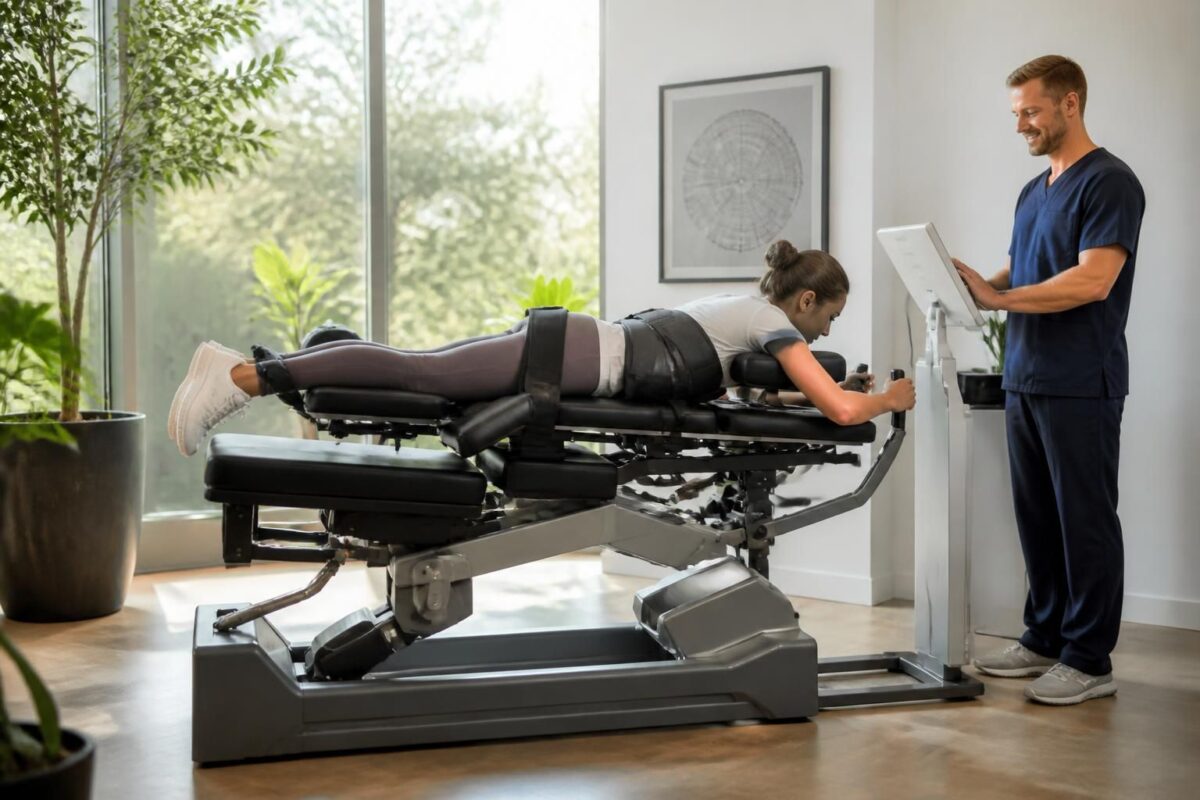
The long-term benefits of neurovertebral decompression for spinal health
In short In short, the neurovertebral decompression is a non-invasive approach that decreases the Pressure on intervertebral discs and nerves, favoring the Natural regeneration and tissue recovery. Its long-term benefits include Lasting pain reduction, Improving mobility and from the posture,…
Advantages and clinical results
The expected benefits of neurovertebral decompression include a pain reduction, a Improving mobility and an Prevention of recurrences thanks to the maintenance of an adequate intervertebral space. In practice, patients report a better ability to resume their daily activities and a decrease in painful episodes after a few weeks of treatment, when the protocol is adapted and followed by competent professionals. This approach can also promote better tissue nutrition and a reduction in local inflammation.
To understand how this technique can be part of your care pathway, you can consult resources describing the impact on post-injury recovery through testimonials and clinical analyzes on specialized sites Tagmed Clinic and Secondary muscle pain.

Neurovertebral decompression and mobility: a return to an active life
In short In short, the neurovertebral decompression is therapy non-invasive who uses a gentle traction To create a space between the vertebrae and reduce the pressure on the Intervertebral discs and the nerves. It promotes a bloodstream improved, lowers tension…
Role in the Relapse Rehabilitation and Prevention Program
Neurovertebral decompression is more effective when it is part of a Global rehabilitation program. This program combines regular evaluation, treatment adjustments and appropriate patient condition advice. The goal is toOptimize spinal stability and reduce the risk of recurrence after injury. To learn more about preventive aspects after injury, see the following resource: Neurovertebral Decompression – Prevention of Recurrences.
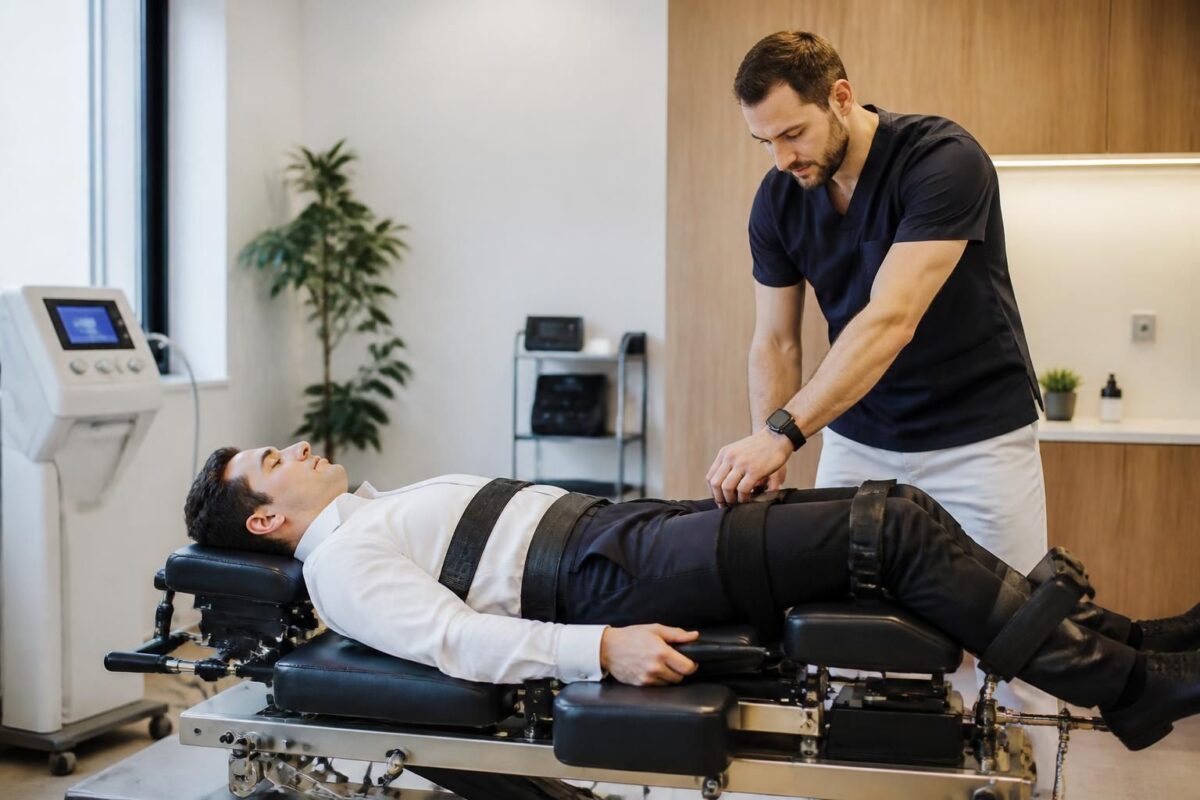
How Neurovertebral Decompression Prevents Diffuse Chronic Pain
In short decompression neurovertebral is one Non-invasive method aimed at reducing the Pressure on the intervertebral discs and the nerves, in order to prevent Diffuse chronic pain. It improves the circulation and thedisc hydration, decreases inflammation and promotes better mobility.…
Safety, precautions and limits
Neurovertebral decompression is an intervention non-invasive and generally well tolerated. Preliminary assessments determine the patient’s suitability and avoid contraindications. Like any treatment, it can cause slight fatigue or a transient feeling after session, which usually disappear quickly. It does not replace the advice of a doctor and must be used as part of a care plan supervised by qualified professionals.
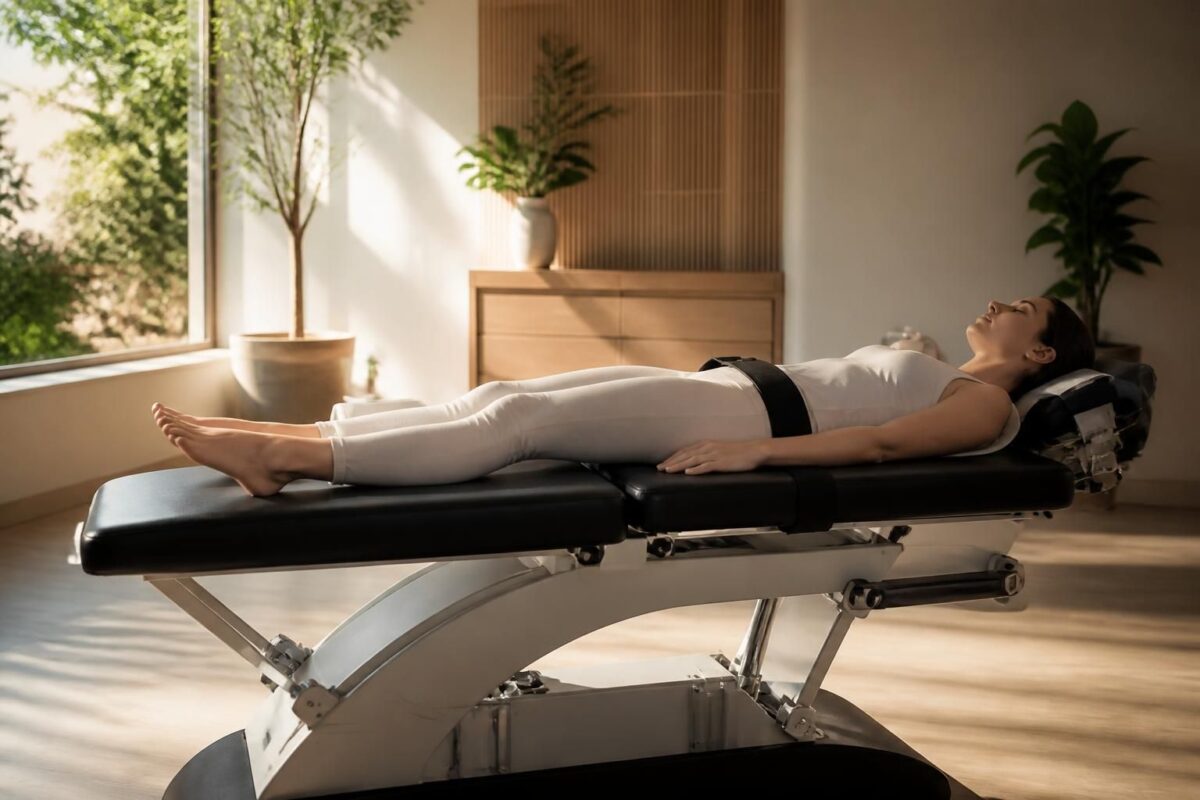
Neurovertebral Decompression and Body Alignment: Restoring Natural Balance
In short In short, neurovertebral decompression is one Non-invasive approach who restores theBody Alignment and thenatural balance back and neck. She acts by a Controlled traction of the spine to widen the intervertebral space and reduce the Pressure on discs…
Role of the team and resources
multidisciplinary follow-up, involving qualified professionals in osteopathy And in manual medicine, ensures the adjustment of the protocol according to the evolution. Recognized training courses in the field include NUMSS and NAO, as well as other organizations dedicated to osteopathy and manual medicine. For patients, it may be relevant to get information from specialized clinics that offer neurovertebral decompression and relapse prevention programs in dedicated clinical environments, such as Tagmed Clinic.
To explore additional resources and approaches, see the following pages: Why neurovertebral decompression is a natural solution, Decompression and reduction of chronic mechanical pain, and Secondary muscle pain.
For information about the clinical framework and management options, visit Spinal decompression – prevention of recurrences and Prevent recurrences of night pain. Additional resources and clinical perspectives are also available on the dedicated sites mentioned above and in professional resource bases.
Medical Disclaimer: The information and advice provided on this site does not replace the health professional’s diagnosis or treatment. Please note that Dr. Sylvain Desforges osteopath is neither a doctor of medicine nor a doctor, and is not a specialist in a medical specialty as defined by the Collège des Médecins du Québec. Manual medicine, functional medicine and sports medicine as described on this site exclude any medical treatment or diagnosis made by a doctor or specialist doctor. Always consult your doctor for any medical questions. For more details, please read our full legal notice.
Medical Disclaimer: The information and advice provided on this site does not replace the health professional’s diagnosis or treatment. Please note that Dr. Sylvain Desforges osteopath is neither a doctor of medicine nor a doctor, and is not a specialist in a medical specialty as defined by the Collège des Médecins du Québec. Manual medicine, functional medicine and sports medicine as described on this site exclude any medical treatment or diagnosis made by a doctor or specialist doctor. Always consult your doctor for any medical questions. For more details, please read our full legal notice.
- neurovertebral decompression : Quick relief by gentle traction releasing disk space and nerves.
- Circulation and nutrition : Better infusion of the spinal tissues.
- Alignment : more stable column and improved posture.
- relapse prevention : Maintenance of a healthy intervertebral space.
- Regular follow-up : reassessment and adjustments of the protocol.
- Education and autonomy : Posture tips and exercises to prevent recurrences.

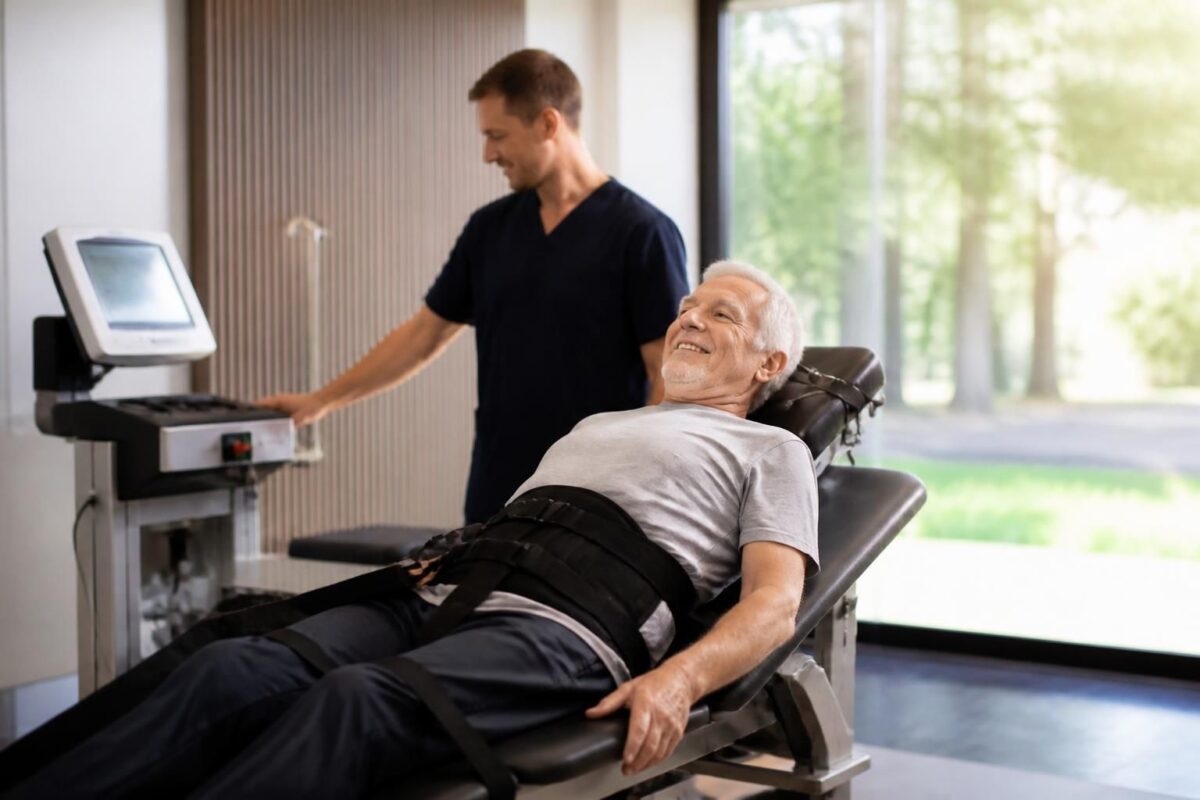
Why neurovertebral decompression is a lasting solution for active seniors
In short In short, the neurovertebral decompression is one Non-invasive therapy which sustainably relieves spinal pain in the spine active seniors By creating, by a Soft and controlled traction, a space between the vertebrae. At Montreal, it is recognized as…
quick summary
The neurovertebral decompression is a non-invasive approach that aims to reduce the pressure on the discs and nerves, to restore an intervertebral space and to promote circulation and tissue regeneration. By integrating into a personalized rehabilitation program and relying on healthy lifestyle habits, it helps prevent relapses after injury and promote a lasting and active return to daily activities.
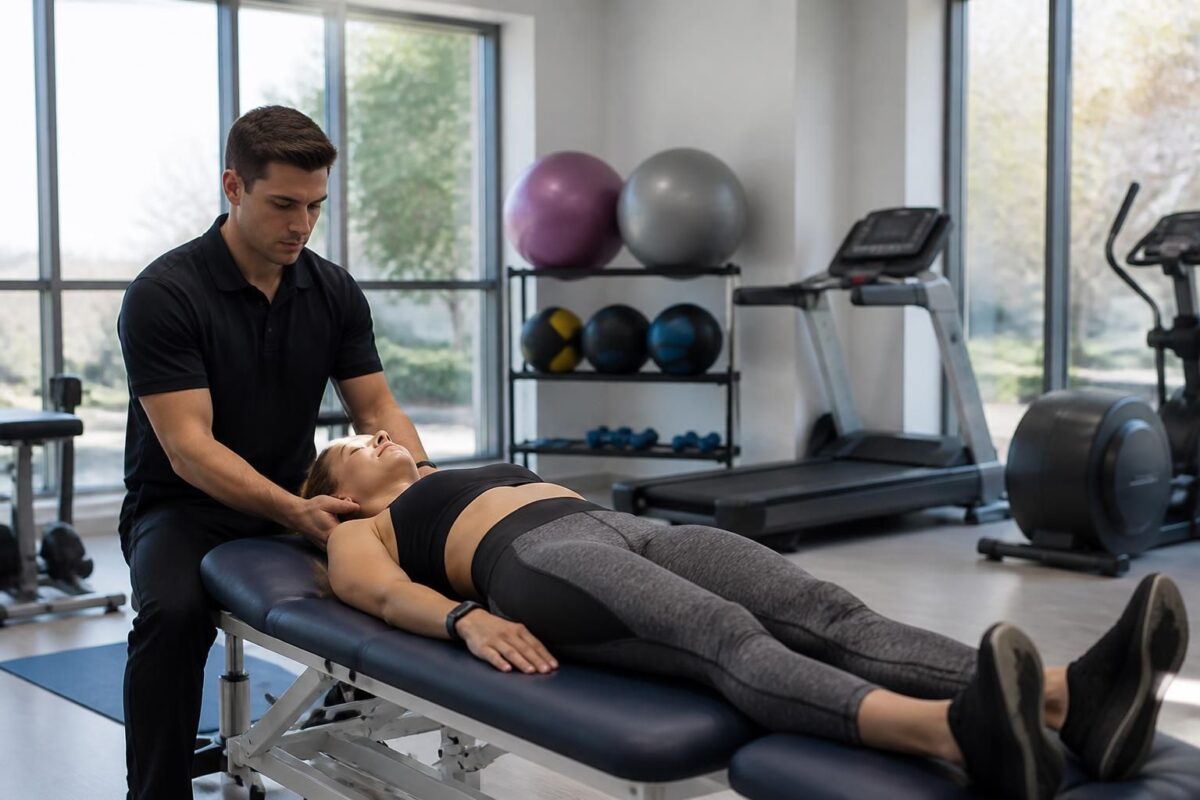
Neurovertebral decompression and recovery after severe sports injury
In short In short, the neurovertebral decompression is one Non-invasive method to Relieve the pressure on the Intervertebral discs and the gristle Via a Controlled traction, to facilitate the recovery After a severe sports injury. It improves the bloodstream towards…
Understanding decompression and relapse prevention
Neurovertebral decompression is based on gentle and controlled traction that releases the stacking of pressure on the spinal structures. This placement promotes the feeding of the discs, improves circulation and can reduce painful signals. Its objective is not only occasional relief, but also the reduction of the risk of recurrence by stabilizing the spine and supporting the healing process. Prevent relapses Goes through a proactive approach that acts on the causes, not just the symptoms. By integrating this technique into a global plan, we optimize the chances of a sustainable recovery and a return to the practice of activities with confidence.
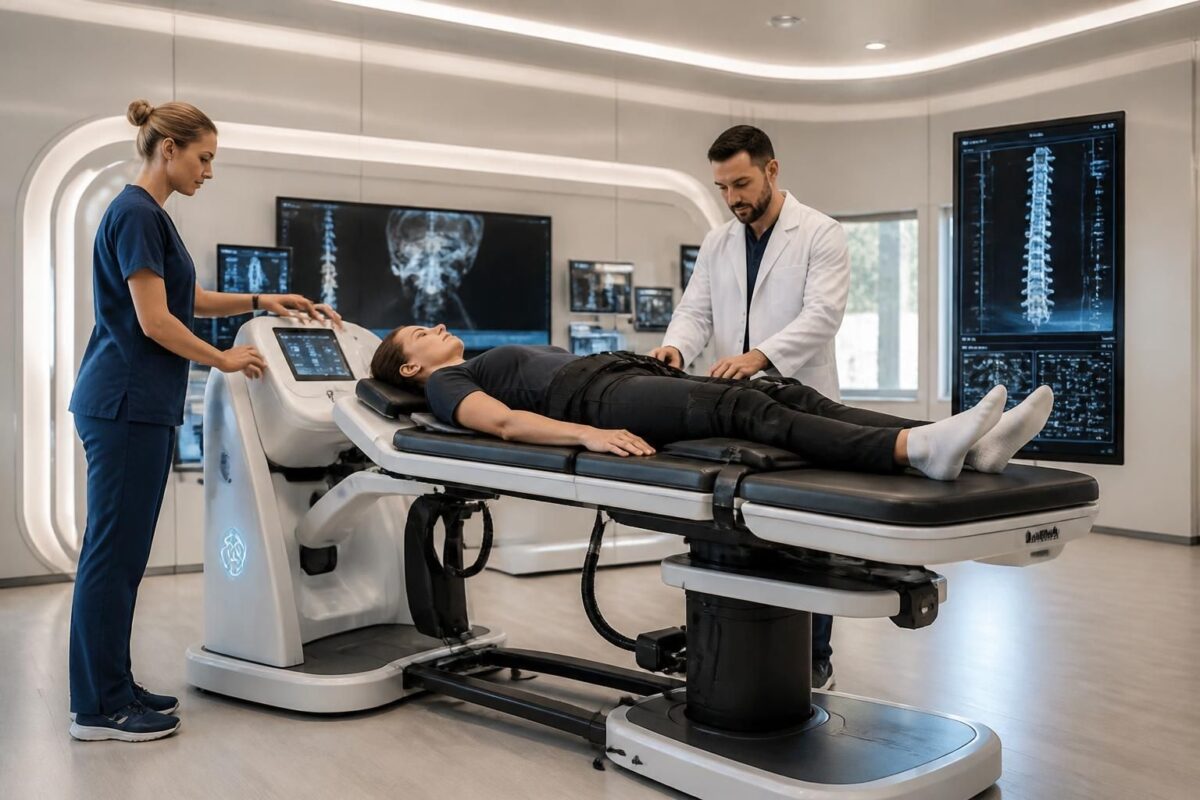
Recent innovations in neurovertebral decompression technologies
In short In short, the neurovertebral decompression is an approach non-invasive Aiming to reduce pressure on discs and nerves, and promote tissue regeneration. At Montreal, it is positioned as an effective option for lower back pain and herniated discs. The…
Integrate decompression into a rehabilitation course
Establish a personalized plan
Every spinal injury is unique. It is therefore essential to start with A personalized plan which specifies the number and rhythm of the sessions, the functional objectives and the progression criteria. The plan should be reviewed regularly based on the patient’s evolution and the results observed during the evaluations.
Multidisciplinary monitoring and coordination
To maximize results, decompression must be part of a Multidisciplinary coordination including osteopaths, physiotherapists and other health professionals. Intermediate assessments allow you to adjust the treatment and ensure that the patient gains in stability, mobility and muscle strength around the spine.
Transfer to daily activities
At the end of the initial sessions, the objective is to transfer the gains obtained into a workout and active life routine. Reinforcement, stability and mobility exercises to be carried out at home complete the sessions in the office, ensuring better protection against relapses and a safe return to usual activities.
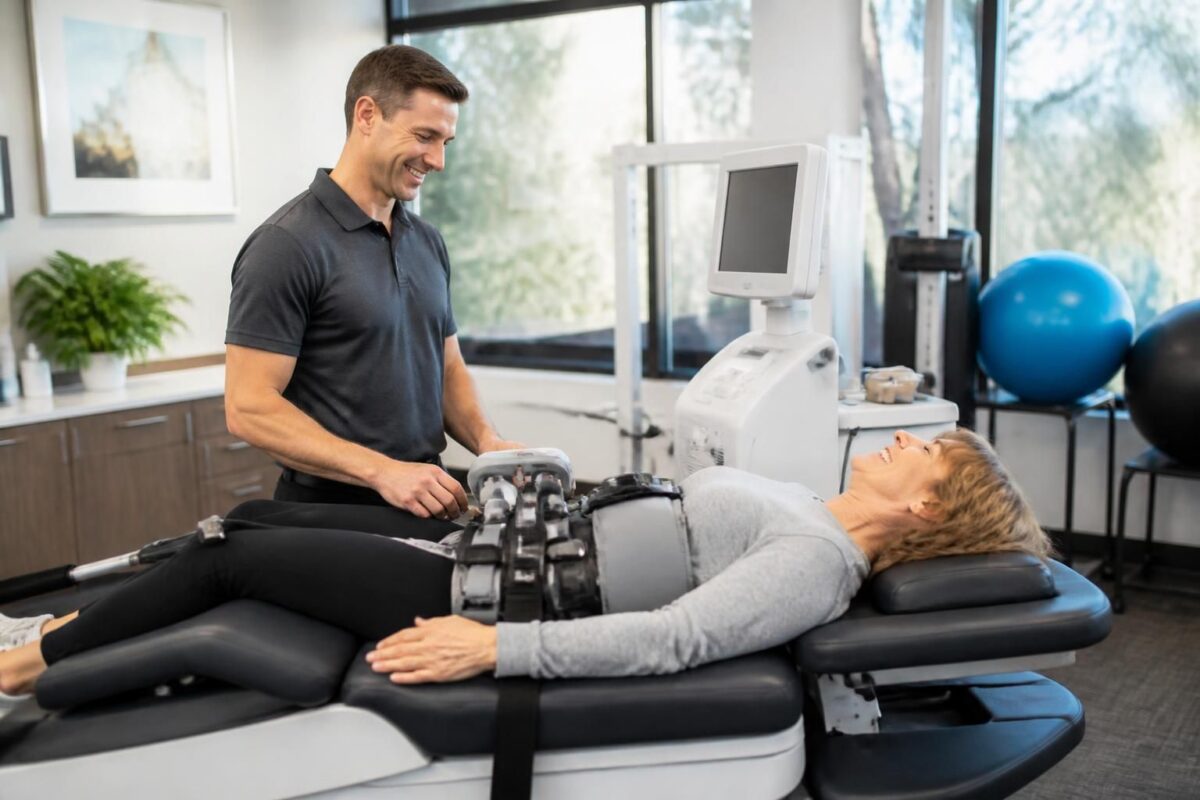
Neurovertebral decompression and diffuse pain: an appropriate solution
In short In short, the neurovertebral decompression is one Non-invasive solution For diffuse pain related to nerve irritation of the spine. She acts in Reducing pressure on intervertebral discs and nerves and improving the bloodstream, which promotes recovery and the…
Lifestyles and relapse prevention
Posture and movement on a daily basis
Adopting a neutral posture at work and during everyday actions helps to preserve spinal alignment. Avoiding excessive repetitive gestures and favoring regular micro-pauses helps maintain the beneficial effects of decompression and limit tension on the column.
Adapted physical activity and reinforcement
Integrating appropriate physical activities and trunk stability exercises strengthens muscle resilience around the back. Slow, controlled progression improves shock absorption capacity and reduces the risk of further injury.
Hydration and food
Adequate hydration supports disk nutrition and local blood flow, while a balanced diet, rich in essential nutrients, promotes the repair process. These factors act in synergy with decompression to limit painful episodes.
Sleep, stress management and recovery
Quality sleep and stress management techniques improve overall recovery and pain perception. Regular sleep routines and relaxation practices support healing mechanisms and reduce inflammatory tension.
Monitoring and action plan
Programming regular checks makes it possible to check the evolution of the column and to anticipate any relapses. In case of aggravation, new symptoms or stagnation, it is necessary to adjust the number of sessions, the duration of treatment or the intensity of the exercises, in order to maintain a favorable dynamic and avoid backtracking.
| Element | Concise and prevention |
|---|---|
| Indication | Relieves pain and promotes recovery |
| Mechanism | soft traction creates space and decreases pressure |
| Effect on pain | Immediate reduction and improvement of mobility |
| relapse prevention | Stable intervertebral space to limit recurrences |
| Rehabilitation integration | Tailor-made program with reinforcement and posture |
| Security and non-invasive | Non-surgical procedure with medical supervision |
| Monitoring and adaptation | Regular assessments and protocol adjustments |
| Expected results | Sustainable improvement in quality of life and reduction in relapses |
| contraindications | Specific cases and precautions to be discussed with the practitioner |
Testimonials: neurovertebral decompression and relapse prevention after injury
Marie, 34: “Since my injury, the neurovertebral decompression really changed things. My pain quickly decreased and I found my Daily activities without fear of relapse. »
Antoine, 41 years old: “After the first sessions, I noticed a real improvement in my mobility and a reduction in nerve pressure. This approach promotes relapse prevention maintaining good alignment and space between the vertebrae. »
Sophie, 29: “As an athlete, the relapse prevention is essential. With the neurovertebral decompression, my mobility improves and I gradually regain my performance without pain that reappears. »
Guillaume, 46: “After my disc accident, I was afraid that the pain Come back to every move. Today, thanks to the neurovertebral decompression And to personalized follow-up, I have reduced the painful episodes and I am working on the relapse prevention. »
Élise, 52: “After an injury, the neurovertebral decompression my permit to reduce my pain and resume my professional activities. What is most significant is the relapse prevention who gives me confidence to plan the future without fear. »
Raphaël, 33: “As an athlete, I particularly appreciate how this approach supports recovery and relapse prevention. I found a mobility fluid and a Sustainable quality of life, which optimizes my performance. »
Neurovertebral Decompression and Relapse Prevention After Injury
Dr. Sylvain Desforges is a leading figure in the field of manual approaches and therapies associated with the management of chronic pain. An osteopath by training, passionate about innovation in health and recognized practitioner in manual medicine and naturopathy, he holds the position of founding president of the Tagmed clinics and the ACMA association. His approach is part of a holistic and evidence-based vision, where each patient benefits from a personalized journey combining advanced manual techniques and complementary technologies. This trajectory led him to promote non-invasive and effective solutions to optimize health and well-being, while placing patient education at the heart of the therapeutic process.
Neurovertebral decompression is at the center of its approach to treating pain associated with spinal injuries and preventing relapses. This method is based on a gentle and controlled traction which aims to free up the space between the vertebrae. By reducing the pressure exerted on the intervertebral discs and nerves, it improves local blood circulation and promotes tissue regeneration. The clinical results observed in patients after a spinal injury demonstrate significant pain reduction and improved mobility, with a lower risk of recurrence when treatment is integrated into a comprehensive rehabilitation program. This approach is particularly suitable for individuals who have undergone herniated discs, recurrent low back pain or post-traumatic nerve irritation, and it is a key step for a lasting return to activity.
Beyond its analgesic effect, neurovertebral decompression is based on mechanisms that aim to prevent relapses. By restoring and maintaining optimal column alignment, it contributes to postural stability and limits excessive movements that can trigger further deterioration. Integrated into a personalized rehabilitation program, this technique is associated with strengthening, mobility and posture exercises, lifestyle advice and regular medical follow-up. This proactive approach helps patients to gradually resume their daily activities while strengthening the resilience of their musculoskeletal chain.
As part of his practice, Dr. Desforges collaborates with a multidisciplinary team and exploits synergies between decompression and other non-invasive technologies, such as laser and shockwave therapy, to optimize recovery phases. This coordination aims not only to relieve pain, but also to accelerate healing, improve circulation and promote lasting rehabilitation. The objective is clear: to offer a clear and effective course that reduces the risk of relapse and allows the patient to regain an active and serene quality of life.
To find out more about his approach and the services available in TagMed clinics and the ACMA association, contact his team directly to develop together a personalized plan adapted to your situation and your health objectives. Dr. Desforges focuses on evidence-based care and attentive listening to your needs to support you sustainably.
This summary clarifies the role of the neurovertebral decompression in the relapse prevention After a spinal injury, describing key mechanisms, non-invasive benefits and essential strategies to maintain spine health over the long term.
Summary and recommendations
The heart of the neurovertebral decompression resides in a gentle traction which creates a space between the vertebrae, decreasing the pressure on the Intervertebral discs and the gristle. This approach improves the bloodstream and promotes the tissue regeneration, contributing to a lasting reduction in pain and a faster return to activity. By promoting better alignment of the column, it directly participates in the relapse prevention and at the Postural stability during rehabilitation.
For sustainable relapse prevention, it is crucial to integrate decompression into a Global rehabilitation program and personalized. One Accurate medical follow-up, regular evaluations and an adaptive plan allow to adjust the number and intensity of the sessions, while associating strengthening, of mobility and of stability vertebral. A Multidisciplinary team (osteopaths, physiotherapists and other professionals) ensures consistent and appropriate care for each patient’s profile.
Relapse prevention measures are also based on maintaining adequate intervertebral space and controlling inflammatory or mechanical risk factors. The adoption ofHealthy lifestyle habits – Sufficient hydration, restful sleep, appropriate physical activity and postural management – Optimizes the sustainability of results. Patient education and active participation are major levers to build resilience and allow daily and sporting activities to resume with less pain and less risk of recurrence.
Recent resources and innovations offer promising prospects for preventing recurrences and optimizing care. To learn more, check out these articles and folders: Impact of neurovertebral decompression on recurrent injury prevention, Neurovertebral Decompression and Prevention of Physical Efforts Injuries and Neurovertebral Decompression and Prevention of Chronic Injury Relapses. Additional resources explore how these techniques support the prevention of future disc hernias and the treatment of persistent root pain.
For athletes and patients with persistent radicular pain, decompression can be combined with other non-invasive approaches and follow-up protocols. This integration aims to support thealignment and the stability of the column, while promoting the Lasting pain reduction and the Functional recovery.
Finally, follow-up protocols after a successful decompression and educational initiatives constitute a sustainable base for the prevention of relapses. Post-treatment assessment tools and individualized rehabilitation plans allow you to adjust the care pathway and maximize long-term results. To explore these aspects, see the pages dedicated to tracking protocols and technological innovations.
Additional resources
- Tracking protocols after successful neurovertebral decompression
- Innovations in neurovertebral decompression tables
- How neurovertebral decompression helps prevent future disc herniation
- Neurovertebral decompression and persistent root pain
- Neurovertebral decompression in the prevention of muscle injuries
- Impact of neurovertebral decompression on recurrent injury prevention

Dr Sylvain Desforges, B.Sc., D.O., N.D., osteopath, is the founding president of TAGMED and of the ACMA association. He dedicates his practice to chronic spinal pain, low back pain and symptoms compatible with sciatica, particularly when pain radiates toward the buttock, leg, calf, foot or toes.
Through SOS Sciatique, he publishes educational content on sciatica symptoms, possible causes such as disc herniation, disc narrowing, foraminal stenosis or irritation of a lumbar nerve root, as well as non-surgical approaches that may be considered according to the evaluation. At Clinique TAGMED, care may include, depending on the case, motorized neurovertebral decompression, specific osteopathic care or precision percussion.
For an evaluation related to sciatica treatment in Montreal / Mount Royal or sciatica treatment in Terrebonne, please consult the services available at Clinique TAGMED.
Medical disclaimer
The information published on SOS Sciatique is provided for educational purposes only and does not replace a consultation, diagnosis, opinion or treatment provided by a physician or another authorized healthcare professional. The author of this article is neither a medical doctor nor a specialist in a medical specialty recognized by the Collège des médecins du Québec. The osteopathic, manual medicine or functional support approaches described on this site do not constitute medical acts and are not intended to replace medical follow-up.
Consult a physician or emergency service in cases of loss of bladder or bowel control, anesthesia in the saddle area, significant or progressive weakness in the leg or foot, fever, recent trauma, severe pain or rapid worsening of symptoms. For more details, please read our Legal Notice.