How neurovertebral decompression affects diffuse neuropathic pain
26/06/2026
The benefits of neurovertebral decompression to reduce muscle tension
26/06/2026
In short
| In short, the neurovertebral decompression after vertebral fracture is an approach non-invasive aimed at reducing pressure on discs and nerves, promoting recovery fast and the return to an active life. What is it? It is a method that creates a space between the vertebrae by gentle traction. What are the benefits ? relief from the pain, improvement of the mobility and from the posture, accelerated tissue healing, better circulation blood and reduction of muscle tension. How does it work? traction controlled, without surgery, integrated into a program of re-education, suitable for the patient. In Montreal, this service is accessible and particularly effective for patients wishing to find mobility and quality of life after vertebral fracture. |
The neurovertebral decompression is an approach non-invasive intended for the Recovery after a vertebral fracture. It is based on a Controlled traction which creates a space between the vertebrae and reduces the pressure exerted on the Intervertebral discs and the gristle.
- pain relief and rapid improvement in mobility
- traffic improvement blood and intake of nutrients for tissue healing
- Progressive restoration alignment and posture
- Acceleration of recovery and reduction of the risk of recurrences by stabilizing the column
- Integration into a Global rehabilitation program With exercises and follow-up
The return to an active life and daily activities can be faster thanks to this gentle and effective approach.
The neurovertebral decompression is an approach non-invasive which can support recovery after a vertebral fracture. This article, written by a health professional and expert in osteopathy, explains the principle, the mechanisms of action and the integration of this therapy in a care course, with an emphasis on safety and effectiveness. It underlines how smooth and controlled traction can promotevertebral alignment, improve the bloodstream and support the tissue healing without having to resort to surgery, while integrating into a global rehabilitation program.
Principle of neurovertebral decompression
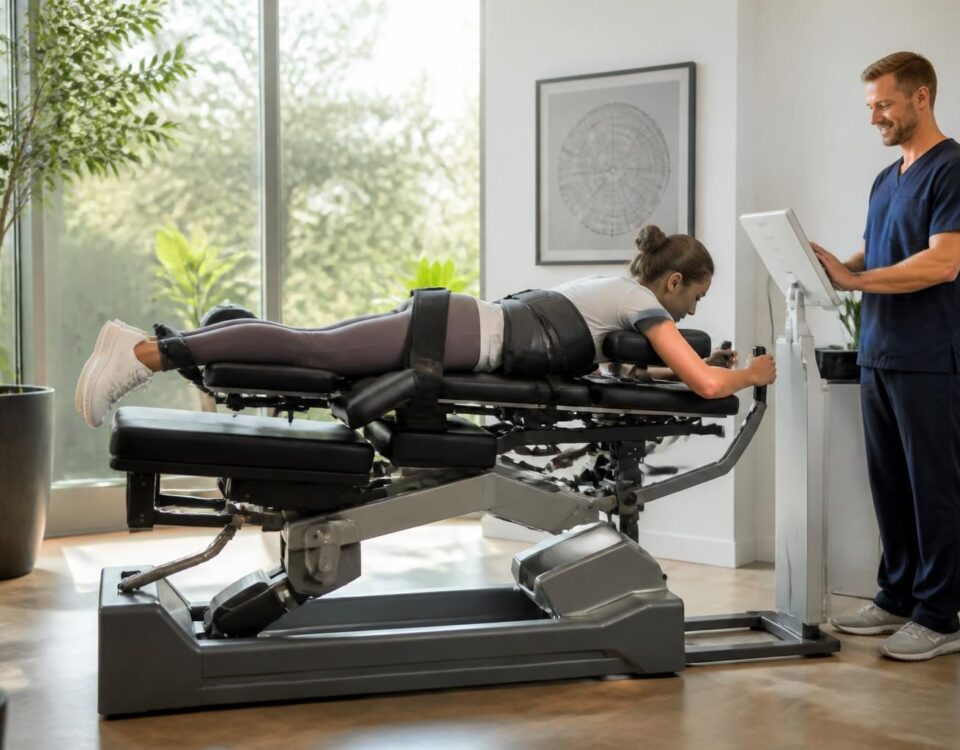
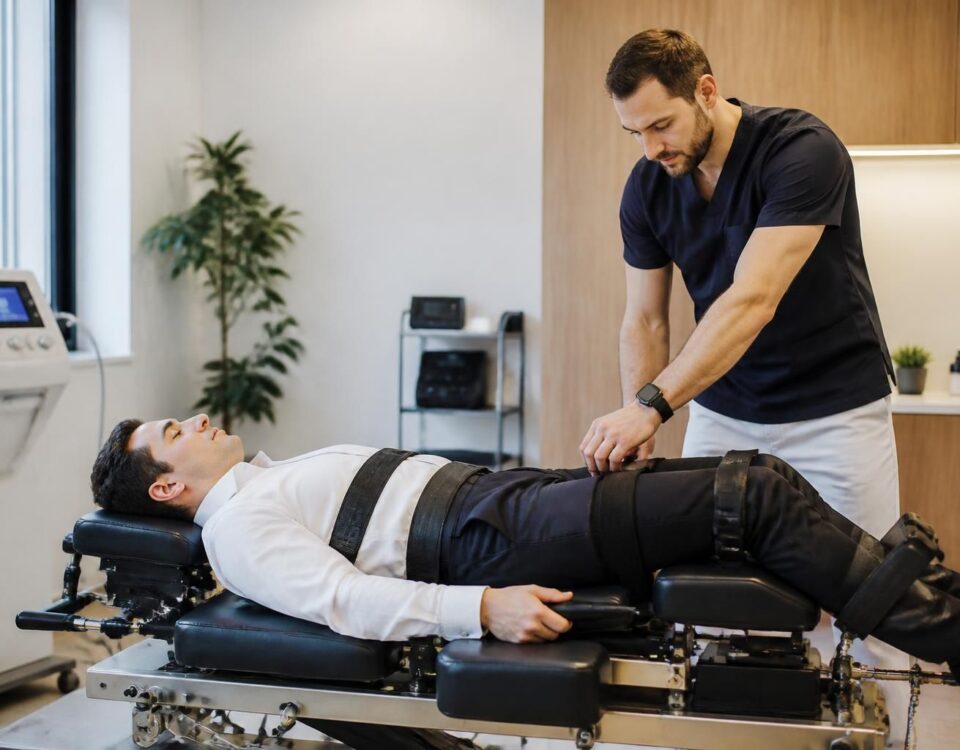
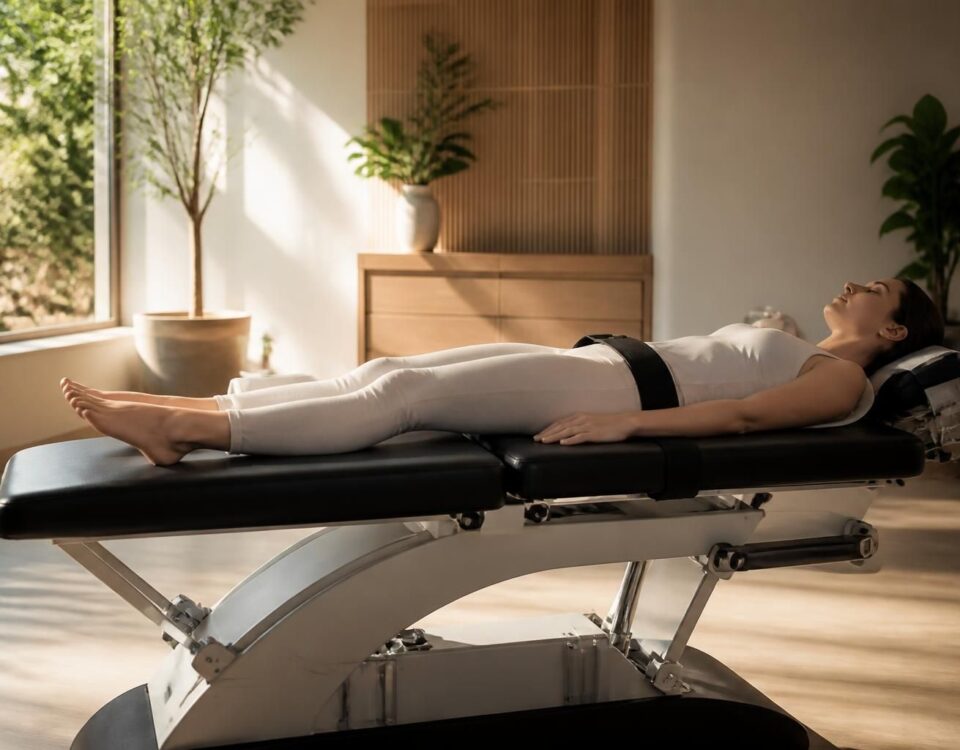
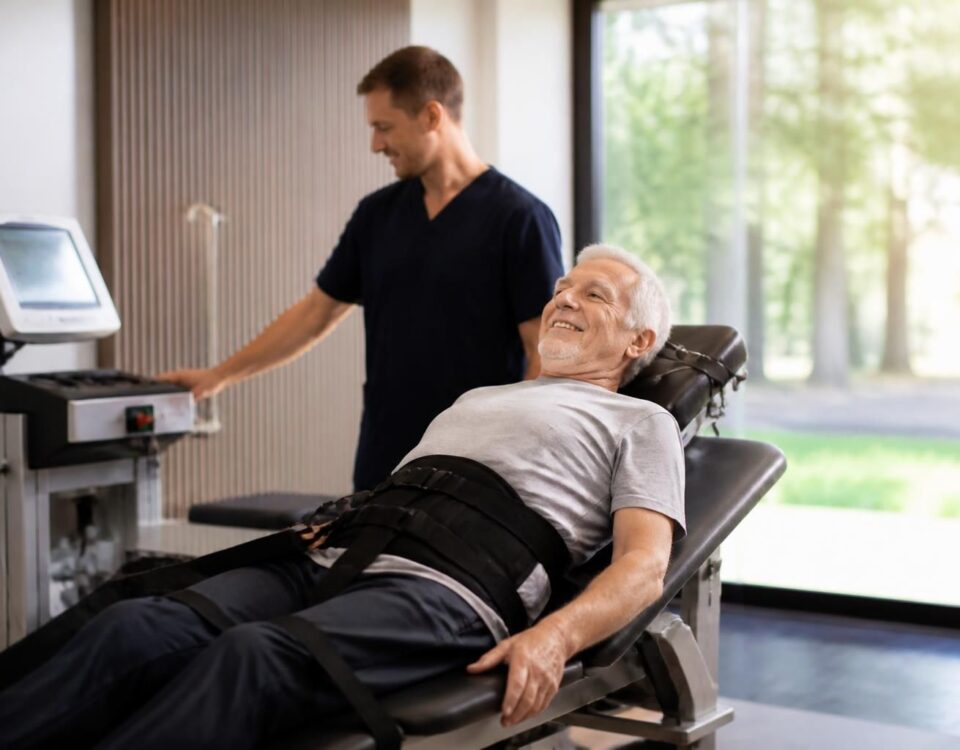
neurovertebral decompression uses a Controlled traction applied to the spine to create a Space between the vertebrae. This space reduces the Pressure on the intervertebral discs And on the nerve roots, which can decrease pain and facilitate movement. This treatment also promotes Oxygenation and the supply of nutrients to the damaged tissues, thus supporting the Functional recovery after a fracture or spinal injury.
Role after a vertebral fracture
After a vertebral fracture, posture and mobility can be compromised by pain and stiffness. Neurovertebral decompression offers several key benefits: it helps to restore thealignment From the column, it helps to release muscle tension around the injured area and it can facilitate the return to daily activities. This approach is complementary to a global care plan, supervised by professionals and offered in particular in Tagmed clinics in Montreal and in the regions, in order to support a progressive and safe recovery.
To deepen the resources and practical points related to neurovertebral decompression, you can consult specialized resources on different sites, including documents explaining theOptimization of injury recovery and the Advanced Protocols for complex cases. Additional information is available on the pages dedicated to neurovertebral decompression and posture improvement after heavy surgeries.
Integration into the care pathway
The integration of neurovertebral decompression in a post-fracture course should be done after a complete medical assessment. This assessment is used to target the areas to be treated and to define a personalized care plan. Decompression does not replace other therapeutic approaches; It is part of a global strategy including medical advice, multidisciplinary care and appropriate measures to promote recovery.
As part of the rehabilitation course, it is essential to coordinate sessions with health professionals and to monitor progress. Most patients find a rapid reduction in pain and a gradual improvement in mobility, making it easier to return to daily activities safely. To learn more about the mechanisms of action and the results observed, consult the corresponding resources and services offered by the specialized clinics.
- Early pain relief thanks to the decrease nervous pressure and disc pressure.
- Improvement of the posture and theBody balance.
- accelerated recovery of tissues and Increased mobility.
- Procedure non-invasive which avoids the risks associated with new surgery.
- Easy integration into a global rehabilitation program.
Comparison of therapeutic options
| Treatment | Relative efficiency | Briefing |
|---|---|---|
| neurovertebral decompression | High for pain and mobility after fracture | non-invasive action; integrates into a global course; favor in specialized clinics |
| Conventional physiotherapy | variable and sometimes slower to produce functional gains after fracture | May be part of a program, but according to clinical data, the rapid effect may be less in some cases |
| Repeated surgical procedures | Higher risk and complexity | reserved for specific situations and after in-depth medical evaluation |
To access additional resources and information, consult the dedicated pages on specialized sites, including Neurovertebral Decompression – A Complementary Therapy to Improve Posture After Heavy Surgeries or Optimize recovery with spinal decompression. For cases related to root pain and sciatica, additional resources are available on Radiant pain – Gently relieve.
Additional information and public resources are accessible via the pages associated with TagMed and rehabilitation approaches. For more details, visit Tagmed Clinic and the resources associated with neurovertebral decompression.
Medical Disclaimer: The information and advice provided on this site does not replace the health professional’s diagnosis or treatment. Please note that Dr. Sylvain Desforges osteopath is neither a doctor of medicine nor a doctor, and is not a specialist in a medical specialty as defined by the Collège des Médecins du Québec. Manual medicine, functional medicine and sports medicine as described on this site exclude any medical treatment or diagnosis made by a doctor or specialist doctor. Always consult your doctor for any medical questions. For more details, please read our full legal notice.
For more resources and information, see the following pages: Neurovertebral decompression and irradiating pain, How does decompression act on diffused neuropathic pain, and Optimize recovery with spinal decompression. Additional resources are also available via Personalized protocols for athletes.
- Objective Lasting pain reduction
- Objective posture improvement
- Objective Recovery of amplitude and flexibility
- Objective Circulation Optimization and Tissue Nutrition
- Objective Prevention of recurrences and post-fracture complications
- Objective Gradual resumption of daily activities
- Decompression Neurovertebral: gentle traction to create a space between the vertebrae
- Pressure Reduced pressure on discs and nerves
- Circulation Improved blood flow to affected areas
- Re-education Adapted muscle activation and strengthening
- Monitoring Custom plan and regular adjustments
- Approach Integration of other therapies for a global journey

Neurovertebral decompression is an approach non-invasive which can facilitate the Recovery after a vertebral fracture by reducing the pressure on discs and nerves. It is part of a personalized rehabilitation course to restore the mobility, improve thePostural alignment and permanently reduce pain. This article offers practical recommendations to optimize this rehabilitation.
Objectives and basic principles
The main objective of the neurovertebral decompression after vertebral fracture is to help the spine find its alignment natural while promoting the healing of tissues and bloodstream. By creating a space between the vertebrae through gentle and controlled traction, this technique can reduce muscle tension and associated pain, facilitating daily activities and returning to an active life. It should be considered as a component of the overall rehabilitation program and not as an isolated alternative to other care.
The long-term benefits of neurovertebral decompression for spinal health
In short In short, the neurovertebral decompression is a non-invasive approach that decreases the Pressure on intervertebral discs and nerves, favoring the Natural regeneration and tissue recovery. Its long-term benefits include Lasting pain reduction, Improving mobility and from the posture,…

Neurovertebral decompression and mobility: a return to an active life
In short In short, the neurovertebral decompression is therapy non-invasive who uses a gentle traction To create a space between the vertebrae and reduce the pressure on the Intervertebral discs and the nerves. It promotes a bloodstream improved, lowers tension…
Evaluation and selection criteria
preliminary assessment
Before starting, a thorough evaluation by a health professional is essential. This assessment may include clinical examination, vertebral stability analysis and, if necessary, imaging examinations to confirm that the fracture is consolidated and that the decompression plan is appropriate. This step allows you to customize the protocol and identify potential contraindications.
Selection and security criteria
Patients with a stable vertebral fracture and without medical contraindication may consider decompression as support for rehabilitation. Situations requiring special vigilance include persistent instability, infection, uncontrolled acute pain, or unstabilized severe osteoporosis. In all cases, treatment should be supervised and adjusted according to the patient’s progress and returns.
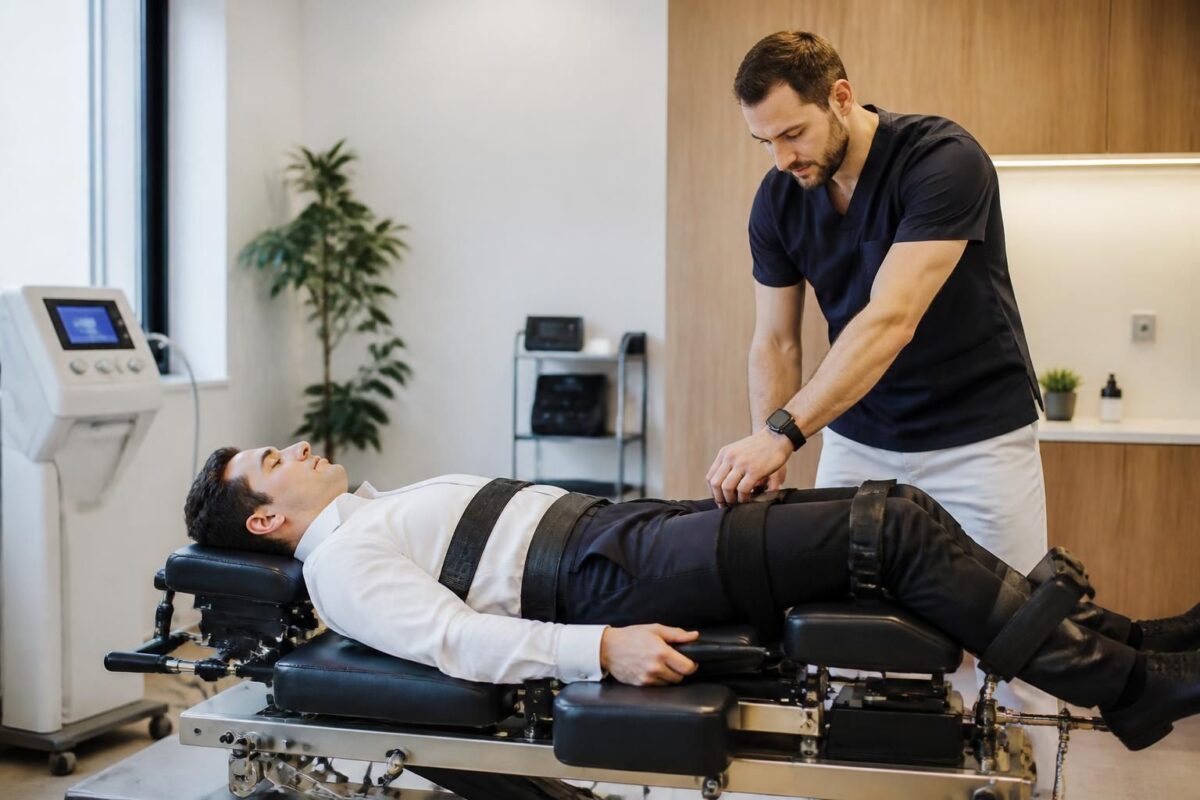
How Neurovertebral Decompression Prevents Diffuse Chronic Pain
In short decompression neurovertebral is one Non-invasive method aimed at reducing the Pressure on the intervertebral discs and the nerves, in order to prevent Diffuse chronic pain. It improves the circulation and thedisc hydration, decreases inflammation and promotes better mobility.…
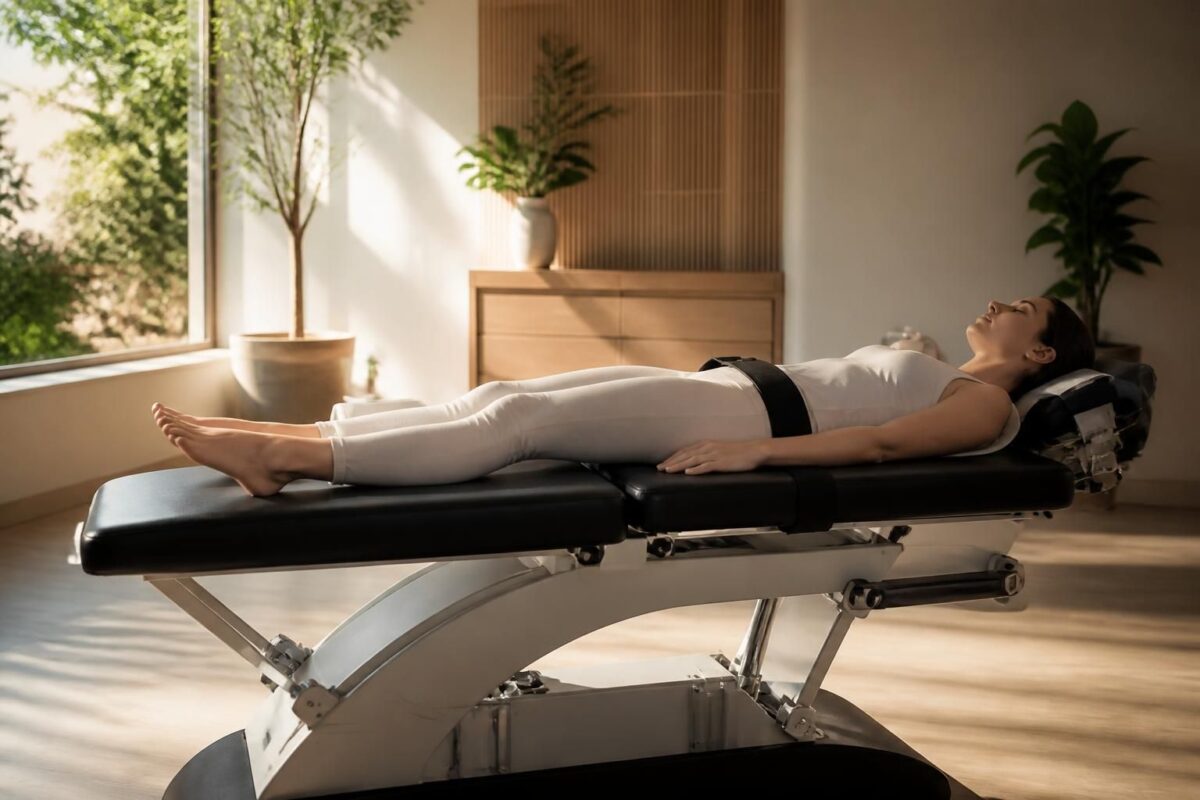
Neurovertebral Decompression and Body Alignment: Restoring Natural Balance
In short In short, neurovertebral decompression is one Non-invasive approach who restores theBody Alignment and thenatural balance back and neck. She acts by a Controlled traction of the spine to widen the intervertebral space and reduce the Pressure on discs…
Rehabilitation plan and progression of exercises
A structured plan promotes secure progress. The first sessions aim to establish a comfort mark, to reduce pain and to gradually restore the range of movements without overloading the column. Postural and trunk stabilization exercises, combined with breathing techniques, help strengthen the deep muscles and support the spine. The progression is made in stages: slowly increase the range of motion, introduce controlled spinal mobility exercises and integrate functional activities adapted to daily life.
Frequency and duration of sessions
Typical sessions are part of a regular framework over several weeks, with an intensity and duration adjusted to the patient’s tolerance. The therapist adjusts the traction level and exercises based on progress, pain and radiological or clinical consolidation of the fracture.
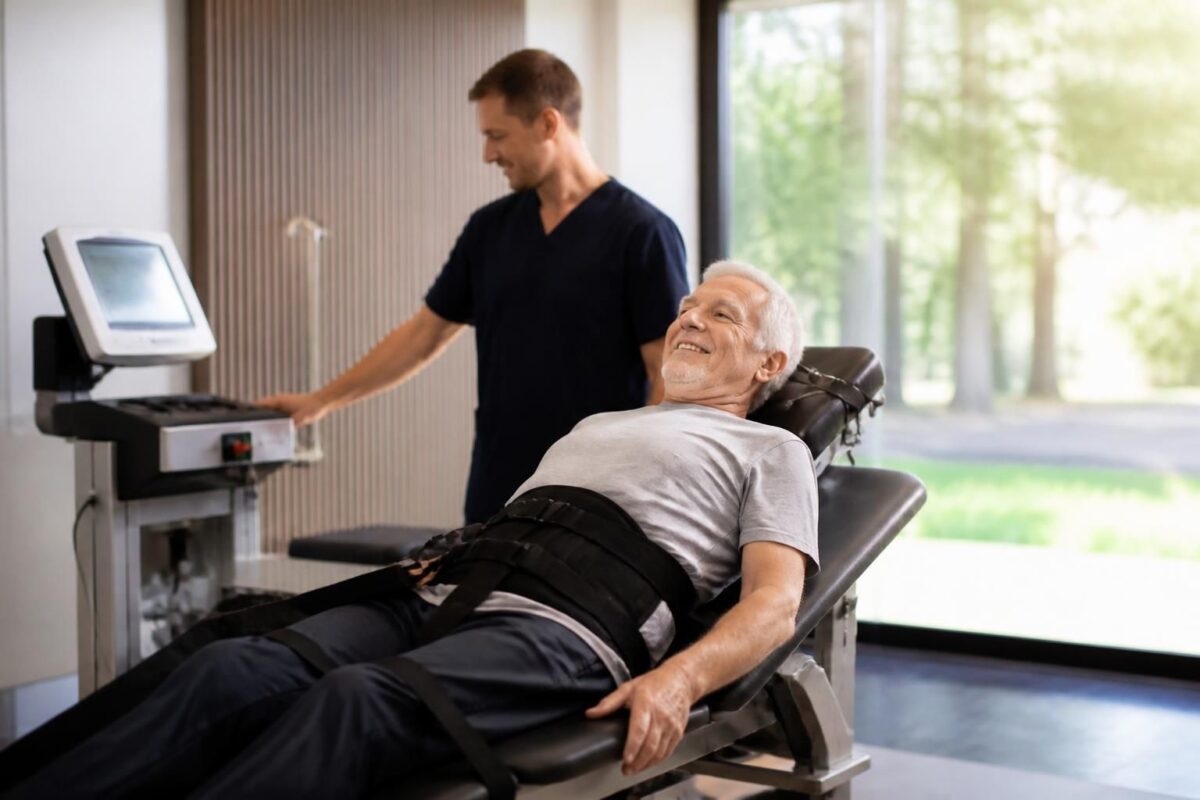
Why neurovertebral decompression is a lasting solution for active seniors
In short In short, the neurovertebral decompression is one Non-invasive therapy which sustainably relieves spinal pain in the spine active seniors By creating, by a Soft and controlled traction, a space between the vertebrae. At Montreal, it is recognized as…
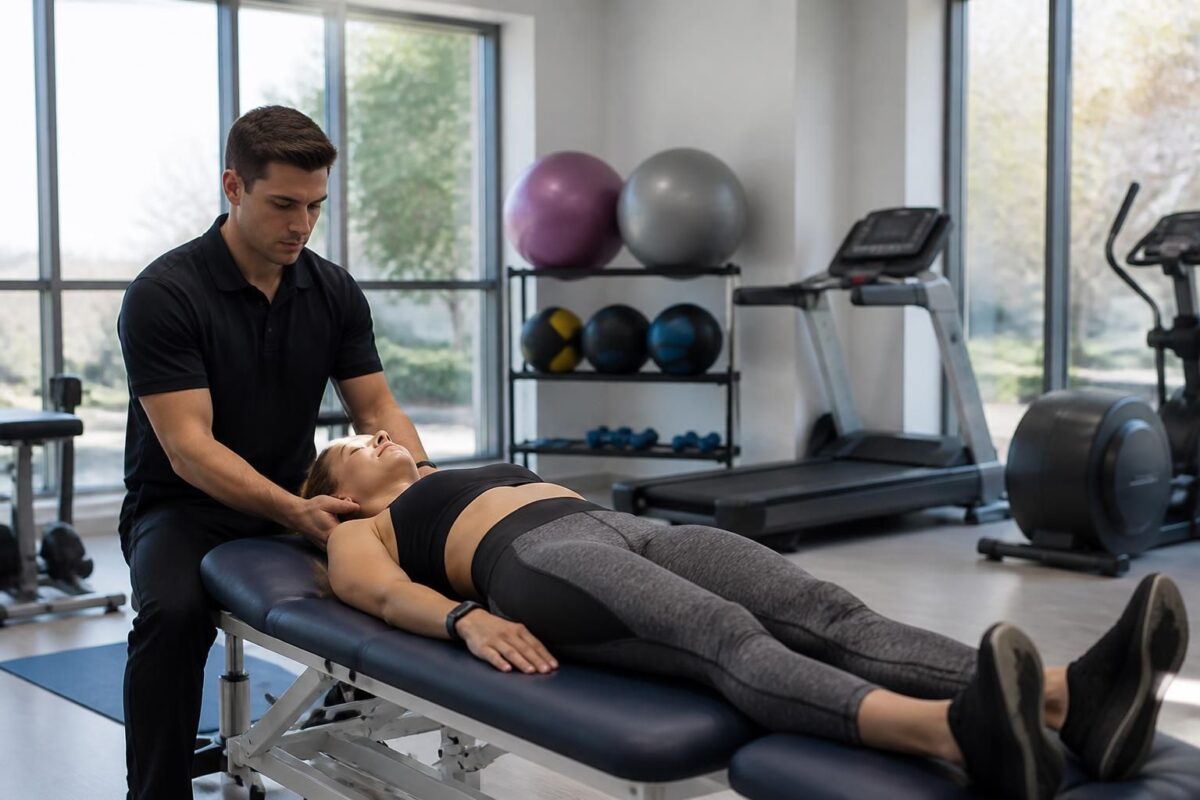
Neurovertebral decompression and recovery after severe sports injury
In short In short, the neurovertebral decompression is one Non-invasive method to Relieve the pressure on the Intervertebral discs and the gristle Via a Controlled traction, to facilitate the recovery After a severe sports injury. It improves the bloodstream towards…
Monitoring, adherence and prevention of recurrences
Regular monitoring is essential to assess mobility gains, pain reduction and overall posture. Program adjustment, postural education and strengthening exercises should be maintained even after the acute pain disappears. Decompression, combined with appropriate physical activity and ergonomic advice, helps prevent recurrences and promote a sustainable return to normal activities without limitations.
Recent innovations in neurovertebral decompression technologies
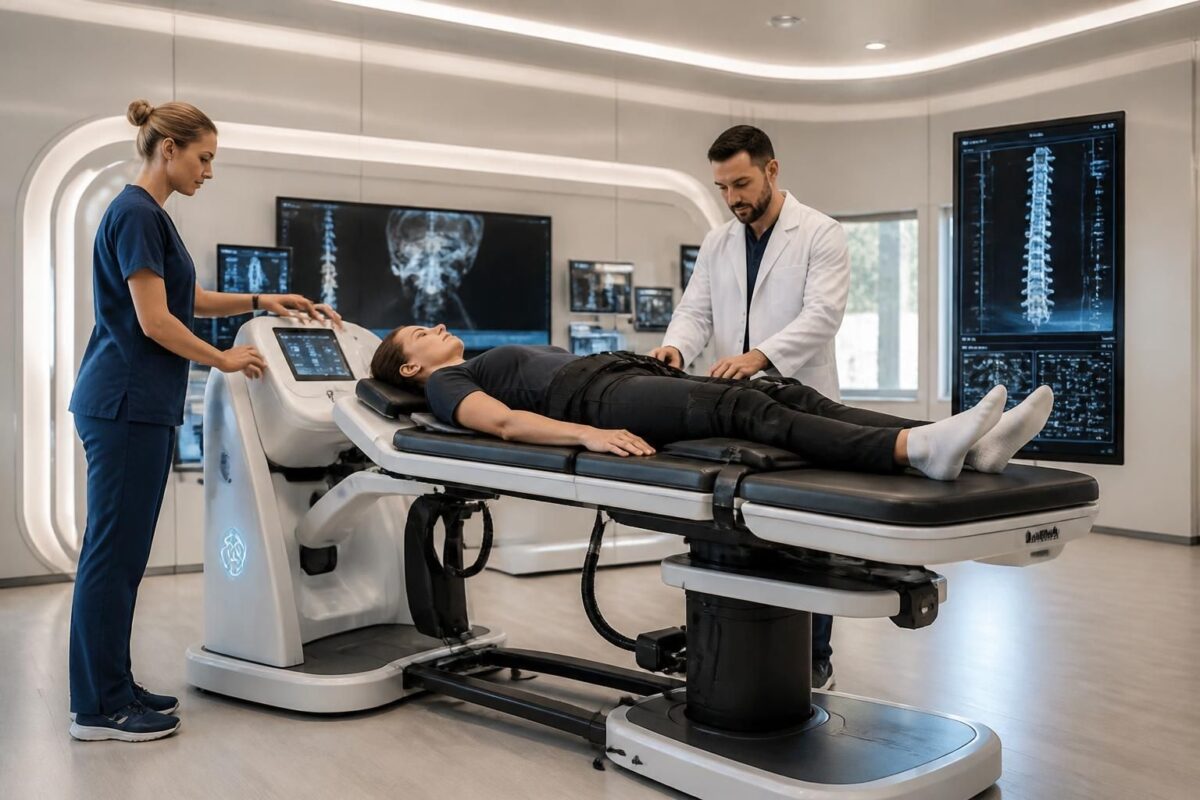
In short In short, the neurovertebral decompression is an approach non-invasive Aiming to reduce pressure on discs and nerves, and promote tissue regeneration. At Montreal, it is positioned as an effective option for lower back pain and herniated discs. The…
Neurovertebral decompression and diffuse pain: an appropriate solution
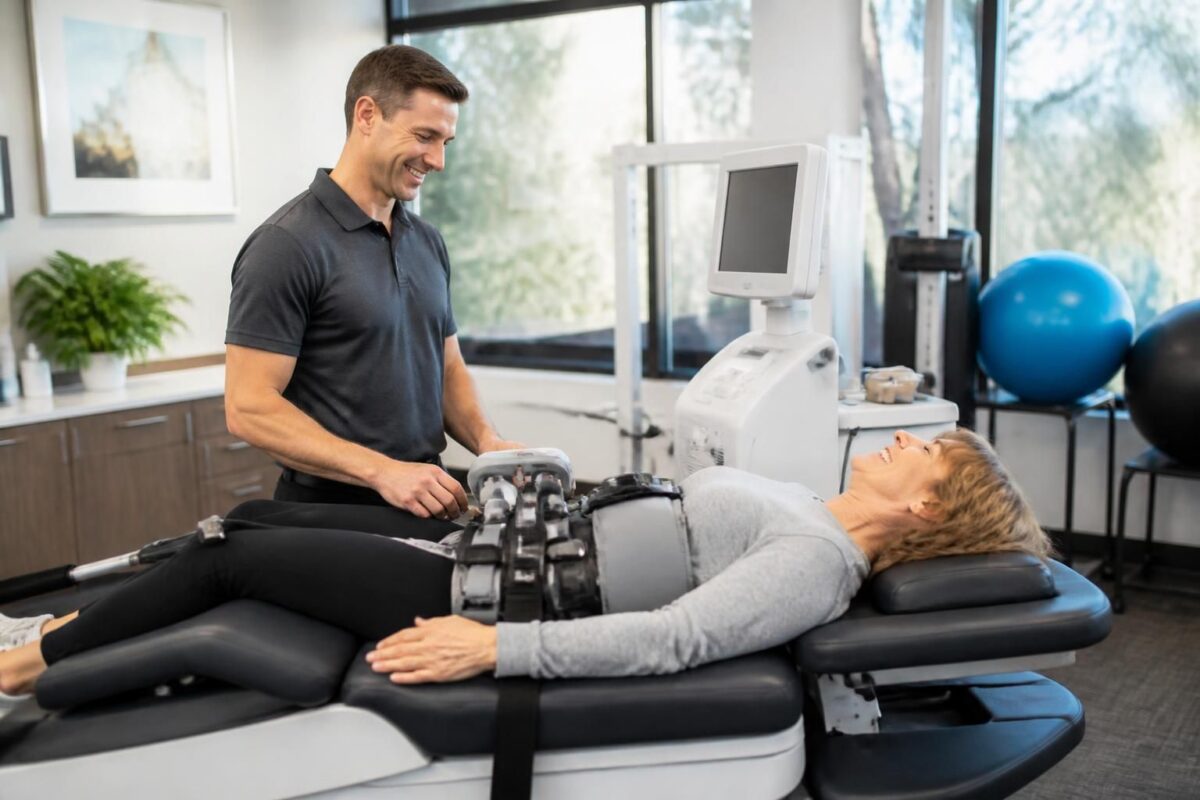
In short In short, the neurovertebral decompression is one Non-invasive solution For diffuse pain related to nerve irritation of the spine. She acts in Reducing pressure on intervertebral discs and nerves and improving the bloodstream, which promotes recovery and the…
Practical aspects and advice
To make the most of this approach, it is recommended to combine decompression with a Personalized rehabilitation, adequate hydration of the discs, and lifestyle habits that promote spinal health (regular physical activity, correct posture, stress management). Transparent communication with the care team and compliance with the established plan are key elements to optimize recovery and limit long-term pain.
| Element | Concise impact |
|---|---|
| Objective | relieve pain and tensions while restoring alignment and mobility |
| Mechanism | gentle traction non-invasive which spaces the vertebrae and discharges the nerves |
| directions | After vertebral fracture or heavy surgery to optimize rehabilitation |
| Benefits Pain and Inflammation | Rapid reduction in pain and inflammation |
| Posture and alignment | Improved body alignment and posture |
| Mobility and rehabilitation | Rehabilitation of range of motion and function |
| Progress | session of 30 to 45 minutes with controlled traction |
| Security and risks | non-invasive, low risk; slight temporary stiffness possible |
| Integration in the course | Integrated into a Overall course rehabilitation and follow-up |
Testimonials on neurovertebral decompression and recovery after vertebral fracture
Testimony 1 — After my vertebral fracture, the pain was constant and the mobility very limited. The sessions of neurovertebral decompression were a revelation. thanks to a gentle traction and non-invasive, the space between the vertebrae gradually widened, the nerve pressure has decreased and the bloodstream improved. In a few weeks, I found a mobility And I can walk again without pain.
Testimonial 2 — In rehabilitation after my fracture, adjustments made it possible to correct the alignment and to release the Muscle tensions. The treatment is non-invasive and especially comfortable, which allowed me to move forward serenely towards recovery and rebuild my stability.
Testimony 3 — After the fracture, the pain gradually decreased and my posture improved. I was able to resume my professional activities and my hobbies without major limitation, finding a Mobility found.
Testimony 4 — I was offered a Non-surgical alternative; Thanks to the neurovertebral decompression, I avoided an additional intervention and I saw lasting results on the pain and the posture.
Testimony 5 — I was afraid of recurrences. Today my column is more stable And I feel confident in my daily movements. It really changed my quality of life.
Testimonial 6 — Staff adapted the Custom Protocol in my case and provided a monitoring Attentive. The course was reassuring and motivating, with results visible step by step.
Testimony 7 — Now I can accomplish my Daily activities without pain or stiffness, and I feel supported throughout the recovery journey.
Neurovertebral decompression presents itself as an approach non-invasive and promising to accompany the Recovery after a vertebral fracture. By gradually restoring the space between the vertebrae, it works by reducing the pressure exerted on the intervertebral discs and nerve roots, thus promoting lasting comfort and resuming daily activities with less pain and more mobility. This method is designed to fit into a global care pathway, in addition to physical therapies and rehabilitation exercises.
The mechanism is based on gentle and controlled traction applied to the spine. By creating a virtual space between the vertebrae, it improves the flow of fluids and the supply of essential nutrients to damaged tissues. This dynamic promotes tissue regeneration, reduces local inflammation and decreases pressure on the nerves, which results in a gradual decrease in pain and better tolerance of movement.
The benefits for patients are multiple and complementary. The inflammatory pain and neuropathic can be attenuated, which facilitates daily activities and daily gestures. A posture improvement and spinal alignment helps prevent painful compensation and muscle tension, while mobility gradually regains its amplitude. In parallel, the bloodstream Reinforced supports spinal tissue nutrition and accelerates the healing process, helping to regain an active quality of life faster.
To optimize the results, neurovertebral decompression is part of a personalized program including an initial assessment, regular sessions and targeted rehabilitation exercises. This approach is particularly suitable after fractures or vertebral trauma that require gentle spinal stimulation and progressive resumption of loads and movements. The follow-up makes it possible to adjust the protocols according to the evolution of the patient and to ensure a safe and effective recovery.
The use of this therapy is supported by the idea that a successful recovery requires the balance between relaxation and strengthening of the muscles surrounding the spine. One osteopath and manual medicine Recognized can accompany this process, relying on appropriate technologies and evidence-based expertise. This accompaniment aims not only to relieve pain but also to allow the patient to resume an active and autonomous life, by minimizing the risks of recurrence and by promoting a lasting posture.
In this context, the coordinated use of neurovertebral decompression with other approaches such as physiotherapy, postural education and proprioceptive exercises can amplify gains. The objective is clear: to offer an effective and secure solution to correct imbalances, accelerate recovery and restore an optimal spinal function after a fracture, so that the patient quickly regains his mobility and confidence in his daily actions.
This conclusion summarizes how neurovertebral decompression can accompany Recovery after a vertebral fracture, by promoting the mobility, by reducing the pain and supporting the rehabilitation process through traction fresh and non-invasive.
After a vertebral fracture, the ability to find a aligned posture and an Functional mobility is essential to resume daily activities. The neurovertebral decompression offers a complementary therapeutic approach that acts on the intervertebral spaces to reduce the pressure exerted on the nerves and discs, while improving blood circulation and nutritional intake to the injured tissues. this method non-invasive Can accelerate tissue healing and reduce postoperative pain, thus contributing to smoother recovery and faster recovery from usual activities.
Mechanically, the installation of a space between the vertebrae by controlled traction makes it possible to reduce the stresses on the nerves and to promote better oxygenation and nutrition of the discs. This dynamic supports the Reduction of inflammation and facilitates the return to more normal joint amplitudes, while minimizing the risks associated with additional surgical procedures. For patients with irradiating pain or fracture-related movement restrictions, decompression can be a key step in restoring a Sustainable mobility and a better quality of life.
This approach fits ideally into a Global rehabilitation program, including personalized assessments, strengthening exercises and postural advice. The integration of decompression in a therapeutic course makes it possible not only to reduce pain and stiffness, but also to stabilize the spine and prevent recurrences. To deepen the principles and benefits, you can consult dedicated resources such as descriptive resources on neurovertebral decompression and its role in post-fracture rehabilitation.
For those who wish to explore further, additional resources and articles detail the mechanisms, key steps and outcomes observed in patients: neurovertebral decompression, Body alignment and decompression, Support for rehabilitation after fracture, and Key steps for successful treatment. For a practical and sporting perspective, additional resources also exist on athlete applications and non-invasive options.
Ultimately, the neurovertebral decompression Can be a key component of a calculable path Recovery after vertebral fracture, by offering a non-surgical route to reduce pain, restore the posture and accelerate the healing process while promoting the Prevention of complications in the long term. To learn more about positive impacts and feedback, the resources below illustrate concrete results and various testimonials: Support for recovery after spinal injury, Prevention of chronic nocturnal pain, and Recovery after a vertebral fracture.

Dr Sylvain Desforges, B.Sc., D.O., N.D., osteopath, is the founding president of TAGMED and of the ACMA association. He dedicates his practice to chronic spinal pain, low back pain and symptoms compatible with sciatica, particularly when pain radiates toward the buttock, leg, calf, foot or toes.
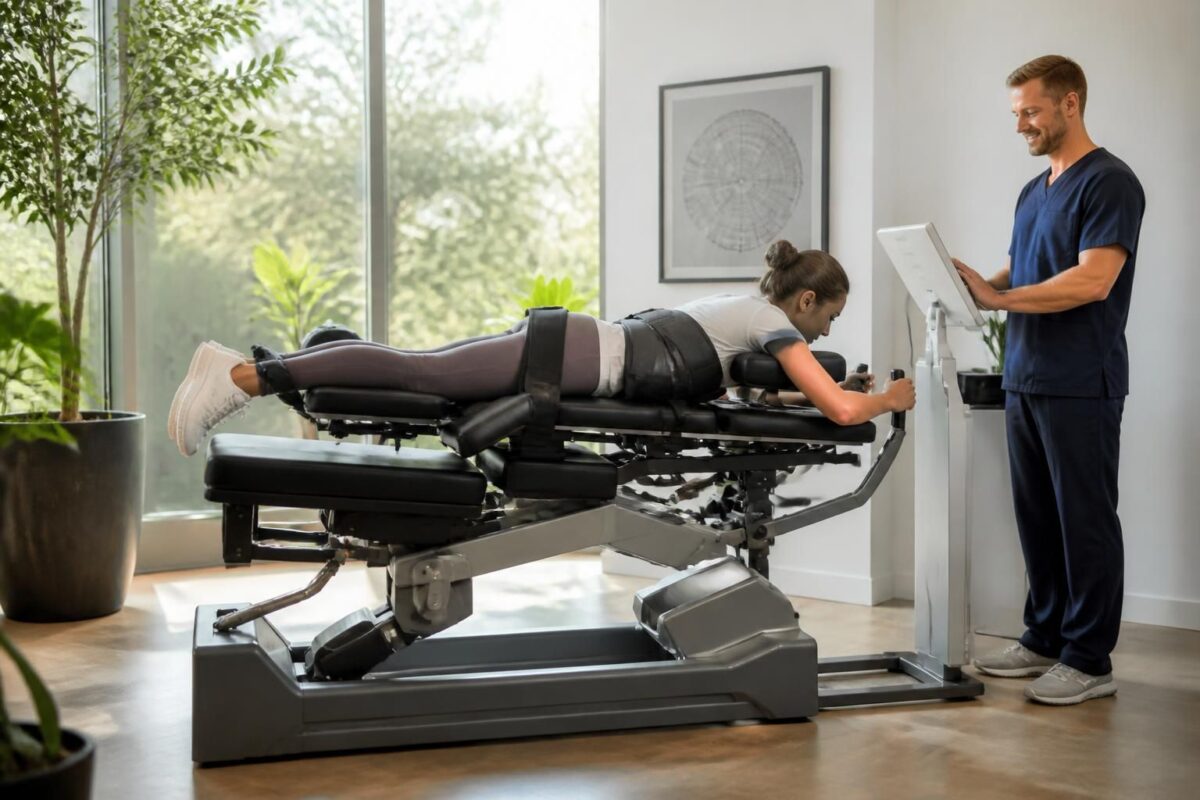
Through SOS Sciatique, he publishes educational content on sciatica symptoms, possible causes such as disc herniation, disc narrowing, foraminal stenosis or irritation of a lumbar nerve root, as well as non-surgical approaches that may be considered according to the evaluation. At Clinique TAGMED, care may include, depending on the case, motorized neurovertebral decompression, specific osteopathic care or precision percussion.
For an evaluation related to sciatica treatment in Montreal / Mount Royal or sciatica treatment in Terrebonne, please consult the services available at Clinique TAGMED.
Medical disclaimer
The information published on SOS Sciatique is provided for educational purposes only and does not replace a consultation, diagnosis, opinion or treatment provided by a physician or another authorized healthcare professional. The author of this article is neither a medical doctor nor a specialist in a medical specialty recognized by the Collège des médecins du Québec. The osteopathic, manual medicine or functional support approaches described on this site do not constitute medical acts and are not intended to replace medical follow-up.
Consult a physician or emergency service in cases of loss of bladder or bowel control, anesthesia in the saddle area, significant or progressive weakness in the leg or foot, fever, recent trauma, severe pain or rapid worsening of symptoms. For more details, please read our Legal Notice.