How neurovertebral decompression supports overall spine health
26/06/2026
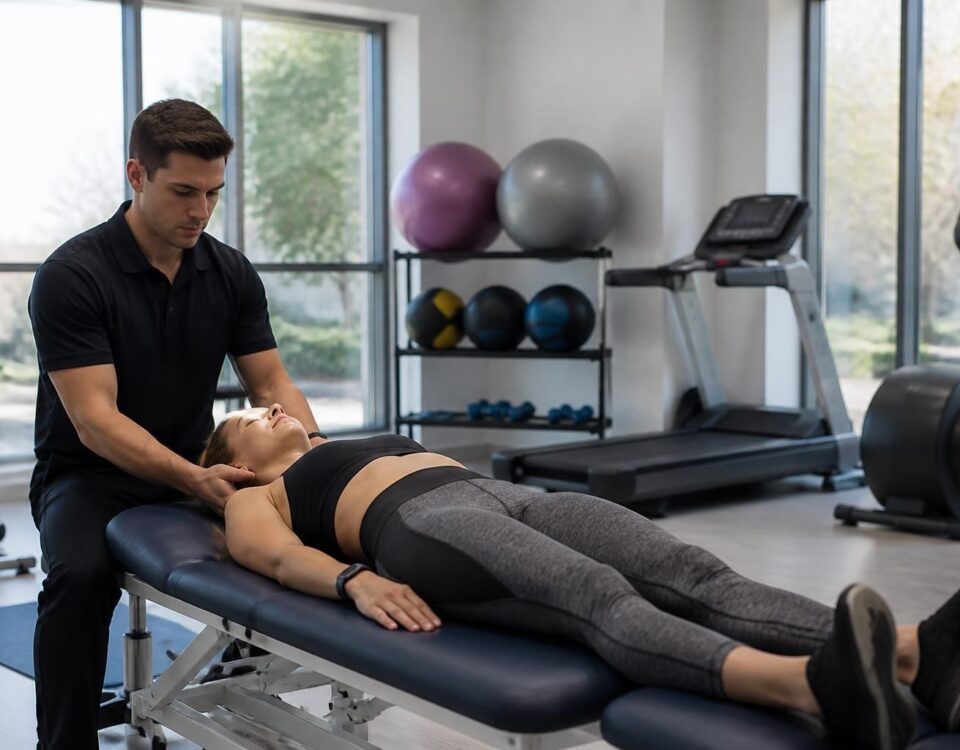
Neurovertebral decompression and back pain management in athletes
26/06/2026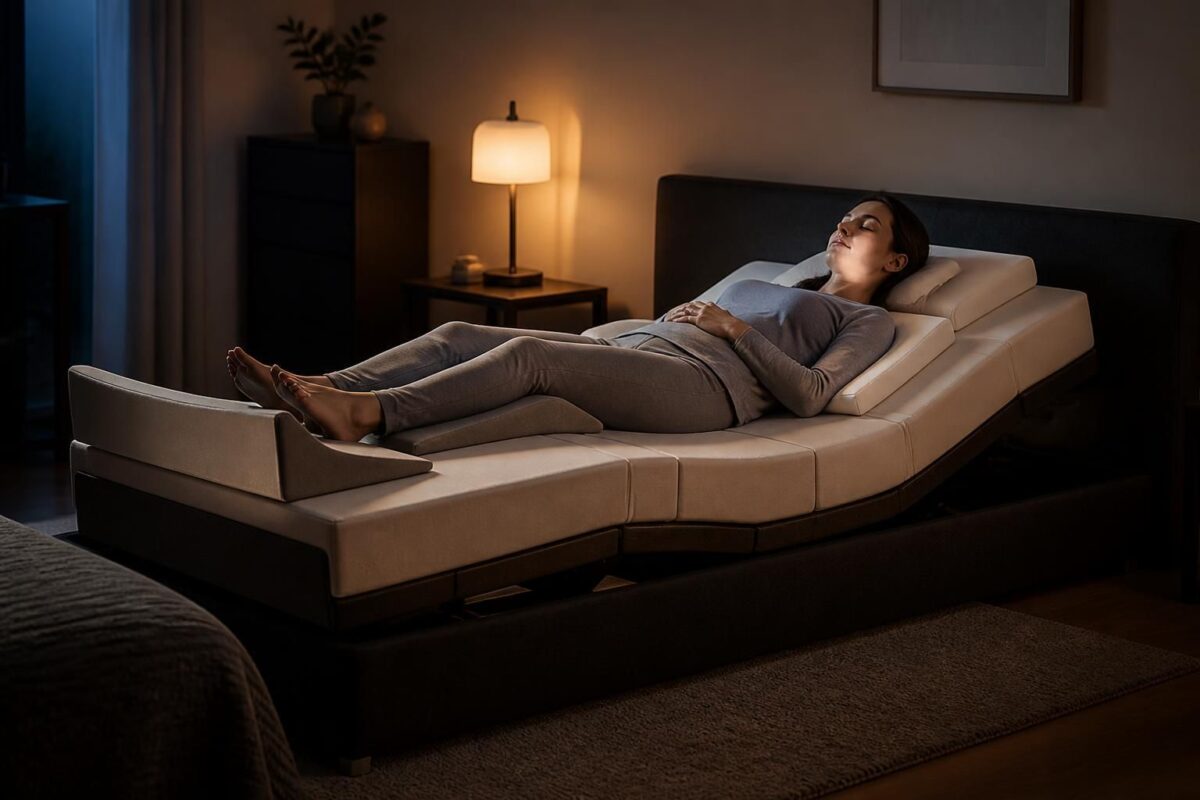
In short
| In short, the neurovertebral decompression is one Non-invasive solution aimed at relieving Chronic nocturnal pain By decreasing the Pressure on the intervertebral discs and the nerves. At Montreal, it is particularly aimed at people with herniated discs and postural imbalances that disrupt sleep. Its main advantages include a Improved sleep, a Improved blood circulation and a reduction in inflammation by targeted and personalized traction on the spine. The treatment is personalized and focused on Prevention of recurrences, promoting spinal alignment and mobility. In practice, it is a safe protocol that allows a quick return to more comfortable nights and more active daily life. |
The neurovertebral decompression is an approach non-invasive aimed at preventing Nocturnal pain related to chronic nervous tension. By releasing the Pressure on intervertebral discs and nerves, it improves the bloodstream and promotes more restful sleep. Its personalization each patient optimizes the results andAnticipate recurrences By improving thevertebral alignment and column function. Integrated into a global care program, this therapy contributes to a lasting improvement of the quality of life and more serene nights.
This article, written by a health professional, clearly sets out how the neurovertebral decompression can help prevent Chronic nocturnal pain. It describes the functioning, indications and integration into a global care approach, focusing on safety, personalized assessment and the role of complementary therapies available at the TAGMED Clinic.
The neurovertebral decompression is a non-invasive approach that aims to relieve pain from tension and compressions on the nerves and intervertebral discs. It is based on gentle traction applied to the spine to increase the space between the vertebrae, reduce pressure and promote better blood circulation. This improvement in microcirculation contributes to reducing inflammation and promoting tissue healing, which can result in a decrease in nocturnal pain and an improvement in sleep.
Understand the mechanism and benefits
The mechanism is based on a gentle traction which releases pressure on the intervertebral discs and nerves. This action can improve tissue oxygenation and facilitate disc hydration, thus contributing to better mobility and reduction of pain that disrupts nighttime rest. Clinical results generally report a Improved sleep quality and an Reduction of nocturnal pain After a number of sessions adapted to each patient. As part of a global program, decompression is accompanied by regular monitoring to adjust the protocol according to the evolution of symptoms.
Effects on sleep and night pain
By acting on the compression areas, neurovertebral decompression can reduce pain that awakens or disrupts sleep. Patients often describe better night tolerance and reduced discomfort awakenings. This approach is particularly relevant for pain associated with conditions such as herniated discs and postural imbalances, which can fuel chronic nocturnal pain.
Personalized evaluation and follow-up
Each patient receives an individual assessment before the start of treatment. This step makes it possible to determine the adequacy of the neurovertebral decompression and to develop an appropriate therapeutic plan. Follow-up throughout the treatment ensures an adaptation of the sessions and better prevention of recurrences, while integrating the factors related to lifestyle and daily posture.
Role of technologies and complementary approaches
Neurovertebral decompression can be associated with complementary non-invasive technologies that promote muscle relaxation and general relaxation of the body. In a specialized framework, joint protocols can be put in place to optimize the results, while remaining in a process without pain or surgery. For those with chronic muscle tension and postural imbalances, integration with complementary approaches can enhance treatment efficiency.
Integration in Tagmed Clinic and Resources
Neurovertebral decompression is part of a coordinated care offer within TAGMED clinics and their networks. These interventions are performed on appropriate equipment as part of a care pathway that aims to prevent night pain and improve the quality of life. To learn more about the protocols and results observed, you can consult the following resources:
- Personalized protocols for neurovertebral decompression in athletes
- Neurovertebral decompression and neuropathic nocturnal pain
- Prevent recurrences in advanced disc pathologies
- Quick results thanks to a decompression program
- DNV and decompression solutions
- Neurovertebral decompression and nocturnal neuropathic pain
- Prevention of chronic nocturnal pain
Testimonials and results
Clinical returns indicate a Notable decrease in night pain and an Improved sleep After implementing a custom decompression protocol. These results are part of a recurrence prevention perspective, correcting postures and supporting the integrity of the spinal structures.
Quick summary table
| Therapy | invasiveness | Mechanism | Key Benefits | Common indications | Recommended frequency |
|---|---|---|---|---|---|
| neurovertebral decompression | non-invasive | gentle traction on the column | Pressure reduction, better circulation, improved sleep | herniated discs, lumbar and cervical pain due to nerve tension | Several sessions, then maintenance |
| Physiotherapy | Variable | Reinforcement and mobility | Protocol-dependent changes, but sometimes slower visibility | Various musculoskeletal pain | Frequent sessions according to protocols |
For further information, consult the information available on specialized sites sossciatica.com and resources related to TagMed and its services.
Practice and security framework
The information presented here is part of a clinical practice approach based on the evidence and consensus of the specialized teams. No recommendations are intended to replace an individual medical consultation. In case of persistent pain or aggravation, consult your doctor or specialist.
Medical Disclaimer: The information and advice provided on this site does not replace the health professional’s diagnosis or treatment. Please note that Dr. Sylvain Desforges osteopath is neither a doctor of medicine nor a doctor, and is not a specialist in a medical specialty as defined by the Collège des Médecins du Québec. Manual medicine, functional medicine and sports medicine as described on this site exclude any medical treatment or diagnosis made by a doctor or specialist doctor. Always consult your doctor for any medical questions. For more details, please read our full legal notice.
- Mechanism – gentle traction reducing pressure on discs and nerves.
- non-invasive – without surgery.
- Dedicated equipment – Suitable decompression table.
- Personalized evaluation – Patient-friendly protocol.
- Postural correction – Action on spinal imbalances.
- Improved sleep – Less nocturnal awakenings.
- Controlled inflammation – Better circulation.
- Prevention of recurrences – Maintaining the alignment.
- Mobility found – More comfort and movement.
- Personalized follow-up – Continuous adjustment of treatment.

This article presents clear recommendations on neurovertebral decompression and ways to prevent chronic nocturnal pain. It highlights the benefits of a non-invasive approach, focused on reducing pressure on intervertebral discs and nerves, while promoting better circulation and more restorative sleep. The objective is to help patients and professionals establish a personalized and sustainable protocol to prevent recurrences.
Prevention objectives and basic principles
The neurovertebral decompression Aims to create a space between the vertebrae by gentle traction, in order to reduce the pressure on the discs and the nerves. This approach improves the bloodstream and can promote the Disc rehydration, which helps to reduce nocturnal pain and inflammation. By adopting a preventive perspective, the objective is to maintain a stable spine and a favorable posture, in order to prevent the appearance and recurrence of pain during sleep.
Evaluation and selection of candidates
Before starting the treatment, a personalized evaluation makes it possible to identify the specific causes of nocturnal pain (for example herniated discs, postural disorders, muscle tension). This step helps to determine the relevance of decompression and to establish a tailor-made plan, focusing on patient needs and objectives while minimizing risks.
Frequency, progress and tracking
The typical protocol begins with an active phase with several sessions over a few weeks, then continues with appropriate maintenance. Each session usually lasts between 15 and 30 minutes, and the rhythm is adjusted according to the evolution of the symptoms and the tolerance of the patient. Regular monitoring makes it possible to adjust the parameters, to gradually improve the results and to prevent relapses.
The long-term benefits of neurovertebral decompression for spinal health
In short In short, the neurovertebral decompression is a non-invasive approach that decreases the Pressure on intervertebral discs and nerves, favoring the Natural regeneration and tissue recovery. Its long-term benefits include Lasting pain reduction, Improving mobility and from the posture,…

Neurovertebral decompression and mobility: a return to an active life
In short In short, the neurovertebral decompression is therapy non-invasive who uses a gentle traction To create a space between the vertebrae and reduce the pressure on the Intervertebral discs and the nerves. It promotes a bloodstream improved, lowers tension…
Integration with lifestyle
To optimize the benefits, decompression must be integrated into a set of life choices. This includes appropriate trunk strengthening and mobility exercises, adequate nutrition and hydration, and consistent sleep routines. a global approach, combining physiotherapy or osteopathy When necessary, can reinforce the beneficial effects and promote sustainable prevention.
Sleep hygiene and night posture
Practical tips include a suitable bed and pillow to support a neutral posture, favor a position that reduces pressure on the spine, and prevents excessive twisting or flexing during sleep. A regular bedtime routine and resting environment help reduce nighttime pain and improve sleep quality.
Exercises and mobility
Soft and progressive muscle strengthening exercises of the back and abs, as well as targeted stretching, can support decompression results. The goal is to maintain spinal stability, improve posture and reduce muscle tension that accumulates over time.
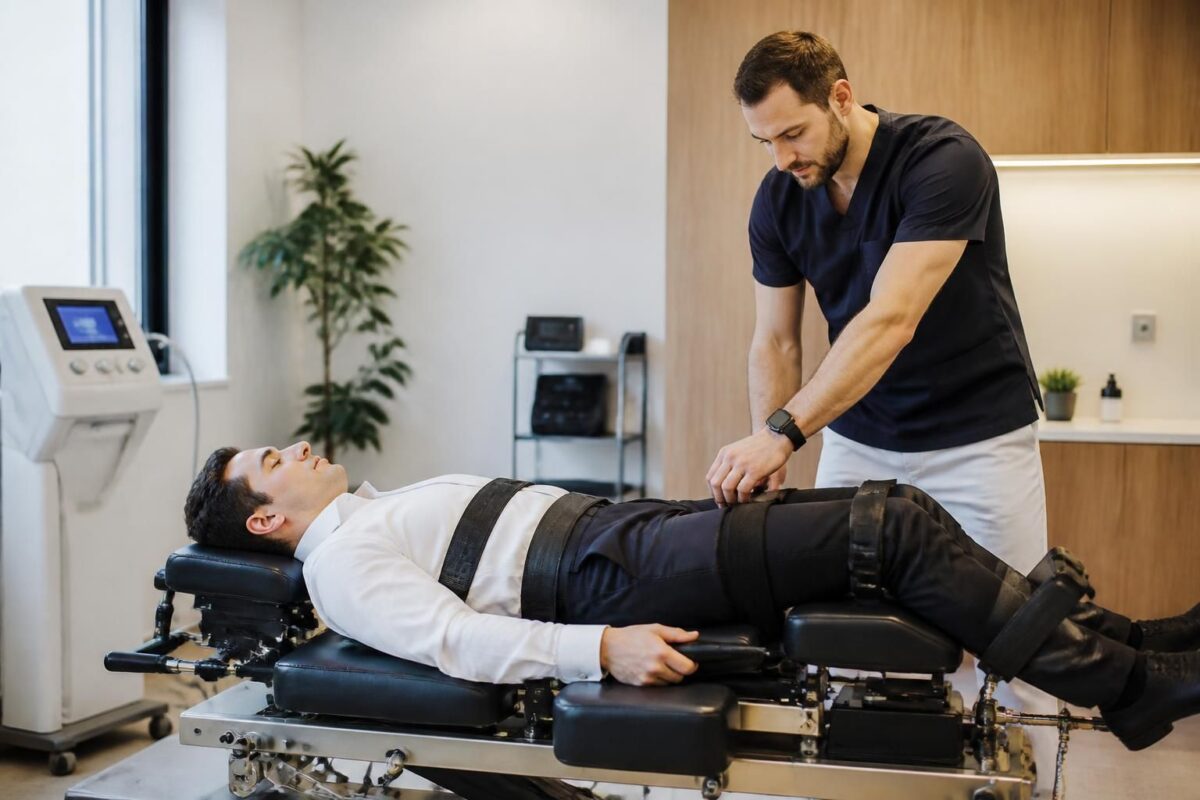
How Neurovertebral Decompression Prevents Diffuse Chronic Pain
In short decompression neurovertebral is one Non-invasive method aimed at reducing the Pressure on the intervertebral discs and the nerves, in order to prevent Diffuse chronic pain. It improves the circulation and thedisc hydration, decreases inflammation and promotes better mobility.…
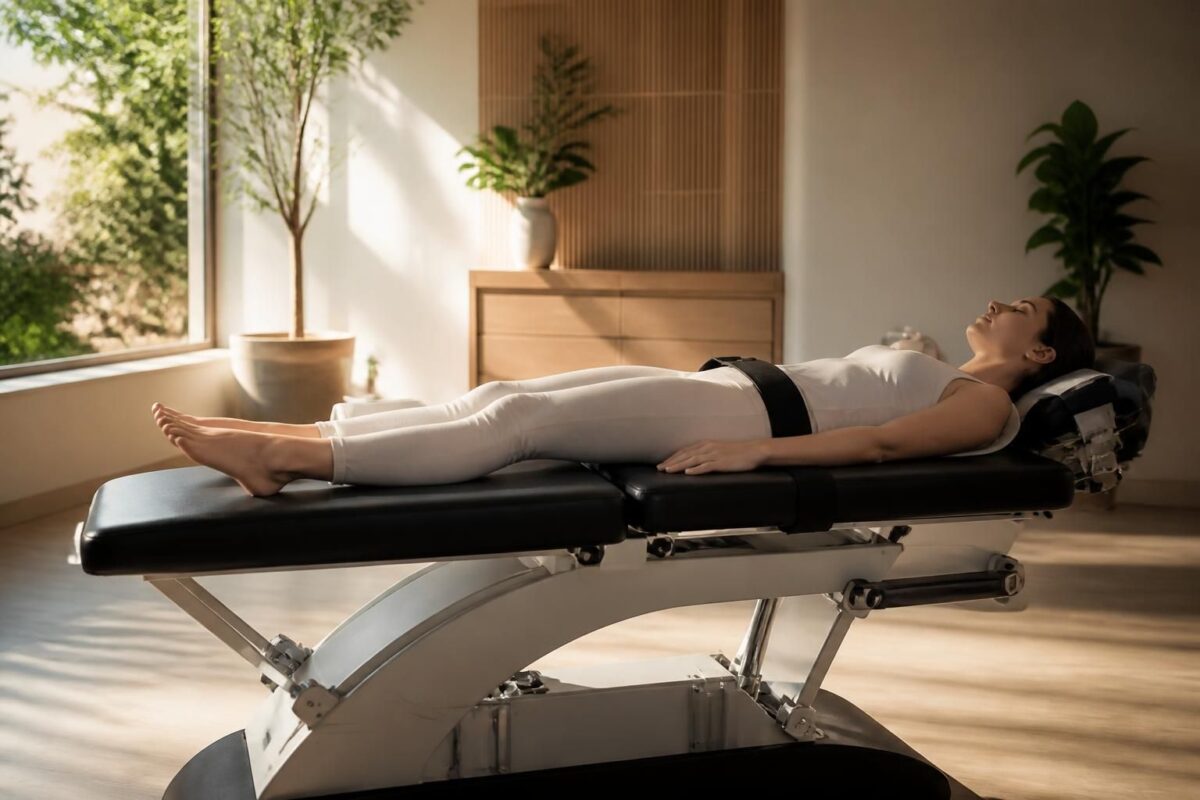
Neurovertebral Decompression and Body Alignment: Restoring Natural Balance
In short In short, neurovertebral decompression is one Non-invasive approach who restores theBody Alignment and thenatural balance back and neck. She acts by a Controlled traction of the spine to widen the intervertebral space and reduce the Pressure on discs…
Prevention of relapses and sustainability of results
A personalized maintenance strategy is essential to prevent recurrences. This may include periodic support sessions, a self-administered exercise program, and postural adjustments in daily activities. The goal is to maintain optimal column alignment, decrease trigger factors and support long-term recovery.
maintenance plan
Establish a clear plan including the frequency of visits, the exercises to be carried out at home, and the criteria for re-entry into treatment in the event of aggravation. This plan promotes self-management and maximizes the chances of pain-free sleep, day after day.
Roles of complementary technologies
As the case may be, non-invasive associated therapies, such as physiotherapy, tension release and light or electronic modalities, can be added to amplify benefits and stabilize long-term results.
| Aspect | Concise description |
|---|---|
| Definition and purpose | Non-invasive decompression that relieves night pain by reducing pressure on discs and nerves |
| Key mechanism | soft traction that Increases space between the vertebrae and improves the circulation To rehydrate discs |
| Impact on sleep | improved night comfort and sleep quality |
| Target audience | people with herniated discs, nocturnal low back pain and nervous tension |
| Duration of sessions | Between 15 and 30 minutes per session |
| Security and invasiveness | Procedure non-invasive and low risk |
| Prevention of recurrences | corrects postural dysfunctions and Reduces repeated pressures |
| Integration in a course | Complementary physiotherapy, exercises and lifestyles in a global program |
| Limitations and factors | Effectiveness depends on severity and adherence to protocol |
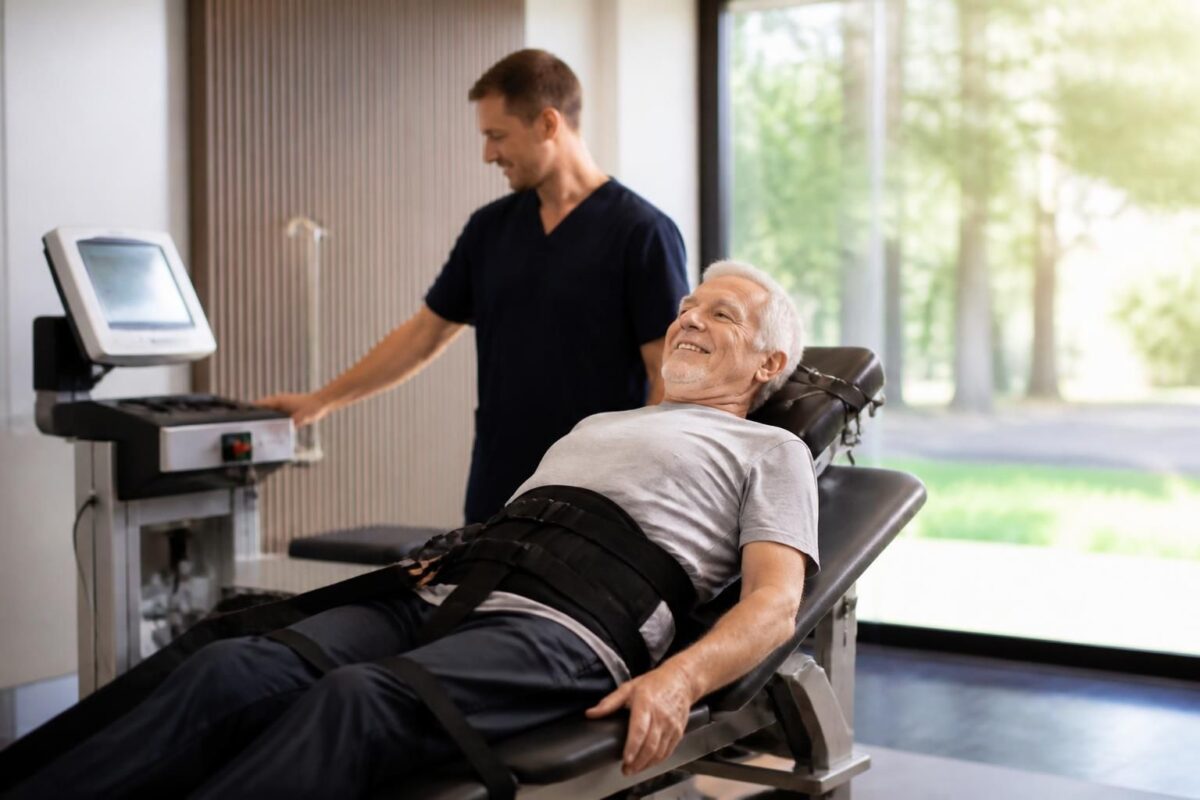
Why neurovertebral decompression is a lasting solution for active seniors
In short In short, the neurovertebral decompression is one Non-invasive therapy which sustainably relieves spinal pain in the spine active seniors By creating, by a Soft and controlled traction, a space between the vertebrae. At Montreal, it is recognized as…

Neurovertebral decompression and recovery after severe sports injury
In short In short, the neurovertebral decompression is one Non-invasive method to Relieve the pressure on the Intervertebral discs and the gristle Via a Controlled traction, to facilitate the recovery After a severe sports injury. It improves the bloodstream towards…
Testimonials on neurovertebral decompression and chronic nocturnal pain prevention
Marie, 45 years old: “Before, my nights were interrupted by nocturnal pain linked to nervous tension. After a few sessions of neurovertebral decompression, I noticed a significant decrease in discomfort and a lasting improvement in my sleep quality. I wake up less often and my mobility When waking up improved. It is reassuring to see that this approach also acts in the Prevention of recurrences.
Jean, 52 years old: “My nocturnal lower back pain woke me up every night. Since the treatment, the pressure on the discs is better managed and my nights are calmer. It is also a key element of the Prevention of recurrences and improving my posture on a daily basis. »
Isabelle, 38: “I had nocturnal pain that was ruining my sleep. After the neurovertebral decompression, the relief was quick and lasting. I sleep better and I regained energy, while feeling more serene in the face of possible future pain. »
Thierry, 60: “I dreaded my nights because of the spinal tensions. Today, my nights are calmer and my posture improves. This helps prevent nighttime pain in the future and improve my pace of life. »
Sandrine, 40 years old: “After several years of nocturnal pain, the first sessions brought me a quick relief. My nights are more peaceful and I feel that it helps me prevent future pain. »
Dr. Sylvain Desforges is a recognized specialist in the fields of osteopathy, naturopathy and manual medicine. As Founding President of TagMed Clinics and ACMA, he focuses on a focus on health innovation and management Chronic pain. His work particularly highlights the neurovertebral decompression as an essential lever to prevent night pain and promote a lasting structural balance. In his practice, he combines scientific rigor and cutting-edge technology to provide evidence-based care tailored to the unique needs of each patient.
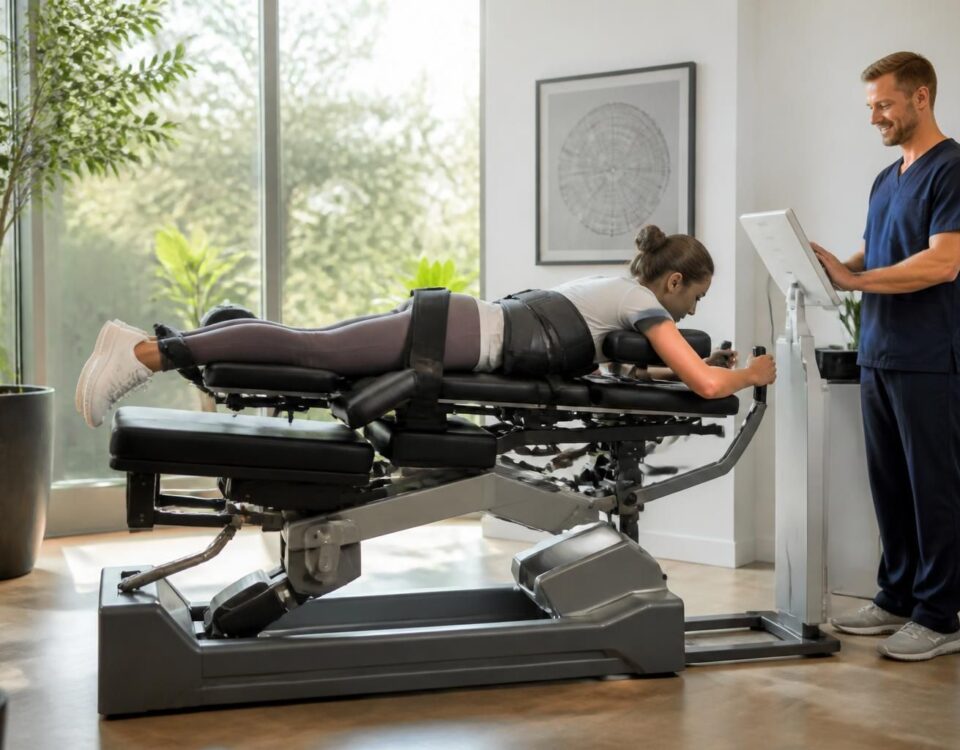
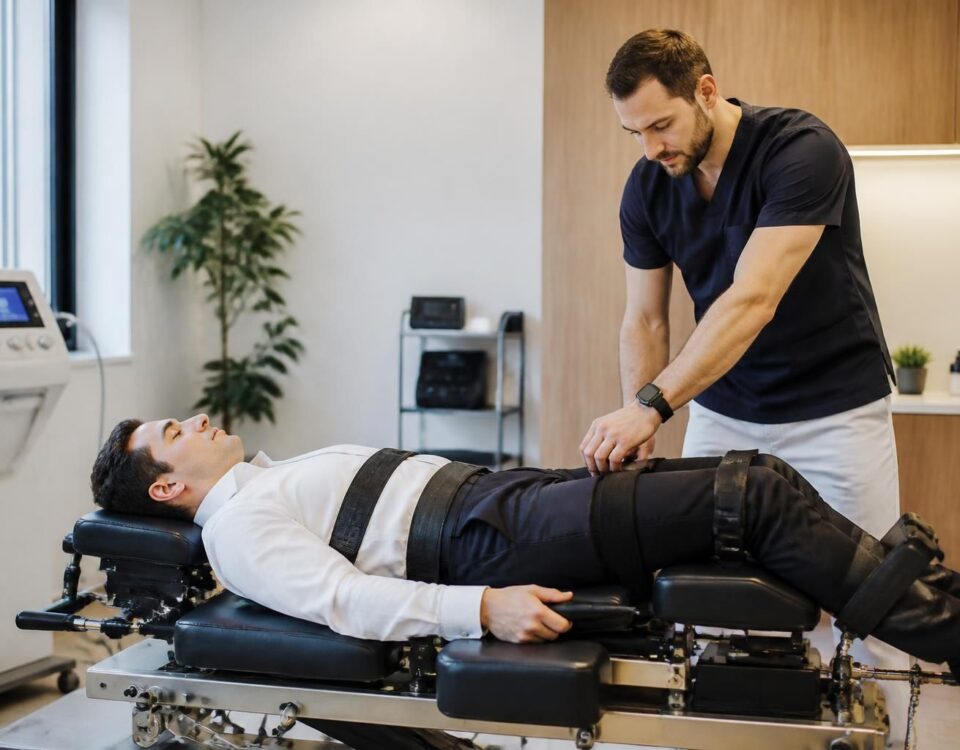
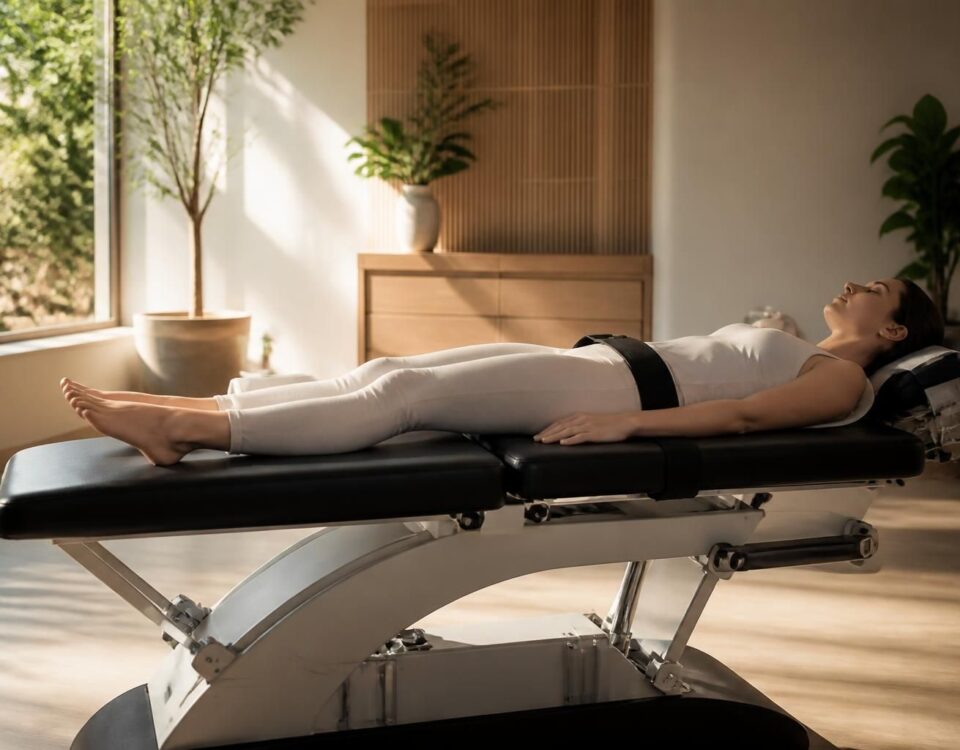
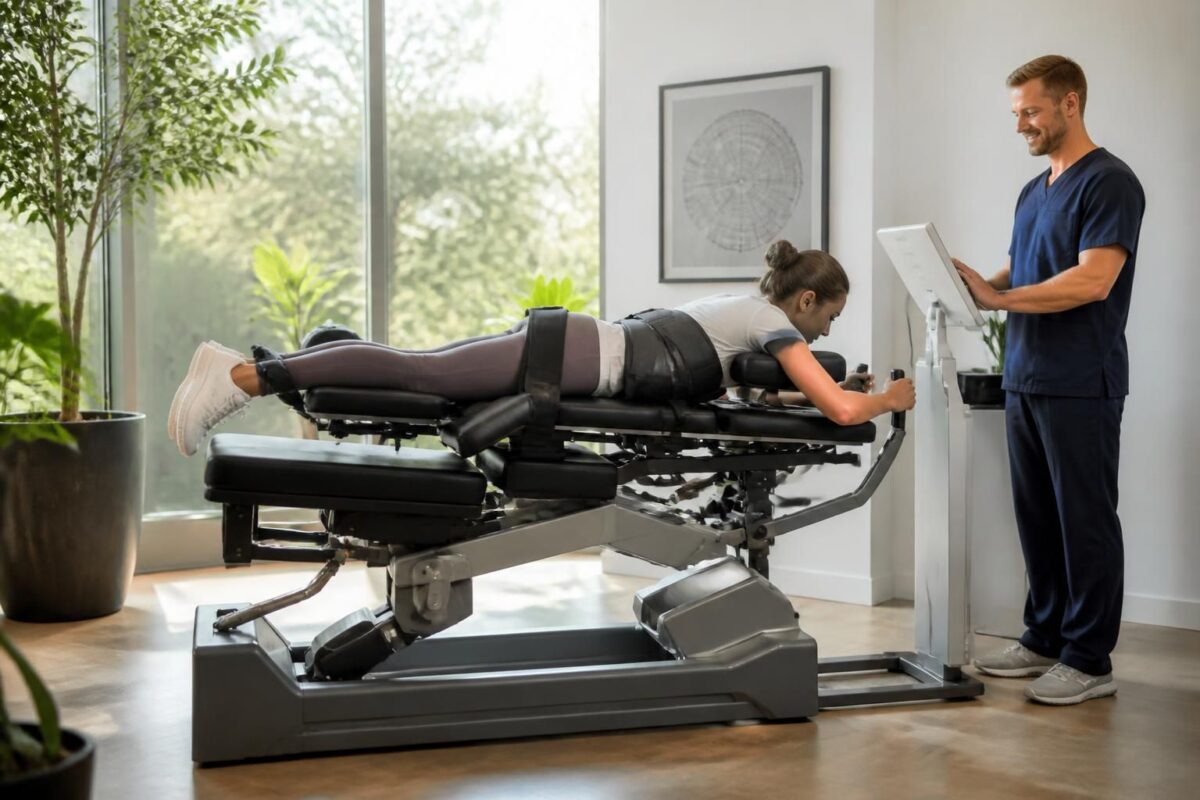
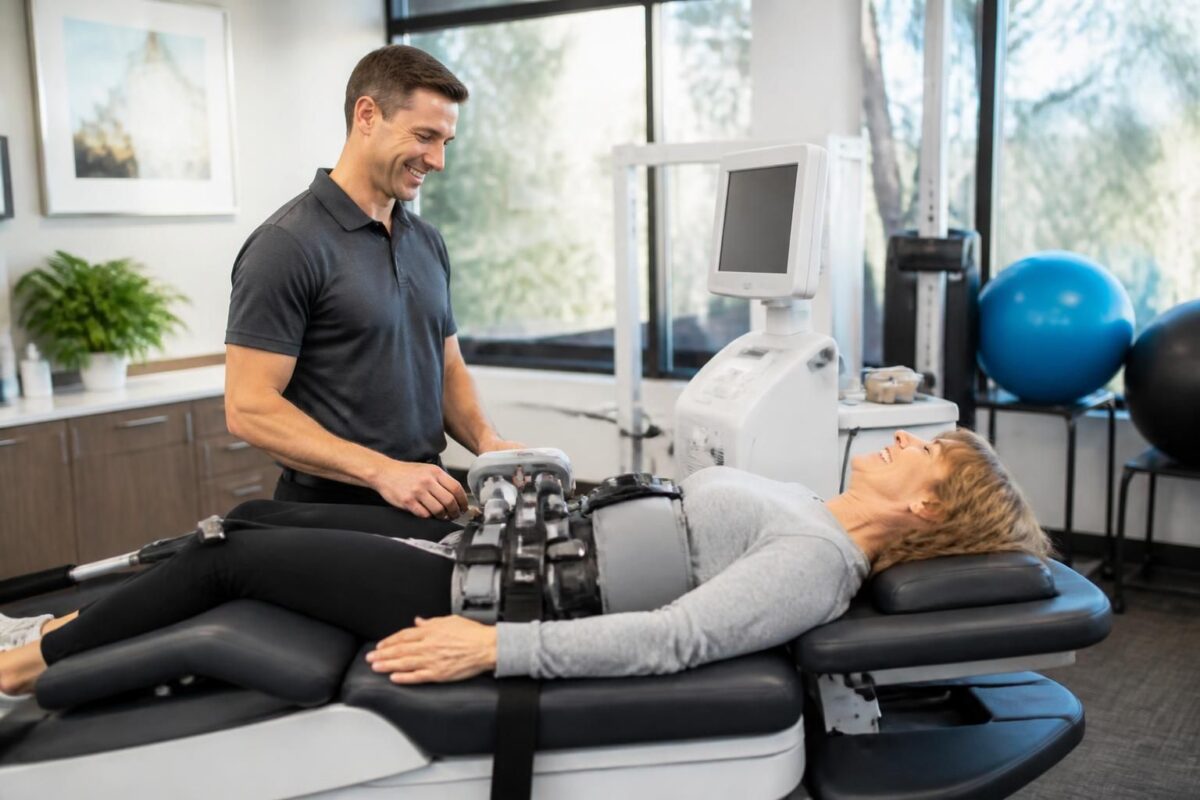
The neurovertebral decompression is a non-invasive method that directly targets the spine. It results in a gentle traction applied to the column using a specialized table, in order to increase the space between the vertebrae and to reduce the pressure exerted on the Intervertebral discs and the gristle. This mechanical effect improves blood circulation in the affected areas and reduces inflammation, two key factors that contribute to the relief of nocturnal pain. By promoting this balance, the technique aims not only to alleviate the symptoms present but also to prevent recurrences, by correcting postural dysfunctions that fuel pain during sleep.
For Dr. Desforges, efficiency lies in an approach personalized and closely supervised. Each patient benefits from a Individual assessment in-depth, followed by a Treatment plan Adapted, adjusted over the course of the sessions according to the clinical evolution. This approach guarantees optimal results and minimizes risks, while integrating the latest advances in non-invasive care. Beyond decompression, he favors a holistic approach that may include non-invasive complementary therapies, such as laser, shock waves and neuromodulation protocols when relevant to optimize muscle relaxation and posture.
As part of his mission, Dr. Desforges implements prevention strategies that go far beyond ad hoc relief. By working on the bloodstream and on the Disc rehydration, neurovertebral decompression contributes to better mobility and a reduction in tensions that disrupt sleep. The objective is clear: to help everyone find calm and restorative nights, while consolidating a more stable posture and a better sustained spine in the long term.
The use of innovative complementary technologies, such as neuromuscular stimulation approaches associated with specialized devices, further reinforces the therapeutic impact. By combining these solutions with decompression, the care pathway offered by Dr. Desforges aims to produce lasting benefits: reduction in night pain, improvement in recovery and prevention of recurrences, for an improved overall quality of life. His commitment to evidence-based care and a patient-centric approach remains the red thread of this approach.
To discover his approach and the services available, contact Clinique TagMed and explore the options offered by the Neurovertebral Decompression and Chronic Night Pain Prevention program. Dr. Desforges remains attentive to the changing needs of each patient and strives to offer personalized solutions that sustainably support spinal health and nocturnal well-being.
This summary highlights the neurovertebral decompression as an effective non-invasive approach to prevent Chronic nocturnal pain related to nervous tensions, describing the mechanisms, benefits on sleep and the importance of a personalized and integrated program for spinal health and general well-being.
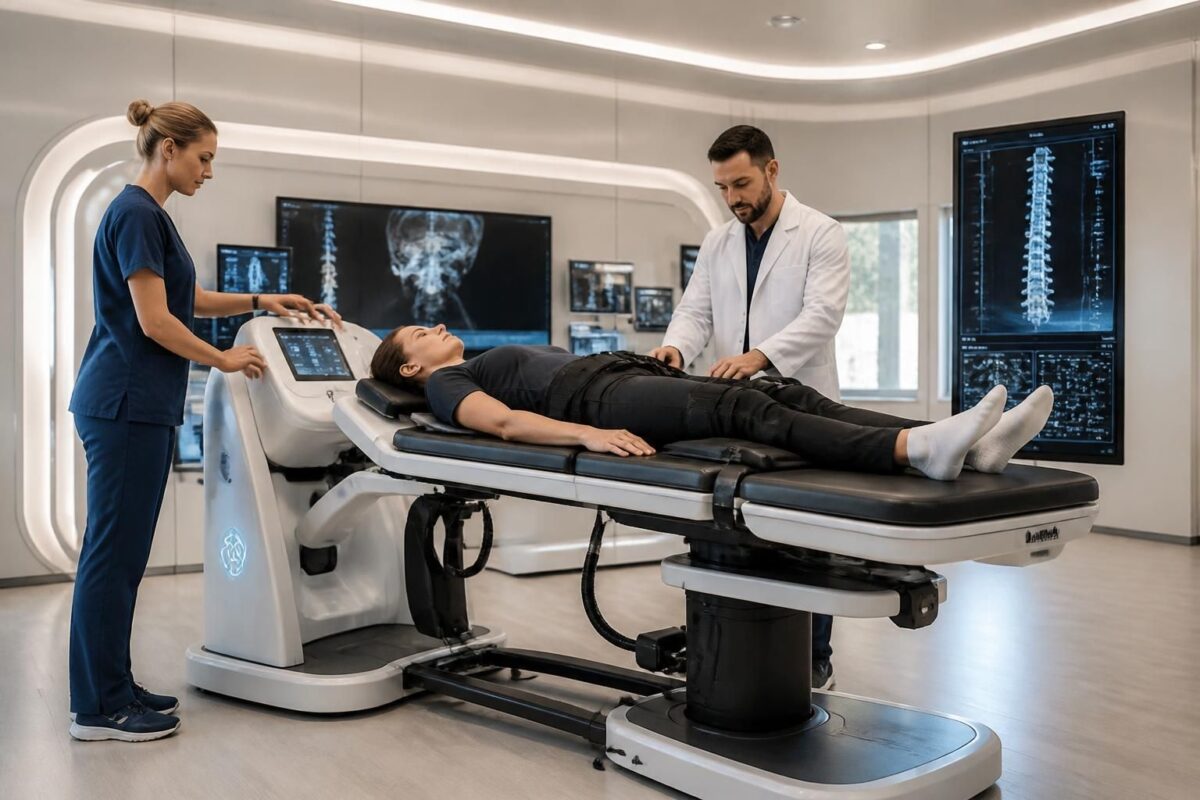
Recent innovations in neurovertebral decompression technologies
In short In short, the neurovertebral decompression is an approach non-invasive Aiming to reduce pressure on discs and nerves, and promote tissue regeneration. At Montreal, it is positioned as an effective option for lower back pain and herniated discs. The…
Neurovertebral decompression and diffuse pain: an appropriate solution
In short In short, the neurovertebral decompression is one Non-invasive solution For diffuse pain related to nerve irritation of the spine. She acts in Reducing pressure on intervertebral discs and nerves and improving the bloodstream, which promotes recovery and the…
Principles and mechanisms
The neurovertebral decompression is based on a gentle traction applied via a specialized table in order to Create a space between the vertebrae. This action reduces the pressure exerted on the Intervertebral discs and the gristle, favoring a Disc rehydration and an Reduction of inflammation. At the same time, improving the bloodstream stimulates tissue healing and contributes to a gradual return to mobility, while limiting nocturnal pain. This non-intrusive approach can also correct postural imbalances and prevent recurrences when associated with a personalized program and regular follow-ups. To understand the effects and benefits, explore specialized resources such as Benefits of Spinal Decompression Therapy and tagmed.
Prevention and quality of sleep
By working directly on the compression areas and column alignment, the neurovertebral decompression facilitates a Restful sleep and sustainable. a better one bloodstream supports the Tissue recovery and helps reduce nighttime awakenings associated with pain. To set up effective prevention, it is recommended to initiate a Personalized evaluation, to perform regular sessions and to adopt postural and life habits that support spinal stability. additional resources like Neurovertebral decompression and well-being or Treatment of herniated discs without surgery illustrate these benefits and the ways to integrate them into a sustainable preventive approach. For seniors and athletes, other analyzes and feedback on the benefits of decompression can be viewed via These dedicated resources.
Personalized approach and follow-up
Each patient benefits from a Personalized evaluation In order to establish an appropriate treatment plan that meets its specific needs and Prevention of night pain. The protocol generally provides for regular sessions and careful monitoring of progress, with adjustments according to progress. This approach can be complemented by associated technologies such as Pulse Align To optimize muscle relaxation and neuromuscular coordination, while remaining non-invasive. To learn more about potential synergies, see the resources presented at Benefits for mobility and Prevent recurrences. collaborations with specialized clinics such as tagmed and complementary technological approaches enhance the effectiveness of the treatment.
For those looking for practical knowledge and testimonials, resources such as Decompression and quick results and Prevent recurrences in a herniated disc provide concrete examples of implementation and patient experiences.
Additional external resources can support a comprehensive prevention approach, including articles and studies on Benefits of Spinal Decompression Therapy and content dedicated to neurovertebral decompression and the prevention of nocturnal pain on SOS SCIATIC.
For patients who wish to explore non-surgical options and associated approaches, complementary resources such as Herniated discs without surgery and Decompression for seniors offer relevant perspectives for appropriate prevention.

Dr Sylvain Desforges, B.Sc., D.O., N.D., osteopath, is the founding president of TAGMED and of the ACMA association. He dedicates his practice to chronic spinal pain, low back pain and symptoms compatible with sciatica, particularly when pain radiates toward the buttock, leg, calf, foot or toes.
Through SOS Sciatique, he publishes educational content on sciatica symptoms, possible causes such as disc herniation, disc narrowing, foraminal stenosis or irritation of a lumbar nerve root, as well as non-surgical approaches that may be considered according to the evaluation. At Clinique TAGMED, care may include, depending on the case, motorized neurovertebral decompression, specific osteopathic care or precision percussion.
For an evaluation related to sciatica treatment in Montreal / Mount Royal or sciatica treatment in Terrebonne, please consult the services available at Clinique TAGMED.
Medical disclaimer
The information published on SOS Sciatique is provided for educational purposes only and does not replace a consultation, diagnosis, opinion or treatment provided by a physician or another authorized healthcare professional. The author of this article is neither a medical doctor nor a specialist in a medical specialty recognized by the Collège des médecins du Québec. The osteopathic, manual medicine or functional support approaches described on this site do not constitute medical acts and are not intended to replace medical follow-up.
Consult a physician or emergency service in cases of loss of bladder or bowel control, anesthesia in the saddle area, significant or progressive weakness in the leg or foot, fever, recent trauma, severe pain or rapid worsening of symptoms. For more details, please read our Legal Notice.