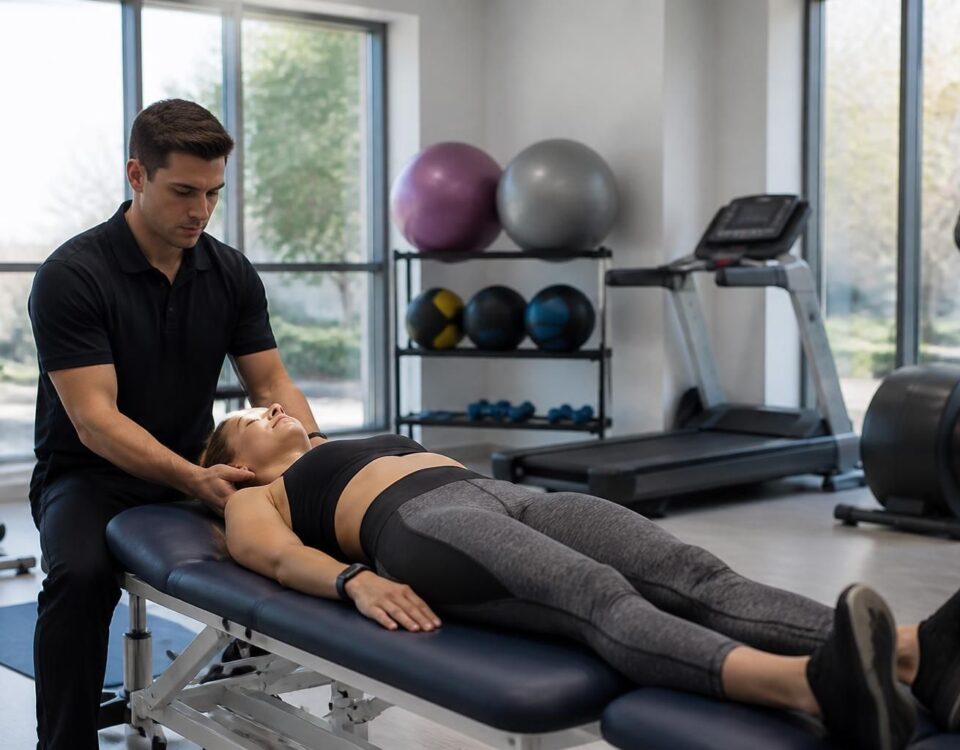
How neurovertebral decompression optimizes recovery after surgery
26/06/2026
The benefits of neurovertebral decompression for patients with recurrent sciatica
26/06/2026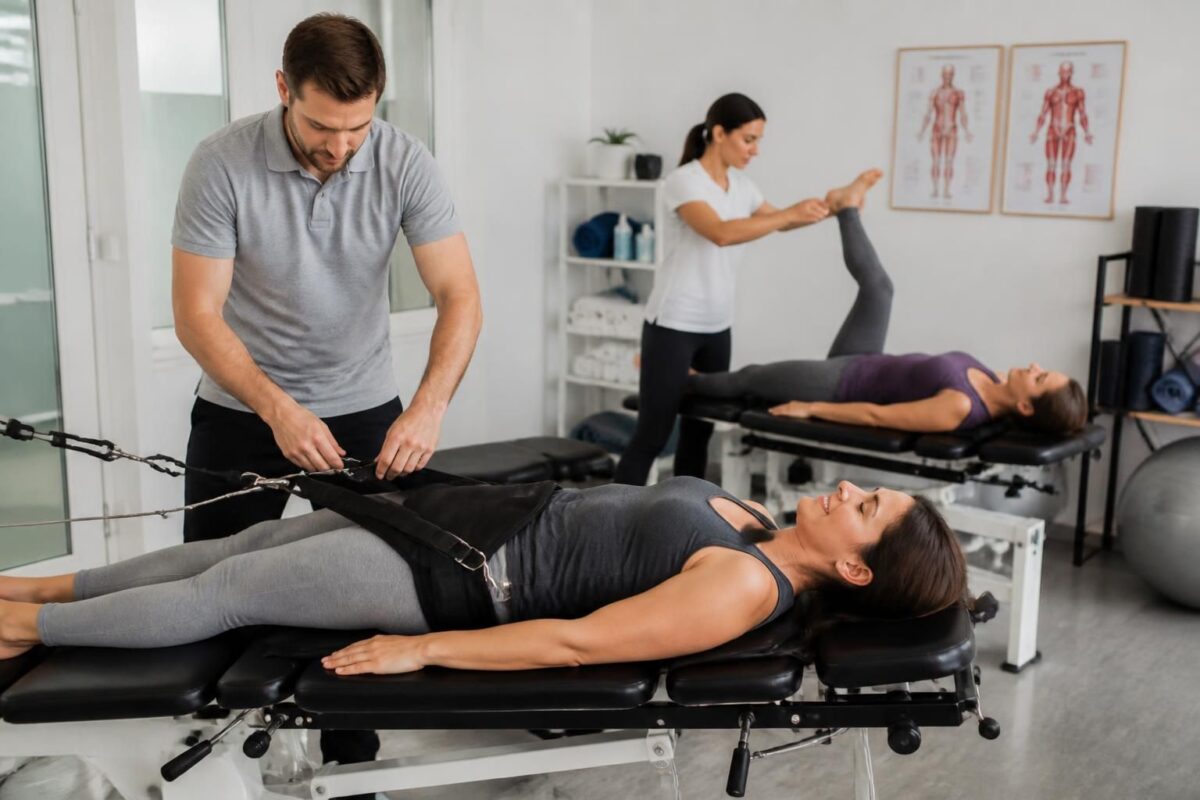
In short
| In short, the neurovertebral decompression is one Non-invasive therapy which quickly relieves the aches related to the nerve pressure and can free Muscle tensions around the column. She acts by a Controlled traction which decreases the pressure on the Intervertebral discs and the nerves, creates a empty around discs favoring their hydration and improves the bloodstream to nervous tissue. Profits include a pain reduction, a Better mobility and rapid recovery of daily activities, without surgery. accessible to Lyons and its region, this treatment is particularly relevant for pain related to the Spinal stenosis and local tensions. |
The neurovertebral decompression is an approach non-invasive which aims to reduce the pressure on the nerves and to promote the regeneration of nerve tissue. At the same time, the relaxation of Muscle tensions Around the column releases movement and quickly reduces pain. This combination can lead to Quick results with a Improving mobility And a faster return to your activities, without surgery.
This article, written by a health professional and expert, presents neurovertebral decompression and its impact on muscle tension. We describe how this non-invasive approach can offer rapid results, while remaining integrated into multidisciplinary care in our TagMed clinics. You will discover the mechanism, indications and key points to optimize the healing process without surgery.
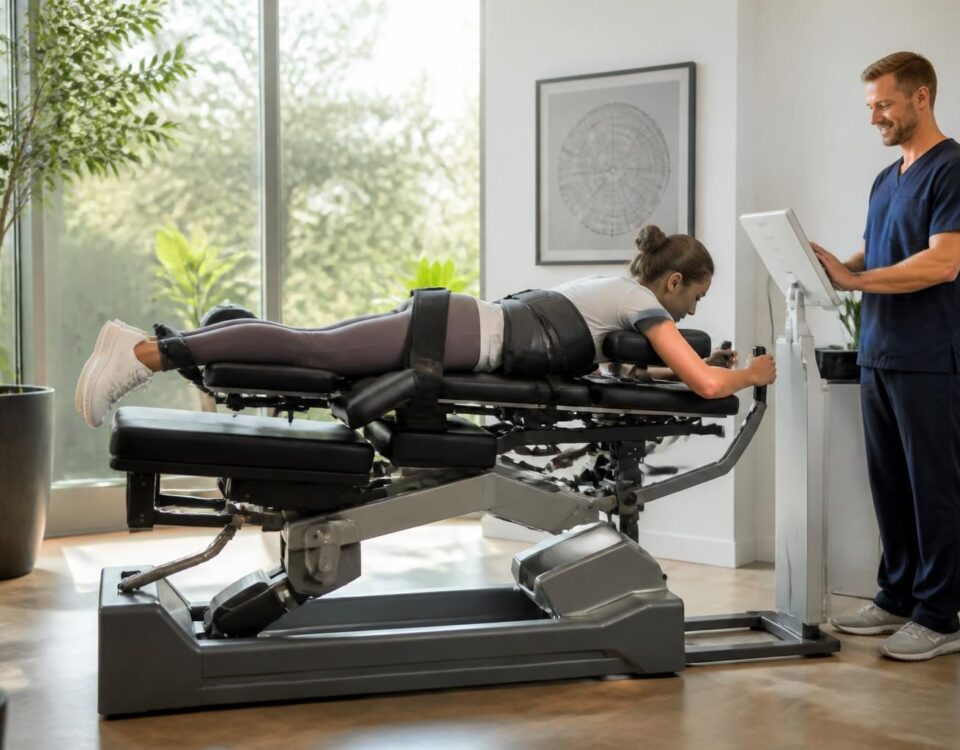
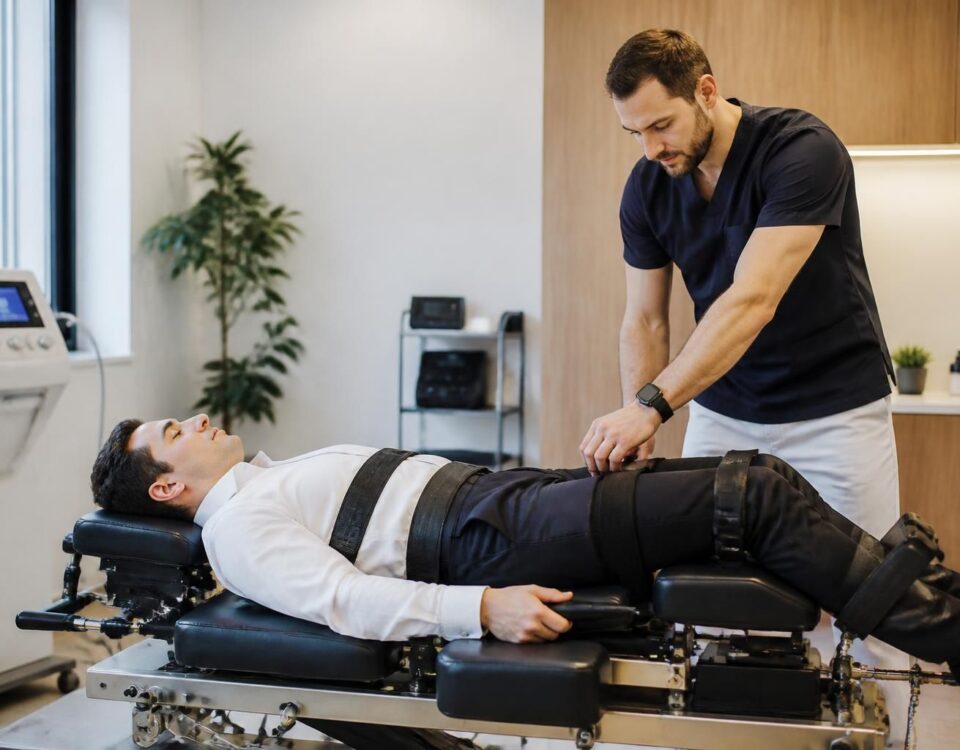
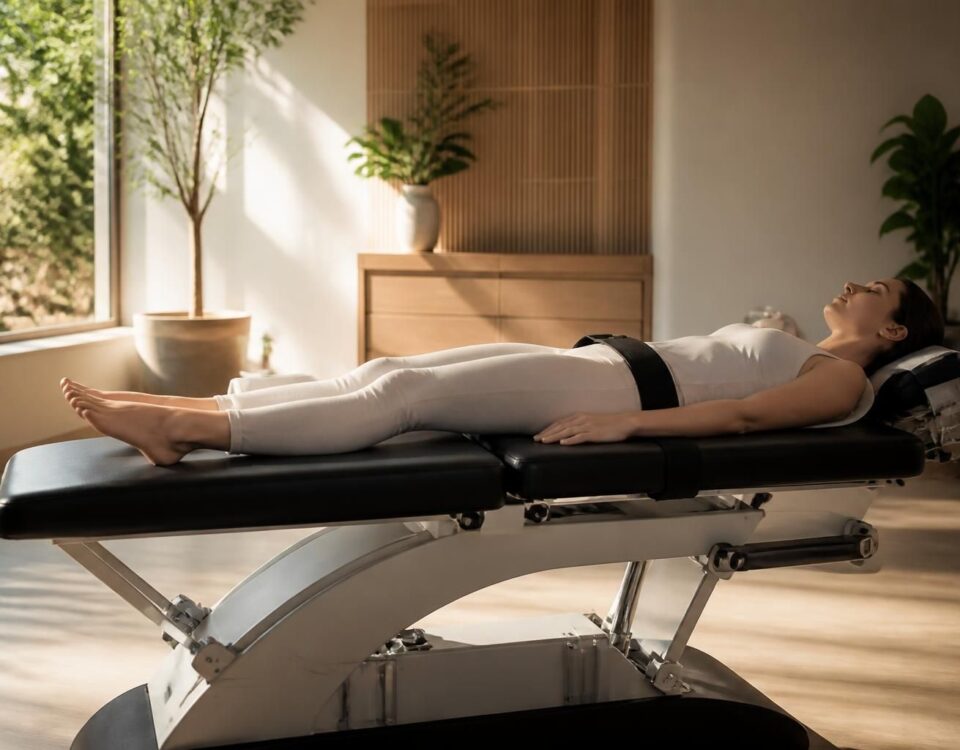
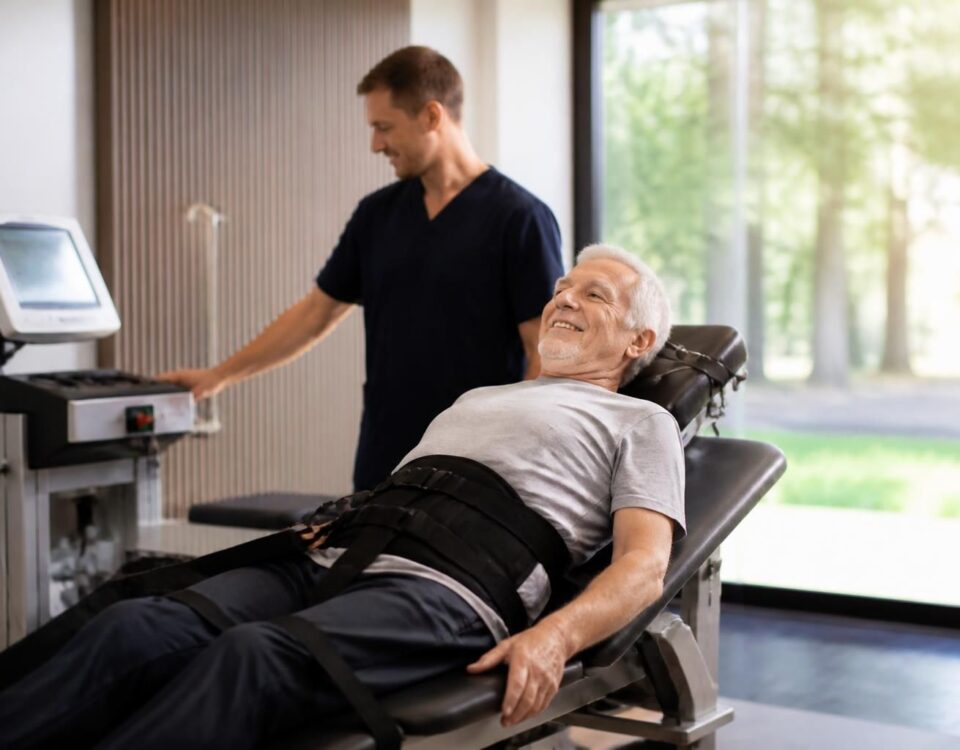
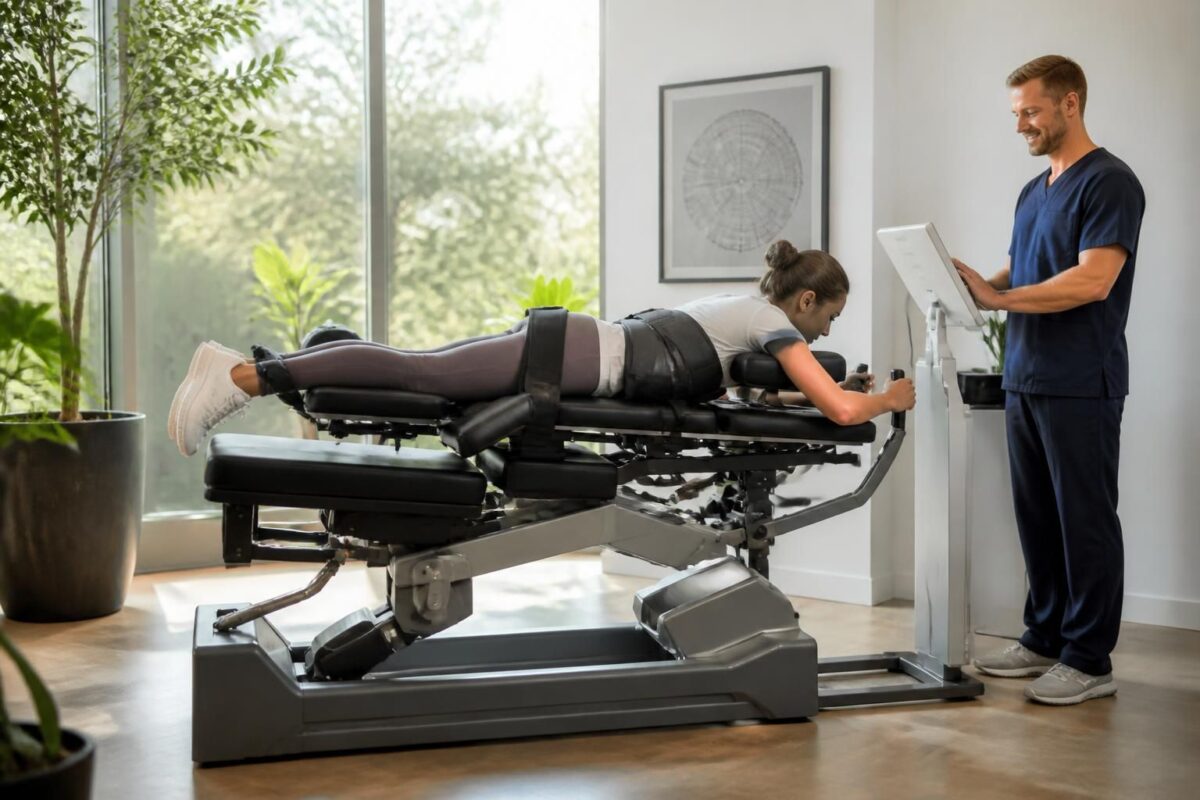
The neurovertebral decompression Acts by applying controlled traction to the spine. This adjustment decreases the nerve pressure and on the Intervertebral discs, which generates a Vacuum effect around the discs. This pressure decrease facilitates the rehydration records and supports their regeneration. In parallel, the bloodstream Towards nervous tissue improves, bringing essential nutrients and oxygen to healing and reducing inflammation. This combination contributes to a Improving mobility and a decrease in pain related to nerve compression, all without surgery.
How does decompression and what muscle tensions it targets
The technique aims to reduce the Intra-discal pressure and tension on adjacent nerves. By releasing this tension, the muscles around the spine can gradually relax, which results in a Reduction of muscle tension diffused and better trunk stability. Detailed explanations of this mechanism and its effects on muscle tension can be found in the following resources: this article, and Another article on Tagmed. For an additional explanation, see Modern decompression techniques.
The therapeutic framework is often part of a global approach where the role of muscle tension is central. Resources show how this approach can affect musculoskeletal imbalances caused by chronic nerve tension and how it can promote faster recovery after painful episodes. For more clarification, you can refer to the following references: Musculoskeletal imbalances and Complex muscle imbalances.
The rapid results observed are carried out without surgery and as part of a personalized follow-up. For active patients and people with pain related to nerve compression, decompression often promotes Rapid mobility improvement and an pain reduction which allows a gradual resumption of activities. Testimonials and analyzes on this subject are accessible via several resources, in particular Why choose this approach and After a sports injury.
Practical integration and security
In a modern clinical practice, neurovertebral decompression is integrated into a global approach to well-being and treatment of Chronic pain. It is offered as part of the TagMed clinics in Montreal and Terrebonne, with appropriate supervision and an individualized follow-up plan. To understand how this approach supports nerve tissue regeneration, you can consult This TagMed article. Additional explanations are also available on Quick results and muscle tension.
For those who want to explore the mechanisms from a broader angle, resources address the results obtained and modern approaches associated with neurovertebral decompression: Modern techniques and Rehabilitation after complex surgery.
Access to additional information and resources can also go through educational sites dedicated to the field, such as Find out why it is a natural solution or Recovery after an intervention.
Specialized resources help to deepen the subject, while remaining in recognized areas for osteopathic practice and associated approaches. For specific insight into musculoskeletal imbalances and chronic nerve tensions, you can consult This dedicated article.
To learn more about the intervention framework and possible outcomes, also visit TagMed-related pages and neurovertebral decompression resources in the dedicated sections of the site.
Medical Disclaimer: The information and advice provided on this site does not replace the health professional’s diagnosis or treatment. Please note that Dr. Sylvain Desforges osteopath is neither a doctor of medicine nor a doctor, and is not a specialist in a medical specialty as defined by the Collège des Médecins du Québec. Manual medicine, functional medicine and sports medicine as described on this site exclude any medical treatment or diagnosis made by a doctor or specialist doctor. Always consult your doctor for any medical questions. For more details, please read our full legal notice.
- Pain quickly scaled down.
- Muscle tensions released in a short time.
- Mobility found quickly.
- bloodstream improved to nerves and muscles.
- hydration Favored intervertebral discs.
- Inflammation decreased around the nerves.
- Daily activities more quickly found.
- non-invasive and well tolerated.

This article presents how the neurovertebral decompression can act quickly on Muscle tensions Around the spine, reducing the pressure on the nerves, promoting the hydration of the discs and improving circulation. In a few sessions, in a non-invasive way, patients may experience a decrease in pain and better mobility, facilitating the rebalancing of adjacent muscles and returning to daily activities without marked discomfort.
how neurovertebral decompression acts quickly
The technique is based on controlled traction applied to the spine, which releases part of the pressure exerted on the Intervertebral discs and neighboring nerves. This pressure relief creates a Vacuum effect Around the discs, promoting their rehydration and regeneration. direct consequence: a Improved blood circulation to the nervous tissues, an increased intake of nutrients and oxygen and a reduction in inflammation around the nerves. Result: less pain, better mobility and relaxation of muscle tension surrounding the spine.
The long-term benefits of neurovertebral decompression for spinal health
In short In short, the neurovertebral decompression is a non-invasive approach that decreases the Pressure on intervertebral discs and nerves, favoring the Natural regeneration and tissue recovery. Its long-term benefits include Lasting pain reduction, Improving mobility and from the posture,…
First feedback and concrete expectations
In the first few weeks, patients often describe a Gradual disappearance of pain related to nerve compression and Improved flexibility. the muscular work around the spine is gradually released, which results in a Better stamina and a general feeling of well-being. These quick effects are not universal, but they are an encouraging signal to continue the sessions and integrate an adapted rehabilitation routine.

Neurovertebral decompression and mobility: a return to an active life
In short In short, the neurovertebral decompression is therapy non-invasive who uses a gentle traction To create a space between the vertebrae and reduce the pressure on the Intervertebral discs and the nerves. It promotes a bloodstream improved, lowers tension…
Integration with muscle tension management
To optimize rapid results, decompression must be associated with soft complementary approaches. Targeted mobility exercises and stretches, performed under supervision, help maintain tissue flexibility and prevent repeated tension. Progressive work to strengthen the stabilizing muscles makes it possible to sustainably support the spine and to avoid recurrences. Postural alignment, adaptation of daily activities and appropriate hydration also play a key role in consolidating gains.
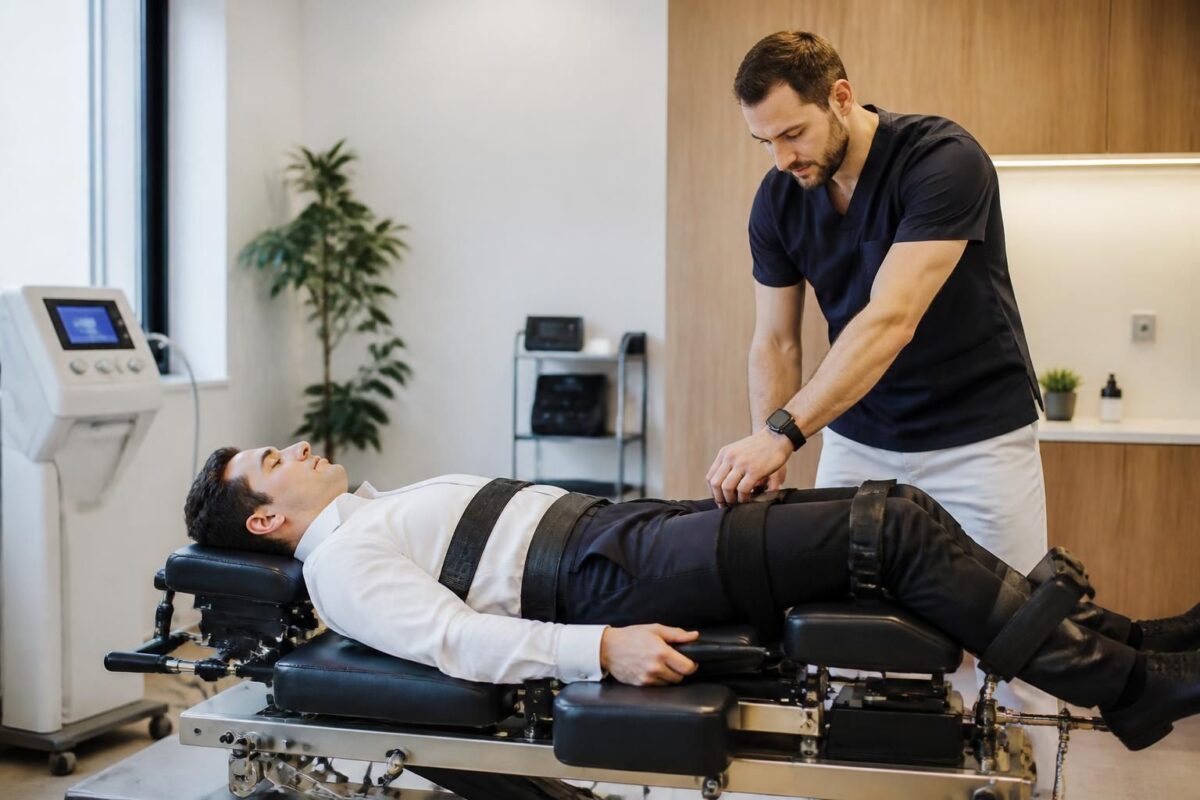
How Neurovertebral Decompression Prevents Diffuse Chronic Pain
In short decompression neurovertebral is one Non-invasive method aimed at reducing the Pressure on the intervertebral discs and the nerves, in order to prevent Diffuse chronic pain. It improves the circulation and thedisc hydration, decreases inflammation and promotes better mobility.…
Practical tips to maximize results
To get the most out of decompression and associated muscle tension, here are some practical recommendations. Strictly follow the personalized plan proposed by your therapist and respect the rhythm of the sessions. Adopt a daily routine of gentle stretching and light reinforcement, without forcing. Hold a Adequate hydration And favor a balanced diet that supports connective tissue and regeneration. Be sure to avoid movements or loads that aggravate pain and adapt your activities according to feelings, by erecting patience as an ally of your recovery.
Monitoring and customization of treatment
Regular monitoring allows you to adjust the traction, the duration of the sessions and the associated exercises according to progress and sensations. Each patient reacts differently, and a personalized approach is essential to achieve quick and lasting results while reducing the risk of discomfort.
| Criterion | swift result |
|---|---|
| Quick Definition | Traction non-invasive which decreases the pressure On nerves and discs. |
| Key mechanism | Vacuum effect around discs, rehydration and better circulation. |
| Impact on pain | reduction of the pain related to nerve compression. |
| Speed of effects | Notable results from the first sessions. |
| Mobility | Improvement of the mobility and back to activities. |
| Muscle tensions | Release of tensions around the column, facilitating movements. |
| directions | Suitable for Spinal stenosis and pain due to nervous compression; non-surgical option. |
| Security and tracking | Method non-invasive with low risk; Requires tracking and personalized plan. |
| Integration into the care plan | Complement rehabilitation and exercises to optimize recovery. |
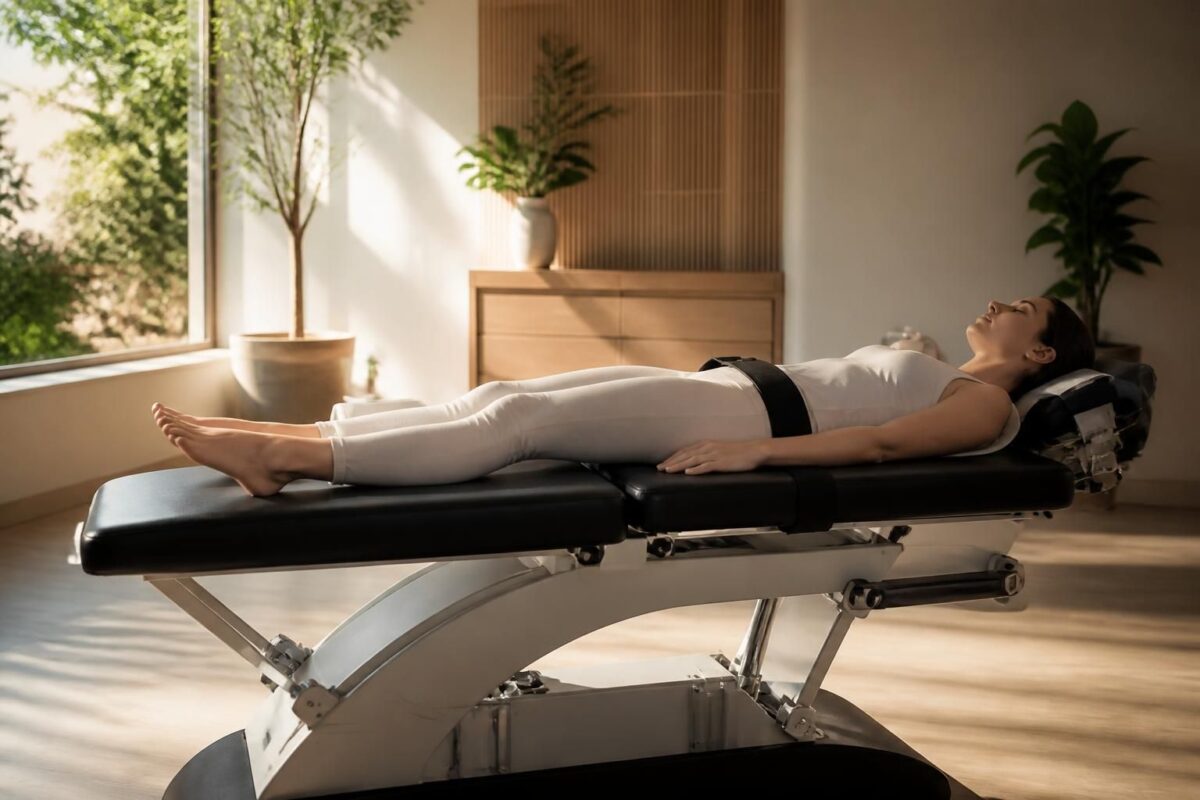
Neurovertebral Decompression and Body Alignment: Restoring Natural Balance
In short In short, neurovertebral decompression is one Non-invasive approach who restores theBody Alignment and thenatural balance back and neck. She acts by a Controlled traction of the spine to widen the intervertebral space and reduce the Pressure on discs…
Testimonials: neurovertebral decompression and muscle tension — quick results
Since my first session of neurovertebral decompression, my Muscle tensions in the neck decreased markedly and the pain quickly became lighter. In a few days, I found an amplitude of movement and a more restorative sleep. It was a real turning point, with Quick results who encouraged me to continue treatment.
As a sportsman, I constantly had pain related to nervous compression. After a few sessions, the pain retreated and my mobility came back. I found my training without fear and my energy rose thanks to these Quick results.
At work, the tensions in the shoulders prevented me from staying focused. The neurovertebral decompression began to release these tensions in a few sessions, and I felt a Inflammation reduction as well as an improvement in posture. of Quick results that changed my day.
I had lower back pain related to poor posture and active lifestyle. After treatment, the Muscle tensions dissipated and the pain decreased noticeably from the first visits. My daily life came back more fluid and I can move without hesitation thanks to Quick results.
As a senior, I feared that the pain would slow me down for the rest of my days. The neurovertebral decompression I offered a real puff of air: released tension, improved circulation and regained mobility. The Quick results Mount gave a new energy to enjoy my favorite activities.
Dr. Sylvain Desforges is a reference in theosteopathy, the naturopathy and the manual medicine. As Founding President of TagMed Clinics andACMA Association, his approach is guided by theHealth Innovation And a constant quest for excellence. In his practice, he emphasizes the Chronic pain management and the integration of advanced technologies that revolutionize the therapeutic landscape, including neurovertebral decompression, the laser and the Shockwave therapy. Its objective is to offer care evidence-based in order to optimize the health and well-being of its patients.
The neurovertebral decompression is presented as an approach non-invasive which releases the pressure exerted on the nerves and promotes the Nervous tissue regeneration. by a Controlled traction On the spine, it decreases the pressure on the intervertebral discs and adjacent nerves, creating a Vacuum effect around the discs and facilitating their rehydration and their recovery. This local improvement supports better blood circulation, promotes the supply of nutrients and oxygen, and helps reduce inflammation. The whole is part of a dynamic that aims to slow down or reverse the painful mechanisms without resorting to surgery.
As part of his practice, Dr. Desforges observes that the Quick results often manifested in Improving mobility and a significant decrease in pain after a few sessions. Patients with Spinal stenosis or pain related to nerve compression frequently signal significant progress and gradual resumption of daily activities, while maintaining an approach personalized and adapted to each lesion. This progression is supported by regular evaluations and coordination with other non-invasive approaches to optimize the care pathway.
Moreover, the Reduced nerve pressure contributes to a Relaxation of muscle tension around the column. Less muscle tension results in a more fluid range of motion and better exercise tolerance, which facilitates rehabilitation exercises and rapid return to physical activities. The association of the decompression with other technologies, such as laser and the shock waves, reinforces this effect by reducing tension nodes and accelerating tissue recovery.
This approach is based on a vision evidence-based and one Personalized follow-up, where each patient benefits from a clear, measurable and revisable plan. It offers a Non-surgical alternative which is part of a global health approach, favoring prevention, regeneration and sustainable well-being. For those looking for an effective way to treat muscle pain and tension, TagMed clinics offer integrated solutions adapted to each profile.
This commitment combines scientific requirement and clinical practice to propose effective pain and tension management. With rapid results observable in a large number of patients, neurovertebral decompression integrates as a key component of a care pathway aimed at mobility, energy and quality of life, while avoiding the risks of more invasive interventions.
This summary highlights how the neurovertebral decompression can generate Quick results On muscle tension and pain related to compressed nerves, while promoting tissue regeneration and return to more fluid mobility, without resorting to surgery.
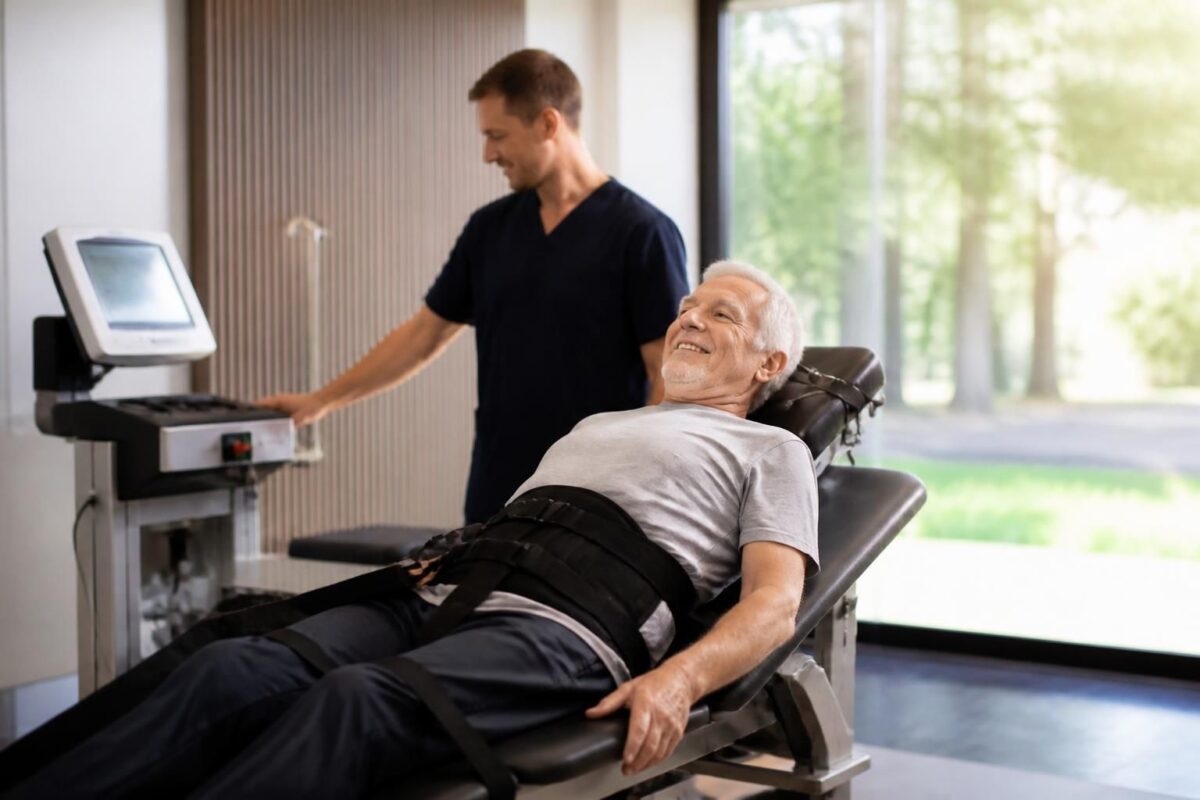
Why neurovertebral decompression is a lasting solution for active seniors
In short In short, the neurovertebral decompression is one Non-invasive therapy which sustainably relieves spinal pain in the spine active seniors By creating, by a Soft and controlled traction, a space between the vertebrae. At Montreal, it is recognized as…
Understanding the mechanism and effects on muscle tension
The neurovertebral decompression Based on controlled spinal traction that decreases pressure on intervertebral discs and adjacent nerves. This effort creates a Vacuum effect Around the discs, promoting their rehydration and regeneration. this better hydration and this decrease in pressure contribute to the reduction of inflammation and associated pain, while releasing muscle tension around the spine. Improved blood circulation ensures optimal nutritional intake and accelerates tissue repair. To deepen the mechanism, you can consult the following resources: neurovertebral decompression – Wikipedia, How decompression affects diffuse pain, and Treatment of persistent radicular pain. These mechanisms support improving mobility and reducing inflammation.
In addition to the mechanical effect, decompression promotes the optimization of the tissue environment: pressure reduction On the nerves, Disc hydration and circulation stimulation, which together support cell regeneration and functional recovery. For further reading on current techniques and protocols, see Specialized resources such as Sports injuries – Study of current techniques and protocols and How decompression affects musculoskeletal imbalances.
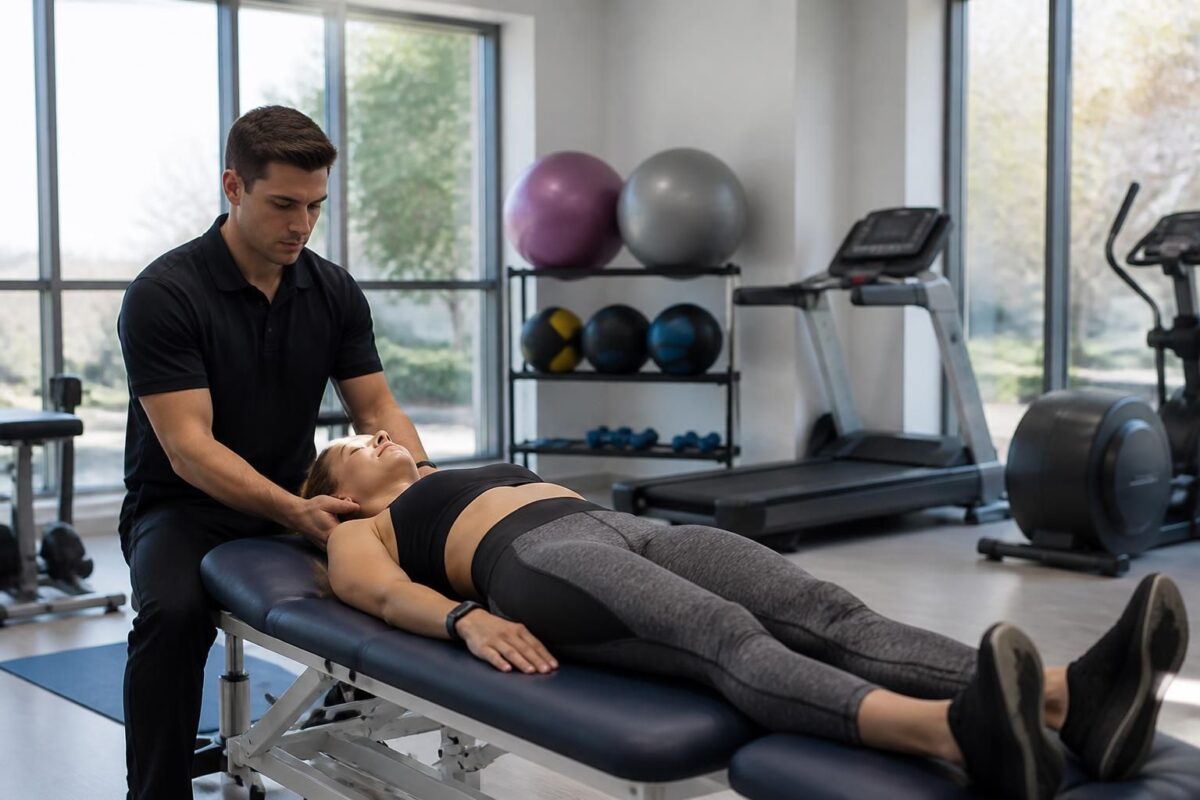
Neurovertebral decompression and recovery after severe sports injury
In short In short, the neurovertebral decompression is one Non-invasive method to Relieve the pressure on the Intervertebral discs and the gristle Via a Controlled traction, to facilitate the recovery After a severe sports injury. It improves the bloodstream towards…
Quick results and clinical implications
Patients often describe a rapid pain reduction After a few sessions, accompanied by a Improving mobility and decreased muscle spasms. This dynamic promotes faster functional recovery and allows rehabilitation exercises to be undertaken earlier in the course of care. However, the results remain variable depending on the level and chronic nature of the pathology, adherence to the treatment plan and personalized follow-up. To better understand the benefits observed, explore testimonies and analyzes such as Benefits of Neurovertebral Decompression for Active Patients and Optimize recovery after surgery.
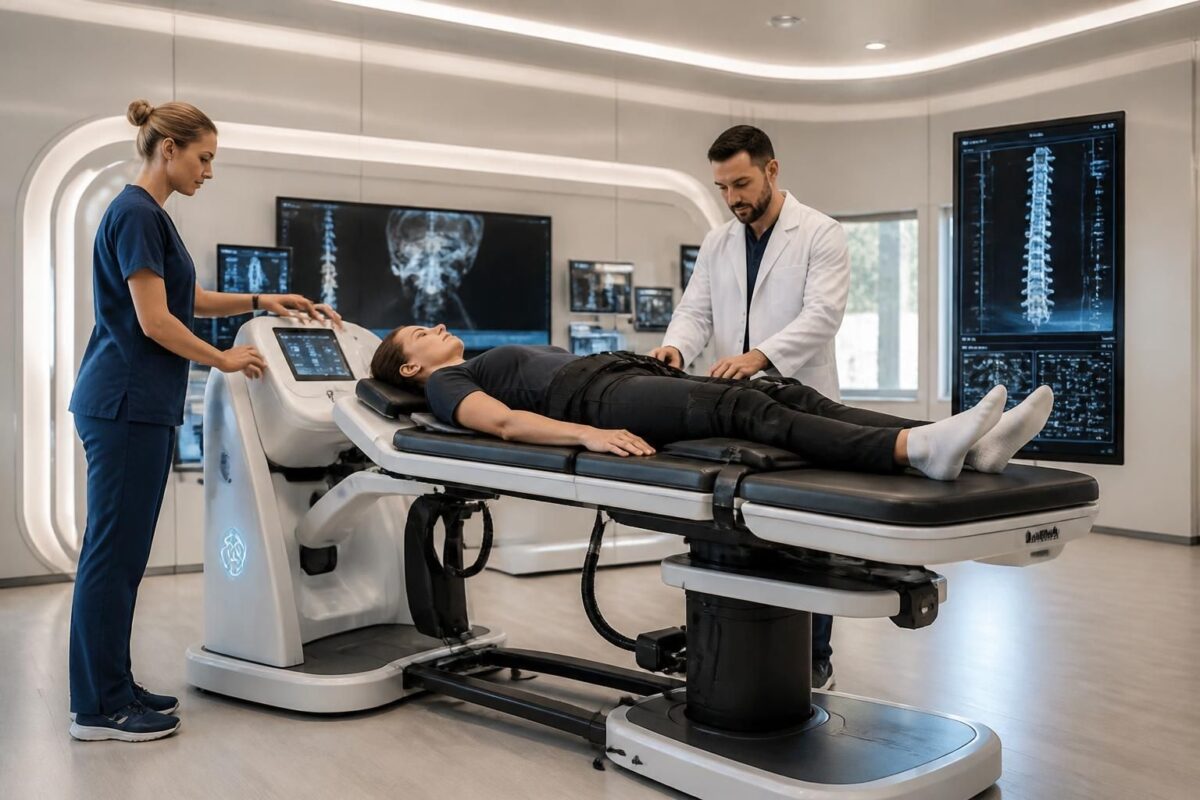
Recent innovations in neurovertebral decompression technologies
In short In short, the neurovertebral decompression is an approach non-invasive Aiming to reduce pressure on discs and nerves, and promote tissue regeneration. At Montreal, it is positioned as an effective option for lower back pain and herniated discs. The…
Integration in the care and safety course
Decompression is an approach non-invasive which can be integrated into a global plan for the management of pain and muscle tension. It is often associated with complementary measures such as targeted exercises and muscle relaxation techniques to maintain gains and prevent recurrences. For clinical and practical perspectives, consult dedicated resources such as How decompression affects diffuse pain and Durable solutions.
As part of a follow-up, regular assessments allow the protocol to be adjusted and prevent potential complications. To enrich your understanding, you can consult the additional resources on quick approaches and results, in particular The psychological benefits and Optimization after surgery.
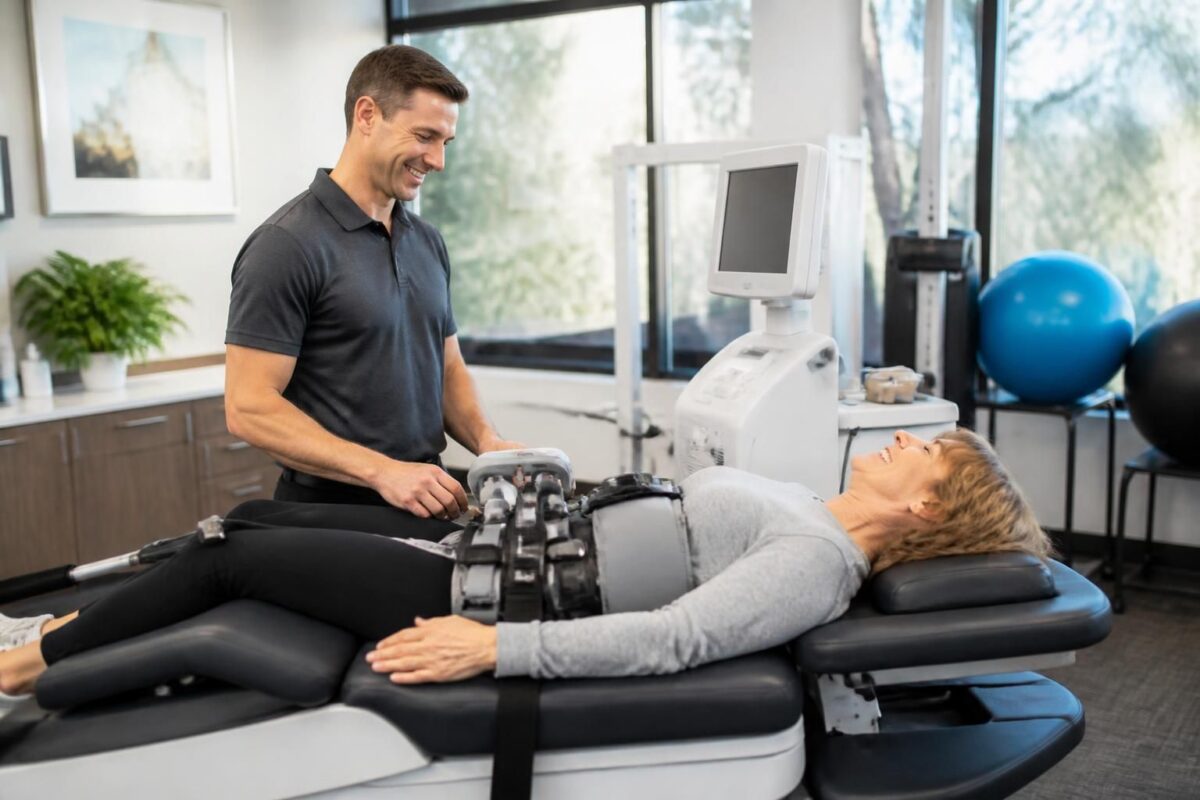
Neurovertebral decompression and diffuse pain: an appropriate solution
In short In short, the neurovertebral decompression is one Non-invasive solution For diffuse pain related to nerve irritation of the spine. She acts in Reducing pressure on intervertebral discs and nerves and improving the bloodstream, which promotes recovery and the…
Resources and additional readings
- Effects on diffuse pain
- Psychological benefits
- neurovertebral decompression On Wikipedia
- Persistent radicular pain
- Current techniques and protocols
- Benefits for active patients
- Effects on musculoskeletal imbalances
- Recovery after intervention
- Durable solutions
- Muscle spasms

Dr Sylvain Desforges, B.Sc., D.O., N.D., osteopath, is the founding president of TAGMED and of the ACMA association. He dedicates his practice to chronic spinal pain, low back pain and symptoms compatible with sciatica, particularly when pain radiates toward the buttock, leg, calf, foot or toes.
Through SOS Sciatique, he publishes educational content on sciatica symptoms, possible causes such as disc herniation, disc narrowing, foraminal stenosis or irritation of a lumbar nerve root, as well as non-surgical approaches that may be considered according to the evaluation. At Clinique TAGMED, care may include, depending on the case, motorized neurovertebral decompression, specific osteopathic care or precision percussion.
For an evaluation related to sciatica treatment in Montreal / Mount Royal or sciatica treatment in Terrebonne, please consult the services available at Clinique TAGMED.
Medical disclaimer
The information published on SOS Sciatique is provided for educational purposes only and does not replace a consultation, diagnosis, opinion or treatment provided by a physician or another authorized healthcare professional. The author of this article is neither a medical doctor nor a specialist in a medical specialty recognized by the Collège des médecins du Québec. The osteopathic, manual medicine or functional support approaches described on this site do not constitute medical acts and are not intended to replace medical follow-up.
Consult a physician or emergency service in cases of loss of bladder or bowel control, anesthesia in the saddle area, significant or progressive weakness in the leg or foot, fever, recent trauma, severe pain or rapid worsening of symptoms. For more details, please read our Legal Notice.