Neurovertebral Decompression and Muscle Tensions: Rapid Results
26/06/2026
Neurovertebral decompression and treatment of herniated discs without surgery
26/06/2026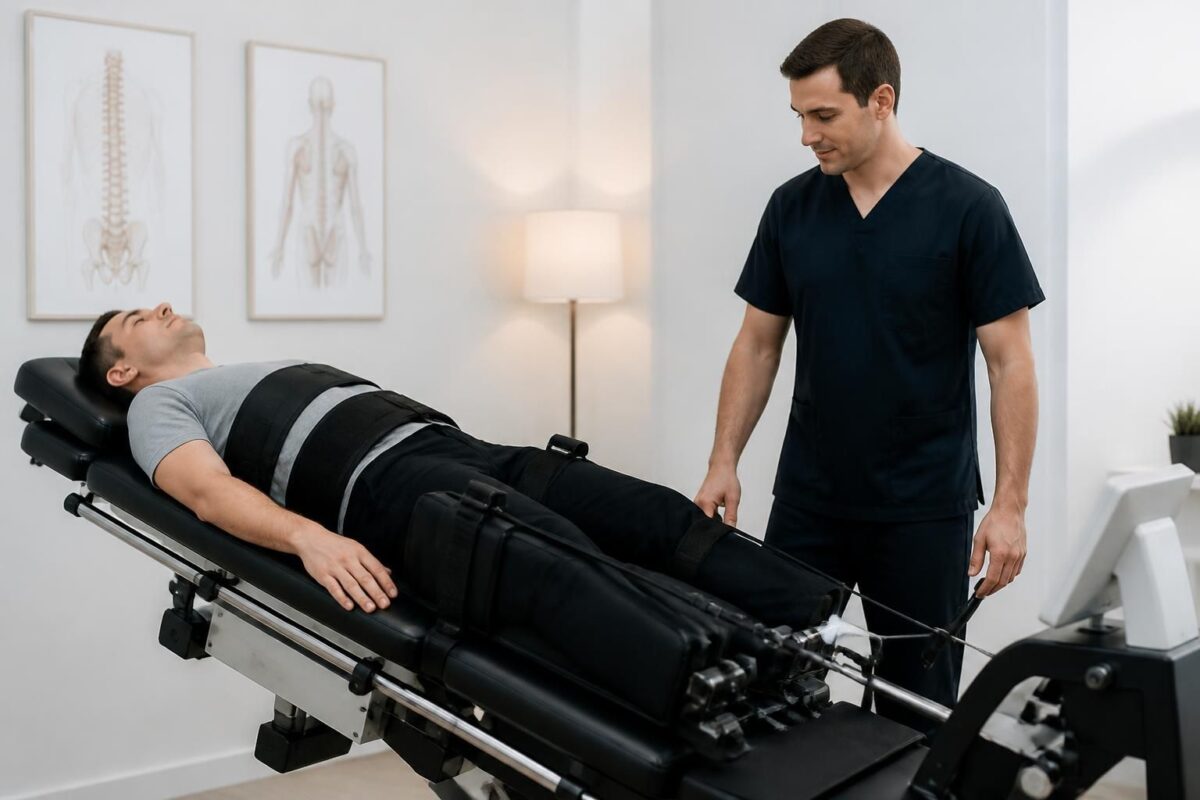
In short
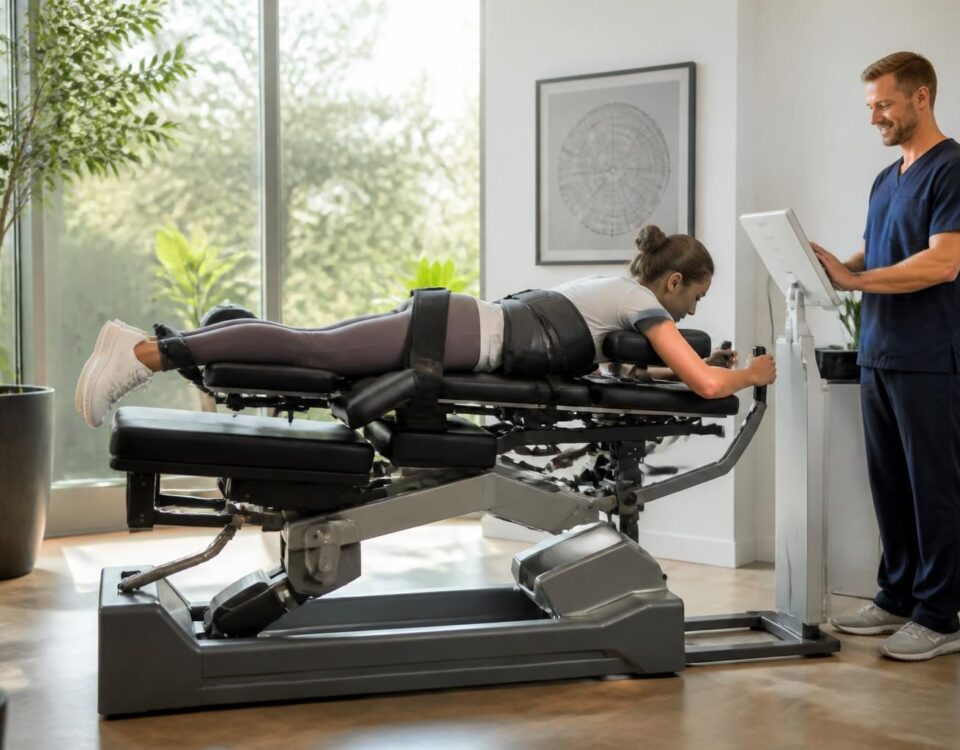
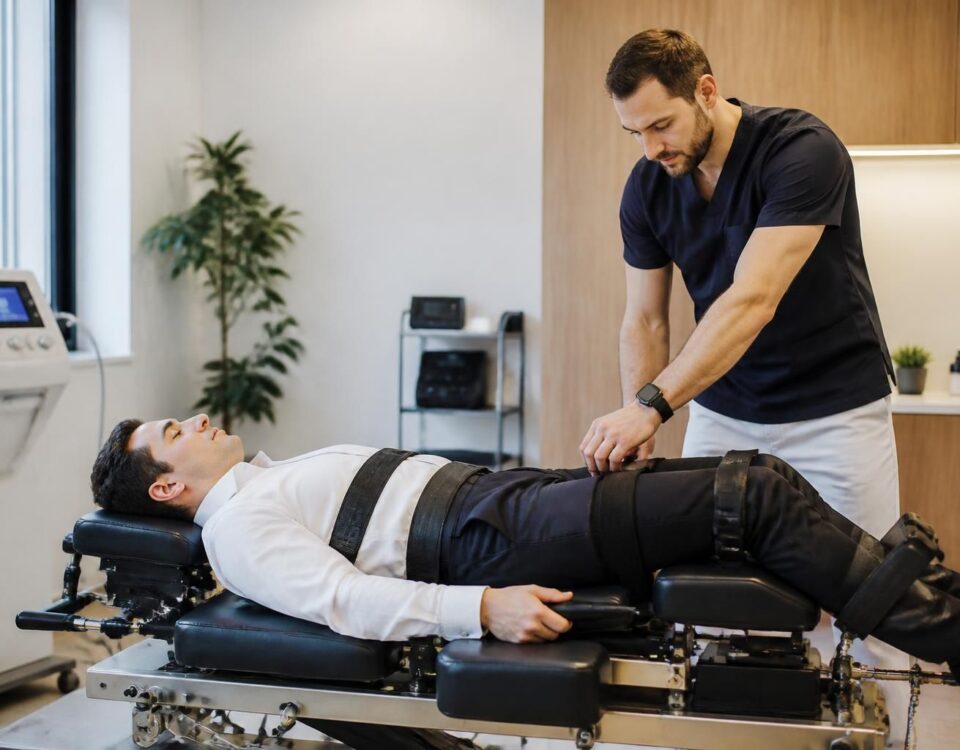
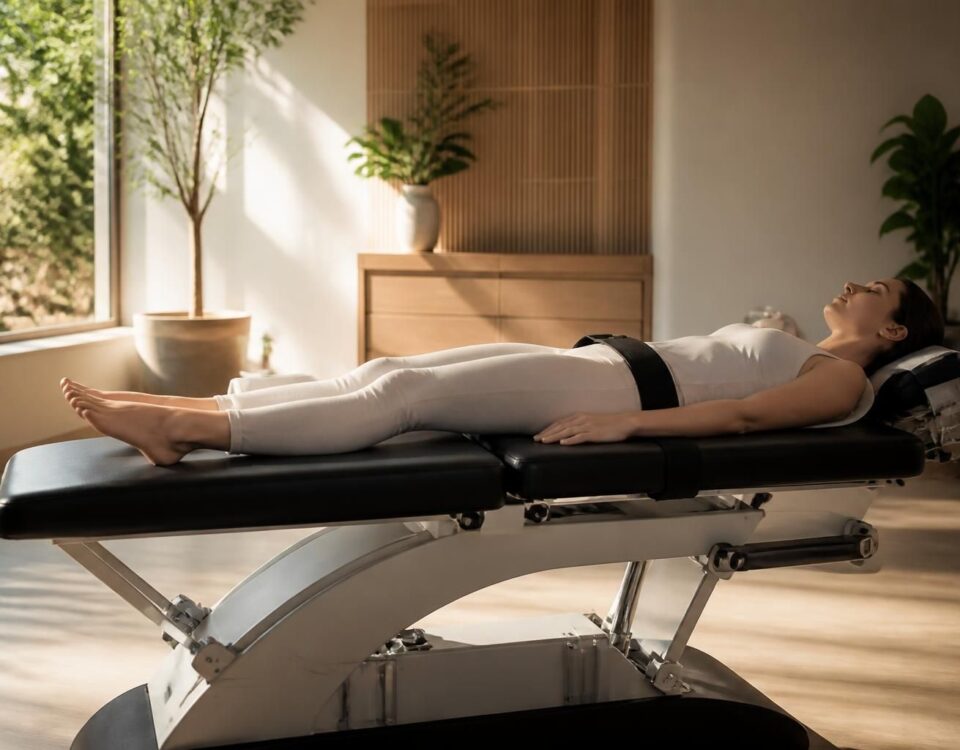
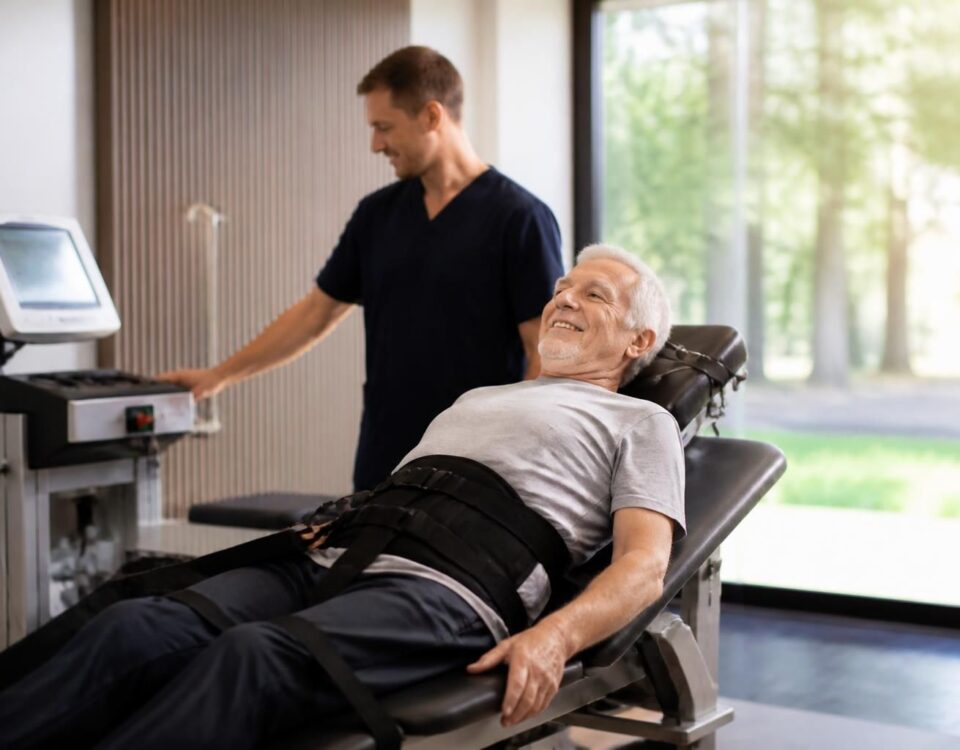
| neurovertebral decompression is a technique non-invasive which applies a Controlled traction on the spine to create a space between the vertebrae and reduce the pressure on the Intervertebral discs and the gristle, especially the sciatic nerve. She offers a Lasting pain relief and an improvement in mobility in patients with recurring sciatica, often related to herniated discs or disc diseases. Among the advantages are a pain reduction, better flexibility and decreased drug requirements, while avoiding surgery. The treatment takes place on a specialized table with measured traction, promoting tissue recovery and regeneration. In Montreal, this service is particularly recommended for recurring sciatica and lower back pain associated with disc pathologies, offering an option quick, non-surgical and compatible with other therapies. |
The neurovertebral decompression offers an approach non-invasive For patients with recurrent sciatica. By gradually lengthening the column, it reduces the nerve pressure and promotes the repositioning of the discs, which leads to a Quick and lasting pain relief and to a Improving mobility.
It can also allow Reduce drug dependence And, for many,Avoid surgery By offering a reliable alternative when conservative treatments have not given the expected results.
Each patient benefits from a Custom Plan and a Safe and well-tolerated use technique, promoting a faster resumption of daily activities.
This article presents the advantages of neurovertebral decompression for recurrent sciatica. She explains the principle, the expected benefits, the rhythm of the sessions and the precautions to know. She points out that this is a non-invasive approach that can reduce pain and improve mobility, while decreasing the use of medications and offering an alternative to surgery in some cases. The whole is discussed in the context of a practice based on evidence and a multidisciplinary approach.
Principle and mechanism
Neurovertebral decompression is a non-surgical technique that aims to reduce the pressure on the nerves and on the intervertebral discs. It is based on controlled traction that creates a space between the vertebrae. This space allows discs to absorb nutrients and rehydrate. Reducing nerve pressure can relieve pain that radiates along the path of the sciatic nerve.
Benefits observed
Patients often report a noticeable decrease in pain after the first sessions. This improvement generally continues throughout the treatment. Decompression helps restore mobility and flexibility of the back and legs, making it easier to resume daily activities. It can also make it possible to reduce or even avoid the prolonged use of certain analgesic and anti-inflammatory drugs. In addition, this approach offers a non-invasive alternative that can avoid heavier interventions when the indications are appropriate.
Safety elements and contraindications
Neurovertebral decompression is generally well tolerated and has few side effects. However, certain medical conditions may prevent its use. Contraindications include severe osteoporosis, vertebral fractures, spine infections, and some tumors. A comprehensive medical assessment is essential to determine eligibility for treatment and to adapt the plan to each patient.
Frequencies and duration of treatment
Most protocols provide for regular sessions, often 2-3 times a week, for a period that is spread over a few weeks to several months, depending on the severity and individual response. The total number of sessions may vary, and a personalized plan is developed after an initial assessment.
Integration with other approaches
Decompression can be offered within a comprehensive spinal pain management course. In TagMed clinics, it can be associated with complementary technologies such as laser and shock waves, in order to optimize functional recovery. To learn more about our services, visit Tagmed Clinic.
knowledge and resources
Additional resources and information exist to understand how neurovertebral decompression acts on vertebral pathologies. To learn more, see the articles on How neurovertebral decompression affects diffuse pain and on Recent studies demonstrating effectiveness. For a general perspective and clinical contexts, you can consult additional resources on SosherniaDiscal and SostunnelCarpal.
For any questions about eligibility and evaluation, a health professional can accompany you to determine if neurovertebral decompression is suitable for your situation. Additional information is available on resources and publications related to this approach.
You can also turn to resources specialized in the alternatives and non-surgical perspectives presented by recognized institutions in the dental and osteopathic fields, while making sure to favor information from authorized and relevant sites in this field.
Medical Disclaimer: The information and advice provided on this site does not replace the health professional’s diagnosis or treatment. Please note that Dr. Sylvain Desforges osteopath is neither a doctor of medicine nor a doctor, and is not a specialist in a medical specialty as defined by the Collège des Médecins du Québec. Manual medicine, functional medicine and sports medicine as described on this site exclude any medical treatment or diagnosis made by a doctor or specialist doctor. Always consult your doctor for any medical questions. For more details, please read our full legal notice.
AXIS: Functional improvement and relapse prevention for recurrent Sciatia
- Sustainable relief of the pain and reduction of recurring thrusts.
- Improved mobility and resumption of daily activities without pain.
- lesser recourse at pharmaceuticals and anti-inflammatory.
- relapse prevention thanks to a more stable column.
- Non-invasive treatment with low risk and good tolerance.
- Custom Plan and Regular follow-up to optimize the results.
- Quick recovery activities and routine.
- Circulation and nutrition of discs improved, supporting healing.
- Reduction of muscle spasms aggravating Sciatia.

This sheet presents the benefits neurovertebral decompression for patients with recurrent sciatica. You will discover why this non-invasive approach can sustainably reduce pain, improve mobility and promote a rapid resumption of daily activities, while offering an alternative to surgical interventions when conservative treatments have not given the expected results.
What is neurovertebral decompression?
Neurovertebral decompression is a non-surgical therapy that aims to reduce the pressure exerted on the nerves and on the vertebral structures. Using specialized equipment, it applies controlled and progressive traction of the spine, creating a space between the vertebrae and facilitating the rehydration and nutrition of the intervertebral discs. This approach can relieve tension and irritation that nourishes sciatic pain, including when it is recurrent or associated with herniated discs.
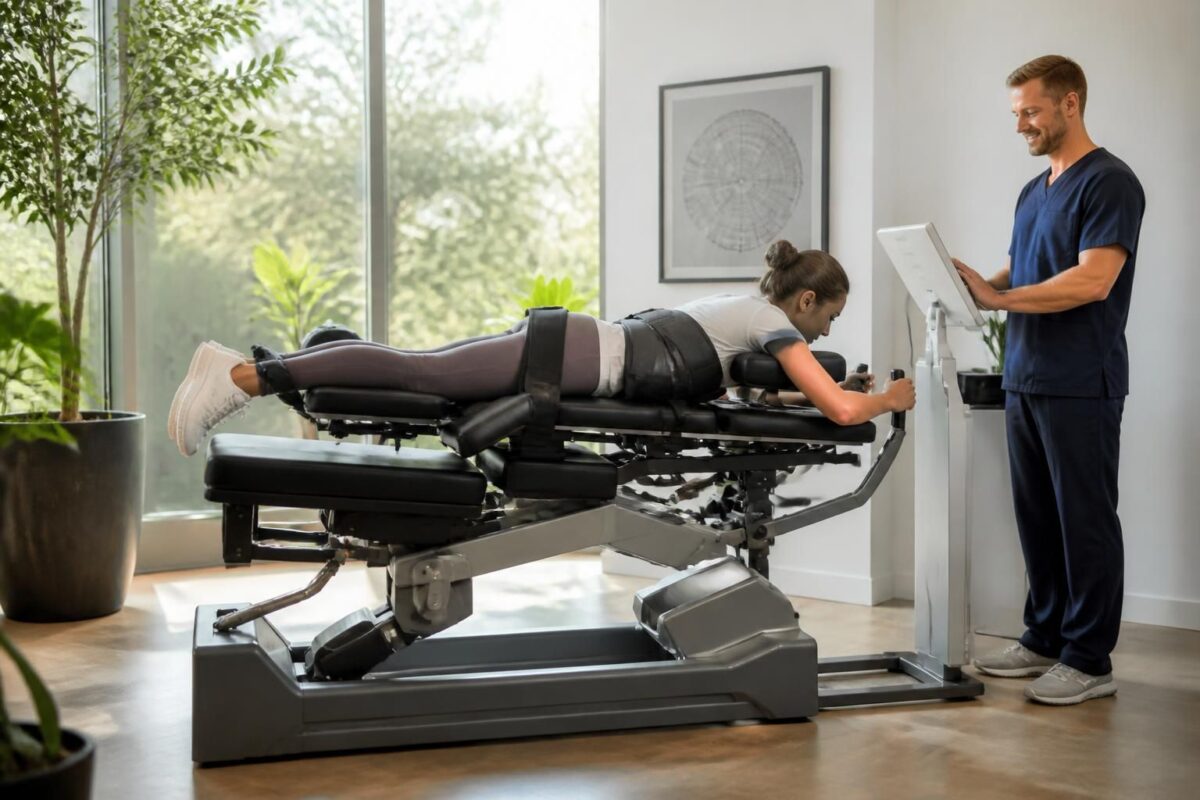
The long-term benefits of neurovertebral decompression for spinal health
In short In short, the neurovertebral decompression is a non-invasive approach that decreases the Pressure on intervertebral discs and nerves, favoring the Natural regeneration and tissue recovery. Its long-term benefits include Lasting pain reduction, Improving mobility and from the posture,…

Neurovertebral decompression and mobility: a return to an active life
In short In short, the neurovertebral decompression is therapy non-invasive who uses a gentle traction To create a space between the vertebrae and reduce the pressure on the Intervertebral discs and the nerves. It promotes a bloodstream improved, lowers tension…
how it specifically benefits recurrent sciatica
Reduced pressure on the sciatic nerve
By expanding the space between the vertebrae, decompression decreases compression of the sciatic nerve and nerve roots. This decrease in pressure is manifested by a decrease in pain, tingling and paresthesia when sciatica is present.
Improved circulation and disc nutrition
The traction process promotes blood flow and intake of nutrients to disks and nerves. This dynamic supports tissue recovery and can reduce inflammation around nerve structures.
Disc repositioning and episode reduction
For some sciatica related to a herniated disc or protrusion, decompression helps to put the disc back in its place and reduce pressure points on the nerve. This reharmonization can lead to a decrease in painful episodes and better lumbar stability.
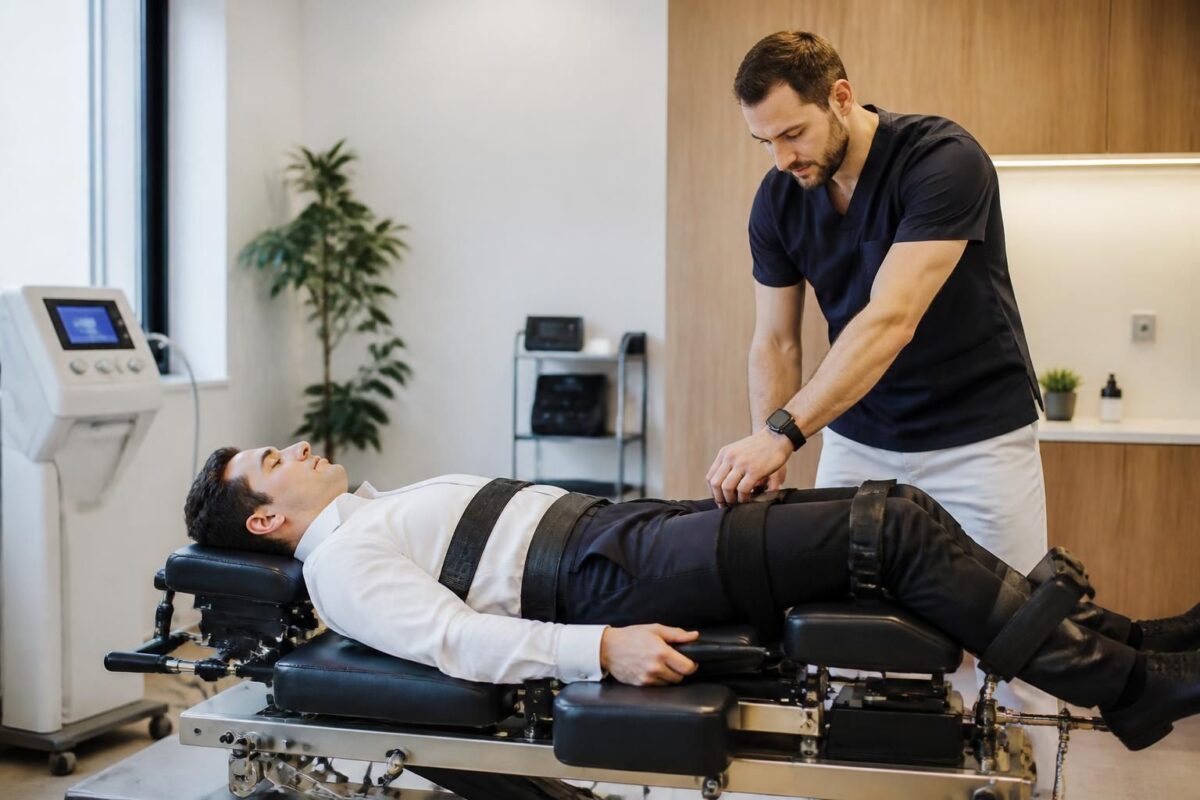
How Neurovertebral Decompression Prevents Diffuse Chronic Pain
In short decompression neurovertebral is one Non-invasive method aimed at reducing the Pressure on the intervertebral discs and the nerves, in order to prevent Diffuse chronic pain. It improves the circulation and thedisc hydration, decreases inflammation and promotes better mobility.…
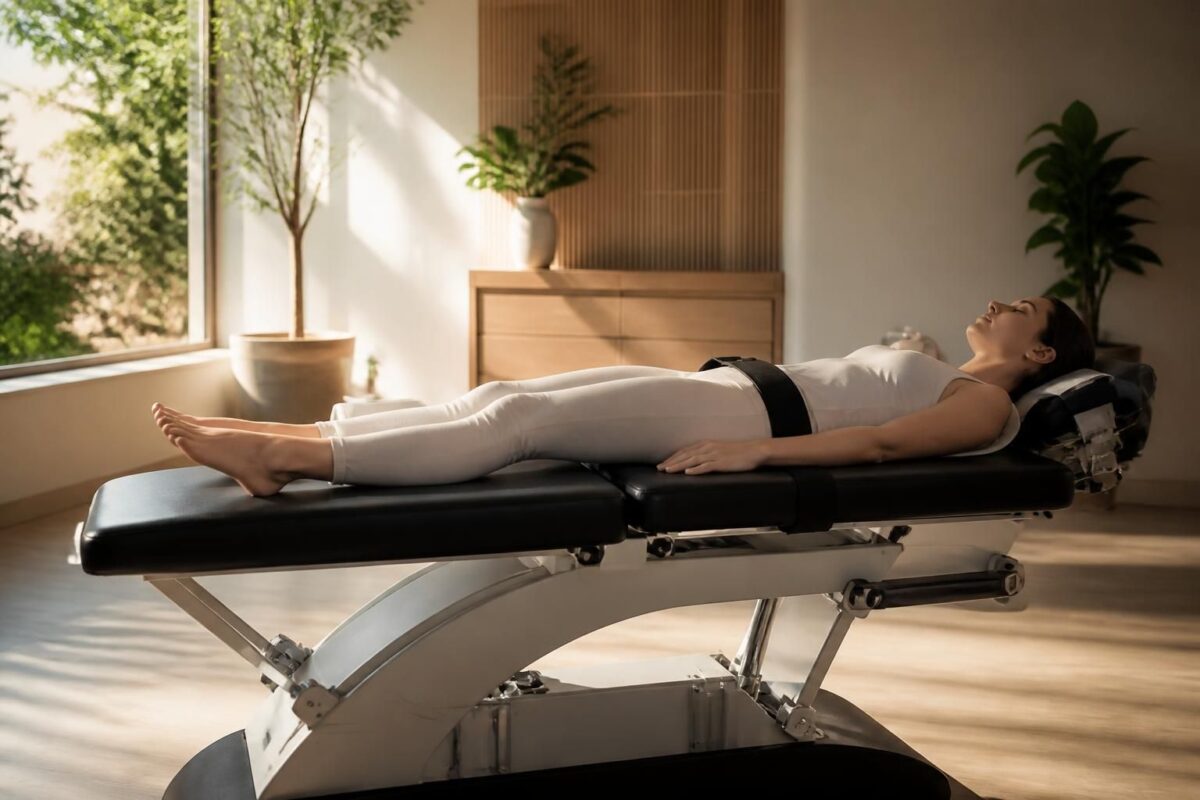
Neurovertebral Decompression and Body Alignment: Restoring Natural Balance
In short In short, neurovertebral decompression is one Non-invasive approach who restores theBody Alignment and thenatural balance back and neck. She acts by a Controlled traction of the spine to widen the intervertebral space and reduce the Pressure on discs…
Benefits observed in patients with recurrent sciatica
Lasting pain reduction
The majority of patients report significant improvement after several sessions, with continuous progression over the program. This pain reduction can allow better tolerance to daily and professional activities.
Better mobility and quality of life
Decreased nerve compression and attenuation of inflammation improves flexibility, posture and the ability to perform simple gestures without pain. This often results in a more fluid recovery in physical and social activities.
Reduction in drug treatment dependence
By acting on the mechanical source of pain, some patients find a decrease in the need for analgesics and anti-inflammatory drugs, which promotes a more natural and lasting care approach.
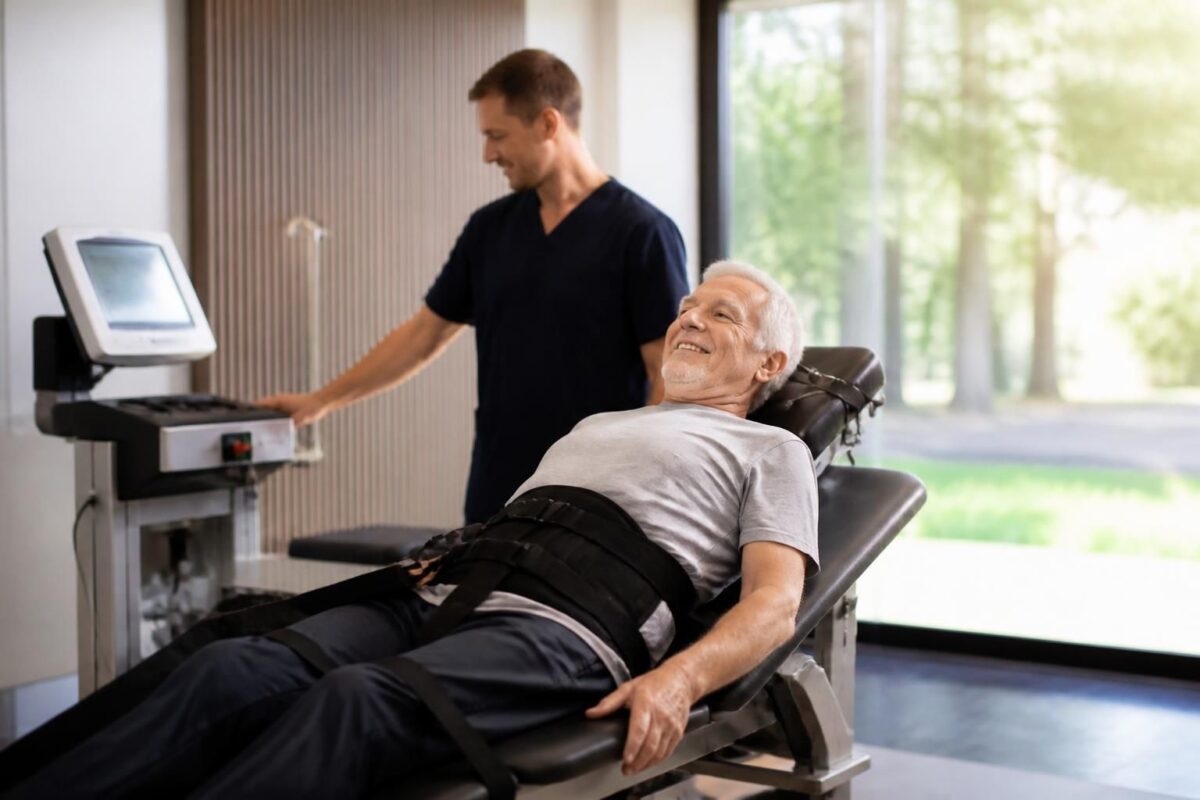
Why neurovertebral decompression is a lasting solution for active seniors
In short In short, the neurovertebral decompression is one Non-invasive therapy which sustainably relieves spinal pain in the spine active seniors By creating, by a Soft and controlled traction, a space between the vertebrae. At Montreal, it is recognized as…
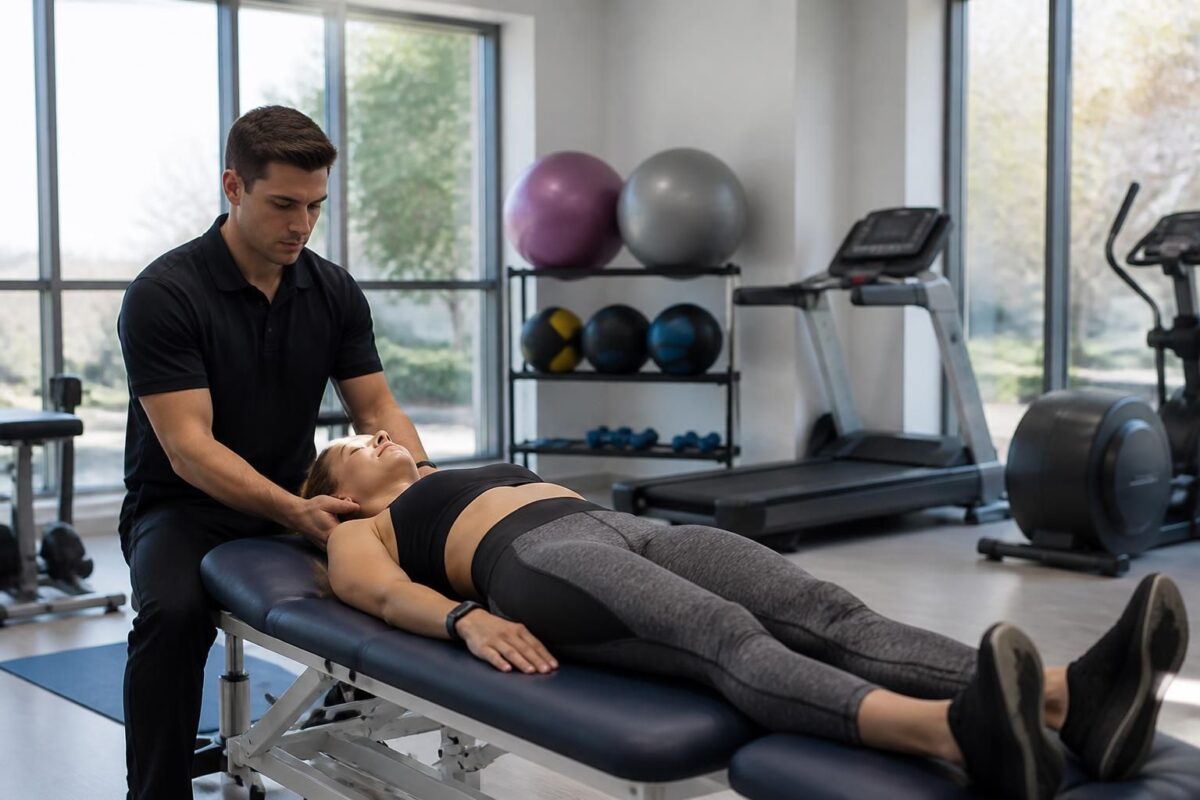
Neurovertebral decompression and recovery after severe sports injury
In short In short, the neurovertebral decompression is one Non-invasive method to Relieve the pressure on the Intervertebral discs and the gristle Via a Controlled traction, to facilitate the recovery After a severe sports injury. It improves the bloodstream towards…
Treatment integration and monitoring
Custom plan and clear goals
Each protocol is adjusted according to the clinical history and response to treatment. The goal is to get significant relief, improve nervous function and increase endurance associated with physical activity.
Regular monitoring allows you to adapt the number of sessions and intensity to maximize benefits and reduce risks.
When to consider decompression
This approach is particularly indicated in the event of recurrent sciatica after failure of conservative treatments, when a progressive improvement is desired and there is a preference to limit invasive interventions. A professional assessment is essential to rule out contraindications and define eligibility.
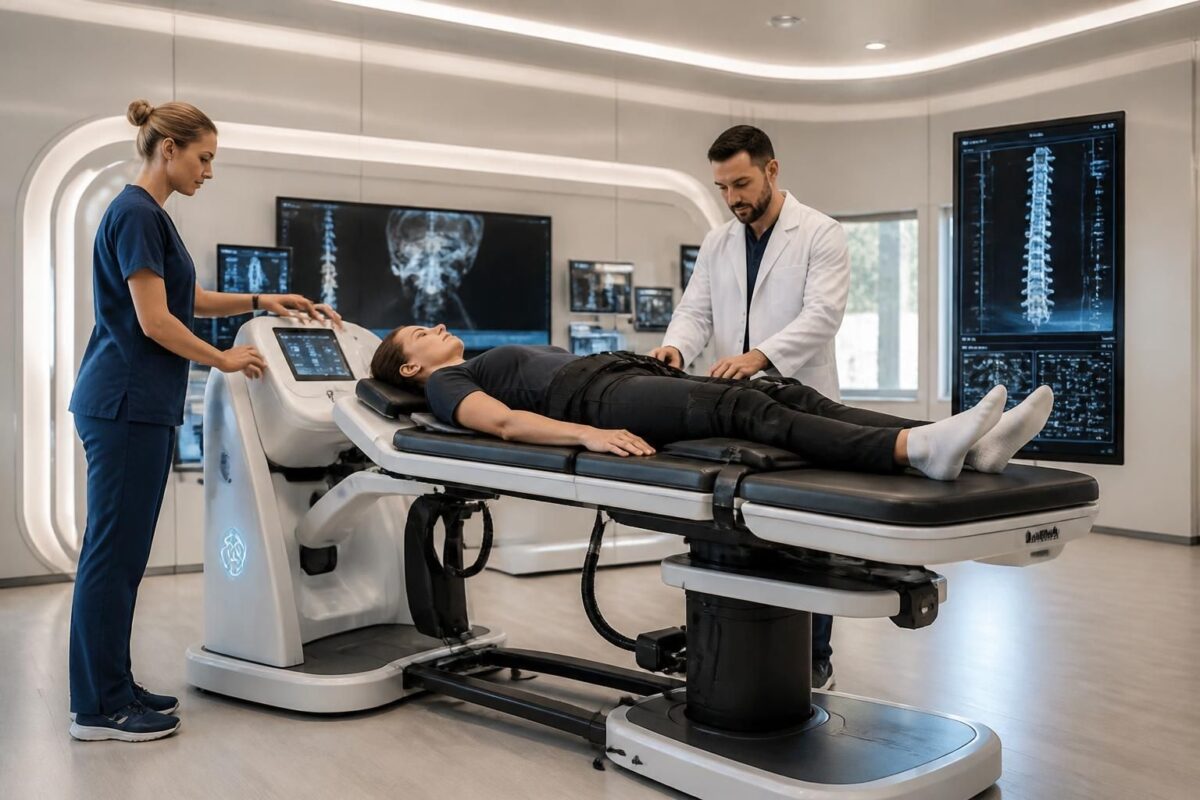
Recent innovations in neurovertebral decompression technologies
In short In short, the neurovertebral decompression is an approach non-invasive Aiming to reduce pressure on discs and nerves, and promote tissue regeneration. At Montreal, it is positioned as an effective option for lower back pain and herniated discs. The…
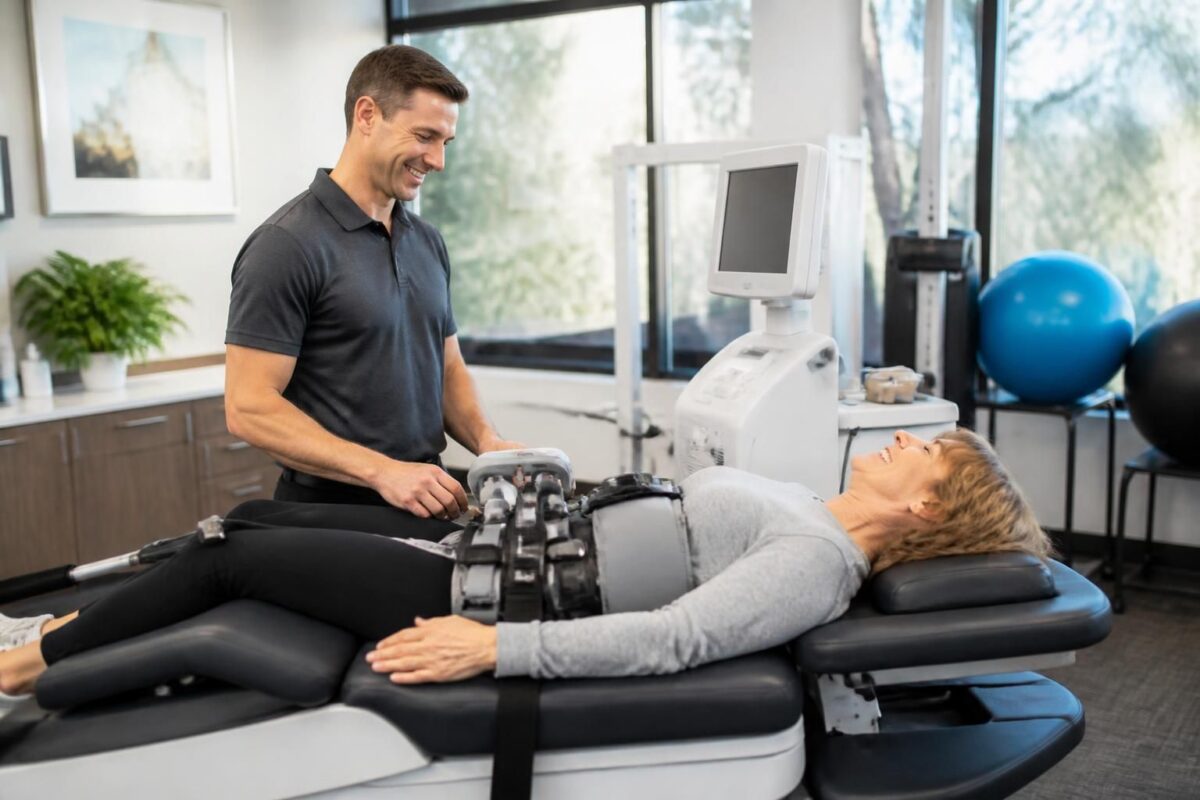
Neurovertebral decompression and diffuse pain: an appropriate solution
In short In short, the neurovertebral decompression is one Non-invasive solution For diffuse pain related to nerve irritation of the spine. She acts in Reducing pressure on intervertebral discs and nerves and improving the bloodstream, which promotes recovery and the…
The benefits of neurovertebral decompression for recurrent sciatica
| Category | Advantage |
|---|---|
| reduction of the pain | Relief quickly and durably thanks to a gradual decrease in nerve pressure. |
| Improvement of the mobility and everyday | Rediscovered mobility and facilitated daily activities. |
| Traction non-invasive and controlled | Gentle procedure without surgery, adjustable to your tolerance. |
| reduction of the Drug addiction | Fewer analgesics and anti-inflammatories needed. |
| Preservation or avoidance of surgery | Non-surgical alternative to avoid a heavy intervention. |
| Improvement of the nutrition and hydration disc | Best fed and rehydrated discs, promoting healing. |
| Targeting of causes discs and nervous | targeted traction reducing pressure on the sciatic nerve. |
| Housemaid tolerance and Side effects weak-willed | usually minor and temporary discomfort. |
| Program personalized and prevention recurrences | Individualized plan to limit relapses and support prevention. |
Testimonials on the Benefits of Neurovertebral Decompression for Recurrent Sciatica
Marie, 48 years old: “Since I started the neurovertebral decompression, my crises of sciatica Don’t surprise me like before. I feel a significant reduction in the pain And a better ability to move without this acute feeling that blocked my days. It’s an approach non-invasive which allowed me to resume my activities without fearing every step.
Antoine, 56: “My episodes of recurring sciatica came back constantly and ended up nailing me to the couch. After a few sessions of neurovertebral decompression, the seizures are rarer and less intense. I especially appreciate the fact that the treatment is fresh and personalized, with a progression that respects my body.”
Sophie, 37: “I was worried about an operation for my sciatica, but the DNV gave me a reliable alternative. I notice a marked improvement in my mobility and a decrease in pharmaceuticals needed on a daily basis. My nights are calmer and my days more active.”
Jean-Luc, 63: “The sessions were gradually adapted to my condition and I found a more natural approach. The nerve pressure decreased thanks to decompression, which brought a real feathery pain reduction and better posture. I fully revisit my activities, without anticipating a new crisis.
Nadia, 45: “It’s not just a pain reduction, it’s also a Functional release. I can walk for a long time again and take care of my children without being slowed down by pain that radiated the lower back to the legs. The neurovertebral decompression changed my relationship with my health and my daily life.”
Claire, 72 years old: “After several years of recurring sciatica, I appreciated the approach non-invasive and fresh of the DNV. I found a gradual improvement Mobility and a decrease in painful episodes, which now saves me a heavier intervention. I feel reassured and in control of my life.”
This professional, expert in osteopathy, Naturopathy and manual medicine, dedicated his career to health innovation and chronic pain management. His practice aims to provide solid evidence-based care, integrating advanced technologies to sustainably improve the quality of life of patients.
Its privileged approach includes the neurovertebral decompression Non-surgical, a technique that deploys controlled traction on the spine to create a space between the vertebrae. Thanks to specialized tables, it promotes the dissipation of the pressure exerted on the nerves and on the discs, in particular the sciatic nerve, which contributes to restoring the functioning of the lumbar and cervical structures concerned with recurrent sciatica.
Within the framework of sciatica, the benefits of this approach are manifested by several complementary mechanisms. On the one hand, the Reduced pressure on the sciatic nerve Limits the mechanisms of irritation and inflammation, helping to reduce pain and paresthesia. On the other hand, the Improved circulation and nutritional intake To discs and nerve tissues supports the healing process and can accelerate functional recovery. Finally, the targeted repositioning of the discs during the sessions can relieve episodes of nervous decompression and limit recurrences.
The Observed benefits in patients with recurrent sciatica usually result in a Significant pain reduction and an Improving mobility over the weeks. Many patients report a better ability to carry out their daily activities and resume physical activities, often with less dependence on analgesic treatments. In parallel, the relapse prevention is a key objective, thanks to more stable management of the spine and the adoption of appropriate re-education programs.
This non-invasive technique is often offered in addition to other therapeutic approaches such as laser therapy, the Shockwave therapy and associated technologies such as active neuromodulation systems. The objective is to create a synergy that optimizes tissue regeneration, reduces inflammation and consolidates functional results without the need for surgery.
The practitioner makes it a point of honor to propose a Personalized treatment plan, adapted to the severity of symptoms and the patient’s lifestyle. This plan provides for regular monitoring, adjustments based on response to treatment and practical advice to maintain long-term benefits. With this in mind, neurovertebral decompression is an effective gateway to sustainable management of recurrent sciatica and a tangible improvement in quality of life.
Quick Summary: This article highlights the benefits of the neurovertebral decompression For patients with Recurrent sciatica. This approach non-invasive aims to reduce the nerve pressure and discs, to improve mobility and reduce the use of analgesics, while offering an effective alternative to surgery. You will discover the mechanisms of action, concrete benefits and resources to access personalized support.
neurovertebral decompression acts by applying a Controlled traction on the spine to create a space between the vertebrae and to promote the Rehydration of intervertebral discs. This approach reduces the pressure exerted on the sciatic nerve And can help repositioning herniated discs, thus contributing to a gradual decrease in pain and neurological symptoms.
Among the Observed benefits In patients with recurrent sciatica, there is a Significant pain reduction, a Improving mobility and an Decreased dependency anti-inflammatory or analgesic drugs. In practice, this often makes it possible to resume daily activities with more ease and stability, while avoiding heavy interventions.
The treatment is generally personalized and can be part of a global strategy including other approaches such as osteopathy, laser targeted therapies or shock waves when appropriate. To deepen the advantages and evidence around this method, you can consult specialized resources like scientific studies and Analyzes performed by expert clinicians. Additional information and feedback can also be found on the resources offered by tagmed, especially for patients with complex pathologies.
Neurovertebral decompression can also meet the specific needs of active people and workers who are more straining the back. To better understand this impact, you can consult dedicated resources such as Benefits for manual workers and how it improves joint mobility.
For seniors and elderly people faced with repeated episodes of sciatica, neurovertebral decompression May be an effective non-invasive route to reduce pain and preserve mobility, while avoiding surgery. Dedicated resources explore these specific benefits and eligibility criteria, including through reference pages on innovations and answers to frequently asked questions, such as .
To deepen the evidence and mechanisms, discover the perspectives presented on Innovations in decompression tables and the arguments in favor of this therapy as a preferred option for seniors via Senior FAQs. For those who wish to consider this approach as a non-drug alternative for sciatica, dedicated content highlights the potential benefits and contexts of use, in particular on Fight against sciatic pain without drugs.

Dr Sylvain Desforges, B.Sc., D.O., N.D., osteopath, is the founding president of TAGMED and of the ACMA association. He dedicates his practice to chronic spinal pain, low back pain and symptoms compatible with sciatica, particularly when pain radiates toward the buttock, leg, calf, foot or toes.
Through SOS Sciatique, he publishes educational content on sciatica symptoms, possible causes such as disc herniation, disc narrowing, foraminal stenosis or irritation of a lumbar nerve root, as well as non-surgical approaches that may be considered according to the evaluation. At Clinique TAGMED, care may include, depending on the case, motorized neurovertebral decompression, specific osteopathic care or precision percussion.
For an evaluation related to sciatica treatment in Montreal / Mount Royal or sciatica treatment in Terrebonne, please consult the services available at Clinique TAGMED.
Medical disclaimer
The information published on SOS Sciatique is provided for educational purposes only and does not replace a consultation, diagnosis, opinion or treatment provided by a physician or another authorized healthcare professional. The author of this article is neither a medical doctor nor a specialist in a medical specialty recognized by the Collège des médecins du Québec. The osteopathic, manual medicine or functional support approaches described on this site do not constitute medical acts and are not intended to replace medical follow-up.
Consult a physician or emergency service in cases of loss of bladder or bowel control, anesthesia in the saddle area, significant or progressive weakness in the leg or foot, fever, recent trauma, severe pain or rapid worsening of symptoms. For more details, please read our Legal Notice.