The benefits of neurovertebral decompression for patients with recurrent sciatica
26/06/2026
How neurovertebral decompression supports overall spine health
26/06/2026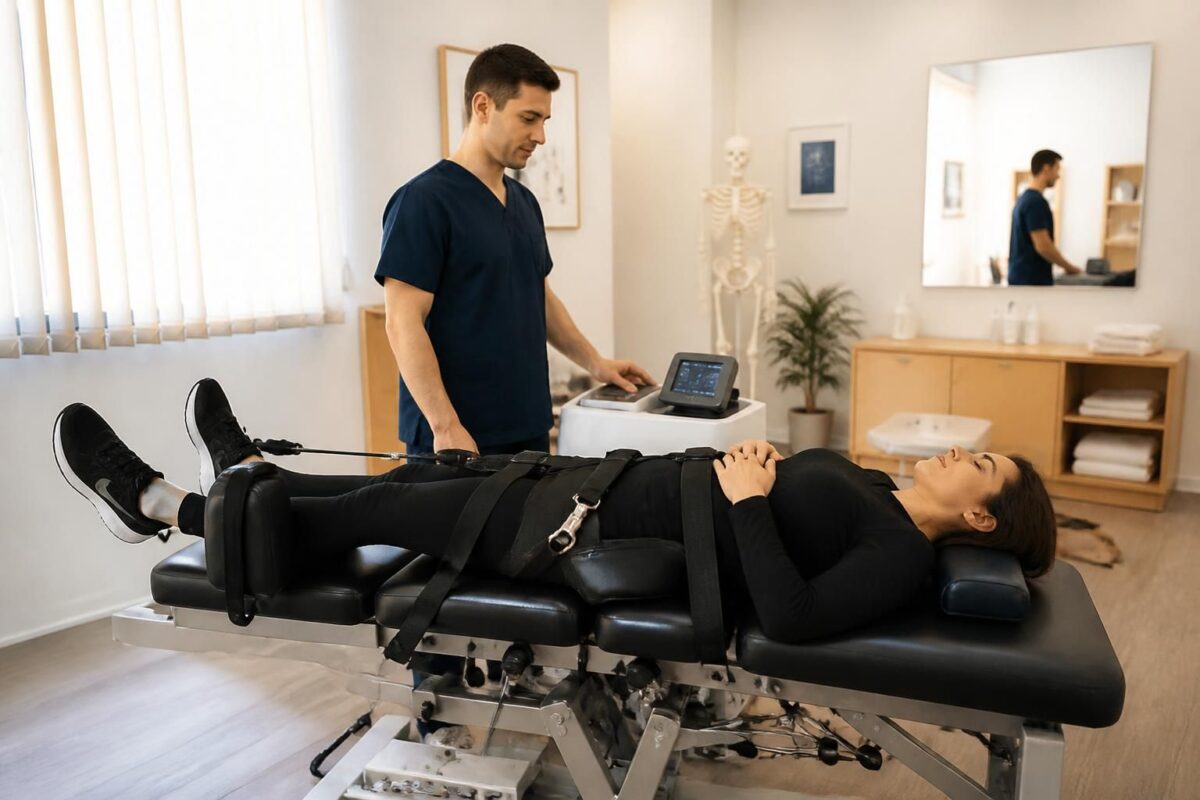
In short In short, the neurovertebral decompression is one Non-surgical solution for the herniated discs which acts by reducing the pressure on discs and nerves. accessible to Paris, this method offers a Quick relief and sustainable without surgery, while being non-invasive and customizable. It directly targets the source of the pain and improves mobility, with a course in several gentle traction sessions and appropriate follow-up. To optimize the results, it can be accompanied by posture advice and physical activity habits to prevent recurrences and support daily recovery. |
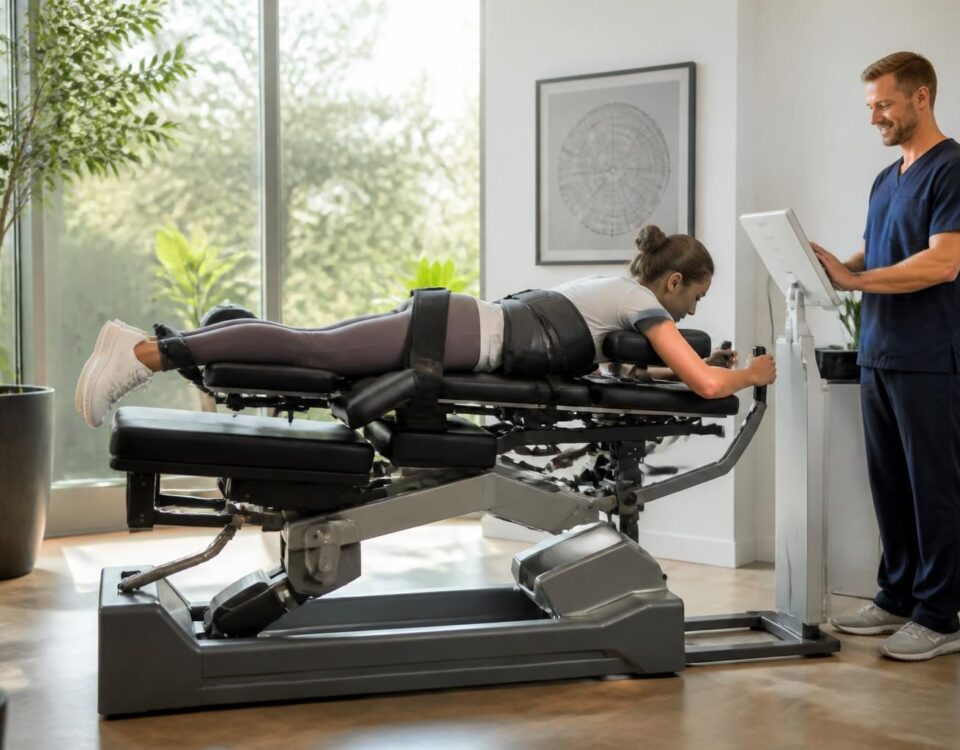
The neurovertebral decompression is an approach non-surgical Designed to treat herniated discs. She acts by Soft pulls on the column, aimed at decrease the pressure on discs and nerves, and promote lasting healing while reducing pain.
Treatment is usually organized around a Custom Plan, with Regular sessions over several weeks, followed by a monitoring and, if necessary, prevention exercises to limit recurrences.
Expected results include a Improving mobility, a decrease in lumbar or cervical pain, and a Faster return to your daily activities. This approach can concern lumbar and cervical pathologies and can be supplemented by other non-invasive therapies as the case may be.
IMPORTANT: Always consult A health professional to assess your situation and determine if this method is appropriate. This summary does not replace medical advice.
This text presents the neurovertebral decompression as an option non-surgical effective for slipped disc. It exposes the principle, the stages of the care path and the expected benefits. It aims to inform in a clear and accessible way, in order to help patients understand this approach and to discuss with their health professional.
Principle and mechanism
The neurovertebral decompression Acts by reducing the pressure exerted on the intervertebral discs and neighboring nerves. This pressure reduction promotes the rebalancing of the spinal structures and can facilitate the rehydration and repositioning of damaged tissues around the disc concerned. The goal is to create a space around the affected disc, which can improve mobility and reduce pain without surgery.
Key elements of diagnosis and evaluation
The initial assessment includes a consultation, physical examination and, if necessary, imaging examinations. This step confirms that a neurovertebral decompression is adapted to your situation and to identify the relevant vertebral level(s). The precise diagnosis then guides the treatment plan and the number of sessions planned.
Treatment plan and course of sessions
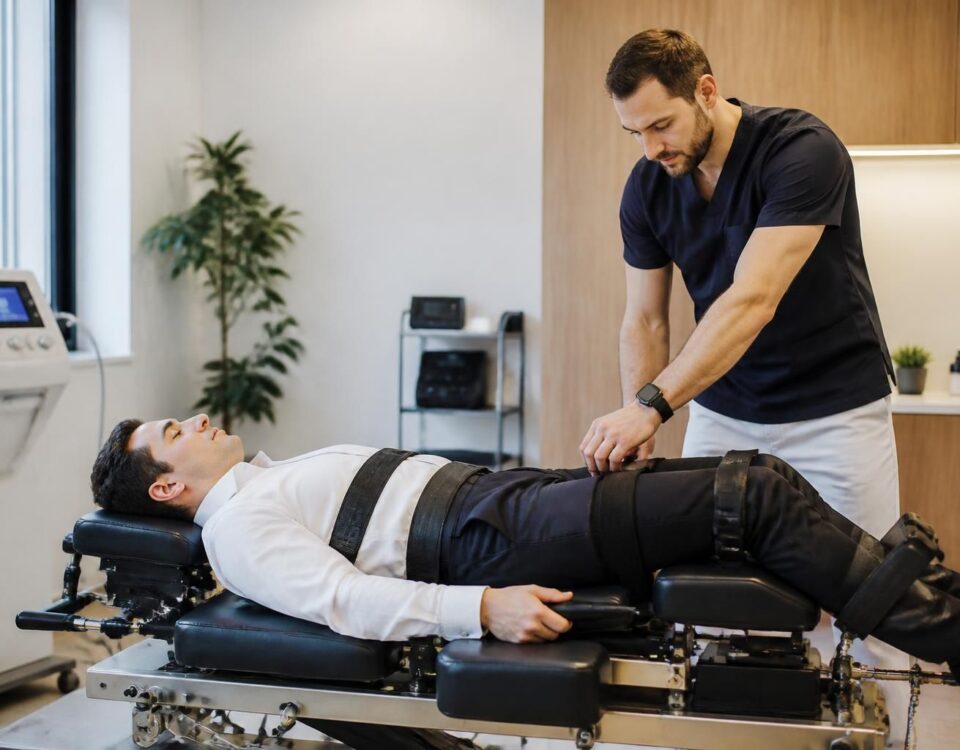
The treatment usually consists of a scheduled program over several weeks. Each session applies controlled and precise traction on the spine to reduce the pressure on the discs. The plan is adapted to the severity of the pathology and your response to treatment. Over the course of the visits, the objective is to gradually reduce the symptoms and improve the spinal function, while ensuring regular follow-up to adjust the protocol if necessary. For detailed information on steps and progress, you can consult official resources like The steps of treatment with neurovertebral decompression for disc herniation and the pages associated with TagMed.
Benefits and expected results
Expected benefits include a significant decrease in pain and improved mobility, without surgery or hospitalization time. This approach non-invasive Can offer quick recovery and better quality of life. It directly targets the source of the disc conflict and can be seen as an effective alternative to surgery when the indications are appropriate.
Technology integration and associated options
Decompression can be associated with other in-office technological approaches, remaining focused on non-surgical treatment. To learn more about available technology options and protocols, see the following resources: neurovertebral decompression, Decompression and herniated disc, SOS Sciatica – Decompression. These resources describe the mechanisms and clinical outcomes observed in various clinical experiments.
What distinguishes TagMed and the multidisciplinary approach
TagMed clinics offer an integrated, patient-centered, evidence-based approach, favoring safe and non-invasive technologies for pain management and spinal pathologies. For more information on processing steps and values, see The article of the steps of treatment and the associated descriptive page.
Appointment and booking
To discuss your case and consider a neurovertebral decompression As an option, contact your local practice or a specialized clinic. public and private resources, including sites affiliated with tagmed, can guide you through the evaluation and planning process. Be sure to consult a healthcare professional to assess your situation and determine the best approach to your condition.
For more general information on the subject, you can view industry resources and information pages associated with specialized clinics mentioned above.
Additional information and official pages are available through the following links:
• Tagmed Clinic • SOS Sciatica – Decompression • SOS Herniated Disc • Benefits for active patients • The stages of treatment • neurovertebral decompression
Medical Disclaimer: All articles must include, at the bottom of the page, the following text as a disclaimer:
“Medical disclaimer: The information and advice provided on this site does not replace the health professional’s benefit, diagnosis or treatment. Please note that Dr. Sylvain Desforges osteopath is neither a doctor of medicine nor a doctor, and is not a specialist in a medical specialty as defined by the Collège des Médecins du Québec. Manual medicine, functional medicine and sports medicine as described on this site exclude any medical treatment or diagnosis made by a doctor or specialist doctor. Always consult your doctor for any medical questions. For more details, please read our full legal notice. »
Avoid suggestions for exercises or stretching in contents dealing with neurovertebral decompression and associated pathologies (disc herniation, protrusion, bulge, foraminal stenosis, spinal stenosis, disc, or disc degeneration).
For additional information on the proposed resources and protocols, you can consult the dedicated pages on the Sossciatica.com and SoshernieDiscale.com sites, which provide details on advanced protocols and associated clinical scenarios.
- Principle : neurovertebral decompression Non-surgical which decreases pressure on the intervertebral discs by controlled traction.
- directions : For the herniated discs lumbar and cervical and radicular pain.
- goals : Lasting pain relief, improved mobility and controlled inflammation.
- Course : initial evaluation, personalized plan, then sessions planned over several weeks.
- Progress : sessions of 30–45 minutes With progressive traction and adjustments according to tolerance.
- Benefits : non-invasive, without surgery, quick recovery and low risk.
- Security and tolerance: medical follow-up and adaptation of the protocol according to the results.
- Integration : Possible supplement with strengthening exercises and postural advice to prevent recurrences.
- Monitoring and results : regular evaluations; treatment adjustments; gradual improvement in symptoms.
- Duration : typically 15 to 25 sessions According to severity and response to treatment.
- Target audience and contraindications : suitable for many patients; Avoid in case of fractures, active infections, tumors or instability.

This recommendation presents the key aspects of neurovertebral decompression as a non-surgical option to treat herniated discs, its mechanisms and therapeutic pathway, with practical advice for optimizing results while preserving patient safety.
Evaluation and eligibility
Before considering decompression neurovertebral, a comprehensive assessment is essential. She combines a anamnesis detailed, a physical examination and, if necessary, a imagery (MRI or X-ray) to confirm the presence of a slipped disc and determine its level. This step helps identify potential benefits and contraindications in order to adapt the treatment to each patient.
Contraindications and precautions
Certain conditions may limit the use of decompression. For example, active vertebral fractures, local infections, vertebral tumors or severe instability may contraindicate this treatment. The practitioner also assesses the potential risks and informs you about the precautions to take during and after the sessions.
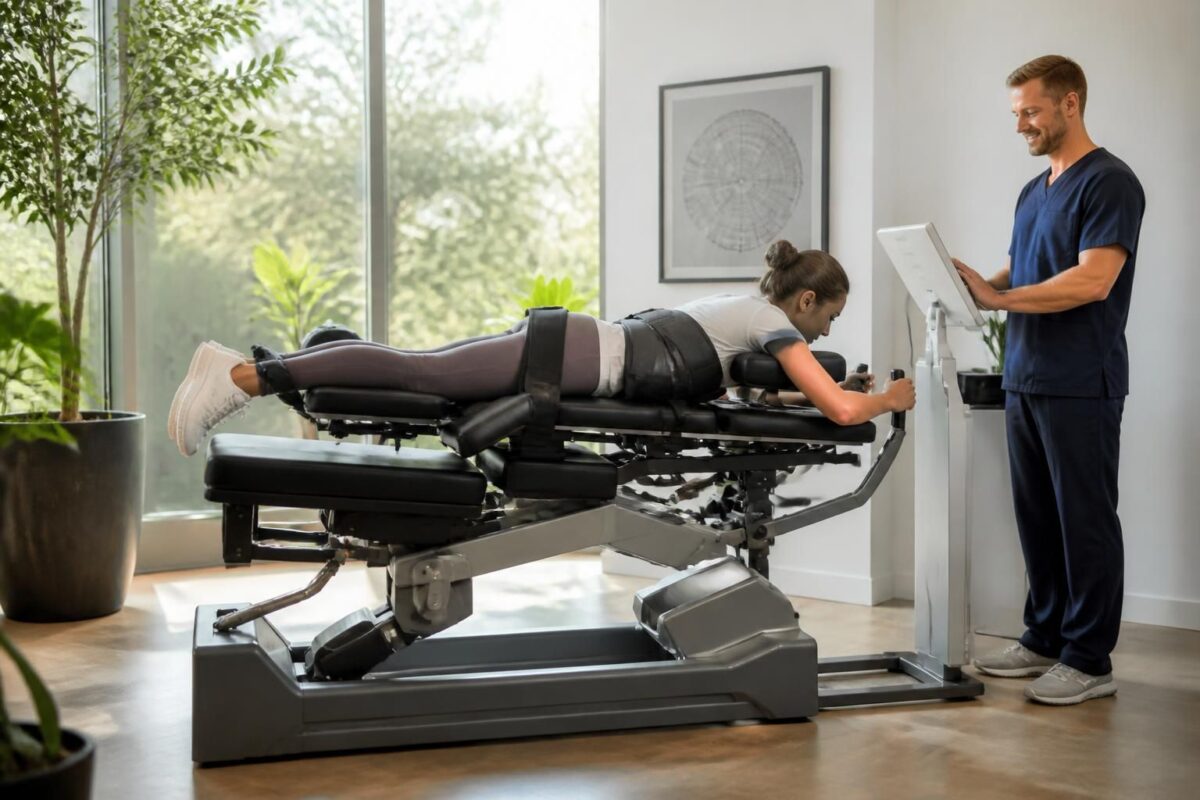
The long-term benefits of neurovertebral decompression for spinal health
In short In short, the neurovertebral decompression is a non-invasive approach that decreases the Pressure on intervertebral discs and nerves, favoring the Natural regeneration and tissue recovery. Its long-term benefits include Lasting pain reduction, Improving mobility and from the posture,…
Principle and course
The heart of the approach is based on a Controlled traction which acts on the spine to create a space around the affected disc and relieve the pressure exerted on the nerves. This approach non-surgical aims to promote natural tissue recovery and reduce pain, without hospitalization or invasive intervention.
Personalized treatment plan
The protocol is developed according to the level and severity of the hernia. One Custom Plan generally expects a determined number of sessions (on average between 15 and 25 depending on the case), with a progression adapted to the patient’s response. Clear goals, focused on reducing inflammation and improving mobility, guide every step.

Neurovertebral decompression and mobility: a return to an active life
In short In short, the neurovertebral decompression is therapy non-invasive who uses a gentle traction To create a space between the vertebrae and reduce the pressure on the Intervertebral discs and the nerves. It promotes a bloodstream improved, lowers tension…
Organization of sessions and progress
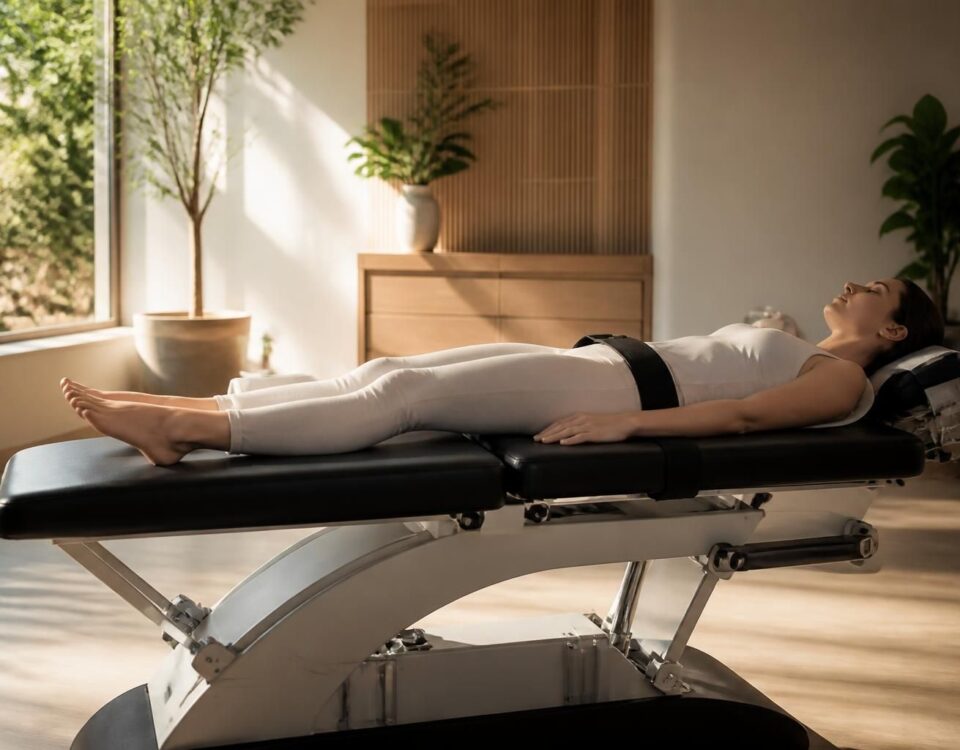
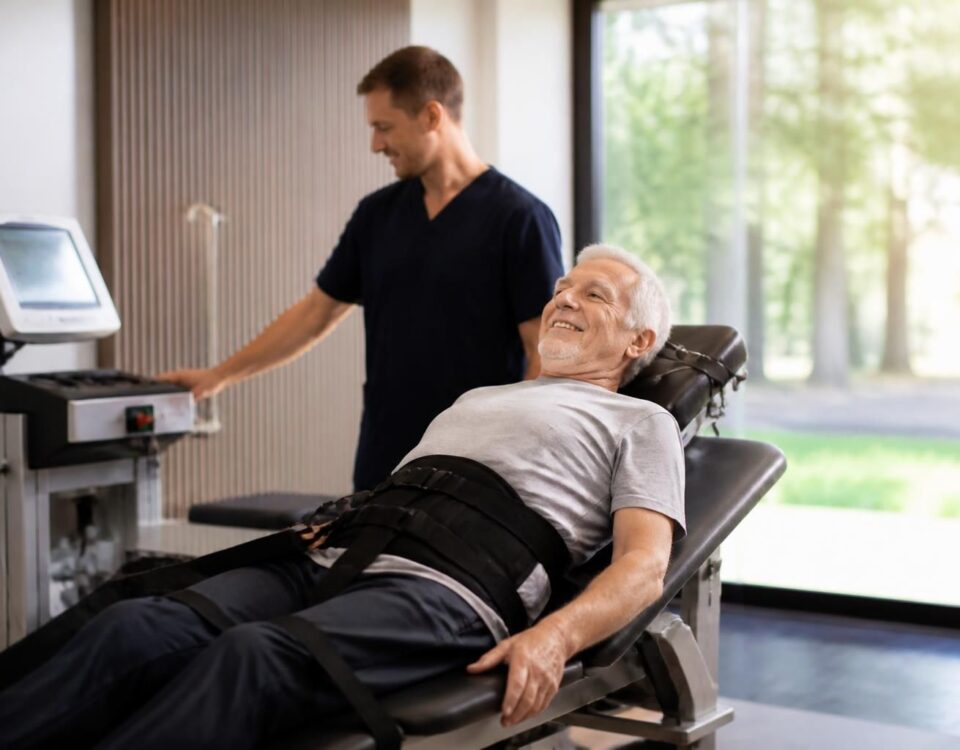
The sessions Typical last between 30 and 45 minutes and take place on a specialized table allowing a smooth and secure traction. Over the weeks, the intensity and duration can be adjusted depending on the evolution of symptoms and the patient’s comfort. In the early phases, the main objective is to reduce pain and improve the mobility of the spinal nerves, then gradually introduce reinforcement and stability exercises.
Rehabilitation and reinforcement
Although the decompression sessions are central, additional exercises of re-education can be offered after certain sessions. These programs are aimed at strengthening back muscles and improving posture, to support the spine and prevent recurrences.
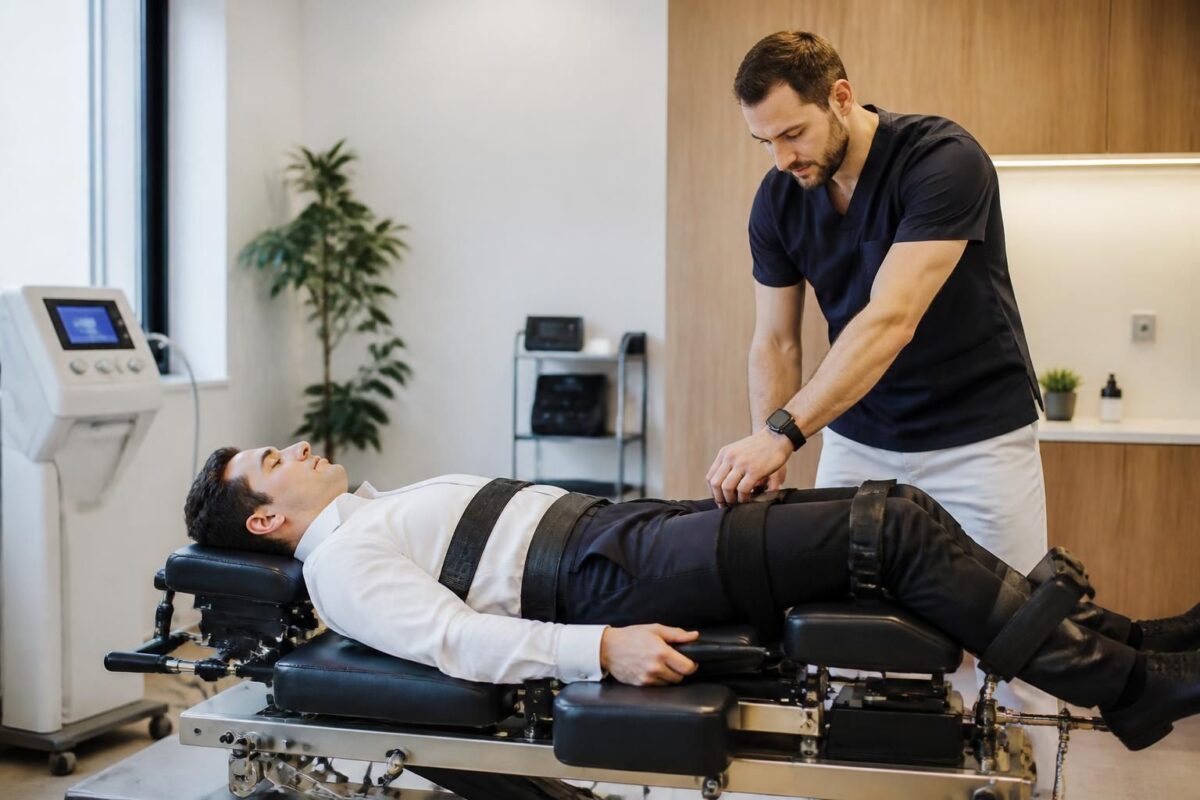
How Neurovertebral Decompression Prevents Diffuse Chronic Pain
In short decompression neurovertebral is one Non-invasive method aimed at reducing the Pressure on the intervertebral discs and the nerves, in order to prevent Diffuse chronic pain. It improves the circulation and thedisc hydration, decreases inflammation and promotes better mobility.…
Advantages and limits
Compared to surgery, this approach offers Significant advantages: she is non-invasive, combines few risks, and allows a gradual return to physical activity. However, the results depend on the severity of the hernia, adherence to the protocol and general physical condition. Expect a journey that requires patience and active engagement in recommended advice and exercises.
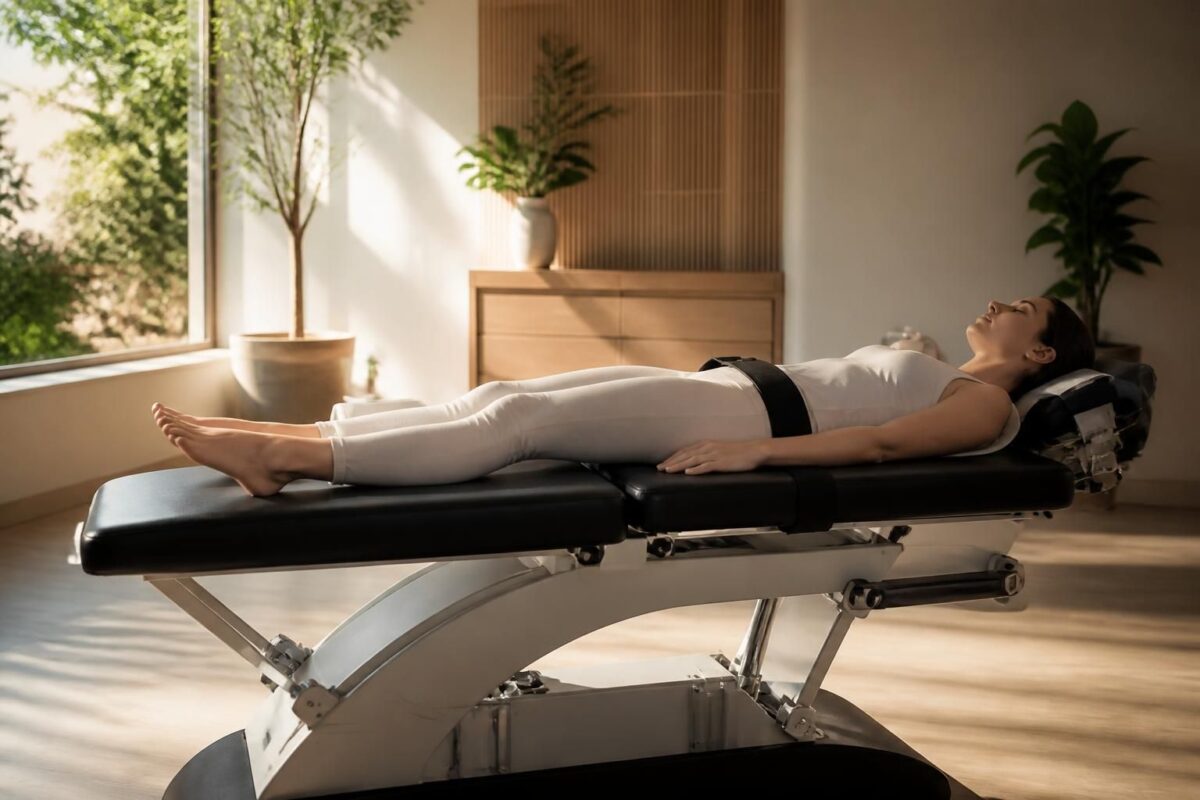
Neurovertebral Decompression and Body Alignment: Restoring Natural Balance
In short In short, neurovertebral decompression is one Non-invasive approach who restores theBody Alignment and thenatural balance back and neck. She acts by a Controlled traction of the spine to widen the intervertebral space and reduce the Pressure on discs…
Security and tracking
One Regular follow-up Allows you to assess the effectiveness of the treatment and to adjust the plan if necessary. The practitioner monitors the progress of pain, mobility and possible adverse effects. In the event of no improvement or insufficient progression, other therapeutic options will be discussed to optimize the results and ensure sustainable pain management.
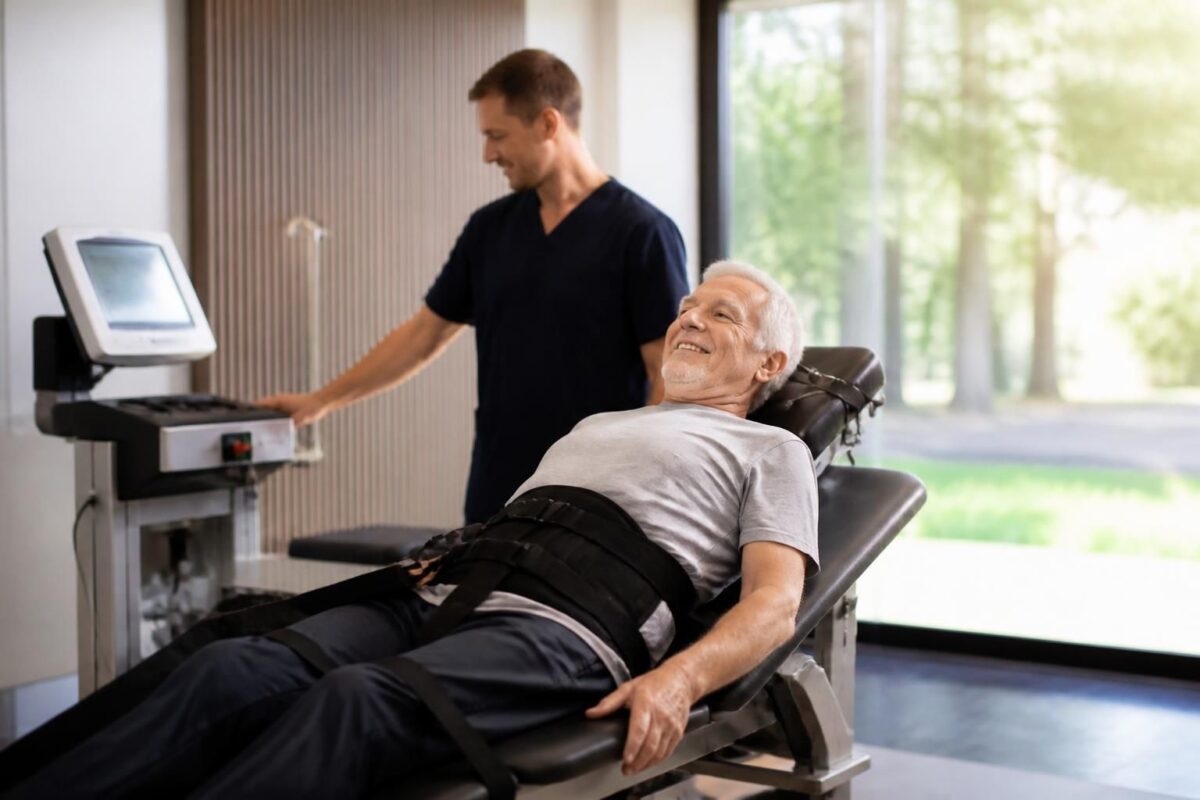
Why neurovertebral decompression is a lasting solution for active seniors
In short In short, the neurovertebral decompression is one Non-invasive therapy which sustainably relieves spinal pain in the spine active seniors By creating, by a Soft and controlled traction, a space between the vertebrae. At Montreal, it is recognized as…
Practical advice and prevention
To maximize earnings, adopt a correct posture On a daily basis, favor an adapted physical activity and integrate periods of rest and recovery. Maintain adequate hydration, favor an anti-inflammatory diet and avoid sudden efforts or repetitive gestures that aggravate the symptoms. This joint work between decompression protocol and healthy lifestyle contributes to limit relapses and sustainably improve quality of life.
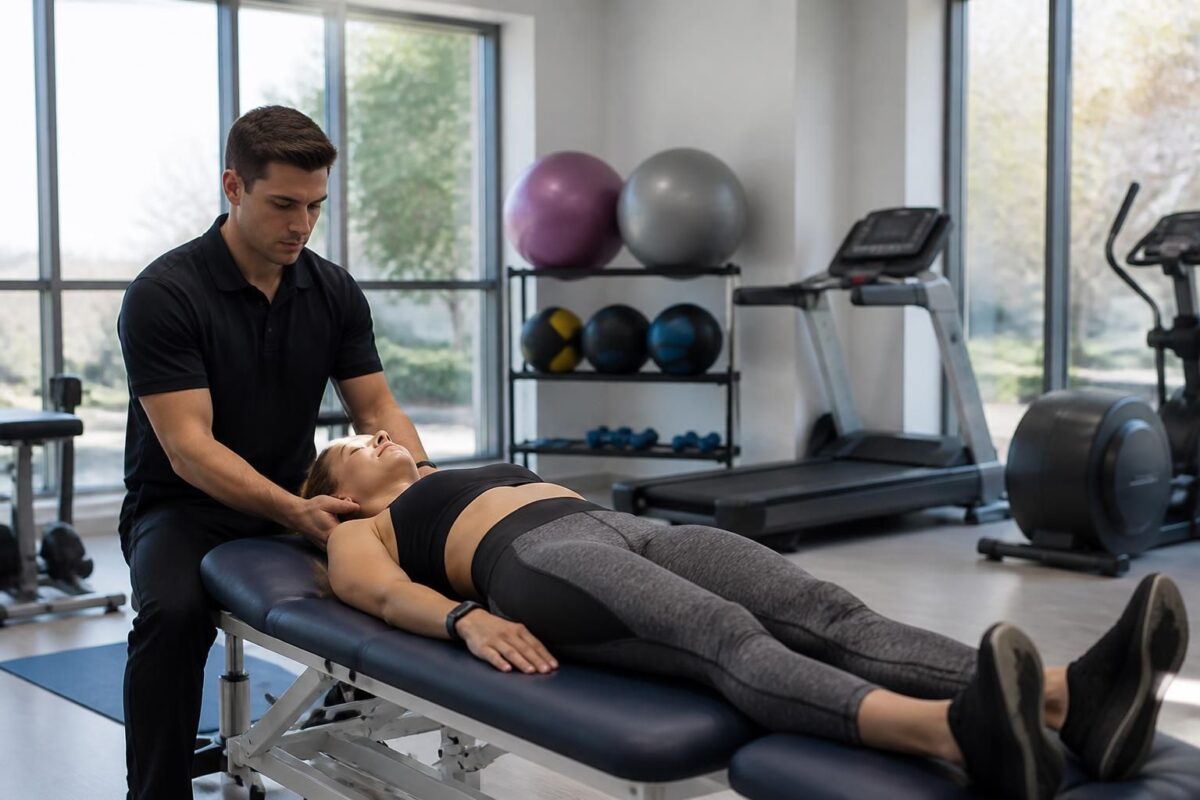
Neurovertebral decompression and recovery after severe sports injury
In short In short, the neurovertebral decompression is one Non-invasive method to Relieve the pressure on the Intervertebral discs and the gristle Via a Controlled traction, to facilitate the recovery After a severe sports injury. It improves the bloodstream towards…
Comparative: neurovertebral decompression vs. treatment of herniated discs without surgery
| Key aspect | concise text |
|---|---|
| Therapeutic objective | Relieve pain and restore mobility by decreasing pressure on the disc and nerves. |
| Type of treatment | Non-surgical and non-invasive, targeted spinal traction. |
| Mechanism of action | Creates negative space around the disc to promote rehydration and repositioning of the core. |
| Main directions | Lumbar and cervical herniated discs in patients seeking an alternative to surgery. |
| Major Benefits | less invasive than surgery and rapid recovery; lasting results on pain and mobility. |
| Limits and risks | variability of results; Not suitable in the presence of active fractures, infections or spinal tumors. |
| Duration of treatment | Program over several weeks with regular and personalized sessions. |
| Post-treatment rehabilitation | Strengthening exercises recommended to prevent recurrences. |
| Cost and accessibility | often less expensive and more accessible than surgery; to be specified with the practitioner. |
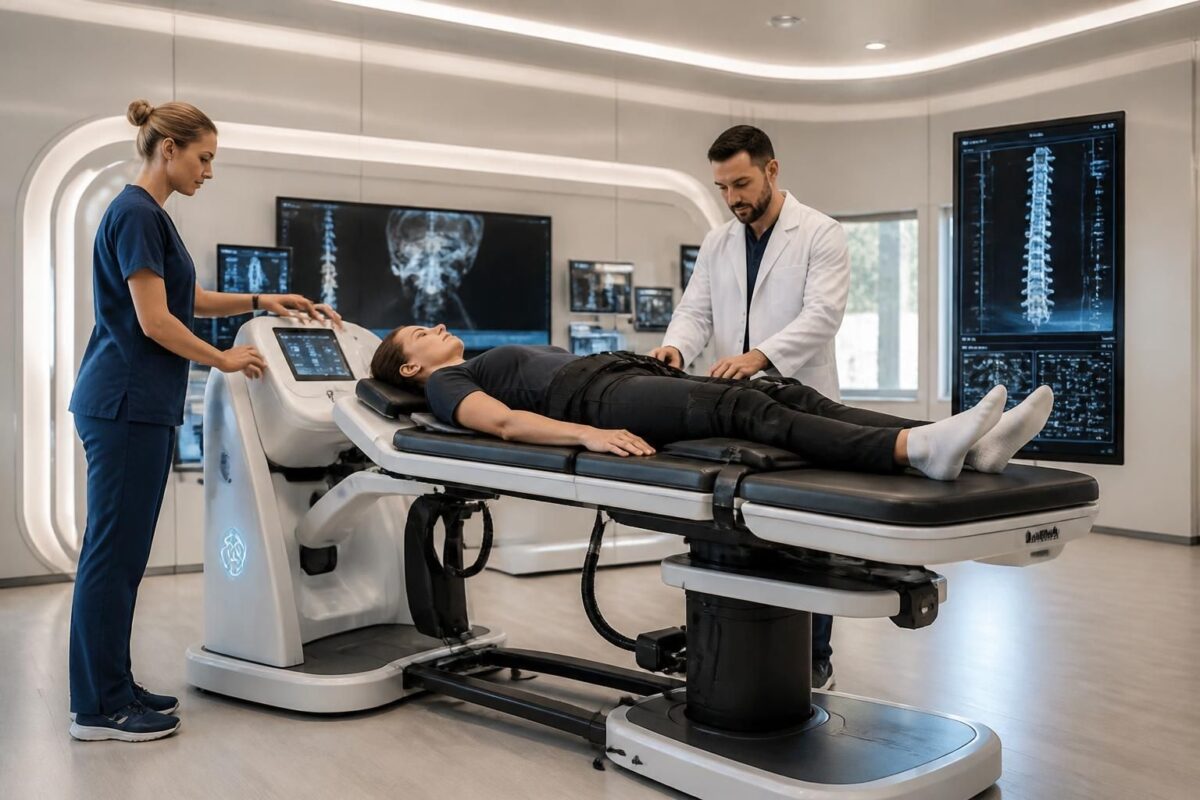
Recent innovations in neurovertebral decompression technologies
In short In short, the neurovertebral decompression is an approach non-invasive Aiming to reduce pressure on discs and nerves, and promote tissue regeneration. At Montreal, it is positioned as an effective option for lower back pain and herniated discs. The…
Testimonials on neurovertebral decompression and the treatment of herniated discs without surgery
“Before starting the treatment, my life was hampered by a slipped disc Lumbar which prevented me from moving normally and awakened throbbing pain. After the sessions of neurovertebral decompression, I felt a relief real and lasting. This is non-invasive and the most important, it allowed me to resume my activities without going through the surgery. »
“I was scared of the surgery. The fact that it is non-invasive and without pain acute was crucial for me. Today, the pain decreased and my mobility improved, allowing me to walk and go about my daily business without fear. »
“The first sessions lasted about 30 to 45 minutes, and each time I felt the column was treated smoothly. Over time, my pain became less present and my flexibility increased. I found simple gestures, like leaning over to lace up my shoes, which I thought was lost forever. »
“What convinced me the most was the improvement in my sleep. My nocturnal pain related to slipped disc have decreased sharply and I was able to sleep without turning and waking up because of the pain. Treatment without surgery gave me a real new life. »
“I was ready to do anything to avoid an operation, and this course showed me that there is an effective alternative. After a few weeks of sessions, I saw a significant reduction in the pain And a gradual resumption of sports activities that I liked, without risk or endless recovery time. »
“The program also included advice on posture and column maintenance, which consolidated the results. Today, my posture improved and my quality of life is largely found thanks to this approach non-surgical. »
Dr. Sylvain Desforges, expert in osteopathy, naturopathy and manual medicine, is a figurehead of the Tagmed clinics and the ACMA association. His journey is marked by a vocation ofHealth Engineering and a patient-centric approach, focused on Management of Chronic pain and the integration of advanced technologies such as neurovertebral decompression, the laser and shockwave therapies. Its mission is to provide evidence-based care to optimize health and well-being, refusing superficial solutions and focusing on lasting results.
With a rich clinical experience, he implements a Multidisciplinary and personalized approach which combines precise evaluation, manual intervention and targeted rehabilitation. At the head of the TagMed and ACMA clinics, he carries out an approach that favors thePatient education, the self-management of pain and the reasoned use of technologies. This philosophy makes it possible to offer accessible and adapted solutions, integrating the latest advances without neglecting the importance of the body and its healing mechanisms.
At the heart of its offer is the neurovertebral decompression, a method non-surgical intended to relieve pain related to herniated discs. By reducing the pressure exerted on the Intervertebral discs And the nerve roots, this approach creates a favorable space for the resumption of functions and the natural regeneration of tissues. The process begins with an in-depth evaluation: anamnesis, physical examination and, if necessary, imaging, in order to establish an accurate diagnosis and a personalized treatment plan. The sessions, planned over several weeks, are based on a Controlled and soft traction which restores the disc space and facilitates the rehydration of the discs, contributing to a gradual reduction in pain and improved mobility.
If the neurovertebral decompression Aims for the mechanical cause of pain, it is often part of a broader approach including a rehabilitative and preventive component. Appropriate exercises and postural advice can be integrated into the later phase to strengthen support musculature, stabilize the spine and prevent recurrences. This approach is particularly suitable for patients who wish to avoid surgery, consider a rapid resumption of daily activities and reduce the risks specific to invasive interventions.
Through its clinics, Dr. Desforges favors a practice based on theevidence and clinical data. It relies on patient monitoring, imaging and evaluation of results to adjust protocols and optimize long-term results. His work illustrates how the neurovertebral decompression can be an effective and lasting solution for people withherniated discs, by restoring structural integrity and nervous function without resorting to surgery. To discover its approach and the services offered, make an appointment in one of its clinics and consider treatment that favors your quality of life and your well-being.
This conclusion presents in a clear and detailed way why the neurovertebral decompression is an effective option for the treatment of herniated discs Without surgery, highlighting its mechanisms, care pathway and benefits for different patient profiles.
The neurovertebral decompression is an approach non-surgical which aims to relieve the pain associated with herniated discs By reducing the pressure exerted on the discs and nerves by soft and controlled tractions. This technique promotes Disc rehydration and recovery of the intervertebral space, which leads to a gradual decrease in pain and improved mobility. For a general overview, you can consult the reference article on neurovertebral decompression.
The mechanism of action is based on creating negative space around the affected disc, allowing the nucleus to reposition itself and reduce irritation of the nerve roots. Expected results include lasting pain attenuation, decreased neuropathic symptoms and overall improvement in mobility. The treatment adapts to each patient after an in-depth initial assessment, and the protocols generally provide for several sessions over several weeks in order to obtain lasting benefits.
The care course begins with a initial assessment and, if necessary, imaging tests to confirm the diagnosis. One Personalized treatment plan is then elaborated, indicating the number and frequency of Decompression sessions. Over the course of the sessions, the practitioner adjusts the parameters and can propose additional exercises to strengthen the stability of the spine and prevent recurrences. This approach is part of a progressive management logic, moving from symptomatic relief to a lasting functional improvement.
For active or sports patients, Custom protocols exist in order to optimize the results while respecting the constraints related to physical activity. These protocols are aimed not only at reducing pain but also for improving Joint mobility and spinal stability. specialized resources describe these adaptations and the associated benefits, especially for athletes (Sports protocols).
The integration of complementary technological tools can enhance the efficiency of decompression. solutions like Pulse Align (see Pulse Align) Partners with decompression to promote muscle relaxation, improve circulation and accelerate recovery, while remaining non-invasive. To deepen innovations and practical applications, refer to dedicated resources such as Technological innovations in neurovertebral decompression and clinical articles focused on the effects of associated technologies.
Finally, neurovertebral decompression can be part of a global strategy for managing vertebral pain without having to resort to surgery. In addition to other non-invasive approaches, it offers a reassuring route for people suffering from lower back or cervical pain linked to a herniated disc, by promoting a natural and lasting recovery. For contexts and practical examples, you can consult additional resources such as Effective solutions herniated discs and Neurovertebral Decompression – Complementary Therapy.
To learn more about mechanisms and benefits, you can also view the resources that outline the basics and practical applications of neurovertebral decompression and its links with other health disciplines. Additional articles and guides detail how this approach can improve quality of life while minimizing the risks associated with more invasive interventions.
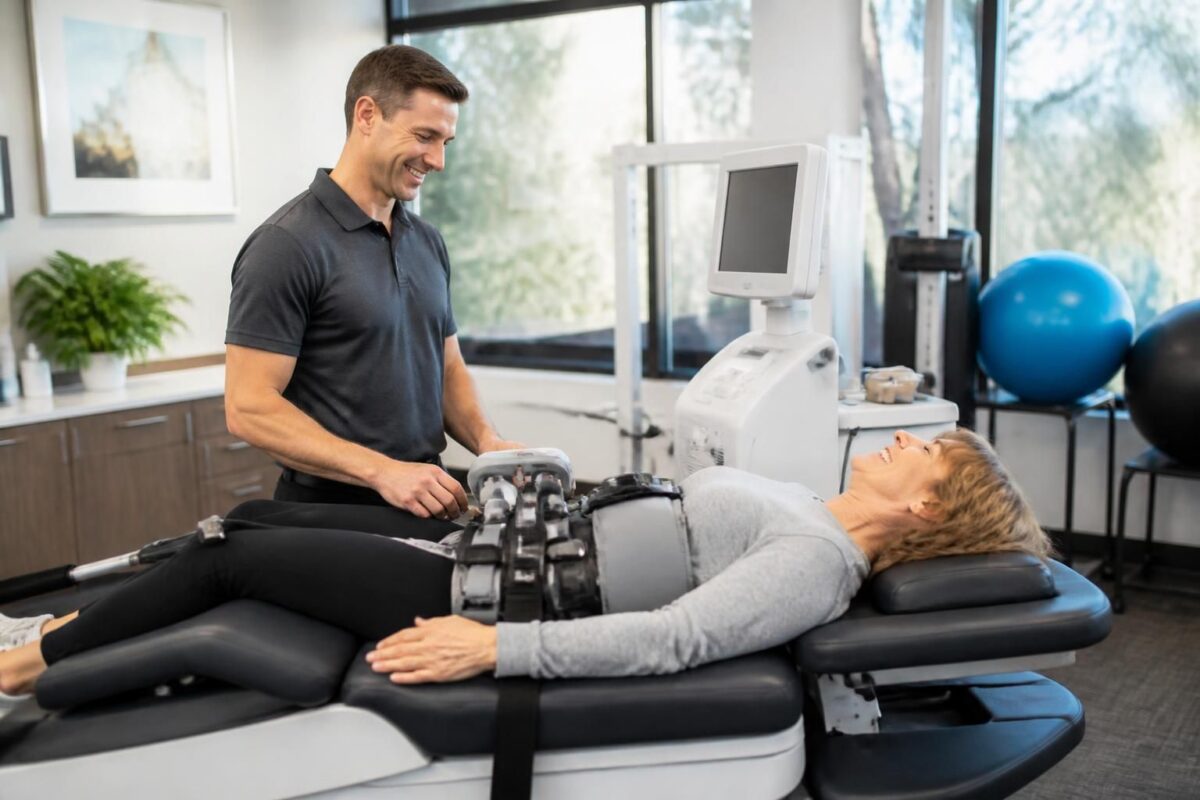
Neurovertebral decompression and diffuse pain: an appropriate solution
In short In short, the neurovertebral decompression is one Non-invasive solution For diffuse pain related to nerve irritation of the spine. She acts in Reducing pressure on intervertebral discs and nerves and improving the bloodstream, which promotes recovery and the…

Dr Sylvain Desforges, B.Sc., D.O., N.D., osteopath, is the founding president of TAGMED and of the ACMA association. He dedicates his practice to chronic spinal pain, low back pain and symptoms compatible with sciatica, particularly when pain radiates toward the buttock, leg, calf, foot or toes.
Through SOS Sciatique, he publishes educational content on sciatica symptoms, possible causes such as disc herniation, disc narrowing, foraminal stenosis or irritation of a lumbar nerve root, as well as non-surgical approaches that may be considered according to the evaluation. At Clinique TAGMED, care may include, depending on the case, motorized neurovertebral decompression, specific osteopathic care or precision percussion.
For an evaluation related to sciatica treatment in Montreal / Mount Royal or sciatica treatment in Terrebonne, please consult the services available at Clinique TAGMED.
Medical disclaimer
The information published on SOS Sciatique is provided for educational purposes only and does not replace a consultation, diagnosis, opinion or treatment provided by a physician or another authorized healthcare professional. The author of this article is neither a medical doctor nor a specialist in a medical specialty recognized by the Collège des médecins du Québec. The osteopathic, manual medicine or functional support approaches described on this site do not constitute medical acts and are not intended to replace medical follow-up.
Consult a physician or emergency service in cases of loss of bladder or bowel control, anesthesia in the saddle area, significant or progressive weakness in the leg or foot, fever, recent trauma, severe pain or rapid worsening of symptoms. For more details, please read our Legal Notice.