Neurovertebral decompression and treatment of herniated discs without surgery
26/06/2026
Neurovertebral decompression and prevention of chronic nocturnal pain
26/06/2026
In short
| In short, neurovertebral decompression is one Non-invasive approach which Reduces pressure on intervertebral discs and nerves through controlled traction. she improves blood circulation and promotes tissue regeneration of the column, while decreasing the pain and improving the mobility and LPostural alignment. Its operation is based on the creation of a space between the vertebrae, allowing a better Fabric nutrition and progressive recovery. At Montreal, this service is particularly useful for chronic back pain and disc pathologies. |
The neurovertebral decompression is an approach non-invasive which supports the overall column health vertebral by acting on its mechanics. By applying controlled traction, it creates a space between the vertebrae and reduces Pressure on the intervertebral discs and the gristle, thus improving blood circulation and the Fabric nutrition. This promotes the rehydration discs, regeneration tissue and reduction ofinflammation. Result: a better mobility, a Postural alignment more harmonious and a reduction in pain and stiffness, as part of a global rehabilitation program. This approach complements the exercises and tips ofvertebral hygiene to prevent relapses.
The neurovertebral decompression is a non-invasive approach that supports the Overall health of the column by decreasing the disc pressure, by improving thealignment and favoring a better circulation blood. This method can be integrated into a comprehensive care plan, with professional supervision, to reduce pain and improve function without immediate resurgence of surgery.
how it acts on the column
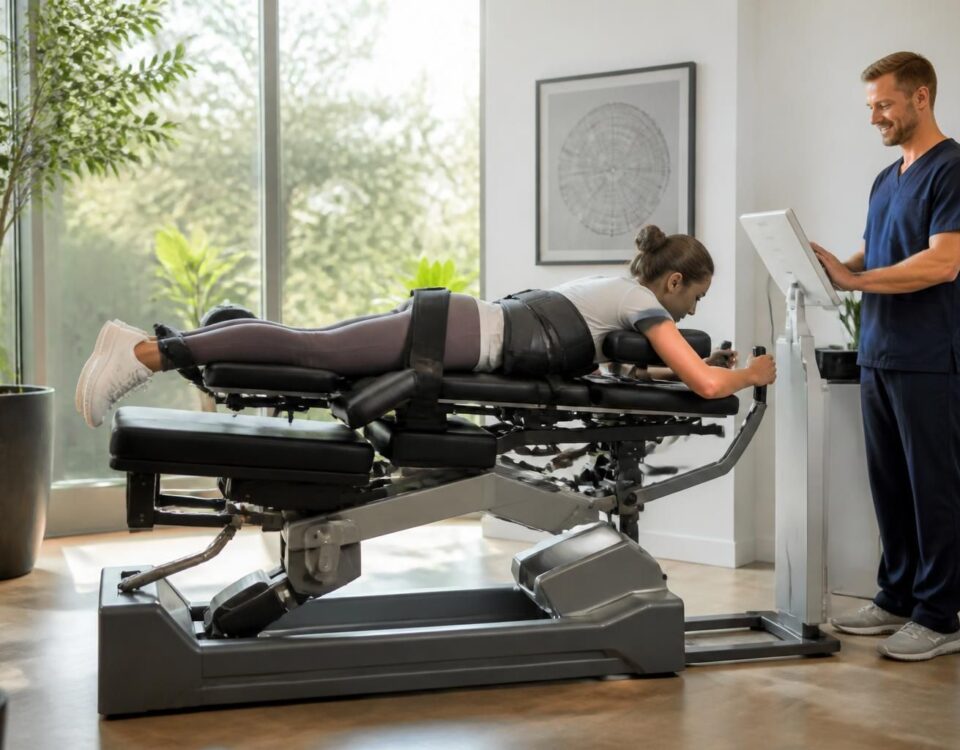
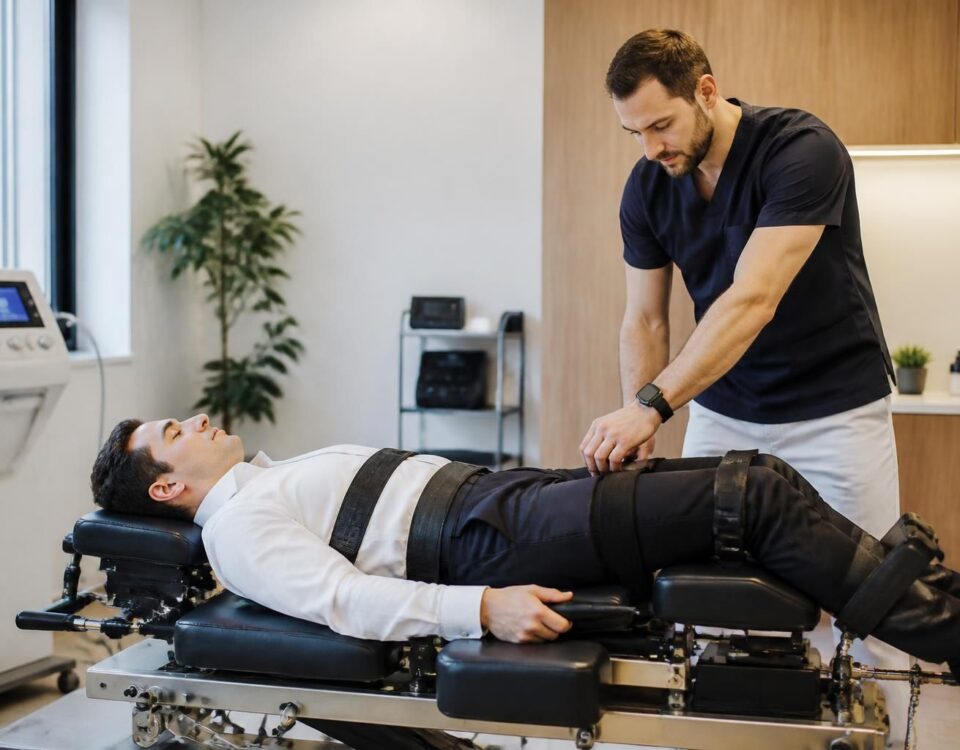
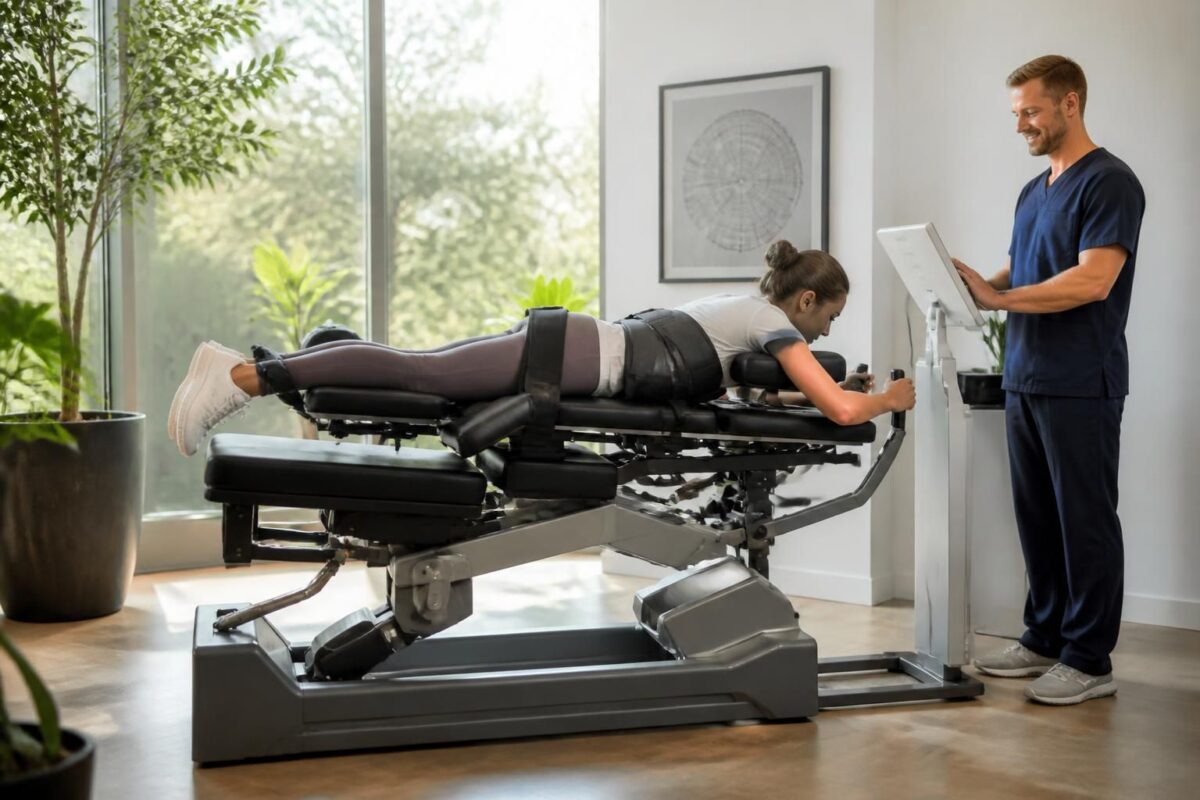
Decompression exerts controlled traction on the spine, creating a space between the vertebrae. This action reduces pressure on the intervertebral discs and on the nerve roots. As a result, the discs can better hydrate and feed, and the alignment of the spine can improve.
Benefits for the organization
soft traction can promote local traffic increased and decreased muscle tension. This can contribute to a pain reduction and better mobility, which facilitates daily activities and rehabilitation as part of a global program.
Indications and support framework
Neurovertebral decompression is considered in the context of persistent lower back or cervical pain, associated with signs of nerve compression or disc degeneration. It is practiced in practice or in a specialized clinic, on prescription and under supervision, and is part of a global care plan.
Integration into the care pathway
It can be enrolled in a multidisciplinary evidence-based program, in addition to other non-invasive approaches and rehabilitation protocols. In TagMed clinics, it is associated with technologies and regular evaluations to adjust treatment and optimize results. For more information, see the available resources at Tagmed Clinic.
Precautions and safety
This therapy is generally well tolerated when performed by qualified professionals. Some medical conditions require prior assessment. No pain should be caused during the session. The treatment should be adapted to each patient and followed closely by a practitioner.
Resources and associated technologies
Informative resources and associated technologies exist to optimize results. For example, information on modern techniques and optimal results can be accessed via specialized resources on Neurovertebral Decompression – Modern Techniques, and explanations of the mechanisms and benefits can be found in the dedicated content on Neurovertebral decompression and recovery. For frequent questions and practical details, visit Decompression-neurovertebral – Frequently Asked Questions. Resources on technological innovations and efficiency improvements can be viewed on Technological innovations. To deepen the impact on back health, see the dedicated pages on Vertebral decompression – natural treatment.
additional resources describe how neurovertebral decompression supports Overall back health and regulation of the nervous system, as described in publications associated with Optimization of physical performance and Radiant pain. These resources are part of a global approach to the column and the musculoskeletal system.
To learn more about the theoretical framework and mechanisms, you can also refer to unifying information resources that can be consulted on Modern techniques and Recovery after muscle injury.
Medical Disclaimer: The information and advice provided on this site does not replace the health professional’s diagnosis or treatment. Please note that Dr. Sylvain Desforges osteopath is neither a doctor of medicine nor a doctor, and is not a specialist in a medical specialty as defined by the Collège des Médecins du Québec. Manual medicine, functional medicine and sports medicine as described on this site exclude any medical treatment or diagnosis made by a doctor or specialist doctor. Always consult your doctor for any medical questions. For more details, please read our full legal notice.
- Decompression : Decreases pressure on discs and nerves.
- Disc hydration : Promotes rehydration and nutrition.
- Postural realignment : Corrects imbalances and improves spinal alignment.
- pain reduction : Reduces pain and improves mobility.
- traffic improvement : Increases blood flow around the vertebral structures.
- Muscle relaxation : Releases tension in the back and neck.
- Prevention of recurrences : Supports rehabilitation and good postures.
- Autonomy at home : gentle traction and simple exercises to do at home.
- Global integration : is part of a complete column care program.
- Neuromuscular stimulation : Improves tone and coordination around the spine.

The neurovertebral decompression Supports the overall health of the column by acting on key mechanisms of discs, nerves and posture. This overview offers clear recommendations for understanding its role, and for integrating it effectively into a daily routine to preserve back mobility and well-being.
Understanding the role of neurovertebral decompression
The neurovertebral decompression seeks to create a space between the vertebrae, thus reducing the pressure on the Intervertebral discs and the gristle adjacent. This decrease in pressure promotes a hydration and an nutrition optimal discs, improving flexibility and exercise tolerance. In parallel, it stimulates local circulation and facilitates muscle and postural realignment, contributing to a more stable and resilient column in the face of daily constraints.
The long-term benefits of neurovertebral decompression for spinal health
In short In short, the neurovertebral decompression is a non-invasive approach that decreases the Pressure on intervertebral discs and nerves, favoring the Natural regeneration and tissue recovery. Its long-term benefits include Lasting pain reduction, Improving mobility and from the posture,…

Neurovertebral decompression and mobility: a return to an active life
In short In short, the neurovertebral decompression is therapy non-invasive who uses a gentle traction To create a space between the vertebrae and reduce the pressure on the Intervertebral discs and the nerves. It promotes a bloodstream improved, lowers tension…
how it supports the overall health of the column
pain reduction and postural stability
By reducing nerve compression, the pain is often attenuated and the column gains stability. This improvement promotes better tolerance to the activity, which makes it possible to adopt a posture more neutral throughout the day.
Hydration and regeneration of discs
Controlled traction contributes to rehydrate the Intervertebral discs, preserving their elasticity and extending their functionality. This local regeneration supports movement and helps prevent pain associated with degeneration.
Tissue circulation and nutrition
Decompression promotes better bloodstream and lymphatic in the spinal area, providing faster nutrients and oxygen needed to regeneration and reducing inflammation.
Postural alignment and muscle relaxation
By correcting imbalances and releasing tensions, it contributes to a Postural alignment optimal and reduced muscle tension in the neck and back, improving mobility and reducing the risk of recurrence.
Prevention of complications and quality of life
A better balanced and less painful column facilitates active living and reduces the risk of long-term functional limitations, which positively impacts overall quality of life.
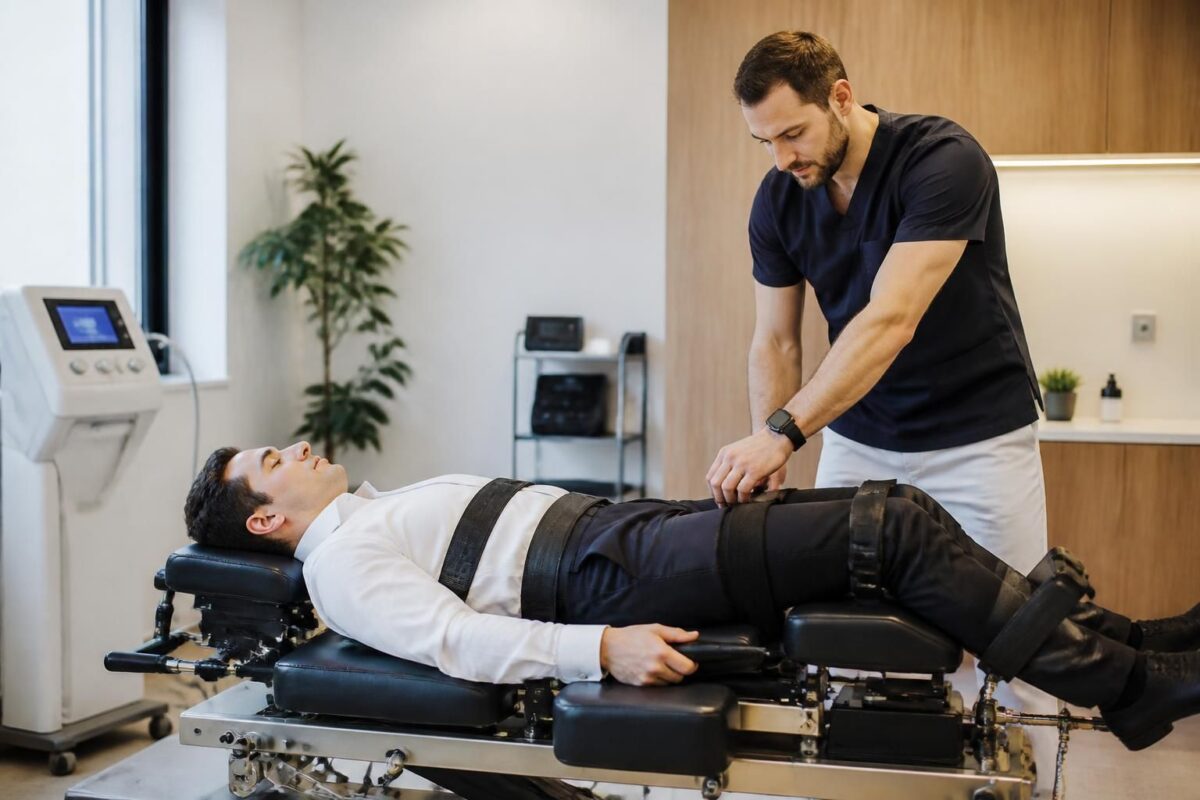
How Neurovertebral Decompression Prevents Diffuse Chronic Pain
In short decompression neurovertebral is one Non-invasive method aimed at reducing the Pressure on the intervertebral discs and the nerves, in order to prevent Diffuse chronic pain. It improves the circulation and thedisc hydration, decreases inflammation and promotes better mobility.…
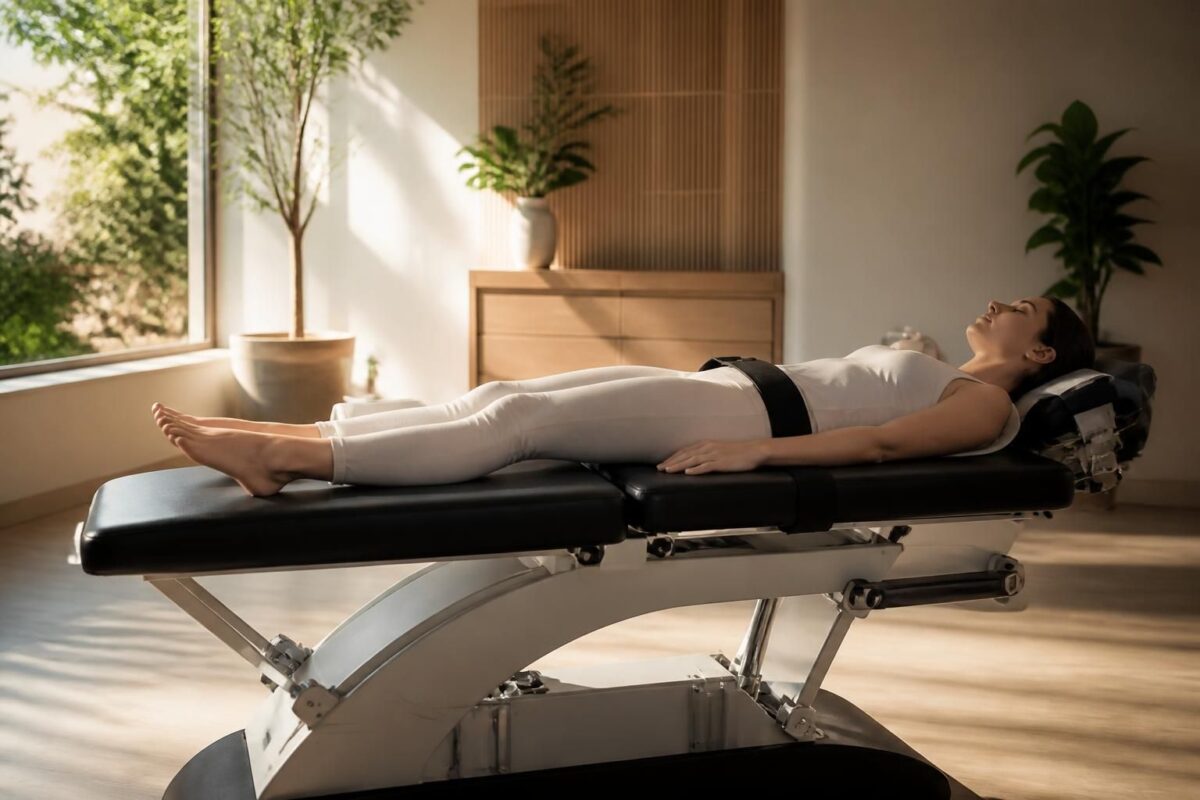
Neurovertebral Decompression and Body Alignment: Restoring Natural Balance
In short In short, neurovertebral decompression is one Non-invasive approach who restores theBody Alignment and thenatural balance back and neck. She acts by a Controlled traction of the spine to widen the intervertebral space and reduce the Pressure on discs…
Practical recommendations for integrating decompression into your routine
When to consider support
Request a professional assessment to determine a suitable program. In the office, a personalized plan can offer 1 to 2 sessions per week at the beginning, with a transition to a regular interview according to progress and objectives.
Combine exercises and gentle traction at home
Combine targeted exercises and simple home gestures to extend the effects between sessions. Regular practice strengthens thehydration discs and thealignment postural, while supporting the mobility vertebral.
Spinal hygiene and lifestyle
Adopt a vertebral hygiene Overall: adapted sleep and mattresses, adapted physical activity, mobility at work and sufficient hydration. These elements support the benefits of decompression and promote a healthier column in the long term.
Precautions and safety
Avoid any pain during exercise, start gradually and stop in case of acute pain. Consult a professional in case of severe disc herniation, significant sciatica or loss of sensation in order to adapt the treatment safely.
Integration with a global approach
Integrate the neurovertebral decompression to a global approach to care: regular physical activity, appropriate posture, and medical follow-up when necessary. This holistic approach maximizes the chances of sustainably improving your spine health and well-being.
| Targeted item | Concise impact |
|---|---|
| Intervertebral discs | Hydration and nutrition improved, disc pressure decreased, increased mobility. |
| Spinal nerves | decompression of gristle and reduction of aches. |
| Spine alignment | alignment of spine and improved stability. |
| Intra-discal pressure | reduction of the Intra-discal pressure, wear prevention. |
| Muscle tensions | release of Muscle tensions and better flexibility. |
| local traffic | Optimized local circulation and increased contribution to nutrients. |
| Posture and movement | Posture and movement more fluids. |
| chronic pain | pain and inflammation decreasing. |
| Tissue regeneration | regeneration of vertebral tissues and nervous. |
| relapse prevention | Program overall to maintain profits. |
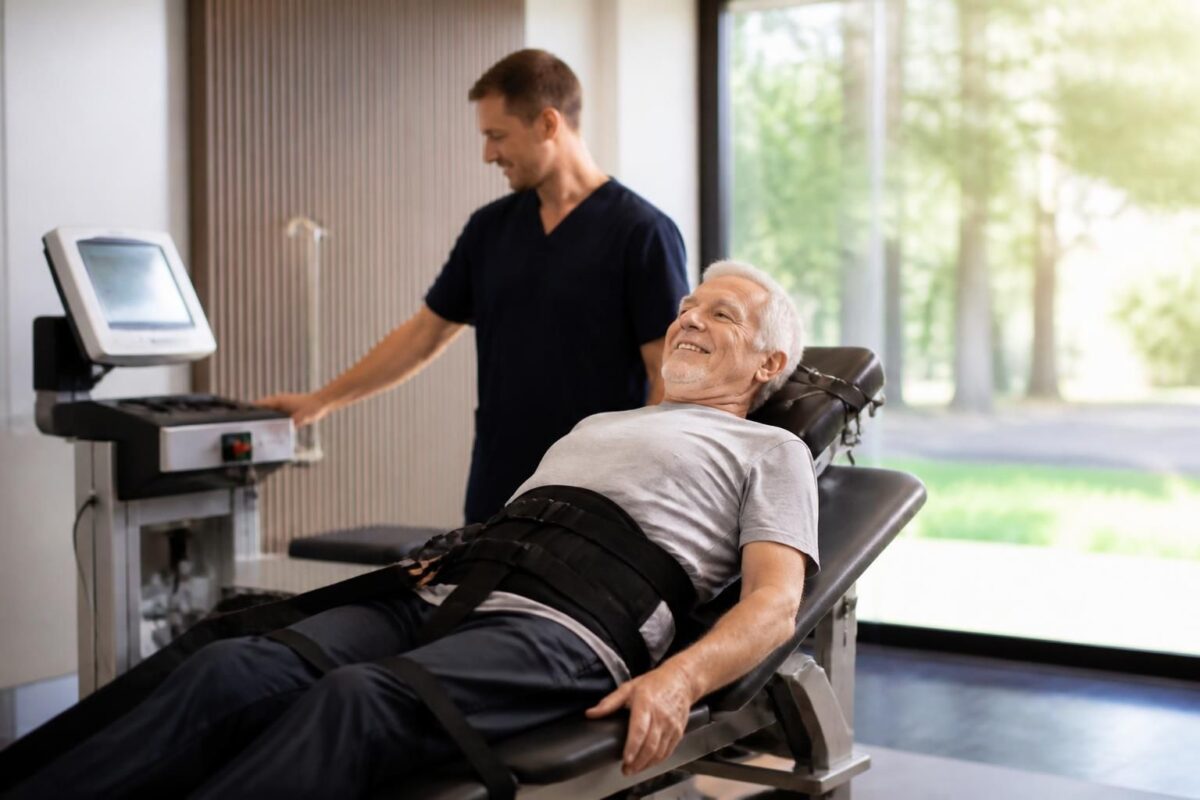
Why neurovertebral decompression is a lasting solution for active seniors
In short In short, the neurovertebral decompression is one Non-invasive therapy which sustainably relieves spinal pain in the spine active seniors By creating, by a Soft and controlled traction, a space between the vertebrae. At Montreal, it is recognized as…
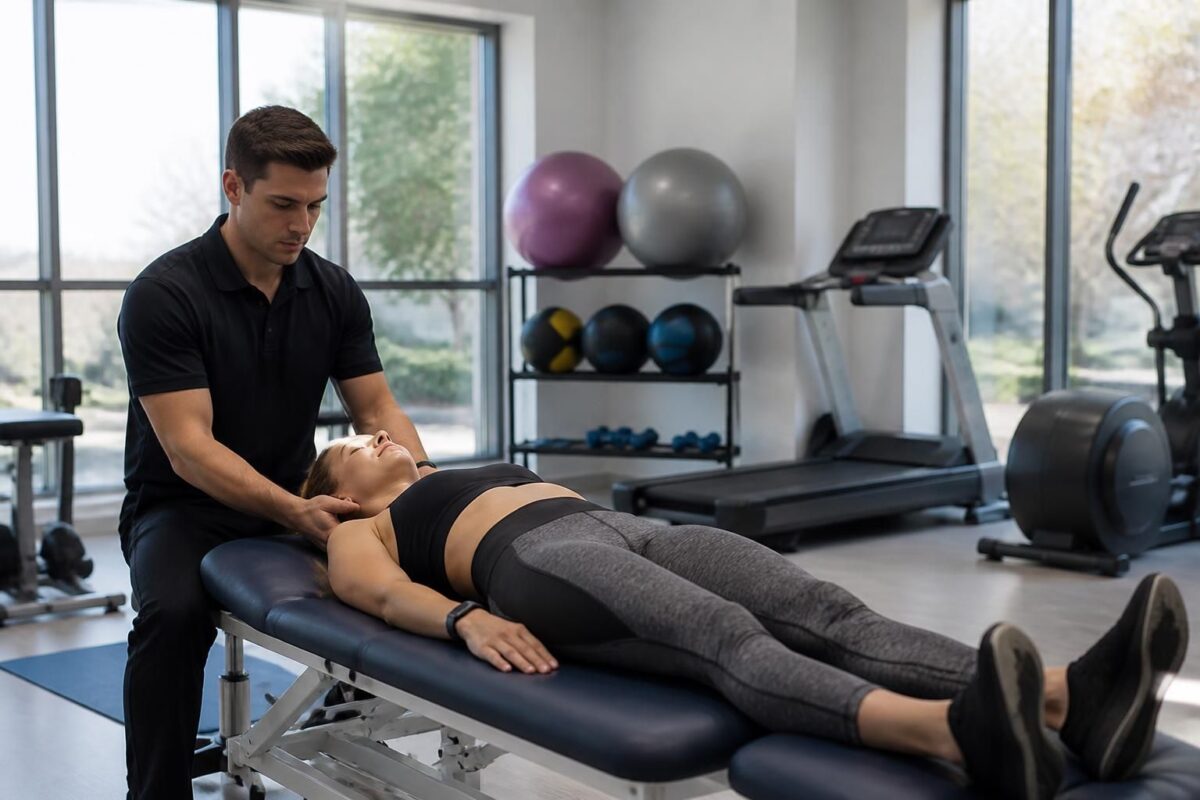
Neurovertebral decompression and recovery after severe sports injury
In short In short, the neurovertebral decompression is one Non-invasive method to Relieve the pressure on the Intervertebral discs and the gristle Via a Controlled traction, to facilitate the recovery After a severe sports injury. It improves the bloodstream towards…
Testimonials: How neurovertebral decompression supports overall spine health
Since I discovered the neurovertebral decompression, my spine no longer suffers as before. I feel a significant reduction in back pain, and my posture improved, which supports the overall column health.
Each session improved blood circulation around the intervertebral discs and Hydration discs, bringing more mobility and comfort in my daily activities.
For me, it’s durable: Regular sessions and a program that improves Postural alignment and stability back, reducing tension throughout the day.
As an athlete, I saw tissue regeneration and Quick recovery Training thanks to decompression, with better confidence in my column and my performance.
The fact that it is non-invasive and without surgery Reassured me and gave me confidence in the process, with progressive results that are part of my care routine.
I recommend to all those who suffer from chronic pain to consider the neurovertebral decompression To support the overall column health and prevent future imbalances.
Recent innovations in neurovertebral decompression technologies
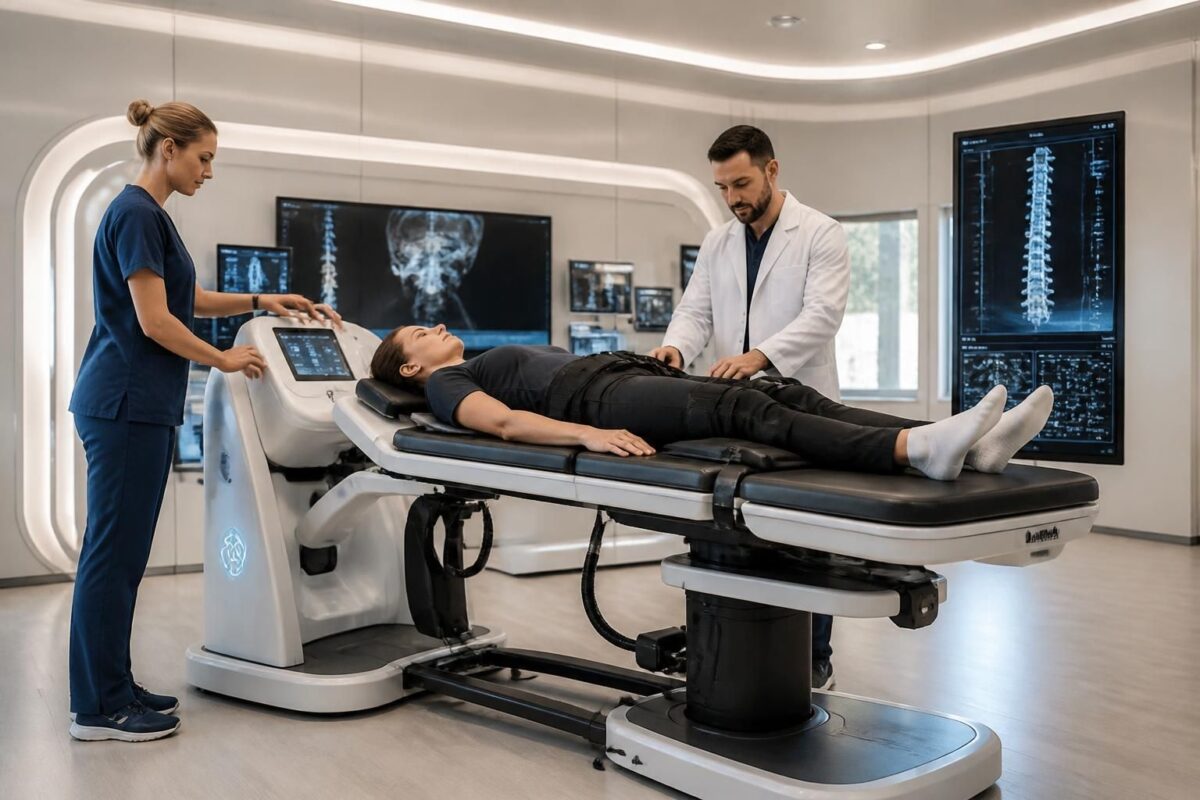
In short In short, the neurovertebral decompression is an approach non-invasive Aiming to reduce pressure on discs and nerves, and promote tissue regeneration. At Montreal, it is positioned as an effective option for lower back pain and herniated discs. The…
Neurovertebral decompression and diffuse pain: an appropriate solution
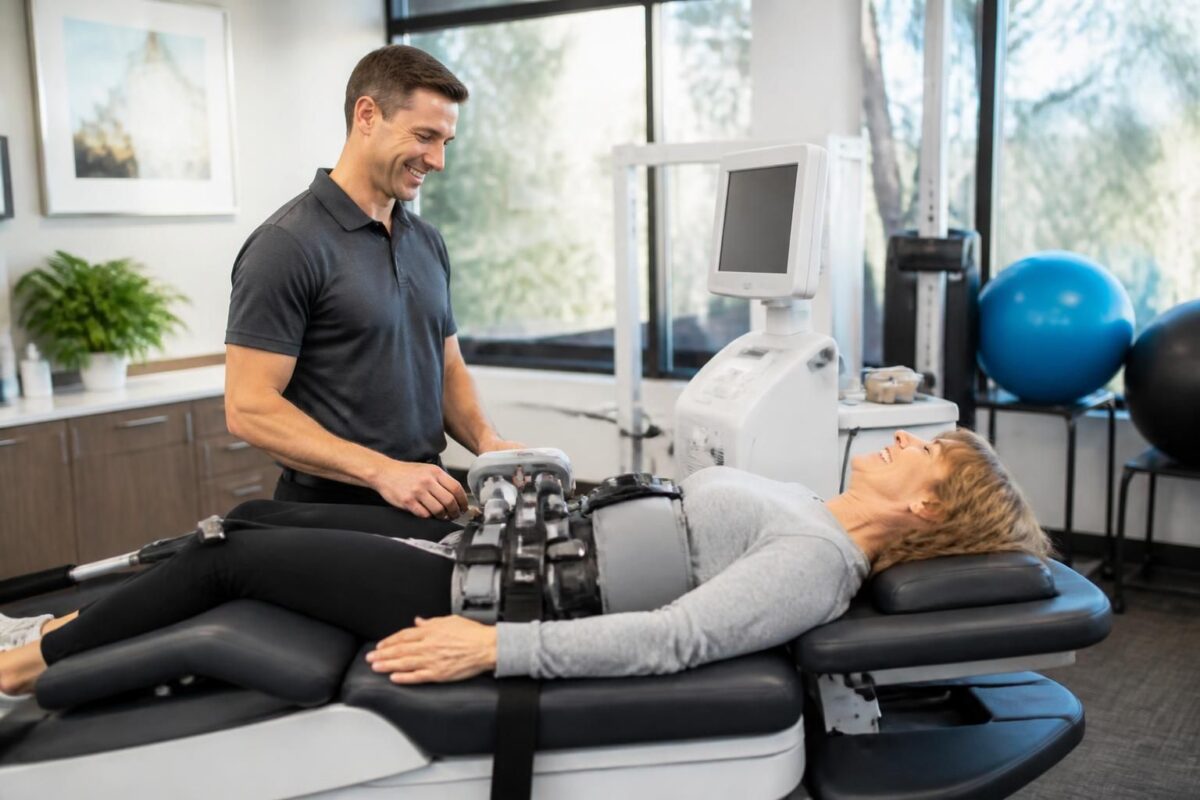
In short In short, the neurovertebral decompression is one Non-invasive solution For diffuse pain related to nerve irritation of the spine. She acts in Reducing pressure on intervertebral discs and nerves and improving the bloodstream, which promotes recovery and the…
neurovertebral decompression and overall spine health
As part of an approach centered on sustainable back health, the neurovertebral decompression stands out as a non-invasive method that accompanies the spine in its daily function. It aims to restore the space between the vertebrae, to reduce the pressure exerted on the discsal and nervous structures, and to support the general integrity of the spine. This practice is part of a global approach, combining rehabilitation, posture and lifestyle, in order to promote better quality of life and regained mobility over time.
The essential mechanism is based on a Controlled traction which gradually stretches the column. This action creates a space between the vertebrae and reduces the pressure on the Intervertebral discs, allowing better hydration and increased tissue nutrition. At the same time, the reduction in compression on the nerve roots May help reduce pain and associated sensitivities, thus facilitating movement and participation in daily activities. The improvement of thePostural alignment and from the local traffic Also support tissue regeneration and functional recovery.
This approach acts not only on pain, but on the overall physiology of the spine. By reducing mechanical stress, it promotes better vertebral mobility and decreased muscle tension. The benefits are long-term when the decompression is integrated into a rehabilitation program, postural work and adapted exercises, allowing measurable progression and progressive functional rehabilitation.
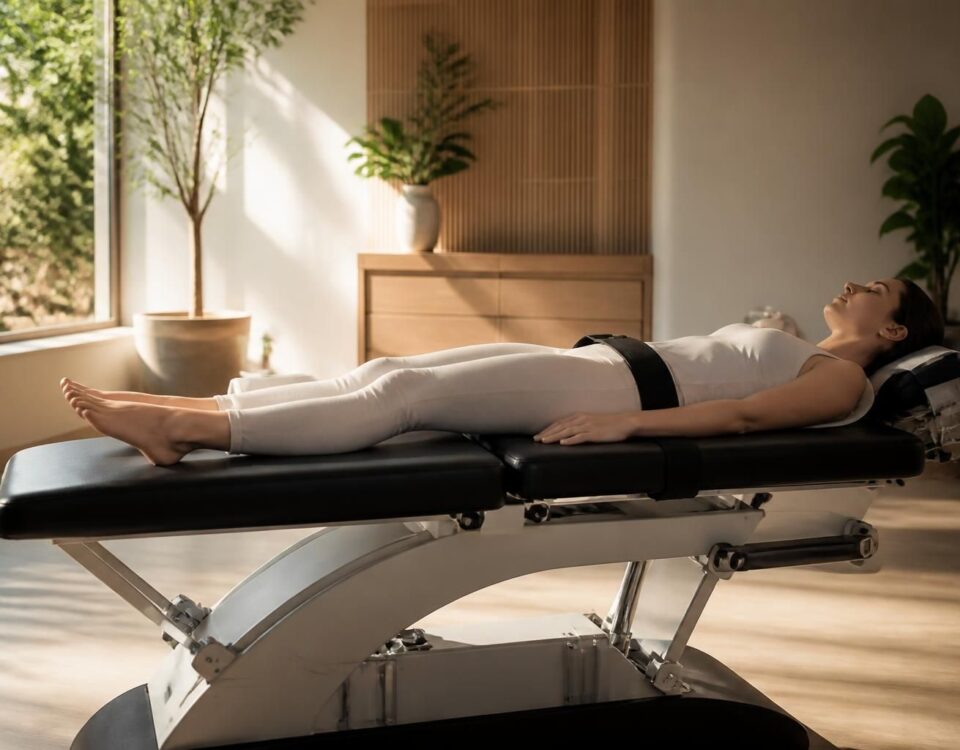
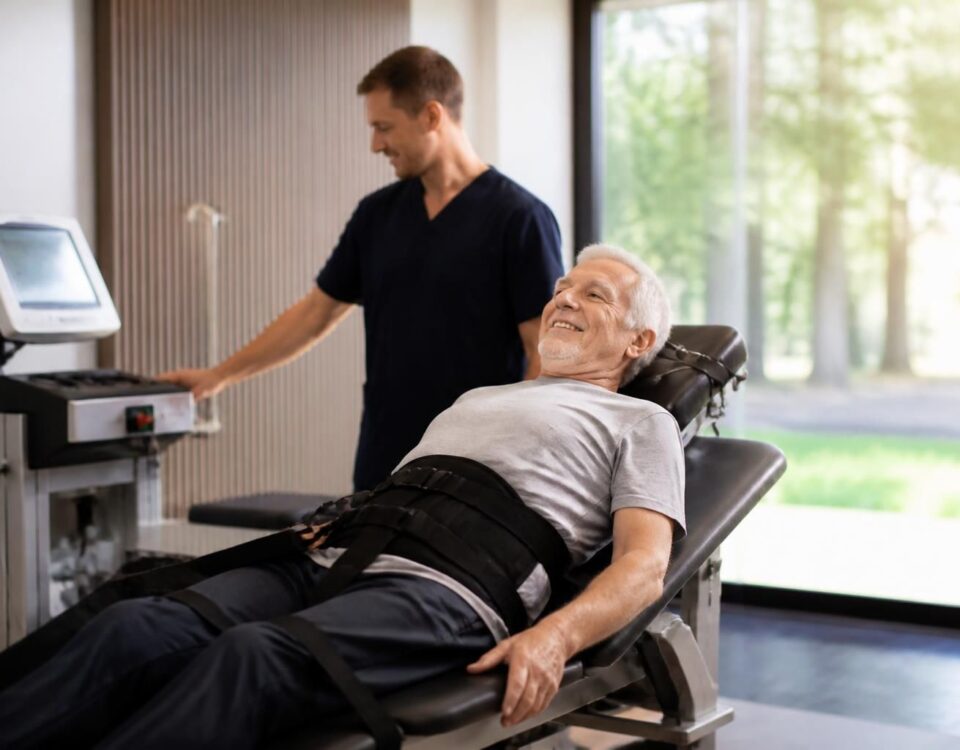
Common indications include discus disorders, hernias or protrusions, recurrent lower back and cervical pain, sciatica syndromes and situations contributing to spinal stability compromised. Although the results may vary from one patient to another, decompression is often seen as a component of a global treatment plan, especially when conservative approaches have been insufficient or incomplete. It can be practiced in the office using a traction table and, for some patients, supplemented by home devices and stretching protocols.
In combination with other professional practices, such as osteopathy, physical therapy and myofascial release techniques, neurovertebral decompression provides Integrated approach To optimize disk nutrition, restore good spinal dynamics and support functional recovery. This synergy contributes to improving the quality of life and to prevent the repercussions associated with poor posture or persistent pain in the long term.
At home, soft and adapted solutions make it possible to support work in the office. Individualized and progressive protocols, based on evidence, encourage regular and secure practice, while respecting the specific limits and needs of each person. This personalized perspective focuses on the prevention, regeneration and maintenance of a robust and flexible spine, a true engine of overall health.
This conclusion summarizes how the neurovertebral decompression supports the overall spine health By reducing pressure on discs and nerves, improving circulation and tissue nutrition, and promoting lasting postural alignment. It is part of a holistic approach to the back and neck, aimed at reducing pain, improving mobility and preventing recurrences.
The neurovertebral decompression Acts mainly by controlled traction that creates a space between the vertebrae. This dynamic leads to a Reduced pressure on intervertebral discs and on the nerve roots, thus facilitating thehydration and nutrition of discs and supporting the vertebral mobility in time.
The observed benefits include a Lasting pain reduction and an Improved local blood circulation, which stimulates the tissue regeneration and decreases inflammation. This approach also promotes a Postural alignment healthier, reducing muscle tension and imbalances that fuel lower back and cervical pain.
In practice, these effects result in a Increased mobility and a better flexibility of the spine, essential elements for performing daily actions without pain. Improving posture also helps prevent future injuries and support regular physical activity.
The decompression can be performed in a practice under supervision or be considered at home as part of a personalized plan, with adapted devices and a progression adapted to each patient. This non-invasive approach makes it possible to obtain progressive and cumulative results, while avoiding the risks of surgical interventions.
To optimize the results and nourish long-term spinal health, it is recommended to integrate decompression into a global spinal hygiene strategy, including appropriate physical activity, sufficient hydration and daily postural vigilance. Additional resources help to deepen the mechanisms and outcomes of this approach, including:
• Decompression#ATFP_CLOSE_TRANSLATE_SPAN# Neurovertebral and its impact on intervertebral discs and nerves
• Decompression#ATFP_CLOSE_TRANSLATE_SPAN# Neurovertebral and chronic back pain as a durable solution
• Comment#ATFP_CLOSE_TRANSLATE_SPAN# It improves the long-term flexibility of the column
• Testimonials#ATFP_CLOSE_TRANSLATE_SPAN# on muscle tension and rapid results
• Decompression#ATFP_CLOSE_TRANSLATE_SPAN# Neurovertebral: a global approach to health
In short, neurovertebral decompression presents itself as a non-invasive therapy, focused on reducing pressure, improving circulation and tissue regeneration, for a more flexible spine and a new quality of life. Additional sources and testimonials shed light on the mechanisms and benefits observed in patients, and to guide personalized and safe care. To deepen, you can also consult resources like les#atfp_close_translate_span# Benefits of decompression for back pain.

Dr Sylvain Desforges, B.Sc., D.O., N.D., osteopath, is the founding president of TAGMED and of the ACMA association. He dedicates his practice to chronic spinal pain, low back pain and symptoms compatible with sciatica, particularly when pain radiates toward the buttock, leg, calf, foot or toes.
Through SOS Sciatique, he publishes educational content on sciatica symptoms, possible causes such as disc herniation, disc narrowing, foraminal stenosis or irritation of a lumbar nerve root, as well as non-surgical approaches that may be considered according to the evaluation. At Clinique TAGMED, care may include, depending on the case, motorized neurovertebral decompression, specific osteopathic care or precision percussion.
For an evaluation related to sciatica treatment in Montreal / Mount Royal or sciatica treatment in Terrebonne, please consult the services available at Clinique TAGMED.
Medical disclaimer
The information published on SOS Sciatique is provided for educational purposes only and does not replace a consultation, diagnosis, opinion or treatment provided by a physician or another authorized healthcare professional. The author of this article is neither a medical doctor nor a specialist in a medical specialty recognized by the Collège des médecins du Québec. The osteopathic, manual medicine or functional support approaches described on this site do not constitute medical acts and are not intended to replace medical follow-up.
Consult a physician or emergency service in cases of loss of bladder or bowel control, anesthesia in the saddle area, significant or progressive weakness in the leg or foot, fever, recent trauma, severe pain or rapid worsening of symptoms. For more details, please read our Legal Notice.