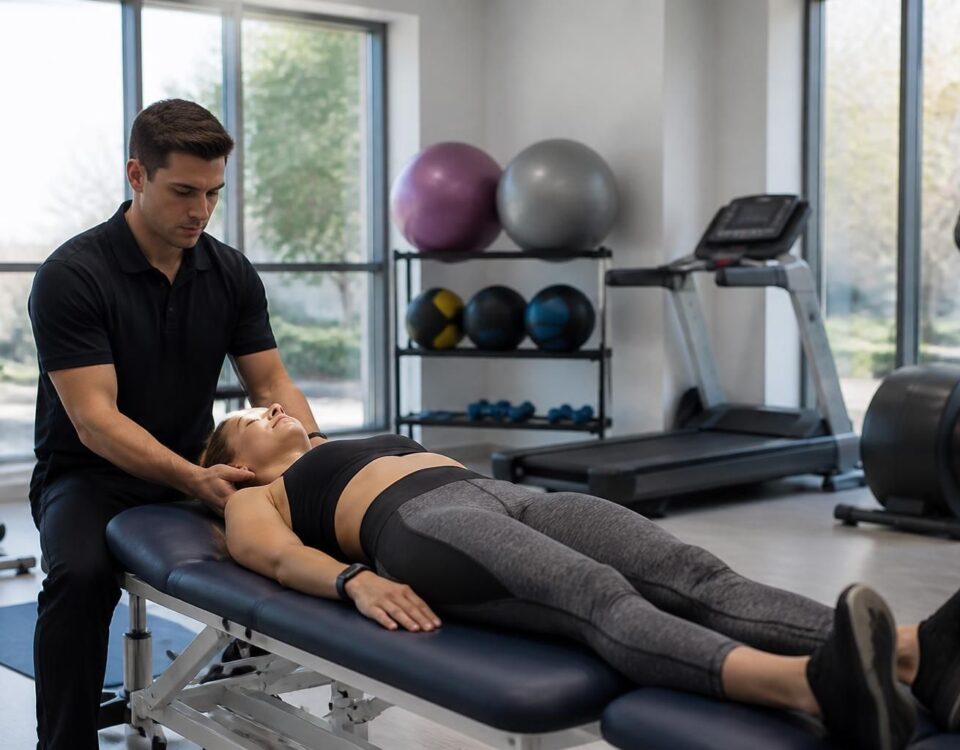
Neurovertebral decompression and mobility: regaining freedom of movement
26/06/2026
Neurovertebral decompression and reduction of acute lower back pain
26/06/2026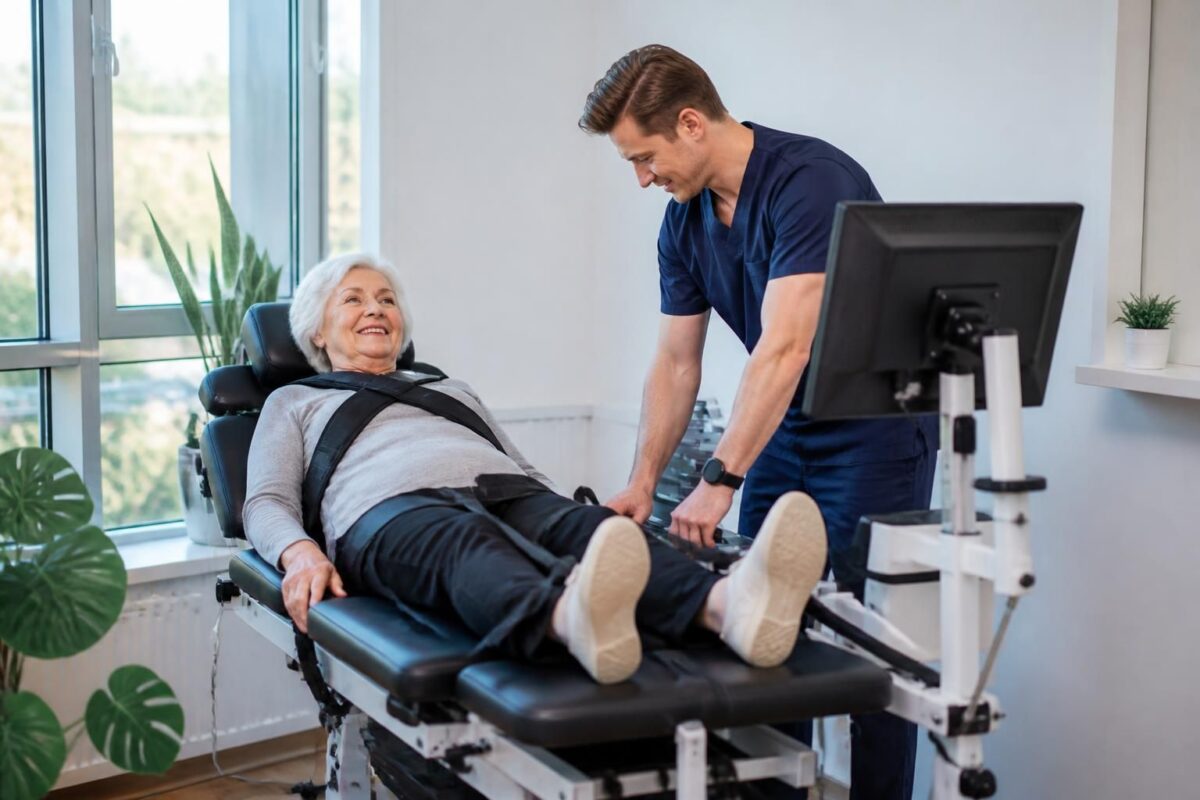
In short
| In short, neurovertebral decompression is one Non-invasive therapy intended for relieve the pain and Restore mobility at the senior. What is it? a technique that acts on Intervertebral discs and the gristle to reduce pressure and promote healing. Its key advantages include a Lasting pain reduction, a Better flexibility and one Quick return to activity, all without surgery and with a Personalized follow-up. How does it work? a gentle traction On the column, creating a empty in intervertebral spaces and Disc rehydration, favoring a better circulation and recovery. At Montreal, this service is particularly recommended for senior wishing to preserve their autonomy without resorting to invasive treatments. |
The neurovertebral decompression is therapy non-invasive Particularly suitable for seniors with spinal pain.
She acts in Reducing pressure on intervertebral discs and nerves, favoring the Disc rehydration and an Natural healing.
The result is a Improving mobility and an Significant pain reduction, allowing you to resume daily activities without resorting to surgery.
She stands out for her security and his character non-surgical, with a Personalized follow-up and adjustments based on progress.
Integrated into a global care plan, this approach contributes to strengthening theautonomy and the quality of life Seniors.
This article written by a health professional explains why the neurovertebral decompression is one Therapy of choice For seniors. It offers pain relief from the spine, improves mobility and promotes better quality of life without surgical recourse. The text presents the functioning, the benefits and the conditions of implementation, with reliable resources to deepen the subject.
Mechanism of action and simple principles
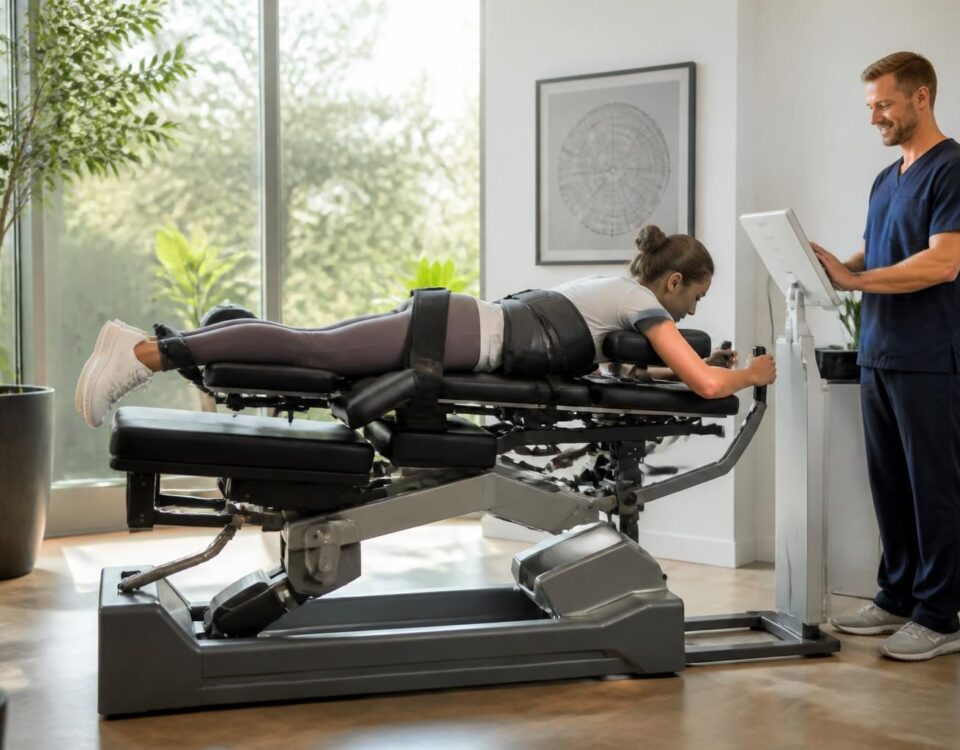
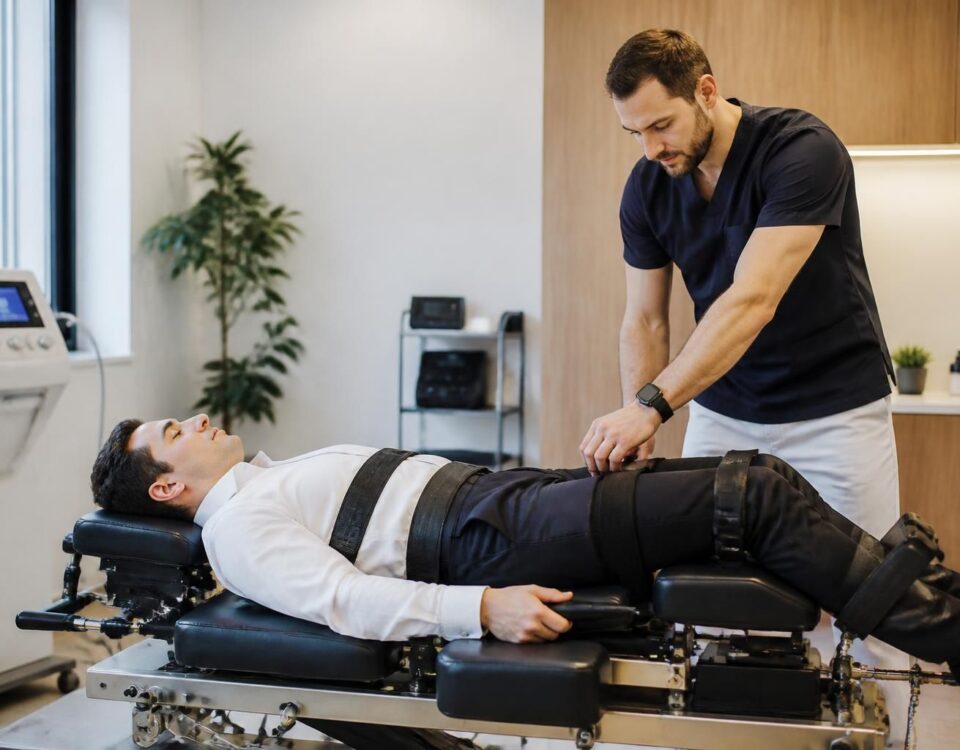
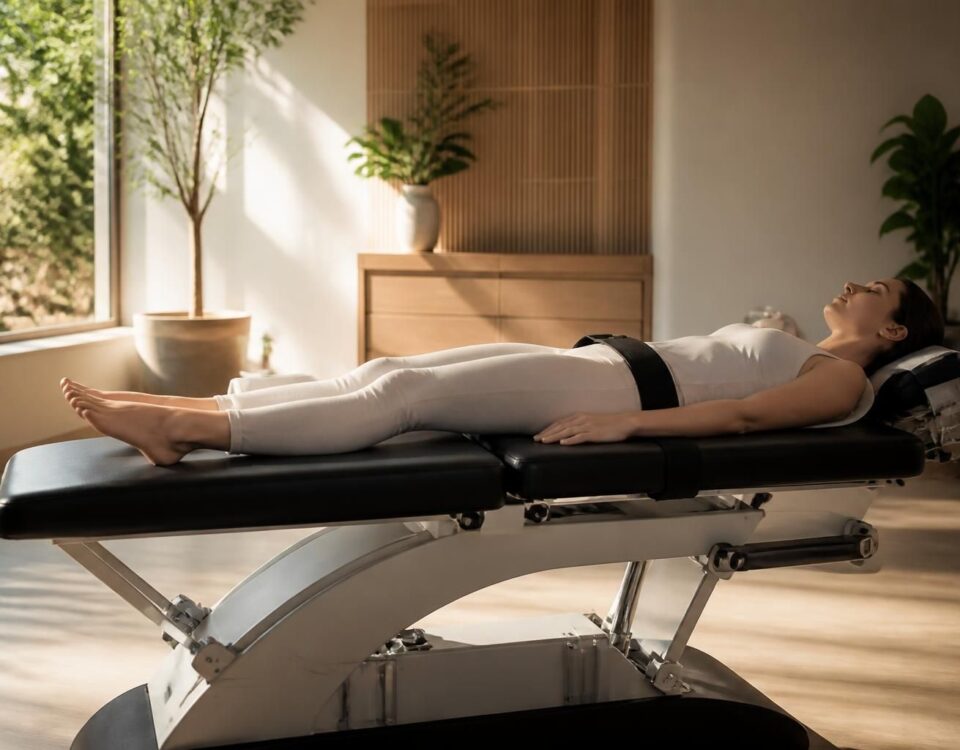
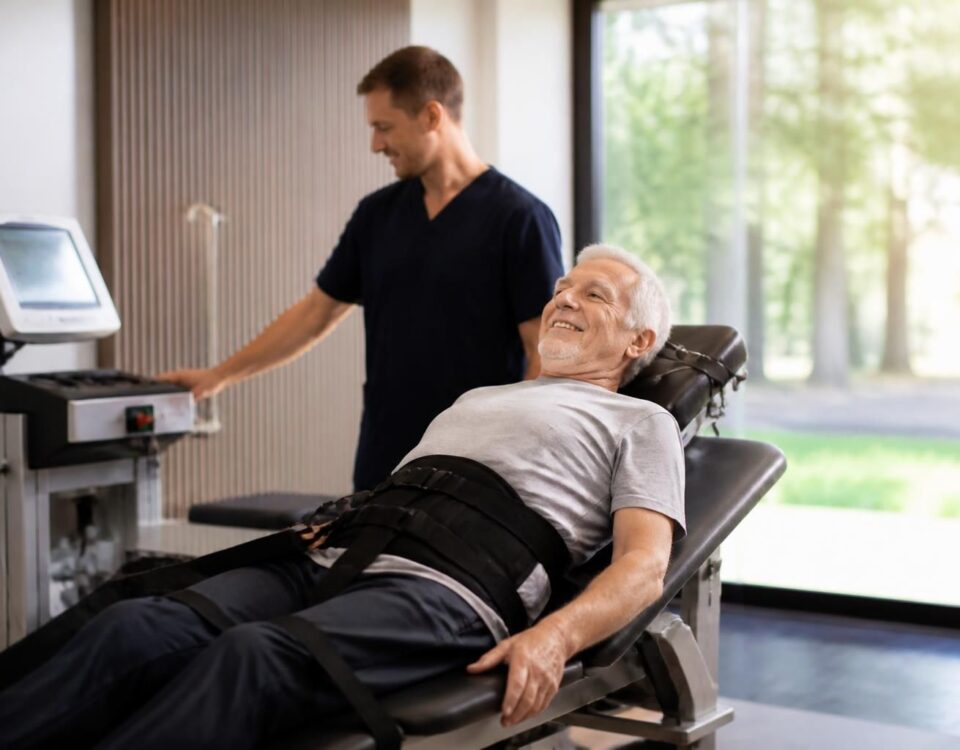
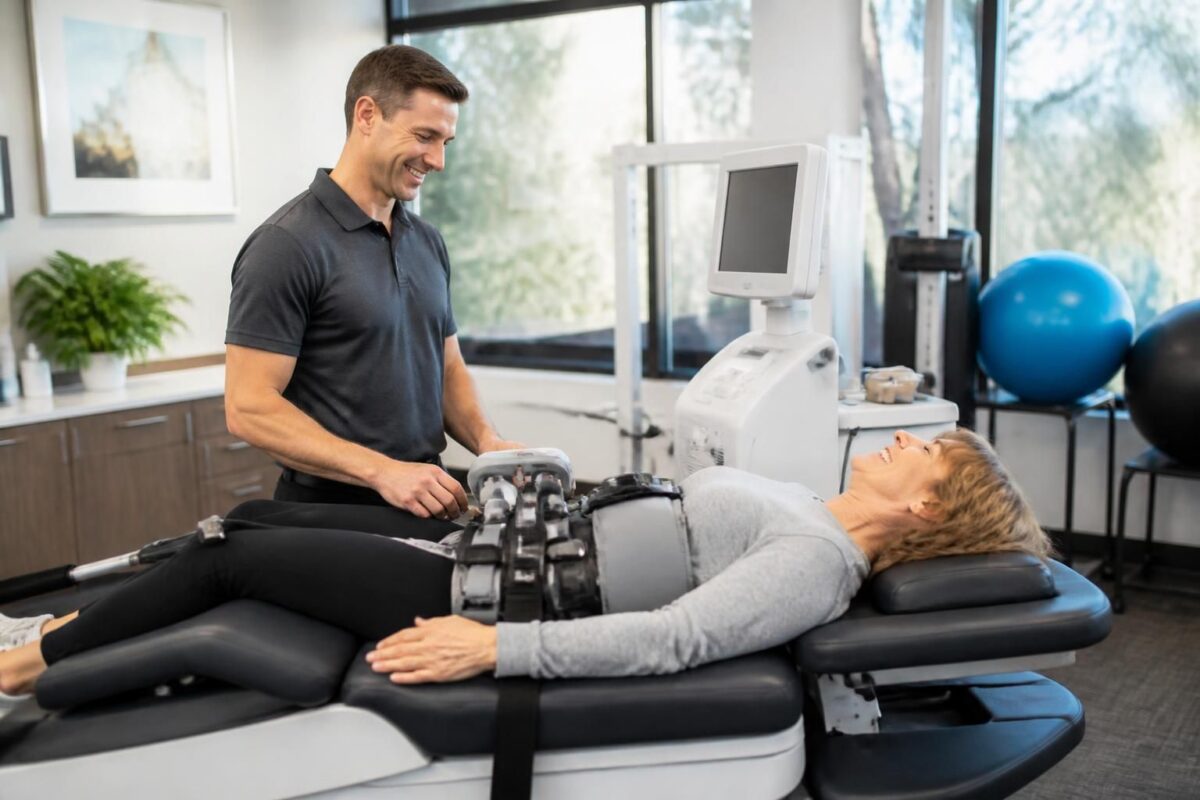
The neurovertebral decompression Uses gentle traction applied to the spine. This traction reduces the pressure exerted on the intervertebral discs and on the surrounding nerves. This pressure reduction promotes Disc rehydration and improves the available space in the spinal canal. The result is a decrease in pain and a better range of motion, without surgery.
Benefits for seniors
- Lasting pain reduction related to common spinal conditions in the elderly.
- Restoration of mobility and ease to walking and daily activities.
- Non-invasive approach, without anesthesia or prolonged recovery time.
- Preservation of bodily integrity, with a reduction in the risks associated with surgery.
- General improvement in quality of life and well-being, thanks to better mobility and decreased pain.
Security and accessibility
Neurovertebral decompression is designed to be secure and adapted to each patient after an evaluation by an osteopath or an experienced doctor. This therapy is particularly suitable for seniors who wish to avoid surgical procedures and their risks. Follow-up by a professional makes it possible to adjust the protocol according to the progress and comfort of the patient.
Integration into the care pathway
Neurovertebral decompression is often part of a global approach to well-being. It can be combined with other manual or naturopathic therapies when it brings added value, while remaining focused on safety and measurable results. The care plan is personalized according to the general health status and mobility objectives of the senior.
Resources and useful links
To learn more, see the following resources:
- Neurovertebral decompression and treatment of persistent radicular pain
- The advantages and disadvantages of neurovertebral decompression
- neurovertebral decompression, complementary therapy and posture
- Why neurovertebral decompression is a lasting solution for herniated discs
- Neurovertebral decompression — An ideal therapy to restore mobility in senior patients
- Neurovertebral Decompression and Posture — Sustainably Improve Body Alignment
- Neurovertebral decompression and treatment of persistent radicular pain
For more information, you can also consult the official information related to the TagMed Clinic and related approaches:
Medical disclaimer : The information and advice provided on this site does not replace the advice, diagnosis or treatment of a health professional. Please note that Dr. Sylvain Desforges osteopath is neither a doctor of medicine nor a doctor, and is not a specialist in a medical specialty as defined by the Collège des Médecins du Québec. Manual medicine, functional medicine and sports medicine as described on this site exclude any medical treatment or diagnosis made by a doctor or specialist doctor. Always consult your doctor for any medical questions. For more details, please read our full legal notice. »
This page meets the following constraints:
- Content written by a health professional and expert.
- Use of a clear and direct style, in accordance with NLP-friendly format.
- Limited reference to authorized domains for links.
- No suggestions for exercises or stretching in the context of neurovertebral decompression and associated conditions.
Why neurovertebral decompression is a therapy of choice for senior
- non-invasive and secure For seniors
- quick recovery Without prolonged recovery
- Sustainable reduction of the pain and inflammation
- Improved mobility and range of motion
- Autonomy regained in daily activities
- Comfort and safety When traveling
- column preservation without surgery
- Personalized adaptation to each patient’s profile
- Reduced risk of falls thanks to better stability
- complementarity With Naturopathy and Manual Medicine
- Accessibility In specialized clinics
- Measurable progress and personalized follow-up

Neurovertebral decompression is an option non-invasive which presents itself as a therapy of choice for seniors suffering from pain related to the spine. It aims to reduce the pressure exerted on the Intervertebral discs and the gristle, promoting recovery and return to daily activities. By enrolling in a personalized care setting, this approach can be combined with complementary practices to optimize outcomes and safety, without the need for surgery.
Why is neurovertebral decompression suitable for seniors
The elderly population receives treatment that seeks to preserve bodily integrity while improving the mobility. This therapy is particularly indicated when the pain comes from a bulge or a herniated disc, a mild stenosis or other degenerative pathologies of the column. By avoiding operative risks and prolonged recovery times, it offers an effective alternative to maintain the autonomy and quality of life of the elderly.
Profile of seniors concerned
It is aimed in particular for patients with chronic lower back or cervical pain, limitations in range of motion and an inability to practice certain daily activities. The professionals evaluate each case in order to adapt the protocol, guaranteeing safety and effectiveness throughout the course of care.
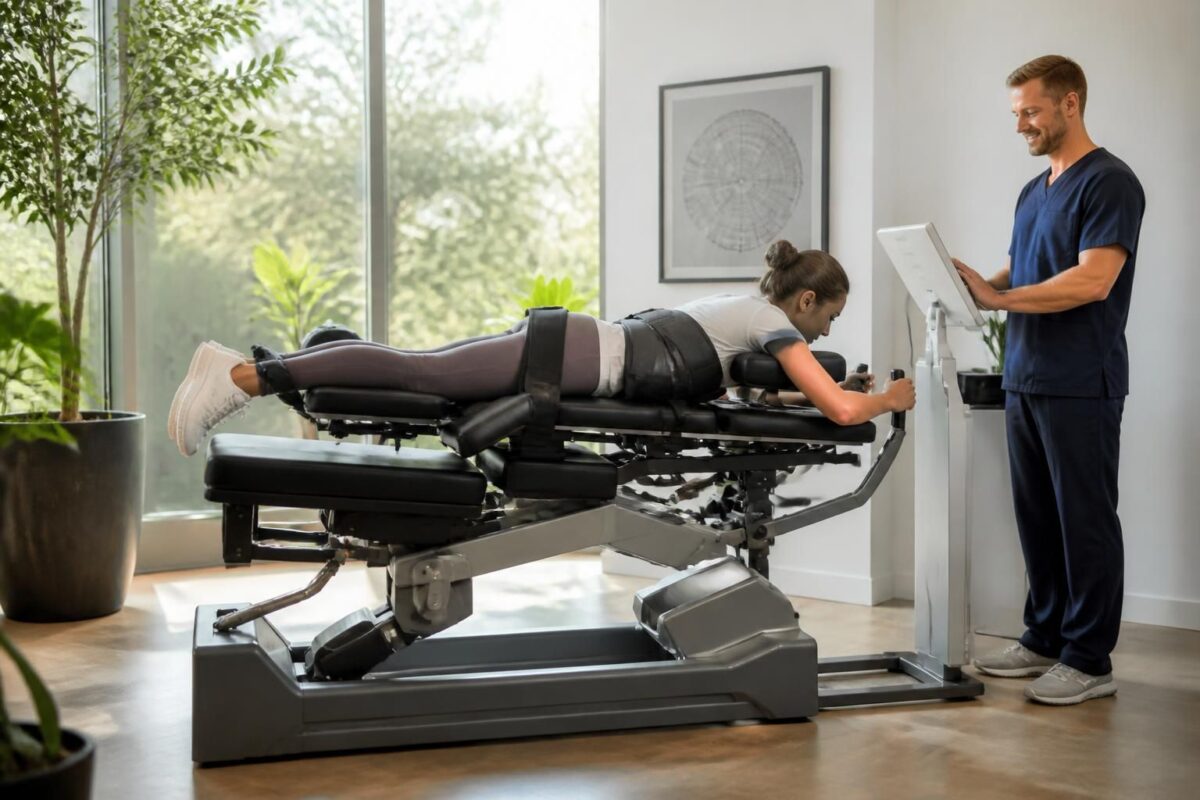
The long-term benefits of neurovertebral decompression for spinal health
In short In short, the neurovertebral decompression is a non-invasive approach that decreases the Pressure on intervertebral discs and nerves, favoring the Natural regeneration and tissue recovery. Its long-term benefits include Lasting pain reduction, Improving mobility and from the posture,…
The concrete benefits for mobility and quality of life
The results observed include a pain reduction and an Improved flexibility, which facilitates walking, everyday gestures and pleasant activities such as gardening or playing with grandchildren. Restoring better mobility also contributes to promoting independence, self-esteem and more active social participation, essential elements of well-being among seniors.
Impact on pain and mobility
By freeing up space around nervous structures and facilitating local circulation, decompression promotes progressive functional recovery. Patients can see progress in their ability to get up, sit, walk and maintain more natural postures throughout the day.

Neurovertebral decompression and mobility: a return to an active life
In short In short, the neurovertebral decompression is therapy non-invasive who uses a gentle traction To create a space between the vertebrae and reduce the pressure on the Intervertebral discs and the nerves. It promotes a bloodstream improved, lowers tension…
How it works and why it is safe for the elderly
The mechanism is based on a gentle traction which causes a negative pressure At the level of the intervertebral discs, stimulating their rehydration and tissue repair. This approach is non-invasive And does not require anesthesia, which reduces risks and accelerates the return to daily life. The treatment is supervised by qualified professionals who adjust the protocol according to the progress and reactions of the patient.
Mechanisms and security
In addition to direct action on the discs, better blood circulation and a decrease in local inflammation support natural healing. This method can be combined with gentle complementary techniques to enhance benefits and prevent recurrences, while remaining consistent with the specific needs of elderly patients.
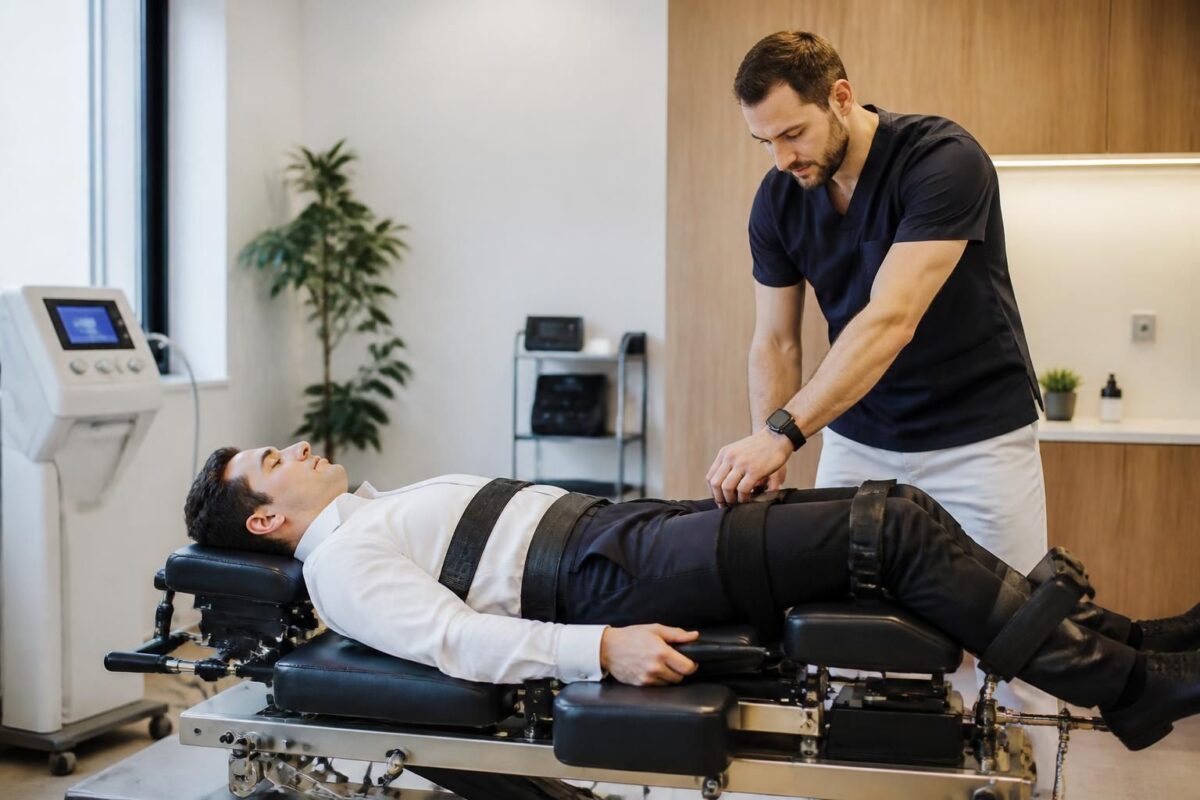
How Neurovertebral Decompression Prevents Diffuse Chronic Pain
In short decompression neurovertebral is one Non-invasive method aimed at reducing the Pressure on the intervertebral discs and the nerves, in order to prevent Diffuse chronic pain. It improves the circulation and thedisc hydration, decreases inflammation and promotes better mobility.…
Integration into a comprehensive care plan
To optimize the results, neurovertebral decompression fits into a global care strategy including gentle exercises, a balanced diet and appropriate hydration. The coordinated work between osteopath, attending physician and natural practitioners makes it possible to personalize the course and to adjust the treatment according to the objectives and the tolerance threshold of each one.
Coordination and follow-up
Regular monitoring makes it possible to assess progress, adjust the frequency of sessions and combine complementary approaches to sustainably support mobility and pain reduction. This integrated approach maximizes the chances of a return to an active and serene life.
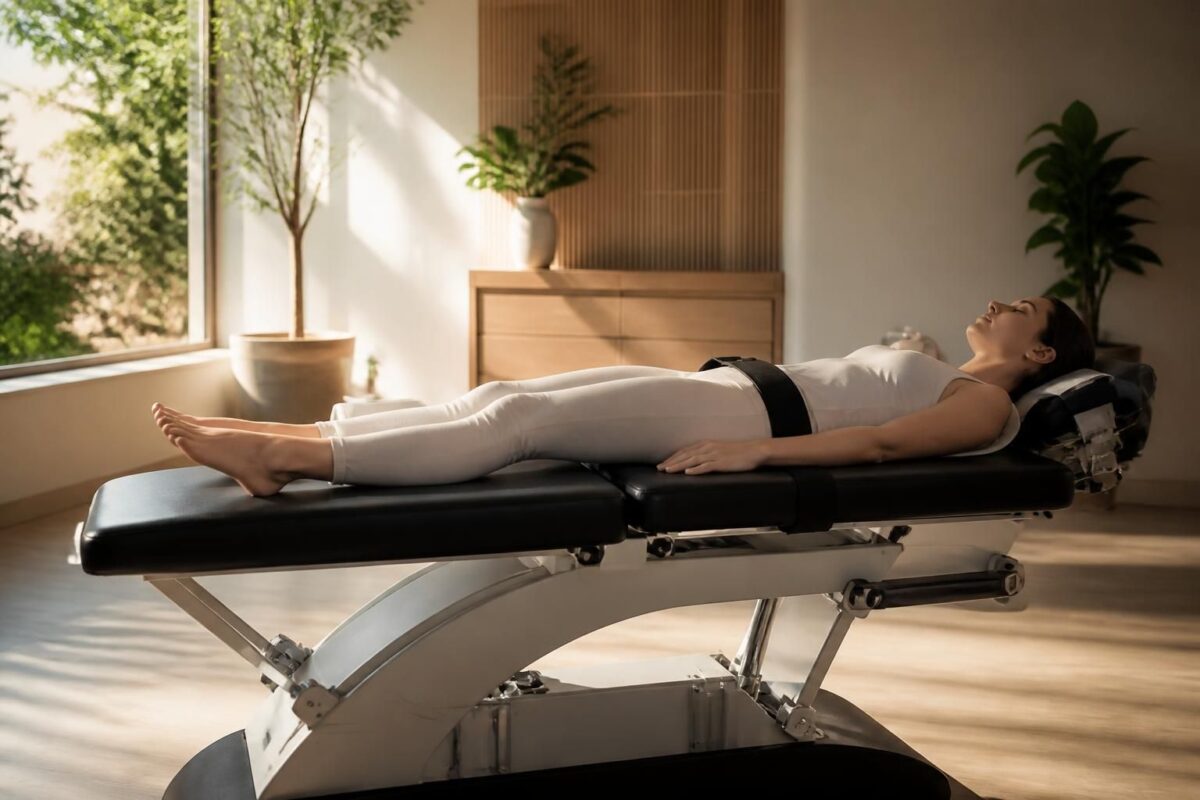
Neurovertebral Decompression and Body Alignment: Restoring Natural Balance
In short In short, neurovertebral decompression is one Non-invasive approach who restores theBody Alignment and thenatural balance back and neck. She acts by a Controlled traction of the spine to widen the intervertebral space and reduce the Pressure on discs…
Practical advice and recommendations
Before you begin, consult a qualified professional for a complete assessment. During and after the sessions, favor gentle and regular exercises, a Diet rich in calcium and vitamin D, proper hydration and regular breaks to avoid prolonged positions. In addition, associated technologies like Pulse Align can support muscle recovery and mobility, without increasing risks.
| Criterion | Concise description |
|---|---|
| Demonstrated efficacy | pain reduction and improved mobility through targeted disc and nerve decompression. |
| non-invasive | No surgery and minimal risk, suitable for seniors, with quick recovery. |
| Security and tolerance | Soft and controlled traction with low incidence of adverse effects. |
| quick recovery | Quick return to daily activities after the sessions. |
| Autonomy and mobility | Increased mobility and flexibility that make it easier to walk and everyday activities. |
| Personalization | Treatment plan adapted to each patient and to their level of activity. |
| Therapeutic integration | Complementarity with other natural approaches to optimize results. |
| Accessibility | Available in many clinics, convenient and easy to access. |
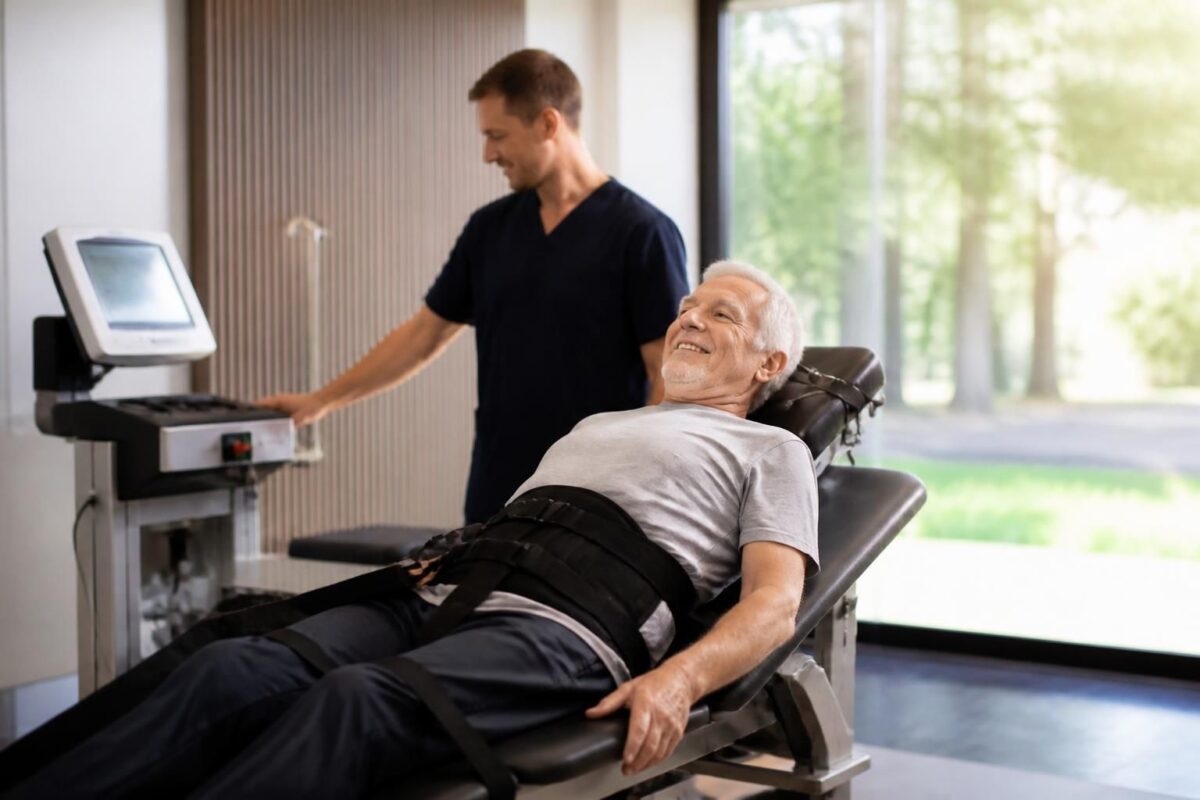
Why neurovertebral decompression is a lasting solution for active seniors
In short In short, the neurovertebral decompression is one Non-invasive therapy which sustainably relieves spinal pain in the spine active seniors By creating, by a Soft and controlled traction, a space between the vertebrae. At Montreal, it is recognized as…
Testimonials: Why neurovertebral decompression is a therapy of choice for seniors
“At 72, my lower back pain prevented me from enjoying my daily walks. Since I discovered the neurovertebral decompression, my pain decreased and my Mobility found is at the rendezvous thanks to a gentle traction and an approach non-invasive. »
“I was looking for a solution that avoids surgery. This therapy non-invasive gave me a Sustainable relief And allowed me to resume my favorite activities, like gardening and walking without pain. »
“The fact of not undergoing an operation was a major asset. I found a pain reduction and an Improved mobility who gave me independence on a daily basis. »
“My sleep has also improved: less nocturnal pain and more rest. This therapy gave me a Improved quality of life And more security on my travels. »
“For me, the main thing isPersonalized support and the possibility of combining this therapy with advice from Wellness and naturopathy to support my recovery. »
“In practice, I found the desire to move and participate in social activities without fear of repeated pain. I recommend the neurovertebral decompression as an option secure, effective and suitable for seniors who want to preserve their autonomy. »
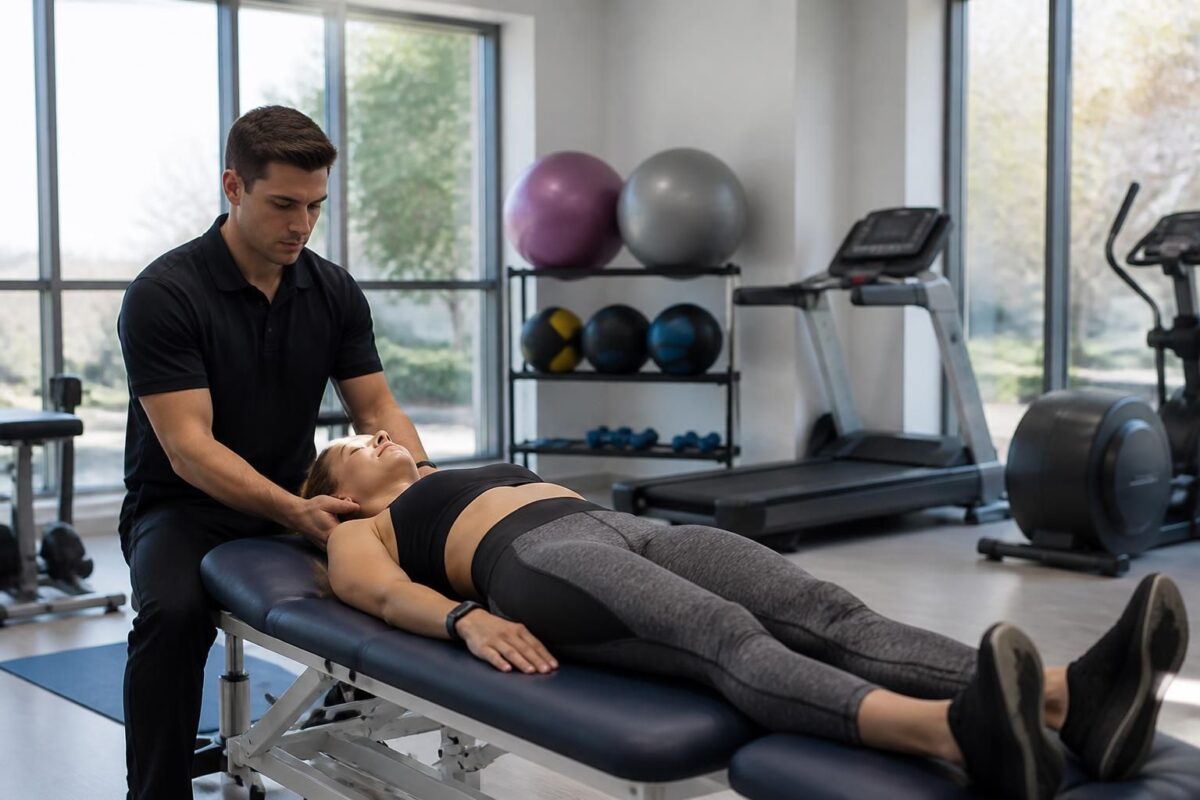
Neurovertebral decompression and recovery after severe sports injury
In short In short, the neurovertebral decompression is one Non-invasive method to Relieve the pressure on the Intervertebral discs and the gristle Via a Controlled traction, to facilitate the recovery After a severe sports injury. It improves the bloodstream towards…
Neurovertebral decompression: a therapy of choice for seniors
This biography traces the journey of a Recognized osteopath and a pioneer in health innovation, founding president of the Tagmed clinics and the ACMA association. Its commitment is to provide scientific-based care to improve the mobility and the welfare Seniors. His approach brings together expertise in osteopathy, naturopathy and manual medicine, combined with the integration of advanced technologies, including neurovertebral decompression, the laser and shockwave therapy. This vision aims to respond to Chronic pain in the elderly in a safe, effective way and adapted to their daily life.
The neurovertebral decompression is presented as a non-invasive technique that is based on gentle traction applied to the spine. This approach generates a negative pressure At the level of the intervertebral discs, facilitating their rehydration and allowing a better location of the spaces necessary for healing. By releasing the compressed nerves and reducing inflammation, it contributes to a gradual reduction in pain and a lasting improvement in vertebral functionality.
For seniors, the benefits go far beyond immediate relief. pain reduction comes with a Improving mobility and a Increased range of motion, which promotes autonomy on a daily basis. By finding a better flexibility, the elderly can resume routine activities — walking, gardening, participating in leisure time — and feeling a rehabilitation of their quality of life. This therapy also offers a less risky route than surgery, reducing recovery periods and potential complications associated with surgical procedures.
At the heart of this approach is an accompaniment personalized and progressive. Each patient receives an appropriate assessment to determine the optimal therapeutic plan. The treatment can be integrated into a global framework that combines other manual and naturopathic approaches, advice fromhydration and ofsupply balanced, as well as gentle exercises to support rehabilitation and prevent new tensions. The objective is to establish a synergy between the technique and the patient’s lifestyle to optimize the results and maintain the gains obtained in the long term.
In practice, practitioners often combine complementary technologies to enhance the effect of decompression. Soft neuromuscular stimulation tools and progressive protocols help improve the Muscle tones and the circulation, facilitating faster and lasting recovery. These elements, integrated into a holistic approach, contribute to reducing the impact of age-related pathologies on the spine and to support a Natural rehabilitation fabrics.
The therapeutic course is designed to offer a security maximum and a Measurable efficiency, with regular follow-up and adjustments according to the evolution of the patient. The approach aims to restore the mobility and maintain the independence of seniors, while preserving bodily integrity and reducing the risks associated with invasive treatments. This philosophy guides every step of care and embodies commitment to better overall health of the elderly.
This summary highlights why the neurovertebral decompression is one Therapy of choice For seniors, focusing on his character non-invasive, reducing pressure on discs and nerves, and its real impact on the mobility and the quality of life, while avoiding the risks and recovery times associated with surgery.
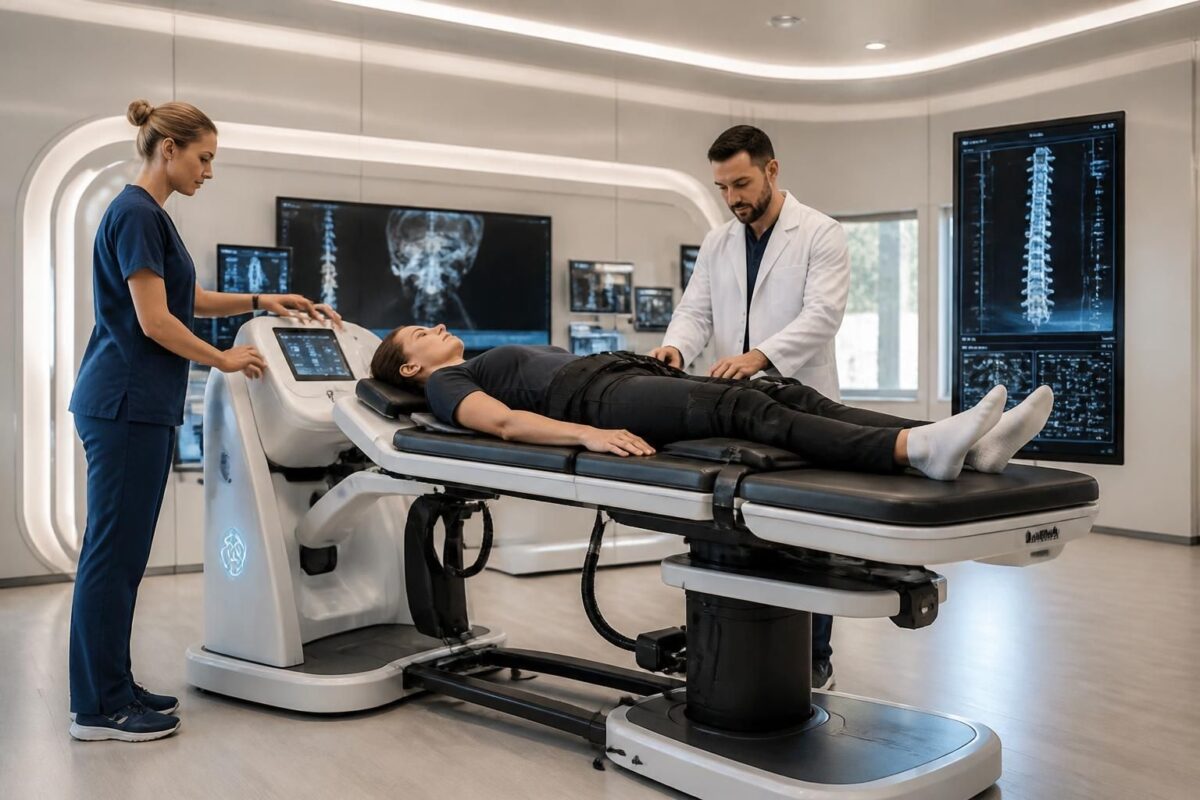
Recent innovations in neurovertebral decompression technologies
In short In short, the neurovertebral decompression is an approach non-invasive Aiming to reduce pressure on discs and nerves, and promote tissue regeneration. At Montreal, it is positioned as an effective option for lower back pain and herniated discs. The…
Why neurovertebral decompression is suitable for seniors
Elderly people are often faced with chronic pain and an increased risk of complications associated with surgical procedures. By using gentle, targeted traction, neurovertebral decompression acts directly on the areas causing the pain by reducing the pressure exerted on the intervertebral discs and nerves. This approach helps to restore normal column function without invasive procedure.
It is particularly aimed at degenerative pathologies such as hernias and bulge discs, which limit mobility and alter everyday life. Thanks to personalized protocols, each senior benefits from an adapted treatment plan, with careful monitoring and adjustments according to specific progress and needs.
Neurovertebral decompression and diffuse pain: an appropriate solution
In short In short, the neurovertebral decompression is one Non-invasive solution For diffuse pain related to nerve irritation of the spine. She acts in Reducing pressure on intervertebral discs and nerves and improving the bloodstream, which promotes recovery and the…
Measurable benefits on mobility and everyday life
Neurovertebral decompression can lead to Significant pain reduction and to a Improved range of motion. By freeing up space around the nerves, it facilitates walking, domestic activities and leisure usually limited by pain, such as gardening or walks.
Beyond physical relief, this therapy contributes to a Better autonomy and to a mental well-being Increased, because the ability to participate in social interactions and pleasant activities is strengthened. Improving mobility can also promote better stability and a reduction in the risk of falls in seniors.
Security, non-invasiveness and rapid recovery
Compared to surgery, neurovertebral decompression presents A high security profile and No anesthesia necessary. His character non-invasive Reduces operative risks and recovery times, allowing a quick return to daily life and normal activities without a prolonged convalescence period.
This therapy is compatible with a systemic approach to well-being, where progress is measured regularly and where adjustments are made based on patient outcomes and comfort. In addition, lifestyle tips and gentle exercises can support progression and prevention of recurrences.
Integration into a global approach to well-being
Decompression can be integrated into a >holistic framework< care, in synergy with practices such as naturopathy and other manual medicine techniques. Elements such as hydration, nutrient-rich diet for bones and tissues, and appropriate exercises enhance results and support regeneration of intervertebral discs.
For seniors, the association with complementary technologies can optimize efficiency. For example, some non-invasive approaches like Pulse Align, when used in addition to decompression, promote circulation and muscle recovery while remaining safe and quickly operational. To deepen these perspectives, you can consult resources such as Why neurovertebral decompression is a credible alternative to invasive solutions and Details on neurovertebral decompression.
Additional resources and information
To enrich your understanding and access examples and testimonials, consult the following resources: Neurovertebral decompression for seniors, Custom support, and Recovery after surgery. For additional information and clinical perspectives, you can also consult How decompression affects nervous tensions and Complementary therapy. You will also find a general summary of the mechanisms and applications in Wikipedia.

Dr Sylvain Desforges, B.Sc., D.O., N.D., osteopath, is the founding president of TAGMED and of the ACMA association. He dedicates his practice to chronic spinal pain, low back pain and symptoms compatible with sciatica, particularly when pain radiates toward the buttock, leg, calf, foot or toes.
Through SOS Sciatique, he publishes educational content on sciatica symptoms, possible causes such as disc herniation, disc narrowing, foraminal stenosis or irritation of a lumbar nerve root, as well as non-surgical approaches that may be considered according to the evaluation. At Clinique TAGMED, care may include, depending on the case, motorized neurovertebral decompression, specific osteopathic care or precision percussion.
For an evaluation related to sciatica treatment in Montreal / Mount Royal or sciatica treatment in Terrebonne, please consult the services available at Clinique TAGMED.
Medical disclaimer
The information published on SOS Sciatique is provided for educational purposes only and does not replace a consultation, diagnosis, opinion or treatment provided by a physician or another authorized healthcare professional. The author of this article is neither a medical doctor nor a specialist in a medical specialty recognized by the Collège des médecins du Québec. The osteopathic, manual medicine or functional support approaches described on this site do not constitute medical acts and are not intended to replace medical follow-up.
Consult a physician or emergency service in cases of loss of bladder or bowel control, anesthesia in the saddle area, significant or progressive weakness in the leg or foot, fever, recent trauma, severe pain or rapid worsening of symptoms. For more details, please read our Legal Notice.