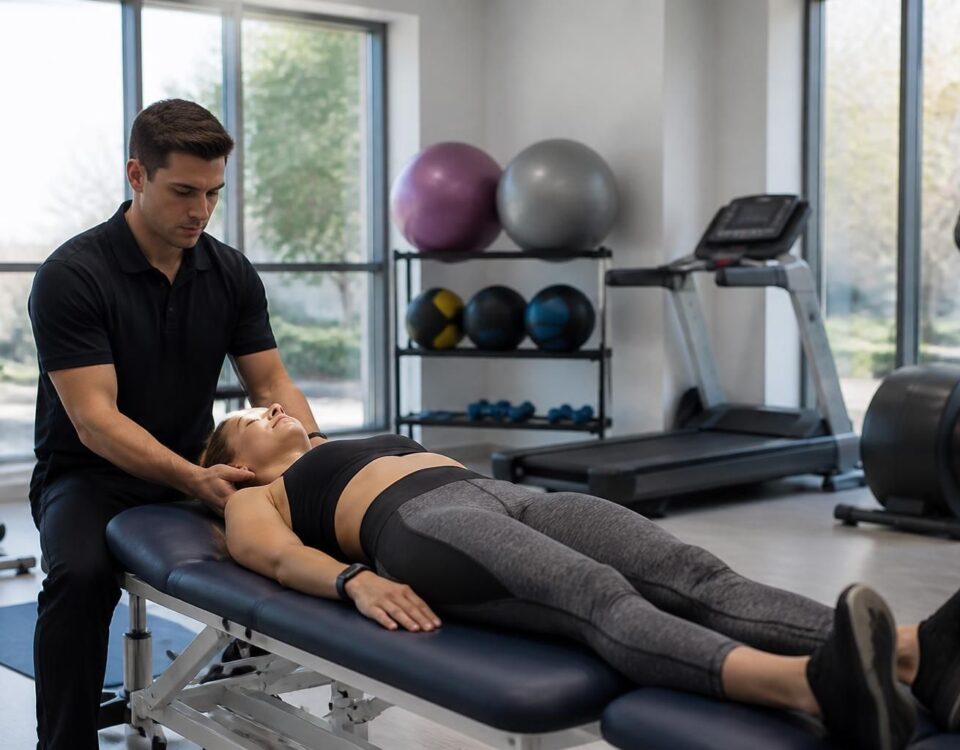
Why neurovertebral decompression is a therapy of choice for seniors
26/06/2026
Custom protocols for neurovertebral decompression in athletes
26/06/2026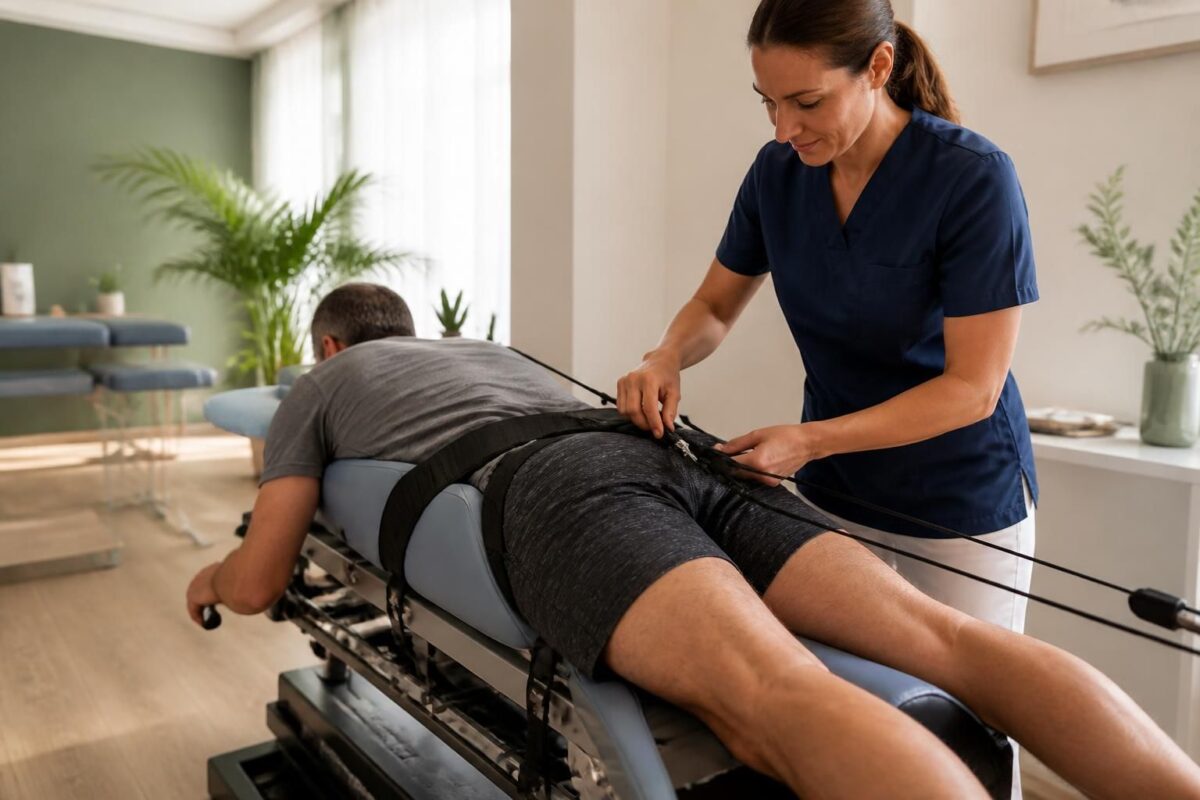
In short
| In short, neurovertebral decompression is an approach non-invasive which aims to Reduce pressure on intervertebral discs and nerves In order to relieve the Acute lower back pain. She offers a Quick relief and sustainable, improves the mobility and is an alternative to surgery. Its mechanism is based on a gentle traction which creates a space between the vertebrae, favoring the circulation and the tissue healing. Accessible in Montreal, this treatment is particularly suitable for those who are looking for an effective solution without surgery. |
The neurovertebral decompression is an approach non-invasive aimed at relieving Acute lower back pain By reducing pressure on intervertebral discs and nerve roots. By creating a slight space between the vertebrae, it improves circulation and promotes tissue recovery.
The treatment is based on a Soft and controlled traction which decreases exercise on the nerves and discs, usually resulting in a rapid pain reduction and an Improving mobility.
Its strengths include theLack of surgery, few side effects and high tolerance, making it a Effective alternative For lower back pain due to disc disease. The protocols are personalized and followed by a health professional.
This article, written by a health professional and expert in the field, explains how the neurovertebral decompression can contribute to the reduction of Acute lower back pain. It describes the principle, the mechanisms of action, the benefits and the indications, while proposing reliable resources to deepen the subject. The objective is to present you with a non-invasive, safe and effective option to quickly regain better mobility and a new quality of life.
What is neurovertebral decompression?
Neurovertebral decompression is an approach not invasive which aims to reduce the pressure exerted on the Intervertebral discs and the nerves. This technique uses controlled and secure traction to create a space between the vertebrae, facilitating the circulation and regeneration of tissues. For more information, you can consult the Complete guide to neurovertebral decompression.
How does it affect acute lower back pain?
Mechanotherapy is based on gentle traction that gradually releases pressure on the nerves and discs. This approach promotes pain reduction and improves the bloodstream, accelerating the healing phase of affected tissues. Clinical evidence and patient feedback show rapid and lasting improvements in some people with lower back pain due to nerve compression. To understand the action on diffuse pain, you can consult this article.
Advantages and indication
Key Benefits : non-invasive, little or no operative risks, rapid pain reduction, improved mobility, and stimulation of tissue healing. Typical indications : Acute lower back pain related to nerve compression, mild disc herniation, disc protrusion or foraminal stenosis, when surgery is not necessary or desired. For a further perspective, see Why this approach is suitable for active patients.
Safety elements and precautions
A pre-treatment assessment is essential. Possible contraindications include specific bone conditions, active infections or states that require different management. The procedure is generally well tolerated and personalized according to the patient’s profile. Reliable resources and explanations on safety and efficiency are available at This complete guide.
Evidence, resources and care pathways
Several online sources describe the mechanisms, benefits and results observed in patients with acute low back pain. For additional explanations and testimonials, please consult the following pages: Neurovertebral decompression and acute lower back pain – appropriate treatment and Persistent lower back pain – Effective solutions. For general information, the article Complete guide is useful. Additional testimonials and analyzes are also available on Neurovertebral decompression for chronic low back pain.
Practical integration into your care pathway
Neurovertebral decompression is one of the approaches proposed by the TagMed clinics located in Montreal and Terrebonne. It can be part of a multidisciplinary course aimed at reducing pain and restoring mobility, without having to resort to surgery. For more information about services, visit Tagmed Clinic. Additional resources on mechanisms and benefits are available via This type of documentation.
Testimonials and clinical results
Many patients report Improving mobility and lasting pain reduction after neurovertebral decompression sessions. Positive feedback and clinical data support its role as a non-invasive option in the treatment of acute low back pain due to nerve compression. For concrete examples and clinical observations, see Neurovertebral Decompression – Complementary Therapy.
Training and professional executive
professionals practicing neurovertebral decompression come from recognized training in osteopathy, such Numss and Nao. In this context, the practice is part of an evidence-based approach and individualized assessment, in order to provide safe and effective care. For clinical information and additional resources, you can refer to the sites mentioned above and the official resources associated with TagMed.
For more information on non-invasive solutions and the optimization of mobility in chronic or acute lumbar pathologies, discover The complete guide or The page dedicated to mobility found.
These resources and approaches are part of a modern vision of care, where the objective is to offer an effective and respectful alternative to the organism, in order to allow a resumption of daily activities and a better quality of life.
Medical Disclaimer: The information and advice provided on this site does not replace the health professional’s diagnosis or treatment. Please note that Dr. Sylvain Desforges osteopath is neither a doctor of medicine nor a doctor, and is not a specialist in a medical specialty as defined by the Collège des Médecins du Québec. Manual medicine, functional medicine and sports medicine as described on this site exclude any medical treatment or diagnosis made by a doctor or specialist doctor. Always consult your doctor for any medical questions. For more details, please read our full legal notice.
Source and additional resources on neurovertebral decompression and associated markets can be viewed on DecompressionNeurovertebrale.com, sossciatica.com, and sossciatica.com.
neurovertebral decompression
- non-invasive : without surgery
- pressure reduction On disks and roots
- Intervertebral spacing and better circulation
- directions : herniated disc, low back pain, radiating pain
- Security : Recommended pre-treatment assessment
Reduction of acute lower back pain
- sharp pain : decrease after the sessions
- Mobility : Improvement of amplitude and return to activity
- Duration Sessions: 30–60 minutes, well tolerated
- Pharmaceuticals : possible reduction and increased autonomy
- Prevention : Spinal stability and prevention of recurrences

This article presents how the neurovertebral decompression can help reduce rapidly Acute lower back pain by reducing the pressure on the discs and promoting circulation and tissue repair. It sets out the indications, the course of the sessions, the expected benefits and the precautions to know for a safe and effective implementation.
Evaluation and indications
Before considering this treatment, a complete assessment is crucial to confirm its interest and rule out contraindications. This approach is particularly suitable when lower back pain is linked to disc compression or radicular irritation and the patient wishes to avoid surgery. Major contraindications include severe osteoporosis, some active fractures, localized infections, or advanced pregnancy. A personalized plan is then developed to optimize results and security.
Typical indications
Concerns simple disc hernias, degenerative disc diseases, acute lower back pain with irradiation, and situations where conservative treatments have been insufficient or poorly tolerated.
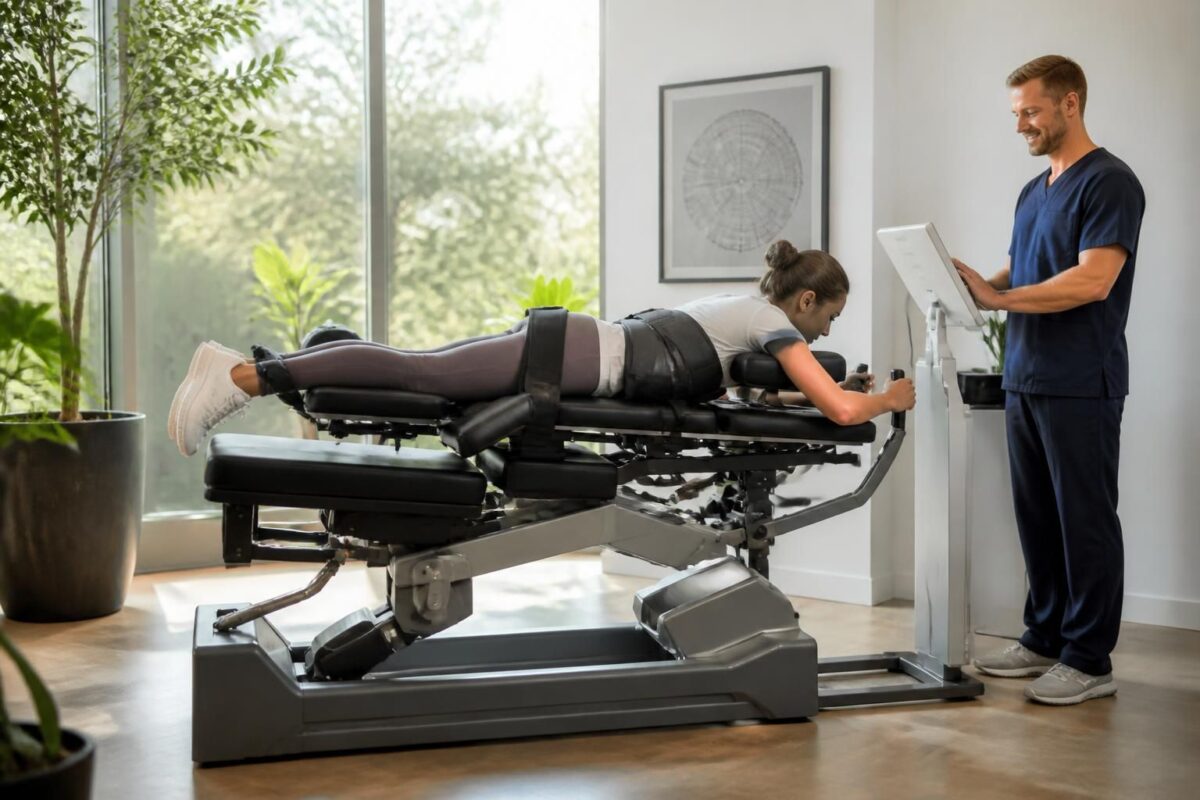
The long-term benefits of neurovertebral decompression for spinal health
In short In short, the neurovertebral decompression is a non-invasive approach that decreases the Pressure on intervertebral discs and nerves, favoring the Natural regeneration and tissue recovery. Its long-term benefits include Lasting pain reduction, Improving mobility and from the posture,…
Principle and course
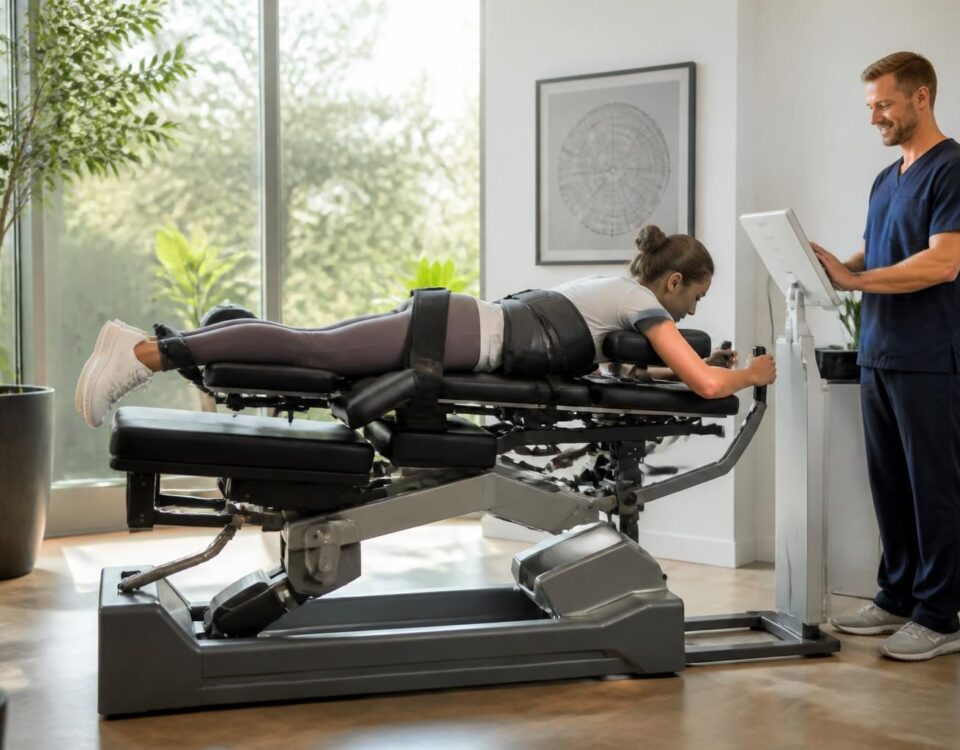
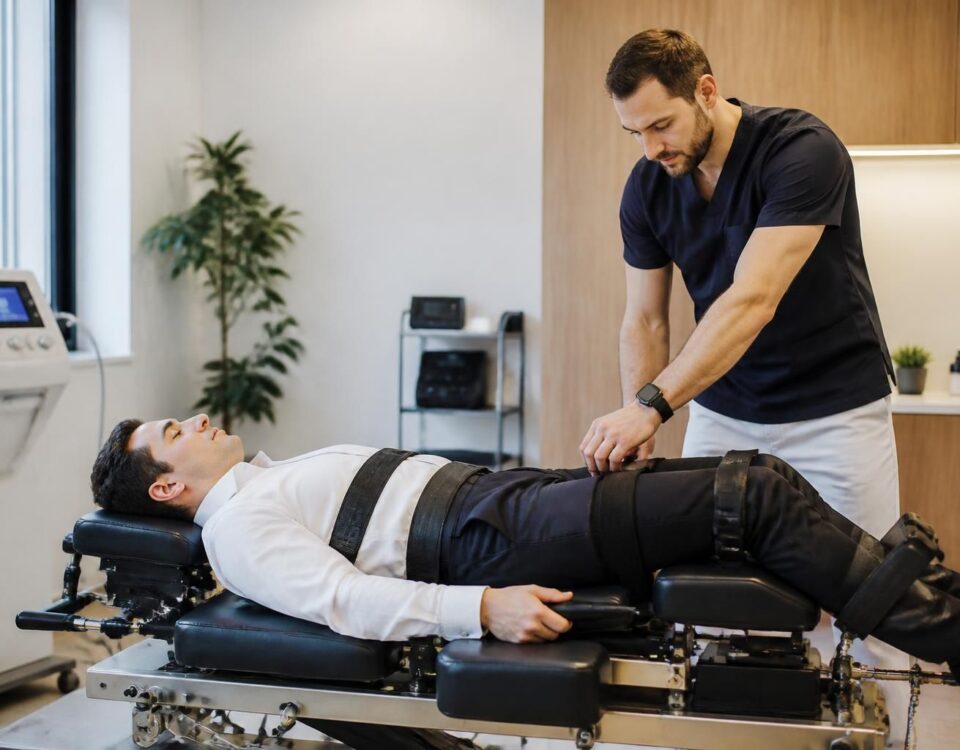
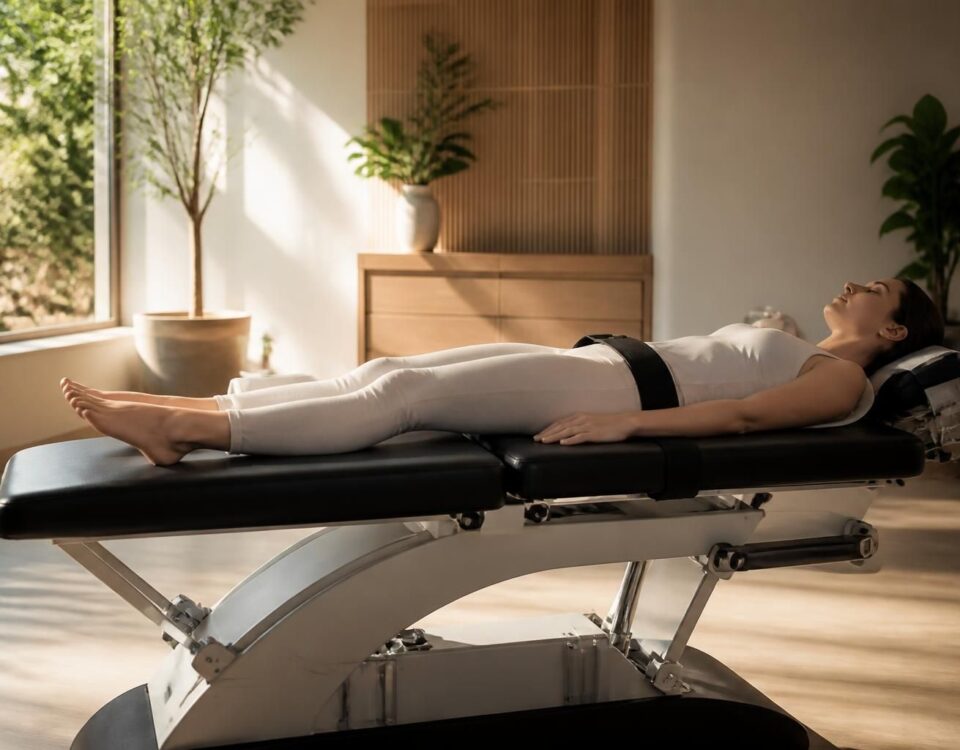
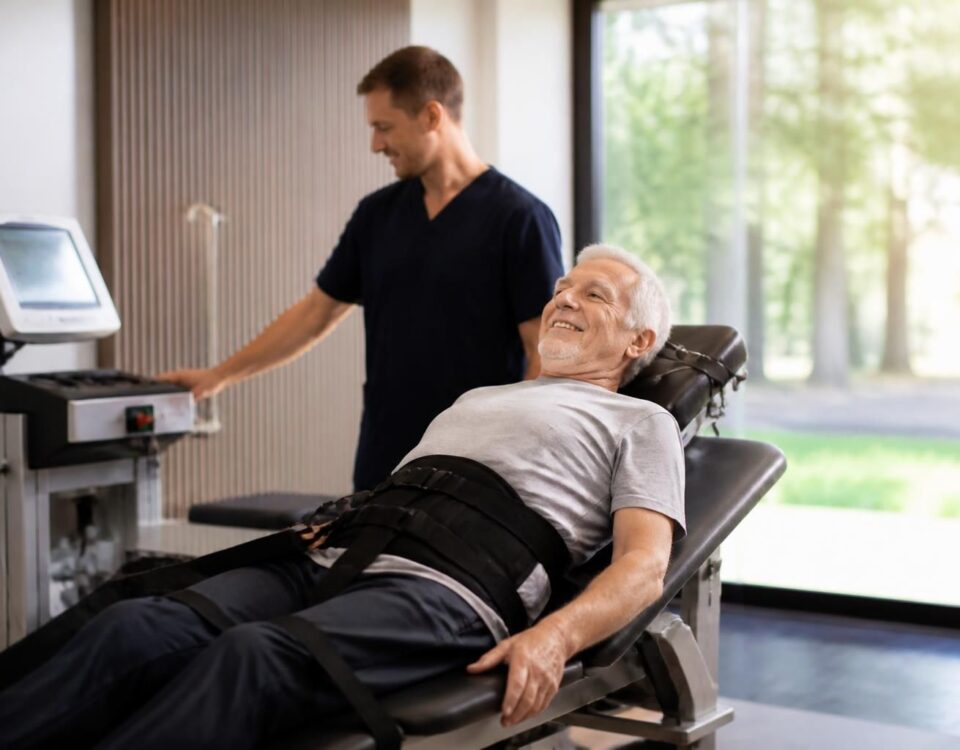
The neurovertebral decompression Relies on controlled traction of the column which creates a spacing between the vertebrae. This action releases nerve structures and improves intra-discal circulation, which can promote rehydration and tissue recovery. A session takes place on an adapted table and generally lasts between 30 and 60 minutes, with a progression adapted to the patient and without surgery.
Frequency and progress
The protocol provides for a series of sessions and follow-up, adjusted according to the response. In addition, targeted exercises and post-treatment advice enhance efficiency and help preserve gains.

Neurovertebral decompression and mobility: a return to an active life
In short In short, the neurovertebral decompression is therapy non-invasive who uses a gentle traction To create a space between the vertebrae and reduce the pressure on the Intervertebral discs and the nerves. It promotes a bloodstream improved, lowers tension…
Expected benefits and results
The main advantages include a pain reduction, a Improving mobility and a decrease in tension around the nerves. Many patients find a regained ability to carry out their daily activities with less pain and less dependence on medication.
Impact on daily life
By improving the range of motion and reducing symptoms, decompression can facilitate return to work, leisure and household chores without aggravation of pain.
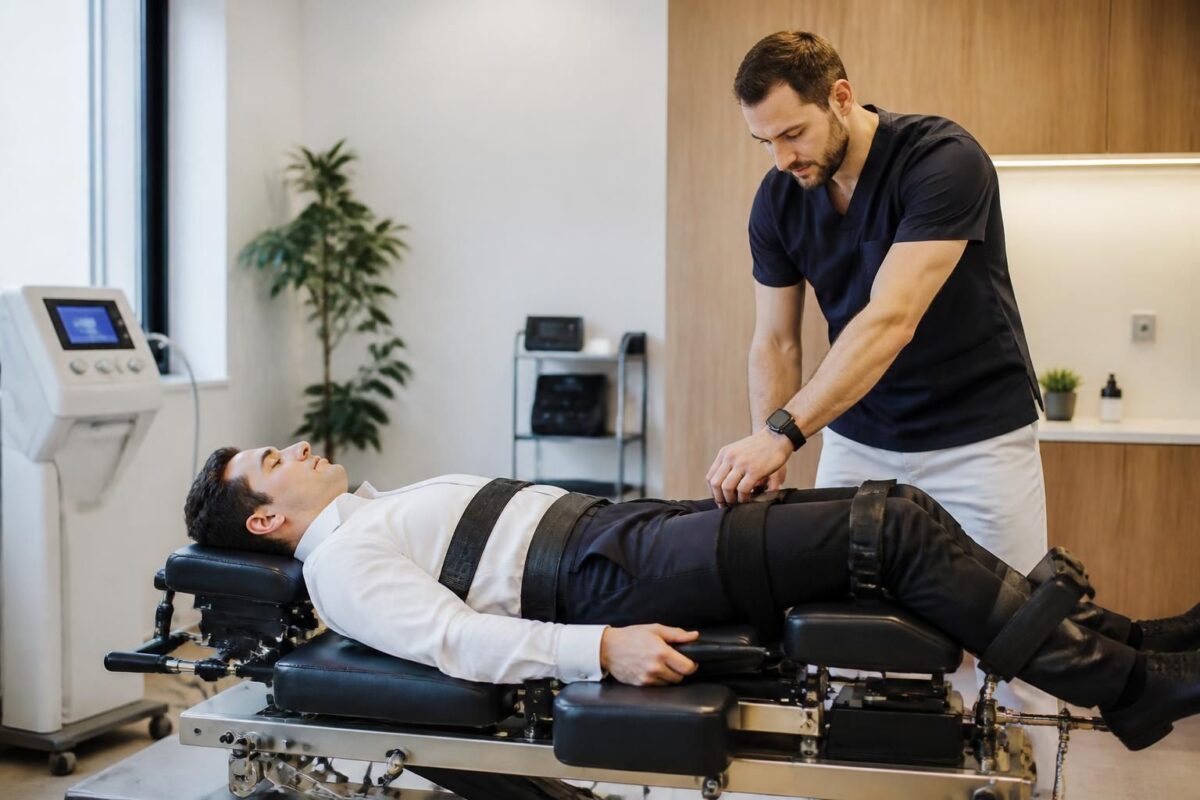
How Neurovertebral Decompression Prevents Diffuse Chronic Pain
In short decompression neurovertebral is one Non-invasive method aimed at reducing the Pressure on the intervertebral discs and the nerves, in order to prevent Diffuse chronic pain. It improves the circulation and thedisc hydration, decreases inflammation and promotes better mobility.…
Integration and treatment plan
To optimize the results, this approach can be associated with strengthening exercises, posture techniques and, if necessary, other manual or physical therapies. The objective is a sustainable plan that minimizes the risk of recurrence and avoids, when possible, surgery.
Typical course
A typical course combines initial evaluation, series of sessions, adapted rehabilitation and periodic monitoring in order to consolidate improvements and prevent relapses.
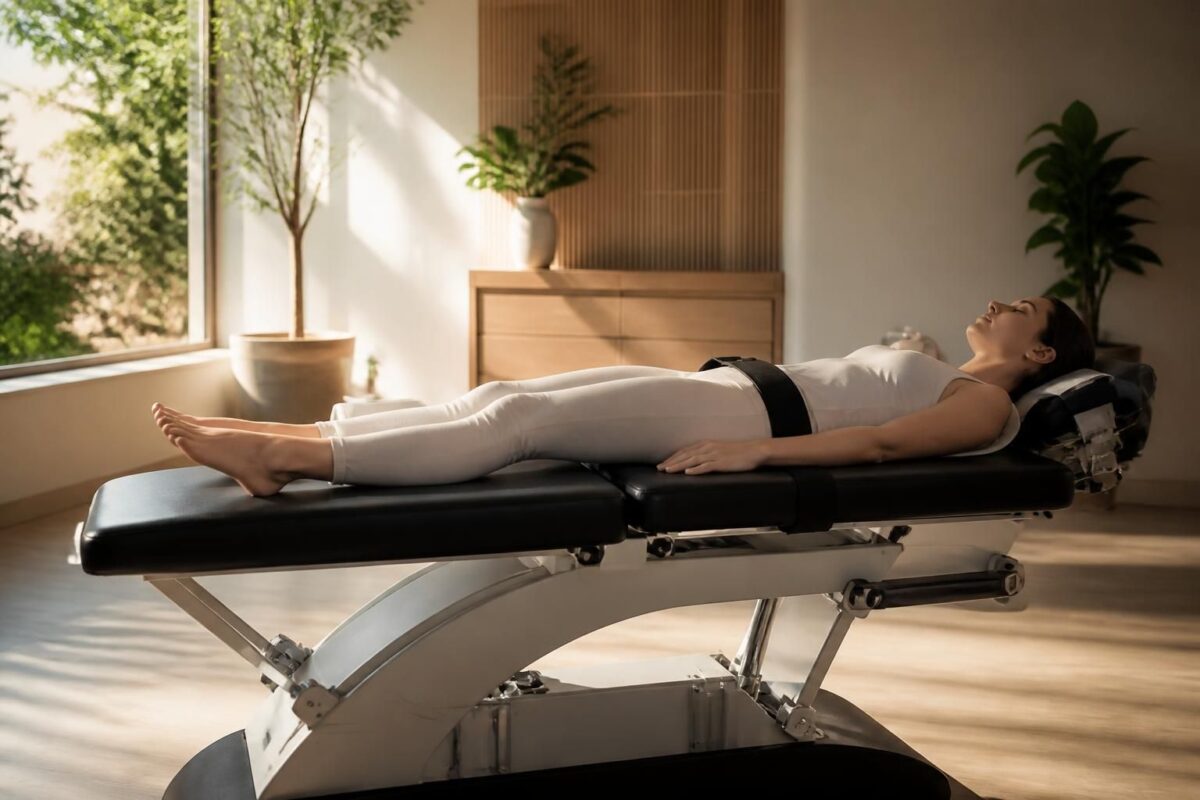
Neurovertebral Decompression and Body Alignment: Restoring Natural Balance
In short In short, neurovertebral decompression is one Non-invasive approach who restores theBody Alignment and thenatural balance back and neck. She acts by a Controlled traction of the spine to widen the intervertebral space and reduce the Pressure on discs…
Precautions and safety
Although generally well tolerated, decompression must be performed by a qualified professional, after a pre-treatment assessment. Some patients may experience temporary discomfort or contraindications that require protocol adaptation. The therapist follows the progression and adjusts the treatment accordingly.
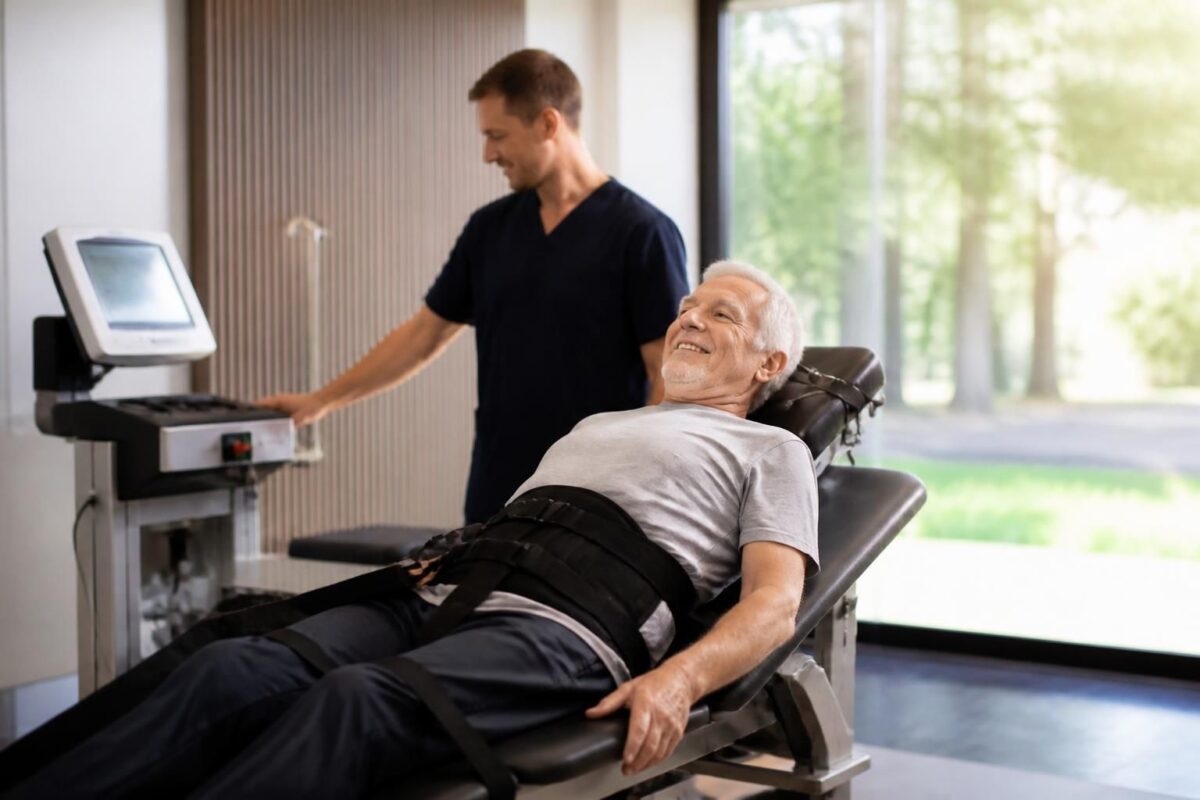
Why neurovertebral decompression is a lasting solution for active seniors
In short In short, the neurovertebral decompression is one Non-invasive therapy which sustainably relieves spinal pain in the spine active seniors By creating, by a Soft and controlled traction, a space between the vertebrae. At Montreal, it is recognized as…
Comparative table: Neurovertebral decompression and reduction of acute lower back pain
| Aspect | Concise description |
|---|---|
| Definition and purpose | The neurovertebral decompression is an approach non-invasive aimed at mitigating Acute lower back pain by reducing the pressure on the discs and releasing the intervertebral space. |
| Mechanism | Application of a gentle traction on the column, decreasing the neurodiscal pressure and promoting tissue circulation. |
| invasiveness | Non-invasive and without incision, with little risk and without necessary anesthesia. |
| Main directions | For acute lower back pain related to compressions, herniated discs or radiculopathies when the surgery is not desired or indicated. |
| Efficiency and speed of results | Progressive relief after a few sessions and improved mobility. |
| Tolerance and safety | good general tolerance; Low risks and recommended medical follow-up. |
| Duration and rhythm of the sessions | Typical sessions of 30 to 60 minutes, programmed as a cure depending on gravity. |
| contraindications | Advanced pregnancy, fractures, severe osteoporosis, infections or other incompatible medical conditions. |
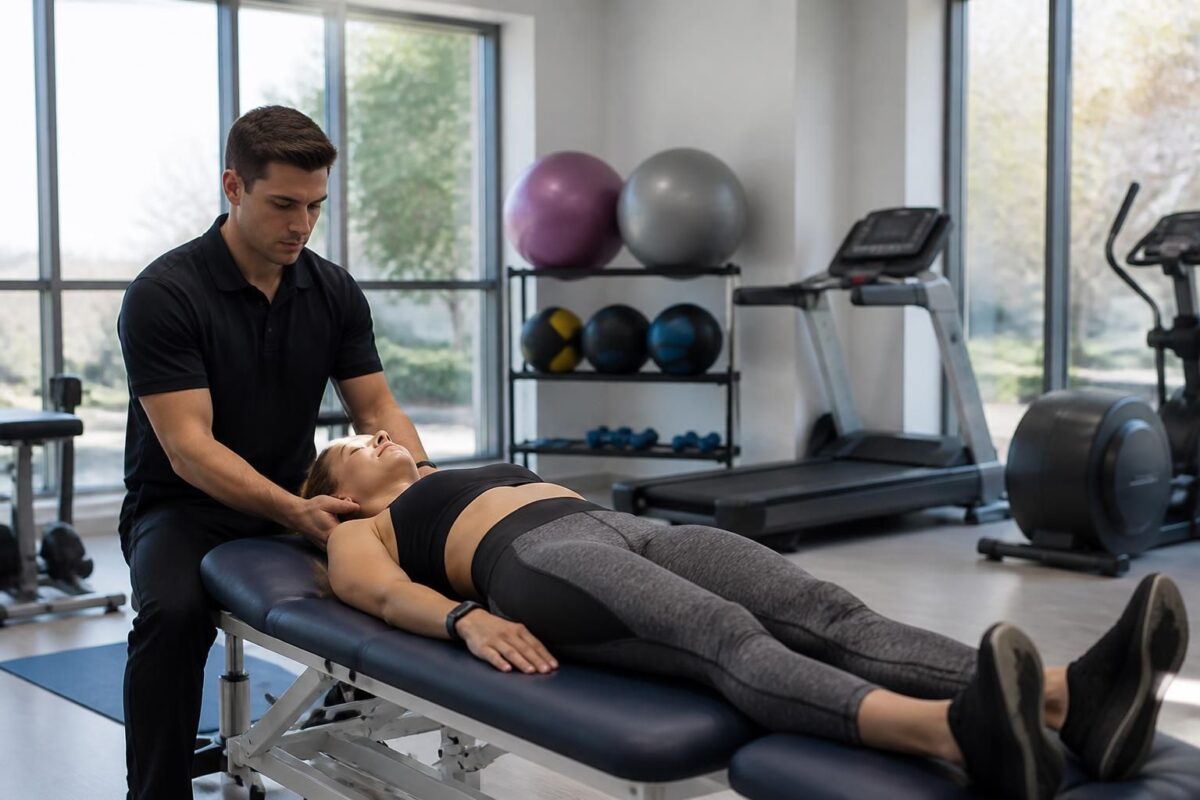
Neurovertebral decompression and recovery after severe sports injury
In short In short, the neurovertebral decompression is one Non-invasive method to Relieve the pressure on the Intervertebral discs and the gristle Via a Controlled traction, to facilitate the recovery After a severe sports injury. It improves the bloodstream towards…
Testimonials on neurovertebral decompression and acute lower back pain
Marie, 42, active in the family daily, was hit by a Acute lower back pain after an effort. By opting for the neurovertebral decompression, she found a relief marked from the first sessions and a mobility found which allowed him to resume his activities without fear.
Luc, 55, seated most of the day, suffered from a Acute lower back pain with irradiation. After a few sessions, he notes a rapid decrease in pain and a Reduction of muscle tension, offering him a Improved mobility.
Sophie, 33, sportswoman and mom, had a Acute lower back pain Postpartum which limited his training. Thanks to the neurovertebral decompression, she found a freedom of movement And was able to resume its activities in a sustainable way, without drugs.
Jean-Baptiste, 60, a former swimmer, went through a Acute lower back pain related to a herniated disc. After treatment, he avoided surgery and benefits from a Sustainable relief and a Improved posture.
Alice, 29, active consultant, suffered from a Acute lower back pain after a twist. Three sessions of neurovertebral decompression brought a Quick relief And she can once again practice her sports activities without limitation.
Thierry, 48, itinerant salesman, experienced a Acute lower back pain who disrupted his daily life. After a few sessions, he feels a relief and an Improving mobility, reducing his addiction to painkillers and allowing him to continue his work without interruptions.
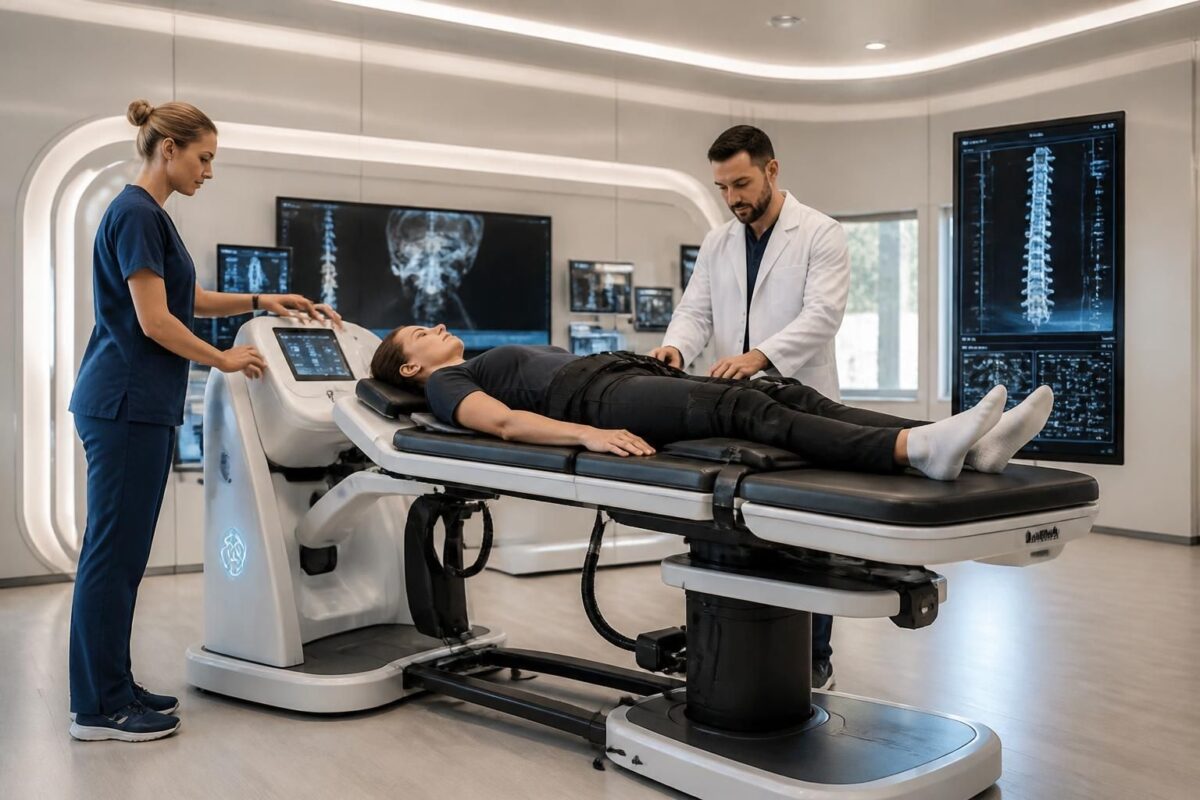
Recent innovations in neurovertebral decompression technologies
In short In short, the neurovertebral decompression is an approach non-invasive Aiming to reduce pressure on discs and nerves, and promote tissue regeneration. At Montreal, it is positioned as an effective option for lower back pain and herniated discs. The…
Neurovertebral decompression and acute lower back pain: portrait and approach
Dr. Sylvain Desforges, osteopath, naturopath and doctor Manuel, is a central figure in health innovation. Founding president of the TagMed clinics and the ACMA association, he pilots a practice focused on continuous improvement of care and the integration of advanced technologies. His clinical and academic background puts him in the forefront in the management of Chronic pain and in the development of personalized therapeutic protocols. Its approach is based on evidence and a multidisciplinary approach that combines clinical observation, functional evaluation and prevention. Its objective: to offer effective, safe and body-friendly solutions to optimize the quality of life of its patients.
For episodes of acute low back pain, Dr. Desforges favors a non-invasive strategy centered on reducing pressure on discs and nerves. He bets on the neurovertebral decompression, a technique that creates a space between the vertebrae and improves circulation, promoting disc rehydration and tissue regeneration. In practice, it applies gentle and controlled traction, adapted to each morphology, in order to quickly relieve pain and restore mobility without having to resort to surgery. This approach often combines with complementary measures and active patient education.
The use of the neurovertebral decompression In acute lower back pain is based on early and rigorous assessment. Dr. Desforges carries out a clinical assessment and, when necessary, additional examinations to determine the exact indication and avoid contraindications. The protocols are personalized: durations and frequencies of the adjusted sessions, measurable objectives, and regular follow-up to adjust the treatment. Patients frequently describe a noticeable reduction in pain and improved flexibility after a few sessions, making it easier to return to their daily activities and professional responsibilities.
From a scientific and technological point of view, Dr. Desforges relies on an approach based on evidence and on the integration of complementary technologies such as laser and shockwave therapies, when indicated. It values clinical results, functional evaluation and long-term patient monitoring to demonstrate treatment efficacy and safety. His vision is to democratize access to non-invasive solutions, while maintaining high standards of training and safety for the health professionals who accompany it.
As a leader in the field, he promotes a patient-centred and prevention-oriented medicine, with the ambition of reducing dependence on surgical interventions when possible. his work around the neurovertebral decompression and treatment of Acute lower back pain Reflects a philosophy that combines innovation, rigor and empathy. Thanks to her commitment to ethics and evidence-based care, Dr. Sylvain Desforges stands out as a benchmark for patients and professionals who seek durable and respectful solutions for the body.
The neurovertebral decompression Offers a solution non-invasive To reduce the Acute lower back pain By acting on the pressure exerted by the intervertebral discs and the nerves. By promoting the space between the vertebrae and the local blood circulation, this approach can accelerate recovery and allow faster resumption of activities, while avoiding the risks associated with surgery. To deepen the mechanisms and evidence available, consult specialized resources such as This documentation and the guides offered by tagmed.
The neurovertebral decompression Acts by a Soft and controlled traction which temporarily frees the intervertebral space and decreases the pressure on the nerve roots. This dynamic allows a pain reduction and an Improving mobility In many patients with acute low back pain associated with protrusions or herniated discs. The positive effects are often measured after a few sessions and are part of a global approach to re-education and recurrence prevention. For detailed mechanisms and associated clinical data, see Resources as This practical description and Clinical studies that support efficacy.
In practice, this therapy is particularly suitable when the surgical options are to be considered with caution or when the patient wishes to avoid an invasive intervention. Its safety profile is favorable when it is carried out by a qualified professional after a pre-treatment evaluation. Contraindications exist, in particular in the event of severe osteoporosis, unconsolidated fractures, active infections, or certain pregnancy conditions. The pre-treatment assessment makes it possible to personalize the protocol and adapt the traction to the patient’s anatomy and pathology. To learn more about precautions and selection criteria, see resources such as this warning and these tips.
Beyond immediate relief, decompression can help prevent recurrences and optimize lumbar stability over the long term. Testimonials and clinical reviews indicate that it can reduce analgesic addiction and promote active rehabilitation, which is consistent with multidisciplinary back health approaches. For additional insights and additional evidence, you can consult These resources dedicated to prevention and This synthetic presentation.
In summary, the neurovertebral decompression constitutes a credible and practical option for the management of Acute lower back pain, offering rapid and lasting pain reduction, better range of motion and potential reduction in invasive treatments. Additional resources and clinical reports support her role as an effective complementary therapy in an individualized care pathway. For additional perspectives and research results, see referenced articles, including clinical studies and Dedicated solutions.
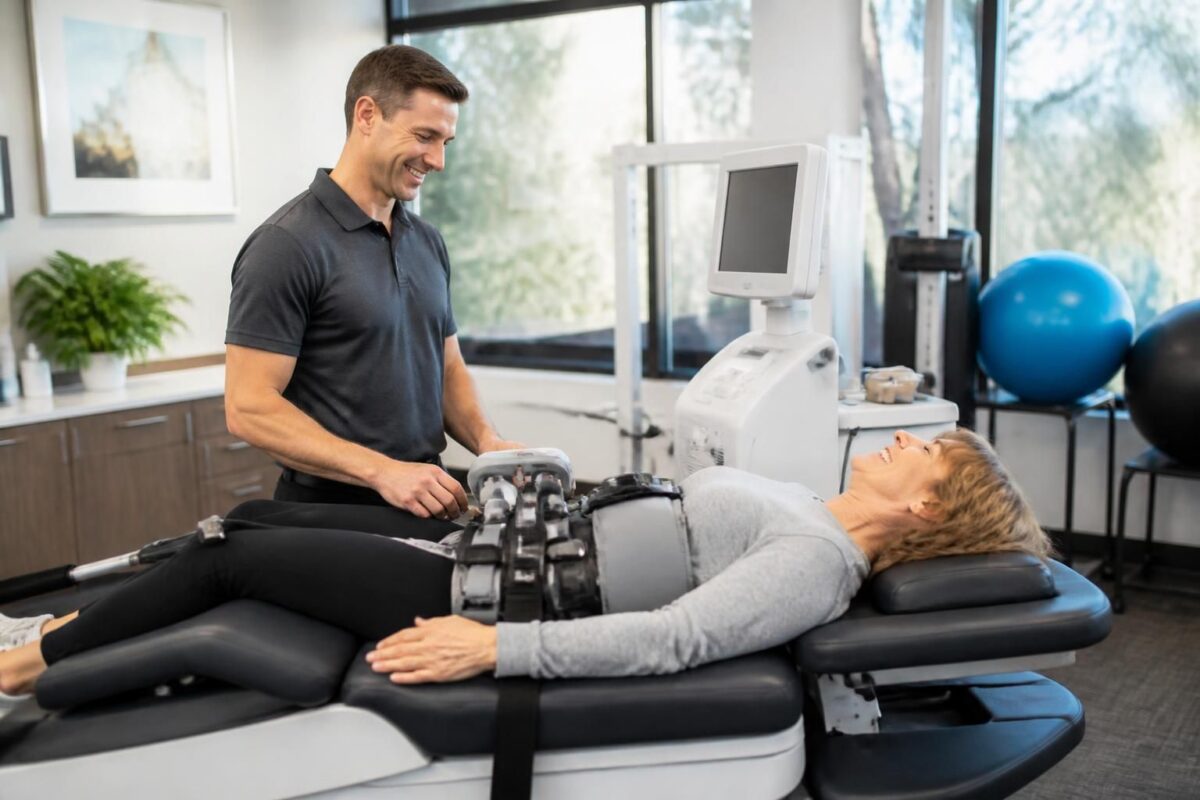
Neurovertebral decompression and diffuse pain: an appropriate solution
In short In short, the neurovertebral decompression is one Non-invasive solution For diffuse pain related to nerve irritation of the spine. She acts in Reducing pressure on intervertebral discs and nerves and improving the bloodstream, which promotes recovery and the…

Dr Sylvain Desforges, B.Sc., D.O., N.D., osteopath, is the founding president of TAGMED and of the ACMA association. He dedicates his practice to chronic spinal pain, low back pain and symptoms compatible with sciatica, particularly when pain radiates toward the buttock, leg, calf, foot or toes.
Through SOS Sciatique, he publishes educational content on sciatica symptoms, possible causes such as disc herniation, disc narrowing, foraminal stenosis or irritation of a lumbar nerve root, as well as non-surgical approaches that may be considered according to the evaluation. At Clinique TAGMED, care may include, depending on the case, motorized neurovertebral decompression, specific osteopathic care or precision percussion.
For an evaluation related to sciatica treatment in Montreal / Mount Royal or sciatica treatment in Terrebonne, please consult the services available at Clinique TAGMED.
Medical disclaimer
The information published on SOS Sciatique is provided for educational purposes only and does not replace a consultation, diagnosis, opinion or treatment provided by a physician or another authorized healthcare professional. The author of this article is neither a medical doctor nor a specialist in a medical specialty recognized by the Collège des médecins du Québec. The osteopathic, manual medicine or functional support approaches described on this site do not constitute medical acts and are not intended to replace medical follow-up.
Consult a physician or emergency service in cases of loss of bladder or bowel control, anesthesia in the saddle area, significant or progressive weakness in the leg or foot, fever, recent trauma, severe pain or rapid worsening of symptoms. For more details, please read our Legal Notice.