Neurovertebral decompression and chronic cervical pain: overall management
26/06/2026
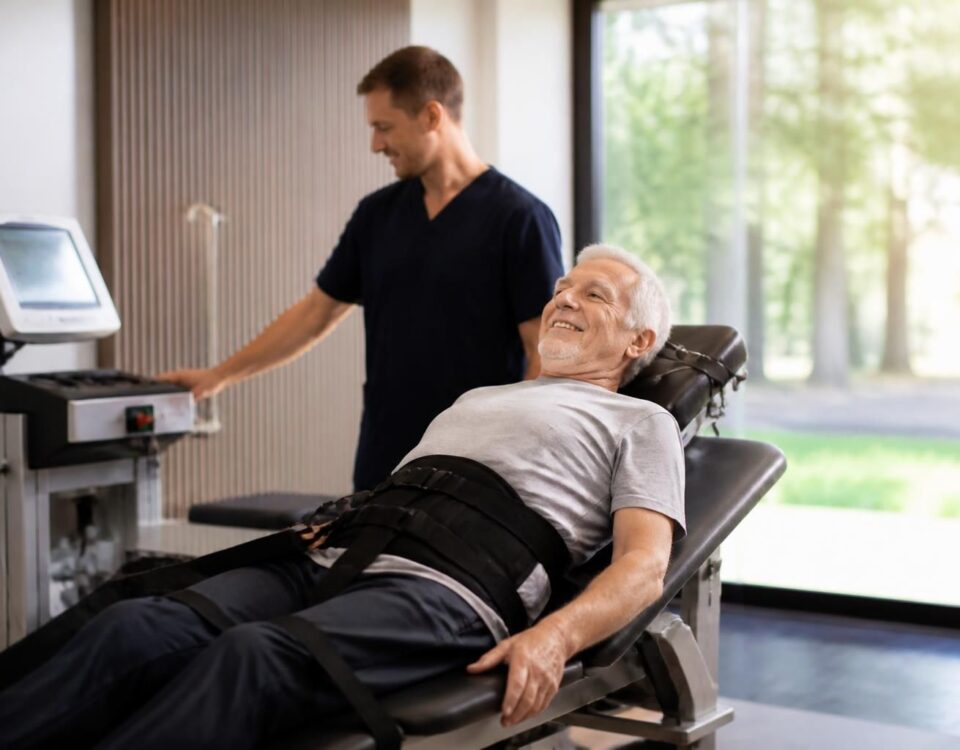
Why neurovertebral decompression is a therapy of choice for seniors
26/06/2026
In short
|
In short, the neurovertebral decompression is one Non-invasive therapy who, by a Controlled traction, creates a space between the vertebrae and decreases the pressure on the intervertebral discs and nerves, relieving pain and restoring the mobility. Its main advantages include pain reduction, theImproved range of motion, a quick recovery and an Prevention of recurrences without surgery. how it works: soft traction stimulates circulation and Disc rehydration While facilitating the repositioning of tissues around the column, which promotes the return to normal activity. At Montreal, this service is particularly recommended for lumbar and cervical pain linked to disc or facet conditions. |
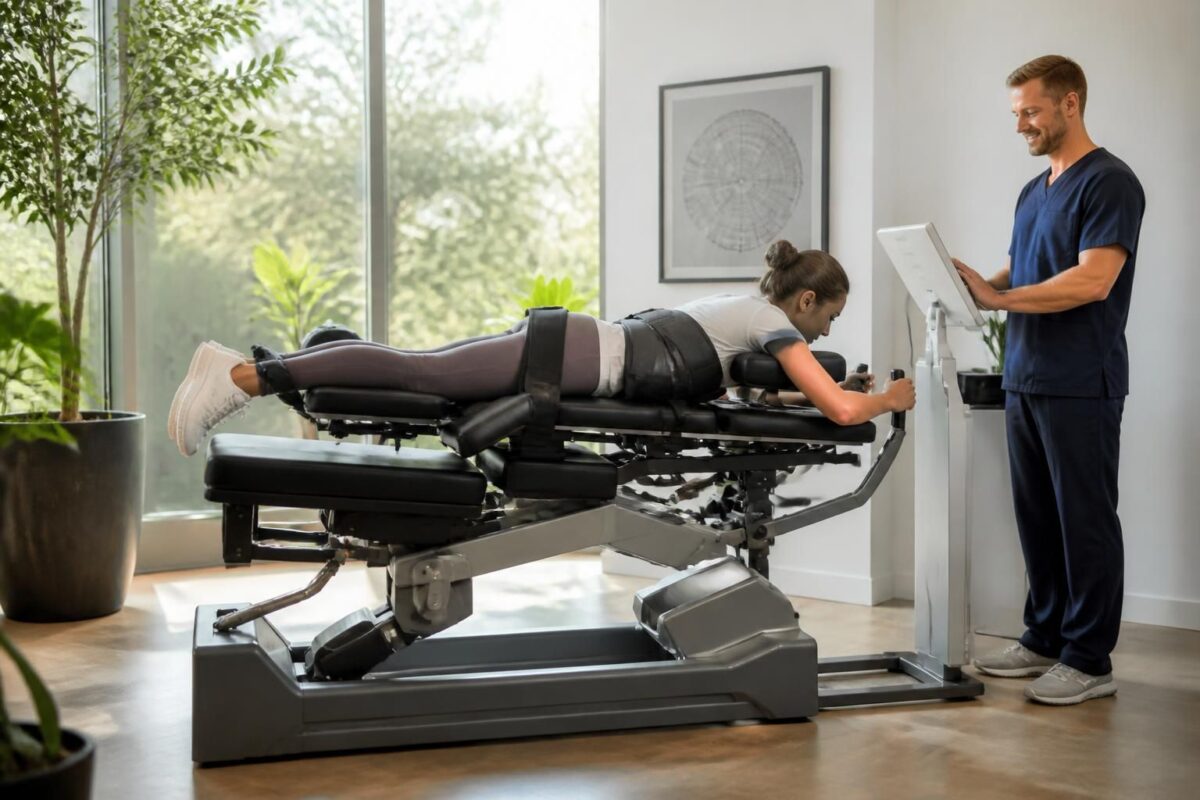
The neurovertebral decompression is an approach non-invasive which is based on a gentle traction of the spine. By creating a space between the vertebrae, it reduces the pressure on the Intervertebral discs and the gristle, favoring their rehydration and their regeneration.
Result: a pain reduction, a Improving mobility and an Increased range of motion, allowing you to find a freedom of movement on a daily basis. Associated with a rehabilitation program, it helps prevent future limitations and resume activities without surgery.
This article, written by a health professional and expert in osteopathy, explains how the neurovertebral decompression can improve the mobility and give back a freedom of movement on a daily basis. It describes the principle, the mechanisms of action and the practical aspects of its integration in the clinic, without prescription of exercises or stretching, in order to obtain safe and lasting results.
Principle and mechanism
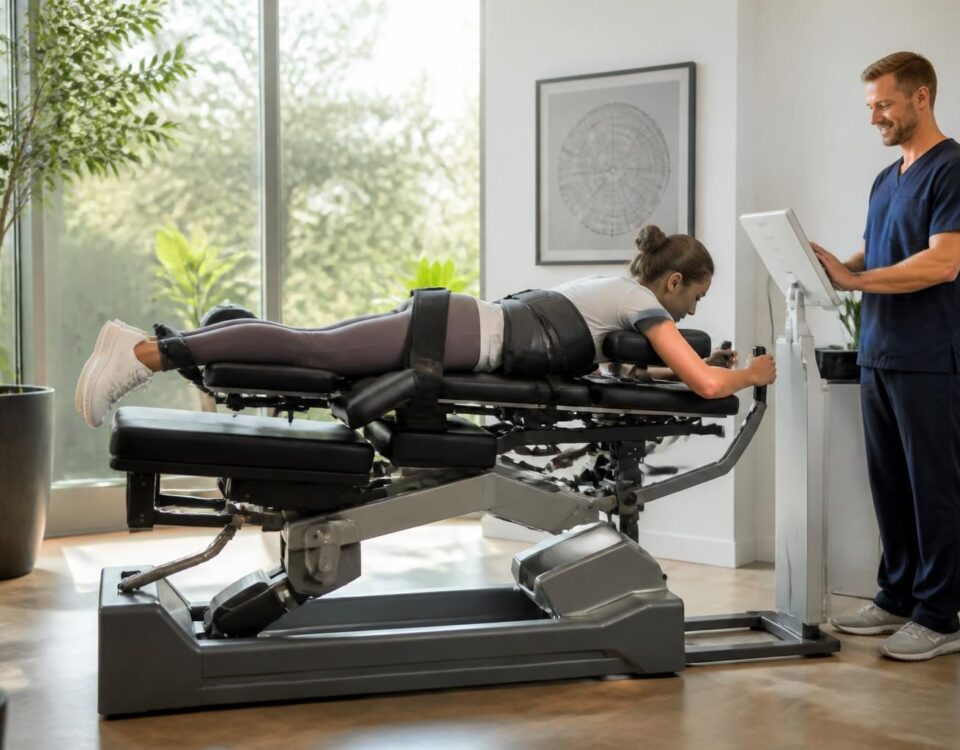
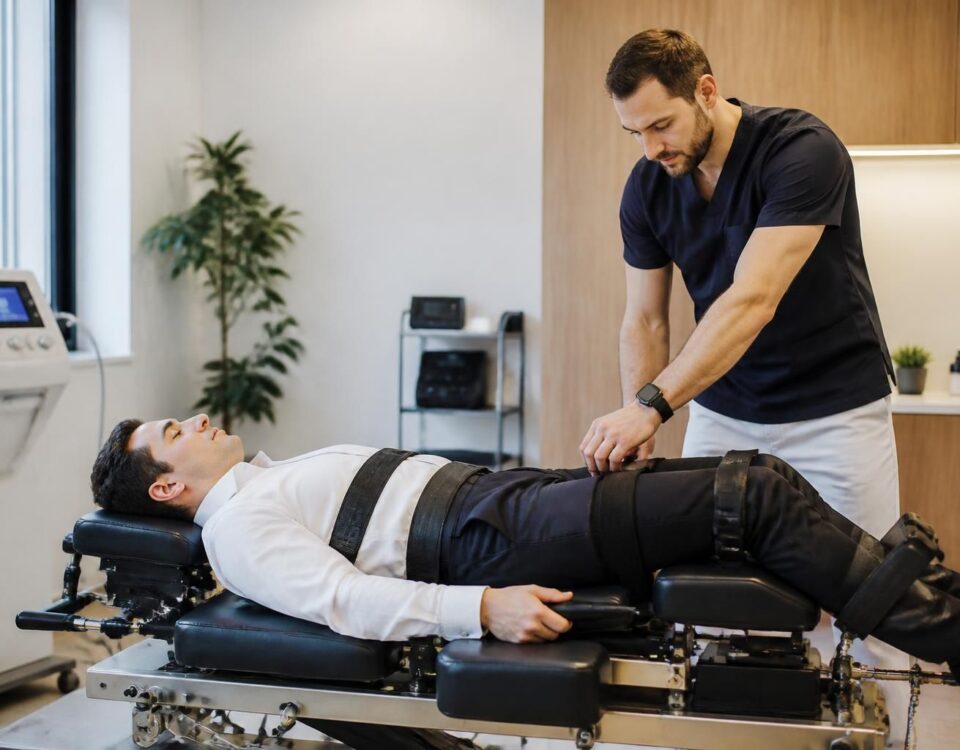
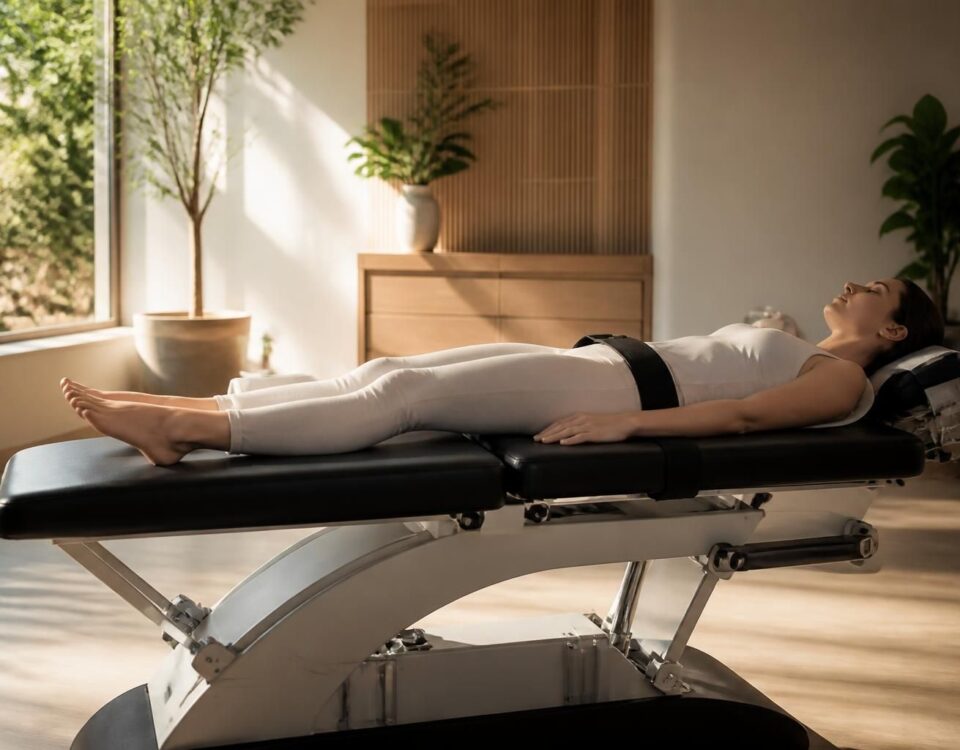
The neurovertebral decompression is based on a gentle traction and controlled which creates a space between the vertebrae. This opening decreases the pressure exerted on the intervertebral discs and adjacent nerves. As a result, circulation in the surrounding tissues improves and the discs can better rehydrate. This process is non-invasive and generally well tolerated, offering a different approach to more invasive treatments.
Impact on mobility
By facilitating the movement of the vertebral segments and reducing nerve stresses, decompression can allow Improved range of motion. Patients often find greater ease in performing daily gestures without marked pain, which directly contributes to a better quality of life and more active participation in the usual activities.
Indications and results
This therapy is relevant when signs of nerve compression or disc damage impact mobility and function, while remaining compatible with a global therapeutic framework. Results vary by patient, but many clinical and practical studies demonstrate decreased pain and progressive restitution of mobility when decompression is incorporated into an evidence-based care program and supervised by a health professional.
Integration into clinical practice
In a modern practice, decompression is integrated as a non-surgical and non-pharmacological option. It is carried out in coordination with well-established clinical protocols and under appropriate supervision. The objective is to offer a safe and effective solution that respects the overall musculoskeletal health framework. For patients, this can mean increased treatment tolerance and gradual resumption of activities without resorting to invasive interventions.
To learn more about related approaches and results, see the following resources: Neurovertebral decompression — Find movement, Technological innovations in decompression, and Tagmed Clinic For integrated treatments in Montreal.
Additional resources and information on indications and therapeutic frameworks can also be consulted on the sites SOS Herniated Disc and SOS Herniated Disc. For TagMed-specific information, visit Tagmed Clinic.
Practical information and safety
Neurovertebral decompression is designed to be a safe option and non-invasive. As with any treatment, a pre-assessment by a health professional is essential to determine the suitability of the protocol and to adjust the plan of care according to individual needs. Monitoring and monitoring make it possible to assess progress and avoid pain resumptions linked to mechanical imbalances.
Additional resources on the benefits and mechanisms of neurovertebral decompression are presented in the articles and guides of the partner sites, in particular on Decompression and mechanical pain and Chronic cervical pain.
For professionals and people interested in an integrated approach, the site TagMed – Decompression and range of motion presents useful clinical perspectives. Other relevant sources include pages dedicated to decompression and mobility on Dr Desforges and Neurovertebral Decompression – Movement.
For athletes and active people, specific information on the impact of decompression on mobility and performance is available via Decompression in athletes and Prevent chronic complications.
Medical Disclaimer: The information and advice provided on this site does not replace the health professional’s diagnosis or treatment. Please note that Dr. Sylvain Desforges osteopath is neither a doctor of medicine nor a doctor, and is not a specialist in a medical specialty as defined by the Collège des Médecins du Québec. Manual medicine, functional medicine and sports medicine as described on this site exclude any medical treatment or diagnosis made by a doctor or specialist doctor. Always consult your doctor for any medical questions. For more details, please read our full legal notice.
- Target problem : disc and nervous compression
- Mechanism : soft traction creates an intervertebral space
- Mobility : reduced pain and regained movement
- Amplitude : Bending/extension/rotation smoother
- Recovery : Daily gestures without pain
- Recovery : Quick return to activity
- Security : non-invasive therapy, without anesthesia
- Integration : Compatible with rehabilitation
- Prevention : Improves alignment and prevents recurrences
- Use in cabinet : Short and adjusted protocols
- Monitoring : Regular assessments and adjustments
- Results : Sustainable improvement in mobility and quality of life

neurovertebral decompression offers a non-invasive approach to improving the mobility By reducing the pressure on the Intervertebral discs and the gristle. This article offers clear recommendations for finding a freedom of movement, by combining protocol, posture and adapted exercises, while ensuring a Personalized follow-up.
Understanding the impact on mobility
Principle and mechanism
Decompression is based on a Soft and controlled traction who creates a Space between the vertebrae. This change in the spinal environment reduces the pressure exerted on the Intervertebral discs and the nerve roots, favoring the rehydration fabrics and better circulation. This mechanical effect can accelerate recovery and reduce pain, laying the foundations for regained mobility.
Effects on mobility
By reducing the pressure and improving oxygenation and the nutritional intake of tissues, you can observe a Improvement of the amplitude of movements and reduced functional limitations. Daily gestures, sports activities and prolonged postures become more fluid and comfortable.
The long-term benefits of neurovertebral decompression for spinal health
In short In short, the neurovertebral decompression is a non-invasive approach that decreases the Pressure on intervertebral discs and nerves, favoring the Natural regeneration and tissue recovery. Its long-term benefits include Lasting pain reduction, Improving mobility and from the posture,…

Neurovertebral decompression and mobility: a return to an active life
In short In short, the neurovertebral decompression is therapy non-invasive who uses a gentle traction To create a space between the vertebrae and reduce the pressure on the Intervertebral discs and the nerves. It promotes a bloodstream improved, lowers tension…
Practical recommendations for regaining freedom of movement
Posture and daily activity
Adopt a Neutral posture at work and at home. Arrange your space to limit twists and painful flexions, and make Active breaks Every 30 to 60 minutes to gently mobilize the column. Work on diaphragmatic breathing to promote better trunk stability and reduced muscle tension around the spine.
Targeted exercises and progression
Integrate exercises Soft mobility and of Strengthening of the trunk adapted to your level. Start slowly, then gradually increase the intensity and duration, taking care not to cause increased pain. Combine spine and pelvic belt movements to improve coordination and stability.
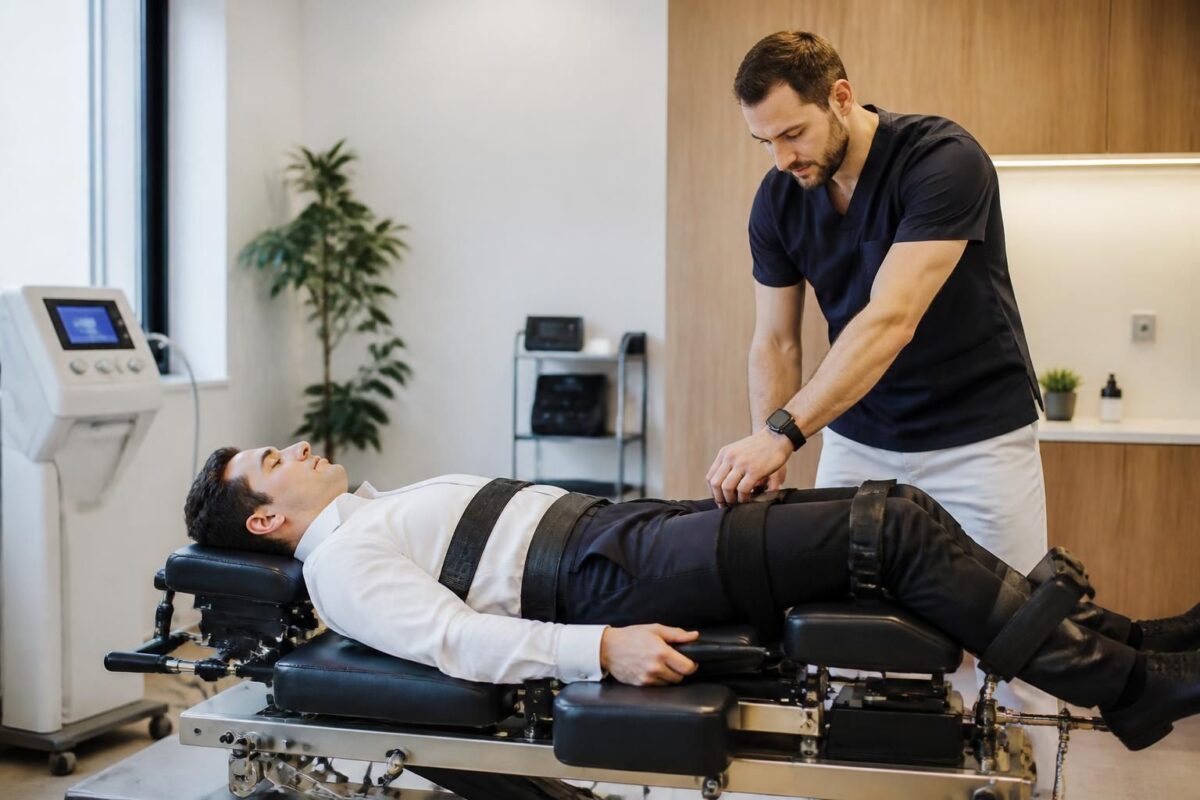
How Neurovertebral Decompression Prevents Diffuse Chronic Pain
In short decompression neurovertebral is one Non-invasive method aimed at reducing the Pressure on the intervertebral discs and the nerves, in order to prevent Diffuse chronic pain. It improves the circulation and thedisc hydration, decreases inflammation and promotes better mobility.…
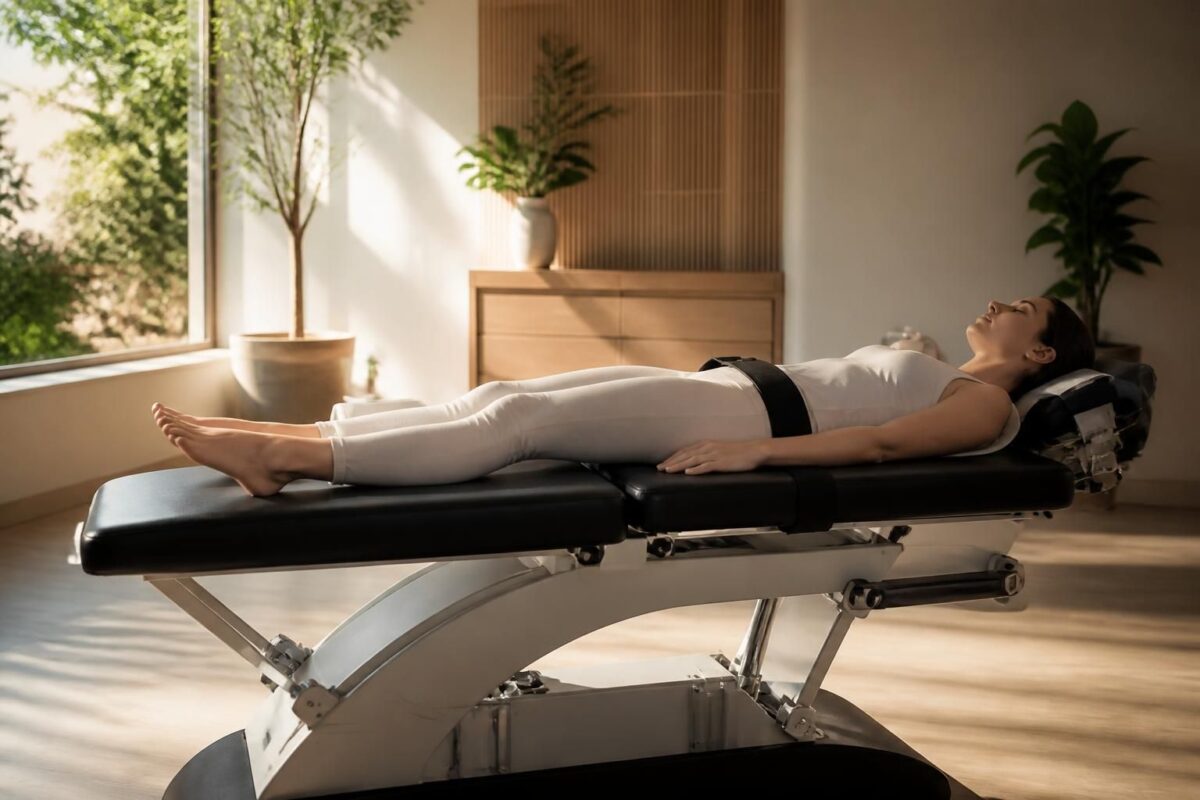
Neurovertebral Decompression and Body Alignment: Restoring Natural Balance
In short In short, neurovertebral decompression is one Non-invasive approach who restores theBody Alignment and thenatural balance back and neck. She acts by a Controlled traction of the spine to widen the intervertebral space and reduce the Pressure on discs…
Integration into your rehabilitation course
Evaluation and choice of protocol
Work with a healthcare professional to define a Custom Protocol that targets your areas of tension and your functional goals. A precise evaluation makes it possible to adapt the traction parameters and to integrate the sessions into your overall rehabilitation program, avoiding inappropriate gestures.
Monitoring and adjustments
Prepare a Regular follow-up In order to adjust the frequency of the sessions, the level of traction and the exercises. Keeping a symptom and mobility log helps measure progress and optimize the treatment plan, while preventing trays and recurrences.
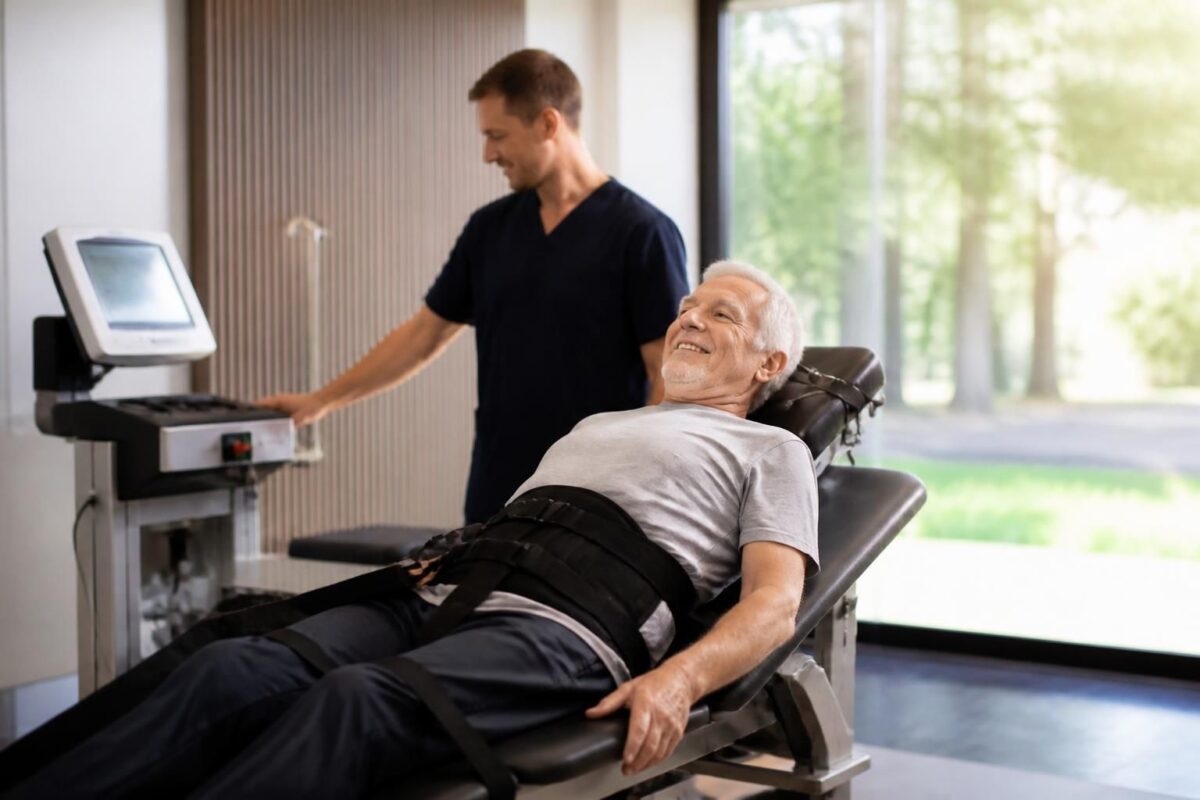
Why neurovertebral decompression is a lasting solution for active seniors
In short In short, the neurovertebral decompression is one Non-invasive therapy which sustainably relieves spinal pain in the spine active seniors By creating, by a Soft and controlled traction, a space between the vertebrae. At Montreal, it is recognized as…
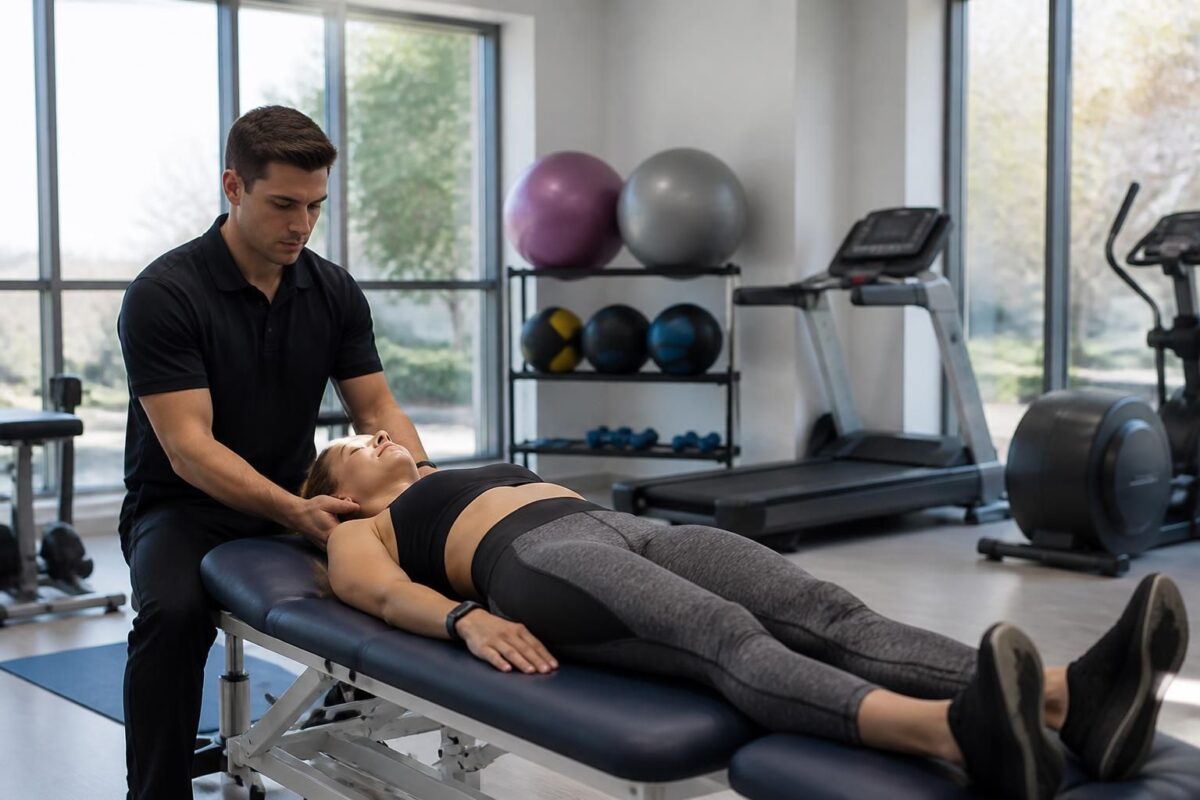
Neurovertebral decompression and recovery after severe sports injury
In short In short, the neurovertebral decompression is one Non-invasive method to Relieve the pressure on the Intervertebral discs and the gristle Via a Controlled traction, to facilitate the recovery After a severe sports injury. It improves the bloodstream towards…
Prevention and lifestyle
Prevent recurrences
Maintaining benefits requires regular physical activity and targeted trunk reinforcement, Sustainable posture and daily habits that respect the spinal alignment. Vary the movements and avoid the poorly coordinated loads that stress the column too much.
role of hydration and habits
Secure a Sufficient hydration And favor a balanced diet promoting controlled inflammation. Restorative sleep and recovery routines complete the process, supporting tissue regeneration and postural stability.
| Parameter | Impact on mobility |
|---|---|
| Mechanism of action | gentle traction between the vertebrae reduces pressure and promotes tissue regeneration |
| pain reduction | Reduces lower back and cervical pain that limit movement |
| range of motion | Rapid improvement in flexibility and daily gestures |
| Postural alignment | Corrects alignment and stabilizes trunk |
| Circulation and healing | Better circulation promoting tissue recovery |
| Tolerance and safety | Non-invasive and well-tolerated procedure, without surgery or anesthesia |
| Additional rehabilitation | Optimizes rehabilitation exercises and muscle building |
| duration of profits | Sustainable benefits when integrated into a global program |
| Back to activity | Accelerates the return to daily and sporting activities |
Marie, 52, dynamic executive: “After my neurovertebral decompression sessions, I felt a Significant pain reduction and an freedom of movement found on a daily basis. Being able to lean in without fear and walk without real limitations has changed my way of envisioning my days.”
Thomas, 40, manual worker: “I was looking for a non-invasive solution for my lower back pain. The neurovertebral decompression allowed me to feel my joints relax and my stride become more fluid. Each session brings me a little more than one Mobility found and a painless daily.
Claire, 29, Graphic Designer: “By combining decompression sessions with a personalized program, I found a freedom of movement which allows me to remain active during my projects. The feeling ofrapid improvement of my mobility is incredibly motivating.”
Paul, 63, active retiree: “Before, every movement was anticipated by pain. Now the neurovertebral decompression Helps to create space between the vertebrae, and I notice a Better range of motion In my daily gestures and my walks. It’s a real rebirth.”
Lucas, 36, amateur athlete: “After several sessions, I feel a Decreased discomfort and an more aligned posture. My mobility has improved and I can resume sporting activities without this constant fear of pain that blocked my training.
This biography highlights the journey of a practitioner committed to neurovertebral decompression and mobility, as an essential lever to improve the quality of life of its patients. His approach is based on a vision focused on functional improvement and renewed autonomy, particularly for those who suffer from chronic spinal pain and daily motor limitations.
With recognized expertise in the fields osteopathy, naturopathy and manual medicine, this practitioner works to the convergence of knowledge and techniques to offer global care. His journey is marked by a continuous quest for harmonization between traditional approaches and contemporary advances, in order to bring concrete and lasting results to his patients.
as Founding President of TagMed Clinics and theACMA Association, it structures a clinical offer that combines human expertise and cutting-edge technologies. This orientation favors personalized care, where each patient benefits from a therapeutic plan adapted to their history, objectives and lifestyle. The objective is clear: to transform the symptoms into regained abilities and regained energy.
Its approach is based on the integration of advanced technologies such as vertebral decompression, the laser and the Shockwave therapy. These tools make it possible to act on the mechanical and inflammatory causes of pain, while promoting the regeneration of intervertebral structures and the rebalancing of muscle chains. The use of non-invasive techniques, combined with targeted rehabilitation protocols, offers an effective and secure alternative to regain fluid mobility.
On the clinical level, this specialist favors an approach evidence-based, which is based on rigorous evaluation of symptoms, treatment adjustment and progress monitoring. Neurovertebral decompression is seen not only as a way to relieve pain, but also as a way to restore spinal alignment, improve circulation and promote rehydration and regeneration of intervertebral discs. This approach aims to offer patients a real freedom of movement and a better ability to resume their favorite activities.
Beyond the individual intervention, this professional supports a dynamic of teamwork and of continuing education, in order to ensure consistent support and to remain at the forefront of the most effective approaches. He advocates an approach holistic care, where posture, breathing, mobility and general well-being are considered as interdependent elements of recovery. This vision makes it possible to support patients in the long term, reducing the risk of recurrence and promoting an active lifestyle.
The mission remains clear: to offer Evidence-based care and adapted to each individual, in order to optimize health and well-being. By placing mobility at the heart of the healing process, this practitioner transforms each session into a tangible step towards a freer, more autonomous and more serene life.
This summary clearly presents how the neurovertebral decompression can restore the mobility and offer a freedom of movement found. By combining a gentle traction adapted to each patient and a rehabilitation plan, this non-invasive approach aims to reduce the pressure on the Intervertebral discs and the gristle, promote their rehydration and sustainably improve the range of movements on a daily basis.
The central role of Controlled traction is to increase the space between the vertebrae, allowing a pressure reduction on discs and nerve roots. This mechanical modification is accompanied by a traffic improvement and a better nutrient intake, which supports the Tissue regeneration and an Functional recovery Faster. For patients with lower back or cervical pain related to facet lesions, decompression offers a non-surgical route to regain Active mobility and limit periods of inactivity.
As part of a global program, the integration of neurovertebral decompression makes it possible to combine targeted sessions on the spine with exercises for mobility, of posture and of muscle building. This holistic approach promotes a gradual return to daily and sports activities while preventing recurrences. Professionals who adopt it often notice a decrease in pain and an increase in the ability to perform daily actions without limitation.
To optimize the results, a Personalized follow-up is essential, including regular assessment of progress, adjustment of protocols and integration of Postural hygiene and appropriate stretching. The objective is to sustainably maintain mobility gains and help the patient preserve a healthy and functional spine in the long term.
At the interface between technique and rehabilitation, the neurovertebral decompression stands out as a promising option for those looking for a tangible improvement in their mobility without having to resort to surgery. Clinical feedback and testimonials support the effectiveness of this approach, while highlighting the need for personalized support and a safe and supervised environment.
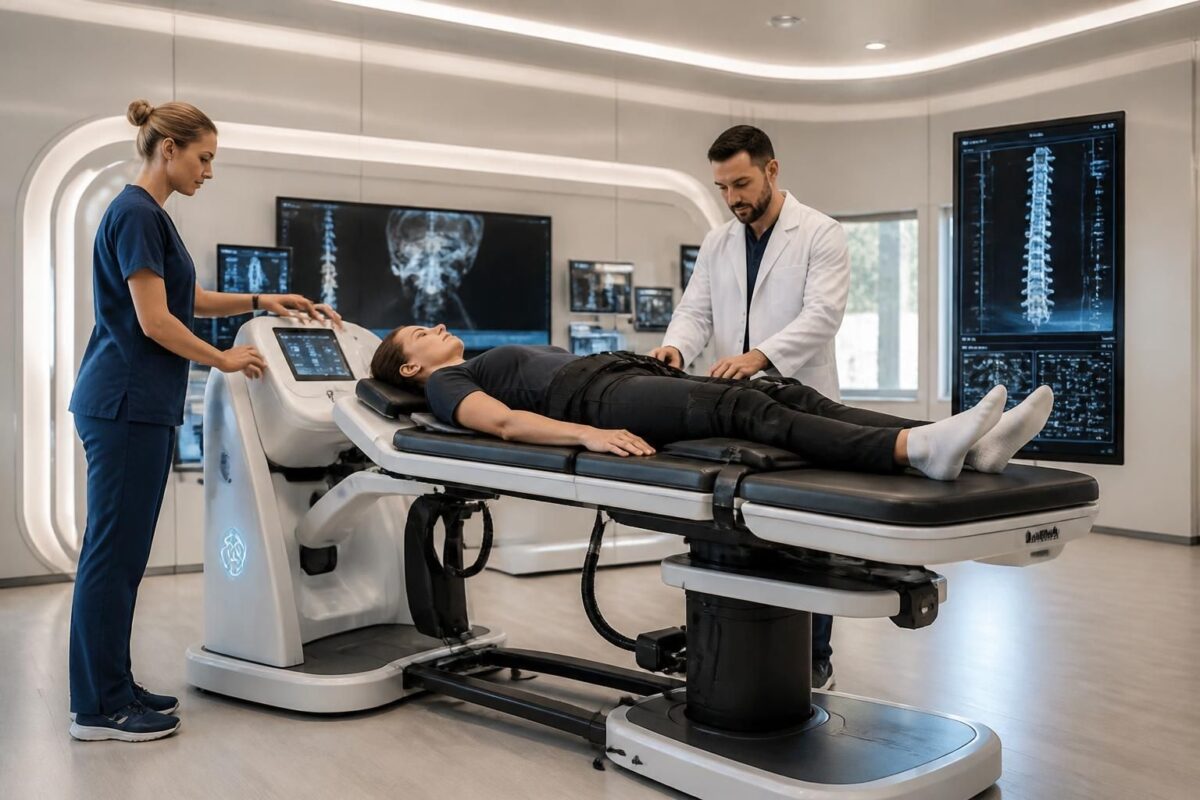
Recent innovations in neurovertebral decompression technologies
In short In short, the neurovertebral decompression is an approach non-invasive Aiming to reduce pressure on discs and nerves, and promote tissue regeneration. At Montreal, it is positioned as an effective option for lower back pain and herniated discs. The…
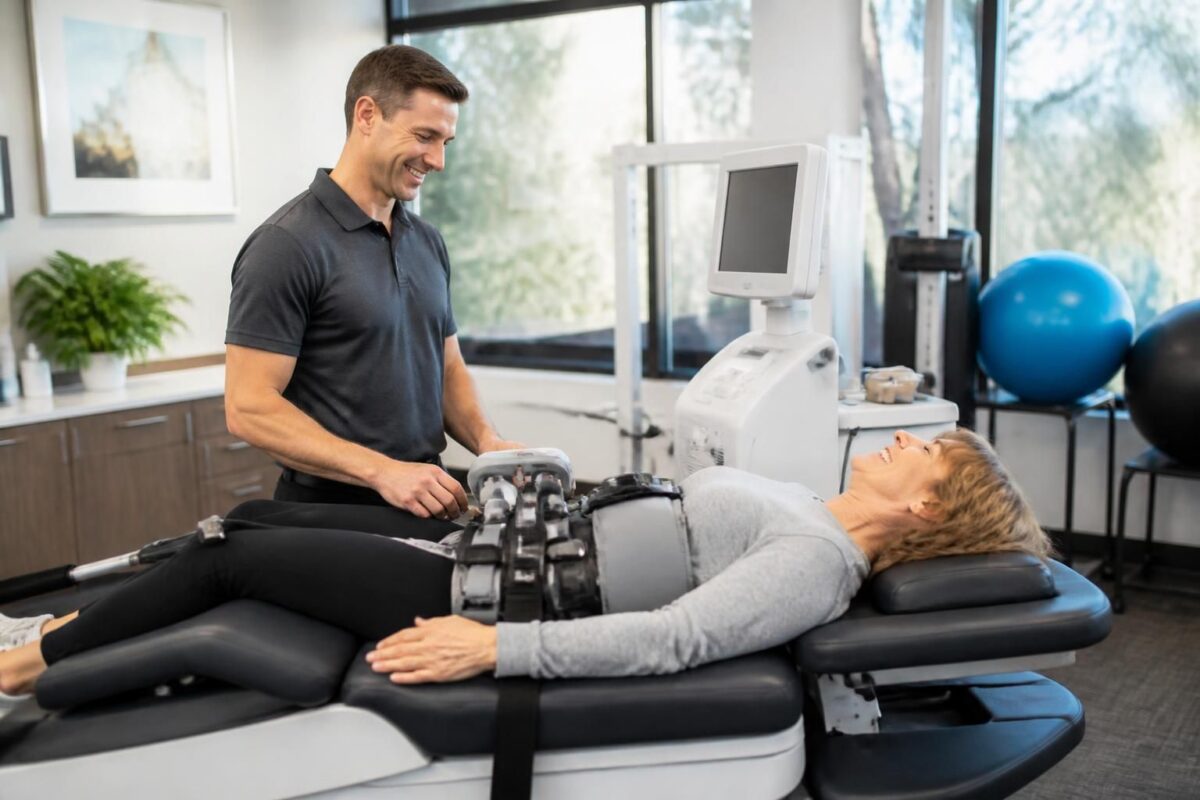
Neurovertebral decompression and diffuse pain: an appropriate solution
In short In short, the neurovertebral decompression is one Non-invasive solution For diffuse pain related to nerve irritation of the spine. She acts in Reducing pressure on intervertebral discs and nerves and improving the bloodstream, which promotes recovery and the…

Dr Sylvain Desforges, B.Sc., D.O., N.D., osteopath, is the founding president of TAGMED and of the ACMA association. He dedicates his practice to chronic spinal pain, low back pain and symptoms compatible with sciatica, particularly when pain radiates toward the buttock, leg, calf, foot or toes.
Through SOS Sciatique, he publishes educational content on sciatica symptoms, possible causes such as disc herniation, disc narrowing, foraminal stenosis or irritation of a lumbar nerve root, as well as non-surgical approaches that may be considered according to the evaluation. At Clinique TAGMED, care may include, depending on the case, motorized neurovertebral decompression, specific osteopathic care or precision percussion.
For an evaluation related to sciatica treatment in Montreal / Mount Royal or sciatica treatment in Terrebonne, please consult the services available at Clinique TAGMED.
Medical disclaimer
The information published on SOS Sciatique is provided for educational purposes only and does not replace a consultation, diagnosis, opinion or treatment provided by a physician or another authorized healthcare professional. The author of this article is neither a medical doctor nor a specialist in a medical specialty recognized by the Collège des médecins du Québec. The osteopathic, manual medicine or functional support approaches described on this site do not constitute medical acts and are not intended to replace medical follow-up.
Consult a physician or emergency service in cases of loss of bladder or bowel control, anesthesia in the saddle area, significant or progressive weakness in the leg or foot, fever, recent trauma, severe pain or rapid worsening of symptoms. For more details, please read our Legal Notice.