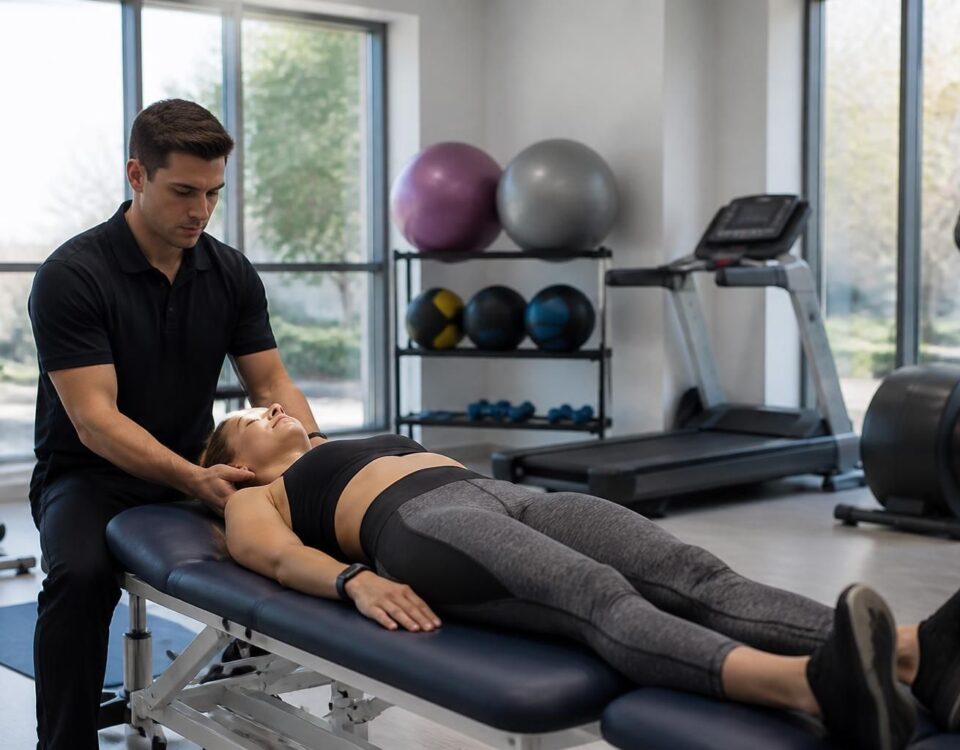
Benefits of Neurovertebral Decompression for Active Patients
26/06/2026
How neurovertebral decompression improves joint mobility
26/06/2026
In short The neurovertebral decompression is one Non-invasive therapy which Relieves radiant pain By reducing the Pressure on intervertebral discs and nerves. its main benefits include a Quick relief pain, better mobility and an Alternative without surgery. Operation is based on a Soft and controlled traction who creates a negative pressure in the disk, allowing the disc to rehydrate and reduce the pressure on the nerves. accessible to Montreal, this treatment is particularly relevant for people with back and neck pain associated with a slipped disc or a radiculopathy, offering a safe path to the return to working life. |
The neurovertebral decompression is an approach non-invasive Designed to relieve Radiant pain that start from the back or neck and radiate into the arms or legs. By performing a Soft and controlled traction on the column, it creates a negative pressure in the intervertebral discs, helping to decompress the nerves and promote the rehydration and regeneration fabrics. So you can wait for a pain reduction, a Improving mobility and a better ability to resume your daily activities. This therapy is generally well tolerated and customizable, offering an effective option to avoid or delay surgery. A typical program combines suitable sessions, usually between 15 and 25, depending on severity and response to treatment.
This article written by a health professional expert in osteopathy presents the neurovertebral decompression and its impact on Radiant pain. It describes how to relieve these pains with a gentle and non-invasive approach, without surgery, and how it fits into a global approach that favors safety and effectiveness.
Neurovertebral decompression is a technique non-invasive which aims to reduce the pressure on the intervertebral discs and nerves. This method uses controlled traction adapted to the affected area, in order to promote the rehydration of the discs and the repositioning of the damaged structures. It helps to soothe irradiating pain that follows the path of the nerves concerned and can improve mobility without surgical recourse.
Radiant pain associated with nerve compression decreases when the pressure is reduced. It can also decrease inflammation around the nerves and improve nerve function. To better understand the mechanisms and benefits, you can consult dedicated resources on the mechanisms and effects of decompression.
At TagMed, care is based on cutting-edge technologies and clinical expertise with a patient-centric approach. To learn more about the available options, visit Clinique TagMed (Tagmed Clinic).
The decompression process is mainly aimed at people suffering from pain related to pathologies such as herniated disc, disc bulge or forms of stenosis. To deepen the technical aspects and indications, you can consult the specialized resources available on the sites dedicated to neurovertebral decompression, and in particular the pages which explain the mechanisms and the benefits without proposing exercises or stretching.
For additional information and updates on indications and results, you can access resources centered on neurovertebral decompression and its clinical applications, as well as on the impact on irradiating symptoms and disc regeneration.
Resources and useful links:
- Spinal stenosis and decompression
- neurovertebral decompression explained
- Decompression in TagMed
- Disk regeneration
- Disk movement
- Radiant pain related to foraminal stenosis
- Essential FAQs
- Complete guide
- Recommended for seniors
- Well-being and quality of life
- Tagmed Clinic
course of treatment
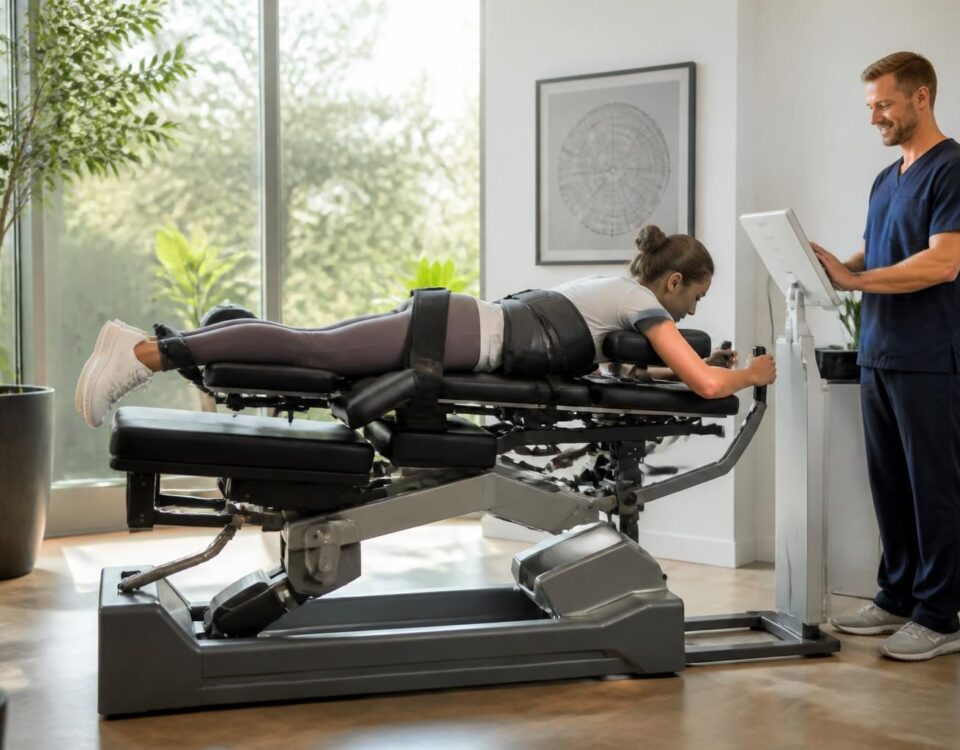
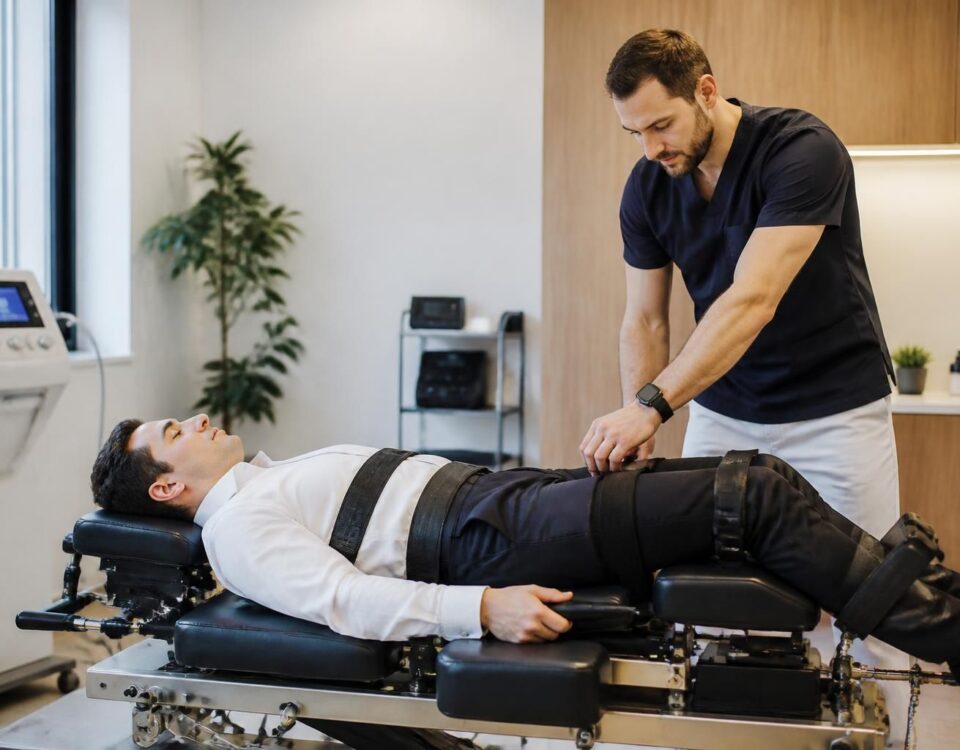
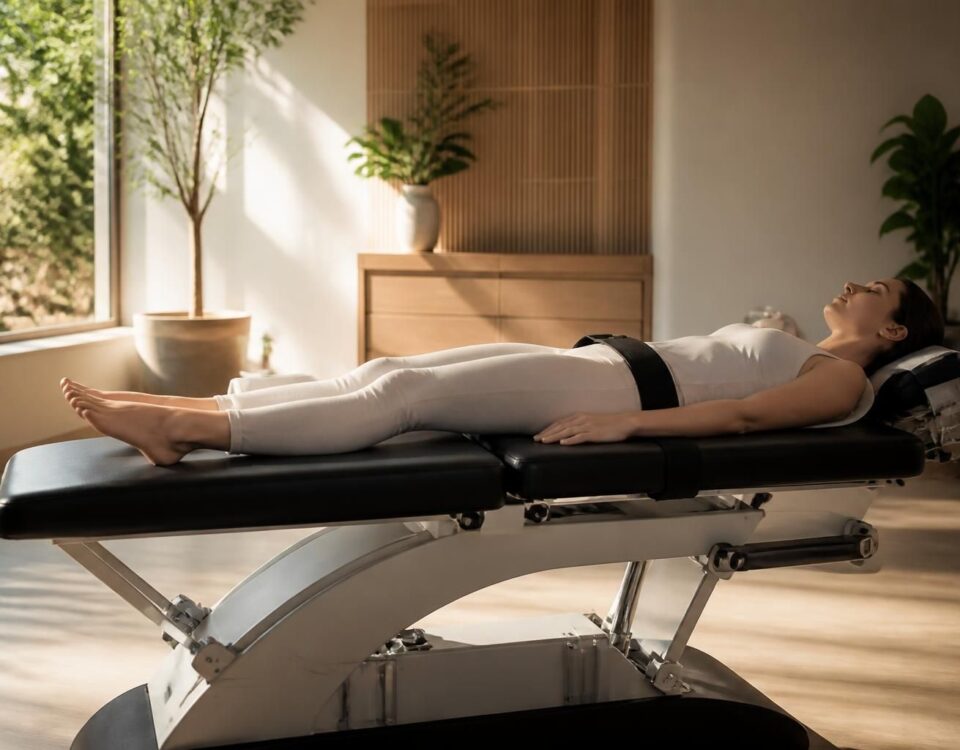
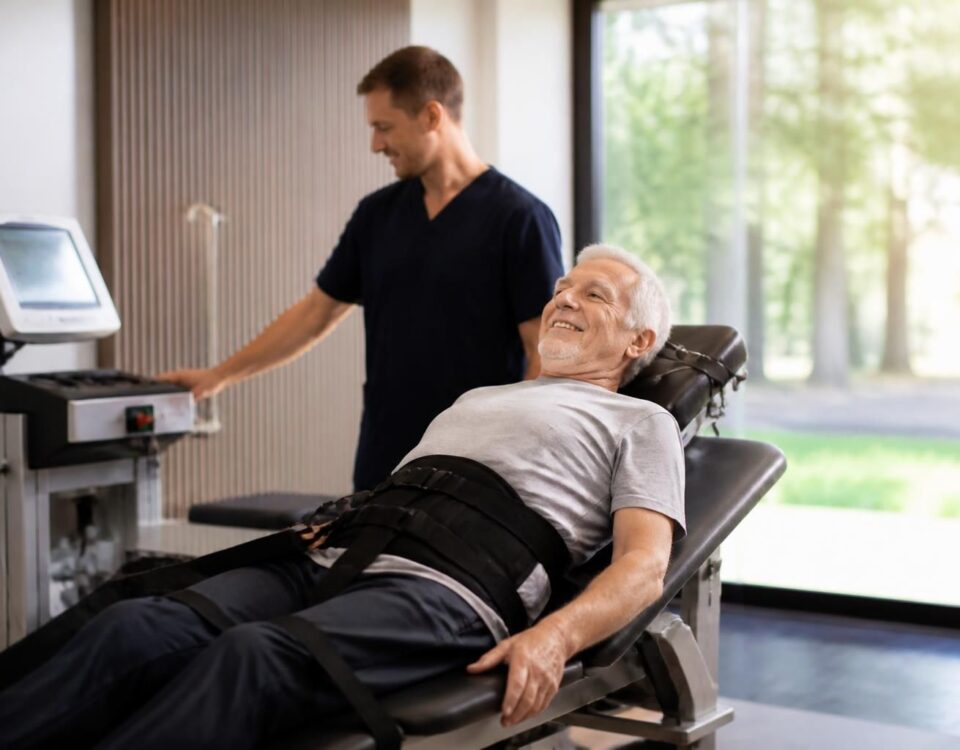
An initial assessment is carried out by a qualified professional. Then, a treatment plan is established, indicating the number of sessions and the recovery objective. The sessions take place on a specialized table with a harness that stabilizes the pelvis and the column. The device applies controlled traction, creating negative pressure inside the discs. The patient can relax during the session and listen to music if desired. After the program, a consultation allows you to evaluate the results and to receive advice on rehabilitation and maintenance of achievements.
The protocol is personalized and can extend over several weeks, generally between 15 and 25 sessions depending on the severity. The treatment is non-surgical and does not require anesthesia.
Considerations and contraindications
Neurovertebral decompression is a non-invasive approach suitable for many adults with disc-related back pain or cervical pain. However, certain conditions may contraindicate the treatment. Early consultation with a health professional is essential to assess your situation and decide on the best care plan. Imaging examinations may be recommended to confirm the diagnosis and assess the areas to be targeted.
Typical contraindications include vertebral fractures, active infections, spinal tumors, severe osteoporosis or severe spinal instability. In some people, specific contraindications may apply. A health professional will assess each case to determine the safest and most effective option.
Go further and resources
For those who wish to explore further, specialized resources and practical guides are available on sites dedicated to neurovertebral decompression. You will find information on mechanisms, benefits and precautions, with approaches based on evidence and without recommendation of exercises or stretching in the context of these treatments.
Additional information can be found on the pages below, which address clinical aspects and patient experiences, and refer to the official and clinical resources associated with TagMed and other specialized clinics.
To learn more about relief prospects and potential benefits, see the resources mentioned above and pages dedicated to neurovertebral decompression and its clinical applications.
Medical Disclaimer: The information and advice provided on this site does not replace the health professional’s diagnosis or treatment. Please note that Dr. Sylvain Desforges osteopath is neither a doctor of medicine nor a doctor, and is not a specialist in a medical specialty as defined by the Collège des Médecins du Québec. Manual medicine, functional medicine and sports medicine as described on this site exclude any medical treatment or diagnosis made by a doctor or specialist doctor. Always consult your doctor for any medical questions. For more details, please read our full legal notice.
- neurovertebral decompression: Controlled traction and negative pressure in the disc.
- Purpose: relieve radiant pain by reducing the nerve pressure.
- Targeted pathologies: herniated discs, protrusions and radiculopathies.
- Advantage: non-invasive, without surgery.
- Comfort: General session soothing, hardly painful.
- Process: harness, specialized table, traction delicate and precise.
- Duration and rhythm: 15–25 sessions over several weeks.
- Results: Immediate reduction pain and improved mobility.
- Security: low risk, no anesthesia, real-time tracking.
- Integration: is part of a Global rehabilitation program and prevention.
- directions: dorsal or cervical pain related to a nervous compression.
- Prevention: May help to avoid surgery or delay it.
- To know: recommended prior assessment to rule out the contraindications.

This recommendation clearly presents how neurovertebral decompression can relieve radiant pain without surgery, gently, thanks to targeted and personalized traction. She recalls that each patient is unique and that a suitable course maximizes the benefits while minimizing the risks. You will discover the mechanisms, indications, the course of the sessions and the integration of this approach into a global rehabilitation program.
What is neurovertebral decompression and why for radiant pain?
neurovertebral decompression Refers to a non-surgical method that aims to reduce the pressure exerted on the discs and nerves of the spine. By creating a negative pressure Inside the disc, it promotes the retraction of bulging or herniated areas and improves tissue nutrition thanks to better blood circulation. This approach acts directly on the source of irradiating pain, decreasing nerve tightness and offering better mobility without having to resort to surgery.
The mechanism at the heart of efficiency
The treatment is based on a Controlled traction and a precise redefinition of the intervertebral space. By targeting the segment concerned, it reduces intra-discal pressure and promotes the descent of symptoms, including pain that radiates into the limbs. This approach also contributes to the Natural regeneration discs and a long-lasting functional recovery.
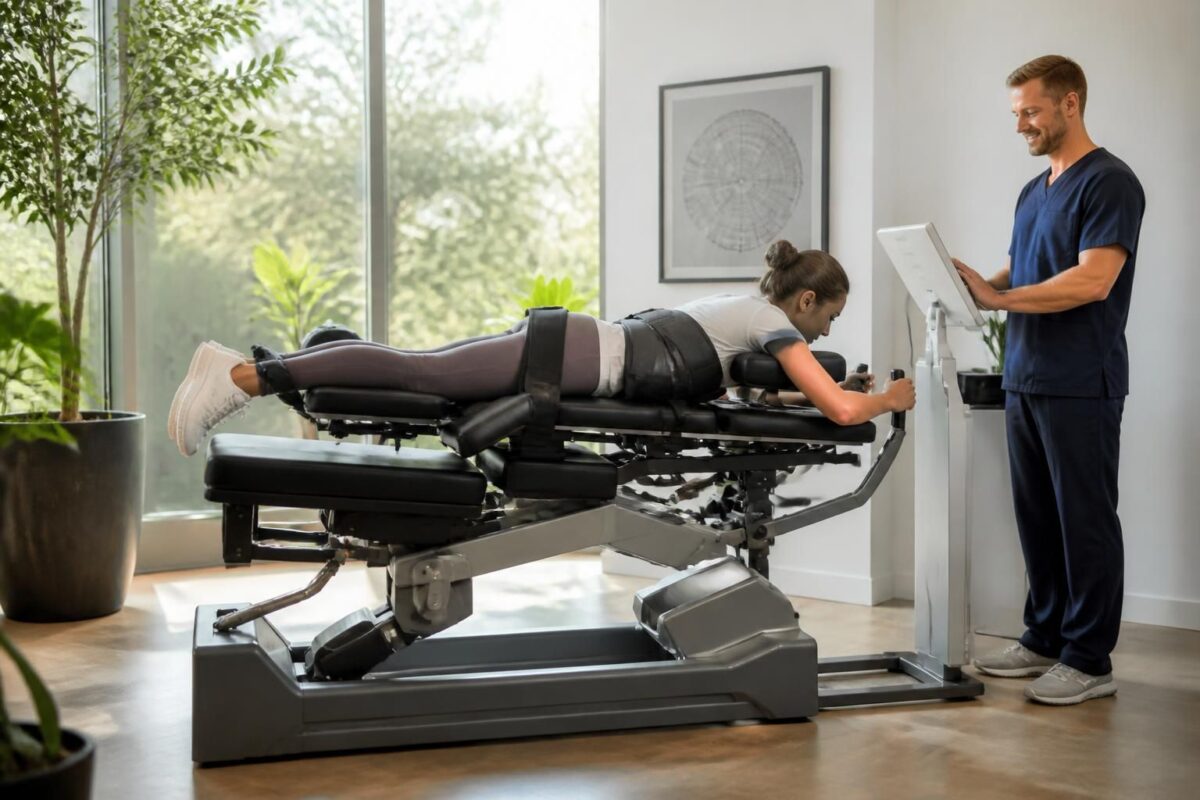
The long-term benefits of neurovertebral decompression for spinal health
In short In short, the neurovertebral decompression is a non-invasive approach that decreases the Pressure on intervertebral discs and nerves, favoring the Natural regeneration and tissue recovery. Its long-term benefits include Lasting pain reduction, Improving mobility and from the posture,…

Neurovertebral decompression and mobility: a return to an active life
In short In short, the neurovertebral decompression is therapy non-invasive who uses a gentle traction To create a space between the vertebrae and reduce the pressure on the Intervertebral discs and the nerves. It promotes a bloodstream improved, lowers tension…
When to consider this treatment and what can benefit?
It is mainly aimed at people with irradiating pain related to discal disorders such as slipped disc, a bulge disc or a Spinal stenosis. It can also help in case of radiculopathy and sciatica when conservative treatments may have provided partial relief. First of all, an evaluation by a professional is recommended to verify the absence of contraindications and to establish a personalized plan.
Contraindications and precautions
This technique is not suitable for all situations. Certain conditions like recent vertebral fractures, infections, or other medical restrictions require an alternative approach. The key step remains a Specialized assessment and setting up a Personalized treatment plan to ensure safety and efficiency.
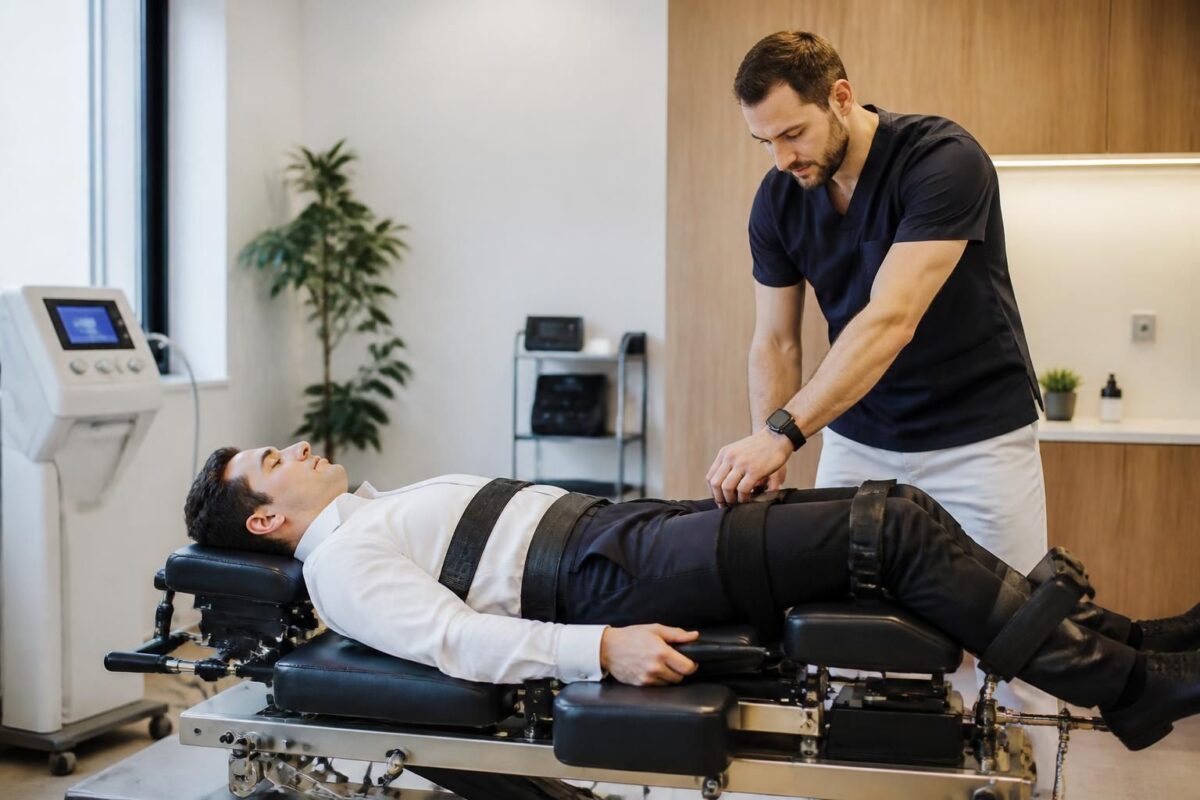
How Neurovertebral Decompression Prevents Diffuse Chronic Pain
In short decompression neurovertebral is one Non-invasive method aimed at reducing the Pressure on the intervertebral discs and the nerves, in order to prevent Diffuse chronic pain. It improves the circulation and thedisc hydration, decreases inflammation and promotes better mobility.…
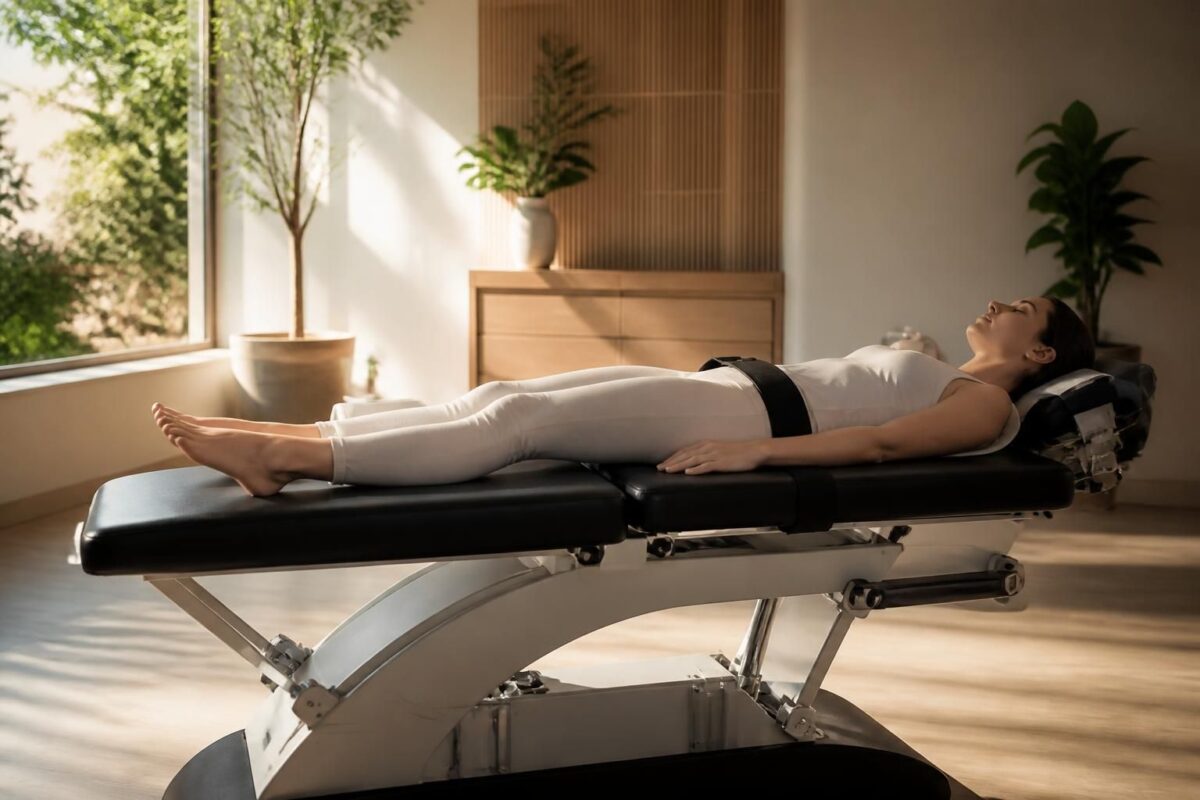
Neurovertebral Decompression and Body Alignment: Restoring Natural Balance
In short In short, neurovertebral decompression is one Non-invasive approach who restores theBody Alignment and thenatural balance back and neck. She acts by a Controlled traction of the spine to widen the intervertebral space and reduce the Pressure on discs…
Sessions and experience
A typical program provides 15 to 25 sessions, carried out over a period adapted to the patient’s condition. Each session usually lasts between 15 and 30 minutes, with continuous monitoring to adjust settings in real time. Most patients describe an experience Comfortable and relaxing, often accompanied by a moment of rest or light sleep during treatment.
What you can expect as results
Early effects may include a Immediate pain reduction and a feeling of relief in the treated area. From a functional point of view, there is generally a gradual improvement in the mobility and a decrease in neuropathic symptoms. By integrating this approach into a global program, the benefits can be maintained over the long term and reduce dependence on drug treatments.
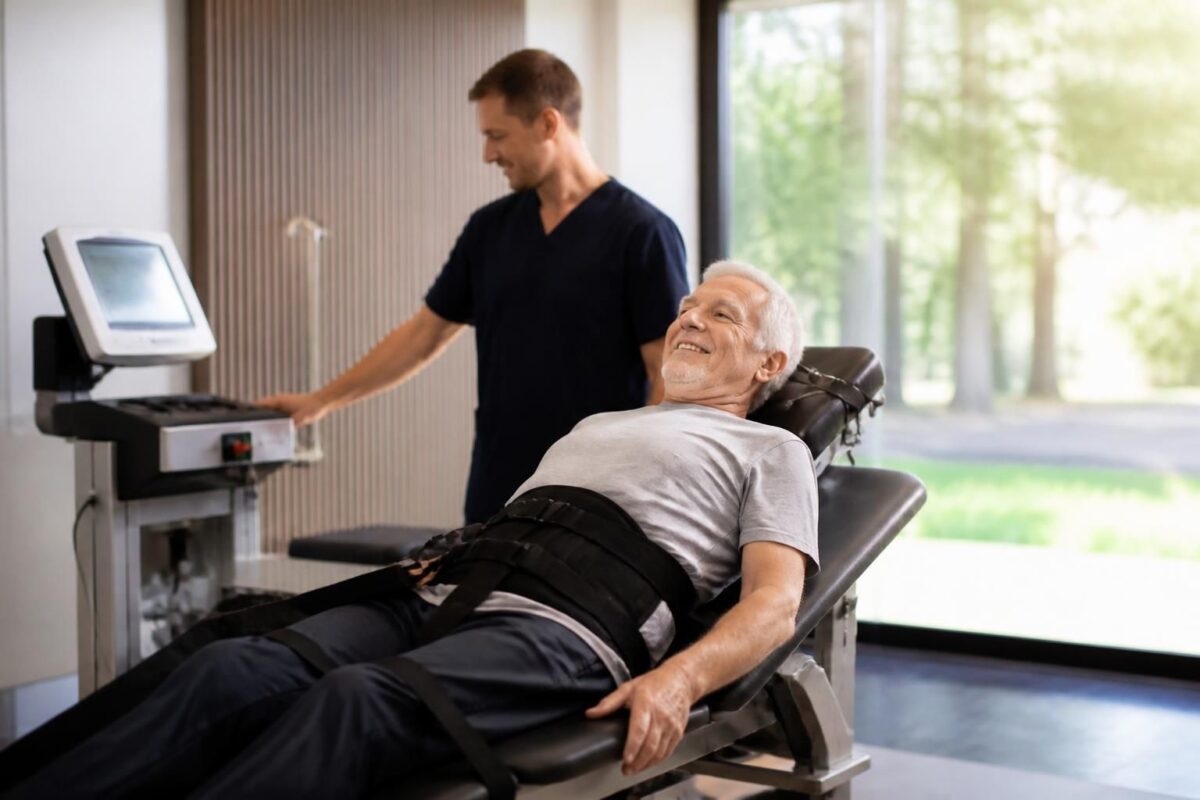
Why neurovertebral decompression is a lasting solution for active seniors
In short In short, the neurovertebral decompression is one Non-invasive therapy which sustainably relieves spinal pain in the spine active seniors By creating, by a Soft and controlled traction, a space between the vertebrae. At Montreal, it is recognized as…
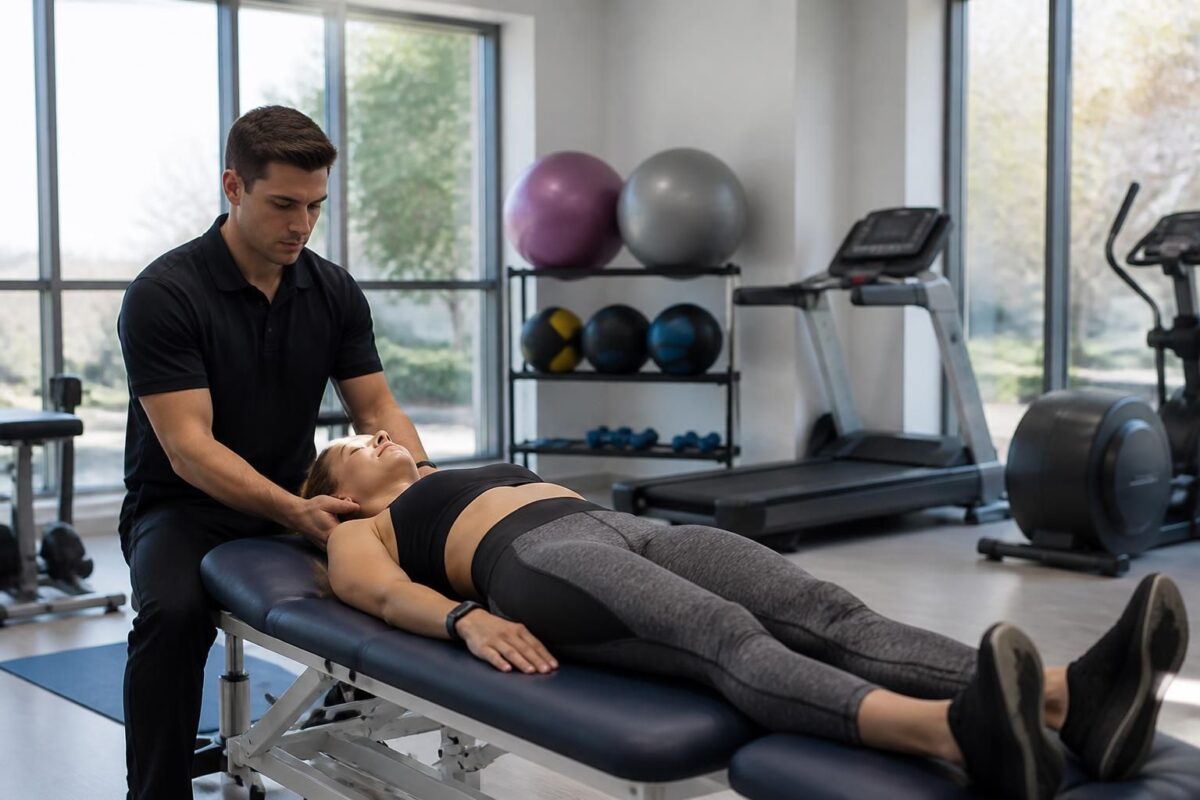
Neurovertebral decompression and recovery after severe sports injury
In short In short, the neurovertebral decompression is one Non-invasive method to Relieve the pressure on the Intervertebral discs and the gristle Via a Controlled traction, to facilitate the recovery After a severe sports injury. It improves the bloodstream towards…
Integration into a global care pathway
To optimize the results, neurovertebral decompression can be associated with muscle strengthening exercises, postural advice and ergonomic strategies. This approach multidisciplinary aims to sustainably improve the spine stability and prevent recurrences, while promoting the gradual return to normal and painless activity.
To go further, ask for a personalized evaluation and discuss with your health professional the options adapted to your case. An informed decision can make the difference between persistent pain and active resumption of your daily activities.
| Evaluation axis | Concise lighting |
|---|---|
| Efficiency on Radiant pain | Targeted reduction of radiating pain by reducing compression on the nerves. |
| Mechanism | controlled traction creates a negative pressure in the disc, promoting repositioning and rehydration. |
| Speed relief | Quick relief possible from the first sessions, progressive improvement. |
| Comfort and tolerance | Sessions generally comfortable and relaxing. |
| Security and non-invasive | non-surgical and safe procedure, low risk. |
| contraindications | Major contraindications: vertebral fractures, infections, tumors, pregnancy. |
| Duration and frequency | Generally 15 to 25 sessions over several weeks. |
| Impact on mobility | Improved mobility and gradual return to activities. |
| Accessibility and cost | Competitive cost compared to surgery; Variable coverage depending on insurance. |
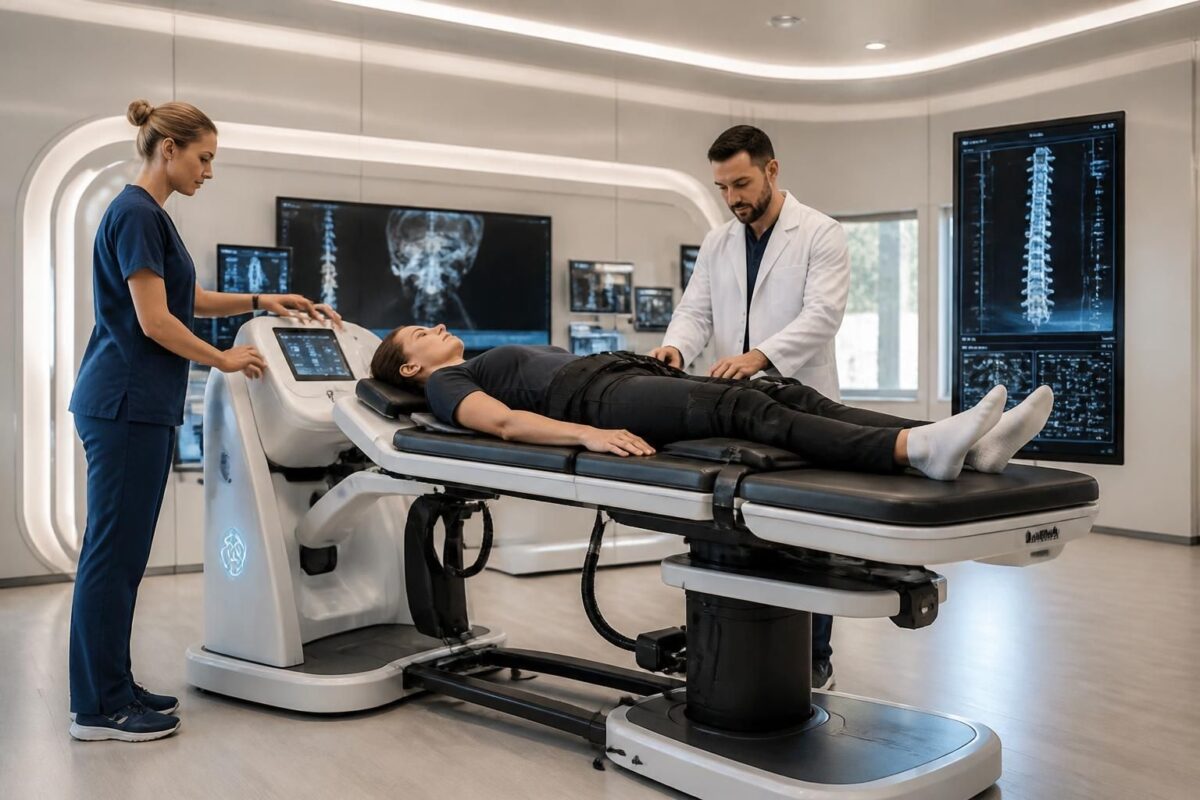
Recent innovations in neurovertebral decompression technologies
In short In short, the neurovertebral decompression is an approach non-invasive Aiming to reduce pressure on discs and nerves, and promote tissue regeneration. At Montreal, it is positioned as an effective option for lower back pain and herniated discs. The…
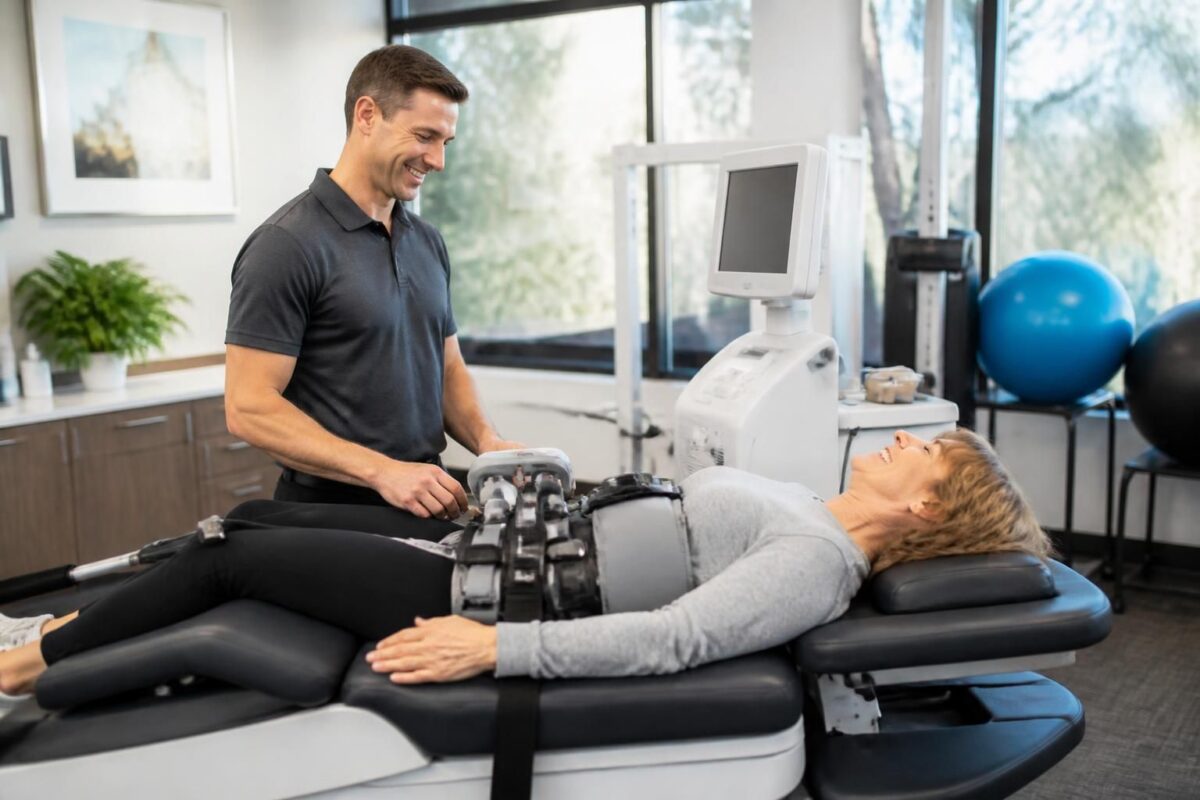
Neurovertebral decompression and diffuse pain: an appropriate solution
In short In short, the neurovertebral decompression is one Non-invasive solution For diffuse pain related to nerve irritation of the spine. She acts in Reducing pressure on intervertebral discs and nerves and improving the bloodstream, which promotes recovery and the…
Testimonials: Neurovertebral decompression and irradiating pain — Gently relieve
Marie, 52 years old: “Before the treatment, my radiant pains started from the lower back and went up in the leg, making every step difficult. Thanks to neurovertebral decompression, the traction was fresh and safe, and after a few weeks, I started to regain normal walking and a lasting respite. »
Antoine, 44 years old: “My cervical radiculopathy caused me pain and irradiation in my arm. The sessions, very comfortable, mount allowed to feel a Gradual pressure reduction On the nerves, and my nights have become calmer again. »
Sophie, 39: “A disc protrusion triggered a Radiant pain along the leg with numbness. After the start of the program, I noticed a Progressive relief And I was able to resume my daily activities and my sleep improved. »
Jean, 60 years old: “After months of pain, without improvement, I tried the neurovertebral decompression. it was slowly And without surgery, and I found mobility and less radiant pain. »
Clara, 28: “As an athlete, a radiculopathy slowed my recovery. The program has been personalized and progressive, and I was able to resume training without significant pain, step by step. »
Luc, 66: “The sessions mount brought a Sustainable relief and better mobility. I am convinced that this approach non-invasive and fresh helped me regain a quality of life without drugs. »
The Dr. Sylvain Desforges is a recognized practitioner in the fields ofosteopathy, from the manual medicine and naturopathy, which has devoted its trajectory to health innovation. Co-founder and president of the TagMed clinics, as well as the ACMA association, he places the management of Chronic pain at the heart of his action. Its approach is based on the integration of advanced technologies and evidence-based practice, in order to offer concrete and personalized solutions to patients with irradiating pain.
When considering the neurovertebral decompression, Dr. Desforges favors a gentle and non-invasive gait. Its objective is to reduce the pressure exerted on the intervertebral discs and on the nerves, which reduces the pain radiating from the back to the limbs. By precisely targeting problem areas through controlled traction systems, it seeks to promote disc rehydration, regression of hernias and rehabilitation of the nerve path, without resorting to surgery.
The course of care it offers is based on a complete initial assessment, followed by a personalized treatment plan that can include frequent sessions over a measured period. Each session is part of a logic of comfort and safety: the patient is accompanied throughout the process, and the traction parameters are adjusted in real time to optimize the results while preserving well-being. This approach often makes it possible to obtain a gradual improvement in mobility and a marked decrease in radiant pain, with a faster return to daily activities.
Beyond the technique alone, Dr. Desforges insists on a Functional rehabilitation integrated. It combines strengthening exercises, postural advice and therapeutic education to sustain the spine and prevent recurrences. Its global vision is based on multidisciplinary partnerships and on the continuous exchange with patients, in order to build care plans that take into account individual particularities and personal objectives.
In his practice, the neurovertebral decompression is presented as a gateway to a better quality of life for people affected by lower back and cervical pain associated with nervous compression phenomena. Attention to safety, efficacy and sustainability of outcomes is consistent, reflecting Dr. Desforges’ commitment to delivering high-level care without unnecessary surgery. With his experience, he continues his work of innovation and training, in order to provide his patients with reliable solutions adapted to their health journey.
This article presents a clear summary on the neurovertebral decompression and its role in the relief of Radiant pain, focusing on mechanisms, indications and care pathways, while relying on clinical data and feedback. You will find the key points to understand why this non-invasive approach can be an effective alternative for the vertebral pathologies responsible for radiating pain in the back and neck.
The neurovertebral decompression is based on a Controlled traction who creates a negative pressure in the intervertebral discs, favoring their rehydration and repositioning damaged structures. This action reduces the nerve pressure and improves the space around the nerve roots, bringing noticeable relief from radiant pain and associated neurological symptoms. Through a targeted and personalized approach, it can help restore mobility while avoiding surgical interventions when possible.
The observed benefits extend beyond a simple one-time relief: they include a Improving mobility, a decrease in radiant pain and a better quality of life, in particular when the treatment is integrated into a rehabilitation and reinforcement program adapted to the patient. In many cases, the results are long-term when post-treatment behaviors, such as posture and musculoskeletal reinforcement, are continued.
On a practical level, a typical course includes a initial assessment (anamnesis and complementary examinations such as MRI or X-ray), the definition of a Personalized treatment plan, then Decompression sessions Performed on a specialized table with a harness and computer-assisted traction. The protocol generally predicts a multi-week progression, with real-time monitoring of patient responses and traction parameters adjustments to optimize safety and efficacy.
Regarding safety, decompression is an approach non-invasive and, for the majority of patients, well-tolerated. However, it is not suitable for all conditions. of Important contraindications Must be evaluated by a qualified healthcare professional, and appropriate imaging is often required before starting treatment. This assessment is essential to determine eligibility and avoid any risk, especially in patients with vertebral fractures, infections or certain associated pathologies.
For people suffering from radiant pain due to nerve compressions, decompression can offer an interesting alternative way in addition to other conservative approaches or as a preamble to a more invasive intervention, as the case may be. The goal remains the lasting pain reduction, improved function and better ability to resume daily activities.
To deepen the practical aspects and potential benefits, you can consult resources and testimonials that explain how this approach is applied, its results and the factors that influence its success. For example, content details the mechanisms, functional benefits and future prospects of neurovertebral decompression, while offering advice on choosing a center and preparing a personalized program. You can also explore articles and reports that discuss the benefits for professionals and patients, as well as options for workers with lower back and cervical pain.
To better understand the issues and perspectives associated with neurovertebral decompression and radiant pain, you can consult the resources below and associated links, which shed additional light on the sustainability of the solution and non-invasive approaches.
Why neurovertebral decompression is a lasting solution for herniated discs, Neurovertebral decompression, an effective alternative, A recognized therapy for radiant pain, Gently relieve and Deep relief offer additional perspectives on the subject.
In addition, other resources present the key steps for successful treatment and considerations for potential candidates. For an overview of the benefits and limits of decompression, as well as patient testimonies, these sources provide useful practical elements to guide your decision and your care pathway.
For more information on non-invasive options, personalized treatment plans and possible outcomes, do not hesitate to consult the dedicated resources and studies that compare different decompression approaches and their effects on pain and function.

Dr Sylvain Desforges, B.Sc., D.O., N.D., osteopath, is the founding president of TAGMED and of the ACMA association. He dedicates his practice to chronic spinal pain, low back pain and symptoms compatible with sciatica, particularly when pain radiates toward the buttock, leg, calf, foot or toes.
Through SOS Sciatique, he publishes educational content on sciatica symptoms, possible causes such as disc herniation, disc narrowing, foraminal stenosis or irritation of a lumbar nerve root, as well as non-surgical approaches that may be considered according to the evaluation. At Clinique TAGMED, care may include, depending on the case, motorized neurovertebral decompression, specific osteopathic care or precision percussion.
For an evaluation related to sciatica treatment in Montreal / Mount Royal or sciatica treatment in Terrebonne, please consult the services available at Clinique TAGMED.
Medical disclaimer
The information published on SOS Sciatique is provided for educational purposes only and does not replace a consultation, diagnosis, opinion or treatment provided by a physician or another authorized healthcare professional. The author of this article is neither a medical doctor nor a specialist in a medical specialty recognized by the Collège des médecins du Québec. The osteopathic, manual medicine or functional support approaches described on this site do not constitute medical acts and are not intended to replace medical follow-up.
Consult a physician or emergency service in cases of loss of bladder or bowel control, anesthesia in the saddle area, significant or progressive weakness in the leg or foot, fever, recent trauma, severe pain or rapid worsening of symptoms. For more details, please read our Legal Notice.