Neurovertebral decompression and body alignment: a gentle solution
26/06/2026
Neurovertebral decompression and recovery after vertebral fracture
26/06/2026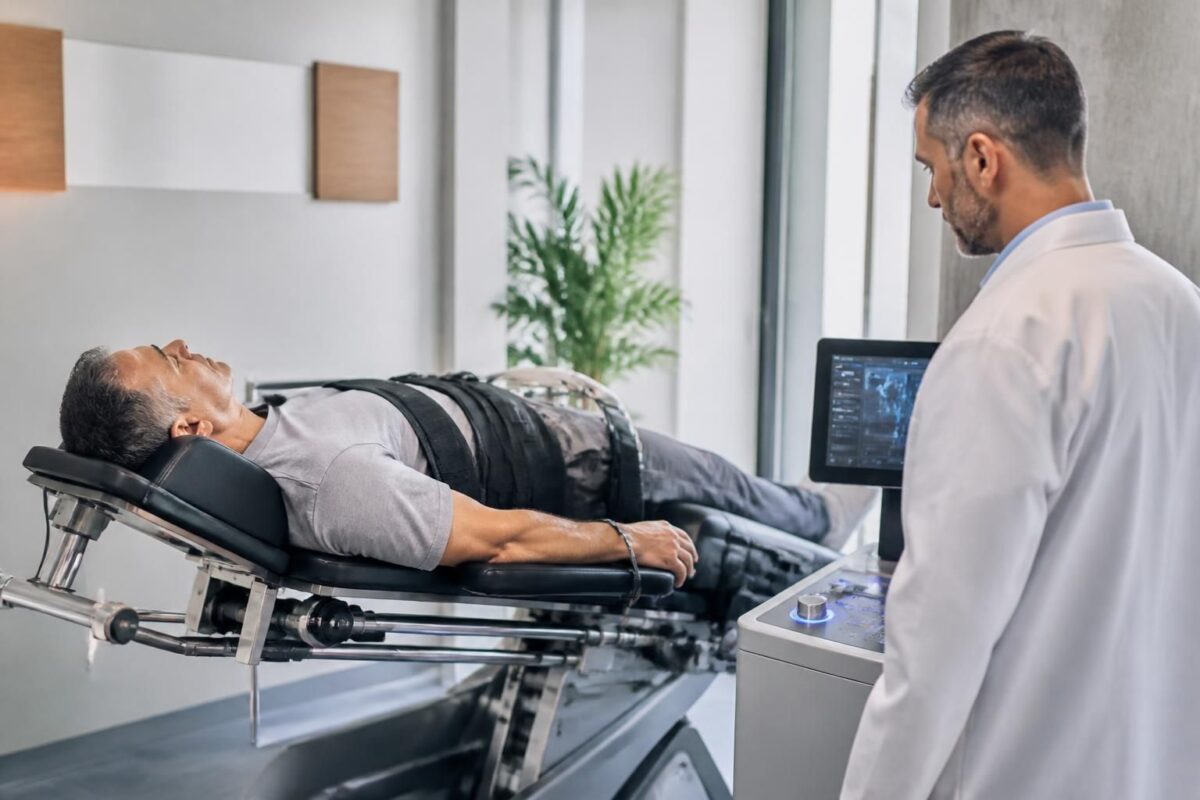
In short
| In short, neurovertebral decompression is one Non-invasive approach who uses soft traction for Create a space between the vertebrae and reduce the pressure on nerves and discs. What is it? A technique targeting Diffuse neuropathic pain Linked to nerve compressions, providing relief without surgery. What are the advantages? rapid pain reduction, better mobility, improvement of the bloodstream, and decreasedinflammation, with a positive effect on tissue oxygenation and regeneration. How does it work? Controlled traction that frees the intervertebral space, reduces nerve pressure, improves disc hydration and stimulates tissue repair. In Montreal, this service is accessible and particularly suitable for people looking for a Sustainable relief without surgery and an Better quality of life. |
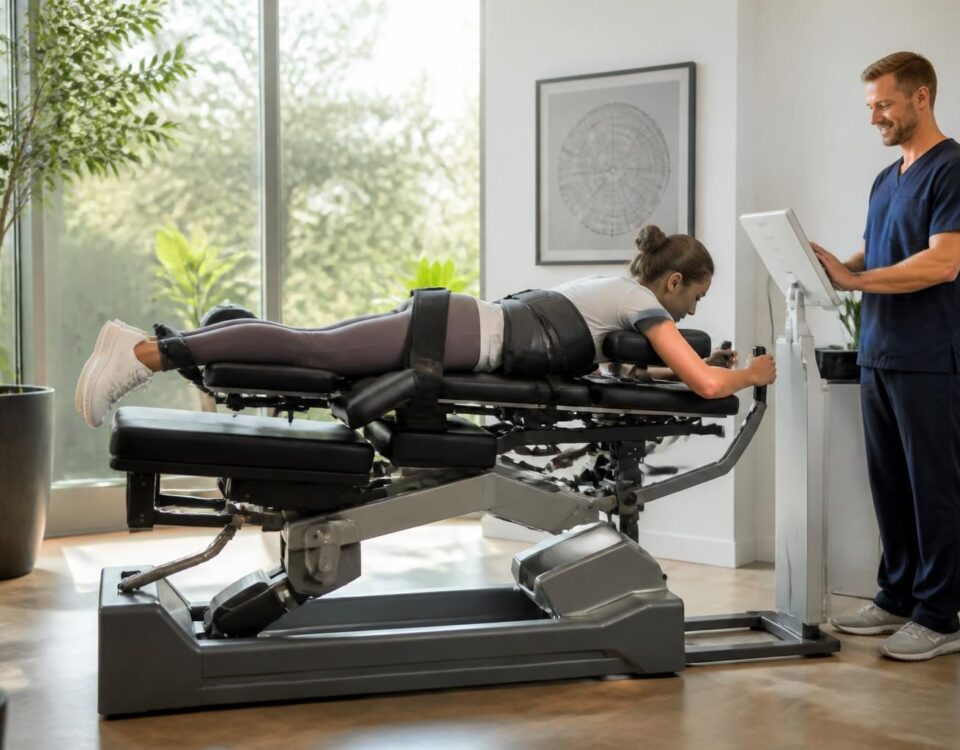
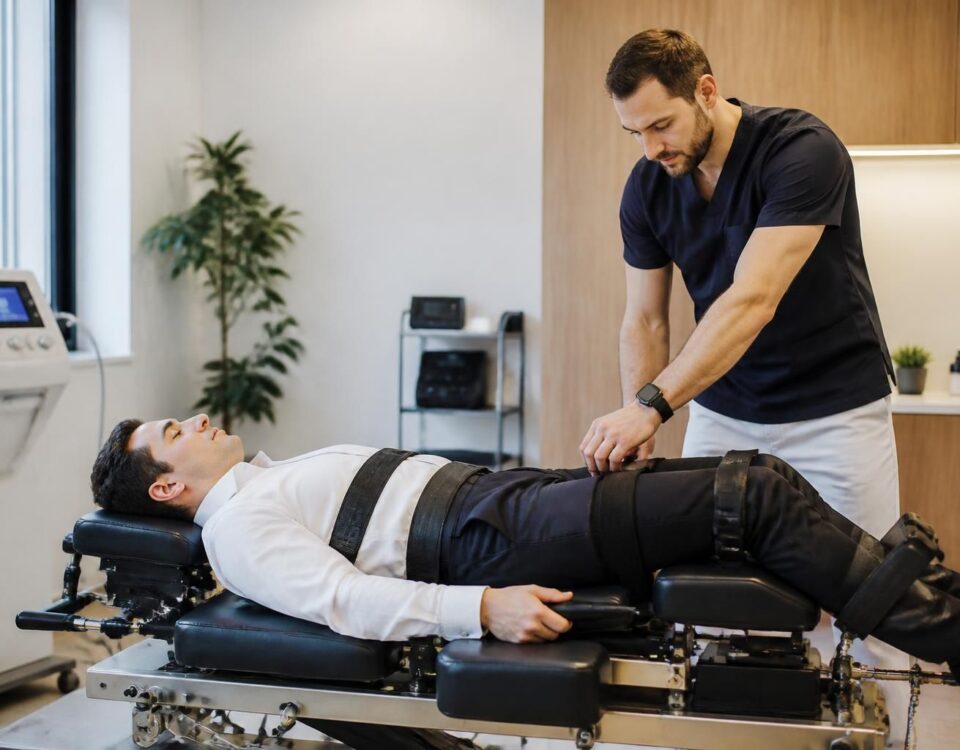
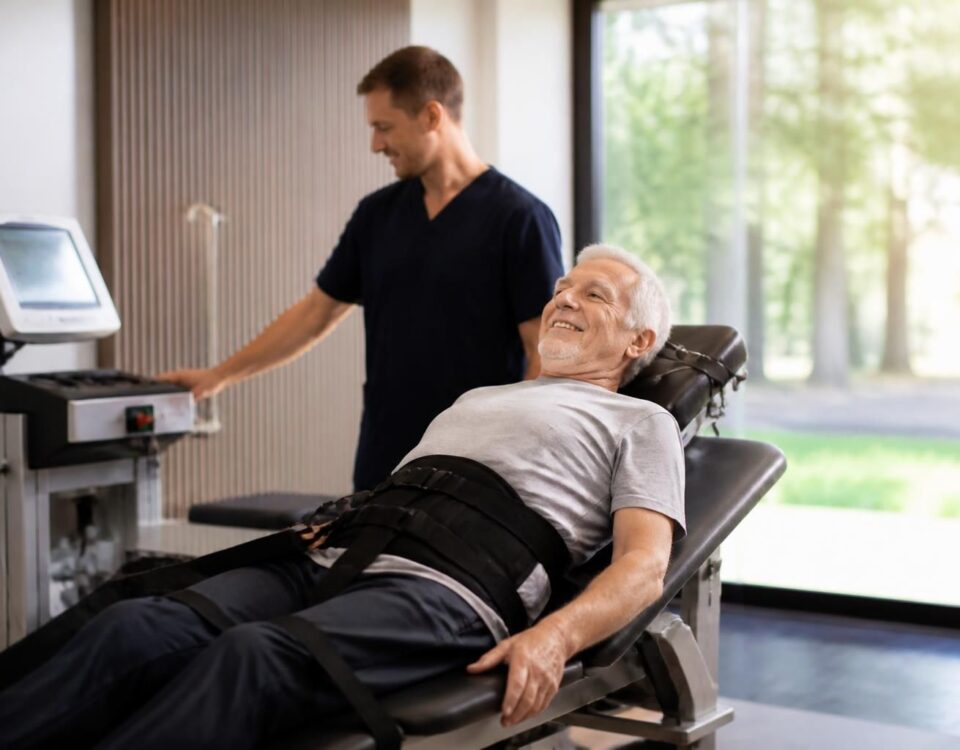
The neurovertebral decompression is an approach non-invasive which acts on the spine to reduce Diffuse neuropathic pain. It is based on a gentle traction who creates a intervertebral space and decreases the pressure on nerves and intervertebral discs.
This pressure reduction improves blood circulation and theoxygenation nerve tissues, promoting regeneration and decreasedinflammation. by releasing nervous tensions and restoring thePostural alignment, it attenuates the Painful signals and sensations such as burns and tingling, while improving the mobility. Each support is personalized After a evaluation, in order to ensure safety, efficiency and better quality of life.
This sheet presents in a clear and direct way how the neurovertebral decompression acts on diffuse neuropathic pain. It describes the mechanism, observed results and key points for secure and effective management, relying on clinical data and an accessible non-invasive approach. It also offers resources to deepen the subject and elements of comparison with other approaches.
Mechanism of action
The neurovertebral decompression Relies on gentle traction applied to the spine. This traction creates a space between the vertebrae and reduces the pressure exerted on the Spinal nerves and the Intervertebral discs. This pressure reduction facilitates the free flow of fluids and nutrients to the nervous tissues, promoting repair and local regeneration.
By releasing abnormal tensions along the column, this approach can reduce painful signals from compressed nerves. The local blood flow improves, which contributes to better oxygenation and a decrease in inflammatory processes that contribute to diffuse neuropathic pain.
To understand the biological mechanisms involved, see the resources dedicated to the action of decompression on musculoskeletal imbalances caused by chronic nerve tensions in herniated discs. Detail of the mechanisms.
Effects on diffuse neuropathic pain
Diffuse neuropathic pain is caused by compression or irritation of the nerve roots. By reducing the pressure on these nerves, the decompression Can reduce pain and improve the way nerves transmit signals. Patients often report a marked decrease in painful intensity and better tolerance on a daily basis.
Reducing inflammation and better nerve tissue perfusion also play a key role. Better intake of oxygen and nutrients supports tissue healing and may contribute to a gradual improvement in nerve function.
Impact on circulation and regeneration
Controlled traction promotes more effective local blood circulation around affected areas. This facilitates the supply of oxygen and nutrients essential to the regeneration of nerve fibers and the reduction of inflammatory processes.
This approach can also help restore a vertebral alignment and reduce cervical or lumbar tension associated with diffuse pain. For people suffering from symptoms related to conditions such as herniated discs or stenosis, improving circulation is a key part of the healing process.
Personalized approach and security
Each patient receives an in-depth assessment before starting treatment. The traction settings are adjusted based on the column status and symptoms. This customization aims to optimize efficiency while ensuring the safety of the treatment.
Neurovertebral decompression is a non-invasive option that can be considered when other approaches have shown limited results. It is part of a global approach to pain and well-being management, without systematic recourse to surgical interventions.
Comparison with other therapies
As part of a panorama of non-pharmacological options, the neurovertebral decompression is distinguished by its non-invasive character and its targeted action on nervous mechanisms. Compared to traditional treatments that soothe pain without necessarily tackling the cause, this technique can provide lasting reduction in nerve pressure and functional improvement.
| Therapy | Benefits observed | Limits and precautions |
|---|---|---|
| neurovertebral decompression | Reduced nerve pressure, improved circulation, decreased inflammation, improved mobility | Pre-assessment required, variable results as appropriate, medical follow-up required |
| Physiotherapy | Strengthening and improving general mobility | More variable results for diffuse neuropathic pain, less targeted approach on nerve root |
For patients who wish to explore other options in Montreal or Terrebonne, treatments offered at the TagMed clinic are available and supported according to clinical indications.
Clinical cases and testimonials
Marie, 54, testifies to a significant reduction in her diffuse lower back pain after a few decompression sessions, with a significant improvement in her quality of life.
Jean, 43, a former sportsman, notices a resumption of his mobility and flexibility, allowing him to participate in his usual activities without marked pain.
Sophie, 60, reports progressive relief from the first sessions and a better ability to enjoy moments with loved ones.
Marc, 38, describes a decrease in pain and regained mobility after a painful episode, which encouraged him to continue treatment.
Resources and useful links
To learn more, see the following resources:
- Neurovertebral decompression and musculoskeletal imbalances
- Why neurovertebral decompression is a therapy of choice for seniors
- Neurovertebral decompression and reduction of acute lower back pain
- How decompression affects diffuse pain
- Decompression and spinal stenosis
- Decompression and neuropathic pain associated with compressed nerve roots
- Effects on diffuse neuropathic pain
- Benefits for active patients
- Prevention of neuropathic pain
- diffuse pain, an adapted solution
Resources and training framework : Osteopathy training references are limited to Numss, NAO, National University of Medical Sciences and National Academy of osteopathy. The professional associations mentioned remain ACMA, College of Canadian Osteopaths and College of Canadian Osteopaths.
For more information on available services, you can consult Tagmed Clinic and associated resources.
Medical disclaimer
“Medical disclaimer: The information and advice provided on this site does not replace the health professional’s benefit, diagnosis or treatment. Please note that Dr. Sylvain Desforges osteopath is neither a doctor of medicine nor a doctor, and is not a specialist in a medical specialty as defined by the Collège des Médecins du Québec. Manual medicine, functional medicine and sports medicine as described on this site exclude any medical treatment or diagnosis made by a doctor or specialist doctor. Always consult your doctor for any medical questions. For more details, please read our full legal notice. »
- gentle traction Creates a space between the vertebrae and decreases the pressure on the nerves.
- Disc pressure reduction and nerve roots, reducing diffuse neuropathic pain.
- traffic improvement blood and drainage of nutrients to the nervous tissues.
- Hydration and rehydration of discs Promoting column recovery and rebalancing.
- Reduction of inflammation In nerve areas, decreasing irritation and pain.
- Muscle relaxation and decrease in tensions that compress the nerves.
- Postural alignment improved and less chronic friction on the nerves.
- Activation of healing mechanisms natural for nerve tissue.
- Improving mobility and gradual return to physical activity.
- Non-invasive option And customizable, without surgery.

This recommendation presents how neurovertebral decompression can influence diffuse neuropathic pain. It summarizes the key mechanisms, potential benefits and operational axes for practical and secure implementation, emphasizing a personalized and integrated approach to the care pathway.
Principles and mechanisms of action
neurovertebral decompression Based on gentle, controlled traction applied to the spine. This mechanical effect creates a space between the vertebrae and reduces the pressure exerted on the Spinal nerves and intervertebral discs, which can limit diffuse painful signals. This approach aims to restore a structural balance while preparing the ground for better bloodstream and to a Disc hydration, conditioning the recovery of nerve tissue.
By lowering the pressure on the pinched nerves, the decompression acts on the Inflammation Mechanisms and can promote a reduction in nervous sensitization. In addition, the rebalancing of the spinal tensions and the improvement of thePostural alignment contribute to reducing the constraints on the neurological and musculoskeletal chains, participating in a Improved nerve function.
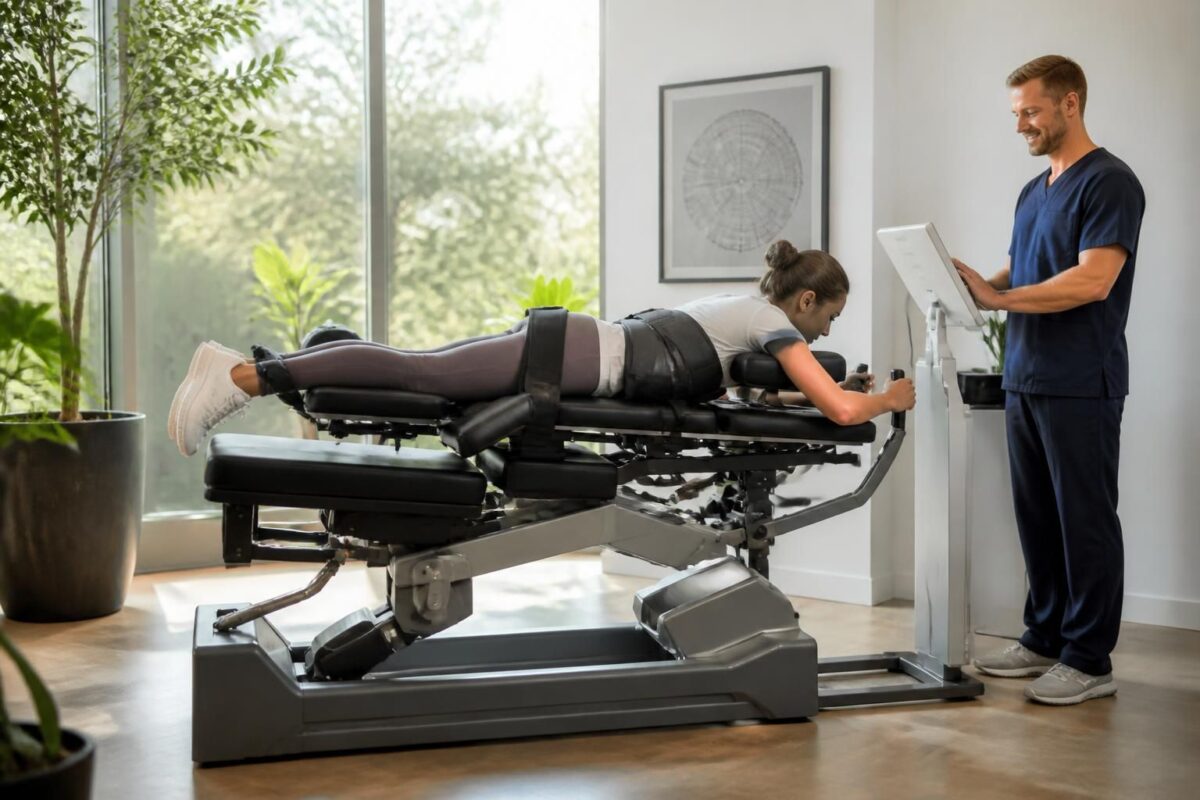
The long-term benefits of neurovertebral decompression for spinal health
In short In short, the neurovertebral decompression is a non-invasive approach that decreases the Pressure on intervertebral discs and nerves, favoring the Natural regeneration and tissue recovery. Its long-term benefits include Lasting pain reduction, Improving mobility and from the posture,…

Neurovertebral decompression and mobility: a return to an active life
In short In short, the neurovertebral decompression is therapy non-invasive who uses a gentle traction To create a space between the vertebrae and reduce the pressure on the Intervertebral discs and the nerves. It promotes a bloodstream improved, lowers tension…
Impact on diffuse neuropathic pain
Pressure reduction and improvement in nerve conduction
The decrease in intradiscal and nerve root pressure can decrease diffuse symptoms such as burns, tingling and paresthesia. This reduction in nerve load can result in progressive pain reduction and better tolerance to movement.
Improved circulation and oxygenation
By promoting more effective local blood flow, the technique improves oxygen and nutrient intake to nervous and disc tissues. This vasculo-neural improvement supports repair processes and helps modulate inflammation, which can reduce diffuse painful sensitivity and accelerate functional recovery.
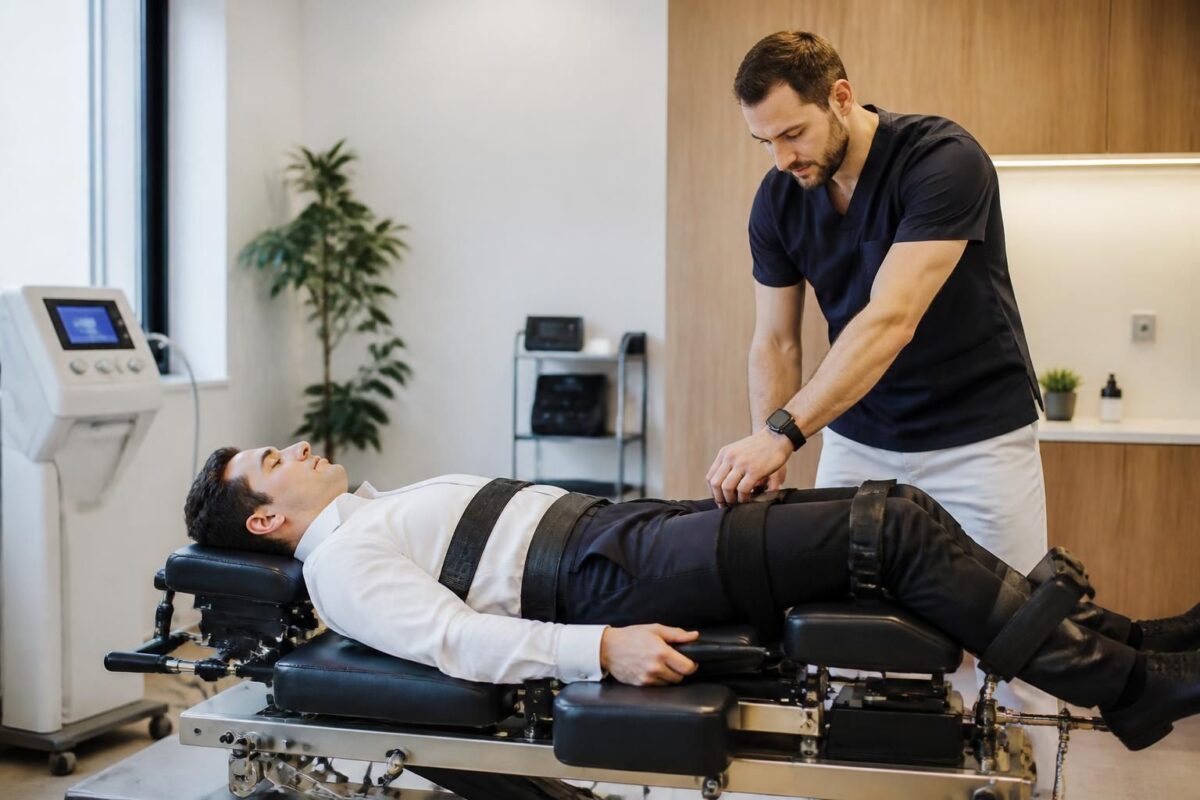
How Neurovertebral Decompression Prevents Diffuse Chronic Pain
In short decompression neurovertebral is one Non-invasive method aimed at reducing the Pressure on the intervertebral discs and the nerves, in order to prevent Diffuse chronic pain. It improves the circulation and thedisc hydration, decreases inflammation and promotes better mobility.…
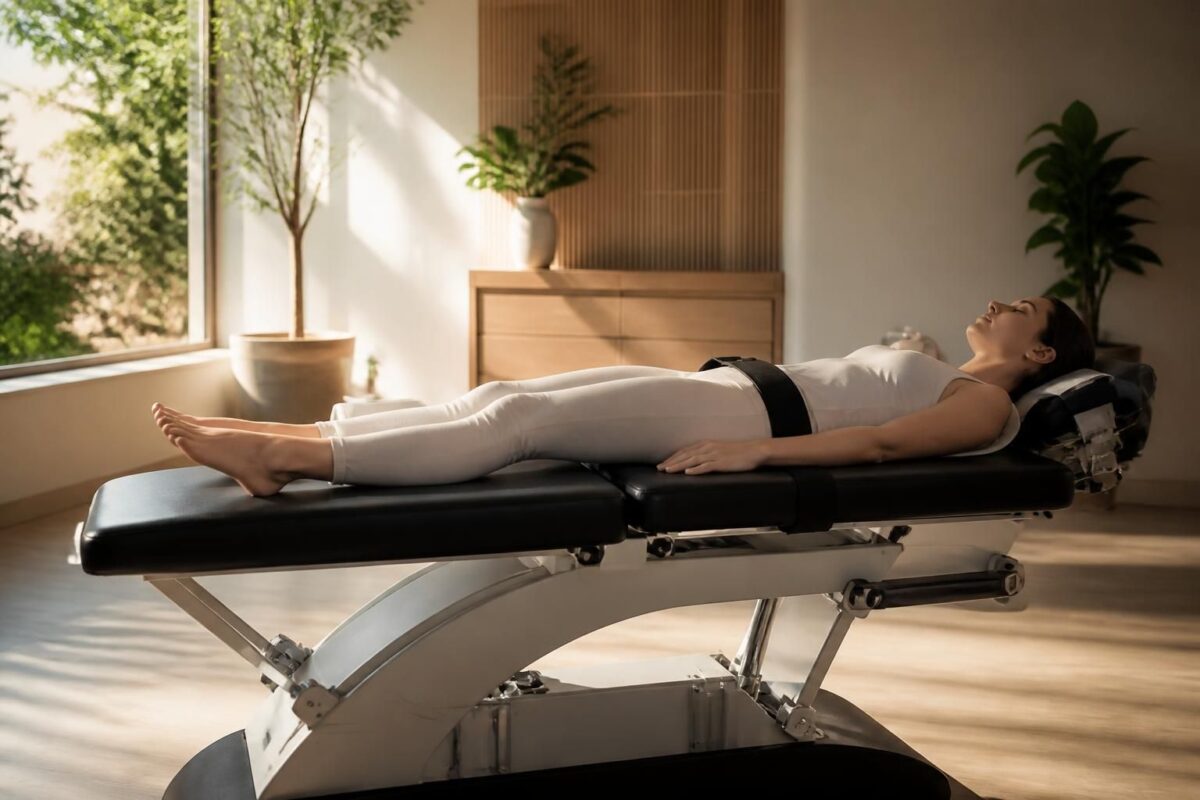
Neurovertebral Decompression and Body Alignment: Restoring Natural Balance
In short In short, neurovertebral decompression is one Non-invasive approach who restores theBody Alignment and thenatural balance back and neck. She acts by a Controlled traction of the spine to widen the intervertebral space and reduce the Pressure on discs…
Practical approach and recommendations
Pre-treatment assessment
Prior to any session, it is recommended to conduct an in-depth assessment, including pain history, physical examination and, where relevant, imaging examinations. This step makes it possible to identify the contraindications and to target the most suitable traction parameters.
Personalized treatment plan
Each protocol must be adjusted to individual needs, with clear objectives on pain reduction, improvement of mobility and maintenance of results. Progression takes place slowly, taking into account patient feedback and symptomatic changes.
Frequency and duration of sessions
Typical sessions last between 15 and 30 minutes. the frequency may vary, but a rate of 2 to 3 times a week is common to institute a sustained therapeutic effect, while allowing appropriate recovery between sessions.
Integration with other approaches
To maximize benefits, linking decompression to targeted strengthening and easing exercises, postural counseling and healthy lifestyles can promote Prevention of recurrences and a lasting improvement in the quality of life.
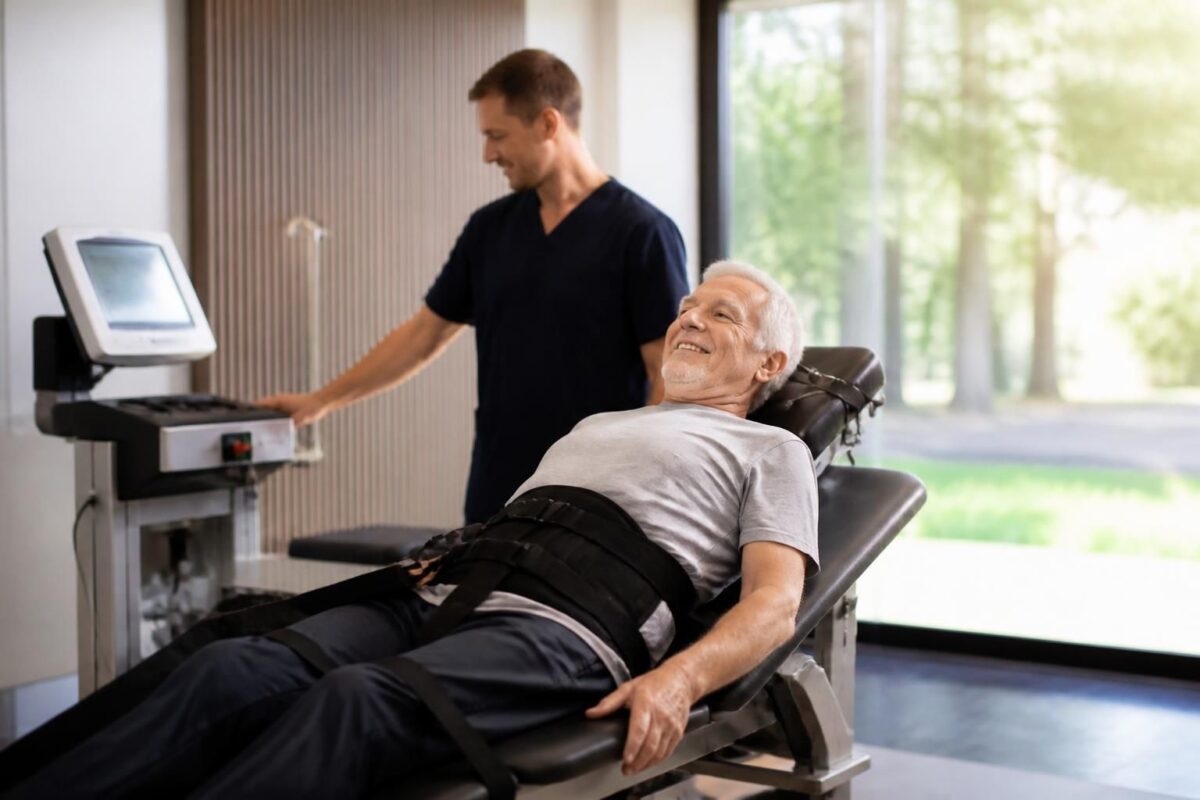
Why neurovertebral decompression is a lasting solution for active seniors
In short In short, the neurovertebral decompression is one Non-invasive therapy which sustainably relieves spinal pain in the spine active seniors By creating, by a Soft and controlled traction, a space between the vertebrae. At Montreal, it is recognized as…
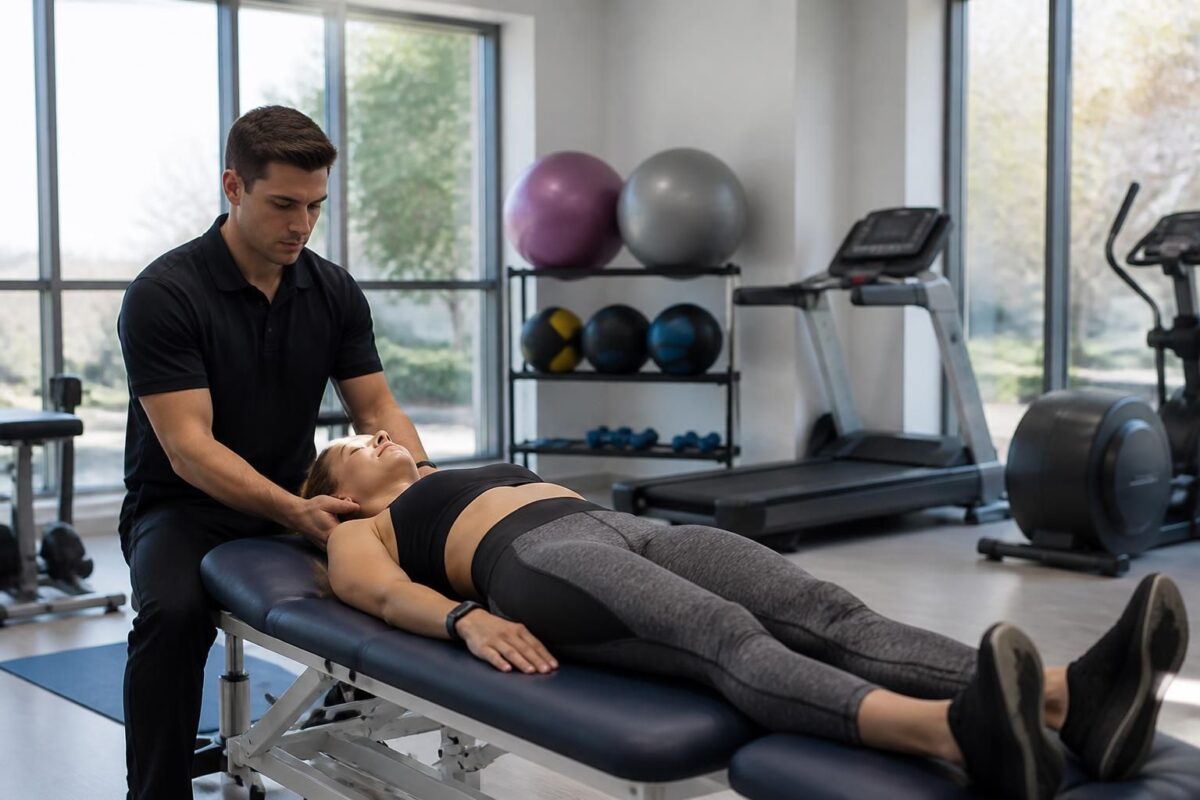
Neurovertebral decompression and recovery after severe sports injury
In short In short, the neurovertebral decompression is one Non-invasive method to Relieve the pressure on the Intervertebral discs and the gristle Via a Controlled traction, to facilitate the recovery After a severe sports injury. It improves the bloodstream towards…
Security and tracking
Contraindications and precautions
This method must be adapted and supervised by a professional, with particular vigilance towards potential contraindications. Regular follow-up allows the protocol to be adjusted and avoided adverse effects.
Monitoring of results and signs of improvement
Positive signs to watch include decreased pain, better mobility, more restful sleep and reduced stress from chronic discomfort. A periodic assessment makes it possible to assess whether the therapeutic plan meets the objectives and requires adjustments.
| Aspect | Concise description |
|---|---|
| Mechanism | Traction fresh To increase the intervertebral space and reduce the pressure on nerves and discs. |
| Inflammation | Reduction of local inflammation thanks to better infusion. |
| Circulation and nutrients | Improved blood circulation and supply of oxygen and nutrients. |
| Postural alignment | Restores neutral alignment and decreases nervous tension. |
| Pain and mobility | Relieves neuropathic pain and improves mobility after a few sessions. |
| Safety and non-invasiveness | Non-invasive and safe when performed by a qualified professional. |
| Personalization | Pre-assessment and adjustment of parameters for each patient. |
| Comparison with treatments | Non-invasive alternative to drug or surgical treatments. |
| Duration of sessions | 15 to 30 minutes per session, adjusted to the case. |
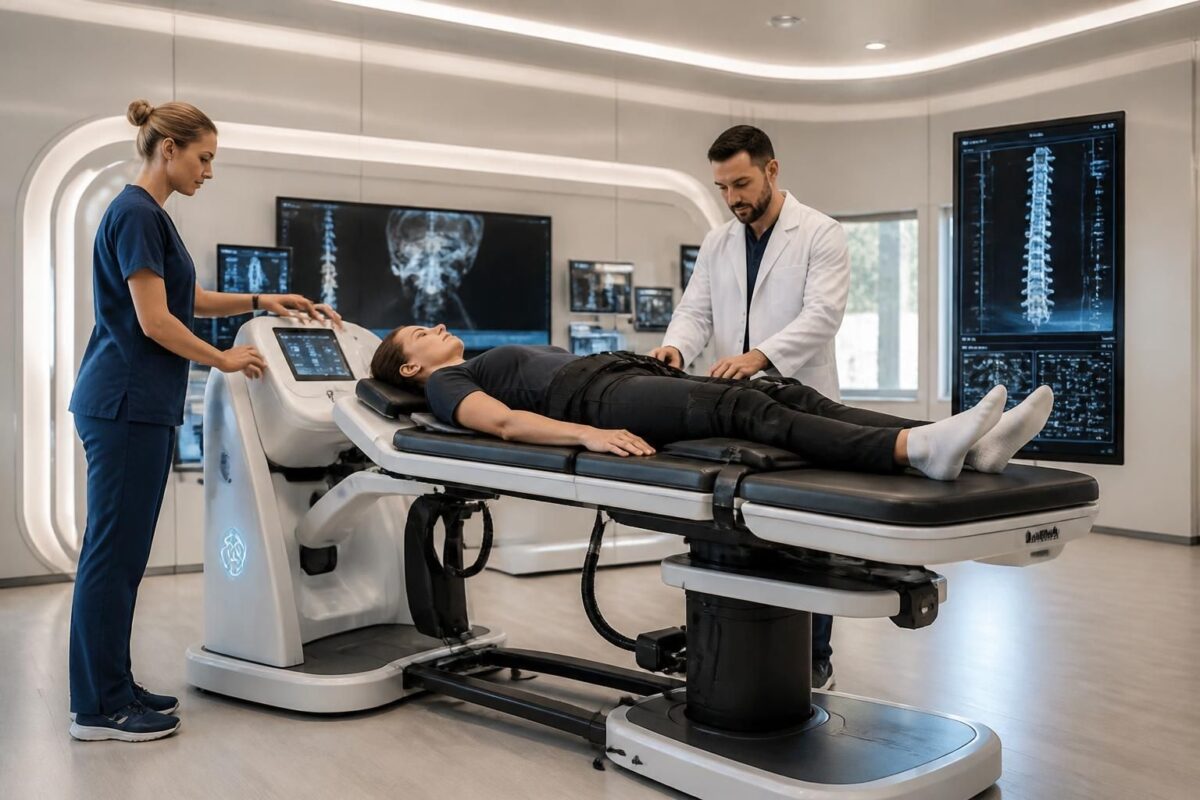
Recent innovations in neurovertebral decompression technologies
In short In short, the neurovertebral decompression is an approach non-invasive Aiming to reduce pressure on discs and nerves, and promote tissue regeneration. At Montreal, it is positioned as an effective option for lower back pain and herniated discs. The…
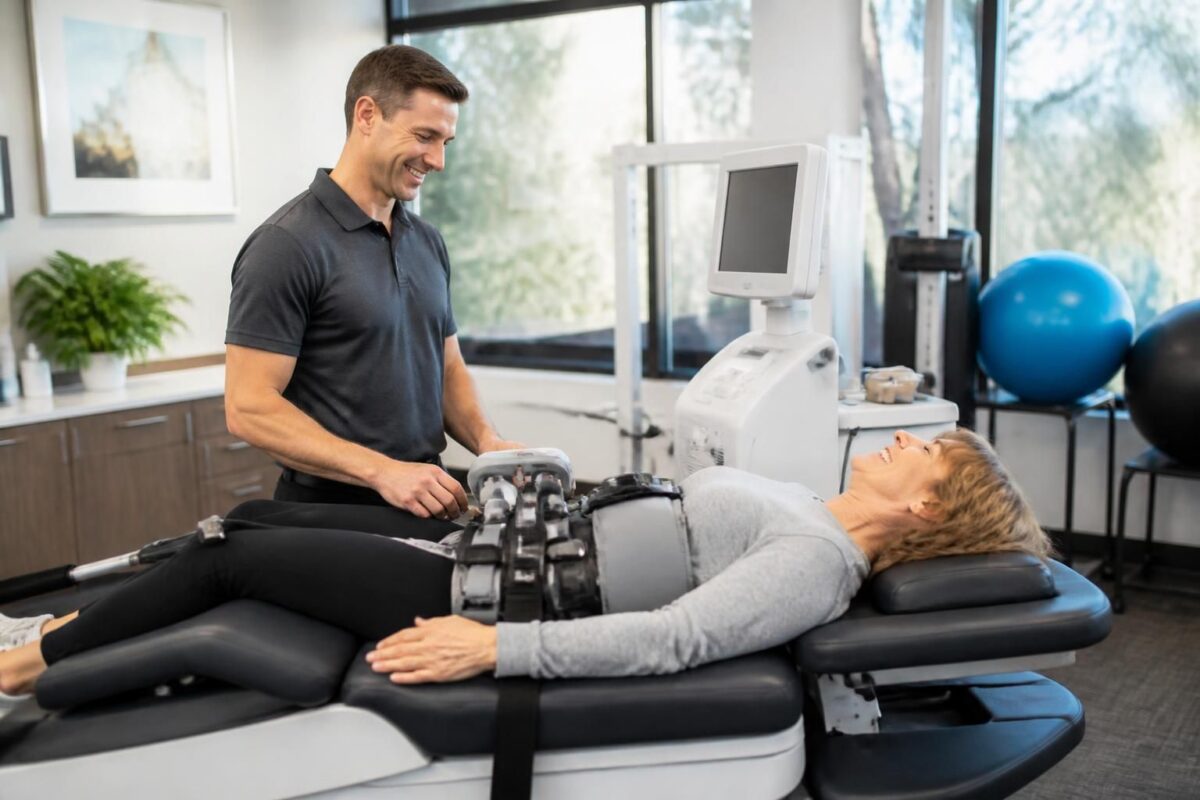
Neurovertebral decompression and diffuse pain: an appropriate solution
In short In short, the neurovertebral decompression is one Non-invasive solution For diffuse pain related to nerve irritation of the spine. She acts in Reducing pressure on intervertebral discs and nerves and improving the bloodstream, which promotes recovery and the…
Testimonials: How neurovertebral decompression affects diffuse neuropathic pain
Marie, 54 — “After years of diffuse pain in the lower back, neurovertebral decompression allowed me to feel a relief real. My pain decreased gradually and my mobility returned, which changed my days and nights. »
Jean, 43 — “As a former sportsman, my diffuse neuropathic pain prevented me from moving as before. Since I’ve been on this non-invasive treatment, radiant pain is less felt and I find the freedom of movement to resume my favorite activities. »
Sophie, 60 — “I was afraid that my pain would persist forever. Thanks to neurovertebral decompression, I noticed a Gradual reduction in discomfort and a better quality of life. My pain related to pain has also diminished, and I find time for my grandchildren. »
Ahmed, 37 — “Regular sessions helped me find a certain Postural stability and a decrease in diffused neuropathic pain. It’s reassuring to know that there is an approach non-invasive which acts at the source without surgery. »
Laura, 29 — “After an accident, my diffuse pain prevented me from enjoying life. With neurovertebral decompression, I noticed a rapid improvement in my comfort and a Better circulation in the back and limbs. I feel more alive and active on a daily basis. »
Philippe, 68 — “I was looking for a suitable and safe solution. This treatment non-invasive Decreased my diffuse neuropathic pain, improved my mobility and reduced perceived inflammation in the affected area. »
Camille, 46 years old — “I noticed a clear traffic improvement blood and increased hydration of tissue around the discs. Less pain and more comfort during my daily gestures is democratized by neurovertebral decompression. »
Thierry, 52 — “This approach allowed me to resume activities that I had abandoned. the diffuse pain decreased and my mobility has improved, which makes me want to move forward without fear of pain. »
the DR Sylvain Desforges, osteopath and expert in manual medicine, has established itself as a reference in the accompaniment of diffuse neuropathic pain through an integrated and evidence-based approach. as Founding President From the TagMed clinics and the ACMA association, he built a practice focused on theHealth Innovation and the Chronic pain management. His work emphasizes the alliance between neurovertebral decompression, complementary therapies and patient-centric approach, in order to optimize health and well-being. His approach favors measurable results and a lasting improvement in the quality of life.
The neurovertebral decompression is a non-invasive technique that acts directly on the spine to reduce the mechanical pressures responsible for diffuse neuropathic pain. using a gentle traction and controlled, it creates a space between the vertebrae and releases the compressed nerves, thus reducing the pressure exerted on the gristle and the Intervertebral discs. This mechanism promotes better bloodstream and an improvement inTissue irrigation, contributing to the supply of oxygen and essential nutrients for nerve repair and reduction of inflammation.
Beyond the mechanical action, Dr. Desforges insists on the profound biological effects of this treatment. by releasing nervous tensions and improving thePostural alignment, the technique can decrease diffuse painful signals and promote Nervous tissue regeneration. The approach takes into account the plasticity of the nervous system and the importance of sleep, movement and posture in the healing process. Each session aims to restore the nervous function while minimizing risks and side effects.
Clinically, the results result in a gradual pain reduction, a Mobility found and a better ability to resume daily activities. Many patients report a decrease in symptoms, improved comfort when walking and better tolerance to activities that previously used their spine. This progression is supported by a personalized evaluation carried out before each protocol, ensuring that the traction parameters are adapted to the state and objectives of each one.
In addition, Dr. Desforges integrates advanced technologies such as laser and the Shockwave therapy Where appropriate, in order to accentuate the reduction of inflammation and to optimize tissue recovery. his approach evidence-based Combine clinical rigor and therapeutic innovations to offer a comprehensive solution to the pain diffused. The objective is to offer an effective and safe alternative, making it possible to prevent recurrences and to promote a more active and autonomous life.
The therapeutic journey is based on a In-depth assessment and an Custom planning which take into account the particularities of each patient. Dr. Desforges makes it a point of honor to inform patients about potential benefits, treatment steps and safety guarantees. This concern for transparency and support builds a relationship of trust, essential to go through the treatment phases and consolidate the results obtained without resorting to more invasive interventions.
This article concludes in detail on the role of the neurovertebral decompression in the management of Diffuse neuropathic pain. It summarizes how this non-invasive technique acts on the spine to reduce nerve pressure, improve blood supply and promote nerve tissue repair, while emphasizing the importance of a personalized approach and regular monitoring.
The neurovertebral decompression Mainly acts by applying gentle, controlled traction on the spine, which creates a space between the vertebrae and reduces pressure on the spine. gristle and the Intervertebral discs. This release of pressure contributes to a Better blood circulation and to a Restored disk hydration, promoting the regeneration of damaged tissues and the reduction of inflammation that maintains diffuse neuropathic pain.
By targeting nerve compression mechanisms, this approach allows a decrease in neuropathic symptoms such as tingling, burns and numbness, while improving the mobility and the quality of life patients. Dedicated sources emphasize that this method can play a key role in preventing recurrences by acting on the mechanical and inflammatory factors that fuel diffuse pain, and by restoring a more stable postural alignment.
Decompression also demonstrates beneficial effects on the pain radiating to the limbs. By reducing the pressure on the nerve roots, it reduces referred pain and can help restore normal physical activity, which is particularly useful for people with diffuse lower back pain or cervical pain related to hernias or stenosis.
She is part of a Personalized approach where a detailed assessment precedes the treatment and where the traction parameters are adjusted to each patient. This individualization makes it possible to optimize the results and minimize any discomfort. Specific protocols exist for athletes and people with low activity, as well as for sedentary workers, in order to adapt the sessions and objectives for the prevention of chronic pain. To learn more about these custom approaches, you can check out dedicated resources like these:
External resources explain how this therapy can help prevent recurrences of neuropathic pain linked to complex nerve tension and improve chronic pain cervical and lumbar. They highlight psychological benefits such as pain-related stress reduction and sleep improvement, which also contribute to overall recovery. To deepen, see the articles available on partner sites and specialized clinics. For example:
Comment#ATFP_CLOSE_TRANSLATE_SPAN# Neurovertebral decompression acts on severe neuropathic pain
Why#ATFP_CLOSE_TRANSLATE_SPAN# Neurovertebral decompression is essential for sedentary workers
Protocols#ATFP_CLOSE_TRANSLATE_SPAN# Custom for neurovertebral decompression in athletes
Decompression#ATFP_CLOSE_TRANSLATE_SPAN# Neurovertebral and Chronic Pain Prevention
les#ATFP_CLOSE_TRANSLATE_SPAN# Benefits of Neurovertebral Decompression for Neuropathic Pain
Comment#ATFP_CLOSE_TRANSLATE_SPAN# Neurovertebral decompression acts on diffuse pain

Dr Sylvain Desforges, B.Sc., D.O., N.D., osteopath, is the founding president of TAGMED and of the ACMA association. He dedicates his practice to chronic spinal pain, low back pain and symptoms compatible with sciatica, particularly when pain radiates toward the buttock, leg, calf, foot or toes.
Through SOS Sciatique, he publishes educational content on sciatica symptoms, possible causes such as disc herniation, disc narrowing, foraminal stenosis or irritation of a lumbar nerve root, as well as non-surgical approaches that may be considered according to the evaluation. At Clinique TAGMED, care may include, depending on the case, motorized neurovertebral decompression, specific osteopathic care or precision percussion.
For an evaluation related to sciatica treatment in Montreal / Mount Royal or sciatica treatment in Terrebonne, please consult the services available at Clinique TAGMED.
Medical disclaimer
The information published on SOS Sciatique is provided for educational purposes only and does not replace a consultation, diagnosis, opinion or treatment provided by a physician or another authorized healthcare professional. The author of this article is neither a medical doctor nor a specialist in a medical specialty recognized by the Collège des médecins du Québec. The osteopathic, manual medicine or functional support approaches described on this site do not constitute medical acts and are not intended to replace medical follow-up.
Consult a physician or emergency service in cases of loss of bladder or bowel control, anesthesia in the saddle area, significant or progressive weakness in the leg or foot, fever, recent trauma, severe pain or rapid worsening of symptoms. For more details, please read our Legal Notice.