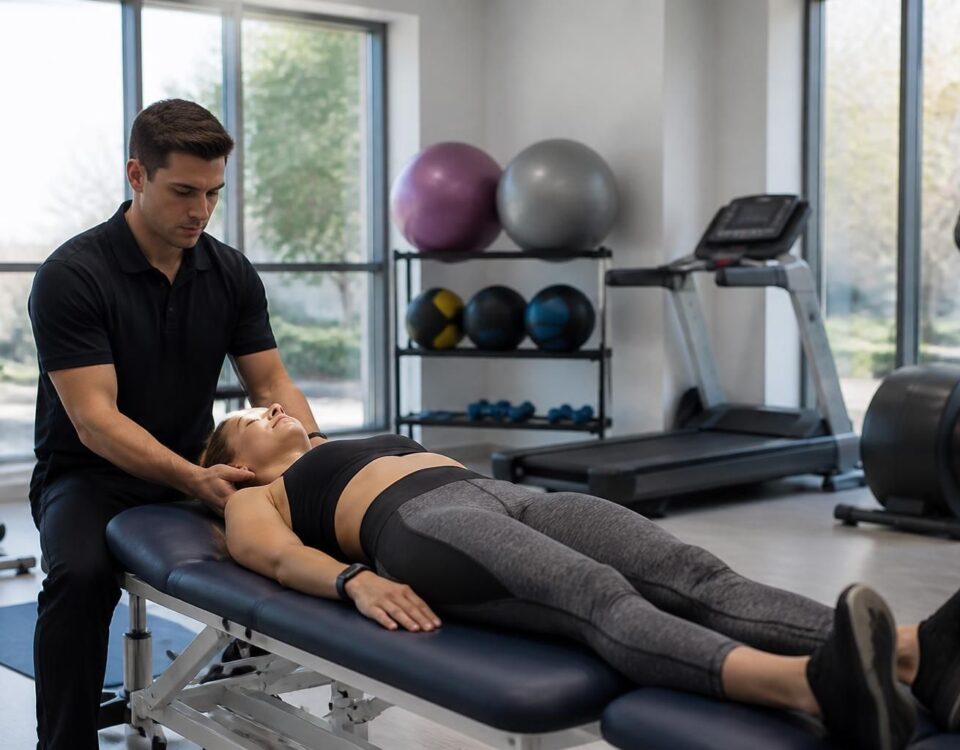
Advanced protocols in neurovertebral decompression for athletes
26/06/2026
Why neurovertebral decompression is ideal for patients with stenosis
26/06/2026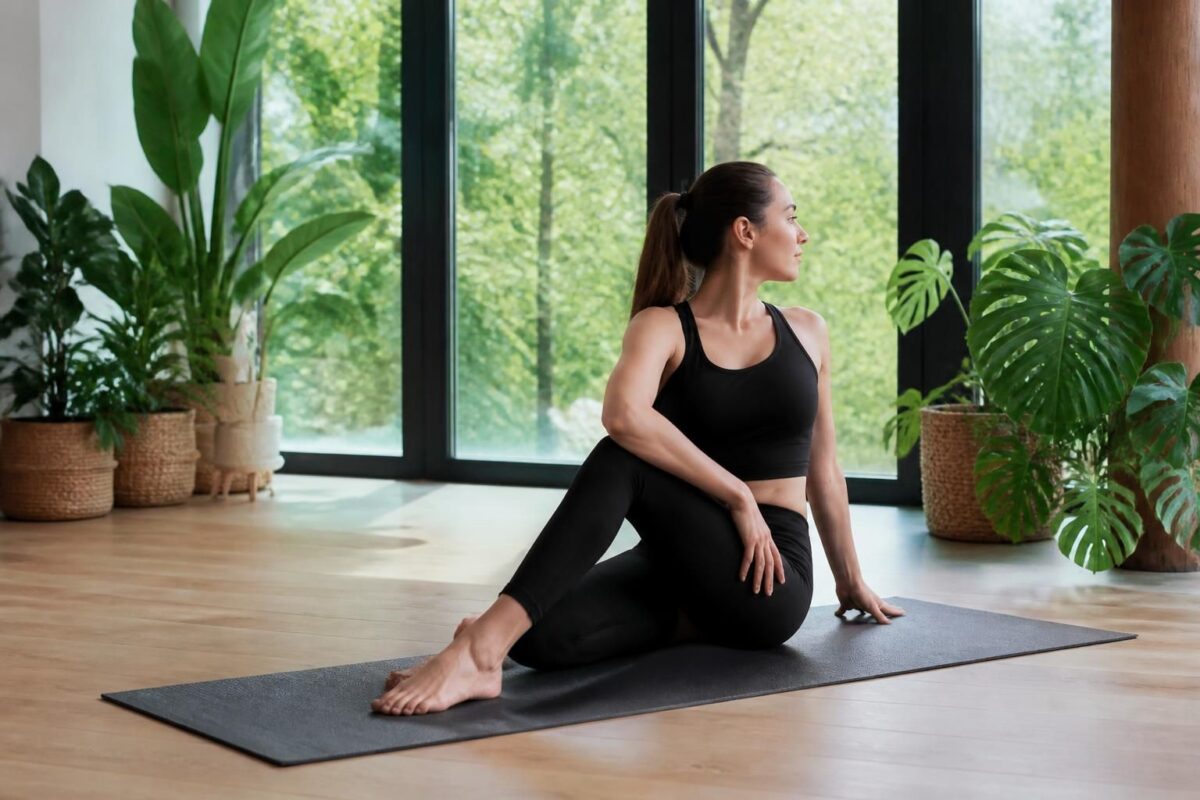
In short
| In short, neurovertebral decompression is an approach non-invasive which relieves the pressure on the Intervertebral discs and the gristle by a gentle traction of the spine, restoring the space between the vertebrae and improving the mobility and the flexibility of the column. Its benefits keys include a rapid pain reduction, a better bloodstream in the spine and support of the tissue regeneration, all without surgery and with an improvement in postural rebalancing. Accessible in Montreal, this service is particularly recommended for people with Chronic pain or mobility limitations, and it promotes the return to an active life thanks to a Improving mobility and from the flexibility. |
The neurovertebral decompression is an approach non-invasive which acts gently on the spine for Free up space between the vertebrae and reduce the pressure on the Intervertebral discs and the gristle. By applying controlled traction, it facilitates the realignment and restore a range of motion, thus improving the flexibility and the mobility of the spine.
- Quick relief pain and reduction of nervous tension.
- Improving mobility and the amplitude of everyday gestures.
- Tissue regeneration facilitated by better local traffic.
- Prevention of future pain thanks to a lasting alignment and an optimized posture.
- Approach adapted to different profiles, from athletes to the elderly, in search of autonomy and well-being.
Ask for a personalized assessment to find out if this technique can help you regain a more active and comfortable life.
This article, written by a health professional and expert in osteopathy and manual medicine, presents the neurovertebral decompression as a non-invasive approach to optimize the spinal mobility. By promoting a rebalancing of the vertebral spaces and better circulation, it can facilitate a Optimal flexibility and improve the quality of life. The text describes the mechanism, application criteria and support framework, with resources available to Tagmed Clinic.
Principle and mechanism
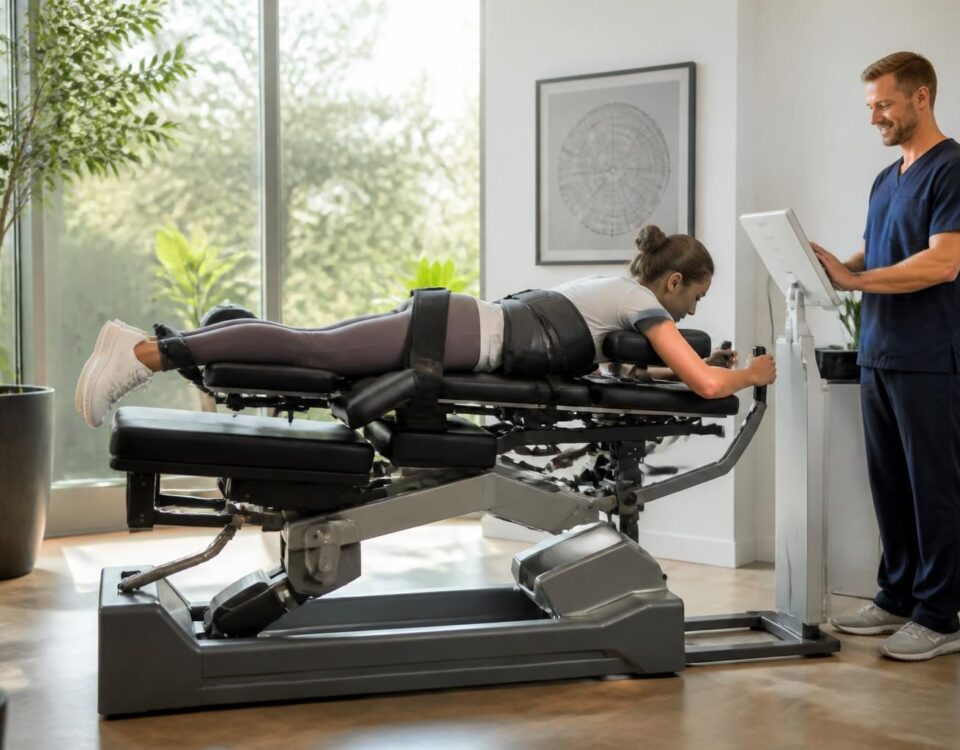
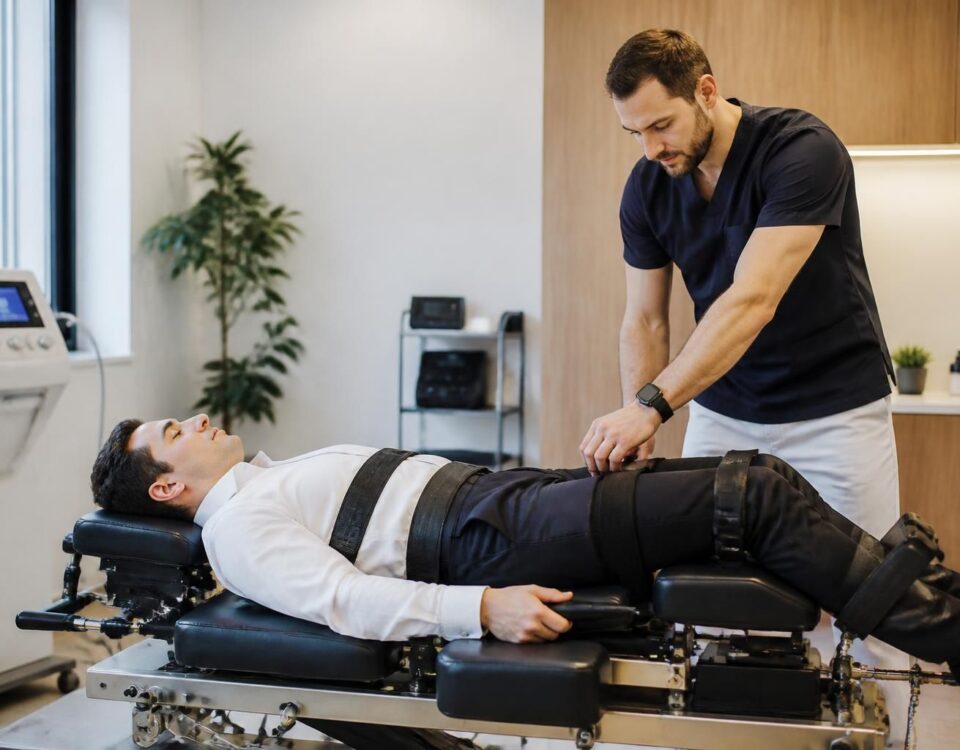
The neurovertebral decompression Consists of gentle traction applied to the spine to create a space between the vertebrae. This action reduces the pressure exerted on the Intervertebral discs and the gristle adjacent. The result is a better Vertical alignment and a decrease in tensions that limit the flexibility of the column. This promotes a Local blood circulation and can support tissue regeneration, contributing to more efficient recovery and lasting improvement of the flexibility.
Impact on mobility and quality of life
By releasing tensions and restoring a functional vertebral space, the mobility improves. Patients report a Improved range of motion and an pain reduction associated with spinal disorders. This non-invasive approach can reduce daily limitations and promote more active participation in daily life, without resorting to invasive gestures.
Who can benefit?
Decompression is suitable for a wide range of patients with chronic spinal pain or movement limitations associated with structural alterations. It can be considered in case of cervical or lumbar pain associated with conditions such as Degenerate disks, slipped disc or stenosis, when clinical indications allow it. The choice of treatment is based on a personalized evaluation carried out by the health professional, within the framework of a supervised program within recognized establishments.
Session course and security
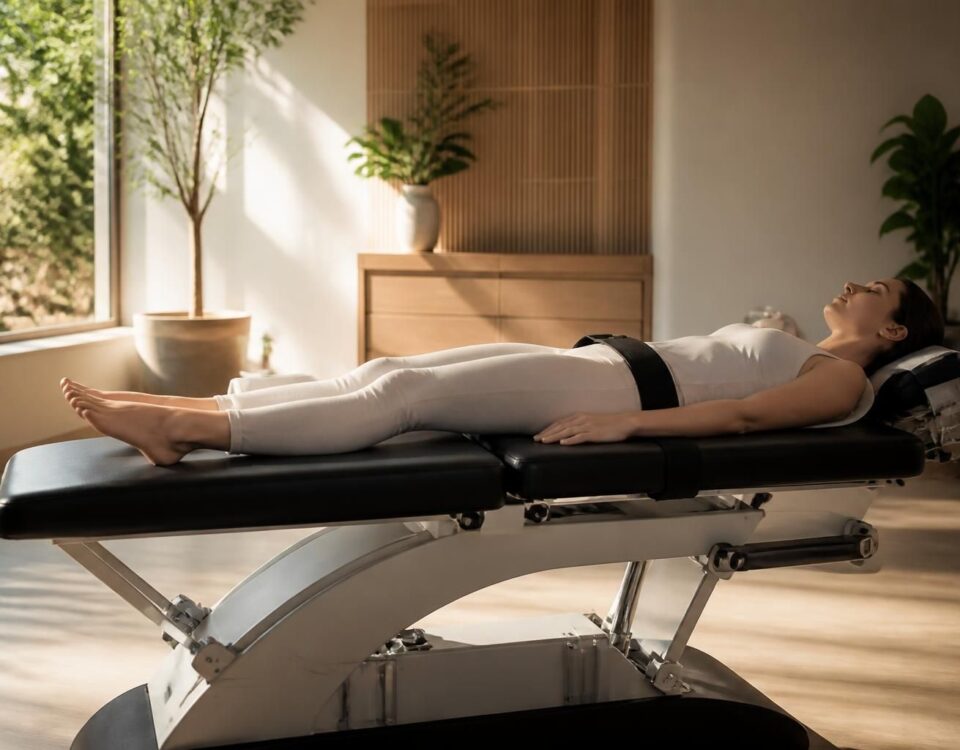
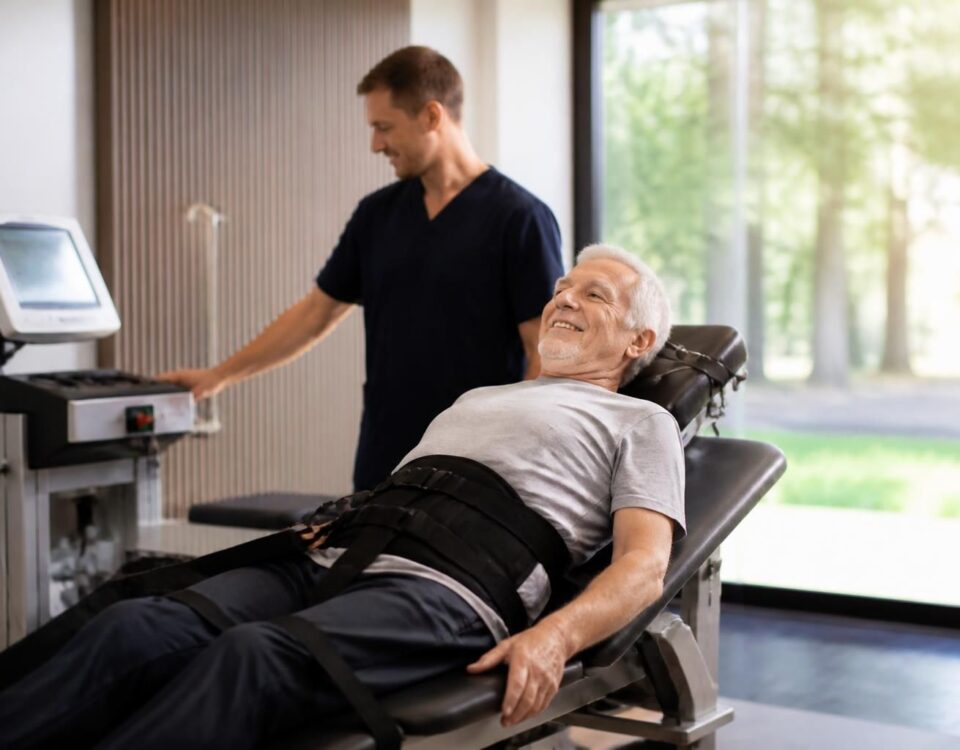
During a typical session, the patient is evaluated, then placed on a suitable table which applies a Controlled traction and fresh. The protocol is non-invasive and designed to be safe and comfortable. The sessions are part of a scheduled follow-up and do not require exercises to perform outside the clinic. The framework includes professional supervision and treatment adjustment according to individual needs.
Integration into a multimodal approach
Neurovertebral decompression can be associated with other therapeutic approaches within a global care program. At Tagmed Clinic, advanced technologies complement the management to optimize results without the need for surgical procedures. This integrated approach contributes to a Better quality of life And can help maintain proper posture and smoother movement.
Recommended resources and readings
To deepen, several resources and articles offered by the specialized teams converge on the benefits of neurovertebral decompression as part of a well-coordinated care system. See the following links for additional information and updates on protocols:
- Spinal stenosis and neurovertebral decompression — Clinic Tagmed
- How neurovertebral decompression improves spinal flexibility
- Neurovertebral decompression and prevention of chronic cervical pain
- Natural alternative to opioids
- Solution to improve spinal flexibility
- Ideal option for mechanical pain
For more information, you can also consult Neurovertebral Decompression — An Effective Alternative to Surgery.
Medical disclaimer: The information and advice provided on this site does not replace the advice, diagnosis or treatment of a healthcare professional. Please note that Dr. Sylvain Desforges osteopath is neither a doctor of medicine nor a doctor, and is not a specialist in a medical specialty as defined by the Collège des Médecins du Québec. Manual medicine, functional medicine and sports medicine as described on this site exclude any medical treatment or diagnosis made by a doctor or specialist doctor. Always consult your doctor for any medical questions. For more details, please read our full legal notice.
- gentle traction freeing the space between vertebrae.
- vertebral realignment For a better mobility.
- pressure reduction on discs and nerves.
- Better blood circulation in the vertebral region.
- Tissue regeneration and disk nutrition.
- Prevention of limitations by maintaining good alignment.
- Quick relief vertebral pain.
- Increase in amplitude of movement.
- Improved posture and reduction of compensation.
- Back to activity (work, sport, daily).
- Non-invasive option avoiding surgery.
- Integrated approach with other therapies (laser, shock waves).

This sheet presents the neurovertebral decompression as an effective way to improve mobility and the flexibility of the spine. By exerting a gentle traction on the spine, it reduces the pressure on the discs and nerves, promotes a realignment adapted and allows a quick return to daily and sporting activities without pain. It is ideally integrated into a global care program to optimize results and quality of life.
Why neurovertebral decompression optimizes mobility
by creating a space between the vertebrae by a light traction, this approach helps to release tension, restore freedom of movement and promote bloodstream more efficient locale. better spinal tissue nutrition and decreased nerve irritation contribute to range of motion found and a feeling of fluidity in everyday gestures.
Typical results include a rapid reduction in discomfort, a better posture and a decrease in compensation that often limit flexibility. This approach is not intrusive and respects the natural mechanisms of the body, making it a particularly suitable option for people seeking to avoid more aggressive treatments.
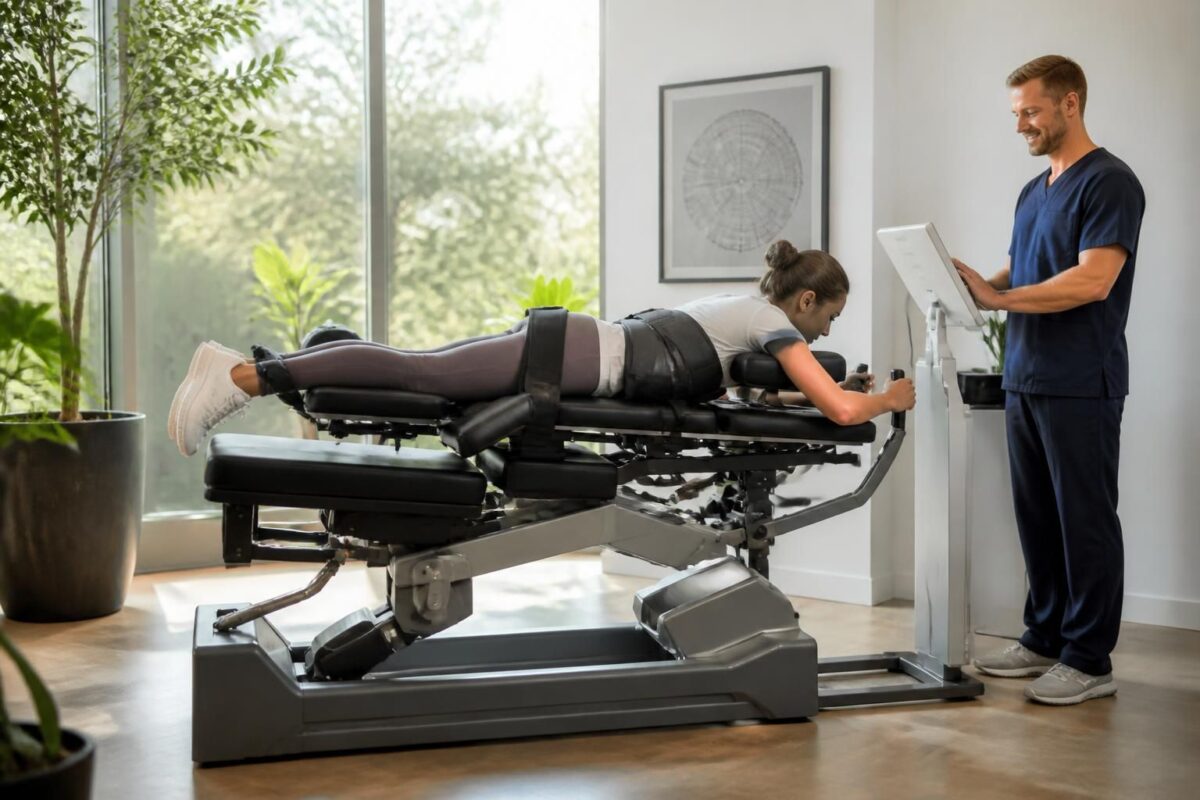
The long-term benefits of neurovertebral decompression for spinal health
In short In short, the neurovertebral decompression is a non-invasive approach that decreases the Pressure on intervertebral discs and nerves, favoring the Natural regeneration and tissue recovery. Its long-term benefits include Lasting pain reduction, Improving mobility and from the posture,…

Neurovertebral decompression and mobility: a return to an active life
In short In short, the neurovertebral decompression is therapy non-invasive who uses a gentle traction To create a space between the vertebrae and reduce the pressure on the Intervertebral discs and the nerves. It promotes a bloodstream improved, lowers tension…
Sessions and security
A session begins with a Personalized evaluation To identify the areas to be treated and adapt the plan. The person is guided on a suitable table where a gentle traction The time needed to create the desired space without excessive pain or tension. The process is generally well tolerated and can be integrated into a weekly program over several weeks.
The practitioner carefully monitors body reactions and adjusts parameters to preserve safety and maximize efficiency. In case of new pain, inflammatory signs or contraindications, treatment is revised or interrupted. This method is non-invasive and designed to promote progressive recovery and lasting.
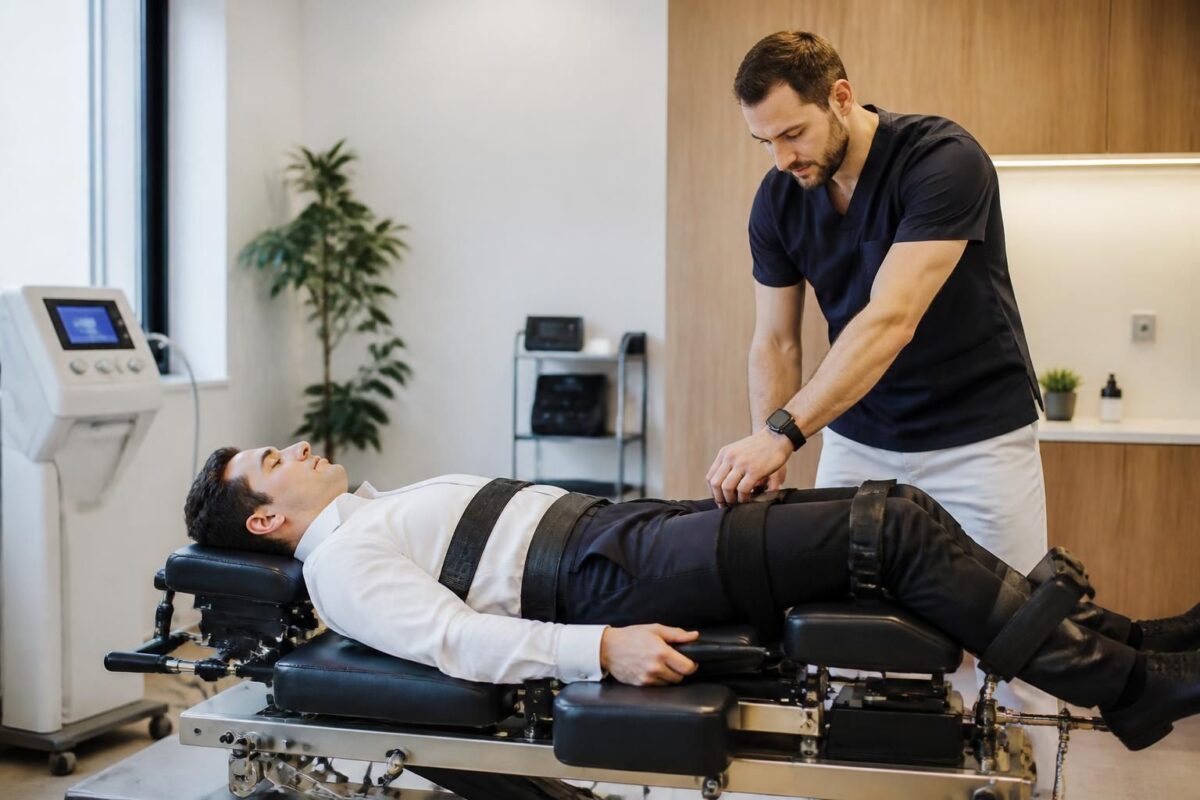
How Neurovertebral Decompression Prevents Diffuse Chronic Pain
In short decompression neurovertebral is one Non-invasive method aimed at reducing the Pressure on the intervertebral discs and the nerves, in order to prevent Diffuse chronic pain. It improves the circulation and thedisc hydration, decreases inflammation and promotes better mobility.…
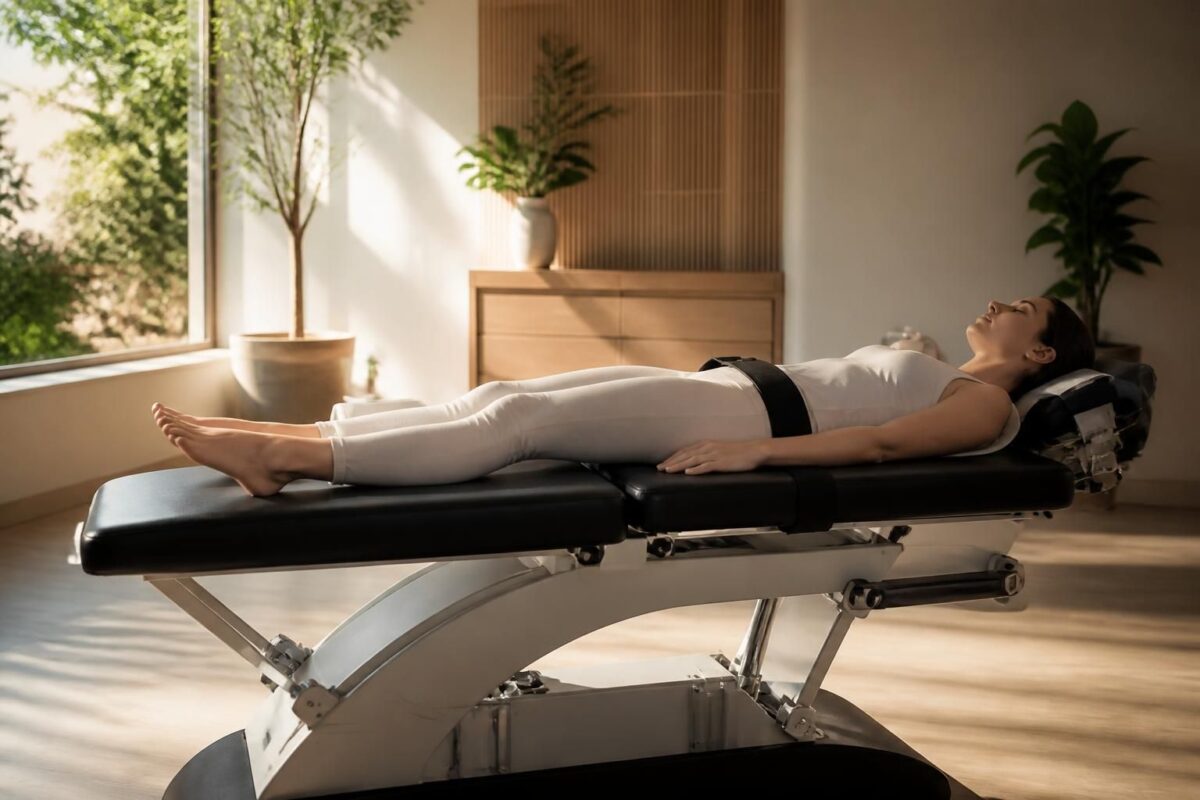
Neurovertebral Decompression and Body Alignment: Restoring Natural Balance
In short In short, neurovertebral decompression is one Non-invasive approach who restores theBody Alignment and thenatural balance back and neck. She acts by a Controlled traction of the spine to widen the intervertebral space and reduce the Pressure on discs…
Practical recommendations to regain optimal flexibility
Integrate the approach into a multidisciplinary program
To take full advantage of the neurovertebral decompression, Pair it with targeted exercises and postural advice. A coordinated plan between osteopath, physiotherapist and health professional supports tissue regeneration and functional rehabilitation, while preserving safety and progression.
Complementary exercises and daily habits
Complete the sessions with gentle flexion and extension movements adapted to your condition, as well as controlled stretching routines. Adopt habits favoring a good posture At work and at rest, preventing repeated tensions and blockages. Regular physical activity adapted to your level strengthens mobility and supports the benefits of decompression.
Preparations and Precautions
Before you begin, make sure you have medical advice and accurate diagnosis if any serious infections, tumors, fractures or pathologies exist. Inform your practitioner of any ongoing treatment, severe pain or unusual discomfort. Neurovertebral decompression can be seen as a key step in a wellness course, while remaining adapted to your abilities and goals.
| Element of evaluation | Concise impact |
|---|---|
| Definition | The decompression is one gentle traction and non-invasive Aiming to free up the space between the vertebrae and reduce the pressure on the discs and nerves. |
| Objective | Restore thealignment and improve the mobility for a flexibility sustainable. |
| Mechanism | Traction controlled which readjust the column and Release the tensions to facilitate movement. |
| Impact on flexibility | improvement of therange of motion and reduced flexion and rotation limitations. |
| Pain | quick relief and decrease nervous tension. |
| Security | Option non-invasive, low risk; requires a screening. |
| Progress | sessions on a specialized table with gentle traction; planned over several weeks. |
| Integration | May be associated with other therapies and exercises to support the Sustainable mobility. |
| Target audience | adults and senior suffering from spinal pain and reduced mobility. |
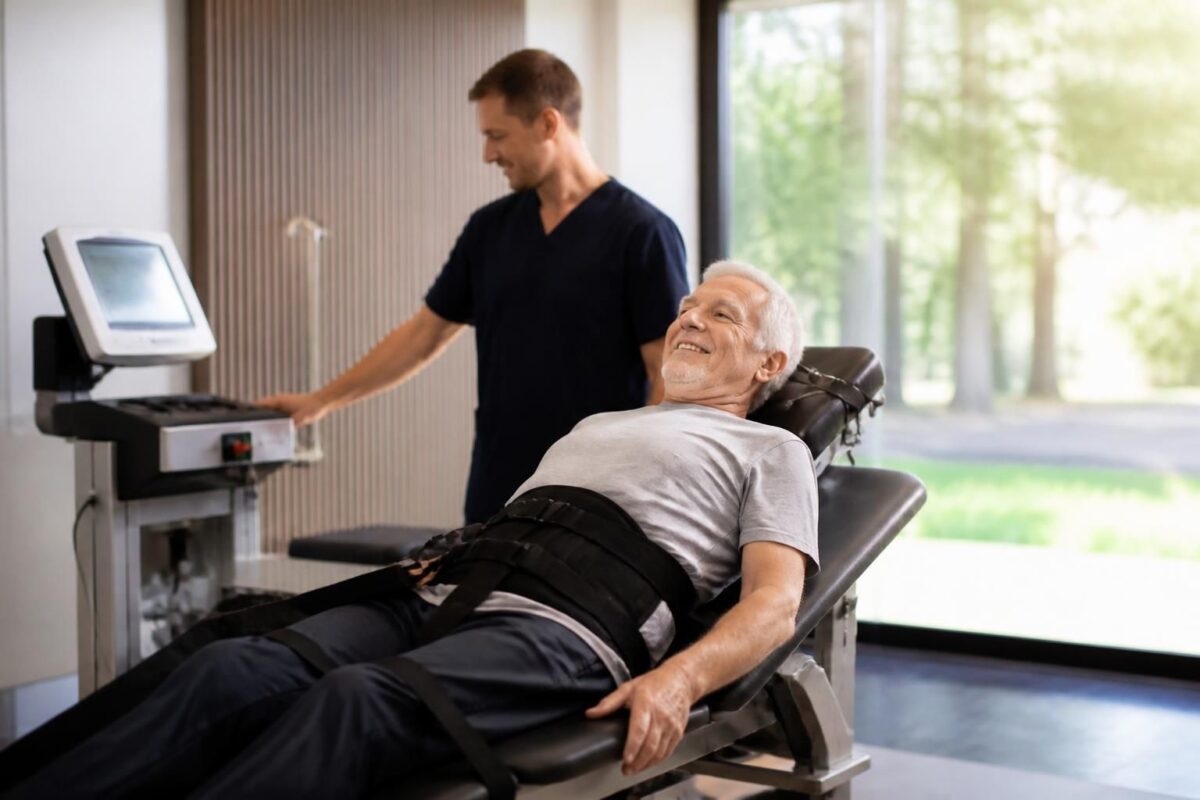
Why neurovertebral decompression is a lasting solution for active seniors
In short In short, the neurovertebral decompression is one Non-invasive therapy which sustainably relieves spinal pain in the spine active seniors By creating, by a Soft and controlled traction, a space between the vertebrae. At Montreal, it is recognized as…
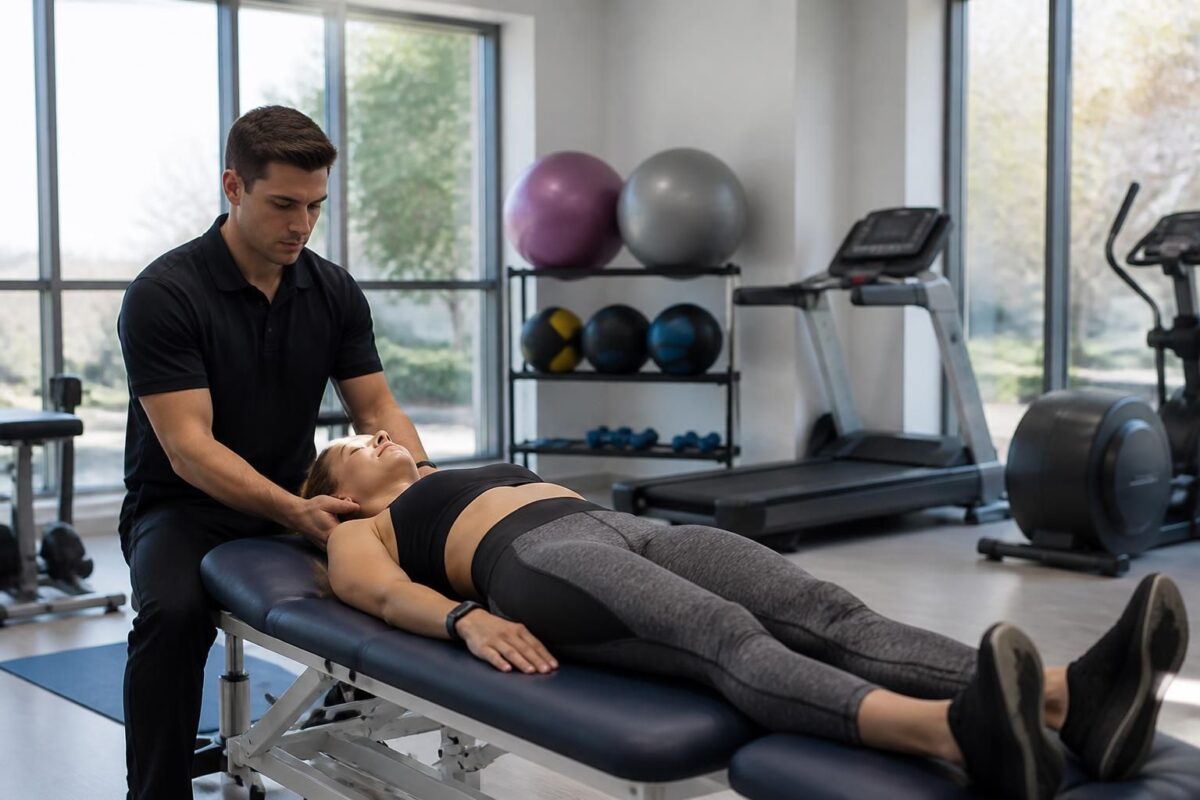
Neurovertebral decompression and recovery after severe sports injury
In short In short, the neurovertebral decompression is one Non-invasive method to Relieve the pressure on the Intervertebral discs and the gristle Via a Controlled traction, to facilitate the recovery After a severe sports injury. It improves the bloodstream towards…
Testimonials on neurovertebral decompression and spinal mobility: regain optimal flexibility
Marie, 63: after years of lower back pain, I discovered the neurovertebral decompression and I found a flexibility in my spine. My mobility has improved significantly and I can bend over and move again without pain.
Jean, 70: I thought stiffness was a fatality of aging. After a few sessions of neurovertebral decompression, I found a mobility more fluid and my aches lumbar subsides significantly.
Sophie, 52: While resuming my daily activities, I feel a new flexibility in my column and a better range of motion, which allows me to approach every day with more ease.
Thomas, 45: my cervical, long painful, have gained in mobility and flexibility After a few sessions, which allowed me to resume my daily training and gestures.
Élise, 68: I thought yoga was over; Thanks to the neurovertebral decompression, I found a freedom of movement and an posture more aligned.
Lucas, 55: the sessions opened a new mobility In my column and I found the pleasure of being active on a daily basis without pain.
Dr. Sylvain Desforges is a reference in the field of musculoskeletal care, recognized as Expert in osteopathy, naturopathy and manual medicine. Founding President of the TagMed Clinics and the ACMA Association, he leads an approach focused on health innovation and on the management of Chronic pain through a multidisciplinary approach. Its commitment is to provide evidence-based care tailored to each patient, in order to optimize the health and well-being.
With a career dedicated to Reinventing clinical practices, he favors a holistic approach that combines manual expertise and emerging technologies. Its practice is based on an in-depth evaluation and active listening, which makes it possible to develop care pathways custom and measurable. This logic is part of a vision where each treatment is based on solid clinical data and on the follow-up of patient feedback in their daily lives.
At the heart of his approach is the neurovertebral decompression, a technique non-invasive aimed at reducing the pressure exerted on Intervertebral discs and the gristle. by a gentle traction, it promotes realignment of the column and opens a space between the vertebrae, which improves the spinal mobility and the flexibility joints. The goal is to reduce pain and support local tissue regeneration, while improving blood circulation in the spinal area to nourish the tissues and facilitate recovery.
This technique does not refer to surgery, but fits into a strategy multimodal where complementary technologies play an important role. The laser and the Shockwave therapy enrich the action of decompression by acting directly on damaged tissues and accelerating healing processes. Dr. Desforges encourages a practice evidence-based, associating the clinical results with adjustable protocols adapted to the profile of each patient.
The benefits of this approach result in a Sustainable improvement in mobility and an pain reduction which allow you to find daily activities and leisure activities long left out. Patients, whether athletes in rehabilitation, seniors wishing to preserve their autonomy or people suffering from lower back or cervical pain, note a Better flexibility and an Autonomy regained. More effective blood circulation and optimized tissue nutrition support the recovery and the quality of life.
In addition, the action of Dr. Desforges extends to training and professional development: it promotes the dissemination of best practices, accompanies the training teams and supports applied research to expand access to safe and effective care. Its leadership is part of a logic of collaboration with patients and professionals, aiming to establish clear protocols and measurable objectives that guide the rehabilitation course.
This trajectory illustrates how the neurovertebral decompression integrates with a global vision that focuses on mobility, the security and the quality of life, while relying on evidence and human expertise dedicated to the lasting well-being of patients.
This text summarizes the challenges of the neurovertebral decompression for Spinal mobility and the flexibility. By releasing the space between the vertebrae by gentle traction, this non-invasive approach acts on the discs and nerves to reduce pain, restore alignment and promote functional recovery that improves daily life. It illustrates the mechanisms, benefits and conditions of application, while showing how this technique can be integrated into a global well-being and prevention program.
The neurovertebral decompression is distinguished by its character non-invasive and by its ability to restore theSpinal alignment and the intervertebral space thanks to controlled traction. This action decreases the pressure on the discs and nerves, which results in a pain release and an Improving mobility and from the flexibility.
of Rapid clinical results have been observed, with significant gains in flexibility and locomotor function, testifying to the potential of this approach for lumbar and cervical pain. This dynamic also contributes to a better bloodstream local and Tissue regeneration, promoting durable recovery and smoother movement.
The decompression is adapted to a wide range of patients, from athletes in rehabilitation to seniors wishing to maintain their mobility. To deepen the links between decompression and mobility, consult dedicated resources such as Decompression and mobility – Improve spinal flexibility, Find an active life and regain optimal health.
From an integrated perspective, decompression can be associated with other approaches to optimize the Joint mobility and prevent mechanical voltages. Personalized programs allow the sessions to be adapted to each patient, and the multimodal approach can include complementary techniques to support the posture and the muscle function while reducing the risk of recurrence. To explore these options, see in particular Integrate decompression into a personalized rehabilitation program.
In addition, practical resources and quick access guides exist to support patients with herniated disc or associated pain, such as Recovery after severe disc herniation.
For a global view and general information, you can consult the encyclopedic article Neurovertebral decompression – Wikipedia.
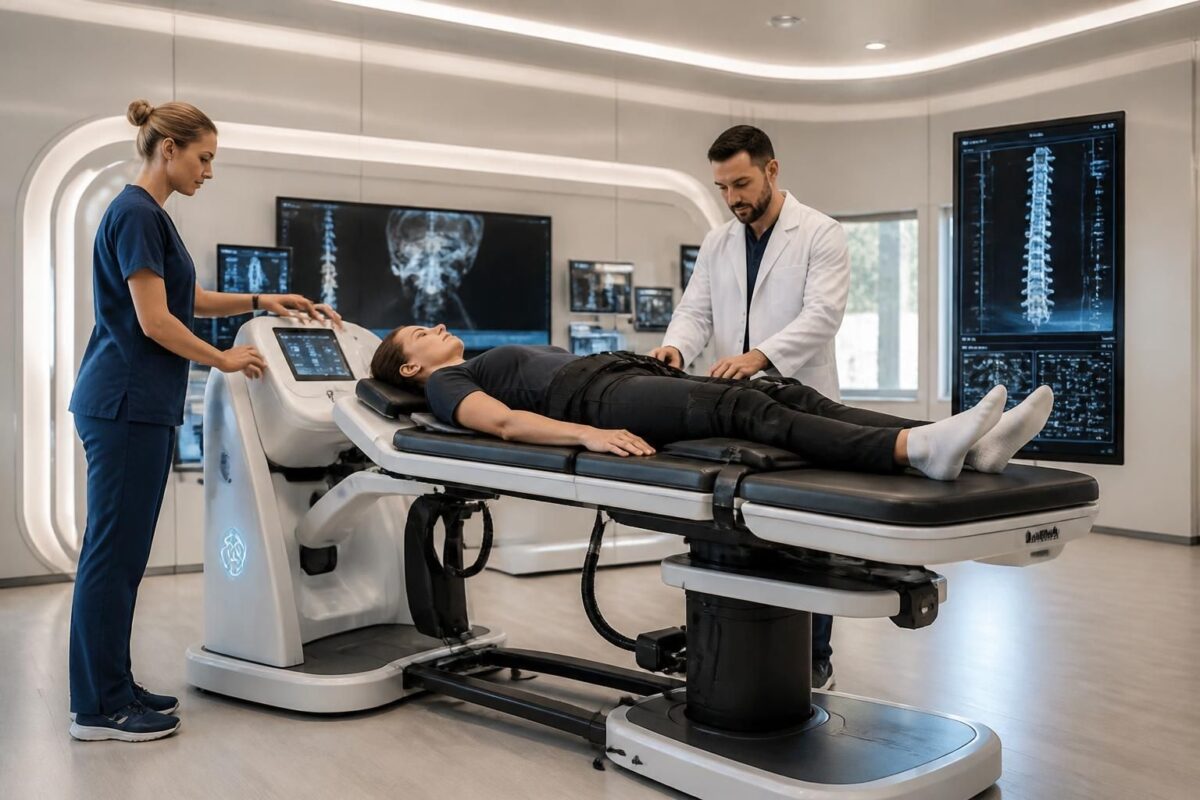
Recent innovations in neurovertebral decompression technologies
In short In short, the neurovertebral decompression is an approach non-invasive Aiming to reduce pressure on discs and nerves, and promote tissue regeneration. At Montreal, it is positioned as an effective option for lower back pain and herniated discs. The…
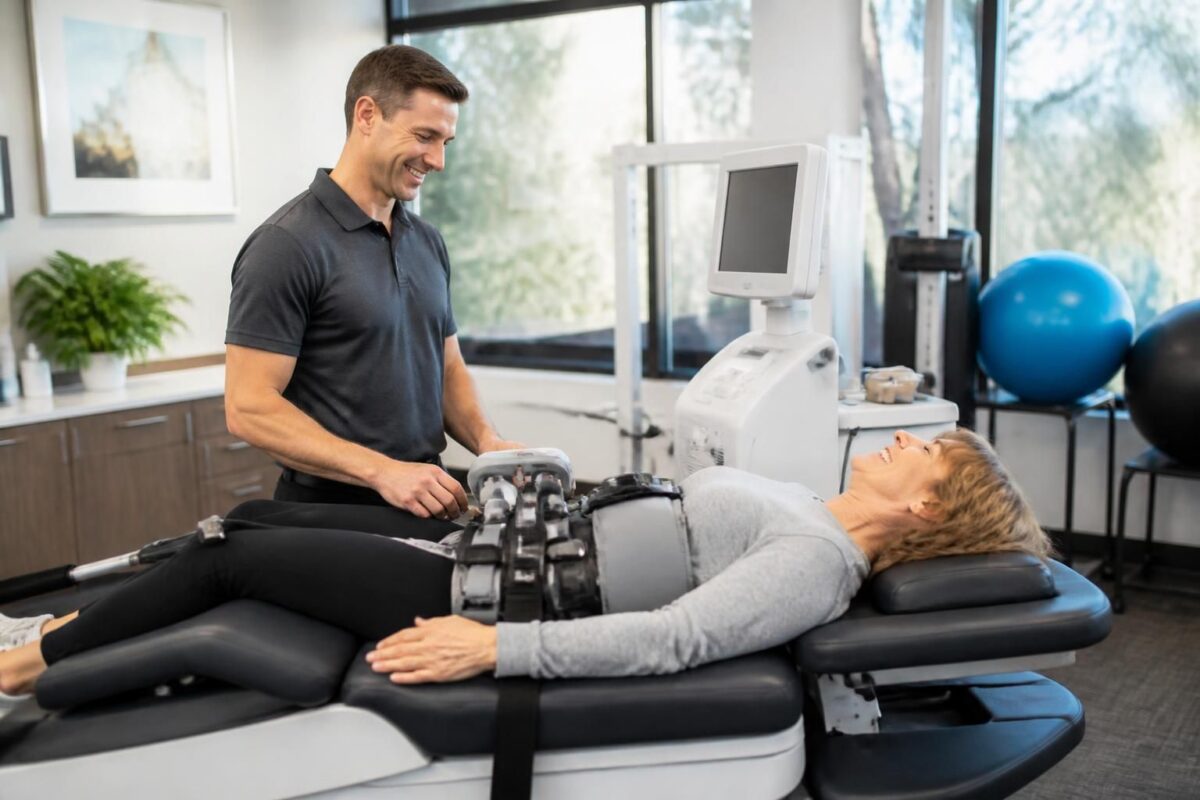
Neurovertebral decompression and diffuse pain: an appropriate solution
In short In short, the neurovertebral decompression is one Non-invasive solution For diffuse pain related to nerve irritation of the spine. She acts in Reducing pressure on intervertebral discs and nerves and improving the bloodstream, which promotes recovery and the…

Dr Sylvain Desforges, B.Sc., D.O., N.D., osteopath, is the founding president of TAGMED and of the ACMA association. He dedicates his practice to chronic spinal pain, low back pain and symptoms compatible with sciatica, particularly when pain radiates toward the buttock, leg, calf, foot or toes.
Through SOS Sciatique, he publishes educational content on sciatica symptoms, possible causes such as disc herniation, disc narrowing, foraminal stenosis or irritation of a lumbar nerve root, as well as non-surgical approaches that may be considered according to the evaluation. At Clinique TAGMED, care may include, depending on the case, motorized neurovertebral decompression, specific osteopathic care or precision percussion.
For an evaluation related to sciatica treatment in Montreal / Mount Royal or sciatica treatment in Terrebonne, please consult the services available at Clinique TAGMED.
Medical disclaimer
The information published on SOS Sciatique is provided for educational purposes only and does not replace a consultation, diagnosis, opinion or treatment provided by a physician or another authorized healthcare professional. The author of this article is neither a medical doctor nor a specialist in a medical specialty recognized by the Collège des médecins du Québec. The osteopathic, manual medicine or functional support approaches described on this site do not constitute medical acts and are not intended to replace medical follow-up.
Consult a physician or emergency service in cases of loss of bladder or bowel control, anesthesia in the saddle area, significant or progressive weakness in the leg or foot, fever, recent trauma, severe pain or rapid worsening of symptoms. For more details, please read our Legal Notice.