

The long-term benefits of neurovertebral decompression for spinal health
26/06/2026
The benefits of osteopathy for optimal health
27/06/2026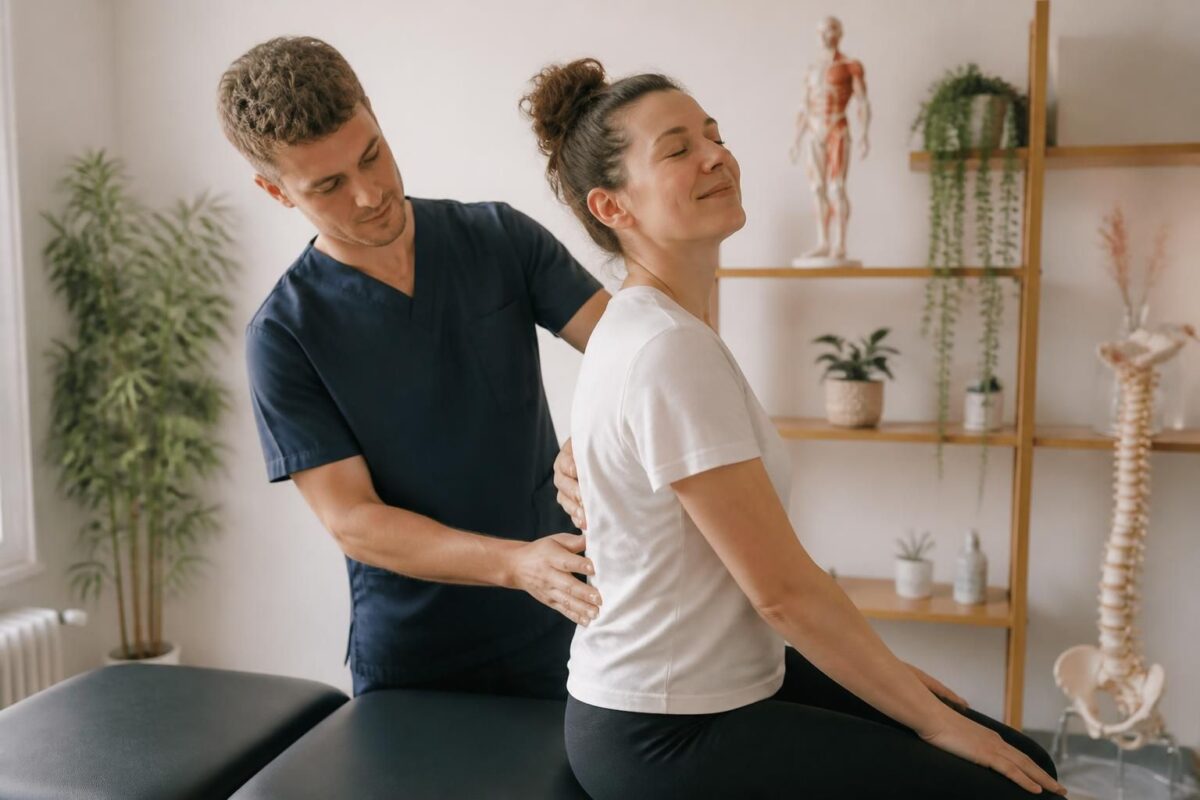
In short Osteopathy is one Manual therapy who seeks to diagnose and treat the Musculoskeletal dysfunctions By taking the body as a whole and supporting theself-regulation natural. It offers advantages such as Chronic pain reduction, theImproving mobility and from the posture, as well as preventive and functional benefits, especially during pregnancy or during rehabilitation. Its operation is based on a targeted anamnesis, then gentle manipulations aimed at restoring the balance and stimulating theself-healing, without invasive act. In Paris, this service is particularly relevant for lower back pain and joint disorders. |
Osteopathy is a manual therapy that aims to diagnose and treat Musculoskeletal dysfunctions By considering the body as an integrated unit.
guided by the idea that the body has a capacity toself-healing, she acts by Gentle gestures and techniques targeted at muscles, joints and tissues to restore mobility and reduce tensions.
For the chronic pain, osteopathy may decrease pain, improve posture and mobility, and fostering mechanisms ofself-regulation of the body, which can lead to lasting improvement with a suitable session plan.
A typical consultation combines a Maintenance/Anamnesis and a physical assessment, followed by Gentle techniques and post-session advice to maintain benefits and prevent recurrences.
This article, written by a health professional expert in osteopathy, presents what osteopathy is and explains how it can contribute to sustainably relieving chronic pain. It describes the mechanisms of action, the course of a session and the situations in which this therapy can be useful, while remaining compatible with medical follow-up.
Osteopathy is a manual therapy focused on the diagnosis and treatment of musculoskeletal dysfunctions. It is based on the idea that the body has a capacity for self-regulation and self-healing, and it considers the body as a whole, as a single interconnected system. An osteopath uses gentle manual techniques to restore the mobility of muscles, joints, ligaments and even organs to reduce pain and restore functional balance.
Definition and essential principles
Osteopathic practice is based on several simple and clear principles. The body is seen as a unit where each element influences the others. The relationship between structure and function is reciprocal: an altercation of posture or tensions can change the physiological function, and vice versa. The body has mechanisms of self-regulation that osteopathy seeks to support. Finally, prevention occupies a central place, with attention paid to maintaining health and preventing the appearance of disorders.
How can osteopathy relieve chronic pain
For chronic pain, osteopathy acts on several levers. It aims to restore the mobility of the joint segments and to release persistent muscle tension. It can also promote better regulation of the nervous system and local inflammatory mechanisms. By favoring a global approach, osteopathy seeks to correct the dysfunctions that feed the pain in the long term, rather than treating the symptoms only. This approach can lead to a reduction in pain, an improvement in posture and a better tolerance to movement.
What the evidence and limits indicate
Clinical data shows that osteopathy can be effective for Chronic pain common, in particular lumbar and cervical, as well as for associated functional disorders. However, efficacy may vary depending on the patient and the exact nature of the problem. Osteopathy is not intended to replace a medical diagnosis or treatment prescribed by a doctor, but can constitute appropriate support in addition to medical follow-up. For cases of specific pathologies, in particular related to the spine, a medical evaluation remains essential.
Why consult an osteopath
Consulting an osteopath may be relevant if you suffer from joint or muscle pain that persists despite other treatments, or if you have functional disorders (back pain, headaches, digestive disorders, etc.). Osteopathy can be useful throughout life, including during pregnancy or in chronic disorders, as it is based on a respectful approach to the patient’s physiology. In some cases, it can be considered in addition to other care to promote better mobility and a reduction in tension.
Session course and security
A session begins with an in-depth interview (anamnesis), in order to understand your history, symptoms and lifestyle. Then, the practitioner performs a gentle manual assessment to identify areas of tension and mobility restrictions. After the analysis, adapted techniques – mobilizations, gentle adjustments and relaxations – are used to restore the balance of the body. A session usually lasts between 45 minutes and one hour. Improvements may be felt from the first session, but longer treatment may be necessary depending on the complexity of the disorder.
For whom and in what situations is osteopathy addressed
Osteopathy can benefit a wide audience, from adults to pregnant people, to athletes and people with chronic pain. It can also intervene as support during functional rehabilitation or in addition to medical follow-up. Osteopaths can work in coordination with other health professionals to ensure global and appropriate follow-up.
Integration with other approaches
In practice, osteopathy can be integrated with other health approaches to optimize well-being and mobility. It can be combined with advice on lifestyle, ergonomics and appropriate physical activity. For specific tissues and systems, some patients may benefit from complementary treatments, such as specialized approaches to neurovertebral decompression when indicated. For more information on these mechanisms, you can consult specialized resources on sites dedicated to sciatica and neurovertebral decompression.
Resources and useful links
To explore some aspects, consult dedicated resources:
Visoral osteopathy,
Improved quality of life,
or general information on the practice and indications on doctissimo. For information on training aspects and professional executives, refer to recognized educational resources and the professional associations mentioned below. Other useful resources include the TagMed network and CliniqueTagMed sites.
To learn more about the framework of neurovertebral decompression and associated approaches, you can consult the specialized resources available at neurovertebral decompression and relevant resources on SOS SCIATIC.
Training and Practice: Osteopaths in France and recognized educational executives include trainings and diplomas affiliated with specialized institutions such as NUMSS, NAO, National University of Medical Sciences and National Academy of osteopathy, which supervise the programs and guarantee the requirements of osteopathic practice. Relevant professional associations include ACMA (Canadian Alternative Medicine Alliance), the College of Canadian Osteopaths and the College of Canadian Osteopaths.
| Aspect | osteopathy | Physiotherapy |
|---|---|---|
| Approach | holistic, body as a whole | Functional rehabilitation and targeted exercises |
| Main objective | Restore mobility and balance, activation of self-healing mechanisms | Restoration of function and movement through exercises and physical therapies |
| sessions | gentle manipulations, mobilizations and relaxations | Exercises, Manual Therapy, Educational Therapy |
| Use | Treatment of chronic pain and various functional disorders | Post-traumatic rehabilitation, functional recovery |
Medical disclaimer
“Medical disclaimer: The information and advice provided on this site does not replace the health professional’s benefit, diagnosis or treatment. Please note that Dr. Sylvain Desforges osteopath is neither a doctor of medicine nor a doctor, and is not a specialist in a medical specialty as defined by the Collège des Médecins du Québec. Manual medicine, functional medicine and sports medicine as described on this site exclude any medical treatment or diagnosis made by a doctor or specialist doctor. Always consult your doctor for any medical questions. For more details, please read our full legal notice. »
Note: The contents dealing with sciatica treatments and associated conditions include details of the techniques used without recommending specific exercises or stretching when these elements are not indicated in the context of appropriate professional care.
- Definition : Manual therapy focused on the diagnosis and treatment of musculoskeletal dysfunctions.
- Approach : Holistic, the body is seen as an interdependent unity.
- techniques : gentle manipulations, mobilizations and work of the fascias and muscles.
- Domains : Structural, cranial and visceral according to the needs of the patient.
- Origin : Discipline based on the idea that the body can heal itself.
- Role : rebalance and prevention of imbalances, in addition to medical care.
- pain reduction : Improved mobility and decreased tensions responsible for chronic pain.
- Mobility found : Work on joints and tissues to regain amplitude.
- Prevention : identification of causes and advice to avoid recurrences.
- Personalized approach : program adapted to the location and the chronology of pain.
- complementarity : possible support with other therapies and rehabilitation.
- Comfort and safety : gentle techniques adapted to chronic pain, respecting the tissue.

Here is a clear guide to what isosteopathy and how it can help relieve chronic pain by acting on the whole body. This manual approach favors the patient’s balance and self-healing, and can complete medical follow-up by reducing pain and improving daily function.
What is osteopathy?
theosteopathy is a manual therapy that aims to diagnose and treat functional dysfunctions of the body. It is based on an approach holistic : The body is considered an interdependent unit, where each element can influence the others. The practitioner uses his hands to assess and restore the mobility of muscles, joints, ligaments and organs to promote overall balance and alleviate pain.
The techniques used are adapted to the patient’s situation and may vary according to needs. The goal is to restore the mobility and support the natural mechanisms ofself-regulation of the body. This discipline may include targeted approaches to the musculoskeletal system, but also techniques that take into account viscera and body tension to improve overall function.

How osteopathy improves the quality of life of active people
In short In short, theosteopathy is a global approach that Optimizes mobility and the function of the body of ACTIVE PEOPLE, for a better quality of life. It helps prevent injury and reduce Musculoskeletal pain While promoting the Sports recovery.…

Osteopathy and sports recovery: prepare the body for lasting performance
In short In short, Osteopathy and Sports recovery is one Global manual approach that sustainably prepares the body for the effort by restoring mobility and circulation After the effort. It is a discipline that acts on the sinews, the joints,…
Osteopathy and chronic pain: how can it help?
For people suffering from chronic pain, osteopathy offers a useful complementary approach. By working on the structures that support the body and promoting better mobility, it can help reduce pain, improve posture and reduce muscle tension that fuels background pain.
Typical benefits reported include decreased persistent pain, improved range of motion, stress reduction and improved sleep quality. Osteopathy can also be useful for associated functional disorders, such as joint stiffness or chronic stress tension. It is not intended to replace medical treatment when it is necessary, but it can be included as a valuable support in a global care plan.
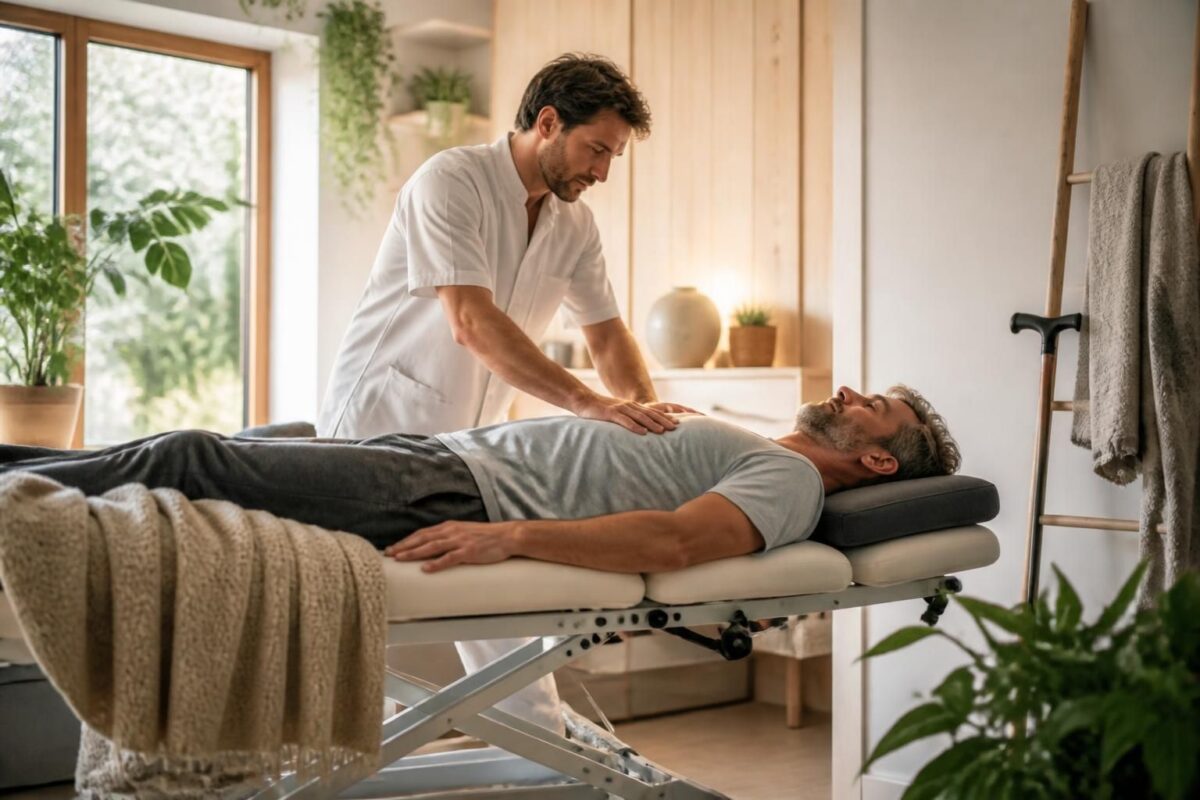
Why Osteopathy Is Essential For Recovery People
In short In short, Osteopathy in convalescence is an approach manual and holistic which helps to accelerate the recovery by restoring The balance, the mobility and a good circulation fabrics. it contributes to Reduce the pain, support the Back to…

Osteopathic manipulations to strengthen post-traumatic muscles
In short In short, Osteopathic manipulations for Strengthen post-traumatic muscles constitute a gentle manual approach aimed at restoring the mobility, reduce the pain and facilitate the Functional rehabilitation After a injury. What is Is it? A series of precise gestures…
Typical session
During a consultation, the osteopath begins with a thorough interview To understand your history, symptoms and lifestyle. Then comes a physical examination Soft and targeted, in order to identify areas of tension and mobility restrictions. After diagnosis, Manual techniques adapted are applied: mobilizations, stretching and gentle manipulations aimed at restoring the balance of the body. A session usually lasts between 45 minutes and one hour. It is common to see improvement from the first session, but longer treatment may be necessary for chronic or complex problems. The practitioner can also offer advice on exercises to be carried out at home and adjustments in posture or lifestyle.

Osteopathy and prevention of work-related musculoskeletal disorders
In short theosteopathy is one Manual approach that restores body balance and prevents MSD related to work. Its advantages: reduction of tension, improvement of mobility and prevention of chronic pain. She is preventive and healing, suitable for office and trades…

The benefits of osteopathy to treat muscle imbalances
In short theosteopathy is a manual approach to restore themuscle harmony and postural considering the body as a whole. Its main benefits include the reduction of aches and tensions, the improvement of the mobility and from the posture, and prevention…
Tips for optimizing profits
To make the most of osteopathy in chronic pain, favor a qualified and experienced osteopath, who adapts his techniques to your situation and who clearly communicates on the objectives of the treatment. Inform him about your medical history and any ongoing treatment. Plan regular sessions according to the severity and chronicity of your pain, and incorporate simple self-care, stretching and posture tips into your daily life. Finally, consider osteopathy as a complement to your medical follow-up: it can support your well-being and mobility, while respecting the indications of your attending physician.
| Aspect | concise statement |
|---|---|
| Definition | Manual therapy Focused on Musculoskeletal dysfunctions and functional, promoting self-healing of the body. |
| Approach | Approach holistic Linking structure and function to treat causes, not just symptoms. |
| Origin and philosophy | Orientation to theself-regulation of the body and theOverall balance by manipulation adapted. |
| Areas of action | support the Chronic pain back and joints and can improve functional disorders. |
| Techniques used | manipulation gentle, mobilization and relaxation of the fascias, adapted to the patient. |
| Potential benefits | Restore it mobility, reduces voltages and may decrease pain and chronic fatigue. |
| Frequency of sessions | 1 to 3 initial sessions, then maintenance depending on the evolution. |
| Safety and precautions | Exercise with a Graduate osteopath; Some conditions require medical advice. |
| Audiences concerned | adults suffering from Chronic pain; Pregnancy and seniors can benefit from it depending on the case. |
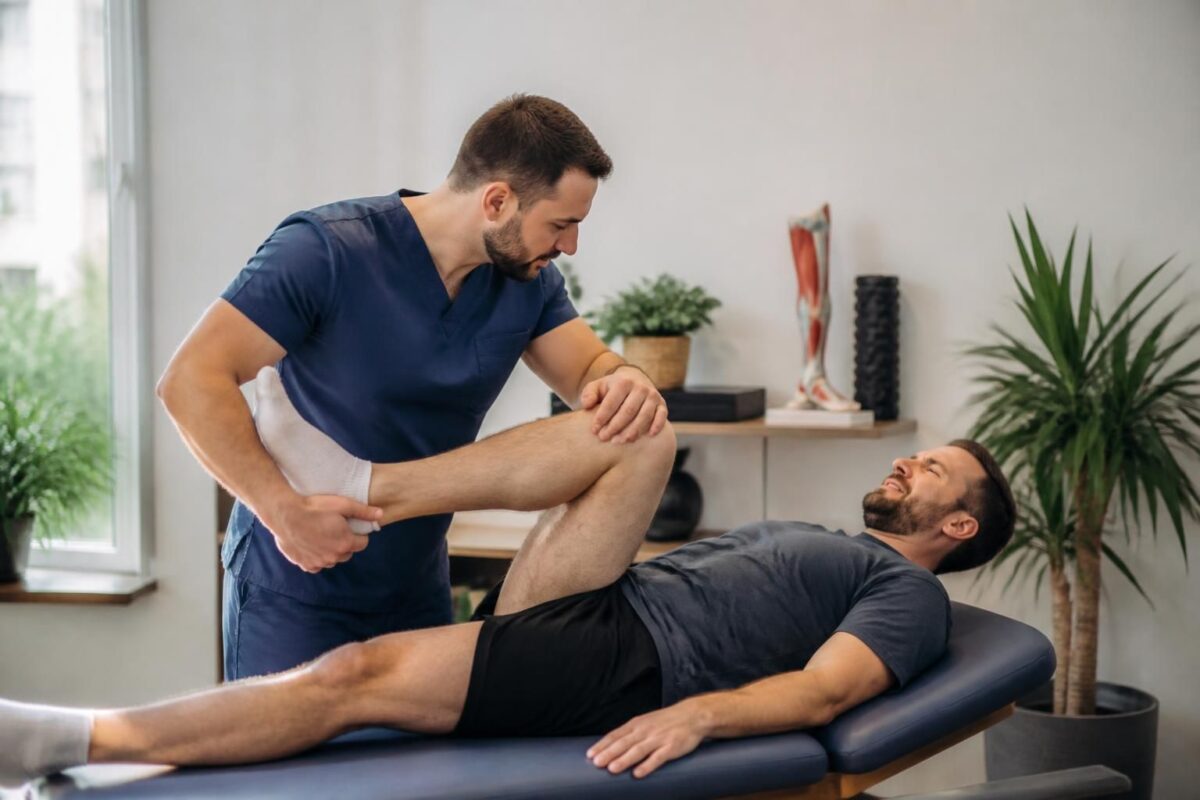
Osteopathy and chronic leg pain: regaining an optimal quality of life
In short In short, Osteopathy is one Global manual approach aimed at reducing Chronic leg pain and improve the quality of life. What is it? Non-drug therapy using the hands to identify restrictions and treat lesional chains. How does it…
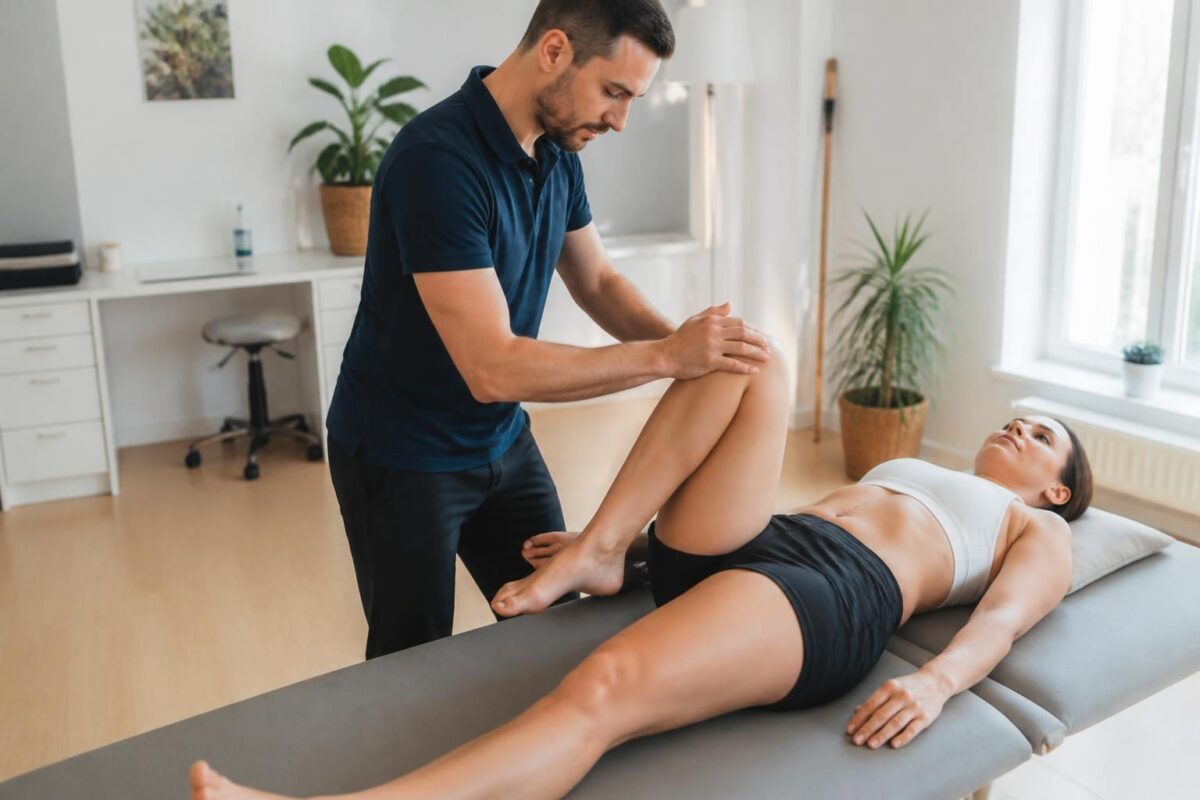
How osteopathy supports recovery after complex surgery
In short In short, Post-operative osteopathy is an approach fresh which supports the recovery After a Complex surgery. It helps to reduce the pain and the fatigue, improves the mobility and accelerates the healing thanks to a better vascularization and…
What is osteopathy and how can it relieve chronic pain?
Before my first sessionosteopathy, my chronic pain In the lower back prevented me from sleeping and being active. After a few sessions, the tensions cleared up and my mobility returned, which changed my daily life.
Neck pain and regular migraines impacted my concentration and quality of life. thanks to the global approach toosteopathy and to Soft manual techniques, my cervical relax, migraines decrease and my posture is significantly improving.
This chronic shoulder pain limited my sports activities and my daily actions. theosteopathy Identified imbalances and restored the mobility of the joints, allowing me to resume my training without pain.
Following a small accident, lumbar pain frequently returned and disturbed my sleep. By working on muscle chains and global mobility with theosteopathy, I found an activity routine and better night rest.
To prevent pain and improve well-being,osteopathy gave me practical advice and simple exercises. This approach helps me limit recurrences and stay active on a daily basis.
On a daily basis, theosteopathy Acts as a true ally for mobility, posture and stress management. I see a significant improvement in my chronic pain And a better quality of life, which pushes me to recommend this natural and effective approach.
the DR Sylvain Desforges, expert in osteopathy, in naturopathy and manual medicine, embodies a multidisciplinary approach that places the patient at the heart of the care. Founder and president of TagMed, as well as the ACMA association, he develops a practice focused on health innovation and the concrete improvement of the daily life of people suffering from chronic pain. Its action is part of a vision that combines scientific rigor and manual techniques adjusted to each individual.
Osteopathy is a manual therapy that aims to diagnose and treat dysfunctions musculoskeletal by gentle and precise handling. It is based on a fundamental conviction: the body is a dynamic unit capable of self-healing when its balance mechanisms are respected and supported. This discipline takes an approach holistic, considering the interconnection between body structure and physiological function. The practitioner acts on the muscles, joints, fascias and organs when necessary to restore mobility and facilitate natural regulation of the body.
For people suffering from chronic pain, osteopathy offers an appropriate pathway that seeks to correct the imbalances responsible for pain and to prevent their reappearance. By restoring the mobility of body segments and reducing tension, it can reduce lower back and cervical pain, reduce migraines, and improve digestive or respiratory functions which sometimes fuel a persistent ailment. The approach aims not only to relieve symptoms, but also to improve posture, breathing and sleep, elements often disturbed by chronic pain.
Dr. Desforges places his work in a logic evidence-based and adapts its techniques according to individual needs. His work combines the classic manual methods of osteopathy with the integration of advanced technologies, including therapies such as vertebral decompression, the laser and the Shockwave therapy. This synergy makes it possible to increase the effectiveness of treatments and to offer additional options when relevant, while preserving the safety and respect of the patient’s physiology.
Concretely, a treatment often begins with a detailed anamnesis and then careful palpation to detect areas of restriction and tensions. The diagnosis guides appropriate techniques, ranging from gentle manipulations to targeted mobilizations and recommended exercises to continue the benefits outside the sessions. A typical session can last between 45 minutes and 1 hour, and often leads it to see improvements from the first visits, even if some chronic cases require several meetings to obtain lasting results.
Dr. Desforges’ primary concern is to support the patient towards a better quality of life and regained autonomy in the face of pain. His approach, combining osteopathic expertise, measurable outcomes and innovative technologies, is part of a dynamic of responsible and personalized care. To find out more about its approach and the services offered, contact the TagMed Clinic, where a dedicated team can answer your questions and consider a suitable solution together.
Quick summary: Osteopathy is one Manual therapy which aims to restore theBody balance By acting on the structure and function and by stimulating the mechanisms ofself-healing. It can sustainably relieve Chronic pain and improve mobility, posture and quality of life. To deepen the mechanisms and benefits, you can consult specialized resources mentioned below.
In practice, theosteopathy Acts on the structure and function of the body to promote theself-regulation natural. By working on joints, muscles and connective tissues, it aims to restore harmonious mobility and reduce tensions that fuel chronic pain. This approach can thus contribute to reducing lower back and cervical pain, headaches of muscle origin, but also certain functional disorders such as digestive disorders, while respecting the physiology of each patient. To deepen the benefits and mechanisms, go to resources such as Benefits for age-related pain and the explanatory analyzes proposed by top health.
The practice typically takes place in several stages. After an initial exchange (anamnesis) and a targeted palpation of the tension zones, the osteopath uses techniques sweet and adapted to improve mobility and relieve malfunctions. A session usually lasts between 45 minutes and 1 hour, and several sessions may be necessary when the pain is chronic or complex. To learn more about the sessions and expected results, refer to specialized resources such as Dr Desforges or Health passport.
It is important to remember that osteopathy completes and can accompany medical treatments, without replacing them. The choice of the practitioner must be made with care: favor a Graduate osteopath, experienced and able to collaborate with other health professionals for consistent follow-up. To better understand the differences between osteopathy and chiropractic and verify professional recognition, you can consult the corresponding resources: Differences Osteopathy/Chiropractic and Recognition by health professionals. To easily find a practitioner near you and consider appointments, consult liberlo.
To go further and deepen the practical aspects and specific benefits for chronic pain, these complementary resources will enlighten you: Benefits for chronic pain, Adaptation for active people, and What an osteopath treats. Further reading on the foundations and indications will help you make an informed choice and consider appropriate care.

Dr Sylvain Desforges, B.Sc., D.O., N.D., osteopath, is the founding president of TAGMED and of the ACMA association. He dedicates his practice to chronic spinal pain, low back pain and symptoms compatible with sciatica, particularly when pain radiates toward the buttock, leg, calf, foot or toes.
Through SOS Sciatique, he publishes educational content on sciatica symptoms, possible causes such as disc herniation, disc narrowing, foraminal stenosis or irritation of a lumbar nerve root, as well as non-surgical approaches that may be considered according to the evaluation. At Clinique TAGMED, care may include, depending on the case, motorized neurovertebral decompression, specific osteopathic care or precision percussion.
For an evaluation related to sciatica treatment in Montreal / Mount Royal or sciatica treatment in Terrebonne, please consult the services available at Clinique TAGMED.
Medical disclaimer
The information published on SOS Sciatique is provided for educational purposes only and does not replace a consultation, diagnosis, opinion or treatment provided by a physician or another authorized healthcare professional. The author of this article is neither a medical doctor nor a specialist in a medical specialty recognized by the Collège des médecins du Québec. The osteopathic, manual medicine or functional support approaches described on this site do not constitute medical acts and are not intended to replace medical follow-up.
Consult a physician or emergency service in cases of loss of bladder or bowel control, anesthesia in the saddle area, significant or progressive weakness in the leg or foot, fever, recent trauma, severe pain or rapid worsening of symptoms. For more details, please read our Legal Notice.