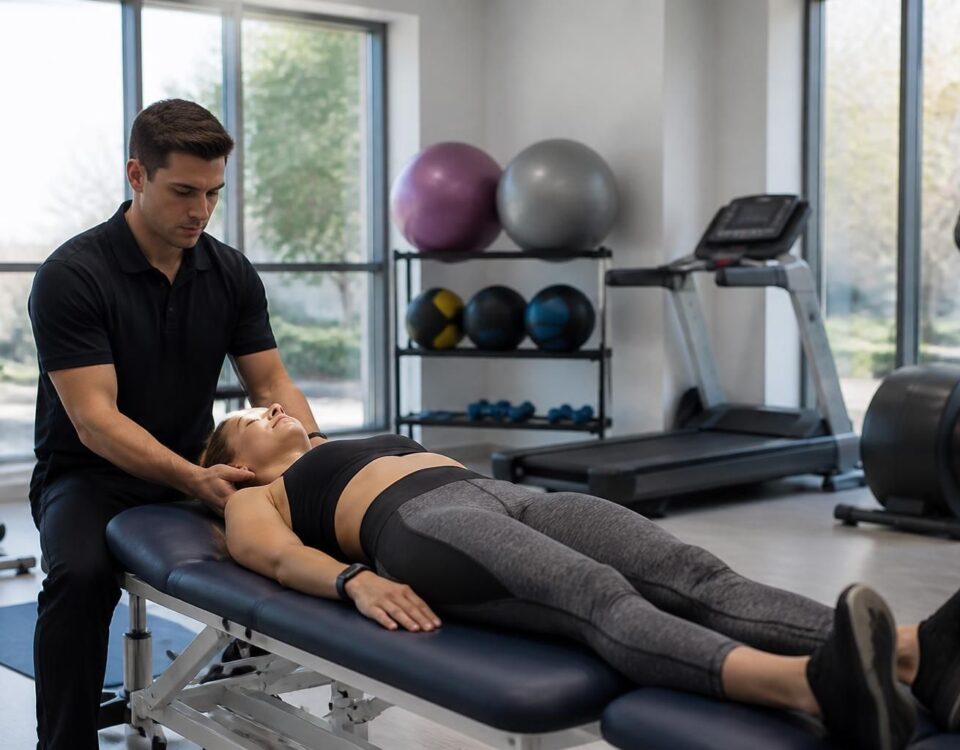
Neurovertebral Decompression and Deep Muscle Pain: Relieve Effectively
26/06/2026
How neurovertebral decompression supports the recovery of injured athletes
26/06/2026
In short |
In short, neurovertebral decompression is a Natural solution and non-invasive for the vertebral pain. This method works by reducing the nerve pressure and favoring theHydration of intervertebral discs, which can sustainably relieve pain and improve the mobility and the quality of life. accessible to Montreal, it is particularly recommended for people withherniated discs or lumbar and cervical pain and can be integrated into other therapeutic approaches without having to resort to surgery. |
The neurovertebral decompression is one Natural and non-invasive solution For the relief of spinal pain. She acts by a gentle traction which creates a space between the vertebrae and decreases the Pressure on discs and nerves. This action promotes theDisc hydration and the tissue regeneration, reduces theinflammation and improves the bloodstream, leading to a Sustainable relief without surgery or medication. It is particularly suitable for slipped disc, at Lumbar and cervical pain, and can be integrated into a global care plan with other manual and holistic approaches.
This text clearly sets out why neurovertebral decompression Maybe a Natural solution and non-invasive For spinal pain. It describes the principle, expected benefits and situations where this approach fits into a global care plan. The objective is to provide practical and accessible information without the need for surgery or heavy drug treatments.
Neurovertebral decompression acts by releasing the space between the vertebrae through gentle traction. This action reduces the pressure exerted on the nerves and promotes theHydration of intervertebral discs. As a result, inflammation may decrease and mobility improves, which can lead to lasting pain reduction. This approach is an option natural and non-surgical For people suffering from lower back, cervical pain and associated neuropathies.
How does neurovertebral decompression work
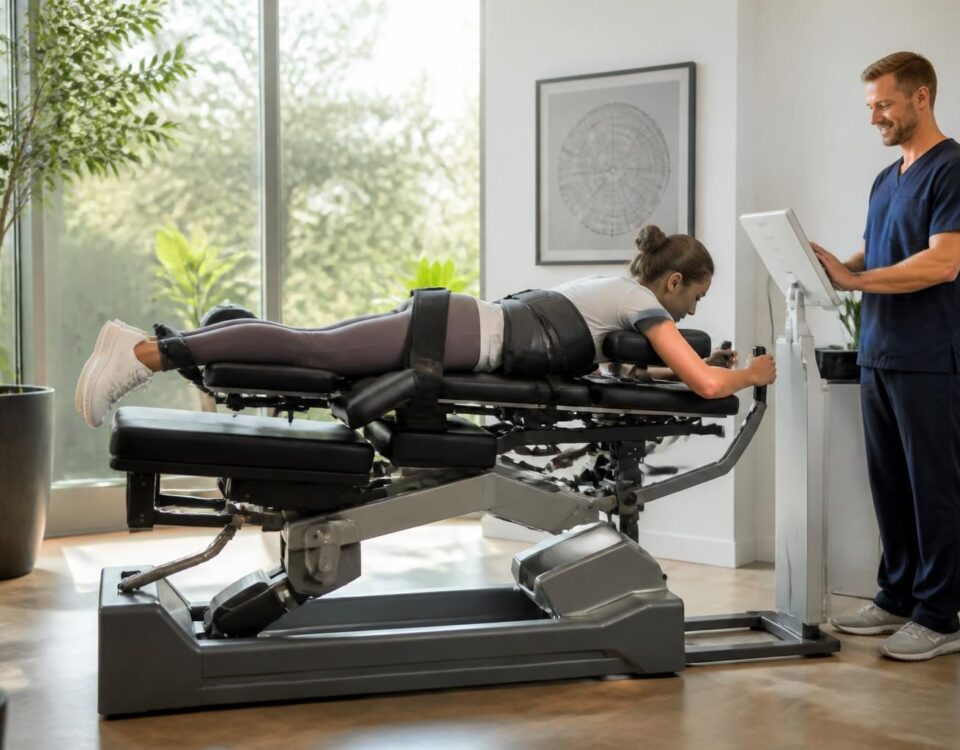
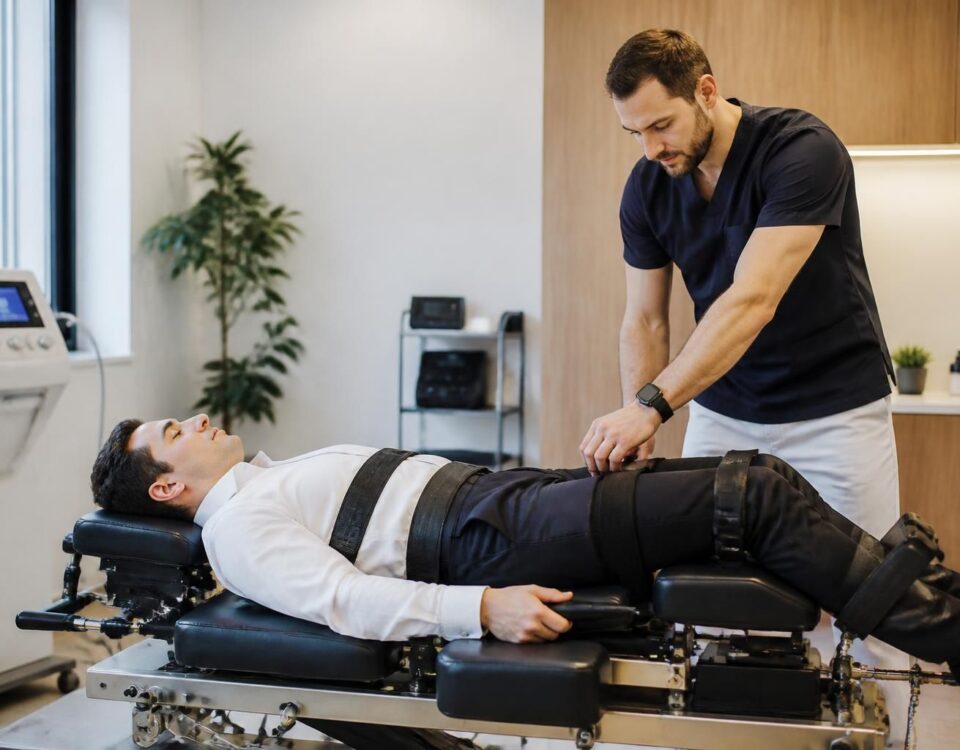
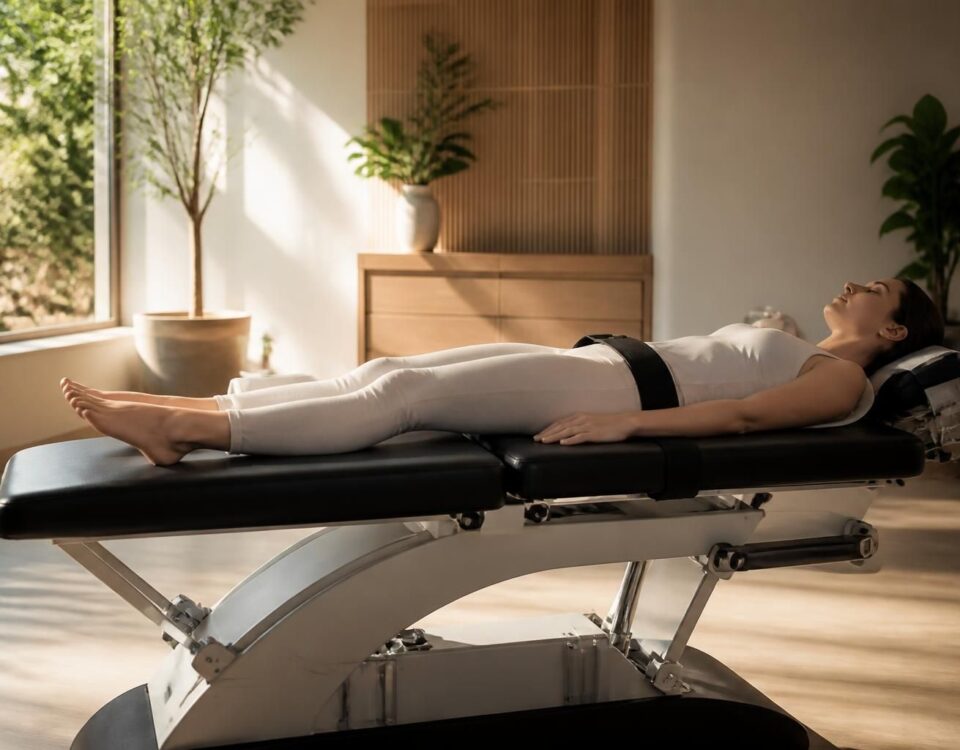
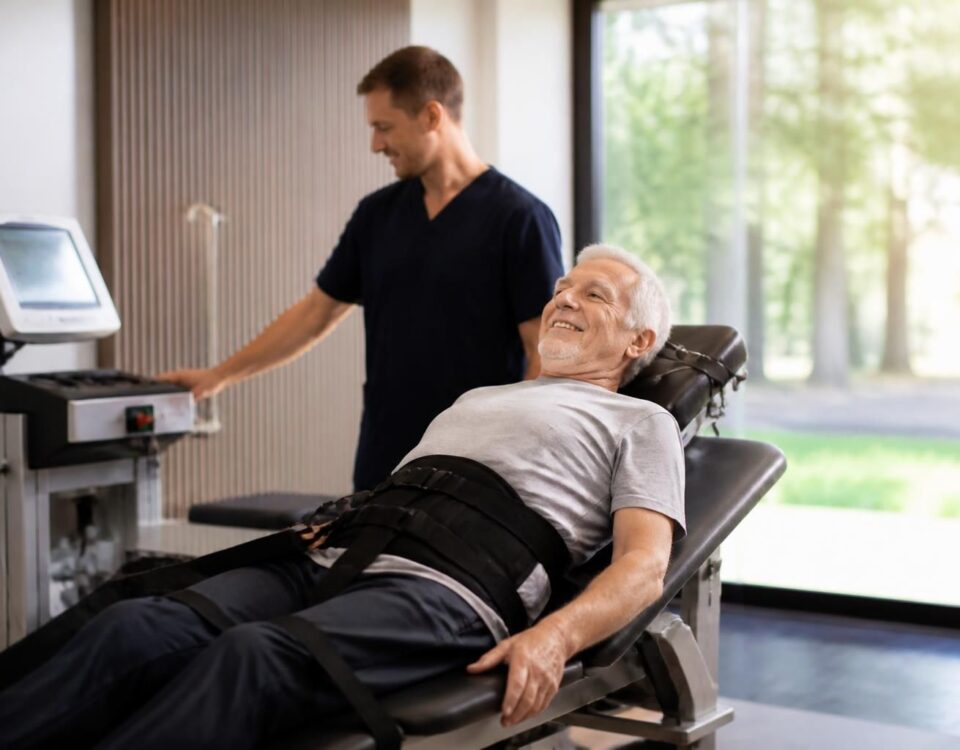
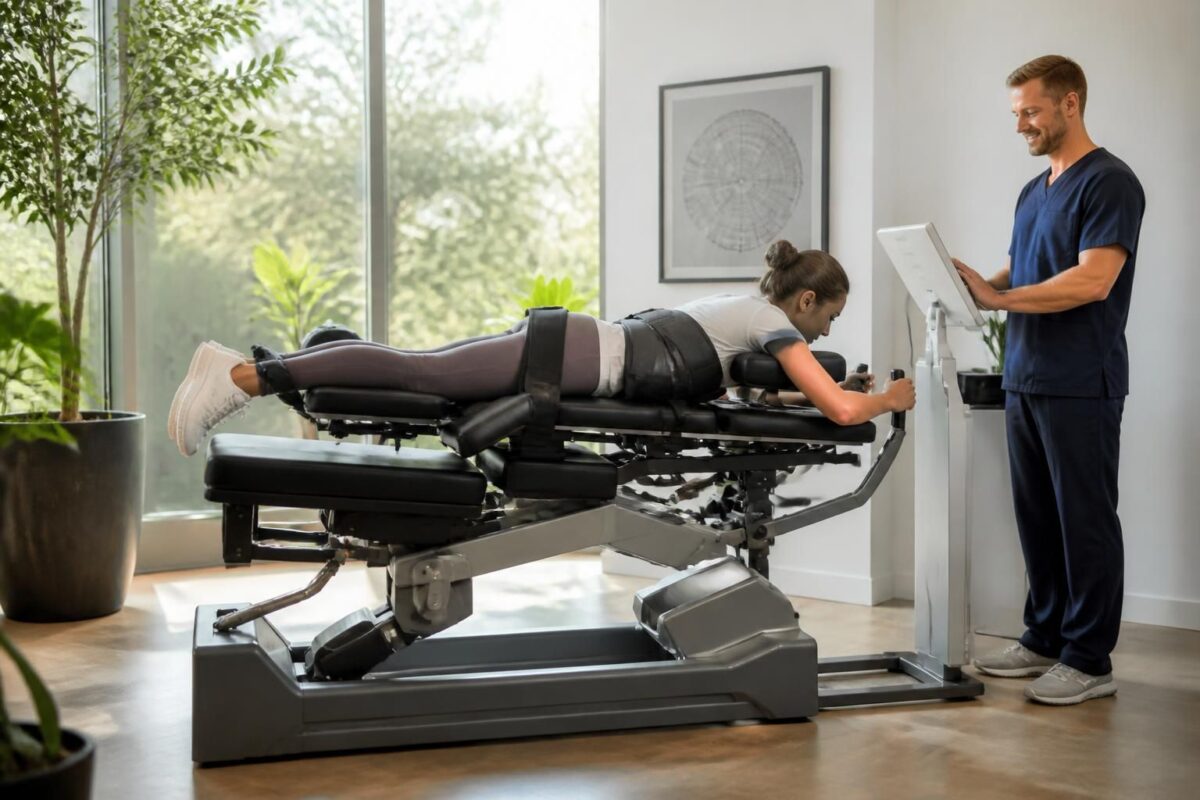
A specialized device applies controlled traction on the spine. This traction increases the space between the vertebrae and releases tension around the discs and nerve structures. The result is a reduction in nerve compression and an improvement in local circulation. The process also helps to decrease inflammation and promote better tissue recovery.
This technique is non-invasive and generally well tolerated by patients. It can be proposed in addition to other manual and complementary approaches, in order to strengthen the overall efficacy of the treatment. For professionals, it fits easily into a multidisciplinary care plan and can be associated with other therapies when needed.
Benefits for spinal and neuropathic pain
Typical benefits include a Sustainable relief pain and improved functional capacity on a daily basis, which directly contributes to a better quality of life. Patients often describe a decrease in radiant pain and resumption of activities they had abandoned due to Chronic pain.
Neurovertebral decompression is particularly useful for conditions such as herniations discs, lumbar and cervical pain, as well as some neuropathic pain. It integrates well with a care that can include aspects of manual medicine and naturopathy, in order to treat the various dimensions of chronic pain.
Indications and eligibility
This therapy is recommended in back and neck disorders involving nerve compression, including disc herniations and persistent neuropathic pain. Before considering treatment, an assessment by a qualified professional is necessary to determine eligibility and adapt the care plan.
The use of neurovertebral decompression can be considered as an alternative to surgery when the history and the nature of the pain allow it. It can also be considered as a preventive step and as support for other non-surgical interventions.
Integration into a care plan
Neurovertebral decompression can be associated with other approaches in manual and naturopathic medicine. At the TagMed clinic, it can be coordinated with other therapies available locally in order to offer global care adapted to each patient.
For those who wish to deepen, specialized resources and articles have additional perspectives on the benefits and the organization of care around this therapy. For example, additional information and feedback is available through the following resources: tagmed, SOS SCIATIC, SOS SCIATIC, neurovertebral decompression.
sites like Medi-Lum and specialized public resources discuss the benefits of this natural approach to back health. To learn more about the principles and indications, you can also consult the resources described on tagmed and SOS SCIATIC.
For direct information on training and professional ethics, osteopaths rely in particular on organizations recognized by professional associations and accredited training. training institutions in osteopathy Relevant include NUMSS and NAO, and practitioners can be affiliated with ACMA and the College of Canadian Ostopaths.
Useful links to deepen the theme and practice in TagMed Clinic and elsewhere:
Tagmed Clinic – Tagmed Clinic
neurovertebral decompression – neurovertebral decompression
SOS Sciatica – SOS SCIATIC
For further details and questions, see the associated resource pages in the TagMed universe and the recommended partner sites above to better understand this natural treatment and its potential benefits.
“Medical disclaimer: The information and advice provided on this site does not replace the health professional’s benefit, diagnosis or treatment. Please note that Dr. Sylvain Desforges osteopath is neither a doctor of medicine nor a doctor, and is not a specialist in a medical specialty as defined by the Collège des Médecins du Québec. Manual medicine, functional medicine and sports medicine as described on this site exclude any medical treatment or diagnosis made by a doctor or specialist doctor. Always consult your doctor for any medical questions. For more details, please read our full legal notice. »
- non-invasive and without surgery
- gentle traction that creates a space between the vertebrae
- Disc hydration and tissue regeneration
- Reduced nerve pressure and inflammation
- traffic improvement around nervous tissue
- Sustainable relief without medication
- High tolerance and low risk of side effects
- Compatibility with other manual and complementary therapies
- Prevention recurrences by strengthening disc health
- Adaptable various pathologies (disc herniation, pinching, lumbar/cervical)
- Improved quality of life and regained mobility
- Custom Plan and supervision by a professional

This article presents why neurovertebral decompression is one Natural solution Effective for spinal pain. By relying on a Non-invasive gentle traction, it promotesHydration of intervertebral discs, reduces the nerve pressure and easily integrates with a Overall care plan To sustainably improve mobility and everyday comfort.
What is neurovertebral decompression?
Neurovertebral decompression is a therapeutic technique that uses a specialized device to create a space between the vertebrae. This approach reduces the pressure exerted on the adjacent discs and nerves while Promoting disc hydration. At the same time, it helps to reduce inflammation and improve local circulation, which directly contributes to the reduction of pain and the recovery of tissues.
The long-term benefits of neurovertebral decompression for spinal health
In short In short, the neurovertebral decompression is a non-invasive approach that decreases the Pressure on intervertebral discs and nerves, favoring the Natural regeneration and tissue recovery. Its long-term benefits include Lasting pain reduction, Improving mobility and from the posture,…
Why is it a natural solution
A non-invasive approach
Unlike surgical procedures, the neurovertebral decompression is based on controlled traction and non-surgical. This feature makes it an option accessible to many patients with lower back, cervical or neuropathic pain, while avoiding the risks associated with surgery.
Hydration and regeneration
By increasing the space between the vertebrae, the technique allows a Disc rehydration and promotes the regeneration of damaged tissues. This process acts as a natural support to the spine and can contribute to a gradual reduction in pain, without the need for heavy drugs or invasive procedures.
Reduction of pain and inflammation
the main mechanism acts on the nervous compression and associated inflammation. By reducing the pressure on the nerves and improving circulation, it allows a lasting reduction in pain and better mobility, with effects that are often perceptible after a few sessions.

Neurovertebral decompression and mobility: a return to an active life
In short In short, the neurovertebral decompression is therapy non-invasive who uses a gentle traction To create a space between the vertebrae and reduce the pressure on the Intervertebral discs and the nerves. It promotes a bloodstream improved, lowers tension…
Specific indications and benefits
herniated discs and lower back pain
This approach is particularly appropriate for people with herniated discs or recurrent lower back pain. It helps to relieve radicular pain and preserve function without surgery, which can prevent relapses and improve quality of life.
Cervical pain and neuropathies
It is also useful for cervical pain and certain neuropathic disorders, targeting the source of pain and promoting better postural navigation and more harmonious recovery of nerve structures.
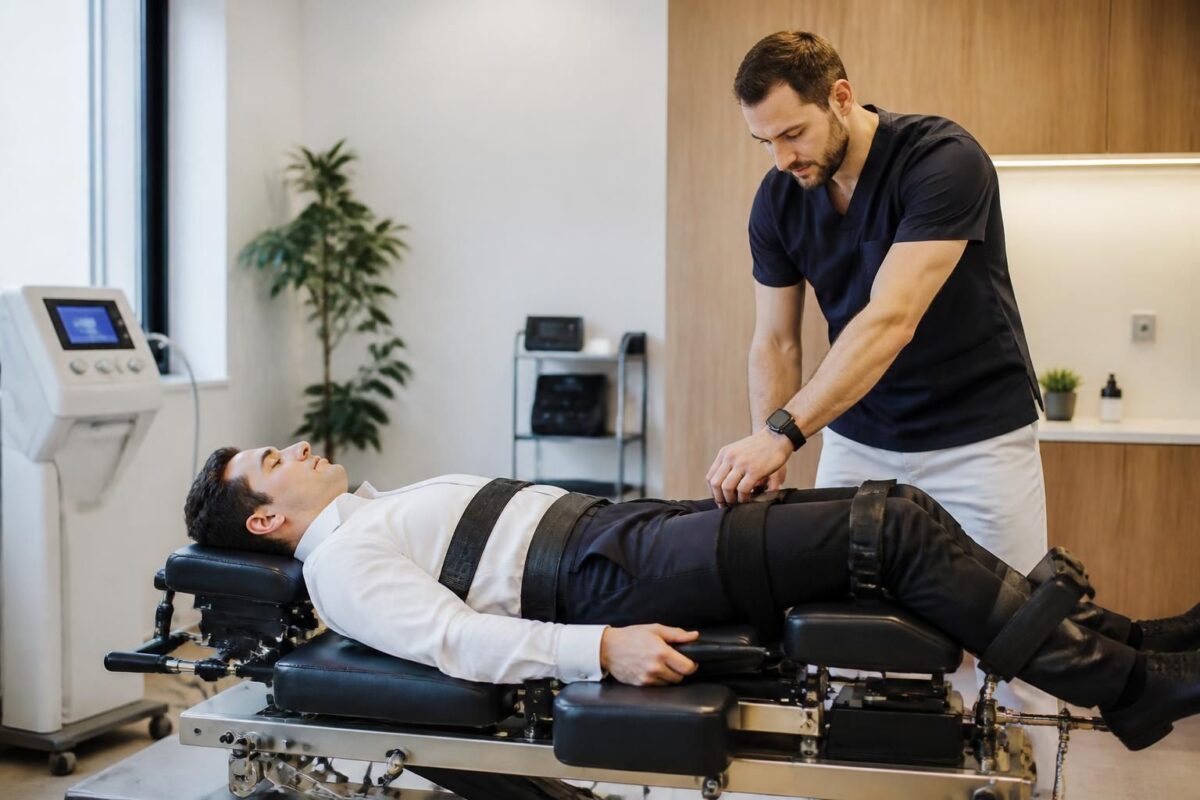
How Neurovertebral Decompression Prevents Diffuse Chronic Pain
In short decompression neurovertebral is one Non-invasive method aimed at reducing the Pressure on the intervertebral discs and the nerves, in order to prevent Diffuse chronic pain. It improves the circulation and thedisc hydration, decreases inflammation and promotes better mobility.…
Integration into a care plan
Decompression can Integrate harmoniously with other manual or complementary approaches, such as manual medicine, naturopathy or associated technologies. This interaction makes it possible to address several factors of pain – mechanical, inflammatory and functional – to optimize the results and support a more active and lasting resumption of activities.
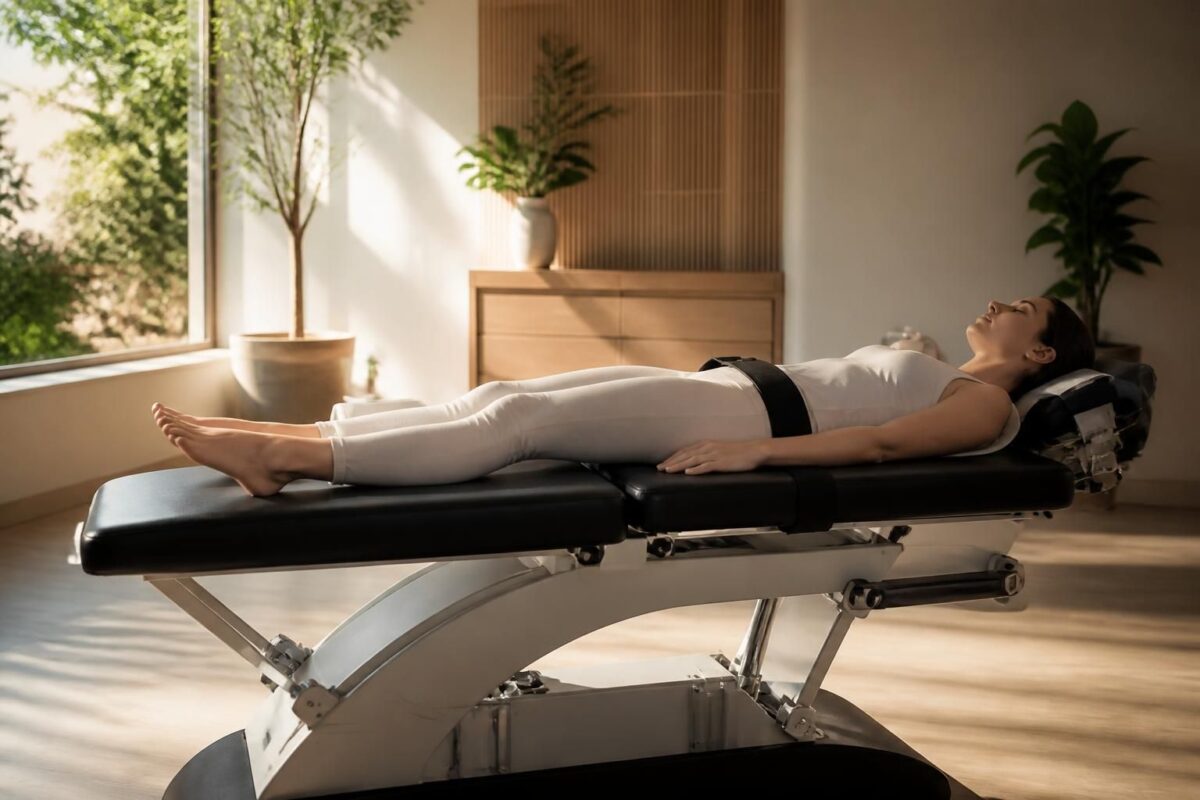
Neurovertebral Decompression and Body Alignment: Restoring Natural Balance
In short In short, neurovertebral decompression is one Non-invasive approach who restores theBody Alignment and thenatural balance back and neck. She acts by a Controlled traction of the spine to widen the intervertebral space and reduce the Pressure on discs…
What to check before starting
Evaluation and security
Before any treatment, a Complete clinical evaluation is essential to determine eligibility and to personalize the protocol. history, targeted physical examination and, if necessary, imaging confirms that the decompression is suitable for your situation and to avoid contraindications.
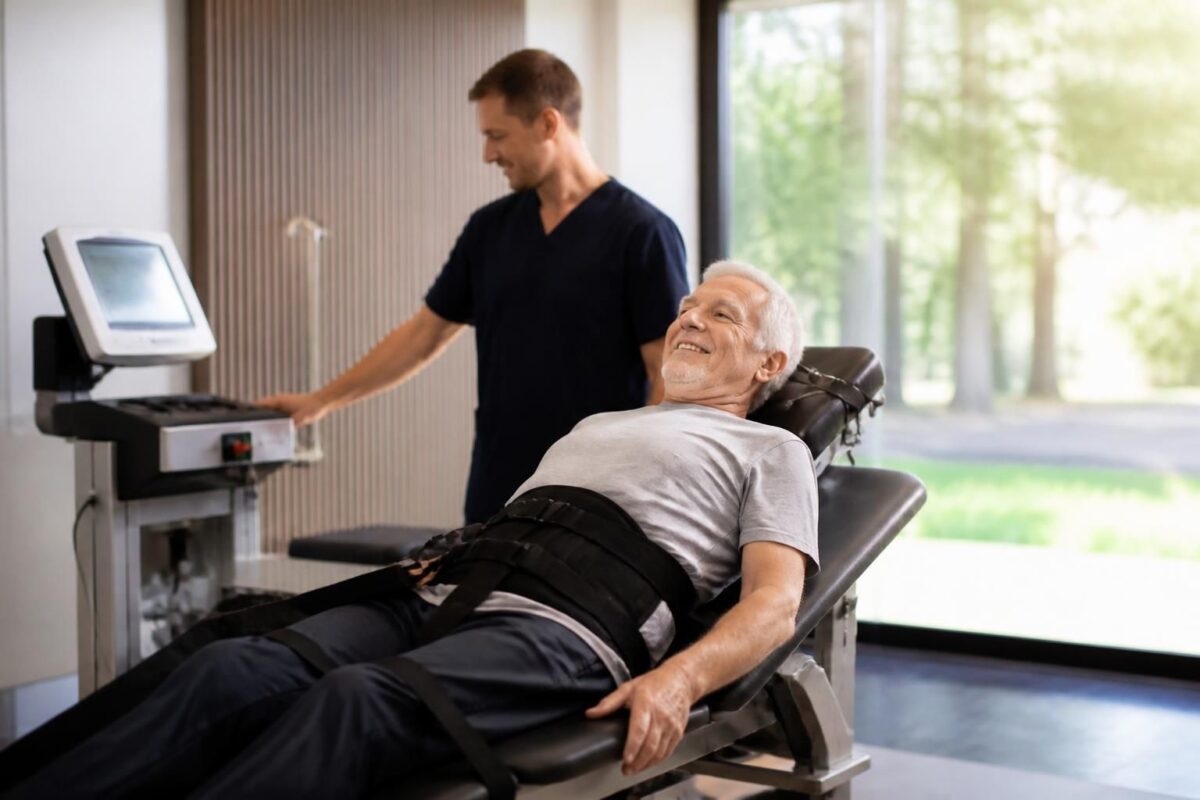
Why neurovertebral decompression is a lasting solution for active seniors
In short In short, the neurovertebral decompression is one Non-invasive therapy which sustainably relieves spinal pain in the spine active seniors By creating, by a Soft and controlled traction, a space between the vertebrae. At Montreal, it is recognized as…
What the feedback and results say
Many patients report Significant improvement in pain and from the mobility after appropriate sessions. This natural solution is often well tolerated and can reduce the use of drugs, while offering a Sustainable well-being and better participation in daily activities.
Medical warning: The information presented does not replace the advice of a health professional. Consult a qualified doctor or osteopath to assess your personal situation and the appropriate indications for your spine.
| Aspect | Concise impact |
|---|---|
| Mechanism of action | Soft traction that frees up the intervertebral space and supports disc regeneration |
| non-invasive | Procedure without surgery and well tolerated |
| Disc hydration | Promotes hydration and renewal of disc fluids |
| Nervous pressure reduction | Reduces pressure on nerves and root roots |
| Circulation improvement | Improves blood circulation around nerve tissue |
| Tolerance and safety | tolerated by the majority of patients with few side effects |
| Key clinical indications | herniated discs, lumbar and cervical pain, radiculopathies |
| Integration into the care plan | Naturally integrates with other approaches such as manual medicine and naturopathy |
| Results and impact | Sustainable pain reduction and improved mobility |
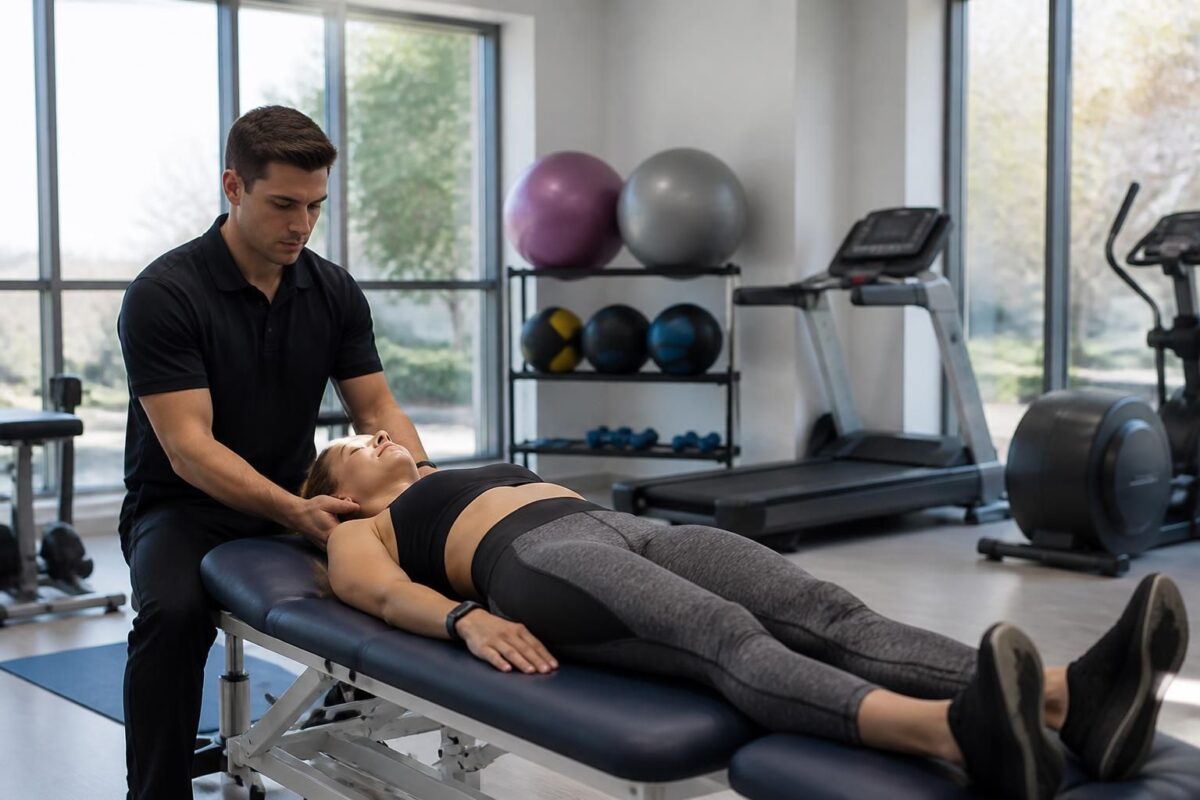
Neurovertebral decompression and recovery after severe sports injury
In short In short, the neurovertebral decompression is one Non-invasive method to Relieve the pressure on the Intervertebral discs and the gristle Via a Controlled traction, to facilitate the recovery After a severe sports injury. It improves the bloodstream towards…
Testimonials: Why neurovertebral decompression is a natural solution for vertebral pain
Marie, 42 years old: “For years, I had been looking for a solution natural For my lower back pain. This approach non-invasive Reduced pressure on my nerves and improved my mobility. It also promotesDisc hydration And decreases inflammation, which allowed me to resume my daily activities without heavy drugs. »
Jean, 55: “I was afraid of surgery and drugs. With neurovertebral decompression, I experienced a progressive and lasting improvement, without persistent pain. It’s a solution natural who respects the body and gave me confidence in my ability to remain active on a daily basis. »
Sophie, 32: “My case was related to a herniated disc and neuropathic pain. After a few sessions, the nerve pressure decreased and my sleep became more serene. It’s a method fresh which acts directly on the inflammatory mechanisms and Promotes recovery. »
Lucas, 50 years old: “I was looking for an alternative without painkillers or surgery. decompression neutral and natural allowed me to find my activities and my quality of life. The results were real and tangible, with no significant side effects. »
Élise, 39: “As an athlete, I went through periods of chronic pain. This therapy helped Disc hydration and restore my mobility while integrating into an approach holistic of my health. I felt supported in my resumption of training. »
Antoine, 60 years old: “Following an injury, I noticed a Faster recovery and a decrease in pain without the need for surgery. The technique is well-tolerated And perfectly adapted to my needs, which allowed me to resume my professional and family activities. »
Claire, 46 years old: “Professionally active, I needed treatment natural to manage my lower back pain. Decompression helped me reduce symptoms and return to my routines without relying on medication, while improving my posture and my confidence in my body. »
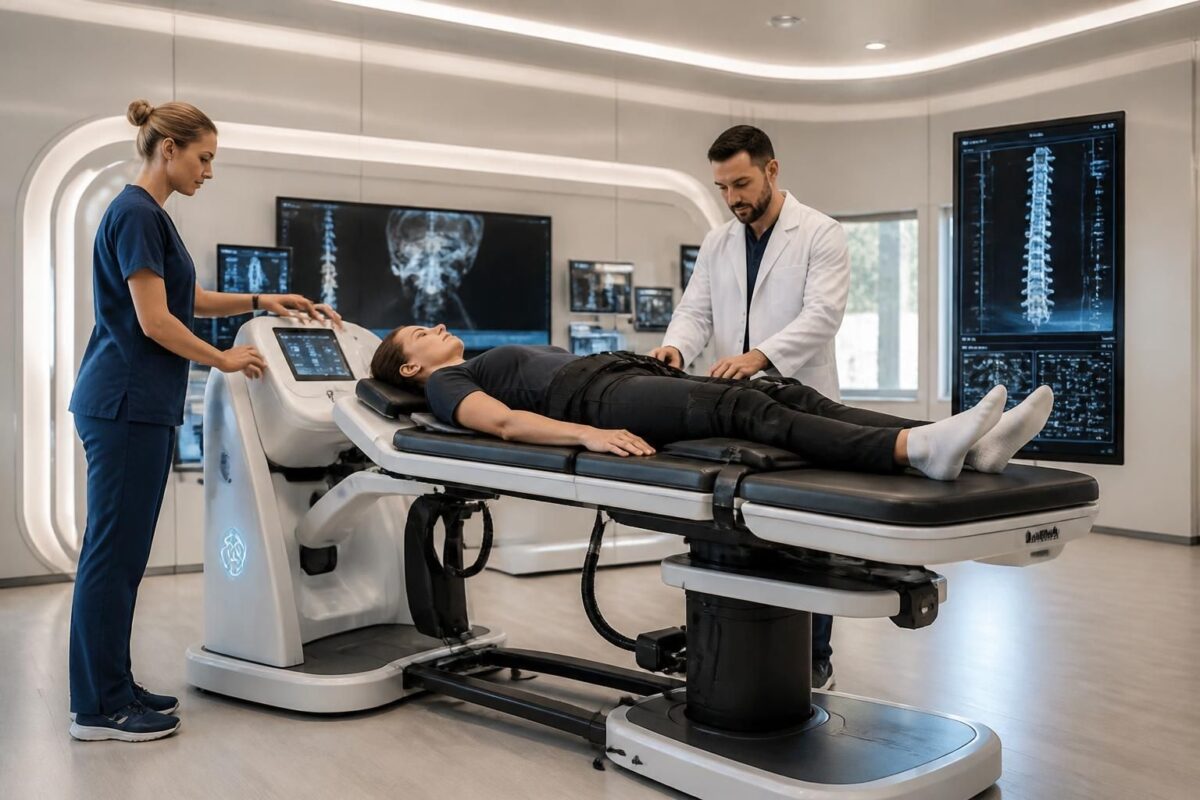
Recent innovations in neurovertebral decompression technologies
In short In short, the neurovertebral decompression is an approach non-invasive Aiming to reduce pressure on discs and nerves, and promote tissue regeneration. At Montreal, it is positioned as an effective option for lower back pain and herniated discs. The…
Neurovertebral decompression: a natural solution for vertebral pain
In a context where chronic spinal pain becomes a real burden for everyday life, the neurovertebral decompression presents itself as an approach natural and non-invasive to relieve these manifestations. By acting on the physical mechanisms of the spine, this therapy aims to restore the balance of anatomical structures and promote self-healing of the body. It is part of a global care approach that favors the functioning of the nervous system, the reduction of inflammation and the maintenance of an active lifestyle.
The fundamental principle is based on gentle traction applied in a controlled way to create an additional space between the vertebrae. This spatial modification decreases the pressure exerted on the intervertebral discs and nerve roots, which acts directly on the nervous compression and associated irritation. In addition, decompression promotes Hydration discs and improves local circulation, contributing to tissue regeneration and inflammation reduction. This action chain supports a lasting improvement pain and mobility.
This approach is particularly relevant for conditions such as herniated discs, the Lumbar and cervical pain, and neuropathic manifestations associated with structural abnormalities. It can be a safe option for elderly patients or those with a high surgical risk, while integrating into an individual care plan. The character non-invasive And the high tolerance make it an appreciated alternative to heavier interventions, offering the possibility of gradually resuming daily activities without aggressive medication.
Thus, the benefits are not limited to the reduction of pain. The quality of life Improves when motor skills and posture recover, allowing faster return to professional and sporting activities. The approach promotes Prevention of recurrences By better spinal stability and continuous hydration of the discs, which limits recurrent tensions and associated pain over the long term.
On a practical level, decompression can be considered as the pillar of a Holistic care plan including manual techniques, advice in naturopathy and, when necessary, complementary technologies such as laser or shockwave therapies. This synergy makes it possible to simultaneously address the mechanical, inflammatory and neuro-psychological aspects of pain. Relevant assessments (imaging, history, clinical examination) guide protocol choice and treatment progress.
For those looking for an effective solution and lasting Without resorting to surgery, neurovertebral decompression is a serious and logical option. It is part of a care approach based on evidence, with personalized follow-up and treatment adaptation according to the progress and feedback of the patient. Before starting this course, it is essential to consult a qualified health professional to assess eligibility and develop a program adapted to each situation.
This conclusion summarizes why the neurovertebral decompression is one Natural solution Effective for spinal pain, highlighting its non-invasive mechanism, lasting benefits and possible integration into a global evidence-driven care pathway.
Neurovertebral decompression acts smoothly on the spine to reduce nerve pressure and promote theHydration of intervertebral discs. By reducing these constraints, it soothes pain and improves mobility, while avoiding the risks and delays associated with surgery. This approach is tolerated by the majority of patients, which makes it particularly suitable for those looking for a natural and safe alternative to deal with chronic back and neck pain.
Its Mechanism of action Relies on targeted traction that widens the spaces between the vertebrae, thus reducing nerve irritation and inflammation. At the same time, the improvement of blood circulation and the renewal of discs contribute to a Progressive rehabilitation and to a Prevention of recurrences. For people suffering from neuropathic pain or pain related to herniated discs, this may mean a marked reduction in pain and better ability to resume daily activities.
Beyond the benefits at the individual level, this therapy can be part of a holistic approach health, in addition to other manual or complementary therapies such as naturopathy or associated technologies. In this context, decompression can be coordinated with rehabilitation protocols and prevention programs, in order to limit risk factors and promote lasting stability of the spine.
For patients interested in additional resources, several publications and sites describe the benefits and indications of this technique, including the specific benefits for postoperative patients and radicular pain. For example, articles address the Benefits for post-operative patients and the radicular pain. Other recent analyzes describe the Innovations in equipment and the Benefits after chronic injuries.
To deepen the psychological and clinical elements of this approach, resources continue to demonstrate why decompression represents a natural alternative opioids and other pharmacological treatments. See in particular the explanations and arguments presented by experts and practitioners, such as Why neurovertebral decompression is a natural solution against pain and Natural alternative to opioids.
Finally, specialized publications and functional equilibrium resources highlight the prevention of recurrent mechanical disorders and the overall benefits of an integrated care plan. To learn more about the prevention and management of pain associated with the back, you can consult content like Prevention of recurrent mechanical disorders and Files on complex and recurring pathologies. Medical warning: The information presented does not replace the advice of a health professional and should be discussed with your osteopath or attending physician.
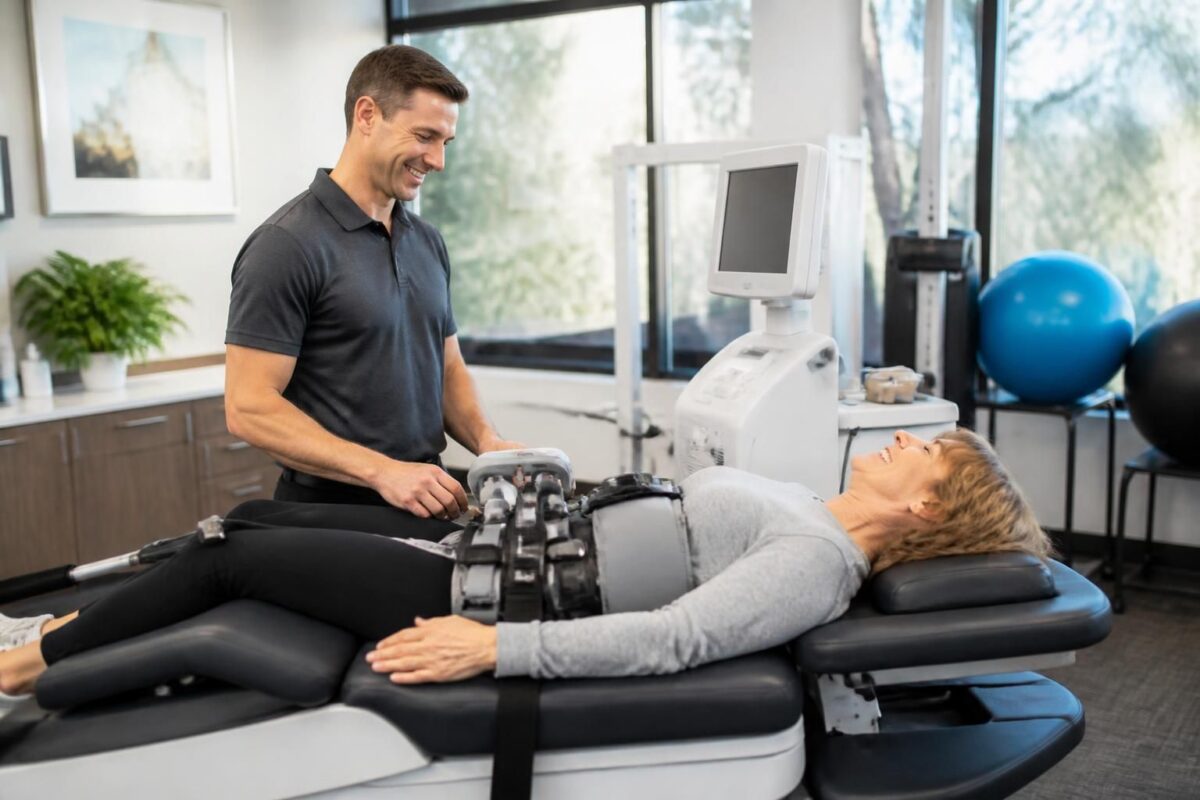
Neurovertebral decompression and diffuse pain: an appropriate solution
In short In short, the neurovertebral decompression is one Non-invasive solution For diffuse pain related to nerve irritation of the spine. She acts in Reducing pressure on intervertebral discs and nerves and improving the bloodstream, which promotes recovery and the…

Dr Sylvain Desforges, B.Sc., D.O., N.D., osteopath, is the founding president of TAGMED and of the ACMA association. He dedicates his practice to chronic spinal pain, low back pain and symptoms compatible with sciatica, particularly when pain radiates toward the buttock, leg, calf, foot or toes.
Through SOS Sciatique, he publishes educational content on sciatica symptoms, possible causes such as disc herniation, disc narrowing, foraminal stenosis or irritation of a lumbar nerve root, as well as non-surgical approaches that may be considered according to the evaluation. At Clinique TAGMED, care may include, depending on the case, motorized neurovertebral decompression, specific osteopathic care or precision percussion.
For an evaluation related to sciatica treatment in Montreal / Mount Royal or sciatica treatment in Terrebonne, please consult the services available at Clinique TAGMED.
Medical disclaimer
The information published on SOS Sciatique is provided for educational purposes only and does not replace a consultation, diagnosis, opinion or treatment provided by a physician or another authorized healthcare professional. The author of this article is neither a medical doctor nor a specialist in a medical specialty recognized by the Collège des médecins du Québec. The osteopathic, manual medicine or functional support approaches described on this site do not constitute medical acts and are not intended to replace medical follow-up.
Consult a physician or emergency service in cases of loss of bladder or bowel control, anesthesia in the saddle area, significant or progressive weakness in the leg or foot, fever, recent trauma, severe pain or rapid worsening of symptoms. For more details, please read our Legal Notice.