The benefits of neurovertebral decompression for lower back pain
25/06/2026
Neurovertebral decompression: a non-surgical solution for back pain
25/06/2026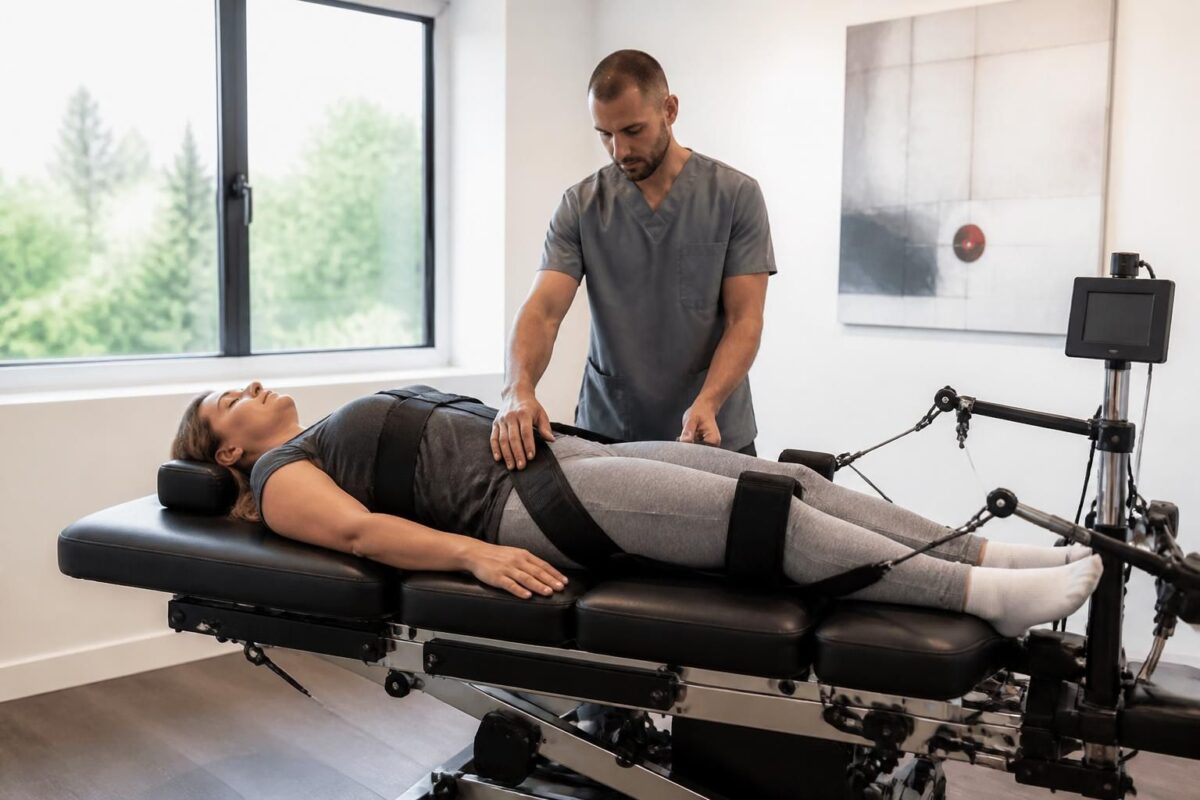
In short The neurovertebral decompression is an approach non-surgical who uses a Controlled traction To create a space between the vertebrae and reduce the pressure on the Intervertebral discs and the gristle affected by a slipped disc. Its benefits Keys: pain relief, improvement of the mobility and from the function, faster return to activity, and reduction in the use of surgery or drugs. accessible to Montreal, it is part of a support biopsychosocial and multidisciplinary. |
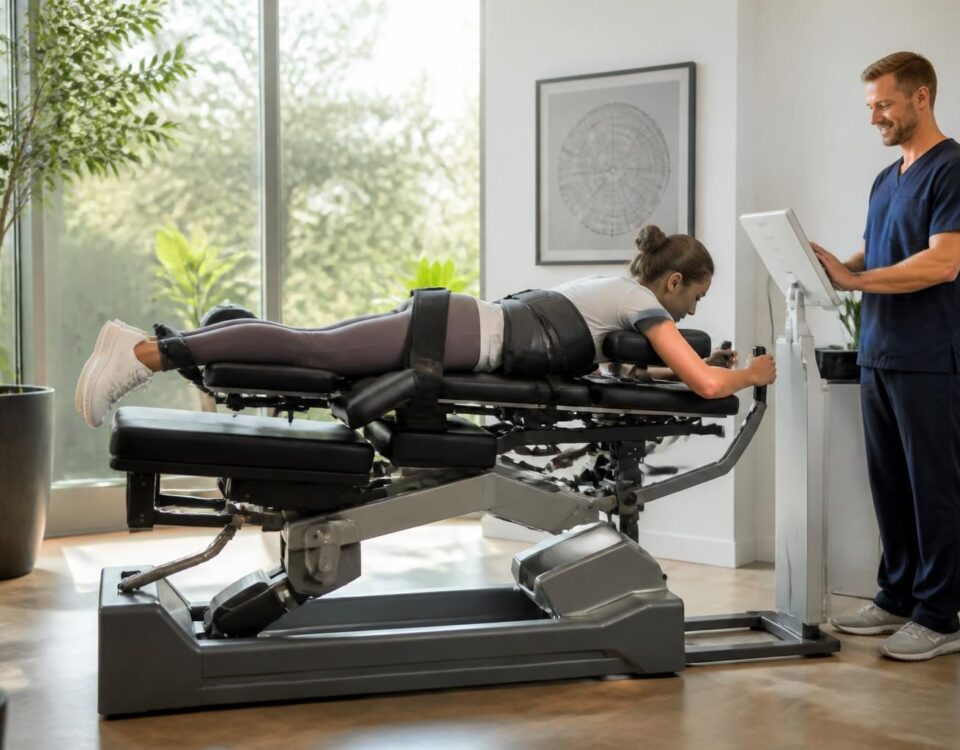
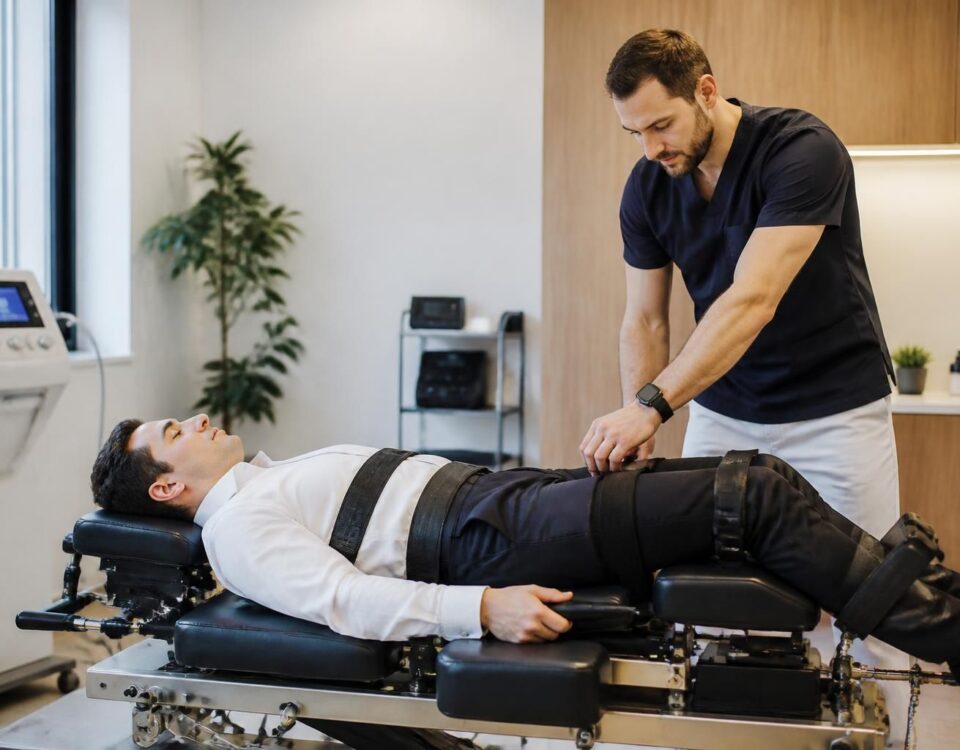
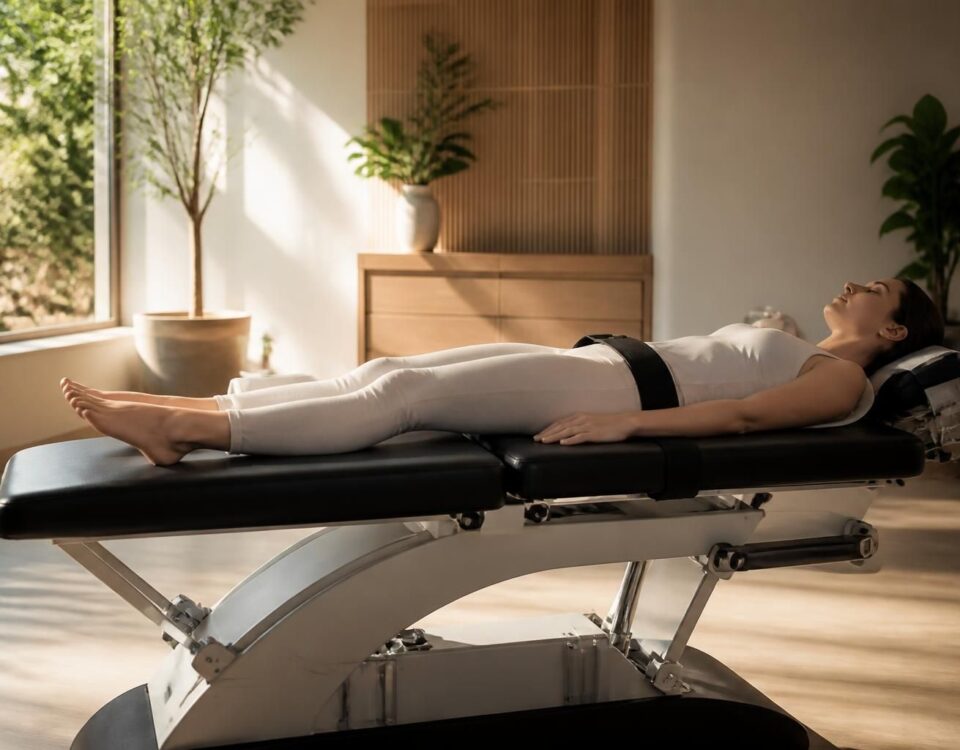
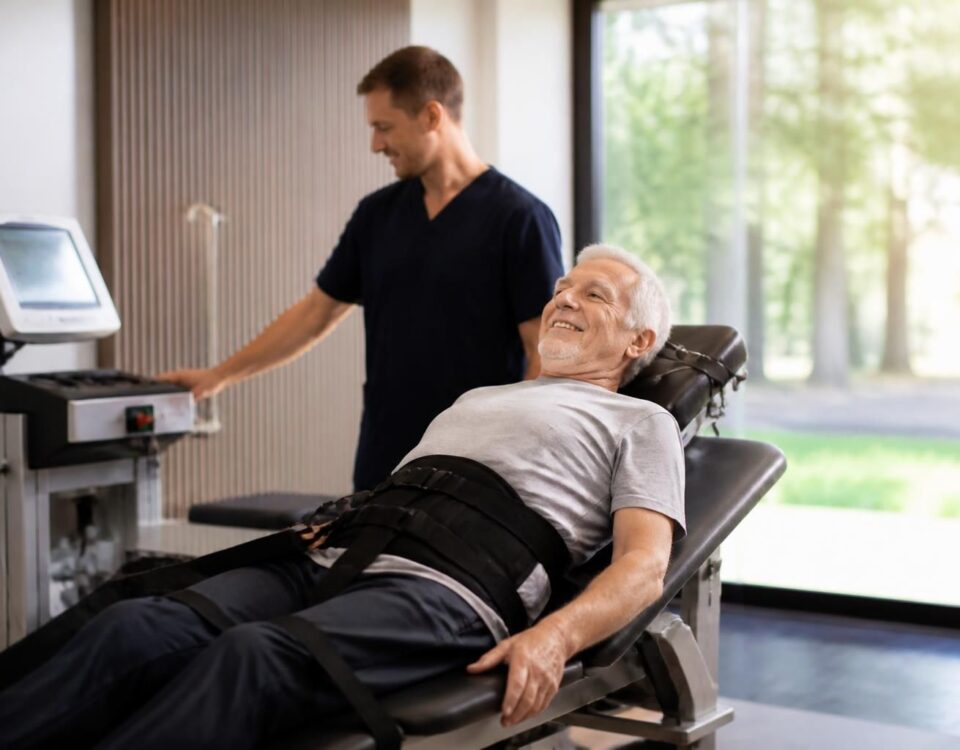
The neurovertebral decompression is one Nonsurgical therapy aimed at relieving pain related to slipped disc thanks to a Controlled and computerized lumbar traction.
By creating a space between the vertebrae, it decreases the pressure on the Intervertebral discs and the gristle, thus reducing the Root compression and pain. It also improves the mobility and the bloodstream, promoting tissue regeneration.
considered an option non-invasive, it often integrates with a support multidisciplinary To prevent chronicization and limit the use of more invasive treatments.
This article explains how the neurovertebral decompression can relieve the slipped disc Lumbar. It describes the mechanism, the clinical framework, the results observed and the integrated approach at the TAGMED clinic. The objective is to offer a non-surgical, effective and evidence-based option, in addition to multidisciplinary care.
Principle and mechanism
Neurovertebral decompression is a computerized and real-time controlled lumbar traction. It aims to distract the vertebral segments and create a space between the vertebrae. This action decreases the pressure inside the discs and on the nerve roots. The desired result is a reduction in pain and an improvement in mobility.
Indications and support framework
This approach is considered when the clinical signs and medical evaluation show lumbar radiculalgia linked to a herniated disc, without indication of acute pathology requiring surgery. Before the start of treatment, a complete evaluation is carried out to verify eligibility and anticipate any contraindications.
Efficacy and observed results
Clinical data suggests that adding non-surgical decompression to targeted rehabilitation quickly improves pain and function. Patients often report better mobility and greater muscular endurance from the first few weeks. These benefits can be maintained with a progressive and adapted protocol.
Role of osteopathy and multidisciplinary approach
Neurovertebral decompression can be associated with osteopathy and multidisciplinary biopsychosocial care. The objective is to optimize the mobility of the segments, to treat myofascial tensions and to support the patient in the education and maintenance of results. At the TagMed Clinic in Montreal or Terrebonne, the team coordinates these approaches for sustainable improvement in pain and function.
Security and limits
Each patient receives an in-depth assessment before starting treatment. Certain conditions or history can make DNV unsuitable. The treatment is non-invasive and contraindications are identified during the initial assessment.
What a typical support can expect
A typical program includes multiple sessions, with appropriate supervision and adjustments based on the patient’s response. The goal is to reduce pain, improve function and prevent relapses, while avoiding invasive treatments when possible. A global approach, combining information, adapted activities and medical follow-up, is preferred.
Testimony of expertise and resources
Neurovertebral decompression is an interesting option for patients with herniated discs. For more information, you can consult the dedicated resources and services available at the Tagmed Clinic and on the site neurovertebral decompression.
To deepen analytical aspects and feedback, specialized online resources address mechanisms, indications and potential benefits, while remaining focused on patient safety. Additional information is available on sosciatica.
Physiotherapy treatments are not considered as an exclusive option in this context. Effective care is preferred within the TagMed clinic in Montreal or Terrebonne, with an integrated and personalized approach.
To learn more about the proposed approach and services, visit Tagmed Clinic and sosciatica.
Additional resources and general information on neurovertebral decompression are available at neurovertebral decompression and on sosciatica.
For patients interested in treatment in Tagmed clinics, it is possible to make an appointment via the official website of the clinic.
Note that this content does not replace a doctor’s advice. In the context of neurovertebral decompression and associated pathologies, a medical consultation remains essential to assess individual risks and benefits.
Medical Disclaimer: The information and advice provided on this site does not replace the health professional’s diagnosis or treatment. Please note that Dr. Sylvain Desforges osteopath is neither a doctor of medicine nor a doctor, and is not a specialist in a medical specialty as defined by the Collège des Médecins du Québec. Manual medicine, functional medicine and sports medicine as described on this site exclude any medical treatment or diagnosis made by a doctor or specialist doctor. Always consult your doctor for any medical questions. For more details, please read our full legal notice.
- neurovertebral decompression applies controlled traction that creates a space between the vertebrae and decreases the Intradiscal pressure and the nervous compression On the nerves.
- reduction of the Root compression, lifting the lumbar pain and pain radiating in the limbs.
- Improvement of the Local blood circulation, promoting disk nutrition and tissue regeneration.
- reduction of theinflammation and chain irritation myofasciales associated.
- gradual restoration of the mobility and thealignment lumbar segments.
- Approach non-invasive avoiding the risks and complications associated with surgery.
- Effect accumulative on the pain and the Functional limitations over the sessions.
- Integration with the physiotherapy and theosteopathy to optimize rehabilitation.
- Blueprint personalized and monitoring To prevent relapses and the chronicization.
- improvement of back to work and from the quality of life thanks to a found function.

Quick summary: neurovertebral decompression is a non-invasive approach that relieves herniations discs by reducing the pressure on the discs and nerves. By controlled and targeted traction, it improves circulation and tissue nutrition, reduces pain and restores mobility. Combined with osteopathy and multidisciplinary care, it promotes a gradual return to normal activity while avoiding invasive treatments and heavy drugs.
Understanding neurovertebral decompression
The neurovertebral decompression Is a therapy without surgery that applies gentle and precise traction on the spine to create a space between the vertebrae. This space reduces the pressure exerted on the intervertebral disc and on the neighboring nerves, allowing for a decrease in symptoms and better recovery.
how she acts
By releasing tension and facilitating blood circulation around the disc and nerve structures, decompression promotes disk nutrition and local tissue regeneration. This mechanical action directly targets the Root compression Associated with the slipped disc, while improving mobility and lumbar function.
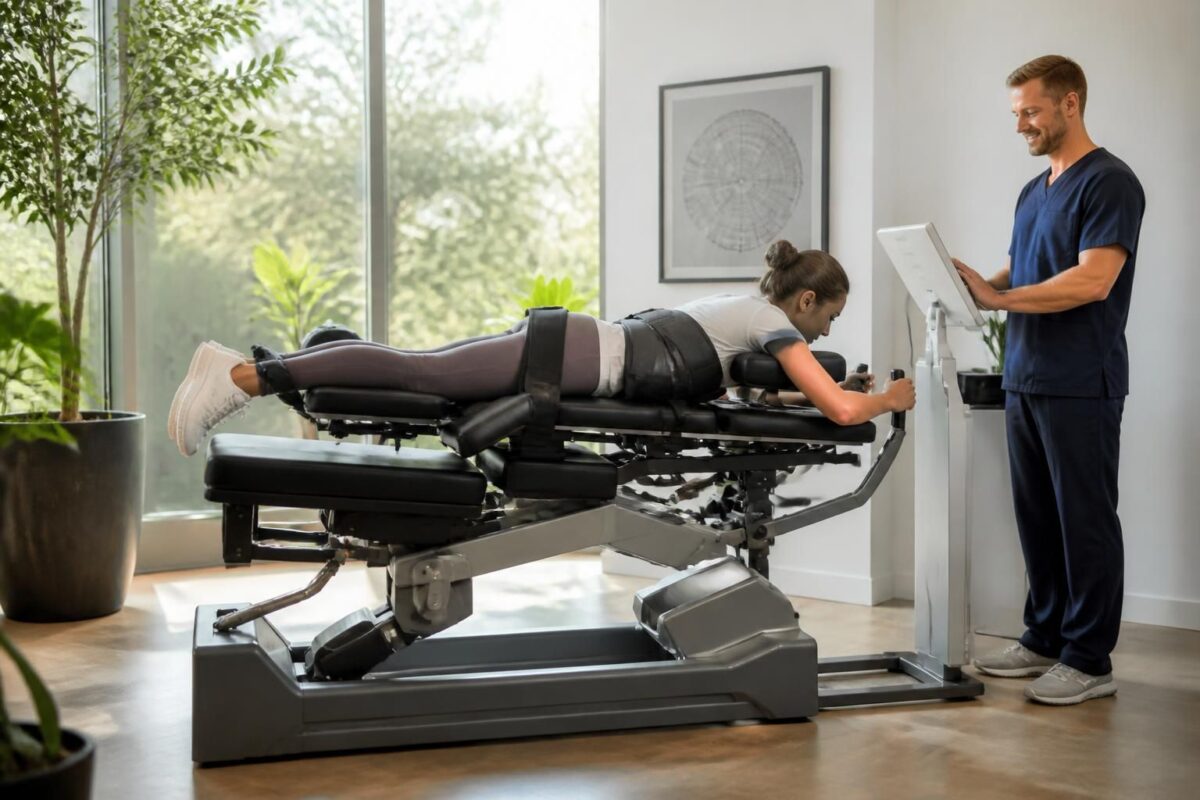
The long-term benefits of neurovertebral decompression for spinal health
In short In short, the neurovertebral decompression is a non-invasive approach that decreases the Pressure on intervertebral discs and nerves, favoring the Natural regeneration and tissue recovery. Its long-term benefits include Lasting pain reduction, Improving mobility and from the posture,…

Neurovertebral decompression and mobility: a return to an active life
In short In short, the neurovertebral decompression is therapy non-invasive who uses a gentle traction To create a space between the vertebrae and reduce the pressure on the Intervertebral discs and the nerves. It promotes a bloodstream improved, lowers tension…
Indications and benefits for herniated disc
who can benefit
It is particularly suitable when theslipped disc Causes radiculalgia and that conservative treatments (adapted activity, physiotherapy, medical checks) remain insufficient. A pre-assessment confirms theAdequacy of treatment and rule out contraindications.
Clinical Benefits
The protocols integrating the DNV show a pain reduction, a better mobility and an improvement inMuscle endurance. In the short term, patients often report a decrease in disability and a reduction in analgesic addiction, with effects that are reinforced over the course of the sessions.
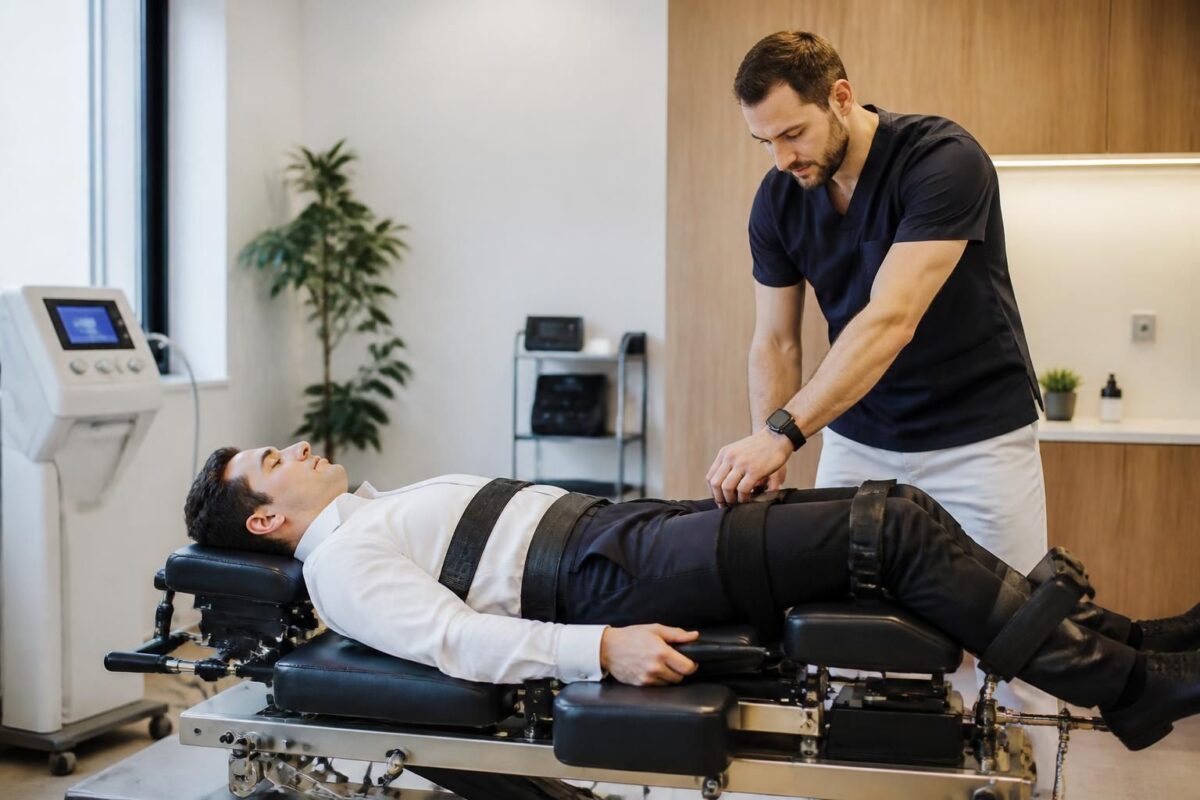
How Neurovertebral Decompression Prevents Diffuse Chronic Pain
In short decompression neurovertebral is one Non-invasive method aimed at reducing the Pressure on the intervertebral discs and the nerves, in order to prevent Diffuse chronic pain. It improves the circulation and thedisc hydration, decreases inflammation and promotes better mobility.…
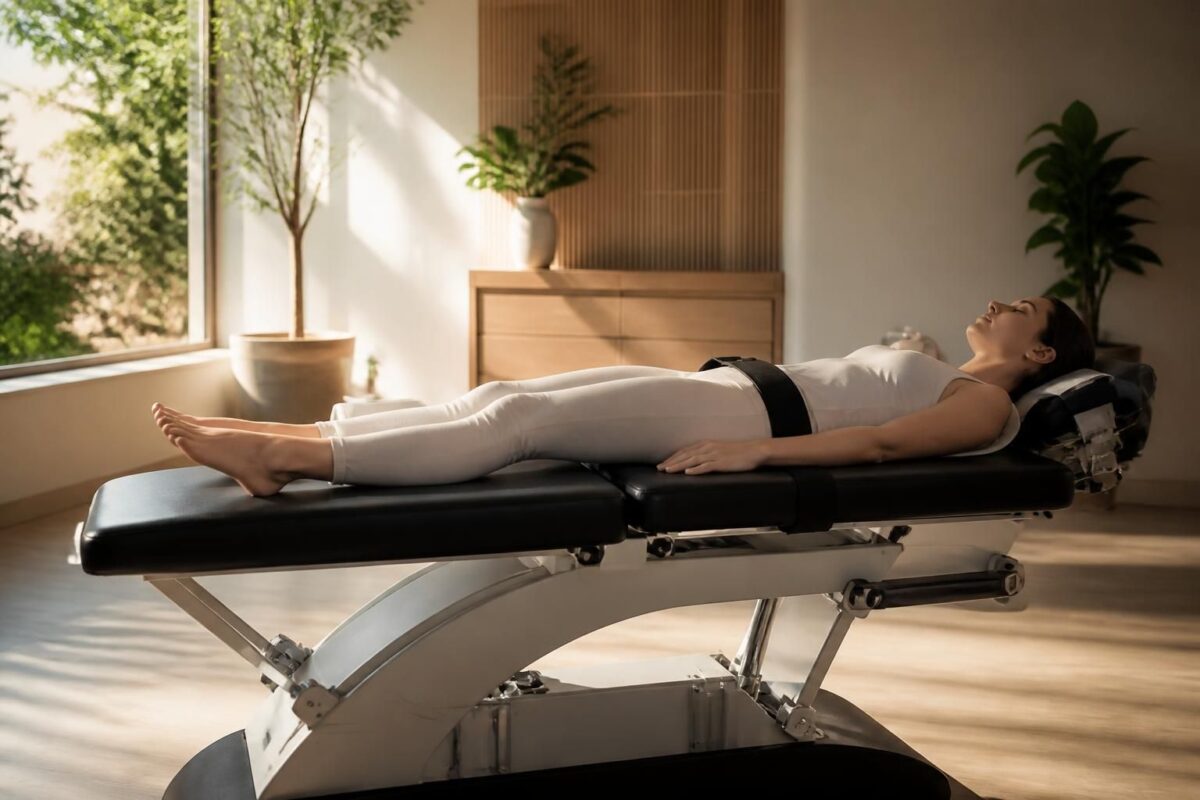
Neurovertebral Decompression and Body Alignment: Restoring Natural Balance
In short In short, neurovertebral decompression is one Non-invasive approach who restores theBody Alignment and thenatural balance back and neck. She acts by a Controlled traction of the spine to widen the intervertebral space and reduce the Pressure on discs…
Processing and security process
Processing process
The typical program includes several decompression table sessions, each of which is defined and adapted to the patient. The treatment is non-invasive And does not require surgery or heavy anesthesia.
Integration with other approaches
To optimize the results, the DNV is often associated withosteopathy, therapeutic exercises and Multidisciplinary care (Physiotherapists, occupational therapists, psychologists if necessary). This approach biopsychosocial Promotes functional recovery and return to work, while limiting recurrence risks.
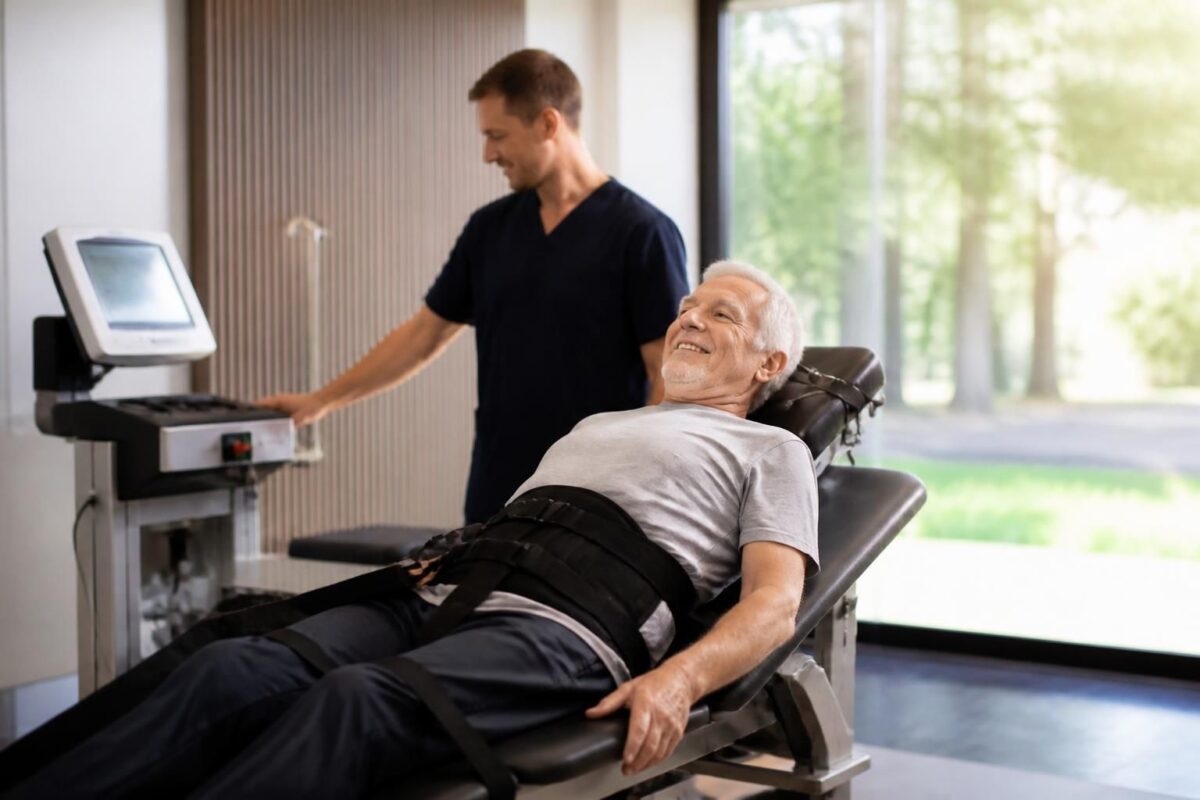
Why neurovertebral decompression is a lasting solution for active seniors
In short In short, the neurovertebral decompression is one Non-invasive therapy which sustainably relieves spinal pain in the spine active seniors By creating, by a Soft and controlled traction, a space between the vertebrae. At Montreal, it is recognized as…
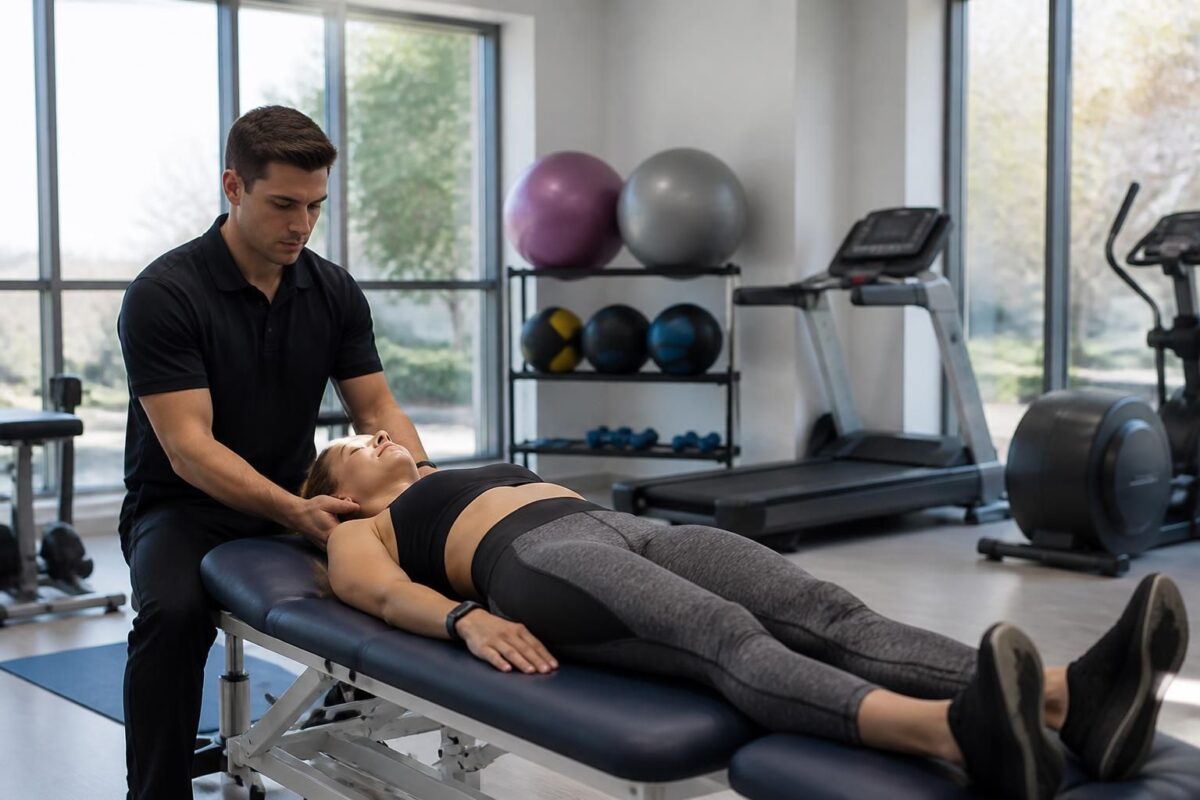
Neurovertebral decompression and recovery after severe sports injury
In short In short, the neurovertebral decompression is one Non-invasive method to Relieve the pressure on the Intervertebral discs and the gristle Via a Controlled traction, to facilitate the recovery After a severe sports injury. It improves the bloodstream towards…
Practical advice and follow-up
Preparation and safety
Before you begin, a comprehensive assessment helps identify risk factors and personalize the protocol. During the course, it is important to report any new or worsening pain and adapt the plan accordingly. Membership in exercises at home and an appropriate posture sustainably supports the benefits.
Follow-up and precautions
Regular monitoring allows you to adjust the intensity and duration of the sessions, to check progress and to prevent relapses. In addition, education on the mechanisms of low back pain and lifestyle advice contributes to optimizing the quality of life and prolonging the results obtained with neurovertebral decompression.
| Axis | Concise impact |
|---|---|
| Main mechanism | Neurovertebral decompression uses computerized traction to create an intervertebral space and decrease the disc pressure and the nervous compression on the roots. |
| Pain and radiculalgia | Quick relief from root pain after the first sessions. |
| Mobility | Improves the Lumbar mobility and range of motion. |
| Nutrition and regeneration | promotes the Disc nutrition and the regeneration tissue by better perfusion. |
| Type of treatment | Treatment non-invasive and without surgery; Real-time guided sessions; risk reduction. |
| directions | herniated disc with radiculalgia chronic without urgent motor deficit; Pre-assessment needed. |
| Duration and follow-up | Typically observable results after several sessions; Personalized program and regular follow-up. |
| complementarity | Integration with osteopathy and approach multidisciplinary to optimize mobility and function. |
| Security and risks | Low risk when performed by a qualified professional after an assessment; Respect the contraindications. |
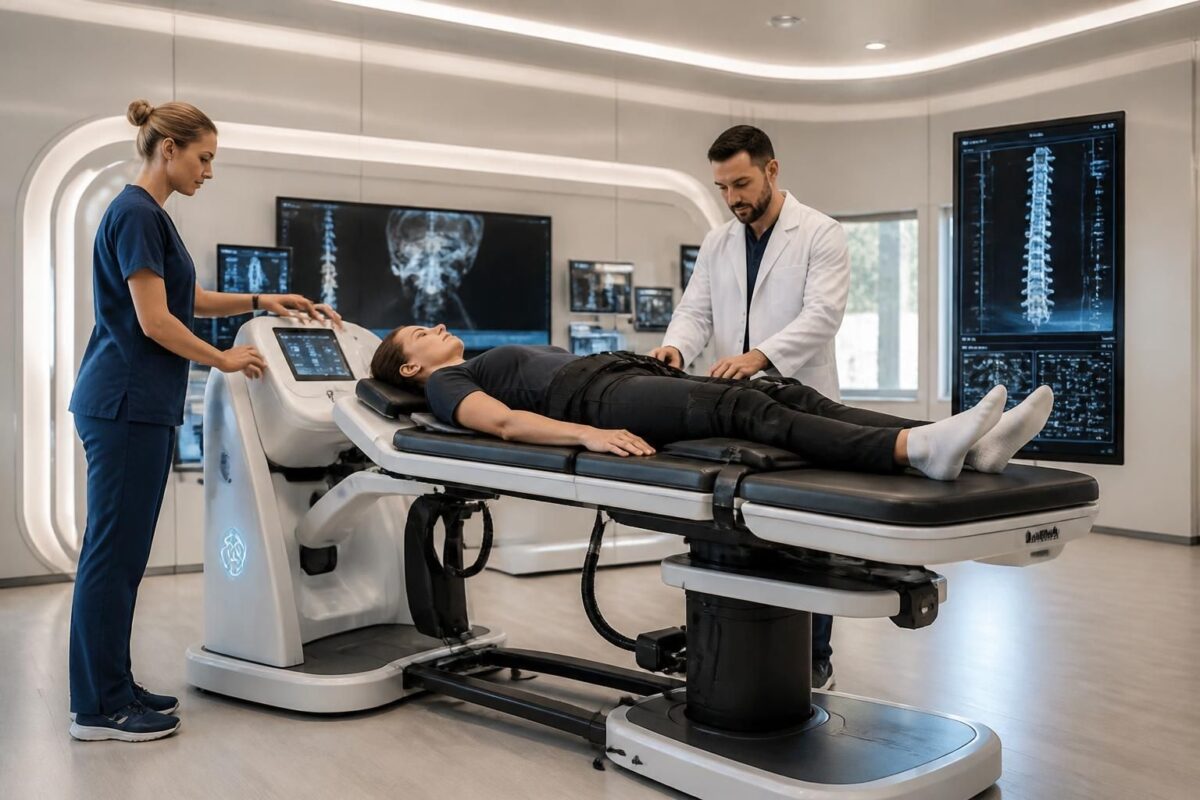
Recent innovations in neurovertebral decompression technologies
In short In short, the neurovertebral decompression is an approach non-invasive Aiming to reduce pressure on discs and nerves, and promote tissue regeneration. At Montreal, it is positioned as an effective option for lower back pain and herniated discs. The…
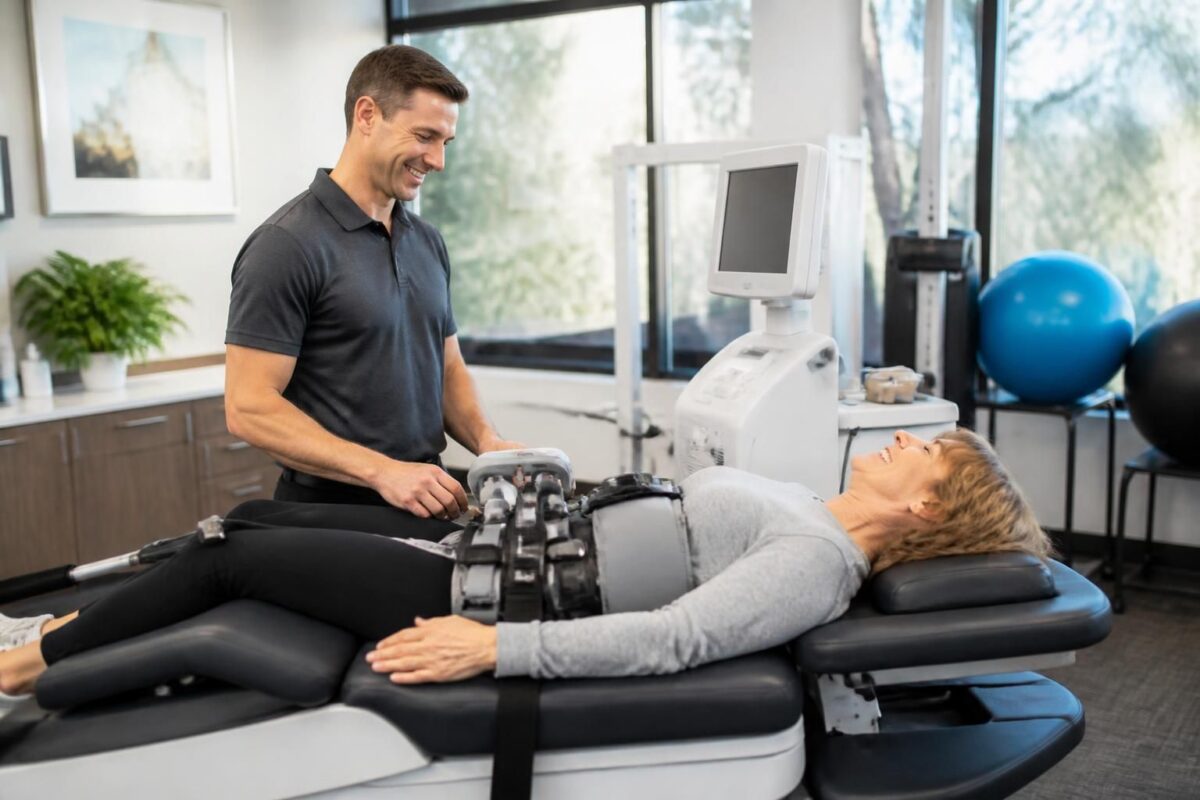
Neurovertebral decompression and diffuse pain: an appropriate solution
In short In short, the neurovertebral decompression is one Non-invasive solution For diffuse pain related to nerve irritation of the spine. She acts in Reducing pressure on intervertebral discs and nerves and improving the bloodstream, which promotes recovery and the…
Testimonials: How neurovertebral decompression relieves herniated discs
Testimony of Marie, 48 years old: Faced with a herniated discs Lumbar, my pain radiated in the legs and bothered every movement. After the introduction of neurovertebral decompression, I felt a gradual decrease in pressure on the nerve. The following sessions improved my mobility and my quality of life, and I returned to my daily activities without this throbbing pain that once accompanied me.
Testimony of Lucas, 29 years old: athlete and worker, lower back pain related to a slipped disc limited my performance. With the neurovertebral decompression, nervous tension soon subsided and my muscle function has improved. I was able to resume training smoothly and regain an amplitude of movement that I thought was lost.
Testimony of Sophie, 60: The painless days seemed to be a legend. Non-invasive decompression acted on the mechanical cause of my pain by reducing pressure on discs and nerves. After a few sessions, I found a better bloodstream and a more aligned posture, which transformed my quality of life and my daily activity.
Testimony of Yann, 39 years old: work in a manual environment requiring repetitive postures. The neurovertebral decompression made it possible to reduce the pain and muscular snoring that accompanied my slipped disc. I went back to my tasks without depending so much on analgesics, and my mobility came back.
Testimony of Claire, 44 years old: In addition to the exercises, decompression gave my spine a new dynamic. I noticed a marked reduction in pain and an improvement in the Daily operation, with a lasting feeling of stability thanks to the evacuation of tensions around the discs. My quality of life is clearly better.
Testimony of Paul, 66: after years of pain related to a herniated discs, the neurovertebral decompression offered me a tangible improvement in mobility and a decrease in painful episodes. I finally find simple activities like walking and going out without fear of triggering a crisis, which has profoundly changed my daily life.
Dr. Sylvain Desforges, osteopath, naturopath and manual medicine, is a key figure in health innovation. As Founding President of the TagMed Clinics and the ACMA Association, he places the management of Chronic pain at the heart of his action. Its mission is to provide evidence-based care, integrating advanced technologies to optimize the health and well-being of its patients. His background reflects a synthetic and pragmatic approach that combines clinical rigor and ethics of care.
In his practice, the neurovertebral decompression occupies a central place for patients withherniated discs. This non-surgical method is based on computerized and real-time controlled lumbar traction, which seeks to create a space between the vertebrae. The goal is to reduce the pressure inside the discs and keep the compressed nerve structures away. At the same time, this approach aims to reduce inflammation and promote better circulation of nutrients to the intervertebral tissues, thus contributing to the regeneration of the discs and the restoration of a more favorable alignment.
The philosophy of Dr. Desforges is based on a precise and personalized evaluation. Before each program, it analyzes the history, symptoms and functional limitations to propose a suitable therapeutic trajectory. The DNV is often associated with osteopathy and therapeutic exercises, in order to optimize segment mobility, release myofascial chains and improve motor control. This combination aims not only to reduce pain, but also to strengthen functional capacities and prevent recurrences.
Beyond measurable pain and mobility, Dr. Desforges insists on a Multidisciplinary approach and biopsychosocial. He coordinates interventions with physiotherapists, osteopaths and, when necessary, doctors and psychologists to address the physical, emotional and social dimensions of lumbosciatica. This approach aims to reduce the use of heavy medical treatments and to limit surgical indications, while accelerating the return to an active and productive life.
For patients, neurovertebral decompression is part of a logic of Prevention and sustainability. By working on the alignment of the vertebrae, mobility and muscle tone, this therapy seeks to restore lasting stability of the spine. The results observed include a significant decrease in root pain, improved range of motion and better endurance. Through appropriate education and personalized follow-up, Dr. Desforges supports everyone towards rediscovered autonomy and a rediscovered quality of life.
This evidence-centric approach to each patient is perfectly illustrated how neurovertebral decompression can transform the management of herniated discs. It embodies a modern, non-invasive and effective way to reduce pain, restore function and prevent chronicity, while offering a safe and respectful alternative to the human body.
This summary presents how the neurovertebral decompression can relieve the herniated discs By acting directly on the disc pressure and nerves, while promoting regeneration, theImproving mobility and a better quality of life, all in one approach non-invasive and multidisciplinary.
Neurovertebral decompression is based on a Controlled traction which creates a space between the vertebrae and dissipates the Intradiscal pressure as well as compression of nerve roots. This dynamic promotes better nutrition of the discs and reduces inflammation around the nerves, which results in a reduction in pain and a gradual resumption of functional activities. Furthermore, when associated with theosteopathy and to a Multidisciplinary care, it optimizes mobility, muscle endurance and return to work, while limiting the use of pharmacologic treatments and invasive procedures.
Clinical evidence indicates significant gains from pain, of mobility and of operation From the first weeks when decompression is integrated into an active program of postural education and exercises. This non-surgical approach offers an attractive alternative for patients with Lumbar radiculopathy and can reduce the socio-professional costs associated with lumbosciatica by rapidly improving autonomy.
The integration of theosteopathy Optimizes segment mobility and release tension from myofascial chains, while programs Biopsychosocial Involving doctors, physiotherapists and psychologists address the physical and psychological dimensions of pain. Together, these approaches facilitate the Postural readjustment, the Back to activity and the relapse prevention.
In comparison with conventional treatments, the DNV offers an option non-invasive which directly targets the mechanical cause of pain and is part of a sustainable rehabilitation approach. However, an early and personalized assessment remains essential to identify appropriate cases and prevent contraindications, especially when signs of neurological urgency appear.
To deepen and discuss your situation, you can consult specialized resources and dedicated clinics, including the following pages: Tagmed Clinic, SOS SCIATIC, Essential steps to integrate the DNV and Neurovertebral Decompression: Effective Therapy.

Dr Sylvain Desforges, B.Sc., D.O., N.D., osteopath, is the founding president of TAGMED and of the ACMA association. He dedicates his practice to chronic spinal pain, low back pain and symptoms compatible with sciatica, particularly when pain radiates toward the buttock, leg, calf, foot or toes.
Through SOS Sciatique, he publishes educational content on sciatica symptoms, possible causes such as disc herniation, disc narrowing, foraminal stenosis or irritation of a lumbar nerve root, as well as non-surgical approaches that may be considered according to the evaluation. At Clinique TAGMED, care may include, depending on the case, motorized neurovertebral decompression, specific osteopathic care or precision percussion.
For an evaluation related to sciatica treatment in Montreal / Mount Royal or sciatica treatment in Terrebonne, please consult the services available at Clinique TAGMED.
Medical disclaimer
The information published on SOS Sciatique is provided for educational purposes only and does not replace a consultation, diagnosis, opinion or treatment provided by a physician or another authorized healthcare professional. The author of this article is neither a medical doctor nor a specialist in a medical specialty recognized by the Collège des médecins du Québec. The osteopathic, manual medicine or functional support approaches described on this site do not constitute medical acts and are not intended to replace medical follow-up.
Consult a physician or emergency service in cases of loss of bladder or bowel control, anesthesia in the saddle area, significant or progressive weakness in the leg or foot, fever, recent trauma, severe pain or rapid worsening of symptoms. For more details, please read our Legal Notice.