

Neurovertebral decompression: an alternative to opioids for pain management
25/06/2026
Neurovertebral decompression for patients with spinal stenosis
25/06/2026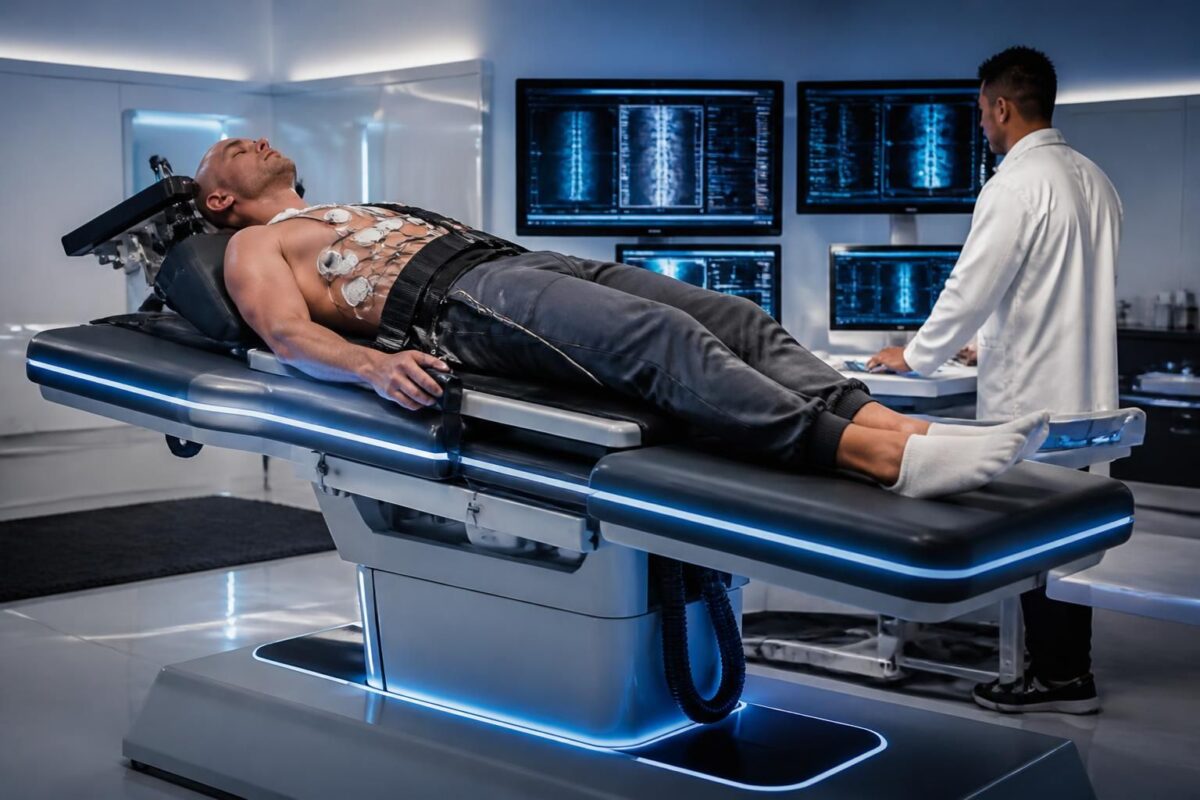
In short
| In short, recent innovations in neurovertebral decompression offer a Non-invasive alternative To reduce pressure on the spine and relieve pain. This approach modern combines systems of Computerized traction and personalized protocols, supported by a Advanced imaging and real-time monitoring. Advantages: Quick relief, Mobility found, Accelerated recovery and Prevention of recurrences. How it works: initial evaluation, real-time adjustments and imaging tracking; Protocols also include associated technologies like elastography and digital twin to optimize the results. Accessible in our TagMed clinics, this approach aims to improve the quality of life of active people and patients suffering from spinal pain without surgery. |
recent innovations in neurovertebral decompression Combine non-invasive approaches with advanced technologies to optimize the care process, reduce pain and promote rapid rehabilitation.
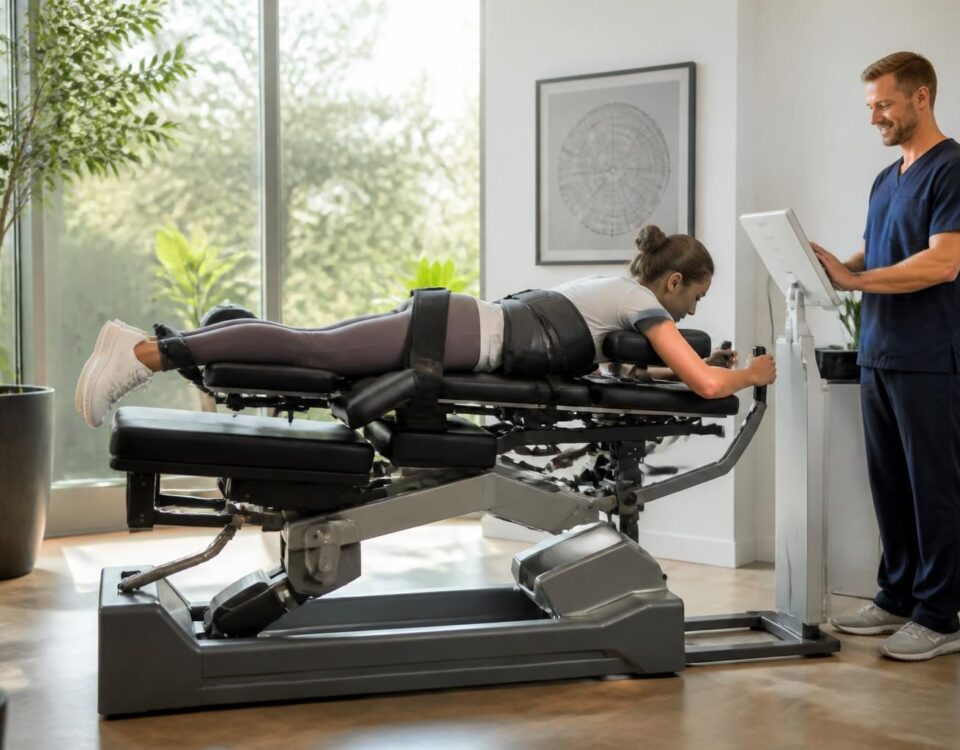
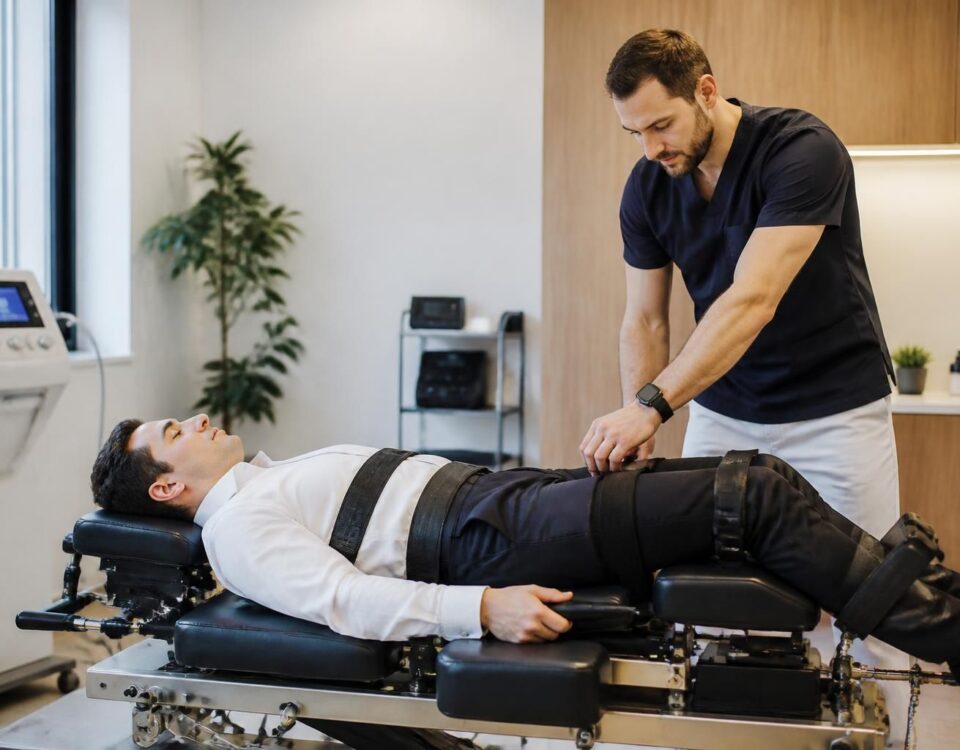
- Computerized and customizable traction : Systems that automatically adjust the strength and protocol according to individual needs and measure the patient’s responses during treatment.
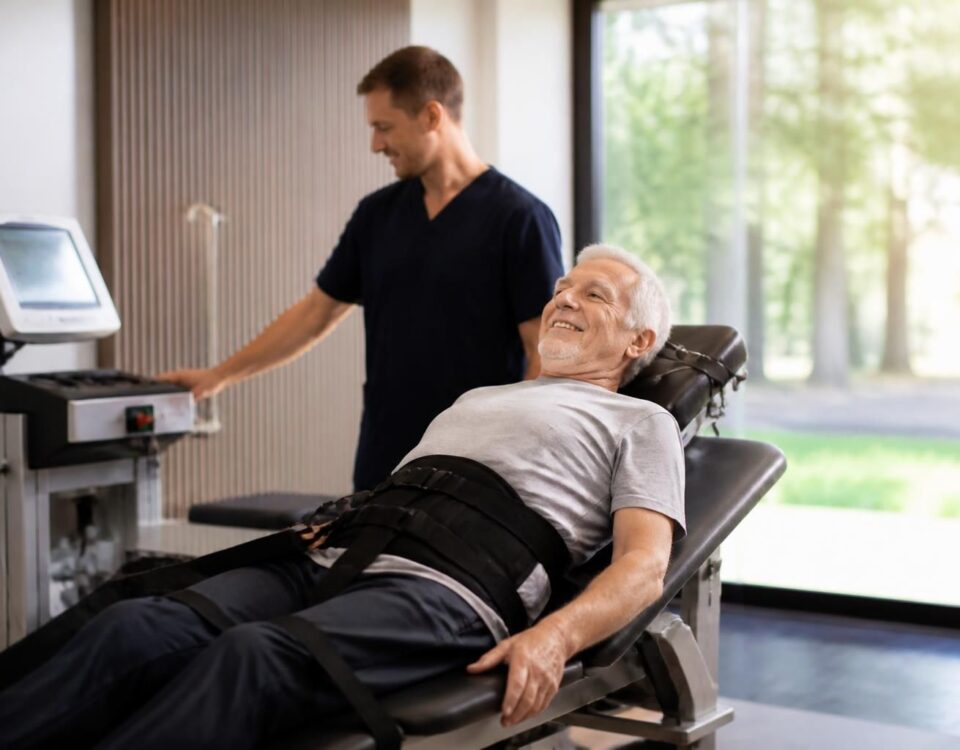
- Real-time imaging : Direct visualization of disc status and progress tracking for precise adjustment of sessions.
- elastography : Evaluation of the flexibility and rigidity of soft tissues, in particular intervertebral discs, to guide therapeutic choices.
- Column digital twin : three-dimensional modeling to simulate scenarios and plan interventions with increased accuracy.
- Non-invasive associated therapies : Use of therapeutic lasers and neuromodulation techniques to promote healing, reduce inflammation and improve comfort.
- Adaptive protocols and rigorous monitoring : In-depth initial evaluation and dynamic adjustment of protocols according to the patient’s response.
- Integration with sports medicine and rehabilitation : Overall approach for a faster return to activity and performance.
- Hydration and prevention : Importance of hydration and a healthy lifestyle of discs to prolong the benefits of treatments.
This article presents the Recent innovations in neurovertebral decompression. It describes tools and protocols that improve the efficacy and safety of non-invasive care. It highlights the practical implications for patients and health professionals, while specifying current limitations.
Digital traction and real-time feedback
Modern decompression tables work with a computer-controlled traction system. The force and theangle traction are adjusted according to the patient’s needs. Algorithms measure responses and adapt the protocol in real time. This improves the overall comfort and efficiency of the treatment. Associated imaging allows you to visualize the evolution of the discs during the session. For more information, see the dedicated resources on recent innovations in neurovertebral decompression.
Clinical assessments indicate that a significant percentage of patients report improvement after several sessions. To deepen the technical aspects and the evidence, see Specialized resources. The content on the optimization of therapeutic results is detailed by tagmed.
Elastography and measurement of disc flexibility
Elastography is an imaging technique that evaluates the rigidity and the flexibility Soft tissues, especially discs. This approach provides additional information on the condition of the tissues and allows more precise monitoring of changes after treatment. For an explanation of the foundations, see the resources dedicated to science that underlies neurovertebral decompression.
Digital column twin to simulate surgery
the development of Digital twins of the spine makes it possible to visualize the dorsal structure of the patient in three dimensions. This approach helps to plan interventions and simulate the effects of therapeutic parameters without surgery. This concept is explored in the technical resources on simulation and preoperative planning.
Non-invasive approach and safety
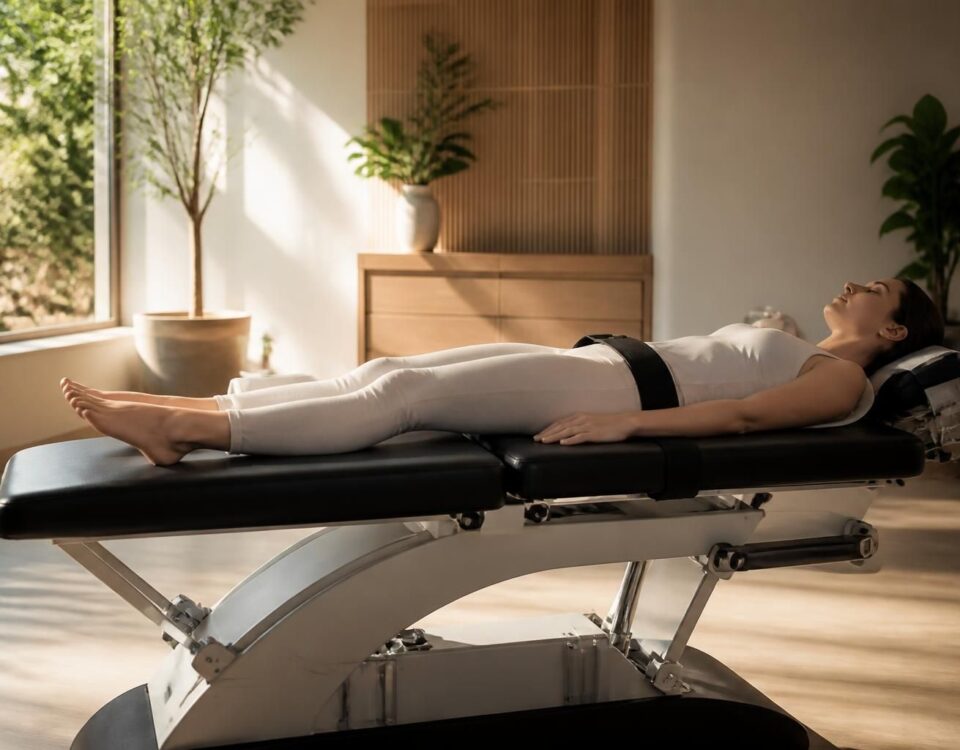
neurovertebral decompression is non-invasive and relies on dedicated equipment that avoids operative risks. Recent protocols are based on devices that allow for accurate adjustments and rigorous follow-ups. This approach contributes to reducing recovery times and promoting the resumption of an activity in line with the patient’s objectives. To understand the basics and evidence, see the resources presented on The science behind neurovertebral decompression.
Neurostimulation and Associated Therapies
The neurosmodulation emerges as a complement to decompression to treat the Chronic pain. By targeting specific areas of the nervous system, it can decrease pain perception and support neurological rehabilitation. Clinical data indicates that neuromodulation can increase treatment efficacy, especially when combined with non-invasive approaches.
Laser therapy and tissue recovery
The laser therapy is used to stimulate circulation and promote tissue repair. This approach can accelerate functional recovery and provide increased comfort during the rehabilitation process. devices laser Used in this context aim to optimize relief and recovery without having to resort to surgery.
Hydration and disk health
As part of a healthy lifestyle, appropriate hydration contributes to the health of the intervertebral discs, which play the role of shock absorbers. This general dimension is part of a global strategy for maintaining mobility and spinal function.
Integration and global approach
Modern innovations encourage an integrated approach. The union of decompression with areas such as osteopathy and relaxation techniques can enhance results. Strong evidence shows that full and regular protocols improve long-term benefits. For additional resources, see content on The dedicated podcast, and the pages on the latest innovations published by TagMed Clinics.
Indications, results and safety
The protocols evolve with regular evaluations. Professionals follow indicators of pain, mobility and quality of life to adapt care to each patient. Results vary by patient and clinical context. In modern clinics, treatments are designed to remain patient-centric and overall functional improvement. For more information, consult the reference pages on the Stenosis and decompression and Modern techniques.
For patients and professionals, training is done through recognized institutions in the field of osteopathy, in particular NUMSS and NAO, as well as national courses. Relevant professional associations include ACMA, the College of Canadian Osteopaths and the College of Canadian Osteopaths.
In practice, the TagMed clinic, in Montreal and Terrebonne, favors therapies based on evidence and a personalized approach. To learn more about services and support possibilities, visit Tagmed Clinic.
For an overview and additional resources, the content available on the sites Sports injuries and SOS SCIATIC offer accessible syntheses of the technologies and mechanisms involved. Other relevant resources can be found on tagmed.
Medical Disclaimer: The information and advice provided on this site does not replace the health professional’s diagnosis or treatment. Please note that Dr. Sylvain Desforges osteopath is neither a doctor of medicine nor a doctor, and is not a specialist in a medical specialty as defined by the Collège des Médecins du Québec. Manual medicine, functional medicine and sports medicine as described on this site exclude any medical treatment or diagnosis made by a doctor or specialist doctor. Always consult your doctor for any medical questions. For more details, please read our full legal notice.
Medical Disclaimer: The information and advice provided on this site does not replace the health professional’s diagnosis or treatment. Please note that Dr. Sylvain Desforges osteopath is neither a doctor of medicine nor a doctor, and is not a specialist in a medical specialty as defined by the Collège des Médecins du Québec. Manual medicine, functional medicine and sports medicine as described on this site exclude any medical treatment or diagnosis made by a doctor or specialist doctor. Always consult your doctor for any medical questions. For more details, please read our full legal notice.
- Custom Traction Automatic adjustments according to patient responses
- Real-time imaging Visualization and tracking of disk status during processing
- Adaptive algorithms Dynamic modulation of session duration and intensity
- Advanced non-invasive devices Targeted traction without surgery
- digital twin 3D modeling to plan treatments
- Disc Elastography Assessment of disc flexibility and rigidity
- neuromodulation Targeted nervous system stimulation to reduce pain
- Therapeutic laser Stimulation of healing and decreased inflammation
- Adaptive protocols Real-time updates based on patient progress
- Multidisciplinary integration Decompression + osteopathy and regenerative therapies

This article presents the practical recommendations on the Recent innovations in neurovertebral decompression, with a focus on systems of Computerized traction, theAdvanced imaging, the digital twin of the column, and the approaches non-invasive. It aims to guide professionals and patients in the secure and effective adoption of these technologies, favoring personalized targeting, the integration of complementary therapies and rigorous monitoring of results.
Innovative equipment and protocols for more precise decompression
Recent innovations make it possible to approach decompression with increased accuracy and increased adaptability. Modern traction systems incorporate algorithms that adjust strength and angle based on patient responses, improving comfort and effectiveness of treatment while reducing risks. Real-time imaging provides dynamic visualization of disk and adjacent structures, facilitating immediate protocol adjustments and progress tracking.
Another major advance, elastography and other advanced imaging techniques can measure the flexibility and the rigidity Soft tissue around the intervertebral discs, which enriches the initial evaluation and the therapeutic plan. This information guides the choice of traction parameters and progress control, promoting a truly personalized approach.
Computerized traction and real-time imaging
Computerized traction, when associated with visual feedback, makes it possible to establish protocols adapted to each patient and each painful episode. Real-time imaging serves as a clinical compass, offering traceability of adjustments and better predictability of results.
Elastography and evaluation of disc flexibility
This imaging technique provides pragmatic indicators on the elasticity of the disks and surrounding tissues. Using this data, practitioners can optimize session planning and monitor structural changes over time, improving risk management and clinical impact.
Digital twin and preoperative simulation
The concept of digital twin Consists of modeling the spine of a three-dimensional patient and virtually simulating therapeutic or operative scenarios. This approach makes it possible to anticipate the effects of decompression and anticipate individual responses, reducing uncertainties during clinical decision-making.
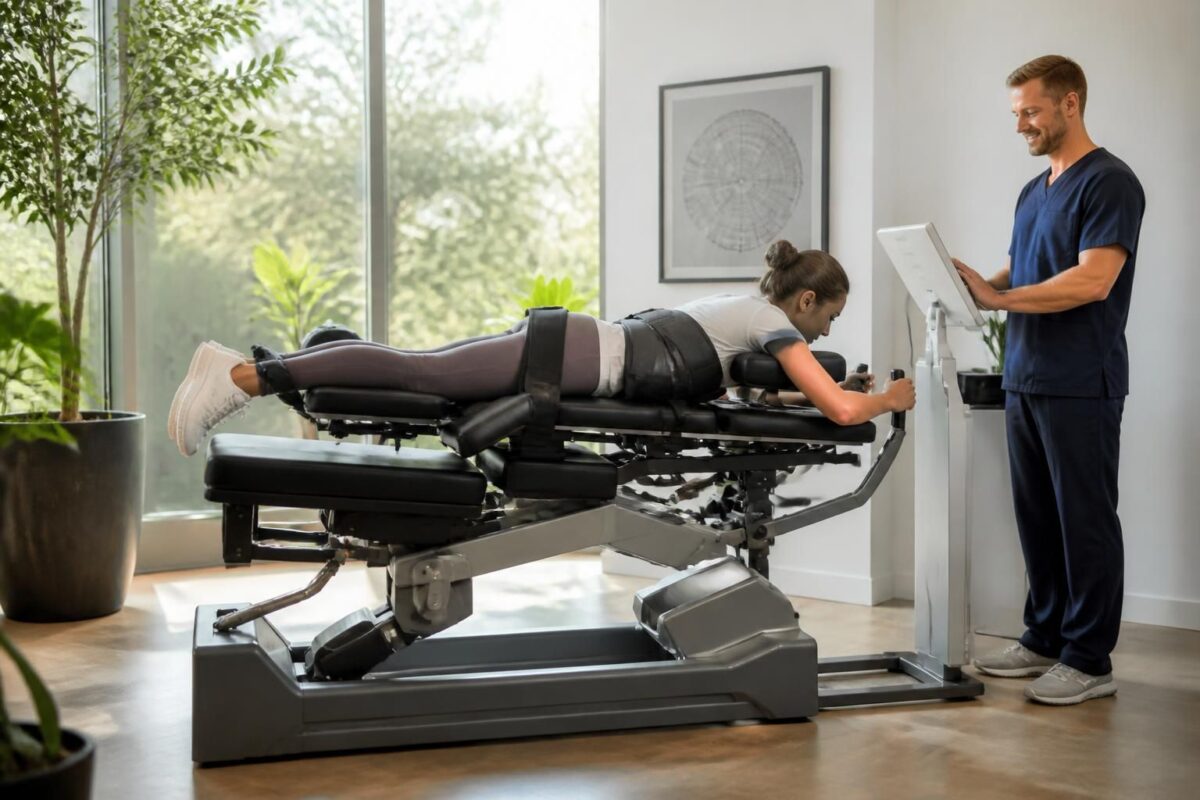
The long-term benefits of neurovertebral decompression for spinal health
In short In short, the neurovertebral decompression is a non-invasive approach that decreases the Pressure on intervertebral discs and nerves, favoring the Natural regeneration and tissue recovery. Its long-term benefits include Lasting pain reduction, Improving mobility and from the posture,…

Neurovertebral decompression and mobility: a return to an active life
In short In short, the neurovertebral decompression is therapy non-invasive who uses a gentle traction To create a space between the vertebrae and reduce the pressure on the Intervertebral discs and the nerves. It promotes a bloodstream improved, lowers tension…
Complementary approaches and integration into the care pathway
Innovations are not limited to decompression itself: they are part of an approach holistic and integrated. The neuromodulation and the Therapeutic lasers participate in the stimulation of healing processes, in the reduction of inflammation and in the improvement of functional recovery, while remaining non-invasive. Their association with decompression can amplify the benefits and facilitate neurological and muscular rehabilitation.
In addition, the integration of these technologies with hydration and lifestyle advice contributes to long-term spinal health. Adequate hydration and proper habits support disc nutrition and recovery, complementing the effects of treatments.
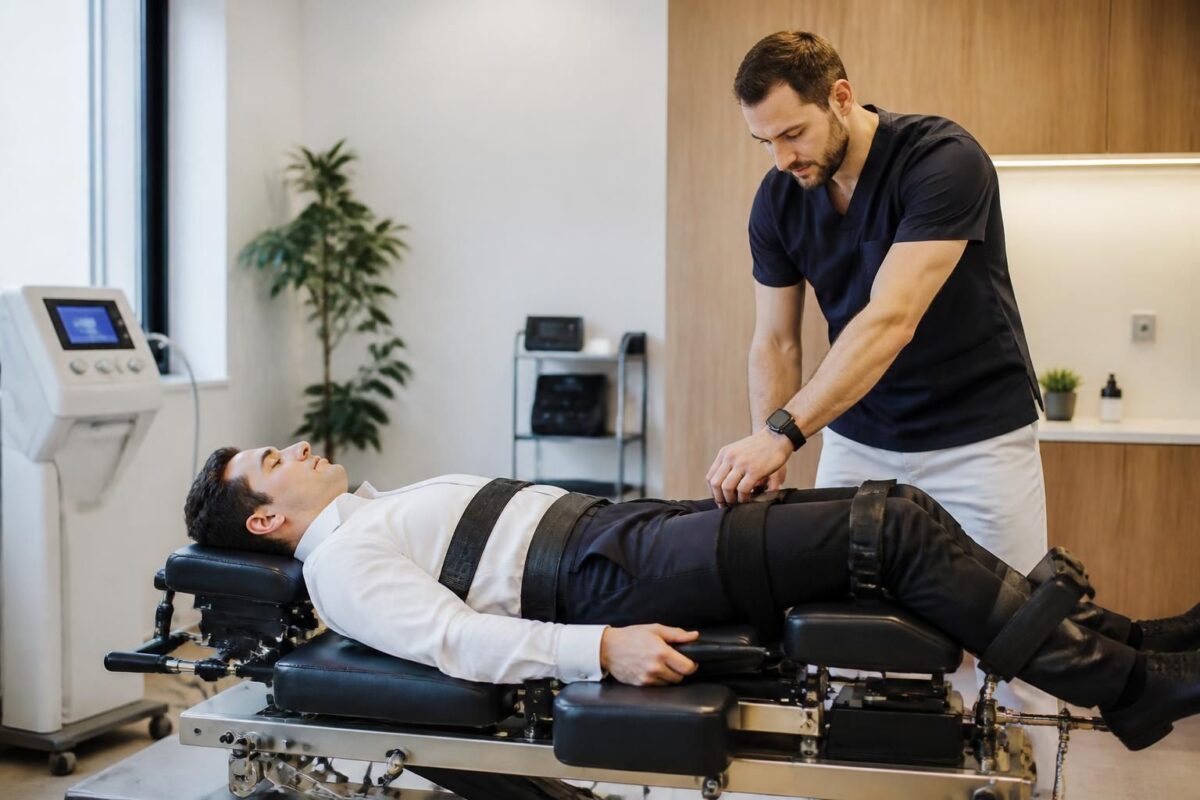
How Neurovertebral Decompression Prevents Diffuse Chronic Pain
In short decompression neurovertebral is one Non-invasive method aimed at reducing the Pressure on the intervertebral discs and the nerves, in order to prevent Diffuse chronic pain. It improves the circulation and thedisc hydration, decreases inflammation and promotes better mobility.…
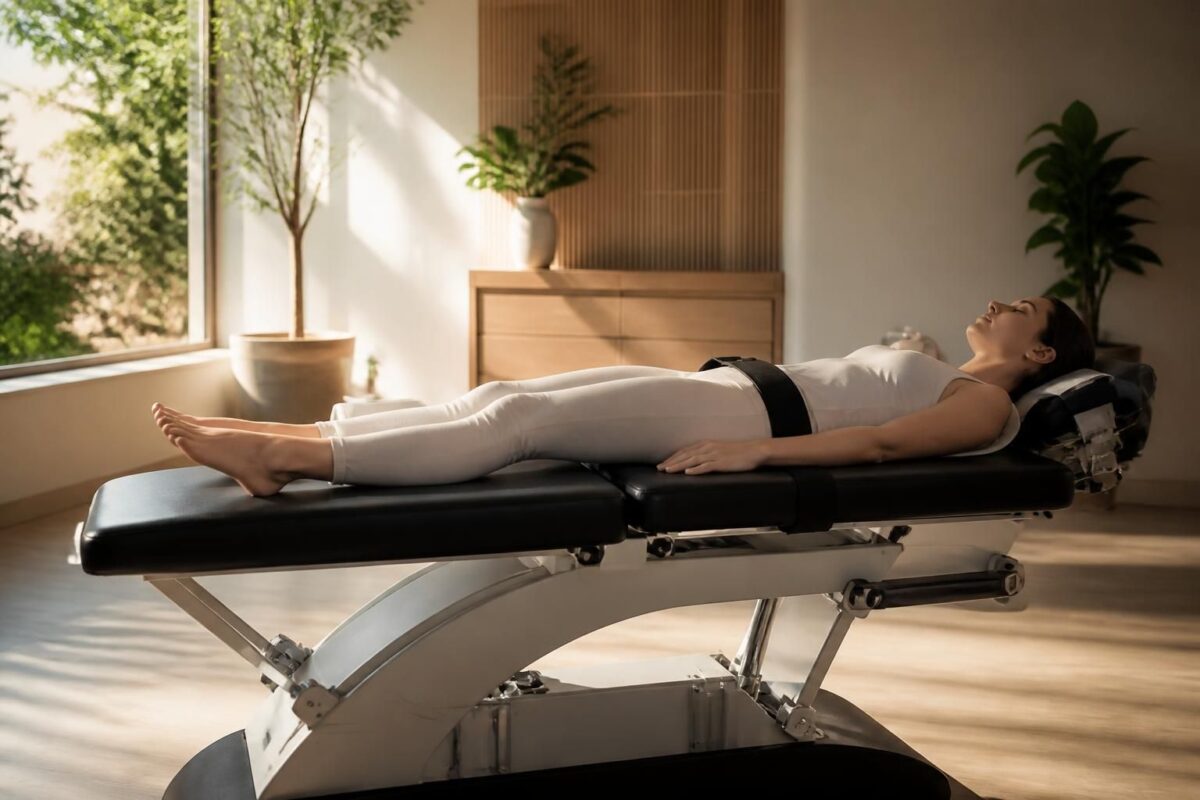
Neurovertebral Decompression and Body Alignment: Restoring Natural Balance
In short In short, neurovertebral decompression is one Non-invasive approach who restores theBody Alignment and thenatural balance back and neck. She acts by a Controlled traction of the spine to widen the intervertebral space and reduce the Pressure on discs…
Practical impacts and recommendations for professionals
To optimize adoption, it is recommended to carry out a full initial assessment, identify contraindications and select the patients most likely to benefit from an approach combining decompression and complementary therapies. Clear monitoring criteria should be defined and regularly assessed pain, mobility and quality of life, based on standardized measurements and imaging feedback. Ensuring continuous training of teams and rigorously documenting protocols and results optimizes safety and efficiency.
The clinic must also provide adjustment protocols based on individual response, in order to avoid recurrences and optimize the return to activity. Finally, it is useful to enlighten patients on the expected benefits, the realistic timelines and the measures to be taken outside the sessions (hydration, exercise, posture), in order to support sustainable recovery.
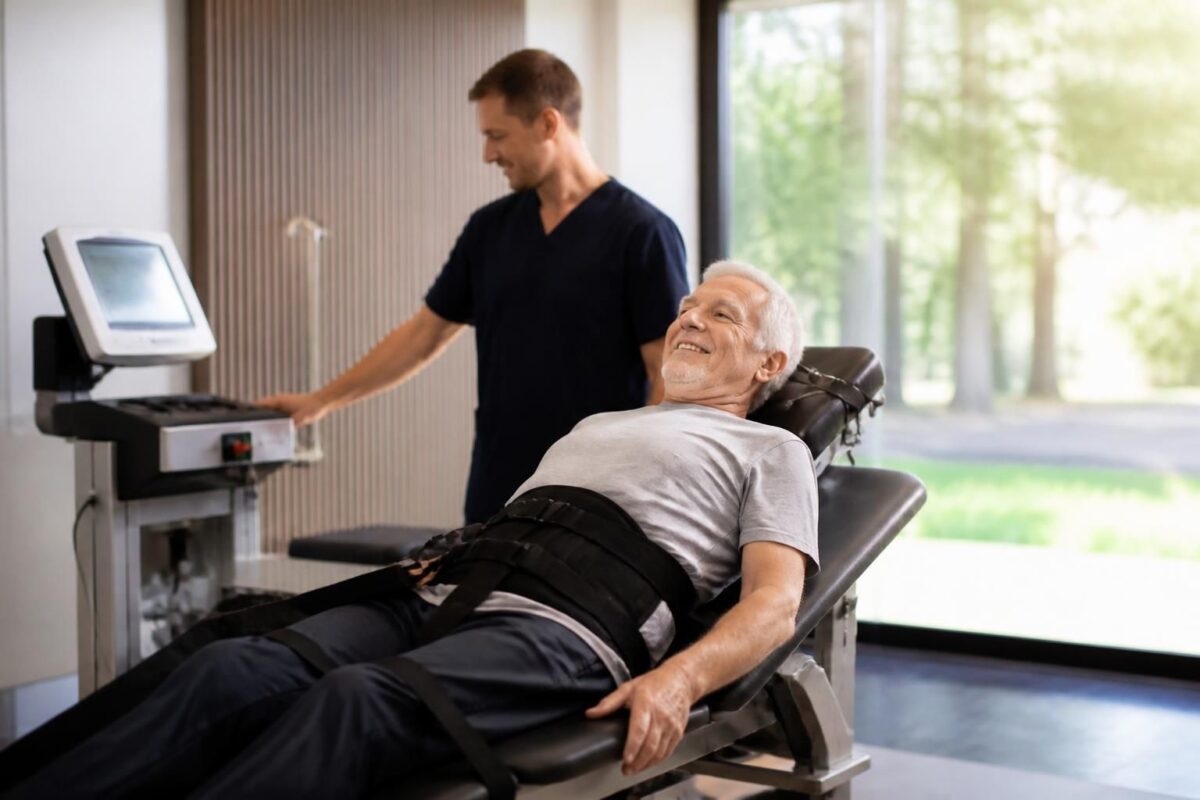
Why neurovertebral decompression is a lasting solution for active seniors
In short In short, the neurovertebral decompression is one Non-invasive therapy which sustainably relieves spinal pain in the spine active seniors By creating, by a Soft and controlled traction, a space between the vertebrae. At Montreal, it is recognized as…
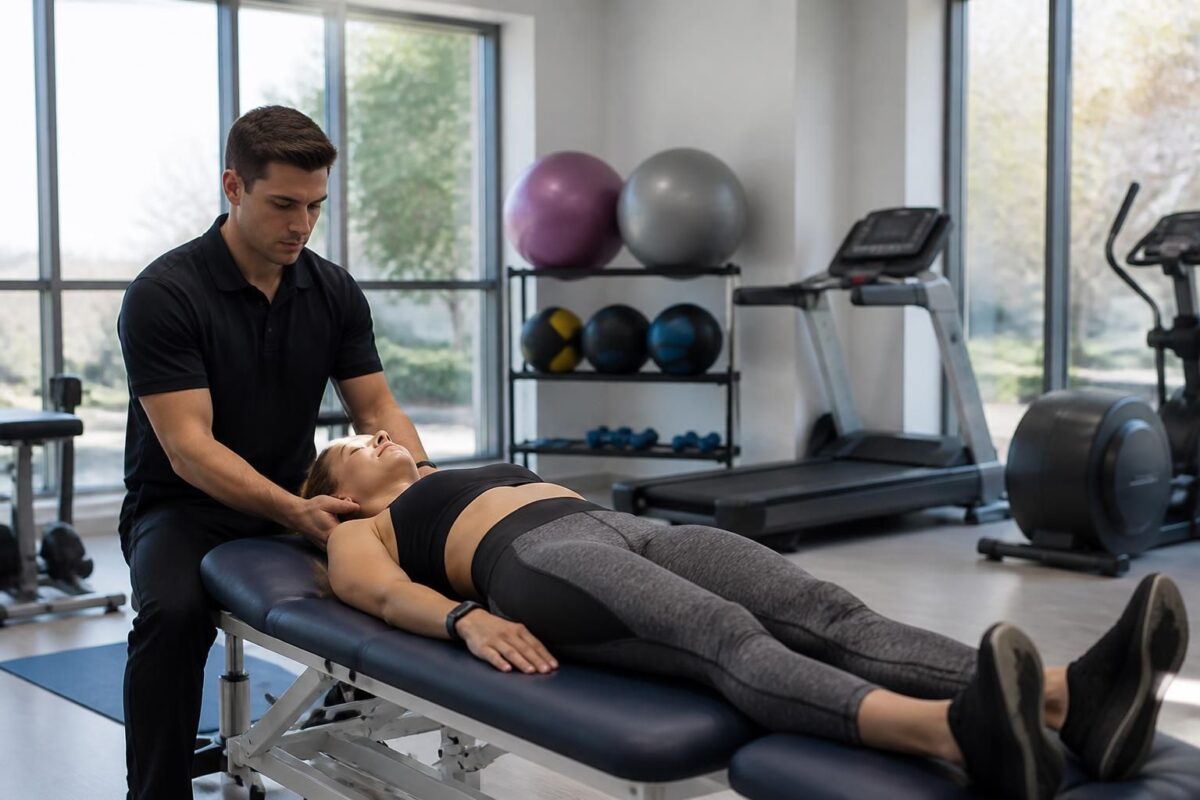
Neurovertebral decompression and recovery after severe sports injury
In short In short, the neurovertebral decompression is one Non-invasive method to Relieve the pressure on the Intervertebral discs and the gristle Via a Controlled traction, to facilitate the recovery After a severe sports injury. It improves the bloodstream towards…
Future prospects and implementation
As technologies evolve, decompression protocols become more dynamic and adaptive, with a convergence between advanced biomechanics, imaging, and regenerative therapies. The objective is to offer more effective, less invasive and better personalized care pathways, while consolidating clinical evidence and facilitating patient access to innovative and safe treatments.
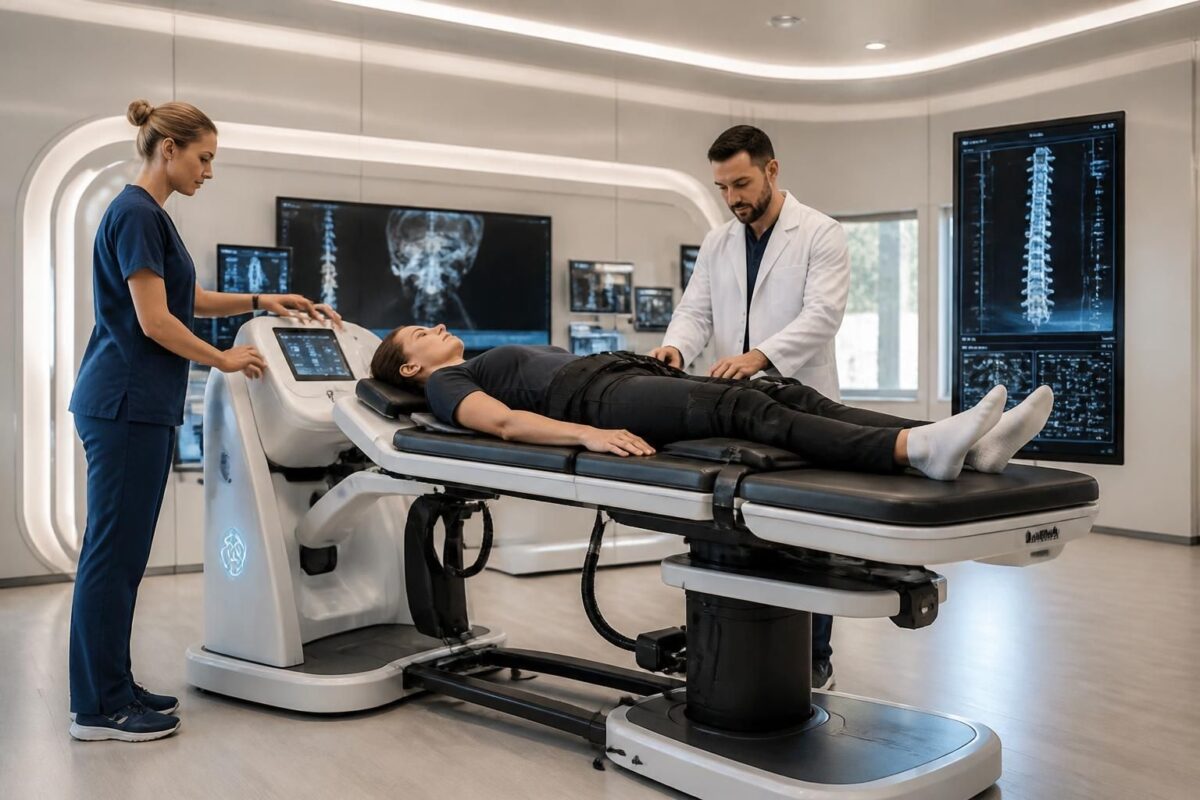
Recent innovations in neurovertebral decompression technologies
In short In short, the neurovertebral decompression is an approach non-invasive Aiming to reduce pressure on discs and nerves, and promote tissue regeneration. At Montreal, it is positioned as an effective option for lower back pain and herniated discs. The…
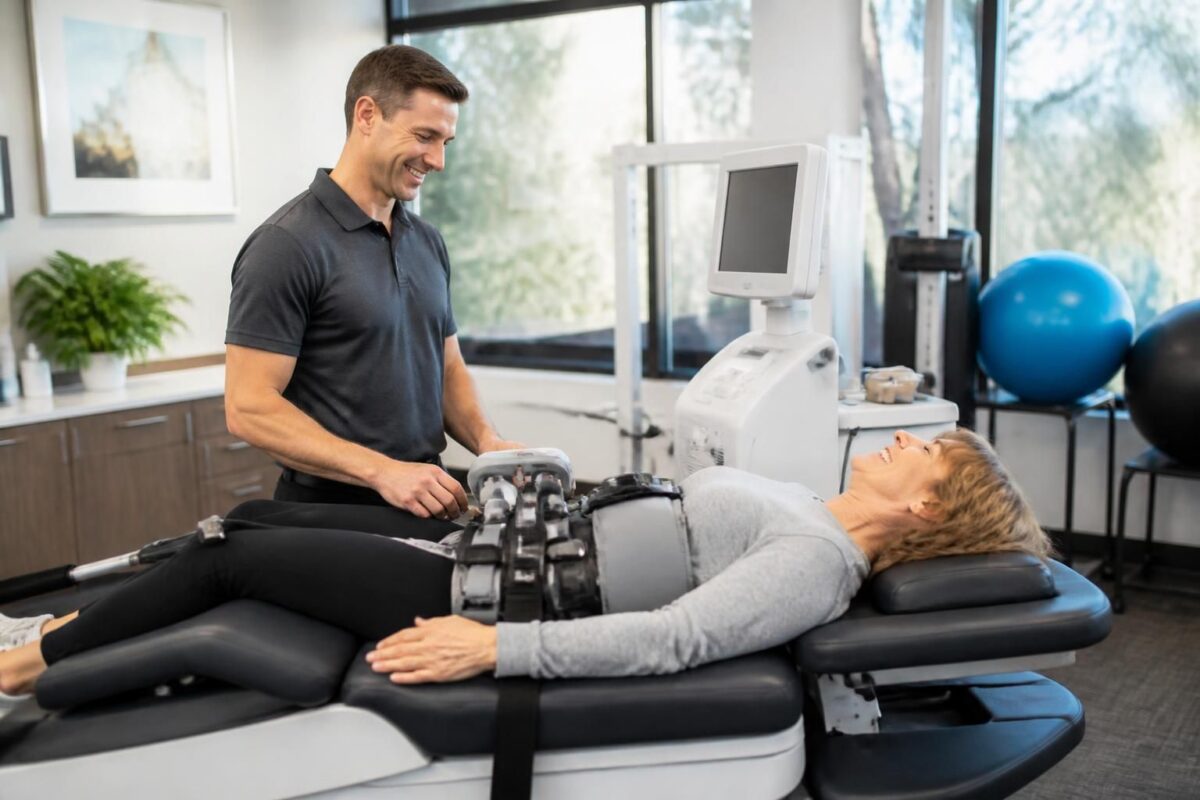
Neurovertebral decompression and diffuse pain: an appropriate solution
In short In short, the neurovertebral decompression is one Non-invasive solution For diffuse pain related to nerve irritation of the spine. She acts in Reducing pressure on intervertebral discs and nerves and improving the bloodstream, which promotes recovery and the…
Recent innovations in neurovertebral decompression
| Innovation | Description |
|---|---|
| Custom digital traction | Control adaptive in real time of the force and from the duration via sensors and AI; Improve it comfort and Lefficiency. |
| Real-time imaging | Visualization instant the state of the discs and thealignment to adjust the protocol. |
| Disc Elastography | Evaluate the rigidity and the flexibility Soft tissue to adapt the treatment and track recovery. |
| Column digital twin | Modeling 3D Customized to simulate effects and optimize decompression plan. |
| Integrated therapeutic laser | The laser promotes circulation and reducesinflammation; Accelerates recovery. |
| Associated neuromodulation | targeted stimulation of the nervous system to decrease the pain and promote the re-education. |
| Noninvasive and minimally invasive approaches | processing non-invasive, with options Mini-invasive, reducing the risks and the time of convalescence. |
| Adaptive protocol by algorithms | Protocol guided by algorithms which adjusts the settings according to reply of the patient. |
| Evaluation and traceability of results | standardized clinical evaluations measuring pain, mobility and quality of life to refine the treatment. |
Recent innovations in neurovertebral decompression
Here are testimonials on recent innovations in neurovertebral decompression and their impact on patients’ lives.
“Since I started the protocol of Computer controlled traction, associated with theReal-time imaging, I noticed a reduction in pain after only two sessions. The progression is palpable and I relive my sporting routine without fear. — Alice, 34, sportswoman.
“the association ofelastography and of digital twin gave me a clear view of the status of my records and allowed me to track progress day by day. » — Marc, 49, executive.
“The Therapeutic laser and the neuromodulation accelerated my recovery and reduced inflammation. I find my daily activities and training earlier than expected. » — Sophie, 42, sportswoman.
“This frame non-invasive Offers a personalized plan that takes into account my background and goals. The regular monitoring and accuracy of the protocols gave confidence and results. — Thomas, 60, former sportsman.
“The digital twin My allowed to visualize the evolution of my spine in 3D and to simulate protocols, which largely motivated me in my rehabilitation. — Nadia, 29, active.
“the approach non-invasive And the associated technologies allow you to adjust the sessions in real time, and I have noticed a real improvement in my mobility and my posture. — Lucas, 55, worker.
Recent innovations in neurovertebral decompression: portrait and perspectives
Dr. Sylvain Desforges is a osteopath Recognized, complemented by training in naturopathy and manual medicine. At the head of the TagMed clinics and the ACMA association, he places theHealth Innovation at the heart of his approach. Its commitment aims to optimize the management of chronic pain and to integrate cutting-edge technologies in care pathways. Its trajectory illustrates a clear vocation: to propose evolving solutions and evidence-based to sustainably improve the well-being of patients. This biography sheds light on recent developments that transform neurovertebral decompression and the resulting perspectives.
Neurovertebral decompression has emerged as a Non-invasive pathway major in the treatment of spinal conditions. It aims to free up space around the nerve roots and promote the rehabilitation of intervertebral discs. Modern systems use a Computerized and customizable traction, adjusting strength and duration according to the patient’s needs and monitoring physiological responses in real time. The integration of a Advanced imaging Allows for precise monitoring of progress and more efficient adaptation of the protocol, reinforcing the safety and effectiveness of the sessions.
Beyond traction, protocols today benefit fromSophisticated algorithms which optimize results in real time. This customization is based on an in-depth initial assessment and frequent feedback, in order to calibrate the frequency and theintensity treatments. complementary approaches, such as Therapeutic laser and the shock waves, support healing by improving circulation, modulating inflammation and accelerating tissue repair, while remaining non-invasive.
Recent advances are reflected in promising results in the field of sports medicine and rehabilitation. Clinical data indicates that many patients are experiencing Marked improvements After several sessions, with measurable gains in mobility and quality of life. This progression promotes return to effort and performance while reducing the risks associated with more invasive interventions. The future is also written by a Interdisciplinary collaboration, combining osteopathy, functional medicine and regenerative therapies to optimize healing trajectories.
At the heart of this dynamic is a vision holistic body and prevention. Hydration, diet and stress management complement treatments, strengthening their durability and preventing recurrences. The neuromodulation emerges as a promising track to modulate pain and promote neurological rehabilitation, in addition to decompression techniques. This integrated approach makes it possible to support patients towards an active and sustainable life, while relying on scientific data and transparent practice.
For Dr. Desforges, the objective is clear: to offer effective, personalized and research-supported care. His leadership in TagMed clinics and the ACMA association illustrates a vision where Innovation and ethics come together to optimize the health and well-being of patients. Through a patient-centric approach, he continues to expand the tools available around neurovertebral decompression, in order to support everyone towards better spinal stability and a better quality of life..
This article summarizes the Recent innovations in neurovertebral decompression, highlighting technological advances, non-invasive approaches and clinical perspectives that transform the management of spinal pain and sports injuries. It explores computerized traction systems, real-time imaging, personalized protocols and associated therapies that effectively improve patient outcomes and optimize the work of health professionals. To deepen these developments, discover the resources dedicated to recent advances and innovations in neurovertebral decompression.
The Innovations in neurovertebral decompression are part of a dynamic of continuous improvement of the accuracy, efficiency and safety of the treatments. Computer-assisted traction systems allow you to customize the force and direction of the maneuvers, adapting in real time to the patient’s response. This approach, supported by advanced imaging tools, offers dynamic disk status visualization and spinal alignment, making it easier to track and adjust protocols. Recent resources show these advancements as pioneers in reducing disk pressures and tissue regeneration, with clear gains in comfort and recovery speed.
In addition, the integration of technologies such as elastography and numerical representations of the column (digital twins) opens up new paths of evaluation and surgical or non-surgical planning. This ability to measure disc flexibility and simulate possible results before an intervention provides better anticipation of results and enhances the safety of non-invasive treatments. To deepen these aspects, consult the resources dedicated to elastography and digital twins.
decompression new remains largely non-invasive and can be associated with other complementary approaches, such as regenerative modalities and neuromodulation-based therapies. This combination can amplify pain reduction, accelerate functional recovery and facilitate rehabilitation, especially in athletes or active people. Clinical assessments and feedback support these positive results and encourage broader adoption in care pathways.
On the prospective level, the protocols are intended more Dynamic and adaptive, with protocols that rely on the comprehensive assessment of individual needs and regular feedback from patients. Future prospects include harmonization of protocols, better understanding of long-term effects and increased integration with practices such as functional medicine and regenerative therapies. These developments promise to improve recurrence prevention and expand access to effective treatments for a greater number of patients, while maintaining high safety standards.
To deepen the Medical innovations and the Protocols and case studies Who support these advances, consult the following resources: Recent advances in neurovertebral decompression, Protocols and case studies, and Neurovertebral decompression: a non-surgical solution. To broaden your understanding, you can also explore additional resources on benefits and sports and preventive applications.
In short, the rise of Innovative technologies and protocols In neurovertebral decompression consolidates a more personalized, less invasive and more preventive approach. This evolution responds to a growing demand for patients seeking effective, fast and safe solutions, while offering clinicians effective tools to optimize care pathways and promote a return to physical activity with increased mobilization and quality of life.

Dr Sylvain Desforges, B.Sc., D.O., N.D., osteopath, is the founding president of TAGMED and of the ACMA association. He dedicates his practice to chronic spinal pain, low back pain and symptoms compatible with sciatica, particularly when pain radiates toward the buttock, leg, calf, foot or toes.
Through SOS Sciatique, he publishes educational content on sciatica symptoms, possible causes such as disc herniation, disc narrowing, foraminal stenosis or irritation of a lumbar nerve root, as well as non-surgical approaches that may be considered according to the evaluation. At Clinique TAGMED, care may include, depending on the case, motorized neurovertebral decompression, specific osteopathic care or precision percussion.
For an evaluation related to sciatica treatment in Montreal / Mount Royal or sciatica treatment in Terrebonne, please consult the services available at Clinique TAGMED.
Medical disclaimer
The information published on SOS Sciatique is provided for educational purposes only and does not replace a consultation, diagnosis, opinion or treatment provided by a physician or another authorized healthcare professional. The author of this article is neither a medical doctor nor a specialist in a medical specialty recognized by the Collège des médecins du Québec. The osteopathic, manual medicine or functional support approaches described on this site do not constitute medical acts and are not intended to replace medical follow-up.
Consult a physician or emergency service in cases of loss of bladder or bowel control, anesthesia in the saddle area, significant or progressive weakness in the leg or foot, fever, recent trauma, severe pain or rapid worsening of symptoms. For more details, please read our Legal Notice.