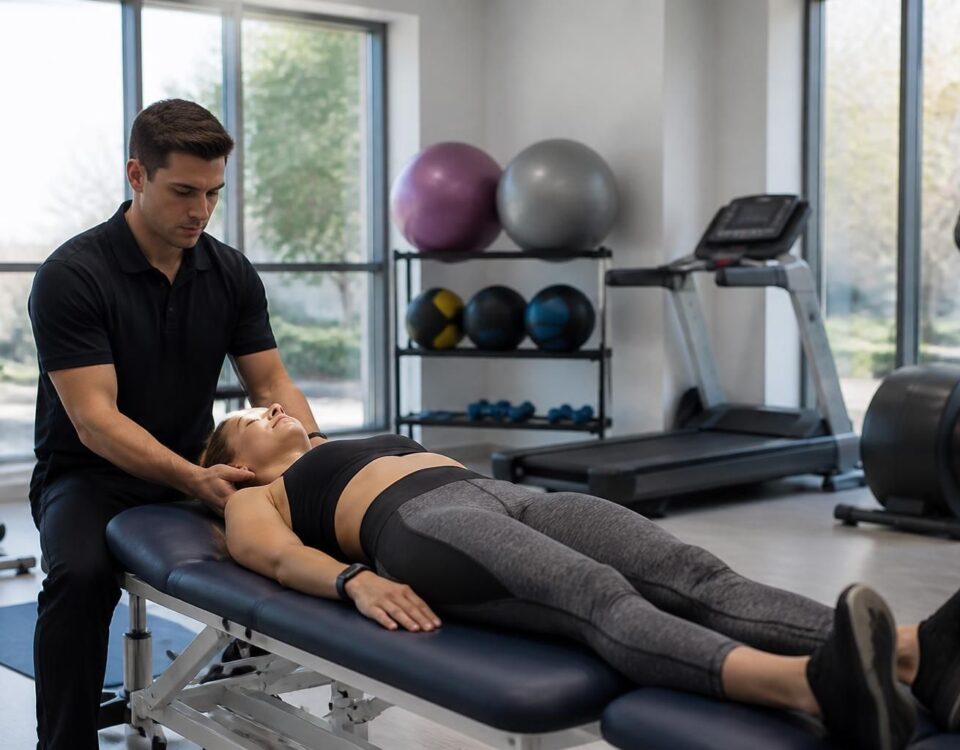
How neurovertebral decompression supports recovery after complex surgery
26/06/2026
Recent innovations in neurovertebral decompression technologies
26/06/2026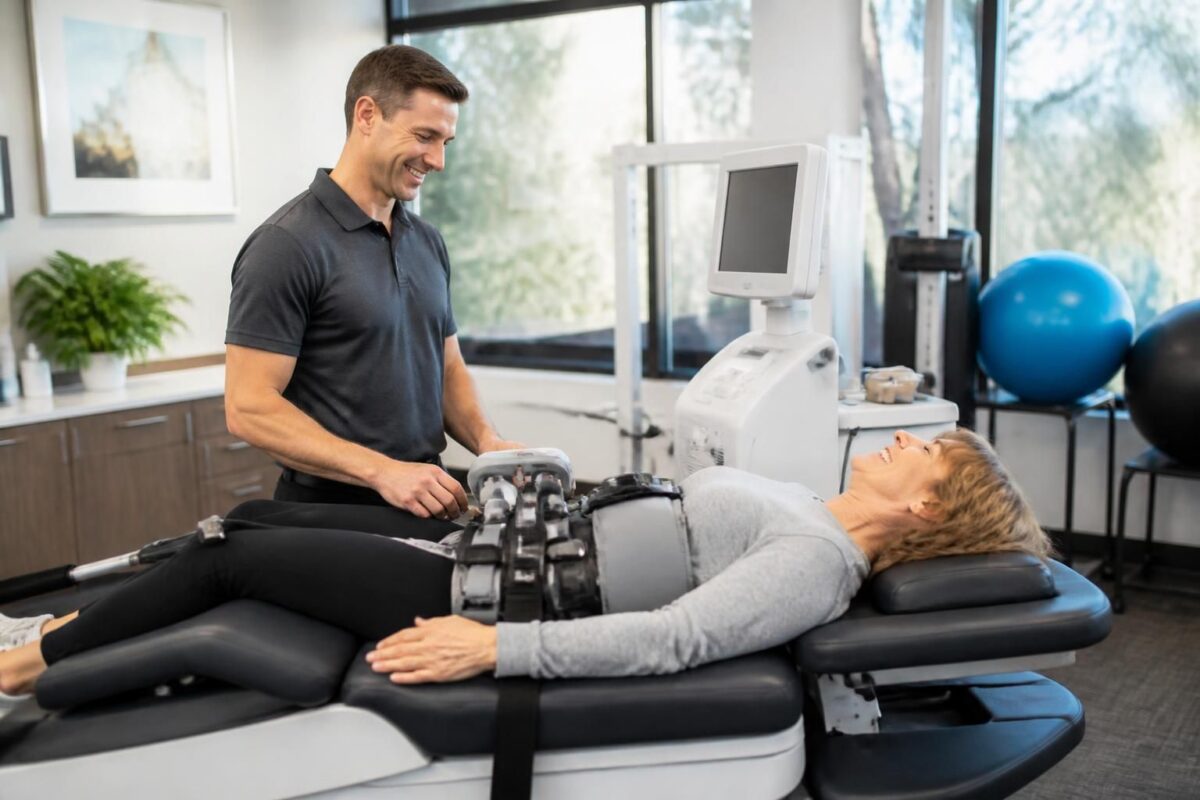
| In short, the neurovertebral decompression is one Non-invasive solution For diffuse pain related to nerve irritation of the spine. She acts in Reducing pressure on intervertebral discs and nerves and improving the bloodstream, which promotes recovery and the mobility. Accessible in Montreal, this treatment is particularly suitable for people seeking to avoid surgery and drugs while obtaining a Sustainable relief and a better quality of life. |
The neurovertebral decompression is an approach non-invasive which acts in Reducing pressure on nerves and intervertebral discs. By improving the bloodstream and the mobility, it offers a Sustainable relief of Diffuse pain related to the spine. adapted to back and neck pain, often diffused or chronic, it constitutes a adapted solution which avoids surgery and promotes Personalized care course.
This article, written by Dr Sylvain Desforges, osteopath and expert in management of Chronic pain, presents the neurovertebral decompression as a suitable solution for pain diffuse related to the spine. This non-invasive approach aims to reduce the pressure on nerves and discs, improve circulation and promote overall recovery. It is part of a pragmatic and personalized care course, favoring lasting results and a better quality of life.
The neurovertebral decompression is a non-invasive technique that acts on the spine to free up space between the vertebrae. By reducing the pressure on the Intervertebral discs and the nerve roots, it promotes better bloodstream and supports nerve tissue repair. This approach is particularly effective for diffused pain related to nerve damage, without the need for surgery.
What is neurovertebral decompression and why it can help diffuse pain
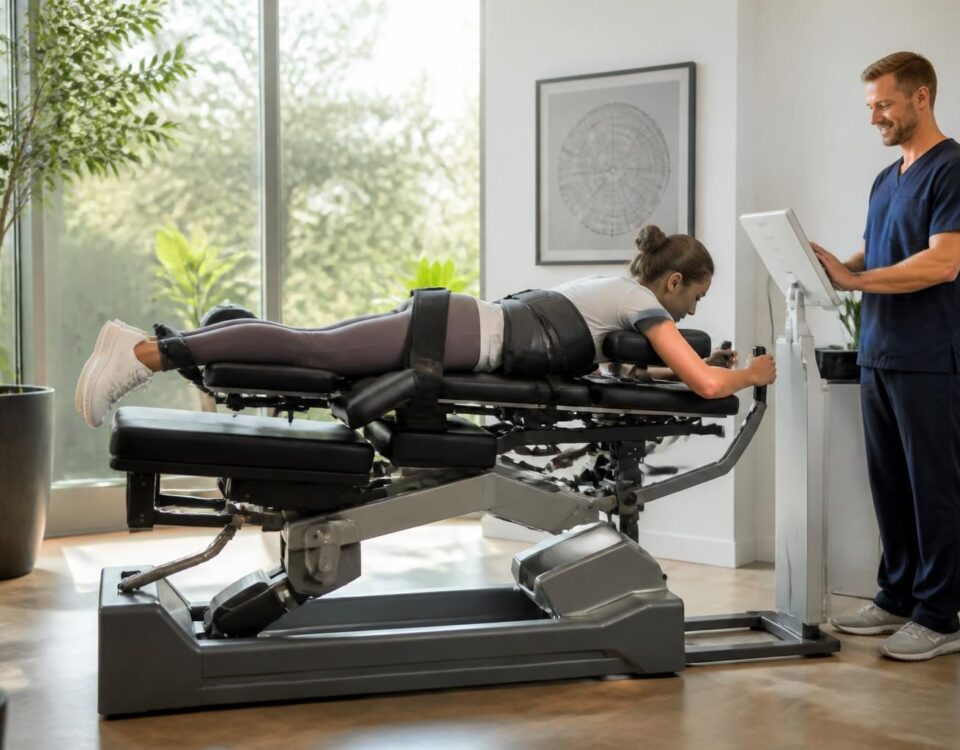
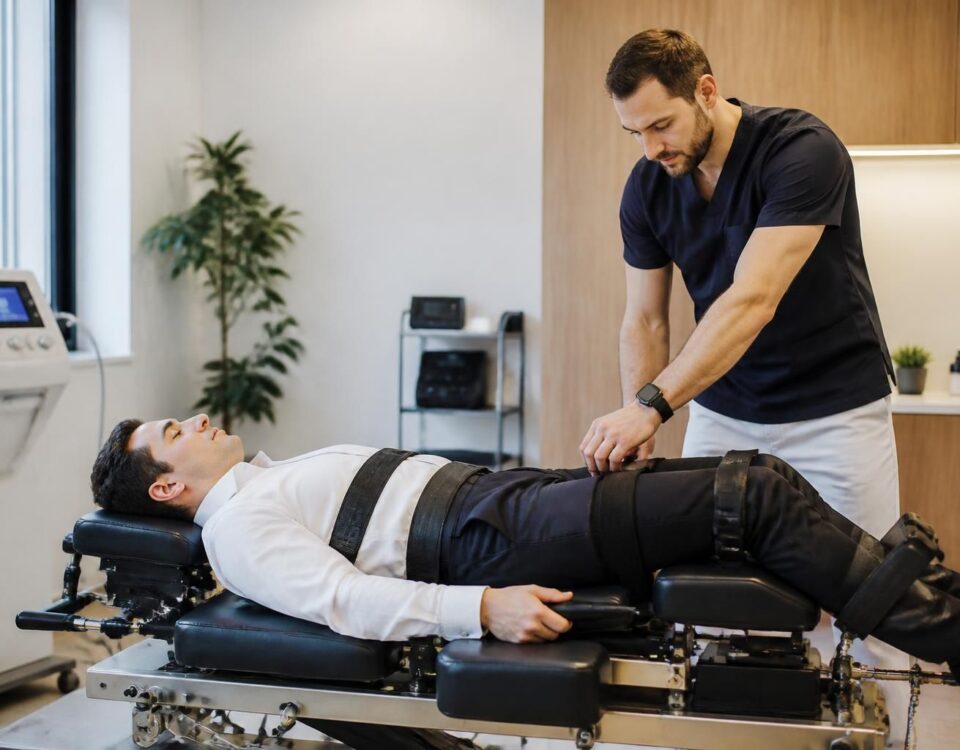
Decompression is based on controlled and gentle traction that creates a space between the vertebrae. This manipulation reduces irritation and inflammation of the nerves, while facilitating the nutrient supply to the nervous tissues. For patients with diffuse pain attributable to nerve compressions, this approach can lead to a gradual reduction in pain and restitution of mobility.
Indications and benefits for diffuse pain
This method is indicated when the diffuse pain comes from nerve compression or disc dysfunction. Profits include a Sustainable relief, a Improving mobility and an gradual recovery daily activities. It is a natural alternative and non-invasive more invasive treatments and long-term medications. For more information, consult resources dedicated to these approaches on specialized sites such as sosciatica or decompressionneurovertebrale.com.
Session course and security
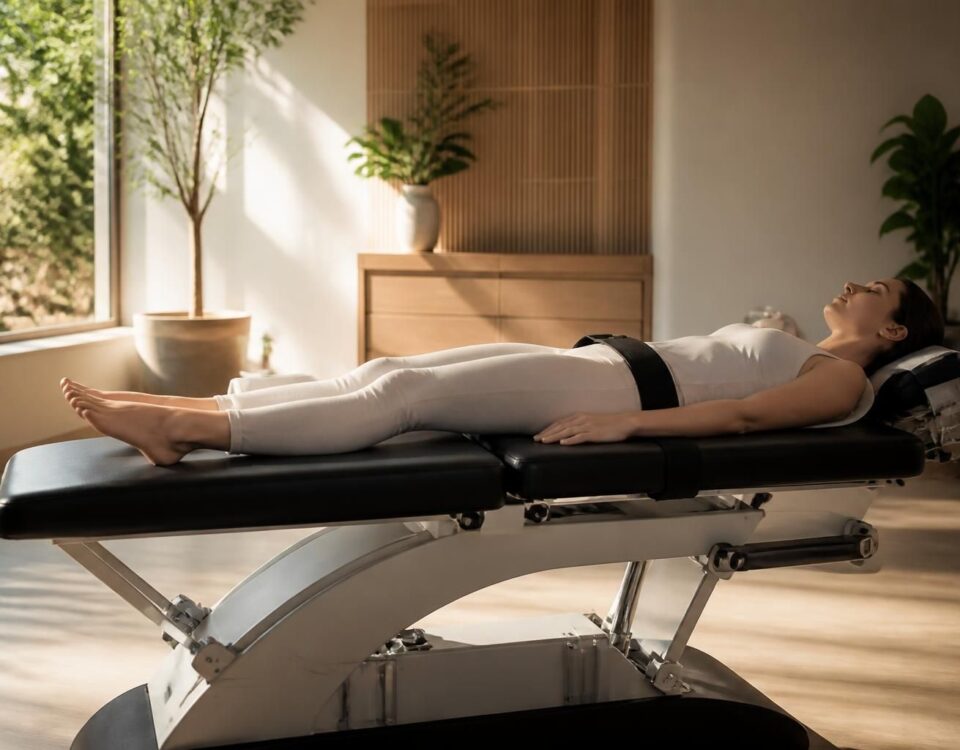
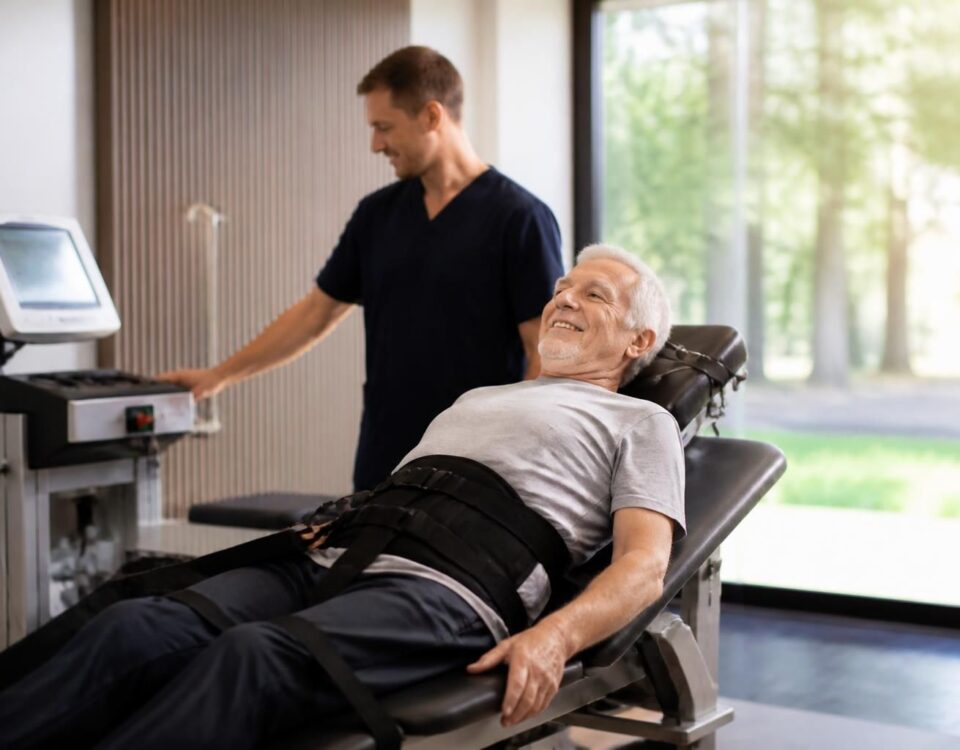
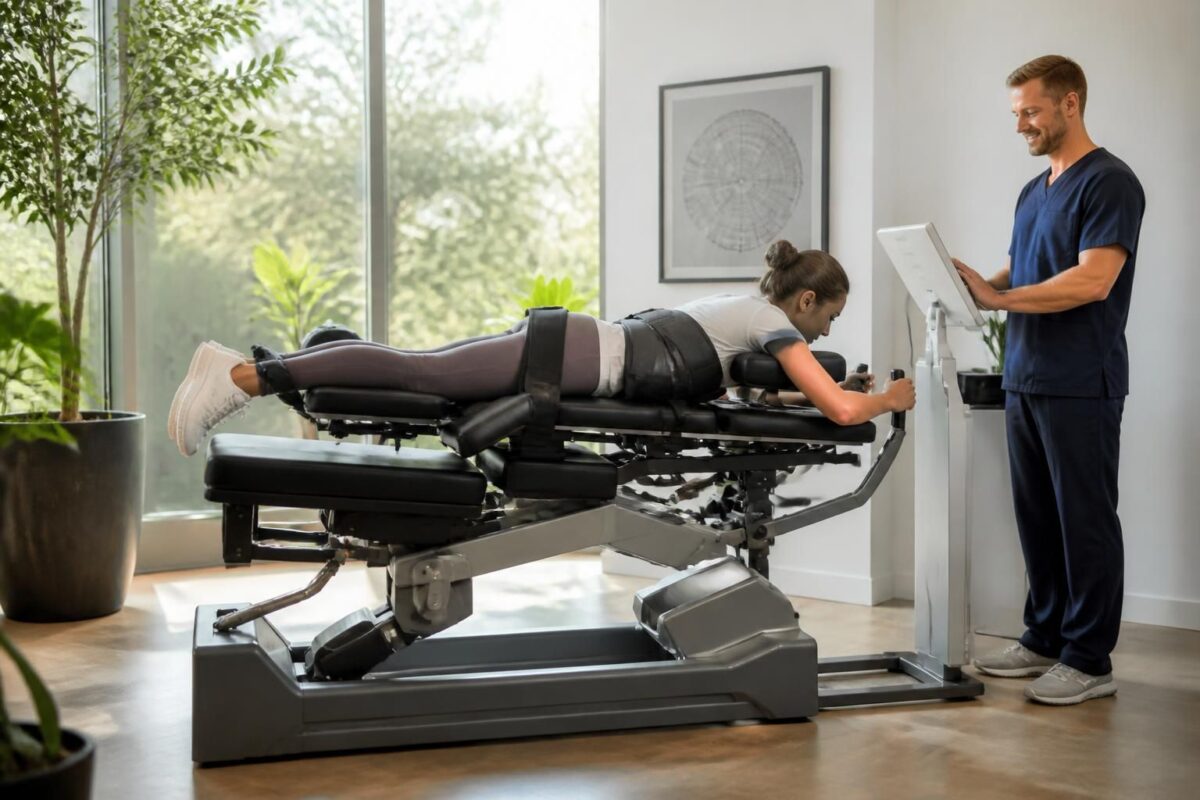
Each session begins with an appropriate patient assessment. The therapist adjusts the traction parameters according to individual needs. The treatment is usually painless and is done on a specialized table. The protocol respects the body and aims to limit the risks, while offering a personalized approach to diffuse pain related to the spine.
Integration into the care pathway
To maximize the results, neurovertebral decompression is integrated into a global therapeutic framework. Regular monitoring allows you to assess the effectiveness of the treatment and to adjust the treatment plan. Advice related to lifestyle, diet and posture can support recovery, without imposing inappropriate exercises for herniated disc or stenosis.
Why choose TagMed and Dr. Sylvain Desforges
Within the TagMed clinics and the ACMA association, Dr. Sylvain Desforges focuses on evidence-based care and the integration of advanced technologies for chronic pain. His approach combines osteopathy, manual medicine and non-invasive interventions to support patients towards a better quality of life. Dr. Desforges’ training and expertise are based on recognized executives, particularly in the areas of osteopathy and associated practices.
Resources and useful links
To learn more, you can consult specialized resources on neurovertebral decompression and associated issues. For example, discover detailed guides and articles explaining how decompression can improve physical well-being, and how it fits into overall spinal pain management at the following sites:
sossciatica.com,
decompressionneurovertebrale.com,
Reduction of radiant back pain,
herniated discs.
Other useful resources on TagMed and non-invasive treatments available in our clinics in Montreal or Terrebonne are available here:
Tagmed Clinic,
Prevention of post-surgical complications.
For more technical information or testimonials, refer also to specialized resources such as sosciatica and tagmed.
Medical disclaimer : The information and advice provided on this site does not replace the advice, diagnosis or treatment of a health professional. Please note that Dr. Sylvain Desforges osteopath is neither a doctor of medicine nor a doctor, and is not a specialist in a medical specialty as defined by the Collège des Médecins du Québec. Manual medicine, functional medicine and sports medicine as described on this site exclude any medical treatment or diagnosis made by a doctor or specialist doctor. Always consult your doctor for any medical questions. For more details, please read our full legal notice.
- Evaluation Fast and targeted
- Traction Soft to free up the intervertebral space
- Pressure Reduced on the nerves
- Inflammation depressed
- Mobility improved
- non-invasive and without surgery
- Diffuse pain back and neck
- Recovery accelerated
- Course Personalized and tracking
- Prevention Recurrences by lifestyle

Quick summary: the neurovertebral decompression Maybe a adapted solution For the pains diffuse related to the spine. by reducing the pressure on the Intervertebral discs and the gristle, it promotes better circulation, reduces inflammation and improves mobility. This approach is non-invasive And can be part of a personalized care course to reduce pain and prevent recurrences, without having to resort to surgery.
Understand why decompression may be suitable for diffuse pain
Diffuse pain, often linked to nervous tension or disc alterations, sometimes lacks a precise pain point. neurovertebral decompression acts in gentle traction on the column, creating a space between the vertebrae and thus reducing the pressure exerted on the nerve roots. This pressure reduction promotes bloodstream in the surrounding tissues and supports the regeneration Nervous structures, which can lead to a gradual decrease in pain and better perception of the body.
The long-term benefits of neurovertebral decompression for spinal health
In short In short, the neurovertebral decompression is a non-invasive approach that decreases the Pressure on intervertebral discs and nerves, favoring the Natural regeneration and tissue recovery. Its long-term benefits include Lasting pain reduction, Improving mobility and from the posture,…

Neurovertebral decompression and mobility: a return to an active life
In short In short, the neurovertebral decompression is therapy non-invasive who uses a gentle traction To create a space between the vertebrae and reduce the pressure on the Intervertebral discs and the nerves. It promotes a bloodstream improved, lowers tension…
Key Benefits and Indications
Compared to other options, this approach provides a framework non-invasive with a Sustainable relief and an Improving mobility. It is particularly indicated when diffuse pain is accompanied by symptoms such as Lumbar or cervical pain, of Nervous pinches or a disc degeneration. However, before starting, an accurate diagnosis with a professional is essential to confirm eligibility and adapt the treatment plan.
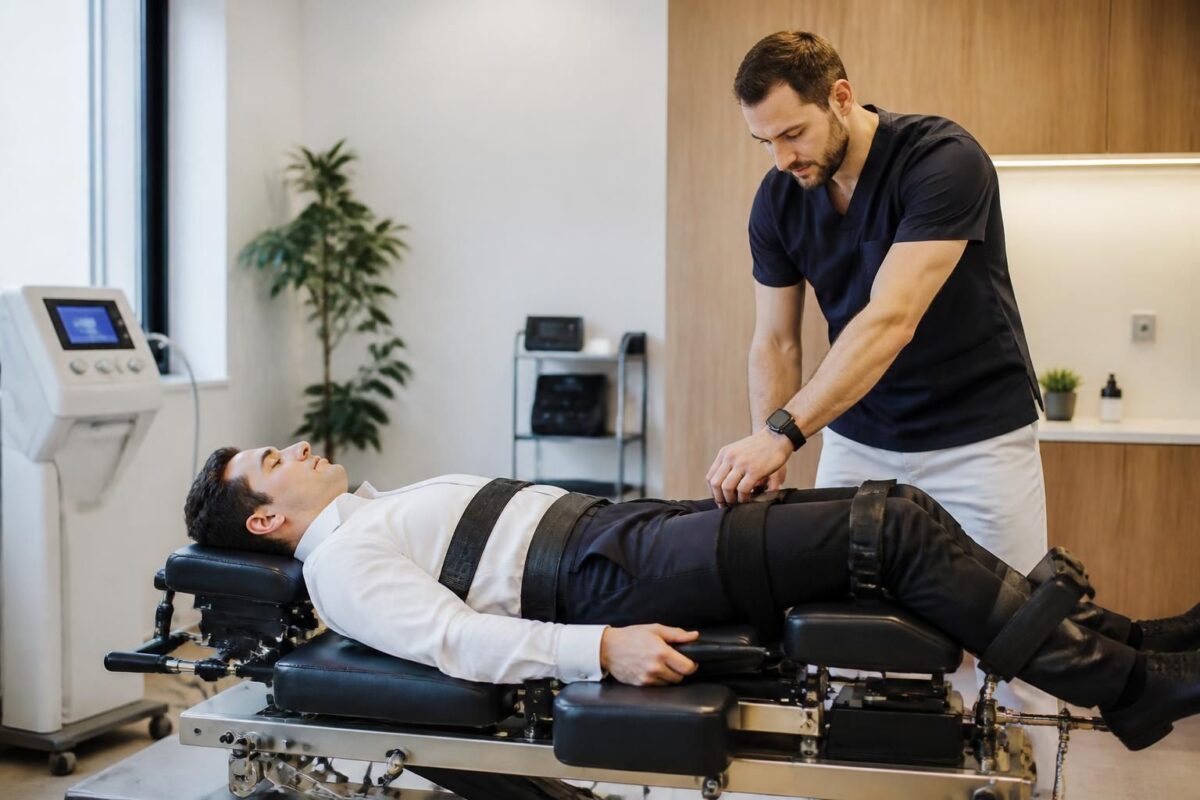
How Neurovertebral Decompression Prevents Diffuse Chronic Pain
In short decompression neurovertebral is one Non-invasive method aimed at reducing the Pressure on the intervertebral discs and the nerves, in order to prevent Diffuse chronic pain. It improves the circulation and thedisc hydration, decreases inflammation and promotes better mobility.…
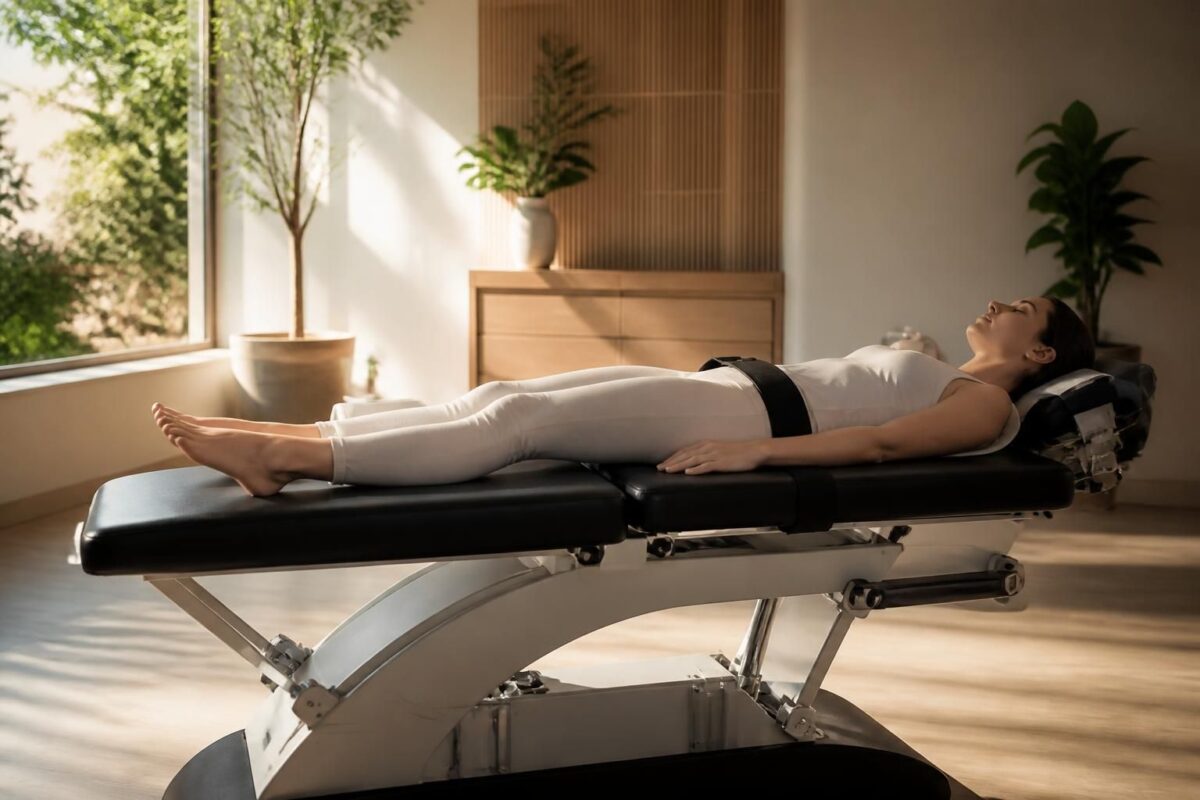
Neurovertebral Decompression and Body Alignment: Restoring Natural Balance
In short In short, neurovertebral decompression is one Non-invasive approach who restores theBody Alignment and thenatural balance back and neck. She acts by a Controlled traction of the spine to widen the intervertebral space and reduce the Pressure on discs…
Proceedings and customization of sessions
A typical session begins with an assessment of painful areas and mobility, followed by a Controlled traction on a specialized table. The parameters are adjusted according to the patient’s profile and the evolution of symptoms. Each session is designed to be fresh, often painless, and the duration generally varies between 20 and 40 minutes. The number of sessions is personalized and can be extended over several weeks depending on recovery objectives and response to treatment.
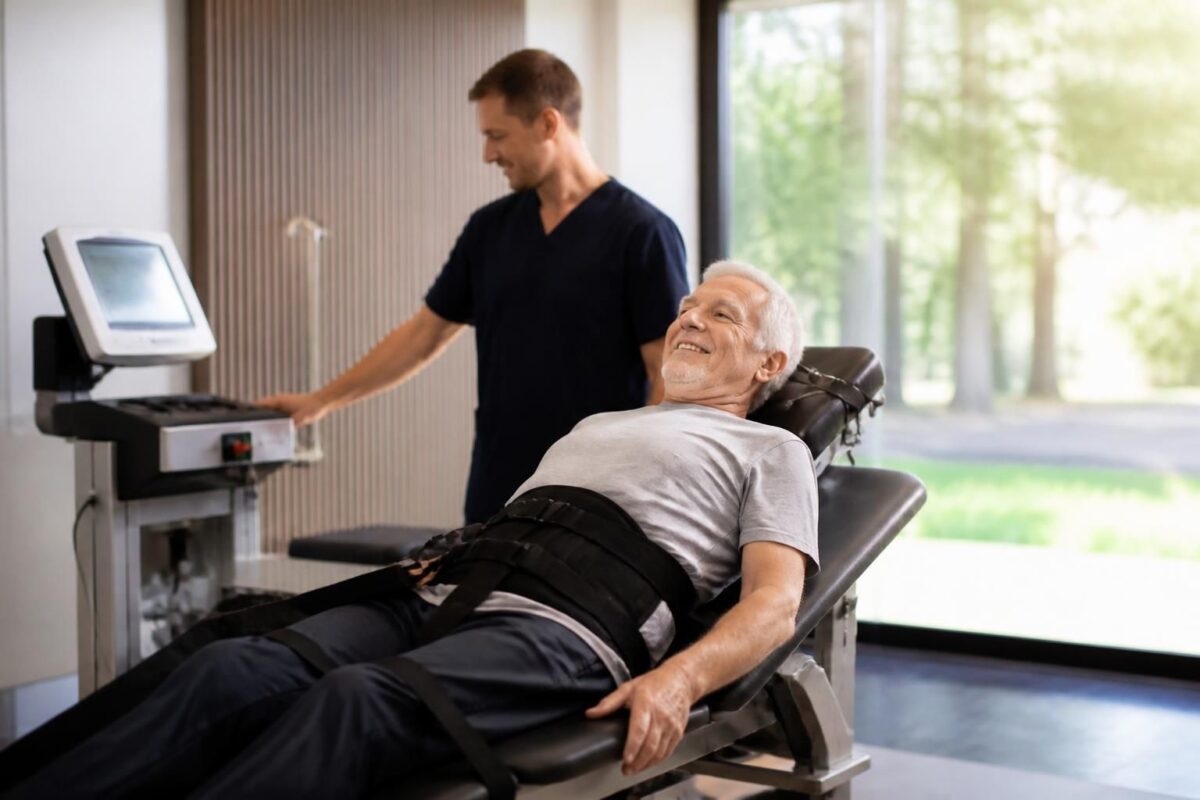
Why neurovertebral decompression is a lasting solution for active seniors
In short In short, the neurovertebral decompression is one Non-invasive therapy which sustainably relieves spinal pain in the spine active seniors By creating, by a Soft and controlled traction, a space between the vertebrae. At Montreal, it is recognized as…
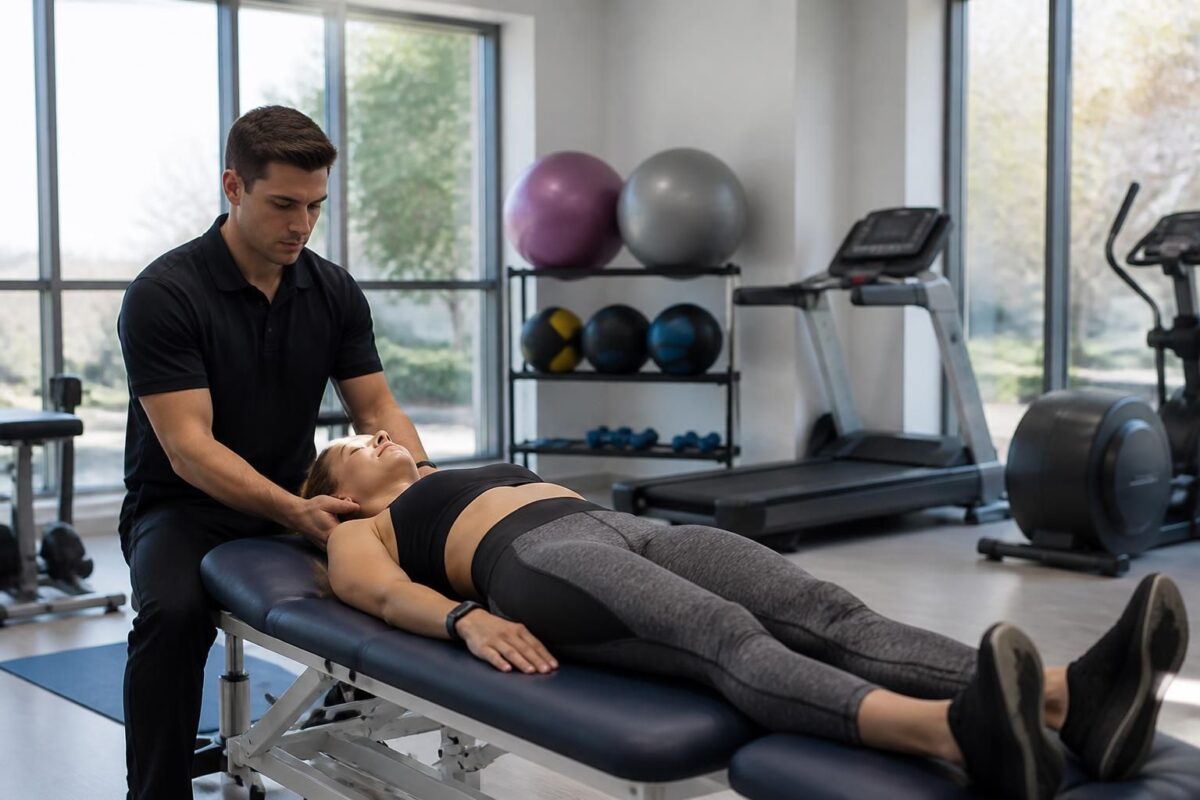
Neurovertebral decompression and recovery after severe sports injury
In short In short, the neurovertebral decompression is one Non-invasive method to Relieve the pressure on the Intervertebral discs and the gristle Via a Controlled traction, to facilitate the recovery After a severe sports injury. It improves the bloodstream towards…
Integration into a care pathway
To optimize the results, decompression must be part of a global approach including advice postural, gentle exercises and adapted lifestyle habits. A Balanced nutrition, sufficient hydration and targeted daily activities support the Functional rehabilitation. Simple exercises, stretching and moments of relaxation can enhance benefits and help prevent recurrences.
Precautions and practical advice
Always consult a professional before starting and follow personalized recommendations. Listen to your body during treatment: If new or increased pain appears, adjust the protocol or seek additional advice. Avoid sudden movements and favor a gradual progression of the sessions. This method is a suitable option for those who wish to avoid surgery while seeking a lasting improvement in their comfort and quality of life.
| Criterion | Concise elements |
|---|---|
| Definition and target | Traction fresh Aiming for pain diffuse related to the column and to free the space between vertebrae. |
| Operating mode | Technical non-invasive which decreases the pressure on the nerves by controlled traction. |
| Key Benefits | Sustainable relief, Improving mobility, and Accelerated recovery without surgery. |
| Limits and precautions | not suitable in case ofinstability or contraindications; need for medical assessment. |
| Target audience | adults suffering from Diffuse pain dorsal or cervical, wishing to avoid surgery. |
| Terms and duration | sessions short and regular; Duration and number depending on the diagnosis. |
| Side effects and tolerance | Risk low; Transient discomfort possible at the start of treatment. |
| Success Indicators | Reduction of inflammation and Functional improvement. |
| Integration in the course | applied in a Multidisciplinary course with postural advice and physical activity. |
| Alternatives and complementarity | complementary to other therapies non-invasive and rehabilitation to optimize results. |
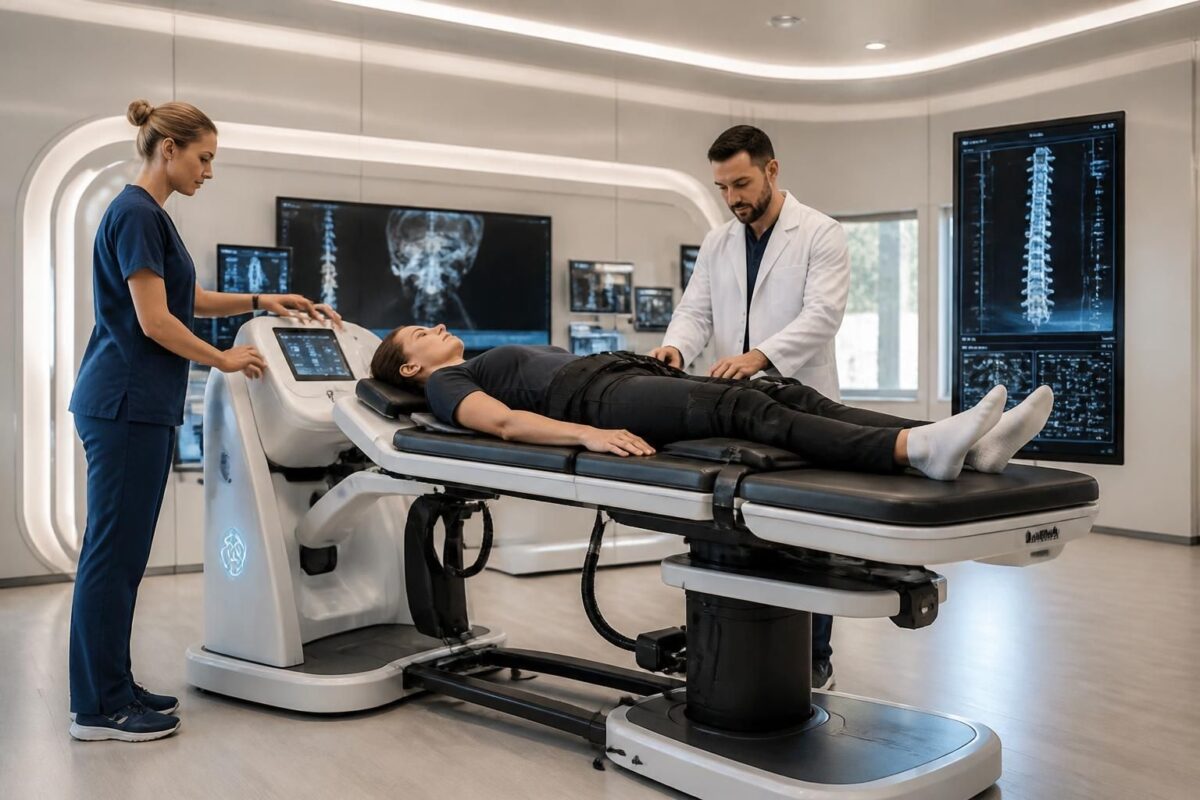
Recent innovations in neurovertebral decompression technologies
In short In short, the neurovertebral decompression is an approach non-invasive Aiming to reduce pressure on discs and nerves, and promote tissue regeneration. At Montreal, it is positioned as an effective option for lower back pain and herniated discs. The…
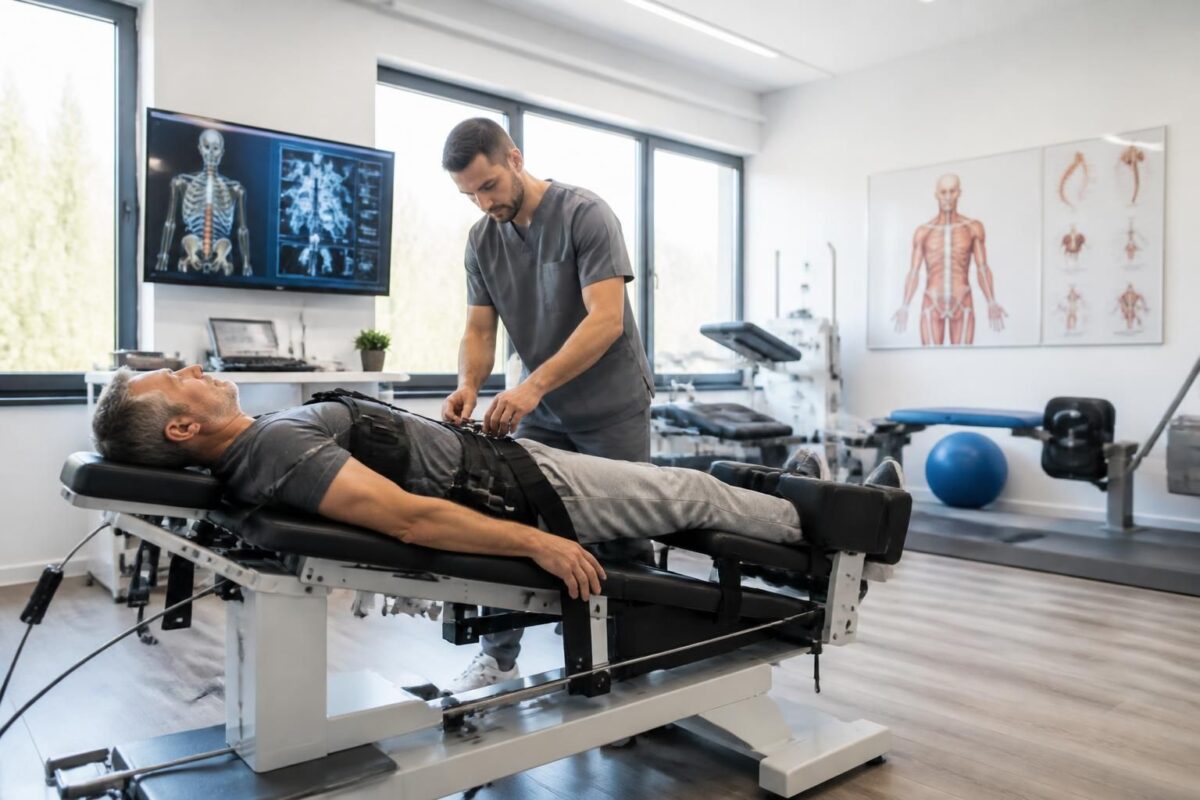
How neurovertebral decompression supports recovery after complex surgery
In short In short, the neurovertebral decompression is one Non-invasive method aimed at optimizing the recovery After a Complex surgery By applying a gentle traction on the spine to create a Space between the vertebrae and reduce the pressure on…
Testimonials: neurovertebral decompression and diffuse pain – a suitable solution
“Before, my diffuse pain woke me up at night and prevented me from enjoying my activities. After a few weeks of neurovertebral decompression, I found a mobility that seemed lost to me and a lasting improvement in my quality of life. »
“I suffered from Diffuse pain in the back and shoulders, with no clearly identifiable cause. The sessions of neurovertebral decompression Reduced inflammation and allowed me to move without this permanent tension. »
“Alongside my treatment, the neurovertebral decompression was a real turning point. My Diffuse pain have decreased gradually, and I feel more confident in my daily movements. »
“After a long period of pain and attempts at conventional treatments, the neurovertebral decompression turned out to be adapted to my situation. Less invasive, she offered me lasting relief and faster post-operative recovery. »
“I highly recommend this approach to all those who suffer from Diffuse pain. The sessions are personalized and respectful of the body, and the results speak for themselves: rediscovered mobility and better quality of life thanks to the neurovertebral decompression. »
This recognized expert in the fields ofosteopathy, from the naturopathy and from the manual medicine is the founding president of the clinics tagmed and association acma. His career is dedicated toHealth Innovation, with a marked specialization in the management of Chronic pain and the integration of advanced technologies such as neurovertebral decompression, the laser and the Shockwave therapy. Its mission is to provide care based on scientific evidence to optimize the health and well-being of patients, by placing the individual at the center of each stage of the therapeutic journey.
As part of Diffuse pain, neurovertebral decompression occupies a central place. this method non-invasive aims to reduce the pressure exerted on the nerves and intervertebral discs by gentle and measured traction. The principle is to create a space between the vertebrae, which releases the compressed nerve roots and improves local blood circulation. Result: a decrease in inflammation and a gradual improvement in mobility, often associated with a lasting reduction in pain.
The approach is resolutely integrative: it may be associated with other modalities such as laser and the Shockwave therapy when relevant, in order to promote tissue regeneration and optimize ranges of motion. Each patient benefits from a Personalized route Adapted to his history, the location and intensity of his pain, with regular adjustments based on the observed progress.
The indications cover diffuse and neuropathic pain related to problems such as herniated discs, nerve pinches and disc degeneration, as well as chronic back and neck pain. This solution offers an alternative non-surgical and personalized For those who wish to avoid invasive interventions. Typical benefits include a rapid pain reduction, an improvement in the mobility And a recovery of damaged tissues facilitated by better circulation.
The care pathway favors a global and sustainable approach. In addition to decompression, advice on posture, hydration, diet and regular physical activity support healing and prevent recurrences. Monitoring is tailored to each individual, with periodic assessments to adjust treatment and optimize long-term results, while respecting each person’s needs and limitations.
At the heart of this approach is a vision focused on Clinical Excellence and thePersonalized support, in order to propose a suitable solution for diffuse pain. This approach illustrates how neurovertebral decompression is part of a multidisciplinary practice that aims to restore quality of life and restore autonomy and mobility to patients.
This summary highlights the neurovertebral decompression like a adapted solution For the pains diffuse related to the spine. As an approach non-invasive, it acts by reducing the pressure on the Intervertebral discs and the nerve roots, while improving the bloodstream and promoting recovery. This article explores the mechanisms, indications, application framework and resources to better understand this approach and its role in a personalized care pathway.
Perspectives and practical implications
The main advantage lies in the Non-invasive relief Diffused and neuropathic pain, without resorting to surgery, thanks to the increase in the space between the vertebrae and the reduction of inflammation. This approach can improve mobility and help prevent recurrences when associated with an appropriate lifestyle and rehabilitation program.
It is particularly indicated for patients with Diffuse back or neck pain, radicular pain and, in some cases, to accompany post-operative recovery to support rehabilitation and recurrence prevention. Accurate diagnosis and professional evaluation remain essential before initiating treatment.
The typical process includes a initial assessment followed by sessions of Controlled traction on a specialized table. Each session generally lasts between 30 and 60 minutes and is adapted to the morphology and the evolution of symptoms. This method is generally well tolerated and can be integrated into other rehabilitation and care approaches.
To optimize the results, neurovertebral decompression is part of a Care course Global including targeted exercises, posture advice and lifestyle recommendations (food, hydration, physical activity). In some contexts, complementary technologies or integrated protocols can be considered depending on the patient and his needs.
Resources and feedback help to shed light on the approach and the underlying mechanisms. To learn more, please refer to the following resources: msd manuals, Recovery after surgery, Decompression-NeurVertebral, Post-operative benefits, and Post-surgical recovery support. Other documents and testimonies explore post-operative cases and mechanical pain via Mechanical pain and tagmed.
In addition, additional resources evoke the framework of use and the potential benefits in the context of diffuse and neuropathic pain. For an overview, you can consult specialized resources like A natural alternative and the summary pages dedicated to neurovertebral decompression and its effects on mobility and recurrence prevention.
For concrete examples and clinical perspectives, you can also explore the following resources: Decompression and diffuse pain and radicular pain.

Dr Sylvain Desforges, B.Sc., D.O., N.D., osteopath, is the founding president of TAGMED and of the ACMA association. He dedicates his practice to chronic spinal pain, low back pain and symptoms compatible with sciatica, particularly when pain radiates toward the buttock, leg, calf, foot or toes.
Through SOS Sciatique, he publishes educational content on sciatica symptoms, possible causes such as disc herniation, disc narrowing, foraminal stenosis or irritation of a lumbar nerve root, as well as non-surgical approaches that may be considered according to the evaluation. At Clinique TAGMED, care may include, depending on the case, motorized neurovertebral decompression, specific osteopathic care or precision percussion.
For an evaluation related to sciatica treatment in Montreal / Mount Royal or sciatica treatment in Terrebonne, please consult the services available at Clinique TAGMED.
Medical disclaimer
The information published on SOS Sciatique is provided for educational purposes only and does not replace a consultation, diagnosis, opinion or treatment provided by a physician or another authorized healthcare professional. The author of this article is neither a medical doctor nor a specialist in a medical specialty recognized by the Collège des médecins du Québec. The osteopathic, manual medicine or functional support approaches described on this site do not constitute medical acts and are not intended to replace medical follow-up.
Consult a physician or emergency service in cases of loss of bladder or bowel control, anesthesia in the saddle area, significant or progressive weakness in the leg or foot, fever, recent trauma, severe pain or rapid worsening of symptoms. For more details, please read our Legal Notice.