Sciatica in Montreal: what to do when stretching worsens the pain?
24/07/2026
Sciatica: pain worsened by trunk flexion
24/07/2026
IN BRIEF Sciatica refers to pain radiating along the path of the sciatic nerve. When stretches worsen the pain, the treatment plan should be adjusted to favor an appropriate non-surgical approach. In Terrebonne, specialists offer a local assessment to identify triggering movements and suggest safe alternatives: gentle exercises, manual therapies, and postural advice aimed at restoring mobility without exacerbating pain. Benefits: rapid symptom relief, improved mobility, and gradual return to activity without surgery. How it works: after the assessment, the program may combine short rest, guided progression of movements, and, if necessary, manual techniques and non-drug modalities; the goal is to restore daily activity and prevent recurrences while avoiding painful stretches. |
For sciatica in Terrebonne, if stretches worsen the pain, they should be discontinued and a personalized assessment should be prioritized to adapt the treatment plan. A non-surgical approach can be proposed, such as tailored osteopathy, light physiotherapy, or a neurovertebral decompression based on the assessment.
Specifically, replace aggressive stretches with gentle movements and progressive strengthening, favor low-impact activities, and use heat to relax the muscles. Maintain correct posture and avoid heavy loads or irritating positions. In case of persistent pain, consult quickly to adjust the treatment and promote a return to mobility and comfort.
This article explains why certain stretches may worsen sciatica in Terrebonne and details safe options for quickly relieving pain without necessarily resorting to stretches that irritate the nerve. It proposes non-surgical alternatives, daily movements, and a clear assessment process to safely and effectively return to activity.
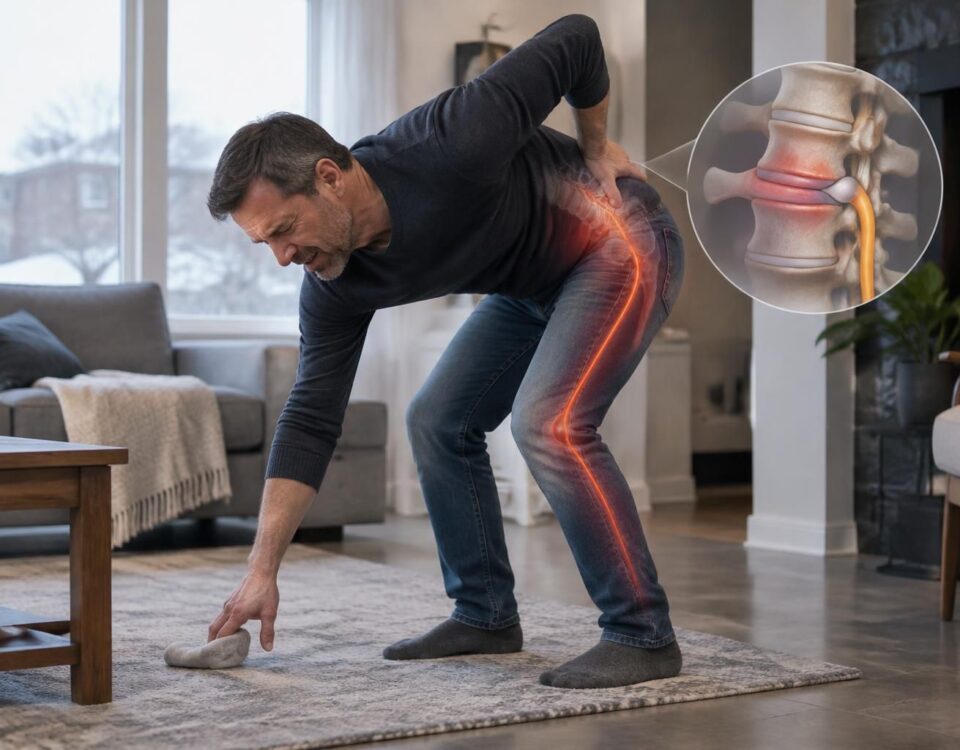
Sciatica means pain that starts from the lower back and may radiate into the buttock, thigh, or leg. When certain stretches trigger or intensify the pain, it becomes crucial to adopt a suitable and safe approach. In Terrebonne, a personalized assessment helps determine whether stretches should be avoided or modified and which non-surgical alternatives to prioritize.
Why do stretches sometimes worsen the pain?
The pain may stem from an irritated or compressed sciatic nerve. Certain stretching or tensioning movements can increase this irritation and trigger sharp pain or pain that radiates. In these cases, stretches do not resolve the problem and can prolong discomfort. An accurate assessment helps identify the root of the pain and guide the treatment plan.
Immediate measures to take when stretches cause pain
Immediately stop the stretch that causes pain and avoid painful movements. In practice, favor short rest and a gradual resumption of activity without forcing it. Apply local heat to promote muscle relaxation and prefer gentle and moderate activities like walking, while remaining vigilant about harmful signals. Use an appropriate posture when sitting and standing and avoid positions that worsen the pain. For a guided and safe approach, schedule a consultation at a specialized clinic in Terrebonne or Montreal.
Safe and appropriate alternatives in Terrebonne
In Terrebonne, non-surgical and manual approaches can be considered when stretches are unsuitable. Among the relevant options, osteopathy and manual therapies aim to release tension, restore mobility, and reduce nerve irritation without favoring painful movements. A motorized neurovertebral decompression may be proposed based on the assessment, in addition to a personalized plan focused on strengthening and mobility. To access these services, you can contact Clinique TAGMED and consider a local appointment in Terrebonne or Montreal. To prepare your approach, resources on sciatica and non-surgical treatments are available on specialized websites, including Sciatica treatment guidance and Prevent sciatica recurrences. Additional information is available on Sciatica that does not go away and Make an appointment.
For patients seeking practical advice and exercises to emphasize, it is best to follow the recommendations of a healthcare professional during a personalized assessment. General resources on daily movements and stretches can be consulted through dedicated pages of recognized organizations in the field, without replacing individual medical advice.
Developing a care plan without aggressive stretches
The care plan focuses on non-painful and non-stretching interventions when necessary. At TAGMED, possible approaches include specific osteopathy, neurovertebral decompression, and daily adjusted postural advice. The goal is to reduce inflammation, improve mobility, and promote a gradual return to activities. To guide your approach, consult sciatica treatment guidance and appointment scheduling on sossciatique.com and contact Clinique TAGMED.
It is helpful to avoid unsupervised stretching pages when pain is active. Specialized resources can help you understand the mechanisms of pain and non-surgical options. For a general overview of movements and positions to favor or avoid, refer to the explanations provided by specialized networks, without replacing a personalized consultation.
Sciatica in Terrebonne: disc herniation and painful cough
IN BRIEF In Terrebonne, sciatica related to a herniated disc may be accompanied by pain that increases when coughing, as the pressure exerted can further irritate a nerve root. An evaluation helps to understand the origin of the symptoms and…

Sciatica in Terrebonne: pain worsened in sitting position and lumbar disc
IN SHORT Aggravated sciatica in a sitting position may be related to the irritation of a lumbar nerve root, sometimes associated with a lumbar disc. In Terrebonne, varying positions, taking short active breaks, and getting an evaluation can help better…

Sciatica in Terrebonne: pain worsened by flexion and disc-related cause
IN BRIEF Aggravated sciatica by flexion is pain that starts in the lower back and radiates into the buttock or leg; a lumbar disc herniation can irritate a nerve root, although it may not be the only possible cause. In…

Disc herniation in Terrebonne: why some stretches worsen
IN BRIEF Discogenic sciatica is pain related to the irritation of a nerve, sometimes worsened by certain stretches that intensify the symptoms. In Terrebonne, avoiding movements that cause pain to radiate down the leg and focusing on an appropriate approach…
When to consult and how to get evaluated in Terrebonne
A neurological evaluation helps clarify the origin of the symptoms and guide additional examinations, such as imaging or functional tests, in order to establish the best non-surgical treatment plan. In Terrebonne, experts gathered around Clinique TAGMED offer an adapted non-surgical approach while remaining attentive to the need for additional assessments when pain persists or worsens.
To guide your approach, local resources and care paths exist, including the following pages: Sciatica treatment guidance and Preventing sciatica recurrences. If specialized care is necessary, a consultation is recommended to determine if additional options, non-surgical or, exceptionally, surgical, are indicated after assessment.
Practical advice and daily actions
Maintaining appropriate activity and avoiding prolonged periods of immobility can promote recovery. Favor positions that relieve, regular walks, and an ergonomic sitting posture. In case of acute pain, prioritize brief rest followed by a gradual return to activity under professional supervision. For more information on options and steps to follow, consult dedicated resources and contact the TAGMED Clinic for a personalized assessment.
About the author
About the author
Sylvain Desforges, B.Sc., D.O., N.D., Doctor of Osteopathy, is the founding president of
TAGMED
and of the ACMA association. He dedicates his practice to chronic pain of the spine, lumbar pain, and pain compatible with sciatica, particularly when the pain radiates down the buttock, leg, calf, foot, or toes.
Through SOS Sciatique, he publishes educational content on the symptoms of sciatica, possible causes such as disc herniation, disc compression, foraminal stenosis, or irritation of a lumbar nerve root, as well as on non-surgical approaches that may be considered based on assessment. At the TAGMED Clinic, care may include, depending on the case, motorized neurovertebral decompression, specific osteopathy, or precision percussion therapy.
For an assessment related to
sciatica treatment in Montreal / Mont-Royal
or to
sciatica treatment in Terrebonne,
consult the available services at the
TAGMED Clinic.
Medical warning
The information published on SOS Sciatique is provided for educational purposes and does not replace a consultation, diagnosis, opinion, or treatment performed by a physician or another authorized health professional. The author of this article is neither a physician nor a specialist in a medical specialty recognized by the Collège des médecins du Québec. The osteopathy, manual medicine, or functional support approaches described on this site do not constitute medical acts and are not intended to replace medical follow-up.
Consult a physician or emergency service in case of loss of bladder or bowel control, anesthesia in the saddle area, significant or progressive weakness of the leg or foot, fever, recent trauma, severe pain, or rapid deterioration. For more details, please read our
Legal notice.
Medical disclaimer: The information and advice provided on this site do not replace the opinion, diagnosis, or treatment of a health professional. Please note that Sylvain Desforges, B.Sc., D.O., N.D., Doctor of Osteopathy, is neither a medical doctor nor a physician, and is not a specialist in a medical specialty as defined by the Collège des médecins du Québec. The manual medicine, functional medicine, and sports medicine approaches described on this site exclude any treatment or medical diagnosis made by a physician or medical specialist. Always consult your physician for any medical questions. For more details, please read our complete Legal Notice.
- Stop stretches that aggravate pain
- Return to neutral and gradual movements
- Apply local heat to relax
- Adopt a neutral posture and lumbar support
- Brief rest, then gradual resumption without forcing
- Encourage gentle exercises under supervision
- Consider suitable manual therapies
- If pain persists, consult a professional quickly
- Explore non-stretching alternatives (mobility and strengthening)
- Avoid prolonged sitting; favor light walking
- In case of neurological signs, urgent consultation
- Follow a personalized rehabilitation plan

Quick summary: when stretches aggravate sciatica pain in Terrebonne, one must stop the stretches that trigger the pain, quickly assess the cause, and favor non-painful and appropriate approaches. A personalized plan, developed with a local professional, allows for a gradual reintroduction of mobility and prevents recurrences without resorting to surgery.
Understanding why certain stretches aggravate pain
Sciatica can be painful when certain positions stretch the nerve or the structures surrounding the spine too much. Inappropriate stretches or those performed with intense pain can intensify nerve irritation and prolong the episode. This can also result from a poor choice of stretching or a too-rapid step in the mobility program. It is important to identify if the pain is nerve-related (radiating along the leg, electric shock sensation) or muscular and adjust accordingly.
First actions when stretching triggers pain
If a stretch causes worsening, stop immediately the stretch and return to a neutral position. Favor comfortable positions, such as lying on your back with your knees slightly bent, or lying on your side with a cushion between your knees. Apply daytime heat to promote muscle relaxation and breathe slowly to reduce overall tension. Avoid any burning or sharp pain that persists after the initial release.
Reassess and Adapt Your Stretching Program
Evaluation and Personalized Plan
To safely resume stretching, a quick assessment by a local professional is recommended. This evaluation helps identify the root of the problem (e.g., specific nerve irritation, muscular deconditioning, or inadequate posture) and to build a personalized plan that focuses on gentle stretches and progressive mobility exercises.
Examples of Painless Approaches
Rather than insisting on intense stretches, prefer gentle and controlled techniques such as guided lumbar mobility exercises, light passive stretches, and global movements that do not irritate the nerve. Appropriate osteopathy and physiotherapy can help release tensions around the nerve and restore functional mobility without causing pain associated with stretching. Professional sessions may also integrate techniques such as gentle decompression and targeted strengthening exercises.
Local Approaches in Terrebonne and Action Plan
In Terrebonne, non-surgical approaches are preferred when possible. An appropriate osteopathic approach, complemented by home exercises and postural advice, can release the nerve and restore mobility. Associated manual therapies, such as physiotherapy, can be coordinated with progressive strengthening and flexibility protocols. If pain persists despite these measures, options like targeted injections may be considered after a specialized evaluation. The goal remains to return to normal daily activity with better movement tolerance and a lasting reduction in pain.
When to Consult and How to Progress
Consult quickly if pain persists after 2 to 6 weeks, or if accompanied by concerning symptoms (marked weakness, loss of sensitivity, difficulty moving the foot, fever, recent trauma). A neurological evaluation may guide additional tests (imaging, EMG) and clarify the treatment plan. Meanwhile, maintain suitable activity, favor regular walks, and avoid positions that exacerbate pain while working on correct posture daily.
| Statement | Concise Advice |
|---|---|
| Stretch Causing Increased Pain | Stop the stretch and prefer relative rest; then resume gentle movements under supervision. |
| Pain Radiating into the Buttock or Leg | Avoid aggressive extensions and favor neutral positions and light walks. |
| Neurological Warning Signs | Stop the stretch and consult quickly to assess the deficit and adjust treatment. |
| No Improvement After 3–5 Days | Request a specialized evaluation to adapt the program and check for causes. |
| Piriformis Stretch Triggering Pain | Avoid this stretch and favor exercises that improve lumbar and pelvic mobility under supervision. |
| Pain Persists After Manual Therapy Session | Readjust the protocol with your therapist and favor gentle and progressive therapies. |
| Pain in Prolonged Sitting | Alternate sitting and standing positions and adopt a neutral posture with active breaks. |
| No Improvement Over 2–6 Weeks | Opt for a personalized non-surgical plan and, if necessary, imaging. |
Testimonials on Sciatica in Terrebonne: What to Do When Stretches Worsen Pain?
“When stretches triggered sharp pain, I feared it was the end of my progress. In Terrebonne, I was first listened to and reassessed. The plan was adjusted to replace painful stretches with tolerated movements and targeted work on the nerve. Result: gradual improvement and a return to activities without worsening.”
“I thought that stretching was essential for Sciatica, but as soon as the pain increased, the practitioner directed me to specific physiotherapy and osteopathy sessions to release the nerve and restore mobility. Today, I feel less pain and more control.”
“After a comprehensive assessment in Terrebonne, I was explained which stretches to avoid and how to adapt the program to my daily life. A safe protocol with brief rest, heat, and progressive exercises was established. Pain has decreased, and I can resume my usual activities.”
“The therapist emphasized strengthening and posture rather than aggressive stretching. In a few weeks, the sciatic nerve became less irritated, and painful episodes became rarer.”
“I was given signs to watch for and a personalized plan in Terrebonne. Stretches that hurt were replaced by simple exercises to do at home; mobility has returned and daily life has become manageable again.”
Sylvain Desforges is an osteopath and expert in manual medicine and naturopathy, and he serves as the founding president of TAGMED clinics as well as the ACMA association. His background is guided by innovation in health and a specialization in managing chronic pain. He integrates advanced technologies such as neurovertebral decompression, laser, and shockwaves to improve diagnosis and treatment. His goal is to offer evidence-based care tailored to each patient’s daily life. His approach combines theory and practice, teamwork, and patient education for comprehensive and personalized care.
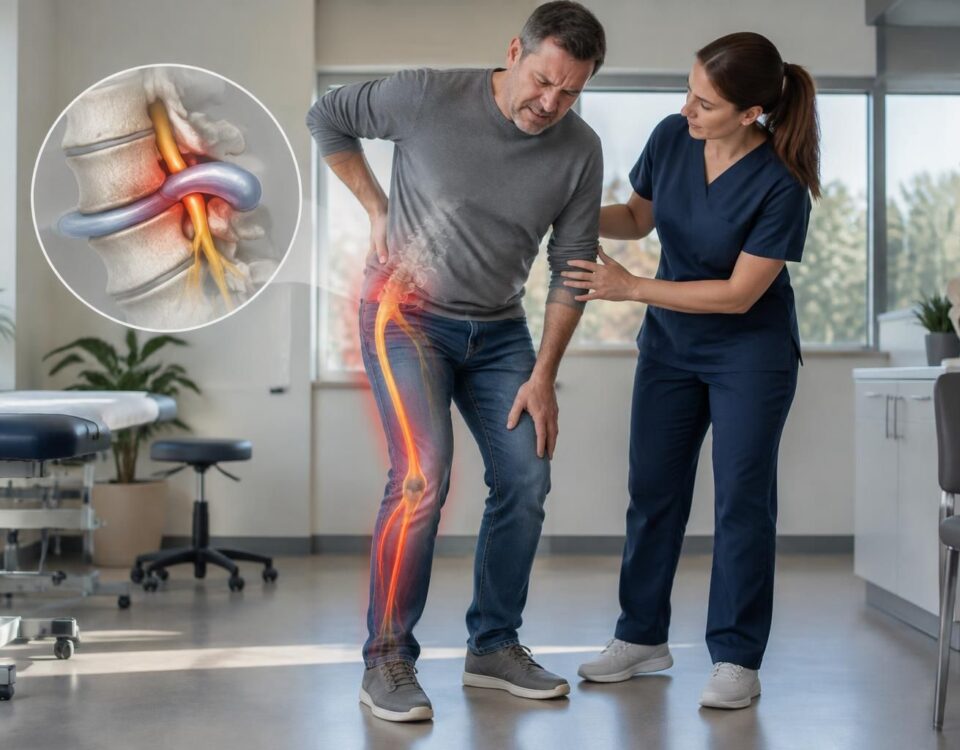
In Terrebonne, when a sciatica travels down the leg and stretching worsens the pain, the intervention is based on a precise evaluation. The pain may originate from irritation of the nerve roots around the lumbar segments L4-L5 or L5-S1, and certain poorly measured stretches can increase irritation. The first step is a neurological evaluation to determine the origin and guide treatment. Then the plan focuses on gentle and progressive movements, an adapted posture, and a guided exercise program that respects the painful stage. The goal is to promote movement without triggering sharp pain and to ensure a safe return to activity.
The pathway at TAGMED Terrebonne combines manual therapies and non-invasive technologies. Targeted osteopathy and physical therapy techniques aim to free the nerve and restore mobility. Neurovertebral decompression may be considered when appropriate; laser and shock waves help reduce inflammation and speed up repair. Under medical supervision, simple options like anti-inflammatories can be used, and targeted injections remain possible if necessary. The goal is to avoid surgery and allow the patient to resume their activities.
The care pathway integrates education and prevention: postural advice at work, home exercises, and strengthening the lumbar spine. Regular assessment allows for adjustments to the plan and the gradual introduction of safe stretches. The TAGMED team prioritizes clear communication and a progression tailored to each individual to reduce symptoms and prevent recurrences. In Terrebonne, this multidisciplinary approach brings together local expertise and technological tools for comprehensive and personalized care.
For those living in Terrebonne facing a sciatica that travels down the leg and sees stretching aggravating the pain, a specialized evaluation and a personalized plan offer a clear and reassuring path. Dr. Desforges and the TAGMED team are committed to providing effective non-surgical solutions, combining osteopathy, manual therapies, and complementary technologies to quickly and durably relieve pain and restore mobility.
Quick summary: faced with a sciatica in Terrebonne where stretching worsens the pain, it is necessary to stop these overly intense movements, prioritize gentle movements under supervision, and aim for care centered on evaluation and adapted non-surgical approaches. Specialized local resources explain the mechanisms, options, and precautions to follow to regain mobility and comfort.
When stretching causes aggravation, the first rule is to immediately stop the stretching and favor less provocative movements. Opt for gradual movements compatible with the pain, avoid positions that irritate the sciatic nerve, and prioritize activities that maintain mobility without increasing inflammation. A useful point to understand why certain positions can aggravate pain is available in the guide on sciatica and sitting position.
Next, quickly reevaluate the situation with a professional to determine if the origin is nerve-related or muscular and adjust the treatment plan. The neurological and clinical assessment helps guide the next steps, as indicated by the specialized resources on this topic: neurological assessment.
In Terrebonne, prioritizing a personalized non-surgical approach can yield quick and lasting results. This may include tailored sessions of osteopathy or physiotherapy to free the nerve and restore mobility, complemented by home exercises and gradual strengthening. For a concrete overview of the options available in Terrebonne, see the treatment recommended when pain travels down the leg: Sciatica treatment Terrebonne – what to do when pain travels down the leg.
As part of a non-surgical protocol, it is important to favor gentle manual therapies and guided exercises rather than aggressive stretching. General resources on non-surgical treatment and adapted exercises can help guide you, including: Sciatica treatment what to do and Sciatica exercises – recommended exercises. Additionally, it may be useful to consult preventive advice and exercises prescribed by specialists, such as those presented in exercises to avoid.
If pain persists despite non-invasive measures, it is important to consult quickly and refer to official resources for guidance on when and how to seek support (imaging or specialized evaluation). For clear guidelines on when to request a consultation, consult the Ameli page: What to do when to consult.
For a local approach and concrete information on Terrebonne, explore the dedicated resources and care pathways offered, which describe the non-surgical options tailored to your situation and the steps to follow to quickly regain mobility and comfort. General resources and practical guides are also available via the pages dedicated to sciatica and its treatments on SOSSciatique – Terrebonne, Scientific references, and pain that worsens while sitting and possible disc cause.

Sciatica disc in Terrebonne: movements to avoid at the beginning
IN BRIEF Disc-related sciatica corresponds to a nerve irritation that can cause pain from the lower back to the buttock or leg. Initially, avoid movements that worsen the pain, such as deep bends, sudden twists, and carrying heavy loads. In…

Sciatica in Terrebonne: disc herniation with leg weakness
IN SHORT Sciatica related to a disc herniation can cause pain that radiates down the leg, sometimes accompanied by weakness. In Terrebonne, an assessment helps guide management based on symptoms and their progression. A new, significant, or progressive weakness requires…

Sciatica in Terrebonne: herniated disc with foot numbness
IN BRIEF Sciatica related to a herniated disc can irritate a nerve root and cause pain that radiates down the leg, sometimes with a numbness in the foot. In Terrebonne, an evaluation helps to better understand the symptoms and consider…

Sciatica in Terrebonne: lumbar disc and nerve root inflammation
IN BRIEF Lumbar disc-related sciatica occurs when irritation or inflammation of a nerve root causes pain that may radiate from the buttock down to the leg. In Terrebonne, an evaluation can help better understand the cause of symptoms and identify…

Sylvain Desforges, B.Sc., D.O., N.D., docteur en ostéopathie
Dr Sylvain Desforges, B.Sc., D.O., N.D., osteopath, is the founding president of TAGMED and of the ACMA association. He dedicates his practice to chronic spinal pain, low back pain and symptoms compatible with sciatica, particularly when pain radiates toward the buttock, leg, calf, foot or toes.
Through SOS Sciatique, he publishes educational content on sciatica symptoms, possible causes such as disc herniation, disc narrowing, foraminal stenosis or irritation of a lumbar nerve root, as well as non-surgical approaches that may be considered according to the evaluation. At Clinique TAGMED, care may include, depending on the case, motorized neurovertebral decompression, specific osteopathic care or precision percussion.
For an evaluation related to sciatica treatment in Montreal / Mount Royal or sciatica treatment in Terrebonne, please consult the services available at Clinique TAGMED.
Medical disclaimer
The information published on SOS Sciatique is provided for educational purposes only and does not replace a consultation, diagnosis, opinion or treatment provided by a physician or another authorized healthcare professional. The author of this article is neither a medical doctor nor a specialist in a medical specialty recognized by the Collège des médecins du Québec. The osteopathic, manual medicine or functional support approaches described on this site do not constitute medical acts and are not intended to replace medical follow-up.
Consult a physician or emergency service in cases of loss of bladder or bowel control, anesthesia in the saddle area, significant or progressive weakness in the leg or foot, fever, recent trauma, severe pain or rapid worsening of symptoms. For more details, please read our Legal Notice.