Sciatica and low chair: possible effect on the lower back
24/07/2026
Sciatica in Terrebonne: what to do when stretching worsens the pain?
24/07/2026
IN BRIEF
| In brief, sciatica in Montreal: what to do when stretches worsen the pain is a situation where nerve pain can intensify with certain movements. In Montreal, the approach prioritizes tailored exercises, strengthening, and supervised non-drug methods to reduce pain and stabilize the back. The goal is to relieve quickly while improving mobility through simple and safe movements, and to avoid painful stretches as long as the pain persists. If the pain continues, consult a specialist for a personalized assessment. |
Sciatica in Montreal can become problematic when stretches worsen the pain. The crucial reflex is to stop these movements immediately and seek a professional evaluation to adjust the protocol and prevent aggravation.
- Assess and adapt: stop painful stretches and get a personalized assessment from a doctor, osteopath, or physiotherapist.
- Avoid risky movements: favor gentle and controlled movements and exclude positions that increase pain.
- Individualized protocol: include targeted strengthening and trunk stability exercises, rather than forced extensions.
- Pain management: use cold after acute pain, and follow professional advice regarding heat and treatments.
- Local follow-up: in Montreal, consult a specialist for a non-surgical protocol tailored to your situation and safe progression.
This article explains what to do when stretches worsen pain associated with sciatica in Montreal. It describes why this may occur, the signs indicating to stop, safe alternatives, and how to obtain a local professional evaluation.
Understanding why stretches can worsen pain
The sciatic nerve can become irritated or compressed by various conditions. An inappropriate stretch may increase tension on the nerve or the surrounding structures. Typical symptoms include pain that travels from the lower back down the leg, sometimes associated with tingling sensations or weakness. In some cases, stretching may trigger sharper pain rather than relieve discomfort. It is essential to assess individual tolerance and avoid movements that trigger or worsen pain.
To better understand the path and mechanisms of pain, you can investigate dedicated resources such as the route of the nerve and alarm signals available online.
Signs to stop and evaluate quickly
Stop any stretch that causes new pain or increases the intensity of symptoms. Contact a professional if you observe increasing pain, marked weakness, spreading tingling, or decreased sensitivity in the lower limb. Request a medical evaluation promptly if you experience loss of bowel or bladder control, intense pain, or progressive weakness in the leg or foot.
Safe alternatives and practical tips
Rather than insisting on stretches that worsen pain, favor non-aggressive approaches tailored to your situation. The goal is to support trunk stability and improve posture without excessively straining the nerve. Personalized advice and a professional assessment help identify safe and effective movements according to your day-to-day tolerance. To learn more about recovery steps and factors influencing pain, explore dedicated resources on sciatica and recovery available online.
For a personalized assessment and plan in Montreal, TAGMED Clinic can assist you with a non-surgical approach tailored to your case. TAGMED Clinic.
Furthermore, understanding the pain pathway and factors that increase or decrease symptoms can be helpful. You can consult resources such as these: Understand the Pain Pathway, Sciatica Recovery Phase, and Sciatica Impact Score.
Additional information can also be consulted on specialized resources, particularly related to preventing recurrences and the progressive assessment of functional capacities: Prevent Sciatica Recurrence.
For practical advice and article ideas, you can also check general resources focused on daily actions and self-management advice in Montreal.
If you are looking for additional information on available clinical options, resources like Practical Daily Tips and other guides not focused on aggressive exercises can be helpful alongside a professional evaluation.
To delve into concepts related to prevention and care, you can also explore resources specific to rehabilitation and recovery at your own pace through pages associated with spinal science and symptom management.
To learn more about clinical options in Montreal and Terrebonne, check out the TAGMED Clinic website and associated resources.
Medical disclaimer: The information and advice provided on this site do not substitute for the opinion, diagnosis, or treatment of a health professional. Please note that Dr. Sylvain Desforges, osteopath, is neither a medical doctor nor a physician and is not specialized in a medical specialty as defined by the Collège des médecins du Québec. Manual medicine, functional medicine, and sports medicine as described on this site do not include any medical treatment or diagnosis made by a physician or medical specialist. Always consult your doctor for any medical questions. For more details, please read our full Legal Disclaimer.
- Stop the stretches that worsen the pain and identify the trigger movement.
- Note the location and intensity (pain radiating to the buttock/leg, tingling, weakness).
- Opt for relative rest and neutral movements (appropriate posture, light walking).
- Favor gentle and gradual movements rather than aggressive stretches.
- Avoid positions that increase pain (pronounced lumbar flexion, twists).
- Consider a professional evaluation for a safe protocol (in Montreal).
- Consult a professional quickly in Montreal to clarify the cause (hernia, stenosis, piriformis, etc.).
- Ask for a personalized protocol and avoid risky self-treatments.
- Initiate reinforcement and stability exercises under supervision.
- Favor low-impact activities and non-painful approaches in the meantime.
- Monitor alert signs: loss of strength, sharp pain, progressive pain; consult urgently if necessary.

Quick summary: when sciatica flares up, stretches are not always the solution and may even worsen the pain. In Montreal, it is common to be directed towards a personalized approach by a healthcare professional to identify the exact cause and adjust exercises. This article proposes a clear procedure: stop the stretches that trigger pain, favor more gentle and suitable alternatives, and consult a specialist quickly to establish a safe protocol. The goal is to maintain mobility, strengthen lumbar support, and resume daily activities without aggravation.
Why some stretches worsen sciatica
The sciatic nerve originates from the lower back and can be irritated by various situations: mild disc herniation, muscle inflammation around the pelvis, or compression due to nearby structures. When a stretch puts too much demand on these sensitive areas, it can trigger pain, tingling, or a burning sensation that travels down the leg. In this context, persisting with the same movement can maintain irritation and delay recovery. The clear message is to listen to your body and avoid positions that worsen symptoms.
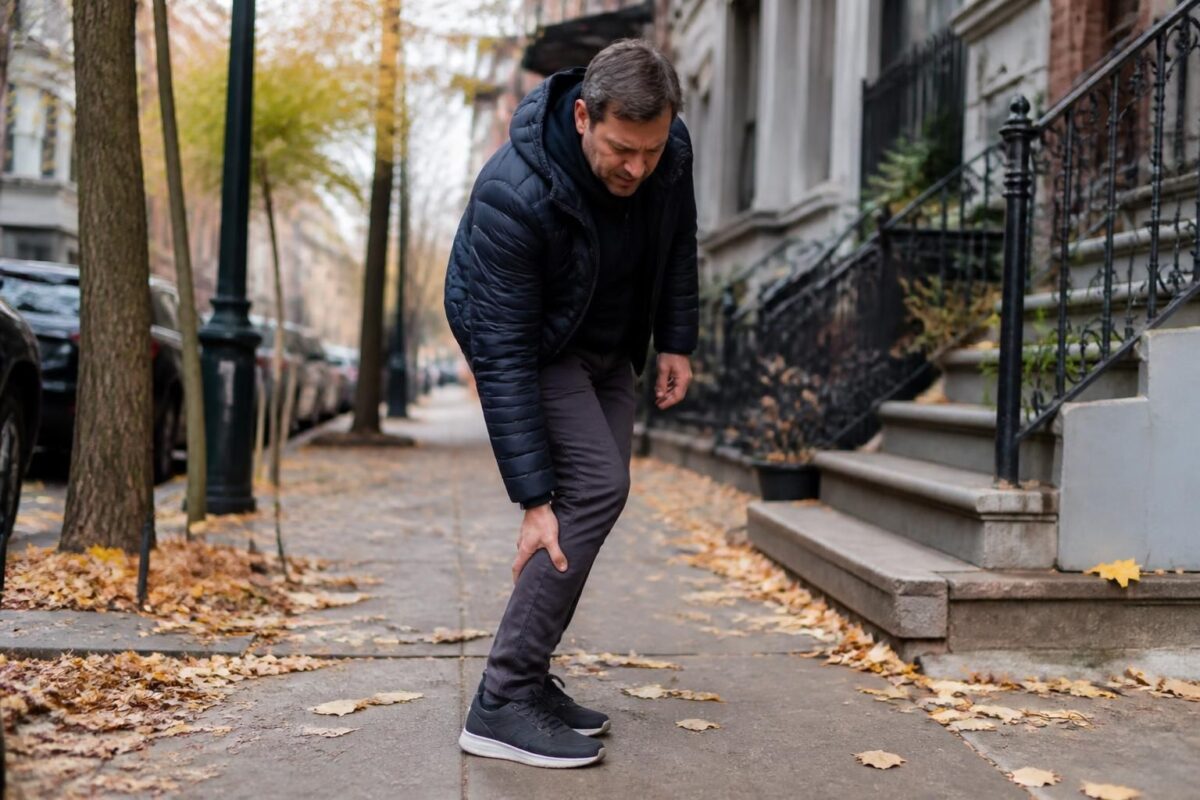
Sciatica in Montreal: numbness progressing toward the foot
IN BRIEF Sciatica is a radicular pain that can start in the lower back and progress to the foot, accompanied by numbness and sensations of burning or electricity. In Montreal, this service offers a quick clinical assessment and tailored non-surgical…
What to do immediately if a stretch triggers pain
The first rule is to stop the stretch causing discomfort and avoid any increasing pain. Applying a gradual and measured approach is essential to not overload the spine. In practice, favor gentle, non-painful movements and consider applying cold for 15 to 20 minutes to limit inflammation, then reassess pain after a few hours. Keep a small journal of your sensations and do not hesitate to seek professional advice if pain persists. If you show signs such as major weakness, loss of bladder control, or very intense pain, consult quickly.
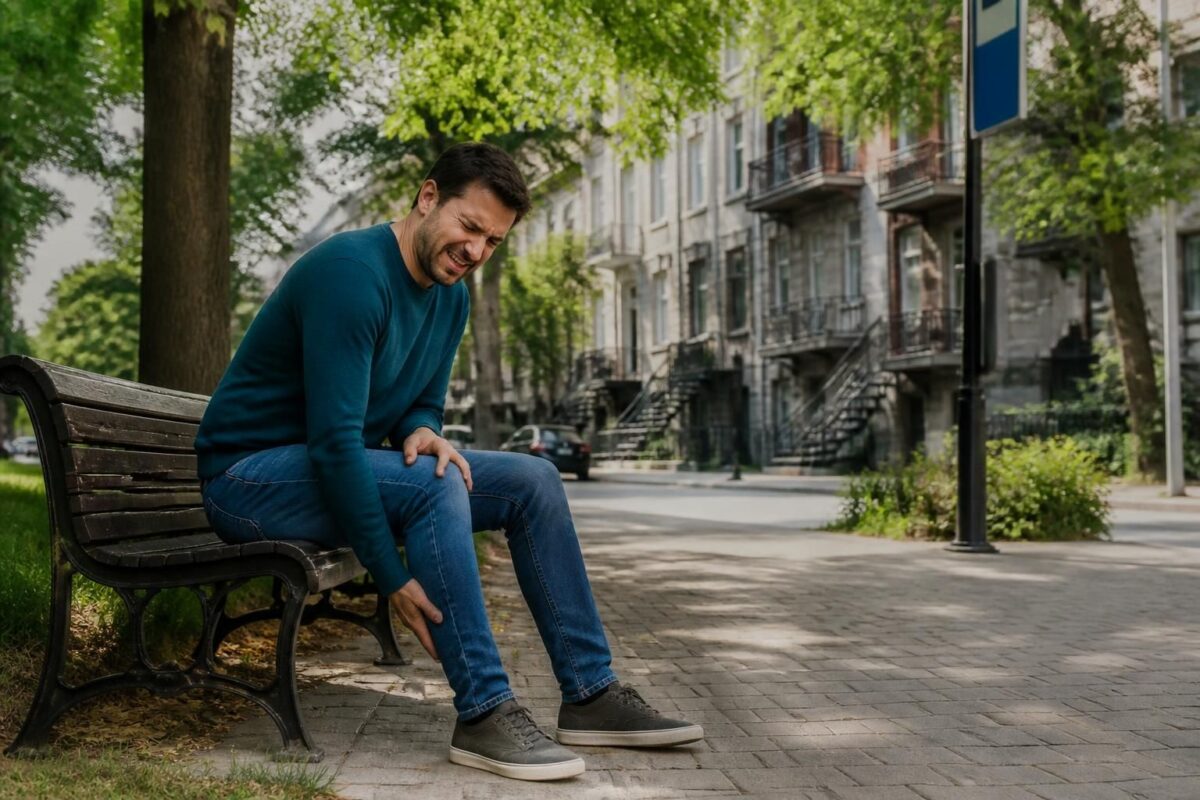
Sciatica in Montreal: why the pain may be stronger in the leg
IN BRIEF In brief, sciatica is a pain that radiates from the lower back down to the leg, sometimes as far as the foot, caused by compression or irritation of the sciatic nerve. In Montreal, this phenomenon is often related…
Alternatives and safe progression
Gentle and suitable exercises
To maintain mobility without irritating the nerve, favor activities that strengthen the trunk and pelvic muscles without excessive tension on the nerve. Exercises such as abdominal contractions, modified kneeling plank, gradual bridge, and pelvic stabilization movements are possible as long as they remain pain-free. The aim is to promote lumbar stability and reduce pressure on the nerve roots.
Progression and safety
Start with 2 to 3 simple exercises, 1 to 2 times a day, remaining within a mild tolerance. Gradually increase intensity and range only if pain does not reappear or decreases after sessions. If a movement triggers pain, return to the previous step and consult a professional to adjust the protocol.

Sciatica in Montreal: calf pain without significant lower back pain
IN BRIEF Sciatalgia refers to pain and sensations related to the sciatic nerve, which can manifest as a calf pain or foot pain without significant lumbar pain. In Montreal, this service offers a local evaluation and a non-surgical personalized plan…
When to consult in Montreal
In Montreal, an osteopath, physiotherapist, or sports doctor can perform a targeted assessment to determine the precise cause of your pain and personalize an action plan. An appropriate approach will combine safe exercises, manual techniques, and advice on workspace, sleep, and lifestyle habits to sustainably reduce episodes and improve back function.

Sciatica in Montreal: deep buttock pain and radiation in the thigh
IN BRIEF In short, sciatica or sciatalgia is a lower back pain that radiates into the buttock and thigh, sometimes down to the foot. In Montreal, this disorder is managed through a precise assessment and a personalized plan to relieve…
Practical tips to limit recurrences
Maintain a regular, suitable routine, favor good posture during daily activities, choose an appropriate mattress and shoes, and plan short but effective warm-ups before any movement. Sufficient hydration and restorative sleep support muscle recovery and tolerance to effort. By focusing on stability and gradual reinforcement, you provide your back with the tools to better tolerate movements and reduce episodes of pain.
| Item | Concise action |
|---|---|
| Observation and trigger | Stop the stretch and note the type and intensity of the pain; favor pain-free movements and seek advice if it persists. |
| Initial response | Apply relative rest and alternate ice or heat as tolerated; avoid painful repetitions. |
| Exercise alternatives | Opt for gentle strengthening and mobility exercises without triggering pain. |
| Back health | Avoid lumbar extension and favor neutral posture and gentle trunk activation. |
| Stretches to avoid | Avoid aggressive stretches; favor gentle and progressive stretches as tolerated. |
| When to consult | Pain persists > 2 weeks, loss of strength or urinary issues: consult quickly. |
| Progression and supervision | Progress slowly and under supervision; never force it. |
| Recovery and self-massage | Use a roller or self-massage if no acute pain; promote muscle relaxation. |
| Multidisciplinary action plan | Obtain a personalized protocol with a competent professional (osteopath, physiotherapist, or doctor). |
| Resources in Montreal | Choose a specialist near Montreal or Mont-Royal for an appropriate evaluation. |

Pain in one leg: possible sciatica in Montreal
IN BRIEF In brief, pain in one leg related to sciatica is a pain that follows the path of the sciatic nerve from the lower back to the foot, often described as burning or electric and associated with numbness. It…
What to do when stretches worsen sciatic pain in Montreal?
Marie, 38 years old, Montreal: “When the stretches began to worsen the pain related to my sciatica, I stopped the exercises and made an appointment with a specialist in Montreal. The assessment confirmed that certain movements were not suitable, and my personalized plan was readjusted. Today, the chosen movements allow me to walk and be at work without suffering, and I continue targeted strengthening to stabilize my back.”
Jean-Luc, 52 years old, Montreal: “At first, I thought everything was fine, but the stretches eventually made the pain worse. I stopped and consulted. The team in Montreal conducted an assessment, eliminated the warning signs, and proposed a gradual approach: relative rest, ice, then a strengthening program and posture advice. My pain has decreased and I can return to my professional activities.”
Claire, 29 years old, Montreal: “After several stretches that amplified my pains, I avoided piriformis movements and adopted a gentler approach. The doctor in Montreal guided me towards a tailored routine, focused on trunk strengthening and lumbar stability instead of mere extension. Result: fewer flare-ups and a better quality of life.”
Alexandre, 46 years old, Montreal: “I thought a targeted stretch would suffice, but the sciatica persists. I was referred to an osteopath in Montreal who assessed the tensions around my spine and readjusted my work plan: revised stretches, posture work, and foundational exercises for pelvic stability. In a few weeks, the pain decreased, and daily activities no longer involve unbearable pain.”
Sophie, 60 years old, Montreal: “My doctor advised me to move without forcing, but aggressive stretches worsened the pain. Thanks to a specialized assessment in Montreal, I understood which movements to avoid and followed a progressive program. The secret? Regularity and listening to the body, with simple and effective movements for the spine. Today I walk longer and sleep better.”
In the Montreal context, sciatica can become a frustrating presence in daily life. When stretches seem to amplify pain, it is essential to adopt a measured approach guided by an experienced professional. Dr. Sylvain Desforges, an expert in osteopathy, naturopathy, and manual medicine, embodies a holistic and evidence-based approach to support patients facing this type of pain. Founder and president of the TAGMED clinics and the ACMA association, he emphasizes the management of chronic spinal pain and the integration of advanced technologies to optimize recovery.
His approach is based on a rigorous and personalized assessment. He understands that sciatic pain can stem from multiple origins, such as a herniated disc, osteoarthritis, piriformis syndrome, or constraints related to foraminal stenosis. Rather than aggressively pushing stretches that irritate the nerve, he prioritizes a progressive and safe approach. The goal is to reduce nerve irritation while strengthening supportive structures and restoring function, without seeking quick but fragile results.
What should you do when stretches worsen the pain? First, stop the movements that cause aggravation and focus on exercises tolerated by the patient. Two to three targeted exercises can be done depending on daily tolerance, under professional supervision if possible. Emphasis is placed on gentle and controlled movements, responding to the day’s symptoms, rather than repeated stretches that would amplify pain. A medical or physiotherapeutic assessment establishes an adapted protocol and adjusts activities based on progress.
Beyond stretches, the multidisciplinary treatment offered in practice shows convincing results. Specific osteopathy and manual techniques, combined with non-invasive approaches such as motorized neurovertebral decompression, laser therapy, and shockwaves, may be considered depending on the diagnosis. These interventions aim to reduce nerve compression, promote mobility, and improve lumbar and pelvic stability. All of this is part of an evidence-based approach, with attentive listening to the body’s signals and an adapted progression.
For Montrealers and residents of Mont-Royal, access to specialized expertise in sciatic pain helps avoid dead ends of inadequate treatments. Dr. Desforges’s approach emphasizes patient education, the development of a clear plan, and collaboration with other healthcare professionals when necessary. The goal is not only to relieve pain but also to restore functionality and quality of life while remaining vigilant to signs that require thorough medical assessment.
Ultimately, when a stretch worsens sciatic pain, it is crucial to prioritize a precise assessment and a personalized protocol. In this regard, the multidisciplinary expertise and advanced technologies offered by the team associated with TAGMED provide a comprehensive and safe approach, tailored to the needs of patients in Montreal and the surrounding area.
Quick summary: this article guides you on what to do when stretches worsen a sciatica, particularly in Montreal. You will discover why certain movements can become painful, how to safely adapt your routine, and which resources to prioritize to progress without risking your back.

Foot weakness and sciatica in Montreal: when to seek quick consultation?
IN BRIEF In brief, foot weakness related to sciatica is a signal that may require a quick consultation in Montreal to distinguish between a neurological emergency and a benign painful episode. What is it? The irritation or compression of a…
Adjust your approach when stretches worsen the pain
If a stretch triggers or intensifies the pain, stop the exercise immediately and listen to your body. The goal is not to “push further” but to ensure safety and identify movements that do not increase the pain. Start with two to three tolerated movements, performed slowly and without forcing, then adjust based on your feelings for the day. In some cases, it may be useful to temporarily switch to trunk strengthening exercises and gentle mobilizations instead of aggressive stretches.
Sciatica in Montreal: tingling in the toes and nerve pathway
IN BRIEF In brief, sciatica is a set of symptoms due to compression or irritation of the sciatic nerve, resulting in tingling and numbness in the toes along the nerve pathway from the lower back to the foot. In Montreal,…
Understand the triggers and underlying mechanisms
Sciatica is influenced by multiple origins: a herniated disc, lumbar arthroplasties, piriformis syndrome, or foraminal stenosis can irritate the sciatic nerve. Certain positions or movements, particularly those that stretch or compress the lumbar spine, can trigger or worsen the pain. Therefore, it is essential to distinguish between movements that relieve and those that irritate, and to avoid any exercise that causes marked painful intensity or pain that persists after effort.
Alternatives and Adaptations of Exercises in Montreal
Rather than continuing problematic stretches, focus on exercises that enhance spinal stability and improve mobility in a controlled manner. For example, trunk strengthening variations and gentle lumbar mobilizations can support recovery without overstressing the nerve tissues. If lumbar extension or a specific movement aggravates the pain, prioritize suitable and progressive alternatives and consult a local professional to tailor the protocol to your situation and environment in Montreal. For ideas and supervised protocols, feel free to explore the following resources: see practical advice for treating sciatica and 5 stretches for sciatica. You can also check illustrated guides like 7 effective exercises and stretches and content from Exercises for Sciatic Osteopathy. For a more accessibility-focused approach and services, consult SOS Sciatica Accessibility.
When to Consult and Where to Find Help in Montreal
If the pain persists despite adapting exercises, if it worsens while standing or walking, or if you observe signs such as loss of urinary control or severe pain, it is important to consult promptly. Resources and practical advice are available, including through Ameli – What to do and when to consult and the dedicated pages of SOS Sciatica on situations to watch for such as worsening pain and treatment modalities in Montreal (worsened pain while standing and foraminal compression). For personalized assessment and support, you can also refer to treatments and actions to undertake and what to avoid promising.
Useful Resources and Recommended Readings
To delve deeper, here are reliable resources offering advice tailored to sciatica and practices in Montreal: toutpourmasante – Treating Sciatica, ma-sante-au-quotidien – 5 stretches for sciatica, Espaces.ca – 7 effective exercises and stretches, Synapsia Osteopathie – Sciatic Exercises, and resources from SOS Sciatica: Accessibility, Sciatica after injection, Worsened pain while standing and foraminal compression, Sciatica Treatment – What to do, Sciatica Treatment in Montreal – What to Avoid.

Numbness of the foot and sciatica in Montreal: signs to watch for
IN SHORT In short, numbness in the foot and sciatica in Montreal refer to irritation or compression of a lumbar root that can extend down to the foot and toes. What is it? It is a condition managed primarily through…

Dr Sylvain Desforges, B.Sc., D.O., N.D., osteopath, is the founding president of TAGMED and of the ACMA association. He dedicates his practice to chronic spinal pain, low back pain and symptoms compatible with sciatica, particularly when pain radiates toward the buttock, leg, calf, foot or toes.
Through SOS Sciatique, he publishes educational content on sciatica symptoms, possible causes such as disc herniation, disc narrowing, foraminal stenosis or irritation of a lumbar nerve root, as well as non-surgical approaches that may be considered according to the evaluation. At Clinique TAGMED, care may include, depending on the case, motorized neurovertebral decompression, specific osteopathic care or precision percussion.
For an evaluation related to sciatica treatment in Montreal / Mount Royal or sciatica treatment in Terrebonne, please consult the services available at Clinique TAGMED.
Medical disclaimer
The information published on SOS Sciatique is provided for educational purposes only and does not replace a consultation, diagnosis, opinion or treatment provided by a physician or another authorized healthcare professional. The author of this article is neither a medical doctor nor a specialist in a medical specialty recognized by the Collège des médecins du Québec. The osteopathic, manual medicine or functional support approaches described on this site do not constitute medical acts and are not intended to replace medical follow-up.
Consult a physician or emergency service in cases of loss of bladder or bowel control, anesthesia in the saddle area, significant or progressive weakness in the leg or foot, fever, recent trauma, severe pain or rapid worsening of symptoms. For more details, please read our Legal Notice.