Herniated disc and disc protrusion: terms often混合
11/09/2026
Sciatica in Montreal: pain that descends but then rises back up towards the buttock
12/09/2026
IN BRIEF In brief, sciatica and pain that returns after walking refer to pain radiating in the lower back and leg after exertion, often related to irritation of the sciatic nerve. The goal is to understand the causes and management options to remain active and prevent relapses. How does it work? We favor a gradual approach: walking and gentle exercises, improving ergonomics and sleep, and resorting to targeted treatments (physiotherapy, injections) if necessary under medical supervision. Accessible for individuals suffering from recurring sciatica, this framework aims to improve daily comfort and quality of life while limiting the impact of pain after walking. |
The sciatica is a pain that can radiate along the nerve pathway and, sometimes, return after walking. This pain that manifests after exertion may be related to a herniated disc, lumbar canal stenosis, or muscle tension and postural imbalances. Resorting to a gradual and suitable physical activity is recommended: regular but moderate walking, and rehabilitation to strengthen muscles and improve posture. In case of persistence beyond 3 months, worsening, or neurological signs, it is necessary to consult to consider an assessment and suitable options (imaging, injections, rehabilitation, etc.). The aim is to preserve your active life while protecting your back and nerve.
Quick summary: this article, written by a health professional and expert, explains why sciatica may return after walking. It describes possible mechanisms, signs that require a consultation, and management options. It also indicates how to adapt your walking and lifestyle to limit recurrences, with treatment possibilities offered at the TAGMED clinic in Montreal or Terrebonne. Additional resources provide more information on the causes and mechanisms.
Understanding the Mechanisms Behind the Return of Pain
Several mechanisms may explain why sciatica reappears after walking. A poorly absorbed herniated disc may compress the nerve. A foraminal stenosis or spinal stenosis may limit the space around the nerve. A conflict between a nerve root and a neighboring anatomical structure may also cause this pain which returns upon exertion. Lack of activity or an inadequate posture increases pain and may favor its recurrence. For further exploration, you can consult specialized resources on the mechanisms of sciatic pain.
Pain can be felt differently by individuals. In some cases, sciatica reactivates after a period of walking when the nerve is subjected to pressure or repetitive tension. In others, walking may help maintain mobility and limit stiffness, but without completely eradicating the pain. To better understand your situation, a clinical examination and, if necessary, imaging may be useful.
For additional explanations on causes and mechanisms, see Sciatica and Mechanisms.
Warning Signs and When to Consult
Consult quickly if you observe warning signs. These include loss of strength in the leg, increased numbness, urinary or intestinal disturbances, or pain that persists at rest despite treatment. A fever, severe pain after trauma, or significantly worsening pain may also require urgent evaluation. In the presence of these signals, contact a professional quickly or go to the emergency room.
If the pain returns after walking but without warning signs, a consultation may be considered after an initial assessment to clarify the causes and adapt the management plan.
Management Options and Treatments
Management aims to reduce pain and restore comfortable walking. After evaluation, options may be proposed, including medication measures and targeted treatments. Non-steroidal anti-inflammatory drugs (NSAIDs) and analgesics may be considered to limit pain. In some cases, targeted injections may be offered to relieve pain resistant to other treatments. These interventions are performed under guidance and may provide pain reduction over the medium term.
Specialized treatments may be considered at the TAGMED clinic in Montreal or Terrebonne after evaluation. In cases of precise diagnosis of neurovertebral decompression, herniated disc or stenosis, appropriate options will be discussed by the specialist. For some patients, surgery may be considered after multidisciplinary discussion and re-evaluation of risks and benefits. Additional information on treatments and available options can be consulted through dedicated resources on neurovertebral decompression and associated pathologies.
To better position the treatments and compare approaches, you can also consult specialized resources on alternative treatments and available clinical options.
Adapting Your Walking and Lifestyle
Adapting your walking is key. Walk regularly, but adjust the distance and intensity based on your pain. If you are a regular walker, maintain your usual volume as tolerable and increase slightly if you can, without forcing. If you are just starting, gradually increase the duration and distance to allow your body to adapt.
Improve ergonomics and avoid prolonged positions. Use lumbar support if needed and prioritize breaks to move every 30 to 45 minutes. Ensure good sleep hygiene and correct posture in the workplace. To learn more about the impact of walking after sciatic pain and tips for walking without worsening the situation, consult the associated resources.
Online resources can help understand how pain may reappear after walking and how to adjust your activity. Details on associated conditions and practical guides explain prognostic factors and management possibilities.
For practical advice and testimonials, you can consult guides and articles dedicated to walking and sciatica at Sciatica and pain that worsens with walking and pain that decreases when walking.
If you are looking for information on the link between decompression and pain, you can refer to neurovertebral decompression and related resources, while remaining under medical supervision.
For potential evolutions and follow-ups, additional resources and practical guides are available on sites like Tunnels and associated pain or Disc issues and walking.
In terms of evidence, recent publications highlight that multimodal approaches can be beneficial in limiting recurrences and improving function, while remaining tailored to each patient’s profile.
Practical reference: for additional information on mechanisms and treatment options, you can refer to dedicated pages on the above sites and discuss with your doctor or a specialist as part of a personalized assessment.
Medical disclaimer: The information and advice provided on this site do not replace the opinion, diagnosis, or treatment of a healthcare professional. Please note that Dr. Sylvain Desforges, osteopath, is neither a medical doctor nor a physician and is not a specialist in any medical specialty as defined by the College of Physicians of Quebec. Manual medicine, functional medicine, and sports medicine as described on this site exclude any treatment or medical diagnosis made by a physician or specialist. Always consult your doctor for any medical questions. For more details, please read our complete Legal Notice.
- Mechanisms: pain behind the leg after walking
- Neuro-muscular conflicts: piriformis, narrow lumbar canal
- Poorly absorbed disc herniation
- Postural imbalances and muscle weakness
- Triggering factors: prolonged sitting posture, overload
- Evaluation: check persistence and warning signs; MRI/CT if >3 months
- Adapted activity: progressive walking and active rehabilitation
- Targeted approaches: epidural/foraminal injections as needed
- Lifestyle management: ergonomics, sleep, posture
- Support: preventive physiotherapy and muscle strengthening

Quick summary: The sciatica pain that returns after walking can be explained by irritation of the nerve, mechanical dysfunction, or stenosis. The goal is to adopt an appropriate walking style, strengthen key areas, and use targeted approaches to resume activity without worsening the pain.
Understanding Why Pain Recurs After Walking
Main Causes
Several mechanisms may explain the rapid return of pain after walking effort. A disc herniation or lumbar canal stenosis may compress nerve roots, especially after activity. A muscle conflict or excessive tension around the nerve can also trigger pain that reappears as walking continues. Lastly, postural imbalances or weak core muscle strengthening predispose to a progressive return of symptoms.
Why Walking Can Remain Useful
Walking remains a safe and beneficial activity in most cases, even when pain persists. It stimulates circulation, maintains mobility, and helps prevent stiffness. The goal is not to avoid all pain but to progress with adapted sessions, avoiding efforts that worsen symptoms.
Adapting Your Walking and Recovery
Adapted Walking Strategy
If your pain returns after walking, prioritize short and regular sequences rather than long walks that further fatigue the nerve. Break down exercises into shorter segments and gradually increase duration or distance according to your tolerance. Avoid pushing beyond the pain and prefer active breaks to resume without stiffness.
Exercises and Daily Habits
Integrate micro-breaks every 30 to 45 minutes, even during painful periods, to maintain gentle mobility. Combine gentle strengthening exercises for the back and hamstrings with light psoas stretches. Regular practice of a program supervised by a physiotherapist can help balance muscles and better tolerate walking.
Posture and Ergonomics
Optimize your sitting and standing posture on a daily basis. Work on your lumbar alignment, use a chair with lumbar support, and adjust your desk height. Good ergonomics and varied positions reduce nerve strain during daily and professional activities.
Complementary Therapeutic Approaches
Medications and Targeted Treatments
Medicated treatments can accompany adapted walking: anti-inflammatories, analgesics, and, when necessary, options for neuropathic pain. Their effectiveness may decrease over time, and their use should be discussed with your doctor to limit side effects.
Rehabilitation and Active Therapies
Active rehabilitation, with progressive movement and strengthening, is central. Manual techniques or complementary approaches (targeted injections when situations require) can be considered in cases of resistant pain, always under medical supervision.
When to Consult and Warning Signs
Warning Signs
Contact quickly if you notice a loss of strength, urinary or intestinal issues, a rest pain that worsens, or debilitating pain that persists after several months.
Delays and Decision
If the pain persists beyond 3 months despite conservative measures, a specialized consultation in surgery or physiotherapy may be useful to evaluate options suitable for your situation.
Practical Advice After Walking
Sleep and Recovery
Adopt a sleeping position that soothes your back: on your side, with a cushion between your knees, and opt for a firm yet comfortable mattress to limit strain during the night.
Daily Action Plan
Maintain regular physical activity, vary your exercises, and monitor your weight. Continue to favor moderate and gradual movements, and promote good ergonomics at work. If the pain persists, seek personalized advice to adjust your rehabilitation plan and activities.
Targeted Comparison: Sciatica and Pain Returning After Walking
| Aspect | Concise Description |
|---|---|
| Trigger | Occurs after prolonged walking and may reflect a mechanical stress in the lumbar area or nerve irritation. |
| Location | Pain radiating from the buttock to the thigh and sometimes to the calf; sometimes down to the foot. |
| Quality | Neuropathic pain with an electric/burning sensation that returns after exertion. |
| Associated Signs | Numbness or slight and temporary weakness. |
| Warning Signs | Significant loss of strength, urinary issues, pain at rest. |
| Causes Related to Walking | Postural nerve conflict, recurring disc herniation or stenosis, muscle imbalance. |
| Useful Exams | MRI or CT scan if persistence >3 months or presence of neurological signs. |
| Management | Adapted activity, active rehabilitation, and targeted injections, gradual walking, and ergonomics. |
Testimonials: Sciatica and Pain Returning After Walking
My name is Camille, I am 48 years old, and my sciatica returns every time I take a short walk. After 10 to 15 minutes, a stabbing pain starts from my buttock and travels up my leg, as if the nerve is waking up. I used to think it was temporary, but this phenomenon is becoming regular, and I have had to change my habits to limit prolonged outings.
I am Marc, 54 years old, and I used to walk for a long time to clear my mind. For a few months now, whenever I pick up the pace, the pain returns, making my leg feel robotic and my back stiff. I try to break my walks into shorter segments and alternate with resting periods, but the return of pain is frustrating and can ruin my afternoons.
I am Aïcha, 62 years old, and after each stroll, the sciatica rears its head again. Sometimes, it lingers, and I have to lie down to soothe the pulling in my buttock and calf. I discovered that gentle exercises and better posture allow me to resume walking later in the day, even if the pain returns at times.
For me, Luca, 43 years old, the pain returns after walking even if I am fit. At first, I thought it was a sign of overexertion, but it has become an almost daily sensation. I started consulting and testing shorter walks followed by targeted stretches; this helps delay the return of pain, without completely extinguishing it.
My name is Sandrine, I am 55 years old, and the sciatica resurfaces after my outings. A pain that runs down my thigh after 15 minutes of walking forces me to reduce my activities. With a gradual activity program and advice from a physiotherapist, I have managed to resume longer walks without the pain returning systematically, even if it sometimes persists.
Let me introduce myself, Pierre, 68 years old. Every time I take a walk, even a light one, the pain comes back and forces me to slow down. I have noticed that simple routines, like alternating walking and resting and investing in good posture, help me limit the impact and resume the next walking step without the pain becoming permanent.
Dr. Sylvain Desforges: Vocation and Expertise in the Service of Recurring Sciatica After Walking
Dr. Sylvain Desforges is a recognized practitioner in the fields of osteopathy, naturopathy, and manual medicine. At the helm of TAGMED clinics and as founding president of the ACMA, he embodies an innovation-driven vision in the service of chronic pain. His path combines excellence in care and the integration of advanced technologies to optimize the health and well-being of his patients.
A specialist in chronic pain, he pays particular attention to sciatica, especially when the pain settles or returns after walking. His approach is based on the idea that each patient is unique, and that pain radiating down to the buttock and leg can reflect complex interactions between nerves, spine, and muscles. Dr. Desforges implements comprehensive care that combines accurate diagnosis, patient education, and adapted rehabilitation to put movement back at the center of daily life.
His work begins with a thorough assessment of the factors that sustain the pain, whether biomechanical, postural, or lifestyle-related. The objective is to break down the root causes and propose a personalized strategy, based on evidence, that combines safety and effectiveness. The patient is invited to become an active participant in their journey, with realistic objectives and a clear action plan to reduce painful episodes and promote sustainable and comfortable walking.
In terms of treatment, Dr. Desforges relies on a range of therapeutic tools. Among them, spinal decompression may be offered to improve the space around the nerve roots, while laser therapy and shockwave therapy provide opportunities for soothing and stimulating healing. These approaches are applied in a targeted and progressive manner to reduce pain without delaying the resumption of daily activities and walking.
At the heart of his philosophy, active rehabilitation and ergonomics play a central role. Dr. Desforges emphasizes supervised exercise programs tailored to each individual’s level, which strengthen the core and deep muscles while preserving joint mobility. The goal is to avoid cycles of inactivity and nerve sensitization and to support a gradual return to activities such as walking, gentle swimming, or tai chi/soft yoga according to the patient’s profile.
As a committed leader, he promotes a multidisciplinary approach and health innovation that integrate the latest technological advances with evidence-based practice. His approach is guided by ethics, respect for the patient, and the aim of sustainably improving quality of life rather than seeking temporary relief. To discover his approach and the services offered, contact the TAGMED team to evaluate options suited to your situation.
Quick summary: this article explains why sciatic pain may return after walking, how to differentiate possible causes, and what strategies to adopt to continue walking while staying active and reducing relapses.
The sciatica that returns after walking is not inevitable but a clinical signal that invites an adjustment of the approach. It generally involves a balance between the gradual increase of activity and the management of nerve irritations or muscle tensions around the spine. Adopting an active yet measured approach allows for maintaining movement, avoiding stiffness, and improving endurance in the long term.
Several mechanisms can explain this return of pain after walking: persistent nerve irritation, muscle imbalance, or postural overload at the lumbar level. Whether it occurs after a long walk, on uneven terrain, or during an increase in intensity, this pain can decrease with appropriate progression and targeted rehabilitation. To support this work, specialized resources recommend staying active rather than immobilizing oneself, while avoiding overloads that could worsen the situation, as highlighted by guides and reference articles.
To effectively manage this pain that “returns after walking,” it is advisable to combine:
• strengthening and mobility of the core and hamstrings,
• gradual progression of distance and walking time,
• improvement of ergonomics and posture during daily and professional activities,
• and maintenance of a guided active rehabilitation horizon with a physiotherapist.
If the pain persists despite these adjustments, targeted approaches may be considered, such as injections or other treatments supervised by a specialist. These options aim to reduce local irritation and facilitate a more comfortable return to activities. To explore options and associated precautions, you can consult specialized resources such as Chronic sciatica: what to do, Should you walk with sciatica?, and Sciatica: symptoms, duration, and treatment.
Once the return of pain after walking falls within a sustainable and stable framework, it may be useful to explore complementary resources and testimonials from patients who have experienced similar journeys, for example, discussions on dedicated sites or advice from professionals published online. For those seeking care tailored to their situation, additional information is also available on dedicated pages such as Sciatica and nerve radiation and other practical guides mentioned in the professional network.
By pursuing a gradual and personalized approach, you can continue to walk while minimizing relapses and give yourself the best chances to restore regular and comfortable activity. Do not hesitate to seek specialized advice if persistent signs or neurological symptoms appear, to quickly steer towards the most suitable options for your profile and medical history.
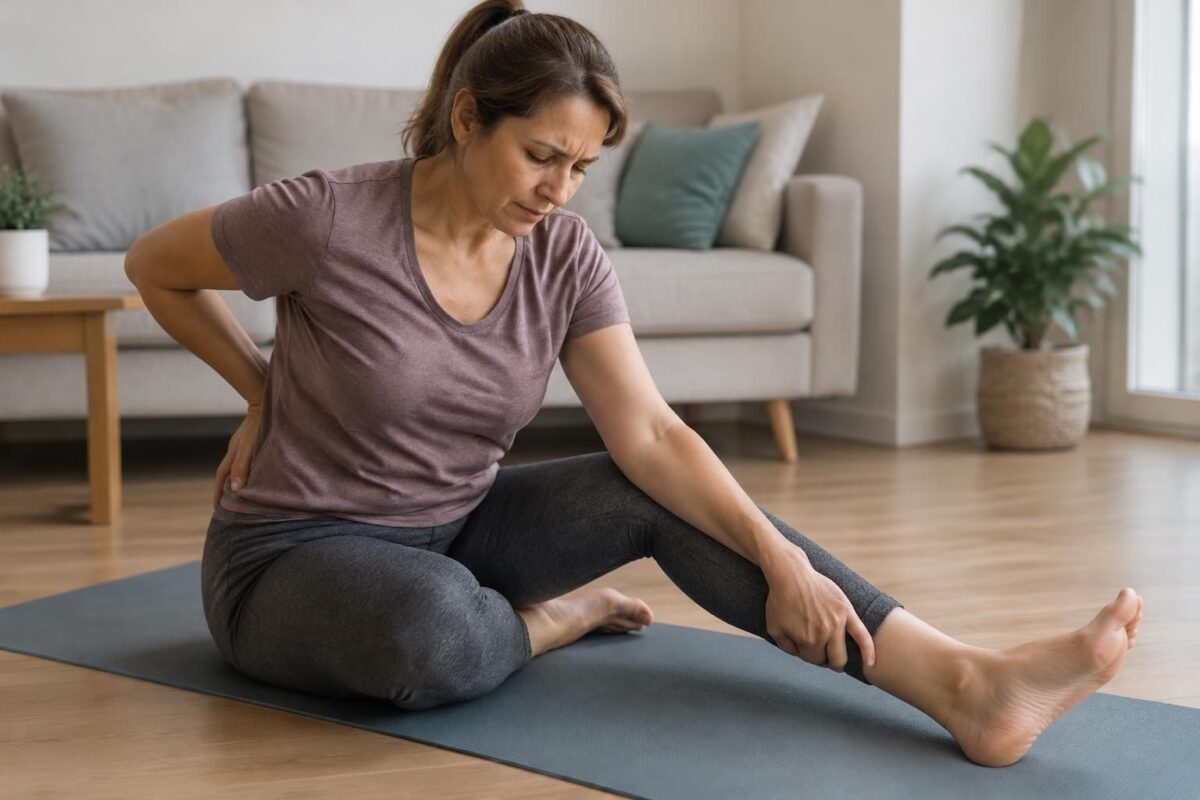
Sciatica and pain that travels lower after a stretch
IN BRIEF A sciatic pain that goes lower after a stretch may indicate that the movement is further irritating the nerve. A stretch should not intensify the pain or cause new tingling sensations: stop it and avoid forcing. Only resume…
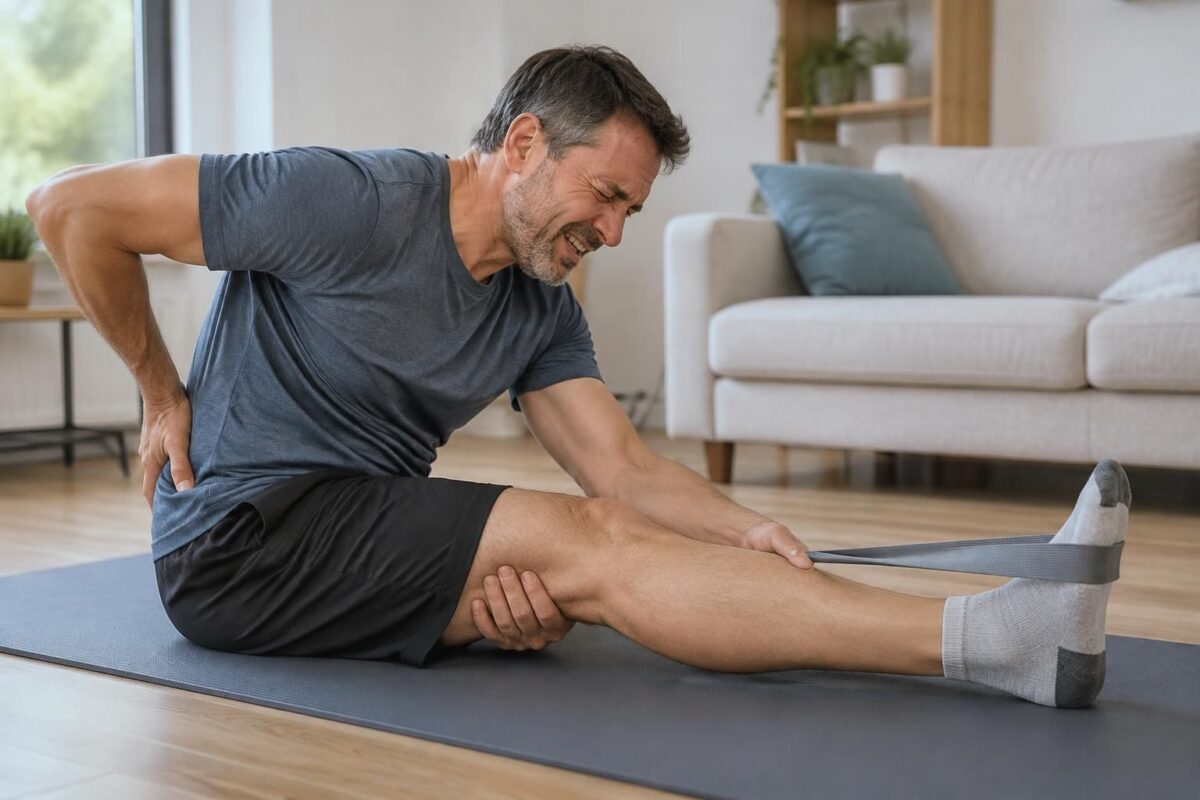
Sciatica and aggressive stretches: possible sign of worsening
IN BRIEF Sciatica is pain that radiates from the lower back or buttock down the leg. Aggressive stretching does not necessarily relieve the nerve and can intensify the pain, especially if it moves further down to the foot or is…

Sciatica and calf stretching: when the pain increases
IN SHORT A calf stretch can exacerbate sciatica if it further irritates the nerve. It should not cause pain that increases or radiates down the leg: stop the movement and do not push through. Stretches may help with some tensions,…
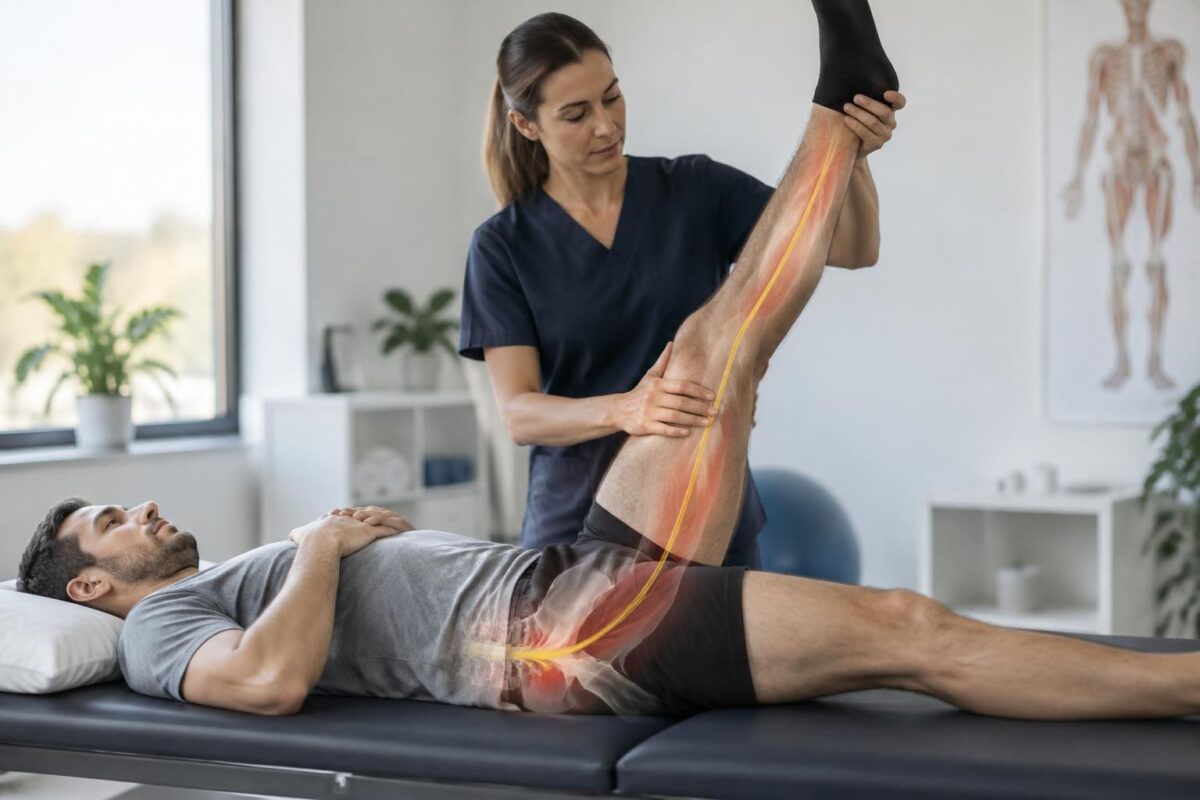
Sciatica and hamstring stretching: possible nerve tension
IN BRIEF Sciatica can make stretching the hamstrings uncomfortable, as the tension felt may come from the nerve rather than the muscle. A gentle stretch, with a straight back and without seeking maximum range, can help loosen the back of…
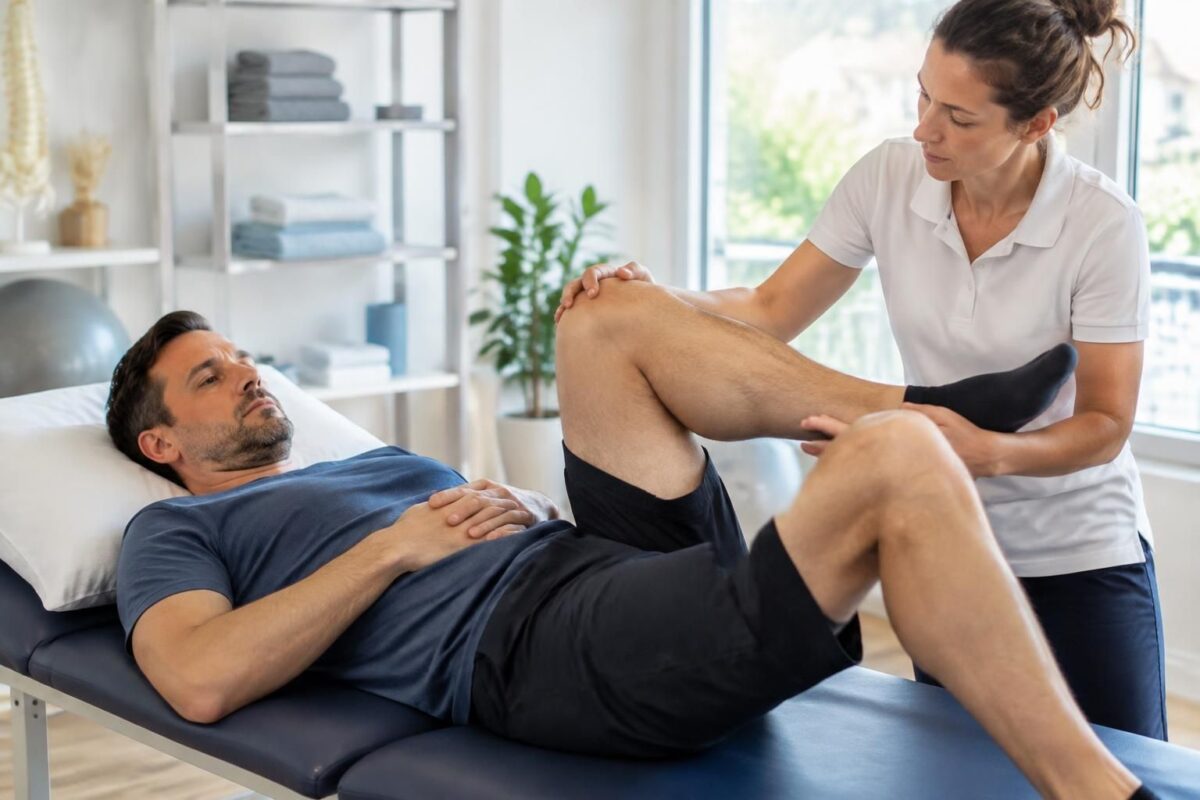
Sciatica and piriformis stretching: useful or worsening depending on the case
IN BRIEF Piriformis-related sciatica can cause deep pain in the buttock, sometimes radiating down the back of the thigh. A gentle stretch can loosen the hip and relieve discomfort if the muscle is involved, but it can worsen symptoms if…

Sciatica and popular stretches: why to stay cautious
IN BRIEF Sciatica causes pain that radiates from the lower back down the leg. Popular stretches, such as the pigeon pose or hamstring stretches, are not always suitable: pulling on an irritated nerve can worsen the symptoms. Favor gentle movements,…

Sciatica and Pilates: movements to adapt
IN SHORT Sciatica causes pain that can radiate from the lower back down to the leg. The Pilates Reformer can promote a gradual return to movement and strengthen core control, provided that the movements, range, and resistance are adapted. Favor…

Sciatica and core stability: variable tolerance depending on symptoms
IN BRIEF Core strengthening in case of sciatica consists of progressively strengthening the trunk muscles. Its tolerance varies depending on pain and symptoms: suitable without worsening the pain, it can support mobility and the resumption of activities, but does not,…

Dr Sylvain Desforges, B.Sc., D.O., N.D., osteopath, is the founding president of TAGMED and of the ACMA association. He dedicates his practice to chronic spinal pain, low back pain and symptoms compatible with sciatica, particularly when pain radiates toward the buttock, leg, calf, foot or toes.
Through SOS Sciatique, he publishes educational content on sciatica symptoms, possible causes such as disc herniation, disc narrowing, foraminal stenosis or irritation of a lumbar nerve root, as well as non-surgical approaches that may be considered according to the evaluation. At Clinique TAGMED, care may include, depending on the case, motorized neurovertebral decompression, specific osteopathic care or precision percussion.
For an evaluation related to sciatica treatment in Montreal / Mount Royal or sciatica treatment in Terrebonne, please consult the services available at Clinique TAGMED.
Medical disclaimer
The information published on SOS Sciatique is provided for educational purposes only and does not replace a consultation, diagnosis, opinion or treatment provided by a physician or another authorized healthcare professional. The author of this article is neither a medical doctor nor a specialist in a medical specialty recognized by the Collège des médecins du Québec. The osteopathic, manual medicine or functional support approaches described on this site do not constitute medical acts and are not intended to replace medical follow-up.
Consult a physician or emergency service in cases of loss of bladder or bowel control, anesthesia in the saddle area, significant or progressive weakness in the leg or foot, fever, recent trauma, severe pain or rapid worsening of symptoms. For more details, please read our Legal Notice.