Disc protrusion and irritation of L5
18/10/2026
Sciatica in Terrebonne: L5-S1 and symptoms in the calf
20/10/2026
IN BRIEF
| Core strengthening in case of sciatica consists of progressively strengthening the trunk muscles. Its tolerance varies depending on pain and symptoms: suitable without worsening the pain, it can support mobility and the resumption of activities, but does not, on its own, treat the cause of sciatica. Reduce or stop the exercise if the radiating pain increases; consult quickly in case of new weakness or urinary or intestinal troubles. |
Sciatica and core strengthening: tolerance varies according to symptoms. If the exercises increase pain that radiates down the leg, tingling, or weakness, reduce the intensity or stop them and seek advice from a healthcare professional. Prefer a gradual resumption without forcing. In case of loss of strength or urinary or intestinal troubles, consult urgently.
Core strengthening can be well tolerated by some individuals with sciatica, but it can intensify pain in others. The response depends on the symptoms, their intensity, and how the exercise is performed. Therefore, there is no one-size-fits-all rule: monitor the evolution of pain and neurological signs, and seek medical advice if you have any doubts. Sciatica corresponds to pain related to the irritation of a nerve root, often L5 or S1. It can start from the lower back or the buttock, then descend into the thigh and the leg. Tingling or numbness may also occur. To better understand these signs, consult this presentation of sciatica with foot pain, numbness, and tingling. Core strengthening engages the trunk muscles. Depending on the position and the effort required, it can also increase tension on the back and modify symptoms in the leg. One person may tolerate it one day and feel more pain another day. This variation alone does not determine the cause of sciatica. An effort that is too intense, a position difficult to maintain, or blocked breathing can increase discomfort. The pain may remain in the lower back or extend further into the buttock and leg. Pain that radiates further down the leg, or is accompanied by new numbness, warrants particular attention. Tolerance also varies with fatigue, sleep, daily activities, and the level of pain. Driving can, for example, worsen symptoms in some individuals. These resources explain the possible link between sciatica and daily commutes and between sciatica and pain that increases while driving. Observe your symptoms during and after the effort. A slight and temporary discomfort does not mean the same as pain that clearly increases, radiates lower into the leg, or persists after the activity. Also note if your walking, sleeping, or usual activities become more difficult. Stop the exercise if the pain clearly increases, if it radiates further down the leg, or if new tingling or numbness appear. Do not try to “power through the pain.” Pain does not always precisely measure an injury, but an exacerbation of symptoms during effort indicates that the session is not well tolerated at that moment. If discomfort recurs with each attempt or remains stronger after exercise, suspend core strengthening and consult a healthcare professional. A clinical examination can help distinguish mechanical pain from more significant nerve damage and determine if further evaluation is necessary. Consult quickly in case of new or worsening loss of strength, difficulty lifting the foot or walking, or significant numbness. Muscle weakness can affect foot or toe movements. Numbness of the foot should be evaluated according to its evolution and other associated symptoms; you can read about the signs to monitor in case of foot numbness. A loss of sensitivity around the perineum, difficulty urinating, urinary retention, or loss of bowel control require urgent care. These signs may indicate significant nerve compression. Severe pain, fever, or a history of cancer should also be reported quickly to a physician. Not necessarily. Some people can resume or continue an activity when their symptoms remain stable and the effort does not cause worsening. Others must wait for improvement or obtain professional advice before resuming. The decision depends on the examination, muscle strength, sensitivity, and evolution of symptoms. Avoid starting an intense program or multiplying exercises without evaluation when pain is acute or very strong. If you have weakness, progressive pain, or unusual symptoms, seek medical advice first. The ability to perform an exercise does not, on its own, confirm that sciatica is cured. The resumption must consider the body’s reaction, not a fixed schedule. An activity that does not cause a lasting increase in symptoms may be better tolerated than an intense effort performed despite pain. In case of uncertainty, a professional can assess your situation and help you choose a suitable progression, without replacing a medical diagnosis. Running follows the same principles of caution: resumption depends on pain, function, and the absence of concerning neurological signs. Consult these guidelines on running with sciatica, knowing when to stop and when to resume. If the pain extends toward the outer edge of the foot or the little toe, this information on pain toward the little toe and root S1 can also help you describe your symptoms to the healthcare professional. Medical disclaimer: The information and advice provided on this site do not replace the opinion, diagnosis, or treatment of a healthcare professional. Please note that Dr. Sylvain Desforges, osteopath, is neither a medical doctor nor a physician and is not a specialist in any medical specialty as defined by the Collège des médecins du Québec. Manual therapy, functional medicine, and sports medicine as described on this site exclude any treatment or medical diagnosis made by a physician or medical specialist. Always consult your doctor for any medical question. For more details, please read our full Disclaimer.Why can core strengthening cause discomfort?
How to assess your tolerance to core strengthening?
When to reduce or stop the effort
When to seek medical advice quickly?
Should core strengthening be avoided during sciatica?
Resuming activity without worsening symptoms
Core strengthening possible
- Stable and manageable pain
- Gentle exercise, without increased radiation
- Short effort, free breathing
To adapt or interrupt
- Pain that increases or descends further into the leg
- Worsening tingling or weakness
- Stop exercising and seek medical advice if symptoms persist

Core stability can help regain confidence in movement when suffering from sciatica, but its tolerance varies depending on pain, tingling, and available strength. The goal is not to push or “lock” your back: start gradually, choose comfortable exercises, and stop if symptoms worsen. In case of new weakness, urinary or intestinal issues, or perineal numbness, seek urgent medical help.
Sciatica and core stability: what is the goal?
Sciatica generally corresponds to pain related to irritation of a nerve root, felt in the buttock and leg. Core stability engages the trunk muscles and can help improve movement control and the resumption of activities. However, it does not directly eliminate compression or nerve irritation and may not be suitable for all phases of pain.
During a very painful period, an exercise that is usually easy can become difficult to tolerate. Conversely, some people may maintain gentle activity without a noticeable increase in symptoms. Thus, adapt movement to your current condition: regularity and progression matter more than intensity.

Sciatica and piriformis stretching: useful or worsening depending on the case
IN BRIEF Piriformis-related sciatica can cause deep pain in the buttock, sometimes radiating down the back of the thigh. A gentle stretch can loosen the hip and relieve discomfort if the muscle is involved, but it can worsen symptoms if…

Sciatica and popular stretches: why to stay cautious
IN BRIEF Sciatica causes pain that radiates from the lower back down the leg. Popular stretches, such as the pigeon pose or hamstring stretches, are not always suitable: pulling on an irritated nerve can worsen the symptoms. Favor gentle movements,…
How to start without worsening symptoms?
Choose an easy variation
Start in a stable and comfortable position, for example on your back, knees bent, breathing calmly and gently contracting your abdomen for a few seconds. If this remains well tolerated, a healthcare professional may suggest suitable variations, such as core stability on all fours or against a wall. There is no need to hold your breath or tighten your muscles to the maximum.
Evaluate the body’s response
A slight feeling of muscular effort can be normal. However, stop exercising if an electrical pain increases in the leg, if tingling intensifies, or if weakness appears. Also observe your condition after the session: if symptoms remain significantly aggravated or are still so the next day, reduce the duration, choose an easier option, or take a break before trying again.

Sciatica and Pilates: movements to adapt
IN SHORT Sciatica causes pain that can radiate from the lower back down to the leg. The Pilates Reformer can promote a gradual return to movement and strengthen core control, provided that the movements, range, and resistance are adapted. Favor…

Sciatica and lunges: leg pain to watch out for
IN BRIEF Sciatica is pain that starts from the lower back or buttock and radiates down the leg. If a lunge triggers or worsens this pain, stop the movement and adjust your activity: this exercise does not address sciatica. Consult…
Adapting core stability to the phase of sciatica
When pain is acute or very intense, prioritize positions that relieve you and gentle movements, based on your tolerance. Strict prolonged rest is generally not recommended, but it is also not useful to impose a strengthening session during a painful flare-up. Activity should remain adjusted to your symptoms and abilities.
As the pain stabilizes, increase only one thing at a time: the duration, the number of repetitions, or the difficulty of the exercise. Short sessions may be easier to integrate than a long workout. A physical therapist can help you choose movements, correct their execution, and organize an appropriate progression, especially if the pain persists or recurs regularly.

Sciatica and deadlifts: risk depending on the cause
IN BRIEF Sciatica and deadlifts are not always incompatible: the risk depends on the cause of the pain and its intensity. During acute episodes, it’s best to avoid heavy loads and seek medical or physiotherapy advice before resuming. A gradual…

Sciatica and squats: why caution is needed
IN BRIEF Sciatica does not always prohibit squats, but a deep or loaded squat can aggravate symptoms, especially during a flare-up. Gradually resume with a neutral back and a comfortable range of motion, and stop if the pain travels down…
When to seek medical advice?
Seek advice quickly if your pain worsens, significantly limits walking, or does not improve despite adapting activities. New or increasing weakness requires prompt medical evaluation. Difficulty urinating, loss of control over urine or stool, or loss of sensitivity around the perineum constitutes a medical emergency. In these situations, do not continue exercises while waiting for symptoms to pass.
Keep realistic expectations
Core stability is one possible tool among others to gradually resume activities. There is no universal duration or exercise: the right variation is the one that respects your symptoms and can be performed without straining. In case of doubt, consult a healthcare professional before intensifying your program.
| Situation | Adapt core stability |
|---|---|
| Mild and stable pain | Try gently, without straining. |
| Pain that increases during exercise | Stop and choose a more tolerable movement. |
| Pain radiating further into the leg | Stop the exercise and seek advice from a professional. |
| Worsening tingling or numbness | Stop and reassess symptoms. |
| New or worsening weakness | Consult quickly. |
| Uncomfortable static core stability | Test an easier and shorter variation. |
| After exercise | Check that symptoms do not persist or worsen. |
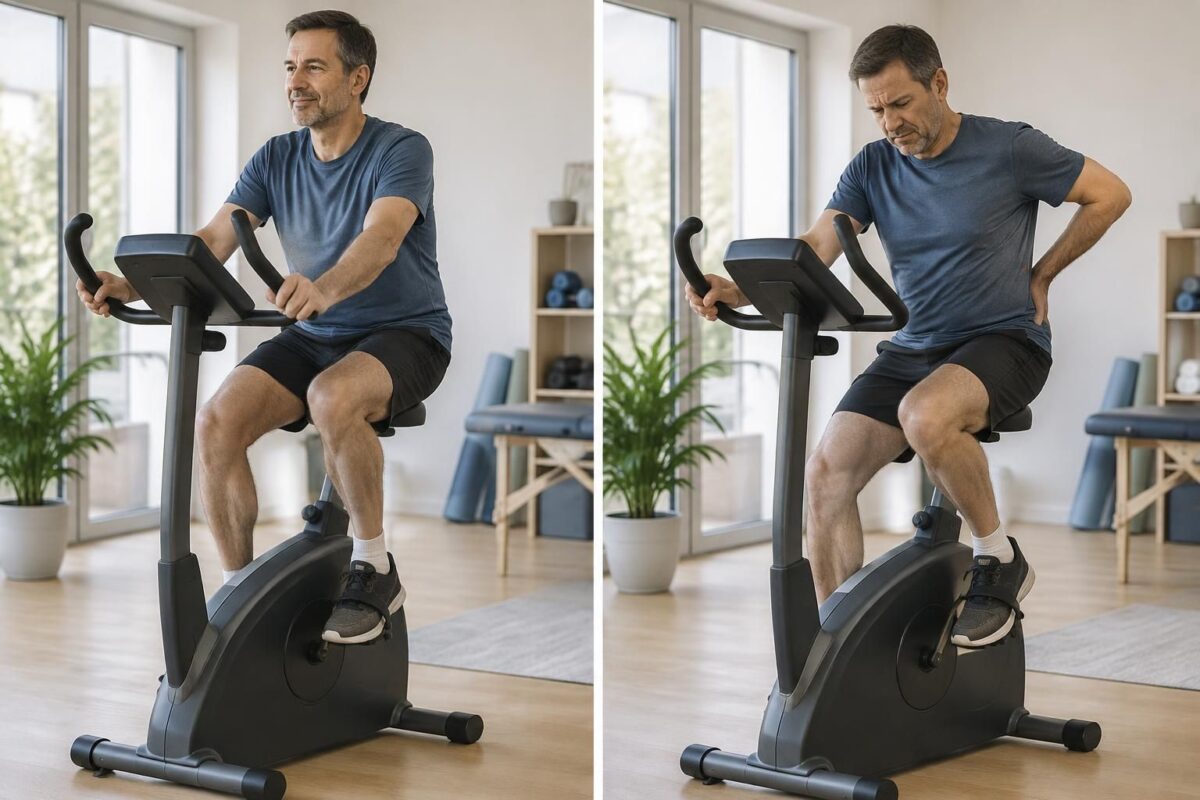
Sciatica and stationary bike: useful or aggravating depending on the case
IN BRIEF The stationary bike with sciatica can help you stay active if the pain is mild and stable. Start with a short session, at low resistance and in a comfortable position. If the pain goes further down the leg,…

Sciatica and cycling: sitting, bending, and symptoms
IN BRIEF Sciatica is pain related to irritation of the sciatic nerve, which can extend from the buttock down to the leg. Cycling may sometimes be possible if symptoms are mild and stable: a comfortable seat, a less bent posture,…
Sciatica and core stability: a tolerance that varies depending on symptoms
“At first, classic core stability increased my pain in the leg. My physiotherapist advised me to start with gentler exercises, without straining or holding my breath. I progressed gradually, staying attentive to my sensations.”
“I could do a few core stability exercises without worsening my sciatica. However, certain positions triggered tingling. I learned to modify or stop them rather than trying to hold on longer at all costs.”
“During the most painful period, I couldn’t tolerate core stability. I initially focused on movements that remained comfortable and a gradual return to my activities. Strengthening exercises came back later, with the agreement of the professional who was following me.”
These testimonials are illustrative: they do not necessarily correspond to real patients and do not replace medical advice. In case of sciatica, tolerance to core stability particularly depends on the intensity of pain and the movements that trigger it. An exercise should not cause a marked or lasting worsening of symptoms.
Adapt the effort to your current condition and seek advice from a healthcare professional to choose appropriate exercises. In the presence of a loss of strength, urinary or intestinal issues, or numbness in the perineal area, seek prompt medical evaluation.
Sciatica and core stability: a practice to adapt according to symptoms
Dr. Sylvain Desforges is an osteopath, naturopath, and manual therapy practitioner. Founder and president of the TAGMED clinics and the ACMA association, he dedicates his career to health innovation and supporting people suffering from chronic pain. His approach aims to combine evidence-based care with solutions adapted to the needs and capabilities of each patient.
Among the common concerns of people suffering from sciatica, the role of core stability often raises questions. Strengthening trunk muscles can contribute to maintaining mobility and gradually resuming activities. However, an exercise is not automatically beneficial just because it engages the abdominals or back. Its tolerance depends on the pain, its pathway down the leg, the presence of tingling, and the evolution of symptoms.
Sciatica generally corresponds to pain related to the irritation of a lumbar nerve root. It can radiate from the buttock down the thigh, leg, or foot and may be accompanied by sensations of burning, electric shocks, or numbness. In this situation, some core stability movements may be well tolerated, while others exacerbate pain or nerve symptoms. A plank held for a long time, crunches with repeated flexions, or an exercise performed while holding breath can, for example, be too demanding during a painful flare-up.
The goal, therefore, is not to push oneself, but to choose an activity compatible with the current condition. It is often preferable to start with simple movements, of low intensity and short duration, while breathing freely. The position, range of motion, and number of repetitions can be adjusted. If the pain remains stable or decreases, the exercise can possibly be continued with caution. If it intensifies, radiates further down the leg, or is accompanied by new tingling, it is advisable to reduce the effort and seek advice from a healthcare professional.
In his practice, Dr. Desforges focuses on the management of chronic pain and the integration of technologies such as spinal decompression, laser therapy, and shockwave therapy. These methods do not replace a clinical evaluation and may not be suitable for all situations. For sciatica, the choice of a movement program should take into account the presumed cause, medical examination, history, and pain level. A professional can help distinguish temporary muscle discomfort from an aggravation of nerve signs.
Prolonged strict rest is generally not the only response to uncomplicated sciatica. Appropriate daily activity, such as short walks or gentle exercises, can help preserve mobility. Core stability can be introduced or resumed gradually when symptoms allow, without seeking performance or causing pain. In cases of loss of strength, new difficulties in lifting the foot, urinary or bowel issues, or numbness in the perineum, urgent medical evaluation is necessary.
Core stability can contribute to trunk strengthening when suffering from sciatica, but its tolerance varies depending on the intensity of the pain, nerve symptoms, and performed movements. The objective is to stay active without worsening symptoms, gradually resuming activity and seeking medical advice if warning signs appear.
Sciatica and Core Stability: Variable Tolerance Depending on Symptoms
Core stability should not be systematically avoided in cases of sciatica. For some individuals, gentle and appropriate exercises are well tolerated and help maintain muscle activity. For others, a sustained position, overly intense effort, or poor technique exacerbates lower back pain or its radiation into the buttock and leg. The body’s reaction during exercise, and in the hours following, helps judge whether the load is appropriate.
During acute pain periods, prioritize comfortable and short-duration movements rather than demanding exercises or prolonged static positions. Reduce the range of motion or stop the exercise if the pain radiates further down the leg, if tingling increases, or if weakness appears. To better understand the symptoms that may accompany sciatica, you can consult the information from Kinédarbois on sciatica symptoms as well as the MSD Manuals guide.
As symptoms decrease, resumption can be gradual: start with simple exercises, for a short duration, without seeking performance or holding the breath. Increase only one element at a time — duration, repetitions, or difficulty — and revert to an easier stage if the pain intensifies or persists after the session. Additional guidelines on physical activity and strengthening are provided in this guide dedicated to sciatica and muscle strengthening.
The location and evolution of signs also matter. Pain that spreads, loss of sensation in the toes, or unusual discomfort while walking justifies reevaluating exercise and seeking advice from a healthcare professional. You can read information on loss of sensation in the toes and the distinction between hip pain and nerve radiation.
In cases of motor deficits, urinary or bowel disturbances, perineal numbness, or very intense pain, do not continue core stability exercises and promptly seek medical evaluation. For general advice on management, also consult the medical recommendations on sciatica and the comprehensive article on sciatica. This content does not replace personalized advice: a doctor or physiotherapist can help you choose exercises suited to your symptoms.

Dr Sylvain Desforges, B.Sc., D.O., N.D., osteopath, is the founding president of TAGMED and of the ACMA association. He dedicates his practice to chronic spinal pain, low back pain and symptoms compatible with sciatica, particularly when pain radiates toward the buttock, leg, calf, foot or toes.
Through SOS Sciatique, he publishes educational content on sciatica symptoms, possible causes such as disc herniation, disc narrowing, foraminal stenosis or irritation of a lumbar nerve root, as well as non-surgical approaches that may be considered according to the evaluation. At Clinique TAGMED, care may include, depending on the case, motorized neurovertebral decompression, specific osteopathic care or precision percussion.
For an evaluation related to sciatica treatment in Montreal / Mount Royal or sciatica treatment in Terrebonne, please consult the services available at Clinique TAGMED.
Medical disclaimer
The information published on SOS Sciatique is provided for educational purposes only and does not replace a consultation, diagnosis, opinion or treatment provided by a physician or another authorized healthcare professional. The author of this article is neither a medical doctor nor a specialist in a medical specialty recognized by the Collège des médecins du Québec. The osteopathic, manual medicine or functional support approaches described on this site do not constitute medical acts and are not intended to replace medical follow-up.
Consult a physician or emergency service in cases of loss of bladder or bowel control, anesthesia in the saddle area, significant or progressive weakness in the leg or foot, fever, recent trauma, severe pain or rapid worsening of symptoms. For more details, please read our Legal Notice.