Disc herniation and persistent pain in the leg
25/10/2026
IN SHORT
| A calf stretch can exacerbate sciatica if it further irritates the nerve. It should not cause pain that increases or radiates down the leg: stop the movement and do not push through. Stretches may help with some tensions, but are not suitable for all causes of sciatica. If the pain persists or intensifies, seek advice from a healthcare professional. |
In case of sciatica, a calf stretch that increases pain, tingling, or burning sensations should be stopped immediately. Do not force the movement: if symptoms persist or worsen, seek advice from a healthcare professional.
A calf stretch can sometimes increase pain related to sciatica, especially if it also puts tension on the nerve. Pain that radiates down the buttock or leg, tingling, or burning sensations are signals to stop the movement. The appropriate response depends on the cause of the symptoms: do not force the stretch and seek professional advice if the pain persists or worsens.
Why can a calf stretch worsen pain?
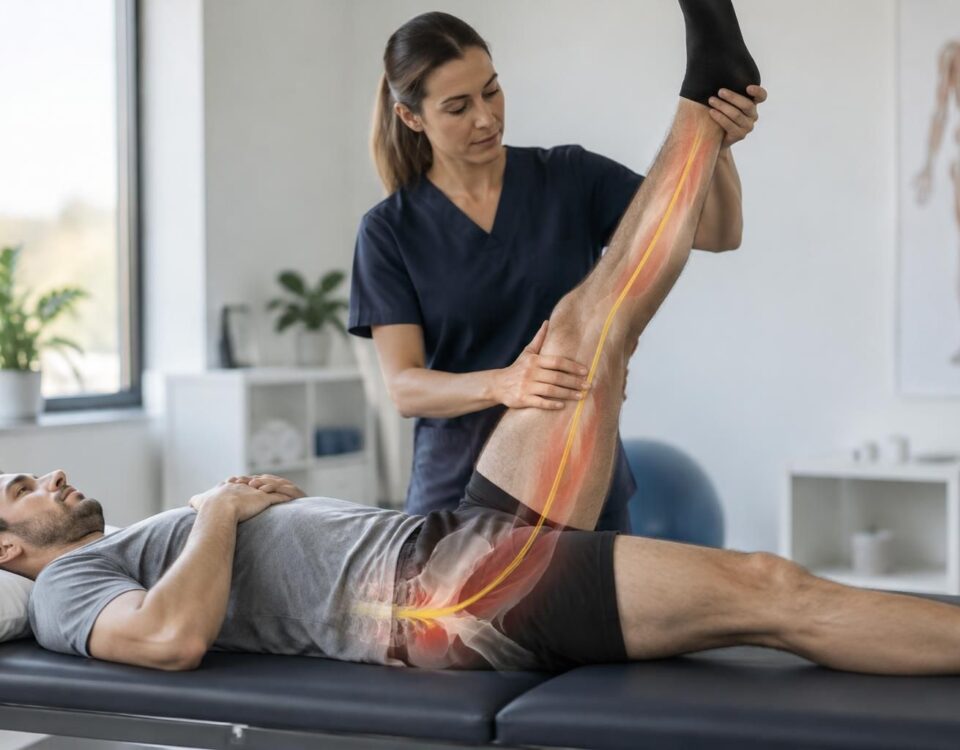
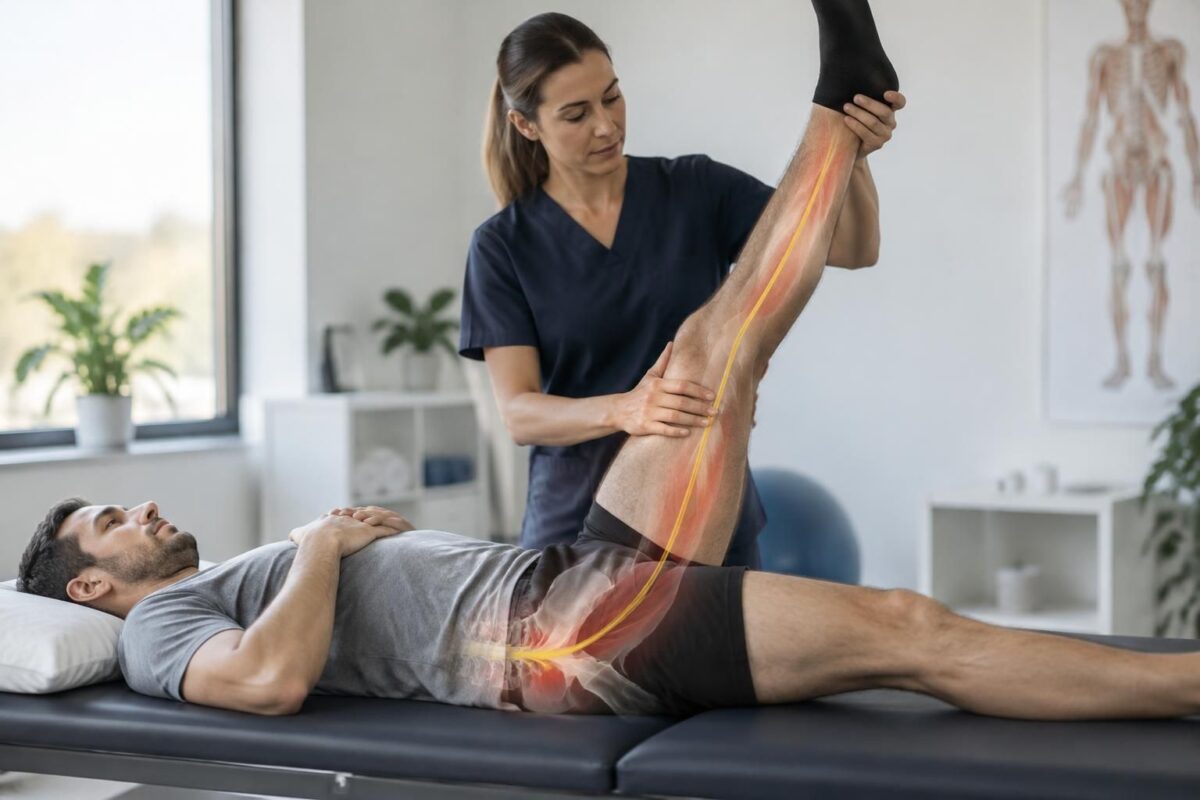
A classic calf stretch pulls on the muscles located at the back of the leg. Depending on the position, it can also increase tension along the sciatic nerve or its branches. If the nerve is already irritated, the pain may then radiate further down the leg.
A localized stretching sensation in the calf is not the same as electrical or burning pain that radiates. Tingling, numbness, or pain extending toward the foot indicate that this movement is not suitable at that moment. Stop it rather than trying to go further.
Sciatic pain can follow different pathways depending on the affected nerve root. Articles on possible symptoms of L4-L5 involvement and the influence of the nerve root on the pain pathway explain these variations.
What to do if pain increases during the stretch?
Slowly release the position and return to a comfortable posture. Do not bounce or try to “push through” the pain. Avoid repeating the stretch if the symptoms remain stronger after stopping.
If the pain worsens while walking or lying down, note the circumstances and areas affected. This information can help a professional evaluate your situation. You can also consult information on pain that increases while walking and pain felt while lying down.
A new or progressive weakness in the leg, loss of sensitivity around the genital organs, or difficulty controlling the bladder or bowels requires urgent medical evaluation. Calf pain accompanied by swelling, redness, or unusual warmth also necessitates prompt medical advice, as it may have a cause other than sciatica.
Which movements should be approached with caution?
Do not choose an exercise without considering the cause
Exercises sometimes proposed for sciatica are not suitable for everyone. Some bending or twisting movements can exacerbate symptoms in individuals with a herniated disc or other back issues. If you have been diagnosed with a herniated disc, protrusion, or stenosis, do not begin these exercises without the approval of a professional who is familiar with your case.
Resources present movements and general advice, including tips to relieve sciatica, stretches associated with sciatica, and exercises for sciatica. This information does not replace an individual evaluation.
When a professional confirms that a movement is appropriate, it should remain gentle and not increase pain in the leg. Some commonly described exercises include:
Piriformis stretch: lying on your back, place the ankle of the affected leg on the opposite knee and gently bring the opposite thigh closer. A general description suggests holding the position for up to 30 seconds, but stop if the pain radiates down the leg.
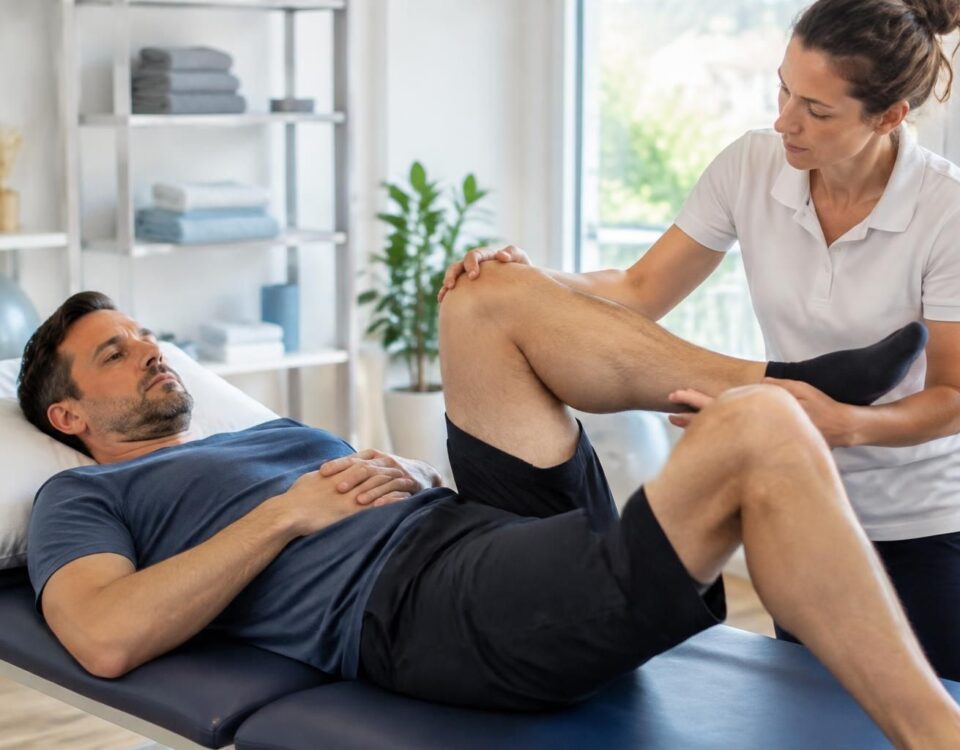
Knee to chest: lying on your back, gently bring one knee closer to the torso while keeping the other leg flat. This movement involves bending the back and may not be suitable if this position worsens your symptoms.
Seated twist: this movement rotates the torso. Do not force the rotation nor practice it if it triggers sharp or radiating pain.
Child’s pose: this posture flexes the back. Avoid it if bending increases your pain or symptoms in the leg.
Cat-cow stretch: rounding and arching the back can mobilize the spine. Do it slowly and stop if the symptoms increase.
These examples do not constitute a prescription. If a movement causes burning, tingling, or increased pain, stop it. For more advice on a locked or painful leg, consult information on sciatica with a locked leg.
Sciatica and hamstring stretching: possible nerve tension
IN BRIEF Sciatica can make stretching the hamstrings uncomfortable, as the tension felt may come from the nerve rather than the muscle. A gentle stretch, with a straight back and without seeking maximum range, can help loosen the back of…
Sciatica and piriformis stretching: useful or worsening depending on the case
IN BRIEF Piriformis-related sciatica can cause deep pain in the buttock, sometimes radiating down the back of the thigh. A gentle stretch can loosen the hip and relieve discomfort if the muscle is involved, but it can worsen symptoms if…

Sciatica and popular stretches: why to stay cautious
IN BRIEF Sciatica causes pain that radiates from the lower back down the leg. Popular stretches, such as the pigeon pose or hamstring stretches, are not always suitable: pulling on an irritated nerve can worsen the symptoms. Favor gentle movements,…

Sciatica and Pilates: movements to adapt
IN SHORT Sciatica causes pain that can radiate from the lower back down to the leg. The Pilates Reformer can promote a gradual return to movement and strengthen core control, provided that the movements, range, and resistance are adapted. Favor…
How long to monitor symptoms?
The evolution varies depending on the cause and intensity of the nerve irritation. A stretch alone cannot determine the severity of sciatica. If symptoms persist, return frequently, or limit your activities, seek advice from a doctor or healthcare professional. You can read general guidelines on the possible duration of a sciatic episode.
Running and activities that stress the leg may also require temporary adjustments if they increase pain. Advice on sciatica and running can help identify situations where caution is warranted. Do not resume an activity based solely on the temporary disappearance of pain.
For additional information on symptom management, please also see the advice on sciatica relief and exercises.
Medical disclaimer: The information and advice provided on this site do not replace the opinion, diagnosis, or treatment of a healthcare professional. Please note that Dr. Sylvain Desforges, osteopath, is neither a medical doctor nor a physician, and is not a specialist in a medical specialty as defined by the Collège des médecins du Québec. Manual therapy, functional medicine, and sports medicine as described on this site exclude any medical treatment or diagnosis made by a doctor or specialist physician. Always consult your doctor for any medical questions. For more details, please read our full Legal Notice.
When stretching increases pain
- The pain travels further down the leg or calf.
- tingling, burning, or numbness occurs.
- The tension becomes sharp, instead of remaining gentle.
The right response
- Stop stretching and do not force the movement.
- Resume only if the gesture remains comfortable and does not worsen symptoms.
- If the pain persists or worsens, seek advice from a doctor or physiotherapist.

When sciatic pain increases during calf stretching, do not try to push further in the movement: the sensation may stem from nerve irritation rather than just a stiff calf. Release the stretch, observe the evolution of the symptoms, and prioritize gentle, pain-free movements. If discomfort persists, intensifies, or is accompanied by unusual signs, seek advice from a healthcare professional.
Why can calf stretching increase pain?
Sciatica refers to pain related to irritation or compression of a nerve in the lower back or pelvis. It can travel down into the buttock and leg, sometimes to the calf or foot. In this context, pain felt when stretching the calf does not necessarily mean the muscle is shortened: the movement can also tension the nerve structures.
A mild and localized stretching sensation in the muscle is not the same as sharp pain, electrical jolts, burning, or tingling that spreads down the leg. If these symptoms appear or increase, immediately stop the exercise. Do not try to “push through” the pain and avoid sudden movements or forced stretches.
What to do when pain increases?
Interrupt and reassess
Slowly release the position and return to a comfortable posture. Wait for the sensation to calm before resuming your activities. If the pain remains stronger after the exercise, avoid repeating that stretch and note which movement triggered the symptoms. This information may be useful to a doctor or physiotherapist.
Choose gentle movements
There is no exercise suitable for all cases of sciatica. Some gentle movements may be better tolerated, but they must remain comfortable and not cause radiating pain. For example, the cat-cow exercise mobilizes the spine on all fours: gently round then arch your back without forcing it. Stop if symptoms increase.
Stretching the piriformis or the knee-to-chest movement may suit some people, but not everyone. Avoid the knee-to-chest movement if bending increases your symptoms. For each exercise, start cautiously and stop at the first sign of significant worsening. Consistency and gentleness take precedence over range.
When to seek medical advice?
Consult a professional if the pain persists, recurs frequently, intensifies, or limits your mobility. A doctor or physiotherapist can evaluate the origin of your symptoms and suggest suitable movements, rather than allowing you to continue a stretch that does not suit you.
Seek medical help quickly if you notice significant or new weakness in the leg, marked loss of sensitivity, or difficulties controlling the bladder or bowels. These signs require urgent evaluation. When in doubt, it’s better to suspend exercises and seek professional advice before resuming stretching.
| What you feel during stretching | What to do |
|---|---|
| Mild pulling in the calf | Reduce the range and stretch without forcing. |
| Pain increasing in the leg | Stop the stretch. |
| Pain radiating further | Do not resume the painful movement. |
| Tingling or burning | Interrupt the exercise and monitor the symptoms. |
| Discomfort persisting after stretching | Avoid repeating the exercise and seek advice. |
| Persistent or aggravated pain | Consult a doctor or physiotherapist. |
Illustrative testimonials: the situations below are fictional and do not replace the opinion of a healthcare professional. Pain that increases during a stretch should be taken seriously.
“While stretching my calf against a wall, I felt a tension rising behind my leg. I stopped instead of trying to stretch further.” If the pain intensifies or radiates, stop the movement and avoid forcing it.
“I thought I had to feel an intense stretch for the exercise to be effective. When tingling appeared in my foot, I realized I had to stop.” A stretch should not worsen symptoms or cause burning, numbness, or sharp pain.
“The discomfort decreased when I released the position, but returned as soon as I started again. I suspended the exercise and sought advice from a professional.” If the pain returns with each attempt, do not continue without appropriate advice.
“My calf felt stiff, but the stretch also pulled in my buttock and lower back. I preferred not to insist.” Pain felt in the calf may accompany other symptoms in the leg; a physiotherapist or doctor can help you determine appropriate movements.
In case of persistent or worsening pain, or tingling, burning, or weakness, stop the stretching and consult a healthcare professional. The exercises should remain gentle and never be forced.
Dr Sylvain Desforges is a specialist in osteopathy, naturopathy, and manual medicine. Founding president of TAGMED clinics and the ACMA association, he dedicates his career to health innovation and managing chronic pain. His approach is based on evidence-based care and the integration of advanced technologies, including spinal decompression, laser, and shockwaves. In the context of sciatica, these skills fit into an individualized approach, where symptoms and their evolution must be assessed carefully.
Sciatica refers to pain that follows the path of the sciatic nerve, most often from the lower back or buttock down the thigh and sometimes to the calf or foot. Pain felt in the calf does not necessarily mean that this muscle is the source of the problem. It may be related to irritation of a nerve root, local tension, or multiple associated factors. This is why stretching the calf is not automatically suitable for everyone affected.
When a stretch increases pain, causes a burning sensation, or worsens tingling in the leg, it is best to stop immediately. Mild discomfort that stays localized in the muscle does not equal pain that intensifies or radiates toward the foot. This distinction can help identify an unfavorable reaction, but it alone cannot establish a diagnosis. One should never force the range of motion in hopes of “unsticking” the nerve.
A classic calf stretch involves placing the hands against a wall, stepping back with one leg while keeping the heel on the ground, then gently bending the front knee. However, in the presence of sciatica, this position can pull on the back of the leg and trigger symptoms in some individuals. If the pain increases during the movement, persists after the exercise, or travels further down the leg, stop the session. Resuming more gently is not always appropriate: the cause of the reaction deserves clarification.
In his practice focused on chronic pain management, Dr Desforges emphasizes adapting care to each patient’s needs. For someone suffering from sciatica, the assessment may particularly consider the location of the pain, movements that aggravate it, and its effects on daily activities. Treatments and exercises should be chosen based on this assessment rather than applied as a universal routine. Technologies such as spinal decompression, laser, or shockwaves also fall under individualized clinical decision-making.
While waiting for professional advice, prioritize gentle movements that do not trigger symptoms and avoid intense stretches. Consult a physician or physiotherapist if the pain persists, worsens, or is accompanied by numbness or weakness. Significant loss of strength, new difficulty controlling the bladder or bowels, or numbness in the genital area requires urgent medical evaluation.
A calf stretch that increases pain related to sciatica is not a movement to continue by forcing. The discomfort may stem from muscle tension but also from nerve irritation: reduce or stop the exercise if it causes pain that travels down the leg, burning sensations, or tingling. Stretches should remain gentle and appropriate to your symptoms.
Why might pain increase during a calf stretch?
When the sciatic nerve is irritated, certain movements that stretch the leg can also increase its tension. Therefore, pain felt in the calf does not necessarily indicate that this muscle is simply shortened. To better understand possible causes, symptoms, and situations where medical advice is helpful, consult this article on sciatica in the calf.
If the stretch triggers or amplifies pain radiating to the buttock, thigh, or calf, stop the movement and avoid trying to gain more range. Stretching the back of the thigh can also strain the nerve in some individuals. Pain that intensifies when seated also deserves attention, especially when a disc origin is considered: see the information on pain worsening in a seated position.
Stay cautious with exercises
The movements presented below are not suitable for all forms of sciatica. They should be performed slowly, without jerking, and only if the position remains comfortable. Stretching should not increase pain: stop as soon as pain in the leg, tingling, or burning sensations appear or worsen. Additional guidelines on stretching are provided in this guide to relieve sciatica through stretching.
Lying on your back, you can try the piriformis stretch by placing the ankle of the painful leg on the opposite knee, then gently drawing the opposite thigh toward you. Hold for about 30 seconds and repeat up to three times, but abandon this movement if it increases pain in the leg. For the knee-to-chest stretch, gently bring one knee toward the torso while keeping the other leg extended, for up to 30 seconds, then switch sides. Avoid this exercise if bending aggravates your symptoms, and stop if the pain radiates further.
A seated trunk rotation can be done with a straight back, without pushing on the knee or seeking significant twisting: hold the position for about twenty seconds and repeat a maximum of three times, only if it is painless. The child’s pose, kneeling with the torso bent forward, may relieve some lower back tension, but should be avoided if bending increases symptoms. Finally, the cat-cow movement is performed on all fours, slowly, alternating positions about ten times without forcing.
Adjusting activity to the evolution of symptoms
Pain that appears during exertion or after an activity may indicate the need to slow down and adapt movements, rather than pushing through the discomfort. Advice on sciatica and sports can help identify when to reduce intensity. If symptoms occur after a long walk, also check these guidelines on pain after prolonged walking. Persistent or worsening pain warrants a conversation with a doctor or physiotherapist, who can tailor exercises to your situation.
If no position provides comfort, do not multiply stretches in an attempt to eliminate the pain: explore insights on difficulty in finding a comfortable position. General information on nerve management is also available to understand how to soothe an irritated sciatic nerve and on possible approaches to understand and relieve sciatic pain.

Sciatica and core stability: variable tolerance depending on symptoms
IN BRIEF Core strengthening in case of sciatica consists of progressively strengthening the trunk muscles. Its tolerance varies depending on pain and symptoms: suitable without worsening the pain, it can support mobility and the resumption of activities, but does not,…

Sciatica and lunges: leg pain to watch out for
IN BRIEF Sciatica is pain that starts from the lower back or buttock and radiates down the leg. If a lunge triggers or worsens this pain, stop the movement and adjust your activity: this exercise does not address sciatica. Consult…

Sciatica and deadlifts: risk depending on the cause
IN BRIEF Sciatica and deadlifts are not always incompatible: the risk depends on the cause of the pain and its intensity. During acute episodes, it’s best to avoid heavy loads and seek medical or physiotherapy advice before resuming. A gradual…

Sciatica and squats: why caution is needed
IN BRIEF Sciatica does not always prohibit squats, but a deep or loaded squat can aggravate symptoms, especially during a flare-up. Gradually resume with a neutral back and a comfortable range of motion, and stop if the pain travels down…

Dr Sylvain Desforges, B.Sc., D.O., N.D., osteopath, is the founding president of TAGMED and of the ACMA association. He dedicates his practice to chronic spinal pain, low back pain and symptoms compatible with sciatica, particularly when pain radiates toward the buttock, leg, calf, foot or toes.
Through SOS Sciatique, he publishes educational content on sciatica symptoms, possible causes such as disc herniation, disc narrowing, foraminal stenosis or irritation of a lumbar nerve root, as well as non-surgical approaches that may be considered according to the evaluation. At Clinique TAGMED, care may include, depending on the case, motorized neurovertebral decompression, specific osteopathic care or precision percussion.
For an evaluation related to sciatica treatment in Montreal / Mount Royal or sciatica treatment in Terrebonne, please consult the services available at Clinique TAGMED.
Medical disclaimer
The information published on SOS Sciatique is provided for educational purposes only and does not replace a consultation, diagnosis, opinion or treatment provided by a physician or another authorized healthcare professional. The author of this article is neither a medical doctor nor a specialist in a medical specialty recognized by the Collège des médecins du Québec. The osteopathic, manual medicine or functional support approaches described on this site do not constitute medical acts and are not intended to replace medical follow-up.
Consult a physician or emergency service in cases of loss of bladder or bowel control, anesthesia in the saddle area, significant or progressive weakness in the leg or foot, fever, recent trauma, severe pain or rapid worsening of symptoms. For more details, please read our Legal Notice.