Sciatica in Montreal: calf pain that feels like a cramp
26/09/2026
Sciatica and pain when laughing or straining: possible disc pressure
26/09/2026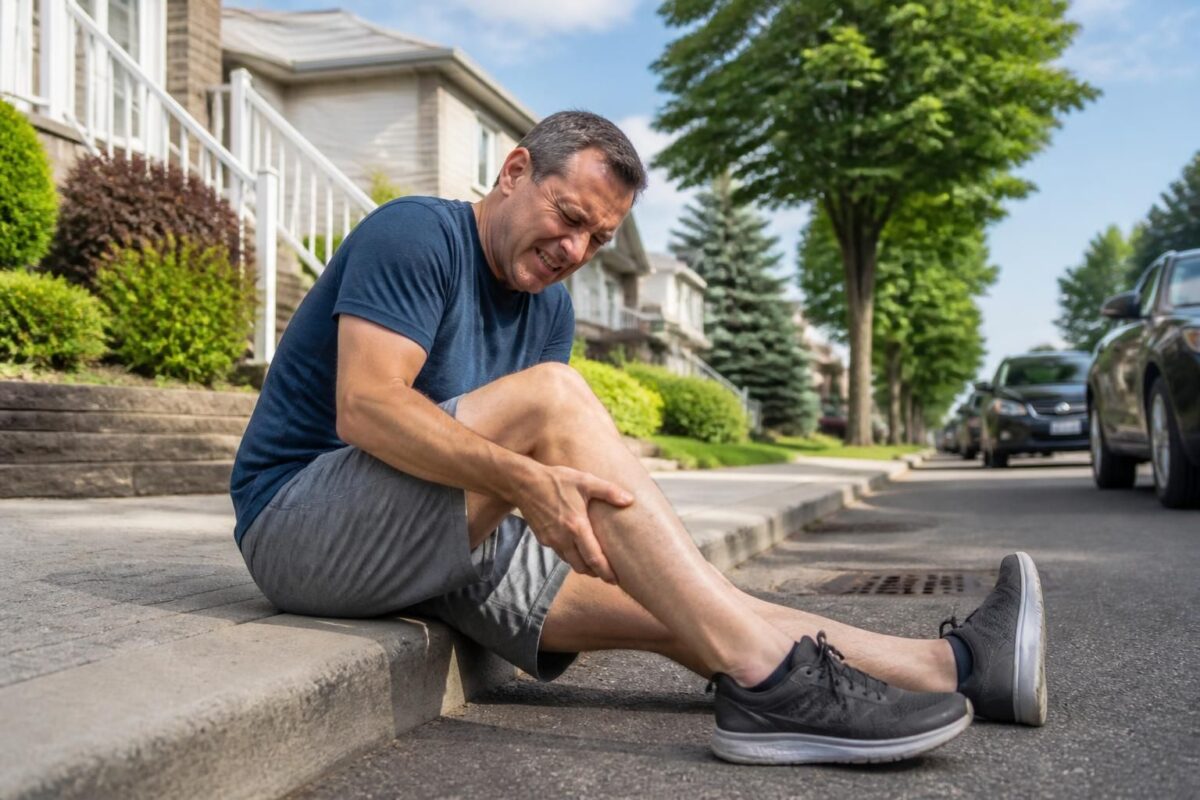
IN BRIEF
| In brief, sciatica in Terrebonne is pain that follows the path of the sciatic nerve and can feel like a cramp in the calf. This pain results from irritation or compression of a lumbar nerve root, often related to a disc herniation or narrowing of the lumbar canal. The benefits of appropriate diagnosis and treatment include rapid pain reduction and functional rehabilitation through non-surgical approaches such as physiotherapy and analgesics, and if necessary, injections or, as a last resort, surgery. The process involves identifying the lumbar origin and applying an appropriate therapeutic progression to allow a return to your activities in Terrebonne. |
In Terrebonne, sciatica may present as pain that radiates down into the calf and may feel like a cramp.
This pain is due to irritation or compression of a lumbar nerve root, often associated with a disc herniation or lumbar canal stenosis. The pathway usually follows the lower back or hip, then the back of the thigh and can reach the calf and foot.
Paresthesias (tingling) or muscle weakness may accompany these symptoms. Consultation is recommended if the pain persists, worsens, or is accompanied by loss of strength, urinary troubles, or other neurological signs.
This article, written by Dr Sylvain Desforges, osteopath, explains why calf pain that may resemble a cramp can actually be a sciatic or cruralgic manifestation. It details nerve pathways, common causes near Terrebonne, signs to watch for, and non-surgical management options at TAGMED Clinic. The goal is to help differentiate pain and direct individuals toward professional evaluation for appropriate care.
Understanding the pathway and origin of the pain
Sciatica follows the path of the sciatic nerve: it often starts in the lower back or hip and descends behind the thigh to the calf, even reaching the foot. Cruralgia follows the path of the crural nerve on the front of the thigh and can also radiate to the knee. Hence, painful calf may reflect a radicular irradiation rather than a benign cramp. Diagnosis mainly relies on clinical evaluation to identify the affected nerve and its origin in the lumbar spine.
In Terrebonne, osteopathic evaluation aims to analyze the movement of the lumbar vertebrae, muscle tensions, and mechanisms that can amplify pain, to propose appropriate care without unnecessarily stretching the painful area.
Common causes in the lumbar framework
- Lumbar disc herniation which can compress a root of the sciatic nerve (L5 or S1) and project pain down the leg to the calf or foot.
- Narrow lumbar canal which narrows the nerve passage and causes pain when walking.
- Lumbar discopathy and spondylolisthesis that may irritate the roots and trigger irradiation.
These causes require clinical examination and, if necessary, appropriate imaging. The goal is to confirm the radicular origin and assess management options suitable for Terrebonne.
Signs and when to consult
Signs of radicular traffic include pain that follows the nerve path, paresthesias (tingling), and potential sensory or motor deficits. Warning signs necessitate prompt consultation: loss of strength in the foot, urinary troubles, perineal anesthesia (saddle area), febrile pain or rapid worsening of pain. In the presence of these symptoms, medical evaluation is urgently needed.
Diagnosis and relevant examinations
The diagnosis is based on questioning and clinical examination. Lumbar MRI is the reference examination to visualize discs and nerves and confirm a disc herniation or other nerve compressions. A CT scan may be useful when MRI is not possible. Additional tests may be indicated by your physician depending on the context.
Treatment options and approach at TAGMED Clinic
Treatment aims to correct the cause and relieve pain without immediately resorting to surgery. Dr. Desforges prioritizes a non-surgical approach as the first intention, tailored to Terrebonne and TAGMED Clinic:
- Neurovertebral decompression motorized and specific osteopathy when evaluation allows, to improve mobility and reduce pressures on nerve roots.
- Epidural injections may be considered if necessary and after medical advice, to soothe inflammation around the affected root.
- As a last resort, and under strict indication, surgical options may be discussed, but they are not the first choice in the majority of conservatively managed cases.
To further explore information and resources related to sciatica and cruralgia in Terrebonne, you can consult related pages on partner sites, including Sciatica in Terrebonne and Sciatica and calf pain.
Among the available information, some patients find it useful to refer to targeted resources such as factors influencing evolution or loss of sensitivity in the toes.
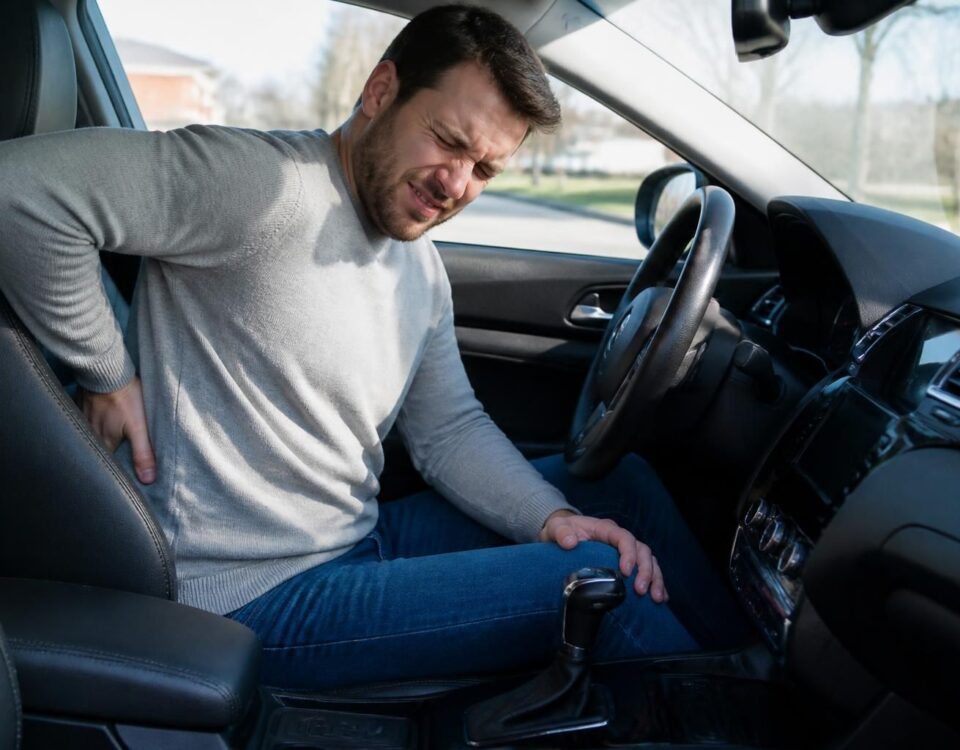
To learn more about associated symptoms and factors influencing causes, refer also to dedicated resources such as persistent pain that hinders driving.
For a consolidated clinical overview, refer to the related pages on Sciatica – calf pain (in English) and Sciatica – calf pain.
Refer to these resources and contact the TAGMED Clinic for a personalized assessment in Terrebonne.
Medical disclaimer: The information and advice provided on this site do not replace the opinion, diagnosis, or treatment of a healthcare professional. Please note that Dr. Sylvain Desforges, osteopath, is neither a medical doctor nor a physician, and is not specialized in a medical specialty as defined by the Collège des médecins du Québec. Manual medicine, functional medicine, and sports medicine as described on this site exclude any treatment or medical diagnosis made by a doctor or specialist. Always consult your physician for any medical questions. For more details, please read our full Legal Notice.
- Sciatica in Terrebonne: pain radiating from the lower back or buttock to the calf, often described as a cramp or burning sensation.
- Typical pathway: along the sciatic nerve to the calf and sometimes the foot.
- Nature: radicular pain, worsened by movements and positions that stress the spine.
- Quick differentiation: distinguish sciatica from an isolated cramp by its radiation and persistence.
- Red flags: rapid foot weakness, urinary issues, severe night pain. Consult without delay if present.
- Practical actions: stay active within the limits of pain, apply ice or heat, follow medical advice for painkillers/anti-inflammatories, consider rehabilitation if pain persists.

This sheet provides practical recommendations in Terrebonne for calf pain resembling a cramp associated with Sciatica. You will find guidelines to recognize this type of pain, understand its causes, know when to consult, and learn about conservative treatment options before considering surgery.
Understanding pain that radiates into the calf
Sciatica can radiate to the calf and foot, giving the sensation of a cramp or exhausting pulling. This pain follows the path of a nerve originating from the lumbar spine and may be accompanied by tingling, numbness, or increased sensitivity along the same path. In Terrebonne and elsewhere, it typically results from a nerve conflict at the lumbar level rather than a muscle in the calf itself.
Possible causes in Terrebonne
Several factors can explain pain radiating to the calf. A lumbar disc herniation is a common cause when a damaged disc compresses a nerve root. Stenosis of the lumbar canal and lumbar discopathy can also irritate the nerves around the spine. Spondylolisthesis (slipping of a vertebra) or muscle tensions around the sacrum and piriformis can generate pain that radiates down the leg. Finally, non-vertebral factors, such as nerve irritation secondary to prolonged posture or overexertion, can exacerbate symptoms.
How to differentiate a cramp from sciatic pain?
A muscle cramp is usually localized, sudden, and subsides quickly with massage or stretching of the affected muscle. Sciatic pain is characterized by a specific path along the nerve, paresthesias (tingling), and worsening with walking or certain movements. It may also be accompanied by pain in the back of the thigh or calf, sometimes more pronounced at night. If the pain follows a radicular path and is associated with numbness or weakness, it is advisable to consult to rule out a more significant nerve issue.
When to consult and red flags
Consult promptly if you observe a loss of strength in the calf or foot, urinary issues, or saddle anesthesia (loss of sensation in the perineal area), or if the pain is associated with fever or signs of severity. Persistent symptoms despite appropriate treatment or the emergence of new signs require specialized evaluation as soon as possible to identify an underlying cause and adjust the management plan.
Treating and relieving pain: recommended approaches
Most cases of pain radiating to the calf benefit from conservative and active treatment. Relative rest and maintaining suitable activity help prevent immobilization and encourage recovery. First-line medical treatments include painkillers and anti-inflammatories, sometimes accompanied by a short course of oral corticosteroids to reduce inflammation around the nerve root. Physical therapy and rehabilitation aim to strengthen the deep back and abdominal muscles, improve flexibility, and learn protective movements for the back. If pain persists despite these measures, epidural injections may be considered to target inflammation directly around the nerve root. Surgery remains a rare option and should be considered only after failure of medical treatment and rehabilitation over an appropriate period, or in the presence of signs of neurological emergency.
Practical actions in Terrebonne
– Favor active and gradual movements (walk, then extend the duration as tolerated).
– Adapt daily activities to avoid movements that trigger pain; alternate rest and movement.
– Apply heat and cold alternately according to what better relieves your calf and back.
– Ensure good hydration and a balanced diet that support muscle and nerve tissue.
– Consult quickly in case of warning signs or pain that persists beyond 4 to 6 weeks despite appropriate treatment.
What you can do now
If you feel pain radiating to the calf in Terrebonne, maintain a proactive attitude: stay active within the limits of the pain, favor an ergonomic posture at work, and plan an assessment with a professional to determine the exact cause and the most suitable treatment plan for your situation.
| Analysis Axis | Concise Statement |
|---|---|
| Location and Path | Pain starting from the lower back or buttock and radiating to the calf; may simulate a cramp. |
| Affected Nerve | Sciatica when the path follows the sciatic nerve; femoral pain if the radiation is anterior to the thigh. |
| Associated Signs | Tingling, pins and needles, or numbness along the path; possible weakness. |
| Clinically Useful Differential | Retro-gluteal and posterior path = sciatica; anterior path to the thigh = femoral pain. |
| Common Lumbar Causes | Lumbar disc herniation, canal stenosis, discopathy, spondylolisthesis, piriformis syndrome. |
| Warning Signs | Rapid loss of strength, urinary problems/incontinence, saddle anesthesia, fever or severe low back pain. |
| Useful Examinations | Lumbar MRI preferred; EMG if diagnostic doubt; CT scan if MRI unavailable. |
| Therapeutic Approaches | Initial non-surgical treatment (analgesics, NSAIDs, physio); possible injections; surgery as a last resort. |
| Practical Advice | Adapted activity, regular walking, avoiding twists and heavy loads; prefer positions that relieve the leg. |
Testimonials on Sciatica in Terrebonne: calf pain resembling a cramp
My name is Julie, 42 years old, and I live in Terrebonne. My pain felt like a cramp in the calf and was slowly creeping up from the lower back. I had trouble sleeping and staying active throughout the day. After an evaluation focused on sciatica, I started gentle treatment in osteopathy in Terrebonne which allowed me to release tension and learn moves to prevent flare-ups.
I’m Antoine, 55 years old, and I live in Terrebonne. My daily outings ended with pain in my calf that strangely resembled a cramp but returned unexpectedly. The diagnosis confirmed radiation related to sciatica. Thanks to sessions in osteopathy in Terrebonne, targeted exercises, and better posture, the pain gradually eased and nighttime awakenings ceased.
My name is Marine, 36 years old, and I live in Terrebonne. My calf tightened like a cramp every night, with a heavy feeling in the leg. After an initial consultation to understand this pain related to sciatica, the techniques used in osteopathy helped me release the muscle and regain normal pain-free walking.
Hello, I am Luc, 50 years old, and I reside in Terrebonne. The pain radiating in my calf appeared after a long day’s work and prevented me from continuing my activities. I was referred to osteopathy in Terrebonne and the sessions quickly improved my mobility. The feeling of cramp diminished and I was able to resume my walks without fear.
My name is Élodie, 29 years old, and I live in Terrebonne. My sciatica manifested as calf pain that resembled a nightly cramp. After a few sessions of osteopathy in Terrebonne, I learned breathing techniques and simple stretches that provided me with lasting relief and kept me from waking up in the middle of the night.
Dr Sylvain Desforges, osteopath and manual medicine practitioner, is a recognized figure in the Terrebonne region for his holistic and personalized approach to chronic pain. A founding president of TAGMED clinics and the ACMA association, he is committed to advancing care by integrating the latest advancements in pain management. His practice is based on precise evaluation, evidence-based diagnosis, and management that prioritizes non-surgical solutions whenever possible, in order to sustainably improve the quality of life of his patients.
When calf pain simulates a cramp and concerns the territory of the sciatic nerve, it may actually reflect sciatica or femoral pain linked to irritation or compression of a nerve root located in the lumbar spine. In Terrebonne, Dr Desforges explains that the painful path is a key indicator for understanding the origin and guiding treatment. In his practice, the precise characterization of the path taken by the pain allows for identifying the affected root and immediately adjusting therapeutic actions.
The most common causes of this pain, and why it can project into the calf, are explained clearly during consultations. A disc herniation, a narrowing of the lumbar canal, or disc degeneration can lead to nerve compression that manifests as pain radiating down the leg, sometimes to the calf and foot. Dr Desforges emphasizes the importance of distinguishing ordinary muscle pain from a radicular phenomenon, in order to avoid inappropriate treatments and quickly target the appropriate therapeutic levers.
The proposed care path is structured around a progressive and personalized protocol. Initially, it prioritizes appropriate medical and rehabilitative care, with analgesic and anti-inflammatory measures when necessary, combined with targeted rehabilitation to strengthen the abdominal belt and back muscles. In case of persistent pain or marked radicular signs, options like injections may be considered to reduce inflammation around the nerve root. For him, the use of surgery is a last resort when conservative treatments are insufficient to control pain or in the presence of significant neurological symptoms.
For patients in Terrebonne suffering from sciatica manifesting as calf pain resembling a cramp, Dr Desforges offers an integrated approach combining osteopathy, manual medicine, and advanced technologies. His technological approach includes specialized tools such as motorized neurovertebral decompression, laser therapy and shockwave therapy, as well as precision techniques aimed at restoring spinal alignment and mobility. The goal is to reduce inflammation, relieve nerve tension, and promote a gradual resumption of daily activities, while avoiding invasive gestures whenever possible.
By adopting an evidence-based and patient-centered approach, Dr. Desforges aims to provide Terrebonne with quick access to specialized care, reduce pain, and restore function, so that everyone can regain an active life free from limitations related to sciatica or femoral neuralgia in the local area. His method prioritizes listening, patient education, and rigorous follow-up to ensure sustainable and measurable results.
This conclusion details how calf pain in Terrebonne that resembles a cramp can be linked to sciatica or femoral neuralgia, what the possible causes are, how to make a reliable diagnosis, and which therapeutic options to prioritize before any intervention. It emphasizes the importance of evaluating the painful pathway and warning signs, as well as the role of conservative treatments and physiotherapy in a localized and tailored approach, without surgery as a first intention.
In Terrebonne, a calf pain that resembles a cramp can be a reflection of radicular pain related to sciatica or femoral neuralgia. The sciatic nerve runs from the lower back, through the buttock, and into the back of the leg down to the calf, and its compression or irritation can cause pain that radiates into the calf and sometimes the foot. To clarify the origin, it is essential to analyze the painful pathway and associated signs (tingling, numbness, weakness). For more information on the mechanisms and diagnostic approaches, you can consult specialized resources such as those related to lumbar disc herniation and diagnosis and symptoms.
In most cases, calf pain of sciatic or crural origin can be treated with non-surgical approaches suited to Terrebonne. Coordinated work between the physician, osteopath, or physiotherapist allows for targeting the precise cause (disc herniation, lumbar spinal stenosis, spondylolisthesis, etc.) and proposing a rehabilitation plan focused on muscle strengthening, improving flexibility, and protecting the back. To explore the mechanisms and treatments further, check out resources on calf pain and non-surgical options available.
Pain management also relies on practical advice to limit recurrences and improve walking, particularly on slippery or uneven surfaces. Resources address the effects of walking and frequent breaks on sciatic pain, walking habits, and muscle protection tactics during daily activities in Terrebonne. You can consult guides like Sciatica and frequent breaks while walking and Walking on icy sidewalks and muscle protection to supplement your information.
If symptoms persist despite conservative treatment, or if warning signs appear (significant weakness, loss of bladder control, unexplained nighttime pain), a specialized evaluation is recommended promptly. Additional resources describe assessment pathways and possible treatments for sciatica and include perspectives on surgical options when necessary after non-invasive treatment.
For a localized and tailored approach in Terrebonne, consider a consultation with an osteopath or spine specialist to obtain a precise evaluation and personalized plan. Local resources and professionals, such as chiropractic and osteopathy clinics in the area, can offer targeted rehabilitation programs and advice on posture and activity, accessible based on your situation. For additional information on mechanisms and treatments, you can also check pages on leg pain and sciatica in Terrebonne and sciatic nerve pain.
In summary, calf pain resembling a cramp in Terrebonne may be a manifestation of sciatica or femoral neuralgia. A precise diagnosis guided by the analysis of the pathway and clinical signs, complemented by appropriate examinations, is crucial to direct towards the right treatment, prioritize conservative options, and rapidly improve your quality of life. For a personalized evaluation tailored to your situation, do not hesitate to make an appointment and follow the advice provided by your local healthcare professional. Useful additional resources include pages on pain during bending and leaning and pain when going down stairs.
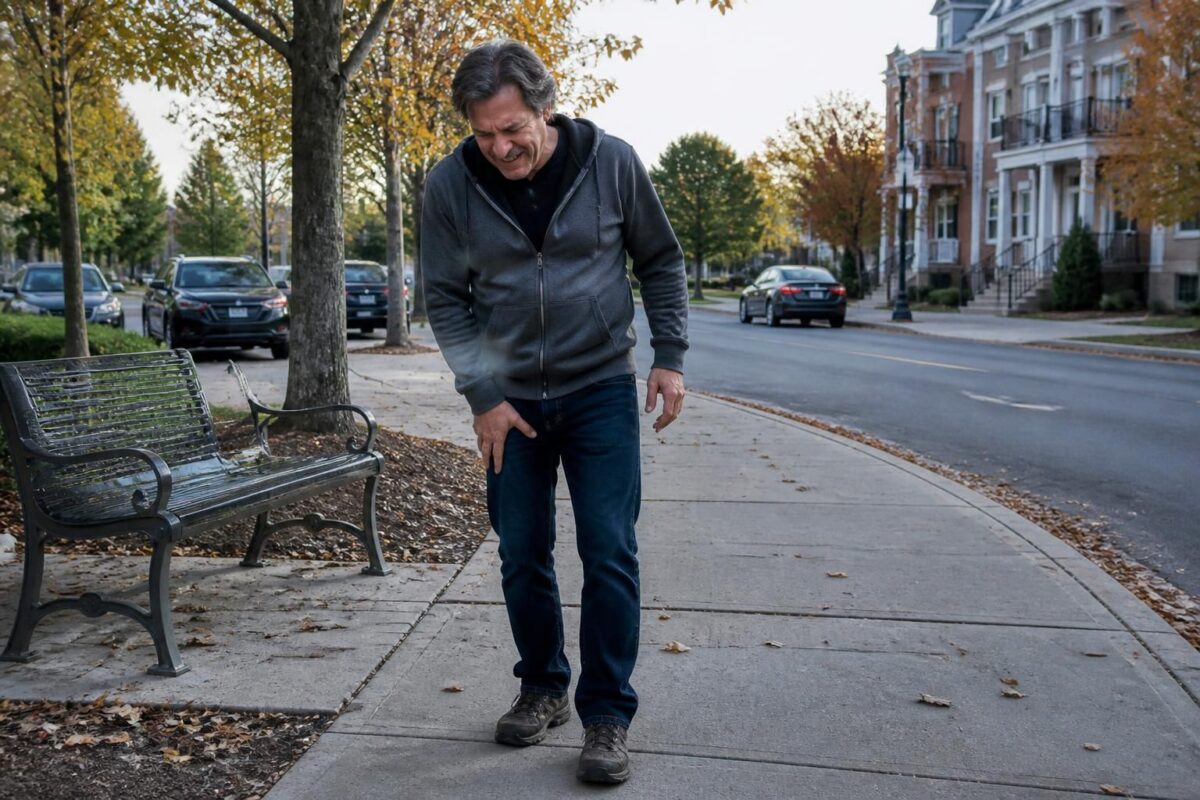
Sciatica in Terrebonne: leg weakness and loss of confidence in walking
IN BRIEF In short, sciatica is pain or a nerve sensation that can travel from the lower back down the leg. In Terrebonne, it can cause leg weakness and a loss of confidence when walking. The benefits of a non-surgical…
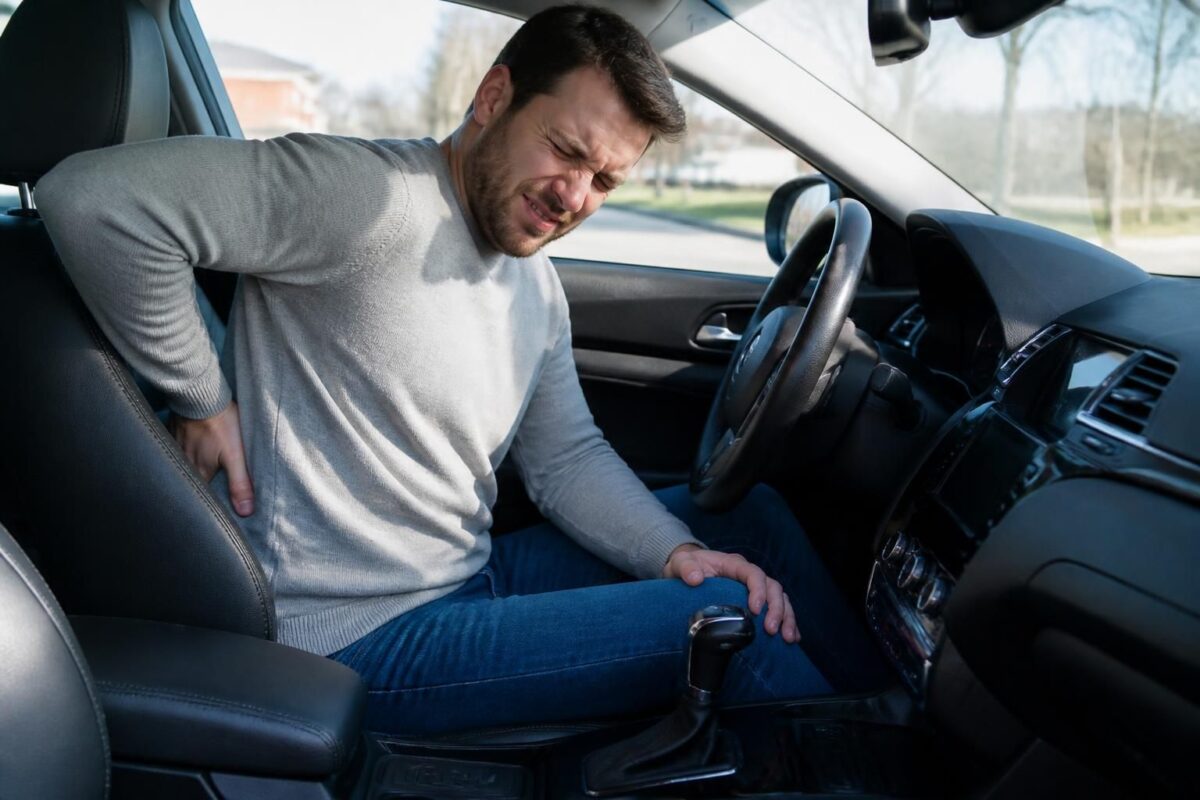
Sciatica in Terrebonne: pain that prevents driving for long periods
IN BRIEF In brief, sciatica in Terrebonne is pain that radiates along the sciatic nerve and can prevent long drives. In Terrebonne, non-invasive approaches like osteopathy and postural advice can improve mobility and reduce pain, allowing for more comfortable trips.…

Sciatica in Terrebonne: pain that prevents sitting down
IN BRIEF In brief, Sciatica in Terrebonne is pain that follows the path of the sciatic nerve and can prevent one from sitting. It manifests as lower back pain that radiates into one leg and may be accompanied by tingling…
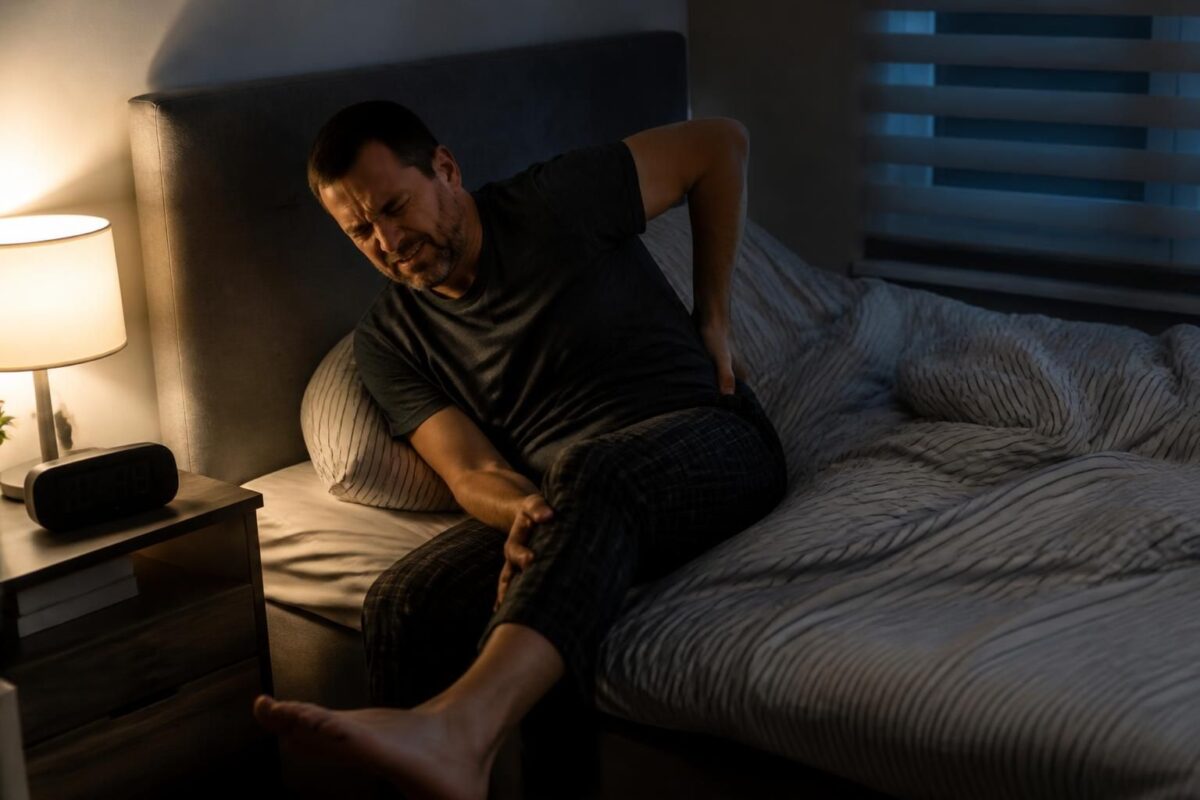
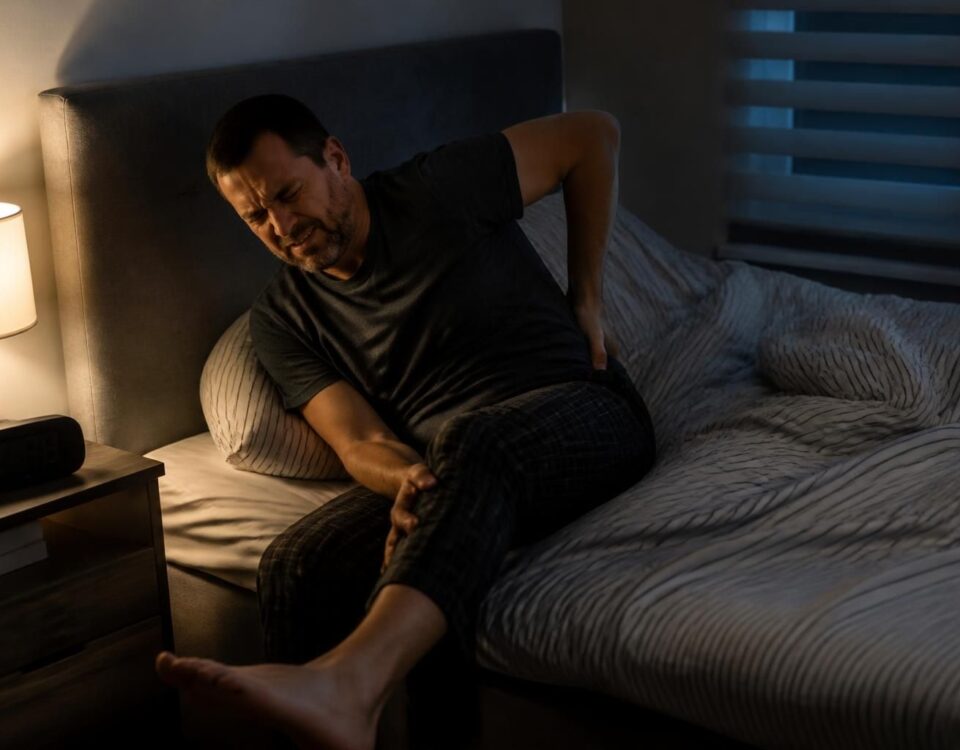
Sciatica in Terrebonne: pain that wakes you up at night
IN BRIEF In brief, nocturnal sciatica is pain from the sciatic nerve that occurs at rest and can wake you up at night. In Terrebonne, simple adjustments to posture and sleep environment allow for quick relief, notably by sleeping on…

Sciatica in Terrebonne: symptoms that worsen at the end of the day
IN BRIEF In brief, sciatica is pain associated with the sciatic nerve that starts in the lower back and can radiate down into the buttock and leg. In Terrebonne, it can worsen at the end of the day after prolonged…

Sciatica in Terrebonne: intermittent pain or constant pain?
IN BRIEF Sciatica is pain that follows the path of the sciatic nerve, starting from the lower back to the buttock and leg. In this context, we distinguish between intermittent pain and constant pain, depending on the episodes and causes…

Sciatica in Terrebonne: burning pain behind the thigh
IN BRIEF In brief, sciatica in Terrebonne, pain described as a burning sensation behind the thigh, is a nerve irradiation due to irritation or compression of a lumbar root that follows the pathway of the sciatic nerve. Benefits: precise local…

Sciatica in Terrebonne: numbness of the big toe and lower back pain
IN BRIEF In brief, sciatica associated with numbness in the big toe and lower back pain is pain that radiates along the sciatic nerve, starting from the lower back and spreading to the buttock, the back of the thigh, and…

Dr Sylvain Desforges, B.Sc., D.O., N.D., osteopath, is the founding president of TAGMED and of the ACMA association. He dedicates his practice to chronic spinal pain, low back pain and symptoms compatible with sciatica, particularly when pain radiates toward the buttock, leg, calf, foot or toes.
Through SOS Sciatique, he publishes educational content on sciatica symptoms, possible causes such as disc herniation, disc narrowing, foraminal stenosis or irritation of a lumbar nerve root, as well as non-surgical approaches that may be considered according to the evaluation. At Clinique TAGMED, care may include, depending on the case, motorized neurovertebral decompression, specific osteopathic care or precision percussion.
For an evaluation related to sciatica treatment in Montreal / Mount Royal or sciatica treatment in Terrebonne, please consult the services available at Clinique TAGMED.
Medical disclaimer
The information published on SOS Sciatique is provided for educational purposes only and does not replace a consultation, diagnosis, opinion or treatment provided by a physician or another authorized healthcare professional. The author of this article is neither a medical doctor nor a specialist in a medical specialty recognized by the Collège des médecins du Québec. The osteopathic, manual medicine or functional support approaches described on this site do not constitute medical acts and are not intended to replace medical follow-up.
Consult a physician or emergency service in cases of loss of bladder or bowel control, anesthesia in the saddle area, significant or progressive weakness in the leg or foot, fever, recent trauma, severe pain or rapid worsening of symptoms. For more details, please read our Legal Notice.