Sciatica and pain when coughing: possible disc sign
24/09/2026
Sciatica and walking on icy sidewalks: tension and muscle protection
24/09/2026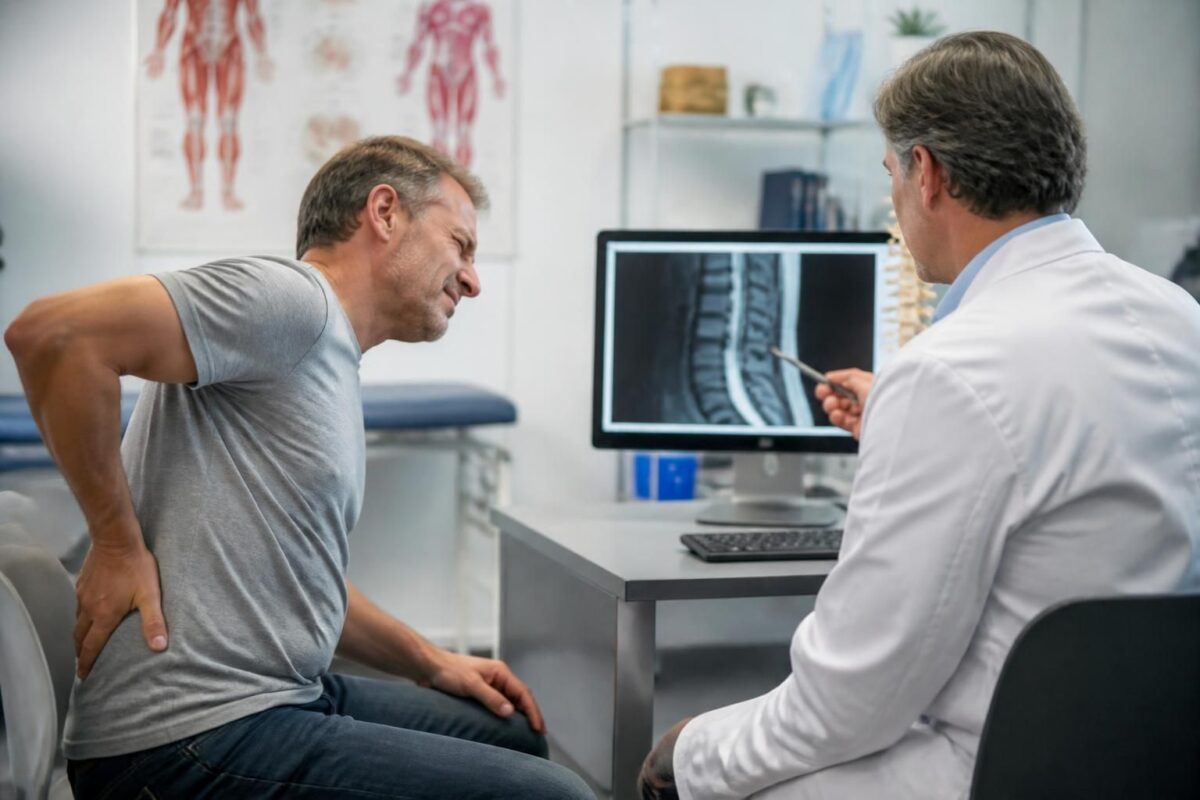
IN SHORT In short, disc herniation and sciatica cause lower back pain and radicular pain. A precise diagnosis identifies the source, localizes the impairment, and guides the most appropriate treatment, avoiding unsuitable treatments. The diagnosis combines a rigorous clinical examination and appropriate imaging (mainly MRI and CT scan), supplemented if necessary by electrodiagnostic tests. In Montreal and surrounding areas, this approach allows for rapid management, pain reduction, and better return to activity without unnecessary recourse to surgery. |
A precise diagnosis matters because it transforms the approach to a disc herniation and sciatica. This process allows for a shift from symptom management to a reliable explanation and targeted action plan.
- Identify the origin and location of nerve compression to target treatments.
- Assess the severity and risk of progression to choose between conservative management and intervention.
- Combine clinical examination, imaging (MRI or CT scan), and, if necessary, electrodiagnostic tests to confirm the diagnosis.
- Customize the care pathway, incorporating physiotherapy, osteopathy, and other approaches tailored to each patient.
- Avoid unsuitable treatments that do not relieve pain and may delay recovery.
A disc herniation can lead to sciatica and intense pain. A precise diagnosis guides treatment decisions and avoids delays or inappropriate treatments. This article presents the fundamentals of diagnosis, the tools used, and the implications for management, especially at the TAGMED Clinic. For further exploration, additional resources are provided via relevant links.
What is disc herniation and sciatica?
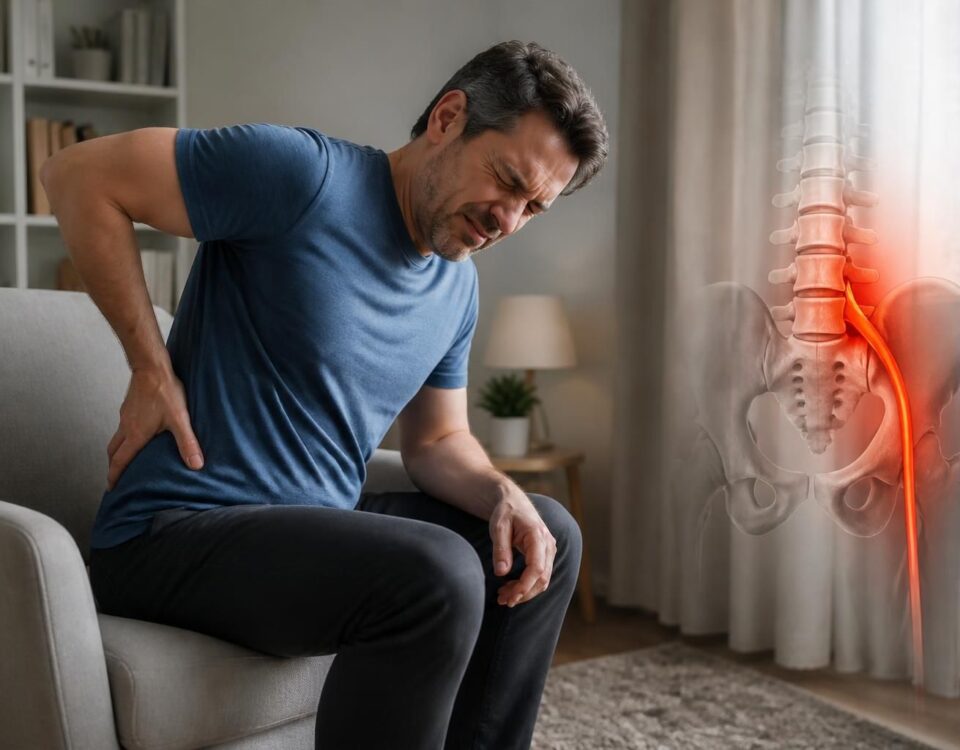
Disc herniation occurs when the pulpy nucleus of an intervertebral disc leaks through the fibrous ring. This leak can compress nerve roots and cause radicular pain that may radiate into the lower back, buttock, or leg. Depending on the location and intensity of the compression, symptoms vary and include pain, numbness, and muscle weakness.
Sciatica is pain that follows the path of a nerve affected by this compression. It can be acute or chronic and is often associated with specific neurological signs such as weakness or loss of sensation in an area of the lower limb. For a better understanding of the mechanisms and signs, refer to dedicated resources on the specialized websites below.
For additional information on the links between disc herniation, pain, and neurological reflexes, see Disc Herniation and Acute Sciatica – Common Causes and Disc Herniation and Foraminal Stenosis – Possible Association.
Herniated disc and sciatica: factors that influence progression
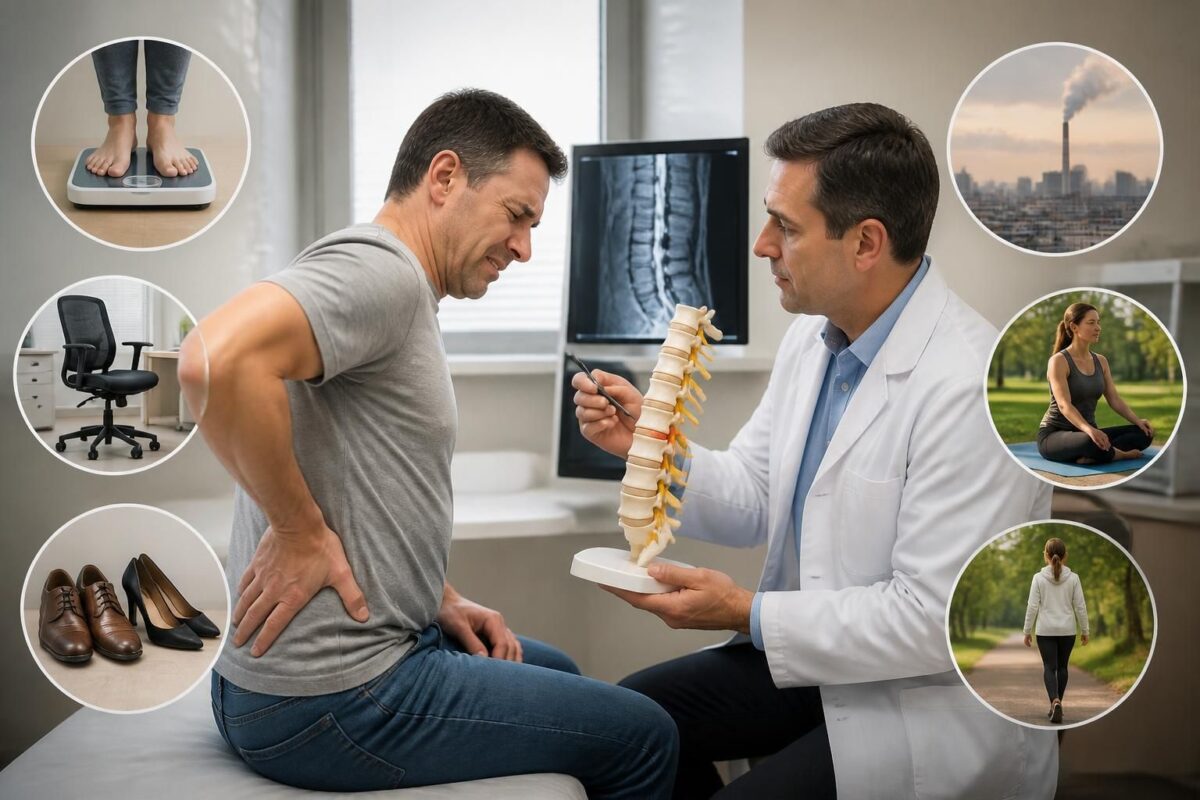
IN BRIEF In brief, disk herniation and sciatica are two distinct but often associated mechanisms that depend on a set of mechanical and inflammatory factors. The main advantage of understanding these factors is to guide an adapted and progressive rehabilitation,…
Why precise diagnosis matters
A precise diagnosis identifies the exact location of the herniation, its severity, and the structures affected. This allows for choosing the most appropriate treatment and avoiding unnecessary or risky interventions. An incorrect diagnosis can lead to unsuitable treatments and prolong pain. The diagnosis relies on an integration of the clinical examination and imaging results and, if necessary, nerve tests.
A correct diagnosis improves the chances of rapidly relieving pain and restoring function. It also aids in planning a multidisciplinary approach when appropriate. Additional resources on mechanisms and diagnostic decisions can be accessed through the links provided.
Herniated disc and sciatica: when the pain becomes persistent
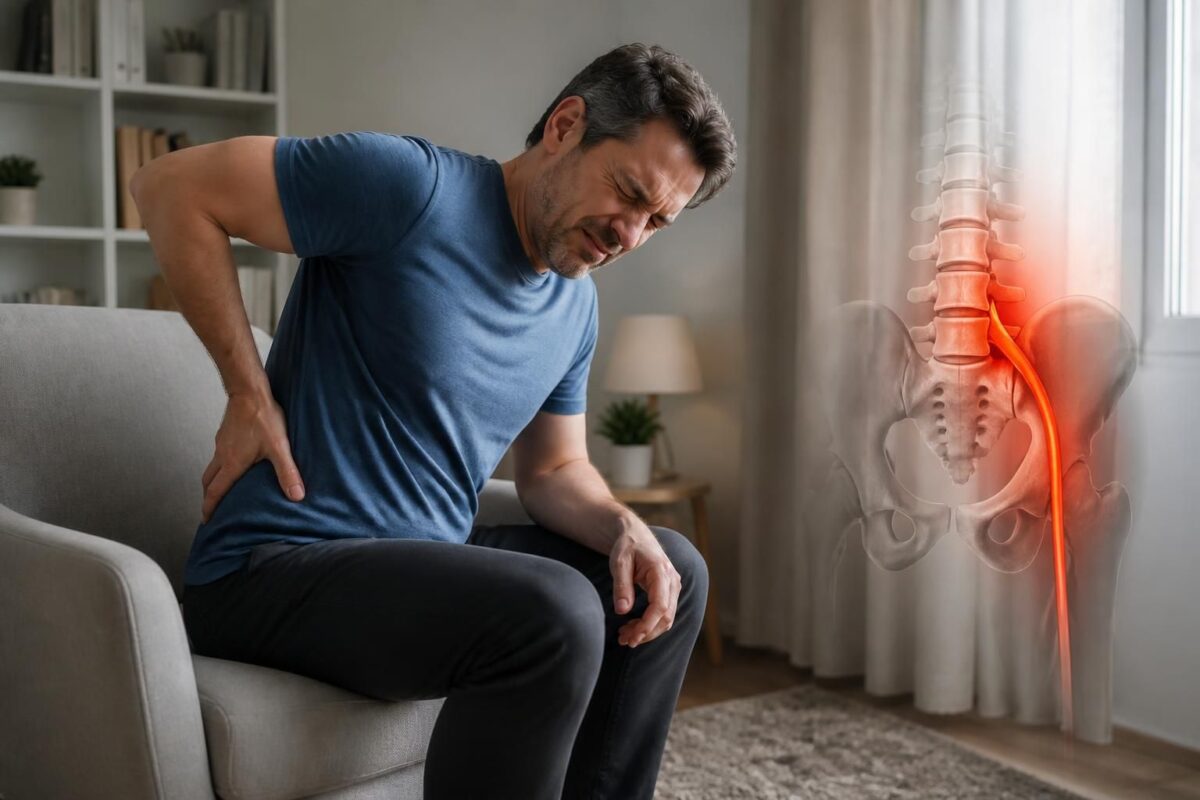
IN BRIEF In short, disc herniation and sciatica refer to lower back pain radiating into the leg due to nerve compression. Follow-ups link pain pathway, neurological examination, and relevant imaging to guide management, usually without surgery. Benefits: self-management, maintenance of…
Methods and technologies used for diagnosis
Clinical Examination
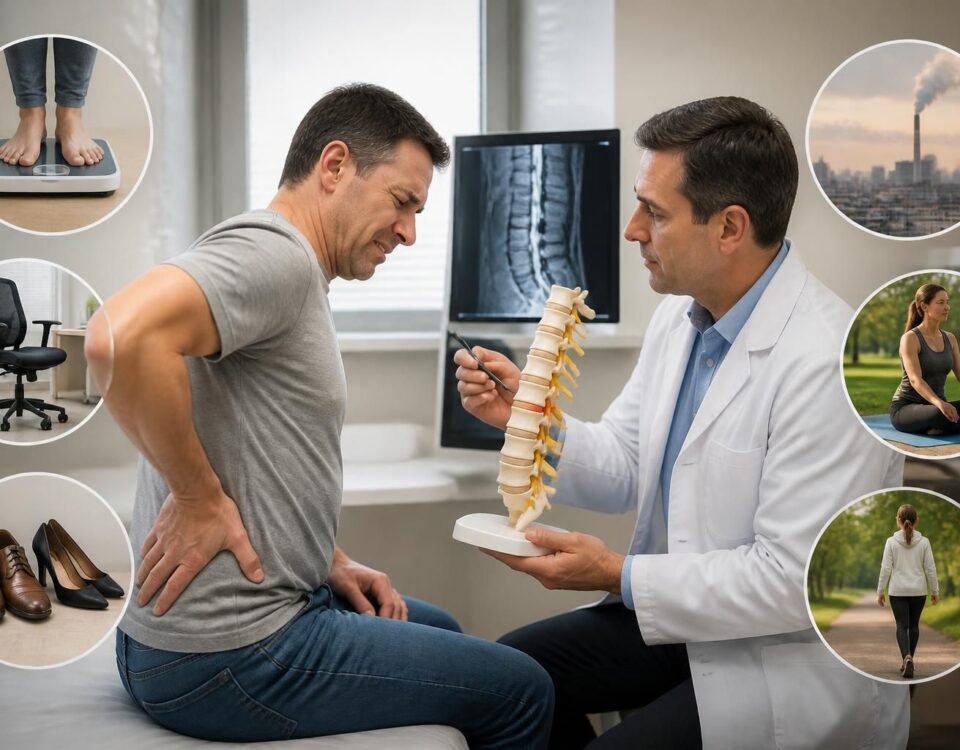
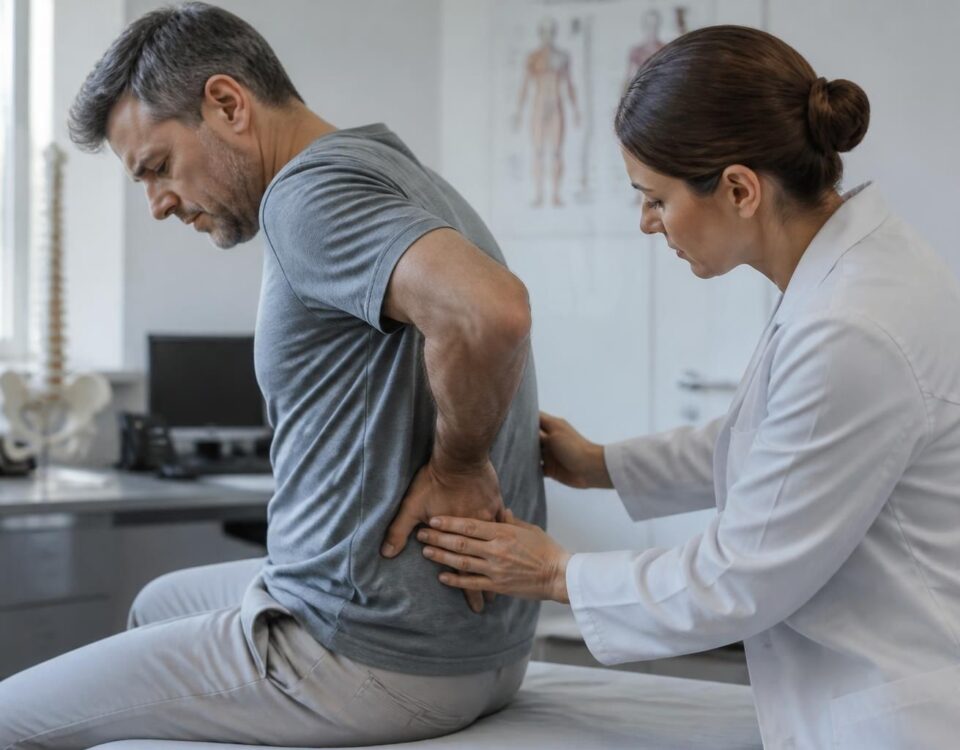
The clinical examination assesses the location and intensity of pain, paresthesia, and signs of muscle weakness. The practitioner tests reflexes and strength in the legs and evaluates the progression of symptoms during movements and positions. This initial phase guides the imaging strategy and complementary tests.
Imaging
MRI is the reference tool for visualizing discs and nerves, specifying the location and extent of compression. CT scan provides details on bony structures and can be useful in certain contexts. Radiography is primarily used to rule out other sources of pain and does not directly indicate a disc herniation.
To delve deeper into diagnostic aspects and imaging choices, consult Disc Herniation and Sciatica – Common Causes and Disc Herniation and Foraminal Stenosis – Possible Association.
Electrodiagnostic Tests
In some cases, tests such as nerve conduction studies and electromyography evaluate nerve function and identify affected roots. These examinations complement the assessment when symptoms are complex or multi-level.
Additional resources on the mechanisms and results of electrodiagnostic tests exist to better guide management when necessary.
Customizing Diagnosis for Effective Treatment
The choice of diagnostic methods must be personalized. It depends on symptoms, medical history, and the effectiveness of previous treatments. An adapted approach increases the chances of effective treatment and avoids delays. For patients with particular cases, a multidisciplinary evaluation may be considered.
To better understand the options available in Montreal and Terrebonne, the TAGMED Clinic offers tailored pathways and can assist in directing to relevant options.

Herniated disc and sciatica: when the cause is mechanical
IN SHORT In short, Herniated disc and sciatica refer to radicular pain due to a mechanical cause when the nucleus of the disc protrudes and irritates a nerve root. The benefits of management include quick pain relief, maintenance of mobility,…
Additional Considerations in Diagnosis
The choice of imaging techniques depends on the symptoms and clinical context. The goal is to obtain a reliable image to confirm the diagnosis and specify the areas to monitor. Resources and practices can be accessed via the specialized websites listed below.
Additional resources on the links between disc herniation, pain, and imaging direct you to relevant information. For further content, see particularly the following resources: Disc herniation and trunk flexion – caution, and Disc herniation and sciatica – common causes. To learn more about associated foraminal stenosis, check potential association.
Herniated disc and cauda equina syndrome: warning signs
IN BRIEF In brief, Herniated disc and cauda equina syndrome describe severe compression of the lumbar roots with warning signs requiring urgent management. The warning signs help prevent major sequelae and facilitate rapid referral to emergency services. The benefits include…
Frequently Asked Questions
What are the typical symptoms of a disc herniation? Localized pain, numbness, and muscle weakness in the affected area. Pain may radiate along the nerve pathway.
Why is MRI often preferred? It provides detailed visualization of soft tissues and nerves, aiding in the precise identification of the involved structures.
Is an X-ray sufficient to diagnose a disc herniation? No. It does not directly visualize the disc but can help exclude other causes of pain.
When are electrodiagnostic tests useful? When symptoms indicate complex or multi-level nerve damage, they help target the affected nerve root and assess the extent of damage.
How does the diagnosis influence the choice of treatment? It determines whether a conservative approach, a targeted intervention, or a multidisciplinary approach is most suitable. Additional resources on treatment options and clinical pathways are available through the listed partners and resources.
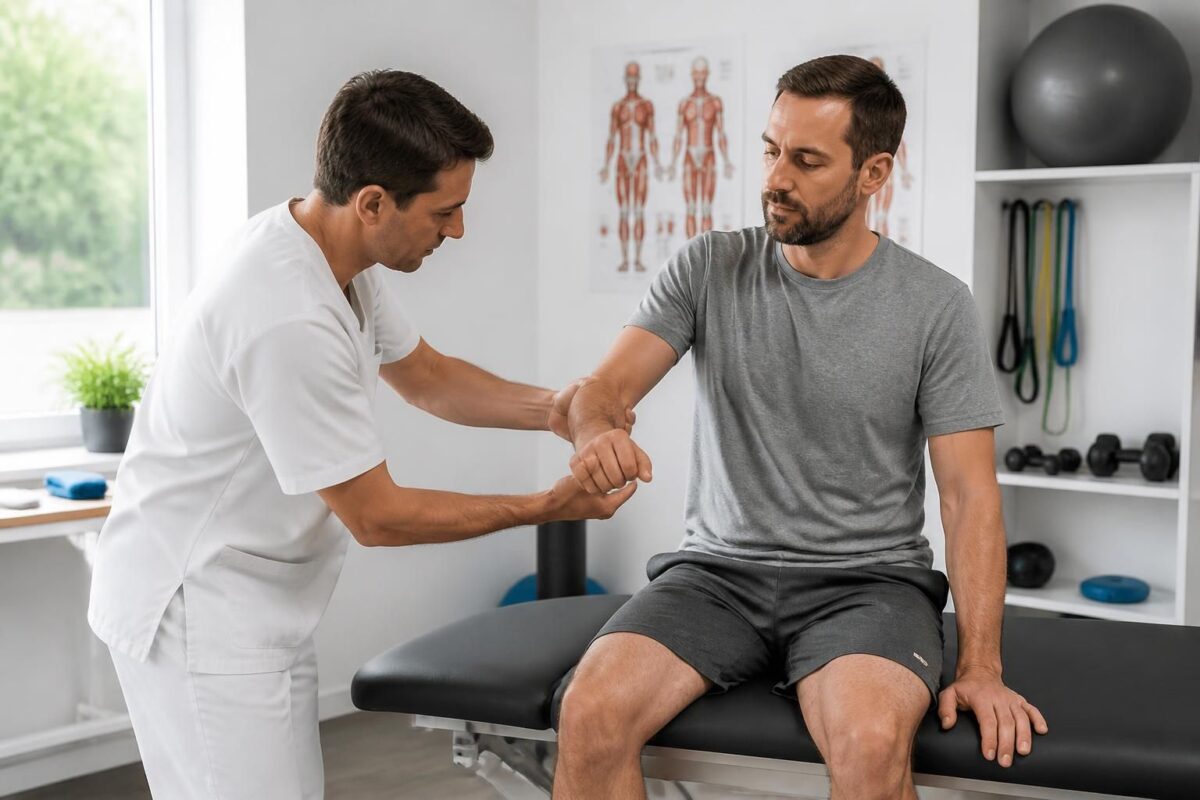
Herniated disc and muscle strength: why to test it
IN BRIEF The topic is the herniated disc and muscle strength. Testing muscle strength in this context helps assess the ability of the back and trunk muscles to support the spine and identify weaknesses that may exacerbate pain or limit…
Links and Associated Resources
For information and services, see TAGMED Clinic. For information on neurovertebral decompression and non-surgical alternatives, see Neurovertebral decompression. For additional resources on manifestations and diagnostics, consult Sos Sciatique.
For specific information related to the history and mechanisms, you can also refer to the following pages: Disc herniation – resources and Tunnels and associated pain.
For patients seeking care options near them, options at TAGMED Clinic are available in Montreal and Terrebonne.
Medical disclaimer: The information and advice provided on this site do not replace the opinion, diagnosis, or treatment of a healthcare professional. Please note that Dr. Sylvain Desforges, osteopath, is neither a doctor of medicine nor a physician, and is not specialized in a medical specialty as defined by the Collège des médecins du Québec. Manual medicine, functional medicine, and sports medicine as described on this site exclude any medical treatment or diagnosis made by a physician or specialist doctor. Always consult your physician for any medical questions. For more details, please read our complete Legal Notice.
- Accurate diagnosis allows for identifying disc herniation and its level, avoiding inappropriate treatments.
- Knowing the location and severity guides choices between active advice, therapy, and surgery if necessary.
- Clinical examination reveals signs of radiculopathy and deficits; it directs complementary examinations.
- Imaging (MRI, CT) confirms compression and specifies the action plan.
- Electrodiagnostic tests assess nerve function and the affected root to refine treatment.
- A clear diagnosis leads to effective non-surgical options tailored to your situation.
- It allows for a personalized treatment plan, reducing the risks of complications and chronicity.
- Ultimately, it accelerates the return to normal function and quality of life.

This guide highlights why an accurate diagnosis of disc herniation and sciatica is crucial. It explains how reliable identification helps avoid inappropriate treatments, quickly target the cause, guide therapeutic choices, and optimize rehabilitation and prevention of recurrences.

Herniated disc and diminished reflexes: possible neurological sign
IN BRIEF In short, a herniated disc is a partial rupture of the disc ring that can compress a nerve root and cause a neurological sign such as decreased reflexes. This condition presents as pain, often in the lower back…
What is a disc herniation and sciatica pain?
A disc herniation occurs when the gel-like nucleus of an intervertebral disc migrates and can compress the nerve roots. This compression triggers radicular pain that may radiate from the back or neck to the leg, sometimes accompanied by numbness, tingling, or muscle weakness. The presentation varies depending on the affected level and the intensity of pressure on the nerves.
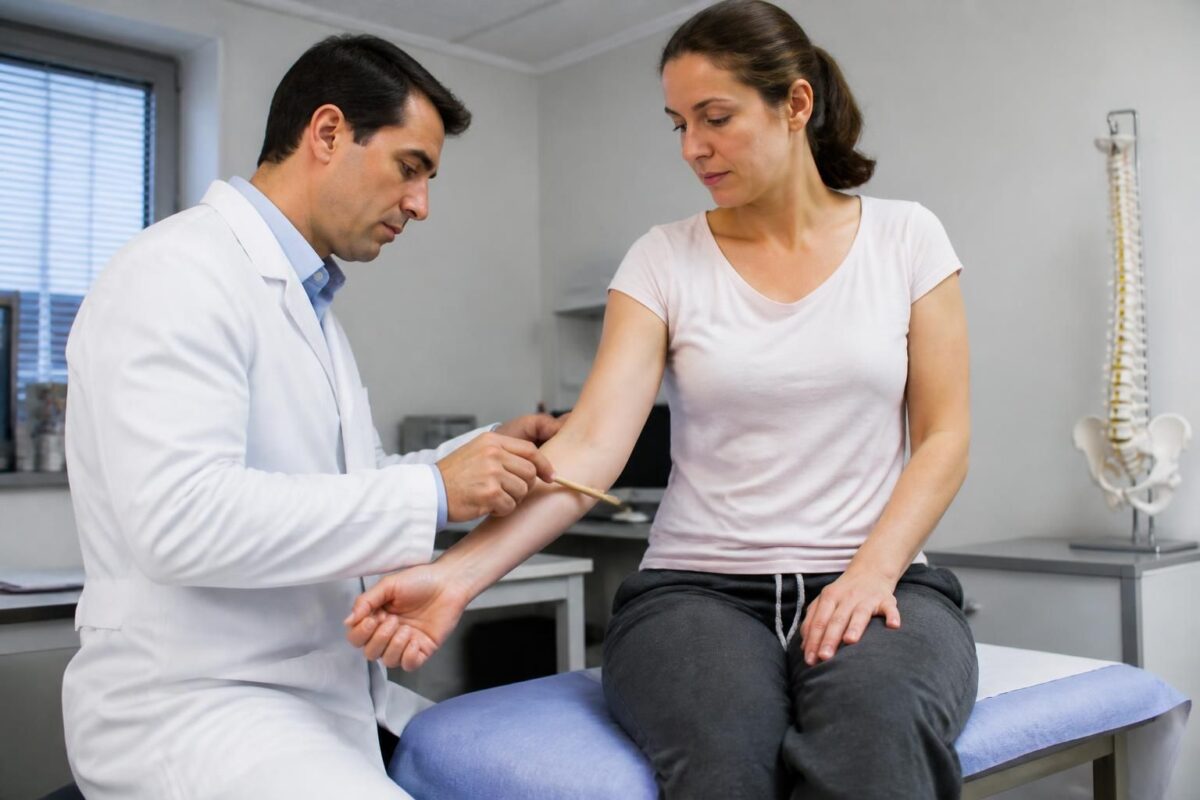
Herniated disc and loss of sensation: why evaluate
IN BRIEF A herniated disc is a protrusion of the gelatinous nucleus of an intervertebral disc that can compress a nerve root, causing radicular pain and a loss of sensation in an area of the body. Quickly assessing this condition…
Why an accurate diagnosis matters
An accurate diagnosis allows not only for identifying the presence of a herniation but also for determining its exact location and degree of severity. This precision guides the choice of treatments, avoids unnecessary therapies, and accelerates recovery. It also enables the assessment of risks and prevention of potential complications, such as symptom progression or functional deformities related to untreated pain.
Clinical examination and symptoms
A thorough clinical examination determines the location of the pain, the presence of neurological deficits (muscle strength, reflexes, sensitivity), and signs of radiculopathy. The history of symptoms, their triggers, and progress guide suspicion of disc herniation and help differentiate other causes of vertebral pain.
Imaging and complementary tests
Imaging techniques play a confirming role. The MRI is preferred for visualizing discs and nerve structures, while the CT scan can help assess bone and nearby structures. In some cases, electrodiagnostic tests may be useful to measure nerve function and specify the affected root, especially when symptoms are complex.

Herniated disc and foot pain: L5 or S1?
IN BRIEF In brief, Disc herniation and foot pain related to the L5-S1 level explain how a hernia can irradiate towards the foot and how to determine if the pain originates from L5 or S1. This approach aims for a…
Impact on treatment and prevention
A reliable diagnosis guides towards appropriate options, whether conservative (physiotherapy, osteopathy, stabilization exercises, postural education) or, when necessary, targeted surgical approaches. The precision of the diagnosis allows for avoiding treatments that do not address the mechanical cause and reduces the risks of side effects, therapeutic failure, and chronic pain.
Personalized treatment plan
The personalization of the therapeutic plan is based on the results from clinical evaluation and complementary examinations. A progressive program can combine manual techniques, specific exercises, and ergonomic advice to reduce pressure on the nerve and strengthen the spine.
Prevention and follow-up
Prevention involves education about posture, maintaining suitable activity, and strengthening the trunk’s muscle chains. Regular follow-up allows for adjusting the treatment based on the evolution of symptoms and preventing aggravations or relapses.
| Aspect | Concise impact |
|---|---|
| Accurate diagnosis | Guides treatment and avoids inappropriate actions. |
| Location and level | Guides the therapeutic plan and targeted actions. |
| Severity and urgency | Identifies signs requiring quick intervention. |
| Targeted imaging | Shows the extent of the discoradicular conflict. |
| Electrodiagnostic tests | Evaluates nerve function and specifies the injured root. |
| Avoidance of unnecessary treatments | Reduces risks and costs related to inappropriate treatments. |
| Personalized plan | Adapts physiotherapy, osteopathy, and non-surgical decompression. |
| Surgical decision | Helps to decide if an intervention is indicated and when. |
| Impact on daily life | Clarifies functional goals and return to work. |
Testimonials: why an accurate diagnosis matters in the face of disc herniation and sciatica
Testimonial from Claire, 42 years old: “I had low back pain and a sciatica that kept coming back despite treatments. An accurate diagnosis pinpointed the disc herniation, allowing us to choose a non-invasive and appropriate approach (targeted osteopathy and decompression). Within weeks, my symptoms decreased and my life returned to its rhythm.”
Testimonial from Martin, 55 years old: “My pain radiated from my lower back and sometimes into my leg. Thanks to an accurate diagnosis, I was directed towards a focus on targeted rehabilitation and non-surgical decompression. The results were quick: less pain, better range of motion, and a gradual return to work without surgery.”
Testimonial from Laetitia, 37 years old: “My case of sciatica was complex, with pain that varied depending on my position. The accurate diagnosis revealed a specific location of the disc herniation, guiding a series of osteopathic manipulations and exercises. I’ve regained an active life and the pain no longer disrupts my days.”
Testimonial from Lucas, 63 years old: “I was afraid I wouldn’t be able to move or perform simple tasks anymore. The accurate diagnosis showed exactly where my nerve compressions were located. With a comprehensive and tailored approach, I can once again lift my grandchildren and enjoy my daily activities without major pain.”
Testimonial from Sophie, 28 years old: “As a young professional, a disc bulge worried me. An accurate diagnosis avoided invasive treatments and allowed for a specialized osteopathic approach and an exercise program. Result: pain decreased, energy regained, and no unnecessary injections.”
Testimonial from Karim, 49 years old: “My back was exhausted from pain that impacted my sleep and work. The accurate diagnosis allowed for a biopsychosocial approach and coordination with several professionals. I’ve regained better sleep, improved quality of life, and significant reduction in medication use.”
Dr. Sylvain Desforges, an experienced osteopath, dedicates his expertise to lumbar pain and radicular pain related to sciatica. An expert in osteopathy, naturopathy, and manual medicine, he leads the TAGMED clinics and actively participates in the ACMA. His practice is based on innovation in healthcare and an evidence-based approach to sustainably improve the health and well-being of patients facing chronic pain in the spine. His commitment focuses on rigorous assessment and the integration of advanced technologies to optimize outcomes.
In the context of pain related to a disc herniation and sciatica, an accurate diagnosis is the foundation for effective treatment. A disc herniation occurs when the pulpy nucleus of an intervertebral disc moves out of place, potentially compressing the nerve roots. This compression can cause intense pain, paresthesia, and sometimes, muscle weakness. The pain may radiate along the nerve pathway and significantly impair the patient’s autonomy and quality of life. Understanding the exact location of nerve pressure and its level is essential to target appropriate care and avoid treatments that do not provide lasting benefits.
For Dr. Desforges, an accurate diagnosis is not an isolated step, but a journey that combines science and clinical expertise. He prioritizes a comprehensive assessment that takes into account symptoms, medical history, and the patient’s experience. This approach allows for identifying not only the presence of a disc herniation but also its severity, exact level, and the involvement of nerve roots, which determines the selection of the most relevant and least invasive therapeutic options.
The diagnosis is based on a multi-step approach. A thorough clinical examination evaluates the location of the pain, signs of muscle weakness, reflexes, and sensory losses, while looking for revealing signs of radiculopathy. Imaging tests, such as MRI or CT scans, complement the evaluation when necessary to confirm the hernia’s topography and assess surrounding structures. Electrodiagnostic tests may be considered to quantify nerve function and specify the affected root when symptoms justify it. This customization of the diagnosis is crucial to propose a treatment plan that maximizes recovery chances and minimizes risks.
At TAGMED and within its approach, diagnostic precision paves the way for targeted and often non-surgical treatments. Options like non-surgical neurovertebral decompression, combined with osteopathy and rehabilitation protocols, can significantly reduce pain and restore mobility. The integration of technologies such as laser therapy or shockwave therapies can also support rehabilitation based on the patient’s profile. By focusing on an exact diagnosis, Dr Desforges aims to avoid inappropriate treatments, prevent chronicity, and promote a quick and sustainable return to activity.
For any assessment related to a suspicion of disc herniation or sciatica, and to benefit from a personalized plan based on evidence, contact TAGMED Clinic to schedule a consultation tailored to your situation and recovery goals.
About the author
Dr Sylvain Desforges, B.Sc., D.O., N.D., osteopath, is the founding president of
TAGMED
and the ACMA association. He dedicates his practice to chronic spinal pain, lower back pain, and pain associated with sciatica, especially when the pain radiates to the buttock, leg, calf, foot, or toes.
Through SOS Sciatique, he publishes educational content on the symptoms of sciatica, possible causes such as disc herniation, disc impingement, foraminal stenosis, or irritation of a lumbar nerve root, as well as on non-surgical approaches that may be considered based on the evaluation. At TAGMED Clinic, treatments may include, depending on the case, motorized neurovertebral decompression, specific osteopathy, or precision percussion.
For an assessment related to the
treatment of sciatica in Montreal / Mont-Royal
or to the
treatment of sciatica in Terrebonne,
check the services available at the
TAGMED Clinic.
Medical disclaimer
The information published on SOS Sciatique is provided for educational purposes and does not replace a consultation, diagnosis, opinion, or treatment performed by a physician or other licensed healthcare professional. The author of this article is neither a physician nor a specialist in any other medical specialty recognized by the Collège des médecins du Québec. The approaches of osteopathy, manual medicine, or functional support described on this site do not constitute medical acts and are not intended to replace medical follow-up.
Consult a physician or emergency service if you experience loss of bowel or bladder control, anesthesia in the saddle area, significant or progressive weakness in the leg or foot, fever, recent trauma, severe pain, or rapid worsening. For more details, please read our
Legal notice.
The precision of the diagnosis is the main lever that transforms neural and lumbar pain into a concrete, effective, and personalized action plan. A thorough diagnosis allows for distinguishing mechanical mechanisms from nerve-related causes, assessing the level and exact location of impairments, and avoiding inappropriate treatments that delay healing and increase risks.
Summary and challenges of an accurate diagnosis
When talking about disc herniation and sciatica, an accurate diagnosis is not a superficial step: it is the foundation upon which all therapeutic decisions rest. Distinguishing, for example, a disc herniation from a simple disc protrusion allows for refining the origin of the pain and avoiding the pitfalls of a “one-size-fits-all surgeon” or “one-size-fits-all medication”.
The first pivot of the diagnosis is the clinical examination, which reveals the exact location of the pain, neurological signs, and variations in sensitivity and muscle strength. This examination, complemented by targeted anamnesis, guides the choice of additional tests and allows for identifying warning signs that require prompt management, such as signs suggesting a specific radicular involvement or red flags. To deepen the distinction between terms and mechanisms, consult this clarification of terms.
Imaging tests constitute the next link, with MRI as the reference to visualize the discs and nerve roots, and CT scans when seeking bony precision or a three-dimensional view of structures. X-rays remain useful for excluding other conditions but cannot confirm the presence of a disc herniation. To understand the precise indications and warning signals, see specialized resources such as RIS17 – signs on MRI.
Electrodiagnostic tests, when necessary, evaluate nerve function and help confirm the affected root. They complement clinical and radiological results, particularly when symptoms are complex or multi-level. Resources such as a summary of links between disc herniation and sciatica describe these relationships.
Beyond imaging, a personalized approach is essential. Modern technologies for non-surgical decompression and manual approaches, such as osteopathy, are integrated into a multidisciplinary framework to address the mechanical, neurogenic, and functional components of lumbosciatica. For an overview of neurovertebral decompression solutions and their role, consult this summary on neurovertebral decompression.
Finally, understanding the mechanisms and movements that worsen or alleviate symptoms guides the choice of exercises and daily adaptations. Resources explain why certain stretches or postures can be beneficial or, conversely, problematic; see this practical section on stretches.
In summary, an accurate diagnosis acts as a quality filter that directs towards targeted and tailored treatments, while minimizing risks and promoting a return to function and active life. To enrich your understanding of the mechanisms and management options, here are some other relevant resources: Doctissimo – Sciatica, extruded herniation and clinical significance, mechanical cause, persistent pain in chronic sciatica.
To further explore the link between herniated disc and sciatica, and the practical implications for diagnosis and treatment, visit the following resources and other specialized publications related to multidisciplinary practice and non-surgical decompression.

Dr Sylvain Desforges, B.Sc., D.O., N.D., osteopath, is the founding president of TAGMED and of the ACMA association. He dedicates his practice to chronic spinal pain, low back pain and symptoms compatible with sciatica, particularly when pain radiates toward the buttock, leg, calf, foot or toes.
Through SOS Sciatique, he publishes educational content on sciatica symptoms, possible causes such as disc herniation, disc narrowing, foraminal stenosis or irritation of a lumbar nerve root, as well as non-surgical approaches that may be considered according to the evaluation. At Clinique TAGMED, care may include, depending on the case, motorized neurovertebral decompression, specific osteopathic care or precision percussion.
For an evaluation related to sciatica treatment in Montreal / Mount Royal or sciatica treatment in Terrebonne, please consult the services available at Clinique TAGMED.
Medical disclaimer
The information published on SOS Sciatique is provided for educational purposes only and does not replace a consultation, diagnosis, opinion or treatment provided by a physician or another authorized healthcare professional. The author of this article is neither a medical doctor nor a specialist in a medical specialty recognized by the Collège des médecins du Québec. The osteopathic, manual medicine or functional support approaches described on this site do not constitute medical acts and are not intended to replace medical follow-up.
Consult a physician or emergency service in cases of loss of bladder or bowel control, anesthesia in the saddle area, significant or progressive weakness in the leg or foot, fever, recent trauma, severe pain or rapid worsening of symptoms. For more details, please read our Legal Notice.