Sciatica and burning sensation in the heel
31/08/2026
Sciatica and bus: vibrations, seating, and sciatica pain
31/08/2026
IN BRIEF
| A herniated disc is the displacement of an intervertebral disc that can compress a nerve root, causing pain and limitations. In this context, certain gestures or physical practices exacerbate pressure on the spine. In short, the herniated disc and stretches describe how certain movements increase pressure on the discs and worsen pain. This approach allows for identifying forbidden movements and opting for safe options that protect the back and promote recovery. How does it work? by avoiding deep forward bends, sudden twists, heavy lifting, hyperextensions, and repeated impacts, while favoring gentle and progressive movements like walking or adapted swimming. Thus, the goals aim to limit pain, improve mobility, and prevent recurrences in daily life. |
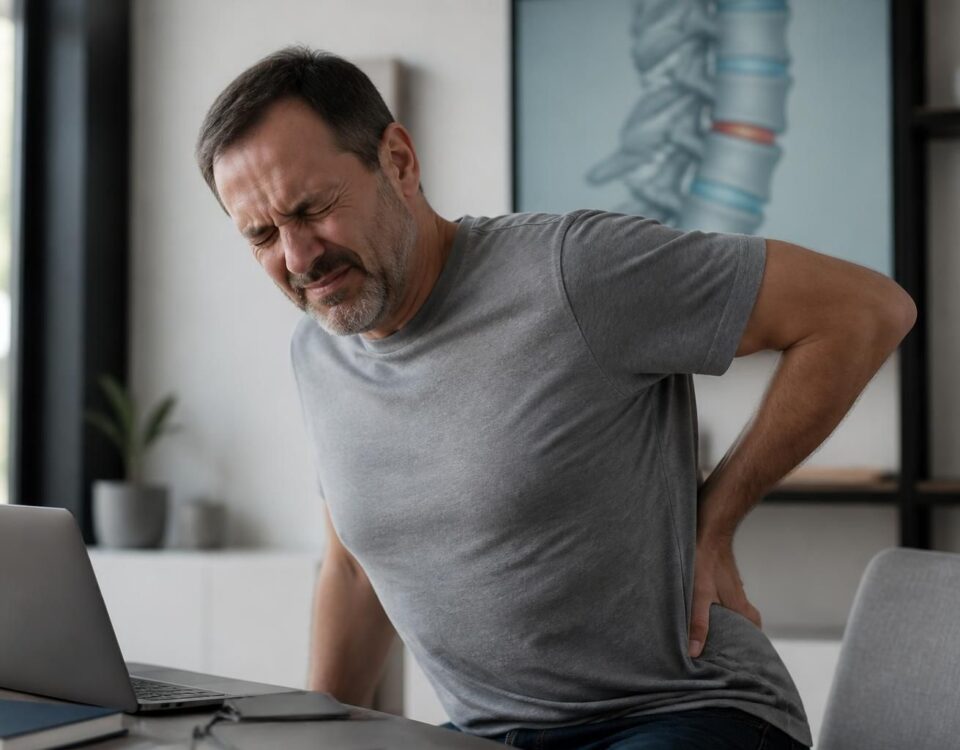
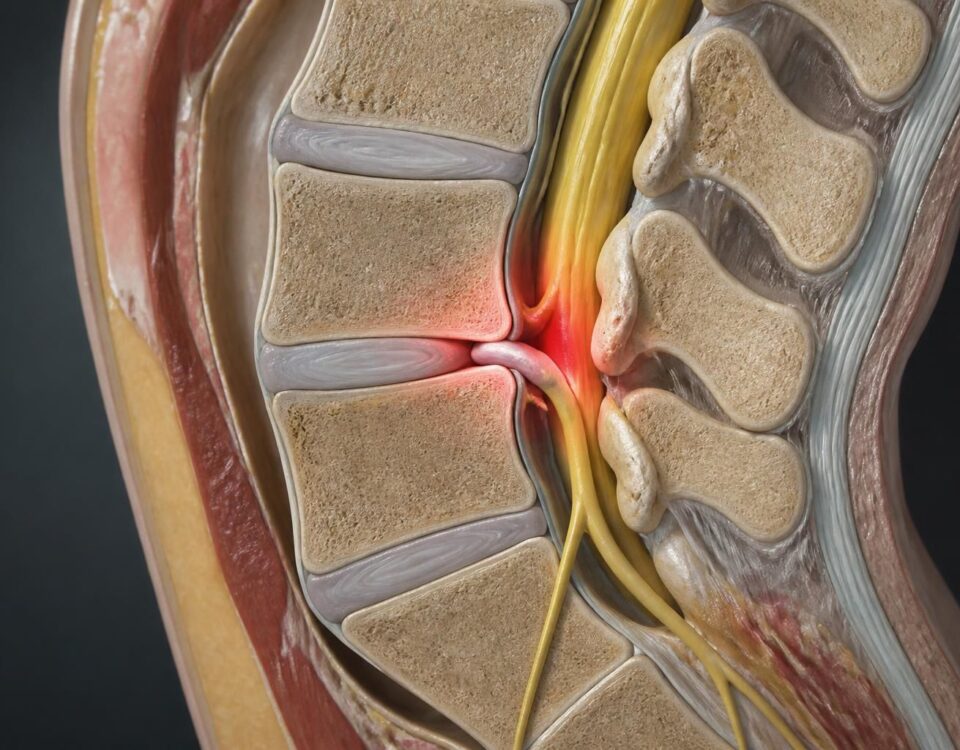
The herniated disc occurs when an intervertebral disc shifts and can compress a nerve root, causing lower back pain and discomfort in movements.
Certain movements worsen the pain by increasing pressure on the discs and nerve irritation. To be absolutely avoided: deep forward bends, sudden twists, lifting heavy loads without bending the knees, back hyperextensions, and repeated impacts.
To stay active without worsening the situation, prioritize stretches and exercises that are suitable, progressive, and performed under supervision. The goal is to reduce pressure on the nerve, strengthen the back muscles, and improve mobility without stressing sensitive areas.
Seek the advice of a professional for personalized recommendations and safe gestures tailored to your case.
Quick summary: this article explains why certain stretches and movements can worsen a herniated disc. It describes the mechanisms at play, specifies which gestures to avoid, and indicates safe approaches to limit pain, without prescribing specific exercises. For personalized support, contact a specialized clinic.
Understanding the Mechanism
A herniated disc occurs when the intervertebral disc leaks or shifts, potentially compressing one or more nerve roots. This compression can cause pain, tingling, and limit movements. Certain daily gestures increase pressure on the disc and on the roots, which can exacerbate symptoms.
Movements to Avoid
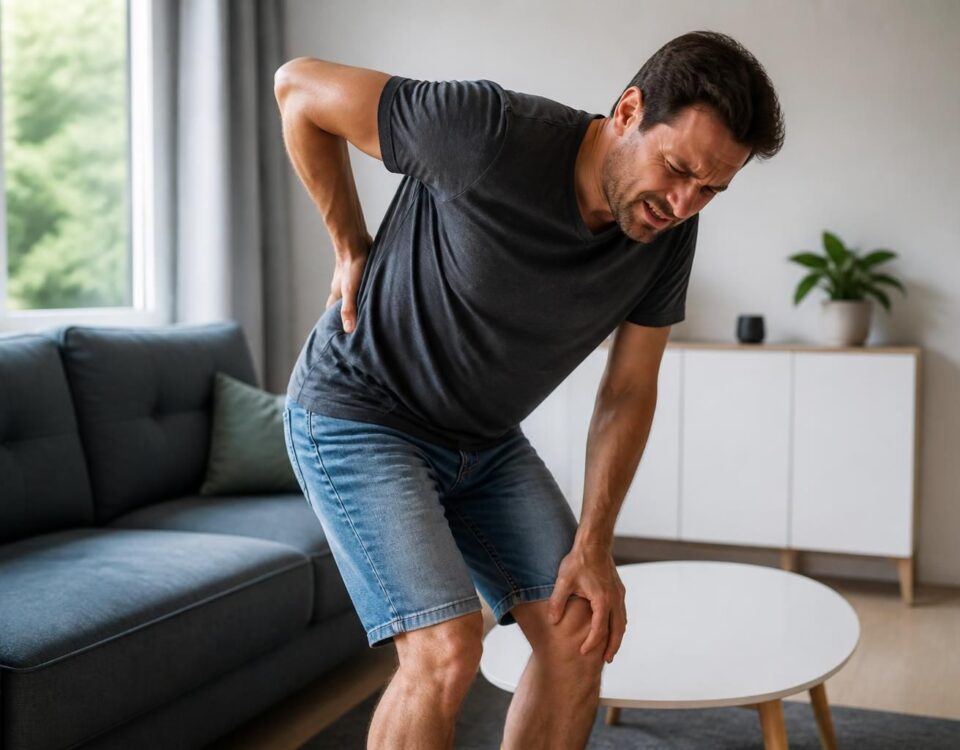
Gestures that increase pressure on the spine and irritate the nerves should be avoided. Among the most problematic are deep forward bends, sudden twists of the torso, lifting heavy loads, back hyperextensions, as well as jumps and repeated impacts. These movements can worsen pain and promote symptom progression.
Why Do These Gestures Worsen It?
These gestures increase disc pressure and heavily stress the lumbar segments. Bending, rapid rotation, and heavy loads shift or compress the contents of the disc, which can irritate the nerve root and amplify pain. Poorly executed or repeated gestures can also lead to micro-traumas that delay recovery.
What to Prioritize in Daily Life
Rather than recommending specific stretches, it is helpful to prioritize movement habits that reduce strain on the spine. Be sure to adopt a neutral posture, carry loads close to the body, and avoid positions that quickly provoke pain. An evaluation by a professional can help identify gestures to modify and provide tailored advice for your situation.
When to Consult and Which Resources to Consult
If the pain persists, accompanies weakness, loss of urinary control, or other alarming signs, consult a healthcare professional quickly. To delve into the gestures to avoid and the mechanics, you can consult resources on the following specialized sites: Movements to Avoid or Correct in Case of Herniated Disc, pain that increases when sitting and possible disc cause, burning sensations in the calf related to sciatica, and other useful resources available on SOS Sciatica. For an evaluation and personalized support, contact the TAGMED Clinic or request a consultation through TAGMED Clinic. You can also find general information on movements and symptoms on Neurovertebral Decompression.
For specific aspects related to pain and sciatica, additional resources may be useful: frequent causes of acute sciatic pain associated with a herniated disc, disc sequestration and the importance of evaluation, and pain that worsens when sitting.
To learn more about the limits and alternatives to stretching in this context, consult specialized resources on forbidden movements and pain mechanisms available at Herniated Disc – Movements to Avoid.
To better understand the indicators that require evaluation, you can consult general resources targeting symptoms and non-surgical approaches at Herniated Disc and Acute Sciatica – Frequent Causes.
Note: this content does not replace a medical consultation. For personalized support, consult a specialized clinic such as TAGMED Clinic.
Medical disclaimer: The information and advice provided on this site do not replace the opinion, diagnosis, or treatment of a healthcare professional. Please note that Dr. Sylvain Desforges, osteopath, is neither a doctor of medicine nor a physician, and is not specialized in a medical specialty as defined by the Collège des médecins du Québec. Manual medicine, functional medicine, and sports medicine as described on this site exclude any medical treatment or diagnosis made by a physician or specialist. Always consult your doctor for any medical questions. For more details, please read our full Legal Notice.
- Deep forward bends: increases pressure on the intervertebral discs and may accentuate the hernia.
- Sudden twists: put heavy stress on the spine and irritate the lumbar nerve roots.
- Lifting heavy loads: lumbar overload without bending the knees, direct mechanical overload.
- Back hyperextensions: excessive arching that pulls on the discs and causes sharp pain.
- Repeated jumps and impacts: repeated shocks increasing pressure and inflammation.
- Reason 1: increased pressure on the intervertebral discs.
- Reason 2: nerve irritation due to pulling or pinching of the roots.
- Reason 3: amplification of pain through mechanical stress on the spine.
- Reason 4: local inflammatory reaction prolonging the aggravation.
- Reason 5: pain that may radiate to the hip and leg in case of lumbar strain.

This article provides a clear benchmark on why certain stretching movements may aggravate a disc herniation, how to distinguish them from beneficial stretches, and how to adapt your daily life to protect your back. You will discover the gestures to avoid, safe alternatives, and simple tips to promote mobility without increasing pain.
Understanding disc herniation and the impact of stretching
In a disc herniation, the intervertebral disc may compress the nerves, causing pain, tension, and limited movement. Properly dosing stretches and postures is essential: some gestures will relieve tension and improve mobility, while others will increase pressure on the discs and worsen symptoms if one goes too far or in the wrong direction.
Why certain movements aggravate
Deep forward bends
Forward bends, especially when sudden or deep, increase pressure on the contents of the spinal canal and may accelerate pain. Avoid exaggerated approaches of the torso towards the knees when you are in pain.
Sudden twists
Twists of the trunk increase strain on the spine and may irritate a lumbar nerve root. Quickly or repeatedly turning is to be avoided when pain is present.
Lifting heavy loads
Lifting an object without bending the knees or lifting significant loads directly overloads the lumbar area and may worsen an already active hernia.
Back hyperextensions
Excessively arching the spine increases tension on the discs and may trigger sharp pain, especially in the presence of existing discopathy.
Repeated jumps and impacts
Activities with repeated impacts, such as certain sports or high vertical stress exercises, break down the protective mechanisms of the spine and worsen inflammation.
Stretches and movements to prioritize or avoid
Stretches and postures to prioritize
Favor stretches and postures that strengthen stability and gradually lengthen the muscles around the spine without forcing the spine itself. Gentle and progressive stretches can relieve lumbar tension and promote better posture in daily life.
Stretches to avoid
Avoid gestures that force the lower back, intense twists, and aggressive extensions. If you feel pain that worsens, stop the stretch and opt for a gentler and safer approach.
Examples of safe stretches to incorporate
Simple and controlled movements can help without excessively straining the spine. For example, gentle stretches for the gluteal muscles and hamstrings, postures that promote a neutral pelvic tilt and a maintained aligned spine, and breathing exercises that enhance abdominal control and lumbar support. Positions performed slowly and gently, with smooth breathing, support recovery without causing sharp pain.
Practical daily tips
Adopt a daily routine that protects the back: favor standing or walking breaks every 30 to 45 minutes, bend the knees to carry objects and bring the load closer to the body, adjust your workstation to maintain a neutral posture, and promote diaphragmatic breathing. When sleeping, prioritize a position on your back or side with a cushion between the knees and avoid lumbar twists during the night.
When to consult
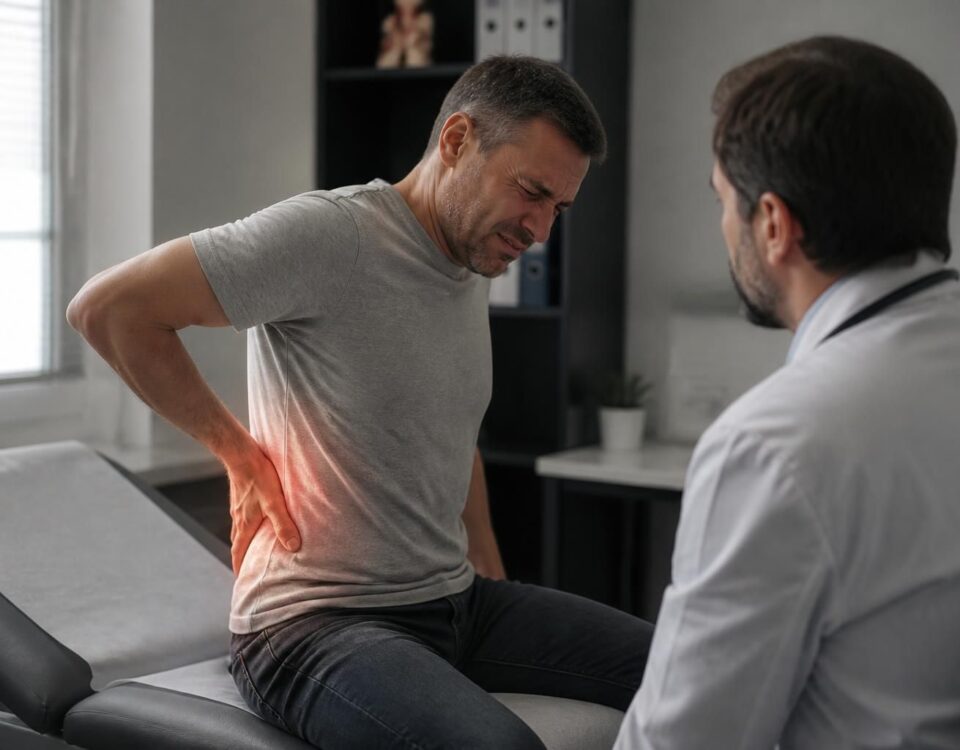
If the pain persists despite rest, is accompanied by numbness, weakness, or difficulty walking, it is recommended to consult a professional for an accurate diagnosis and a personalized program of stretching and strengthening.
| Element | Concise explanation |
|---|---|
| Deep forward flexion | Increases pressure on the discs and can worsen symptoms. |
| Sudden twists | Impose a rotational strain on the spine and on the nerve roots. |
| Lifting without bending the knees | Increased lumbar load and risk of irritation. |
| Back hyperextension | Increases range and disc pressure, potentially triggering pain. |
| Repeated jumps and impacts | Shocks transmitted to the intervertebral discs and to the spine. |
| High-impact or contact sports | High risk of pain from shocks and repeated twists. |
| Aggressive daily postures | Prolonged sitting and poor lumbar ergonomics. |
| Inappropriate stretches | Some movements force flexions/twists and can awaken pain. |
Why certain movements worsen the herniated disc and the role of stretching
Previously, every deep forward flexion triggered a shooting pain in my lower back and I thought that staying still was the only solution. With a proven herniated disc, these compromising movements intensified the pain and limited my activities. By working on alternatives and safer movements, I learned to bend my knees, keep my back neutral, and integrate active breaks, which reduced my episodes and restored my mobility.
For me, quick twists during simple daily tasks would trigger pain radiating down my leg. I thought I had to limit all rotational movements, but I discovered that the trick was to learn fluid and controlled movements that preserve the spine. Today, with professional guidance, I can turn my torso without strain and the pain is much less present.
In my work, carrying heavy loads was a trial: lifting heavy loads without bending my knees put a strain on my lumbar spine. After some tailored guidance, I adopted lifting techniques that bring the load closer to the body, and I’m learning to distribute the effort. The pain has diminished and my daily routine has become manageable again.
Repeated jumps and impacts in my sports activities triggered painful flare-ups and intensified the inflammation. I became aware of the importance of prioritizing activities without shocks, like swimming or cycling, and respecting my body’s signals. Since then, I practice a suitable sport without experiencing these painful episodes.
Finally, my stretches were a double-edged sword: some poorly executed or overly intense stretches worsened my pain. Understanding the right rhythm and proper techniques changed everything: progressive and targeted stretches, done under supervision, allowed me to improve my flexibility without increasing pain. Today, stretching supports my recovery and lumbar stability.
Dr Sylvain Desforges, an expert in osteopathy, naturopathy, and manual medicine, is the founding president of TAGMED clinics and the ACMA association. His career is guided by innovation in the field of care and a patient-centered approach to sustainable well-being. A specialist in managing chronic pain and integrating advanced technologies like spinal decompression, laser, and shockwave therapy, he emphasizes evidence-based care to optimize health and quality of life. In the framework of these expertise, he provides a precise understanding of the mechanisms of herniated discs and the role of stretching in rehabilitation and preventing recurrences.
The herniated disc corresponds to a protrusion or displacement of an intervertebral disc that can compress a nerve root. This compression leads to localized pain, sometimes radiating into the buttock, thigh, calf, or foot, and can significantly limit daily mobility. At the heart of this condition, certain gestures and repeated movements increase the pressure on the spine and exacerbate nerve irritation. Understanding why certain gestures are problematic allows for the adoption of effective strategies to protect the back and promote recovery.
Several movements can aggravate symptoms and should be avoided or moderated, including deep forward flexions, which exert direct pressure on the discs and can push the disc content toward the nerve root. Sudden twists of the trunk and lifting heavy loads with a rounded back increase lumbar strain and can trigger or amplify pain. Back hyperextension and high-impact jumps contribute to inflammatory irritation and the progression of inflammation. Finally, activities involving repeated shocks and prolonged vibrations can contribute to persistent pain and hinder recovery. In summary, the goal is to limit loads and movements that compromise lumbar stability and increase pressure on the nerves.
Regarding stretching, certain well-guided practices can provide relief and flexibility, provided they are done with caution and according to each individual’s clinical condition. Stretches should aim for controlled mobility, without forcing positions and prioritizing appropriate breathing. Gentle stretches, guided by a professional, combining lumbar stability and muscle chain openness, can help restore mechanical tolerance and prevent stiffness. Conversely, aggressive or poorly adapted stretches can cause acute pain or exacerbate radicular symptoms. As part of a holistic approach, each movement is personalized, calibrated, and progressive to support recovery without compromising spinal stability.
In practice, effective management relies on a thorough assessment of spinal dynamics, planning of stretches and suitable stabilizing exercises, and the potential integration of techniques such as decompression, laser therapies, or shockwaves when justified by clinical evaluation. This approach aims to reduce pain, restore mobility, and decrease the risk of recurrence, placing safety and effectiveness at the heart of every therapeutic gesture.
This article examines how stretching and daily movements affect a herniated disc. It reminds why certain movements can increase pressure on the discs and nerve roots, and how to favor appropriate stretches and postures to limit pain and promote recovery. An individualized and progressive approach remains essential.
Why certain movements worsen the herniated disc: deep forward bends, sudden twists, lifting heavy loads, hyperextensions, and repeated impacts increase the pressure exerted on the intervertebral discs and irritate the nerve roots. For a clear overview of gestures to avoid, you can refer to this dedicated guide on prohibited movements.
Physical activities must be chosen with care: high-impact sports or those involving violent twists can exacerbate pain and lumbar stability. Conversely, some adapted disciplines allow for maintaining mobility and supporting the back, provided they are practiced with appropriate intensity and good technique. For specific advice on exercises to avoid and prioritize, refer to specialized resources mentioned below.
Regarding stretching, prioritize gentle and progressive movements that improve flexibility without increasing pressure on the discs. Stretches aimed at relieving the lumbar muscles and promoting a balanced posture should be performed slowly, with controlled breathing and without sharp pain. For detailed examples and recommendations on practices to prioritize and those to avoid, you can consult dedicated guides on ergonomics and rehabilitation.
The role of professional assessment remains crucial: each person has unique characteristics (location of pain, degree of herniation, daily activities). A personalized plan, including choices of stretches, exercises, and postural adaptations, helps limit risks and progress safely. To deepen your understanding of non-surgical approaches and sustainable solutions, this document provides additional information on neurovertebral decompression and associated options.
To broaden your understanding and access complementary resources, consult the following guides and recommendations: prohibited movements, neurovertebral decompression, central and sciatic pain, prohibited movements and sports, numbness, exercises to prioritize, exercises and positions, pain when sneezing or exertion, nerve irritation, nerve irritation.
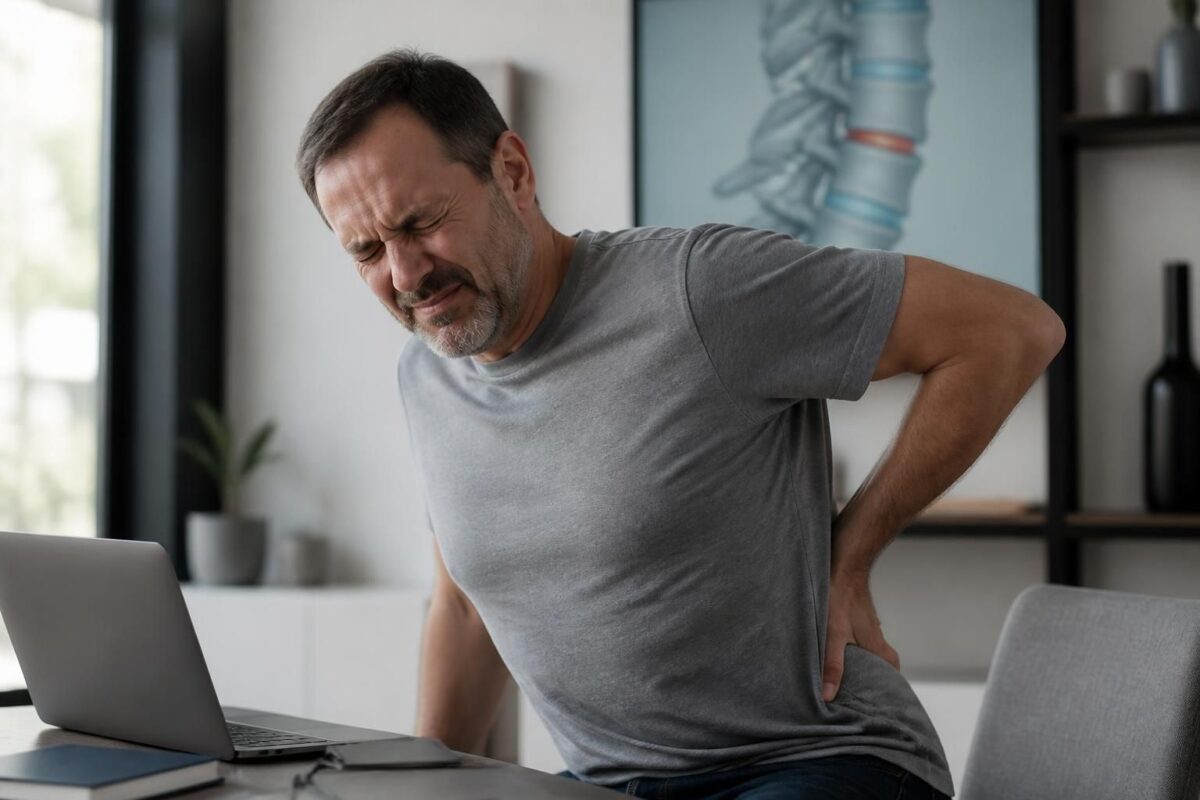
Herniated disc and annular tear: possible pain
IN BRIEF In short, Herniated disc and annular tear refer to issues with the intervertebral disc that can cause lower back pain and, at times, pain radiating down the leg. Symptoms vary and can mimic sciatic pain. Treatment favors conservative…
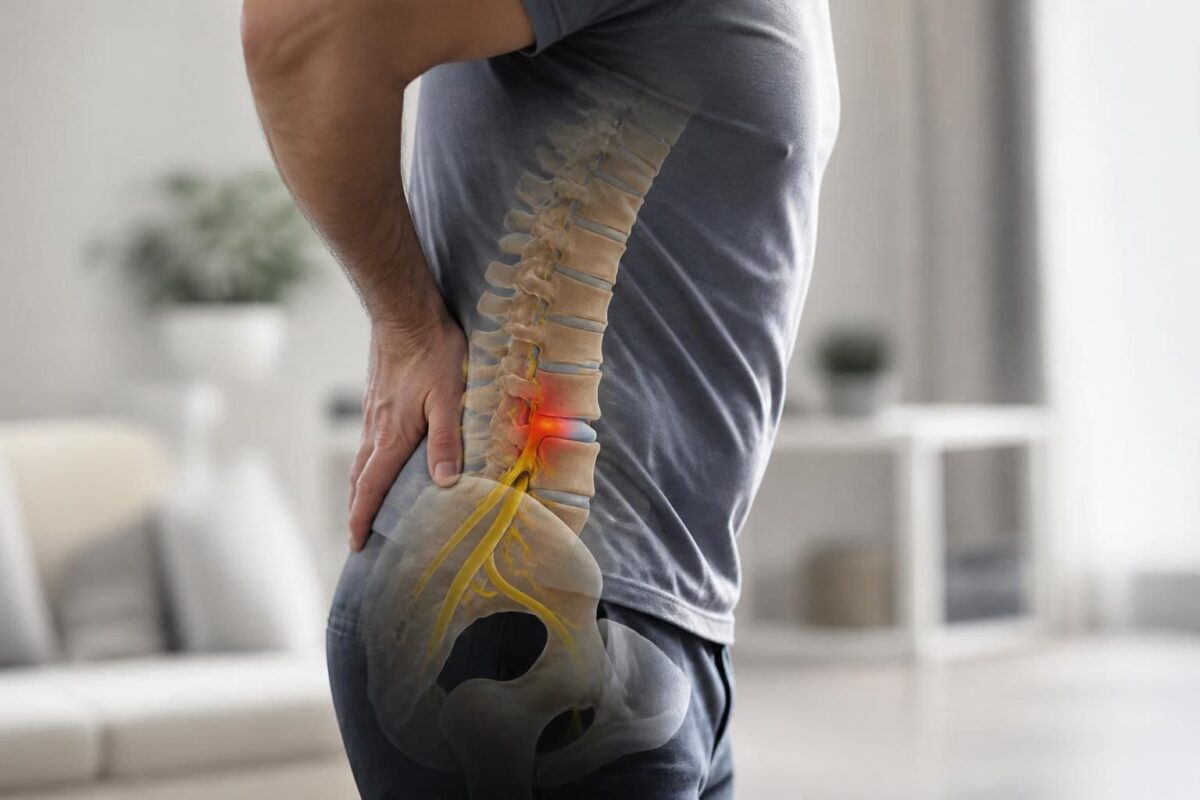
Herniated disc and chemical irritation of the nerve root
IN BRIEF In brief, Herniated disc and chemical irritation of the nerve root describe pain and dysfunction due to compression and inflammatory chemical exchanges affecting a spinal nerve root. This association explains radiating pain, abnormal sensations, and sometimes muscle weakness…
Herniated disc and mechanical compression of the nerve
IN BRIEF In brief, a herniated disc is a prolapse of the intervertebral disc that can lead to mechanical compression of the nerve root, causing pain and numbness that often radiate down the leg. This compression explains radiculopathy and sensations…
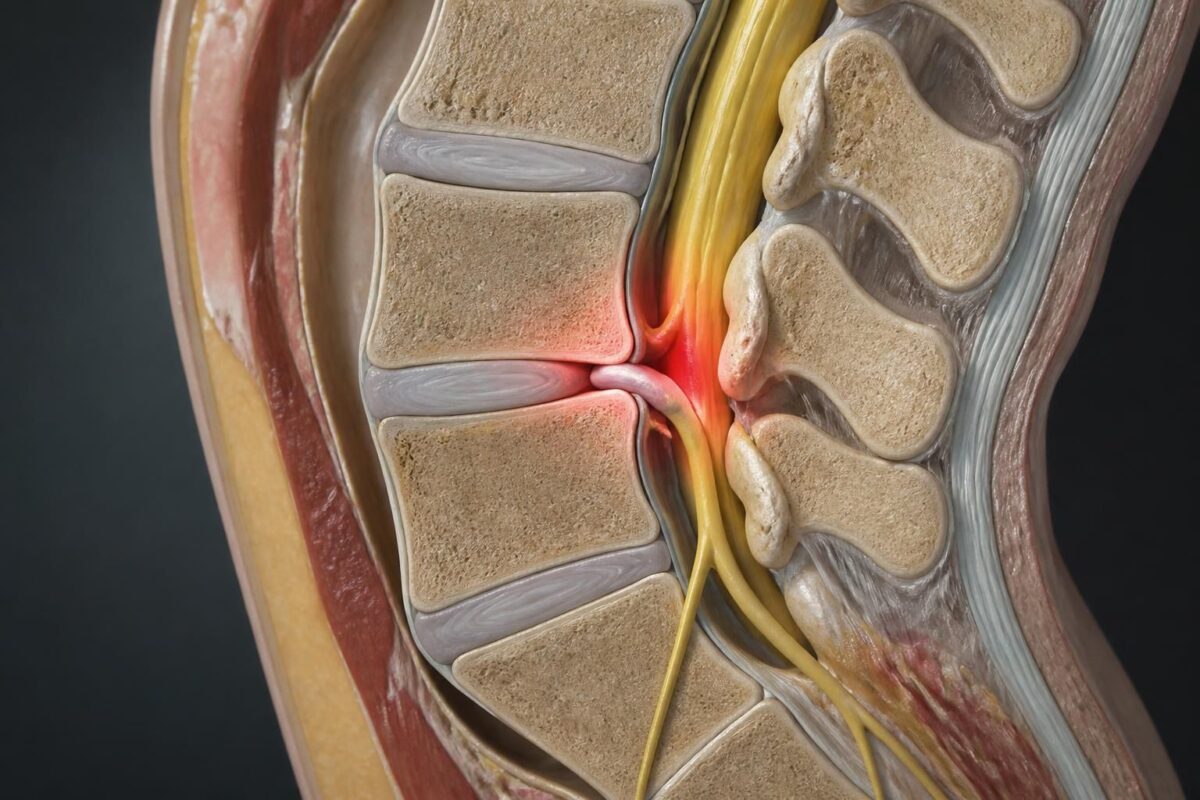
Herniated disc and nerve root inflammation
IN BRIEF In brief, lumbar disc herniation and nerve root inflammation refer to compression and irritation of a spinal root causing radiating pain, paresthesias, and sometimes muscle weakness. The mechanism combines disc protrusion and radicular inflammation, hence the importance of…

Herniated disc and peripheral pain: sign to watch out for
IN BRIEF In brief, Herniated disc is the partial protrusion of the gelatinous nucleus of an intervertebral disc through the fibrous ring, which can compress a nerve root and trigger radiating pain in the limb. The key benefits of rapid…

Herniated disc and centralizing pain: sign to interpret
IN BRIEF In brief, a herniated disc is a protrusion of the intervertebral disc that can compress a nerve root, causing centralized pain and signs such as radiating pain, numbness, and weakness. The treatment is mostly conservative: guided activity, physical…

Herniated disc and pain that travels lower after movement
IN BRIEF The Herniated Disc is a protrusion of the intervertebral disc that can compress a nerve root, leading to a pain that radiates down after a movement. The benefits include better guidance for non-surgical treatment and a gradual reduction…

Herniated disc and generic exercises: risk of poor choices
IN BRIEF In brief, the herniated disc and generic exercises can worsen the pressure on the discs and the pain if the movements are inappropriate. The advantage of personalized approaches lies in tailored exercises, controlled progression, and better recovery, while…

Dr Sylvain Desforges, B.Sc., D.O., N.D., osteopath, is the founding president of TAGMED and of the ACMA association. He dedicates his practice to chronic spinal pain, low back pain and symptoms compatible with sciatica, particularly when pain radiates toward the buttock, leg, calf, foot or toes.
Through SOS Sciatique, he publishes educational content on sciatica symptoms, possible causes such as disc herniation, disc narrowing, foraminal stenosis or irritation of a lumbar nerve root, as well as non-surgical approaches that may be considered according to the evaluation. At Clinique TAGMED, care may include, depending on the case, motorized neurovertebral decompression, specific osteopathic care or precision percussion.
For an evaluation related to sciatica treatment in Montreal / Mount Royal or sciatica treatment in Terrebonne, please consult the services available at Clinique TAGMED.
Medical disclaimer
The information published on SOS Sciatique is provided for educational purposes only and does not replace a consultation, diagnosis, opinion or treatment provided by a physician or another authorized healthcare professional. The author of this article is neither a medical doctor nor a specialist in a medical specialty recognized by the Collège des médecins du Québec. The osteopathic, manual medicine or functional support approaches described on this site do not constitute medical acts and are not intended to replace medical follow-up.
Consult a physician or emergency service in cases of loss of bladder or bowel control, anesthesia in the saddle area, significant or progressive weakness in the leg or foot, fever, recent trauma, severe pain or rapid worsening of symptoms. For more details, please read our Legal Notice.