Sciatica and difficulty lifting the foot: emergency or quick consultation?
05/09/2026
Sciatica and travel return: pain that travels down the leg
05/09/2026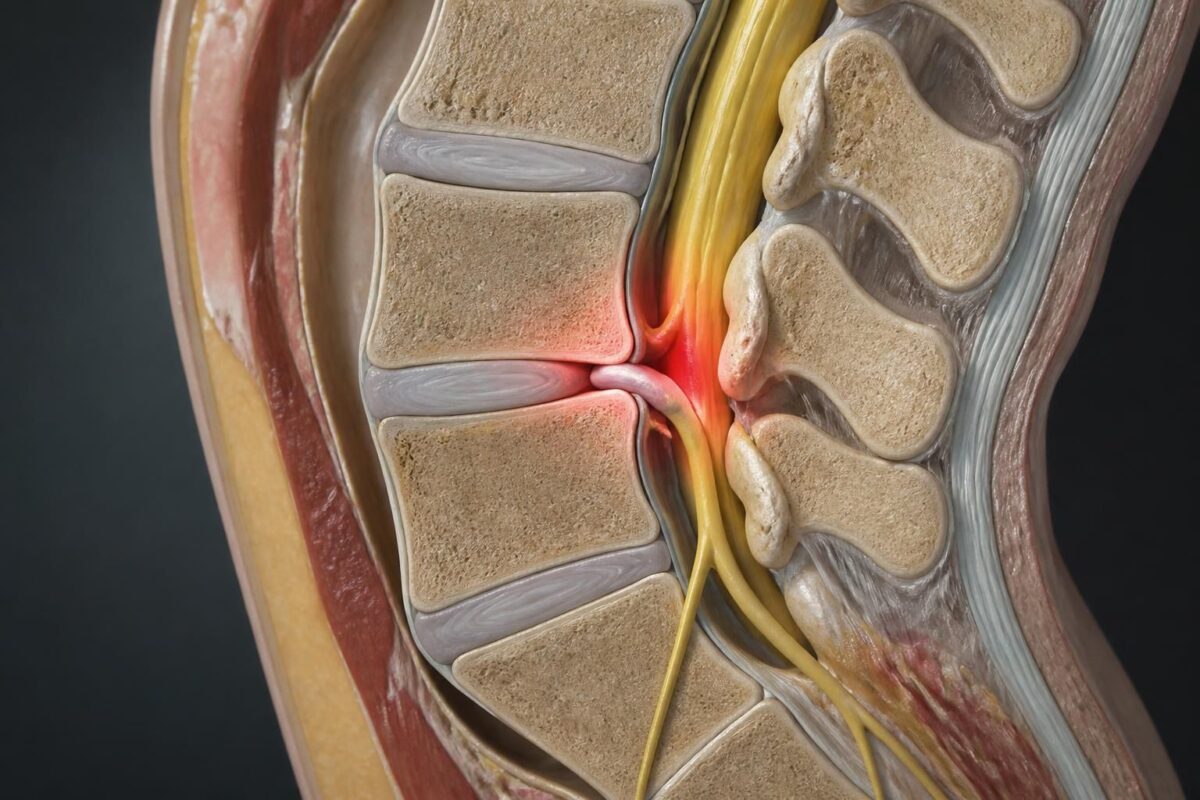
IN BRIEF
| In brief, lumbar disc herniation and nerve root inflammation refer to compression and irritation of a spinal root causing radiating pain, paresthesias, and sometimes muscle weakness. The mechanism combines disc protrusion and radicular inflammation, hence the importance of MRI diagnosis and tests such as EMG to locate the affected root and guide treatment. Benefits include a clear diagnosis and a progressive management approach: relieving pain, restoring mobility, and preventing progression. Options range from analgesics and anti-inflammatories to physical therapy and injections; surgery is considered if motor deficits evolve or if symptoms persist. In Montreal, this service is particularly useful for patients presenting with radiating pain and radicular signs, in order to provide appropriate and rapid management. |
- A lumbar disc herniation can cause compression of a nerve root.
- It manifests as radicular pain, paresthesias, and sometimes muscle weakness in the area served by the root.
- Radicular inflammation is common and can amplify pain.
- The diagnosis relies on clinical examination and imaging (MRI or CT), complemented by electrodiagnostic tests like EMG if necessary.
- Treatment begins with conservative measures (analgesics, NSAIDs, relative rest, physical therapy); injections may be used, and surgery is considered in case of motor deficits or persistent pain.
This guide, written by Dr. Sylvain Desforges, osteopath, explains the link between lumbar disc herniation and nerve root inflammation. It describes the mechanism, diagnosis, and management options, favoring non-surgical approaches and the resources available at TAGMED Clinic.
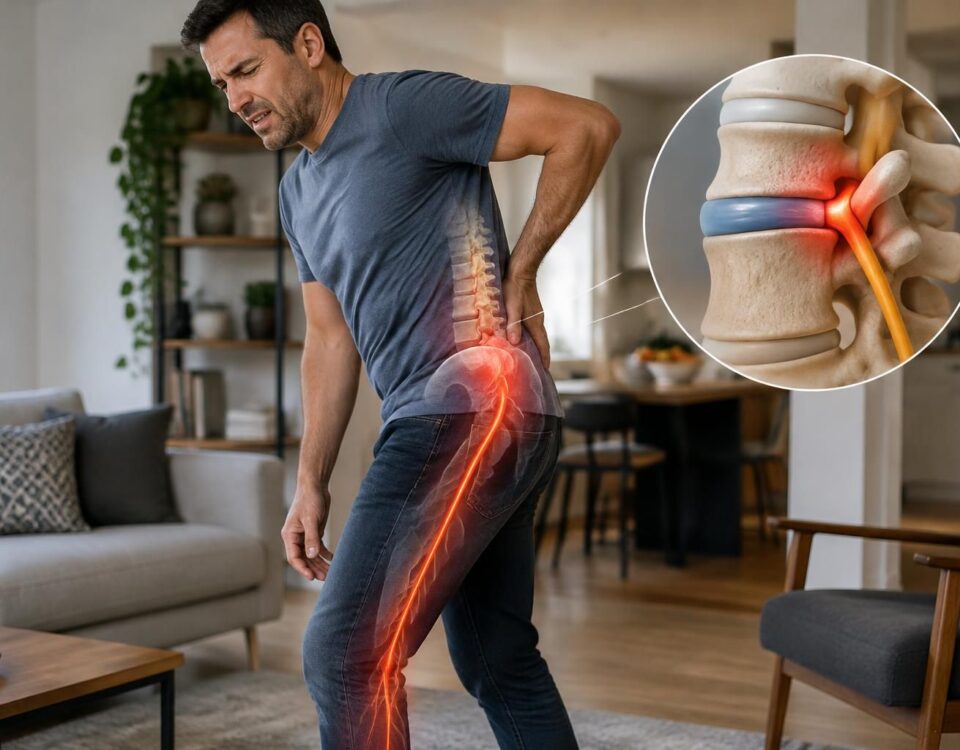
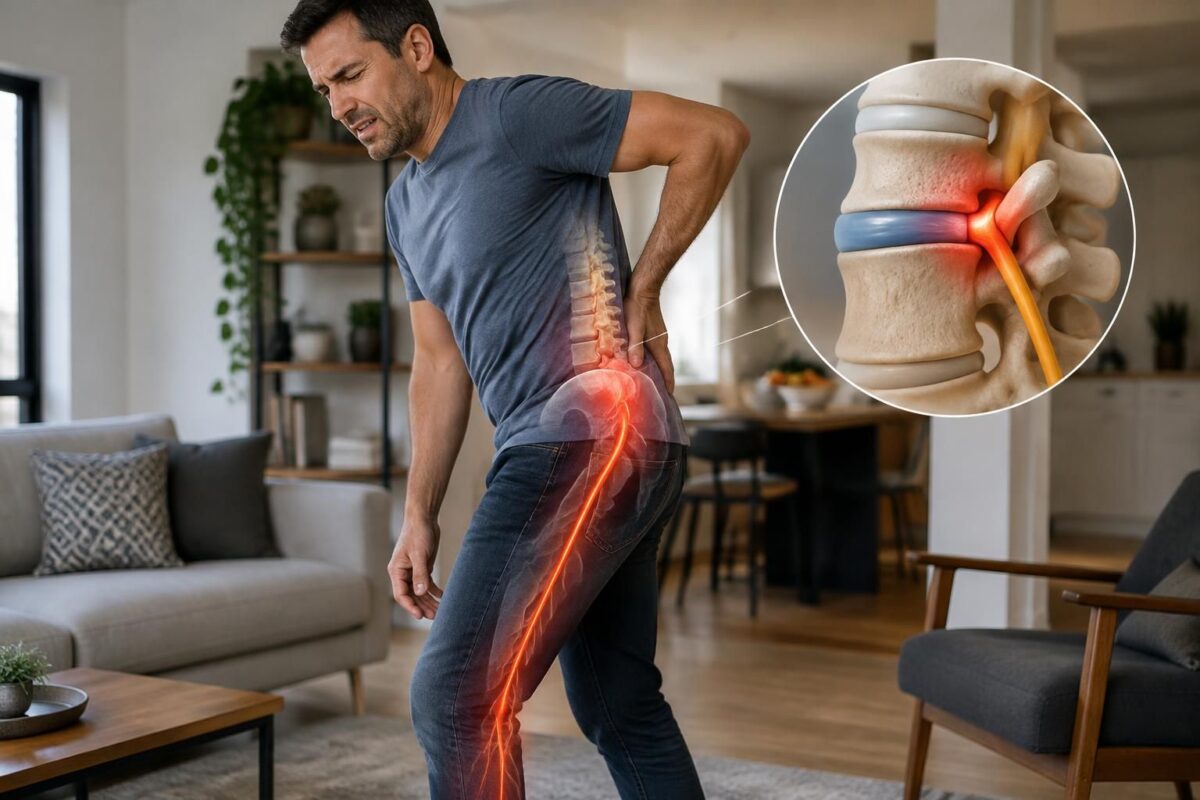
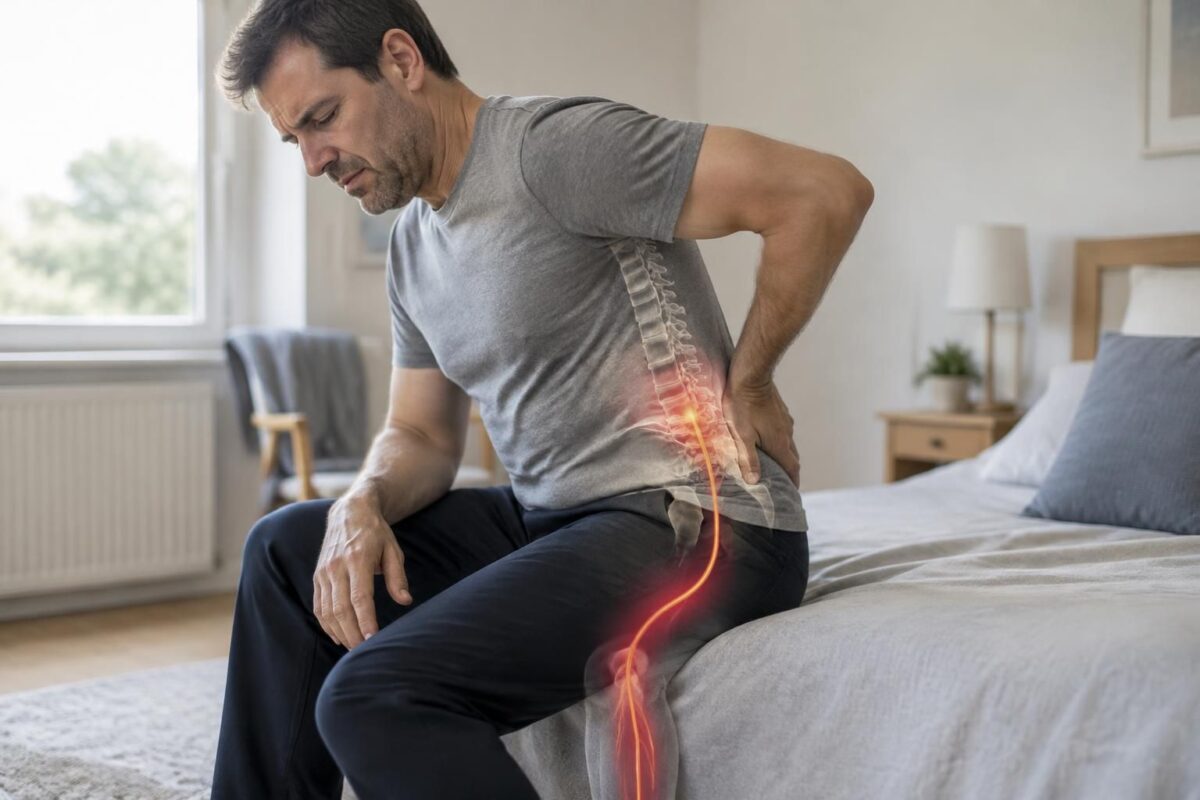
When the nucleus of the intervertebral disc pushes through the fibrous ring, it can irritate the neighboring nerve root and trigger radicular pain, abnormal sensations, and muscle weakness in the area served by that root. This irritation may be due to mechanical pressure and inflammatory chemical mediators that amplify pain during movements, coughing, or sneezing. Inflammation can persist even if the initial compression decreases, and it often contributes to chronic pain.
Mechanism and Symptoms
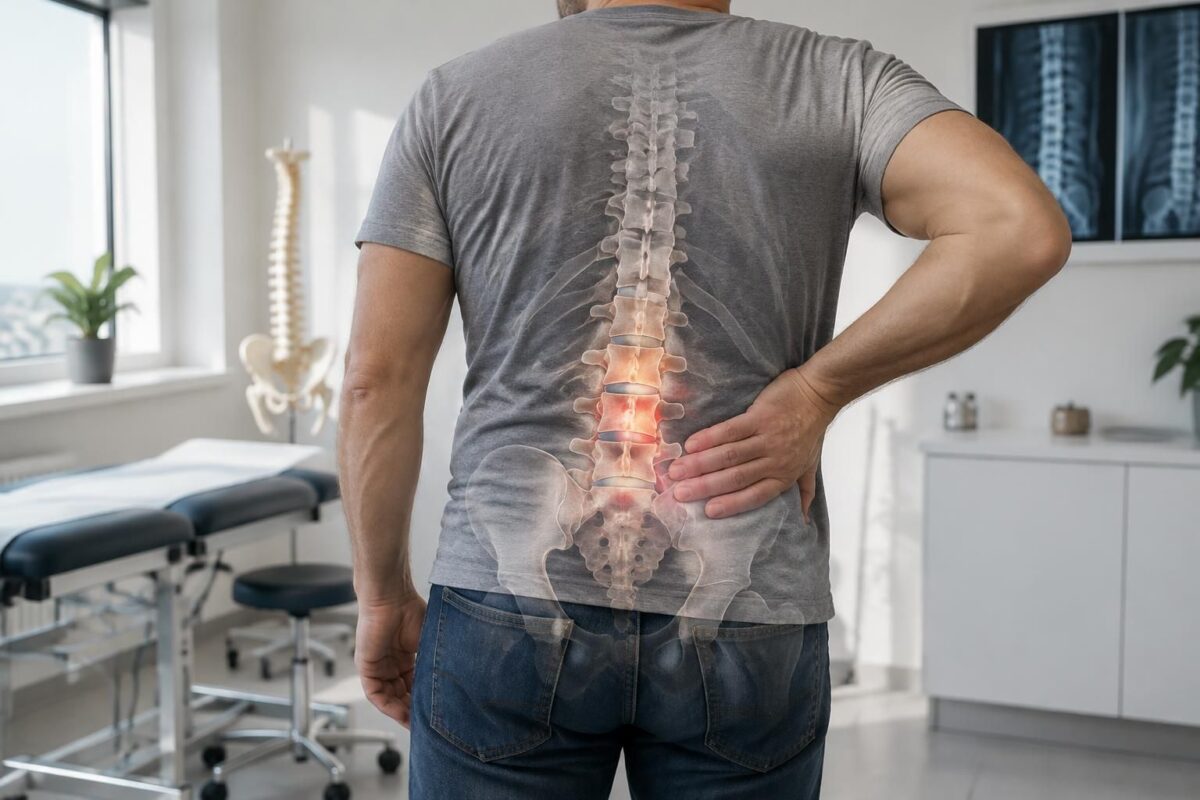
The mechanism is mixed: both mechanical compression of the nerve and a local inflammatory response. The clinical picture depends on the affected root and can include pain originating from the back or neck radiating along the nerve path, paresthesias, muscle weakness, and sometimes decreased reflexes. The dermatome corresponds to an area of skin served by a given root, which helps localize the affected level. In some cases, pain may increase after exertion or prolonged position.
To explore the concept of signs and localization further, you can consult specialized resources on central signs and radicular pathways, particularly those describing aspects of pain and localization.
Diagnosis
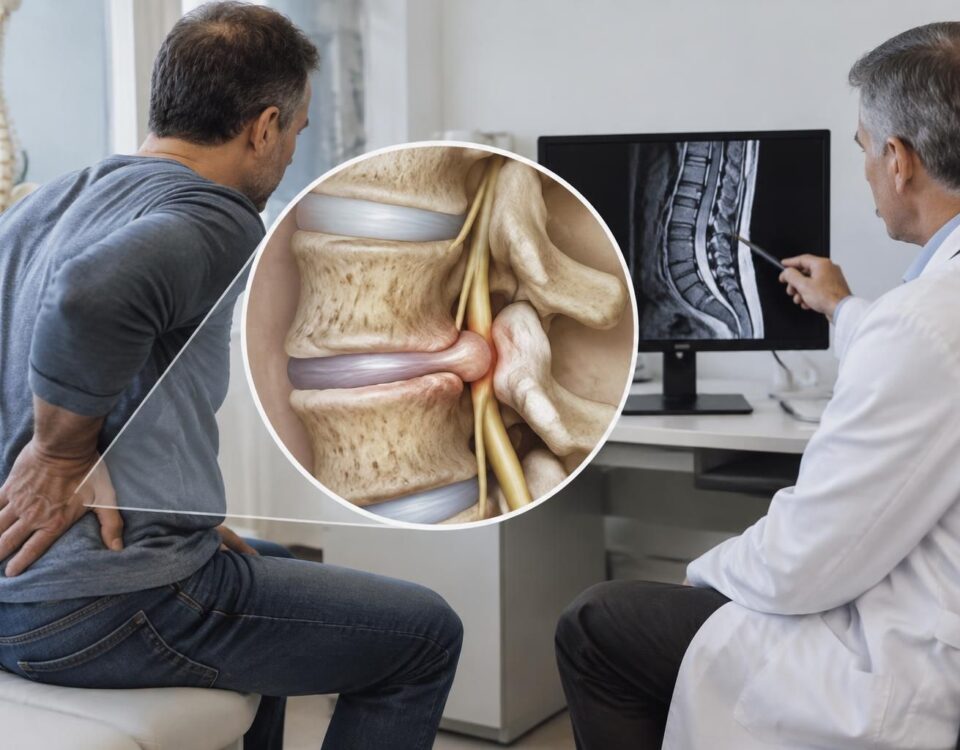
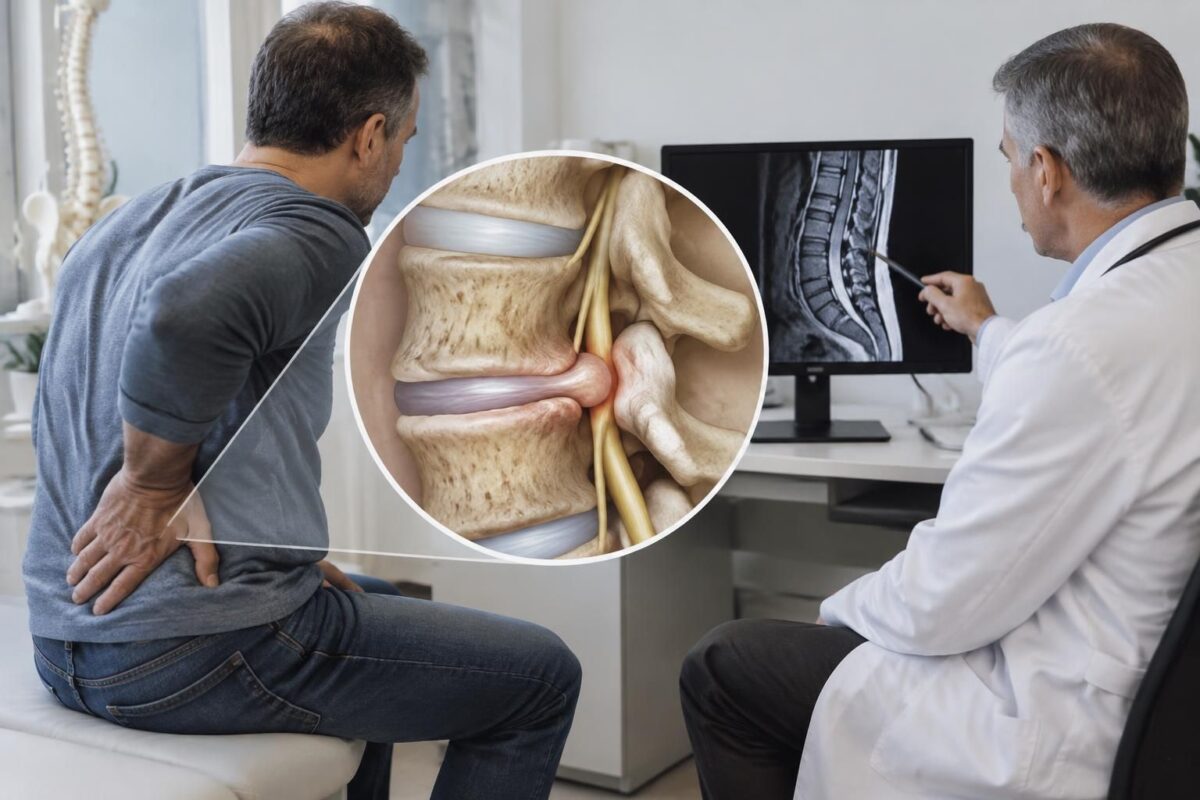
The diagnosis is based on a thorough clinical examination and imaging studies. An MRI shows the structure of the disc, the presence of a herniation, and any damage to the spinal cord or adjacent tissues. When the MRI is inconclusive, a computed tomography (CT) scan or electrodiagnostic tests can help localize the affected root and confirm a radicular compression rather than another peripheral nerve disorder. The doctor may also perform specific tests of nerve function to refine the diagnosis.
For additional explanations and examples of clinical pictures, refer to specialized resources available on Disc Herniation and Central Signs and pain that descends after movement.
Management and Treatment Options
The management aims to reduce pain, restore function, and treat the cause when possible. Dr. Sylvain favors non-surgical approaches when appropriate and offers tailored solutions for each case within the context of TAGMED Clinic.
- Control of initial pain with analgesics and non-steroidal anti-inflammatory drugs (NSAIDs) or paracetamol. Prolonged use of NSAIDs requires careful assessment of risks.
- Targeted injections around the affected root may be considered when pain persists and interferes with daily life.
- Neurovertebral Decompression and other non-surgical approaches are possible based on the assessment and can be discussed at TAGMED Clinic.
It should be noted that neurovertebral decompression and other specialized approaches do not systematically replace medical treatment, but they may be offered as non-surgical alternatives when the expected outcomes are favorable. To explore these options, refer to the following resources:
Neurovertebral decompression and other treatments available at TAGMED Clinic: TAGMED Clinic.
For additional information on options related to lumbar disc herniation and inflammatory signs, also consult the following resources: descends lower after movement, painful cough and disc pressure, pain that increases in seated position, and treatment in Montreal – herniation / stenosis or nerve irritation.
To obtain practical information on non-surgical mechanisms and approaches, you can also consult specialized resources on herniated discs and centralizing signs and on Terrebonne – sciatic treatment.
In some cases, when pain persists or motor deficits appear, surgical intervention may be considered after thorough evaluation. The option of surgery is discussed with the patient and follows a gradual approach, according to clinical recommendations and patient preferences.
Preventing and Monitoring Progress
Prevention involves early evaluation of symptoms and appropriate management to limit mechanical factors that aggravate pain. Maintaining proper posture, avoiding repeated abrupt movements, and following the health professional’s advice remain essential. In the case of persistent pain, accompanied by a cold or fever, it is important to consult quickly to rule out a more serious complication.
To learn more about signs and radicular patterns, consult the following resources:
• Herniated disc and centralizing sign • sciatic pain worsening in a sitting position • pain movement during activity
For information related to location and imaging, you can also consult resources related to decompression and the etiology of radicular pain on authorized partner sites.
Medical Disclaimer: The information and advice provided on this site do not replace the opinion, diagnosis, or treatment of a health professional. Please note that Dr. Sylvain Desforges, osteopath, is neither a Doctor of Medicine nor a physician and is not a specialist in a medical specialty as defined by the Collège des médecins du Québec. Manual medicine, functional medicine, and sports medicine, as described on this site, exclude any medical treatment or diagnosis made by a doctor or medical specialist. Always consult your physician for any medical questions. For more details, please read our complete Legal Notice.
Herniated Disc and Nerve Root Inflammation — Axis: Pathway and Management
- Herniated disc: nucleus pushing on a root and triggering localized radicular pain.
- Radicular inflammation: inflammatory process aggravating pain and sensory disorders.
- Symptoms according to the root: dermatomal irradiation, paresthesias, and possible weakness.
- Pain exacerbated by movement, coughing, or sneezing.
- Diagnosis: clinical examination + imaging (MRI/CT) and, if necessary, EMG to localize the root.
- Co-existing mechanisms: pressure and inflammation fueling pain.
- Conservative approach: relative rest, analgesics/NSAIDs, and physiotherapy.
- Injections: corticosteroids close to the root to reduce inflammation and pain.
- Education and posture: ergonomic advice and targeted exercises.
- Surgical indications: progressive motor deficit, refractory pain, or myelopathy.
- Accurate diagnosis: MRI to localize the root and EMG to confirm the affected nerve.
- Monitoring and adjustment: regular reassessment based on progress and response to treatment.

This recommendations article addresses clearly and practically the link between herniated discs and nerve root inflammation, explaining the mechanism, signs, diagnosis, and treatment approaches. It helps you understand why the pain can be irritating and how to take effective action to reduce symptoms and promote a return to daily activities.
Understanding the Mechanism
A herniated disc occurs when the intervertebral disc nucleus pushes through the fibrous ring and compresses a neighboring nerve root. This mechanical compression is often accompanied by a local inflammatory process that releases irritating substances, amplifying pain and uncomfortable sensations in the area served by the affected root. The picture can be more intense than what radiological images show, as inflammation can amplify pain even when the structural conflict seems modest.
Origins and Triggers
Frequent triggering factors include age-related wear, repetitive movements, sustained poor posture, abrupt effort, or minor trauma. Radicular inflammation is often the key element that prolongs and intensifies pain after the initial mechanical conflict, making multidisciplinary management particularly useful.
Signs and Symptoms
Radicular pain follows the path of a nerve root and manifests as pain radiating from the spine to a limb, associated with paresthesias (tingling sensation) and sometimes localized muscle weakness. Symptoms vary depending on the affected root and can be worsened by movement, coughing, or sneezing. In some cases, more pronounced neurological signs such as loss of strength or altered urinary or fecal control may occur and constitute a medical emergency.
Typical Pain and Sensations
Pain may begin in the back or neck and radiate up or down along the nerve pathway, affecting the thumb or middle finger depending on the location of the irritated root. Abnormal sensations may include tingling and a burning sensation that complete the clinical picture.
Signs of Emergency
Contact immediately in case of loss of urinary or fecal control, marked weakness, or rapid progression of symptoms. These alerts indicate serious nerve damage requiring prompt evaluation.
Diagnosis and Investigations
The diagnosis is based on a thorough clinical examination and additional investigations. An imaging study such as MRI or CT scan helps locate the disc and assess the extent of compression of the nerve root. Electrodiagnostic tests, such as EMG, can specify which roots are affected and help differentiate radicular compression from other peripheral neuropathies. The goal is to identify the cause and assess the urgency of intervention.
Treatment Options and Pain Management
Care generally begins with non-invasive measures and a reduction of inflammatory symptoms: simple pain relievers (paracetamol), non-steroidal anti-inflammatory drugs, and relative rest combined with physical therapy and targeted exercises. Non-pharmacological approaches, such as pain management techniques and trunk strengthening, can reduce the burden on the spine and improve mobility.
When pain persists or function is compromised, complementary options may be considered: localized injections near the root to reduce inflammation and provide rapid relief, or surgical intervention in cases of progressive motor deficit or failure of conservative treatments. The aim is always to preserve nerve function and avoid long-term complications.
Prevention and Practical Advice
To limit the risk of recurrence and promote lasting recovery, adopt a suitable physical activity routine, prioritize good posture, perform mobility and trunk strengthening exercises, and avoid sudden efforts or heavy loads that excessively stress the spine. Maintaining a healthy weight and managing aggravating factors also contribute to reducing the frequency and intensity of pain episodes related to herniated discs and nerve root inflammation.
| Aspect | Concise Description |
|---|---|
| Definition | Herniated disc: protrusion of the intervertebral nucleus that may compress a nerve root. Nerve root inflammation: inflammatory reaction around the irritated root. |
| Main Causes | Herniated discs and osteoarthritis reduce foraminal space; diabetes, infections, or tumors can also affect nerve roots. |
| Pain and Symptoms | Electrical pain radiating according to the dermatome, with paresthesias and sometimes muscle weakness depending on the root. |
| Typical Location | The location follows the affected root: arms/legs; painful path reflects dermatomes; can be lumbar or cervical. |
| Key Diagnosis | History and clinical examination + MRI for the level and type of lesion; EMG if uncertain about the nerve. |
| Initial Treatment | Pain relievers and NSAIDs, relative rest, physical therapy; infiltrations possible if pain persists. |
| Targeted Treatment | Treat the cause when possible; medication options, rehabilitation, and when necessary, infiltration or surgery depending on the deficit. |
| Emergencies | Loss of urinary/fecal control, rapid weakness or severe pain; cauda equina syndrome requires rapid intervention. |
| Key Difference | Mechanical mechanism more than inflammatory; inflammation can persist even if the hernia is stable and imaging is not always decisive alone. |
Testimonials on Herniated Discs and Nerve Root Inflammation
“Before treatment, my lumbar herniated disc caused me persistent pain radiating into my hip and leg. The nerve root inflammation made every movement painful, and I could barely sleep. After a precise assessment and a personalized protocol, the pain decreased and I regained my daily activities without fear of triggering it.”
“I had intense pain shooting from my back to my arm due to a herniated disc. The nerve root inflammation prevented me from moving normally and ruined my days. Thanks to appropriate care, targeted exercises, and non-invasive approaches, the pain significantly decreased and mobility returned.”
“My diagnosis indicated nerve root inflammation associated with a cervical herniated disc. The pain radiating into my arm and nighttime paresthesias led me to seek a solution. After treatment, the painful path eased, and I regained sleep and concentration at work.”
“I was impressed by the accuracy of the diagnosis: MRI + clinical assessment confirmed the affected level and nerve root inflammation. The rehabilitation plan and manual techniques used reduced compression and improved strength without surgery. I highly recommend seeking help for any suspicion of herniated disc with nerve root inflammation.”
“The main symptom was a dull pain associated with weakness in my leg muscles. It clearly indicated nerve root inflammation related to a herniated disc. After a few weeks, things progressed favorably: less intense pain, and regained ability to walk and climb stairs.”
“My daily life was marked by painful flare-ups and lumbar angle chills due to nerve root inflammation triggered by a herniated disc. A comprehensive care program and targeted exercises allowed me to resume my sports activities and outings without fear of recurrence.”
“I feared loss of control and pain that never ended. The targeted assessment identified the root affected by the herniated disc and the associated inflammation. The non-surgical protocol was effective: pain reduced, better mobility, and gradual return to work.”
“After months of pain and discomfort due to a herniated disc and nerve root inflammation, I finally regained a quality of life. Practical advice, manual techniques, and exercises helped me manage symptoms and avoid heavy treatments.”
Herniated Disc and Nerve Root Inflammation: Biography of a Painful and Often Reversible Journey
Dr Sylvain Desforges, osteopath and integrative medicine physician, offers a detailed and accessible biography of disc herniation and nerve root inflammation, two phenomena that explain an essential part of spinal pain. This story begins with mechanical pressure on the intervertebral disc and continues with an inflammatory response that can irritate the neighboring nerve root, triggering pain that follows the course of the nerve, sometimes accompanied by paresthesias, warmth, or muscle weakness.
Anatomically, the nerve roots exit the spinal cord and divide into two branches, motor and sensory, before joining to form the spinal nerve. When the nucleus of the intervertebral disc bulges through the fibrous ring, it can directly compress a neighboring nerve root, triggering a local inflammatory cascade. This dynamic explains why neck or lower back pain can radiate to the arms or legs, depending on the affected nerve territory.
The most frequent causes of disc herniation and radicular inflammation fall within a logic of wear and repeated stresses: disc degeneration, spinal osteoarthritis, and osteophytes that narrow the passages through which the nerve roots pass, or a tear in the disc after unusual exertion. Other factors, such as prolonged posture, repeated minor traumas, or metabolic conditions like diabetes, can encourage this process. In some cases, an infection or an exposed mass can also press on a root, but these situations remain rarer.
Symptoms related to nerve root inflammation depend on the affected root. Pain is often radicular, described as an electric shock or burning sensation that follows a specific dermatome. Paresthesias, increased sensitivity, and muscle weakness may accompany the pain, and certain movements can exacerbate the symptom, particularly during trunk flexions or activities involving the affected segment. In lumbar forms, pain may radiate into the buttock, leg, or calf; in cervical forms, pain may extend to the arm and thumb or index finger, depending on the compressed root.
The diagnosis relies on a set of elements: a thorough clinical examination, targeted neurological tests, and imaging studies. An MRI is the reference tool for visualizing the disc, the spinal cord, and surrounding soft tissues, while electrodiagnostic tests like EMG and nerve conduction studies help to precisely localize the affected root and differentiate radiculopathy from other neuropathies. In some cases, a CT scan or further investigations may be considered to refine the diagnosis when the MRI is inconclusive.
Treatment follows a logical progression and relies on non-invasive approaches, targeted interventions, and, when necessary, appropriate surgery. Initial measures consist of pain management with non-opioid analgesics and NSAIDs, coupled with periods of relative rest and physical therapy or adapted manual techniques. When inflammation persists, corticosteroids may be proposed, either systemically or through injection near the affected root. Injections may be considered to reduce inflammation around the root and improve sleep and daily functioning. If the pain remains severe or if progressive motor deficits appear, or if signs suggest an emergency (e.g., major bilateral radicular pain, loss of urinary or fecal control), surgical intervention may be discussed to decompress the root and prevent irreversible nerve damage.
Most cases of disc herniation and radicular inflammation progress favorably with an appropriate and early approach. The key is a personalized assessment and a progressive treatment plan, sometimes combining osteopathy, manual therapies, and modern technologies when indicated, to quickly restore function and improve quality of life. In practice, the goal is to give the patient back control over their body and movement while sustainably reducing pain and inflammation.
In this detailed summary, we explain how a disc herniation can lead to nerve root inflammation, why pain and paresthesias arise, and what diagnostic and therapeutic approaches can relieve symptoms while protecting nerve function. The process is often initially inflammatory and mechanical, and management favors non-invasive options when possible, with personalized adjustments based on the affected vertebral level. To enrich your understanding, you can consult specialized resources such as the following pages: Hernie discale et douleur au gros orteil (L5), Recommended procedures in case of disc herniation, and Clinical distinctions for low back pain and sciatica. These resources provide complementary perspectives on mechanisms and management options.
Radicular pain and abnormal sensations most often result from contact and inflammation around the affected nerve root. Diagnosis relies on careful clinical examination, using MRI to visualize the herniation and adjacent structures, and, if necessary, EMG tests to precisely locate the affected root(s) and rule out other neuropathic causes. You can consult practical resources such as Extruded disc herniation and clinical significance and radiculopathy and nerve root compression to deepen your understanding of these mechanisms.
In clinical practice, management usually begins with analgesic and anti-inflammatory measures to tame pain and inflammation, while favoring physiotherapy and appropriate rehabilitation. When inflammation persists, options like foraminal injections may be considered. If pain becomes chronic or a motor deficit appears, a more targeted approach, even surgical intervention, may be discussed, while remaining aligned with the goals of preserving nerve function and preventing recurrences. For additional perspectives on mechanisms and management approaches, see resources such as neurovertebral decompression and natural approach and correlation between movement and safety.
In short, the coexistence of disc herniation and radicular inflammation requires a coordinated approach between accurate diagnosis and progressive management. MRI helps locate the affected root, and EMG can be useful when the clinical picture or imaging requires finer confirmation. Effective conservative treatments exist for many situations, while remaining attentive to signs that could justify a more invasive approach. For a comprehensive view and practical advice, you can explore resources dedicated to cruralgia and other associated manifestations via resources like Centre Clea and other reference pages mentioned above.
For professionals and patients, the goal is to reduce inflammation, restore mobility and strength, and prevent worsening through a targeted combination of pharmacological treatments, physical therapies, and potential surgical interventions when clinical criteria justify them. Additional resources like Disc herniation and radicular pain L5 and recovery after a recurrent disc herniation provide practical insights to support patients on a daily basis.
Disc herniation and recurrent sciatica
IN BRIEF A disc protrusion is a bulging of the disc that may be associated with recurring sciatica, without necessarily being the cause. The evaluation correlates symptoms, neurological examination, and imaging, if relevant. An appropriate plan can help improve function…
Disc herniation and persistent pain in the leg
IN BRIEF A disc protrusion is a bulging of a disc that can irritate a nerve and cause persistent pain in the leg, sometimes accompanied by tingling or numbness. Imaging alone does not confirm the origin of the symptoms: clinical…
Disc herniation and lumbar degeneration
IN BRIEF A lumbar disc protrusion is a bulging of a disc often related to disc degeneration. It does not always cause symptoms but can contribute to lower back pain or pain radiating down the leg if a nerve is…
Disc protrusion and disc pinching: combined mechanisms
IN BRIEF A disc protrusion is a bulging of the disc, while a disc narrowing refers to a decrease in its height. These changes can coexist and sometimes irritate a nerve root, leading to pain or radiation, but they can…

Disc herniation and associated foraminal stenosis
IN BRIEF A disc protrusion associated with foraminal stenosis occurs when a bulging disc coexists with a narrowing of the opening through which a nerve root passes. This association can lead to lower back pain radiating into the leg, tingling,…

Spinal disc protrusion and nerve inflammation
IN BRIEF A disc protrusion is a bulging of the disc that can irritate or compress a nerve, without necessarily causing symptoms. When it leads to nerve inflammation, it can cause pain in the back or neck, sometimes accompanied by…

Disc protrusion and irritation of L5
IN SHORT A disc protrusion is a bulging of the disc that can irritate the L5 root and cause lower back pain radiating to the buttock, leg, or foot, sometimes with tingling or weakness. MRI alone is not sufficient to…

Disc protrusion and pain after twisting the back
IN BRIEF A disc protrusion is a bulging of the disc that can contribute to pain after a back twist, but it alone does not confirm the cause. The pain can remain in the lower back or radiate to the…

Dr Sylvain Desforges, B.Sc., D.O., N.D., osteopath, is the founding president of TAGMED and of the ACMA association. He dedicates his practice to chronic spinal pain, low back pain and symptoms compatible with sciatica, particularly when pain radiates toward the buttock, leg, calf, foot or toes.
Through SOS Sciatique, he publishes educational content on sciatica symptoms, possible causes such as disc herniation, disc narrowing, foraminal stenosis or irritation of a lumbar nerve root, as well as non-surgical approaches that may be considered according to the evaluation. At Clinique TAGMED, care may include, depending on the case, motorized neurovertebral decompression, specific osteopathic care or precision percussion.
For an evaluation related to sciatica treatment in Montreal / Mount Royal or sciatica treatment in Terrebonne, please consult the services available at Clinique TAGMED.
Medical disclaimer
The information published on SOS Sciatique is provided for educational purposes only and does not replace a consultation, diagnosis, opinion or treatment provided by a physician or another authorized healthcare professional. The author of this article is neither a medical doctor nor a specialist in a medical specialty recognized by the Collège des médecins du Québec. The osteopathic, manual medicine or functional support approaches described on this site do not constitute medical acts and are not intended to replace medical follow-up.
Consult a physician or emergency service in cases of loss of bladder or bowel control, anesthesia in the saddle area, significant or progressive weakness in the leg or foot, fever, recent trauma, severe pain or rapid worsening of symptoms. For more details, please read our Legal Notice.