Sciatica and tingling in the big toe: possible L5 root
26/08/2026
Sciatica and Traffic Jams: Immobile Position and Nerve Pain
26/08/2026
IN BRIEF
| In brief, the herniated disc and painful cough describe pain related to disc pressure that irritates a nerve root and can be aggravated by coughing. Benefits: effective non-surgical approach to relieve pain and restore mobility, with personalized interventions (osteopathy, physiotherapy) and preventive measures. Operation: assessment and, if necessary, imaging to confirm the diagnosis, followed by appropriate mobilizations and muscle strengthening to decrease pressure on the nerve and limit discharges during coughing; gradual improvement and return to activity. In Paris, this service is particularly recommended for people suffering from radiating pain during coughing or symptoms similar to sciatica, in order to avoid heavy treatments and promote lasting recovery. |
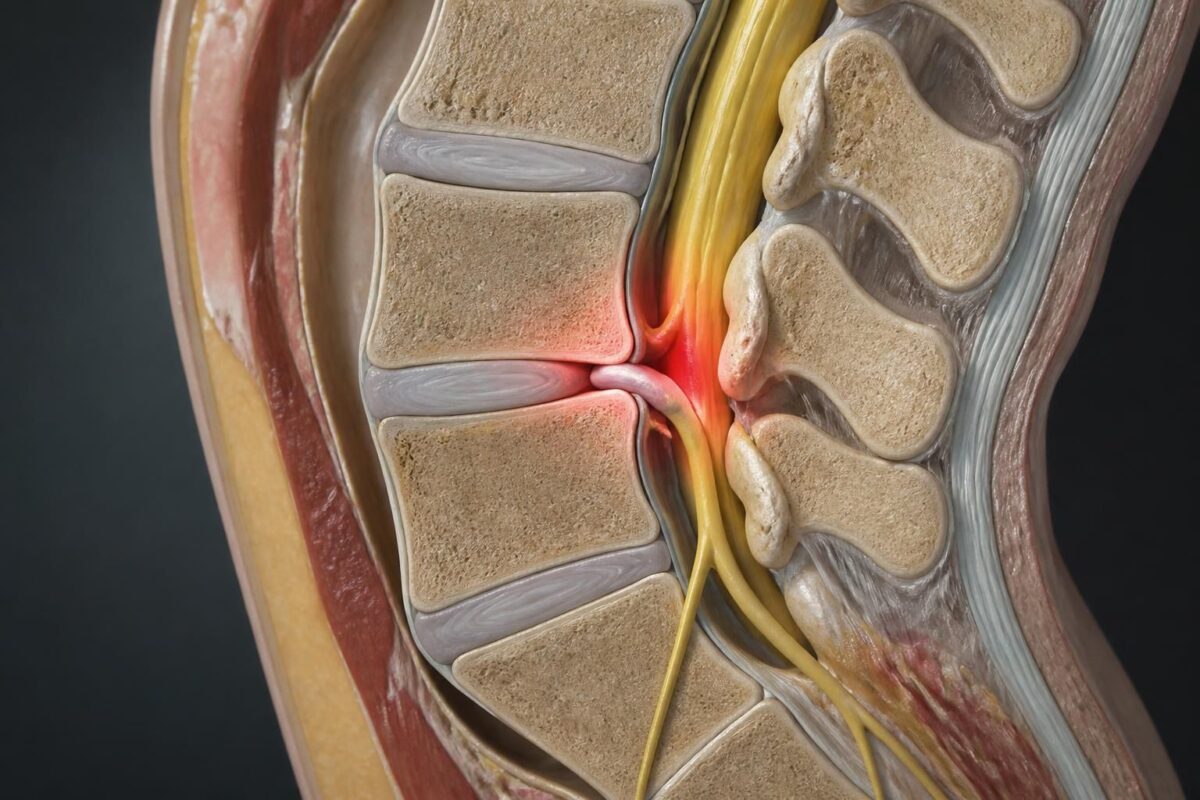
The herniated disc manifests as disc pressure on a nerve root, causing nerve irritation and radiating pain depending on the level (sciatica in the lumbar region, cervicobrachial neuralgia in the cervical region).
A painful cough increases intra-discal pressure and can worsen this irritation, intensifying the pain during episodes.
Appropriate support from a professional can help relieve and prevent recurrences (osteopathy, physiotherapy).
Herniated Disc and Painful Cough: Disc Pressure and Nerve Irritation
This article explains how a herniated disc can manifest as a painful cough and why coughing may exacerbate the pain. It describes the link between increased disc pressure during coughing and irritation of the nerve roots. You will discover the mechanisms, typical clinical signs, and management options, with a pragmatic clinical perspective and actionable advice applicable at TAGMED clinic.
Herniated disc and disc bulge: do not confuse
IN BRIEF In brief, the Herniated disc and the disc bulge are two conditions of the spine that differ in their mechanism and prognosis. The disc bulge is a protrusion of the disc without rupture of the fibrous ring, often…
Herniated disc and disc disease: understanding the differences
IN BRIEF In brief, a herniated disc and discopathy are two distinct causes of spinal pain: wear of the intervertebral disc (discopathy) and the protrusion of the gelatinous nucleus that can compress a nerve (herniated disc). Understanding these differences helps…
Understanding the Mechanism of Coughing and Its Impact on the Disc
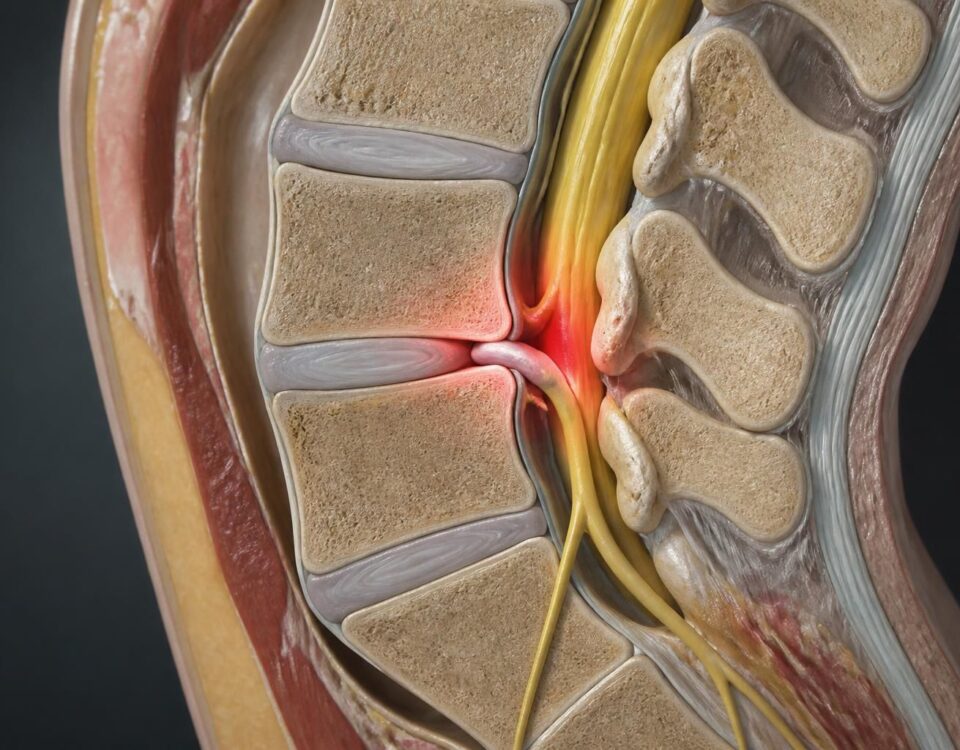
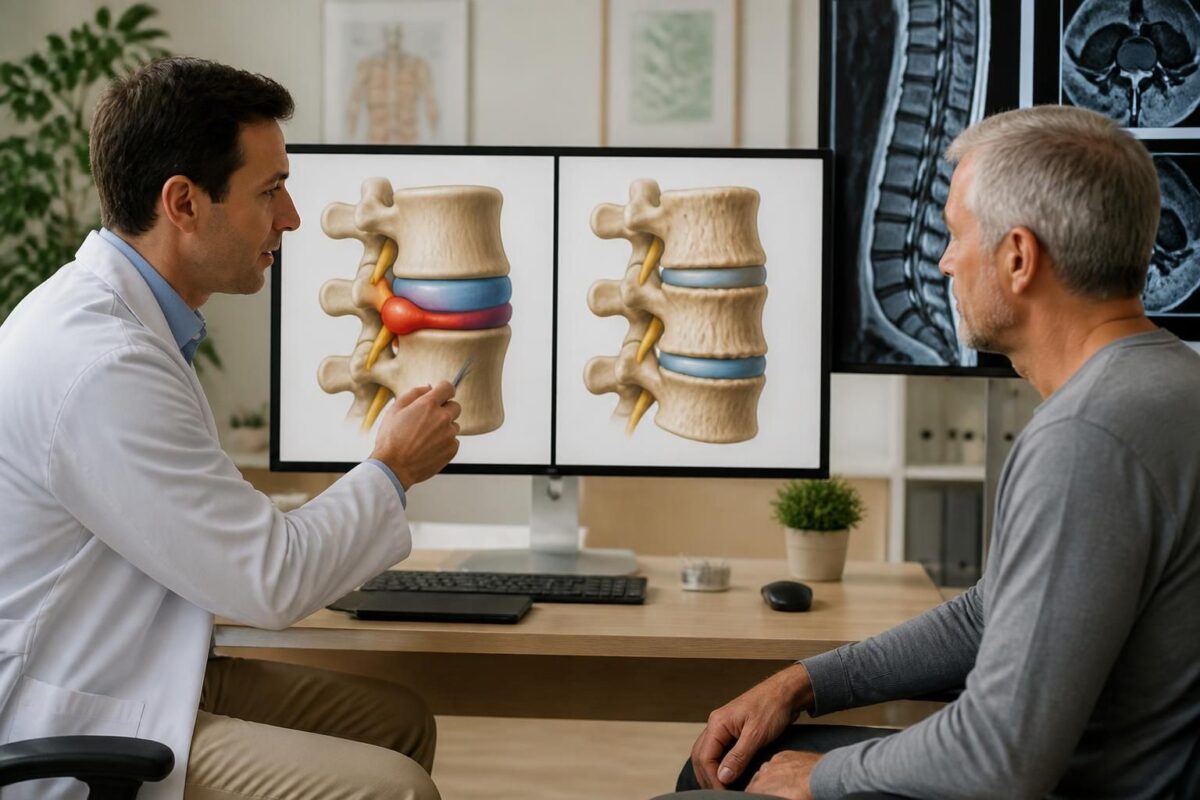
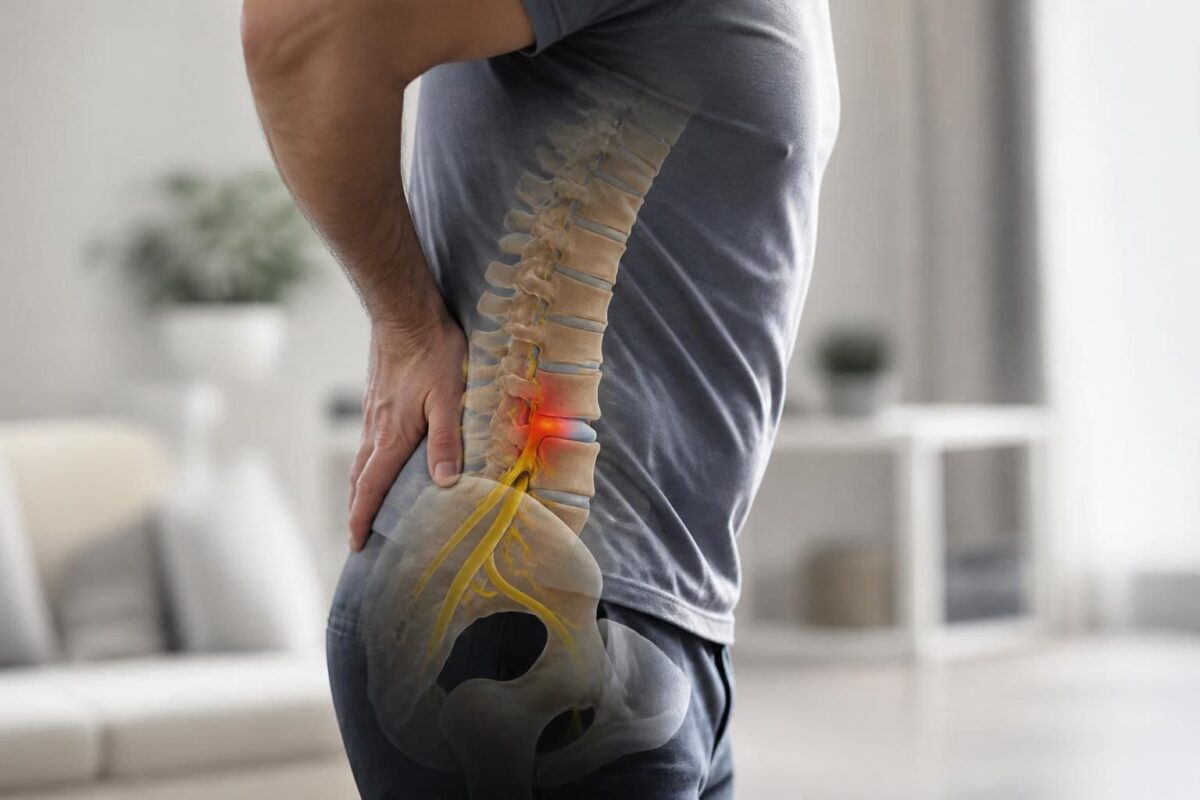
Coughing causes a rapid increase in intra-abdominal and intrathoracic pressure. This increase transmits to the spine and can enhance disc pressure. When the intervertebral disc is weakened, this pressure can push the nucleus towards the annulus and compress a nerve root. This compression can trigger inflammation and pain that radiates along the course of the involved nerve. The result can be pain that extends into the buttock, leg, or foot, depending on the location and the affected nerve.
The mechanism is most often due to nerve irritation related to the proximity of the root to the disc fragment, rather than simple muscular pain. The lumbar and cervical areas can be affected, with varying pain profiles depending on the location.
Herniated disc and annular tear: possible pain
IN BRIEF In short, Herniated disc and annular tear refer to issues with the intervertebral disc that can cause lower back pain and, at times, pain radiating down the leg. Symptoms vary and can mimic sciatic pain. Treatment favors conservative…
Herniated disc and chemical irritation of the nerve root
IN BRIEF In brief, Herniated disc and chemical irritation of the nerve root describe pain and dysfunction due to compression and inflammatory chemical exchanges affecting a spinal nerve root. This association explains radiating pain, abnormal sensations, and sometimes muscle weakness…
Locations and Typical Symptoms
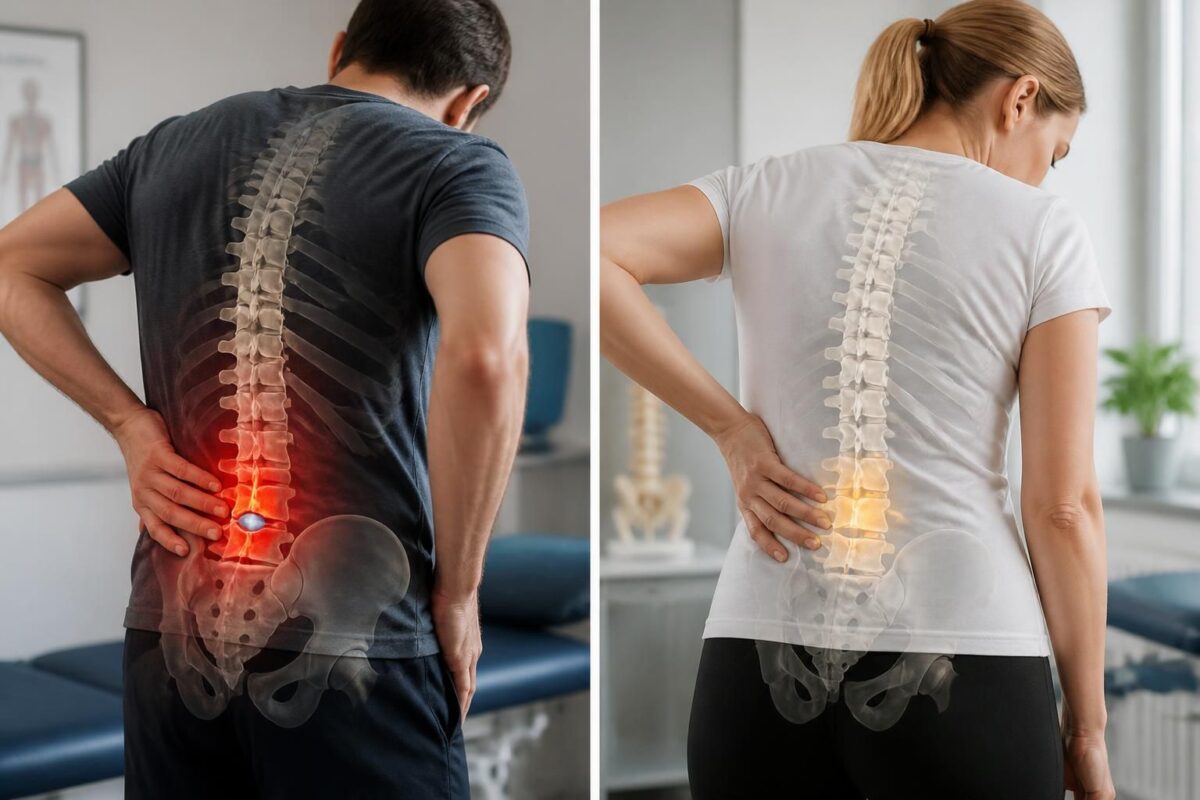
The manifestations depend on the location of the herniated disc. A lumbar hernia can compress the nerve roots exiting at L4-L5 or L5-S1, and cause pain radiating in the back, buttock, back of the leg, and foot. A cervical hernia can lead to cervicobrachial neuralgia with pain and tingling in the arm and fingers. In both cases, coughing can amplify the pain through a sudden increase in disc pressure.
Signs should prompt medical evaluation when symptoms such as:
– persistent and unrelenting pain originating from the back or neck,
– loss of strength in a leg or foot,
– pain that worsens with coughing, sneezing, or lifting,
– night pain that wakes you up,
If any of these signs occur, imaging and a specialist opinion can establish the diagnosis and determine the best therapeutic approach.
Herniated disc and mechanical compression of the nerve
IN BRIEF In brief, a herniated disc is a prolapse of the intervertebral disc that can lead to mechanical compression of the nerve root, causing pain and numbness that often radiate down the leg. This compression explains radiculopathy and sensations…
Herniated disc and nerve root inflammation
IN BRIEF In brief, lumbar disc herniation and nerve root inflammation refer to compression and irritation of a spinal root causing radiating pain, paresthesias, and sometimes muscle weakness. The mechanism combines disc protrusion and radicular inflammation, hence the importance of…
Diagnosis and Management
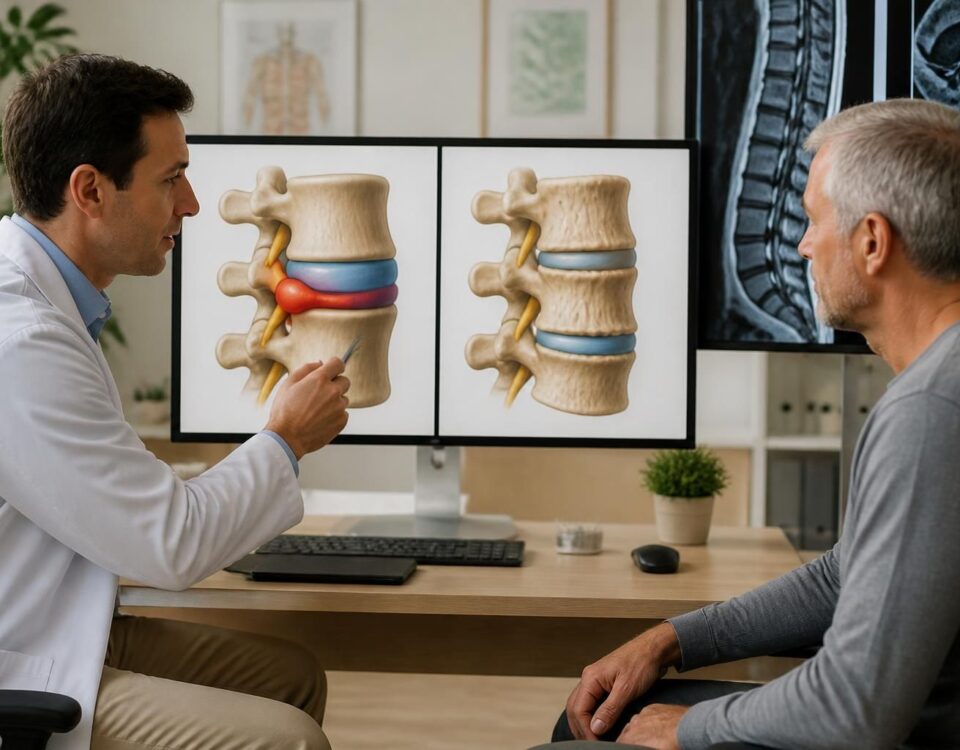
The diagnosis is based on clinical assessment and can be confirmed by an MRI. This precise imaging helps to locate the hernia’s position and assess the degree of nerve compression and inflammation.
In clinical practice, management is preferably done without surgery when possible. The use of conservative approaches is preferred and may include osteopathic techniques and associated therapies tailored to each patient within the TAGMED Clinic framework.
In some cases, complementary options exist, including injections or surgery when symptoms persist despite conservative treatments or in the presence of significant neurological deficits. The decision is based on individual assessment and the benefit/risk for the patient.
Herniated disc and peripheral pain: sign to watch out for
IN BRIEF In brief, Herniated disc is the partial protrusion of the gelatinous nucleus of an intervertebral disc through the fibrous ring, which can compress a nerve root and trigger radiating pain in the limb. The key benefits of rapid…

Herniated disc and centralizing pain: sign to interpret
IN BRIEF In brief, a herniated disc is a protrusion of the intervertebral disc that can compress a nerve root, causing centralized pain and signs such as radiating pain, numbness, and weakness. The treatment is mostly conservative: guided activity, physical…
Therapeutic Options and Practical Perspective
Non-surgical approaches play a key role in managing pain related to a herniated disc. Osteopathy and well-adapted manual therapies can provide lasting relief and improve function, adapting to the age and joint condition of the patient. Within the TAGMED clinic framework, these interventions are part of a multidisciplinary and personalized approach.
For patients seeking clear comparisons, here is a synthetic view of commonly considered therapeutic options within a balanced management plan. This table does not replace personalized medical advice.
| Therapy | Main Role | Relative Effectiveness (regarding pain and function) | Typical Location of Management |
|---|---|---|---|
| Osteopathy | Appropriate mobilizations and local decompression | Good pain reduction and functional improvement in many patients | TAGMED Clinic, Montreal or Terrebonne |
| Physiotherapy | Muscle strengthening and general mobilization | Useful effectiveness but often lesser for chronic pain compared to other approaches | To be assessed within a global plan |
| Epidural injection | Reduction of edema and inflammation around the nerve | Possible rapid but temporary relief; non-curative | Prescribed by a specialist doctor |
| Surgery (microdiscectomy) | Removal of the fragment compressing the nerve | Satisfactory results in many cases after failure of conservative treatments | Surgical evaluation case-by-case |
Resources and additional information are available on the following sites, which prioritize a multidisciplinary and patient-centered approach:
To understand the link between sciatica and lumbar disc herniation, visit sossciatique.com.
For information on symptoms and treatment options, visit sossciatique.com and decompressionneurovertebrale.com.
For details on treatment approaches at the TAGMED Clinic, refer to cliniquetagmed.com.
For general explanations and resources related to disc pathology, refer to sosherniediscale.com and sosherniateddisc.com.
Useful resources and practical advice
The information below is part of a clinical approach and is intended to inform. For personalized advice, consult a health professional.
For an educational presentation on mechanisms and treatment options, you can also consult resources dedicated to neurovertebral decompression and prevention of disc complications on recognized specialized sites in the network.
To learn more about practical aspects and management pathways directly related to your situation, contact an osteopath from the TAGMED network or make an appointment online via TAGMED Clinic.
Medical disclaimer: The information and advice provided on this site do not replace the opinion, diagnosis, or treatment of a healthcare professional. Please note that an osteopath is neither a medical doctor nor a physician, and is not specialized in a medical specialty as defined by the Collège des médecins du Québec. Manual medicine, functional medicine, and sports medicine as described on this site exclude any treatment or medical diagnosis made by a medical doctor or medical specialist. Always consult your physician with any medical questions. For more details, please read our full Legal Notice.
- Mechanism: coughing significantly increases intra-abdominal and intrathoracic pressure, stressing the disc.
- Disc effect: this pressure can exacerbate a protrusion and cause nerve irritation.
- Radicular pain: irritation can trigger radiating pain depending on the level (lumbar or cervical).
- Signs: pain that worsens with coughing, sometimes mild weakness.
- Diagnosis: MRI if painful cough is associated with persistent radicular symptoms.
- Management: conservative approach first (osteopathy, physiotherapy, strengthening), appropriate posture, and avoid pushing during coughing.

Quick summary: a herniated disc can cause disc pressure and nerve irritation. When coughing occurs, it can sharply increase this pressure and worsen the pain, particularly if a radiculopathy is present. This article provides practical recommendations: control coughing, adopt the appropriate posture, strengthen the core, and use non-invasive approaches to reduce inflammation and pain, with appropriate management when symptoms persist or worsen.
Understanding the link between coughing and disc pain
Coughing is a mechanism that increases pressure inside the spinal canal and on the affected disc. This increase in pressure can compress a nerve root and trigger or awaken radicular pain that radiates along the path of the affected nerve, most often toward the leg in the case of low back pain. The associated inflammation may be accompanied by burning sensations, tingling, or temporary weakness. The more critical the location of the herniation (e.g., L5-S1 in the lower back), the more the impact of coughing can manifest as referred and nighttime pain.
Signs to watch for during painful coughing
During a coughing episode, be attentive to pain that intensifies, radiates down a leg or arm, or to a loss of strength during simple movements like lifting a foot or holding an object. Persistent tingling, pain that worsens with coughing or exertion, and nighttime pain that does not subside may indicate nerve irritation associated with a herniated disc. If the pain becomes constant, if it is accompanied by significant numbness, a gait disturbance, or signs of emergency (incontinence, saddle anesthesia), consult promptly.
Practical recommendations to limit impact
Cough management and posture
To reduce pressure during coughing, lightly contract the abdominal muscles and prefer a slow and controlled diaphragmatic breathing rather than a pushing cough. Adopt a neutral posture of the trunk, avoid sudden twists and violent flexion/rotation movements of the torso during coughing fits. If necessary, support the lumbar areas with your hands or a small cushion to limit effort on the affected disc.
Strengthening and breathing
Incorporate progressive core strengthening exercises (gentle planking, deep muscle work) and activities that promote lumbar stability. Diaphragmatic breathing helps modulate intra-abdominal pressure and avoid coughing spasms that worsen pain. Non-pharmacological approaches such as osteopathy or physiotherapy can provide targeted mobilizations and personalized exercises to decrease nerve irritation without worsening the disc.
Complementary approaches and rehabilitation
Osteopathy and Manual Therapies
Adapted osteopathic techniques aim to release tension around the spine and restore adequate mobility of the joint segments, which can reduce pressure on the nerve root. The goal is to promote better trunk stability and a lasting reduction of pain without overly aggressive manipulations in cases of disc fragility.
Physical Therapy and Specific Exercises
Physical therapy offers personalized exercise programs, including mobilizations and strengthening adapted to your pain location. Targeted protocols may include controlled lumbar extensions where appropriate and progression to functional exercises that improve walking and daily activities. A multidisciplinary approach, combining adapted physical activity and manual therapies, provides the best outcomes for reducing recurrences and improving quality of life.
When to Consult and What Questions to Ask
Consult if pain persists beyond a few weeks, if it is accompanied by marked weakness or significant numbness, or if red flag signs appear. Ask your practitioner for a comprehensive evaluation, including a discussion on imaging options and the rehabilitation plan. Inquire about the role of osteopathy, recommended exercises, and posture advice tailored to your case.
| Criteria | Concise Elements |
|---|---|
| Mechanism | Coughing increases intradiscal pressure and can irritate the nerve root, intensifying pain and paresthesias. |
| Location | Common lumbar areas (L4-L5, L5-S1) or lower cervical; radiation follows the nerve path. |
| Cough Effect | Coughing can amplify pain when nerve compression is present; discharges may radiate. |
| Typical Symptoms | Localized pain with radiation, paresthesias; aggravated by coughing or exertion |
| Red Flags | Marked loss of strength, incontinence, or saddle anesthesia — medical emergency. |
| Initial Diagnosis | MRI recommended to confirm the presence and exact level of the hernia. |
| Initial Management | Relative rest and anti-inflammatories; guided mobilization and adapted physical therapy. |
| Therapeutic Options | Osteopathy and physical therapy helpful; injections or surgery considered if persistence or deficit. |
| Prevention and Advice | Core strengthening, proper posture, and weight management; avoid sudden loads and efforts while coughing. |
Disc Herniation and Painful Cough: Testimonials on Disc Pressure and Nerve Irritation
Clara, 42 years old, tells that with each coughing fit a strong disc pressure reactivates, followed by nerve irritation, causing pain that radiates from her back to her leg. She mentions a lower back disc herniation and explains that targeted osteopathic treatment and adapted exercises have reduced the intensity of episodes and associated pain.
Antoine, 55 years old, describes crises where coughing triggers pain that radiates from his lower back to his leg, with a burning and pulling sensation. He understands that this is a disc pressure and nerve irritation related to a disc herniation and that coughing movements aggravate the pain. After osteopathy sessions focused on decompression and strengthening, he has noticed a significant decrease in pain and better tolerance to coughing.
Sophie, 37 years old, recounts repeated coughing that caused cervical pain and tingling in her arm due to cervical disc pressure and associated nerve irritation. The osteopathic approach, complemented by posture and breathing exercises, has stabilized her spine and alleviated nighttime episodes.
Laurent, 63 years old, mentions an irradiating pain when coughing is strong, particularly in the lumbar region, potentially reaching the buttock and calf. His testimony highlights that lumbar disc herniation can be sensitive to coughing and that mobility work and lifestyle advice provide lasting relief. After osteopathy sessions, he has noticed less disturbed nights and a reduction in cough-related triggers.
Émilie, 29 years old, recounts that with each cough during a flu, the pain spread along the sciatic path and remained nocturnal. The diagnosis confirmed a disc herniation, and the osteopathic treatment combined with strengthening exercises helped her regain control and limit flare-ups during coughing episodes.
Dr. Sylvain Desforges, osteopath and expert in manual medicine and naturopathy, is recognized for his multidisciplinary approach to spinal pain. As the founding president of TAGMED and committed to continuous improvement of care, he specializes in managing chronic pain and integrating advanced technologies such as spinal decompression, laser treatments, and shockwave therapy. His approach is based on evidence-based care tailored to each patient, with particular attention to the pathophysiological mechanisms of disc herniations and their impact on coughing and nerve irritation.
A disc herniation corresponds to a structural failure of the intervertebral disc, which can manifest as increased pressure on a nerve root. This pressure may accompany local inflammation and cause typical radiating pains such as sciatica. When coughing, sneezing, or prolonged coughing increases intracranial and intra-abdominal pressure, the disc can further compress the nerve root and amplify symptoms. In this context, pain may become sharper and spread along the nerve path, indicating nerve irritation related to disc pressure.
Depending on its location, the hernia may lead to varied presentations. A median or paraforaminal hernia can produce bilateral symptoms, while a foraminal or extraforaminal hernia is more likely to cause issues in a single limb. Dr. Desforges adopts a nuanced approach, recognizing that each location alters the pain pathway and neuromuscular manifestations. His evaluation combines a detailed symptom analysis, observation of movements, and, when necessary, imaging investigations to clarify the role of disc pressure and nerve irritation in triggering painful coughing.
The care proposed by Dr. Desforges prioritizes non-surgical options and adapted manual techniques. He emphasizes localized manipulations and joint mobilizations aimed at reducing pressure on the nerve root without unnecessarily stressing the fragile disc. Additionally, he may recommend non-invasive reparative interventions and the gradual use of technologies such as motorized decompression when the indications are clear. The goal is to reduce pain, improve mobility, and prevent recurrences, while teaching the patient strategies for managing cough and intra-abdominal pressures during daily activities.
As part of this approach, Dr. Desforges will explain the brain and spinal mechanisms that link disc pressure to nerve irritation and painful coughing. He also offers strengthening and breathing exercise plans to stabilize the spine, improve abdominal support, and reduce painful episodes. His practice integrates practical advice on posture, relief modalities, and activities to promote or avoid, in order to foster sustainable recovery without prematurely resorting to surgery. The aim is to guide you towards a better quality of life while protecting the remaining discs and restoring optimal nerve function.
Would you like to learn more about his approach and the available services? Discuss with a specialist from our network or check the care offers tailored to your situation.
Quick summary: disc herniation is a spinal disorder characterized by a leak or degeneration of the intervertebral disc that can cause increased disc pressure and nerve irritation. Coughing can amplify this pressure and accelerate radiating pain, sometimes up to sciatica or cruralgia, depending on the location. This article details the mechanisms involved, the signs to watch for, and the management options, to guide you towards effective solutions tailored to your situation.
Impact of coughing on pain and mechanism
During a cough, intra-discal pressure rapidly increases and the contraction of the thoracic and abdominal muscles can transmit the painful stimulus along the nerve pathway, especially if the disc is weakened. This pressure surge can intensify existing nerve irritation and trigger or worsen painful discharges that ascend along the limb, typically in the form of sciatica or, in the case of cervical disc, cervicobrachial neuralgia. For some patients, coughing may also reveal night pain or a temporary blockage that prevents movement of the back or leg without pain.
Typical locations and symptoms
Lumbar disc lesions most often manifest around L4-L5 or L5-S1, while low cervical (C3 to C7) present neuralgias extending to the fingers or shoulder. Symptoms vary depending on whether the nerve is compressed or irritated by inflammation: loss of strength, persistent or nocturnal pain, pain aggravated by coughing, lifting, or coughing, and sometimes pain that radiates down the buttock, thigh, calf, or foot. In cases of high disc pressure, paresthesias and motor signs may appear, including difficulty lifting the foot or grasping an object.
Diagnosis and precautions
In the presence of suggestive symptoms, a medical evaluation is essential to check for the existence of a disc herniation and to rule out any neurological emergencies. MRI imaging is generally recommended before any manipulation to clarify the exact location and extent of nerve conflict. In painful pressures related to coughing, it is crucial to avoid aggressive manipulations that could exacerbate the injury and promote lasting nerve irritation. For additional information on symptoms and complications, you can consult the following resources: Vidal – symptoms and complications, SOS Sciatique – central herniation and sciatic pain, and S.O.S Sciatique – tingling and nerve irritation.
Management strategies and practical advice
Effective management of a disc herniation relies on a multimodal approach, favoring gentle and adapted techniques. Non-surgical first-line measures include targeted manual therapies, strengthening and stabilization exercises (particularly for the core), posture and breathing advice, as well as stress and weight management to reduce the load on the disc. In cases of painful coughing or flare-ups, prefer positions that relieve the spine and engage in gradual, controlled stretching to promote a return to mobility without aggravating nerve irritation. For more treatment options and exercise examples, you can consult resources like Doctolix and Livi.
Preventing recurrences and optimizing recovery
Prevention involves maintaining regular muscle strengthening, mastering load management, and adopting an appropriate daily posture (sleeping on your side with a pillow between your knees, avoiding sleeping on your stomach, and avoiding sudden twists). Heat can help relax muscles and promote mobility, while cold can be useful during acute inflammatory episodes. Additional resources and expert advice on prevention strategies and sustainable management are available on dedicated pages, including Sciatica in Terrebonne and Disc herniation with foot weakness.
Resources and management
For specialized assessments and personalized advice, feel free to contact a qualified professional in osteopathy or rehabilitation medicine. An individualized approach allows for targeting the precise location of the hernia and adapting therapeutic gestures to your joint profile and pain associated with coughing. Also, consult the following links for more on symptoms, causes, and treatment options: Indirect Medicine, Difficulty walking on heels or toes, and S.O.S Sciatica Terrebonne.

Dr Sylvain Desforges, B.Sc., D.O., N.D., osteopath, is the founding president of TAGMED and of the ACMA association. He dedicates his practice to chronic spinal pain, low back pain and symptoms compatible with sciatica, particularly when pain radiates toward the buttock, leg, calf, foot or toes.
Through SOS Sciatique, he publishes educational content on sciatica symptoms, possible causes such as disc herniation, disc narrowing, foraminal stenosis or irritation of a lumbar nerve root, as well as non-surgical approaches that may be considered according to the evaluation. At Clinique TAGMED, care may include, depending on the case, motorized neurovertebral decompression, specific osteopathic care or precision percussion.
For an evaluation related to sciatica treatment in Montreal / Mount Royal or sciatica treatment in Terrebonne, please consult the services available at Clinique TAGMED.
Medical disclaimer
The information published on SOS Sciatique is provided for educational purposes only and does not replace a consultation, diagnosis, opinion or treatment provided by a physician or another authorized healthcare professional. The author of this article is neither a medical doctor nor a specialist in a medical specialty recognized by the Collège des médecins du Québec. The osteopathic, manual medicine or functional support approaches described on this site do not constitute medical acts and are not intended to replace medical follow-up.
Consult a physician or emergency service in cases of loss of bladder or bowel control, anesthesia in the saddle area, significant or progressive weakness in the leg or foot, fever, recent trauma, severe pain or rapid worsening of symptoms. For more details, please read our Legal Notice.