Sciatica and difficulty walking on tiptoes: possible S1 root
07/09/2026
Sciatica and prolonged walking: why does the pain increase?
07/09/2026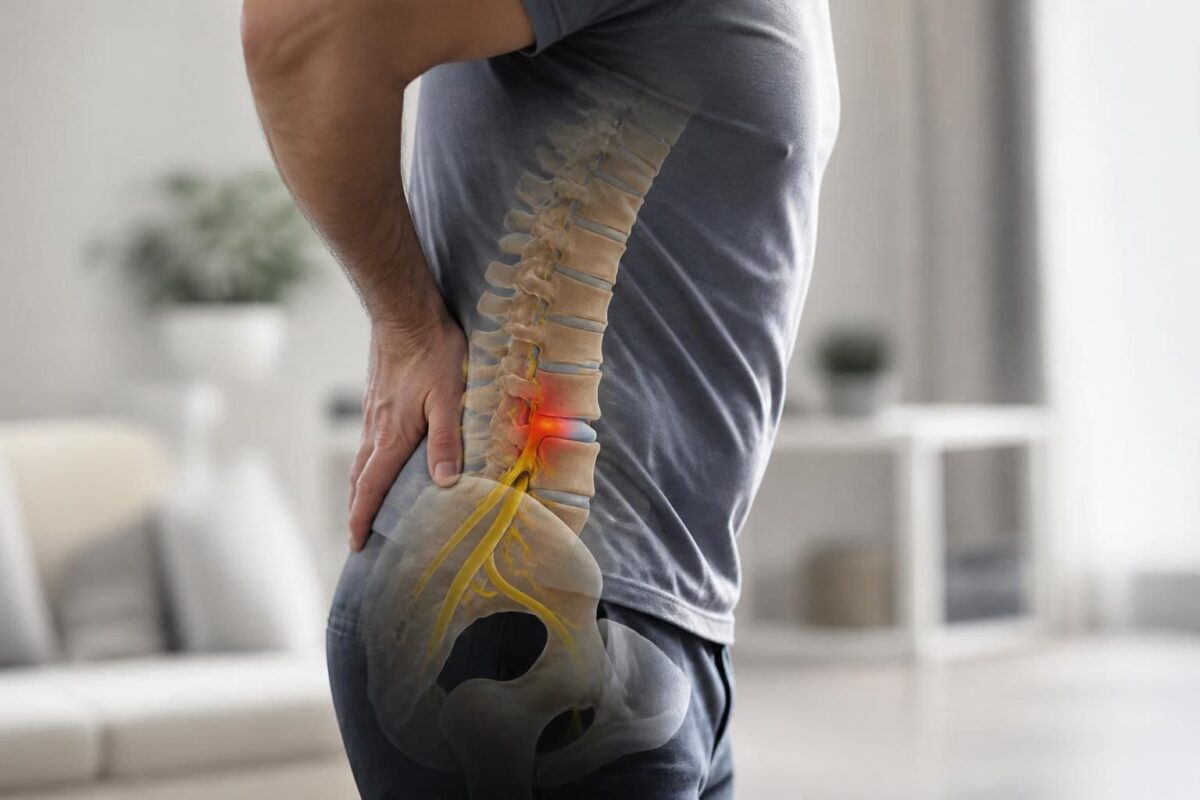
IN BRIEF
| In brief, Herniated disc and chemical irritation of the nerve root describe pain and dysfunction due to compression and inflammatory chemical exchanges affecting a spinal nerve root. This association explains radiating pain, abnormal sensations, and sometimes muscle weakness in the supplied territory. The benefits: it allows targeting effective non-surgical treatments and guiding rehabilitation, pain management, and inflammation reduction. How it works: we act on the mechanical and chemical cause, improve mobility, and relieve pain through non-invasive measures, with medical follow-up. In Montreal, this service is particularly recommended for lumbar and radicular pain related to a herniated disc. |
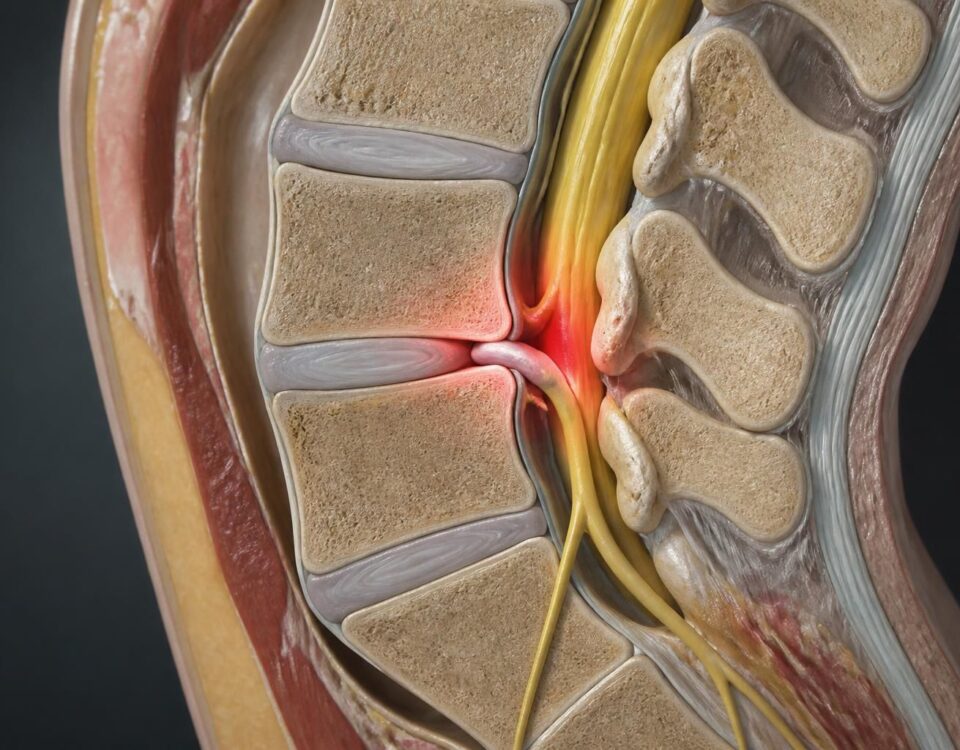
The herniated disc occurs when the nucleus pulposus of an intervertebral disc protrudes or extrudes and can compress the neighboring nerve root.
In addition to mechanical pressure, inflammatory mediators released by the disc cause chemical irritation of the root, often responsible for radiating radicular pain in the territory served by the affected root, accompanied by paresthesias and sometimes muscle weakness.
The symptoms depend on the affected nerve and can be exacerbated by movement, coughing, or sneezing. The diagnosis is based on clinical examination and imaging (MRI or CT scan).
Treatment begins with conservative measures: NSAIDs and analgesics, relative rest, and physical therapy. In some cases, injections or targeted treatments may be proposed. In cases of persistent pain or neurological deficit, decompression surgery may be considered.
This article, written by a healthcare professional and expert in osteopathy, explains the link between herniated disc and chemical irritation of the nerve root, its mechanisms, its manifestations, and the management options offered at the TAGMED Clinic. The goal is to provide clear guidelines for understanding why radicular pain may persist and how an appropriate approach can improve quality of life without systematically resorting to surgery.
Understanding Chemical Irritation
When the intervertebral disc deforms, it can release inflammatory substances. These chemical mediators irritate the nerve root and amplify the pain. This irritation is not only due to mechanical pressure; it also results from an inflammatory process that sensitizes the nerve.
To better understand the link between herniated disc and radiating pain, you can refer to dedicated resources, for example on herniated disc and pain that radiates.
Mechanisms Involved
Pain can arise from a mix of pressure on the root and inflammation of the nerve root. Inflammatory substances diffuse around the root and increase sensitivity. This situation can lead to pain that extends along the nerve’s pathway, even if the compression is not severe.
Supplementary resources describe the mechanisms of irritation and their impact on nerve pain. For example, detailed information on irradiation and inflammation is available through specialized articles on inflammation of the nerve root.
Typical Signs and Symptoms
The primary symptom is pain that follows the path of a spinal nerve, often accompanied by tingling, burning, or electric sensations. The pain may worsen with coughing, sneezing, or certain movements of the back. Motor or sensory signs may appear if the root is severely irritated.
Pain that persists despite rest or worsens over time requires medical evaluation to clarify the role of the hernia and inflammatory phenomena.
Diagnosis and Assessment
The diagnosis is based on clinical examination and imaging. An magnetic resonance imaging (MRI) or a computed tomography (CT scan) allows visualization of the disc and the nerve root. Additional tests may be considered depending on the clinical context.
To enhance your understanding, specialized resources describe the association between herniated discs and nerve symptoms, accessible through dedicated articles on the signs of peripheral pain and the associated inflammation.
Therapeutic Approaches at TAGMED Clinic
The management aims to reduce pain and improve function, without necessarily resorting to surgery. At the TAGMED Clinic, non-invasive approaches may include neurovertebral decompression and specific osteopathy, as well as advanced techniques like the precision perceiver when indicated. These options are part of a set that can be tailored to each patient after evaluation.
Patients also seek external resources to better understand the mechanisms and non-surgical options. To learn more about non-surgical solutions related to this phenomenon, refer to neurovertebral decompression and specialized resources on herniated discs.
Complementary Options and Medication Management
In the short term, simple analgesics can help control pain, with indications and dosages adapted by the physician. Anti-inflammatory options may be used, under supervision, when necessary. In some cases, targeted treatments may be considered by the physician to reduce inflammation and protect nerve function.
Osteopathic support can help reduce tensions and promote better mobility. However, treatment decisions are made based on the overall assessment and present symptoms.
Role of neurovertebral decompression and other specialized approaches
Neurovertebral decompression is a non-surgical option available in certain cases to reduce pressure on nerve structures. It can be part of a comprehensive strategy, particularly when associated with osteopathy and precision techniques used at the TAGMED Clinic. To explore this type of intervention, you can consult dedicated resources on neurovertebral decompression and on recurring natural approaches.
Emergency advice and practical tips
If the pain is associated with significant weakness, loss of sensation, urinary or fecal incontinence, or a new impairment, consult a doctor or an emergency service quickly. These signs may indicate a nerve emergency and require rapid evaluation.
For further in-depth information, you can consult additional resources on mechanisms and associated options, including chronic pain and persistence of pain, how decompression relieves, and peripheral pain.
For additional information on symptoms and neurological mechanisms, specialized resources in the field of the spine and radicular pain are available through sites dealing with discs and nerve roots on herniated discs and herniated disc.
For personalized guidance and follow-up in Montreal or Terrebonne, make an appointment at the TAGMED Clinic and discuss options tailored to your case.
Medical disclaimer: The information and advice provided on this site do not replace the opinion, diagnosis, or treatment of a health professional. Please note that Dr. Sylvain Desforges, osteopath, is neither a doctor of medicine nor a physician, and is not specialized in a medical specialty as defined by the Collège des médecins du Québec. Manual medicine, functional medicine, and sports medicine as described on this site exclude any treatment or medical diagnosis made by a doctor or specialist physician. Always consult your physician for any medical questions. For more details, please read our full Legal Notice.
- Mechanism: mechanical compression of the nerve root by a disc protrusion.
- Symptoms: radicular pain radiating along the dermatome, possible weakness or loss of function.
- Diagnosis: imaging (MRI or CT) to locate the hernia and its impact on the root.
- Management: pain and mobility management (physiotherapy, NSAIDs), follow-up and interventions as a last resort.
- Mechanism: neurochemical inflammation without major mechanical compression, with the release of mediators irritating the root.
- Symptoms: radicular pain sometimes burning, paresthesias; pain exacerbated by movement without signs of obvious compression.
- Diagnosis: imaging may be normal; clinical evaluation and sometimes inflammatory tests to guide.
- Management: anti-inflammatories, physiotherapy, and management of inflammatory factors; non-drug approaches and regular re-evaluation.

This summary presents the mechanisms of a herniated disc and chemical irritation of the nerve root, their typical symptoms, diagnostic options, and practical recommendations for relieving pain while preserving function, focusing on non-surgical treatment and preventive measures.
Causes and mechanisms
A herniated disc occurs when the nucleus pulposus protrudes through the wall of the disc and may compress the adjacent nerve root. Sometimes, inflammatory substances released by the degenerated disc directly irritate the nerve, causing chemical irritation that increases pain regardless of mechanical pressure. These two processes—compression and inflammation—can act together and vary according to the location in the spine (lumbar or cervical) and the individual. Aging, repeated microtrauma, and disc wear promote these phenomena and predict painful episodes.
The inflammatory mediators from the disc or neighboring tissues can sensitize nerve fibers and maintain persistent pain, sometimes described as electrical, burning, or shooting. The impairment may also be accompanied by weakness or changes in sensation in the area served by the affected root.
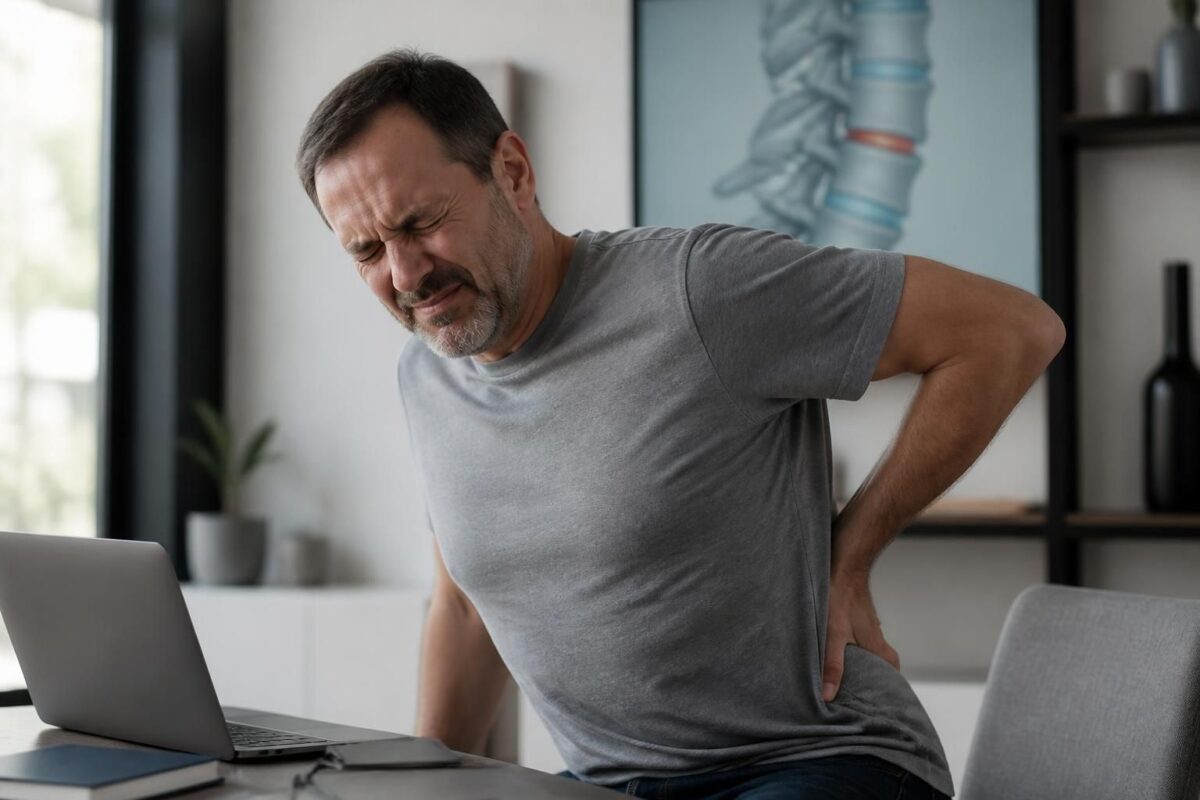
Herniated disc and annular tear: possible pain
IN BRIEF In short, Herniated disc and annular tear refer to issues with the intervertebral disc that can cause lower back pain and, at times, pain radiating down the leg. Symptoms vary and can mimic sciatic pain. Treatment favors conservative…
Herniated disc and mechanical compression of the nerve
IN BRIEF In brief, a herniated disc is a prolapse of the intervertebral disc that can lead to mechanical compression of the nerve root, causing pain and numbness that often radiate down the leg. This compression explains radiculopathy and sensations…
Signs and symptoms
The symptoms reflect the route of the associated nerve root. A lumbar radiculopathy may manifest as pain radiating into the buttock, thigh, calf, or foot, with paresthesias and sometimes muscle weakness. Movement, effort, coughing, or sneezing can amplify the pain by increasing pressure on the nerve. Chemical irritation may enhance this pain signal and cause atypical sensations or pain that persists even when slightly altering posture.
In some cases, more significant neurological signs appear, such as progressive weakness or loss of sensation, which requires rapid evaluation. Symptoms such as urinary disturbances or changes in sensitivity around the genital and anorectal areas require urgent medical attention.
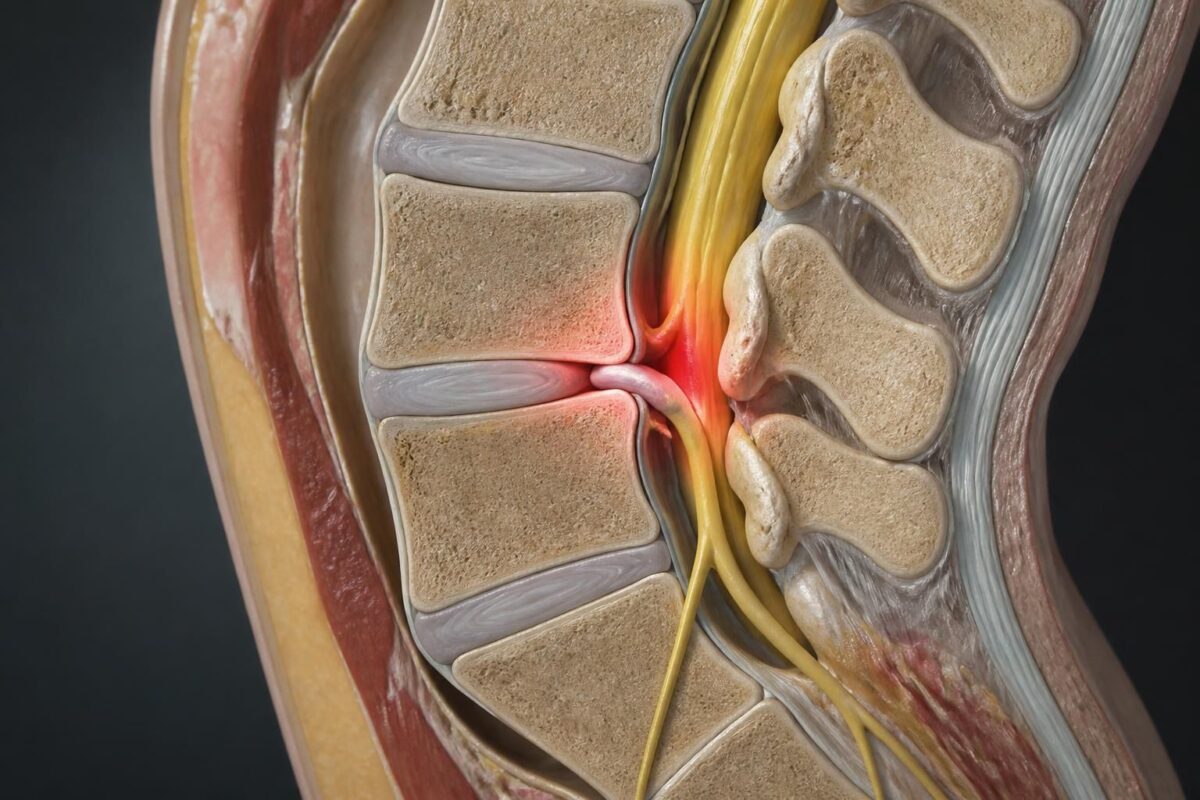
Herniated disc and nerve root inflammation
IN BRIEF In brief, lumbar disc herniation and nerve root inflammation refer to compression and irritation of a spinal root causing radiating pain, paresthesias, and sometimes muscle weakness. The mechanism combines disc protrusion and radicular inflammation, hence the importance of…
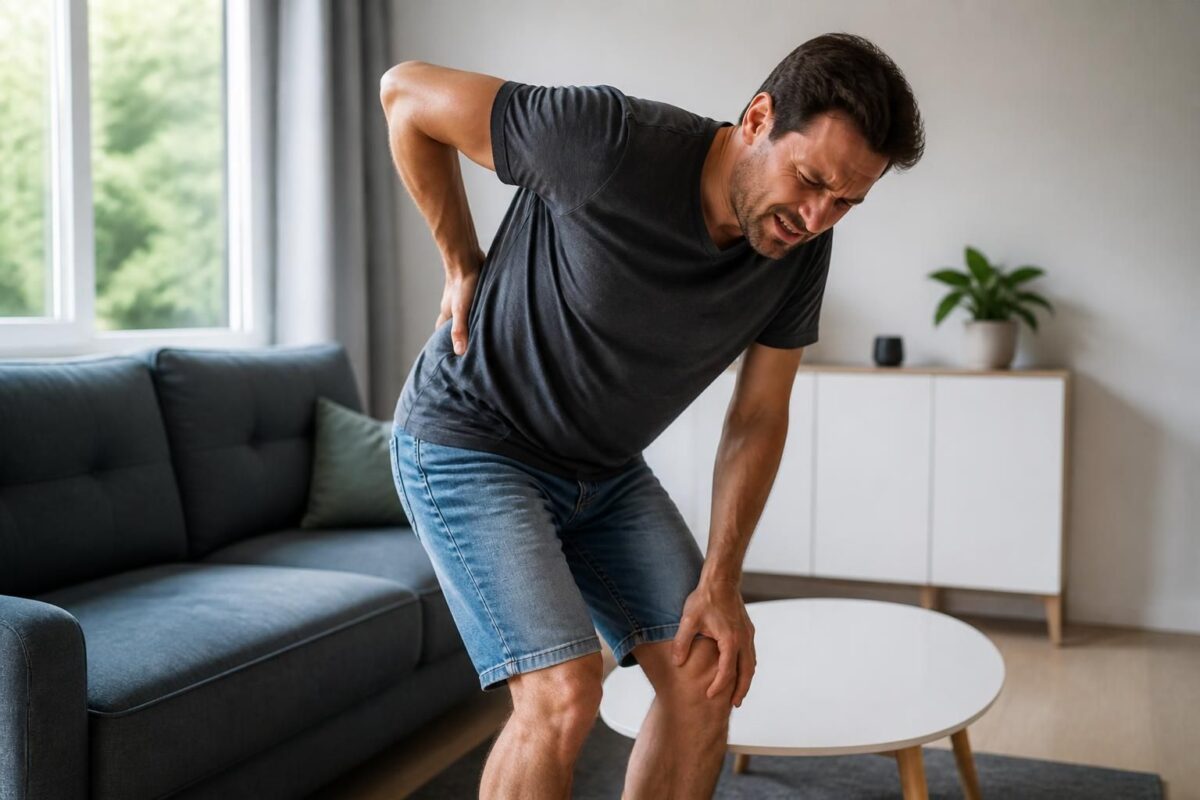
Herniated disc and peripheral pain: sign to watch out for
IN BRIEF In brief, Herniated disc is the partial protrusion of the gelatinous nucleus of an intervertebral disc through the fibrous ring, which can compress a nerve root and trigger radiating pain in the limb. The key benefits of rapid…
Diagnosis
The diagnosis is based on the combination of symptoms, clinical examination, and, if necessary, imaging and additional tests. MRI is the key tool for visualizing the disc, the presence of a herniated disc, and the condition of the nerve structures. Electrodiagnostic tests can help clarify which roots are affected and distinguish nerve impairment from other causes of spinal pain.

Herniated disc and centralizing pain: sign to interpret
IN BRIEF In brief, a herniated disc is a protrusion of the intervertebral disc that can compress a nerve root, causing centralized pain and signs such as radiating pain, numbness, and weakness. The treatment is mostly conservative: guided activity, physical…

Herniated disc and pain that travels lower after movement
IN BRIEF The Herniated Disc is a protrusion of the intervertebral disc that can compress a nerve root, leading to a pain that radiates down after a movement. The benefits include better guidance for non-surgical treatment and a gradual reduction…
Practical Recommendations
Initial Management and Self-Care
For a herniated disc associated with chemical irritation of the nerve root, prioritize suitable activity and avoid positions that worsen the pain. Active breaks, gentle mobility exercises, and maintaining a neutral posture daily can limit episodes. Alternating applications of ice and heat may offer symptom relief during acute phases, as recommended by the healthcare professional.
Simple analgesics and anti-inflammatories may be considered under medical supervision. The goal is to relieve inflammation and pain without masking signs that require rapid reassessment.
Non-Surgical Approaches
A multidisciplinary strategy can help reduce pain and restore function. Osteopathy and physiotherapy can focus on core strengthening, improving mobility, and correcting postural patterns. Targeted, progressive exercise programs tailored to your pain and radicular pathway can decrease episodes and prevent recurrences. As part of inflammatory management, complementary therapies may support the healing process alongside conventional treatments when appropriate.
Lifestyle advice — regular tailored physical activity, weight management, hydration, and anti-inflammatory diet — complements the therapeutic plan to reduce triggering factors and support recovery.
When to Consider Intervention
If pain persists despite optimized treatment, or if significant weakness, sensory impairment, or loss of urinary control occurs, a specialized evaluation is necessary. In these cases, interventional options will be assessed according to the progression and nerve involvement, prioritizing approaches tailored to each patient and each location of the nerve root.

Herniated disc and generic exercises: risk of poor choices
IN BRIEF In brief, the herniated disc and generic exercises can worsen the pressure on the discs and the pain if the movements are inappropriate. The advantage of personalized approaches lies in tailored exercises, controlled progression, and better recovery, while…

Herniated disc and stretches: why some movements worsen
IN BRIEF A herniated disc is the displacement of an intervertebral disc that can compress a nerve root, causing pain and limitations. In this context, certain gestures or physical practices exacerbate pressure on the spine. In short, the herniated disc…
Comparison: Herniated Disc vs Chemical Irritation of the Nerve Root
| Aspect | Comparison |
|---|---|
| Origin | Herniated disc: mechanical compression on the root; chemical irritation of the root: inflammation and irritating mediators without major compression. |
| Pain and Radiation | Herniated disc: pain radiating along the dermatome; chemical irritation of the root: more localized pain around the root. |
| Motor/Sensory Symptoms | Herniated disc: weakness and paresthesia depending on the area; chemical irritation of the root: sensory symptoms, rarely major weakness. |
| Key Diagnosis | Herniated disc: MRI/CT reveals a herniation; chemical irritation of the root: imaging often non-specific. |
| Additional Diagnosis | Herniated disc: EMG useful; chemical irritation of the root: neurophysiological tests useful depending on the case. |
| Initial Treatment | Herniated disc: analgesics and anti-inflammatories; chemical irritation of the root: anti-inflammatories and functional rehabilitation. |
| Surgical Option | Herniated disc: surgery as a last resort; chemical irritation of the root: surgery rarely necessary unless nerve failure. |
| Urgency | Urgency: loss of urinary control or marked weakness requires rapid management, regardless of the mechanism. |
| Aggravating Factors | Herniated disc: back movements and effort; chemical irritation of the root: inflammation and nociceptive stimuli. |
Testimonials on Herniated Disc and Chemical Irritation of the Nerve Root
“After months of acute pain radiating down my leg, I learned I had a herniated disc. The pain felt like an electric shock and prevented me from sleeping. Thanks to a targeted and progressive approach, the pain diminished, and I regained my daily activities without fear of relapse.”
“My doctor talked about inflammation on the nerve root, a chemical irritation of the nerve root that kept me from moving without pain. Exercises and gentle techniques helped release tension, improve my mobility, and restore energy to my leg without heavy medication.”
“I feared surgery for a herniated disc that was pinching my nerves. After consultation and conservative therapies, I noticed a significant reduction in radicular pain and better stability in my lower back. I can once again engage in my sports activities with confidence.”
“The diagnosis of radicular pain related to a herniated disc was hard to accept, but osteopathy sessions and strengthening exercises changed the game. The pain has become manageable, and I am gradually regaining my quality of life without relying on analgesics.”
“During a flare-up, the combination of gentle decompression and a personalized program halted the progression of pain and improved the irritation of the nerve root. I left with a clear plan and concrete results that allowed me to resume my Sunday hikes.”
Biography of a Condition: Herniated Disc and Chemical Irritation of the Nerve Root
In the narrative of the human body, the Herniated disc holds a major place. It arises when a segment of the intervertebral disc deforms and the nucleus pulposus can, under pressure, penetrate the fibrous ring. This protrusion or extrusion creates a dual dynamic: on one hand, a mechanical compression on the nerve root; on the other hand, a chemical reaction that disturbs the environment surrounding the nerve. This reality is that of chemical irritation of the nerve root, where inflammatory mediators released by the disc irritate nerve fibers and alter conduction, transforming pain into an often diffuse and burning experience.
Clinically, the story is told through the body’s signs. Radicular pain follows the path of the dermatomes, sometimes descending along the thigh and leg, accompanied by paresthesia, muscle weakness, or a sensation of electric shock that traverses the affected area. This pain can intensify with the slightest movement, sneezing, or coughing. The path of the spinal nerves, which exit the spinal cord, narrows or twists when the disc deforms, and the most exposed nerve roots become the protagonists of a painful dialogue between the disc and the nervous system.
The causes leading to this story are multiple. With age, disc degeneration can decrease its tolerance to effort and promote disc protrusion. Sudden increases in load, lumbar trauma, a sedentary lifestyle, or repetitive motions can also trigger the event. Furthermore, chemical irritation can occur even when the compression does not seem major, as the substances released by the disc’s nucleus can diffuse into the perineural area and maintain inflammation for weeks or even months.
The diagnosis is based on a combination of clinical clues and imaging tools. MRI or CT scans allow visualization of the relationship between the disc and the nerve root, assess the extent of the herniation, and identify signs of inflammation. Electrodiagnostic tests can help confirm which roots are affected and distinguish purely nerve damage from a spinal cord or plexus disorder. When pain persists or is accompanied by neurological deficits, treatment options evolve accordingly.
On the therapeutic side, the approach is generally multidisciplinary and focused on balancing rapid relief and long-term protection. Acute pain is often addressed with analgesics and anti-inflammatories, sometimes supported by short-term epidural measures. In parallel, a functional and manual approach can help reduce mechanical load on the nerve root and restore lumbar mobility. Complementary therapies such as osteopathy, physiotherapy, motorized spinal decompression, laser, or shockwave therapy can be considered to address both the mechanical component and the chemical inflammation. When symptoms remain refractory, more targeted options, including injections or, in severe cases, surgical intervention, can be discussed based on the clinical-imaging pattern.
Prevention and rehabilitation occupy a central place in this medical biography. Core strengthening exercises, proper daily posture, and lifestyle habits that preserve disc integrity contribute to limiting recurrences and promoting lasting recovery. The goal remains to restore stability, calm inflammation, and guide the patient back to functional activity without significant pain.
Quick summary: This article thoroughly examines disc herniation and chemical irritation of the nerve root, explaining how radicular pain can result from a mixture of mechanical pressure and inflammatory mediators, as well as the implications for diagnosis and management.
Key Points
Disc herniation can cause radicular pain not only by direct compression of the nerve root but also through chemical irritation of nerve tissues due to inflammatory mediators released when the disc moves within the spinal canal. Substances such as prostaglandins, cytokines, and other neuropeptides contribute to irritation and pain amplification, even when compression is moderate. To delve deeper into these mechanisms and their clinical manifestations, you can consult specialized resources on common causes and associated symptoms.
Symptoms depend on the affected root and can include pain radiating along a dermatome, burning sensations, electric shock-like feelings, muscle weakness, or decreased sensitivity in the innervated area. In some cases, pain may worsen with sitting, coughing, or sneezing and may extend down to the big toe when the L5 root is involved; detailed indications on these associations can be found in dedicated resources.
The diagnosis relies on a thorough clinical assessment and imaging examinations. MRI provides a precise view of the spinal cord, discs, and soft tissues, and can reveal both compression and signs of inflammatory irritation around the nerve root. In cases of inconclusive results, additional tests such as neurophysiological studies or complementary imaging techniques may be considered to precisely identify the affected nerve roots. For a practical framework and clear clinical mechanisms, see the summaries available in relevant medical resources.
In terms of treatment, management is multimodal and progressive. Non-surgical options include simple analgesics and anti-inflammatories, corticosteroids sometimes administered orally or by injection, as well as physical approaches (physiotherapy, targeted exercises) and adjunctive therapies (e.g., TENS, functional management). When lasting relief is not achieved or in the presence of progressive nerve deficit signs or cauda equina syndrome, surgical intervention may be considered to relieve mechanical pressure. For a comprehensive overview of the mechanisms and management options, refer to clear and specialized resources.
Online resources also describe the clinical distinctions between low back pain, sciatica, and associated disc pain, as well as the mechanisms behind nerve irritation and practical tips for daily management. This information helps illuminate discussions with healthcare professionals and aids in guiding therapeutic choices towards solutions suited to each patient.
To explore the links between disc herniation, pain, and nerve irritation further, refer to the following resources: disc herniation and sciatica – common causes, pain in the big toe – root L5, pain that worsens while sitting and possible disc cause, neurovertebral decompression and disc herniation – gentle approach, and complementary resources like clinical distinctions and management. For additional medical foundations, also refer to MSD Manuals – diseases of nerve roots and Disc herniation – MSD Manuals. Additional clinical and practical insights are available at Vidal.
This information is provided for educational purposes and does not replace a medical consultation. In case of severe pain, rapid onset of motor deficits, or urinary and fecal symptoms, quickly contact a healthcare professional or emergency services. To guide your thinking and decisions, it may be helpful to discuss options such as neurovertebral decompression and other non-surgical approaches with your doctor or osteopath. Additional resources and specialized readings will support you throughout your care journey.

Dr Sylvain Desforges, B.Sc., D.O., N.D., osteopath, is the founding president of TAGMED and of the ACMA association. He dedicates his practice to chronic spinal pain, low back pain and symptoms compatible with sciatica, particularly when pain radiates toward the buttock, leg, calf, foot or toes.
Through SOS Sciatique, he publishes educational content on sciatica symptoms, possible causes such as disc herniation, disc narrowing, foraminal stenosis or irritation of a lumbar nerve root, as well as non-surgical approaches that may be considered according to the evaluation. At Clinique TAGMED, care may include, depending on the case, motorized neurovertebral decompression, specific osteopathic care or precision percussion.
For an evaluation related to sciatica treatment in Montreal / Mount Royal or sciatica treatment in Terrebonne, please consult the services available at Clinique TAGMED.
Medical disclaimer
The information published on SOS Sciatique is provided for educational purposes only and does not replace a consultation, diagnosis, opinion or treatment provided by a physician or another authorized healthcare professional. The author of this article is neither a medical doctor nor a specialist in a medical specialty recognized by the Collège des médecins du Québec. The osteopathic, manual medicine or functional support approaches described on this site do not constitute medical acts and are not intended to replace medical follow-up.
Consult a physician or emergency service in cases of loss of bladder or bowel control, anesthesia in the saddle area, significant or progressive weakness in the leg or foot, fever, recent trauma, severe pain or rapid worsening of symptoms. For more details, please read our Legal Notice.