Sciatica and foot weakness: risk of drop foot
10/09/2026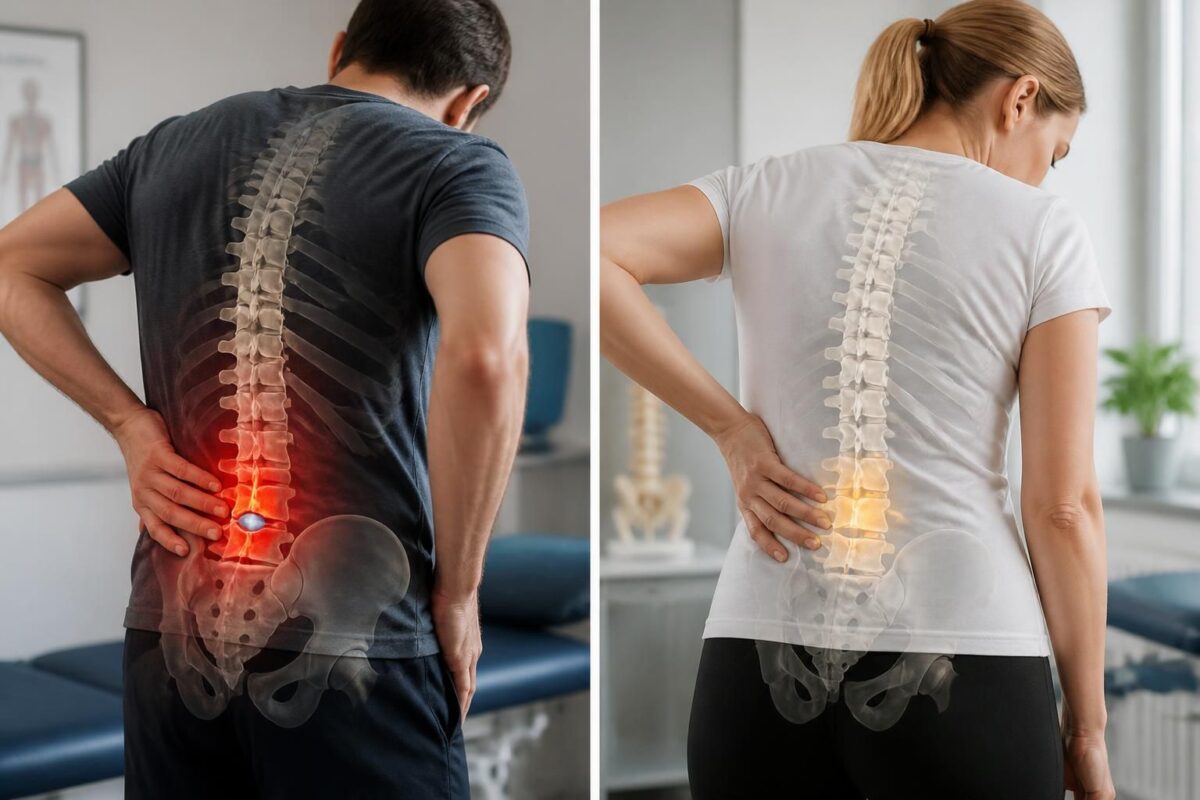
IN BRIEF
| In brief, the Herniated disc and the disc bulge are two conditions of the spine that differ in their mechanism and prognosis. The disc bulge is a protrusion of the disc without rupture of the fibrous ring, often causing little pain and sometimes being silent. The herniated disc involves a rupture of this ring and the extrusion of the nucleus pulposus, typically causing radicular pain with numbness and weakness. This differentiation is useful as it guides treatment choices: prioritizing conservative approaches (physiotherapy, pain management, targeted exercises) when possible, and considering more specific interventions in cases of significant symptoms. Clinical evaluation complemented by imaging (MRI) allows for a quick and appropriate classification. In Montreal, this precise diagnosis helps direct care and promote a rapid return to activity, with a focus on lasting relief and prevention of recurrences. |
Here is a brief summary to avoid confusing Herniated disc and Disc bulge.
- Herniated disc: rupture of the fibrous ring with extrusion or sequestration of the nucleus pulposus, leading to compression of a nerve root and a radicular pain with possible weakness; the diagnosis relies on imaging and treatment may be conservative or surgical depending on severity.
- Disc bulge: protrusion of the disc without rupture of the fibrous ring, widening the circumference of the disc; often asymptomatic, but can cause pain and inflammation; on MRI, the bulge generally involves > 50% of the circumference; if the protrusion is focal and < 25%, it is referred to as an herniation.
Quick summary: This article clearly distinguishes herniated disc and disc bulge. It explains their mechanisms, symptoms, and management options. The accuracy of the diagnosis guides therapeutic choices and avoids inappropriate treatments. In some cases, neurovertebral decompression may be considered at the TAGMED Clinic, and non-surgical approaches may be prioritized based on the evaluation.
Structural Differences and Mechanisms
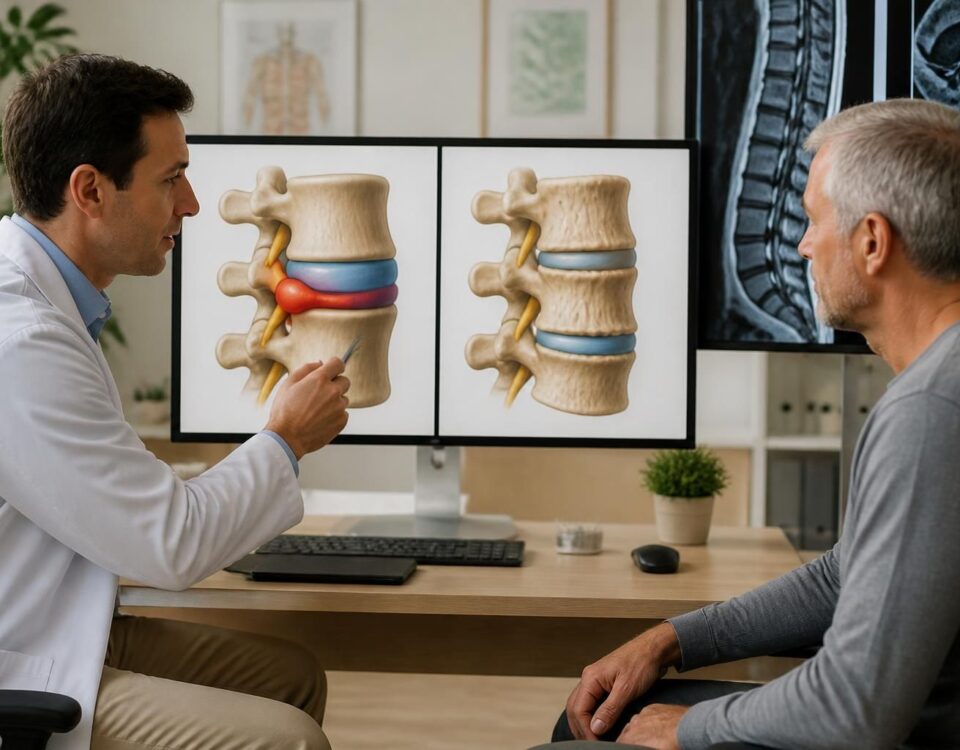
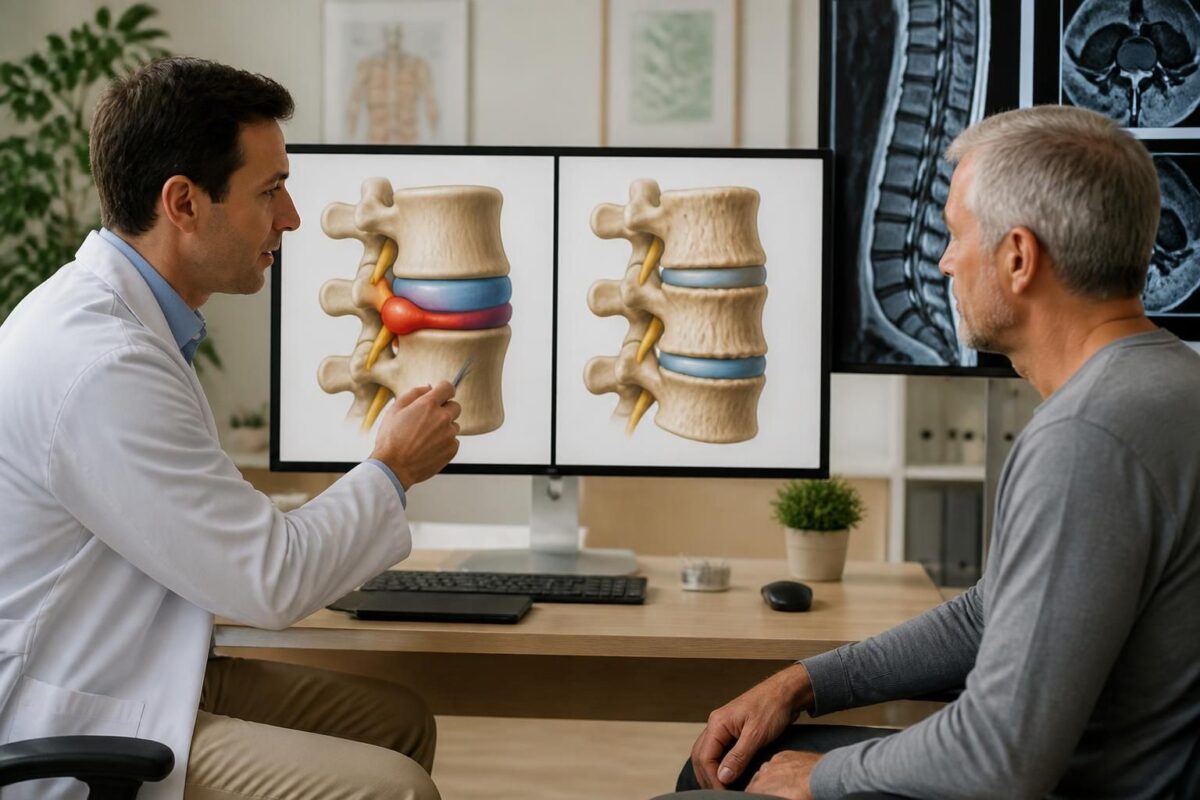
In a disc bulge, the disc overall expands without rupture of the fibrous ring. The nucleus pulposus does not traverse a tear, and the disc remains contained. This deformation may be asymptomatic or cause pain depending on location and forces exerted on the spine.
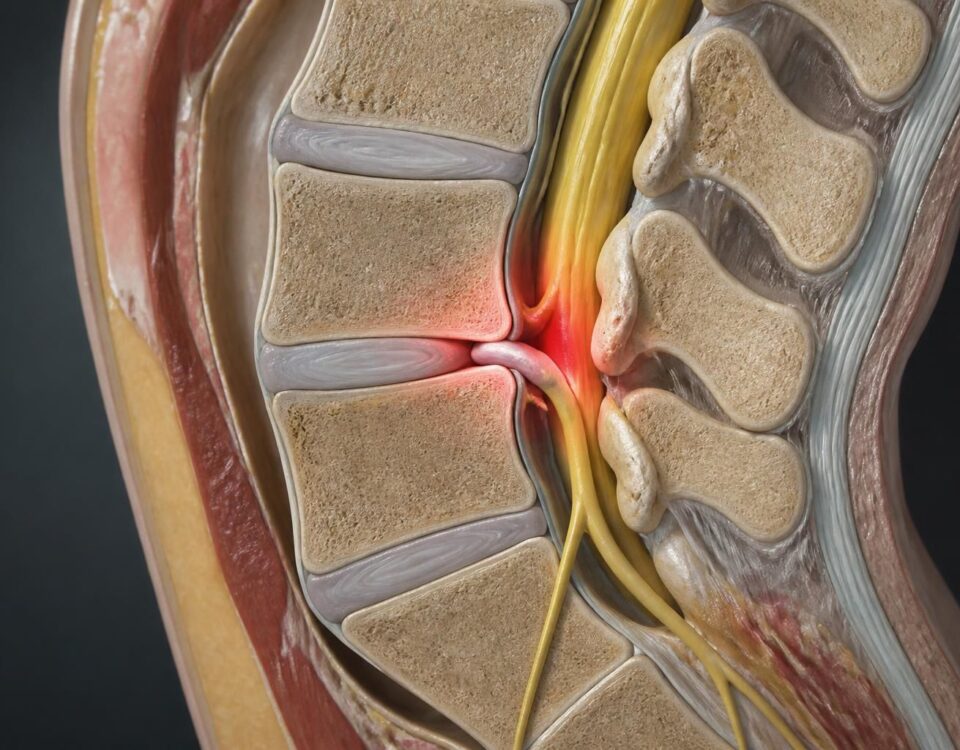
In a herniated disc, the nucleus pulposus crosses a weakness or tear in the fibrous ring. This extrusion may compress a nerve root and cause radicular pain, sometimes associated with numbness or weakness in the limbs.
Typical Signs and Symptoms
Symptoms vary depending on the level and severity. The disc bulge may remain silent for years but can also cause back pain or pain radiating to the legs or forearms. The herniated disc often triggers more pronounced radicular pain, with tingling, numbness, or muscle weakness in the affected nerve territory.
Diagnosis and Role of Imaging
The diagnosis relies on the combination of clinical evaluation and imaging. MRI is the reference tool to characterize the disc lesion and differentiate a bulge from a herniation. Additional examinations may be used depending on the clinical context to specify the level and extent of the pathology.
It is important to note that imaging may reveal an anomaly that does not explain the pain. The precise diagnosis relies on the clinical correlation and radiological findings.
Treatment and Management
Management primarily aims for non-surgical measures adapted to each case. Options include pain control and maintaining mobility, with targeted rehabilitation of deep and trunk muscles. At the TAGMED Clinic, approaches such as specific osteopathy and other non-invasive techniques may be relevant based on the evaluation.
Neurovertebral decompression may be considered in certain scenarios to reduce pressure on nerve roots and facilitate recovery. In severe or persistent cases, surgical options may be discussed after specialized evaluation. For more information on non-surgical therapies and cases requiring intervention, please consult the resources dedicated to neurovertebral decompression and management of herniated discs without surgery.
Prevention and Follow-up
Prevention relies on proper posture, strengthening of trunk muscles, and appropriate load management when lifting heavy objects. Ergonomic measures and regular physical activity can reduce the risk of progression or recurrence of symptoms. For additional information on mechanisms and prevention strategies, you may consult specialized resources on neurovertebral decompression and treatment of herniated discs without surgery and on how neurovertebral decompression can help prevent future hernias.
For additional information and resources specific to clinical practice, the following articles and guides may be helpful:
- Herniated disc with foot weakness — to watch for
- Neurovertebral decompression and recovery after a recurrent herniated disc
- Neurovertebral decompression and treatment of herniated discs without surgery
- Neurovertebral decompression and recovery after a severe herniated disc
- Bulging discs and herniated discs — perspectives
Medical disclaimer: The information and advice provided on this site do not replace the advice, diagnosis, or treatment of a healthcare professional. Please note that Dr. Sylvain Desforges, osteopath, is neither a medical doctor nor a physician, and is not specialized in a medical specialty as defined by the Collège des médecins du Québec. Manual medicine, functional medicine, and sports medicine as described on this site exclude any medical treatment or diagnosis made by a physician or medical specialist. Always consult your doctor for any medical questions. For more details, please read our full Legal Notice.
- Herniated disc: rupture of the annulus fibrosus with extrusion of the nucleus pulposus pressing on a nerve root.
- Causes: aging, trauma; wear and tear of the discs.
- Typical symptoms: lower back pain with irradiation, paresthesias, and muscle weakness.
- Diagnosis: MRI or CT scan showing rupture and nerve compression.
- Management: conservative treatment (physiotherapy, painkillers), injections, or surgery depending on severity and persistence.
- Emergencies: loss of urinary/anal control or progressive weakness — medical emergency.
- Bulging disc: deformation of the disc with circumferential protrusion without rupture of the annulus fibrosus.
- Causes and factors: age-related degeneration, poor posture, repetitive lifting, genetics.
- Symptoms: often asymptomatic; if present, localized lower back pain with limited irradiation.
- Diagnosis: MRI or CT scan showing protrusion without rupture.
- Management: strengthening of deep muscles, proper posture and physical activity, conservative measures.
- Evolution: lower risk of absorption; stable bulging primarily requires prevention and rehabilitation.
- When to consult: persistent pain or progression of symptoms and/or new functional limitations.

This article clarifies the difference between bulging disc and herniated disc, provides practical recommendations, and emphasizes the importance of not confusing these two phenomena to guide treatment and prevention.
Key difference between bulging disc and herniated disc
Definitions
The bulging disc is a peripheral dilation of the intervertebral disc without rupture of the annulus fibrosus, leading to a protrusion of the disc without extrusion of the nucleus pulposus.
The herniated disc involves a partial fracture of the annulus fibrosus and the extrusion or sequestration of the nucleus pulposus which can compress the nerve roots.
Distinctive signs
The bulging disc can be asymptomatic or cause local lower back pain; the herniated disc is more often accompanied by pain radiating into the limbs, numbness, and muscle weakness.
Herniated disc and disc disease: understanding the differences
IN BRIEF In brief, a herniated disc and discopathy are two distinct causes of spinal pain: wear of the intervertebral disc (discopathy) and the protrusion of the gelatinous nucleus that can compress a nerve (herniated disc). Understanding these differences helps…
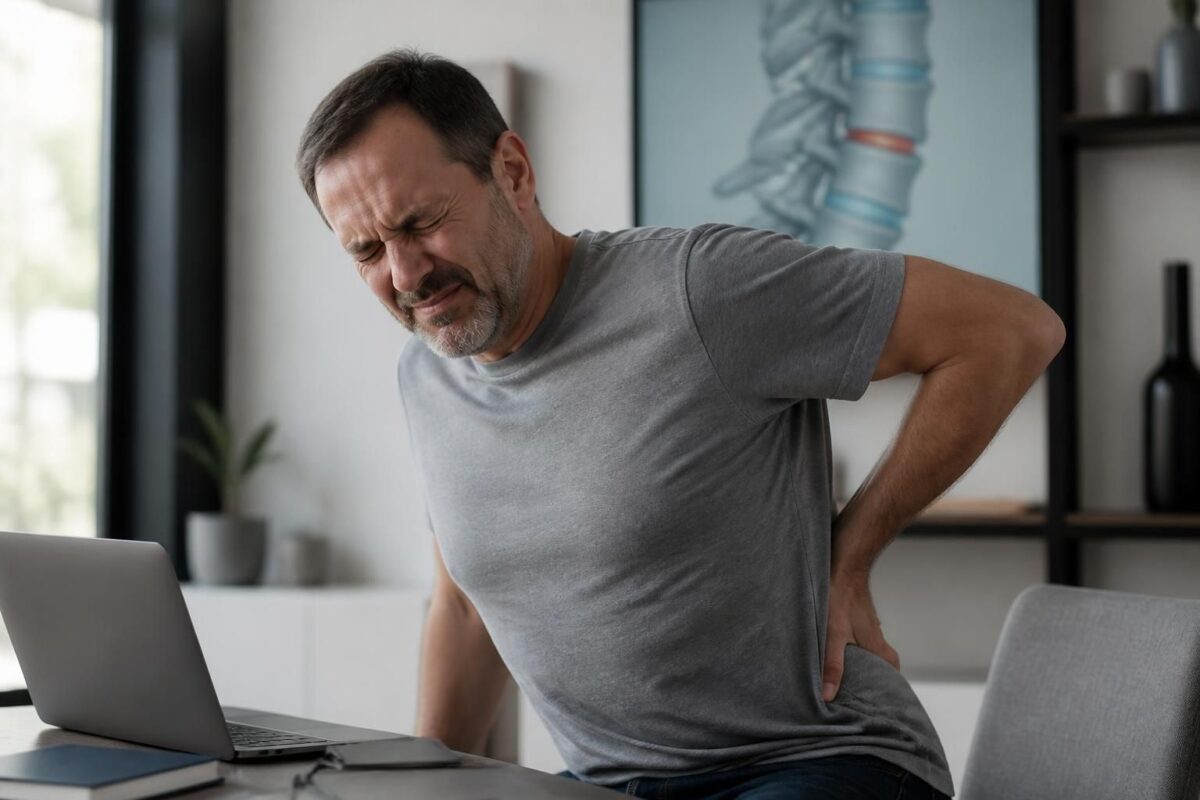
Herniated disc and annular tear: possible pain
IN BRIEF In short, Herniated disc and annular tear refer to issues with the intervertebral disc that can cause lower back pain and, at times, pain radiating down the leg. Symptoms vary and can mimic sciatic pain. Treatment favors conservative…
Causes, risk factors, and mechanisms
Causes and mechanisms
Causes include age-related degeneration, trauma, poor posture, repeated or heavy lifting, obesity, and genetic factors. Bulging results from sagging or widening without rupture, while herniation occurs after a partial rupture with displacement of the nucleated material.
Risk factors
The risk increases with age, a demanding work activity, sedentary lifestyle, poor posture, overweight, and certain genetic traits. Adapting one’s lifestyle can reduce this risk and promote back health.
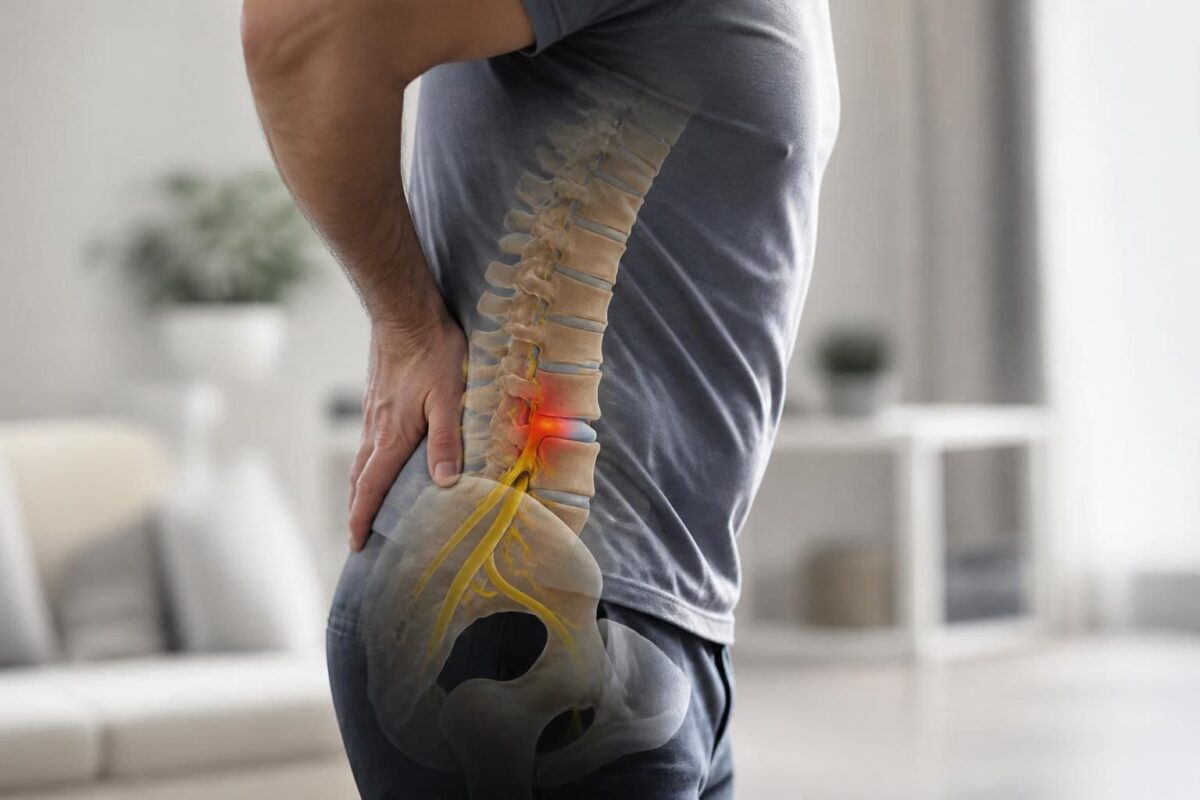
Herniated disc and chemical irritation of the nerve root
IN BRIEF In brief, Herniated disc and chemical irritation of the nerve root describe pain and dysfunction due to compression and inflammatory chemical exchanges affecting a spinal nerve root. This association explains radiating pain, abnormal sensations, and sometimes muscle weakness…
Herniated disc and mechanical compression of the nerve
IN BRIEF In brief, a herniated disc is a prolapse of the intervertebral disc that can lead to mechanical compression of the nerve root, causing pain and numbness that often radiate down the leg. This compression explains radiculopathy and sensations…
Symptoms and alert advice
Typical symptoms
The bulging disc may remain silent or cause diffuse back pain, without marked irradiation. The herniated disc is more frequently manifested by root pain, tingling, weakness in the legs or feet, and discomfort during certain movements.
Warning signs requiring prompt consultation
Loss of bladder or bowel control, numbness in the saddle region, significant progressive weakness of a limb, fever, or recent trauma. In the presence of these signs, contact emergency services without delay.
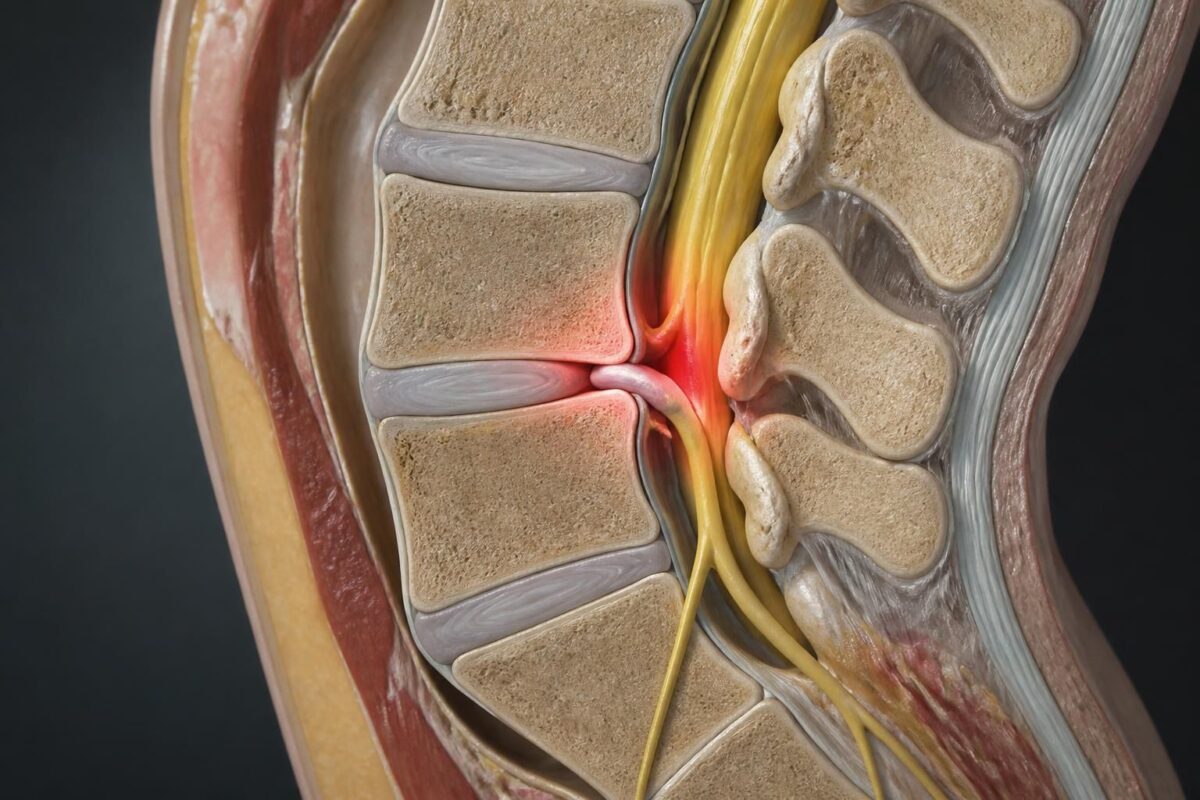
Herniated disc and nerve root inflammation
IN BRIEF In brief, lumbar disc herniation and nerve root inflammation refer to compression and irritation of a spinal root causing radiating pain, paresthesias, and sometimes muscle weakness. The mechanism combines disc protrusion and radicular inflammation, hence the importance of…
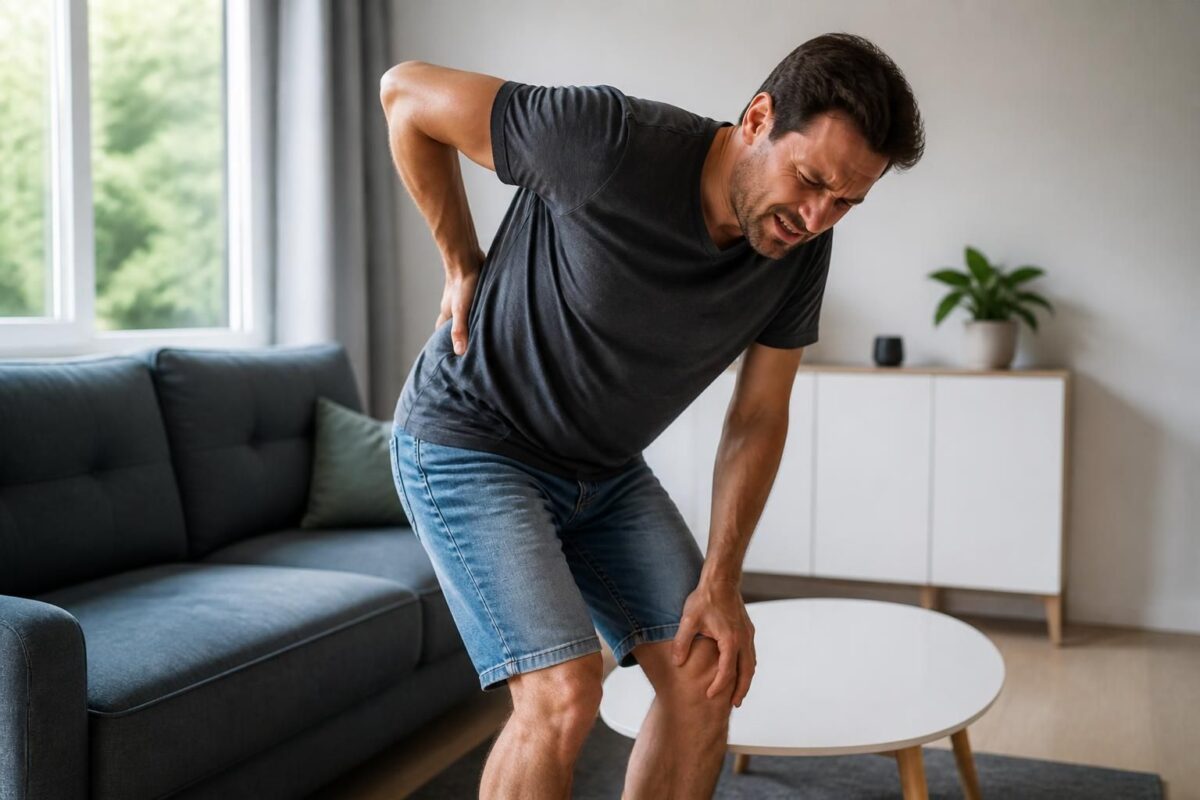
Herniated disc and peripheral pain: sign to watch out for
IN BRIEF In brief, Herniated disc is the partial protrusion of the gelatinous nucleus of an intervertebral disc through the fibrous ring, which can compress a nerve root and trigger radiating pain in the limb. The key benefits of rapid…
Diagnosis and therapeutic approach
Pragmatic diagnosis
Diagnosis relies on the combination of clinical examination and imaging when necessary. Imaging can help distinguish bulging from herniation, but the treatment plan should primarily depend on symptoms and functional impact.
Recommended treatment strategies
For both phenomena, prioritize conservative measures such as physiotherapy, strengthening of trunk muscles, and proper posture. Pain management may involve painkillers or muscle relaxants under medical supervision and suitable manual approaches. Injections or surgery are only considered if symptoms persist or worsen despite conservative care and after specialist evaluation.

Herniated disc and centralizing pain: sign to interpret
IN BRIEF In brief, a herniated disc is a protrusion of the intervertebral disc that can compress a nerve root, causing centralized pain and signs such as radiating pain, numbness, and weakness. The treatment is mostly conservative: guided activity, physical…
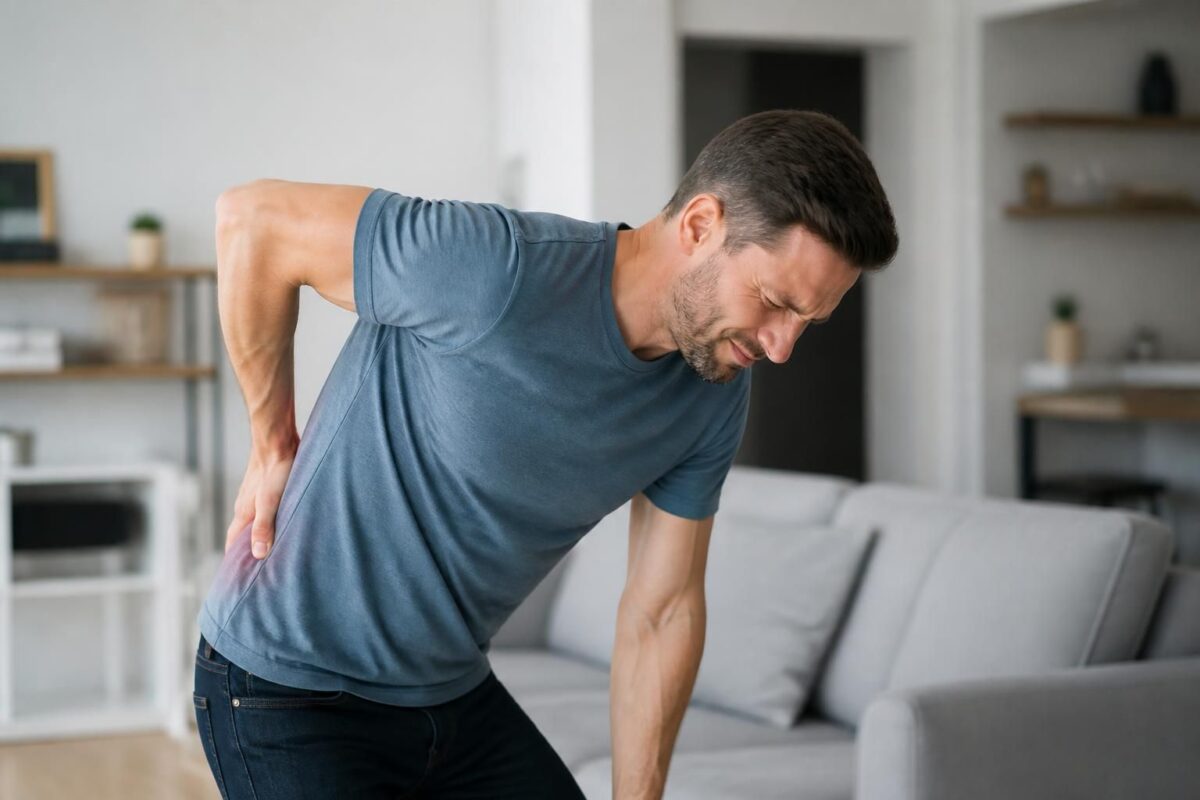
Herniated disc and pain that travels lower after movement
IN BRIEF The Herniated Disc is a protrusion of the intervertebral disc that can compress a nerve root, leading to a pain that radiates down after a movement. The benefits include better guidance for non-surgical treatment and a gradual reduction…
Prevention and good daily practices
Good reflexes for prevention
Maintaining a healthy weight, engaging in low-impact activities (walking, swimming, cycling), caring for posture and lifting techniques (bent knees, straight back), and strengthening the deep core muscles.
Do’s and Don’ts
Regularly engage in moderate exercise to support the spine. Avoid high-impact activities and sudden movements that strain the back. Maintain good sitting and standing posture, use ergonomic tools, and heed your body’s signals. If pain persists, consult a professional for an appropriate evaluation and to avoid inappropriate treatments.
| Element | Comparison |
|---|---|
| Definition | Disc herniation: extrusion of the nucleus pulposus through the annulus fibrosus; disc bulge: circumferential protrusion without rupture of the annulus. |
| Mechanism | Disc herniation: rupture of the annulus fibrosus with leakage of the nucleus; disc bulge: stable deformation of the disc without rupture. |
| Imaging (circumference) | Bulge: generally >50% of the circumference; herniation: focal protrusion, often <25%. |
| Typical symptoms | Disc herniation: radicular pain and possible numbness; bulge: often little to no symptoms. |
| Common location | Herniation: specific level (e.g., L4-L5, L5-S1) according to the affected nerve; bulge: degenerative and multilevel. |
| Spontaneous resorption | Disc herniation may self-resorb over time; bulge rarely self-resorbs. |
| Initial treatment | Physical therapy and conservative measures; injections or surgery considered based on severity and context. |
| Emergency and risks | Rare emergency for bulge; emergency if cauda equina syndrome or sphincter loss associated with herniation. |
| Prognosis and evolution | Herniation can cause more marked radicular pain; bulge may remain asymptomatic but can evolve depending on cases. |
Disc Herniation and Disc Bulge: Do Not Confuse — Testimonials and Distinctions
First and foremost, I learned not to confuse disc herniation and disc bulge. For weeks, I experienced lower back pain without understanding the source. The doctor provided a clear diagnosis and explained that the disc bulge may sometimes remain asymptomatic, while a disc herniation can significantly compress nerves and cause pain radiating down the leg.
I, Julie, initially thought I had a simple muscle pain. Thanks to the diagnosis, I realized it was a disc herniation irritating a nerve root. The treatment plan prioritized physical therapy and targeted exercises; after a few weeks, the pain significantly improved, and I returned to my activities without undergoing surgery.
When imaging revealed a disc bulge in my case, I was informed that the disc is protruding without rupture of the annulus fibrosus. My doctor emphasized conservative measures and work on posture and core strengthening. The pain remained moderate and decreased over time, without the need for surgical intervention.
My name is Antoine, and I was fearful due to the terms heard on the radio. The doctor helped me distinguish the two conditions: disc herniation with pain radiating down the leg and disc bulge often less aggressive. This distinction guided my treatment towards exercises and postural adjustments rather than immediate surgery.
For me, the real breakthrough was understanding that the disc bulge can remain stable and not require heavy intervention, while the disc herniation may necessitate a more proactive approach to protect the nerves. With a tailored program and targeted manual therapies, I experienced gradual improvement that allowed me to resume my daily activities without fearing exacerbation.
Rarely, the discovery of a disc bulge may be incidental during an exam for another reason, but it often remains compatible with a normal return to activities after muscle strengthening and posture correction. In all cases, understanding this distinction helps select appropriate treatments and avoid unnecessary invasive procedures.
The world of the spine distinguishes two frequent but distinct manifestations: disc bulge and disc herniation. The former corresponds to a circumferential widening of the disc without rupture of the annulus fibrosus, while the latter involves a partial rupture of the annulus fibrosus, allowing the nucleus pulposus to escape and potentially compress the nerve roots. This distinction is crucial as it guides management and determines possible evolution — often stable for the bulge but potentially more problematic for herniation, particularly when radicular pain sets in. Understanding these mechanisms can help avoid unnecessary treatments and optimize therapies.
Anatomically, the intervertebral disc acts as a shock absorber between two vertebrae. The disc consists of a robust outer ring and a gelatinous nucleus that ensures elasticity and cushioning. In the case of a disc bulge, internal pressure pushes the nucleus outward but without rupture of anatomical barriers, which can remain asymptomatic or cause moderate discomfort. In contrast, a disc herniation occurs when the integrity of the annulus fibrosus is compromised, and the nucleus pulposus migrates, potentially leading to more marked nerve compression and radiating pain.
The causes and risk factors are numerous. Aging leads to progressive degeneration of discs and a reduction in their elasticity, predisposing to bulging or herniation. Trauma, sudden movements while lifting heavy objects, and poor posture promote disc protrusion. Repetitive work, obesity, and genetics also play a role. Often, bulging results from a slow and evolving process, while herniation can be triggered by an acute episode, with an increased risk of radicular symptoms depending on the location of the displacement.
The symptoms can assess severity and guide treatment. Back pain is common, but radicular pain radiating into the leg or arm can dominate when the nerve is involved. Tingling, numbness, and in more severe cases, muscle weakness or difficulties moving certain parts of the limb may appear. Disc bulging can remain silent, while herniated discs are more often associated with localized radicular symptoms and an increased risk of neurological complications if not treated promptly.
The diagnosis relies on a clinical approach that combines medical history and physical examination, supplemented by targeted imaging. MRI remains the gold standard for distinguishing disc bulging from herniated discs, evaluating the extent of displacement and the integrity of the annulus. Imaging guides the therapeutic plan and helps rule out other pathologies. An accurate diagnosis avoids unnecessary invasive procedures and directs treatment tailored to each situation.
In terms of treatment, the approach is generally conservative at first: physical therapy, targeted exercises, pain and inflammation control, and activity adjustments. When symptoms persist or worsen, options such as injections or surgical interventions may be considered depending on the degree of disability and neurological deficits. The goal is to reduce pain, restore function, and avoid complications, while tailoring care to the precise nature of the disc alteration.
Prevention and long-term management rely on simple and effective measures. Maintaining good posture, engaging in suitable physical activity, and strengthening the deep trunk muscles help support the spine and limit disc stress. Learning safe lifting techniques, managing weight, and avoiding repetitive or inappropriate movements contribute to reducing the risk of bulging or herniation. Early and personalized evaluation remains key to a successful and sustainable care journey.
This text clarifies the distinctions between disc bulging and herniated discs, their mechanisms, symptoms, and options for diagnosis and treatment, to avoid any confusion and guide toward appropriate and preventive care.
Structural Differences and Mechanisms
Disc bulging refers to a protrusion of the intervertebral disc that increases the circumference of the disc without rupture of the fibrous ring. The nucleus pulposus remains contained, and the bulging can be circumferential without extrusion of nuclear material. In contrast, a herniated disc involves a tear of the fibrous ring and extrusion or sequestration of the nucleus pulposus, which can press on nerve roots and induce radiculopathy. To better understand these differences, consult this comparative guide: disc differences.
Clinical Signs and Symptoms
Disc bulging may remain asymptomatic or cause nonspecific back pain and limited signs, without any significant radicular phenomenon. Herniated discs are more often associated with pain following the path of a nerve (radicular pain), accompanied by tingling, numbness, or muscle weakness in the lower or upper limbs. Situations of numbness or nerve irritation may appear with the presence of these signs.
Diagnosis and Imaging
The diagnosis relies on the association between clinical examination and imaging, primarily MRI, which allows for distinguishing disc bulging from a herniated disc and evaluating the extent of protrusion or extrusion. It is essential to interpret the images in the context of the clinical picture, as radiological anomalies may exist without symptoms. To deepen the distinctions and the radiological implications, see this dedicated article.
Treatments and Options
In both cases, non-invasive approaches may suffice: targeted physical therapy, optimizing posture, trunk strengthening, and adapted neurovertebral decompression techniques. The goal is to relieve pain, improve mobility, and promote healing. Advanced options such as epidural injections or other targeted therapies may be considered depending on the evaluation. For more on a gentle and effective approach, consult this approach. If conservative measures fail or progressive neurological symptoms occur, a discussion about surgical options may be necessary, to be discussed with a spine specialist.
Prevention and Daily Management
To limit risks and recurrences, prioritizing a correct posture, strengthening trunk muscles, adopting appropriate lifting techniques, and maintaining a healthy weight are key preventive pillars. Additional resources on risk factors and preventive measures in this area can be consulted via these guides and articles: cough and disc pressure and this practical guide.
Additional Resources and Recommended Readings
For further exploration, here are useful resources: disc differences, pain without back pain, see more, and numbness and nerve irritation.
About the author
Dr Sylvain Desforges, B.Sc., D.O., N.D., osteopath, is the founding president of
TAGMED
and of the association ACMA. He dedicates his practice to chronic pain of the spine, lower back pain, and pain compatible with sciatica, especially when the pain radiates down to the buttock, leg, calf, foot, or toes.
Through SOS Sciatique, he publishes educational content on the symptoms of sciatica, potential causes such as herniated discs, disc pinching, foraminal stenosis, or irritation of a lumbar nerve root, as well as on non-surgical approaches that may be considered based on the assessment. At the TAGMED Clinic, care may include, when appropriate, motorized neurovertebral decompression, specific osteopathy, or precision impactor.
For an evaluation related to the treatment of sciatica in Montreal / Mont-Royal or Terrebonne, check the available services at the TAGMED Clinic.

Dr Sylvain Desforges, B.Sc., D.O., N.D., osteopath, is the founding president of TAGMED and of the ACMA association. He dedicates his practice to chronic spinal pain, low back pain and symptoms compatible with sciatica, particularly when pain radiates toward the buttock, leg, calf, foot or toes.
Through SOS Sciatique, he publishes educational content on sciatica symptoms, possible causes such as disc herniation, disc narrowing, foraminal stenosis or irritation of a lumbar nerve root, as well as non-surgical approaches that may be considered according to the evaluation. At Clinique TAGMED, care may include, depending on the case, motorized neurovertebral decompression, specific osteopathic care or precision percussion.
For an evaluation related to sciatica treatment in Montreal / Mount Royal or sciatica treatment in Terrebonne, please consult the services available at Clinique TAGMED.
Medical disclaimer
The information published on SOS Sciatique is provided for educational purposes only and does not replace a consultation, diagnosis, opinion or treatment provided by a physician or another authorized healthcare professional. The author of this article is neither a medical doctor nor a specialist in a medical specialty recognized by the Collège des médecins du Québec. The osteopathic, manual medicine or functional support approaches described on this site do not constitute medical acts and are not intended to replace medical follow-up.
Consult a physician or emergency service in cases of loss of bladder or bowel control, anesthesia in the saddle area, significant or progressive weakness in the leg or foot, fever, recent trauma, severe pain or rapid worsening of symptoms. For more details, please read our Legal Notice.