Sciatica in Montreal: pain increased by sneezing or exertion
31/08/2026
Sciatica and burning sensation in the heel
31/08/2026
IN BRIEF |
In brief, Sciatica in Terrebonne refers to low back pain radiating to the buttock and leg that worsens with sneezing or effort, reflecting irritation of a lumbar nerve root. It can limit walking and daily activities, but is mainly managed through conservative approaches under local supervision. Its advantages include rapid detection of alarm signals, guidance towards non-surgical treatments, and a gradual improvement in function and exercise tolerance. The process relies on a targeted clinical assessment and a personalized plan to gradually increase walking distance while monitoring for signs of worsening, with local support in Terrebonne. |
Sciatica in Terrebonne is characterized by a radicular pain that follows the path of the sciatic nerve and may be more intense during sneezing or exertion. It may be accompanied by sensations of numbness, weakness, or pain in the buttock and lower leg. The diagnosis relies on clinical evaluation; imaging helps clarify a cause such as a herniated disc or stenosis, with treatment prioritizing conservative approaches focused on movement, pain management, and rehabilitation; quick consultation is recommended if symptoms worsen or are accompanied by urgent signs.
This article, written by a healthcare professional specialized in osteopathy, addresses sciatica in Terrebonne when pain intensifies during sneezing or exertion. It presents possible mechanisms, clinical evaluation, and the conservative options available at Clinique TAGMED to preserve walking and daily activities, without systematically resorting to surgery.
Why Sneezing and Effort Worsen Pain
Pain may increase when you cough, sneeze, or push. These actions elevate intra-abdominal pressure and may irritate a nerve root in the spinal canal or foramina. The result is pain that follows the nerve path, sometimes associated with tingling or a feeling of weakness in the leg. The precise symptom profile depends on the affected level (e.g. foraminal stenosis or spinal stenosis) and the nerve pathway.
Key Elements of Clinical Evaluation
The diagnosis does not rely solely on imaging. It is necessary to match the location of the narrowing with the painful side, the symptom pathway, and the results of the neurological examination, including walking tests and signs of claudication. MRI can clarify the anatomy, but its descriptive importance is not in itself an indicator of functional limitation.
Functional Assessment and Measurement of Claudication
A walking assessment documents the distance achieved and the time before the onset of symptoms. Flexibility tolerance and muscle strength, as well as sensitivity and reflexes, are also evaluated. The reliability of walking is central to guiding care and measuring progress, rather than a simple pain assessment on a scale. For further information, see the resources associated with sciatica.
Management Options at Clinique TAGMED
In Terrebonne, the approach is based on conservative measures tailored to the patient’s profile. The goal is to improve function and walking tolerance while minimizing risks related to rapid pain progression. Depending on the case, options may include targeted osteopathic interventions and neurovertebral decompression technologies. Educational information and practical advice remain a fundamental component to support autonomy and safety during daily activities. When a targeted intervention may be useful, it fits within a graduated and personalized strategy, with regular reassessment.
Specialized resources and general clinical processes remain available, particularly for cases where temporary improvement is necessary to continue rehabilitation and functional activities. For individuals with persistent symptoms despite conservative measures, appropriate discussions on available options in Terrebonne and elsewhere may be considered.
Additional information on mechanisms and treatments can be found in specialized resources, particularly those describing situations where the sciatic nerve is irritated by a herniated disc, foraminal narrowing, or radicular irritation. For example, you can refer to guides and resources dedicated to sciatica and its variants, as well as pages explaining the difference between foraminal and central stenoses, which influence symptom pathways and therapeutic decisions.
To enhance your understanding, here are useful resources referenced in the context of spinal science and the clinical approaches available in local practice or similar contexts:
Sciatica and Sneezing – Montreal
Permanent Numbness – a Sign to Watch For
Sciatica – Doctissimo
Foraminal/Spinal Stenosis – Terrebonne
Sciatica Treatment – Terrebonne
Understanding and Relieving Sciatic Nerve Pain
Getting Out of the Car – Movement to Watch For
Pain – Tingling/Burning/Numbness
Progressive Numbness – Towards the Foot
Sciatica Treatment – Terrebonne
For patients, some specialized resources explain the nuances between foraminal stenosis and central stenosis, how to assess claudication, and why sitting or leaning can temporarily relieve symptoms without correcting the anatomy. In current practice, conservative approaches remain paramount, with particular attention given to autonomy, safety, and progression tailored to each individual.
Warning Signs and When to Seek Emergency Care
Certain signs should prompt a rapid consultation: new or progressive weakness in the foot, saddle anesthesia, urinary or bowel issues, fever associated with intense lower back pain, or any symptoms indicating a progressive neurological impairment. These elements may reflect a neurosurgical emergency and require immediate evaluation.
Neurovertebral decompression and other advanced options can be discussed depending on the patient’s profile, considering the evidence and personal preferences. If the situation evolves rapidly or signs of emergency appear, one should seek consultation without delay.
To learn more about the mechanisms, available solutions, and assessment criteria, consult the dedicated guides and resources.
Medical disclaimer: The information and advice provided on this site do not replace the opinion, diagnosis, or treatment of a health professional. Please note that Dr. Sylvain Desforges, osteopath, is neither a medical doctor nor a physician, and is not specialized in a medical specialty as defined by the Collège des médecins du Québec. Manual therapy, functional medicine, and sports medicine as described on this site exclude any treatment or medical diagnosis made by a physician or medical specialist. Always consult your doctor for any medical questions. For more details, please read our full Legal Notice.
Signs and Triggers
- Radicular low back pain intensified by sneezing or exertion
- Pain radiating to the buttock or leg
- Paresthesias or mild weakness
- Often improved in sitting position or flexion
Actions and Direction
- Quickly assess the tolerated walking distance and function
- Adapt activity: gradual walking, avoid aggravating movements
- Physiotherapy after the acute phase: strengthening and posture
- Conservative approach as a first-line: appropriate analgesics and anti-inflammatory options if relevant
- Rapid monitoring in case of progressive weakness or urinary issues

This recommendation focuses on Sciatica in Terrebonne where the pain worsens during sneezing or exertion. It presents the key elements to understand, assess, and manage this condition, prioritizing an adapted conservative approach and indicating signs that require rapid consultation.
Understanding Sciatica Pain that Worsens with Sneezing or Exertion
Pain that follows the path of the sciatic nerve and increases with sneezing or exertion may reflect radicular irritation or narrowing of the spaces through which the nerve roots pass. Sneezing increases intra-abdominal pressure and can exacerbate radicular pain, as can walking or straining during exertion. The diagnosis does not rely solely on radiological imaging: it is essential to relate the location of the narrowing to the side, the path, and the neurological examination, as well as tolerance to exertion. Unilateral symptoms that manifest mainly when standing or walking may suggest foraminal or spinal stenosis, while a more segmental presentation may point to a herniated disc and associated radiculopathy.
Possible Causes and Mechanisms
Foraminal or Spinal Stenosis
Narrowing of the space through which a nerve root exits can cause pain, a feeling of heaviness, or weakness that worsens with exertion and may be more pronounced on one side. Partial relief when sitting or leaning forward is common, but is not sufficient to confirm the diagnosis alone. Imaging must be interpreted within the clinical context and does not predict functional progression alone.
Herniated Disc and Radiculopathy
A disc protrusion can compress a lumbar root and trigger pain radiating to the buttock, thigh, and calf, intensifying during sneezing or exertion. Paresthesias, muscle weakness, or decreased sensitivity may accompany the condition. Clinical evaluation and correlation with imaging are essential to clarify the level and type of compression.
Assessment and Follow-up
The clinical assessment documents the tolerated walking distance, the time of symptom onset, the effect of flexion, and the assessment of strength, sensitivity, and reflexes. The examination checks pulses and vascular factors when the profile requires it. Imaging (MRI or CT scan) can clarify the anatomy when symptoms persist, when neurological signs appear, or when intervention is being considered. The goal is to measure not only pain but especially the impact on walking and function.
Management Approaches
For sciatica exacerbated by sneezing or exertion, the first line relies on conservative measures. Education on appropriate activity, measured progression of walking, and strengthening the trunk and back muscles are essential. Pain management involves appropriate analgesics and non-steroidal anti-inflammatory drugs when permissible, supplemented by a short course of oral corticosteroids if necessary. Physiotherapy aims to improve mobility, posture, and stability, while avoiding actions that trigger pain. In some cases, injections may be considered to reduce inflammation and facilitate rehabilitation. Surgery is discussed when pain persists despite good conservative treatment for 6 to 8 weeks, or in the presence of progressive neurological deficit or an urgent syndrome.
When to Consult Quickly
Consult urgently in the presence of a new rapid motor disturbance, urinary or anal trouble (saddle anesthesia), significant weakness in both legs, pain coma fever, or recent trauma. These signs may indicate a syndrome requiring rapid neurosurgical evaluation.
Practical Advice for Terrebonne
In your area, prioritize a local assessment when pain is associated with sneezing or exertion and affects your ability to walk or stand. Adapt your daily activities to limit painful flare-ups while staying active according to your tolerance. Follow a structured rehabilitation plan, then regularly re-evaluate your progress with your healthcare professional to adjust treatment and avoid progression to a more disabling condition.
| Item | Brief Description |
|---|---|
| Triggers | Pain that worsens with sneezing and exertion, suggesting radicular irritation. |
| Location and Path | Pain following the path of a lumbar root, often along the buttock and leg, depending on L5 or S1. |
| Characteristics | Radicular pain often burning or electric with paresthesias along the territory. |
| Motor Signs | Possible deterioration: weakness in raising the foot (L5) or pushing on the toes (S1). |
| Claudication and Walking | Neurogenic claudication while walking, relieved by bending or rest; evaluate walking distance. |
| Alert Signs | Loss of urinary/bowel control, fever, acute low back pain; signs leading to a neurosurgical emergency. |
| Differential Diagnosis | Compete with vascular stenosis or peripheral neuropathy; crucial to clinical concordance. |
| Useful Imaging | Lumbar MRI for confirmation and localization; CT scan if MRI contraindicated. |
| Initial Management Plan | Conservative approach preferred: appropriate activity, physiotherapy, analgesics, and NSAIDs; monitoring for emergency signs. |
Testimonials on Sciatica in Terrebonne: Pain Amplified by Sneezing and Exertion
“I live in Terrebonne and my sciatica intensifies with every sneeze. The slightest effort, like lifting something, triggers pain that starts from my lower back and radiates to my buttock and leg.”
“In Terrebonne, my pain significantly increases with daily efforts — climbing stairs, carrying a bag — and extends along my sciatica, making walking difficult.”
“I am a resident of Terrebonne and every sneeze or exertion triggers pain that radiates down to my foot. It feels like the sciatic nerve is being pinched and pulling down my leg.”
“After several consultations in Terrebonne, I’ve noticed that the pain associated with exertion gradually decreases when I do the recommended exercises and adopt better postures.”
“The pain related to sciatica in Terrebonne disrupted my daily activities, especially during sneezes or exertion; after the sessions, I found a smoother walk and less pulling.”
Dr. Sylvain Desforges, a recognized osteopath and author engaged in the fields of osteopathy, naturopathy, and manual medicine, is the founding president of TAGMED clinics and the ACMA association. His vocation is driven by a constant desire to innovate in healthcare and provide concrete solutions to chronic pain that affects the spine. In Terrebonne and beyond, he strives to combine clinical expertise with advanced technologies to optimize functioning and well-being for his patients, while prioritizing an evidence-based and effective approach.
With a career dedicated to improving clinical practices, he offers an integrated approach to pain and movement that particularly addresses sciatica and its manifestations. His work involves linking the pain pathway to specific nerve mechanisms, taking into account the location, effort profile, and functional capacities of the patient. His aim is to avoid surgical solutions when possible, favoring non-invasive and personalized pathways based on rigorous assessment and measurable progression of daily and professional activities.
In Terrebonne, his team welcomes patients suffering from sciatica and low back pain that triggers or worsens with exertion or sneezing. The diagnosis is articulated around a careful clinical examination that evaluates the pain trajectory, neurological signs, and walking capabilities. The assessment also considers triggering factors such as coughing, sneezing, and exertion, which can increase intra-abdominal pressure and irritate a nerve root. This approach allows for a clear distinction between signs of radicular irritation and other causes of low back pain, guiding a suitable and gradual management.
The care program he offers combines manual techniques and advanced technologies to support function without immediately resorting to surgery. Among the options used are specific osteopathic approaches, decompression modalities, and complementary therapies such as stimulation devices and targeted treatments with light or shock waves, when the patient’s profile allows. Each plan is designed to improve the ability to stand and walk, reduce pain during exertion, and promote a return to meaningful activity, while closely monitoring progress and neurological signs.
The practitioner’s role is also to educate and guide the patient toward active and realistic rehabilitation. Strengthening stabilizing muscles, improving flexibility, postural correction, and managing daily positions are integral parts of the intervention. The goal is clear: to restore function and enable longer and more satisfying walking with controlled pain, without neglecting safety and monitoring of progress. The physician emphasizes the importance of regular follow-up and adapting the plan based on the results observed over time.
To learn more about his approach and the services available in Terrebonne, patients can contact the TAGMED Clinic directly for a personalized evaluation and recommendations tailored to their medical situation.
This summary article on Sciatica in Terrebonne explains that pain can worsen during sneezing or exertion and that this may reflect foraminal or spinal stenosis compressing one or more lumbar roots. It presents the key elements to understand, assess, and direct management, from conservative approaches to more invasive options in cases of persistence or neurological deficit. The objective is to help distinguish the mechanisms and choose a strategy suited to your profile, while guiding you toward relevant local resources in Terrebonne.
Key Elements to Understand for Sciatica in Terrebonne
Radiating pain that intensifies with exertion or sneezing may indicate neurogenic claudication related to foraminal or central stenosis of the spinal canal. The precise location of the pain, its trajectory, and its development during walking or sitting are all clues that should be correlated with imaging and neurological examination. In some cases, prominent exacerbation during exertion may coexist with improvement in a flexed or seated position, which directs toward functional evaluation rather than purely radiological. For deeper understanding of causes and common symptoms, see specialized resources such as those described on websites dedicated to sciatica and spinal pain. You can also explore specific elements on the TAGMED site and the associated resources mentioned below for a local understanding tailored to Terrebonne. Sciatica Explained. Details on lumbar pain and leg shooting.
The clinical concordance with imaging is essential: the side, trajectory, and examination must align with the level of narrowing observed, and the assessment of walking, strength, and sensation is critical to direct the treatment plan. Specialized resources show that pain can persist despite radiological abnormalities and that functional diagnosis requires a clear history and examination. To enrich your knowledge, consult local guides and online resources like those provided below, including articles dedicated to Terrebonne and examples of clinical cases described by spinal professionals. Leg pain and sciatica – Chiropractic Terrebonne.
The difference between foraminal stenosis and central stenosis is important: foraminal stenosis affects a particular root and may be more unilateral, while central stenosis can cause bilateral symptoms and more generalized claudication. Resources like international explanations and local guides can help contextualize these aspects in your area.
Practical Assessment and Diagnosis
An effective assessment relies on a detailed history and a structured neurological examination that measures walking distance, the onset time of symptoms, the response to flexion, and the extent of weakness or sensitivity in the limbs. Magnetic Resonance Imaging (MRI) is useful for describing anatomy, but its severity does not predict functional impact on its own. For complementary resources and concrete examples about Terrebonne, consult dedicated pages like acute or persistent pain and pain that descends into the leg when coughing.
Clinical tests, such as walking assessment and reflexes, allow evaluation of function rather than relying solely on imaging. Local and international resources explain that clinical and radiological concordance is necessary to make an informed therapeutic decision. For additional insights, you can consult resources like painful periods and root L5 and pain descending during coughing.
Management Options and Local Advice
For a symptomatic stenosis in Terrebonne, the graduated approach first prioritizes conservative measures: tailored activity, strengthening deep muscles, improving posture, and working on relief mechanisms during positions that reduce effort while walking. Manual or technological interventions may be considered depending on the profile and tolerance, with evidence varying by case. Targeted interventions, such as epidural injections, may be proposed to alleviate inflammation around the nerve root and allow for continued rehabilitation. For local perspectives and treatment examples, consult the TAGMED page and associated resources, including those on sciatica treatment in Terrebonne. Low back pain with shooting pain in the leg and pain that radiates down the leg when coughing.
In cases where functional improvement remains insufficient despite well-conducted conservative treatment for 6 to 8 weeks, or in the presence of increasing neurological deficits, a discussion about surgical options may be necessary. For resources and examples of procedures and outcomes, you can refer to articles and guides such as Sciatica: causes, symptoms, and treatments and local resources dedicated to Terrebonne. Sciatica and cough/sneeze.
When to Consult Quickly
Signs indicating an emergency include rapid loss of strength in one foot, urinary disturbances, perineal anesthesia, or significant and progressive weakness in both legs. An episode of cauda equina or fever associated with low back pain may also require urgent management. For more common but concerning cases, local resources such as persistent pain and L5 compatible paresthesias can guide initial actions and referrals to specialized consultations in Terrebonne.
In practice, an aggravated sciatic nerve in Terrebonne by sneezing or effort requires a structured approach: establishing concordance between symptoms, examination, and imaging, assessing functional capacity (walking distance and effort tolerance), and favoring a graduated approach between conservative measures and targeted interventions when the situation warrants. A foraminal or central stenosis may be the underlying cause, and optimal management relies on a comprehensive assessment, an adaptive plan, and regular monitoring of neurological and functional evolution. For an evaluation suited to your case and access to local options, do not hesitate to consult the resources and specialized professionals in Terrebonne via the links below and consider a coordinated approach with your osteopath or primary care physician. Local approaches and resources Terrebonne, Low back pain and shooting pain in the leg, and Leg pain and sciatica – Chiropractic Terrebonne.

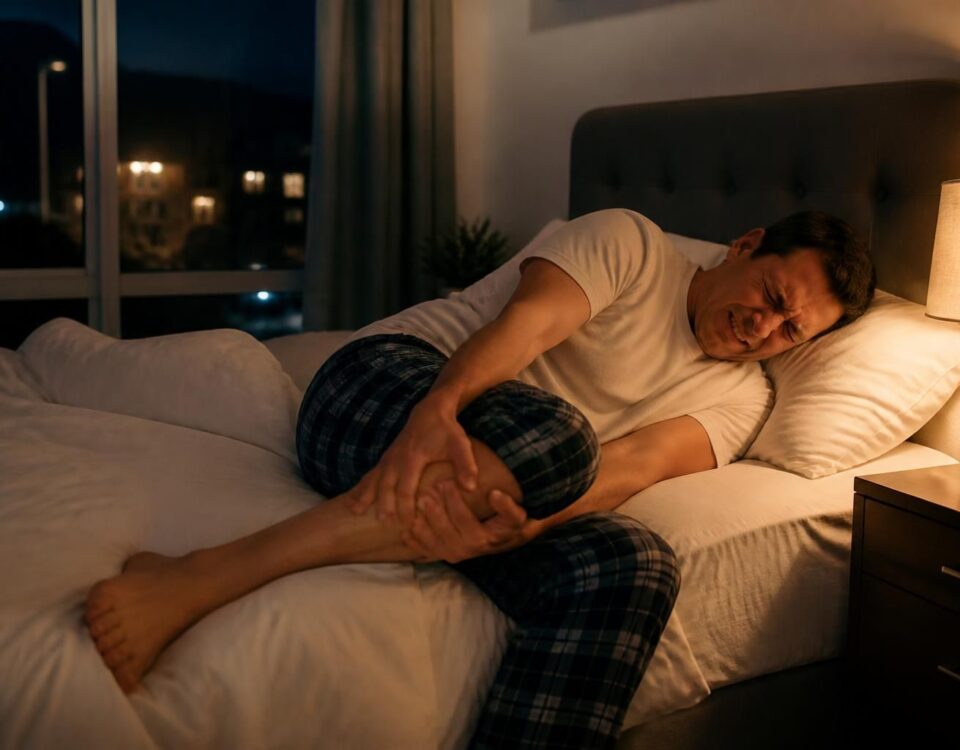
Sciatica in Terrebonne: nighttime pain in the leg
IN BRIEF In brief, nocturnal sciatica is a pain that starts from the lower back and radiates to the leg, sometimes waking you up at night. In Terrebonne, non-invasive management can reduce nighttime awakenings and improve sleep, while preserving mobility…
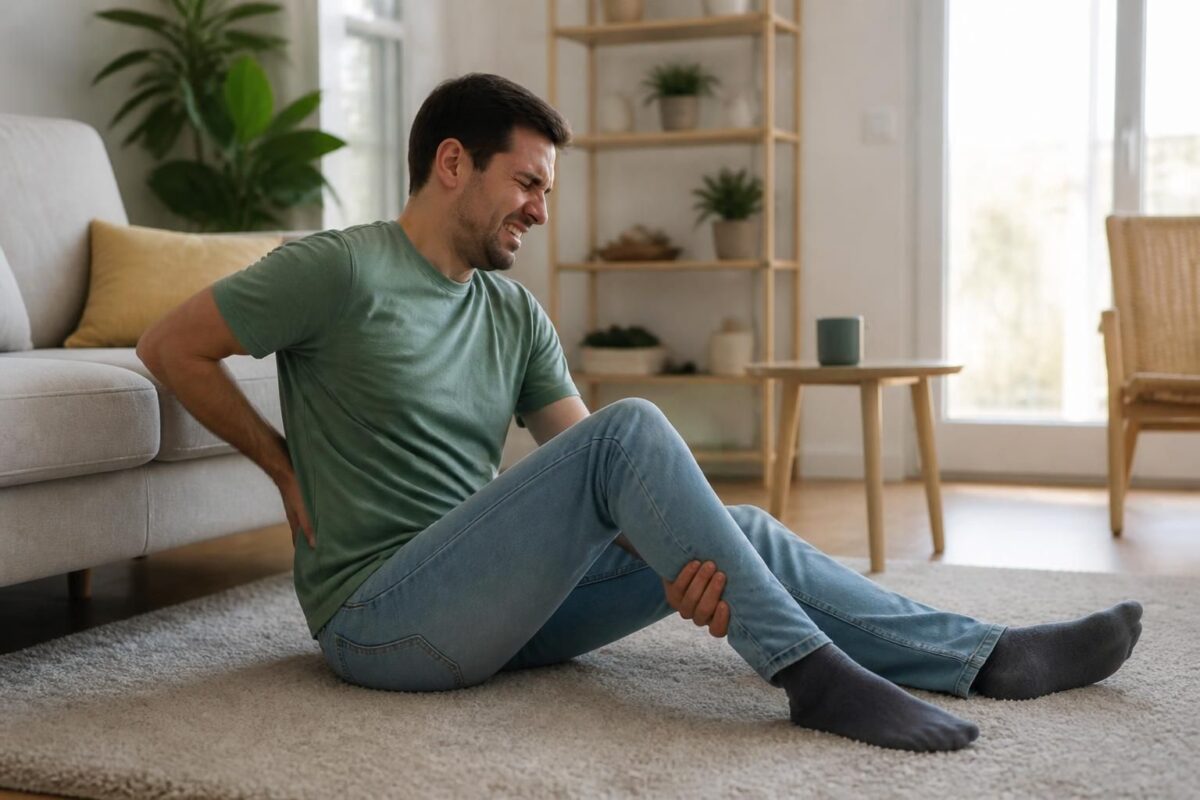
Sciatica in Terrebonne: pain from the lower back to the calf
IN BRIEF Sciatica is pain that follows the path of the sciatic nerve, starting from the lower back and radiating down the leg to the calf or foot. In Terrebonne, local evaluation allows for quick identification of the causes and…
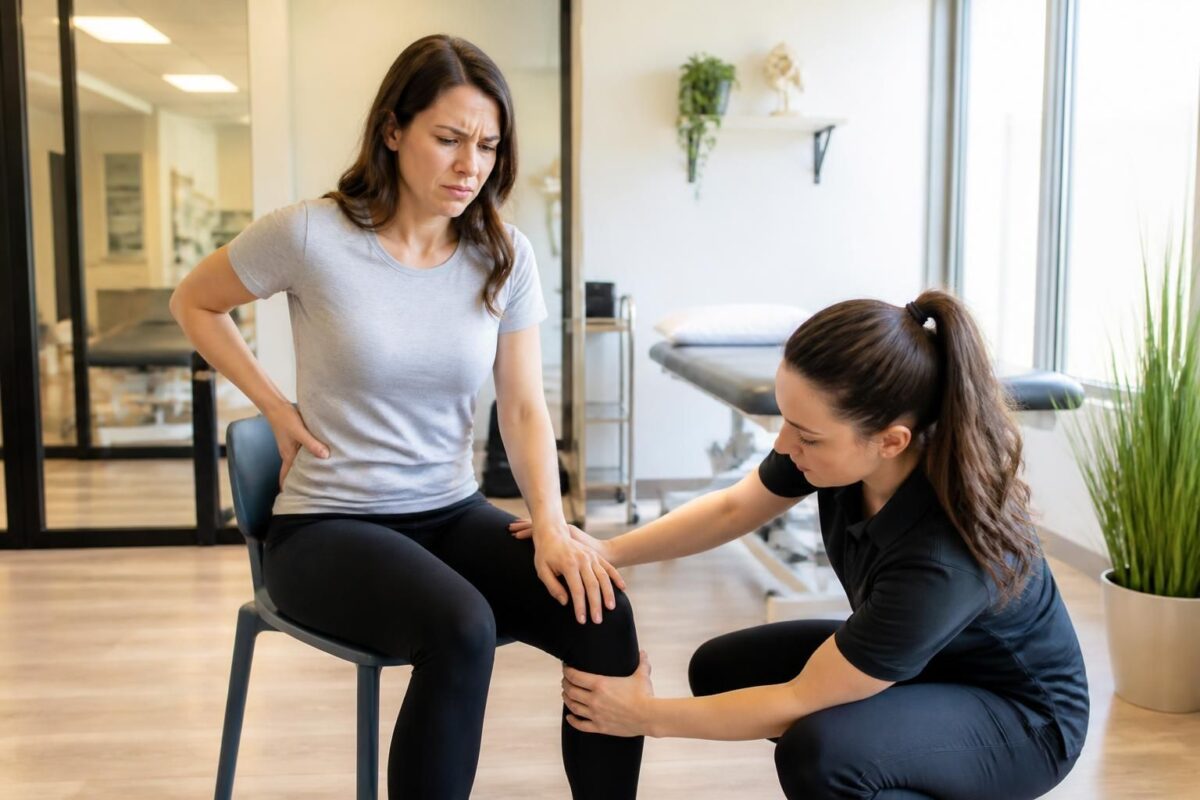
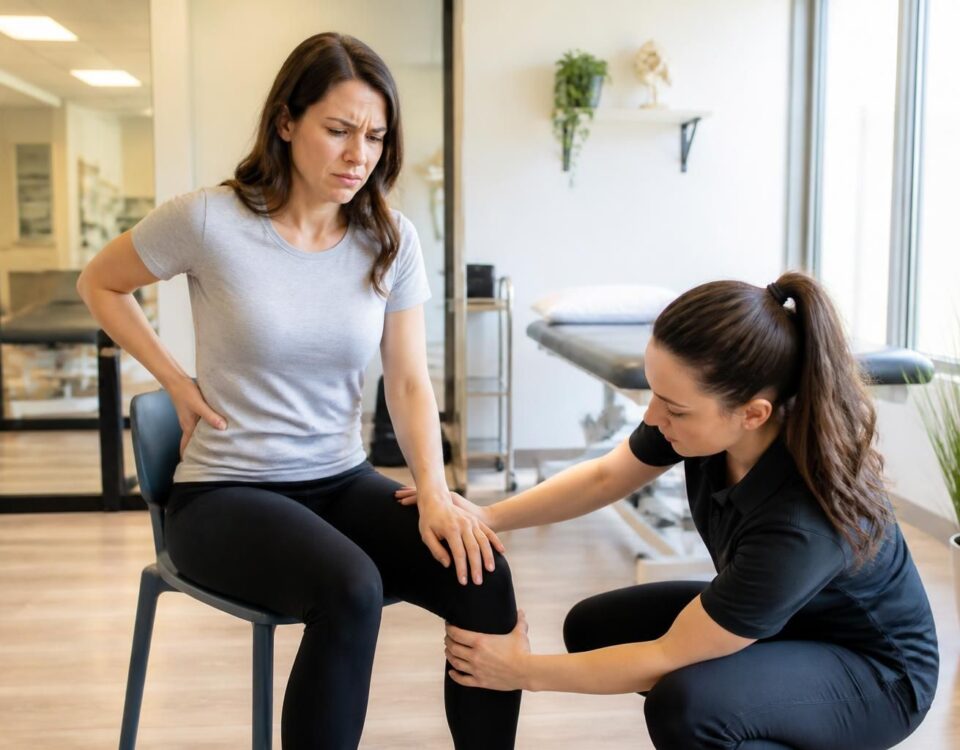
Sciatica in Terrebonne: hip pain or true nerve radiation?
IN BRIEF Sciatica is a pain that follows the path of the sciatic nerve, from the lower back to the foot. In Terrebonne, it can manifest as pain in the hip or as true nerve irradiation. Key benefits: pain reduction,…

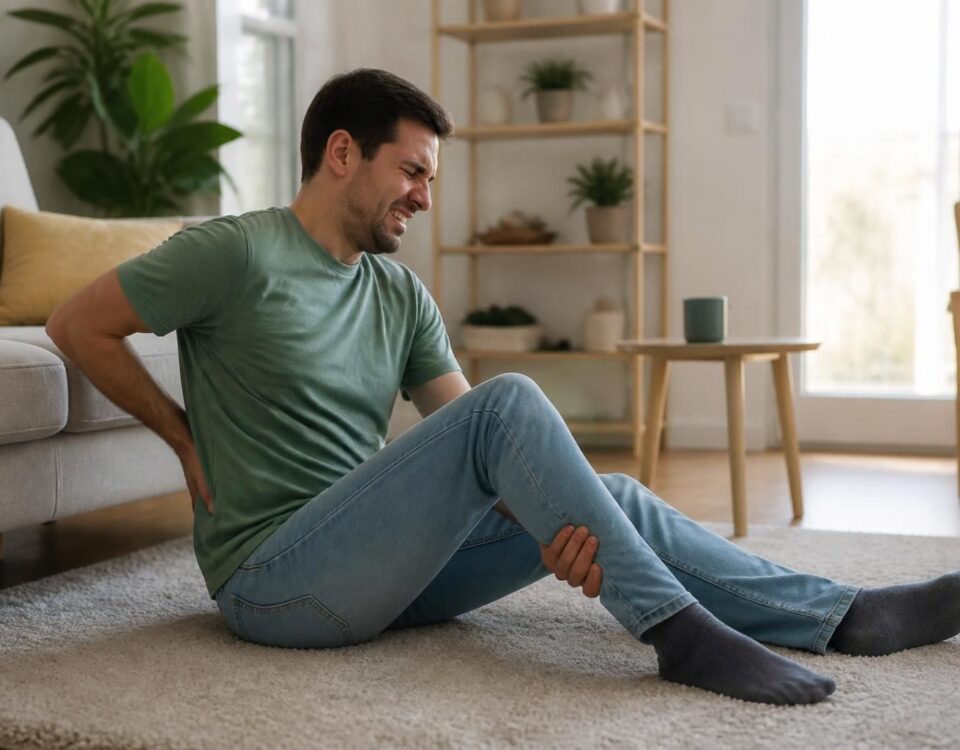
Sciatica pain in Terrebonne: incomplete journey, should we be worried?
IN BRIEF The subject is sciatic pain in Terrebonne, which can follow the incomplete path of the sciatic nerve and project pain down to the foot. Key benefits: pain reduction, improved mobility, and prevention of recurrences through tailored exercises and…

Sciatica in Terrebonne: pain towards the little toe and S1 root
IN BRIEF In brief, sciatica associated with pain towards the little toe and the S1 root is a neuropathic pain that follows the path of the sciatic nerve and often results from compression or irritation of the affected lumbar root.…
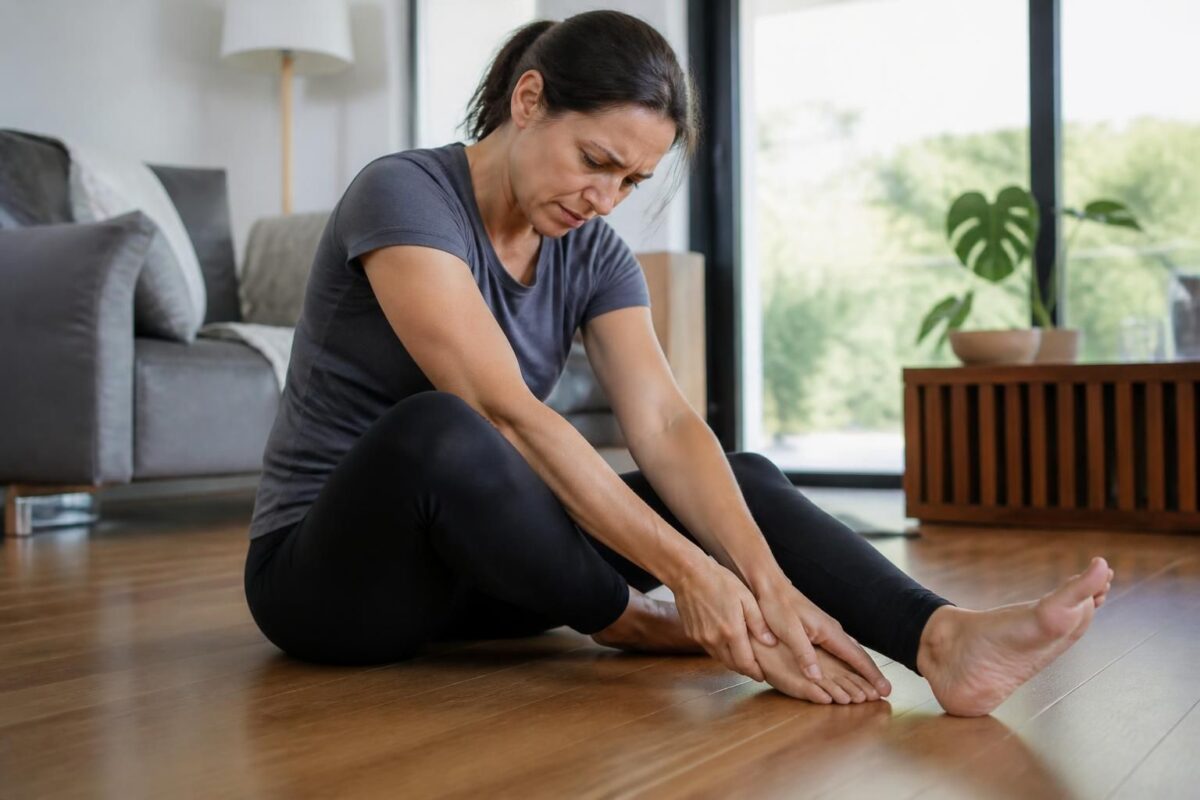
Sciatica in Terrebonne: pain towards the top of the foot and L5 root
IN SHORT The Sciatica in Terrebonne with pain radiating to the top of the foot and probable involvement of the L5 root describes a radicular injury manifested by pain following the nerve path, sometimes accompanied by numbness or weakness. The…

Sciatica in Terrebonne: pain radiating to the outer edge of the foot
IN BRIEF Concise definition: Sciatic pain that reaches the outer edge of the foot follows the path of the sciatic nerve from the lower back to the foot. Benefits and applications: In Terrebonne, a conservative approach provides quick and safe…

Sciatica in Terrebonne: pain in the buttock after a long sitting position
IN BRIEF In brief, sciatica in Terrebonne with buttock pain after a long sitting position corresponds to a compression or irritation of the sciatic nerve. Main benefits: pain reduction, better mobility, and prevention of recurrences through postural education and simple…

Dr Sylvain Desforges, B.Sc., D.O., N.D., osteopath, is the founding president of TAGMED and of the ACMA association. He dedicates his practice to chronic spinal pain, low back pain and symptoms compatible with sciatica, particularly when pain radiates toward the buttock, leg, calf, foot or toes.
Through SOS Sciatique, he publishes educational content on sciatica symptoms, possible causes such as disc herniation, disc narrowing, foraminal stenosis or irritation of a lumbar nerve root, as well as non-surgical approaches that may be considered according to the evaluation. At Clinique TAGMED, care may include, depending on the case, motorized neurovertebral decompression, specific osteopathic care or precision percussion.
For an evaluation related to sciatica treatment in Montreal / Mount Royal or sciatica treatment in Terrebonne, please consult the services available at Clinique TAGMED.
Medical disclaimer
The information published on SOS Sciatique is provided for educational purposes only and does not replace a consultation, diagnosis, opinion or treatment provided by a physician or another authorized healthcare professional. The author of this article is neither a medical doctor nor a specialist in a medical specialty recognized by the Collège des médecins du Québec. The osteopathic, manual medicine or functional support approaches described on this site do not constitute medical acts and are not intended to replace medical follow-up.
Consult a physician or emergency service in cases of loss of bladder or bowel control, anesthesia in the saddle area, significant or progressive weakness in the leg or foot, fever, recent trauma, severe pain or rapid worsening of symptoms. For more details, please read our Legal Notice.