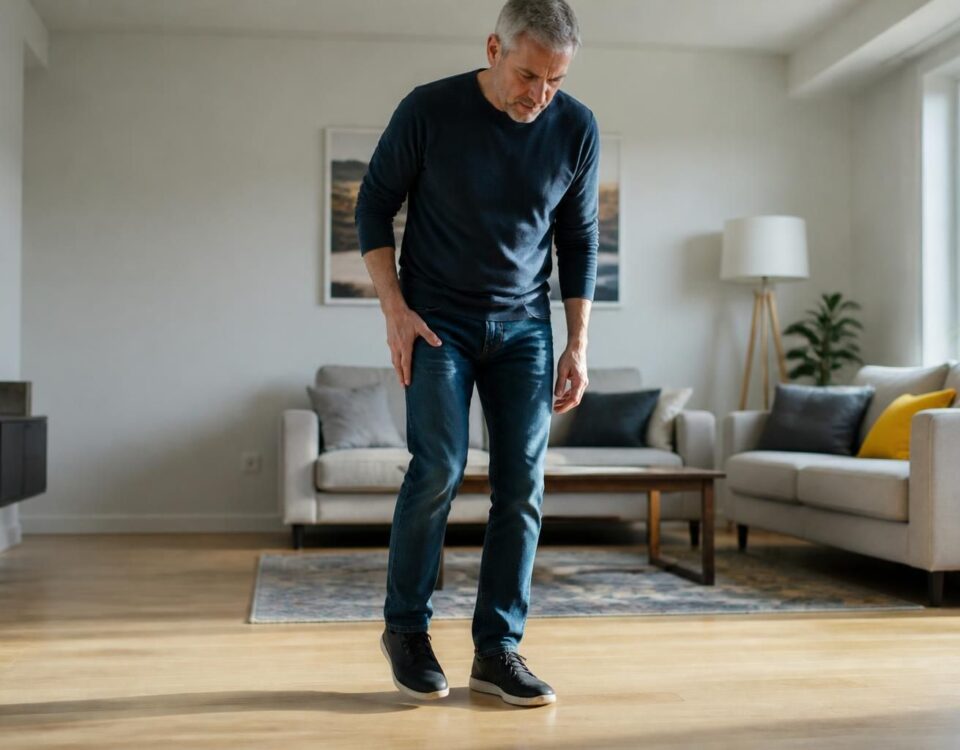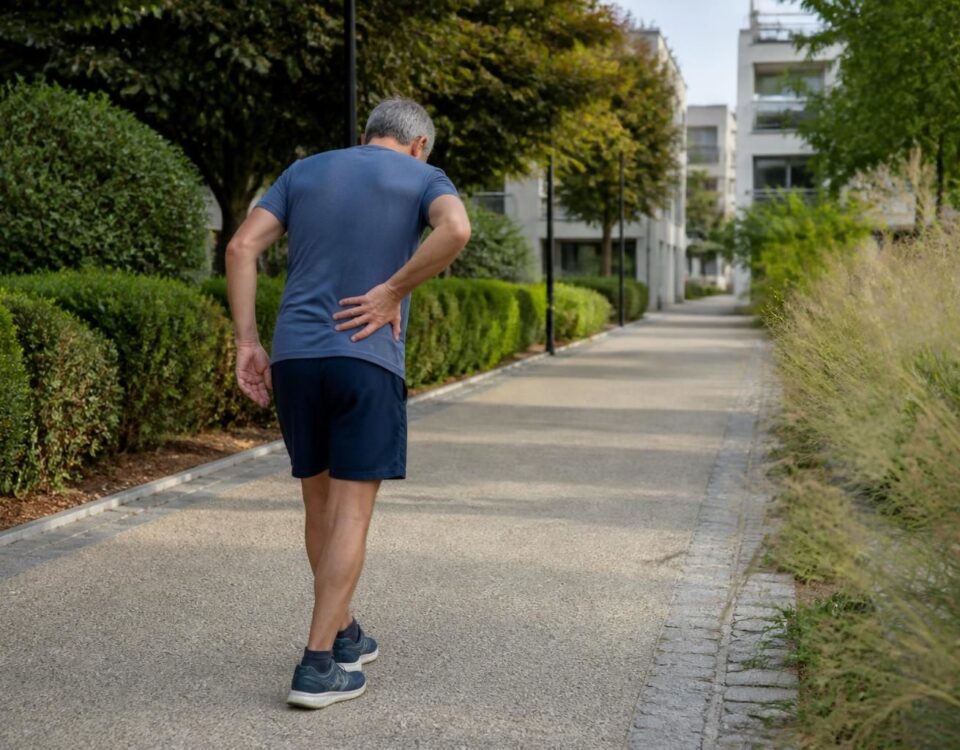
Sciatica in Terrebonne: pain that radiates down the leg when coughing
30/08/2026
Herniated disc and trunk flexion: why remain cautious
30/08/2026
IN BRIEF
| In brief, sciatica with radiation to the calf is a pain of nerve origin that starts from the lower back and follows the path of the sciatic nerve down to the calf. It may result from a herniated disc, a protrusion, foraminal stenosis, or inflammation of the nerve. The advantages of non-surgical approaches include long-lasting relief, improved mobility, and a return to activity without surgery. Typical options include physical therapy, injections, motorized neuroverbal decompression, and lumbostat, complemented by appropriate rehabilitation. In Montreal and Mont-Royal, these treatments aim for personalized and gradual support to quickly return to an active life. In summary: what is sciatica with burning in the calf?, how does the treatment work, and what benefits to expect? |
Sciatica is a pain that originates in the lower back and can radiate to the buttocks, the thigh, down to the calf, sometimes described as a burning sensation in the calf. This pain results from irritation or compression of the lumbar roots that form the sciatic nerve. Common causes include a herniated disc, a protrusion, or foraminal stenosis, but other factors can mimic this picture and require thorough medical evaluation. Treatment aims to reduce inflammation and restore mobility: targeted physical therapy, anti-inflammatory measures, and, depending on the case, injections or appropriate decompression, always under professional supervision.
This article, written by an expert health professional, explains why a burning sensation in the calf may accompany sciatica, how to distinguish the causes, and which evaluation and management elements to prioritize, particularly within TAGMED clinics in Montreal and Terrebonne. It presents simple guidelines to understand this phenomenon and guide an appropriate approach without systematically resorting to exercises or stretches in the sections dealing with neuroverbal decompression and other specific conditions.
Sciatica can manifest as a pain or burning sensation that travels along the path of the nerve, down to the calf, and even to the foot. This pain is not just muscular; it often reflects irritation or compression of a lumbar or sacral nerve root. The precise location and evolution over time allow for differentiation of causes and guide treatment. For some people, the burning sensation is constant, while for others, it is fluctuating and associated with tingling, numbness, or slight weakness.
In typical cases, the pain follows the path of the sciatic nerve and may extend to the calf or foot. The burning character may be associated with localized inflammation around the nerve root. Associated signs such as worsening while walking, increased sensitivity of the calf, or sensory disturbances may accompany this pain.
To help understand and interpret these symptoms, several resources provide clear explanations about the link between sciatica and calf pain. You can consult specialized resources on calf pain and sciatica – interpretation and explore common questions surrounding sciatica and associated symptoms.
Causes and mechanisms
Radicular origin and discal mechanisms
The sciatic nerve can be irritated or compressed due to a herniated disc, a protrusion, or a narrowing of the foramen. The pain may then project into the calf, depending on the affected level (e.g., L5-S1 or L4-L5). The mechanism is often inflammation that extends along the path of the nerve and causes a burning sensation when the nerve fibers are involved.
Specialized resources explain that sciatica can also be associated with mechanisms other than obvious discal pathologies. A sciatica in Terrebonne may indicate a nerve conflict at the lumbar level, even when no major structural damage has appeared immediately on imaging.
Moreover, pain may manifest in older adults through arthritic processes that narrow the openings where the nerve roots pass, leading to arthritic sciatica and pain that can radiate to the calf without necessarily being of active discal origin.
Differential causes to consider
The burning sensation in the calf may also arise from other conditions. Among them:
- Vascular conditions such as phlebitis or venous insufficiency, which require rapid assessment to avoid serious complications. Diagnosis may involve a Doppler examination of the veins.
- Arthritis or compartment syndrome, which can cause localized and sustained pain in the calf, sometimes confused with radicular pain.
- Cruralgia when the crural nerve is involved, causing more anterior pain on the thigh than on the calf, but can coexist with similar symptoms.
- Other rare nerve or neuromuscular pathologies that require specialized evaluation.

Sciatica and foot weakness: risk of drop foot
IN BRIEF In brief, sciatica and weakness of the foot can cause a drop foot, the inability to lift the front of the foot. This situation occurs when the peroneal nerve or the sciatic nerve is compressed or injured. The…

Sciatica and weakness in the thigh: possible lumbar cause
IN BRIEF Sciatica with thigh weakness is a possible manifestation of a lumbar cause irritating a nerve root (L4-L5, L5-S1). Advantages: a quick diagnosis and a targeted treatment plan with rehabilitation to regain strength and mobility and prevent recurrences. Operation:…
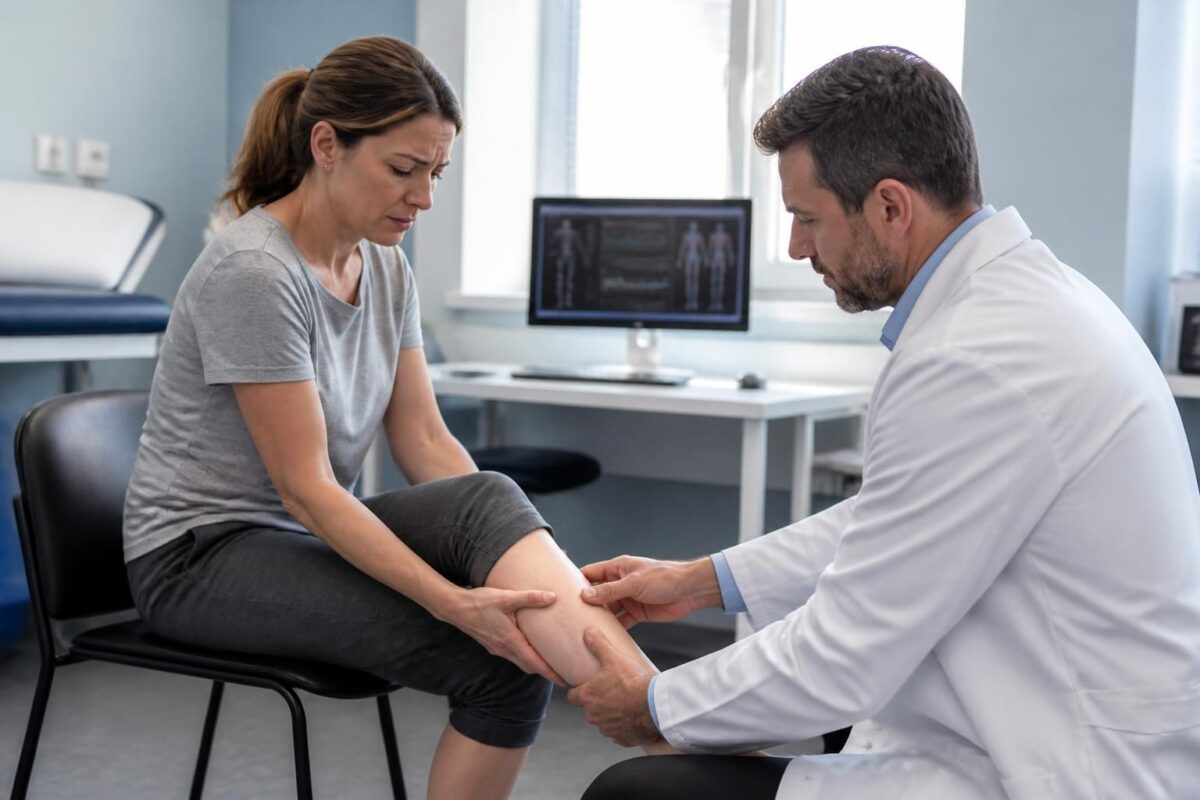
Sciatica and calf weakness: what should be monitored?
IN SHORT In short, sciatica and weakness in the calf describe a lumbar radiculopathy where pain follows the path of the sciatic nerve and may reach the calf. Benefits: a targeted non-surgical management, quick relief, and an improvement in mobility…

Sciatica and difficulty walking on tiptoes: possible S1 root
IN BRIEF In brief, sciatica with difficulty walking on tiptoes may reflect an involvement of the S1 lumbar root. What is it? a radicular pain that can limit foot elevation and walking on tiptoes. What are the benefits? an accurate…
Diagnosis and when to seek help
A precise diagnosis relies on a detailed clinical history and a neuro-muscular examination. Signs such as rapid onset of significant weakness, loss of urinary or fecal control, or saddle anesthesia should lead to emergency consultation.
In most cases, the doctor will evaluate the symptoms and, if necessary, suggest additional tests. Imaging (MRI, CT scan) is not routinely required in typical sciatica and may be reserved for atypical situations or in the absence of improvement under initial treatment. To rule out a vascular origin, a venous Doppler is useful when the pain is associated with swelling or other clinical signs.
External resources discuss various scenarios and interpretations around sciatica and the calf. For specific cases, refer to dedicated guides and feel free to discuss with your doctor the assessment options available in your area.
For specific cases and data on manifestations related to Terrebonne and the lumbar region, consult the corresponding articles, particularly those describing the links between lower back pain and emanations in the leg.
Treatment Options and Management
Several non-surgical approaches exist to relieve sciatica with calf burning. The choice is made after an individualized assessment and based on imaging results and the extent of nerve conflict.
At Mont-Royal and within TAGMED’s premises, non-invasive treatments may be considered, including non-surgical techniques and targeted interventions. For information and options offered by TAGMED, visit Clinique TAGMED.
| Therapy | Common Indications | Benefits | Limitations |
|---|---|---|---|
| Physical Therapy | Mild to moderate sciatica; post-inflammation recovery | Strengthens muscle support; improves mobility | Variable effectiveness; results depend on the patient and stage |
| Injections | Significant local inflammation; pain radiating into the limb | Rapid reduction of inflammation; temporary relief | Transitory effect; not curative; depends on precise location |
| Motorized Spinal Decompression | Disc herniation, moderate protrusions, mild foraminal stenosis | Reduces pressure on the roots; non-surgical solution in some cases | Preliminary evaluation essential; not suitable for all situations |
| Surgery (last option) | Significant neurological deficit; failure of conservative treatments | Reduction of nerve conflict in severe cases | Surgical risk; variable recovery; decision made after evaluation |
For available options and their suitability, a specialized assessment can be guided by the TAGMED teams. Additional resources and discussions around non-surgical approaches are available on the sites Sciatica and tingling in the heel (root S1), tingling in the big toe (L5), and sciatic pain Terrebonne – calf/heel.
In some cases, spinal decompression or injections may be considered after a full evaluation. For more information on available options, you can consult resources related to sciatica in Terrebonne and the dedicated pages on spinal decompression at Spinal Decompression.
Practical Advice and Daily Management
Adopt an appropriate posture and work to limit positions that aggravate nerve conflict. Maintain suitable activity levels and avoid movements that seem to trigger or exacerbate pain. For practical and personalized advice, discuss with professionals at TAGMED and consult available resources on calf pain and sciatica – interpretation.
When to Seek Immediate Attention
Urgency if sudden onset of significant neurological deficit, loss of control of the sphincters, saddle numbness, or associated fever. Seek rapid medical evaluation if pain persists despite usual measures and significantly affects walking or sleeping.
For a comprehensive and coordinated approach, an assessment at the TAGMED Clinic may be considered to discuss available options in your area and resort to spinal decompression or other relevant non-surgical therapies.
For more options and information, consult specialized pages and associated resources in the relevant areas and the partner sites listed below.
Useful links and associated resources:
- Calf pain and sciatica – interpretation
- Sciatica in Terrebonne – lower back pain with shooting pain in the leg
- Sciatica – tingling in the heel (root S1)
- Sciatica – tingling in the big toe (root L5)
- Interpretation of calf pain and sciatica
- Sciatic pain – calf, heel or outer edge of the foot
- Clinique TAGMED
- Spinal Decompression
Medical disclaimer: The information and advice provided on this site do not replace the opinion, diagnosis or treatment of a health professional. Please note that Dr. Sylvain Desforges, osteopath, is neither a doctor of medicine nor a physician, and is not specialized in a medical specialty as defined by the Collège des médecins du Québec. Manual medicine, functional medicine and sports medicine as described on this site exclude any medical treatment or diagnosis made by a physician or specialist. Always consult your doctor for any medical questions. For more details, please read our complete Legal Notice.
- Manifestation Sciatica with irradiation to the calf and sometimes a burning sensation.
- Sensory signs burning, tingling, and numbness along the nerve pathway.
- Pathway follows the sciatic nerve; may extend beyond the calf.
- Possible causes herniated disc, protrusion, radicular inflammation, foraminal stenosis.
- Initial management appropriate posture, gentle activities, and targeted physiotherapy.
- Advanced options injections, motorized neurovertebral decompression, lumbar brace according to evaluation.
- Exercises light strengthening and stretching; back school, avoid aggravating movements.
- Emergencies loss of urinary/faecal control, saddle anesthesia, rapid weakness, or fever.

This recommendation focuses on sciatica associated with a burning sensation in the calf. It summarizes possible mechanisms, warning signs, management options, and practical tips for daily life, without imposing surgery, while highlighting the importance of a personalized assessment and a progressive rehabilitation plan.
Understanding pain and burning in the calf
Sciatica is pain that can follow the pathway of the sciatic nerve, from the lower back to the calf, heel or toes. The burning sensation may reflect irritation or compression of one or more lumbar nerve roots. The presentation can be irregular: sometimes the burning is limited to the calf, sometimes it radiates higher up the thigh or buttock, and its intensity can vary from day to day.
Good identification of signs helps guide the diagnosis: pain that worsens with certain movements, pain triggered by prolonged sitting, paresthesias (tingling), muscle weakness or difficulty walking a usual distance. A burning pain that persists despite rest and simple treatments should prompt a more comprehensive evaluation.
Typical signs and symptoms
In practice, burning in the calf is often accompanied by a clear radicular pathway: pain that descends along the nerve, sometimes associated with tingling and a sensation of heat or burning. The diagnosis is based on clinical history and neurological examination. More atypical symptoms or rapid progression may require further tests to rule out other causes such as thrombophlebitis or arteritis.
Common causes and diagnosis
The most common cause remains a herniated disc or protrusion compressing a nerve root, often at the L5-S1 or L4-L5 level. Other factors may be involved, such as foraminal stenosis (narrowing of the nerve passages) or osteoarthritis that narrows the foramen and irritates the nerve.
It is important to understand that not all hernias produce pain, and radicular pain does not necessarily reflect an immediate surgical situation. Diagnosis is based on the combination of symptoms and examination; imaging (MRI, CT scan) can be useful in certain cases but does not systematically guide initial management.
Treatment approaches and daily management
Non-invasive options constitute the first line: physiotherapy and a tailored exercise program, work on posture and movement, and muscular rehabilitation focused on the lumbar spine and abdominal muscles. The goal is to decrease nerve irritation, restore mobility, and prevent recurrences.
Complementary measures may include anti-inflammatory treatments and ergonomic advice at home or work. In some cases, local injections may reduce inflammation and temporarily relieve pain, facilitating the resumption of activities. In some patients, motorized neurovertebral decompression may be considered after specialized evaluation, without excluding surgery when neurological signs progress or conservative treatments fail.
Daily management also involves simple habits: avoiding positions that irritate the nerve, alternating periods of activity and rest, and incorporating gentle but regular exercises. A lumbar brace may be useful temporarily for individuals with lumbar instability, but it does not replace rehabilitation or functional efforts in the long term.
When to consult and signs of urgency
Certain situations require urgent consultation: loss of sphincter control, saddle anesthesia, progressive motor weakness of the leg, fever, or severe post-traumatic pain. A burning pain that persists despite usual treatments and a limitation of walking should also be evaluated quickly to rule out a serious neurological complication.
Practical tips for daily life
Adopting a posture respectful of the spine during daily and professional activities is essential. Favor active breaks, targeted stretching and strengthening exercises, and regular physical activity suitable for your capability. Maintaining a healthy weight and an anti-inflammatory diet can help reduce general inflammation and improve comfort. Finally, ensure coordinated follow-up between doctor and physiotherapist to adjust the plan according to the evolution of symptoms and avoid excessive interruptions that encourage recurrences.
Sciatica and Burning Sensation in the Calf – Comparative Table
| Axis | Concise Elements |
|---|---|
| Origin | Nerve conflict along the sciatic path, most often related to a herniated disc. |
| Type of Pain | Pain radiating from the lower back to the calf with a burning sensation and sometimes tingling. |
| Location | Typical path along the sciatic nerve to the calf; may be partial depending on the irritated roots. |
| Red Flags | Loss of urinary or fecal control, saddle anesthesia, rapid weakness require medical urgency. |
| Useful Tests | Doppler to exclude phlebitis; MRI or CT scan depending on the context; epidural foraminal infiltration based on assessment. |
| Conservative Treatment | Targeted physiotherapy and exercises; infiltrations may reduce inflammation; lumbosacral brace sometimes useful. |
| Daily Assistance | Avoid prolonged standing; ergonomic posture; gradual progression of exercises; regular walking. |
| Non-surgical Options | Physiotherapy, infiltrations, and motorized neurovertebral decompression based on assessment; variable results. |
| Evolution | Gradual improvement with appropriate treatment; speed varies, and some cases require adjustments. |
| Major Differential Diagnoses | Cruralgia and other musculoskeletal causes; distinguish by path and clinical examination. |
Testimonials on Sciatica and Calf Burns
“Before, my sciatica started in my lower back and radiated to my calf with an endless burning sensation. After a comprehensive evaluation and a personalized program, I regained normal walking and pain-free nights.”
“After weeks of discomfort and a burning sensation in my calf, physiotherapy sessions focused on the ‘back school’ and targeted exercises gradually improved my posture and balance.”
“The doctor suggested a combined approach: motorized neurovertebral decompression and, in parallel, an exercise plan. My sciatica and the burning sensation in my calf have decreased, and I can once again enjoy my sports activities without fear.”
“I had a sciatica manifesting as a burning sensation in my calf and constant pain that kept me from sleeping. A targeted infiltration and a lumbosacral brace provided me with lasting relief and better mobility.”
“As an athlete, I thought my sciatica would be chronic, but thanks to a personalized approach including physiotherapy and postural advice, the pain and burning in my calf have gradually disappeared, and I regained my performance.”
Sciatica and Burning Sensation in the Calf: Understand, Assess, and Act
Sciatica is a pain that originates around the lumbar roots of the sciatic nerve and may travel down the lower limb to the calf, heel, or toes. When associated with a burning sensation, the message sent by the nerve is often irritating and persistent: a dull heat or burning is felt following the nerve’s path, sometimes limited to a specific area of the calf, other times affecting the entire limb. This pain can be continuous or appear in episodes, and its intensity can vary depending on movements, positions, and rest.
The most common causes involve spinal mechanisms: a herniated disc or a disc protrusion, which compress the nerve root, as well as conditions like foraminal stenosis or localized nerve inflammation. In some cases, other sources may contribute to this radiated pain, including non-vertebral elements that irritate or compress the nerves. An accurate diagnosis relies on careful listening to the characteristics of the pain (path, location, variation with gestures, presence of burning or numbness) and a thorough clinical examination, supplemented when necessary by imaging tests to guide treatment.
From a clinical perspective, the pain may manifest as typical irradiation of the sciatic nerve or be limited to a portion of the pathway to the calf. In many cases, the burning is more a sign of nerve irritation than of local muscular injury. Triggering factors can be varied: prolonged professional postures, repetitive gestures, minor trauma, or simply a loss of flexibility and stability in the spine exposing nerve roots to strain. Patient testimonials also highlight that the pain can fluctuate, be more pronounced at certain times of the day, and be accompanied by a feeling of heaviness in the legs.
Several non-surgical therapeutic options can help relieve sciatica and burning in the calf. Physiotherapy plays a central role, with targeted exercises to improve mobility, strengthen supportive muscles, and prevent recurrences. Manual and osteopathic approaches can help release tension around the nerves and correct mechanical imbalances. When inflammation is significant, options such as infiltrations or motorized neurovertebral decompression may be considered based on individual assessment. Wearing a lumbosacral brace can also be temporarily useful to stabilize the spine during painful phases, accompanied by a progressive rehabilitation program to restore a natural and pain-free gait.
Pain management should be gradual and tailored to each patient. Goals include progressively reducing painful episodes, improving walking and daily activities, and enhancing tolerance for everyday tasks. Adapted education on postures, work habits, and self-management techniques is essential to limit overload and promote lasting recovery. Sometimes, when symptoms persist despite conservative treatments, a more in-depth evaluation is needed to consider additional options or, as a last resort, surgical options, although this concerns a minority of cases and is decided in consultation with the patient.
For individuals experiencing persistent burning in the calf with sciatic radiation, personalized support that combines education, exercises, manual therapies, and, if necessary, targeted measures can yield significant results. A multimodal approach, centered on the patient’s needs and tailored to their lifestyle, is often the key to regaining functional mobility and restoring quality of life. In this context, a specialized assessment helps direct towards the most effective and safest treatments, avoiding unnecessary interventions and promoting a measured and controlled progression.
This analysis details the relationship between sciatica and a burning sensation in the calf, exploring the possible mechanisms, warning signs, and management options to help differentiate benign situations from conditions requiring specialized evaluation.
Causes and Mechanisms
The burning pain radiating to the calf may result from irritation or compression of the sciatic nerve or one of its roots, often related to conditions such as herniated disc, protrusion, or foraminal stenosis. These mechanisms disrupt the nerve pathway along which the pain projects, which can span all or part of the nerve’s route to the calf, and sometimes to the foot. If the pain is both intense and unpredictable, it may mask other origins such as vascular disorders or inflammatory conditions; an accurate evaluation is essential to distinguish causes and tailor treatment. For more in-depth testimonies and various explanations, consult resources like patient testimonies in NDG and the page pain resembling sciatica.
Beyond spinal causes, elements such as vertebral osteoarthritis, foraminal stenosis, or nerve root lesions can sustain pain radiating to the calf. In some cases, the painful pathway is less extensive but remains debilitating; the location and intensity evolve over time and with daily activities. External sources discuss variations in pain and distinctions between sciatica and pain related to other regions of the body (Sciatica or pain in the buttock – differences and osteopathic treatment). For additional testimonies and analyses, see the cases in Montreal.
Evaluation and Warning Signs
A pain radiating to the calf may be associated with symptoms such as tingling, numbness, or muscle weakness. It is crucial to monitor warning signs indicating significant nerve damage or vascular complications, such as loss of bladder or bowel control, saddle anesthesia, or progressive weakness. In cases of rapid deterioration or associated fever, emergency medical consultation is recommended. Online resources describe the progression of symptoms and ways to check warning signs, for example, in discussions about sensations and pain pathways (pain, tingling, or numbness in Montreal). Other references explain why some calf pains, particularly after walking, require thorough evaluation (tingling after walking).
Management Options and Therapeutic Pathway
The treatment of sciatica with calf burning relies on a multimodal approach tailored to the patient’s profile. Non-surgical options include physiotherapy and targeted exercises, postural management, and sometimes the use of a lumbar brace to limit mechanical stress on the lower back. When inflammation is marked, injections may provide temporary relief and facilitate the resumption of activities. In some cases, motorized neurovertebral decompression may be considered as a complementary therapy, while remaining limited to specific indications and not replacing any necessary surgery. If conservative treatments fail or if there is evolving neurological involvement, surgery may be considered after specialized evaluation. For practical perspectives and testimonies, see resources dedicated to Montreal and Terrebonne ( Terrebonne, Montreal). Other useful information on mechanisms and treatments can be found on Osteomag and in specialized osteopathy resources (Sciatica or pain in the buttock). For additional information and practical advice, also consult the pages sciatica pain in Montreal and evolving path in Terrebonne.
To enrich your understanding and access concrete testimonies on trajectories and treatments, also explore the following online resources: deep buttock pain and radiation in the thigh, pain that changes trajectory over the days, and causes and when to consult.
Additional resources and decision-making aids are available through articles and guides, notably those examining the differences between sciatica and buttock pain and the common causes associated with this type of symptom (differences and osteopathic treatments). For a comprehensive view and practical advice on mechanisms and nerve pathways, you can also consult online resources that address anatomical aspects and therapeutic options (Osteomag).
For a personalized consultation and advice tailored to your situation, feel free to consider an evaluation with a specialist in neurovertebral decompression or in osteopathy, such as those described in the resources mentioned above and the pages dedicated to Montreal and Terrebonne.
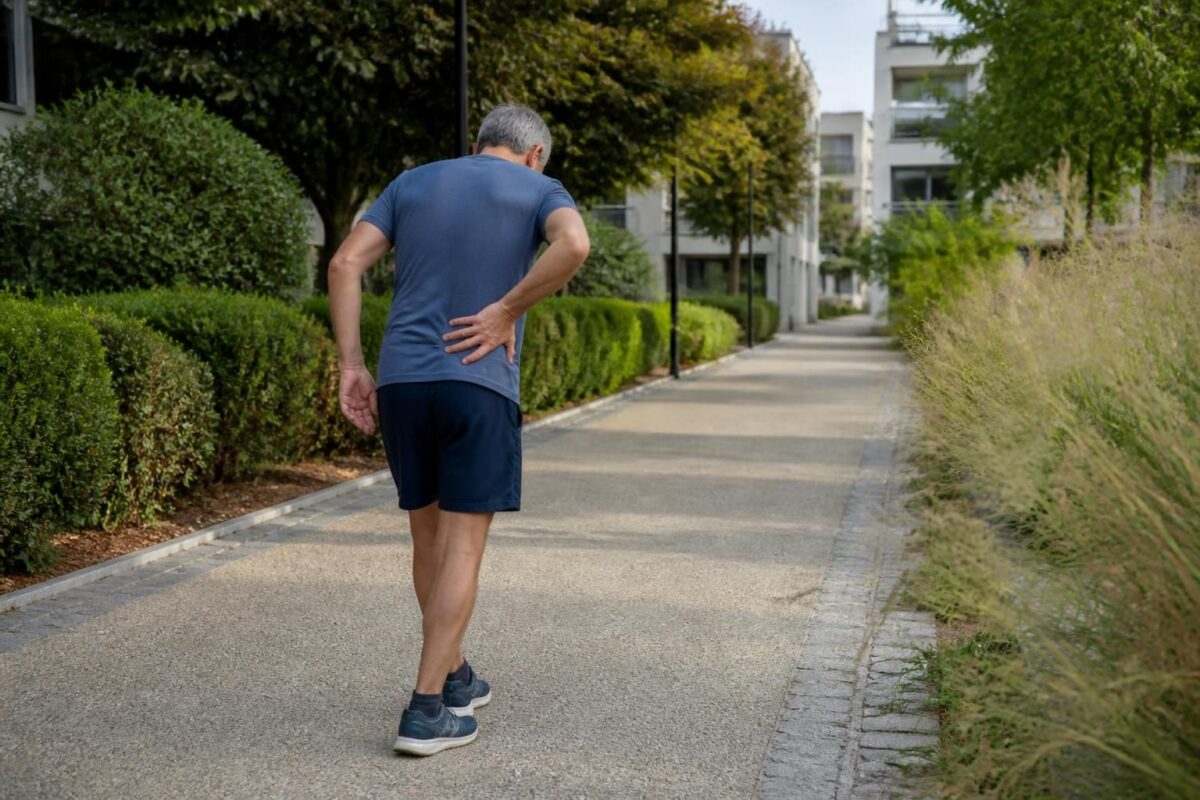
Sciatica and difficulty walking on heels: possible L5 root
IN BRIEF The sciatica associated with a difficulty walking on the heels is generally due to an involvement of the L5 root of the sciatic nerve, with a pathway that starts from the lower back, crosses the buttock, and goes…

Sciatica and difficulty lifting the foot: emergency or quick consultation?
IN BRIEF The drop foot is a weakness of the foot dorsiflexors that causes a steppage gait and may reveal sciatica with compression of the nerve in the lumbar region. When it is associated with sciatic pain and loss of…

Sciatica and loss of strength: a sign not to be taken lightly
IN SHORT In short, sciatica is pain that follows the path of the sciatic nerve. A loss of strength in the leg is a sign that should not be taken lightly. It’s a warning indicating nerve damage that may require…

Sciatica and numb foot sensation: when to consult?
IN BRIEF In brief, sciatica and numbness in the foot refer to pain that follows the path of the sciatic nerve and may be accompanied by tingling or numbness in the foot. This summary specifies when to seek consultation, distinguishing…

Dr Sylvain Desforges, B.Sc., D.O., N.D., osteopath, is the founding president of TAGMED and of the ACMA association. He dedicates his practice to chronic spinal pain, low back pain and symptoms compatible with sciatica, particularly when pain radiates toward the buttock, leg, calf, foot or toes.
Through SOS Sciatique, he publishes educational content on sciatica symptoms, possible causes such as disc herniation, disc narrowing, foraminal stenosis or irritation of a lumbar nerve root, as well as non-surgical approaches that may be considered according to the evaluation. At Clinique TAGMED, care may include, depending on the case, motorized neurovertebral decompression, specific osteopathic care or precision percussion.
For an evaluation related to sciatica treatment in Montreal / Mount Royal or sciatica treatment in Terrebonne, please consult the services available at Clinique TAGMED.
Medical disclaimer
The information published on SOS Sciatique is provided for educational purposes only and does not replace a consultation, diagnosis, opinion or treatment provided by a physician or another authorized healthcare professional. The author of this article is neither a medical doctor nor a specialist in a medical specialty recognized by the Collège des médecins du Québec. The osteopathic, manual medicine or functional support approaches described on this site do not constitute medical acts and are not intended to replace medical follow-up.
Consult a physician or emergency service in cases of loss of bladder or bowel control, anesthesia in the saddle area, significant or progressive weakness in the leg or foot, fever, recent trauma, severe pain or rapid worsening of symptoms. For more details, please read our Legal Notice.