Sciatic pain in Montreal: calf, heel or outside edge of the foot?
25/08/2026
Sciatica and tingling in the heel: possible S1 root
25/08/2026
IN BRIEF
| In brief, sciatica is a compression of the sciatic nerve that triggers pain starting from the lower back and potentially radiating to the calf, the heel, or the outer edge of the foot. In Terrebonne, non-surgical approaches like osteopathy and physiotherapy offer real benefits: quick relief, improved mobility, and reduced night pain, with a personalized plan and targeted exercises. How it works: targeted assessment, gentle techniques, and follow-up to resume daily activities without pain. |
In Terrebonne, sciatica may manifest as pain in the lower back that radiates to the calf, the heel, or the outer edge of the foot.
This pain reflects irritation or compression of the sciatic nerve and depends on the affected nerve root (L5 or S1), which explains the areas and sensations (tingling, weakness, limping).
A osteopathic assessment allows for identifying the source and applying gentle techniques aimed at relieving the compression and restoring mobility. For personalized care, book an appointment online with May’Ostéo.
This document written by a healthcare professional expert in osteopathy clearly explains how sciatica can manifest in Terrebonne, targeting the typically affected areas: the calf, the heel, or the outer edge of the foot. You will find possible causes, signs to watch for, and treatment options, with a focus on solutions offered by the TAGMED Clinic and non-surgical approaches.
What is sciatica?
Sciatica corresponds to a compression of the sciatic nerve. This compression can manifest as pain that travels from the lower back to the buttock and leg, and sometimes to the outer edge of the foot. There are two forms: true sciatica, which arises from irritation of the nerve at the spine, and sciatalgia, or “false sciatica,” due to peripheral compression of the nerve by the piriformis muscle in the pelvis. The sciatic nerve is the largest and longest in the body, participating in the sensitivity and movement of the lower limbs. Options exist to relieve pain, notably osteopathy or physiotherapy, and medication treatments may be considered based on the medical context. For a specialized evaluation in Terrebonne, make an appointment online with May’Ostéo.
Signs and location based on roots
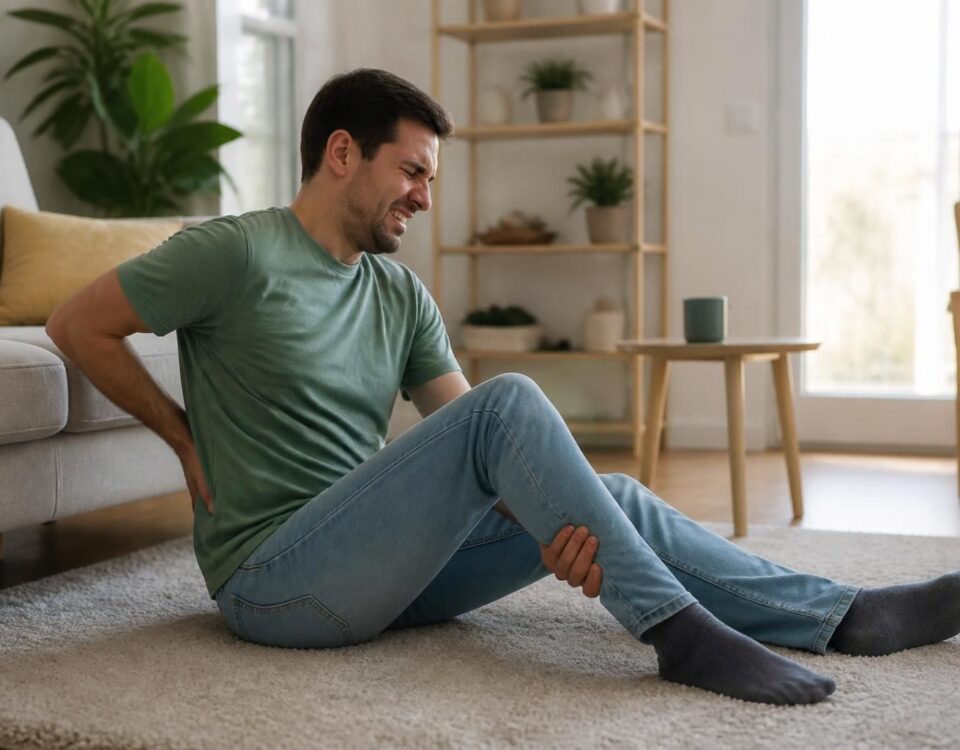
Symptoms reflect the location of the affected nerve roots. In the case of L5 involvement, the pain can affect the buttock, the back and outer side of the thigh, then the outer side of the knee and leg down to the foot and the big toe. For S1, it may involve the buttock, the back of the thigh, the back of the calf and heel up to the arch of the foot, the outer edge of the foot, and the last three toes. Pain may vary with movement and positions, can be triggered by effort or worsened when sitting, and may be more intense at night in some inflammatory cases. Tingling or a “pins and needles” sensation (paresthesias) may appear in the leg and foot, and a loss of strength may lead to limping in more pronounced forms.
Common causes in Terrebonne
For true sciatica, the main cause is often a herniated disc, with a protrusion of the intervertebral disc nucleus that can compress a nerve root. Other spinal issues such as lumbar arthritis, trauma, or chronic inflammatory disease can also cause sciatica. In the case of sciatalgia, the compression may arise from a contraction of the piriformis muscle in the pelvis, with anatomical variations increasing the risk of compression. For patients in Terrebonne, accurate screening is done during the clinical evaluation and, if necessary, through imaging.
How is it diagnosed?
The diagnosis is based on a medical history and clinical examination, supplemented when necessary by imaging tests. A lumbar X-ray may be normal or show arthritis and degenerative signs; MRI or CT scans allow visualization of discopathy and the severity of the disc-root conflict. In some cases, more specific complementary exams may be requested by your doctor. For targeted advice in Terrebonne, the osteopath can guide towards appropriate treatments and limit the risks of recurrence.
What treatment options should be prioritized?
Several paths exist to relieve sciatica depending on the origin and severity. At the TAGMED Clinic, non-surgical approaches may include, as applicable, a motorized neurovertebral decompression and specific osteopathic techniques. The goal is to alleviate compression, release muscle tension, and regain mobility, with an adaptation to the patient’s age and resources. If needed and after evaluation, options such as injections or surgery may be considered as a last resort, after the failure of conservative treatments. For people living in Terrebonne, appointments can be made online with practitioners collaborating with TAGMED.
As part of a therapeutic choice, osteopathy is a preferred option to target tension areas and joint restrictions without immediately resorting to invasive interventions. To learn more about symptoms, trajectories, and possible treatments, you can consult the following resources: pain in one leg possibly sciatica in Terrebonne, sciatica treatment in Terrebonne, or neurovertebral decompression. Additional information is also available on Sos Hernie Discale and Sos Herniatedisc, as well as on SOSSciatique.
To learn more about local resources and treatment options, check the TAGMED website and associated resources, including content dedicated to Terrebonne and the non-invasive treatments available at the clinic.
Note: physiotherapy treatments are not offered here as the main option; when a comparative table is necessary, physiotherapy may be presented as an alternative option with an assessment of its relative effectiveness compared to other approaches, while prioritizing the treatments available at the TAGMED Clinic in Montreal or Terrebonne.
To delve deeper, please refer to the following resources: Sciatica in Terrebonne — deep gluteal pain and irradiation, Sciatica and driving, or Personalized assessment in Montreal.
Training and professional framework: osteopaths practicing in Terrebonne may come from recognized training programs such as NUMSS or NAO, in accordance with Canadian professional standards. For more information, refer to the official resources of Canadian osteopathy associations and the relevant authorities.
For more information on the path of the sciatic nerve and pain pathways, you can also check the following resources: Sciatic pain and Terrebonne, Sciatica in Terrebonne — deep gluteal pain and irradiation, or Sciatica and calf pain after driving.
Medical disclaimer: The information and advice provided on this site are not a substitute for the opinion, diagnosis, or treatment of a health professional. Please note that Dr. Sylvain Desforges, osteopath, is neither a medical doctor nor a physician and is not specialized in a medical specialty as defined by the College of Physicians of Quebec. Manual medicine, functional medicine, and sports medicine as described on this site exclude any treatment or medical diagnosis made by a physician or medical specialist. Always consult your doctor for any medical questions. For more details, please read our complete Legal Notice.

Sciatic pain in Terrebonne can affect the calf, heel, or outer edge of the foot. This article provides clear advice and practical recommendations to understand the pain, identify possible causes, and prioritize effective non-surgical solutions to quickly regain mobility and comfort.
Understanding the Areas and Their Significance
The sciatic nerve can be involved through two main mechanisms. A “true sciatica” results from compression of the nerve roots at the level of the spine, while sciatica, or “false sciatica,” corresponds to peripheral compression, notably due to contraction of the piriformis muscle in the pelvis. In practice, the location of the pain can guide treatment orientation. An L5 root injury may manifest as pain on the outer edge of the foot and towards the big toe, while an S1 injury focuses on the calf, heel, and outer edge of the foot. In Terrebonne or elsewhere, these markers help you precisely describe your pain during the assessment.
Typical Signs and Symptoms
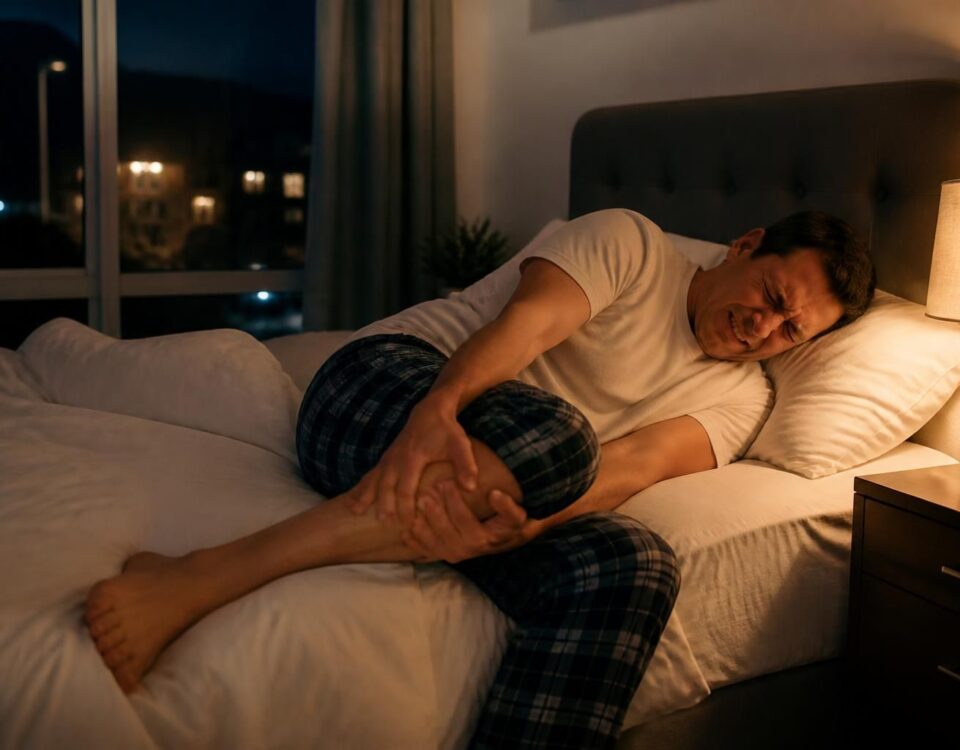
Typical symptoms include pain that radiates from the lower back down the leg, with sensations of tingling or numbness in the foot. The pain may be triggered by exertion, relieved by lying down, and increase when sitting. The pain can be inflammatory and wake you at night, or manifest as morning stiffness and muscle weakness that can limit walking.
Frequent Causes and Local Factors
The most frequent causes remain nerve compression due to a herniated disc or wear of the lumbar vertebrae. In some cases, pelvic injuries or musculoskeletal sarcoma can mimic true sciatica. In Terrebonne, as elsewhere, repetitive activities, poor posture, or minor traumas can favor these mechanisms. The important thing is to differentiate between vertebral and peripheral components to target the correct treatment.
Useful Non-Surgical Approaches
To relieve quickly and lastingly, several relevant non-surgical options are available. Osteopathy and physiotherapy aim to relieve compression and restore mobility. An adapted osteopathic approach can release tension areas, improve the mobility of lumbar and hip joints, and address muscles that unnecessarily compress the sciatic nerve. Complementary treatments, such as posture adjustments and targeted exercises, strengthen long-term and reduce the risk of recurrence.
Action Plan and Practical Tips
Here is a simple action plan for Terrebonne and its surroundings. Quickly assess the exact location of the pain and the movements that worsen or relieve it. Avoid sudden efforts and positions that heavily stress the nerve. Adapt activities (relative rest, gradual resumption of efforts) and resort to self-care measures such as heat or cold as needed. Maintain a routine of gentle and progressive exercises, prioritizing exercises to strengthen the back and pelvic muscles, as well as targeted stretches according to the most affected areas.
When to Consult Quickly
Consult without delay in case of urinary or bowel incontinence, anesthesia in the saddle area, extremely strong pain, or rapid worsening. In the presence of persistent symptoms after a few weeks, or if the pain interferes with daily activities, seek a specialized assessment to obtain a personalized plan tailored to your situation in Terrebonne.
| Axis | Concise Statement |
|---|---|
| Symptom Location | The exact location of the symptom helps estimate the involvement of L5 or S1. |
| Probable Associated Root | Calf or heel → S1, outer edge of the foot → L5. |
| Typical Symptoms | Low back pain with paresthesias along the nerve’s path. |
| Clinical Signs | Weakness and numbness according to the path. |
| Recommended Examinations | Imaging: MRI or CT scan to locate the compression. |
| Initial Therapeutic Approaches | Recommendations: physiotherapy and osteopathy as first recourse. |
| Emergency Signs to Monitor | Signs of emergency: loss of urinary control or rapid weakness. |
| True vs False Sciatica Differentiation | Differentiating true sciatica and false sciatalgia to guide treatment. |
| Actions if Symptoms Persist | If persistent, schedule an online appointment with May’Ostéo. |
Testimonials on Sciatica Pain in Terrebonne: calf, heel, or outer edge of the foot
In Terrebonne, several individuals share their experiences with sciatica pain, with possible radiation to the calf, heel, or outer edge of the foot.
“Marie, 52, Terrebonne: my sciatica pain started from the lower back and radiated up the calf. Every movement was extremely painful. After a few osteopathy sessions, the pain eased, and I regained my pain-free walk.”
“Alexandre, 41, Terrebonne: pain in the heel and paresthesias in the outer edge of the foot. The evaluation and the techniques applied allowed me to reduce the radiation and resume my daily and sports activities.”
“Céline, 63, Terrebonne: pain extending from the lower back to the outer edge of the foot. After the treatment, I regained mobility and experienced less discomfort during my trips.”
“Julien, 34, Terrebonne: pain in the calf with tingling down to the foot. The osteopathic follow-up greatly improved my mobility and reduced nighttime awakenings due to pain.”
“Sophie, 58, Terrebonne: pain affecting the heel and the calf, especially at night. Thanks to the tailored treatment, the nighttime pain diminished, and my sleep improved.”
Dr Sylvain Desforges, expert in osteopathy, naturopathy, and manual medicine, is the founding figure of the TAGMED clinics and the ACMA association. His career is driven by a vocation for innovation in public health, with a marked specialization in managing chronic pain and integrating advanced technologies. In his approach, he prioritizes personalized care based on evidence to sustainably improve his patients’ quality of life.
In Terrebonne, his work focuses on the manifestations of sciatica pain when the painful path extends from the lower back to the calf, heel, or outer edge of the foot. He distinguishes between “true” and “false” sciatica to tailor treatment: the former resulting from nerve compression at the spinal level, the latter from peripheral compression related to the contraction of the piriformis muscle. This distinction is essential for proposing an appropriate and effective therapeutic strategy.
During the assessment, Dr. Desforges emphasizes an active listening phase followed by a targeted clinical examination. He explores medical history, lifestyle habits, and activities that may influence pain, then conducts functional and orthopedic tests to accurately locate the source of the nerve compression. This approach allows differentiation between vertebral mechanisms and peripheral phenomena and to develop a treatment plan aimed at restoring mobility and reducing pain without routinely resorting to surgery.
For managing sciatica pain in Terrebonne, the therapeutic offer combines osteopathic approaches with rehabilitation techniques and technological options. The goal is to release contracted structures, alleviate pressure on nerve roots, and improve lumbar stability. Treatment may incorporate exercises to do at home, postural advice, and a gradual transition to suitable physical activity to prevent recurrences and optimize recovery.
Dr. Desforges also integrates modern tools into his arsenal: motorized spinal decompression, laser therapies, and shockwave treatments, used within a non-surgical logic and focused on scientific evidence. This combination allows for simultaneous addressing of muscular tensions, joint limitations, and inflammatory factors fueling sciatica while remaining attentive to the patient’s individual context and resources. His approach aims for measurable improvements in range of motion and a reduction in symptoms over several sessions.
In parallel, he relies on a multidisciplinary team and rigorous protocols to ensure a safe and effective management in Terrebonne. His commitment is based on clear patient information, transparent communication, and continuous adaptation of the therapeutic plan based on observed progress. To learn more about his approach and the services offered, contact the TAGMED Clinic and schedule an assessment tailored to your case of sciatica in Terrebonne. A personalized care plan awaits you.
This conclusion summarizes the essential elements regarding sciatica pain in Terrebonne, focusing on locations in the calf, heel, and outer edge of the foot. It recalls possible mechanisms (L5/S1 radiculopathy), typical signs, and suitable non-surgical management options for the region, while directing you to useful resources to monitor your progress and adjust your treatment.
Sciatic pain can manifest in specific areas depending on the compressed nerve root. For the location in the calf and at the back of the leg, the signs often point to an involvement of the L5 or S1 roots, whose exact manifestations vary depending on the affected root. For example, an L5 injury may affect the posterior and external aspect of the thigh, then the external side of the knee and leg down to the foot and big toe, while an S1 injury may concern the calf, heel, and external edge of the foot. These patterns, observable in Terrebonne as elsewhere, guide the diagnosis and management.
The external edge of the foot and the heel may be involved when the pain follows the pathways of the S1 roots or when peripheral symptoms appear, such as shooting pains, paresthesias, or muscle weaknesses that can influence walking. To better understand these nuances and the associated risks, you can consult dedicated resources on sciatic pain and foot pain in Terrebonne.
Several non-surgical approaches can provide effective relief and limit recurrences. Osteopathic techniques, combined with physiotherapy exercises and appropriate management of inflammation, often help reduce nerve compression and improve mobility. You can explore additional information on these options and their role in a comprehensive treatment framework through resources like Vulgaris Medical and the Ameli portal on recognizing sciatica.
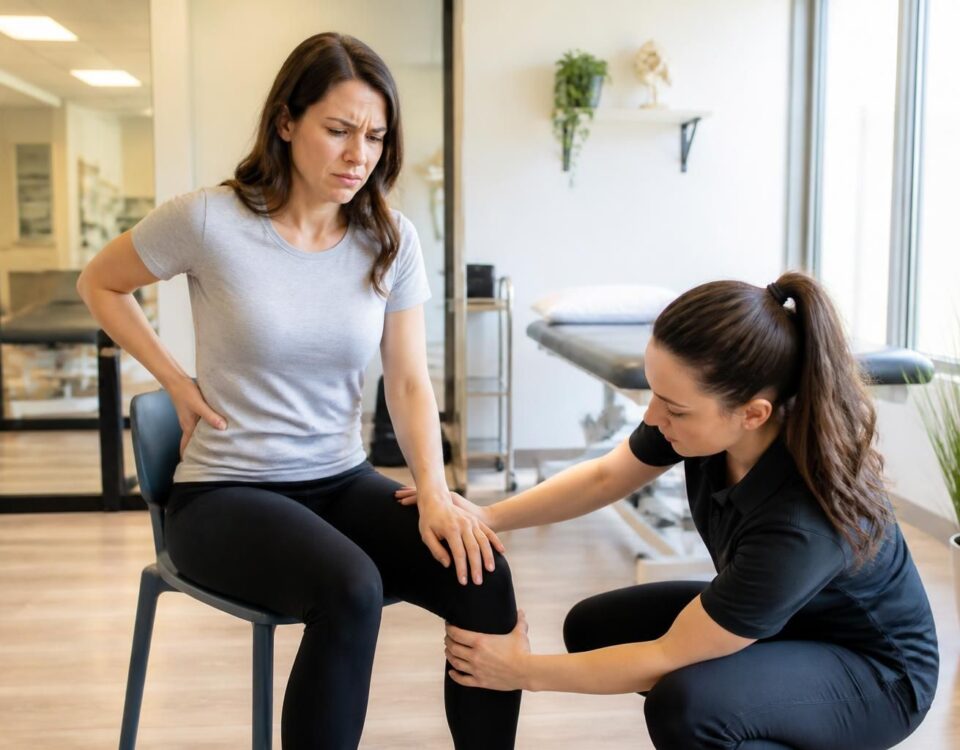
In practice, your osteopath or regional therapist will first assess your feelings and history, then perform clinical tests to locate the source of your compression and estimate its impact on your body. The treatment plan may include targeted osteopathic techniques to release muscle tensions and improve the mobility of the affected segments, complemented by tailored exercises to strengthen the back and muscles around the leg. The goal is to allow you to regain your range of motion without pain and to reduce the risk of recurrence, while considering your age and physical condition.
If symptoms worsen, if there are signs of progressive loss of strength, marked weakness, or pain that severely restricts walking, it is important to contact a doctor quickly to rule out a situation requiring more specialized care. For specific resources on situations where walking becomes difficult or pain extends to the foot, consult the dedicated pages on Terrebonne and beyond, such as sciatic pain in Terrebonne when walking becomes difficult and pain in one leg.
For personalized and tailored support in Terrebonne, make an appointment online with a specialized professional, and do not hesitate to rely on the resources and information available through the referenced pages above to better understand your pain and the most relevant treatment options, including L5/S1 involvement, pain patterns in the calf, heel, or external edge of the foot, and non-surgical pathways that can help you quickly regain an active and pain-free life.

Sciatica in Terrebonne: nighttime pain in the leg
IN BRIEF In brief, nocturnal sciatica is a pain that starts from the lower back and radiates to the leg, sometimes waking you up at night. In Terrebonne, non-invasive management can reduce nighttime awakenings and improve sleep, while preserving mobility…
Sciatica in Terrebonne: pain from the lower back to the calf
IN BRIEF Sciatica is pain that follows the path of the sciatic nerve, starting from the lower back and radiating down the leg to the calf or foot. In Terrebonne, local evaluation allows for quick identification of the causes and…
Sciatica in Terrebonne: hip pain or true nerve radiation?
IN BRIEF Sciatica is a pain that follows the path of the sciatic nerve, from the lower back to the foot. In Terrebonne, it can manifest as pain in the hip or as true nerve irradiation. Key benefits: pain reduction,…

Sciatica pain in Terrebonne: incomplete journey, should we be worried?
IN BRIEF The subject is sciatic pain in Terrebonne, which can follow the incomplete path of the sciatic nerve and project pain down to the foot. Key benefits: pain reduction, improved mobility, and prevention of recurrences through tailored exercises and…

Sciatica in Terrebonne: pain towards the little toe and S1 root
IN BRIEF In brief, sciatica associated with pain towards the little toe and the S1 root is a neuropathic pain that follows the path of the sciatic nerve and often results from compression or irritation of the affected lumbar root.…
Sciatica in Terrebonne: pain towards the top of the foot and L5 root
IN SHORT The Sciatica in Terrebonne with pain radiating to the top of the foot and probable involvement of the L5 root describes a radicular injury manifested by pain following the nerve path, sometimes accompanied by numbness or weakness. The…

Sciatica in Terrebonne: pain radiating to the outer edge of the foot
IN BRIEF Concise definition: Sciatic pain that reaches the outer edge of the foot follows the path of the sciatic nerve from the lower back to the foot. Benefits and applications: In Terrebonne, a conservative approach provides quick and safe…

Sciatica in Terrebonne: pain in the buttock after a long sitting position
IN BRIEF In brief, sciatica in Terrebonne with buttock pain after a long sitting position corresponds to a compression or irritation of the sciatic nerve. Main benefits: pain reduction, better mobility, and prevention of recurrences through postural education and simple…

Dr Sylvain Desforges, B.Sc., D.O., N.D., osteopath, is the founding president of TAGMED and of the ACMA association. He dedicates his practice to chronic spinal pain, low back pain and symptoms compatible with sciatica, particularly when pain radiates toward the buttock, leg, calf, foot or toes.
Through SOS Sciatique, he publishes educational content on sciatica symptoms, possible causes such as disc herniation, disc narrowing, foraminal stenosis or irritation of a lumbar nerve root, as well as non-surgical approaches that may be considered according to the evaluation. At Clinique TAGMED, care may include, depending on the case, motorized neurovertebral decompression, specific osteopathic care or precision percussion.
For an evaluation related to sciatica treatment in Montreal / Mount Royal or sciatica treatment in Terrebonne, please consult the services available at Clinique TAGMED.
Medical disclaimer
The information published on SOS Sciatique is provided for educational purposes only and does not replace a consultation, diagnosis, opinion or treatment provided by a physician or another authorized healthcare professional. The author of this article is neither a medical doctor nor a specialist in a medical specialty recognized by the Collège des médecins du Québec. The osteopathic, manual medicine or functional support approaches described on this site do not constitute medical acts and are not intended to replace medical follow-up.
Consult a physician or emergency service in cases of loss of bladder or bowel control, anesthesia in the saddle area, significant or progressive weakness in the leg or foot, fever, recent trauma, severe pain or rapid worsening of symptoms. For more details, please read our Legal Notice.