

Sciatica and recurrent pain: why does it come back?
03/11/2026
Sciatica and pain after exercise: muscle soreness or nerve irritation?
03/11/2026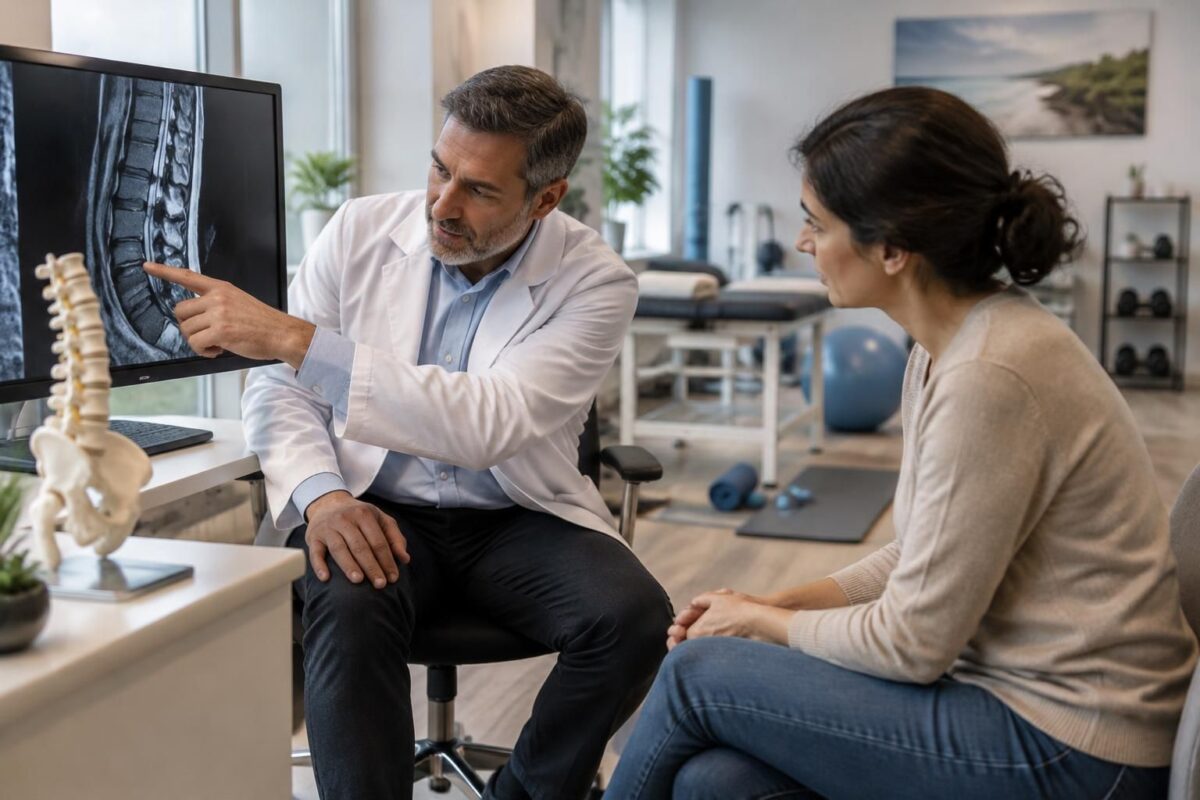
IN SHORT A disc protrusion is a bulging of a disc between the vertebrae; it often does not cause any symptoms. If it is accompanied by pain, a non-surgical approach may include appropriate activity, prescribed medications, and progressive rehabilitation. It aims to relieve symptoms and maintain mobility; surgery is considered based on evaluation and progression, especially in the presence of significant neurological signs. |
Disc Protrusion and Non-Surgical Approach
A disc protrusion is a bulging of the disc between the vertebrae. It is often visible on imaging without causing symptoms: its mere presence does not mean that surgery is necessary. When pain arises, a non-surgical management approach may involve maintaining appropriate activity, medications used under medical advice, and, once the very painful phase subsides, progressive rehabilitation with a professional. Osteopathy may be considered as a supplementary option, but it does not replace medical evaluation or indicated treatments.
Consult a doctor promptly in case of significant or progressive weakness in a leg, urinary or bowel issues, or numbness in the perineal area.
A disc protrusion is a bulging of a disc between the vertebrae. It often appears on imaging without causing pain. If symptoms are present, the choice of a non-surgical approach depends on their intensity, progression, and clinical examination. The management aims to reduce pain, preserve tolerated activities, and monitor signs that require prompt medical advice.
A disc protrusion corresponds to an overflow of the disc beyond its usual limits. Discs absorb some of the stress and allow for movements of the spine. Over time, they may lose water and flexibility, and then deform.
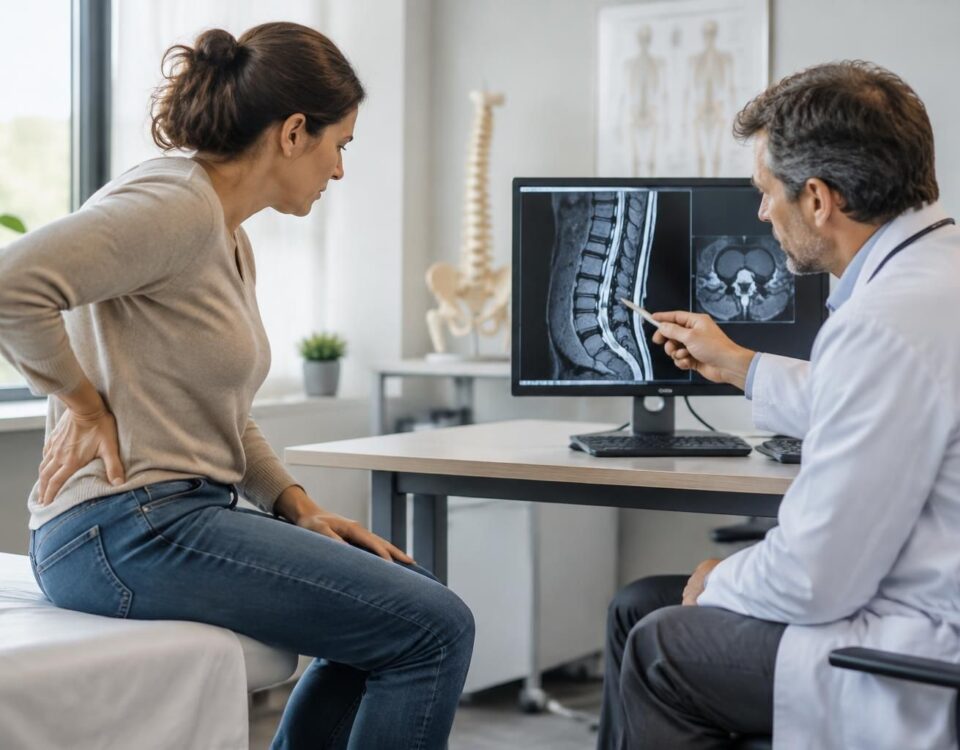
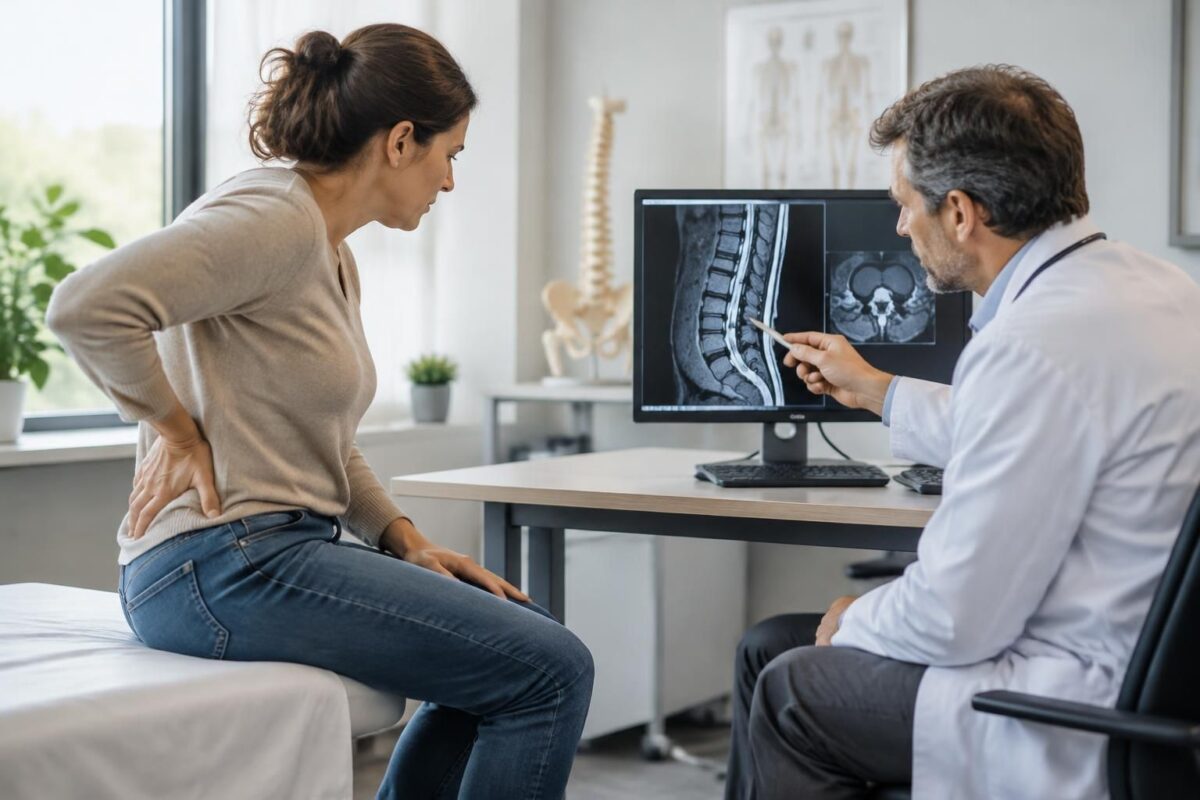
A protrusion visible on an MRI does not necessarily mean it causes symptoms. The healthcare professional correlates imaging results with pain, sensations, muscle strength, and the progression of symptoms. They also look for other possible causes.
Protrusion and disc herniation are related, but they do not describe exactly the same form of deformation. A protrusion typically forms a wider overflow. In some cases, part of the disc crosses a tear in its covering; the term disc herniation may then be used. The presence of a protrusion alone does not predict pain or the necessity for surgery. To better understand these differences, consult our article on disc herniation and disc pinching.
What Symptoms Can Be Associated with a Protrusion?
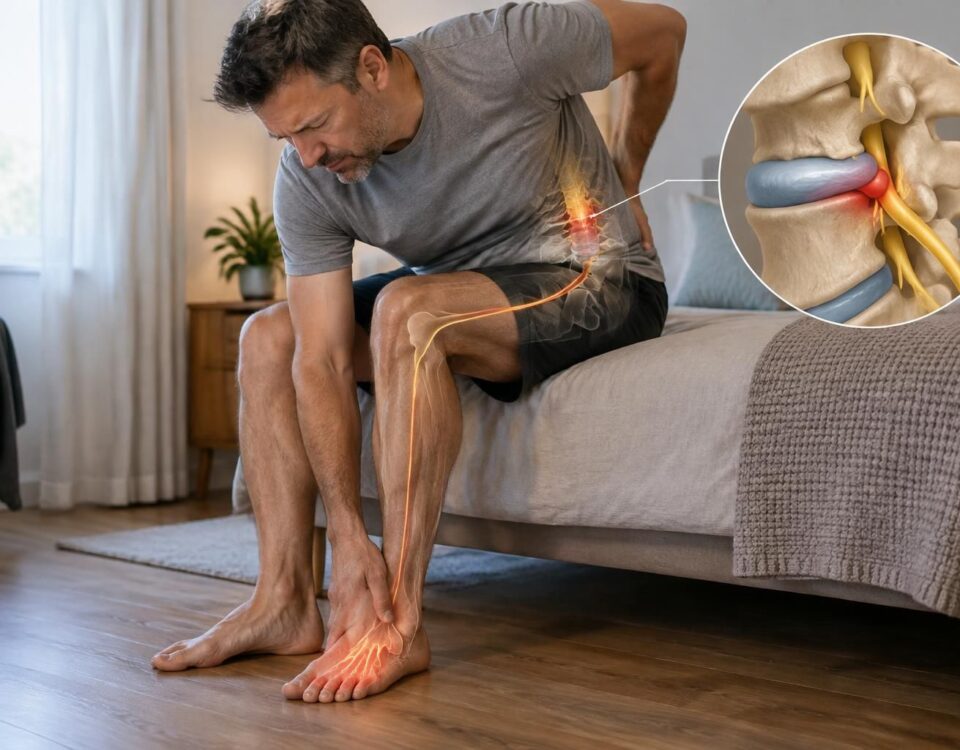
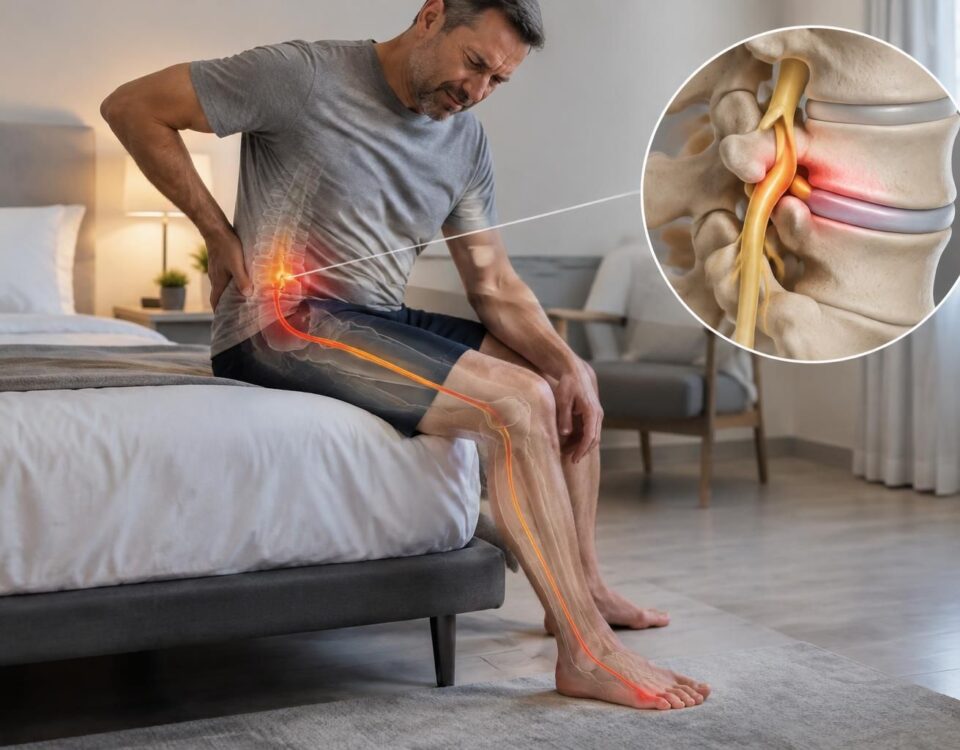
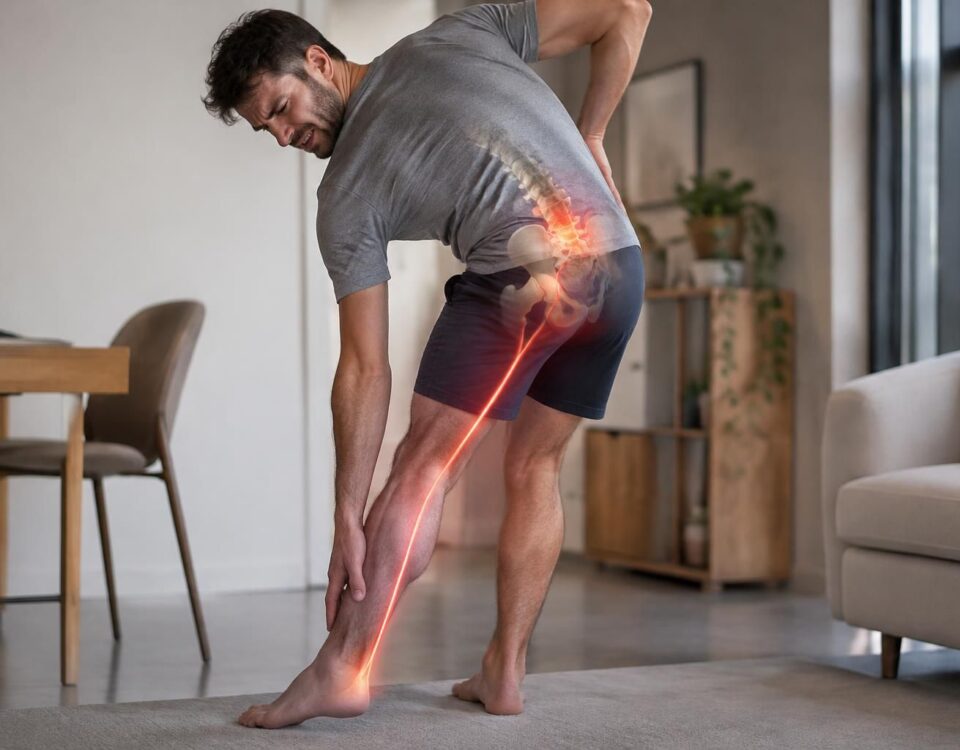
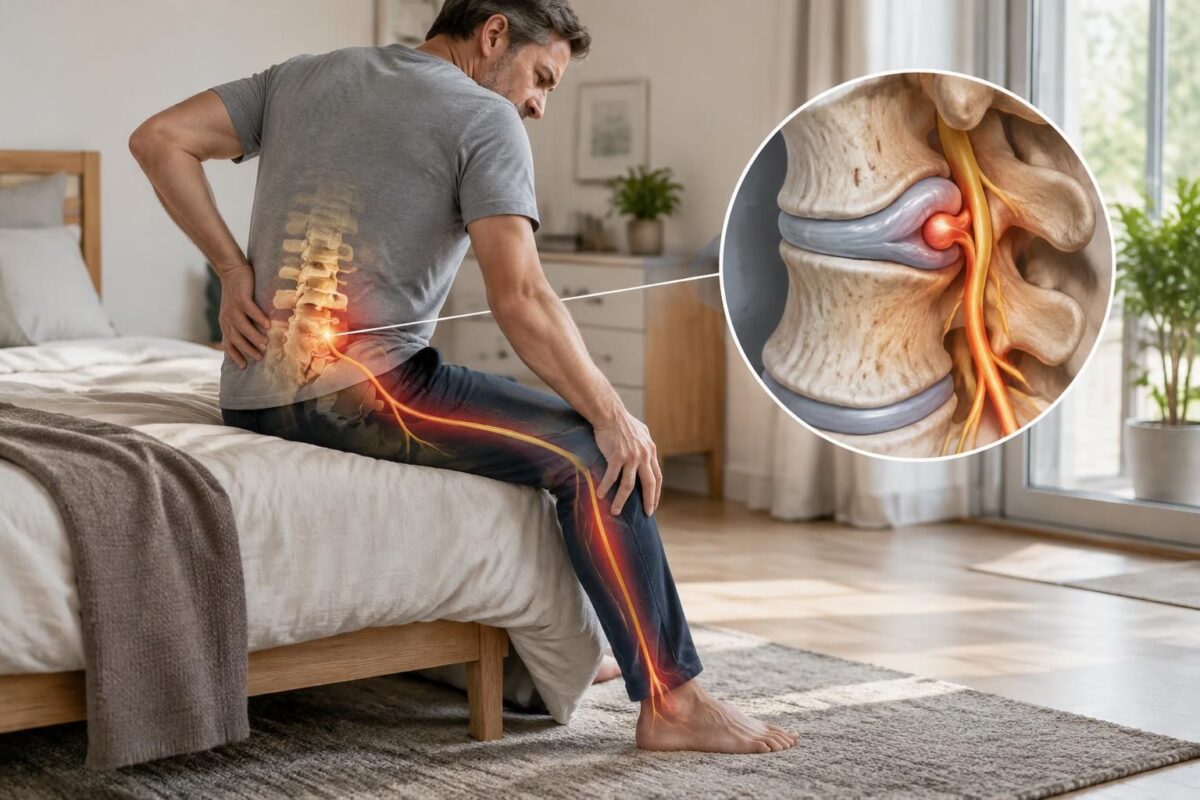
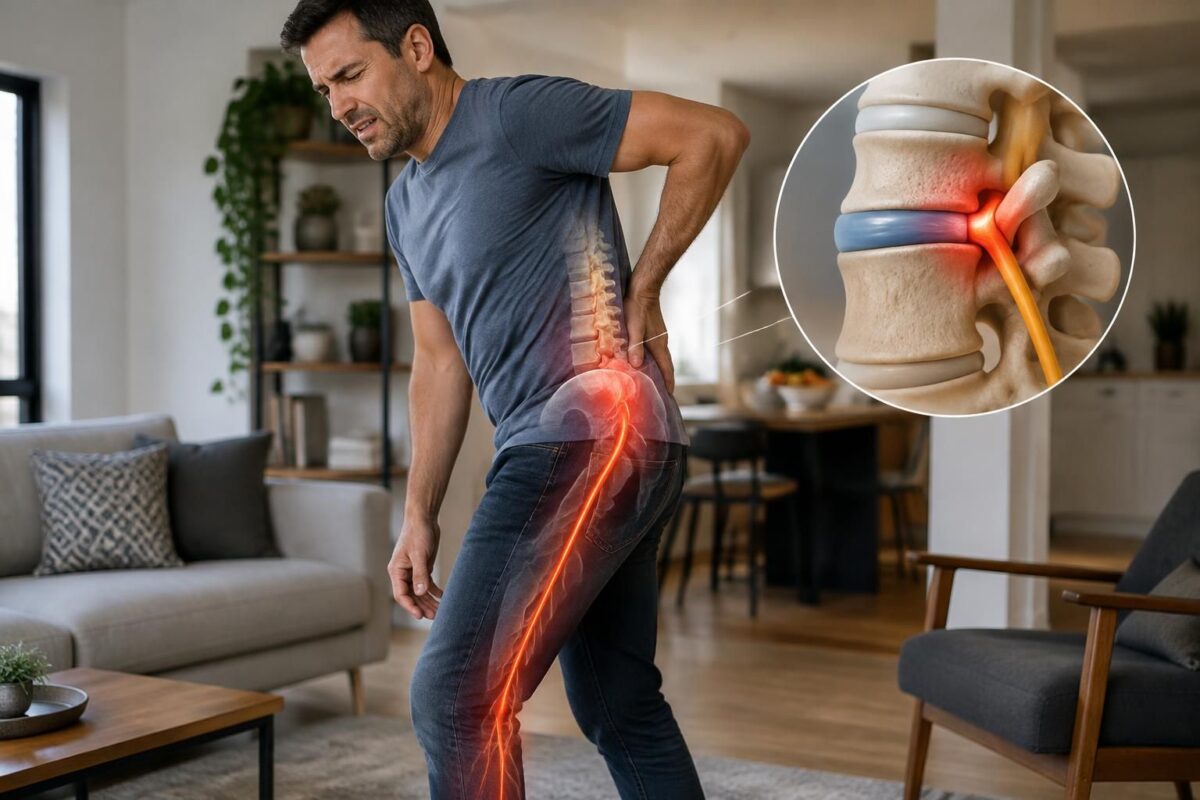
A lumbar protrusion may be associated with pain in the lower back. If a nerve root is irritated, the pain may also radiate into the buttock or leg. Tingling, numbness, or weakness may occur. A cervical protrusion can cause neck pain or pain that spreads into an arm.
Pain may vary among individuals and activities. Some people report worsening while sitting or during a car ride. For more information, read our page on disc protrusion and pain that increases in the car. An L4-L5 protrusion may also be associated with sciatic symptoms, but only an examination can assess the link with symptoms. Check our article on L4-L5 protrusion and possible signs of sciatica.
Disc bulge and sciatica: possible cause or simple discovery?
IN SHORT A disc bulge is a diffuse protrusion of a disc, sometimes associated with sciatica, but often discovered incidentally on imaging. To determine if it explains symptoms, one must compare the image to their path, the neurological examination, and…
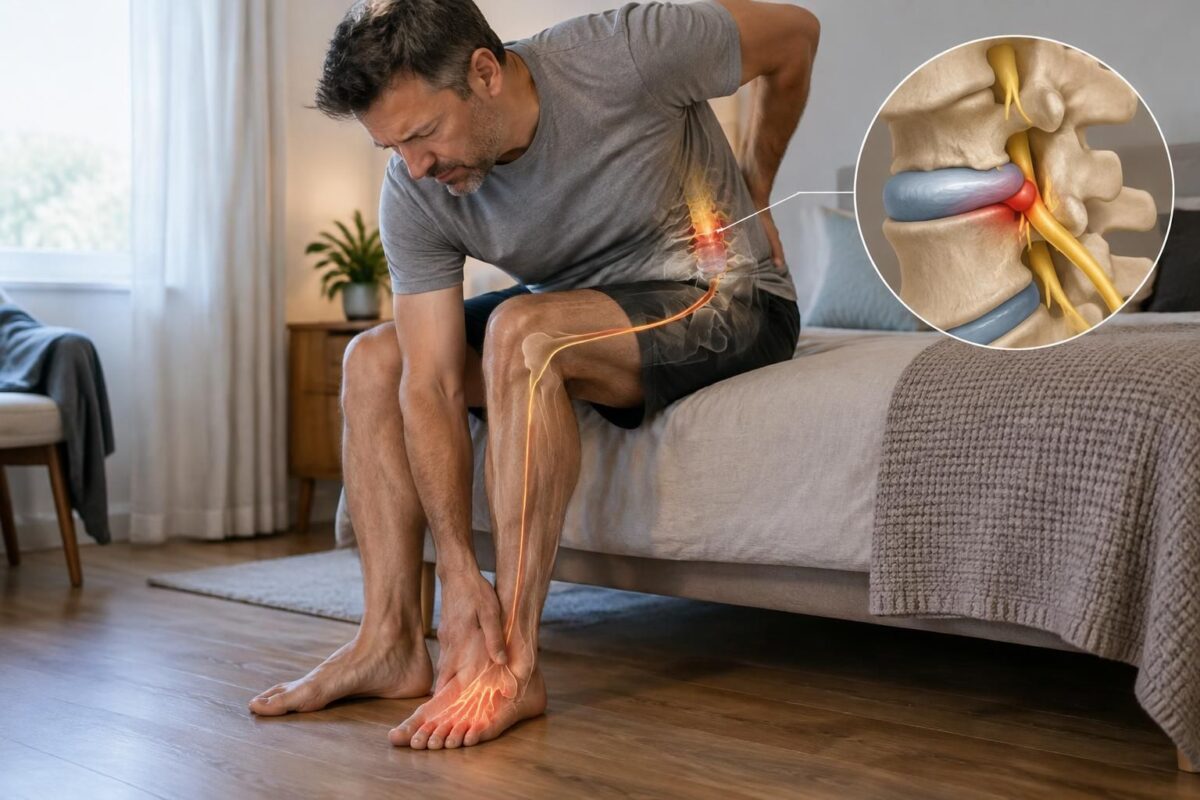
Disc herniation and pain on the top of the foot
IN BRIEF A disc protrusion is an intervertebral disc that bulges without necessarily rupturing. Pain on the top of the foot may sometimes be related to irritation of a lumbar nerve, but it does not alone confirm disc involvement. An…
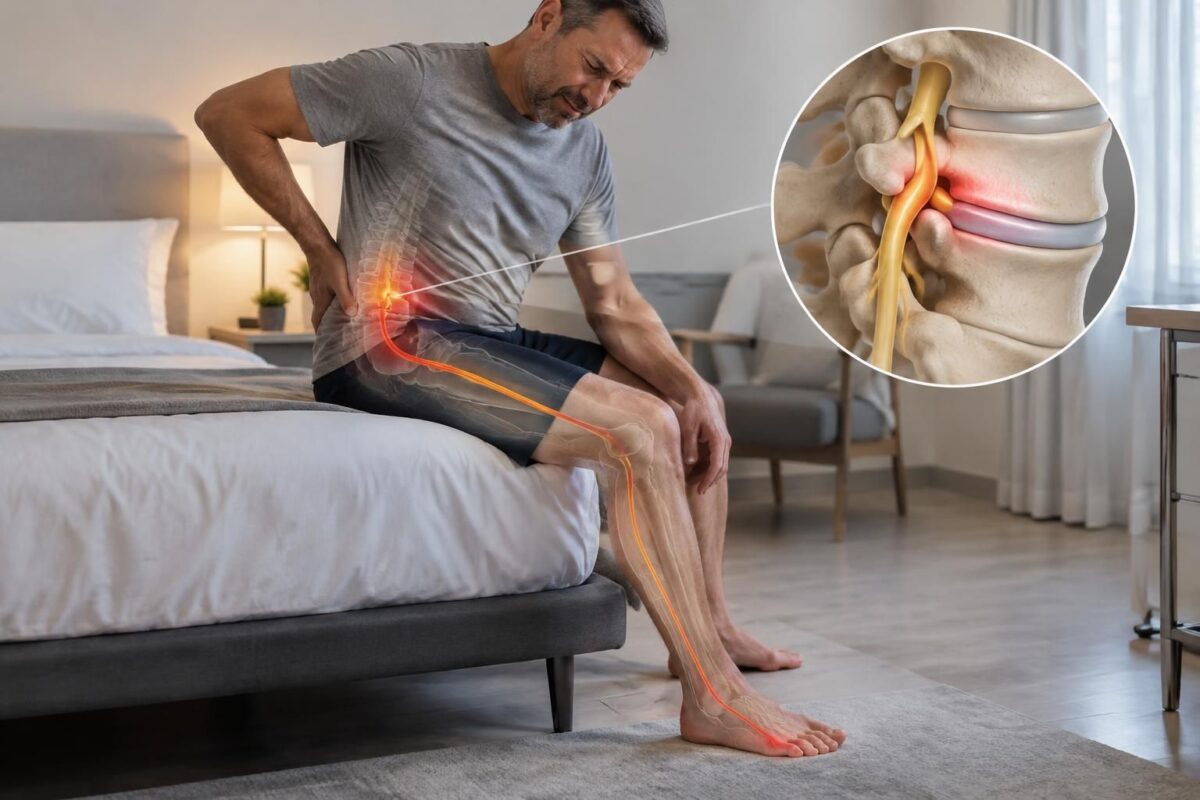
Disc protrusion and pain on the outer edge of the foot
IN BRIEF A disc bulge is a bulging of the disc that can sometimes irritate a nerve root and cause pain down to the outer edge of the foot. However, this pain is not always related to the disc: a…
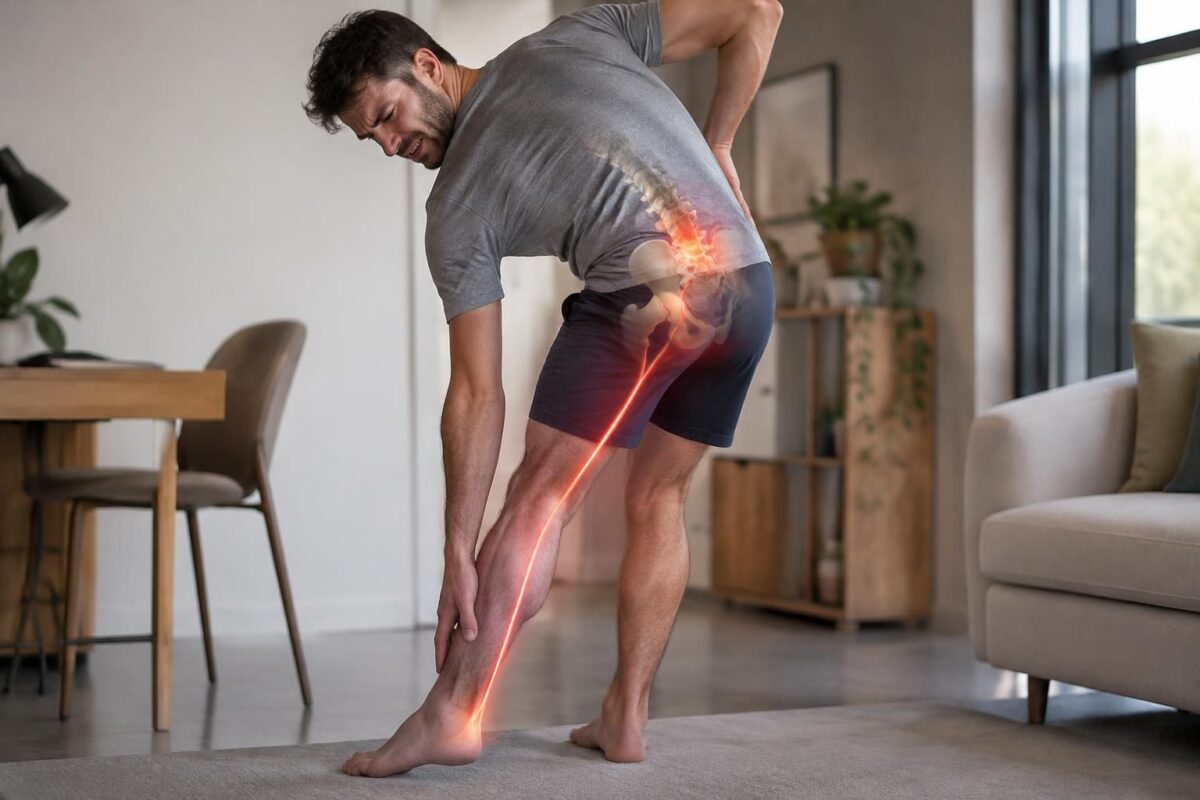
IN BRIEF A disc herniation is a bulging of a disc in the spine, often without symptoms. If it irritates a lumbar nerve root, the pain may radiate down the leg to the foot and sometimes be felt in the…
How to Choose a Non-Surgical Approach
The choice of treatment depends on the clinical picture, not just the imaging report. A healthcare professional can assess the location of the pain, the presence of neurological signs, activities that worsen symptoms, and treatments already tried. They also consider medical history and contraindications to medications.
In the absence of urgent signs, a non-surgical management approach is often considered first. Its goal is to control symptoms and monitor their evolution. It does not guarantee that the disc will return to its original shape. Pain relief may occur even if imaging still shows a protrusion.
First Step: Evaluate the Symptoms
A doctor or another authorized professional can determine whether further examination is needed. Imaging is not always useful from the outset. The professional considers it based on symptoms, their duration, examination results, and the presence of signs that require further evaluation.
If imaging shows a protrusion, its significance must be interpreted with caution. Images do not replace clinical examination and are insufficient to decide on an intervention. A resource on disc protrusion and neurological symptoms explains some signs to monitor.
Second Step: Manage Pain with Medical Advice
The doctor may suggest medication based on the pain, health status, and individual risks. Acetaminophen or an anti-inflammatory may be considered in certain situations, but these medications are not suitable for everyone. It is essential to follow the professional’s guidelines and avoid prolonged self-medication.
If pain remains significant despite treatment, the doctor may discuss other options, including an injection in some cases. This decision requires medical evaluation. An injection aims to reduce pain and inflammation; it does not correct the shape of the disc, and its effect varies from person to person.
Third Step: Adapt Activities and Monitor Progress
Strict and prolonged rest is generally not a useful strategy. It is better to seek advice on which activities to maintain or modify, depending on the symptoms. Movements that trigger intense pain should be adjusted. A gradual return to daily tasks can be discussed with the professional overseeing the individual.
In cases of sitting work, frequent driving, or physical tasks, temporary adjustments can reduce strain. A specialist can help review certain positions or work habits. Also, consult this resource on ergonomic adaptations related to disc protrusion. This link provides general information and does not replace a clinical evaluation.
Non-surgical complementary options
A complementary approach may be considered after an assessment and in coordination with medical follow-up. Osteopathy does not replace a medical diagnosis or prescribed care. It must take into account symptoms, history, and examination results. In the presence of progressive weakness or other significant neurological signs, a medical evaluation precedes any manual treatment.
At the TAGMED Clinic, services may include, based on the assessment, specific osteopathy, precision impactor, or motorized neurovertebral decompression. These approaches are not suitable for everyone and do not guarantee the disappearance of symptoms. The professional must explain the objectives, limitations, and precautions before starting.
Neurovertebral decompression is a non-surgical option that some patients may discuss with a professional. It should not be presented as a certain way to “put the disc back in place.” The decision is based on individual assessment and the absence of contraindication. To discover the services, consult the TAGMED Clinic, which receives patients in Montreal and Terrebonne. You can also read our information on decompression.
Non-surgical approaches are also presented in general resources on disc protrusion treatment and non-surgical management options. This information does not replace the recommendations from the professional who knows your situation.
When to seek surgical advice
A surgical consultation can be discussed if the pain remains severely disabling despite appropriate non-surgical management, or if a motor deficit appears. The decision depends on symptoms, examination, and their concordance with imaging. A protrusion on the MRI alone does not necessitate surgery.
Some signs require urgent evaluation. Significant or progressive weakness of the leg or foot, loss of bladder or bowel control, or numbness in the saddle area may indicate serious neurological impairment. In these situations, contact an emergency service without delay. To understand evaluation and treatment options, consult this resource on spine management options.
Pain associated with fever, recent trauma, rapid worsening, or unusual night pain must also be evaluated. The article on night pain and factors to watch for presents useful elements to discuss with a professional.
Frequently asked questions about disc protrusion
Is a disc protrusion always painful?
No. A protrusion can be present without causing pain. The professional must check if its location corresponds to symptoms and examination results.
Does a disc protrusion require surgery?
Not necessarily. A non-surgical approach is often considered first if no emergency signs are present. Surgery may be discussed if symptoms persist and severely limit activities, or if a significant motor deficit appears.
How long can symptoms last?
The duration varies depending on the person, the intensity of symptoms, and their cause. Some people improve within a few weeks; others may need longer follow-up. Worsening or lack of improvement justifies a new evaluation.
Can osteopathy replace medical follow-up?
No. Osteopathy may be considered as a complementary approach after an appropriate evaluation. It does not replace medical diagnosis, prescribed treatments, or urgent management when neurological signs appear.
About the author
Sylvain Desforges, B.Sc., D.O., N.D., Doctor of Osteopathy and Naturopath, is the founding president of TAGMED and the ACMA association. He dedicates his practice to chronic pain in the spine, lower back pain, and pain compatible with sciatica, notably when the pain radiates down to the buttock, leg, calf, foot, or toes.
Through SOS Sciatique, he publishes educational content on sciatica symptoms, possible causes such as disc herniation, disc pinching, foraminal stenosis, or irritation of a lumbar nerve root, as well as on non-surgical approaches that may be considered based on the evaluation. At the TAGMED Clinic, care may include, depending on the case, motorized neurovertebral decompression, specific osteopathy, or precision impactor.
For an evaluation related to sciatica treatment in Montreal / Mont-Royal or to sciatica treatment in Terrebonne, check the available services at the TAGMED Clinic.
Medical disclaimer
Medical disclaimer: The information and advice provided on this site do not replace the opinion, diagnosis, or treatment of a healthcare professional. Please note that Sylvain Desforges, B.Sc., D.O., N.D., doctor of osteopathy, is neither a medical doctor nor a physician, and is not a specialist in a medical field as defined by the Collège des médecins du Québec. Manual medicine, functional medicine, and sports medicine as described on this site exclude any treatment or medical diagnosis made by a physician or medical specialist. Always consult your doctor for any medical questions. For more details, please read our Full Legal Notice.
Guide the choice
- Asymptomatic protrusion: no systematic specific treatment.
- Pain without warning signs: prefer a conservative management tailored to the evaluation.
- Imaging: a visible protrusion is not enough to identify the cause of the pain.
- Persistent or disabling symptoms: revisit the healthcare professional to reassess the situation.
Organize the non-surgical approach
- Painful phase: remain mobile according to tolerance; avoid prolonged bed rest.
- Medications: follow the advice of a professional, particularly concerning anti-inflammatories.
- After the acute phase: consider a gradual and guided rehabilitation.
- Emergency: consult immediately in case of significant weakness, urinary or intestinal problems, or perineal numbness.

A disc protrusion is a bulging of a disc between two vertebrae that does not necessarily cause pain. When accompanied by symptoms, a non-surgical approach is often preferred: assess the situation, maintain appropriate activity, and progress towards individualized rehabilitation. The choice of care depends on the symptoms and their evolution, not just on the image observed in the MRI.
Understanding what the imaging shows
Intervertebral discs absorb stress and contribute to the mobility of the spine. Over time, they may lose some of their hydration and deform. A protrusion found in imaging can be present without pain: it does not prove, by itself, that it is the cause of the symptoms.
The priority is to link the clinical examination, the pains, and the imaging results. Low back pain, pain radiating down the leg, or sensations of tingling require appropriate evaluation, especially if they persist or worsen. A healthcare professional can determine whether additional examinations are useful.
Prioritize gradual management
Stay active without overdoing it
Strict bed rest for several days is generally not a favorable strategy. Try to continue tolerated daily activities, temporarily reducing those that significantly increase pain. Gentle walking can help maintain mobility. However, avoid “pushing through” significant pain or abruptly resuming intense efforts.
Discuss medications with a professional
A doctor or pharmacist can advise you on suitable pain relief options for your situation and check for contraindications. Do not extend a medication treatment on your own initiative, particularly with anti-inflammatories. Medical history, other medications taken, and the intensity of symptoms count in the decision.
Introduce rehabilitation at the right time
When acute pain allows, a physiotherapy program may be considered to regain mobility and gradually strengthen core muscles. Exercises should be adjusted to your tolerance: a generic or overly demanding program may not suit you. The physiotherapist can also help you modify certain movements, such as lifting loads or extended periods in a seated position.
Adapt habits and monitor progression
Resume sports and physical tasks gradually, observing your body’s reaction. Alternate positions, take breaks if you sit for long periods, and keep loads close to your body when lifting. Regular physical activity, suited to your capabilities, can help maintain mobility and strength. Osteopathy or manual therapy can be discussed as a complement but does not replace either medical evaluation or recommended rehabilitation.
If symptoms do not improve after several weeks, or if they significantly limit your daily life, get back in touch with a healthcare professional. An injection or a surgical opinion may be discussed in certain situations when conservative management is insufficient. This choice depends on the evolution, the intensity of symptoms, and the clinical examination: a protrusion on imaging does not automatically mean that surgery is necessary.
Recognize the signs that warrant urgent consultation
Seek medical help promptly in case of significant or progressive weakness in a leg or foot, new difficulty in controlling the bladder or bowels, or numbness in the perineal area. Severe pain that rapidly worsens, fever, or recent trauma also justifies immediate evaluation.
About the author
Sylvain Desforges, B.Sc., D.O., N.D., Doctor of Osteopathy and naturopath, is the founding president of TAGMED and the ACMA association. His practice particularly focuses on chronic spinal pain, lower back pain, and pain compatible with sciatica. The care offered at TAGMED Clinic may include, depending on the evaluation, motorized neurovertebral decompression, specific osteopathy, or precision thrusting.
Medical warning
This information is provided for educational purposes and does not replace a consultation, diagnosis, or treatment by a physician or another licensed health professional. The author is neither a physician nor a specialist in a medical specialty recognized by the Collège des médecins du Québec. Approaches such as osteopathy, manual therapy, or functional support do not constitute medical acts and do not replace medical follow-up.
| Situation | Non-surgical approach |
|---|---|
| Painless protrusion | No specific treatment; stay active. |
| Recent pain | Adapted activities and medications on medical advice. |
| Very painful phase | Prioritize gentle mobility; avoid intensive exercises. |
| Persistent symptoms | Consider supervised rehabilitation according to assessment. |
| Resistant pain | Discuss other medical options, including infiltration. |
| Prevention of recurrences | Gradually resume activity and strengthen the core. |
| Significant weakness or urinary issues | Urgent medical evaluation. |
Testimonials on disc protrusion and choosing a non-surgical approach
Transparency note: the stories below are fictional examples created for educational purposes. They do not correspond to verified testimonials and do not predict the outcomes of actual care. A disc protrusion visible on imaging does not necessarily cause symptoms and should be interpreted by a health professional based on individual circumstances.
Marc, 46 years old — “I wanted to understand the MRI before thinking about surgery”
After several weeks of lower back pain, my examination revealed a disc protrusion. The word worried me, and I immediately feared surgery. During my appointment, I was explained that the imaging alone was not enough to determine the cause of the pain and that my symptoms and clinical examination also needed to be considered. With the advice of the professionals following me, I gradually resumed walking and adapted my activities. This helped me feel less anxious and more involved in my care.
Nathalie, 39 years old — “I moved forward step by step, without forcing”
My pain in the lower back made certain movements difficult. I had started to avoid almost all activities, fearing that I would aggravate my protrusion. I was advised not to stay in bed, while respecting my limits and seeking medical advice for medications. Once the most painful phase was over, I began a tailored rehabilitation with a professional. The progression was gradual: the exercises were adjusted based on my reactions, rather than followed as a rigid program.
Éric, 53 years old — “I sought complementary support, not a replacement”
I wanted to move better despite lower back stiffness and pain that sometimes radiated into my buttock. I discussed possible options with my doctor and then considered manual therapy as a complement to my ongoing care. The goal was to work on comfort and mobility without claiming to make the protrusion disappear or replace medical assessment or rehabilitation. This distinction allowed me to choose a clearer and better-supervised approach.
Sophie, 44 years old — “The fact of not operating immediately reassured me”
After the discovery of a disc protrusion, I wanted to know if surgery was inevitable. I was explained that the decision depends notably on the evolution of the symptoms, their impact, and the possible presence of a neurological deficit. In the absence of urgent signs, my care team prioritized a non-surgical approach and monitoring of evolution. I was able to ask my questions and understand under what circumstances a new opinion would be necessary.
Daniel, 58 years old — “I learned to gradually resume my activities”
Prolonged sitting and certain movements at work increased my discomfort. In addition to the recommended follow-up, I received advice on breaking up sitting periods, moving regularly, and avoiding resuming efforts that triggered my symptoms too quickly. Rehabilitation helped me gradually regain confidence in movement. The adaptations were chosen based on my condition and not solely on the imaging results.
Important: these examples do not constitute medical advice or a promise of results. Consult a healthcare professional to assess persistent pain or a disc protrusion. Urinary or intestinal issues, loss of sensation in the saddle area, or significant or progressive weakness in a leg require urgent medical evaluation.
Disc protrusion: the journey and non-surgical approach of Sylvain Desforges
Sylvain Desforges, B.Sc., D.O. and N.D., doctor of osteopathy and naturopath, has dedicated his career to supporting individuals living with persistent pain, particularly in the back and lower back region. Founding president of the TAGMED clinics and the ACMA association, he is interested in approaches that promote individualized care based on available data. His work particularly focuses on understanding the stresses exerted on the spine and the thoughtful integration of manual methods and supportive technologies.
The disc protrusion is a change in the contour of a disc located between two vertebrae. The disc may lose some of its hydration and height and then bulge beyond its usual limits. This imaging finding does not always explain the symptoms: some people have a protrusion without pain, while others experience low back pain or pain following the path of a nerve. The challenge is to put the examination results in perspective with the individual’s history, symptoms, and clinical assessment.
In his educational approach, Sylvain Desforges emphasizes that an image alone should not determine treatment. A protrusion visible on MRI does not automatically mean that surgery is necessary. For many people, a non-surgical approach can be considered, with concrete goals: better control pain, preserve mobility, and gradually resume daily activities. However, the choice of interventions depends on the clinical picture, history, and evolution.
The journey generally begins with a proper evaluation and, if necessary, the opinion of a licensed health professional. Treatment may include advice on staying active within tolerated limits, a progression of movements, and a tailored rehabilitation program. Medications, when indicated, should be discussed with a doctor or pharmacist, particularly due to possible contraindications. Rehabilitation can then help improve mobility and gradually strengthen the muscles that support the trunk.
At TAGMED Clinic, services may include, depending on the assessment and the individual’s needs, specific osteopathy and motorized neurovertebral decompression. Technologies such as laser or shock waves may also be considered in certain contexts. They are not suitable for everyone and do not replace a medical diagnosis or the care recommended by a qualified professional. Their relevance must be examined on a case-by-case basis, without promising any particular outcome.
A responsible approach also takes into account daily habits: alternating positions, gradual resumption of physical activity, and temporary adaptation of certain tasks can help better tolerate the recovery period. The goal is not to push through significant pain, but to find a level of activity compatible with current abilities and to re-evaluate progress. A personalized approach allows for adjustments to the steps rather than applying a uniform program to everyone.
Certain signs require quick medical evaluation: significant or progressive weakness in one leg, new difficulty controlling the bladder or bowels, or loss of sensation in the saddle area. In the presence of these symptoms, one should contact a medical service or emergency room immediately. The educational content and approaches presented here do not replace a consultation, diagnosis, or medical treatment.
The disc protrusion corresponds to a bulging of the disc between the vertebrae. It is common and may be visible on imaging without causing pain. When accompanied by symptoms, the choice of a non-surgical approach mainly depends on their intensity, progression, and clinical evaluation—not solely on the appearance of the disc on an MRI.
Choosing a Non-Surgical Approach
A protrusion does not automatically require treatment or, even more so, surgery. Care primarily aims to reduce symptoms and preserve functional abilities. Depending on the situation, the healthcare professional may recommend staying active without overexerting, temporarily adapting certain activities, and discussing appropriate medications with a doctor. Prolonged bed rest and self-medication for several days are generally not good strategies.
The presence of a protrusion alone is not sufficient to explain pain: symptoms, clinical examination, and imaging results must be correlated. To better distinguish the terms used, see this presentation on protrusion and disc herniation. An annular tear may also be observed, but its role in pain must be evaluated on a case-by-case basis: annular tear and possible pain.
When pain persists or limits activities, guided rehabilitation can help gradually regain mobility, develop tolerance to effort, and adjust daily movements. Exercises should be tailored to the individual and their response to movements rather than copied from a generic program. Resources on non-invasive alternatives, non-surgical solutions, and non-surgical treatment of a disc bulge can provide additional information, without replacing a professional evaluation.
If the protrusion irritates a nerve root, pain may radiate into a buttock or leg. A mechanical nerve compression may be part of the mechanisms to evaluate, but the intensity of symptoms does not always correlate with the size of the protrusion. A small anomaly on imaging may be associated with significant pain, as explained in this article on sciatica despite a small protrusion. Pain radiating to the calf should also be described precisely to the healthcare professional: disc protrusion and calf pain.
In the case of recurrent symptoms, the goal is also to understand what triggers flare-ups and to build a gradual return to activity. Information on disc protrusion associated with recurrent sciatica and options for treating a disc herniation without surgery can help prepare a discussion with a professional. A decompression approach, when considered, should also be discussed according to the individual case and cannot be presented as a guaranteed solution.
The decision to operate is discussed when symptoms remain highly disabling despite adequate management, or when concerning neurological deficits appear. Significant or progressive weakness, loss of bladder or bowel control, or numbness in the saddle area require urgent medical evaluation. This information is educational and does not replace a diagnosis or personalized advice.

Intervertebral disc protrusion and pain in the big toe
IN BRIEF A disc protrusion is a bulging of the disc that can irritate a lumbar nerve root, particularly L5, and cause pain, tingling, or numbness down to the big toe. This symptom alone does not confirm a disc origin:…
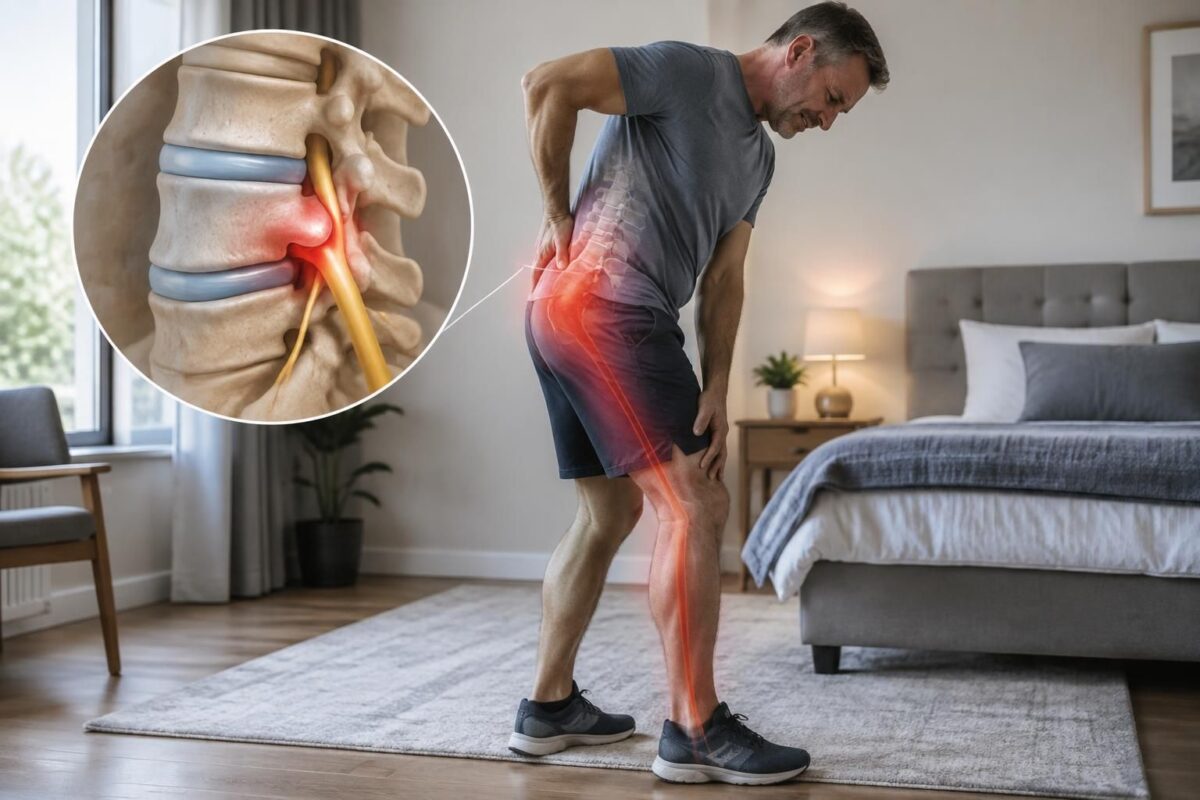
Disc herniation and pain radiating below the knee
IN BRIEF A disc protrusion is a deformation of a disc in the spine that can irritate a nerve root. If the pain extends below the knee, with tingling or weakness, this may suggest sciatica, although this alone does not…
Intervertebral disc protrusion and neurological symptoms
IN BRIEF A disc protrusion is an intervertebral disc that bulges and can irritate a nerve root. It can cause pain, tingling, numbness, or weakness in an arm or leg, depending on its location. Clinical examination and, if necessary, imaging…
Disc herniation and recurrent sciatica
IN BRIEF A disc protrusion is a bulging of the disc that may be associated with recurring sciatica, without necessarily being the cause. The evaluation correlates symptoms, neurological examination, and imaging, if relevant. An appropriate plan can help improve function…

Sylvain Desforges, B.Sc., D.O., N.D., docteur en ostéopathie
Dr Sylvain Desforges, B.Sc., D.O., N.D., osteopath, is the founding president of TAGMED and of the ACMA association. He dedicates his practice to chronic spinal pain, low back pain and symptoms compatible with sciatica, particularly when pain radiates toward the buttock, leg, calf, foot or toes.
Through SOS Sciatique, he publishes educational content on sciatica symptoms, possible causes such as disc herniation, disc narrowing, foraminal stenosis or irritation of a lumbar nerve root, as well as non-surgical approaches that may be considered according to the evaluation. At Clinique TAGMED, care may include, depending on the case, motorized neurovertebral decompression, specific osteopathic care or precision percussion.
For an evaluation related to sciatica treatment in Montreal / Mount Royal or sciatica treatment in Terrebonne, please consult the services available at Clinique TAGMED.
Medical disclaimer
The information published on SOS Sciatique is provided for educational purposes only and does not replace a consultation, diagnosis, opinion or treatment provided by a physician or another authorized healthcare professional. The author of this article is neither a medical doctor nor a specialist in a medical specialty recognized by the Collège des médecins du Québec. The osteopathic, manual medicine or functional support approaches described on this site do not constitute medical acts and are not intended to replace medical follow-up.
Consult a physician or emergency service in cases of loss of bladder or bowel control, anesthesia in the saddle area, significant or progressive weakness in the leg or foot, fever, recent trauma, severe pain or rapid worsening of symptoms. For more details, please read our Legal Notice.