Herniated disc and sciatica: why an accurate diagnosis matters
24/09/2026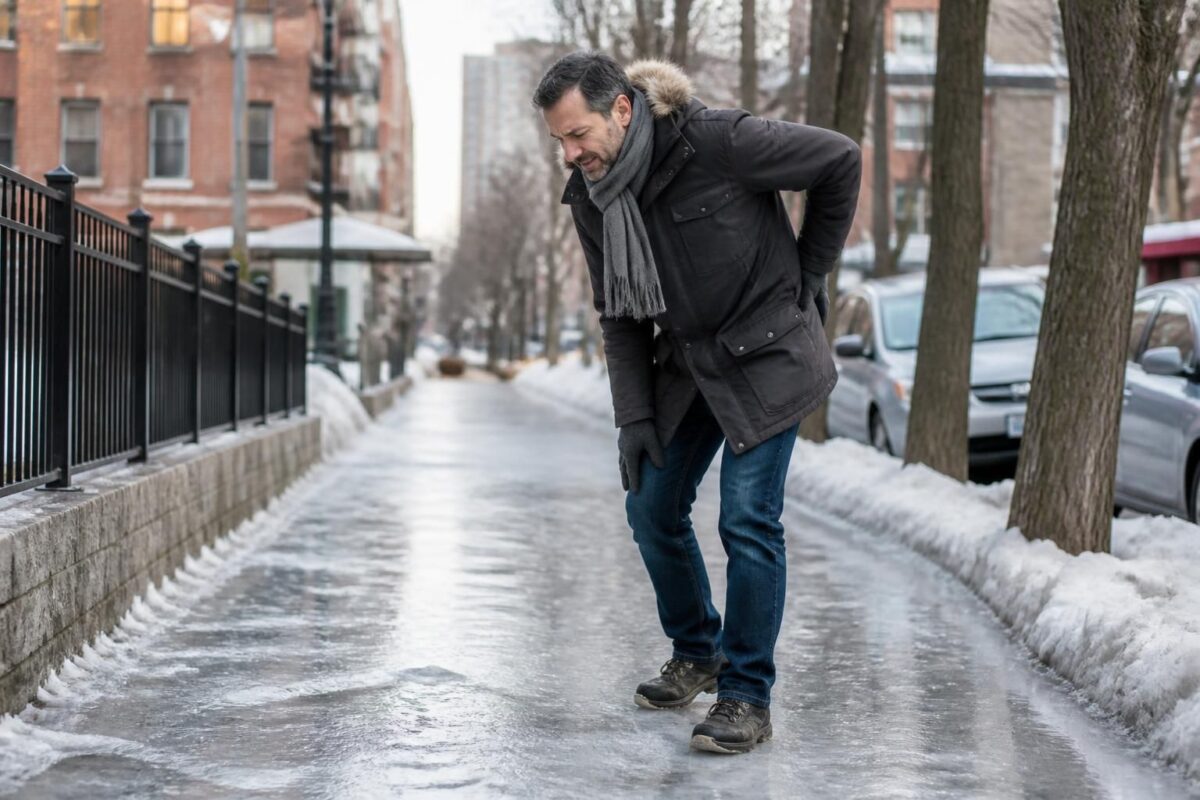
IN BRIEF |
| In brief, the topic sciatica and walking on icy sidewalks describes how sciatica reacts to a slippery surface and how to preserve muscle tension and muscle protection of the back and legs. It is a practical approach to staying mobile in winter while minimizing pain. Benefits: improved balance, gradual strengthening of the back muscles, reduced pain when walking is adapted, and prevention of falls on slippery surfaces. How does it work? Short and regular walking is prioritized, with breaks and targeted exercises, using suitable equipment (non-slip shoes) and local heat/cold precautions to relax the muscles. |
Sciatica can be exacerbated by walking on an icy sidewalk due to more hesitant movements and a fragile balance. To limit tension and promote muscle protection, adopt a gentle and secure approach from the start:
- Prepare yourself with a light warm-up and trunk muscle activation exercises to strengthen muscle protection.
- Prefer a short stride and steady pace, walk slowly, and avoid sudden movements that strain the back.
- Maintain postural alignment and keep your center of gravity stable to limit tensions.
- Wear non-slip shoes and, if necessary, use temporary balance aids.
- If pain worsens, take a break and consult a professional if necessary.
This article, written by a health professional and expert, addresses the relationship between sciatica and walking on icy sidewalks. It explains how muscle tension can evolve on a slippery surface and what simple measures can protect the muscles and maintain balance. You will find clear advice on walking safely, limiting pain, and knowing when to seek professional advice. For personalized support, you can consult the TAGMED Clinic.
Understanding the tension factors on an icy sidewalk
The icy sidewalk increases the risk of slipping and forces the body to adapt quickly. This adaptation can create increased tension in the lower back and along the buttocks, then into the leg. Walking too quickly or taking steps that are too wide on a slippery surface can amplify pain and discomfort. Poorly balanced support can excessively strain the sciatic nerve and the muscles that support the trunk and lower limbs.
To better understand this phenomenon, you can consult specialized resources on the subject, such as the pages dedicated to walking and sciatica and other associated analyses. This information helps assess whether your walking style is suitable for your pain and environment.
Protecting muscles and securing walking
Safety starts with a solid foundation. Adopt a stable posture, keeping your gaze straight and shoulders aligned. Keep your knees slightly bent and avoid sudden movements. Use shoes with good grip and consider using non-slip soles or devices when the ground is frozen. A slow and steady walk, with controlled step amplitude, helps protect the back and gluteal muscles, which support the sciatic nerve and hips.
Using simple aids like a cane or poles may be considered in situations where balance is particularly fragile. These measures promote safety and reduce muscle strain while walking on slippery surfaces.
Practical tips for walking on slippery surfaces
Plan for short and regular walking periods, such as 5 to 10 minutes, then gradually increase duration if pain allows. Avoid walking too long during painful episodes, and take breaks when pain increases. Wear clothing suitable for cold weather and protect your back with light warmth before and after effort, if necessary. If pain persists or if you fear falling, prioritize shorter and safer routes and seek professional advice.
For more detailed advice and examples of suitable approaches, you can consult additional resources available on various sites dedicated to sciatica, particularly the specialized pages on walking and pain.
When to consult and where to find help
If the pain becomes too intense, if balance is permanently altered, or if you observe neurological signs, consult your doctor promptly. For specific and secure support, the TAGMED Clinic offers tailored solutions and can see you in Montreal or Terrebonne. Learn more at TAGMED.
Resources and useful links
To delve deeper, you can read online articles and guides on topics related to sciatica and walking in icy environments. Some relevant resources include the following pages:
Sciatica and slow walking,
Walking with sciatica — compatibility,
Benefits and precautions,
and additional readings on other practical aspects available on the S.O.S Sciatica network sites and other recommended resources.
For information on gestures and precautions in icy sidewalk contexts, also consult the pages related to climbing stairs and associated pain on the SOS Sciatica network sites.
This content may be complemented with information about training institutions in osteopathy and relevant professional associations, such as NUMSS, NAO, National University of Medical Sciences, and National Academy of Osteopathy, as well as ACMA, College of Canadian Osteopaths, and Collège des Ostéopathes Canadiens, to better situate the professional frameworks. For treatment options, prioritize consultations at the TAGMED clinic in Montreal or Terrebonne.
To stay informed and get tailored advice, you can access other resources like Sciatica and Slow Walking and Pain When Climbing Stairs.
© Privacy and security tailored to a clinical context. The information above does not replace an individual assessment by a healthcare professional. For any questions, use the indicated resources or contact your family doctor.
“Medical disclaimer: The information and advice provided on this site do not replace the advice, diagnosis, or treatment of a healthcare professional. Please note that Dr. Sylvain Desforges, osteopath, is neither a medical doctor nor a physician and is not a specialist in any medical specialty as defined by the Collège des médecins du Québec. Manual medicine, functional medicine, and sports medicine as described on this site exclude any treatment or medical diagnosis made by a doctor or medical specialist. Always consult your doctor for any medical questions. For more details, please read our full Legal Notice.”
- Increased tension on the sciatic nerve on icy sidewalk— prioritize a short and stable stride.
- Posture: neutral back and aligned shoulders to limit tension.
- Stride: short and controlled steps to reduce strain on the nerve.
- Progression: move slowly on ice and avoid slipping; favor controlled outings.
- Muscle protection: activate core and abductors to stabilize the pelvis.
- Support: favor the midfoot to absorb shocks and limit traction.
- Shoes: choose non-slip soles and appropriate footwear.
- Heat/Cold: light heat before walking and cold after exertion if in pain.
- Focus and balance: look straight ahead and progress slowly to avoid sudden twists.
- Signals: stop if pain worsens and take frequent breaks.
- Strengthening off the ice: work on abductors and core for lasting muscle protection.
- Energy and recovery: maintain good energy to avoid fatigue that increases tension.

This article offers practical recommendations for walking on icy sidewalks in the presence of sciatica, focusing on muscle tension and protecting the back and hips. You will find advice on equipment, technique, and simple exercises to limit pain and fall risk while maintaining your stability in winter conditions.
Preparation and Posture Before Walking
Before heading outside, gently activate your torso and peripheral muscles to prepare your posture. Perform a short warm-up of 3 to 5 minutes: marching in place, high knees and tilting the pelvis to promote a neutral spine posture. Dress in layers and ensure your shoes provide good traction. Adopt a calm and controlled breathing to limit unnecessary tension in your lower back and hips.

Sciatica and walking on uneven terrain: caution is necessary
IN BRIEF The topic “Sciatica and walking on uneven terrain: caution necessary” describes how to practice walking when suffering from sciatica on uneven surfaces while avoiding worsening the pain. This approach allows for maintaining movement and improving circulation, reducing inflammation,…
Sciatica and stairs: when movement worsens pain
IN BRIEF In brief, sciatica and stairs refer to a pain that follows the path of the sciatic nerve and can worsen when going up or down stairs. What is it? A radicular pain starting from the lower back to…
Shoes, Traction, and Equipment
The choice of shoes and accessories can make all the difference on an icy surface. Favor non-slip soles or temporary devices suitable for your gait. Avoid heels and overly smooth shoes. If necessary, use walking aids like a cane or poles to maintain balance, without increasing back tension. Check your shoelaces and wear gloves and an appropriate jacket to avoid any muscle strain due to cold.
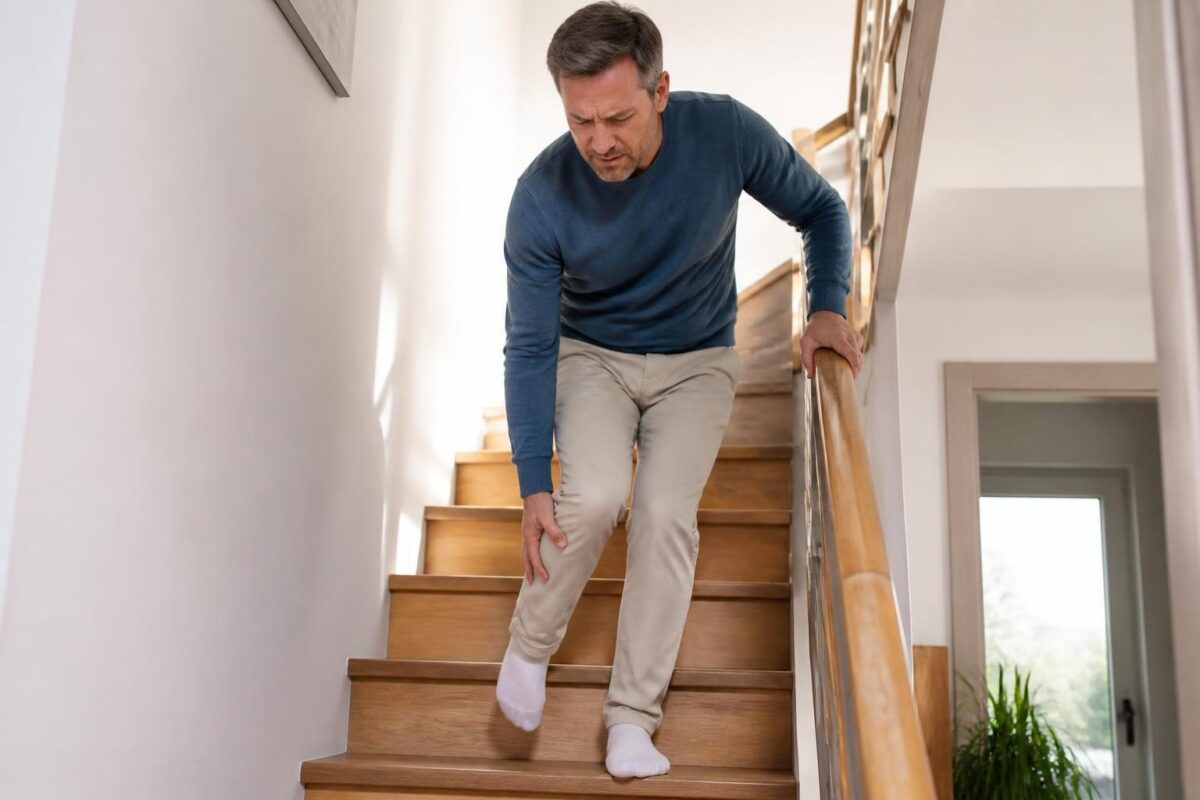
Sciatica and descending stairs: calf or foot pain
IN BRIEF In brief, sciatica and descending stairs often trigger pain that travels down to the calf or foot, following the path of the sciatic nerve. This pain is frequently associated with a herniated disc or spinal canal stenosis. Understanding…
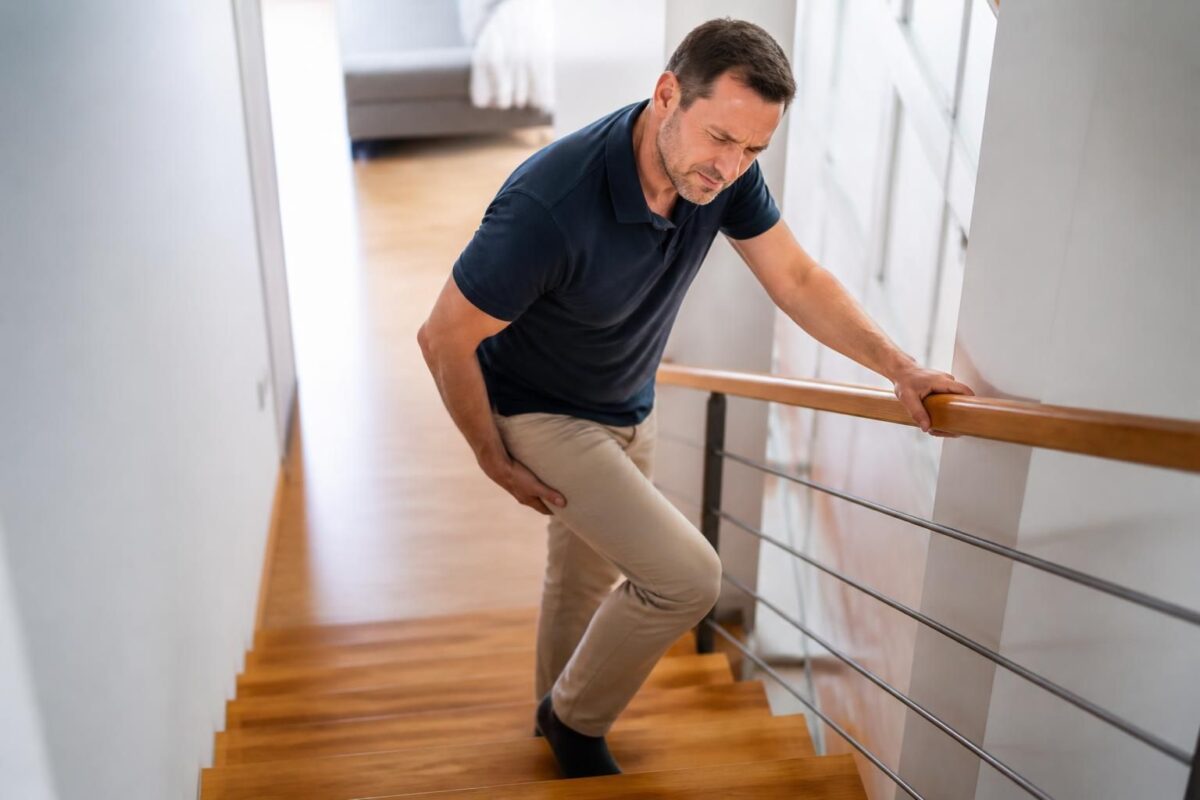
Sciatica and climbing stairs: pain in the leg
IN BRIEF In brief, sciatica and climbing stairs are characterized by a pain in the leg due to irritation or compression of the sciatic nerve. This pain can be triggered or worsened when climbing stairs, and can be managed quickly…
Walking Technique on Icy Sidewalks and Muscle Protection
Adopt a measured pace and avoid sudden movements that could strain your back excessively. Place your feet close together, with short and secure steps. Keep your torso stable and avoid twisting; look straight ahead and keep your shoulders relaxed. Bring your arms slightly bent and use them as a counterbalance for stability. Move at a moderate pace and take frequent breaks if pain or instability increases. If the ground is very slippery, prioritize flat and well-lit surfaces and avoid steep inclines or declines.
Protection of the Musculature Around the Sciatic Nerve
Good protection comes from core activation and hip work that limit irregular strain on the nerve. Maintain a light activation of the deep back and pelvic muscles without excessive tension with each step. A controlled contraction of the abdominal and gluteal muscles during walking can help stabilize the spine and reduce strain along the nerve’s pathway.

Sciatica and walking on a slope: symptoms to watch for
IN BRIEF In brief, sciatica and walking on slopes is a pain that originates from the lower back and radiates down the leg, potentially influenced by the body’s incline while walking. The symptoms to watch for include pain radiating along…

Sciatica and fast walking: why stay cautious
IN BRIEF In short, sciatica and walking illustrate the necessary balance between activity and caution during a lumbar crisis. What is it? Pain radiating down the sciatic nerve, often due to irritation or compression. Benefits: maintain mobility, stimulate circulation, and…
Exercises and Quick Routine to Protect the Muscles
Activation of the Torso and Pelvis
Bridge exercises: 2 sets of 12 repetitions, breathe slowly and maintain a short diaphragmatic contraction during the movement.
Stabilization and Mobility
Bird-dog (opposite arm and leg on all fours): 2 sets of 10 repetitions per side, keeping the back rounded then neutral, and avoiding any rotation of the pelvis.
Gentle Stretching and Prevention
Calf and hip stretches, 15 to 30 seconds per side, without pain or bouncing. Regular breaks and calm breathing help reduce tension after walking.
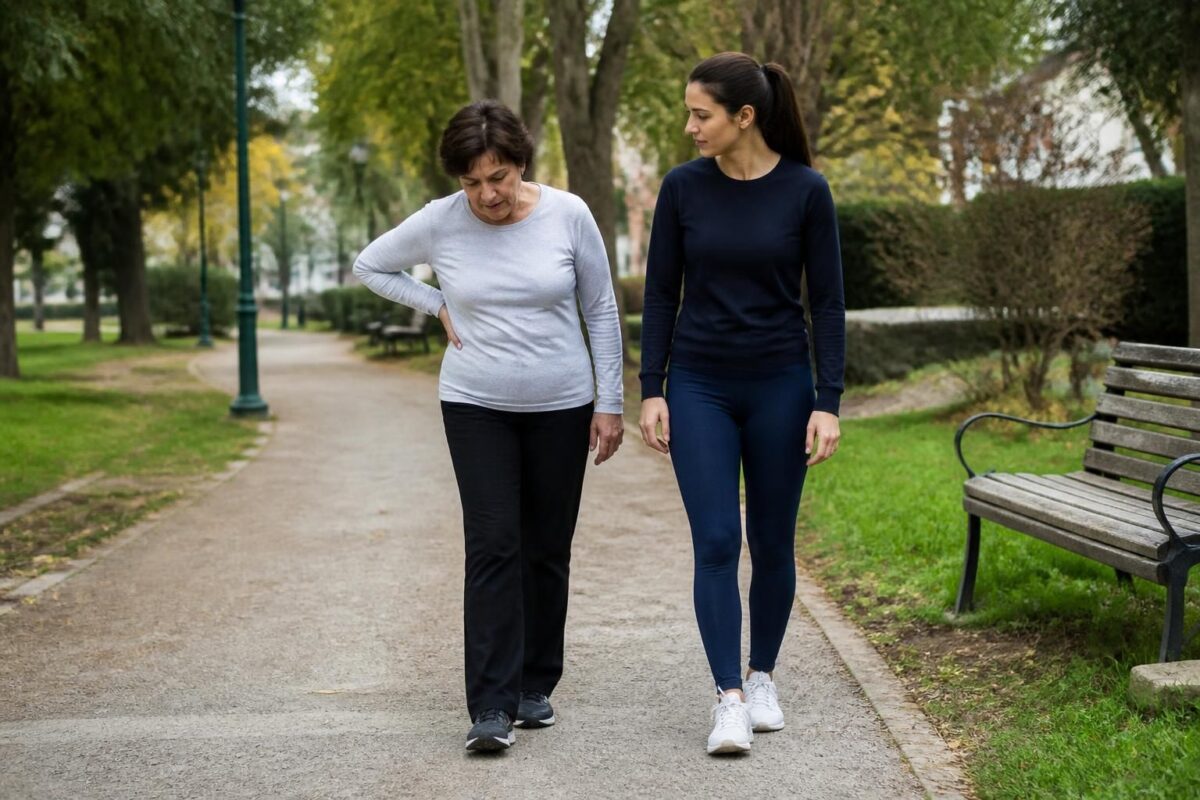
Sciatica and slow walking: better tolerated or not?
IN BRIEF In brief, sciatica and slow walking refer to an approach where light physical activity is used to manage sciatic pain. Definition: walking slowly allows one to stay active without overloading the back or the nerve. Benefits: maintain mobility,…
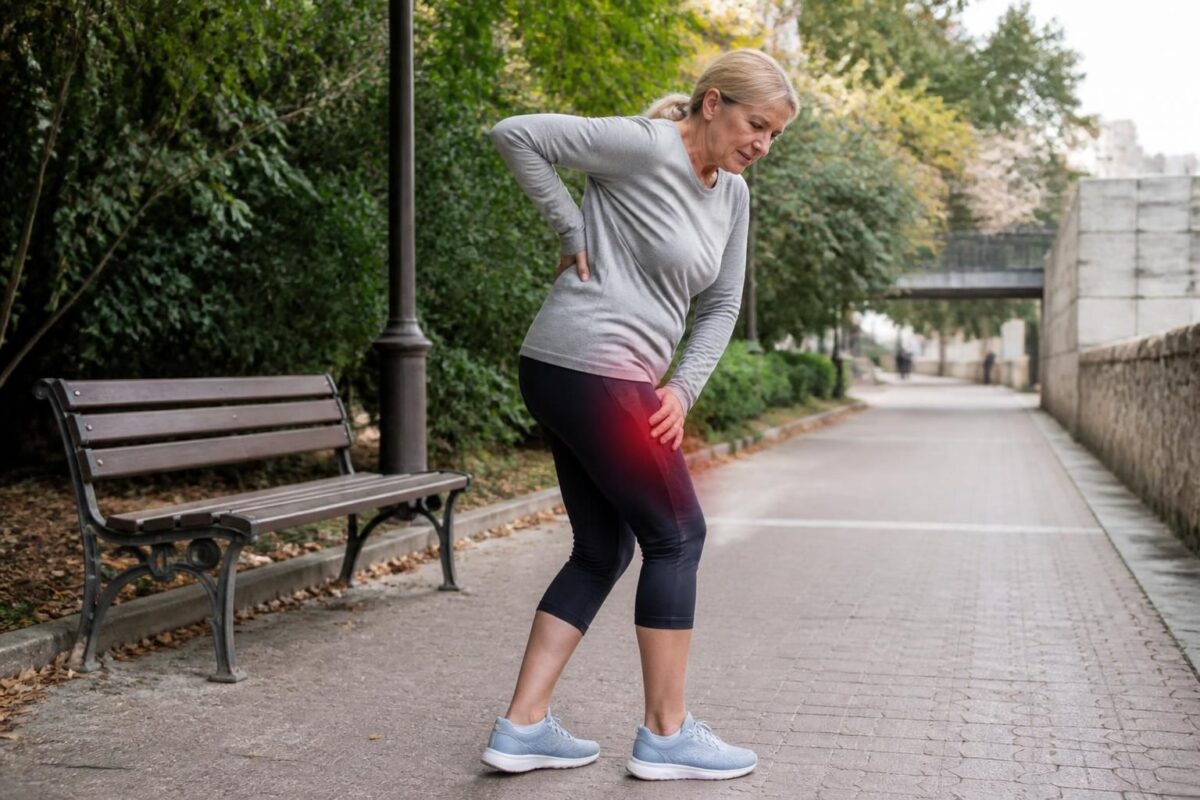
Sciatica and frequent breaks while walking
IN BRIEF In brief, sciatica is pain that follows the sciatic nerve, and frequent breaks during walking help manage this pain while staying active. Benefits: maintain activity, improve circulation, and strengthen the back without worsening inflammation. How it works: alternate…
When to Consult and Warning Signals
If you experience worsening lower back pain, loss of sensation, or marked weakness in the leg, or any pain accompanied by fever or urinary issues, seek medical advice promptly. In the presence of sciatica and ice on the sidewalk, listen to your body and adjust your pace or suspend walking if necessary to prevent exacerbation.
| Item | Brief description |
|---|---|
| Lower back tension | Cold and frozen ground can increase tension; prioritize an adapted stride and short breaks. |
| Muscle protection | Keep the back and hip muscles slightly engaged to limit pain. |
| Stability and gait | Controlled and non-twisting walking, pelvic work to reduce pain. |
| Fall risk | Slippery ground increases the risk; prioritize gripping soles and assistance if necessary. |
| Muscle preparation | Lightly stretch and perform gentle movements before and after walking. |
| Equipment | Grip shoes, warm clothing; possible support with stability aids. |
| Warm-up | Apply light heat to the lower back before going out to relax the muscles. |
| Pain responsiveness | If pain worsens, slow down or stay indoors and consult if necessary. |
| Frequency | Prefer short and regular sessions rather than a long single walk. |
| Active rest | Alternate rest and light activity to avoid exacerbation and promote recovery. |
Testimonials: Sciatica and Walking on Icy Sidewalks — Tension and Muscle Protection
“My name is Antoine, 54 years old. Every step on the icy sidewalk triggered a pain of sciatica and strong tension in my lower back. After a few weeks of simple exercises and progressive walking, I regained control. My muscle protectors are strengthening and the pain is becoming much more manageable.”
“I am Marie, 49 years old. The frozen ground made me anxious because my sciatica lingered with every step. Today, I walk regularly in short sessions, and my muscles are adapting. I feel better muscle protection and less tension, even on icy sidewalks.”
“My name is Jean, 66 years old. Before, the icy sidewalk completely blocked me for fear of pain. Thanks to simple advice and targeted exercises, I can walk without limping and without increasing the tension in my back. My protective muscles work in harmony with my gait.”
“I am Alexandre, 39 years old. The cold intensified my sciatica, but I learned to adapt my walking on the icy sidewalk with shorter strides and regular breaks. Result: less pain, more stability, and my protective muscles are functioning like never before.”
“My name is Claire, 60 years old. In winter, the sidewalk becomes a trial, but I found that simple gestures strengthen muscle protection and reduce tension around the sciatic nerve. I walk longer and more calmly, even with the sciatica that can be demanding.”
“I am Lucas, 42 years old. When it’s cold, my sciatica reappears if I don’t listen to my body. By resuming a progressive gait on the icy sidewalk, with appropriate shoes and basic exercises, my tension decreases and my protective muscles remain active. I feel more confident and ready to go out into the fresh air.”
Detailed Biography: Sciatica, Walking on Icy Sidewalks, and Muscle Protection
Dr Sylvain Desforges is recognized as an expert in osteopathy, naturopathy, and manual medicine. He is the founding president of the TAGMED clinics and the ACMA association, carrying an innovative vision of healthcare. Throughout his career, he has been committed to offering concrete and evidence-based solutions for managing chronic pain and integrating advanced technologies that facilitate recovery. His approach is guided by the goal of preserving the function and well-being of each patient, even in difficult conditions like walking on an icy sidewalk.
In the winter context, where frozen surfaces multiply risks and increase tension around the lumbar spine and the sciatic nerve, Dr Desforges emphasizes management that prioritizes measured movement rather than prolonged rest. Sciatica is approached as a neuro-muscular disorder where pain can be exacerbated by repetitive gestures or slippery surfaces. His message is clear: walking cautiously, strengthening support muscles, and adopting an appropriate posture can help limit tensions and protect sensitive areas.
His work integrates a multimodal logic that covers both structural and energetic aspects of the body. He argues that, when pain allows, controlled walking and gentle exercises play a key role in improving circulation, reducing inflammation, and maintaining the strength of the back and lower limb muscles. For Dr Desforges, muscle protection comes from gradual strengthening and movement strategies that avoid abrupt gestures on unstable surfaces.
In terms of prevention and management of sciatica, his practice prioritizes coordination between physical therapies and practical advice. On slippery grounds, he insists on safety: appropriate shoes, no abrupt movements, and measured progression of walking distances. Through his years of experience, he has observed that good alignment of the torso, controlled activation of abdominal and back muscles, as well as a regular breathing rhythm, contribute to limiting tension and protecting sensitive nerve pathways.
Dr Desforges’ journey is marked by a quest for efficacy and accessibility. As a leader, he advocates for care that combines advanced technologies with proven clinical practices to optimize the health and well-being of his patients, especially those suffering from lower back pain and sciatica. His mission is to make treatments non-invasive and personalized, so that each patient can regain control of their movements even when the ground is difficult to navigate.
For those who wish to discover his approach and the services offered, Dr. Desforges presents an evidence-based vision with personalized support. His role is to guide, educate, and support, so that patients learn to move safely, protect their musculature, and gradually reintegrate daily activities, even when external conditions require caution and protection. His work remains a call to action: prioritize movement, protect muscles, and move forward with confidence, regardless of the season.
This article explores how sciatica and walking on an icy sidewalk interact, focusing on muscle tension and the concept of muscle protection needed to remain stable, limit pain, and avoid falls.
On a slippery surface, the body must adapt to maintain balance, which can increase tension in the lower back, glutes, and calves. This adaptation may alter the way of walking and influence the intensity of sciatica symptoms, highlighting the importance of adopting an appropriate walking technique and preventive muscle adjustments.
To promote effective muscle protection, aim to strengthen the stabilizing muscles of the trunk and hips, as well as maintain a neutral posture during exertion. Activate the muscles of the back and abdomen with every step and favor controlled movements rather than abrupt motions to reduce excessive loads on the discs and nerves.
Practical tips for walking on an icy sidewalk: choose shoes with non-slip and appropriate soles, adopt short and regular steps, keep your center of gravity close to your feet, and look straight ahead to anticipate obstacles. Avoid twisting the trunk and sudden movements, and if necessary, don’t hesitate to use assistance like a cane or poles for support. In case of very thin ice or prolonged exposure, opt for shorter and safer routes.
To prepare for your outings and enhance muscle protection, incorporate simple exercises before and after walking: strengthening the pelvic floor and lumbar muscles, bridges and light planks, calf and quadriceps work, as well as stretches targeting the hamstrings and hips. A warm-up of 5 to 10 minutes and a cautious progression of distance will help you maintain mobility while limiting risks. You might also consider alternating application of light heat and cold to soothe the muscles around the back before and after exertion.
To delve deeper into practical aspects and obtain additional advice, you can consult resources dedicated to walking and sciatica, including guides on walking and sciatica and specialized articles on the question of walking with sciatica. Other useful references address understanding pain and its mechanisms, as well as muscle protection strategies when moving on hazardous surfaces, as shown by a variety of resources available online.
To stay informed and receive advice tailored to your situation, feel free to contact a health professional or consult the specialized guides mentioned above.

Dr Sylvain Desforges, B.Sc., D.O., N.D., osteopath, is the founding president of TAGMED and of the ACMA association. He dedicates his practice to chronic spinal pain, low back pain and symptoms compatible with sciatica, particularly when pain radiates toward the buttock, leg, calf, foot or toes.
Through SOS Sciatique, he publishes educational content on sciatica symptoms, possible causes such as disc herniation, disc narrowing, foraminal stenosis or irritation of a lumbar nerve root, as well as non-surgical approaches that may be considered according to the evaluation. At Clinique TAGMED, care may include, depending on the case, motorized neurovertebral decompression, specific osteopathic care or precision percussion.
For an evaluation related to sciatica treatment in Montreal / Mount Royal or sciatica treatment in Terrebonne, please consult the services available at Clinique TAGMED.
Medical disclaimer
The information published on SOS Sciatique is provided for educational purposes only and does not replace a consultation, diagnosis, opinion or treatment provided by a physician or another authorized healthcare professional. The author of this article is neither a medical doctor nor a specialist in a medical specialty recognized by the Collège des médecins du Québec. The osteopathic, manual medicine or functional support approaches described on this site do not constitute medical acts and are not intended to replace medical follow-up.
Consult a physician or emergency service in cases of loss of bladder or bowel control, anesthesia in the saddle area, significant or progressive weakness in the leg or foot, fever, recent trauma, severe pain or rapid worsening of symptoms. For more details, please read our Legal Notice.