Herniated disc and sciatica: factors that influence progression
23/09/2026
Sciatica in Montreal: pain that prevents long driving
24/09/2026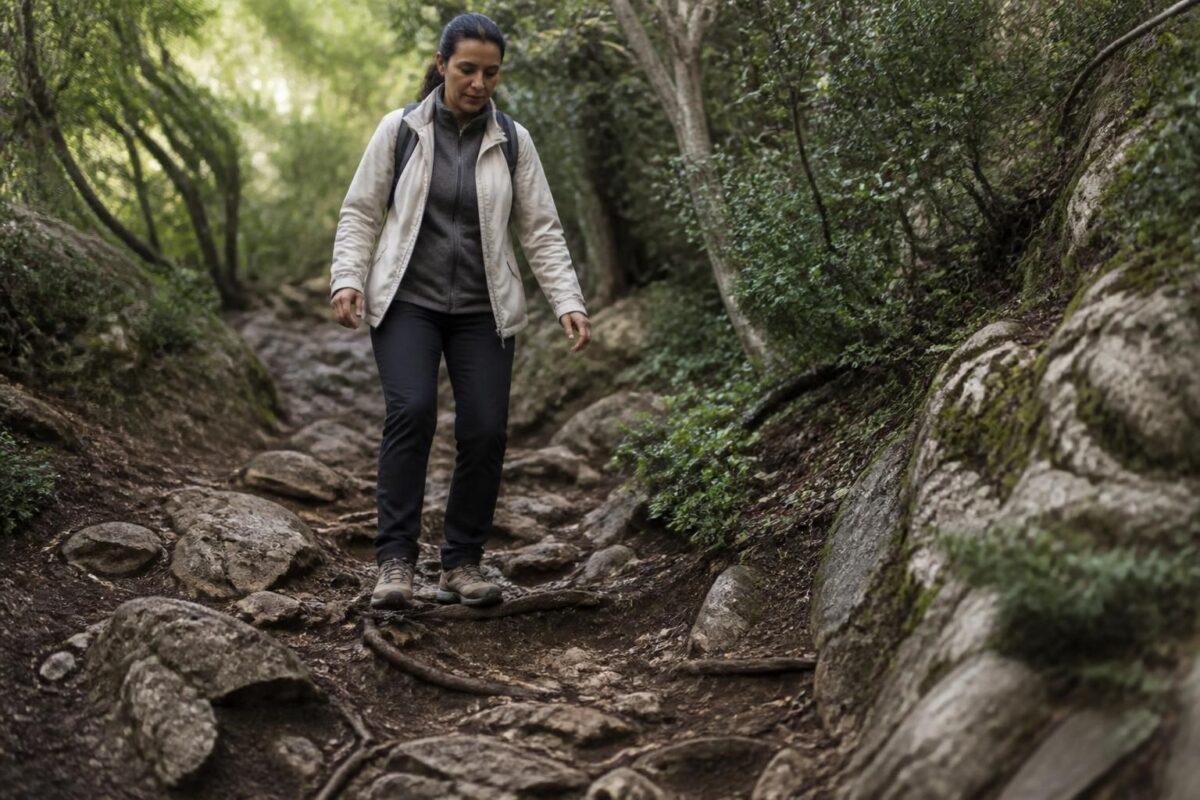
IN BRIEF
The topic “Sciatica and walking on uneven terrain: caution necessary” describes how to practice walking when suffering from sciatica on uneven surfaces while avoiding worsening the pain. This approach allows for maintaining movement and improving circulation, reducing inflammation, and strengthening the muscles of the back and hips. It relies on short steps, an upright posture, controlled breathing, and gradual progression, with support if necessary and avoiding steep slopes and excessively uneven ground. |
For those with sciatica, walking can help, but on uneven terrain, it requires particular caution. Favor a gentle gait with short steps, an upright posture, and a slow pace to limit tension on the sciatic nerve. Wear comfortable shoes with good support and, if necessary, use a brace to reduce weight on the back. In case of worsening pain or new symptoms, consult a professional promptly.
This text, written by a health professional and expert, explains why sciatica can pose challenges when walking on uneven terrain and offers clear advice to preserve safety and quality of life. It emphasizes the importance of a gradual approach, respecting pain, and listening to the body. You will find practical recommendations on equipment, posture, and warning signs, as well as reliable resources for further exploration of the topic.
Understanding the Issues of Walking on Uneven Terrain
Sciatica is a pain that can radiate from the lower back down to the leg. On uneven ground, surface variations can prompt quick adjustments in the body and additional tension in the back and hips. These factors can intensify pain and increase the risk of temporary injury if walking is not adapted. The goal is to walk cautiously while maintaining a light and steady circulation, in order to support the nerve tissues and the muscles that support the spine.
Best Practices for Walking on Uneven Terrain
Use a measured gait and avoid sudden movements. Wear comfortable shoes that provide good arch support and effective shock absorption. Maintain a straight and stable posture. Take shorter steps to limit tension on the lower back and pelvis. Accompany your walk with controlled and regular breathing to maintain muscle oxygenation. If pain increases, slow down or take a break. In case of persistent pain or growing discomfort, consult a healthcare professional.
For those experiencing significant pain or difficulties supporting their body, using a support like a cane or crutch can help. Use it on the opposite side of the pain as needed to distribute weight and facilitate movement. Choosing a safe and well-lit terrain is also crucial to limit risks, favoring stable surfaces while avoiding wet areas.
Integrating gentle and progressive movements is essential. Take shorter steps and maintain a pace that allows you to speak without becoming winded. Each step should be executed with control of the hips and torso to limit tension. Avoid steep slopes and slippery surfaces that can increase the risk of falling or acute pain.
Specific Equipment and Precautions
Choose shoes suited for walking on uneven terrain. Look for a sufficiently grippy sole and a reinforced toe box for increased stability. Consider socks that prevent blisters and wear clothing appropriate for the climate to avoid limiting movements. If your condition warrants it, a technical aid may be useful, but it should be chosen with a professional and tailored to your abilities.
Walking remains one of the best tools for managing sciatica, provided it is adapted to your situation. Additionally, a comprehensive assessment by your doctor or specialist is recommended to confirm that there are no specific contraindications to physical activity in your case.
Warning Signs and When to Consult
Seek consultation if you notice pain that worsens over time, loss of bladder or bowel control, or progressive numbness spreading. These signs may require prompt medical attention. For problematic situations or specific questions regarding your activity protocol, contact your practitioner.
For further insights and shared experiences, consult the following resources:
Sciatica and pain that descends then rises to the buttock
Pain and numbness after walking
Pain when transitioning from sitting to walking
Should you walk with sciatica?
Intermittent or constant pain in Montreal
Should you walk or rest during a crisis?
Positions to avoid or sometimes alleviate
Numbness and lower back pain in Montreal
For those seeking adapted and safe care, some specialized clinics offer treatment options. Discuss this with your doctor and inquire about possibilities at the TAGMED clinic in Montreal or Terrebonne.
Medical disclaimer: The information and advice provided on this site do not replace the opinion, diagnosis, or treatment of a healthcare professional. Please note that Dr. Sylvain Desforges, osteopath, is neither a doctor of medicine nor a physician, and is not a specialist in a medical specialty as defined by the Collège des médecins du Québec. Manual medicine, functional medicine, and sports medicine as described on this site exclude any medical treatment or diagnosis made by a physician or specialist. Always consult your doctor for any medical questions. For more details, please read our full Legal Notice.

This question is central for people suffering from sciatica who want to enjoy walking without risking worsening their pain. On uneven terrain, caution is necessary: preparation, adapted technique, and listening to the body allow for safe walking while benefiting from the positive effects of activity.
Understanding the risks of uneven terrain
On uneven ground, support becomes unpredictable, and trunk movements can destabilize quickly. This can cause micro-movements in the back and increase pressure on the sciatic nerve. Obstacles like stones, loose sand, or wet surfaces can trigger spikes of pain or loss of balance if you do not adapt your stride.
For this reason, each outing should be thought of as a progression: do not seek performance but rather comfort and safety. The key is to prioritize suitable areas and progress slowly to allow the body to adjust.
Practical tips before and during walking
Equipment and stability
Choose shoes with good grip, a cushioned sole, and an arch stabilizer. If necessary, consider aids like a cane or walking sticks, used on the opposite side of the pain to relieve the lower back and improve balance.
Avoid extremely slippery surfaces and prefer stabilized paths or relatively flat grassy areas. Well-fitted socks and laces prevent friction that could amplify discomfort.
Walking technique on uneven terrain
Adopt an upright posture, look a few steps ahead, and avoid twisting your torso. Take short and controlled steps to reduce strain on the back and pelvis. Like a mini-scale, use the hips and trunk to stabilize the pelvis rather than forcing on the spine.
Vary the length of your steps slightly according to the terrain, and prioritize heel contact followed by the rest of the foot to better feel the elevation and avoid missteps.
Effort management and breathing
Synchronize your pace with slow, controlled breathing. Diaphragmatic breathing helps relax the psoas and reduces tension around the sciatic nerve. Speed up or slow down your stride depending on the pain, and plan for regular breaks to recover and ensure symptoms remain controlled.
Planning and safety
Evaluate the route before leaving: prioritize flat and well-maintained areas, avoid technical descents and steep slopes if you are unsure of your stability. Bring your phone and inform someone of your itinerary. If possible, walk with a partner who can assist in case of discomfort or loss of balance.
Signs that indicate a need to stop
Stop immediately if the pain worsens, if you lose balance, or if you experience persistent pain after exertion. In this case, prioritize rest and consult a healthcare professional to adjust your walking plan and ensure that the terrain or technique is not exacerbating the condition.
| Element | Concise remarks |
|---|---|
| Main risk | Uneven terrain increases pressure on the lower back; progress slowly and take regular breaks to stay safe. |
| Speed and progression | Advance in short segments and gradually increase the distance based on your comfort and feelings. |
| Posture and technique | Maintain an upright posture and engage the hips; avoid twisting and sudden movements. |
| Technical aids | Use a cane or crutch on the opposite side if necessary to stabilize and relieve the back. |
| Surface and environment | Prefer flat and soft grassy surfaces; avoid stones, slopes, and slippery grounds. |
| Exercises and mobility | Focus on gentle mobility and pelvis movements, with diaphragmatic breathing. |
| Warning signs | Worsening pain, paresthesias, or loss of control; consult quickly. |
| Shoes and equipment | Wear comfortable shoes with good arch support and cushioned soles. |
| Frequency and rest | Alternate walking and resting; avoid routes on uneven terrain during acute flare-ups. |
Testimonials: Sciatica and walking on uneven terrain — caution needed
Here are authentic testimonials highlighting walking with sciatica on uneven terrain, with caution as the guiding principle and practical advice that has proven effective.
“Marie, 47 years old — On the uneven and wet terrain, my sciatica warned me from the first steps. By choosing short steps and maintaining an upright posture, I was able to progress slowly along the path. Proper shoes and taking breaks when the pain increased helped me continue.”
“Jean, 59 years old — On the forest trail with elevation and uneven terrain, I started with trekking poles and measured steps. When the terrain became difficult, I took a break and prioritized flat areas. Caution pays off: the pain can return quickly, but maintaining balance allowed me to keep going.”
“Sophie, 41 years old — I found that diaphragmatic breathing helped me stay relaxed while my foot sought its support on the uneven terrain. I favored short trips and felt my sciatica calm down when my breathing guided the movement.”
“Lucas, 33 years old — At first, I was afraid of destabilizing my back on the stones of the uneven terrain. By making gentle pelvic tilts and micro-movements, I regained mobility without increasing the pain. My hamstrings and hips became allies.”
“Daniel, 66 years old — During an acute flare-up on uneven terrain, I learned to prioritize flat sections and stop as soon as the pain heightened. Over time, regularity and planned rest allowed me to regain confidence on more technical paths.”
Sciatica and walking on uneven terrain: caution is necessary — portrait of Dr. Sylvain Desforges
Dr. Sylvain Desforges is a multidisciplinary practitioner whose expertise covers osteopathy, naturopathy, and manual medicine. As the founding president of TAGMED clinics and head of the ACMA association, he leads an approach focused on innovation in health and holistic patient care. His journey is guided by a strong conviction: care solutions must combine scientific rigor with a human approach to sustainably improve the lives of individuals suffering from chronic pain.
In his practice, he emphasizes the management of chronic pain and the integration of advanced technologies to optimize outcomes. Among these tools, he explores approaches such as spinal decompression, laser technology, and shockwave therapy, in order to offer personalized treatments that support mobility while minimizing risks. This focus on evidence-based methods aims to provide effective and safe care without sacrificing the patient’s quality of life.
His approach is particularly relevant when talking about sciatica and movement, particularly walking on uneven terrain. Dr. Desforges believes that physical activity remains a pillar of recovery, but it must be introduced and modulated with care. For him, the goal is to encourage gradual movement progression, promote an appropriate posture, and prevent exacerbations, rather than imposing excessive exertion that could irritate the sciatic nerve.
On unstable ground, his advice favors conscious and secure walking. He recommends adjusting speed and step length, using support aids if necessary, and prioritizing common and predictable surfaces at the beginning. The objective is to stimulate nerve gliding and circulation while avoiding overloads that could increase pain or lumbar tension. Emphasis is placed on body awareness, controlled breathing, and engaging the deep trunk and hip muscles, which play a key role in stability and reducing pressure on the nerve.
Beyond techniques, Dr. Desforges advocates for transparent communication with the patient and a gradual approach tailored to each personal history. His educational leadership aims to empower patients in their recovery by guiding them towards choices that balance activity and recovery. This philosophy, merging clinical expertise and innovative technologies, illustrates how measured and conscious walking can become an effective lever in managing sciatica, even on demanding terrains.
This text reminds us that it is possible to walk with sciatica, even on uneven terrain, but caution is essential. Progress should be slow, and each step should be adapted based on one’s feelings. The goal is to maintain balance and safety while promoting mobility and circulation, without straining the nerve.
On uneven terrain, caution is imperative. Before venturing out, quickly assess the surface, prioritize more stable sections, and consider taking shorter steps to limit twisting and loads on the spine. Maintain an upright posture and try to place your foot in a controlled manner to avoid sudden impacts that can trigger pain.
To minimize risks, equip yourself properly and choose suitable gear. Comfortable shoes with good arch support and a cushioning sole can make a difference, and if necessary, use a walking aid (such as a cane) on the side opposite the pain to offload some weight and facilitate balance. For practical advice and specific precautions, you can consult resources such as Should you walk with sciatica? or Walking with sciatica: beneficial or discouraged?.
Progression should be gradual and adapted. Prefer short steps and a moderate pace, while ensuring you control your breathing and maintain a stable posture with each step. Inclinations or excessive movements can increase tension on the sciatic nerve and worsen symptoms on uneven terrain. To guide your progression, prioritize gentle hip movements and diaphragmatic breathing exercises that help relieve tension and calm the nervous system.
Listen to your body and do not hesitate to take a break if the pain intensifies or if fatigue becomes excessive. On uneven terrain, safety comes first: if you feel pain worsening, remove yourself from the risky area and opt for walking on a more even surface until recovery. To delve deeper into how to plan your walk and avoid overexertion, consult practical guides such as Can you walk with sciatica? Practical guide or Sciatica and difficulty climbing stairs.
To go further, do not hesitate to refer to specialized resources that provide practical advice on walking and physical activity adapted to sciatica, particularly pages dedicated to walking on difficult terrain and gentle mobility strategies. You will find explanations on the importance of progression, the signals to monitor, and adjustments to make based on your personal context. For instance, discover practical tips on Sciatica and walking: what rhythm and frequency? and guidance on the importance of breathing and pelvic movements within a safe program.
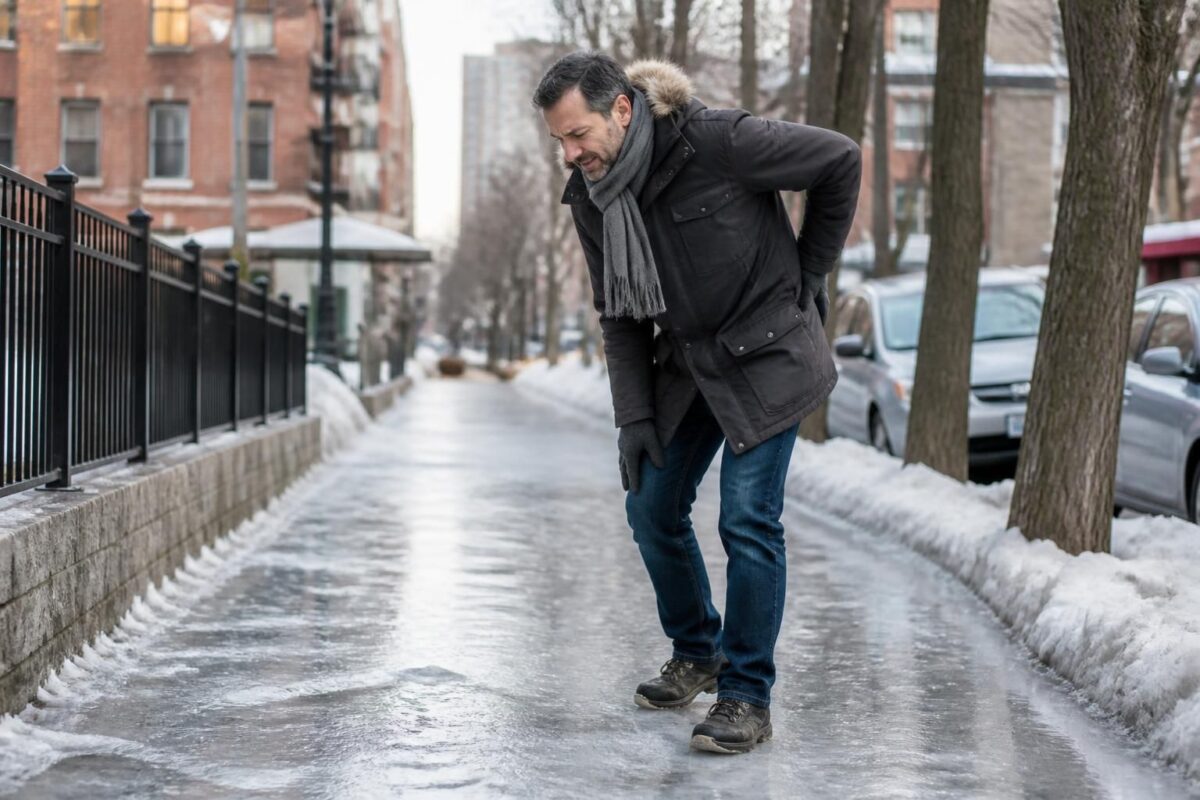
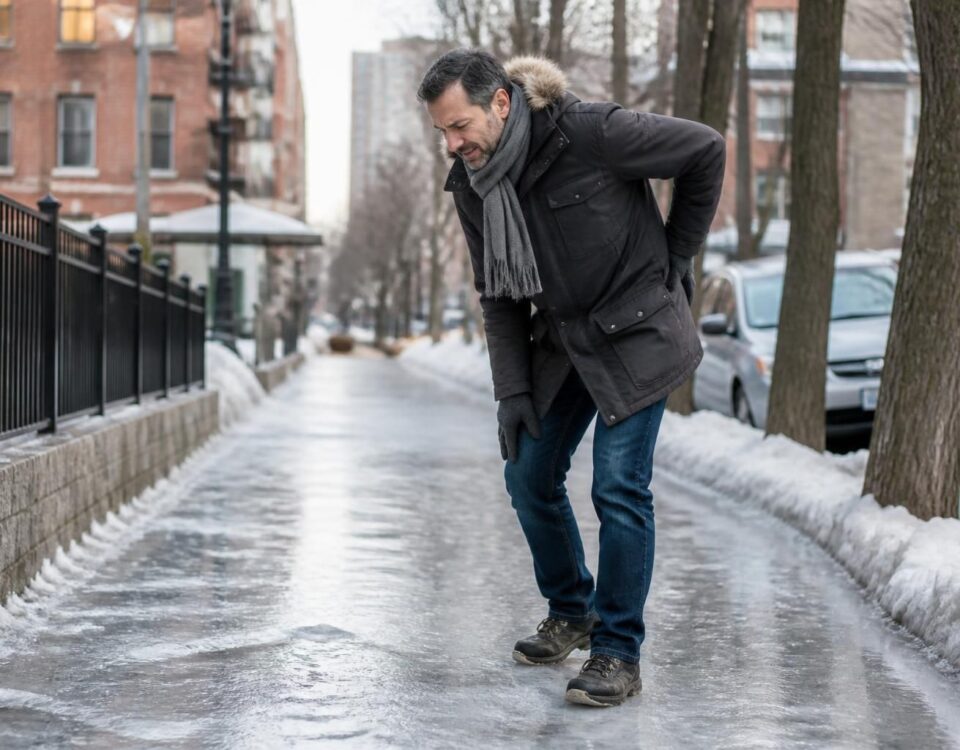
Sciatica and walking on icy sidewalks: tension and muscle protection
IN BRIEF In brief, the topic sciatica and walking on icy sidewalks describes how sciatica reacts to a slippery surface and how to preserve muscle tension and muscle protection of the back and legs. It is a practical approach to…
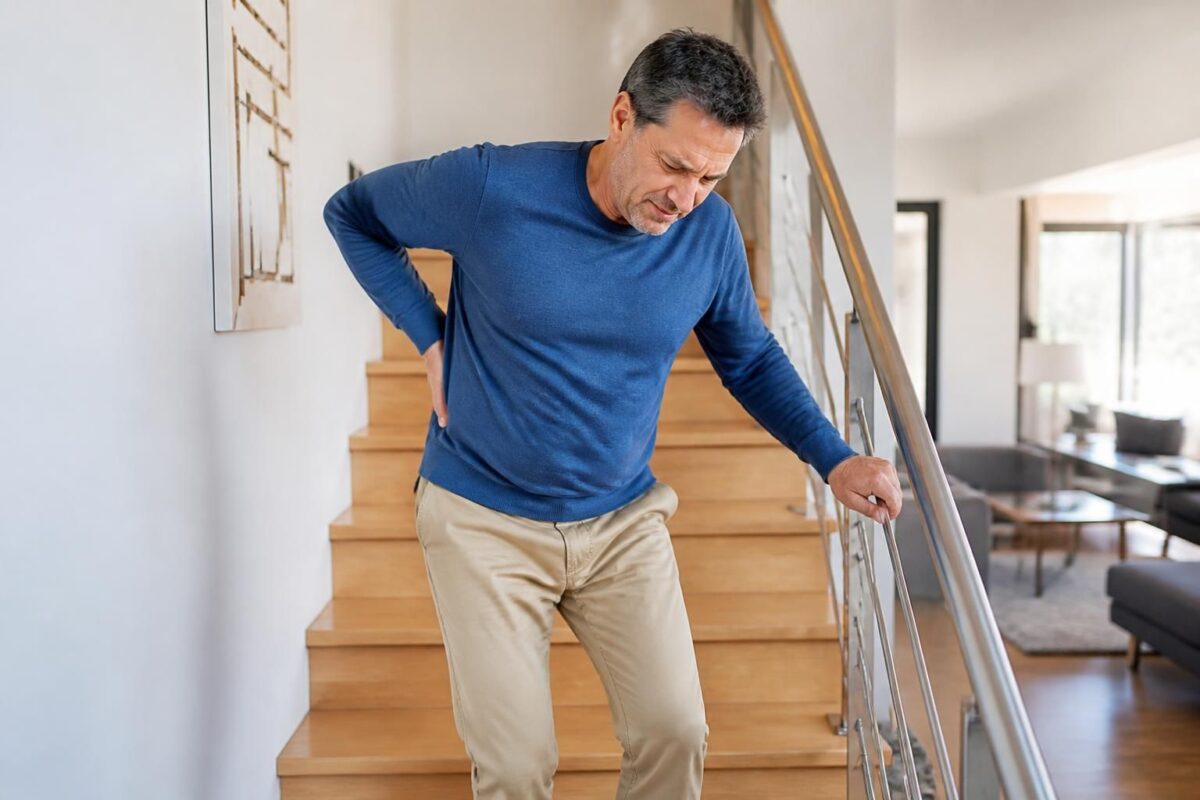
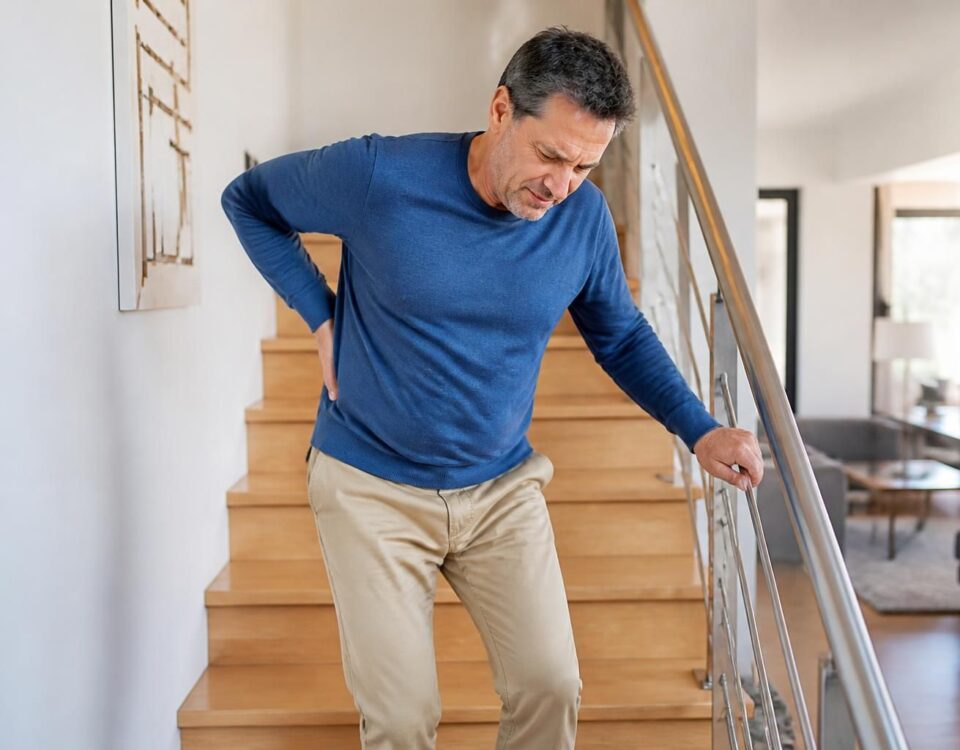
Sciatica and stairs: when movement worsens pain
IN BRIEF In brief, sciatica and stairs refer to a pain that follows the path of the sciatic nerve and can worsen when going up or down stairs. What is it? A radicular pain starting from the lower back to…
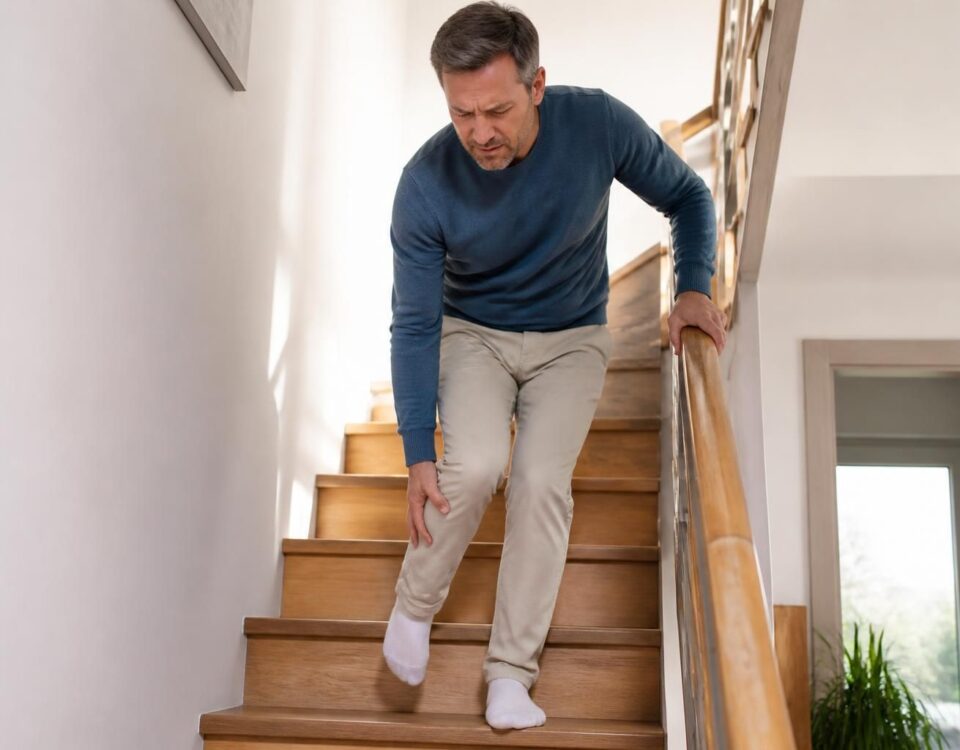
Sciatica and descending stairs: calf or foot pain
IN BRIEF In brief, sciatica and descending stairs often trigger pain that travels down to the calf or foot, following the path of the sciatic nerve. This pain is frequently associated with a herniated disc or spinal canal stenosis. Understanding…
Sciatica and climbing stairs: pain in the leg
IN BRIEF In brief, sciatica and climbing stairs are characterized by a pain in the leg due to irritation or compression of the sciatic nerve. This pain can be triggered or worsened when climbing stairs, and can be managed quickly…
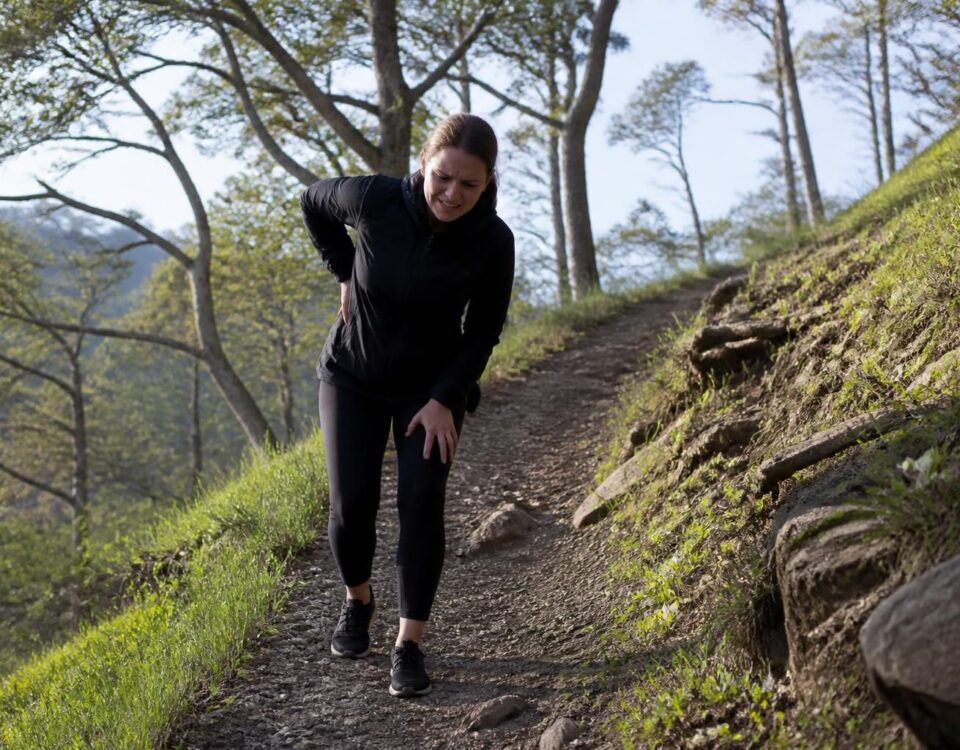
Sciatica and walking on a slope: symptoms to watch for
IN BRIEF In brief, sciatica and walking on slopes is a pain that originates from the lower back and radiates down the leg, potentially influenced by the body’s incline while walking. The symptoms to watch for include pain radiating along…

Sciatica and fast walking: why stay cautious
IN BRIEF In short, sciatica and walking illustrate the necessary balance between activity and caution during a lumbar crisis. What is it? Pain radiating down the sciatic nerve, often due to irritation or compression. Benefits: maintain mobility, stimulate circulation, and…
Sciatica and slow walking: better tolerated or not?
IN BRIEF In brief, sciatica and slow walking refer to an approach where light physical activity is used to manage sciatic pain. Definition: walking slowly allows one to stay active without overloading the back or the nerve. Benefits: maintain mobility,…
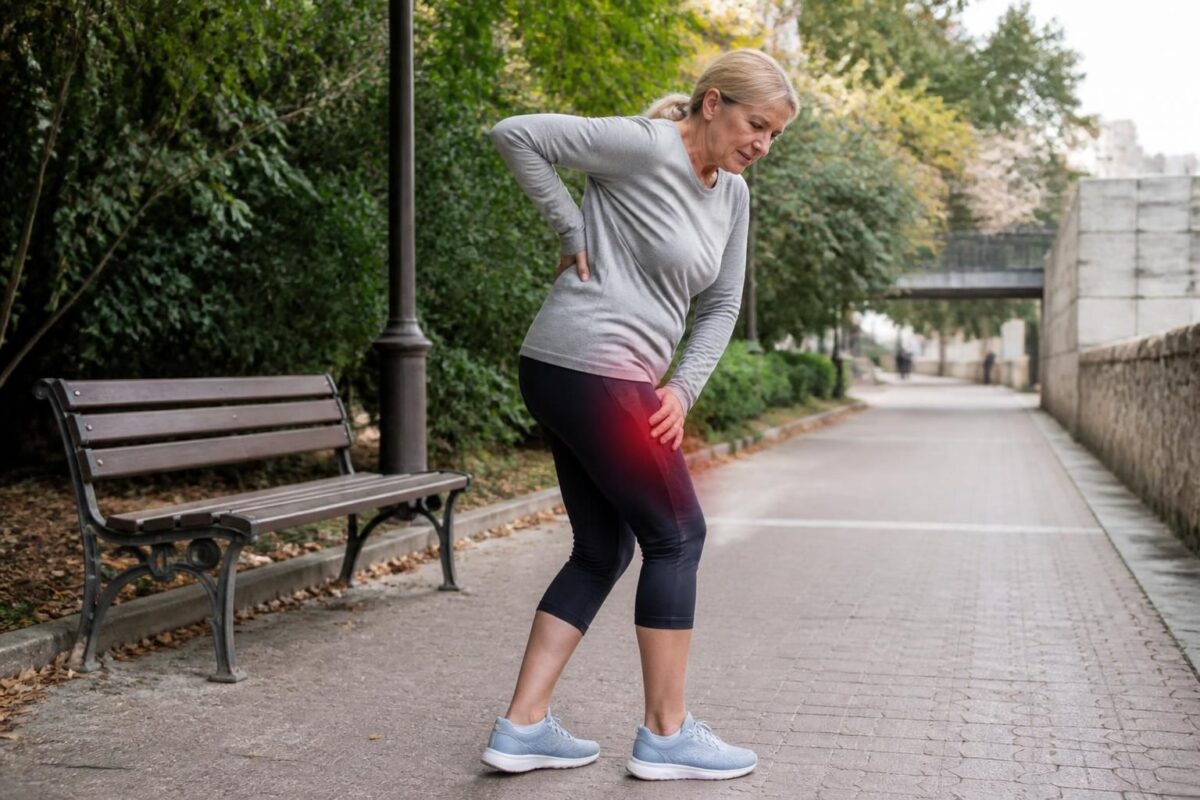
Sciatica and frequent breaks while walking
IN BRIEF In brief, sciatica is pain that follows the sciatic nerve, and frequent breaks during walking help manage this pain while staying active. Benefits: maintain activity, improve circulation, and strengthen the back without worsening inflammation. How it works: alternate…

Dr Sylvain Desforges, B.Sc., D.O., N.D., osteopath, is the founding president of TAGMED and of the ACMA association. He dedicates his practice to chronic spinal pain, low back pain and symptoms compatible with sciatica, particularly when pain radiates toward the buttock, leg, calf, foot or toes.
Through SOS Sciatique, he publishes educational content on sciatica symptoms, possible causes such as disc herniation, disc narrowing, foraminal stenosis or irritation of a lumbar nerve root, as well as non-surgical approaches that may be considered according to the evaluation. At Clinique TAGMED, care may include, depending on the case, motorized neurovertebral decompression, specific osteopathic care or precision percussion.
For an evaluation related to sciatica treatment in Montreal / Mount Royal or sciatica treatment in Terrebonne, please consult the services available at Clinique TAGMED.
Medical disclaimer
The information published on SOS Sciatique is provided for educational purposes only and does not replace a consultation, diagnosis, opinion or treatment provided by a physician or another authorized healthcare professional. The author of this article is neither a medical doctor nor a specialist in a medical specialty recognized by the Collège des médecins du Québec. The osteopathic, manual medicine or functional support approaches described on this site do not constitute medical acts and are not intended to replace medical follow-up.
Consult a physician or emergency service in cases of loss of bladder or bowel control, anesthesia in the saddle area, significant or progressive weakness in the leg or foot, fever, recent trauma, severe pain or rapid worsening of symptoms. For more details, please read our Legal Notice.